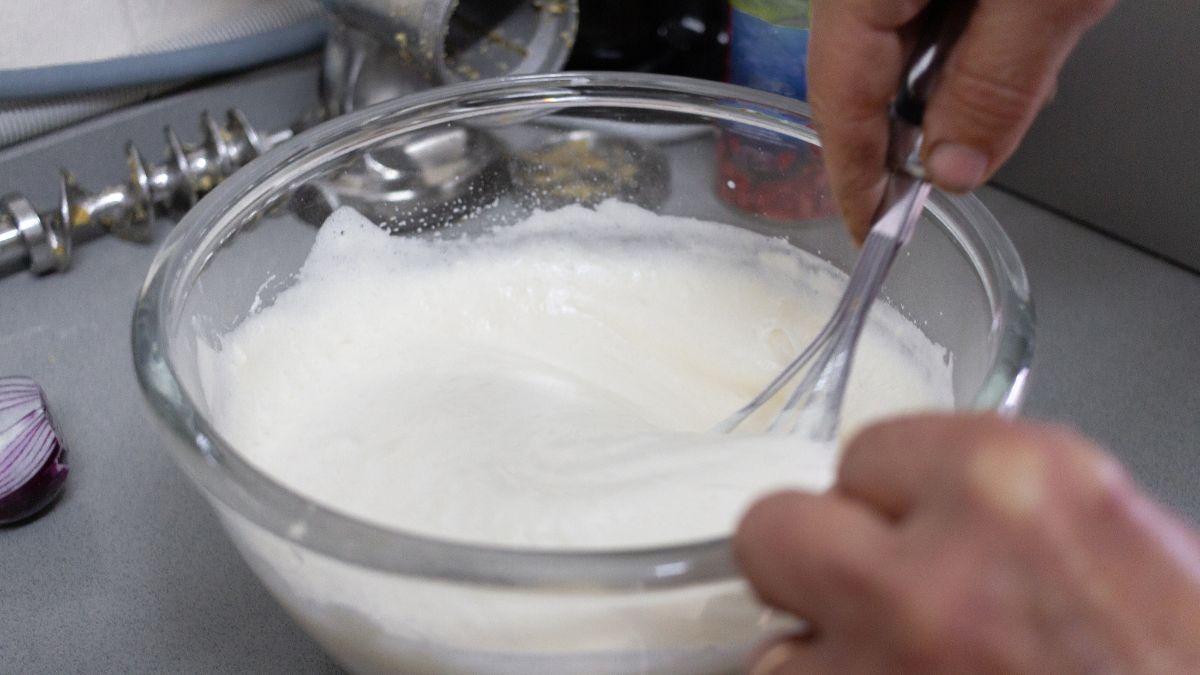
Home cooks frequently face confusion at the dairy section when staring at cartons labeled cooking cream and sweet cream, unsure which one fits their recipe best. These two look alike but vary greatly in fat levels, added stabilizers, and performance in different cooking methods. Getting the distinction right prevents issues like split sauces or flat desserts, turning good dishes into great ones. The key lies in how each handles heat and texture demands.
Cooking cream usually contains 10 to 20 percent milk fat, sometimes with slightly higher options available. Producers add stabilizers to help it withstand long simmering or boiling without curdling or breaking apart. This makes it reliable for stirring into hot preparations such as creamy pasta sauces, hearty risottos, or smooth vegetable soups. It adds a pleasant lightness that enhances flavors without making the final dish feel overly rich or heavy.
A major drawback appears when trying to aerate cooking cream. Its lower fat content means it never forms stable peaks, so whipping it for toppings or fillings simply fails. Substituting it for richer creams in cakes or mousses leads to disappointing results every time. Cooks choose it mainly when the goal involves steady performance under heat rather than volume or indulgence.
Sweet cream, often called whipping cream, carries at least 30 percent milk fat for that extra luxurious quality. The higher fat allows it to whip up into firm, airy peaks with ease, perfect for crowning pies, layering tortes, or creating silky ganache. It brings deeper richness to both sweet treats like panna cotta and savory sauces that need more body and flavor. Bakers and chefs prize it for delivering that classic creamy decadence.
Temperature control becomes crucial with sweet cream to avoid problems. Adding it too early or cranking the heat too high risks separation, so incorporate it gently toward the end of cooking. This careful approach preserves its smooth consistency across various recipes. Its versatility shines in everything from everyday desserts to elevated dinner accompaniments.
Deciding between the two comes down to the recipe’s needs and desired outcome. Cooking cream excels in heat-stable, lighter applications where reliability matters most during extended cooking. Sweet cream delivers superior richness, whipping power, and depth, making it indispensable for baking and indulgent dishes. Matching the right cream to the task guarantees better results and more enjoyable cooking experiences.
Have you ever grabbed the wrong cream by mistake and how did it turn out? Share your experiences in the comments.




