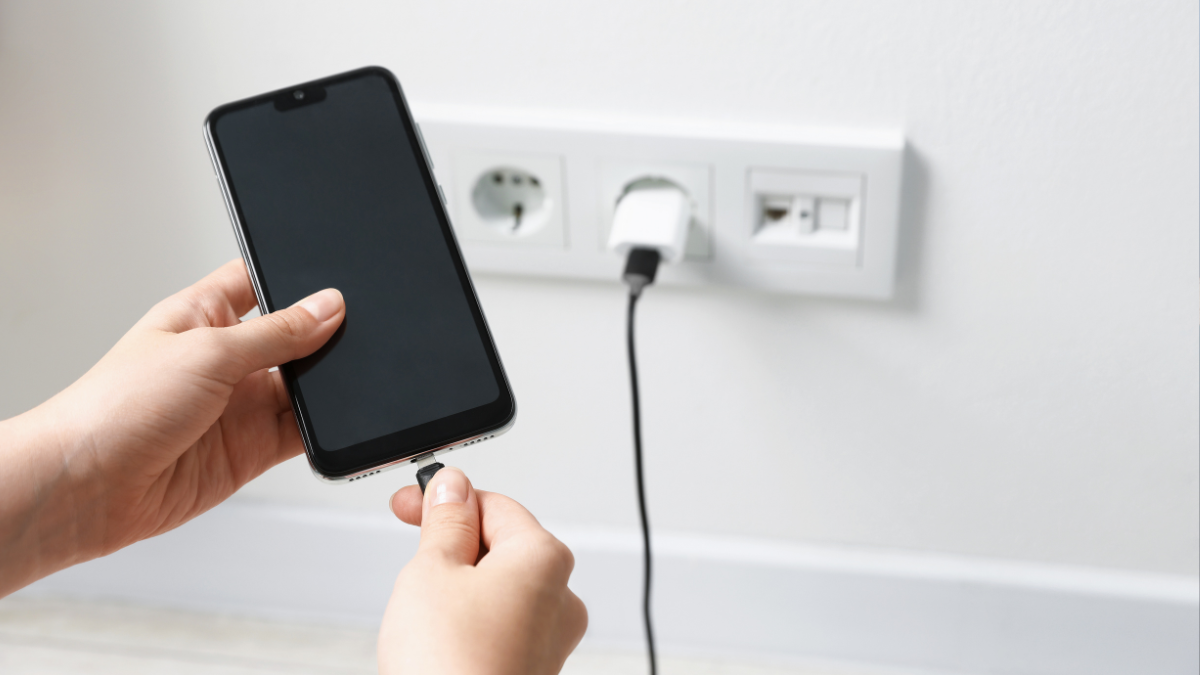
Your phone charger seems harmless enough, but where you plug it in can make a serious difference to your device’s health, your safety, and even your energy bill. Certain environments and outlets expose your phone to voltage fluctuations, overheating risks, and even data theft that most people never consider. Electrical safety experts consistently warn that convenience should never override caution when it comes to charging habits. Understanding the risks behind each location can help you protect your device and avoid costly or dangerous situations.
Public USB Ports
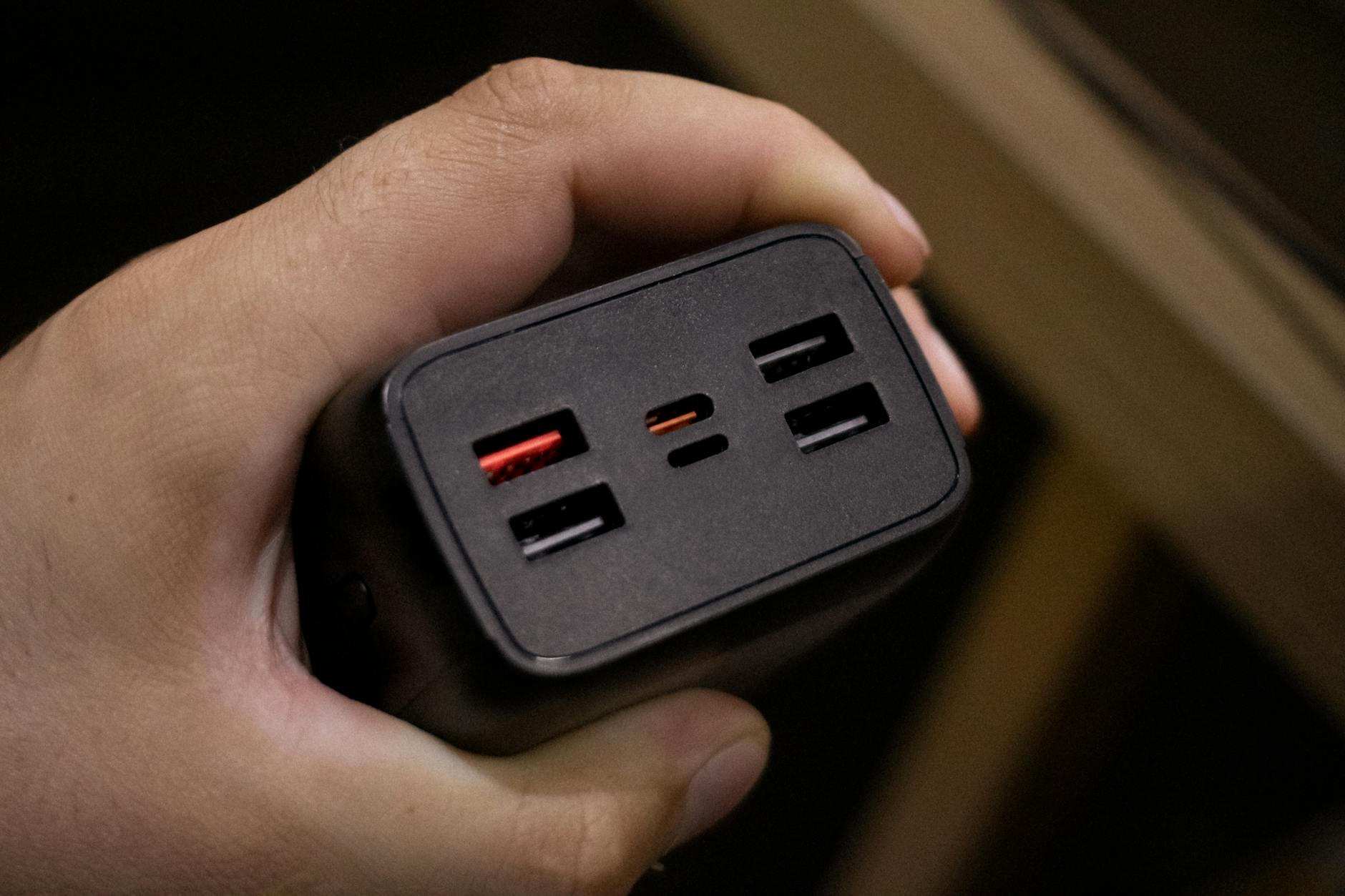
USB charging stations found in airports, cafes, and shopping malls are a well-documented security risk known as juice jacking. Cybercriminals can install modified hardware inside these ports to silently transfer data or install malware onto connected devices. Even a brief connection is enough for sophisticated attacks to compromise personal information. Security agencies in multiple countries have publicly advised against using public USB charging infrastructure. Using your own wall adapter and cable is always the safer alternative in public spaces.
Extension Leads
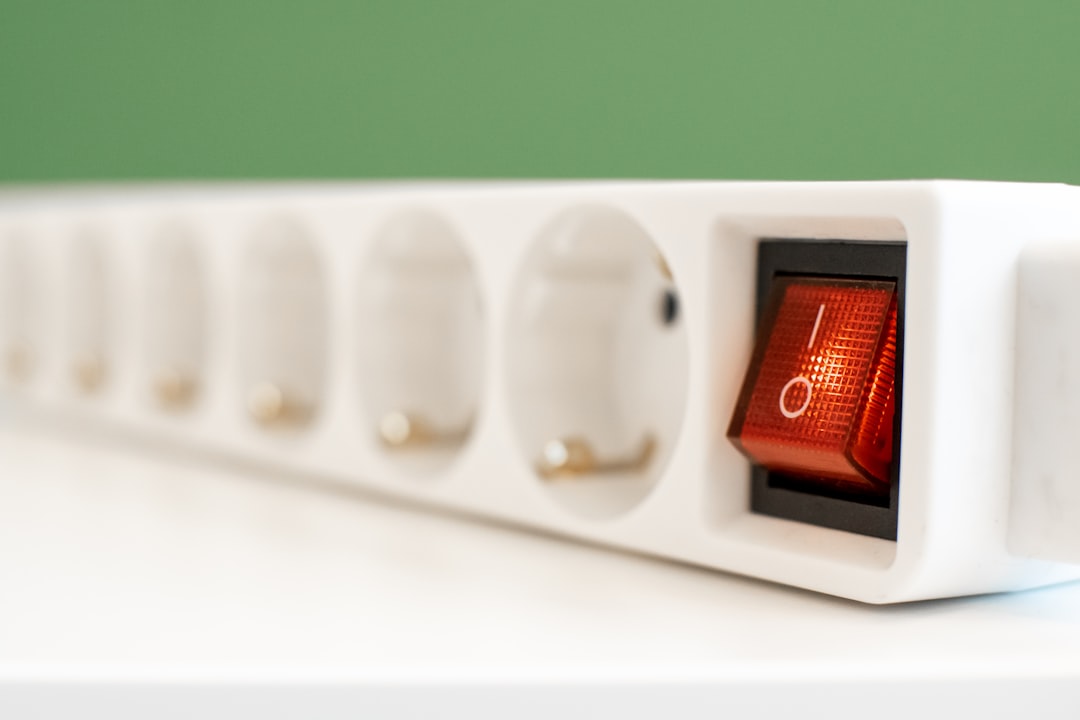
Daisy-chaining extension leads creates a compounding electrical load that far exceeds what many household circuits are designed to handle safely. Overloaded extension leads are among the leading causes of residential electrical fires recorded by fire safety authorities worldwide. Phone chargers draw continuous power and generate heat, making them particularly problematic on already-stressed multi-socket leads. The quality of extension leads varies enormously, and cheaper models often lack adequate surge protection. Plugging directly into a wall outlet is strongly recommended wherever possible.
Bathroom Outlets
Bathrooms combine moisture, steam, and electrical current in ways that create genuine electrocution hazards. Most bathroom outlets are not rated for continuous charging loads and are intended for brief appliance use only. Steam from showers can gradually corrode charging cables and port connections, degrading both over time. Building codes in many countries restrict outlet placement in bathrooms precisely because of the proximity to water sources. Charging your phone in a dry room entirely removes this category of risk.
Car Cigarette Lighters
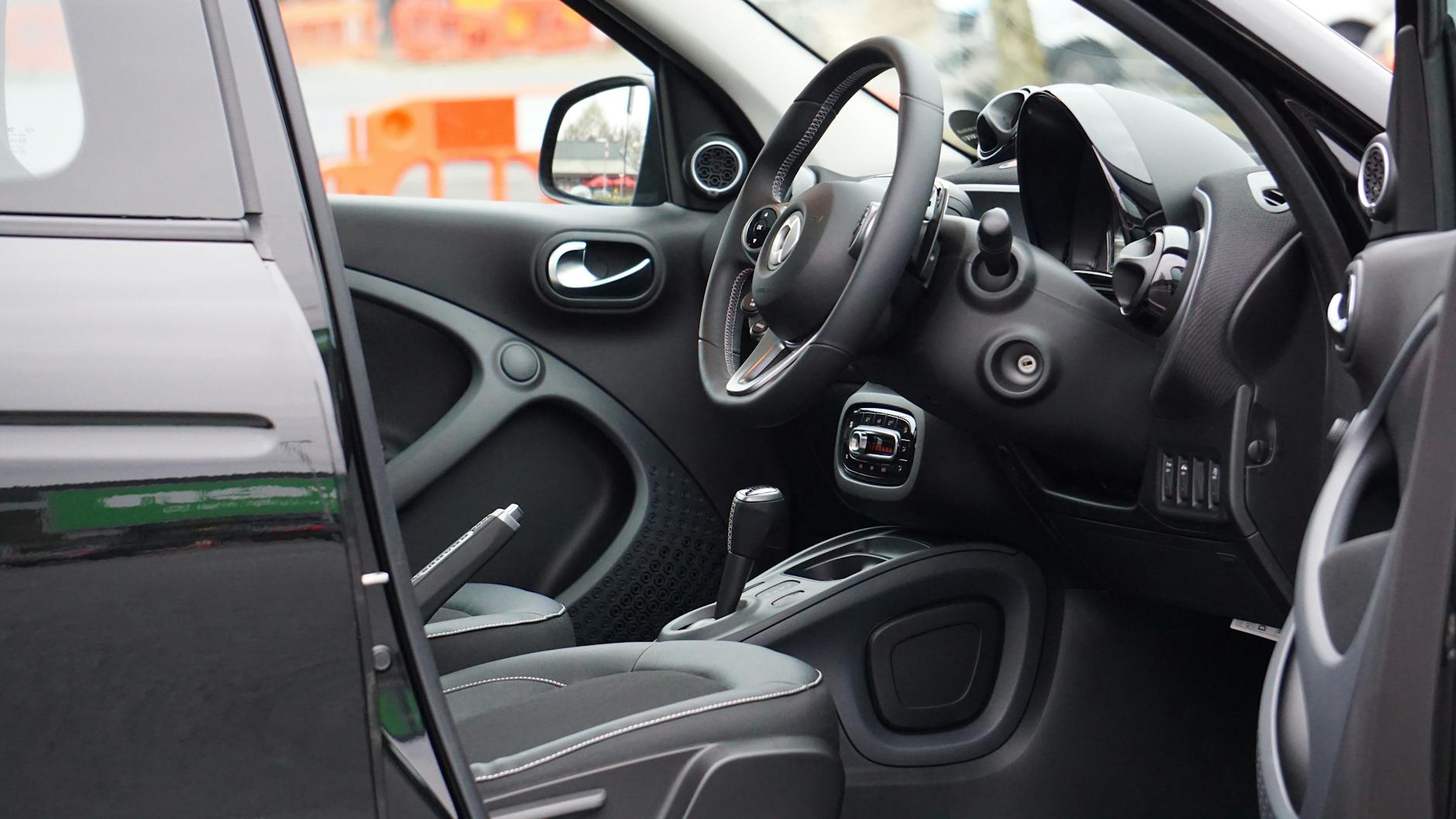
Standard cigarette lighter sockets deliver inconsistent voltage that can fluctuate significantly depending on engine load and vehicle age. Unregulated power delivery stresses your battery’s charging circuitry and can accelerate long-term degradation. Many budget-priced car charger adapters lack proper surge protection, leaving your device vulnerable to voltage spikes during engine start. Heat buildup inside a parked car further compounds the stress placed on both the charger and the phone battery. A quality car charger with voltage regulation is the minimum acceptable alternative if in-car charging is necessary.
Laptops

Charging through a laptop’s USB port delivers significantly lower amperage than a standard wall charger, resulting in slow and inconsistent charging cycles. Repeated slow charging has been linked by battery researchers to reduced long-term battery capacity over time. Laptops themselves generate considerable heat during operation, and that heat transfers through the USB connection to your phone. When a laptop enters sleep mode or powers down, some ports cut power mid-charge, creating interrupted charge cycles that are harmful to lithium-ion batteries. A dedicated wall adapter will always outperform a laptop port for both speed and battery health.
Power Banks
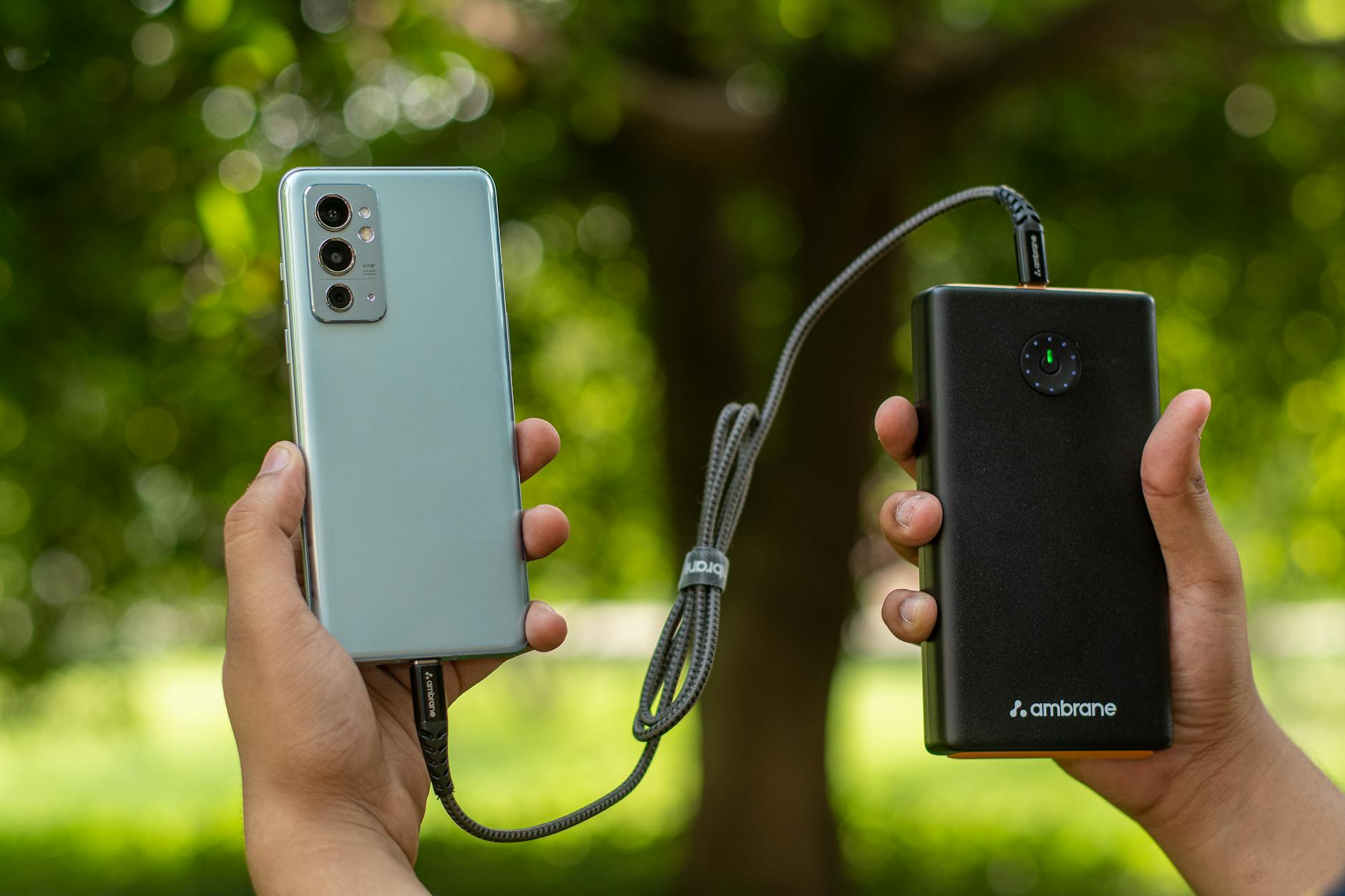
Not all power banks are created equal, and unbranded or counterfeit models represent a genuine fire and explosion hazard. Lithium-ion cells in low-quality power banks frequently lack the battery management systems required to prevent overcharging and overheating. Several major product recalls in recent years have involved power banks that caught fire during use or storage. Even reputable power banks should never be used while tucked inside bags or under pillows, as heat cannot dissipate safely. Certified power banks from established manufacturers used in open, ventilated spaces remain the safest portable option.
Loose Outlets
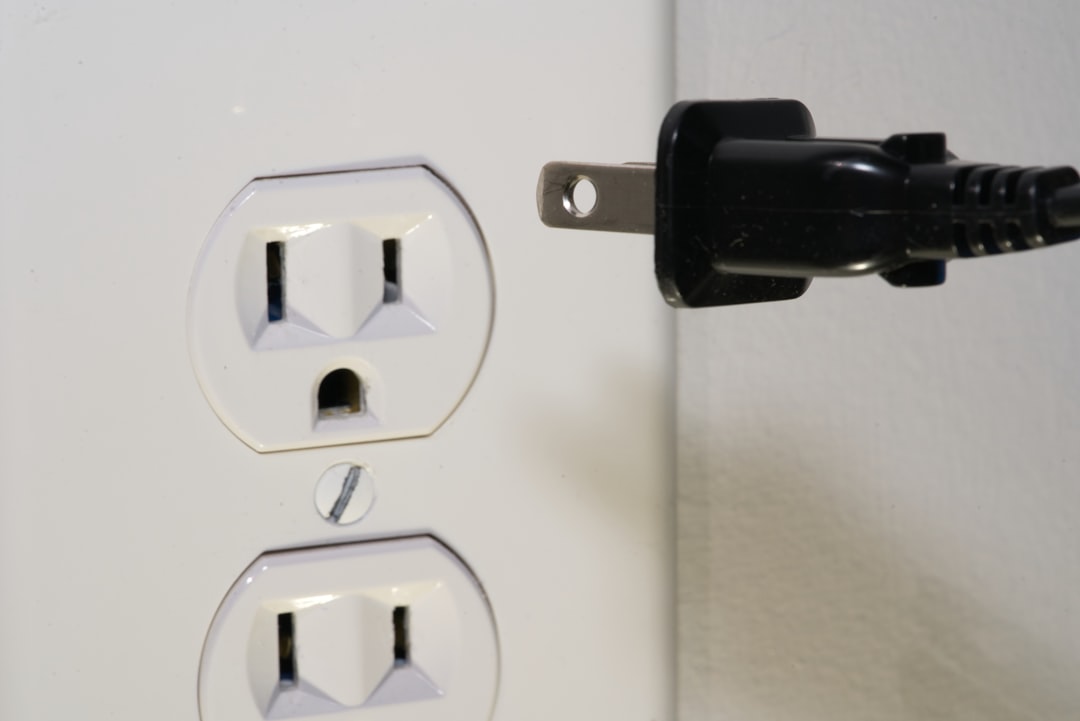
A wall outlet with a loose fit allows the charger plug to make intermittent contact, causing repeated micro-interruptions to the power supply. These interruptions force the charging circuitry to restart continuously, generating excess heat and accelerating component wear. Loose outlets are also associated with arcing, where electricity jumps across small gaps and creates localized sparks inside the wall. Arcing is a recognized cause of electrical fires that can smolder undetected inside wall cavities for extended periods. Any outlet that does not grip a plug firmly should be inspected and replaced by a qualified electrician.
Old Wiring
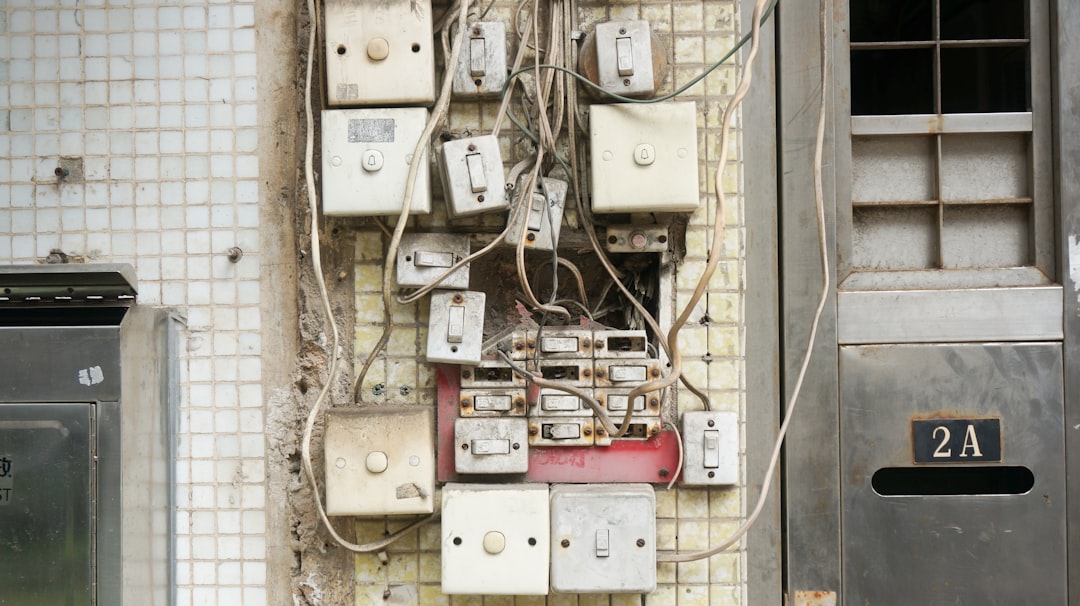
Homes with aging electrical wiring often have circuits that were designed decades before modern high-draw consumer electronics existed. Outdated wiring lacks the capacity to handle the sustained loads that multiple modern chargers placed on the same circuit can generate. Aluminum wiring found in many homes built during certain decades is particularly prone to oxidation at connection points, increasing resistance and fire risk. Home electrical inspectors frequently identify old wiring as the underlying cause of unexplained tripped breakers and warm outlet covers. Having older wiring professionally assessed is a worthwhile investment for both safety and device longevity.
Outdoor Outlets
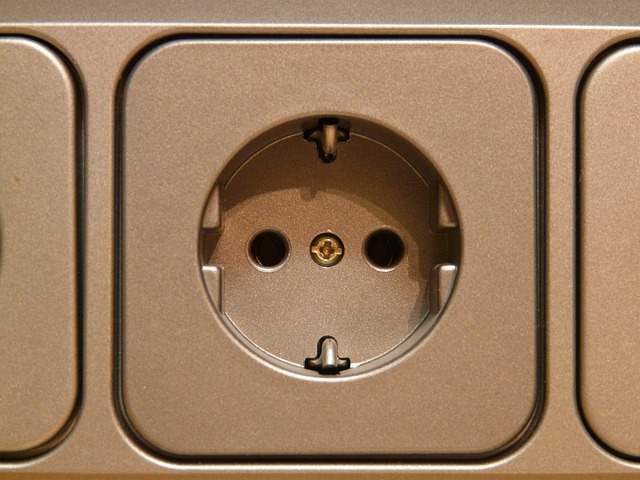
Standard outdoor outlets are exposed to temperature extremes, humidity, and insects that can compromise their internal components over time. Moisture intrusion is the primary concern, as even weatherproof covers do not guarantee complete protection during heavy rain or morning condensation. Voltage delivered through degraded outdoor outlets can be unstable, placing irregular stress on charging circuits. Outdoor outlets also present greater tripping and physical damage risks to cables left trailing across patios or garden areas. Indoor charging environments remain categorically safer for your device and for household electrical safety.
Hotel Rooms

Hotel room outlets are frequently overused by hundreds of guests and rarely maintained with the same regularity as residential electrical systems. Many older hotels, particularly in certain regions, deliver non-standard voltages that can be incompatible with or damaging to foreign devices. Surge protection is inconsistent across hotel electrical infrastructure, and voltage spikes during peak demand periods are common. Bedside outlets positioned behind furniture are often partially obscured, making it easy to leave chargers bent at angles that stress both the cable and the port. A universal travel adapter with built-in surge protection is the recommended solution for frequent travelers.
Near Water

Any outlet or power strip situated near a sink, aquarium, pet water bowl, or drinks station represents a serious electrocution risk. Water conducts electricity and does not need to make direct contact with an outlet to create a dangerous situation, as even splash patterns and condensation can bridge connections. Electrical safety codes in most countries specify minimum distances between water sources and electrical outlets for exactly this reason. Phone chargers left plugged in near water sources are also at risk of corrosive damage from persistent ambient moisture. Establishing a dedicated, dry charging station away from all liquid sources is the simplest and most effective preventative measure.
Airports

Beyond the juice jacking risks associated with public USB stations, general airport electrical infrastructure presents its own charging hazards. Airport terminals experience significant power demand fluctuations as large HVAC systems, lighting arrays, and equipment cycle on and off throughout the day. Seating area outlets near gates are frequently damaged from heavy use and may deliver inconsistent voltage. Charging in a crowded public space also increases the risk of cable theft or device snatching, particularly during boarding announcements when attention is divided. Carrying a fully charged personal power bank removes the need to rely on airport infrastructure entirely.
Your Bed

Charging a phone under a pillow or within bedding is consistently cited by fire investigators as one of the most preventable causes of bedroom fires. Fabric traps the heat generated by both the phone and the charger, pushing temperatures to levels that can ignite surrounding materials. Even charging on a mattress without covering the device reduces airflow enough to cause significant heat buildup over a standard overnight charge. Many phone manufacturers include specific warnings against sleeping with devices in bed within their official product documentation. A bedside table or dedicated charging station placed on a hard surface is the only recommended overnight charging arrangement.
Damp Basements

Basements are naturally prone to elevated humidity levels that accelerate corrosion on outlet contacts and plug prongs. Ground-level and below-ground spaces are also more susceptible to flooding events, making any electrical use in these areas inherently higher risk. Mold growth common in damp basements can infiltrate charger cable jackets and port connections, causing gradual but irreversible degradation. Basement electrical systems are often older and less likely to include modern ground fault circuit interrupter protection. If basement charging is unavoidable, a dehumidifier and GFCI-protected outlets are the minimum safety baseline.
Overloaded Circuits

Plugging a charger into an outlet that already supplies power to multiple high-draw appliances places cumulative stress on a single electrical circuit. Circuits have defined amperage limits, and exceeding those limits causes breakers to trip or, in older systems without adequate breaker protection, wiring to overheat. Kitchen and laundry circuits are particularly prone to overloading and should be avoided for phone charging entirely. Signs of an overloaded circuit include flickering lights, warm outlet covers, and breakers that trip repeatedly under normal use. Distributing electrical loads across multiple dedicated circuits is the correct approach to managing modern household energy demands.
Ungrounded Outlets
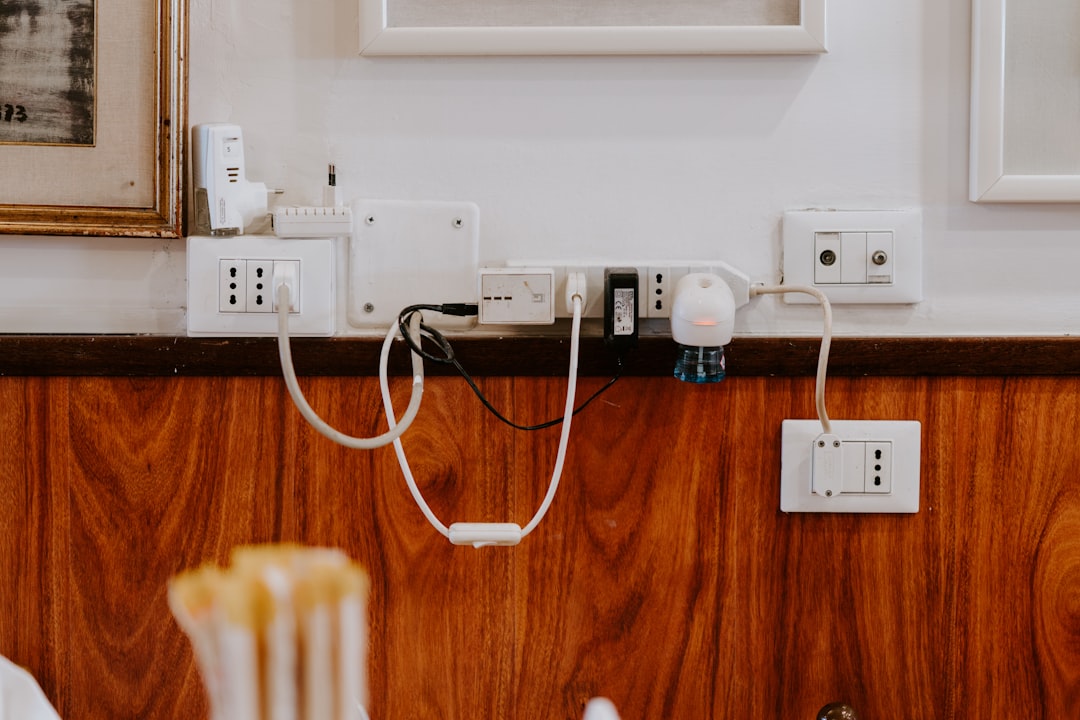
Two-pronged ungrounded outlets lack the third grounding wire that directs excess electrical current safely away from connected devices during a fault. Without grounding, a voltage surge has nowhere to dissipate and passes directly through the connected device and potentially through the user. Ungrounded outlets are common in older housing stock and can be identified by the absence of a circular third hole beneath the two vertical slots. Adapters that convert three-prong plugs to two-prong configurations bypass grounding entirely and offer a false sense of compatibility. Replacing ungrounded outlets with properly grounded or GFCI-protected versions is a straightforward electrical upgrade with significant safety benefits.
Direct Sunlight

Charging a phone in direct sunlight combines two independent heat sources in a way that lithium-ion battery chemistry handles poorly. Phones regulate their own charging speed based on internal temperature, and excessive heat causes the device to throttle charging or halt it entirely as a protective measure. Sustained heat exposure during charging accelerates the chemical degradation inside battery cells, permanently reducing maximum charge capacity over time. Car dashboards, windowsills, and outdoor table surfaces in summer are among the most common and problematic sunlight charging locations. Keeping devices in shaded, temperature-controlled environments during charging preserves battery performance significantly longer.
Generator Power

Portable generators produce power with significantly more voltage fluctuation than grid electricity, making them unsuitable for sensitive electronics without conditioning equipment. The frequency and voltage of generator output varies depending on load, fuel supply, and engine condition, none of which remain stable during typical generator use. Connecting a phone charger directly to a generator during a power outage is a common but poorly understood risk that can damage charging components instantly. A quality uninterruptible power supply or pure sine wave inverter placed between the generator and the device provides the necessary power conditioning. Emergency preparedness plans should account for safe device charging solutions that do not rely on unregulated generator output.
Unfamiliar Adapters
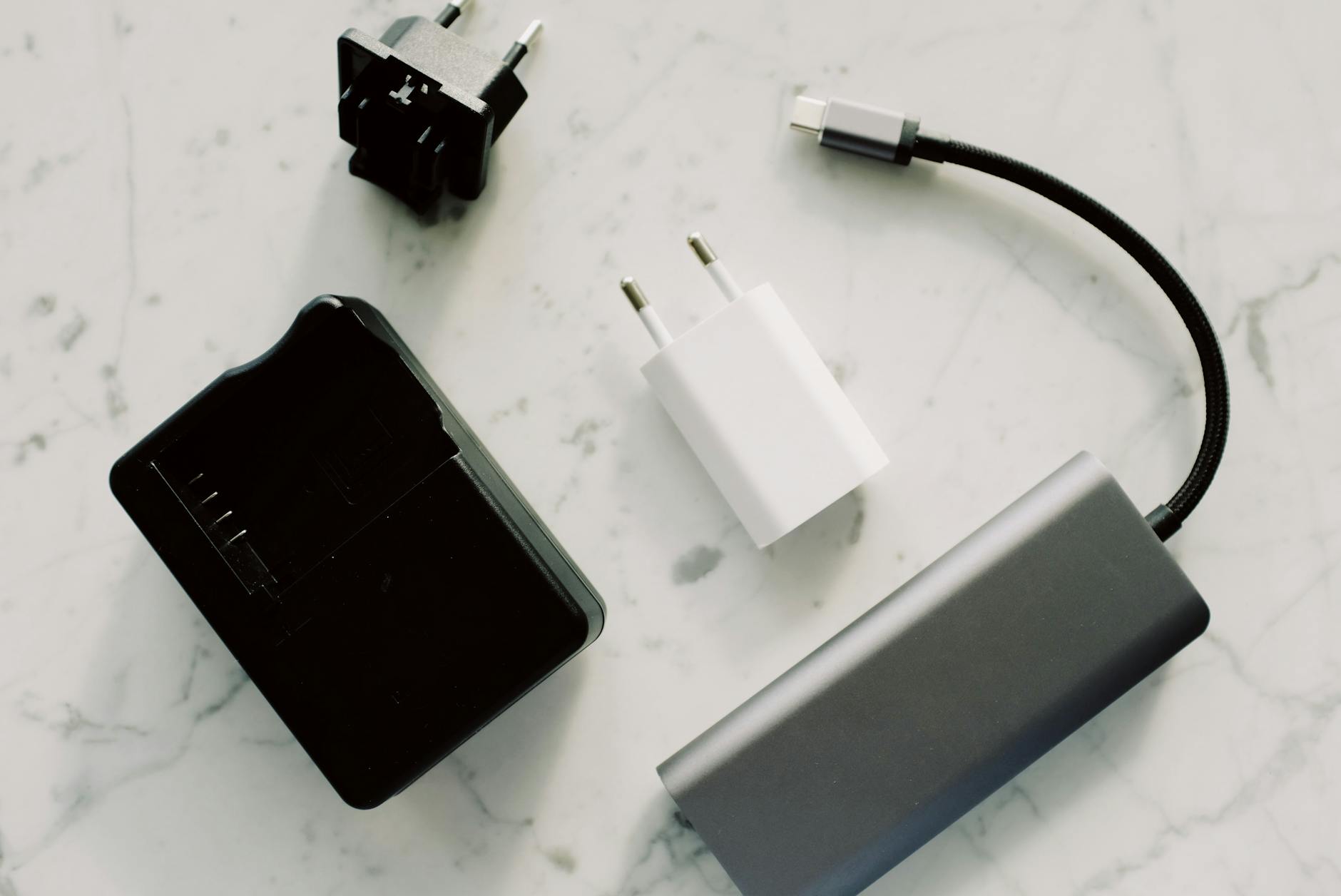
Traveling internationally with chargers and adapters from unknown or unverified sources introduces significant compatibility and safety risks. Counterfeit or non-certified adapters frequently lack internal fusing, meaning that a fault condition has no automatic cutoff and can result in sustained overheating. Regulatory certification marks such as CE, UL, or equivalent national standards indicate that an adapter has passed minimum safety testing requirements. Adapters purchased from informal markets or included as free accessories with very low-cost electronics are the most likely to be uncertified. Investing in a reputable travel adapter from a certified manufacturer is one of the simplest and most overlooked aspects of device and personal safety while abroad.
Share your own charging habits and close calls in the comments.




