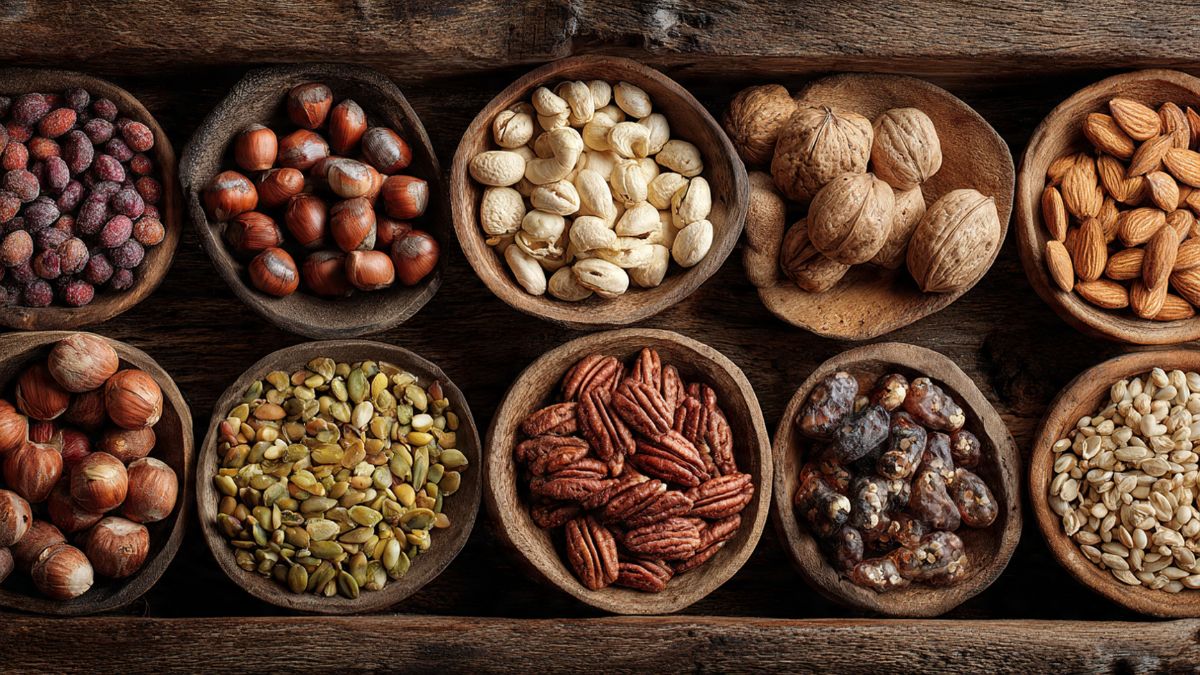
Recent research highlights how a particular nut stands out for supporting cardiovascular wellness and managing lipid levels in the bloodstream. A comprehensive review spanning studies from 2000 to 2025 points to pecans as a standout choice among snacks. Packed with antioxidant polyphenols and various beneficial compounds, pecans offer protection at the cellular level while contributing to overall better eating patterns.
People who regularly include pecans in their meals tend to show improved markers for heart health. Specifically, they experience more favorable levels of total cholesterol, the harmful LDL variety, triglycerides, and non-HDL cholesterol. This nut also appears to curb lipid oxidation, a process that can lead to cellular harm and increased inflammation over time. These positive associations hold strong across the analyzed research, making pecans a reliable addition for those focused on lipid balance.
The review, published in the journal Nutrients, draws from decades of investigations into nut consumption. Dr. Britt Burton-Freeman, who directs the Center for Nutrition Research at Illinois Institute of Technology, emphasized the consistency of these findings. She noted that the link between pecans, heart health indicators, and diet quality remains clear throughout the evidence. While the work received support from the American Pecan Promotion Board, that group had no role in shaping the study’s methods or conclusions.
Beyond lipids, pecans bring other nutritional perks to the table. They naturally contain fiber, protein, and essential minerals such as magnesium, zinc, and potassium. Many studies also suggest that enjoying pecans boosts feelings of fullness, which could aid in appetite management. That said, the impact on body weight shows mixed results across trials, with no strong evidence of unwanted gains from moderate intake.
Effects on blood sugar control and diabetes-related measures prove less consistent in the data. Some findings indicate potential benefits, but others do not confirm a clear advantage in those areas. Still, the overall picture supports pecans as a smart, nutrient-dense option that aligns well with heart-focused eating habits. Incorporating a handful into daily routines seems to enhance diet quality, as measured by tools like the Healthy Eating Index.
Pecans differ from other popular nuts by delivering these specific advantages in a reliable way according to the long-term analysis. Their rich profile of protective elements helps explain why they connect so directly to better blood fat profiles and reduced oxidative stress. For anyone looking to snack smarter while nurturing heart health, this option deserves serious consideration.
What are your favorite ways to enjoy pecans as a daily snack, and have you noticed any changes in how you feel after adding them regularly in the comments?




