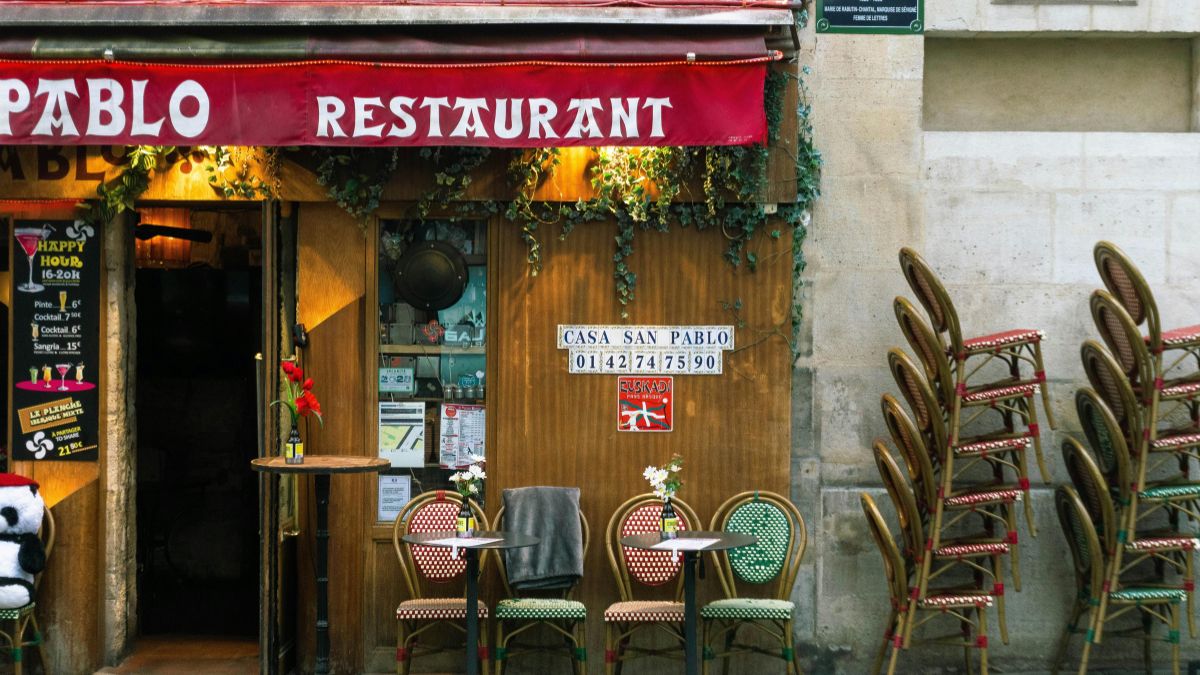
A restaurant can look perfectly presentable at first glance while hiding a number of telling hygiene issues just beneath the surface. Knowing what to look for before ordering can save you from a genuinely unpleasant experience. These subtle warning signs are easy to overlook but worth paying close attention to the next time you sit down to eat.
The Menus

Sticky, grimy menus are one of the most overlooked indicators of poor sanitation standards. Menus pass through dozens of hands each day and are rarely sanitized between uses in establishments that cut corners on cleanliness. A well-run restaurant wipes down laminated menus regularly or replaces paper ones frequently. Cracked lamination with visible residue trapped in the folds is a particularly telling detail. What the kitchen looks like behind closed doors is often reflected in the objects customers actually touch.
The Bathrooms

The condition of a restaurant’s restroom is widely considered a reliable mirror of its overall hygiene standards. If the soap dispenser is empty, the paper towels have run out, or the sink has visible grime buildup, the kitchen is likely no different. Clean restaurants inspect and restock their bathrooms regularly throughout service. Broken fixtures left unrepaired and trash bins overflowing well before closing time are signs of a management culture that tolerates neglect. A spotless dining room means very little if the restroom tells a different story.
The Glassware
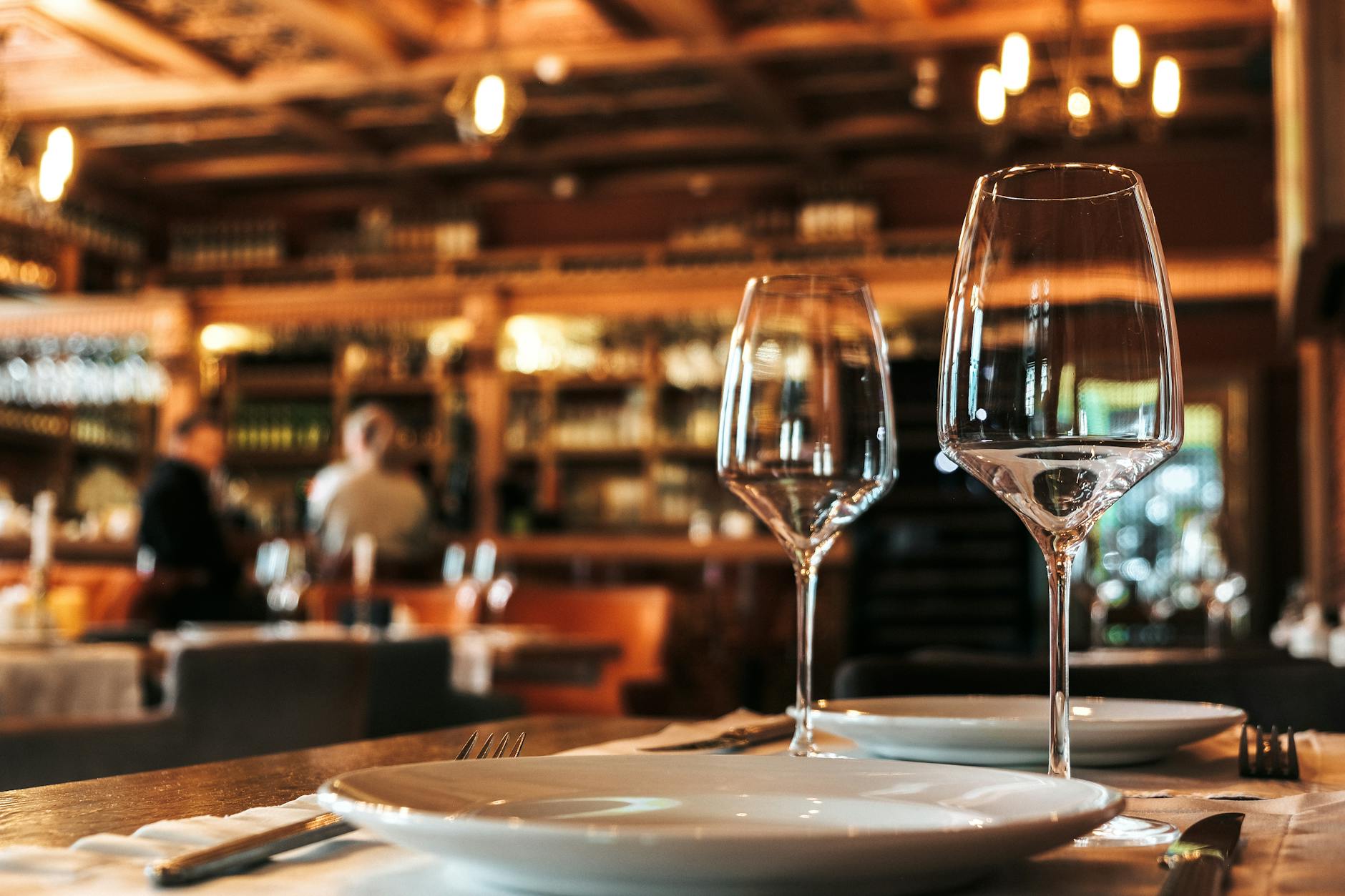
Cloudy or smudged glasses suggest either poor dishwashing technique or equipment that has not been properly maintained. Lipstick marks, water spots, and visible residue on the rim are signs that glassware is not being sanitized at the right temperature. In properly run establishments, staff inspect each glass before placing it on the table. Chips or cracks along the rim are not only a hygiene concern but also a safety issue that should prompt immediate removal from service. Glassware is one of the first things a trained eye checks upon being seated.
The Silverware

Cutlery that arrives at the table with dried food particles or water stains points to a dishwashing process that is either rushed or poorly calibrated. Forks with food debris caught between the tines are among the clearest signs of inadequate sanitation. Reputable establishments polish and inspect silverware before rolling it into napkins or setting the table. Tarnishing alone is not necessarily a hygiene issue, but combined with residue it becomes a red flag. Asking for a replacement set is always reasonable if what is presented does not meet a basic standard of cleanliness.
The Ice

Ice is frequently overlooked as a potential hygiene concern because it is perceived as inherently clean due to its frozen state. However, ice machines that are not regularly cleaned and descaled can harbor mold, bacteria, and mineral buildup. Cloudy or oddly shaped ice can sometimes indicate that the machine has not been properly maintained. A faint musty smell coming from a cold drink is a sign worth taking seriously. Many food safety violations traced back in restaurant inspections involve contaminated ice machines that went unserviced for extended periods.
The Condiments
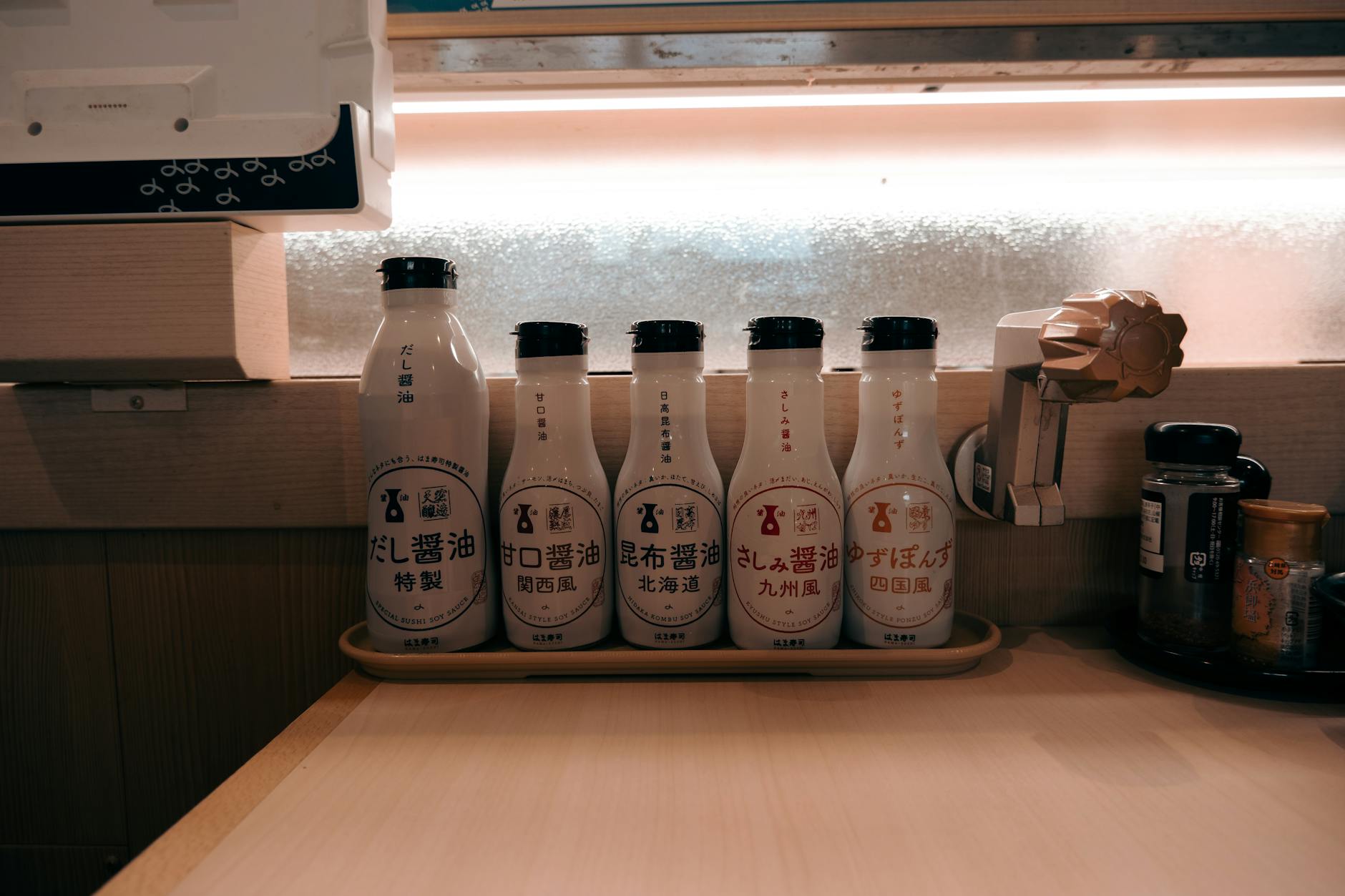
Sticky bottles of ketchup, encrusted hot sauce caps, and cloudy oil dispensers are among the most common signs of inattention to table hygiene. These items are touched by nearly every customer and can accumulate residue over days or even weeks without proper cleaning. A clean restaurant wipes down condiment bottles regularly and replaces them before they become unsightly. Hardened buildup around the cap of a condiment bottle suggests it has not been cleaned since it was first opened. The same logic applies to salt and pepper shakers with clogged openings or grimy bases.
The Floors
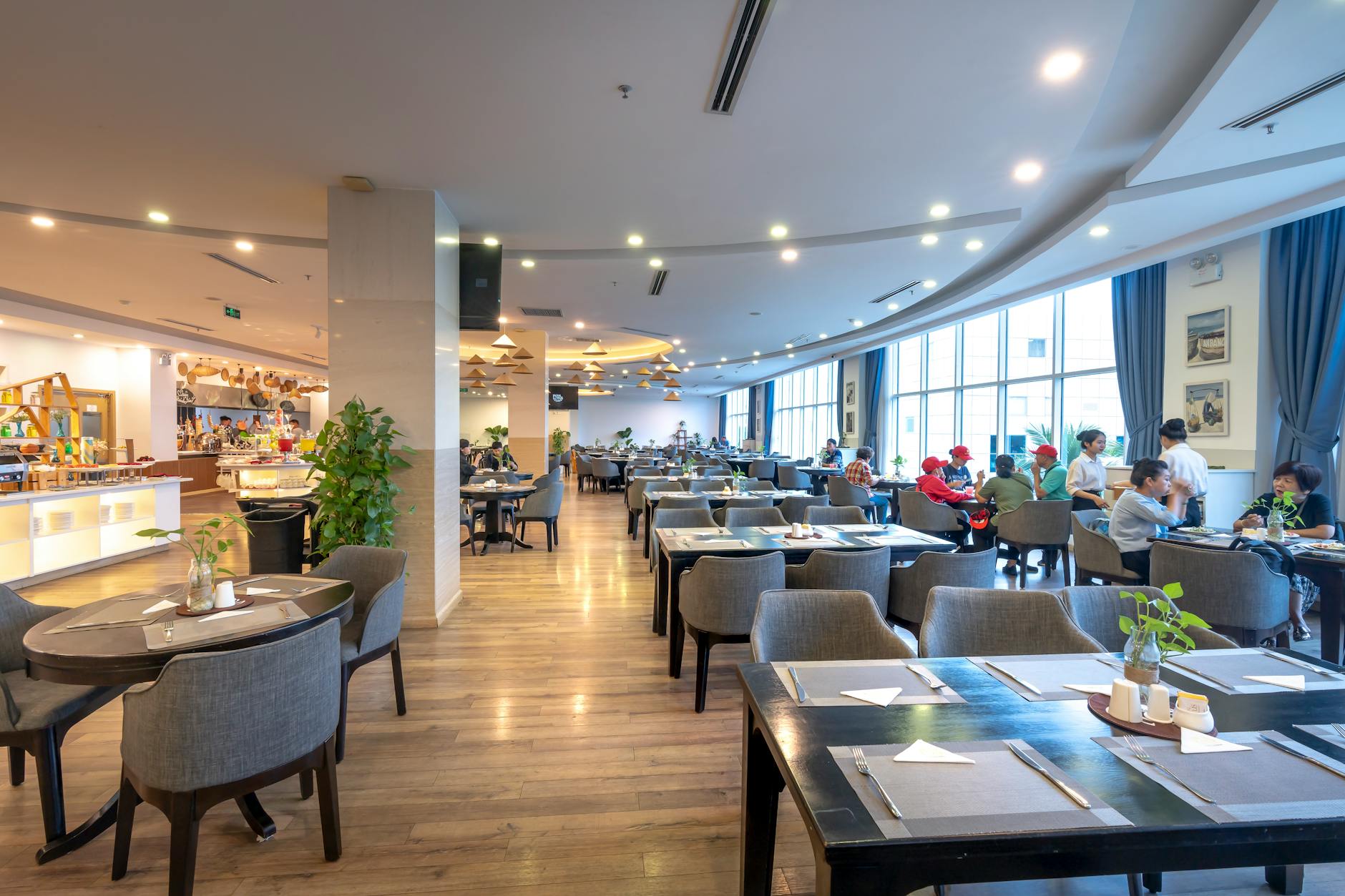
Floors in the dining area that are sticky underfoot or visibly stained suggest that mopping is infrequent or done without adequate cleaning solution. Food debris collected in the corners or along the baseboards is a sign that the end-of-night cleaning routine is rushed or incomplete. Wet floors near the kitchen entrance that remain unaddressed throughout service point to a broader lack of attention. Grease tracked out from the kitchen onto dining room tiles is a particularly serious indicator. While floors naturally accumulate some wear during a busy service, the overall cleanliness should be maintained throughout the shift.
The Fruit Flies

The presence of fruit flies hovering near the bar, around fresh produce displays, or near drains is a strong signal of a sanitation issue. These insects are attracted to decaying organic matter and standing liquid in drains that have not been flushed or cleaned properly. A single fruit fly could be coincidental, but a visible cluster suggests an ongoing and unresolved problem. Properly maintained drains are flushed with appropriate cleaning agents on a regular schedule to prevent buildup. Fruit fly infestations are among the issues most commonly cited in failed restaurant health inspections.
The Staff Uniforms

Visibly soiled uniforms on front-of-house staff suggest that hygiene standards are not being enforced at a management level. Stained aprons that have clearly not been changed throughout a shift indicate that the restaurant does not have systems in place for maintaining staff presentation. In kitchens, the same principle applies to chef whites and kitchen linens that show signs of prolonged wear without laundering. Clean uniforms are not merely cosmetic but reflect a culture of hygiene that extends to food preparation. Restaurants that maintain high standards in the back of house typically enforce those same standards in how their team presents themselves.
The Smell
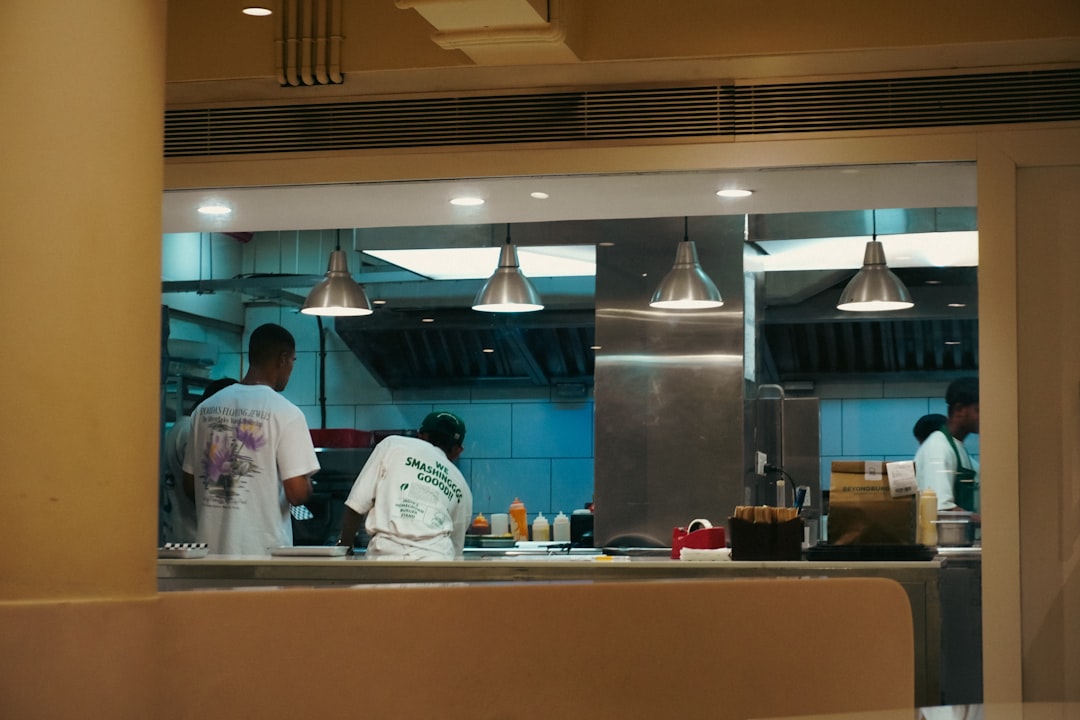
An unusual or unpleasant odor upon entering a restaurant is one of the most instinctive warning signs available. A faint smell of mildew near the entrance can indicate poor ventilation or moisture issues behind the walls. A strong odor emanating from the area around the restrooms suggests drains that need cleaning or plumbing issues that have been left unaddressed. While the smell of cooking food is expected, an underlying sour or rancid note beneath it is worth noting. Olfactory cues are among the most reliable early indicators of an environment that is not being properly cleaned.
The Chairs

Chair seats and backs accumulate food residue, crumbs, and spills over the course of a service and should be wiped down regularly. Chairs with visible staining on upholstered seats or dried food on wooden frames indicate that table resets between covers are not thorough. In many establishments, wiping down chairs between guests is a standard step in the clearing and resetting process. When this step is skipped consistently, it reflects a rushed or understaffed operation where hygiene takes a back seat to speed. The state of the seating is often a direct reflection of the overall reset standard the restaurant holds itself to.
The Windows

Dirty windows and smudged glass partitions inside a restaurant are easy to overlook but speak to a broader maintenance culture. Glass surfaces accumulate fingerprints, grease film, and dust over time and need regular attention to remain presentable. A restaurant that allows its interior windows to remain grimy for extended periods likely has similar blind spots in less visible areas. Exterior windows caked with grime reduce natural light and give the space an overall sense of neglect. Cleanliness in public-facing areas of the restaurant is a reasonable indicator of the standards applied throughout the establishment.
The Drain

Visible floor drains in areas near the bar or open kitchen that appear dark, clogged, or emit any odor are a significant hygiene concern. Drains are a common source of bacterial buildup and fruit fly activity when not cleaned on a scheduled basis. In a well-maintained establishment, drains are flushed and scrubbed as part of the daily closing routine. Pooling liquid near a drain during service suggests either a blockage or a drain that has not been properly sloped and maintained. Food safety guidelines specifically address drain maintenance as a critical element of commercial kitchen hygiene.
The Host Stand

The host stand is the first physical point of contact a guest has with a restaurant, and its condition sets the tone for the entire experience. A cluttered, dusty, or grimy host stand with scattered menus and smudged surfaces suggests that front-of-house standards are not being consistently enforced. Sticky touchscreens on reservation tablets or disorganized reservation books left in disarray are telling details. Staff gathered around the stand in an unkempt area can reflect a broader culture of indifference toward presentation. First impressions in the hospitality industry are rarely incidental and usually reveal something true about the operation as a whole.
The Table Surface
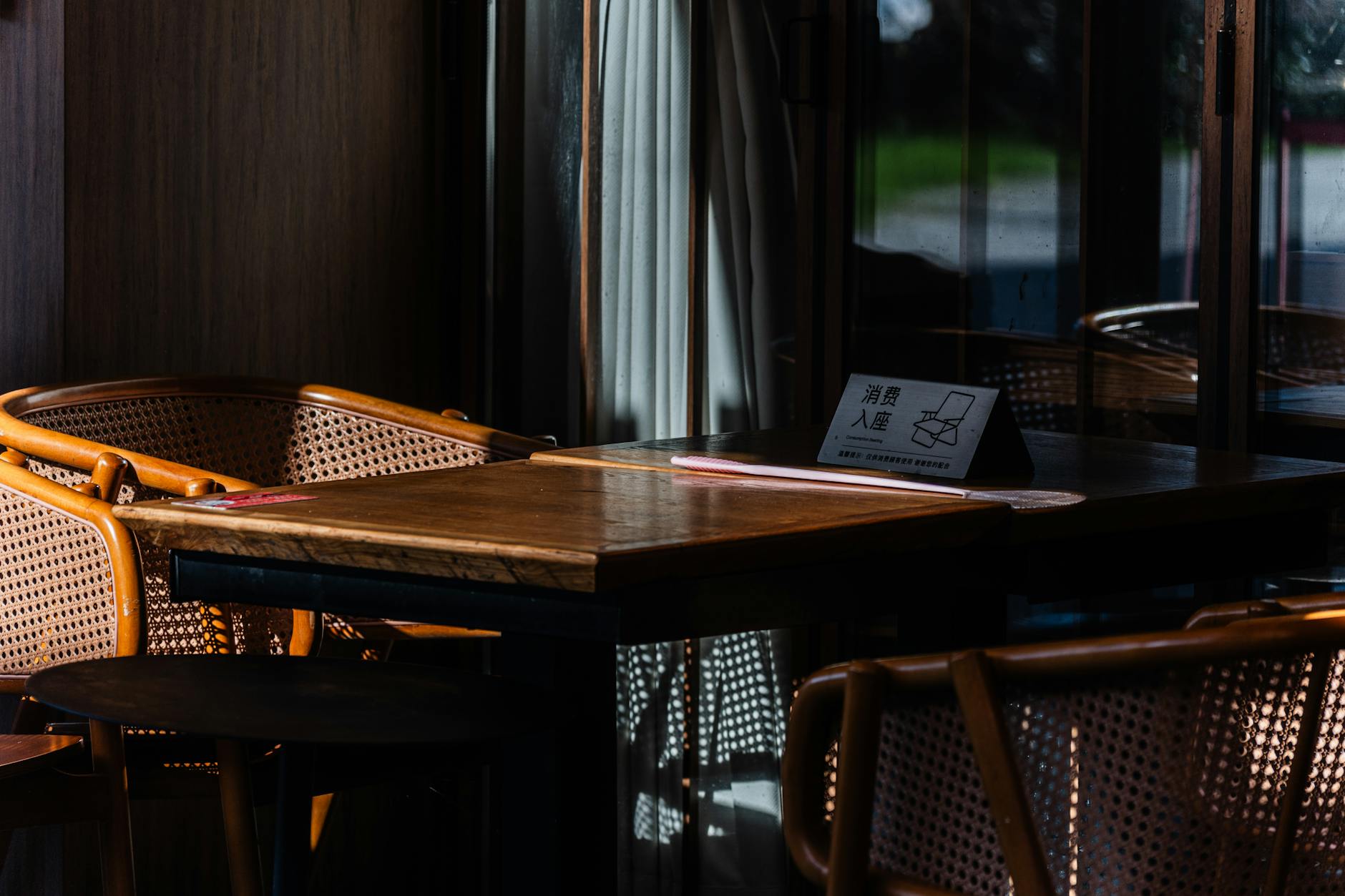
A table that feels slightly tacky to the touch is one of the most common and telling signs of poor cleaning habits between covers. Many restaurants wipe tables with a cloth that has not been properly sanitized, which spreads residue rather than removing it. The area near the wall or along the edge of the table where crumbs and spills accumulate is a useful place to inspect when seated. Rings left by glasses that have not been wiped away and visible food smears are signs of a surface that was not properly attended to after the previous guest. A genuinely clean table should feel dry, odorless, and free of any residue when lightly touched.
Share your own experiences and warning signs to watch for in the comments.