
Every packaged product on supermarket shelves carries an ingredient list that most people never stop to read, and what hides inside those labels can have a significant impact on long-term health. Nutritionists and dietary researchers have spent decades identifying specific compounds, additives, and processed substances that cause real harm to the human body over time. From inflammation to hormonal disruption to increased cancer risk, the effects of these ingredients are well-documented and increasingly difficult to ignore. Understanding what to avoid is one of the most powerful steps anyone can take toward a cleaner, healthier diet.
High-Fructose Corn Syrup

High-fructose corn syrup is a heavily processed sweetener derived from corn starch and used extensively in sodas, packaged snacks, and condiments. Unlike natural sugar, it is metabolized almost entirely by the liver, which converts the excess into fat at a much faster rate. Regular consumption has been linked to elevated triglyceride levels, insulin resistance, and a significantly increased risk of developing type 2 diabetes. It also appears to interfere with leptin signaling, the hormone responsible for telling the brain when the body is full. This disruption can lead to chronic overeating and long-term weight gain that is difficult to reverse.
Trans Fats

Partially hydrogenated oils are the primary source of artificial trans fats and were once found in nearly every category of processed food. They were engineered to extend shelf life and improve texture, but their effect on cardiovascular health proved to be deeply damaging. Nutritionists identify them as one of the most harmful substances ever introduced into the modern food supply, raising LDL cholesterol while simultaneously lowering HDL. Prolonged intake has been associated with inflammation, arterial blockage, and an elevated risk of heart attack and stroke. Many countries have moved to restrict or ban their use, though small amounts can still appear legally in some products.
Sodium Nitrate

Sodium nitrate is a preservative and color-fixing agent added to cured meats such as bacon, hot dogs, and deli slices to extend shelf life and maintain an appealing pink tone. When exposed to high heat during cooking, it converts into compounds called nitrosamines, which are classified as probable human carcinogens by major health organizations. Research has connected frequent consumption of nitrate-cured meats to increased rates of colorectal, stomach, and pancreatic cancers. The additive also places additional strain on the kidneys and has been associated with headaches and elevated blood pressure in sensitive individuals. Choosing uncured alternatives with no added nitrates is consistently recommended by nutrition professionals.
Artificial Sweeteners
Aspartame, sucralose, saccharin, and acesulfame potassium are among the most widely used artificial sweeteners found in diet beverages, sugar-free snacks, and low-calorie products. Despite being marketed as healthier alternatives to sugar, growing research suggests they may alter the composition of gut microbiota in ways that impair glucose metabolism. Some studies have found that chronic use is paradoxically associated with weight gain rather than weight loss, potentially due to their effect on appetite hormones. Aspartame in particular has been flagged for its potential links to neurological symptoms including headaches, mood disturbances, and cognitive fog in susceptible individuals. The long-term safety picture remains a subject of significant concern within the nutrition science community.
BHA and BHT

Butylated hydroxyanisole and butylated hydroxytoluene are synthetic antioxidants added to cereals, chips, chewing gum, and preserved meats to prevent fats from going rancid. The International Agency for Research on Cancer has classified BHA as a possible human carcinogen based on studies showing tumor development in animal subjects. Both compounds have demonstrated endocrine-disrupting properties, meaning they can interfere with the normal function of hormones including estrogen and testosterone. Some research also points to behavioral effects, particularly in children, with links to hyperactivity and attention difficulties. Their continued presence in widely consumed products represents a significant concern for nutritionists who advocate for cleaner food labeling.
Refined Carbohydrates

White flour, white rice, and other stripped grain products have had their fiber, bran, and nutrient content removed during industrial processing. This refining process causes these foods to digest rapidly, producing sharp spikes in blood glucose and insulin that place repeated stress on metabolic systems. Over time, diets high in refined carbohydrates are strongly associated with the development of insulin resistance, obesity, and non-alcoholic fatty liver disease. They also contribute very little in the way of vitamins, minerals, or satiety, making it easy to consume far more calories than the body requires. Whole grain alternatives retain their nutritional integrity and produce a much more stable blood sugar response.
Carrageenan

Carrageenan is a thickening and stabilizing agent derived from red seaweed and used in dairy products, plant-based milks, deli meats, and infant formula. Although it originates from a natural source, research has demonstrated that it triggers a significant inflammatory response in intestinal cells even at low doses. Studies in animal models have consistently linked it to gastrointestinal ulceration, intestinal lesions, and increased permeability of the gut lining. For individuals already dealing with irritable bowel syndrome or inflammatory bowel disease, carrageenan can substantially worsen symptoms. Many health-conscious brands have now removed it from their formulations in response to consumer and scientific pressure.
Monosodium Glutamate

Monosodium glutamate is a flavor-enhancing additive present in fast food, instant noodles, chips, seasonings, and a wide range of processed products. It works by stimulating glutamate receptors in the brain, creating a powerful savory sensation that overrides the body’s natural satiety cues. Nutritionists note that its primary function is to make food taste more compelling than it actually is, which promotes overconsumption. A subset of the population reports symptoms including headaches, flushing, sweating, and tightness in the chest following MSG-heavy meals. Beyond individual sensitivity, its role in driving excessive eating behavior is a consistent concern in dietary counseling.
Vegetable Shortening

Commercially produced vegetable shortening is made through partial hydrogenation or full hydrogenation of plant oils, creating a dense, solid fat that dramatically extends the shelf life of baked goods. Even in its fully hydrogenated form, it contains no beneficial fatty acids and contributes to an unhealthy overall fat profile in the diet. Nutritionists point to its heavy use in fast food frying, packaged pastries, and pie crusts as a driver of cardiovascular inflammation. The type of fat it introduces into the body promotes the accumulation of visceral fat around the organs, which is among the most metabolically dangerous forms of weight gain. Replacing it with healthier fats such as olive oil or coconut oil is consistently advised.
Phosphoric Acid

Phosphoric acid is added to cola beverages and some processed foods primarily as a flavor sharpener and preservative. Its frequent consumption has been directly linked to reduced bone mineral density, as the acid disrupts the calcium-phosphorus balance required for healthy skeletal maintenance. Studies show that individuals who drink phosphoric-acid-containing sodas regularly have a significantly higher rate of bone fractures and early-onset osteoporosis. The acid also contributes to enamel erosion and chronic dental sensitivity over time. Its presence in a product is a reliable signal that the item offers nothing of nutritional value while actively working against several important bodily systems.
Sodium Benzoate

Sodium benzoate is a widely used preservative found in salad dressings, carbonated beverages, fruit juices, and pickled products. On its own it carries documented risks including its capacity to form benzene, a known human carcinogen, when it comes into contact with ascorbic acid in acidic beverages. Research has also identified a connection between sodium benzoate consumption and increased hyperactivity in children, prompting regulatory warnings in multiple countries. Chronic exposure has been associated with oxidative stress, a process that damages cells and accelerates aging at the cellular level. Nutritionists consistently recommend choosing products that use natural preservation methods instead.
Refined Seed Oils

Canola, soybean, sunflower, safflower, and corn oils are processed using high-heat extraction and chemical solvents that degrade their fatty acid composition before they even reach store shelves. These oils are exceptionally high in omega-6 polyunsaturated fatty acids, which when consumed in excess relative to omega-3 intake promote a state of systemic chronic inflammation. The modern Western diet has created an omega-6 to omega-3 ratio that is far outside the range the human body evolved to handle. High-heat cooking with these oils also generates aldehydes and other toxic byproducts that have been associated with neurological damage and increased cardiovascular risk. Cold-pressed olive oil, avocado oil, and grass-fed butter are widely favored as nutritionally superior alternatives.
Acesulfame Potassium

Acesulfame potassium, frequently listed as acesulfame K or Ace-K on ingredient labels, is a calorie-free artificial sweetener used in a broad range of diet products, protein powders, and low-sugar baked goods. Animal studies have raised concerns about its potential to damage DNA and stimulate insulin release even in the absence of actual calories, which may contribute to metabolic confusion. It is often combined with other artificial sweeteners such as sucralose to amplify sweetness, making it harder for consumers to recognize how much they are actually consuming. Some research suggests it may cross the blood-brain barrier and affect neurological function with prolonged exposure. Regulatory approval for its use has been contested by independent researchers who argue the existing safety evidence is insufficient.
Brominated Vegetable Oil

Brominated vegetable oil is a food additive found in certain citrus-flavored sports drinks and sodas, used to prevent the flavoring agents from separating and floating to the top of the beverage. It contains bromine, a substance also used in flame retardants, and accumulates in fatty tissues throughout the body with repeated consumption. Documented effects of excess bromine buildup include neurological symptoms such as memory loss, impaired coordination, and skin lesions in cases of extreme intake. Several countries including Japan and the European Union have banned its use entirely, while the United States only recently moved to revoke its approval after decades of concerns. Any product still containing this additive is considered nutritionally unacceptable by most practicing dietary professionals.
Caramel Coloring

The artificial caramel coloring used in colas, dark sauces, beer, and processed breads is not the same substance produced by caramelizing sugar at home. During its industrial manufacture, a compound called 4-methylimidazole is formed, which the State of California lists as a known carcinogen under Proposition 65. Regular consumption of products containing Class III and Class IV caramel coloring has been associated with an elevated risk of leukemia, lung cancer, and liver tumors in animal studies. It provides no nutritional function whatsoever and exists solely as a cosmetic additive to make products appear richer in color. Its continued widespread use is one of the more quietly troubling aspects of modern food manufacturing.
Maltodextrin

Maltodextrin is a highly processed starchy powder derived from corn, rice, or potato starch and used as a thickener, filler, and texture agent in protein powders, diet foods, sauces, and infant nutrition products. Despite being nearly flavorless, it has a glycemic index higher than table sugar, meaning it raises blood glucose faster than almost any other carbohydrate source. Consistent intake has been shown to suppress the growth of beneficial gut bacteria while simultaneously encouraging the overgrowth of harmful bacterial strains associated with inflammatory bowel conditions. It is commonly disguised in ingredient lists under names like glucose syrup solids or modified food starch. Nutritionists flag it particularly in health-branded products where its presence contradicts the wellness messaging on the packaging.
Propyl Gallate

Propyl gallate is a synthetic antioxidant used to prevent fats and oils from oxidizing in products such as meat products, microwave popcorn, soup mixes, and frozen meals. It is often used in combination with BHA and BHT, which compounds the overall burden of synthetic antioxidants the body must process. Research has identified endocrine-disrupting properties in propyl gallate, with laboratory studies showing effects on estrogen receptor activity that could influence hormonal balance. There is also preliminary evidence suggesting a potential link to thyroid dysfunction with long-term exposure. As with many chemical preservatives, its approval predates the current level of scientific understanding about its effects on endocrine health.
Artificial Food Dyes

Synthetic dyes including Red 40, Yellow 5, Yellow 6, Blue 1, and Green 3 are derived from petroleum and used extensively in candies, cereals, sports drinks, and processed snacks to create vivid, appealing colors. European regulators require products containing these dyes to carry a warning label stating that they may adversely affect activity and attention in children. Several of these colorants have been found to contain trace levels of known carcinogens including benzidine and 4-aminobiphenyl as manufacturing contaminants. Research into their broader effects on immune function, allergic response, and gut health continues to expand, consistently raising new red flags. Nutritionists advocate firmly for whole foods whose color comes entirely from natural sources such as fruits, vegetables, and spices.
Potassium Bromate

Potassium bromate is a flour-strengthening agent added to commercially produced bread, rolls, and pizza dough to improve the rising process and create a more desirable final texture. It is classified as a possible human carcinogen by the International Agency for Research on Cancer based on evidence from animal studies showing kidney and thyroid tumor formation. Most industrialized nations including Canada, the European Union, and the United Kingdom have banned its use in food production, yet it remains legal in the United States with only state-level restrictions. Even when baking is conducted at high temperatures, residual bromate can remain in the finished product. Health professionals recommend choosing bread products explicitly labeled as bromate-free.
Soy Protein Isolate

Soy protein isolate is a heavily processed form of soy that has been chemically stripped of most of its fat and carbohydrate content to concentrate the protein, and it appears in a staggering range of protein bars, meat alternatives, and diet foods. The processing involved often uses hexane, a neurotoxic petroleum-derived solvent, and residues of this chemical have been detected in finished consumer products. Soy protein isolate contains high levels of phytic acid, which binds to minerals such as zinc, iron, and calcium and prevents their absorption in the digestive tract. As a highly concentrated source of phytoestrogens, it may also interfere with hormonal balance, particularly in individuals with thyroid conditions or estrogen-sensitive health histories. Fermented whole soy products such as tempeh and miso are considered a significantly safer alternative by nutritionists.
Sucrose

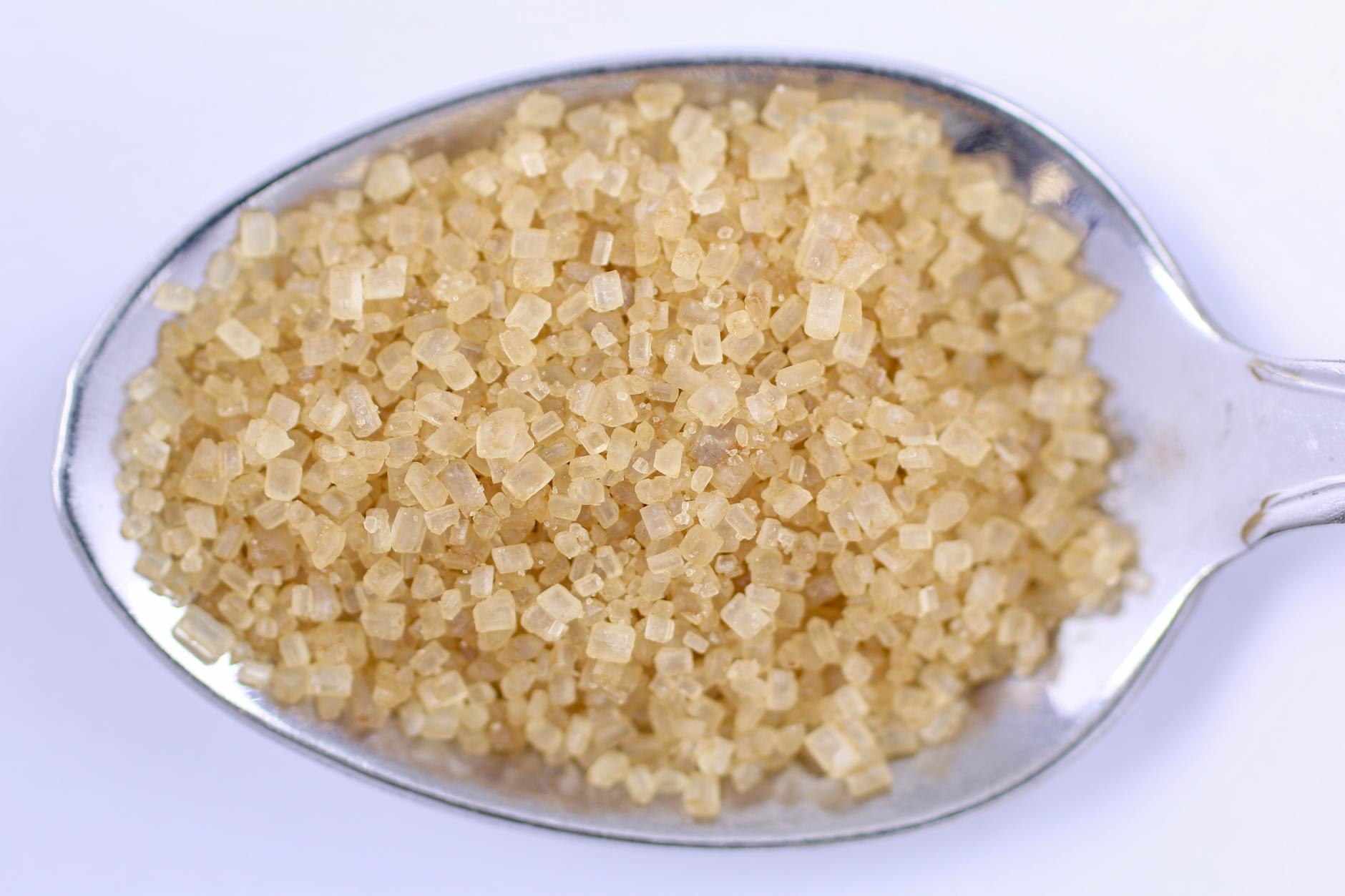
Refined white sugar in its concentrated, added form is one of the most overconsumed ingredients in the modern diet, appearing in thousands of products well beyond what most people would consider obviously sweet. Nutritionists emphasize that added sucrose provides no vitamins, minerals, fiber, or beneficial compounds of any kind, making every calorie it contributes entirely empty. Chronic high intake drives insulin resistance, promotes the accumulation of visceral fat, and feeds the chronic low-grade inflammation that underlies the development of heart disease, type 2 diabetes, and certain cancers. Sugar also activates dopamine pathways in the brain in a manner similar to addictive substances, making it physiologically difficult to reduce intake without deliberate dietary restructuring. The World Health Organization recommends limiting free sugars to no more than ten percent of total daily energy intake.
Enriched White Flour

Enriched white flour is produced by stripping whole wheat of its bran and germ, removing the majority of its fiber, vitamins, and minerals in the process, then adding back a small number of synthetic nutrients to partially compensate. The final product behaves almost identically to pure sugar in the body, digesting rapidly and causing pronounced blood glucose fluctuations that strain the pancreas over time. Diets high in enriched flour products have been consistently associated with increased rates of obesity, cardiovascular disease, and chronic digestive issues including constipation and leaky gut syndrome. The synthetic B vitamins added during enrichment are less bioavailable than those naturally occurring in whole grain, meaning the nutritional restoration is largely cosmetic. Nutritionists universally prefer whole grain and ancient grain flours that have undergone minimal processing.
Aluminum Additives

Sodium aluminum phosphate and sodium aluminum sulfate are leavening agents used in baking powder, processed cheese slices, and certain cake mixes to produce consistent rise and texture at scale. Aluminum is a neurotoxic heavy metal that accumulates in brain tissue over time, and growing research has explored its potential role in the development of neurodegenerative diseases. Studies examining the brain tissue of Alzheimer’s patients have found elevated aluminum concentrations compared to age-matched controls without the disease, though the precise causal relationship is still under investigation. The kidneys of healthy adults can process small amounts of aluminum, but individuals with compromised renal function face a much greater risk of accumulation. Choosing aluminum-free baking powder and natural cheese products is a straightforward way to eliminate this additive from the diet.
Recombinant Bovine Growth Hormone

Recombinant bovine growth hormone is a synthetic hormone administered to dairy cattle to stimulate higher milk production, and detectable residues of it and its associated compounds can pass into commercial dairy products. Consumption of milk from rBGH-treated cows has been associated with elevated levels of insulin-like growth factor 1 in the human body, a compound that in excess has been linked to increased risk of breast, prostate, and colon cancers. The European Union, Canada, Japan, Australia, and New Zealand have all prohibited its use based on both human health and animal welfare concerns. Several studies have also found that the milk it produces contains higher levels of somatic cells, an indicator of udder inflammation in the animal. Choosing certified organic dairy products guarantees that no synthetic hormones were used at any stage of production.
Carnauba Wax

Carnauba wax is applied as a coating to candies, pills, chewing gum, and certain polished fruits to create a glossy finish and extend visual shelf appeal. While it originates from the leaves of a Brazilian palm tree, the version used in food manufacturing undergoes significant processing and is often combined with other chemical coating agents. Its widespread use as a carrier vehicle for other additives and pharmaceutical coatings raises questions about what additional compounds may be introduced into the body alongside it. Research on its direct health effects in humans is limited, and its safety classification is based on decades-old studies that did not examine long-term or cumulative consumption patterns. Nutritionists generally advise minimizing intake of any substance that serves no nutritional purpose and exists solely to improve the cosmetic appearance of a product.
Share which of these ingredients surprised you most in the comments.




