Many beloved restaurant staples and takeout favorites are not prepared fresh to order but instead arrive at the table after a trip through a freezer and a reheating process. This practice is far more widespread than most diners realize, spanning casual chains, fast food counters, and even some mid-range sit-down establishments. Understanding which dishes follow this pattern can help consumers make more informed choices when eating out or ordering in. The following seventeen dishes are among the most commonly frozen and reheated across the food industry worldwide.
Lasagna
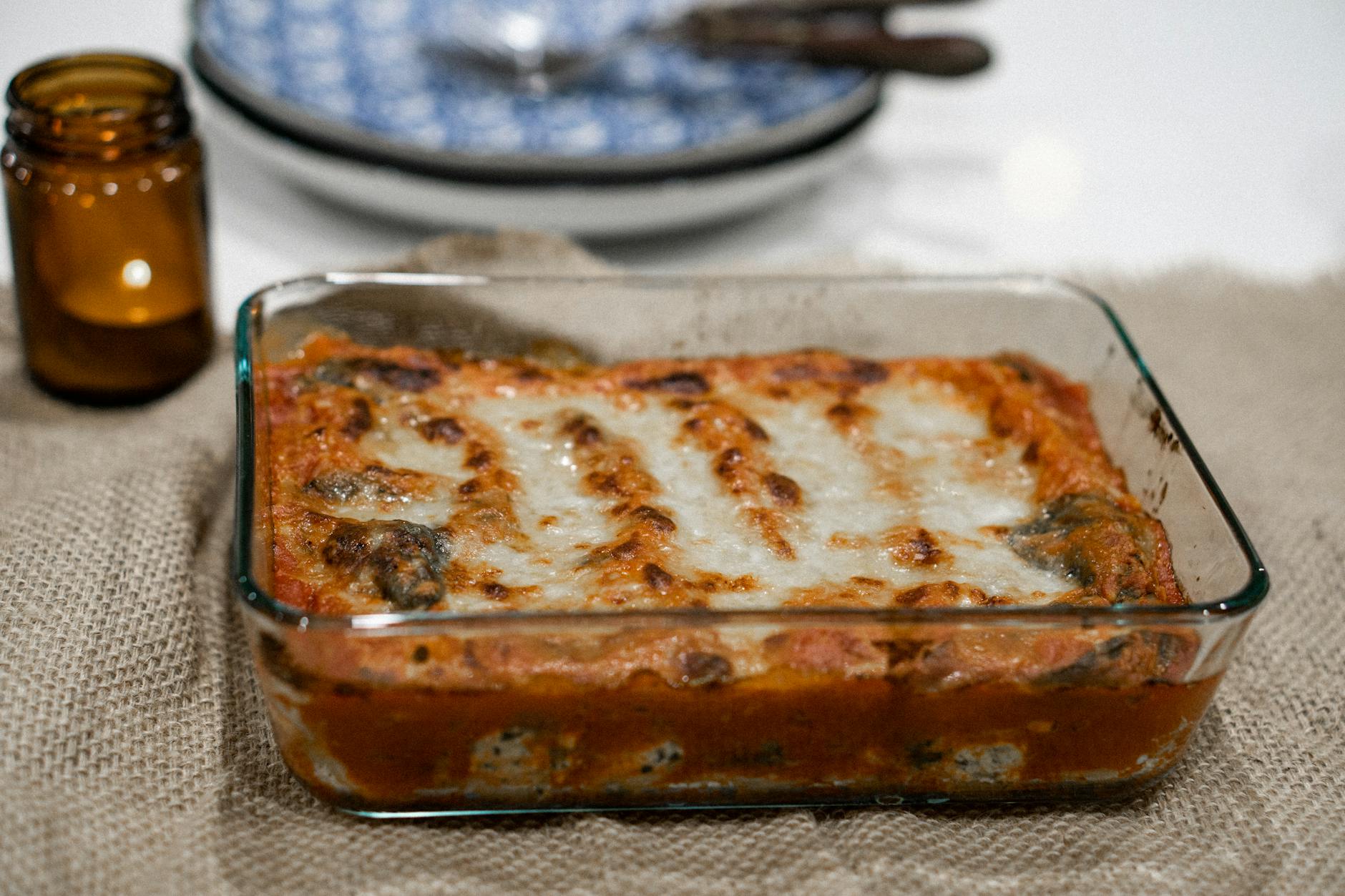
Lasagna is one of the most widely frozen dishes in commercial foodservice, largely because its layered structure holds up exceptionally well through the freeze and reheat cycle. Most restaurants and cafeterias prepare large trays in advance, freeze them in portions, and reheat individual servings as orders come in. The pasta, sauce, and cheese layers actually meld together more thoroughly after freezing, which can produce a denser texture than a freshly assembled version. Chain Italian restaurants are particularly known for this approach, though the practice extends to hospital cafeterias, airlines, and meal delivery services. Consumers purchasing packaged lasagna from grocery stores are almost always taking home a product that was frozen at some point in its production.
Fish and Chips
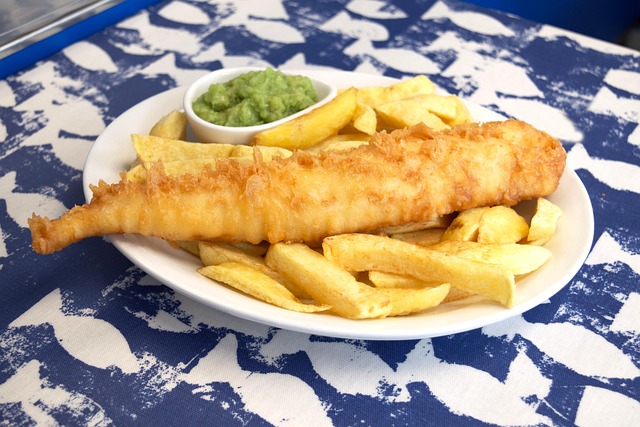
Fish and chips served at fast food counters and casual dining chains are overwhelmingly sourced from pre-battered, individually frozen fillets that are dropped directly into the fryer from a frozen state. The industrial batter coating is specifically engineered to produce a crispy exterior even when the fish inside starts from frozen. This method ensures a consistent product across thousands of locations without relying on fresh fish deliveries every day. The chips accompanying the dish are almost universally par-cooked, frozen, and finished in hot oil just before serving. Only independent chippies that source fresh daily catches typically break from this widespread industry standard.
Chicken Pot Pie
Chicken pot pie is a dish that translates almost perfectly to frozen production, which is why it dominates the frozen foods aisle and appears frequently in institutional kitchens. The thick gravy filling insulates the chicken and vegetables during freezing, preventing the kind of moisture loss that ruins other dishes. Restaurant versions served at casual dining chains are nearly always individual portions that have been frozen and then baked or microwaved to order. The pastry crust on commercially prepared versions is formulated to maintain its structure through the thaw and heat process. Home cooks and professional kitchens alike frequently freeze this dish deliberately, as it reheats to near-original quality with minimal effort.
Chicken Nuggets
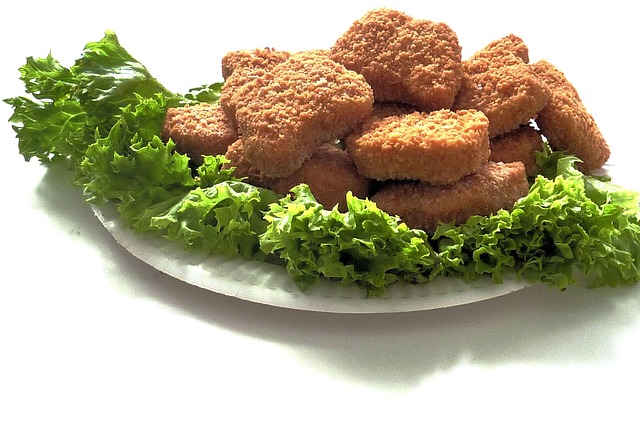
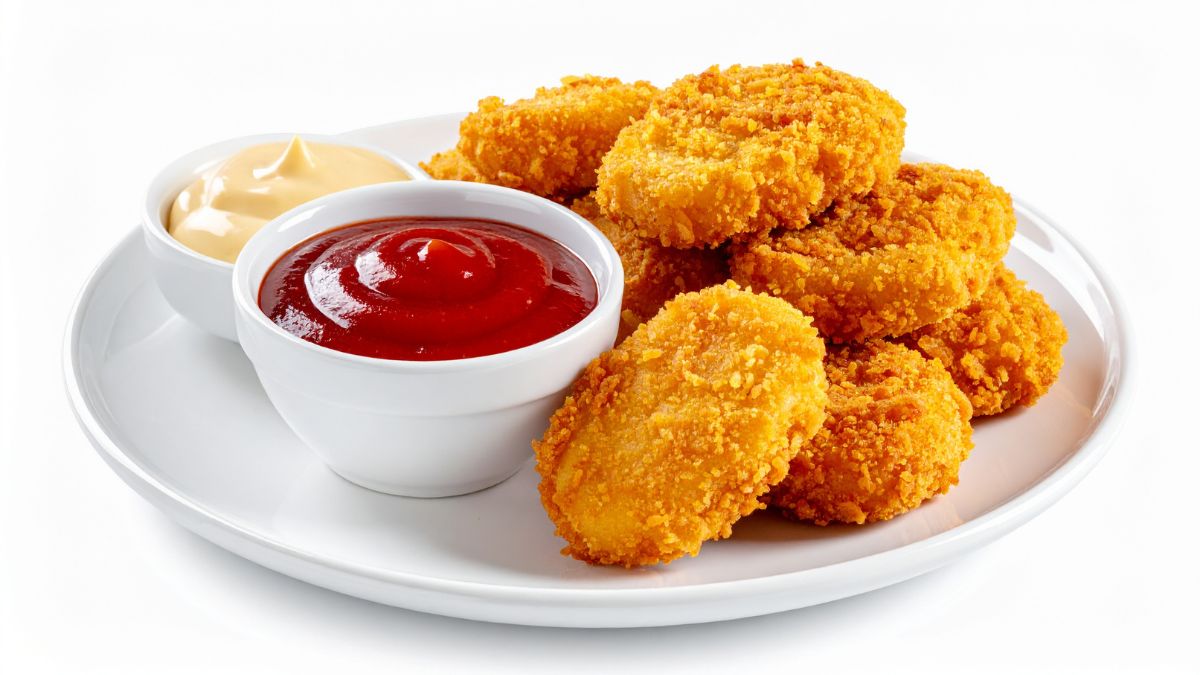
Chicken nuggets are perhaps the most universally frozen food item in quick service restaurants, with the vast majority of global fast food chains relying on centrally manufactured and frozen products. The nuggets are formed from processed chicken meat, coated in breading, and flash-frozen at the factory before being shipped to individual locations. Staff at most chains are trained to cook nuggets from frozen, following strict time and temperature protocols to ensure food safety and consistency. Even many school cafeterias and airline catering services use the same frozen nugget format. The product was specifically designed from its commercial inception to survive the freeze and reheat process without significant quality degradation.
Pizza
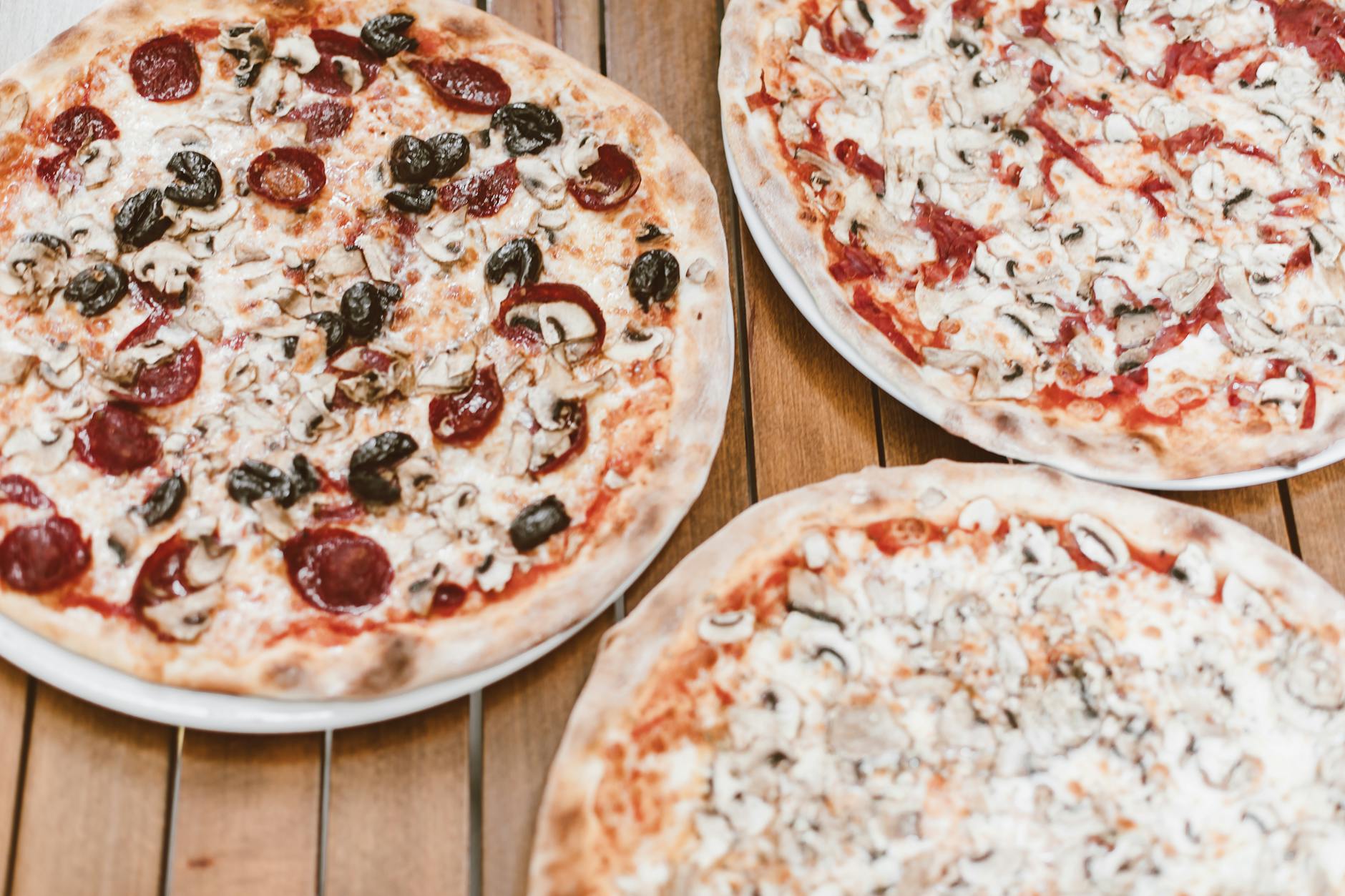
Frozen pizza is one of the largest categories in the global food industry, but restaurant pizza also relies on freezing more than most customers suspect. Many chain pizza brands use pre-portioned frozen dough balls that are thawed in proofing drawers before being stretched and topped. Some chains go further by preparing fully assembled pizzas and freezing them at a central commissary before distributing them to franchise locations for final baking. Pizza toppings such as sausage crumbles, meatballs, and pre-cooked chicken strips are almost always frozen components applied to fresh dough. Grocery store pizza and meal kit pizza products are entirely built around the freeze and reheat model for convenience and shelf stability.
Egg Rolls
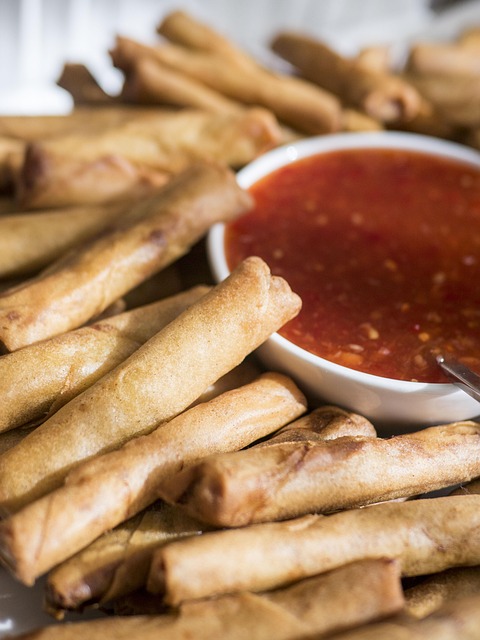
Egg rolls served at Chinese American takeout restaurants and Asian fusion chains are almost universally sourced from commercial frozen suppliers rather than made fresh on the premises. The tight cylindrical shape and thick wrapper protect the filling during freezing and allow the egg roll to be deep fried directly from frozen with reliably crispy results. Large restaurant groups and buffet-style establishments purchase these in bulk frozen form and fry them in batches throughout the day. Even in restaurants that make other items from scratch, egg rolls are frequently the one concession to frozen convenience products. The consistency of flavor and texture across different locations of the same chain is largely a result of this standardized frozen supply chain.
Beef Stew
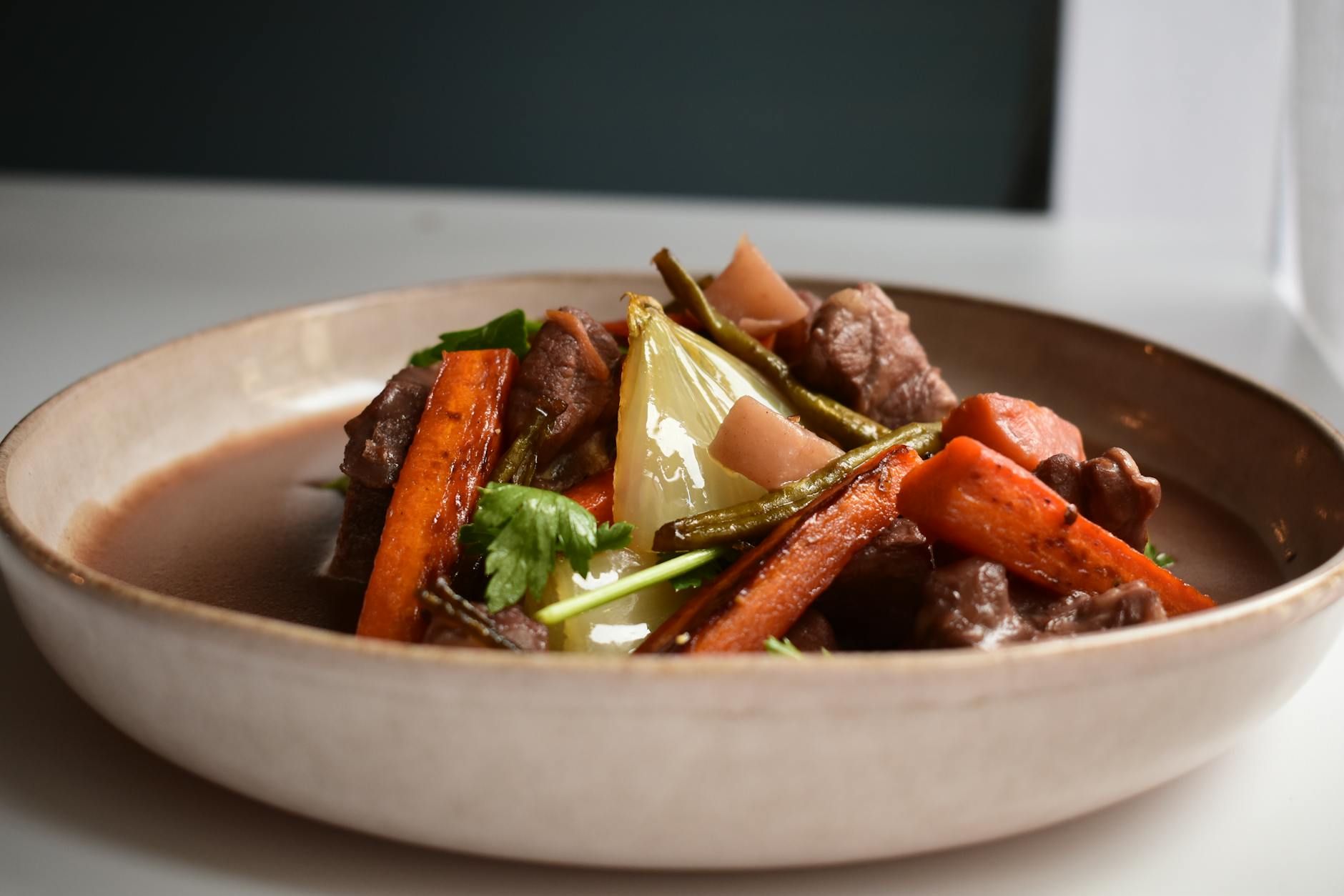
Beef stew is a dish that actually benefits from being made in large batches, frozen, and reheated because the slow cooking process that develops its flavor is time-intensive and impractical to perform daily in commercial kitchens. Most pub-style restaurants, casual dining chains, and catering companies prepare their stew in enormous quantities, cool it rapidly, portion it, and freeze it for use across a service period of several weeks. The collagen-rich connective tissue in the beef breaks down during the initial long cooking, and the resulting gelatin helps the stew maintain its texture through freezing. Institutional settings such as schools, hospitals, and airlines rely almost entirely on frozen beef stew for logistical efficiency. Home cooks have long embraced the same approach, making large batches specifically to freeze in individual servings.
Burritos
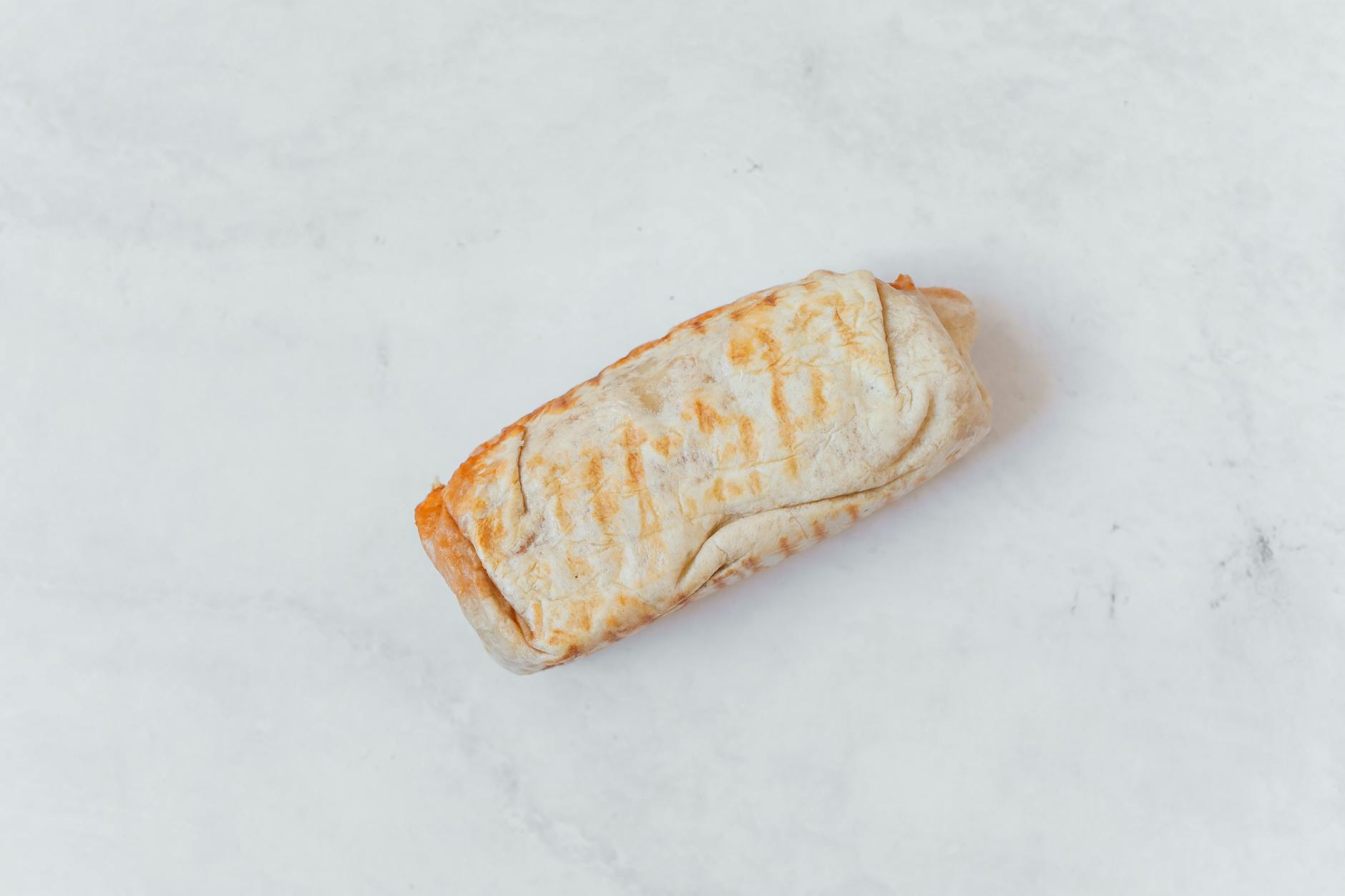
The breakfast burrito and the fast food burrito are among the most frequently frozen and reheated items on the commercial food landscape. National chains assemble burritos at central production facilities, wrap them tightly in foil or packaging material, and freeze them before distributing them to individual locations for reheating in commercial ovens or steam units. The tight wrapping prevents freezer burn and keeps the tortilla pliable during the reheat process. Convenience stores stock frozen burritos that customers microwave on site, and these account for a significant share of total burrito sales in the United States. Even sit-down restaurants that offer burritos on their menus often use pre-cooked and frozen protein fillings to streamline kitchen operations.
Mac and Cheese
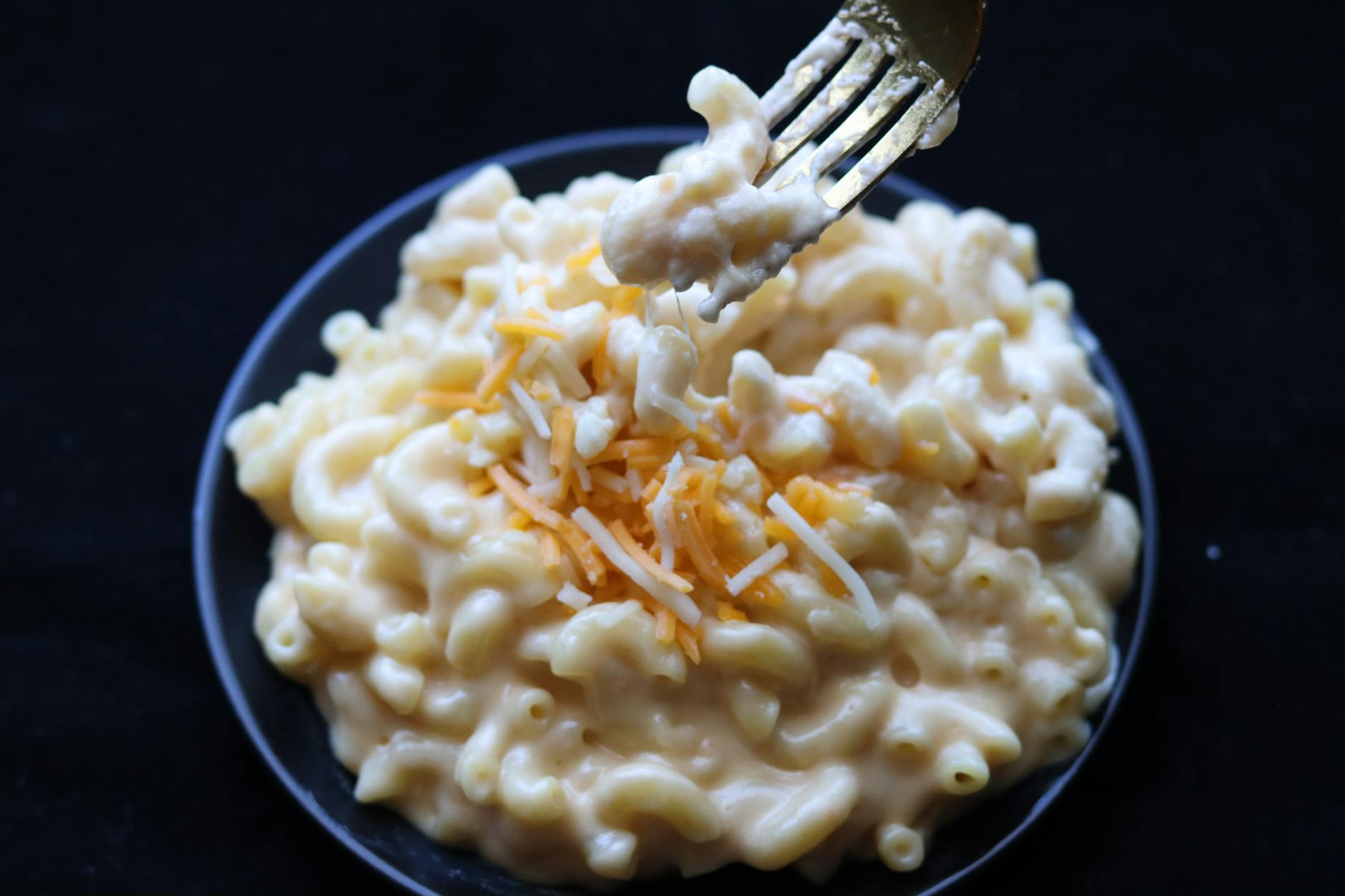
Macaroni and cheese is one of the most commonly frozen and reheated dishes in both commercial foodservice and home kitchens, largely because the cheese sauce is relatively forgiving through temperature changes when formulated correctly. Fast casual chains and cafeteria-style operations typically prepare large batches, portion them into trays or containers, and refrigerate or freeze them for service throughout the day or week. Industrial mac and cheese products use emulsified cheese sauces specifically engineered to resist separation during freezing and reheating. The pasta used in commercially frozen versions is often slightly undercooked before freezing so that it reaches the ideal texture after the final reheat. School lunch programs and hospital foodservice systems rely heavily on frozen mac and cheese as a cost-effective, high-acceptance menu item.
Shepherd’s Pie
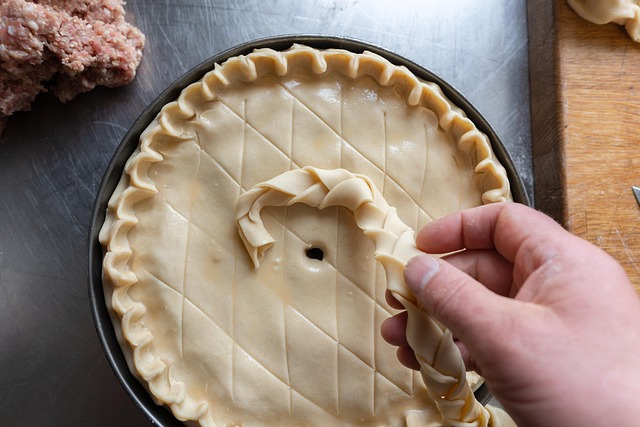
Shepherd’s pie is a staple of pub menus, casual dining chains, and airline catering in part because its compact mashed potato topping and dense meat filling make it one of the most freezer-stable dishes in British and Irish cuisine. Commercial kitchens prepare it in large casserole pans, cool it completely, and then cut it into individual portions for freezing and reheating as needed. The mashed potato layer acts as an insulating barrier that helps the filling heat evenly and prevents the surface from drying out during the reheat process. Frozen shepherd’s pie is also a perennial top seller in the grocery freezer aisle across the United Kingdom, Ireland, and many Commonwealth countries. Airlines serving British Isles routes frequently include it as a hot meal option, with production handled entirely by specialized flight catering companies that freeze meals days before service.
Tomato Soup
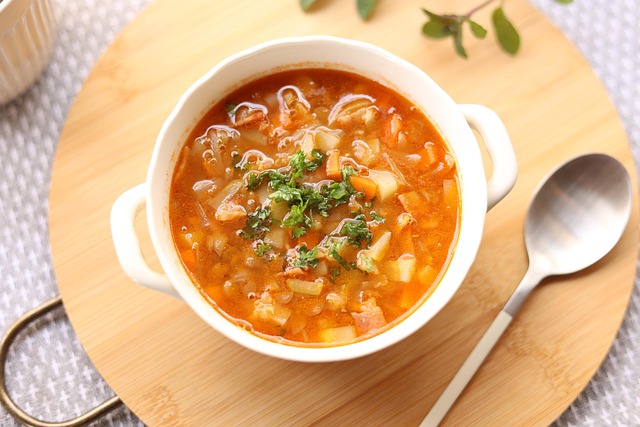
Tomato soup is produced industrially on a massive scale and the overwhelming majority of soup served in restaurants, schools, and cafeterias begins life as a frozen or shelf-stable concentrate that is reconstituted and reheated for service. The smooth, homogenized texture of commercial tomato soup is particularly well-suited to freezing because there are no large chunks or textural elements that would suffer from ice crystal formation. Chain restaurants that feature soup as a side item typically receive it in frozen format and thaw it in steam kettles or hot wells throughout the day. The canned and frozen tomato soup market is one of the most established in the packaged food industry, with several brands having sold frozen concentrate versions for decades. Even in food service contexts where the soup is presented in a bread bowl or garnished with cream, the base product has almost always been frozen at some stage of its journey.
Dumplings
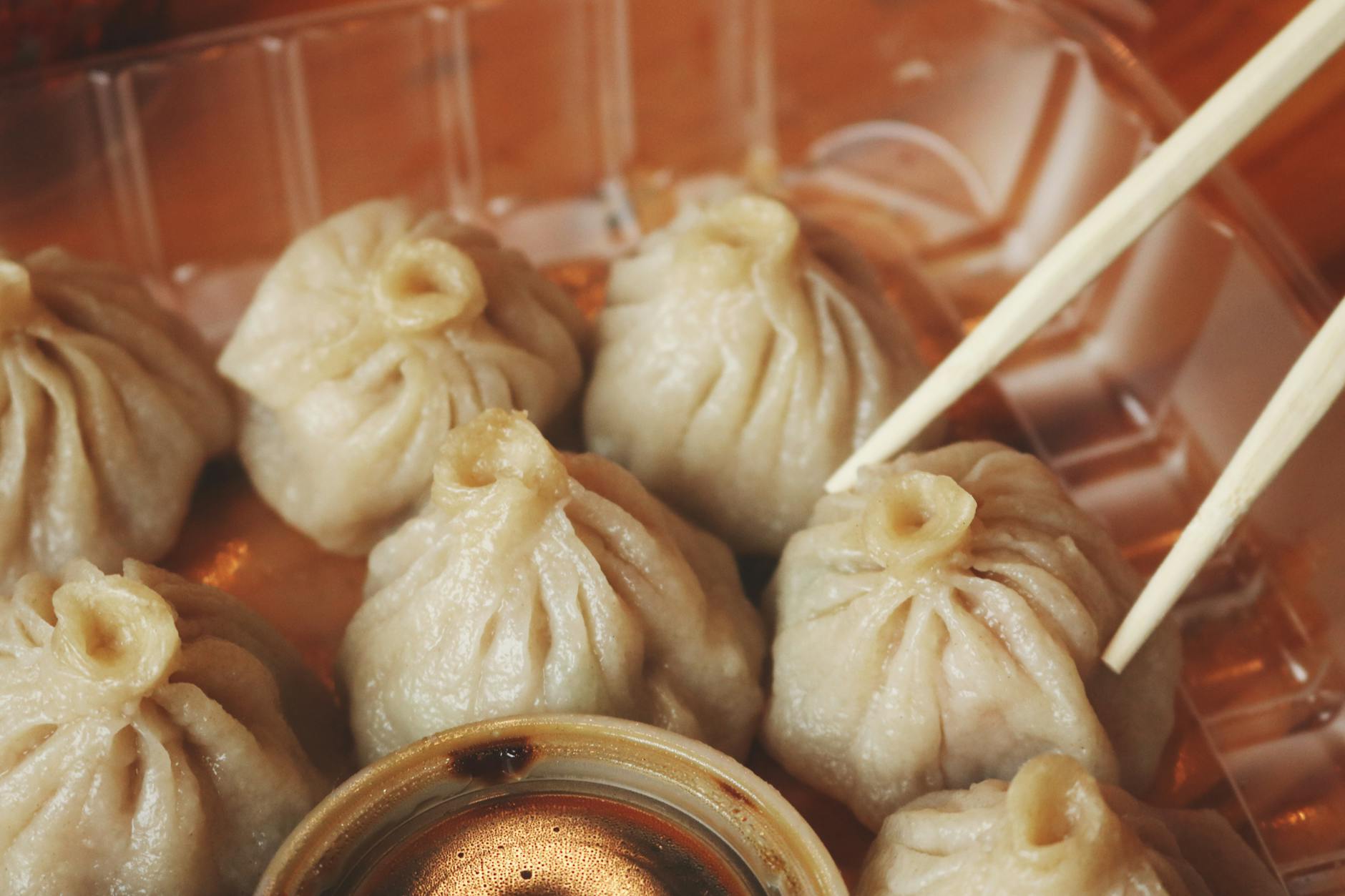
Dumplings of nearly every variety from Chinese potstickers to Japanese gyoza to Eastern European pierogi are among the most reliably frozen foods in the global food industry. The thin dough wrapper and enclosed filling freeze exceptionally well, and manufacturers have refined the technique to the point where frozen dumplings cook up nearly identically to fresh ones. Asian restaurants in Western countries frequently source their dumplings from commercial frozen suppliers rather than folding them by hand in the kitchen, a practice that helps manage labor costs without sacrificing the product. Dim sum establishments outside of major metropolitan areas are particularly likely to use frozen dumplings, as the hand-folding tradition requires significant skilled labor. Grocery stores devote substantial freezer space to dumplings of every regional variety because consumer demand for convenient frozen versions is consistently high.
Meatballs
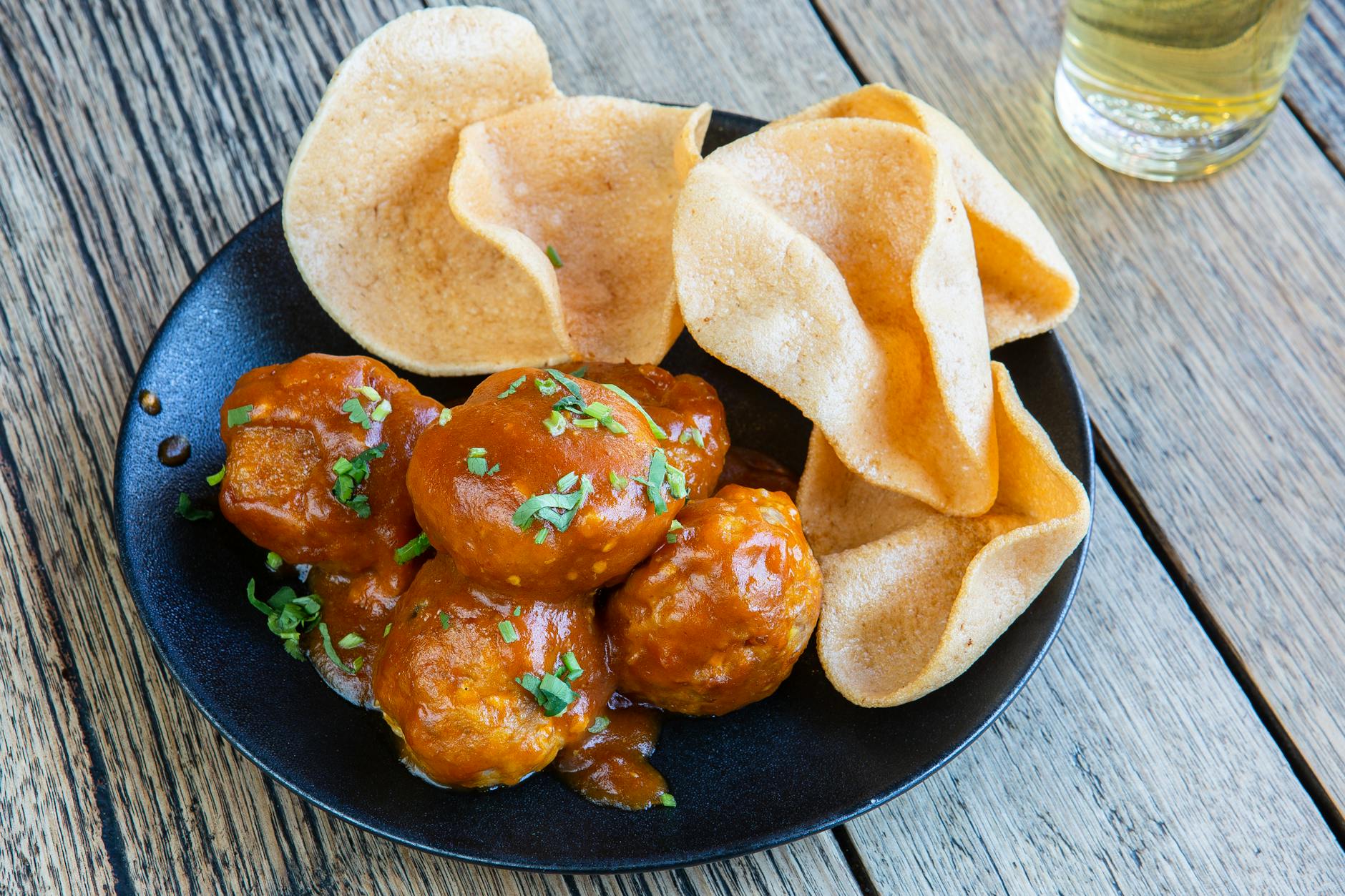
Meatballs served at casual Italian restaurants, Swedish-style chains, and sub sandwich counters are almost universally produced in large industrial batches, pre-cooked, and frozen before reaching the kitchen. The round shape and dense protein structure of meatballs are highly resistant to the quality degradation that freezing causes in more delicate foods. Chains that specialize in pasta dishes rely on frozen meatballs to ensure that every location serves a product of identical size, texture, and seasoning regardless of geography. The sauce in which meatballs are typically served during reheating helps restore moisture and prevents the exterior from drying out. Even in home kitchens, making a large batch of meatballs specifically for freezing is one of the most widely recommended meal prep strategies in mainstream cooking culture.
Quiche
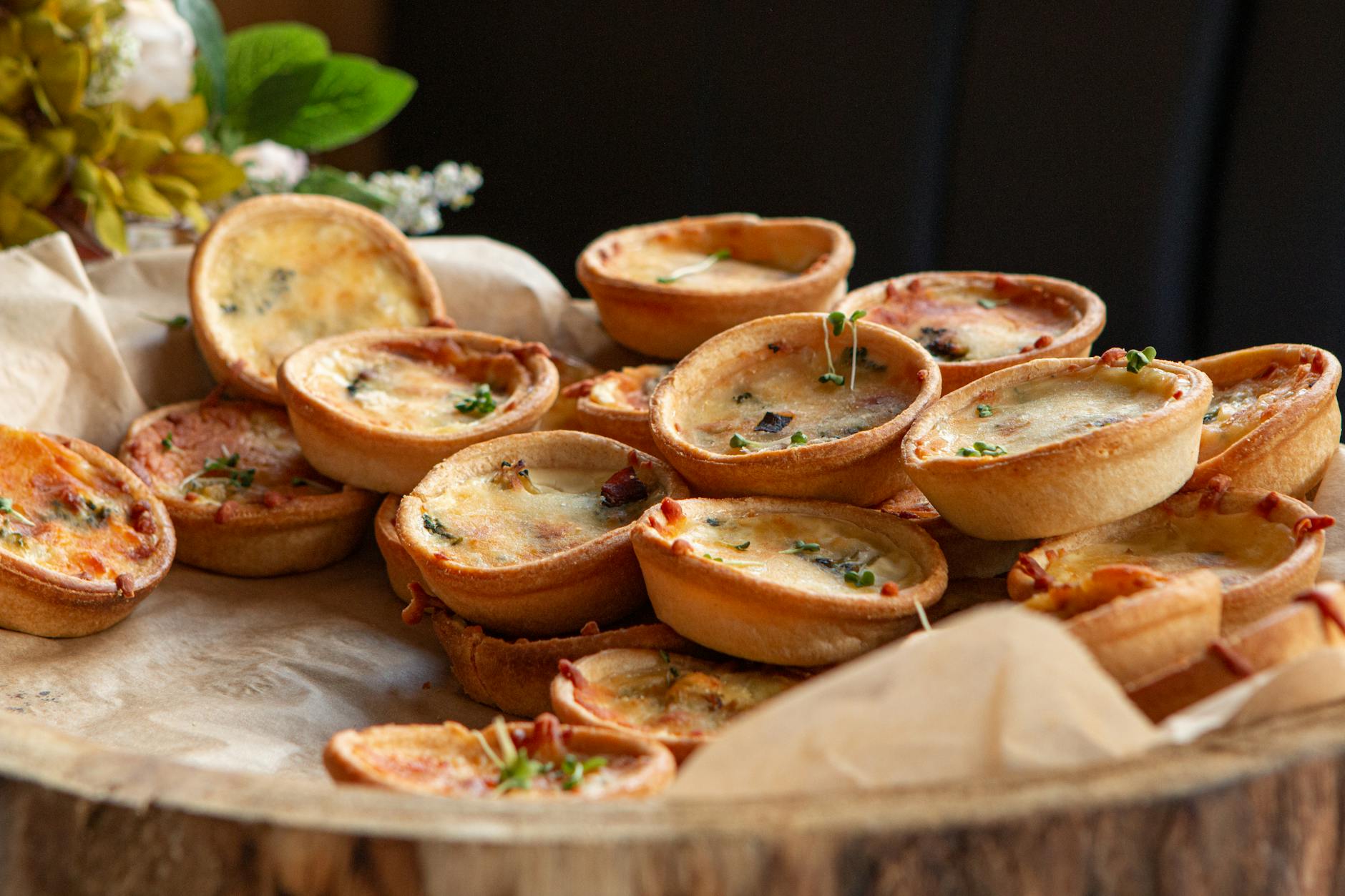
Quiche is a dish that commercial kitchens almost never prepare fresh daily, as the egg and cream custard filling requires precise baking and is labor-intensive to produce from scratch in large quantities. Most catering companies, hotel breakfast services, and café chains receive quiche in fully baked frozen form and reheat slices to order in convection ovens or microwaves. The pastry crust and custard filling both hold their structure reasonably well through the freeze and reheat cycle when the product is made with the correct fat and egg ratios. Airline catering relies heavily on frozen quiche as a breakfast option because it is compact, portion-controlled, and easy to reheat in the onboard ovens that aircraft carry for hot meal service. The frozen quiche market in Europe is particularly large, with France and the United Kingdom among the top consumers of commercially produced frozen quiche.
Pad Thai
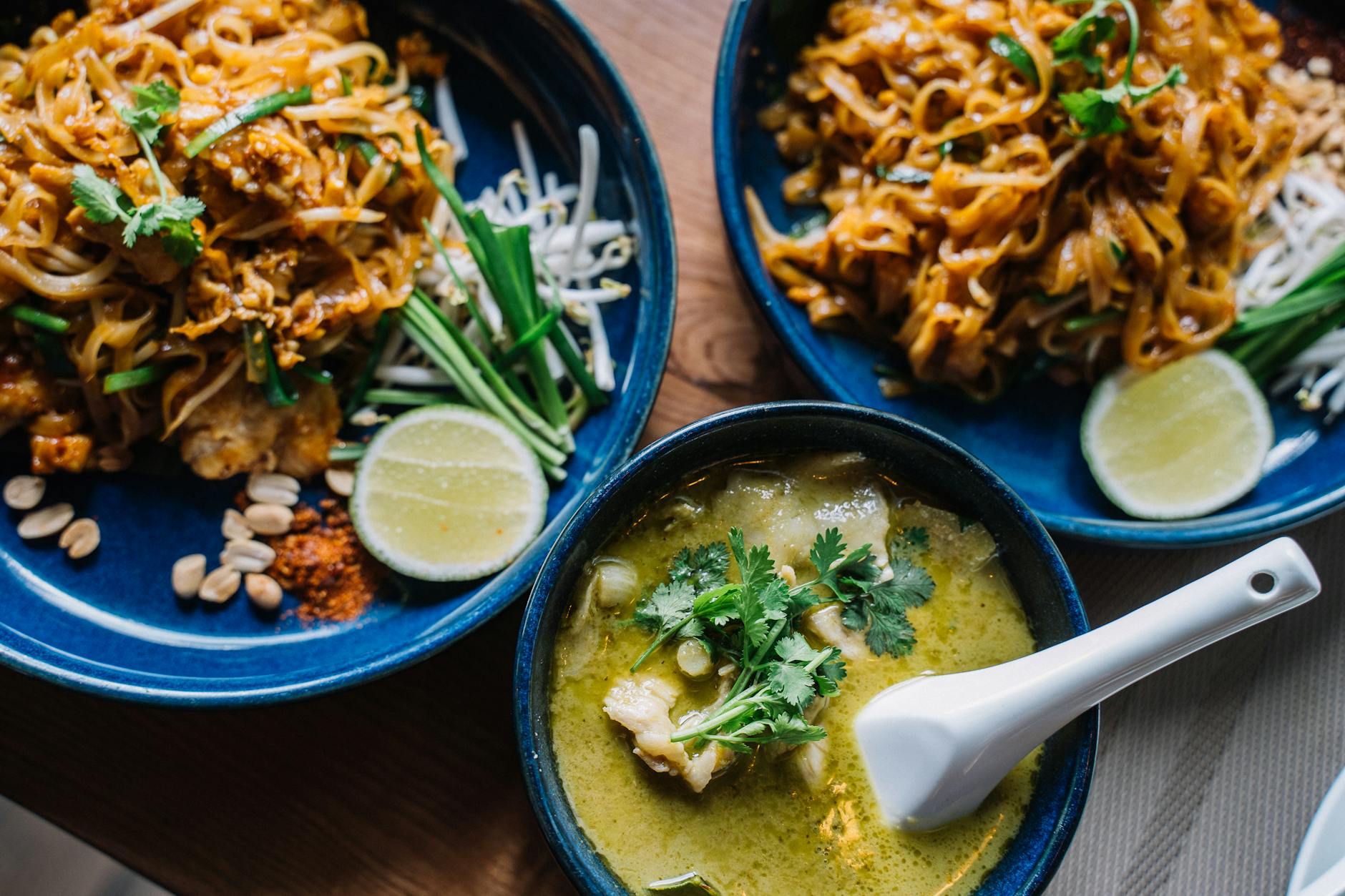
Pad Thai served at mid-range Thai restaurants and Asian fusion chains frequently relies on pre-portioned frozen noodle bases that are finished quickly in a wok with fresh garnishes to give the impression of made-to-order cooking. The rice noodles at the core of the dish are particularly prone to clumping if not handled correctly, and pre-portioned frozen noodle packets solve this problem while also speeding up service during busy periods. Some restaurant groups prepare large batches of the full dish including protein and vegetables and freeze them in individual servings for reheating when demand is high. The sauce components used in commercial pad thai are almost always produced off-site in bulk and added to the dish during the finishing process. Grocery store frozen pad thai is a consistently strong-selling product category, reflecting consumer familiarity and comfort with the frozen version of this dish.
Enchiladas
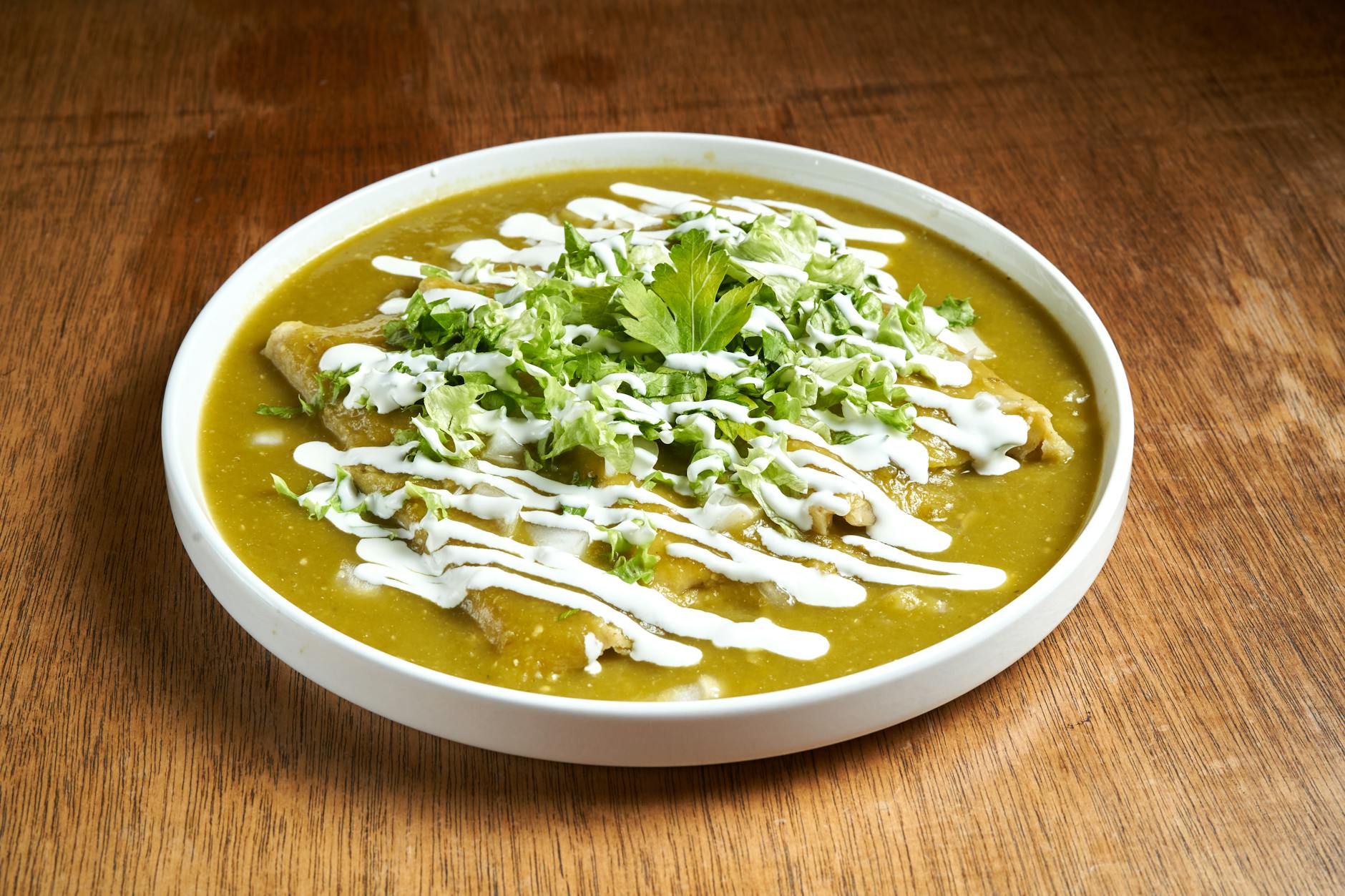
Enchiladas are one of the most common items on the frozen section shelf of any supermarket, and the same logic that makes them a popular frozen grocery item also makes them a practical choice for commercial kitchens that need to manage high volume efficiently. The corn tortillas are rolled around pre-cooked fillings, covered in sauce and cheese, and either partially or fully cooked before freezing, allowing them to be reheated quickly in a conventional oven or microwave. Chain Mexican restaurants and Tex-Mex establishments frequently use centrally produced frozen enchilada components that are assembled and finished at individual locations. The sauce covering protects the tortillas from drying out during the freezing process and serves as a moisture source during reheating. Institutional settings including school cafeterias and hospital kitchens include enchiladas on their menus with high frequency precisely because the freeze and reheat cycle does not significantly diminish the final product.
Stuffed Peppers
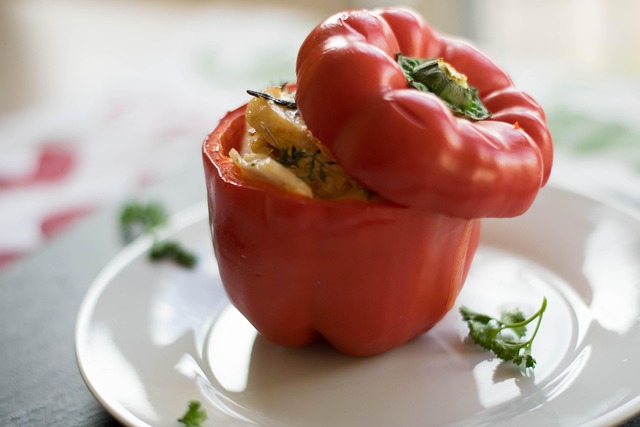
Stuffed peppers are a dish with a strong tradition in cuisines around the world including American, Italian, Greek, and Eastern European cooking and they are widely prepared in advance and frozen because the bell pepper shell functions as a natural container that maintains the shape of the dish during freezing. Restaurants that include stuffed peppers on their menus typically produce them in large batches during off-peak hours, cool them rapidly, and store them frozen in portion-ready form for service throughout the week. The rice and meat filling in most commercial versions is pre-cooked before the stuffing and freezing process, meaning the final reheat only needs to warm the product through rather than fully cook raw ingredients. Meal delivery services have identified stuffed peppers as one of their most reliable frozen products because the compact form factor makes them easy to package and ship. The wide flavor variation possible with stuffed peppers across different regional traditions makes them a versatile frozen product that appeals to a broad consumer base.
Which of these frozen-and-reheated dishes surprised you most? Share your thoughts in the comments.




