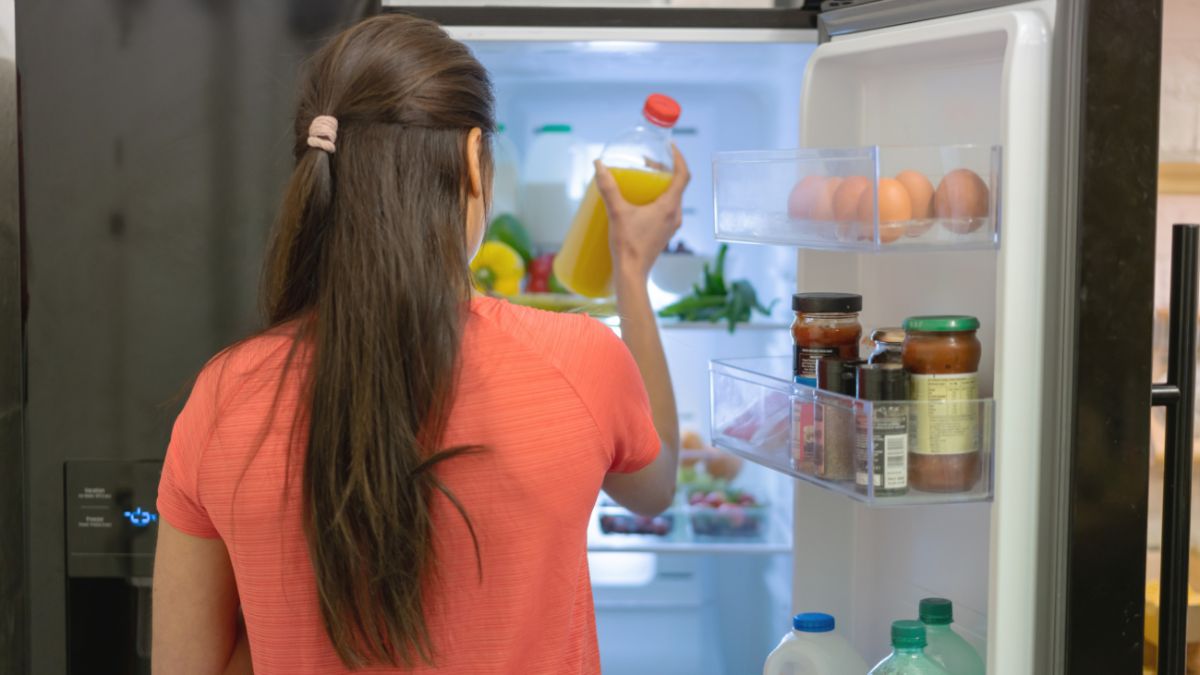
Your refrigerator is one of the most-used appliances in your home, but it can quietly become a breeding ground for expired, spoiled, and potentially dangerous foods. Many households hold onto items far longer than food safety guidelines recommend, putting health at risk without even realizing it. A regular fridge cleanout is one of the simplest habits you can adopt to protect your family and reduce food waste. The items on this list are the most commonly overlooked culprits hiding behind your leftovers and condiment jars.
Leftover Rice
Cooked rice is one of the most deceptively dangerous foods to store in the fridge. It harbors a bacterium called Bacillus cereus, which survives cooking and multiplies rapidly even at refrigerated temperatures. Food safety guidelines recommend discarding cooked rice after just one to two days in the fridge. Many people assume it lasts much longer, which is why it ends up sitting forgotten on a shelf for nearly a week.
Deli Meat
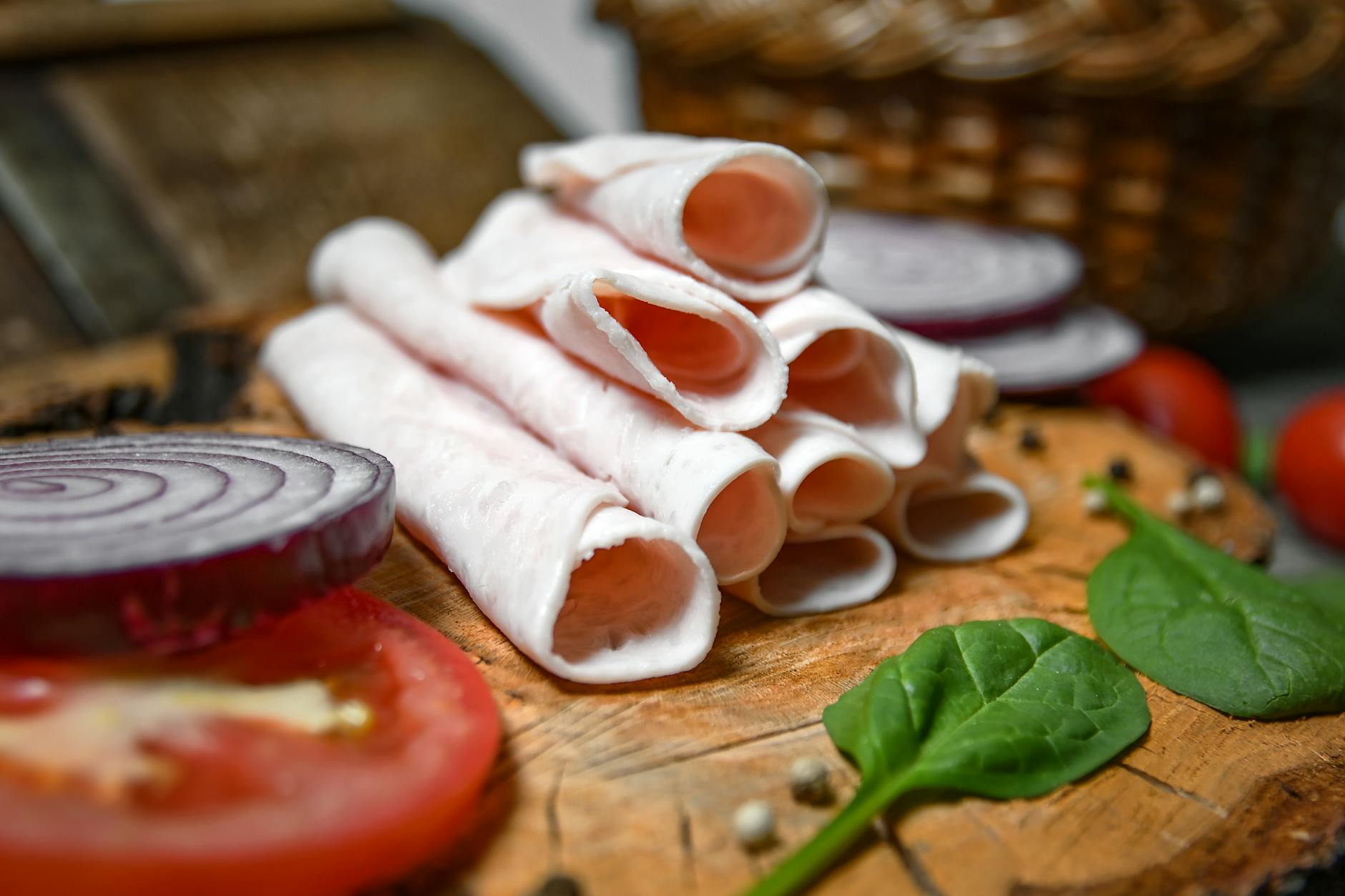
Pre-sliced deli meats have a surprisingly short refrigerator life once the package has been opened. Listeria monocytogenes can grow on these products even at cold temperatures, making them a genuine health risk when stored too long. Opened packages should be discarded within three to five days regardless of how fresh they appear or smell. Vacuum-sealed packages that have been opened are especially vulnerable to bacterial growth.
Soft Cheese
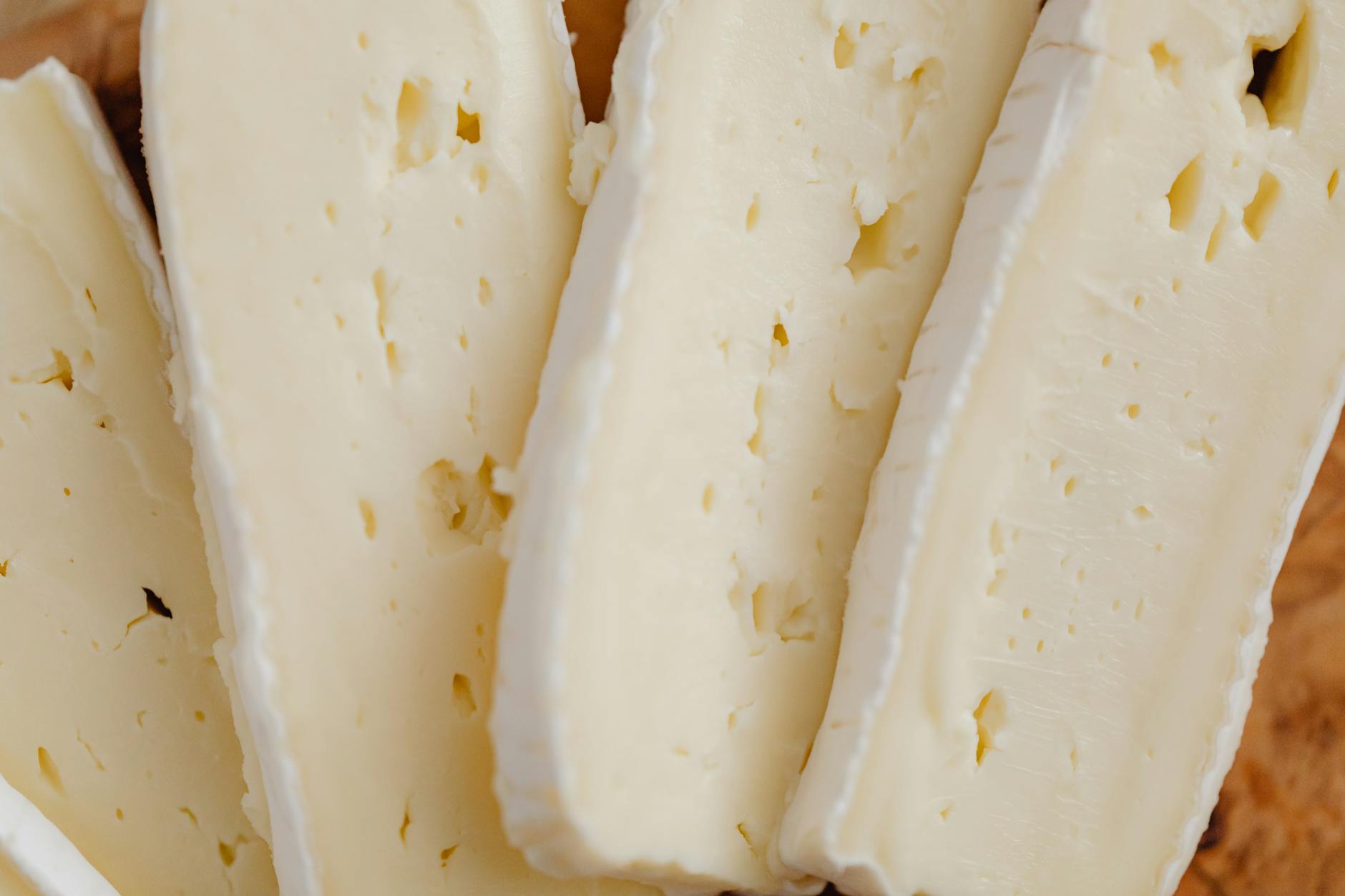
Soft cheeses such as ricotta, brie, and cottage cheese spoil far more quickly than their hard counterparts. Once opened, most soft varieties should be consumed within one week at the very most. Mold that appears on soft cheese cannot simply be cut away, as the contamination spreads invisibly throughout the entire product. The high moisture content makes these cheeses an ideal environment for harmful microorganisms to thrive.
Mayonnaise
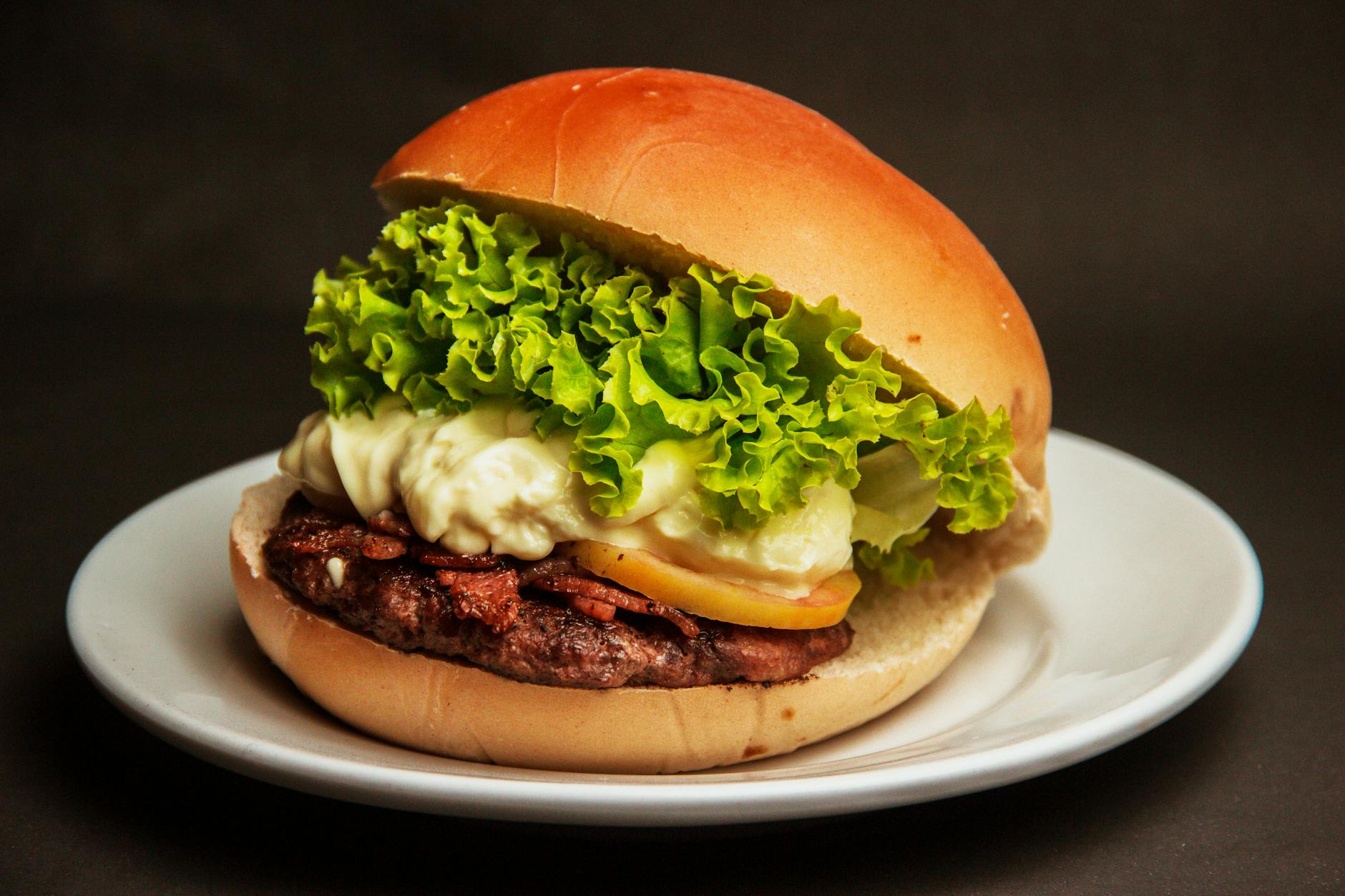
Homemade mayonnaise should be discarded after just a few days because it contains raw eggs with no preservatives to extend its shelf life. Even store-bought versions, once opened, should be used within two months and stored consistently at safe temperatures. Many people misjudge mayonnaise safety based on smell alone, but dangerous bacteria do not always produce noticeable odors. Any mayo left in a warm environment for more than two hours should be thrown out immediately.
Raw Chicken
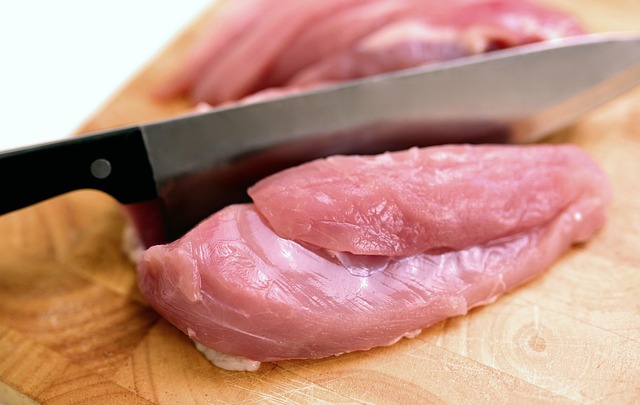
Raw poultry is one of the riskiest proteins to store in the refrigerator and should never be kept for more than one to two days after purchase. Salmonella and Campylobacter are common contaminants on raw chicken that can spread to other fridge contents through drips and leaks. Packaging that appears intact can still allow bacterial transfer onto nearby foods and shelving surfaces. If a purchase plan has changed, raw chicken should be frozen immediately rather than held in the fridge.
Leafy Greens
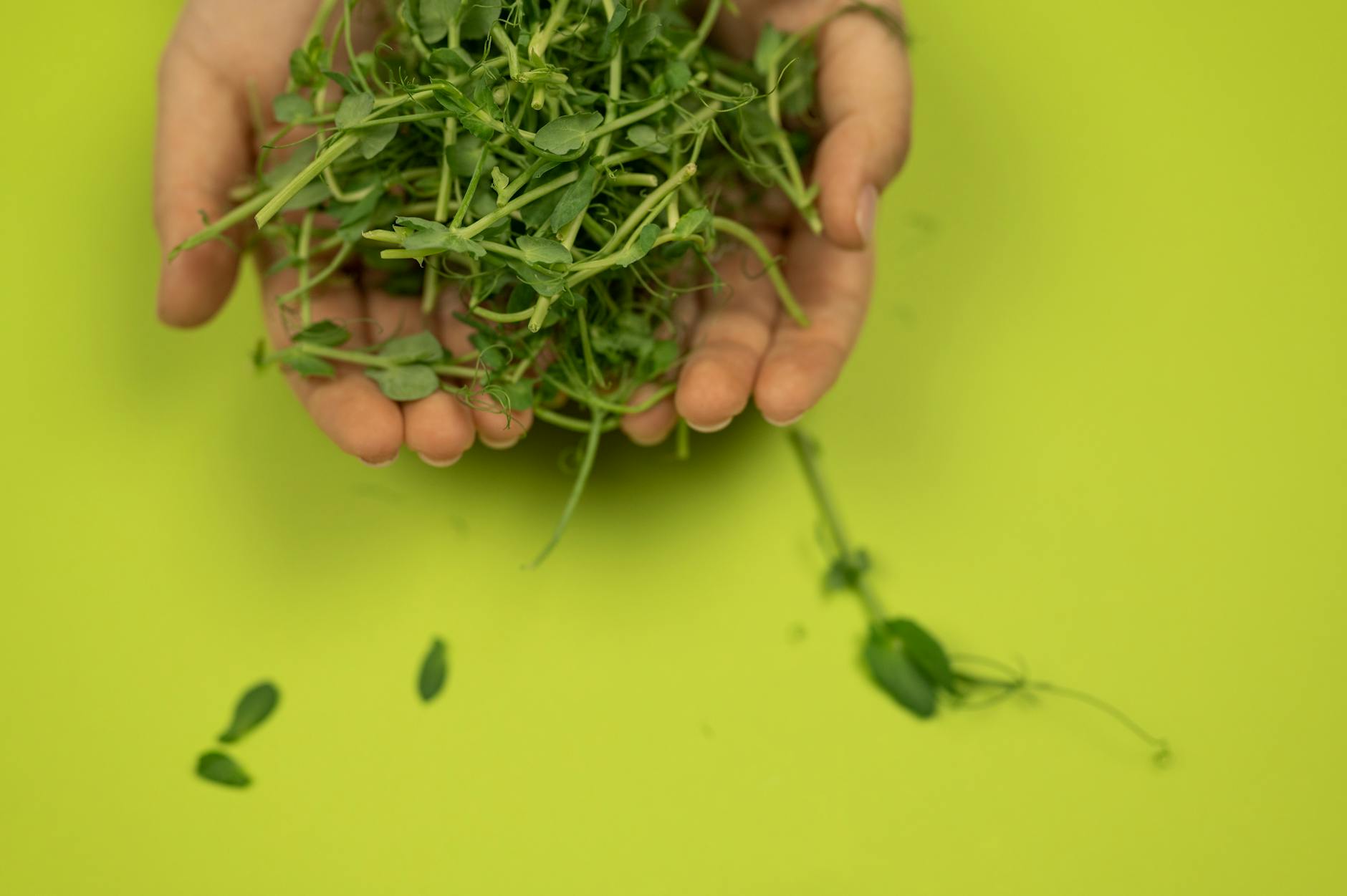
Bagged and loose leafy greens deteriorate faster than almost any other produce category in the refrigerator. Once slimy, darkened, or wilted beyond a certain point, they are not safe to rinse and revive for consumption. Pre-washed packaged greens are particularly prone to moisture buildup, which accelerates bacterial growth inside the bag. Even greens that look mostly fresh can harbor dangerous pathogens if they have been stored past the use-by date.
Hard-Boiled Eggs
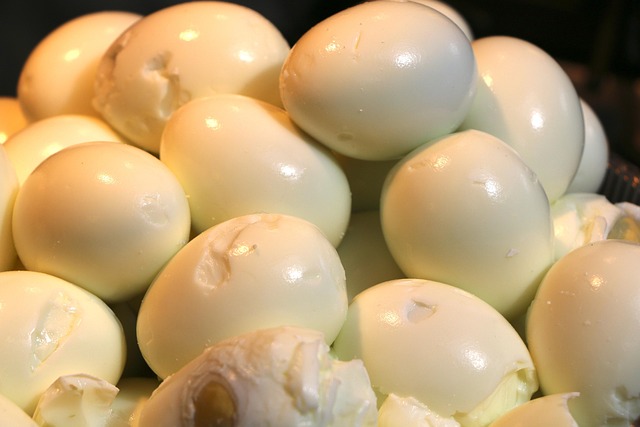
Hard-boiled eggs lose their protective outer coating during the cooking process, making them far more perishable than raw eggs still in the shell. They should be refrigerated promptly and consumed within one week without exception. Peeled hard-boiled eggs are even more vulnerable and begin deteriorating faster once the shell is removed. An unpleasant sulfuric odor is the most reliable sign that a hard-boiled egg has gone bad.
Fish Leftovers
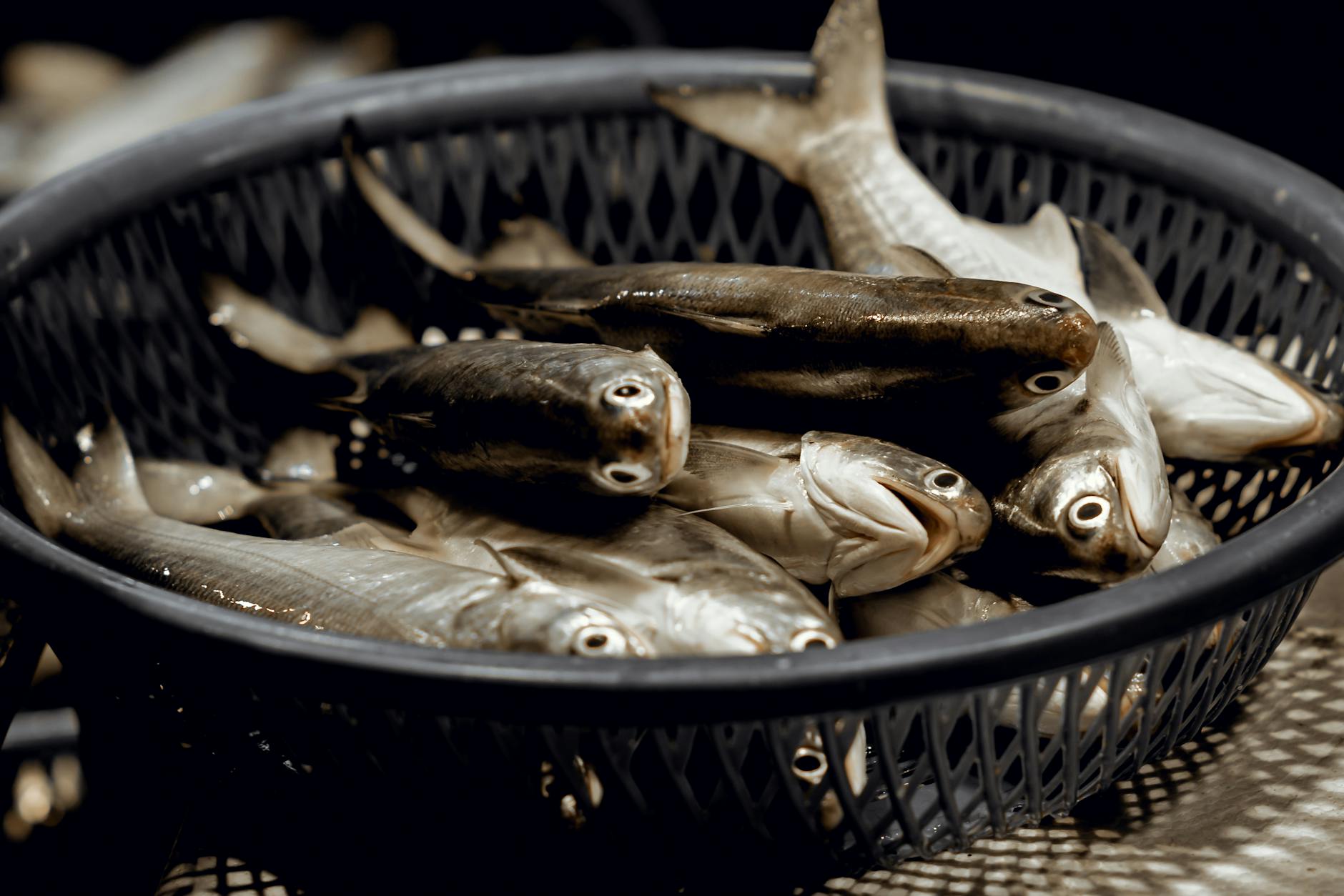
Cooked fish stored in the refrigerator should be eaten within two days of preparation for both safety and quality reasons. The proteins in fish break down rapidly, producing strong odors and creating conditions that favor bacterial growth. Raw fish purchased fresh should be used the same day or the next day at the absolute latest. Fish stored in poorly sealed containers poses a cross-contamination risk to everything else in the fridge.
Old Berries
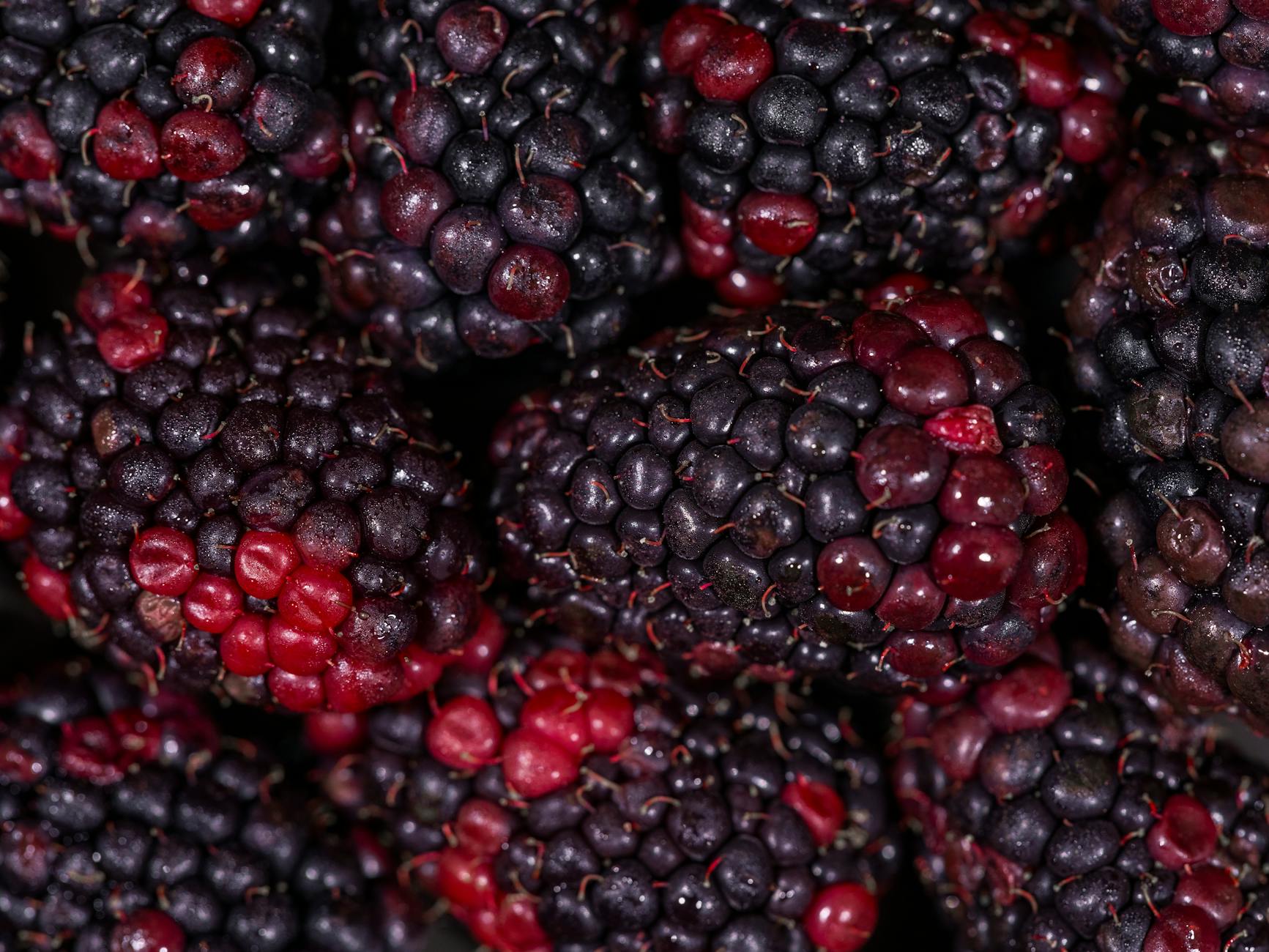
Fresh berries are among the most perishable items in any refrigerator and decline noticeably within just a few days of purchase. A single moldy berry can spread spores to the rest of the container within hours through direct contact. Strawberries, raspberries, and blackberries are especially vulnerable because of their thin skin and high moisture content. Any container showing even one or two moldy pieces should be discarded entirely rather than sorted through.
Expired Yogurt
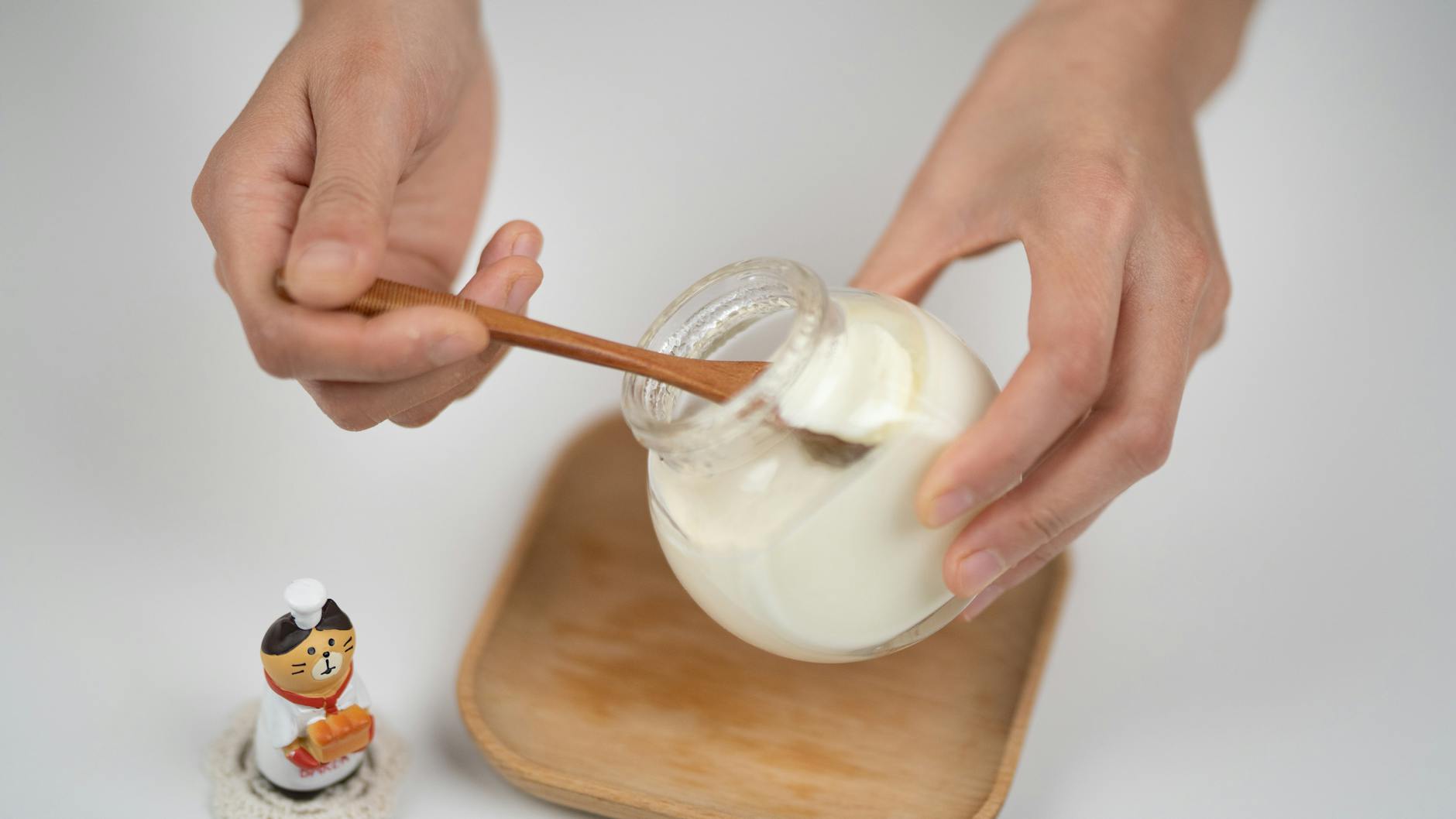
Yogurt is often kept well past its expiration date under the assumption that the live cultures make it self-preserving, which is not the case. Once opened, yogurt should ideally be consumed within five to seven days for optimal safety and freshness. Visible mold, an off smell, or excess liquid pooling on top are all signs that the product has spoiled. Flavored yogurts with fruit at the bottom can deteriorate even faster than plain varieties.
Old Condiments
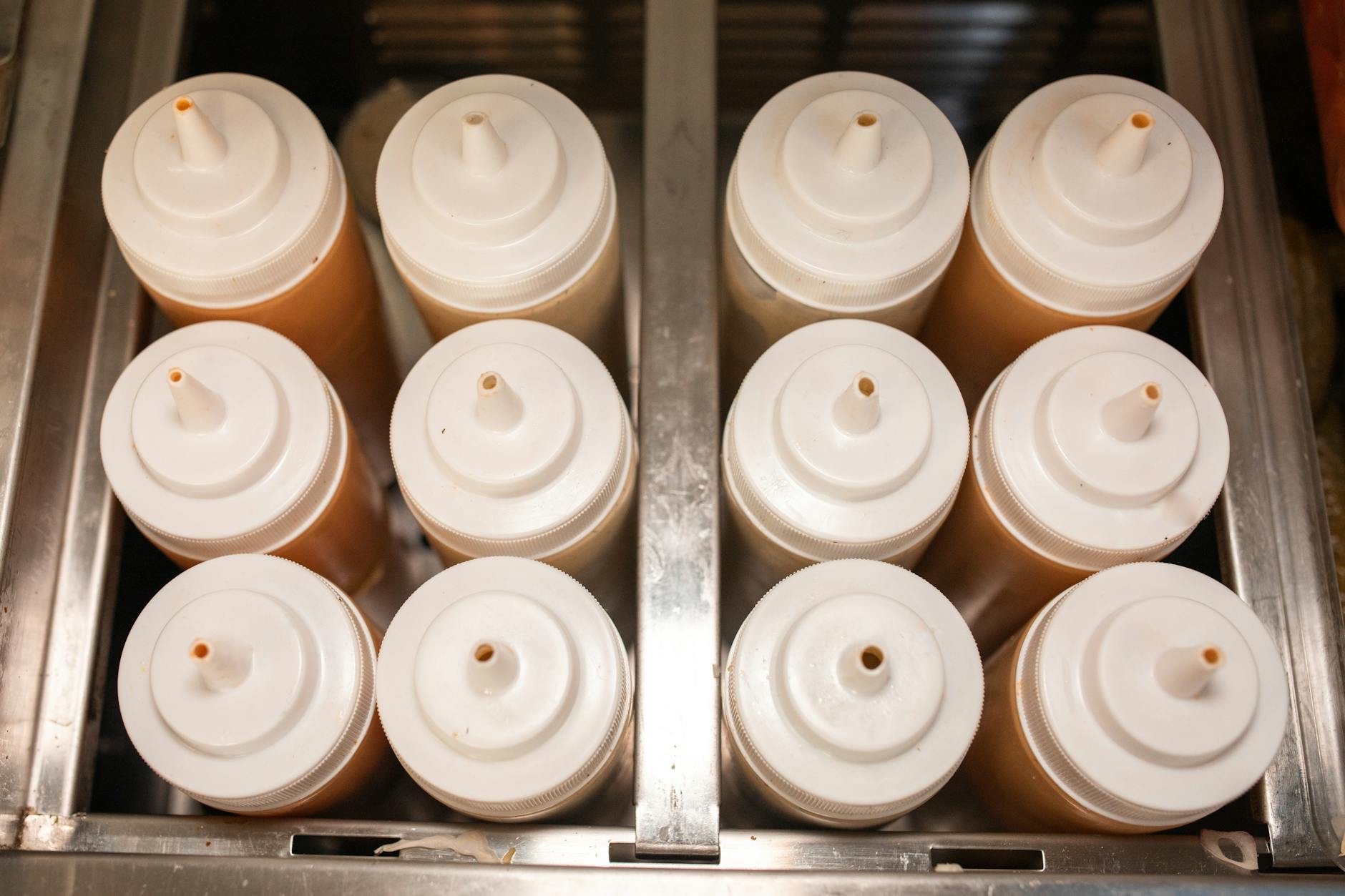
Condiment jars tend to accumulate in refrigerator doors for months or even years beyond their best-by dates. While many condiments have preservatives that extend their shelf life, they do not last indefinitely once opened. Horseradish, tartar sauce, and fish-based condiments are particularly prone to going rancid or developing mold well before people notice. Checking the dates on every bottle and jar in the door is one of the most overlooked parts of fridge maintenance.
Sour Cream

Sour cream can develop mold and off-flavors within seven to ten days of opening, especially if a dirty spoon has been used to scoop it. The presence of any pink, green, or fuzzy growth on the surface is a clear sign that the entire container should be discarded. Unlike hard cheeses, the mold in sour cream cannot simply be scraped from the top because the contamination spreads through the liquid-rich environment. Tightly sealed containers stored at the back of the fridge where temperatures are most stable last longer than those placed near the door.
Leftover Pasta
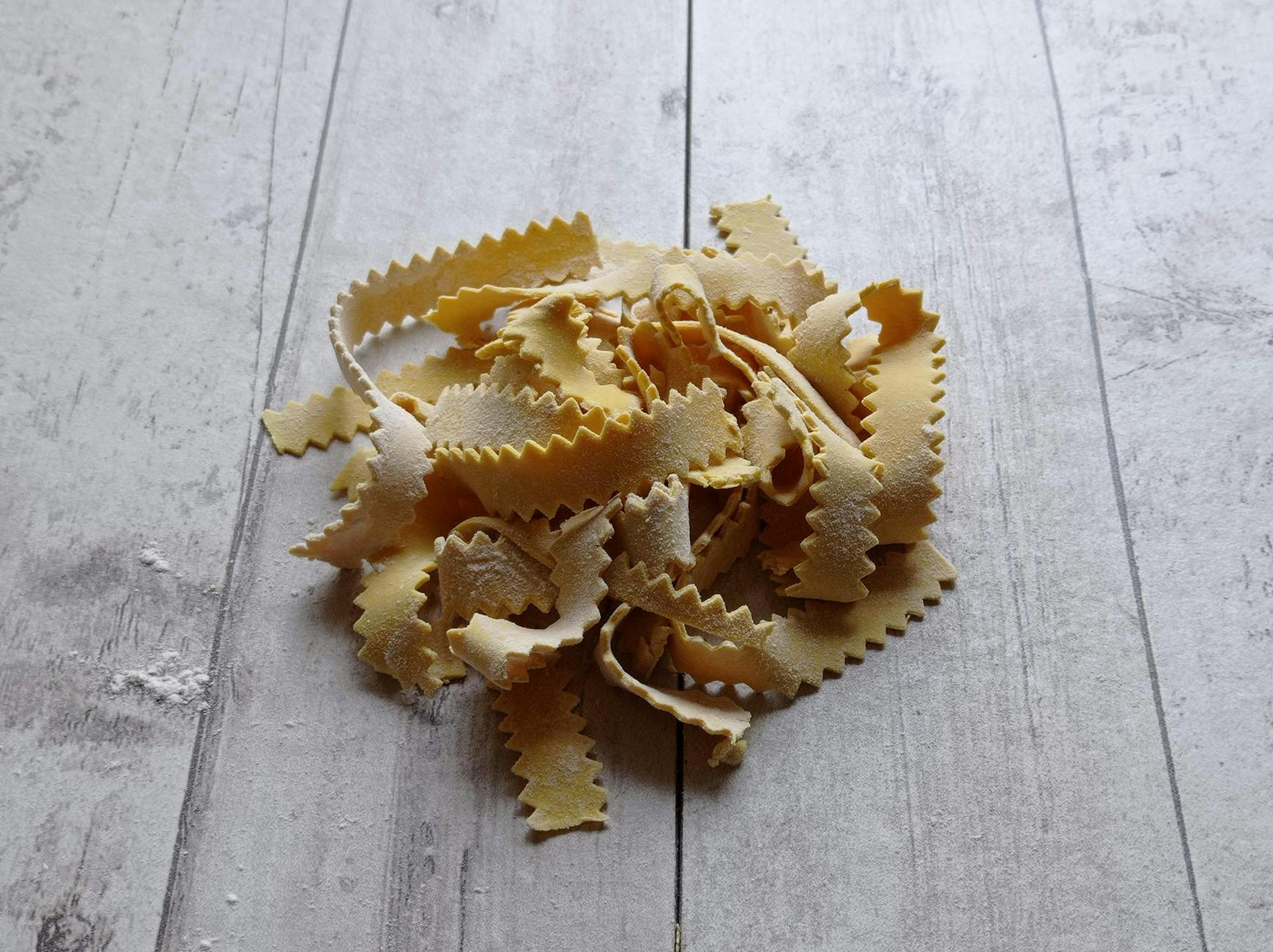
Cooked pasta stored in the refrigerator should be eaten within three to five days, but many households stretch this far beyond safe limits. Pasta absorbs moisture over time, creating a texture and bacterial environment that makes it increasingly risky as the days pass. When combined with meat-based sauces or cream-based dressings, the safety window shortens even further. Any pasta dish that has been reheated multiple times should be discarded without hesitation.
Raw Ground Meat
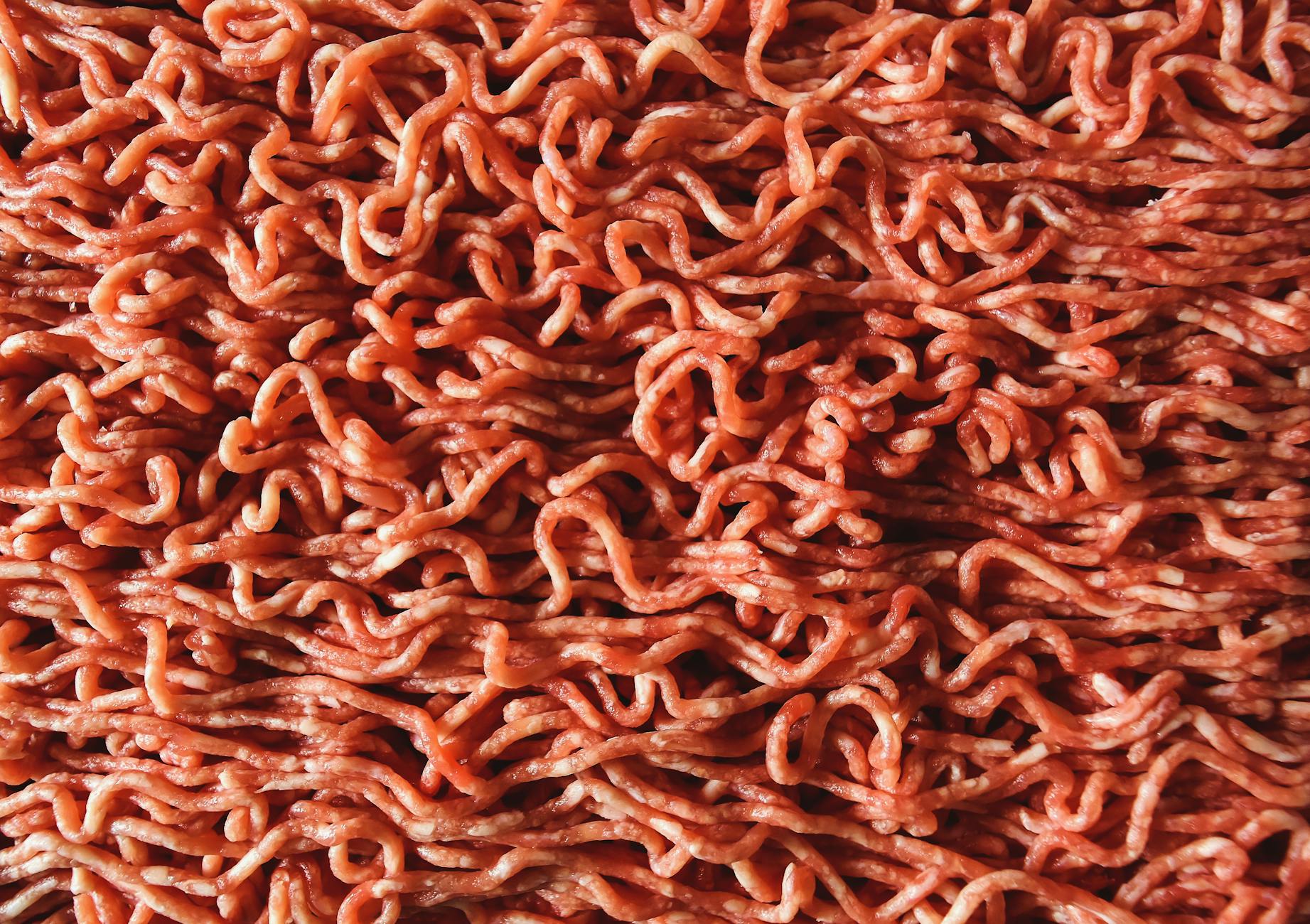
Ground beef, turkey, and pork have a much shorter fridge life than whole cuts because the grinding process exposes far more surface area to bacteria. Raw ground meats should never be stored in the refrigerator for more than one to two days after purchase. The color of the meat shifting from red to gray is a common warning sign, though the absence of color change does not guarantee freshness. Ground meat that has been sitting for any amount of uncertainty should go in the bin rather than the pan.
Opened Juice
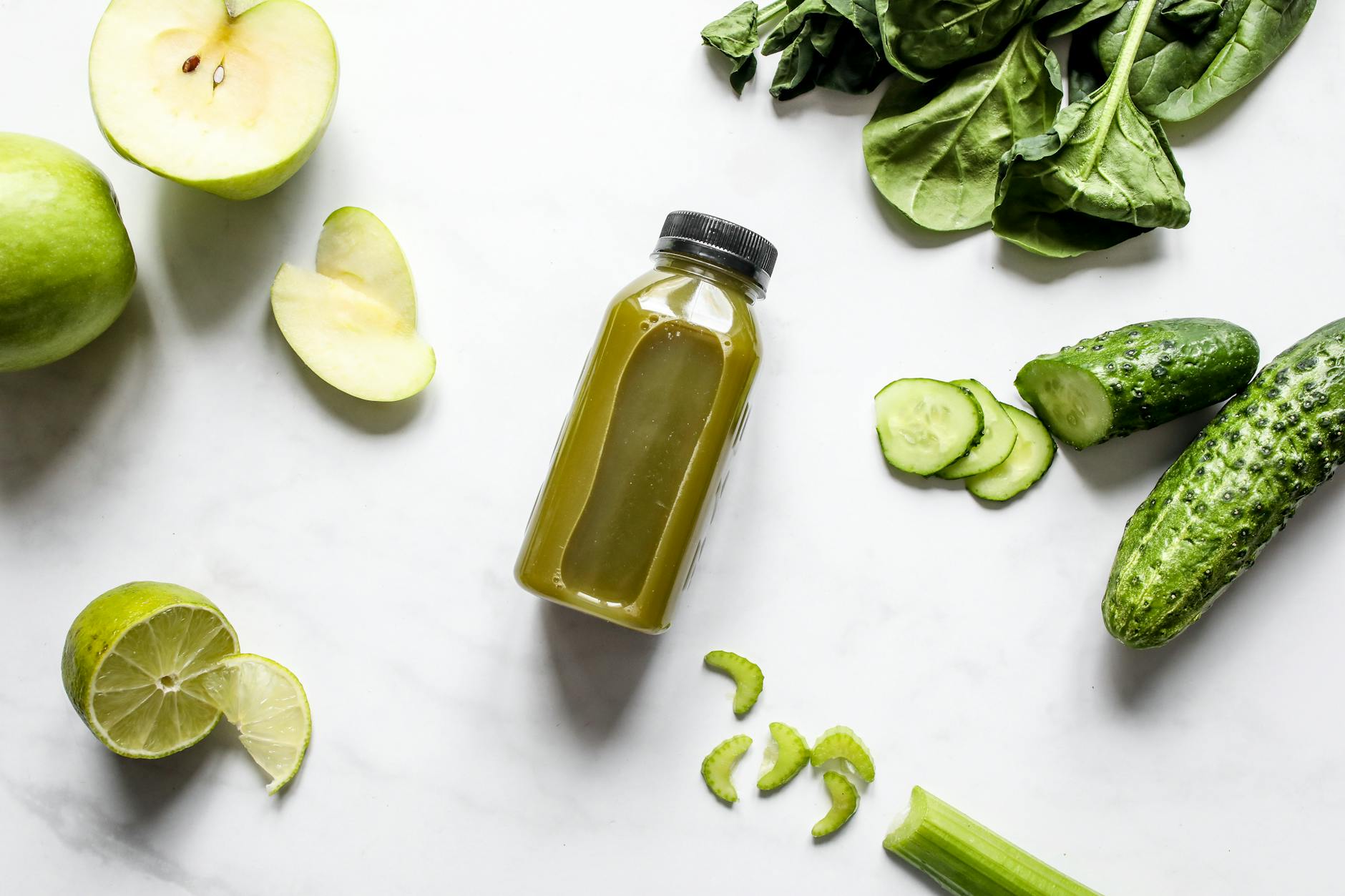
Fresh-squeezed and cold-pressed juices are among the fastest-spoiling beverages in the refrigerator and typically last only three to five days after opening. Even pasteurized juices begin fermenting once opened and exposed to air over time. A slightly fizzy texture, sour smell, or cloudy appearance in a product that was previously clear are all signs that juice has turned. Bottled juices stored in the door rather than the coldest part of the fridge deteriorate even more quickly.
Wilted Herbs

Fresh herbs like cilantro, parsley, and basil begin wilting and yellowing within a week and become breeding grounds for mold once they break down fully. Herbs stored loosely in plastic bags rather than upright in water deteriorate the fastest. Once the stems become slimy or the leaves turn dark and mushy, the herbs are no longer safe or pleasant to use. Many people overlook herbs during fridge cleanouts because they get pushed to the back and forgotten.
Old Leftovers

As a general rule, leftovers should be consumed within three to four days of being prepared and stored in airtight containers. Dishes containing dairy, eggs, or meat fall to the lower end of that window and should not be stretched past two to three days. Reheating food does kill some bacteria, but it does not neutralize toxins that certain bacteria have already released into the food. Any leftover with an unusual color, off smell, or slimy texture should be discarded without tasting.
Shredded Cheese
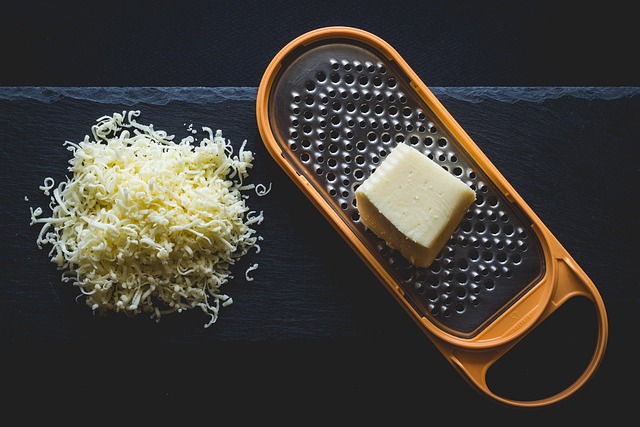
Pre-shredded cheese may seem like it lasts longer because of added anti-caking agents, but opened bags deteriorate significantly within five to seven days. The increased surface area of shredded cheese compared to a block makes it far more susceptible to mold growth. Green, blue, or pink mold visible anywhere in the bag is a sign the entire contents should be thrown out. Packages that have been left partially open and improperly resealed carry an even higher risk of spoilage.
Raw Shellfish
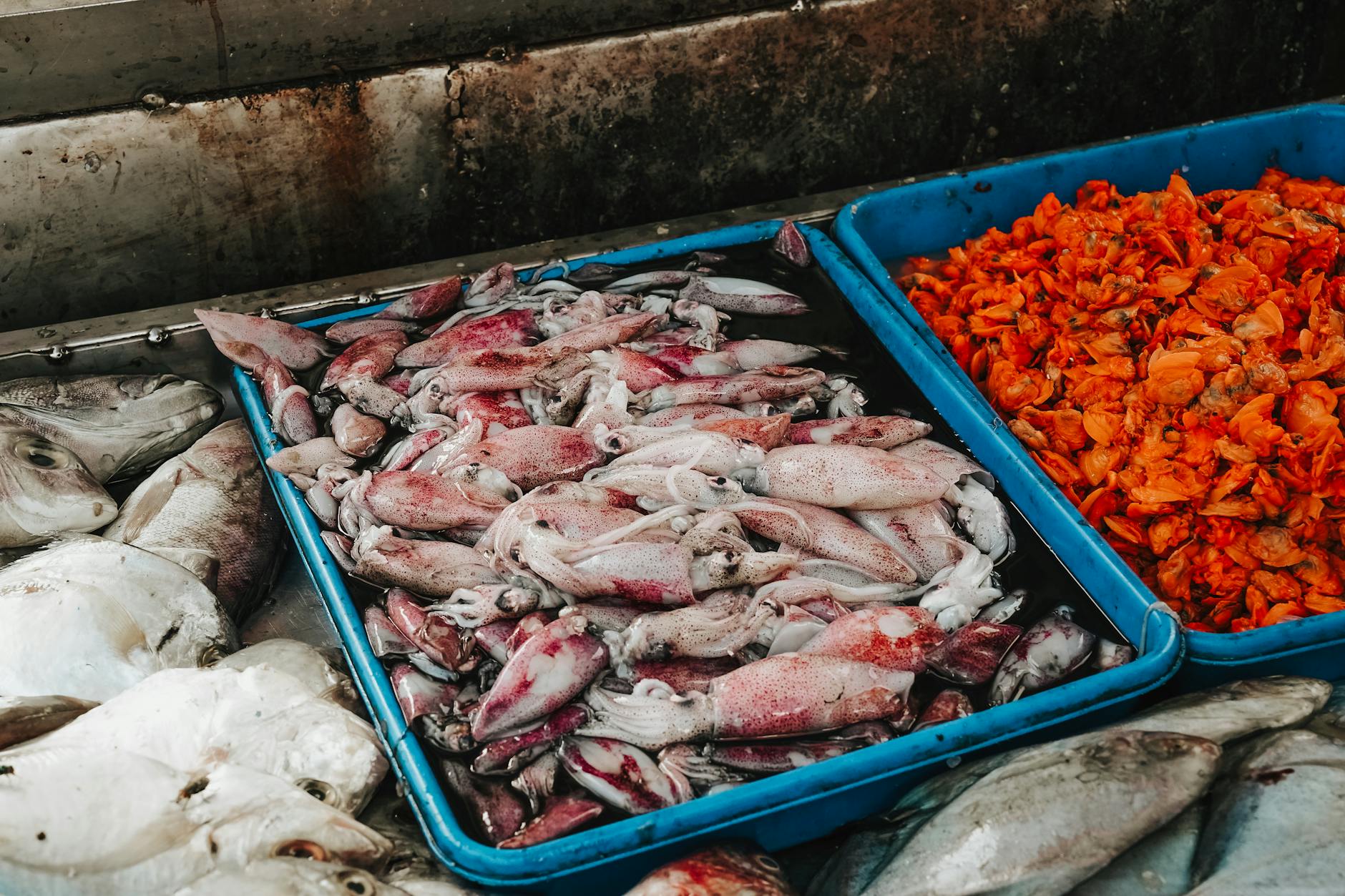
Raw shellfish including clams, oysters, and mussels are among the most perishable seafood products and must be treated with extreme caution. They should be consumed the same day they are purchased or within 24 hours at the absolute maximum. Dead shellfish that remain in the fridge for even a short time become unsafe to eat very quickly. Any shellfish that does not close when tapped or has an overpowering odor should be discarded immediately without second-guessing.
Opened Nut Milk
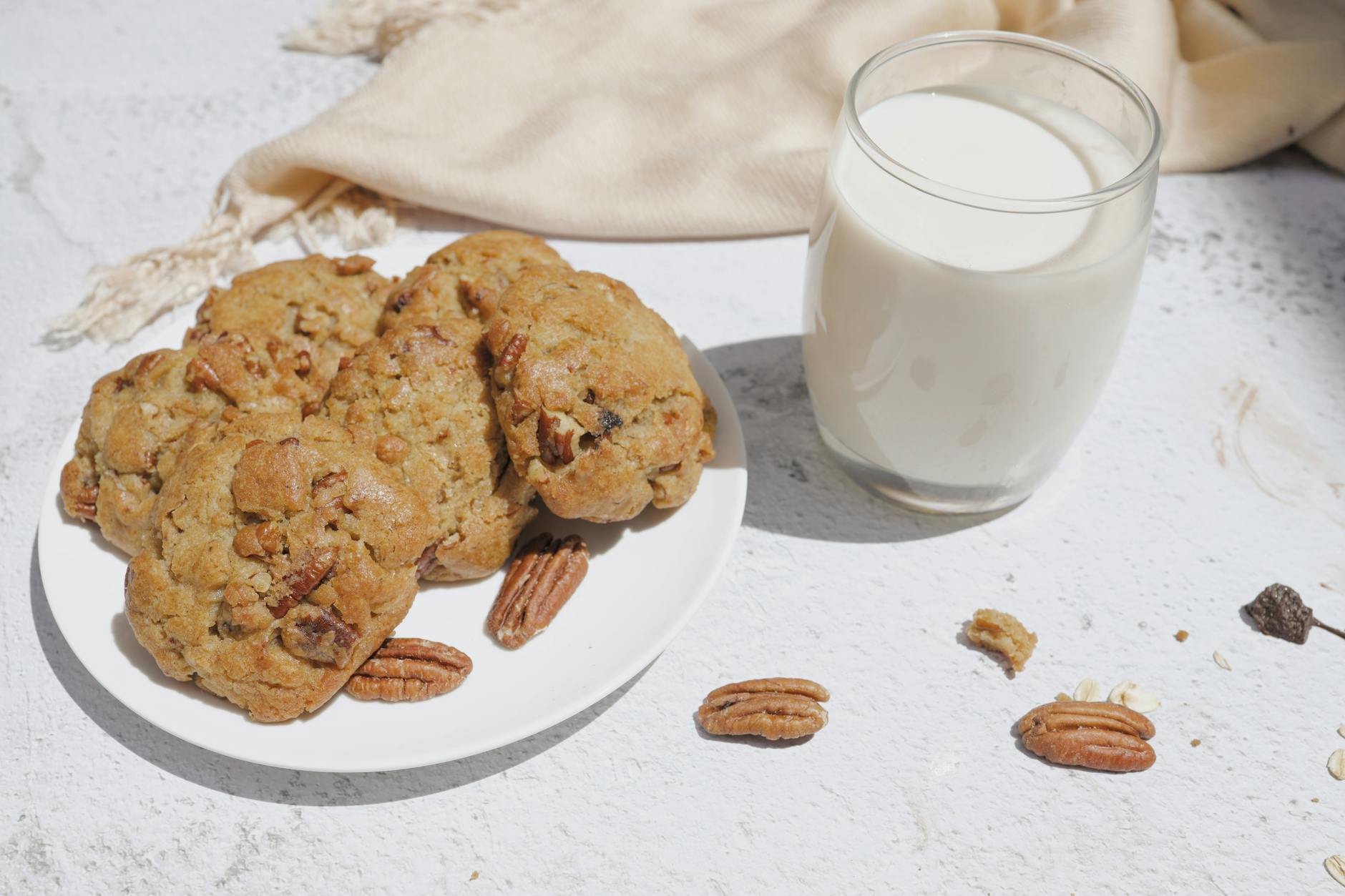
Plant-based milks like almond, oat, and soy milk have a surprisingly short shelf life once opened and refrigerated. Most cartons should be finished within seven to ten days of opening, and many begin developing off flavors even before then. A curdled texture, sour smell, or visible separation that does not correct when shaken are all signs that the product has spoiled. People who use plant-based milks infrequently often miss these signs because they are less familiar with the spoilage cues compared to dairy milk.
Mushrooms
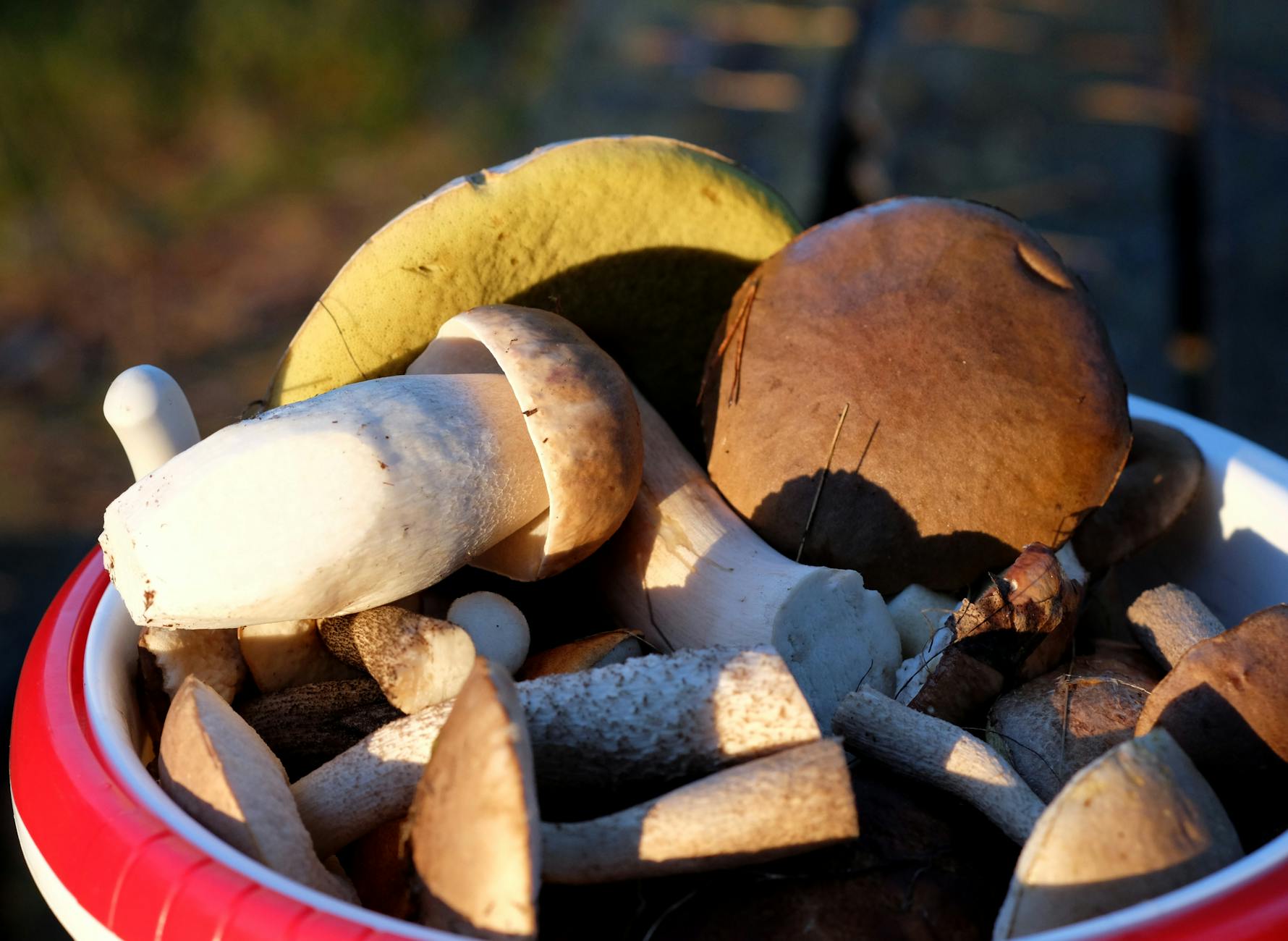
Fresh mushrooms are highly perishable and begin to shrivel, darken, and develop a slimy film within just a few days of refrigeration. Mushrooms stored in plastic bags trap moisture and accelerate the breakdown process significantly. Opened or loosely stored mushrooms that develop a sticky surface are past the point of safe consumption. Even mushrooms that look mostly intact can have developed off-flavors and bacterial growth that make them unsuitable for cooking.
Cream-Based Sauces
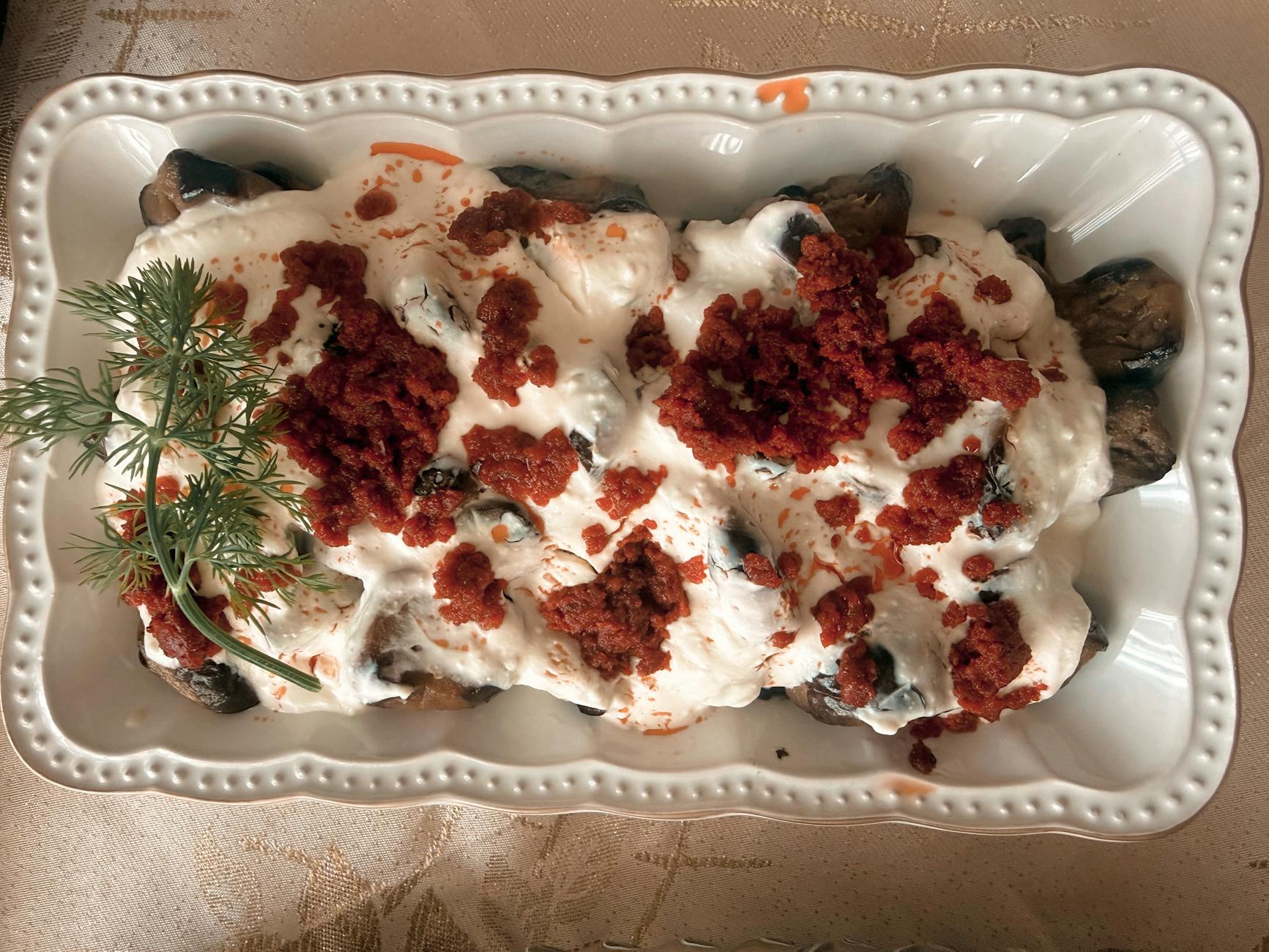
Leftover cream sauces including alfredo, béchamel, and mushroom cream sauce have a very limited refrigerator life of two to three days at most. The dairy base separates and becomes an inviting environment for mold and bacteria as time passes. Reheating does not restore the texture or safety of a cream sauce that has been stored too long. These dishes should be portioned carefully during cooking to minimize the amount stored, as they rarely hold well past a couple of days.
Opened Baby Food

Opened jars of baby food should be discarded within one to two days and should never be fed directly from the jar if any portion is being saved. Saliva from a baby’s spoon introduces bacteria into the jar, accelerating spoilage in ways that are not always visible. Many parents assume that refrigeration makes opened baby food last much longer than it actually does. When in doubt, it is always safer to discard an opened jar than to risk feeding a compromised product to a young child.
Cracked Eggs
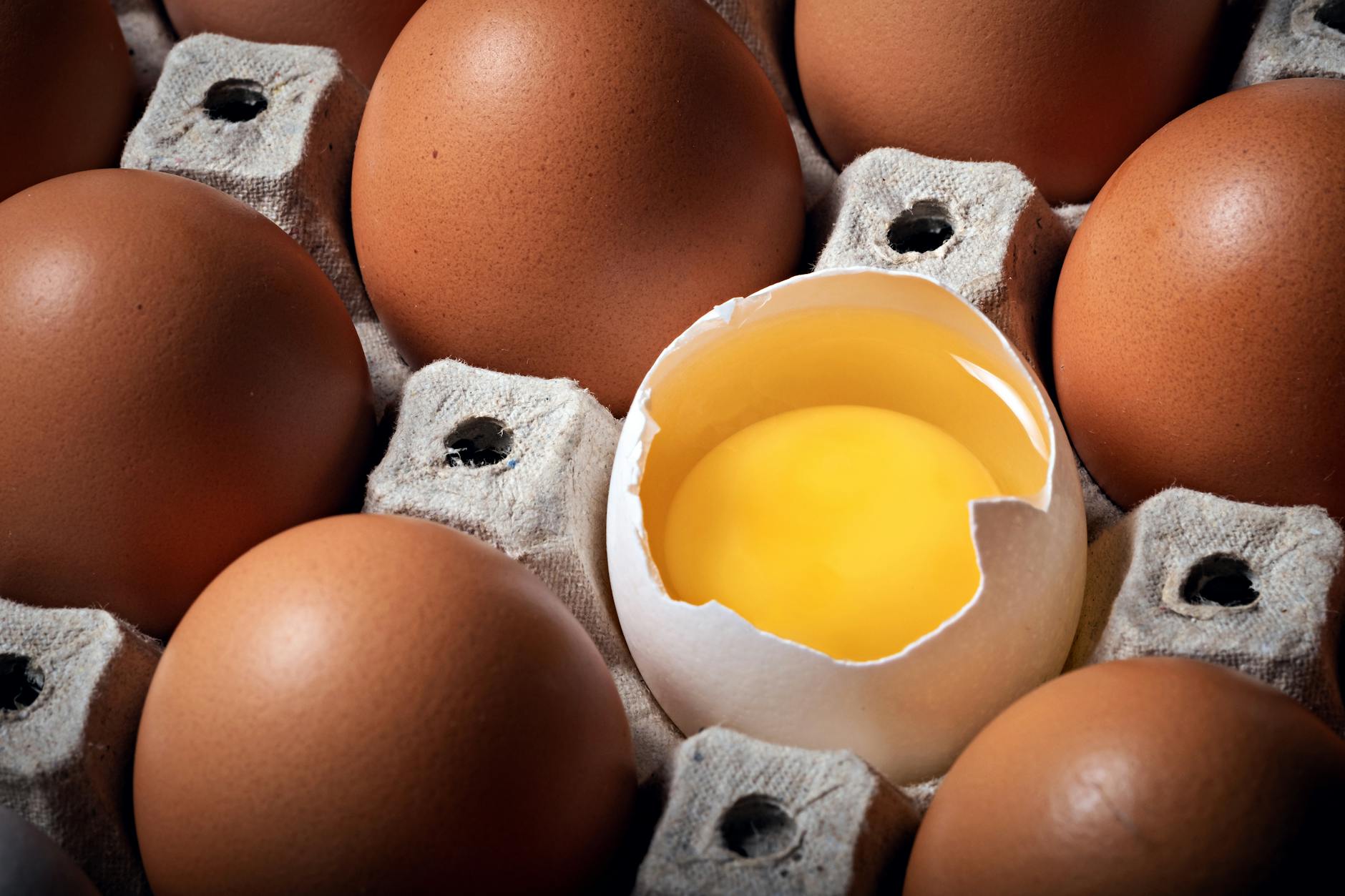
Eggs with cracked shells should be removed from the carton and discarded before they contaminate the remaining eggs. A crack in the shell allows bacteria including Salmonella to enter the egg directly and begin multiplying inside. Even if a cracked egg is stored in a sealed container, the compromised shell integrity means the contents should not be trusted for consumption. Checking eggs for cracks when unpacking groceries is a simple habit that significantly reduces food safety risk.
Old Takeout
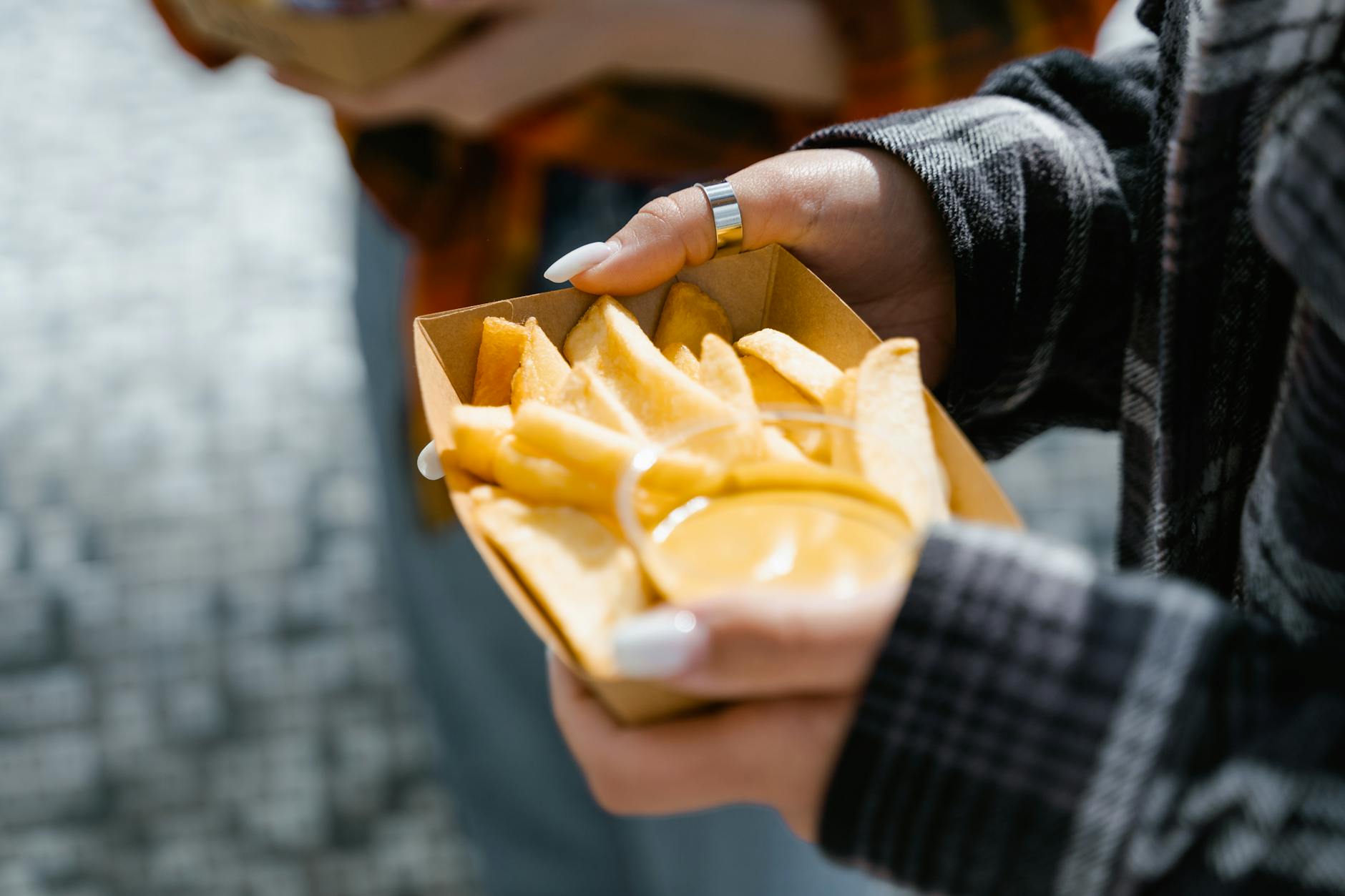
Takeout food is subject to the same three to four day rule as home-cooked leftovers, but many people extend this window under the assumption that restaurant food is somehow safer. Dishes involving rice, raw fish preparations, or cream-based components are especially risky and should be eaten sooner. Takeout containers are rarely airtight, which means the food inside is exposed to fridge odors and temperature fluctuations more than food stored in proper containers. When a takeout order sits in the fridge for more than two days, it is almost always better to let it go.
Sliced Fruit
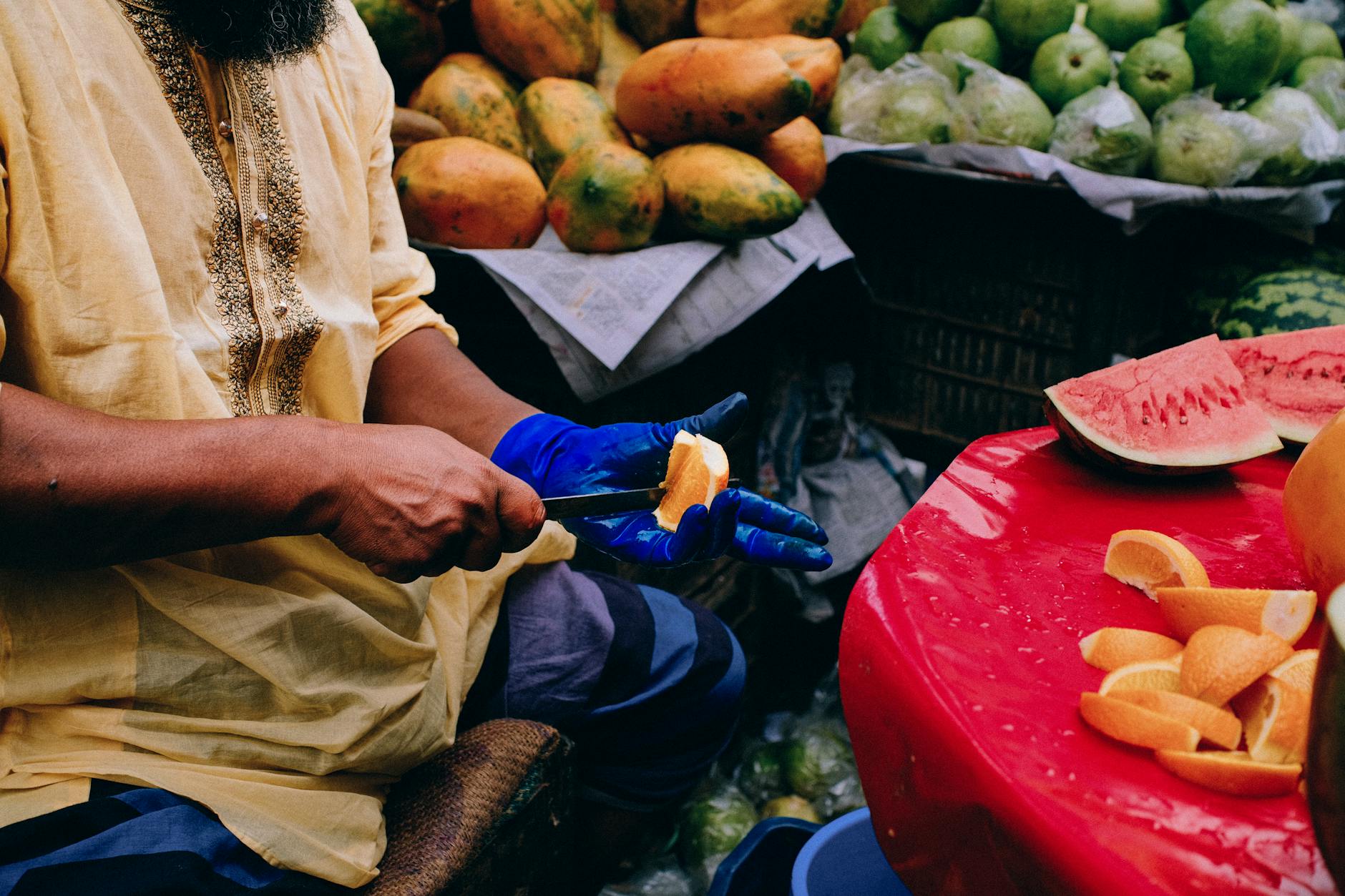
Pre-cut fruits such as melon, pineapple, and mango have a dramatically shortened shelf life compared to whole fruits stored intact. Once cut, the exposed flesh is vulnerable to mold and bacterial growth, and the moisture released speeds up the process. Cut fruit should be consumed within three to five days and stored in sealed containers rather than loosely covered with plastic wrap. Any fruit that develops a fermented smell, visible mold, or a mushy texture at the edges should be discarded entirely.
Expired Milk
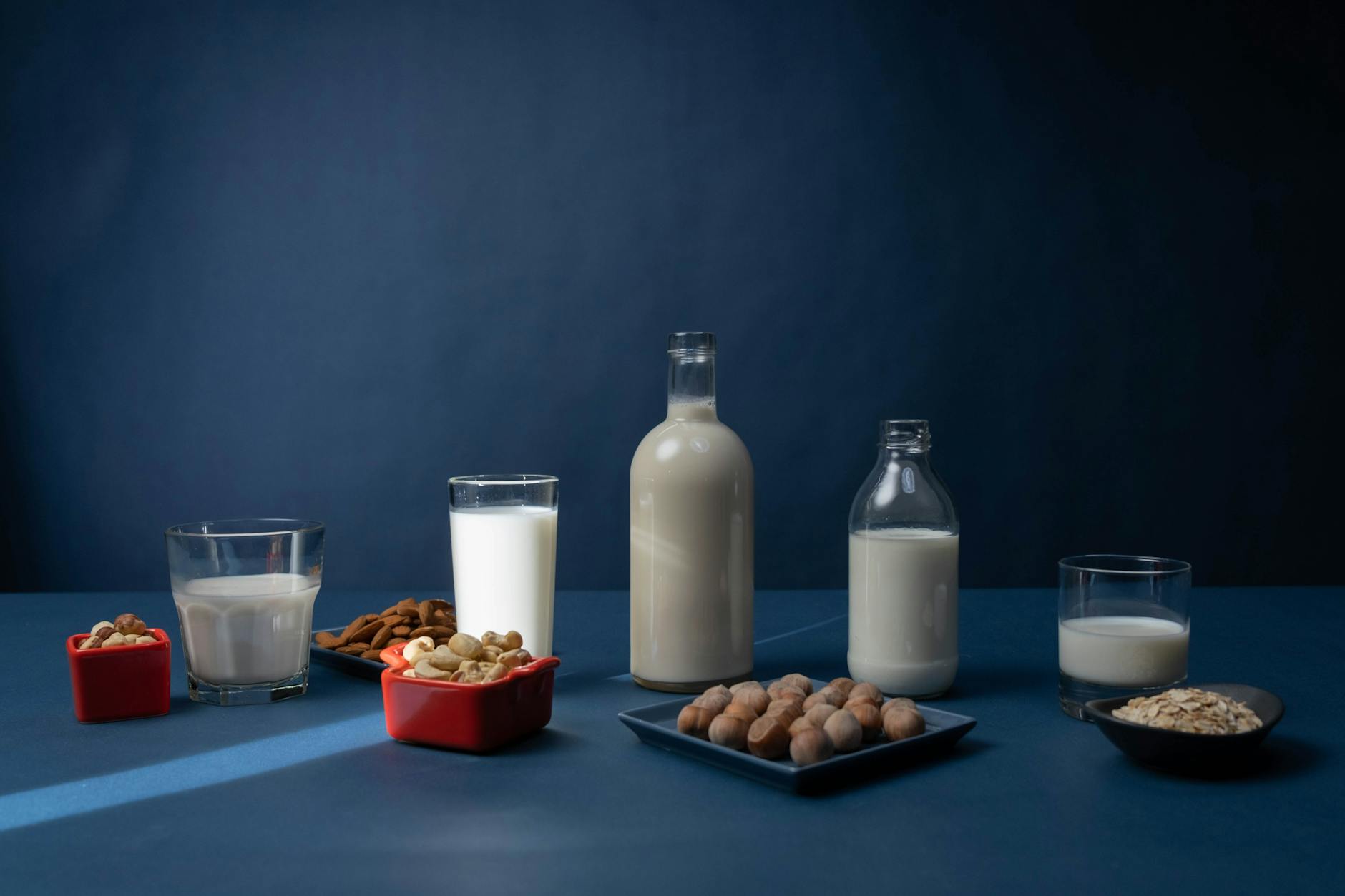
Milk that has passed its expiration date carries a real risk of harboring harmful bacteria even if it smells only slightly off. The pasteurization process extends shelf life but does not make milk immune to spoilage over time. Opened milk that has been stored for more than a week should be tested very carefully before being used in cooking or consumed directly. Cooking with spoiled milk can carry bacteria into food even at high heat, particularly when used in custards, soups, or sauces.
Opened Salsa
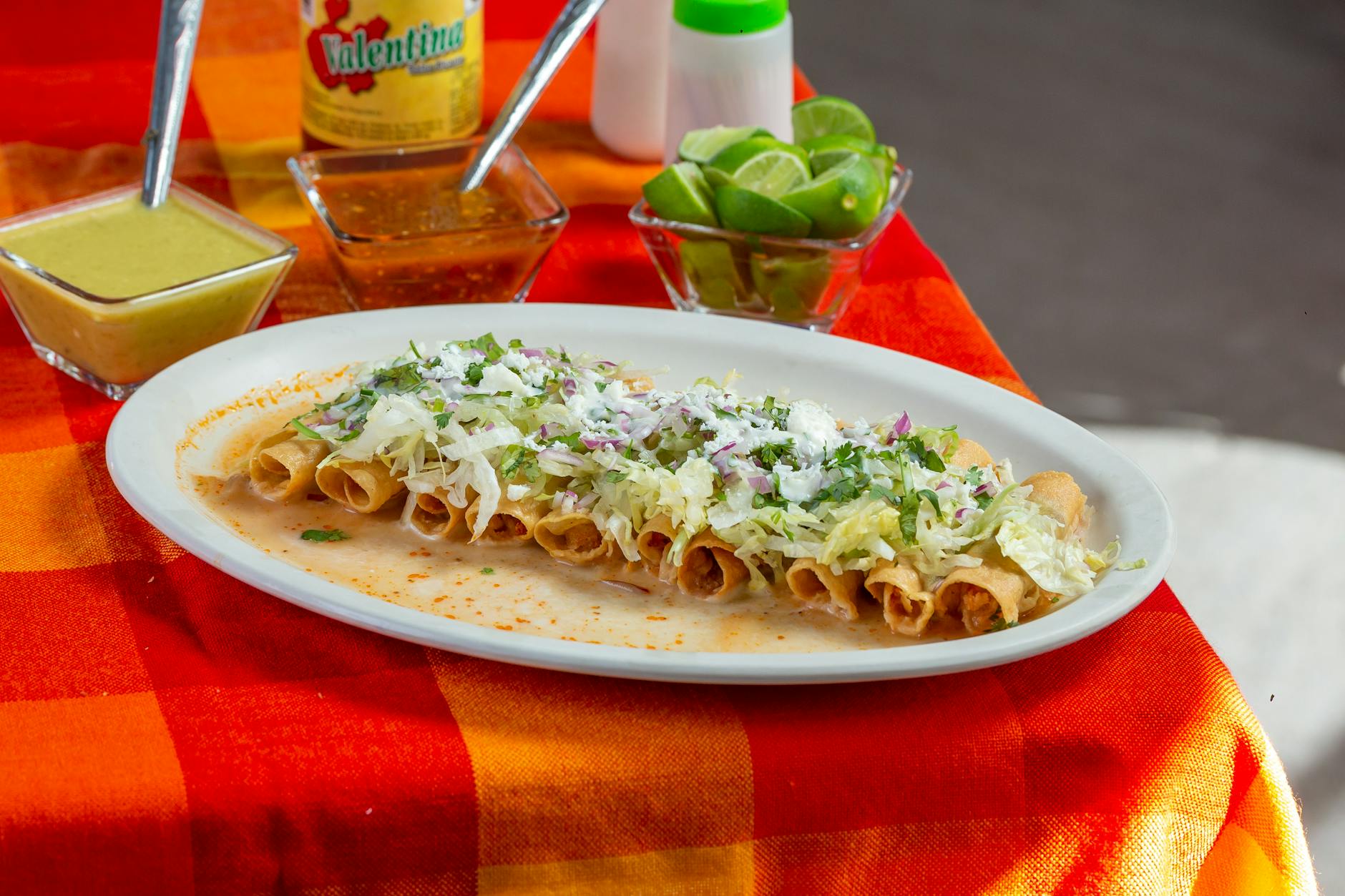
Store-bought salsa contains preservatives that extend its shelf life in an unopened jar, but once opened, it should be used within five to seven days. Homemade or fresh refrigerated salsas from deli counters have an even shorter window of two to four days. Mold can appear on the surface of salsa even when most of the jar looks untouched, and simply scooping off the affected layer is not considered safe. The combination of tomatoes, onions, and herbs creates an environment where bacteria thrive relatively quickly once air exposure begins.
Cheese Dip
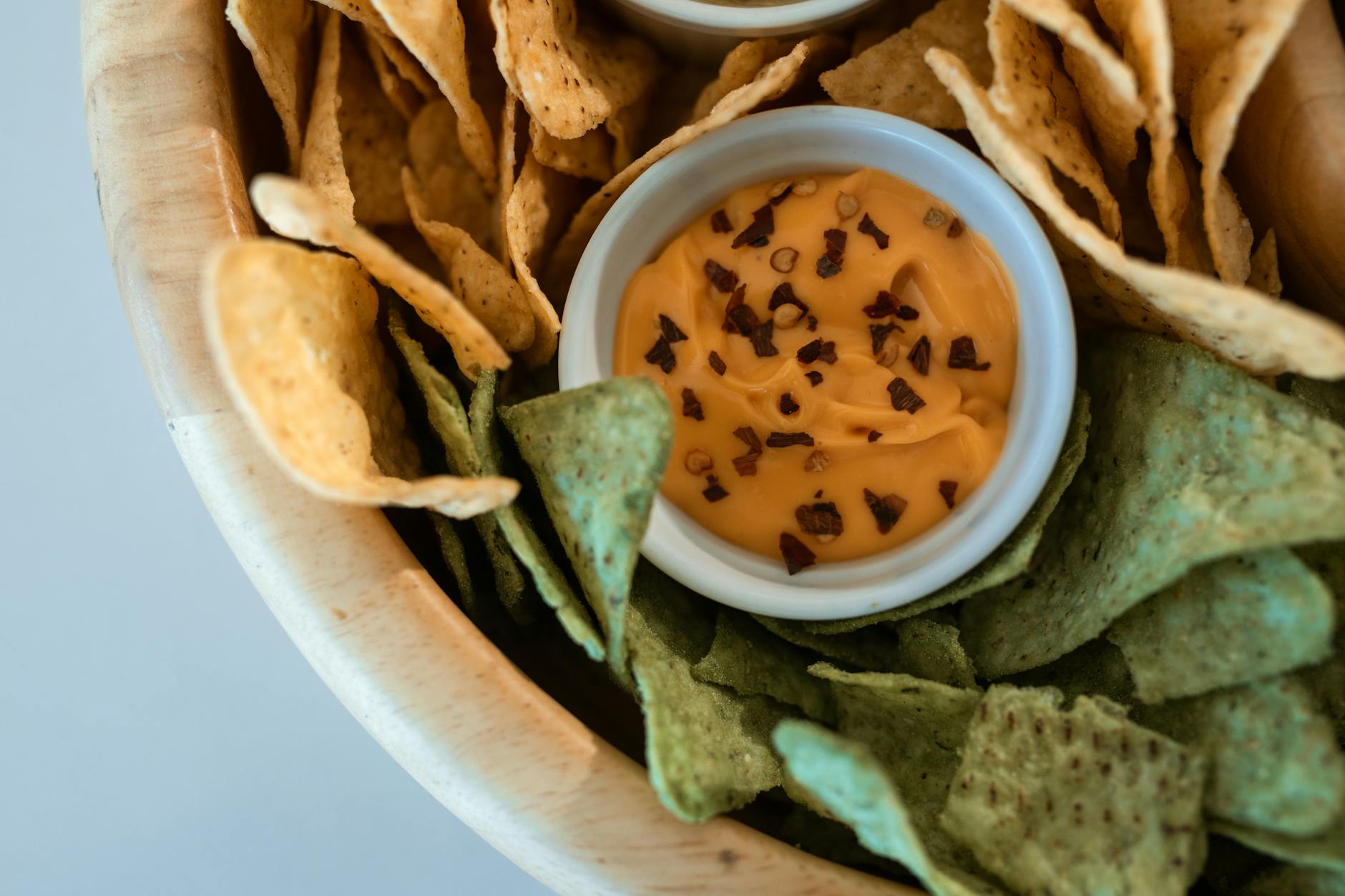
Processed and homemade cheese dips deteriorate quickly once opened and should be consumed within three to five days of first use. Dips that contain dairy alongside peppers, meats, or beans have a compressed safety window due to the multiple perishable components involved. A grainy texture, visible oil separation, or off smell indicates that the dip has gone past its prime. Many households keep party dips in the fridge for far too long after a gathering, not realizing the safety risk involved.
Forgotten Meal Prep
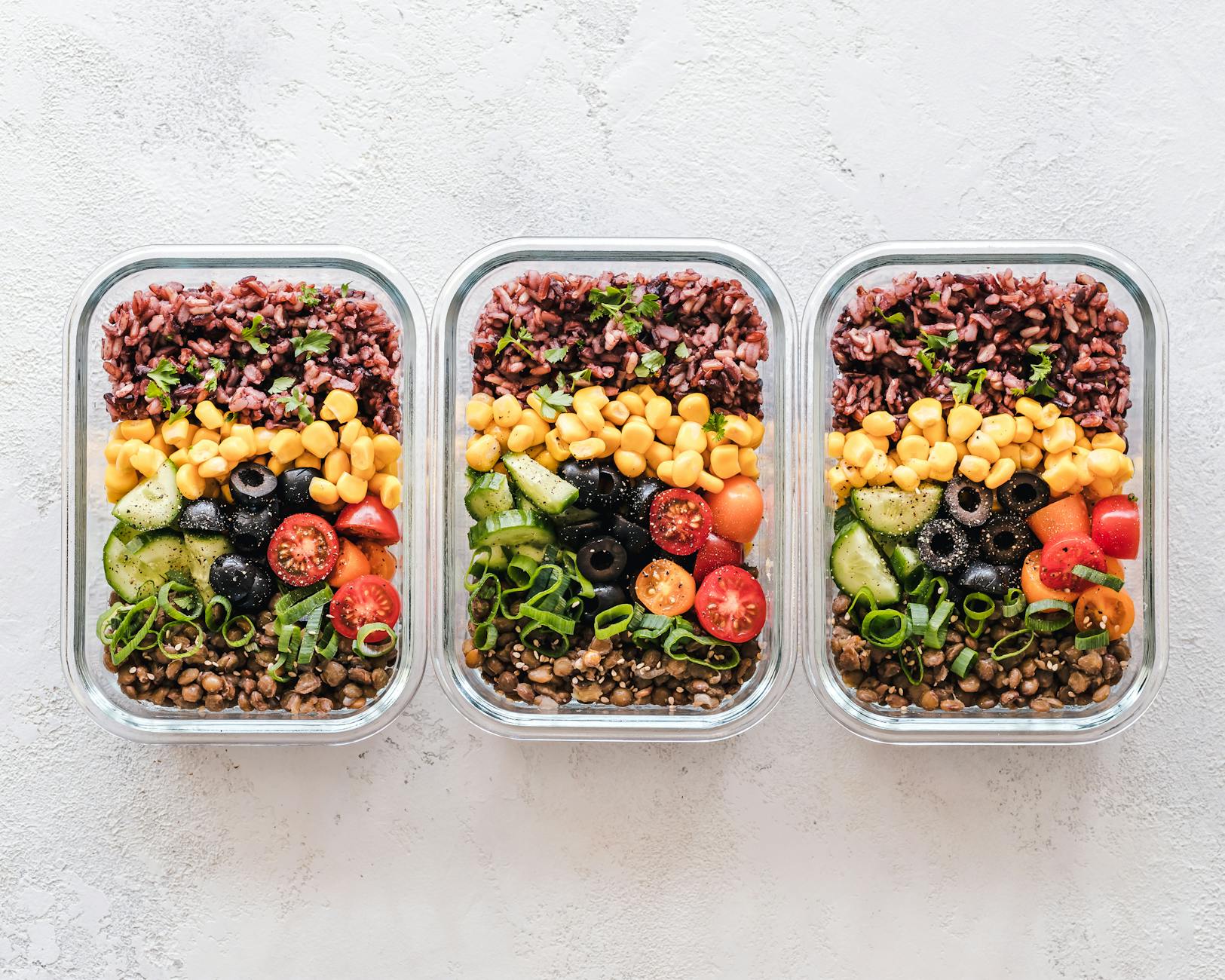
Meal-prepped containers prepared at the beginning of the week should all be consumed by day four or five without exception. Many people prep on Sundays and then push their containers to the back of the fridge when schedules change, forgetting they are there until the smell becomes noticeable. Even properly sealed containers with well-cooked meals can become unsafe by mid-week if stored in the warmer zones of the fridge near the door. A dated label on every meal prep container is one of the most effective tools for staying on top of what needs to be eaten or discarded.
If any of these fridge culprits sound familiar, share which ones surprised you most in the comments.




