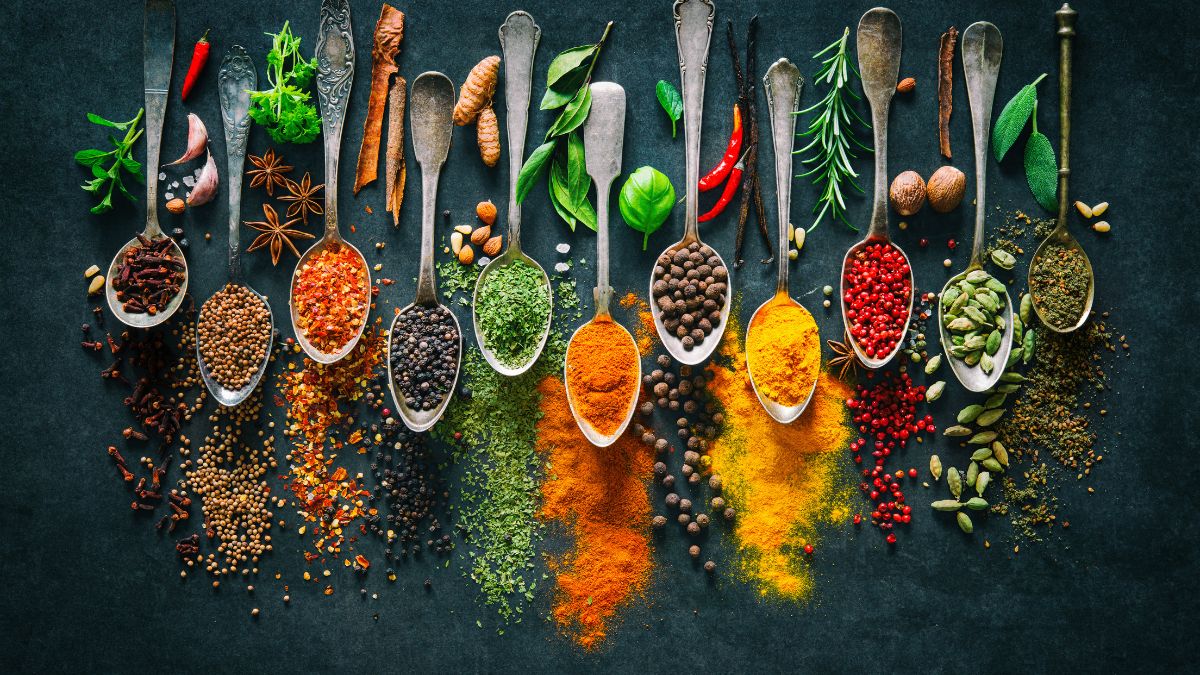
Most home cooks spend time selecting quality spices and herbs without realizing that improper storage is quietly draining them of their flavor, color, and potency. Heat, light, moisture, and air are the four main enemies of any dried spice or herb, and common kitchen habits expose them to all four on a daily basis. Understanding the correct conditions for each type can make a dramatic difference in the taste of your cooking. The following guide covers fifteen everyday spices and herbs that are far more often stored incorrectly than most people assume.
Paprika
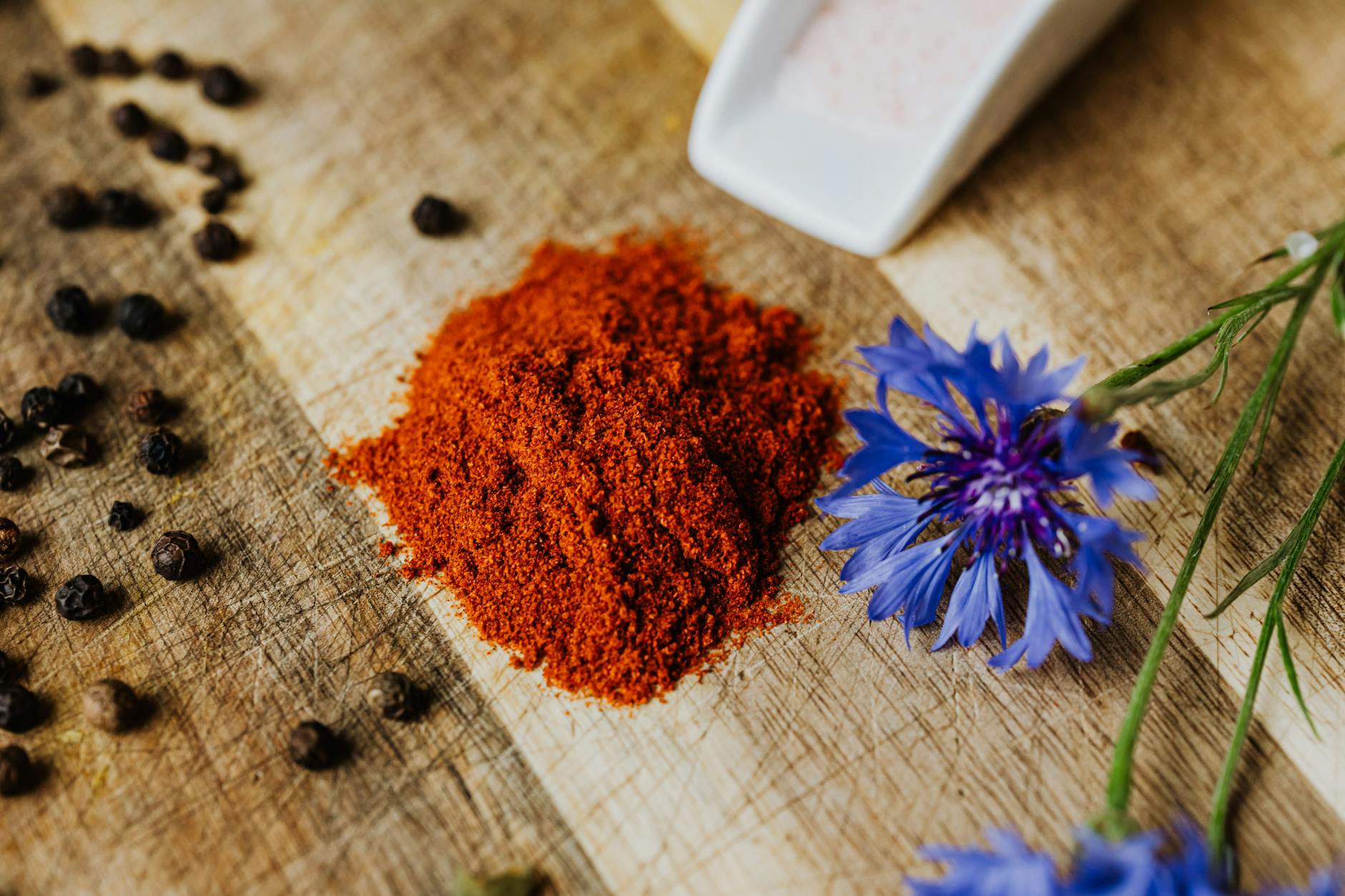
Paprika is one of the most commonly mishandled spices in the kitchen because it is highly sensitive to heat and light. Many people keep it near the stove for convenience, but this accelerates its degradation at a rapid rate. The rich red pigments that give paprika its signature color fade quickly when exposed to warm or sunny conditions. It should be stored in an airtight container in a cool, dark cupboard well away from the cooktop. Properly stored paprika retains its vibrant color and smoky or sweet character for up to two years.
Cinnamon
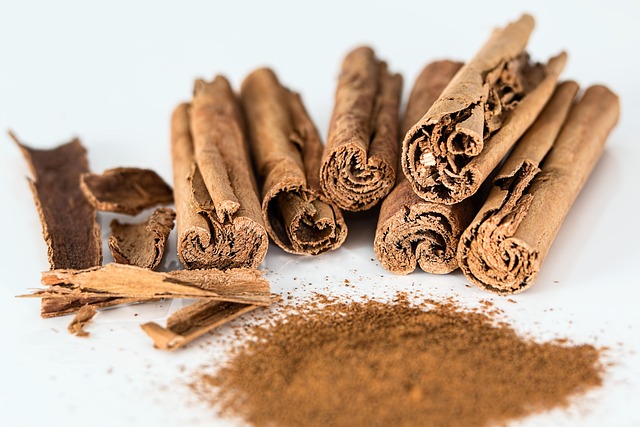
Cinnamon is almost universally kept on the countertop or in a spice rack positioned near a window, both of which significantly shorten its shelf life. Whole cinnamon sticks last considerably longer than the ground version because less surface area is exposed to oxygen. Ground cinnamon stored in warm or bright conditions loses its warming aroma within a few months. An airtight jar placed inside a dark cabinet at room temperature is the ideal environment for preserving its essential oils. Buying in smaller quantities also helps ensure the cinnamon you use is always at peak freshness.
Turmeric
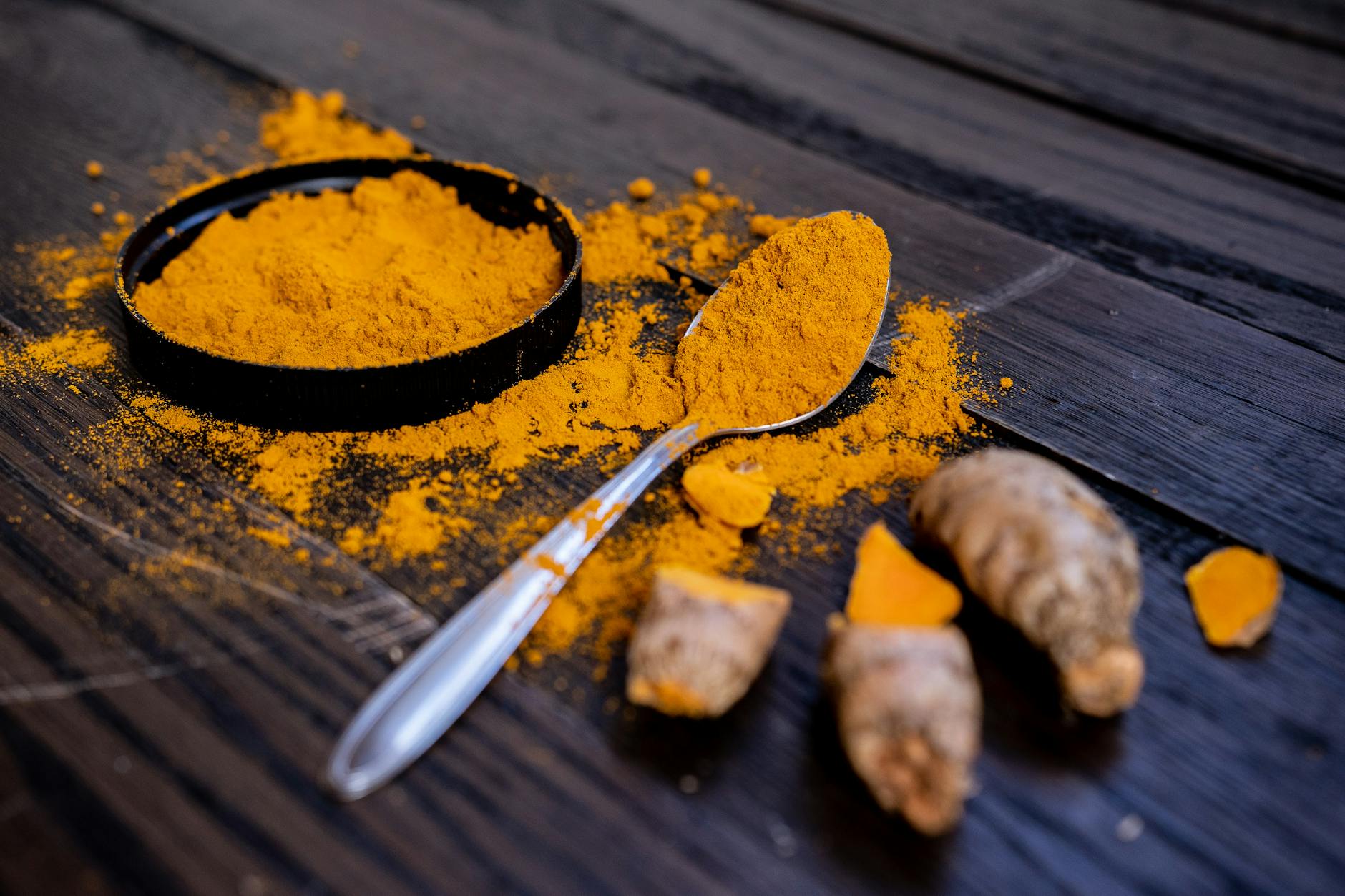
Turmeric contains a potent compound called curcumin that is extremely sensitive to both light and heat. Many kitchens display turmeric in clear glass jars on open shelving, which steadily degrades its color and medicinal properties over time. The bright golden hue of fresh turmeric powder will fade to a dull yellow when improperly stored, signaling a significant loss in quality. It should always be kept in an opaque or dark-tinted airtight container away from any heat source. Refrigeration is not necessary but storing it in a consistently cool environment will noticeably extend its potency.
Garlic Powder
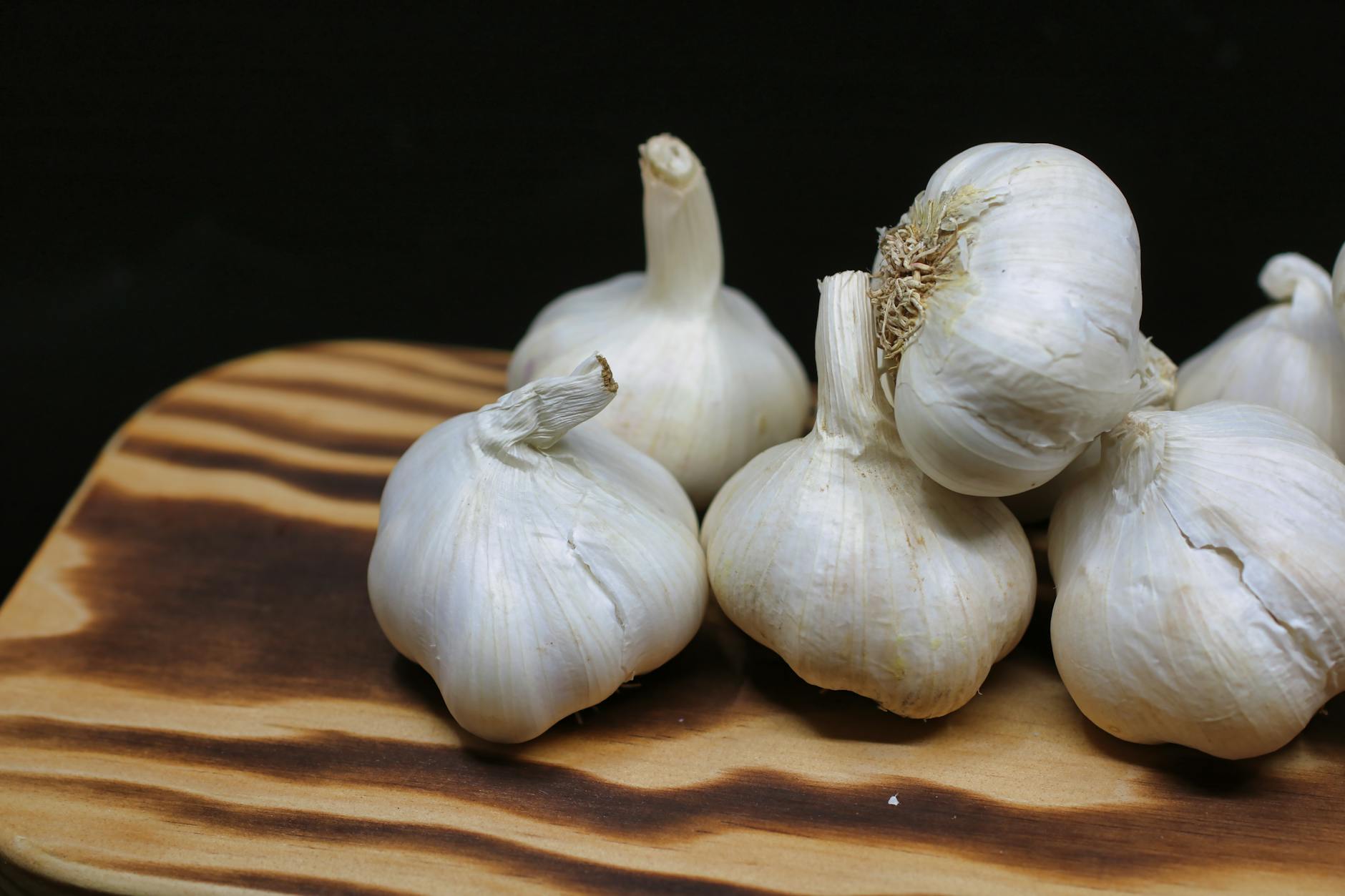
Garlic powder is particularly prone to clumping, which is a strong indicator that moisture has entered the container. Storing it near the sink or in a cabinet above a dishwasher exposes it to regular steam and humidity. Once garlic powder absorbs moisture it begins to form hard lumps and can even develop mold if left unchecked. The ideal storage method is a tightly sealed container placed in a dry cabinet far from any water source. Adding a small food-safe desiccant packet to the jar can help absorb any residual moisture and keep the powder free-flowing.
Black Pepper
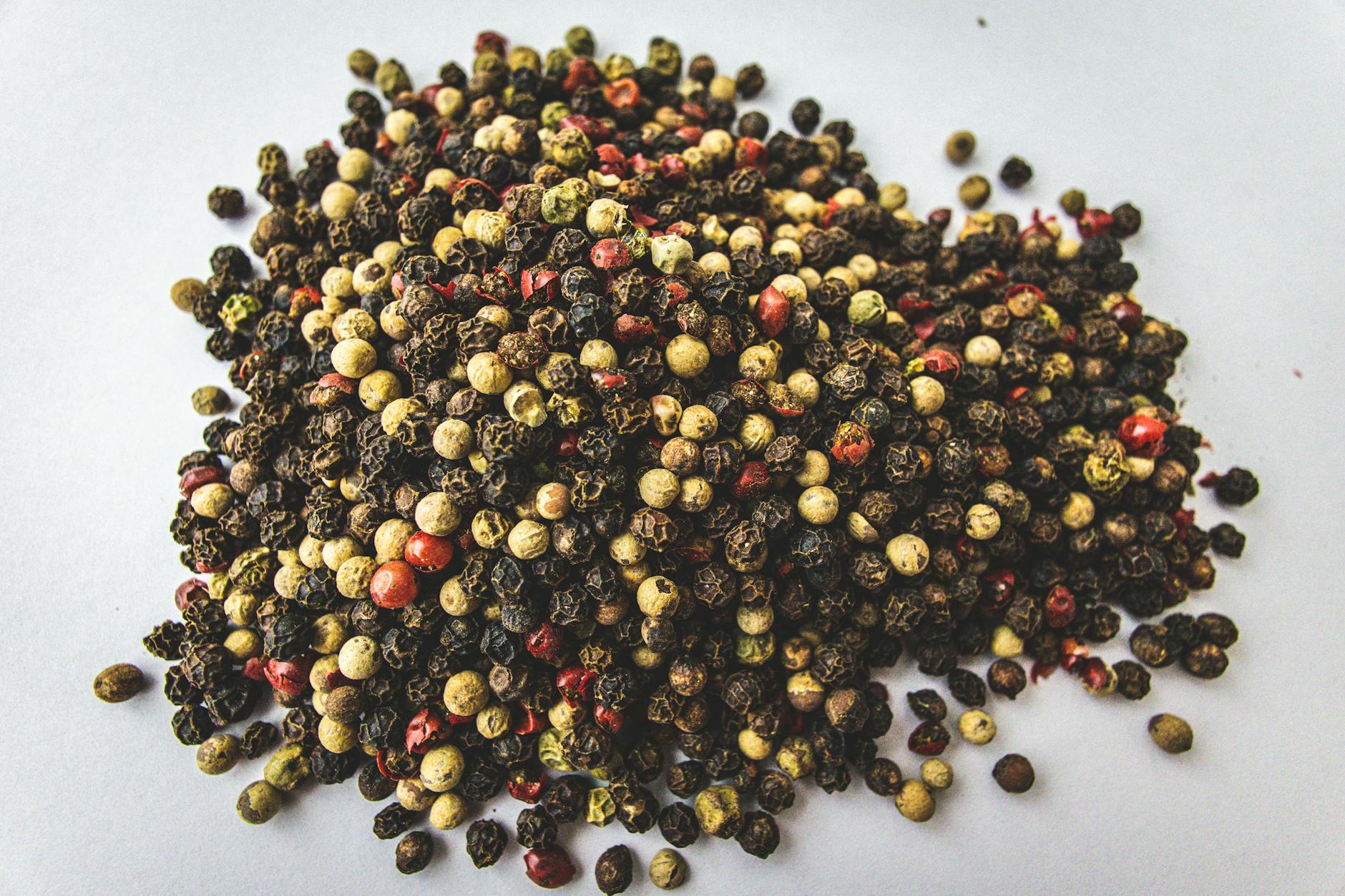
Whole black peppercorns are one of the few spices that store quite well, but pre-ground black pepper is far more fragile than most people realize. The volatile aromatic compounds that give black pepper its sharp bite evaporate quickly once the pepper is ground and exposed to open air. Keeping a large container of pre-ground pepper on the countertop or in a loosely capped grinder jar means it loses most of its flavor within weeks. The best approach is to buy whole peppercorns and grind them fresh as needed. If you use pre-ground pepper regularly, buy it in small quantities and keep it sealed in an airtight tin or jar.
Cumin
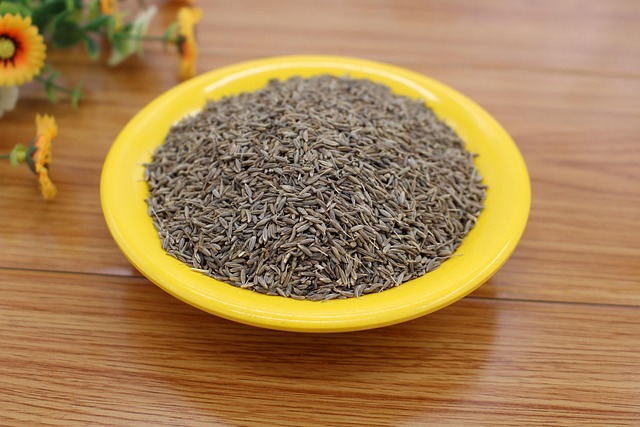
Cumin is a foundational spice in countless global cuisines, yet it is frequently stored in ways that strip it of its earthy, warm depth. Ground cumin loses its essential oils quickly when kept in a warm kitchen environment or in a container that is not properly sealed. Whole cumin seeds last significantly longer and can be briefly toasted before grinding to release their full aromatic potential. Both forms should be kept in airtight containers in a cool and dark location to preserve their complex flavor profile. Ground cumin that smells flat or dusty rather than warm and spiced is a clear sign it has been improperly stored.
Oregano
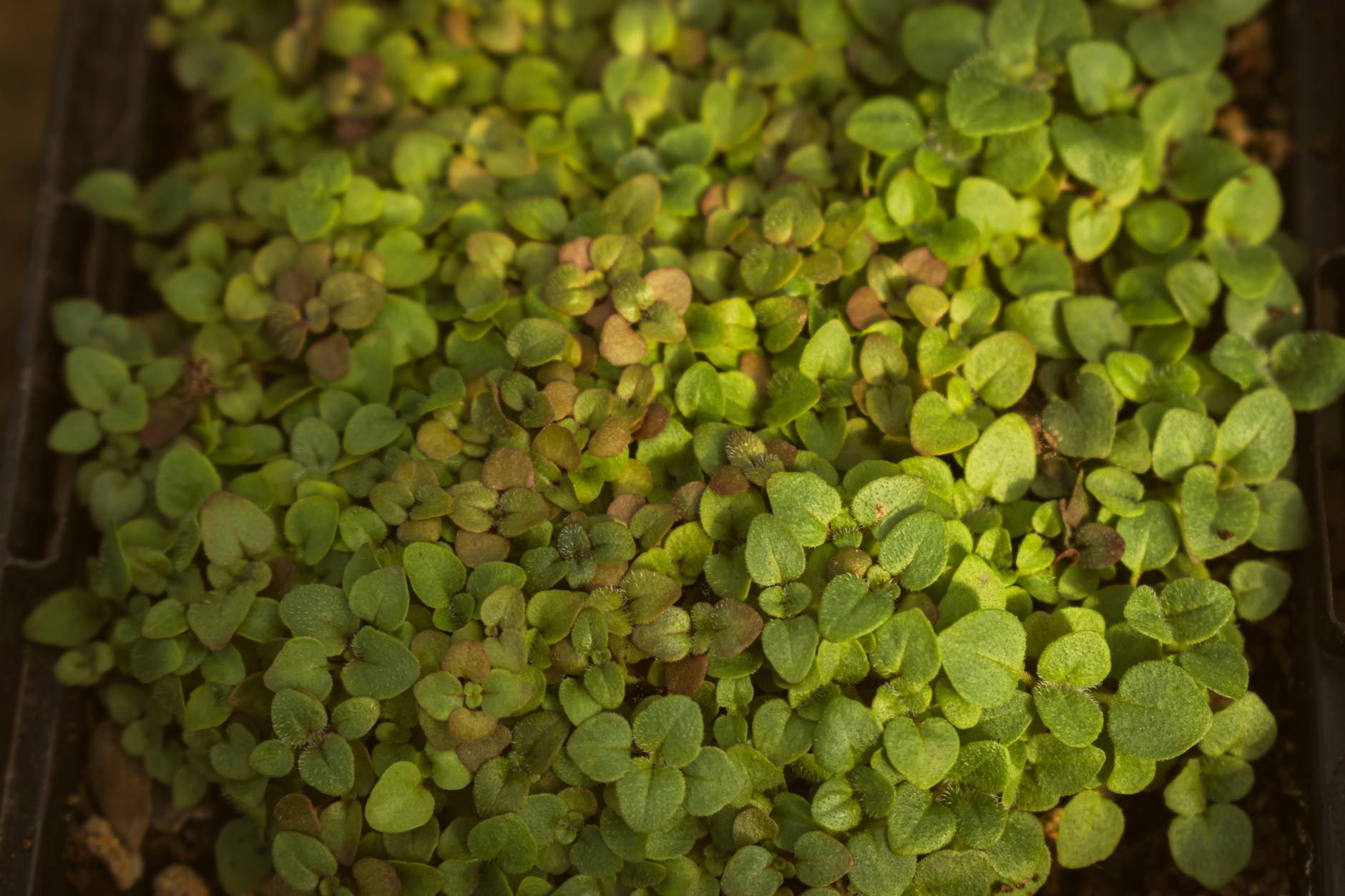
Dried oregano is extremely common in home kitchens but is routinely stored in large quantities that sit unused for years. Its robust Mediterranean flavor fades considerably within six to twelve months when stored improperly. The most common mistake is buying large containers that remain open for extended periods, exposing the herb to air repeatedly. Oregano should be kept in a tightly sealed container away from direct sunlight and heat, particularly since many spice racks sit in warm areas near stove splatter zones. Crushing a small amount between your fingers before use releases its oils and gives you a quick indication of how much flavor remains.
Basil
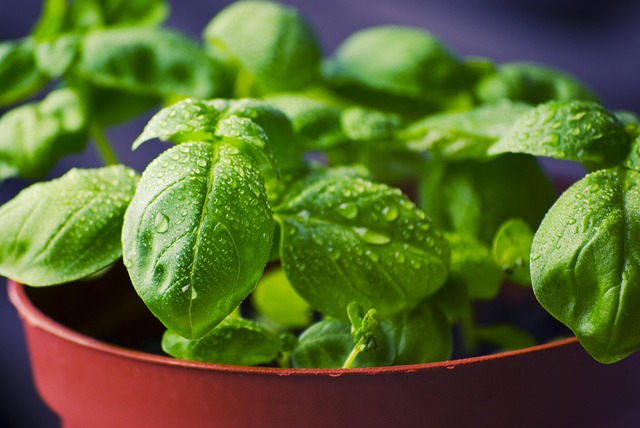
Dried basil is highly aromatic when fresh but becomes almost flavorless with poor storage conditions. It is commonly stored in clear jars on countertops or windowsills where sunlight rapidly degrades its color and volatile oils. The bright green of quality dried basil should be a visual cue to check whether your storage method is working effectively. A cool and consistently dark cabinet with minimal temperature fluctuation is the best environment for maintaining its herbal character. Fresh basil, on the other hand, should never be refrigerated as cold temperatures cause blackening and should instead be kept at room temperature in a glass of water.
Bay Leaves
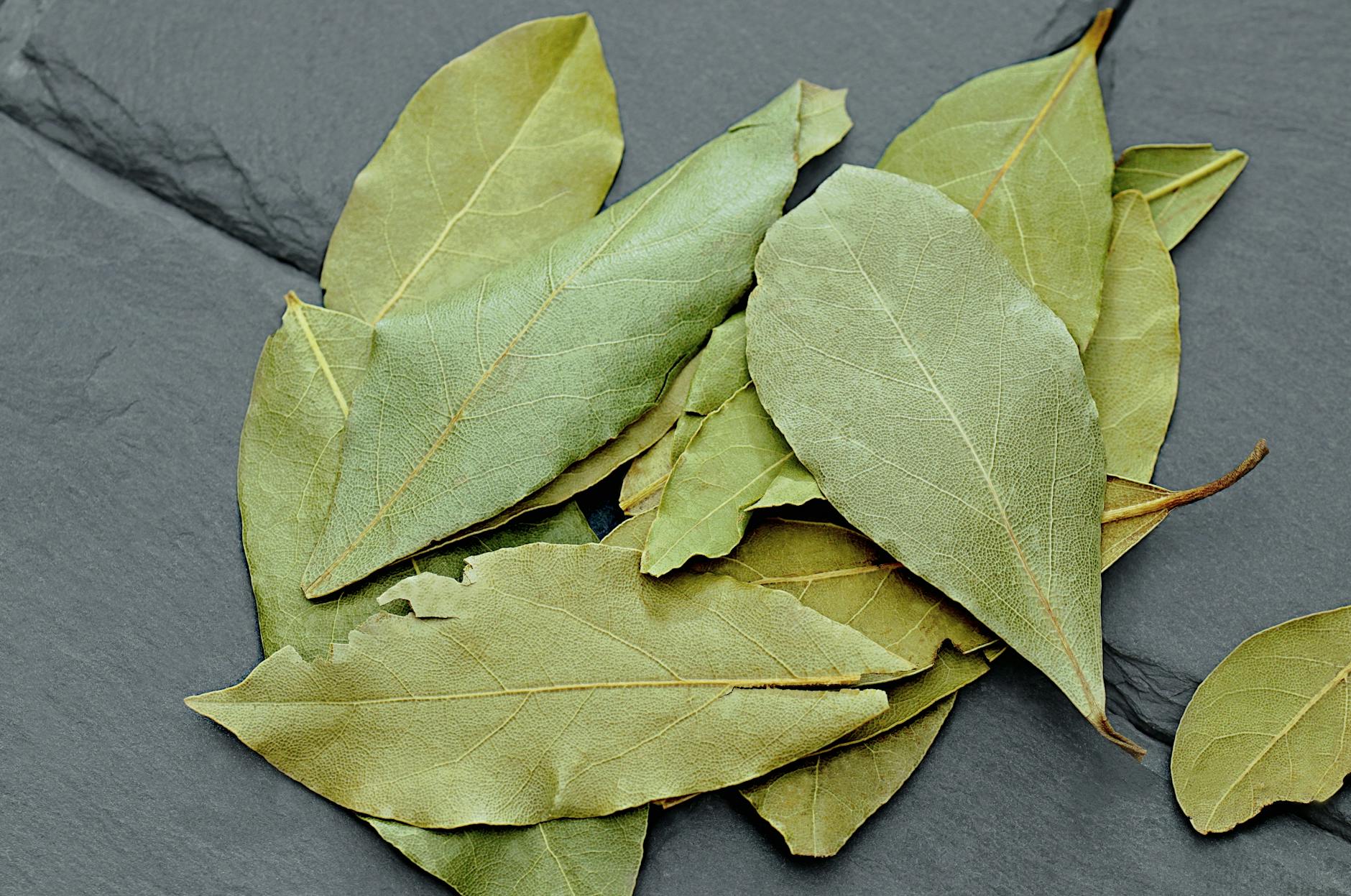
Bay leaves are one of the most frequently purchased and least frequently replaced herbs in the average kitchen. They are often stored loosely in an open jar or a bag that is resealed carelessly after each use. Because bay leaves are used whole and removed from dishes before serving, it is easy to overlook how much flavor they have lost over time. A properly sealed airtight container in a cool and dark spot is essential for retaining their subtle but distinctive flavor. Whole bay leaves can last up to two years under good storage conditions, while crushed or broken leaves should be replaced much sooner.
Chili Flakes
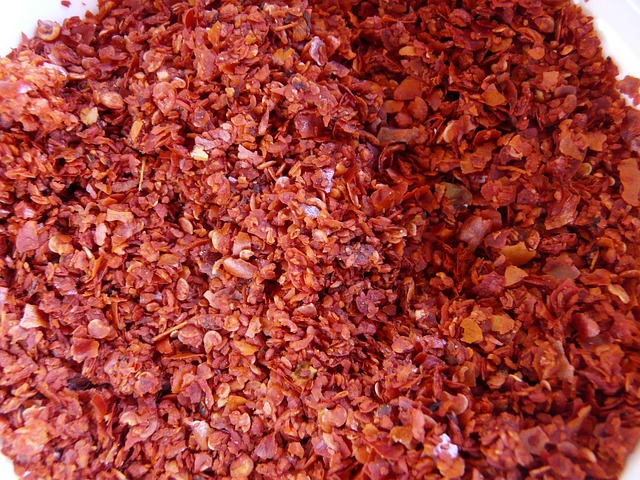
Crushed chili flakes are almost always stored right next to the stovetop for quick access during cooking, which is exactly the wrong place for them. The combination of cooking heat and light exposure causes the vibrant red color to fade and the pungency to diminish steadily. While the heat level of chili flakes does not disappear entirely with improper storage, the complex fruity and smoky notes that distinguish quality flakes are lost quickly. A tightly capped container in a pantry or dark spice drawer will extend their flavor and color considerably. For the best results, buying whole dried chilies and crushing them as needed preserves full potency far longer.
Nutmeg
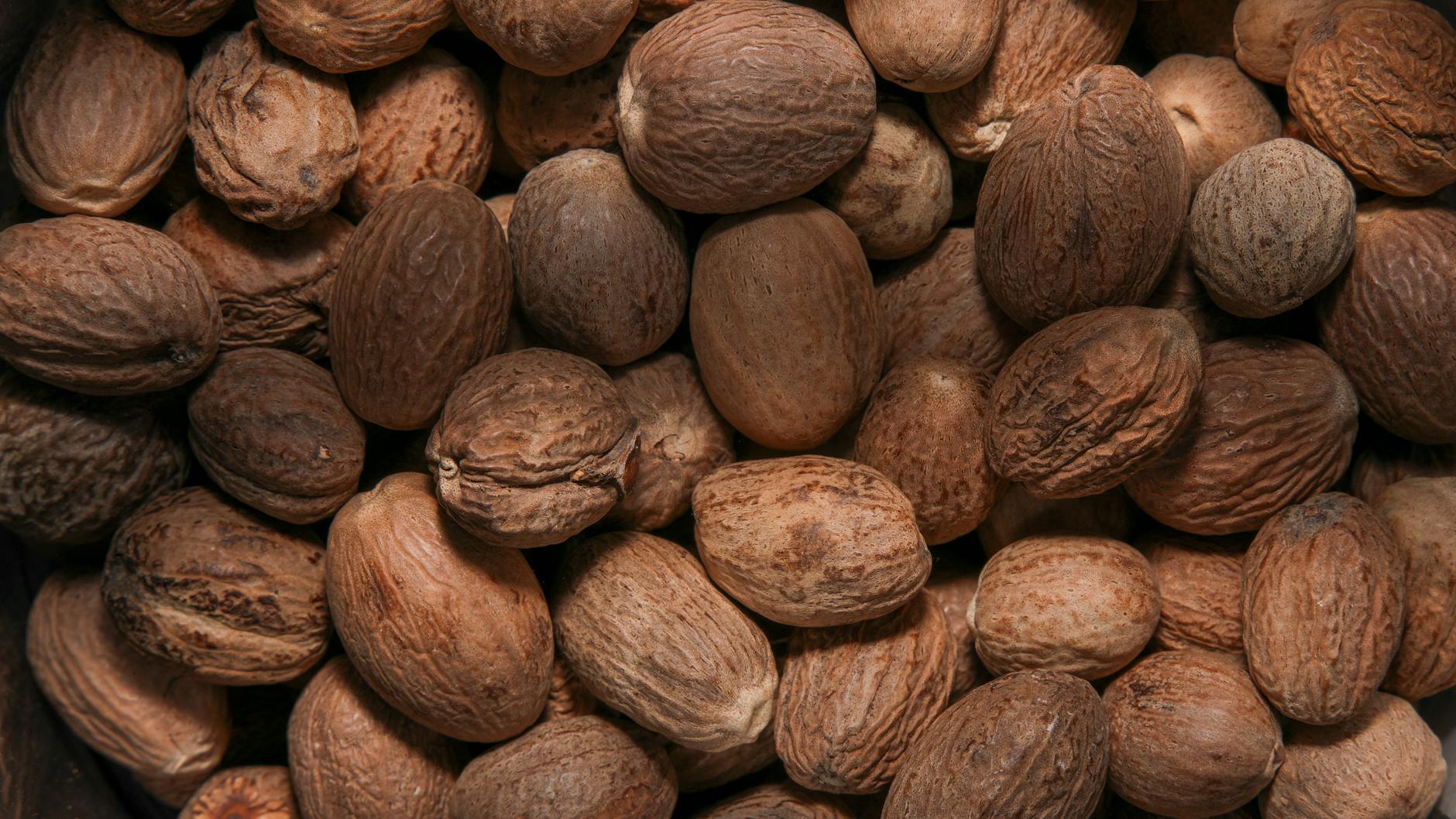
Nutmeg is often kept in pre-ground form in a small jar that sits undisturbed for years, losing nearly all of its flavor long before it is finished. Ground nutmeg has an extremely short window of peak flavor compared to the whole seed, which retains its aromatic oils for up to four years. Storing ground nutmeg anywhere warm or in direct light accelerates the breakdown of its warm and slightly sweet character. Purchasing whole nutmeg and grating it fresh with a microplane is the preferred method of most professional cooks for this reason. If you must use ground nutmeg, keep it in a small airtight jar in the darkest and coolest part of your spice cabinet.
Ginger
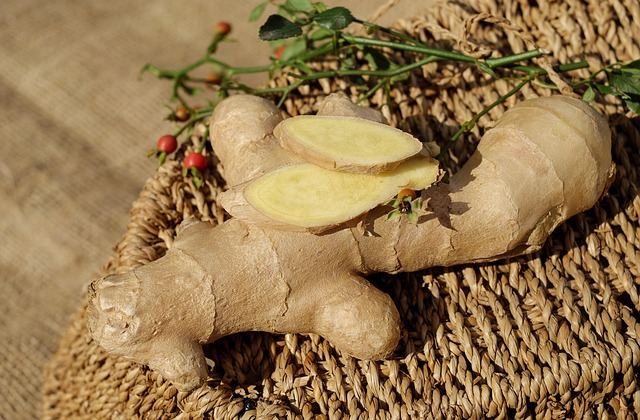
Ground ginger is commonly stored in large quantities and used sparingly, which means most households are cooking with ginger that is well past its best quality. Its warming and slightly sweet heat depends on intact volatile oils that break down with exposure to air, light, and warmth. A common storage mistake is leaving the lid loosely attached after each use, allowing repeated air exposure with every cooking session. Airtight, opaque containers in a cool and dark cabinet are ideal for preserving ground ginger’s characteristic bite. Fresh ginger root lasts longest when wrapped tightly and stored in the freezer, where it can be grated directly from frozen with no need to thaw.
Cayenne Pepper
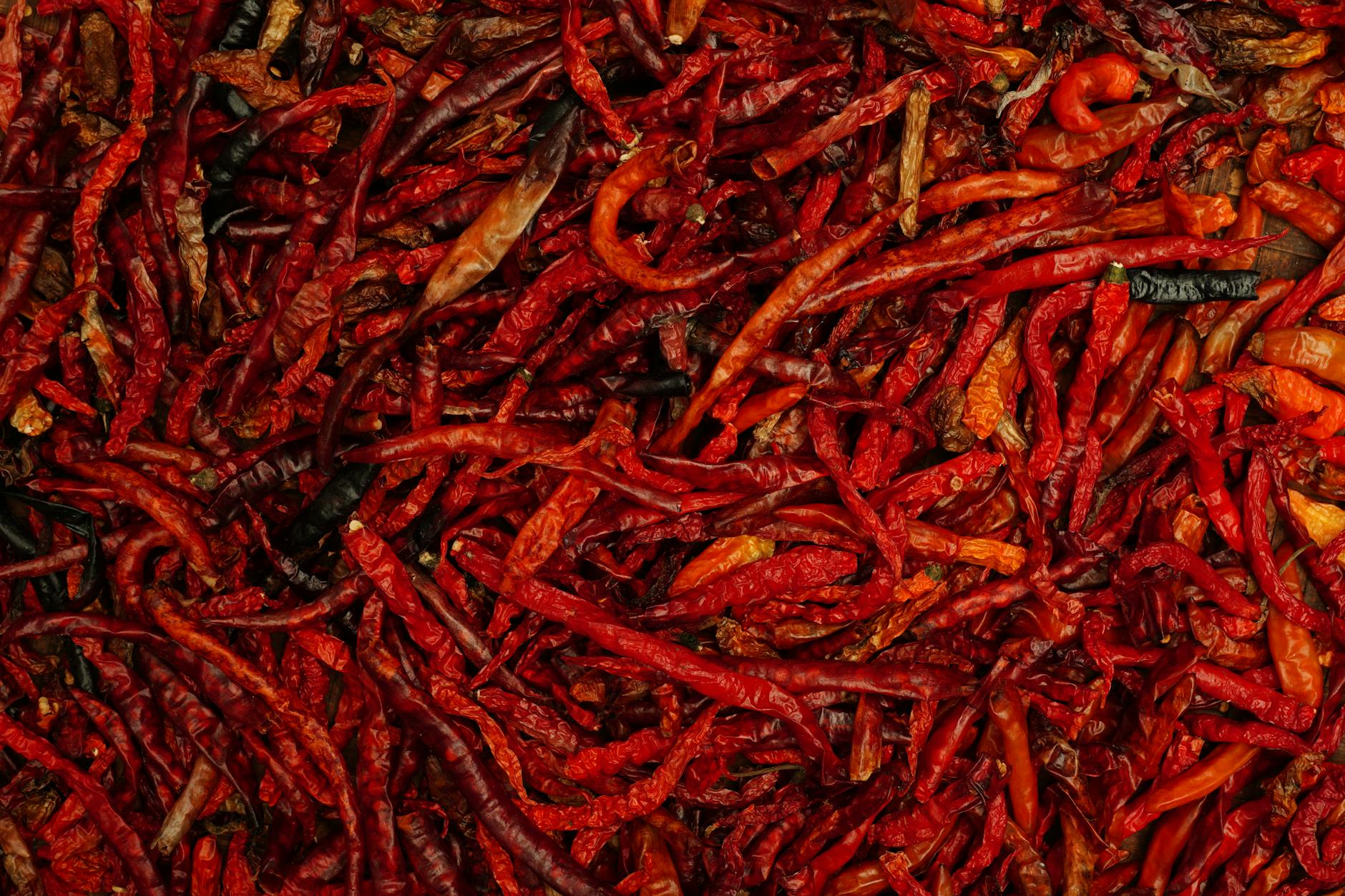
Cayenne pepper is sensitive to light in a way that most cooks do not anticipate, with prolonged light exposure causing a significant reduction in heat intensity over time. Many kitchens store it in clear spice jars positioned on open racks that receive daily light exposure, gradually dulling its potency. Beyond heat loss, improperly stored cayenne can develop an unpleasant musty note that negatively affects the flavor of any dish. An airtight dark container in a cool cupboard is the recommended storage approach for maintaining its sharp and clean heat. Because cayenne is used in small amounts, buying smaller quantities more frequently is a practical way to always have a potent supply.
Saffron
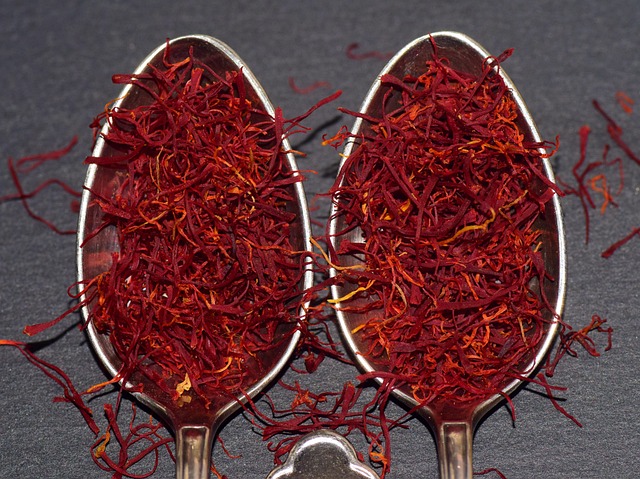
Saffron is the most expensive spice by weight in the world, making improper storage a particularly costly mistake. It is frequently kept in its original loosely sealed packaging long after purchase, exposing it to light and air that strip its color and distinctive floral flavor. The unique compounds responsible for saffron’s golden hue and complex taste are highly sensitive to environmental conditions. It should be stored in a small airtight glass container wrapped in foil or kept inside an opaque tin in a cool and dark location. For maximum longevity, some cooks store saffron in the refrigerator inside a sealed container to maintain its quality for up to two years.
Vanilla
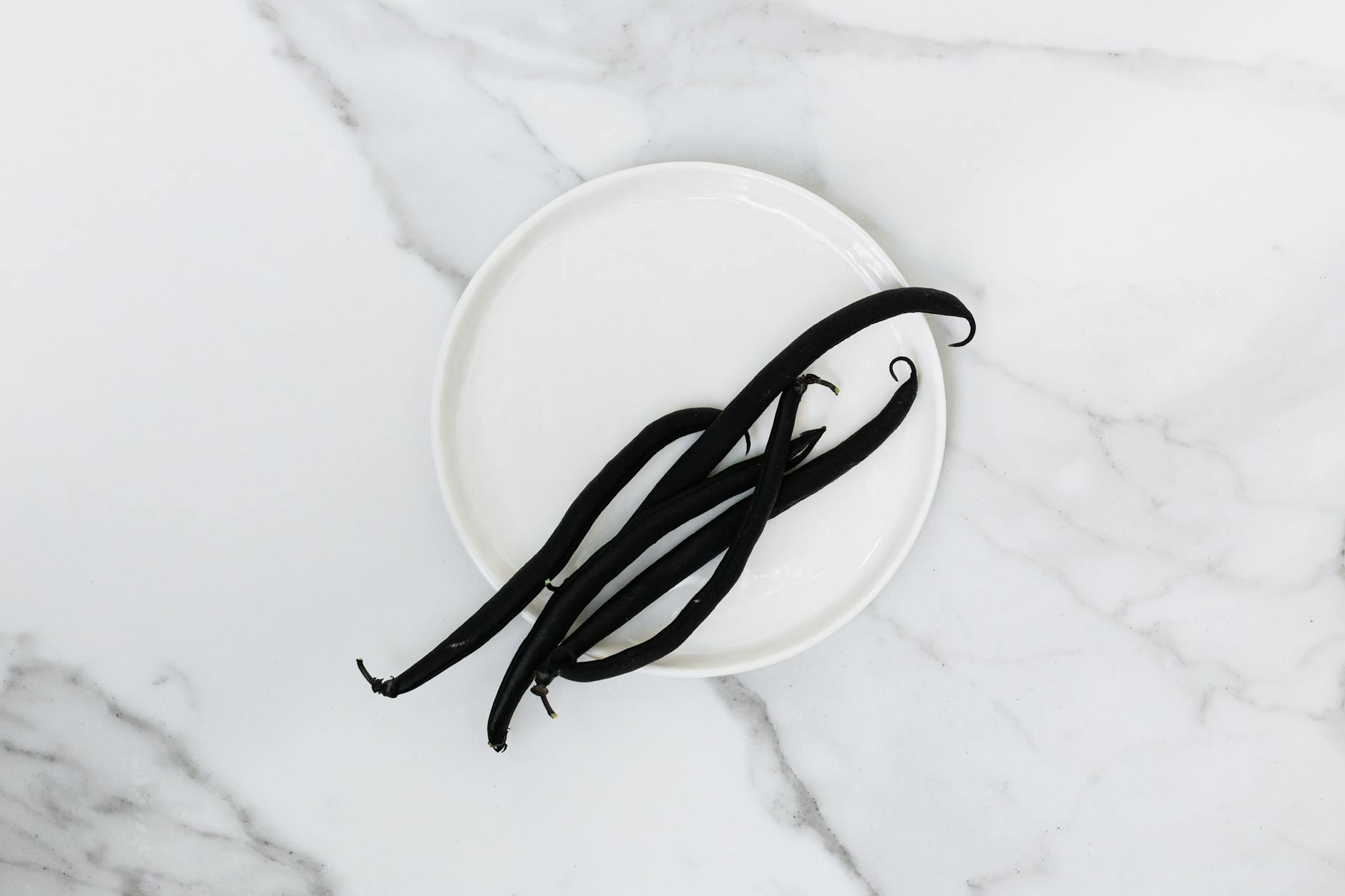
Vanilla extract and vanilla beans are both frequently stored incorrectly despite being common baking staples. Vanilla extract is often kept in a cabinet above the stove or near the oven, where heat slowly degrades the alcohol base that carries its flavor compounds. Whole vanilla beans are sometimes refrigerated, which introduces moisture that can cause mold to develop on their surface. Both forms should be kept in a cool and consistently dark environment such as a pantry shelf well away from heat sources. Whole beans stored in a sealed glass jar at room temperature will remain pliable and fragrant for up to two years when properly maintained.
Share your own spice storage tips or any surprising discoveries you have made about preserving flavor in the comments.




