
Every visit to the doctor feels like a routine checkup, but medical professionals are trained observers who notice far more than most patients realize. From the moment you walk through the door, subtle cues about your daily habits, hygiene, and lifestyle are being quietly catalogued. Doctors rarely say anything outright, but certain things do register and sometimes influence the care conversation that follows. Understanding what draws their attention can actually motivate healthier choices and help you feel more confident in the exam room.
Nail Hygiene

The condition of your fingernails tells a doctor quite a lot before a single word is spoken. Dirty, bitten, or severely neglected nails can signal stress, poor hygiene habits, or even nutritional deficiencies. Doctors notice discoloration, unusual textures, and signs of fungal infections that patients often overlook entirely. Keeping nails clean and trimmed is a simple habit that also reduces the spread of bacteria and illness. It is one of the most visible indicators of overall self-care that a physician will register immediately.
Oral Hygiene
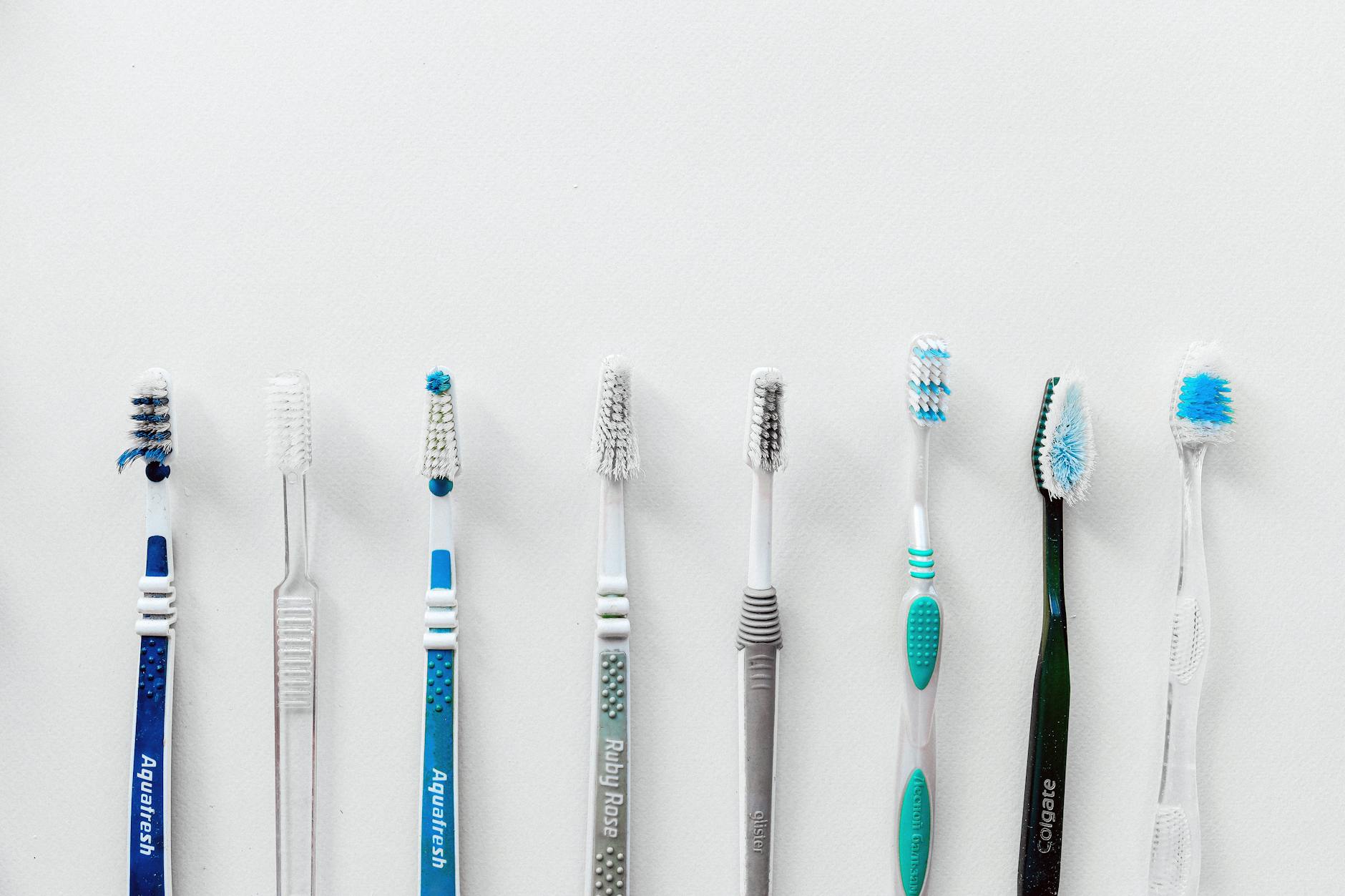
A patient’s breath and the visible condition of their teeth offer immediate clues about their daily routine. Poor oral hygiene has been directly linked to serious systemic health issues including heart disease, diabetes complications, and respiratory infections. Doctors often note whether teeth appear stained, worn down, or visibly neglected as part of forming a broader health picture. Gum inflammation can indicate chronic inflammation elsewhere in the body, which raises flags for attentive clinicians. Brushing twice daily and flossing regularly are habits that your doctor genuinely hopes you are maintaining.
Alcohol Intake

Physicians are trained to look for physical markers of regular alcohol consumption even when patients downplay their intake. Facial redness, broken capillaries, slight puffiness around the eyes, and certain liver function results all contribute to a clearer picture than self-reporting alone. Studies consistently show that patients underestimate the amount they drink when asked directly by a medical professional. The liver, skin, and cardiovascular system each carry visible signs of habitual drinking that blood work tends to confirm. Honest disclosure actually leads to better care and more appropriate screening recommendations.
Sleep Habits

Dark circles, dull skin, slow response times, and persistent fatigue are all things a doctor notices within the first few minutes of an appointment. Chronic sleep deprivation affects nearly every system in the body and shows up in ways that are difficult to hide. Physicians may quietly connect a patient’s complaints about mood, weight gain, or immunity to their obvious lack of adequate rest. Poor sleep is associated with increased risks of hypertension, metabolic disorders, and mental health conditions. It is one of the lifestyle factors doctors wish patients would take as seriously as diet and exercise.
Dental Flossing
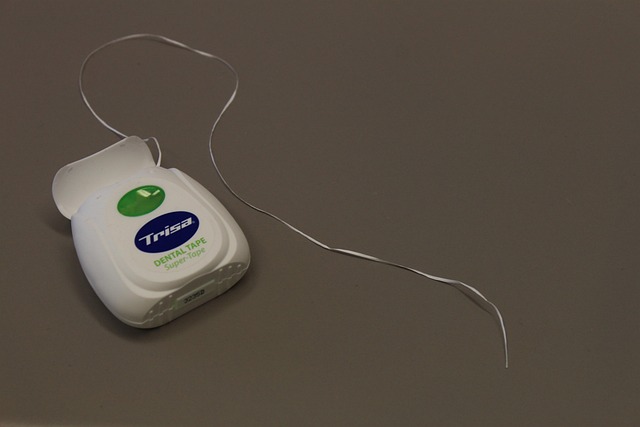
Dentists and general practitioners alike can tell almost immediately whether a patient flosses regularly. Gum recession, bleeding at the gum line, and the buildup of tartar between teeth are reliable indicators of skipped flossing. Many patients claim to floss daily during appointments but the physical evidence rarely supports that claim. Flossing removes bacteria and food particles from areas a toothbrush simply cannot reach effectively. The health of the gum tissue is a direct reflection of consistency with this one small daily habit.
Skin Care

The appearance of a patient’s skin gives physicians insight into sun exposure habits, hydration levels, and daily skincare routines. Premature aging, excessive dryness, and persistent breakouts can all suggest lifestyle patterns that warrant a closer look. Doctors take note of patients who show significant sun damage at a young age without any history of skin cancer screenings. Skin is the body’s largest organ and its condition is considered a genuine indicator of internal health. Consistent moisturizing, SPF use, and proper cleansing reflect well on a patient’s overall approach to self-care.
Sunscreen Use

Visible sun damage is one of the most telling signs that a patient has long ignored professional advice about skin protection. Uneven pigmentation, deep lines, and rough patches that appear well before middle age are classic indicators of chronic unprotected sun exposure. Dermatologists and general practitioners consistently rank sunscreen avoidance as one of the most preventable causes of long-term skin damage they encounter. The risk of developing melanoma increases significantly with accumulated UV exposure over a lifetime. Applying a broad-spectrum SPF product daily is one of the simplest and most effective health decisions a person can make.
Medication Adherence

When a patient returns for a follow-up and their symptoms have not improved despite being prescribed treatment, a doctor will quietly consider whether the medication was actually taken as directed. Pill counts, refill histories, and blood level tests can all reveal whether prescriptions are being followed consistently. Non-adherence is one of the most common and costly issues in modern healthcare, yet patients are often reluctant to admit it during appointments. Doctors are not there to judge but rather to understand the full picture so they can adjust treatment appropriately. Being upfront about missed doses or side effects always leads to a better outcome than silent non-compliance.
Exercise Habits

Cardiovascular fitness, muscle tone, resting heart rate, and general posture all give physicians a reasonable sense of a patient’s activity level before any conversation begins. Doctors trained in physical assessment can detect a sedentary lifestyle through observable markers including reduced stamina during basic movements and poor postural alignment. The current recommendation of at least 150 minutes of moderate activity per week is something physicians actively look for evidence of in their patients. A body that moves regularly tends to present with better blood pressure readings, stronger immunity, and more stable mental health markers. Physical inactivity remains one of the leading contributors to preventable chronic disease worldwide.
Diet Honesty

Patients frequently underreport how much sugar, processed food, and alcohol they consume when filling out intake forms or answering dietary questions. Blood work including cholesterol levels, blood sugar readings, and inflammatory markers often tells a different story from what was verbally described. Doctors are aware of this pattern and use objective data to fill in the gaps left by selective self-reporting. Nutritional deficiencies visible in skin, hair, and energy levels also provide supporting evidence of a poor diet. Being genuinely honest about food habits allows a physician to offer targeted and meaningful guidance rather than generic advice.
Phone Usage

An increasing number of physicians are noting the physical and psychological effects of excessive screen time in their patients. Neck strain, chronic headaches, disrupted sleep patterns, and heightened anxiety levels are frequently connected to prolonged smartphone and device use. Patients who struggle to put their phones down even during appointments tend to receive quiet internal notes about stress management and digital dependency. Eye strain and repetitive motion issues in the hands and wrists are also becoming more common in younger patient populations. Moderating screen exposure is now considered a legitimate health recommendation in the same category as diet and exercise advice.
Sock Condition

It may seem trivial but doctors performing foot examinations do notice the condition of a patient’s socks. Worn-out, dirty, or ill-fitting socks can contribute to foot problems including blisters, fungal infections, and circulation issues. Patients with diabetes are routinely advised about foot care and proper hosiery as part of their disease management protocol. The feet are a surprisingly telling area of the body and are often the first place complications from poor circulation or nerve damage become apparent. Arriving to a medical appointment with clean and well-maintained feet and socks reflects a level of attention to lower-body health that doctors genuinely appreciate.
Stress Levels

Tension held in the jaw, tight shoulders, elevated blood pressure, and shallow breathing patterns are all physical signs of chronic stress that doctors observe during appointments. The effects of unmanaged stress on the body are wide-ranging and include increased inflammation, impaired immunity, digestive disruption, and a heightened risk of cardiovascular disease. Many patients either do not recognize the extent of their stress or feel reluctant to mention it during a brief clinical visit. Physicians often piece together a stress-related picture from seemingly unrelated complaints including headaches, skin flares, and persistent fatigue. Managing stress through consistent sleep, physical activity, and mindfulness is considered by most medical professionals to be as important as any pharmaceutical intervention.
Body Weight

Weight is one of the most sensitive and quietly observed factors during any medical appointment. Physicians track changes in body weight over time as part of assessing metabolic health, medication effectiveness, and overall wellness trends. Significant unintentional weight gain or loss between visits prompts internal concern regardless of whether it is directly raised in conversation. Doctors are trained to approach this topic carefully and compassionately but it remains a core data point in forming a complete health assessment. Maintaining open communication about weight-related changes and challenges allows for more personalized and effective medical support.
Underwear Condition

It sounds like an unlikely thing to mention but physicians who perform full physical examinations do take note of the condition of a patient’s undergarments. Worn, damaged, or unclean underwear can reflect broader patterns of self-neglect that are relevant to a patient’s overall wellbeing. Proper undergarment hygiene plays a role in preventing bacterial and fungal infections in sensitive areas of the body. Doctors in clinical settings see a wide range of patients and are trained to remain non-judgmental while still forming a comprehensive picture of personal care habits. Replacing worn-out items regularly and maintaining proper hygiene in this area is a basic but genuinely meaningful aspect of personal health.
Share the things on this list that surprised you most in the comments and let others know which habits you are already working to improve.




