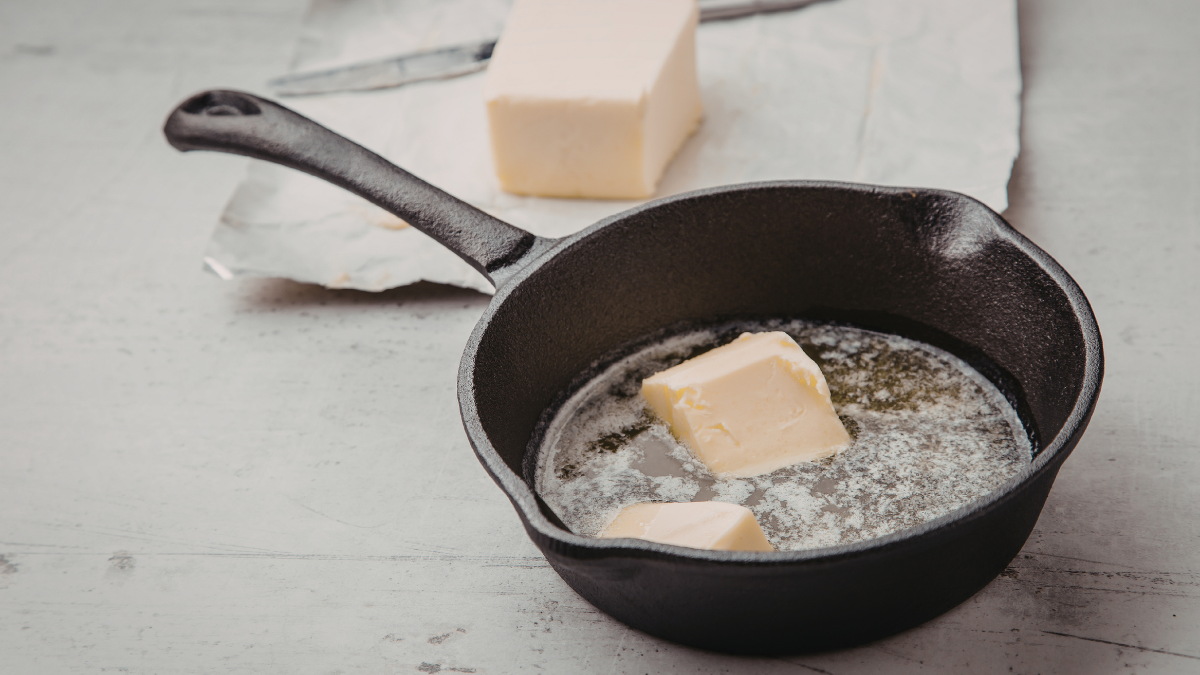
Cast iron skillets are among the most durable and versatile pieces of cookware ever made, capable of lasting for generations when treated with proper care. However, many well-meaning home cooks unknowingly damage their skillets through improper cleaning habits that strip away the protective seasoning built up over years of use. The seasoning on cast iron is a polymerized layer of oil that creates a naturally non-stick surface and protects the metal from rust. Understanding what to avoid is just as important as knowing the right techniques for maintaining this beloved kitchen workhorse.
Dish Soap
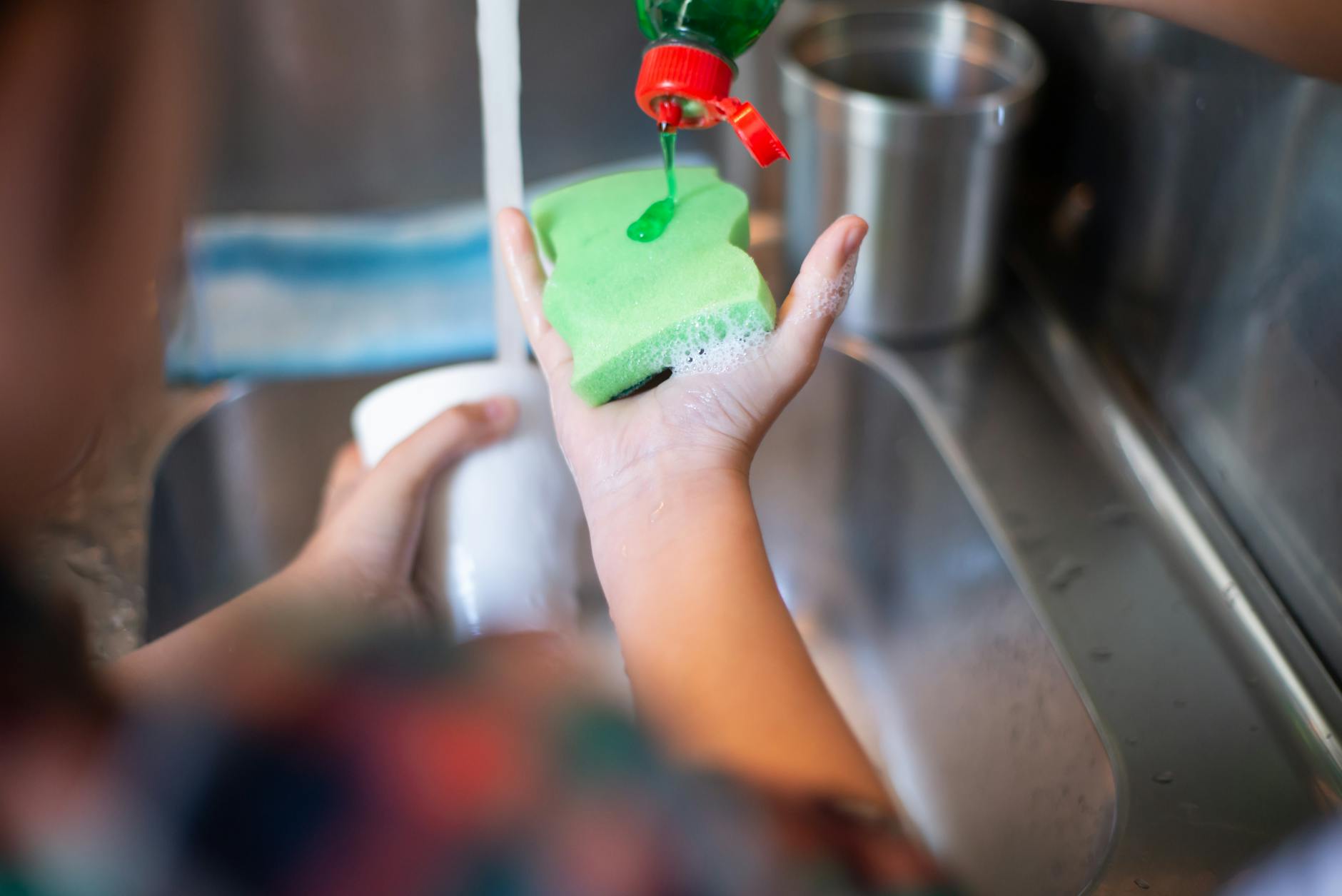
Dish soap is one of the most common and damaging things applied to cast iron during cleaning. Traditional soaps contain lye and other harsh detergents designed to cut through grease and oil, which is precisely what the seasoning on cast iron is made of. Even a small amount of soap used regularly will gradually strip away the protective coating and leave the pan vulnerable to rust and food sticking. While modern dish soaps are somewhat milder than their historical counterparts, consistent use still degrades the seasoning over time. A simple rinse with hot water and a stiff brush is almost always sufficient for everyday cleaning.
Bleach
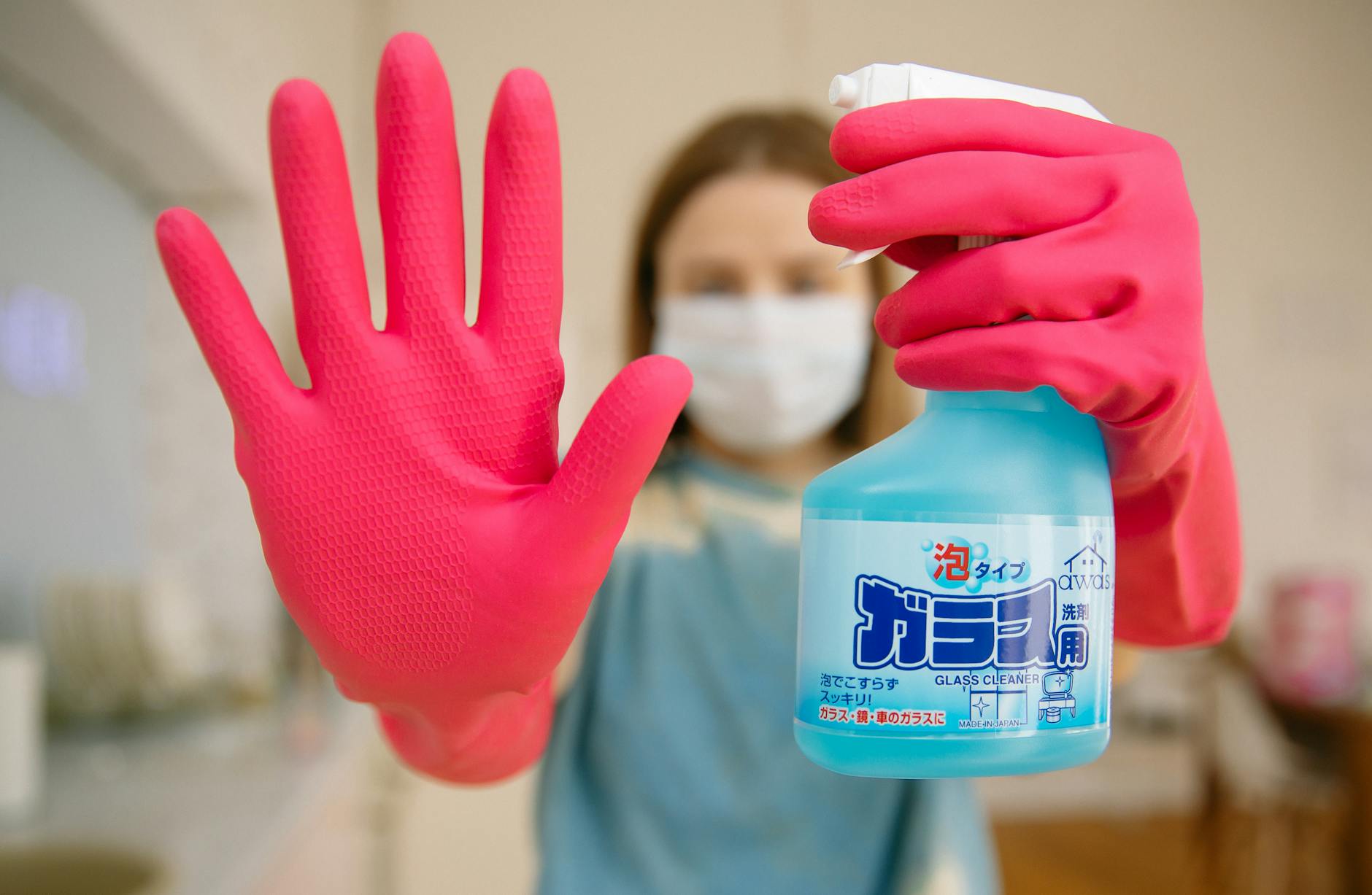
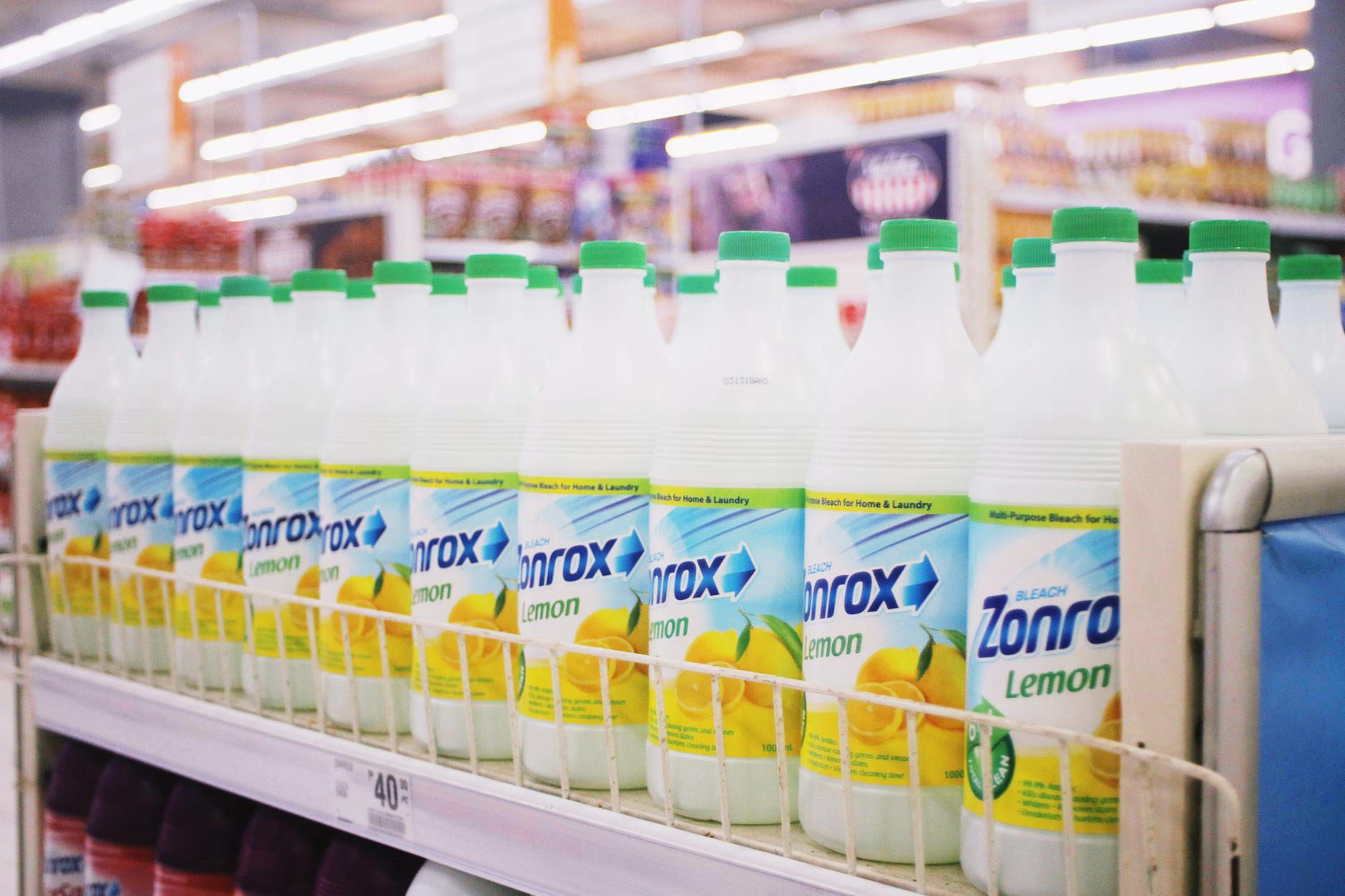
Bleach is a powerful oxidizing agent that reacts aggressively with iron and will cause immediate and serious damage to any cast iron surface. Direct contact with bleach can accelerate the oxidation process, essentially fast-tracking the formation of rust across the entire pan. Beyond the surface damage, bleach residue is extremely difficult to fully remove from a porous metal surface and can contaminate food cooked in the pan afterward. The chemical reaction between bleach and iron also weakens the structural integrity of the metal over time with repeated exposure. No cleaning benefit from bleach could ever outweigh the harm it causes to cast iron cookware.
Dishwasher
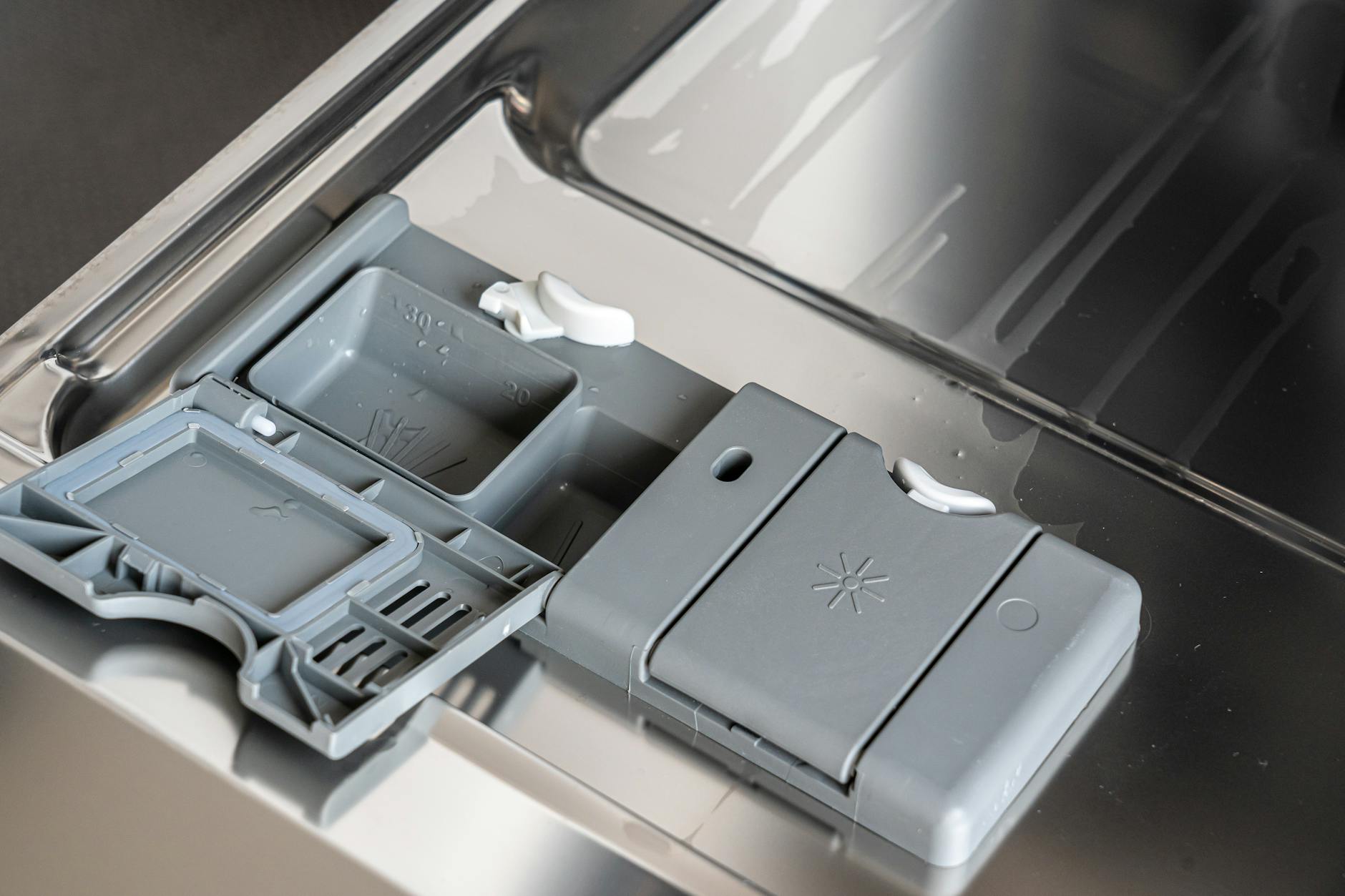
The dishwasher is one of the fastest and most thorough ways to ruin a cast iron skillet in a single cycle. The combination of harsh detergent, prolonged water exposure, and intense heat strips seasoning completely and promotes rapid and widespread rusting. The high-pressure water jets force moisture into every pore of the iron, and the drying cycle does not remove it quickly enough to prevent oxidation. A single dishwasher cycle can reduce a beautifully seasoned pan to a rusty, pitted surface that requires significant restoration work. Cast iron should always be washed by hand and dried immediately and thoroughly after cleaning.
Baking Soda Paste
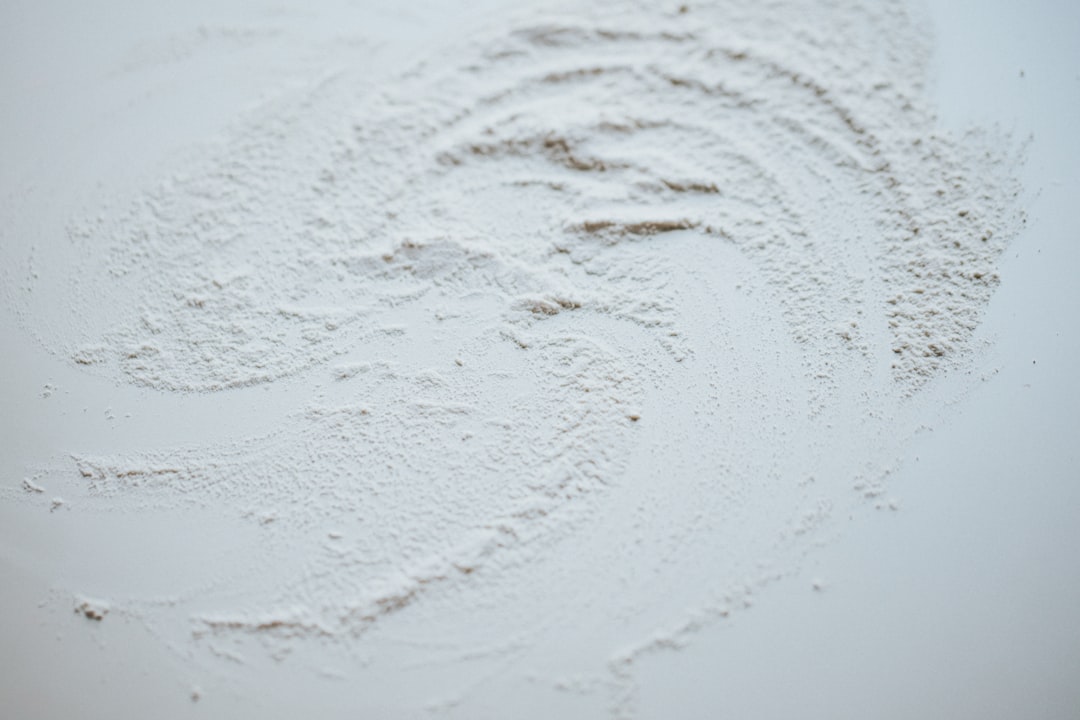
Baking soda is a mild abrasive and a base compound that can disrupt the chemical structure of the seasoning layer when applied directly as a paste. Its abrasive texture physically wears down the polymerized oil coating even though it feels gentle compared to something like steel wool. The alkaline nature of baking soda also reacts with the iron surface in ways that can encourage rust formation rather than prevent it. Many people reach for baking soda when dealing with stuck-on food, but salt combined with a small amount of oil is a far safer and more effective alternative. Keeping the seasoning intact is always worth finding a gentler solution.
Vinegar
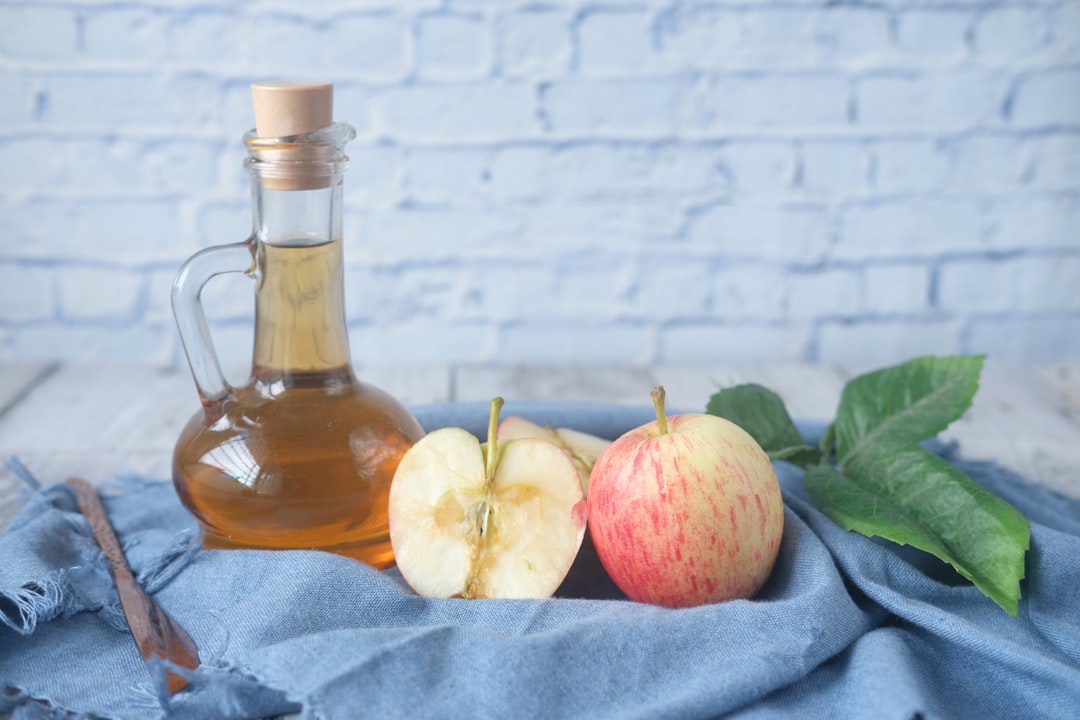
Vinegar is highly acidic and acts as a solvent that breaks down the seasoning layer quickly and effectively enough to make it a useful rust-removal tool when used very sparingly and briefly. However, leaving vinegar in contact with cast iron for any extended period causes significant corrosion and strips away both rust and the good seasoning underneath it. Some cooks mistakenly believe a vinegar soak is a safe cleaning method for general maintenance, but this will pit and damage the surface of the iron itself. Even diluted vinegar solutions cause cumulative harm when used repeatedly over time. If vinegar is ever used for rust removal, the pan must be rinsed immediately and re-seasoned right away.
Oven Cleaner
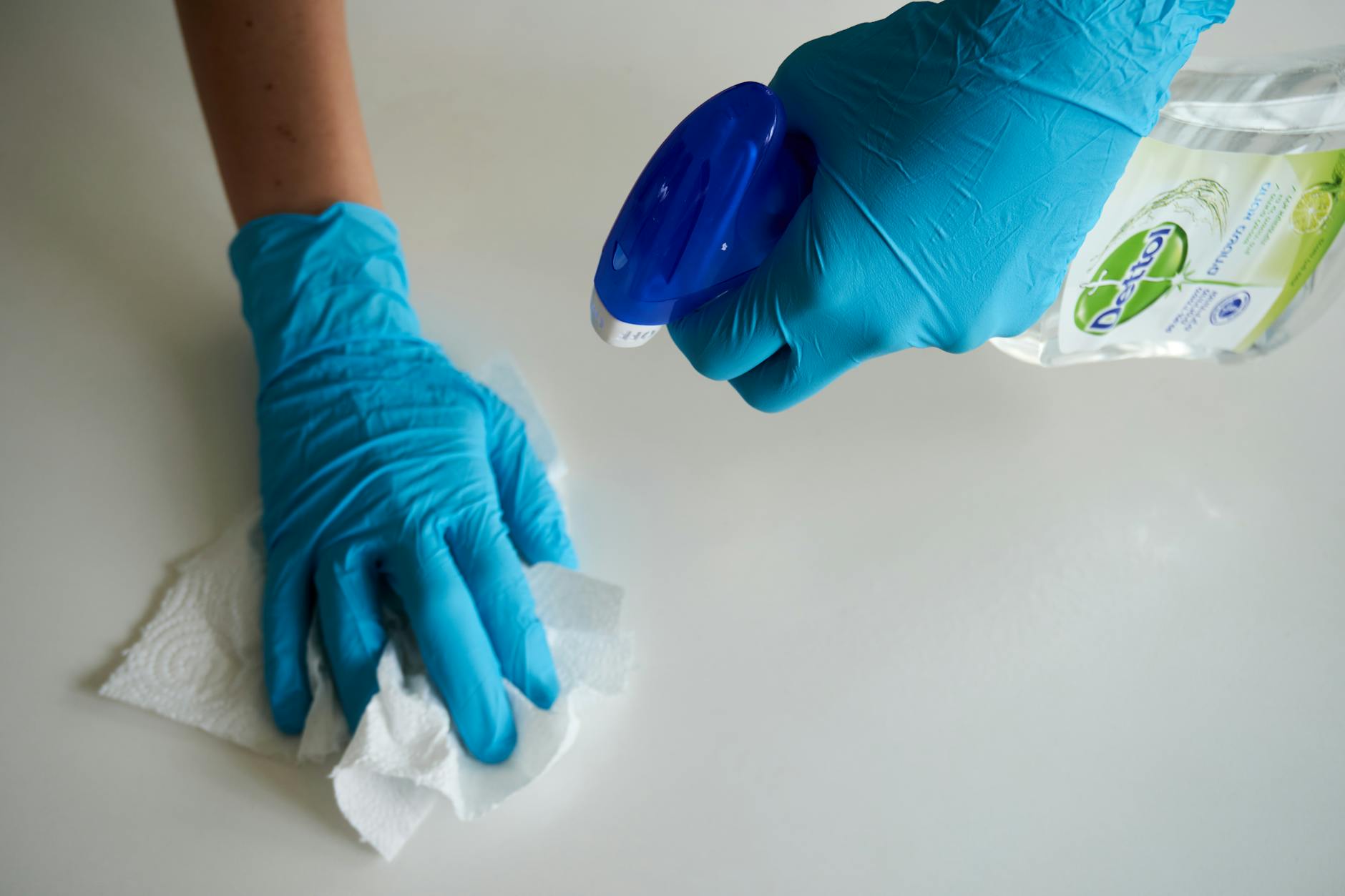
Oven cleaner contains highly caustic chemicals including sodium hydroxide that are designed to dissolve baked-on carbon and grease at an industrial level. When applied to cast iron these chemicals strip every trace of seasoning and can even react with the surface of the iron itself causing pitting and discoloration. The residue left behind by oven cleaner is difficult to neutralize and can impart chemical flavors into food even after thorough rinsing. Some restoration enthusiasts use oven cleaner intentionally to strip a pan down to bare metal before re-seasoning from scratch, but this is a deliberate and controlled process. Using it as a casual cleaning product will cause irreversible harm to a well-seasoned skillet.
Salt and Water Mix

While dry coarse salt is a recommended gentle abrasive for cleaning cast iron, mixing it with water creates a corrosive solution that accelerates rust formation on the iron surface. Saltwater is an electrolyte solution that speeds up the electrochemical reactions responsible for oxidation, making it one of the more damaging liquids a cast iron pan can encounter. Leaving a salt and water mixture sitting in the pan even briefly can cause rust spots to appear within hours depending on the condition of the seasoning. This is an easy mistake to make when trying to loosen stuck food with a scrubbing paste. Salt should always be used dry and rinsed away quickly before any moisture interaction can take lasting effect.
Lemon Juice
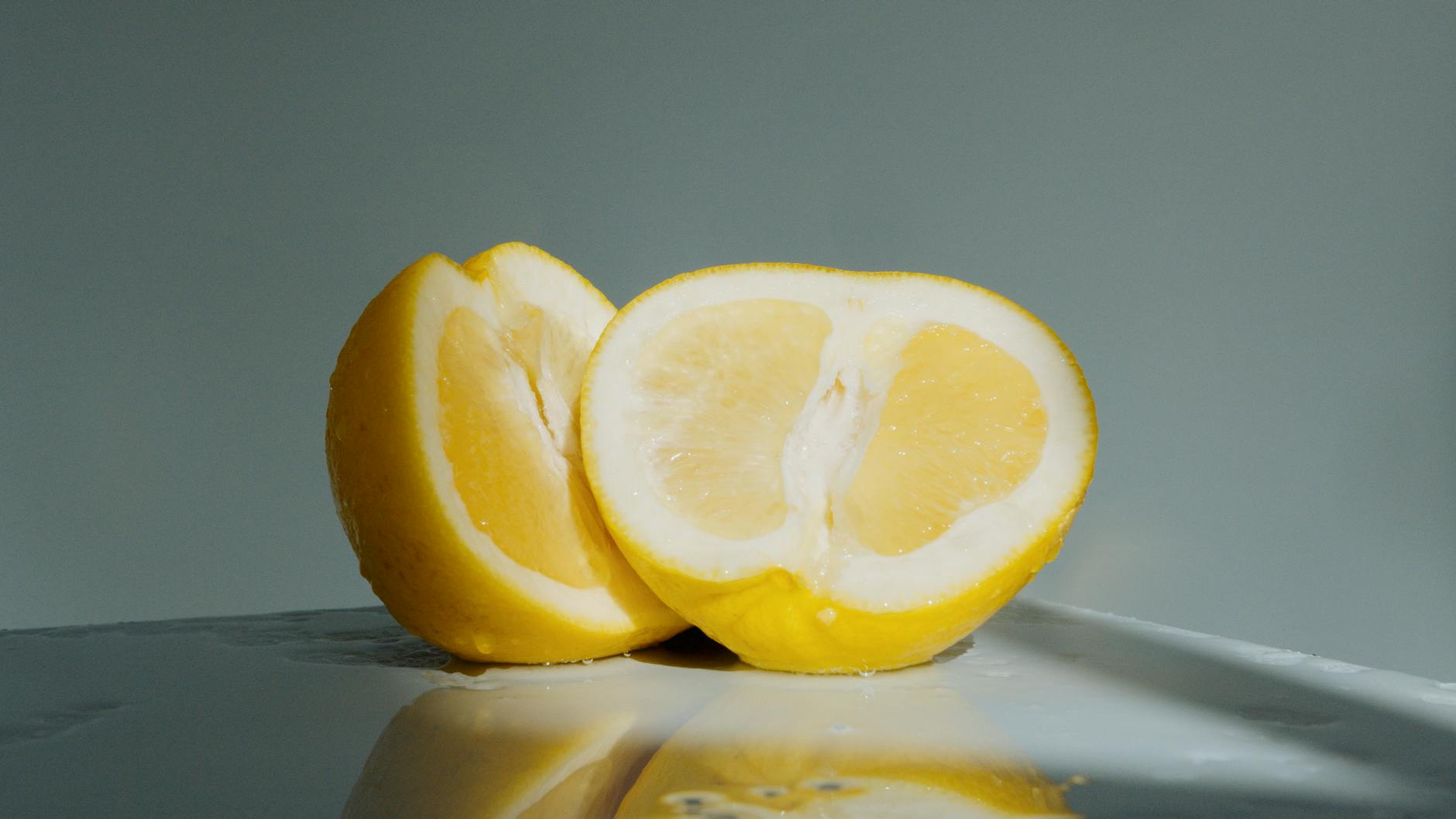
Lemon juice contains citric acid which reacts with iron in much the same way that vinegar does, breaking down seasoning and encouraging oxidation. Using lemon juice to remove odors or residue from a cast iron pan is a common but damaging practice that compromises the protective coating. The acidity penetrates the porous surface of the iron and continues reacting even after the visible liquid has been wiped away. Citric acid is also used commercially as a rust converter and metal cleaner, which gives a clear indication of its effect on iron cookware. Any citrus-based cleaning product or natural remedy involving lemon should be kept well away from cast iron surfaces.
Paper Towels for Scrubbing
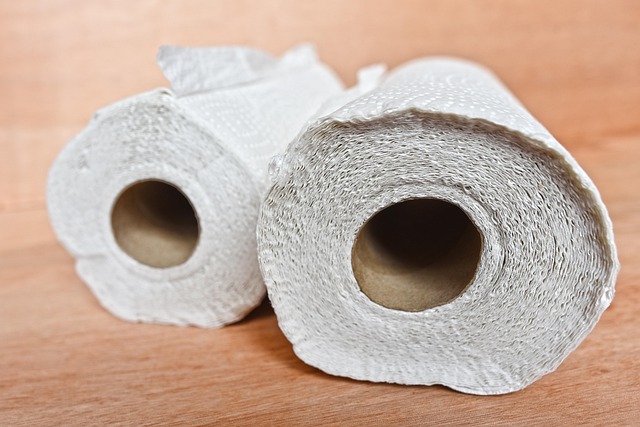
Paper towels are appropriate for drying and lightly wiping a cast iron pan but should never be used to scrub stuck-on food from the surface. The friction generated by scrubbing with paper towels creates a surprising amount of abrasive force against a relatively thin seasoning layer. Paper towels also tend to leave behind small fibrous fragments that embed in the cooking surface and are difficult to remove completely. The tearing that occurs during scrubbing can drag particles of paper across the surface and introduce contaminants into the seasoning. A dedicated cast iron brush or a flat-edged wooden spatula is a far more effective and safer tool for loosening stubborn residue.
Copper Scrubbers
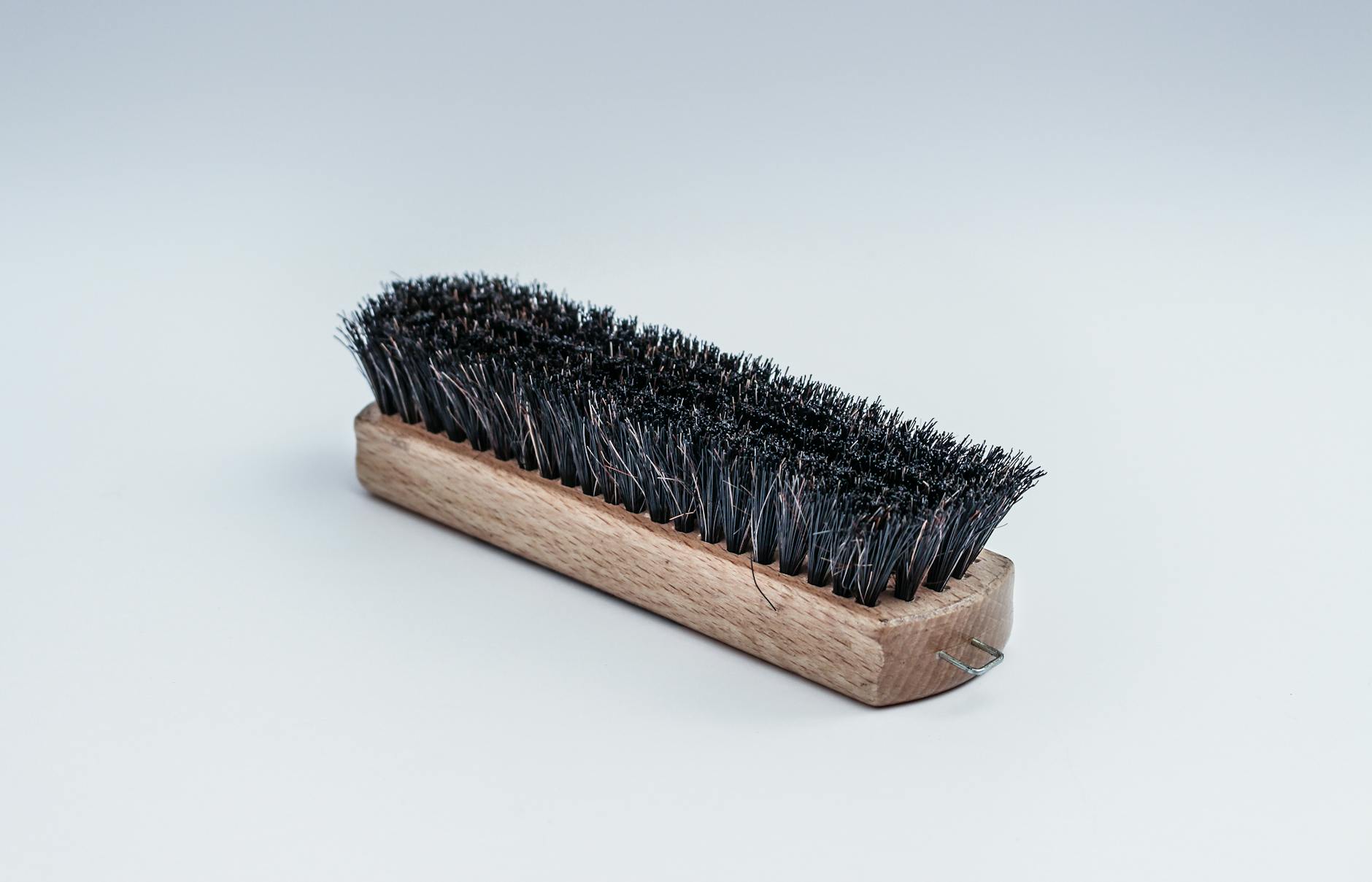
Copper scrubbers are marketed as a gentler alternative to steel wool but still present a significant risk to cast iron seasoning due to their metallic and abrasive nature. The copper bristles are hard enough to scratch through the polymerized oil layer and expose bare iron underneath, which then becomes susceptible to rust. Copper is also reactive with certain cooking residues and can leave trace deposits on the cooking surface that affect the flavor of food. The open structure of copper scrubbers tends to trap food particles that are difficult to clean out thoroughly, making the scrubber itself a hygiene concern over time. A nylon-bristle brush is a much safer tool for anyone looking for slightly more scrubbing power than a standard brush provides.
Hydrogen Peroxide
Hydrogen peroxide is an oxidizing agent at its core, which means it actively promotes the very process that causes rust on iron surfaces. Applying it to a cast iron pan in an attempt to sanitize or clean it introduces oxygen radicals that attack both the seasoning and the metal beneath. While hydrogen peroxide is a common and effective disinfectant for many surfaces, iron cookware is one of the few materials for which it causes direct chemical harm. Any perceived sanitation benefit is entirely unnecessary since properly heated cast iron already kills bacteria through the cooking process itself. A hot pan and a clean brush provide all the hygiene a cast iron skillet needs between uses.
Boiling Water Repeatedly
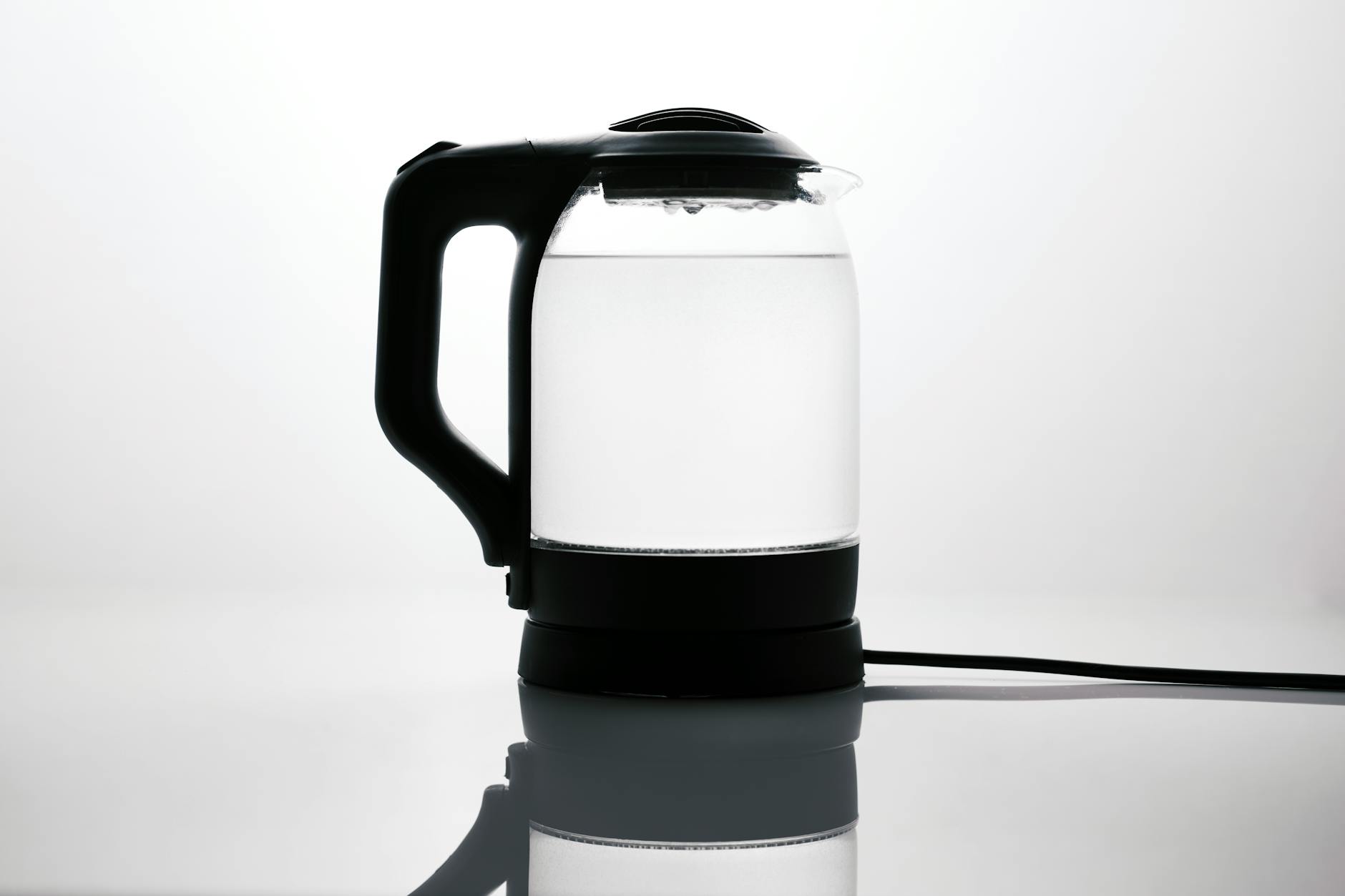
Boiling water in a cast iron skillet occasionally is generally harmless, but using repeated boiling sessions as a regular cleaning method causes cumulative damage to the seasoning and the pan itself. Prolonged exposure to boiling water softens and loosens the polymerized oil coating, causing it to flake away from the surface over time. The constant thermal stress of heating water to a boil and cooling the pan rapidly also contributes to micro-fractures in older cast iron pieces. Water left sitting in a cast iron pan even briefly after a boiling session can begin rusting the exposed metal within hours. Quick rinsing with hot water is always preferable to anything involving extended water contact or prolonged simmering of plain water.
Ammonia
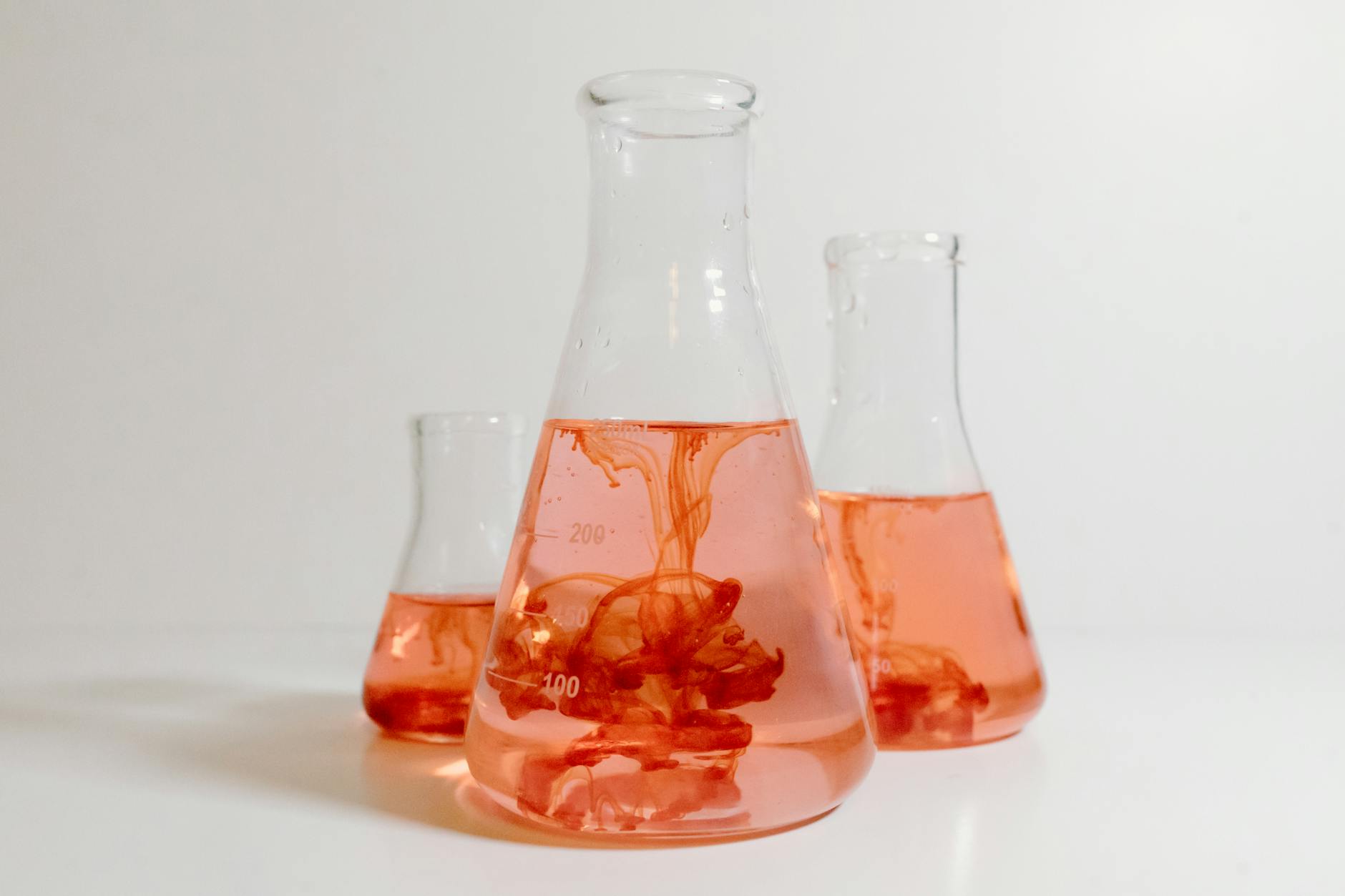
Ammonia is a strong alkaline cleaning agent used in many heavy-duty household cleaners and glass sprays that causes significant harm to cast iron seasoning on contact. Its high pH breaks down the oil-based coating in much the same way that lye-based soaps do, leaving the iron surface exposed and unprotected. Ammonia fumes also penetrate deeply into the porous structure of the metal and are notoriously difficult to remove through rinsing alone. Any food cooked in a pan contaminated with ammonia residue risks absorbing the chemical flavor, making the cookware temporarily unusable. Any cleaning product containing ammonia should be stored away from cast iron to prevent accidental contact.
Wet Cloths Left on Surface
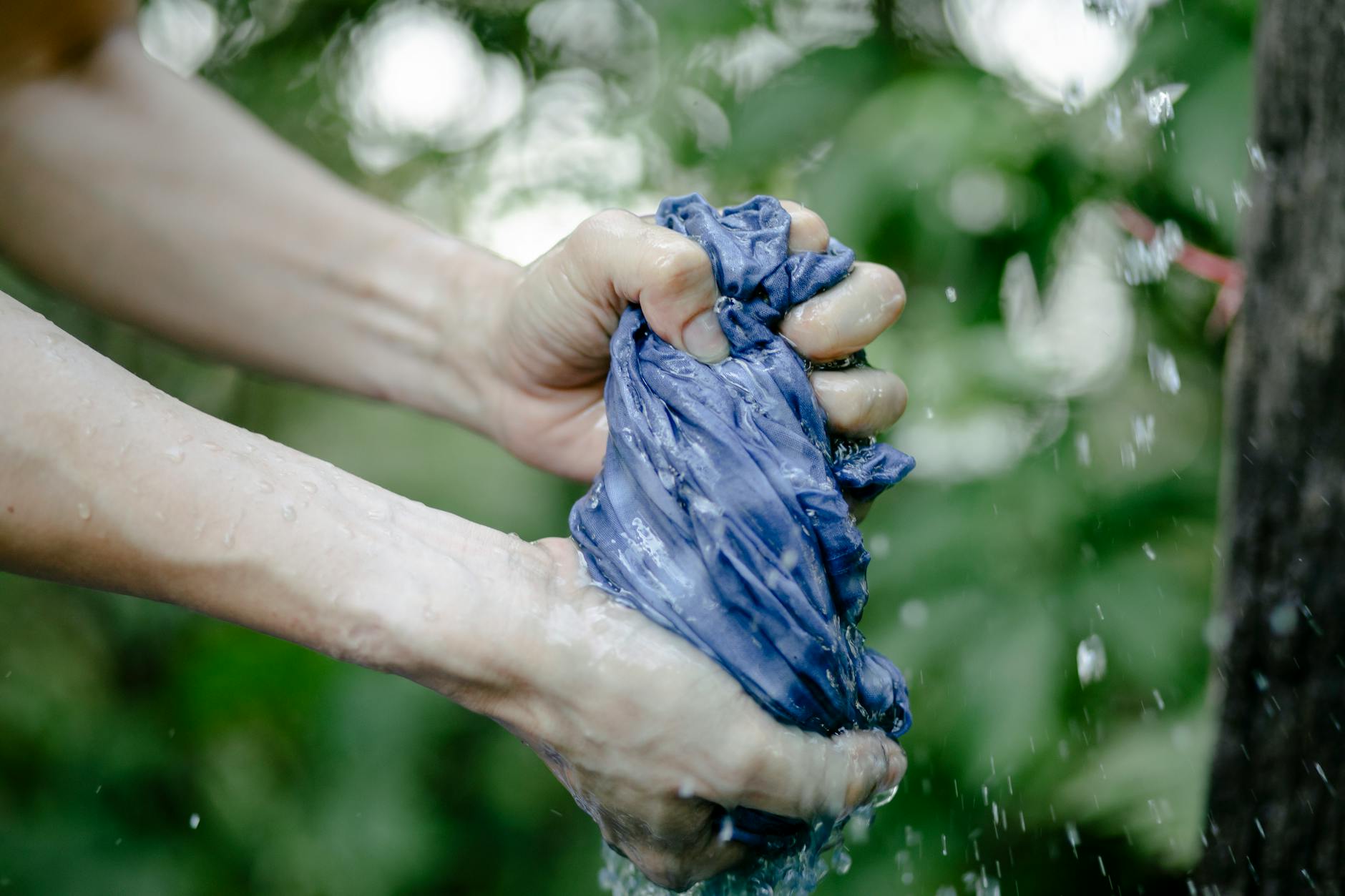
Leaving a damp or wet cloth resting against the surface of a cast iron skillet after cleaning is a subtle but consistent source of rust damage over time. The moisture trapped between the cloth and the pan creates a humid microenvironment where oxidation begins rapidly, particularly if the seasoning has any thin or compromised areas. Even a cloth left in contact with a pan for a few hours can leave rust marks that require re-seasoning to correct. This mistake is especially common when pans are left to air-dry while covered with a dish towel rather than being dried immediately with heat. A cast iron pan should always be dried over low heat on the stovetop until all visible moisture has evaporated completely.
Commercial Degreasers
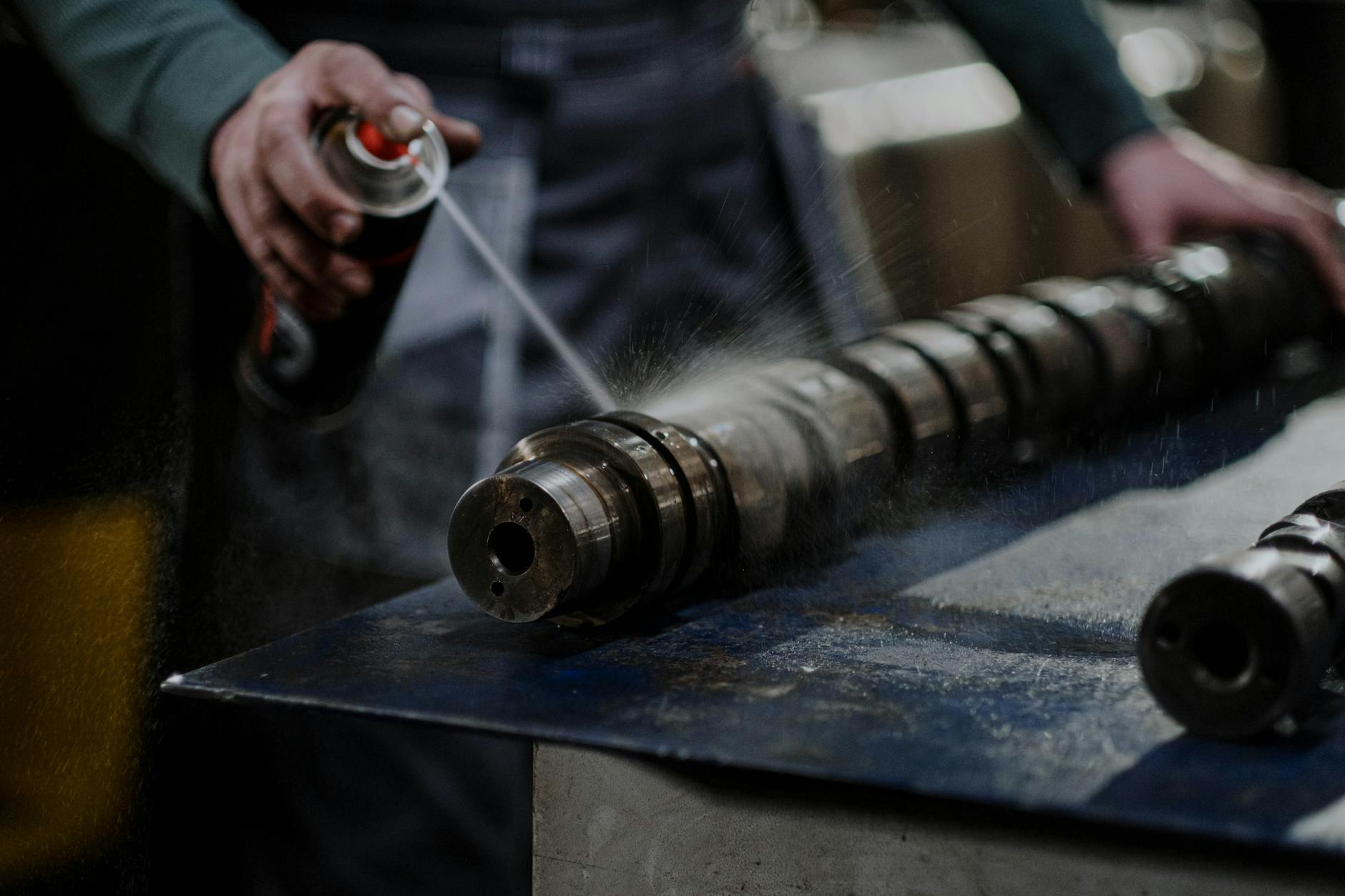
Commercial kitchen degreasers are formulated specifically to dissolve and remove oil and grease buildup, making them uniquely destructive to a surface that depends entirely on oil for its integrity and function. These products contain powerful surfactants and solvents that penetrate the seasoning layer thoroughly, stripping it down to bare metal with a single application. Many commercial degreasers also contain water-activating compounds that accelerate rusting once the protective coating has been removed. Restaurants sometimes use these products on cast iron by mistake when cleaning large volumes of cookware quickly, resulting in significant damage. The seasoning on cast iron is an intentional and carefully developed oil layer that should never be treated as a grease problem to be removed.
Ice Water Shocking
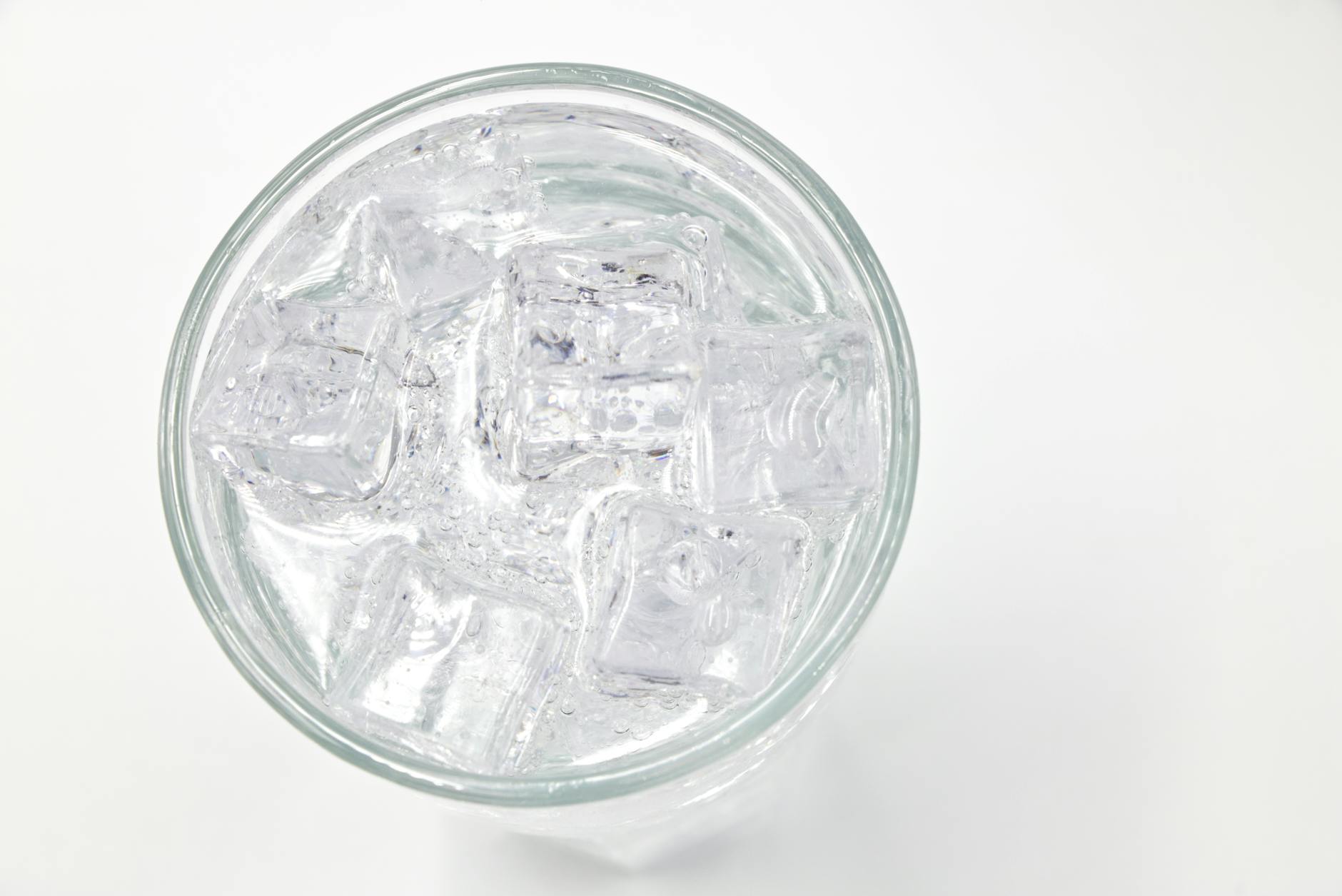
Plunging a hot cast iron skillet into ice water or cold water immediately after cooking is a thermal shock practice that poses a serious risk of cracking or warping the pan. Cast iron expands when heated and contracts rapidly when cooled, and the sudden temperature differential creates internal stress that the brittle metal is not designed to handle. Even pans that do not crack outright can develop hairline fractures that weaken the structure and eventually cause failure during future use. The sudden cooling also causes the seasoning to contract and separate from the metal surface, leading to flaking and uneven patches. Always allow cast iron to cool gradually on its own before introducing any water for cleaning.
Scouring Powder
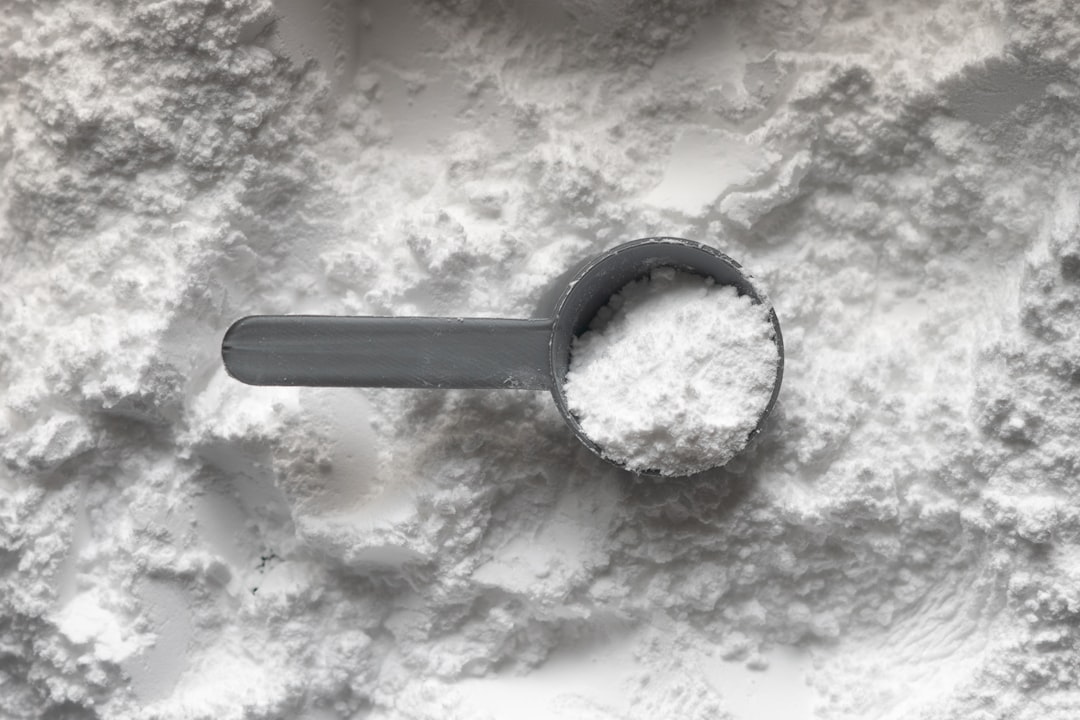
Scouring powders like those commonly used for sink and bathroom cleaning contain fine abrasive particles combined with strong detergents or bleaching agents that are highly damaging to cast iron. The abrasive component physically wears away the seasoning in the same manner as steel wool, while the chemical component simultaneously attacks the oil layer and the iron surface beneath. Scouring powders often contain chlorine compounds that react with iron to promote rust formation, compounding the damage significantly. These products are designed for non-porous hard surfaces like porcelain and ceramic where aggressive abrasion causes no lasting harm. There is no appropriate use case for scouring powder on cast iron cookware under any circumstances.
Rubbing Alcohol
Rubbing alcohol is a solvent that dissolves oils effectively, making it another substance that directly undermines the oil-based protective layer that defines a well-seasoned cast iron pan. People sometimes reach for rubbing alcohol to sanitize cookware or remove sticky residue, but the solvent action strips seasoning from the surface with each application. Alcohol also evaporates quickly and pulls moisture with it, which can paradoxically leave the bare iron surface more susceptible to rust in the moments after application. Any sanitation achieved is entirely redundant since high cooking temperatures already make cast iron a self-sanitizing surface under normal use. Even a single wipe-down with rubbing alcohol can noticeably dull and degrade a well-developed seasoning.
Citrus Cleaning Sprays
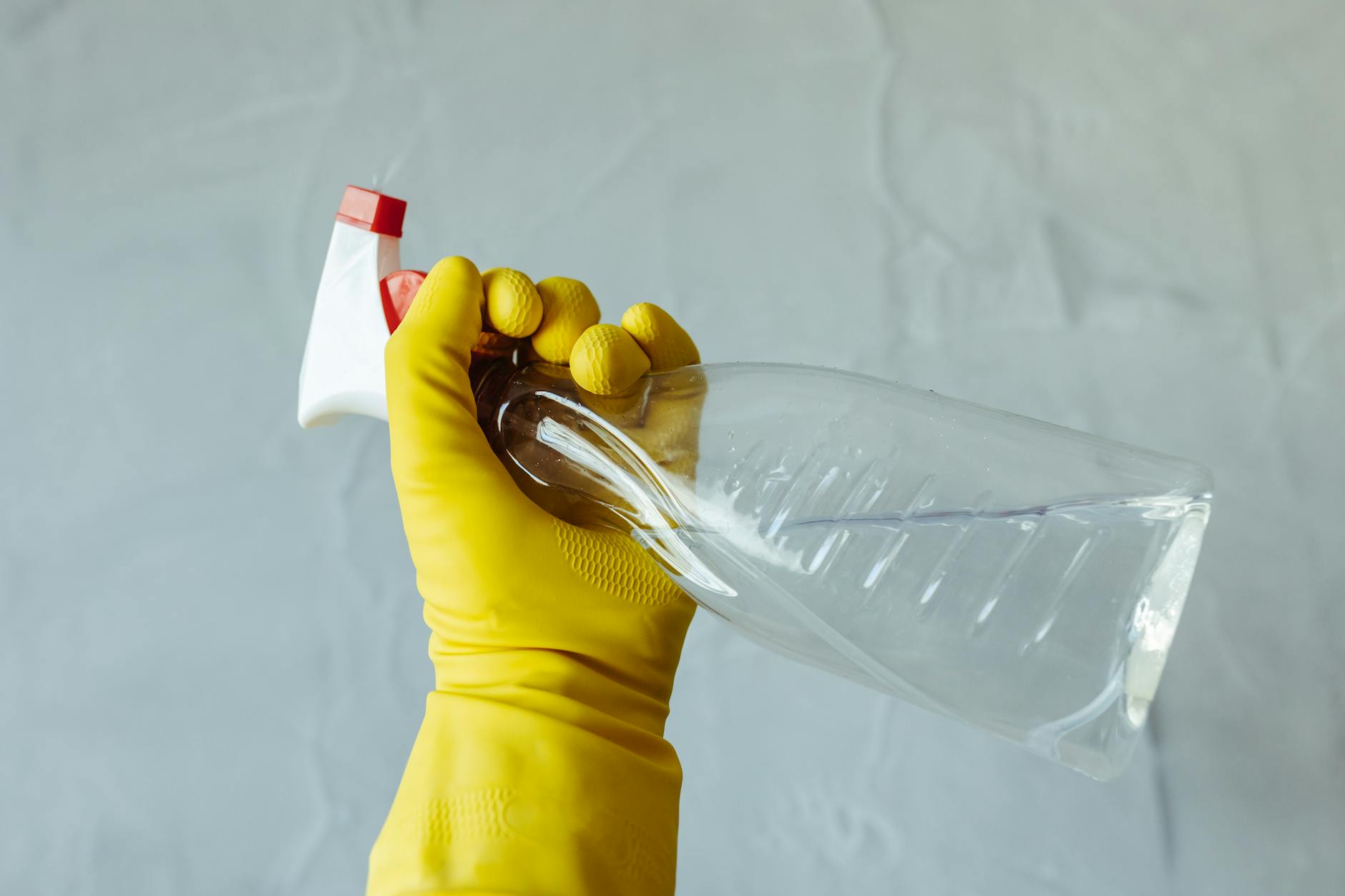
Citrus-based cleaning sprays have grown in popularity as natural alternatives to synthetic chemical cleaners, but their acidic composition makes them just as harmful to cast iron as undiluted lemon juice. These sprays contain concentrated citric acid or d-limonene derived from citrus peel, both of which react aggressively with iron and break down the seasoning coating on contact. The spray application method is particularly problematic because the fine mist coats the entire surface evenly, meaning the acid reaches every part of the pan simultaneously. Many citrus sprays also contain additional surfactants that compound the oil-stripping effect of the acid. A cast iron skillet should only ever come into contact with water, oil, and heat during its care and maintenance routine.
Protecting your cast iron skillet from these common cleaning mistakes is the single most effective way to ensure it performs beautifully for decades to come. Share your own cast iron care tips and experiences in the comments.




