Dining out comes with its own unspoken set of social rules, and most people follow them with the best of intentions. What many guests don’t realize is that some of their most well-meaning habits can actually create extra work or mild frustration for the people serving them. Restaurant staff are trained professionals who genuinely want your experience to go smoothly, but certain courteous gestures can quietly complicate their jobs. Understanding the behind-the-scenes reality of restaurant service might just change how you behave at the table in the most surprisingly helpful ways.
Dish Stacking
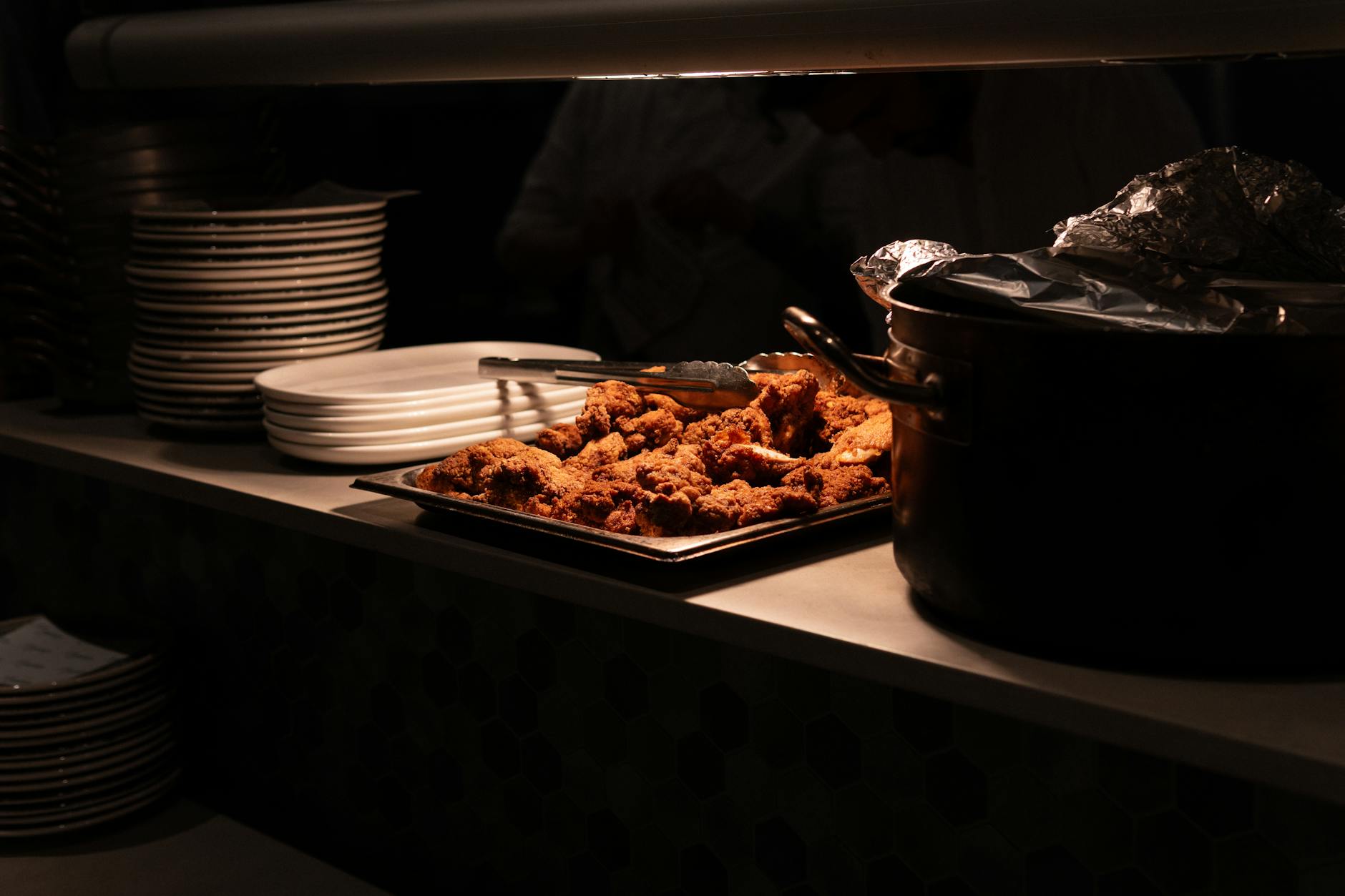
When guests finish their meals and begin neatly stacking their plates, it feels like a helpful and considerate gesture. The problem is that servers are trained to clear tables in a specific way that prevents spills and protects delicate dishware. Amateur stacking often results in unstable towers that are harder and more dangerous to carry than individual plates. Food and sauces can also transfer onto the underside of dishes, making washing more complicated. Servers genuinely appreciate the thought but find it easier to handle the clearing themselves.
Menu Handing
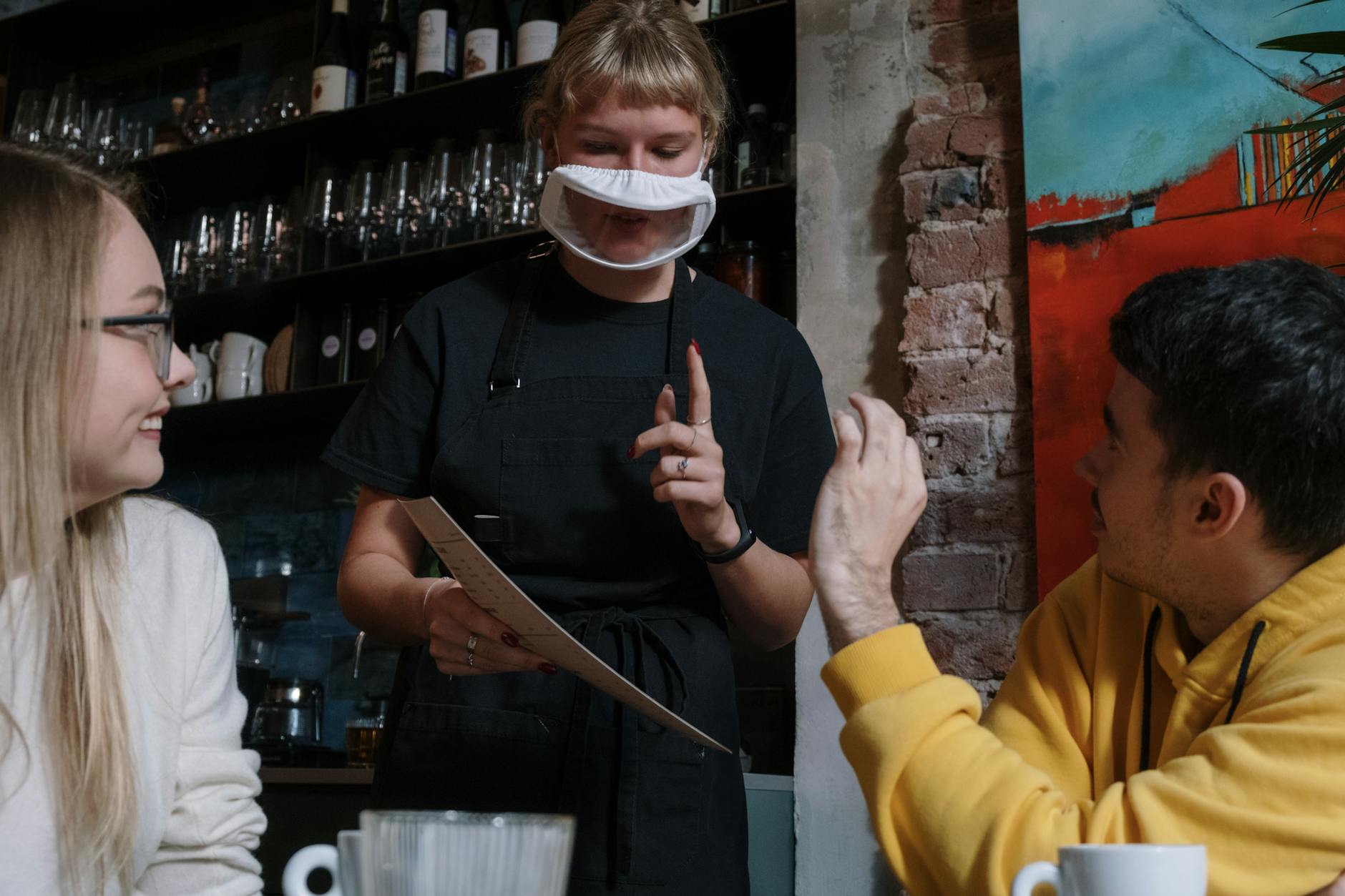
Passing the menu back to a server the moment you’ve decided what to order seems like an efficient and polite move. In practice, servers are managing several tables at once and may not be ready to take your order when you hand it back. Holding the menu out toward them while they’re mid-task at another table can actually interrupt their workflow and create an awkward exchange. Many restaurants also require menus to be collected in a specific way at certain stages of the meal. Placing it gently at the edge of the table signals readiness without forcing the interaction.
Extra Napkins
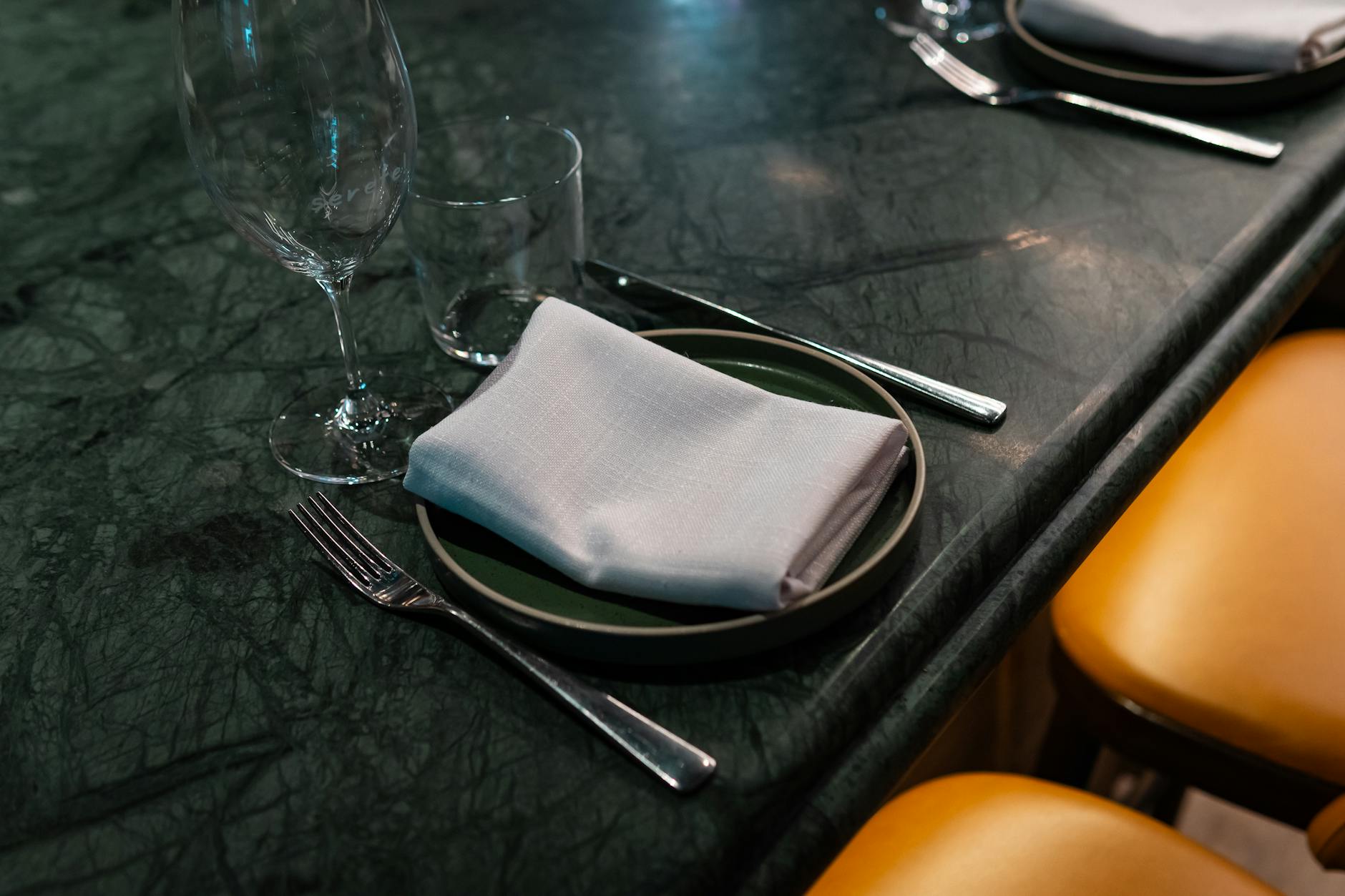
Asking for extra napkins before you’ve even needed one is a common precautionary habit that guests think saves everyone time. What it actually does is send a server back to the supply station during their busiest window of service. If the request comes right after drinks are poured and meals are being plated, the timing couldn’t be worse. Servers keep a close eye on tables and will happily bring extras the moment they see a genuine need. Waiting until you actually need something keeps the rhythm of service running far more smoothly.
Plate Scraping
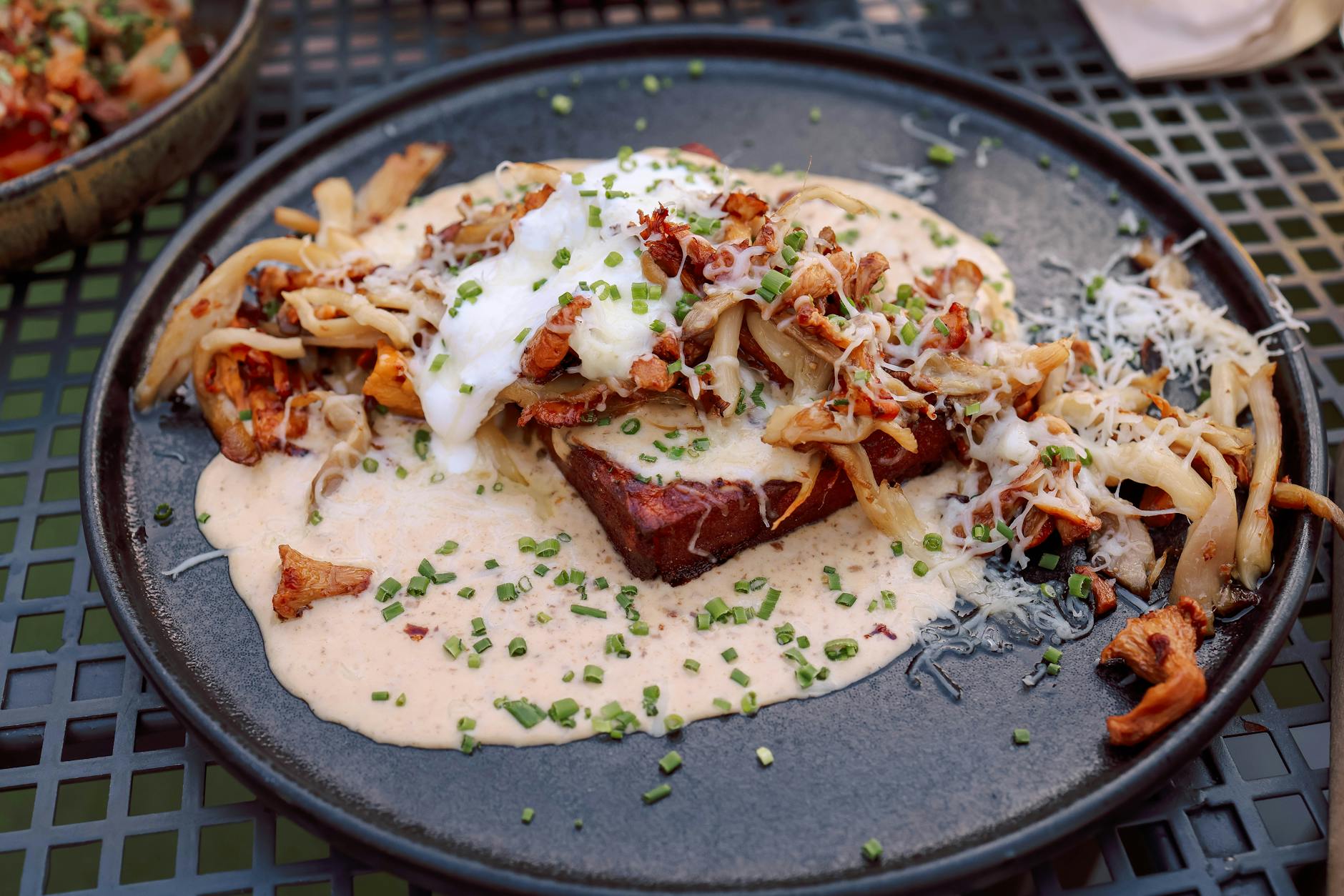
Thoughtful diners sometimes scrape leftover food into one pile on their plate to make the server’s job tidier. This action, while well-intentioned, can actually spread mess and make a plate harder to handle cleanly. Restaurant kitchens have a systematic way of processing cleared dishes that doesn’t require pre-sorting by guests. Scraping can also cause sauces and debris to fall onto the tablecloth, creating more cleanup than if the plate had simply been left alone. Servers prefer to receive dishes exactly as they were eaten from.
Greeting Apologies
Many diners open an interaction with a server by saying sorry for asking a question or for needing something. While politeness is always appreciated, excessive apologizing can slow down the natural flow of service communication. Servers are there specifically to answer questions and fulfill requests, so framing every interaction as an inconvenience can feel a little awkward for them. It also takes more time to process than a direct and friendly request. A warm tone and a simple thank you at the end goes much further than a preamble of apologies.
Drink Covering
Placing a hand over a glass to signal you don’t want a refill is a gesture borrowed from formal dining etiquette. In busy restaurant settings, this can catch servers off guard mid-pour and actually create the risk of a spill. A simple verbal no thank you is faster, clearer, and safer for everyone involved. Servers are focused on pouring efficiently while managing eye contact with multiple guests, and a hand suddenly appearing over a glass can break that focus. Clear verbal communication is always the preferred signal in a restaurant environment.
Early Arrival
Showing up to a restaurant significantly ahead of your reservation and insisting you’re happy to wait at the bar is meant to be accommodating. What it often does is pressure the host team to seat you before the table is properly prepared or the server is ready for a new party. It also signals to staff that you may become impatient even if you claim otherwise. Reservation times are set with kitchen pacing and table turnover in mind, and early arrivals can throw off that carefully calculated rhythm. Arriving within a few minutes of your actual reservation time is the most genuinely helpful approach.
Cutlery Arranging
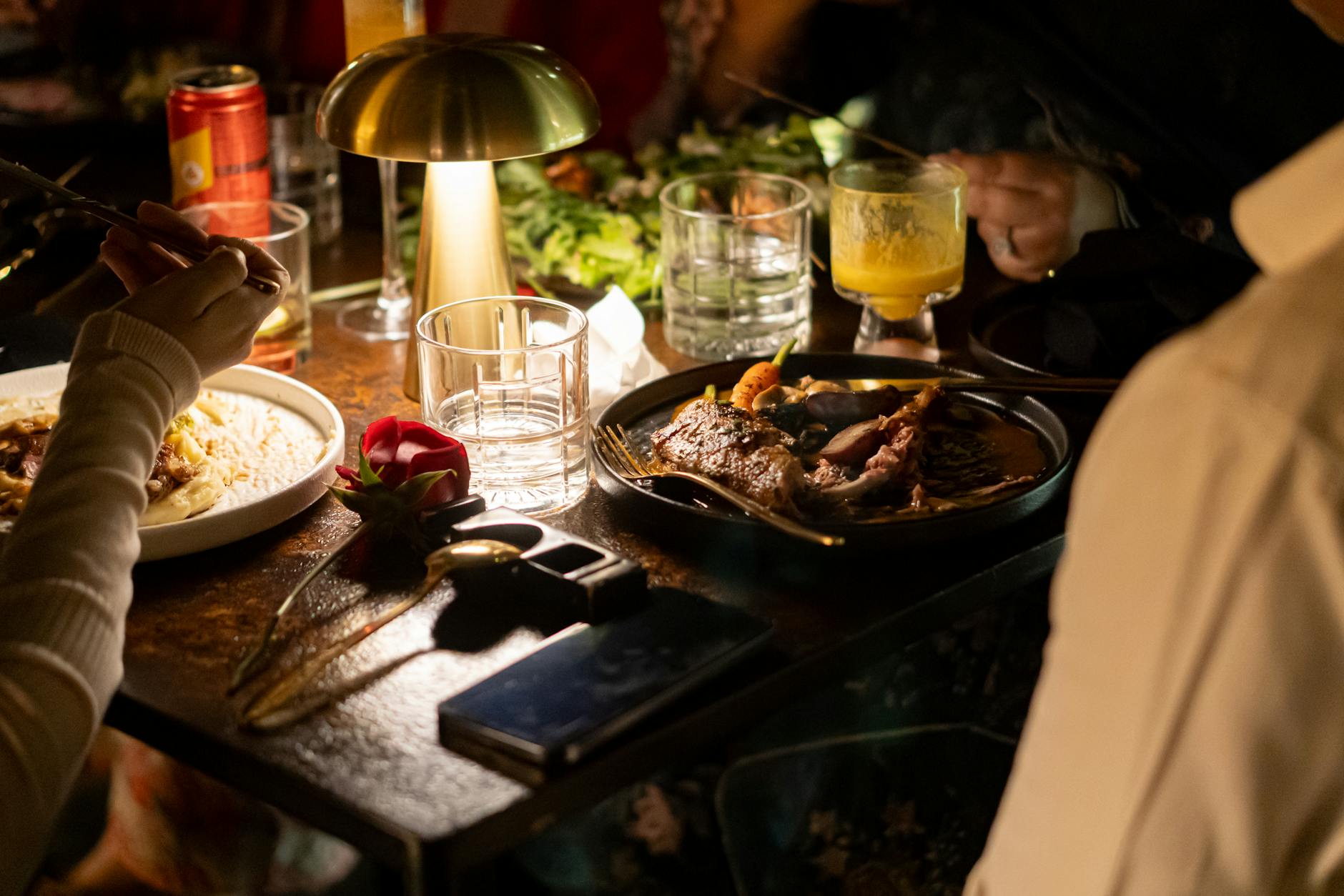
Placing your knife and fork neatly together in the center of your plate to signal you’ve finished eating is a classic piece of dining etiquette. While this is technically correct in a formal European setting, many casual and mid-range restaurants don’t train staff to read those signals. Servers in those environments rely on visual cues like leaning back or making eye contact to gauge when to clear. Rearranging cutlery without those additional signals can lead to confusion about whether you’re actually done. A simple nod or glance when the server passes is far more universally understood.
Order Rushing
Some guests try to be helpful by having every single person at the table’s order memorized and ready to rattle off the moment the server arrives. While efficiency sounds great in theory, rapid-fire ordering can actually make it harder for servers to keep pace and ensure accuracy. Servers prefer a moderate rhythm that allows them to type or write each item correctly and confirm any modifications. When orders are delivered too quickly, mistakes are more likely and follow-up questions get skipped. A steady conversational pace produces a far more accurate order for everyone at the table.
Table Clearing
Moving side plates, bread baskets, and condiment holders to the edge of the table to “make space” is a gesture many guests believe keeps things tidy. This habit can interfere with a server’s awareness of what has and hasn’t been touched at the table. It can also create a cluttered and visually chaotic edge that makes clearing more complicated. Restaurants set tables in a deliberate way to manage flow and spacing throughout a meal. Allowing items to stay where they were placed until staff removes them keeps the service experience clean and organized.
Tip Announcing
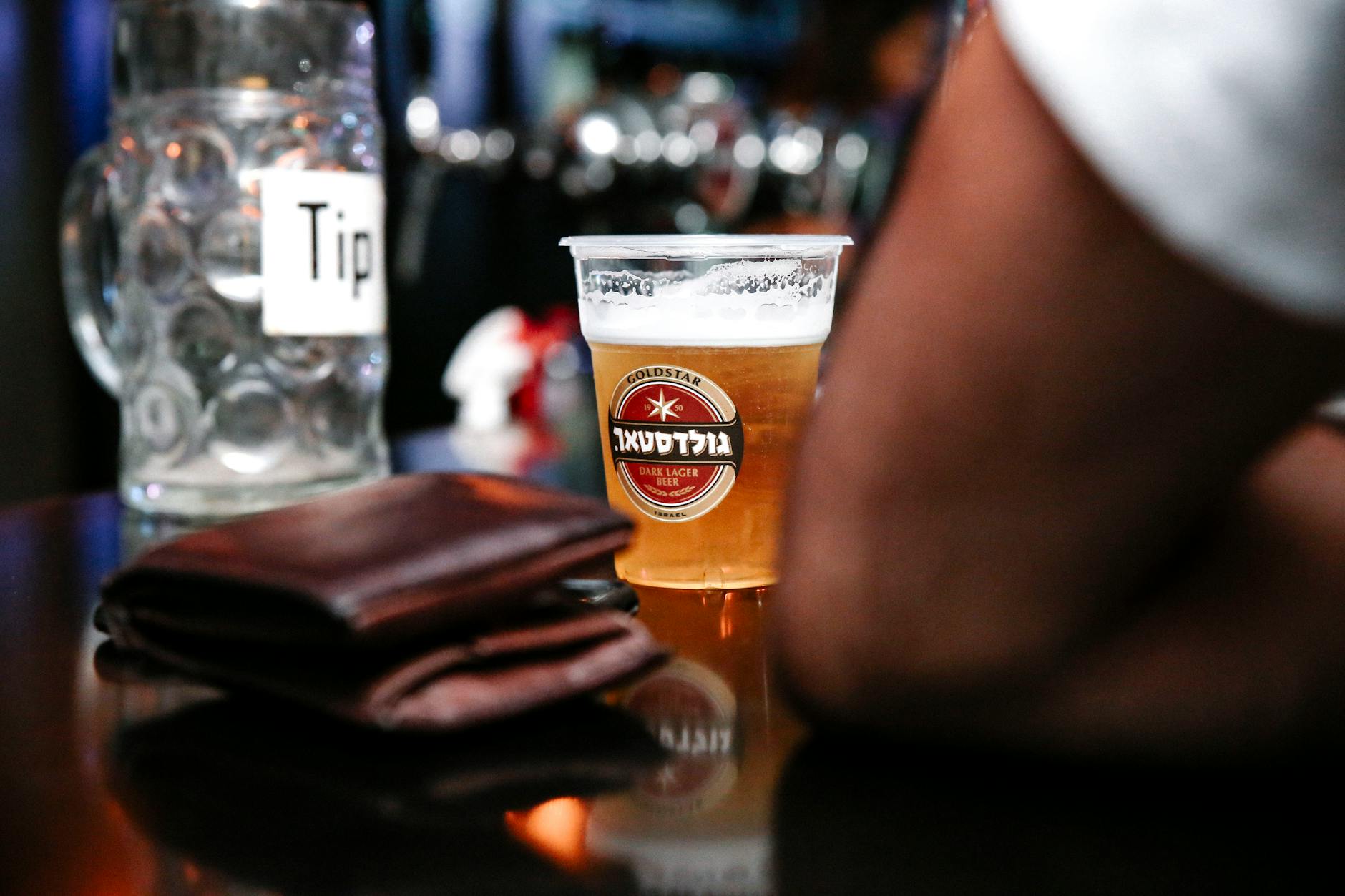
Some guests make a point of telling a server early in the meal that they plan to tip well as a form of encouragement or reassurance. While the sentiment is kind, it can create an unintentional dynamic that makes servers feel evaluated or watched for the remainder of the service. It also shifts the interaction from a professional one to something more performative, which most servers find uncomfortable. Restaurant professionals take pride in providing consistent service to every guest regardless of anticipated compensation. Letting the tip speak for itself at the end of the meal is always the more graceful approach.
Dish Praise
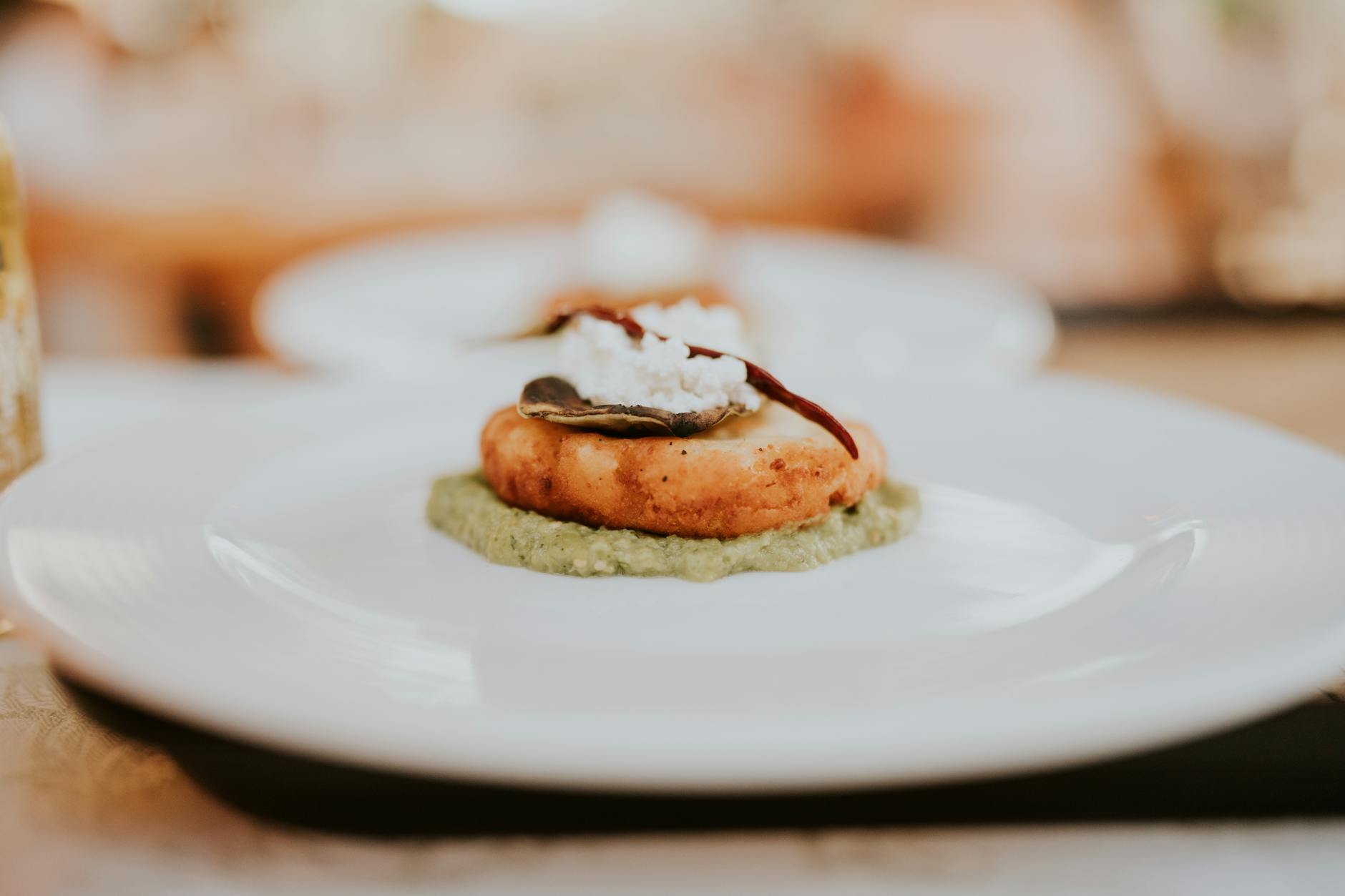
Launching into extended and enthusiastic praise for a dish directly to the server while they’re standing at the table might seem like lovely feedback. Servers are often in the middle of coordinating multiple tasks and don’t always have the time to stand and receive a full review of the meal mid-service. Most restaurants have structured ways to collect feedback, and servers themselves rarely had anything to do with how the food was prepared. A warm and brief compliment lands perfectly well without requiring a lengthy conversation. If the food was exceptional, the best time to say so in detail is when paying the bill.
Phone Signaling
Waving a hand or holding up a phone to show a server you need something is meant to be subtle and non-intrusive. In reality, broad physical gestures can be difficult to interpret from across a busy dining room and can sometimes come across as demanding to the staff nearby. Servers scan their tables constantly and are trained to notice when guests need attention. Making brief eye contact and offering a small nod is the most effective and low-key way to get their attention without disrupting the atmosphere. Physical gestures are better saved for situations where verbal communication truly isn’t possible.
Leftovers Boxing
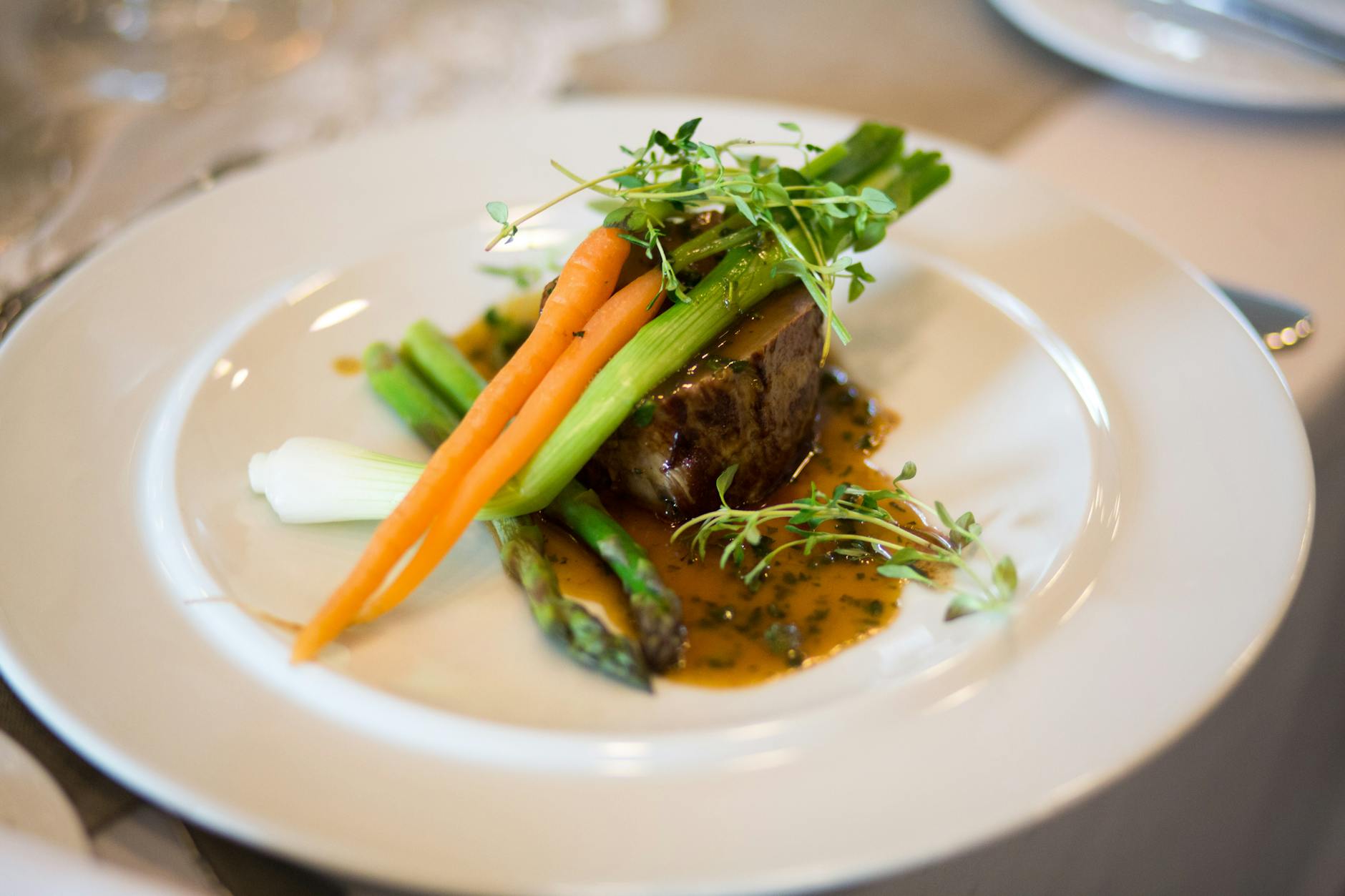
Guests who ask for a to-go box and then immediately begin packing their own leftovers at the table are trying to save the server an extra step. What this actually does is create an awkward situation where the server doesn’t know whether to assist, wait, or move on to other tasks. Packing leftovers at the table also takes up time that could otherwise be used to clear and reset for the next course or check-in. Restaurants often have specific containers and portioning methods used in the kitchen for this purpose. Handing the task to the server ensures it’s done efficiently and in line with the restaurant’s own standards.
Reassuring Mistakes
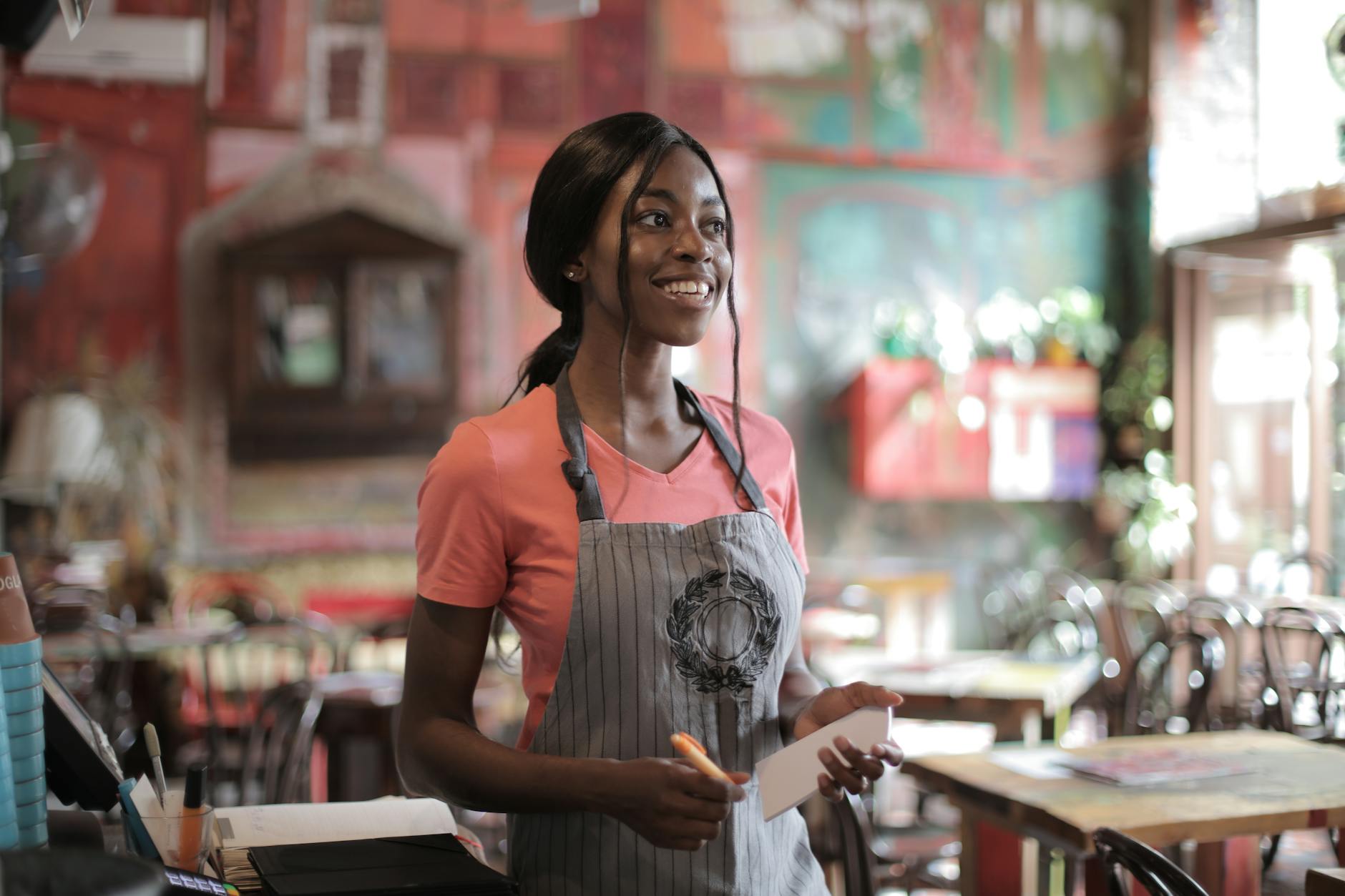
When an error happens with an order, many guests rush to tell the server it’s completely fine and that they don’t mind at all. While this comes from a desire to be gracious, it can actually make it harder for staff to resolve the issue properly. Servers are trained to correct mistakes quickly and professionally, and being told not to worry can sometimes lead to the error going unfixed. Restaurants want to get it right and the team genuinely prefers the opportunity to make it up to you. Accepting the apology warmly and allowing them to fix the problem is the most helpful response in those moments.
Share your own restaurant experiences in the comments and let us know which habits you had no idea were causing extra work behind the scenes.




