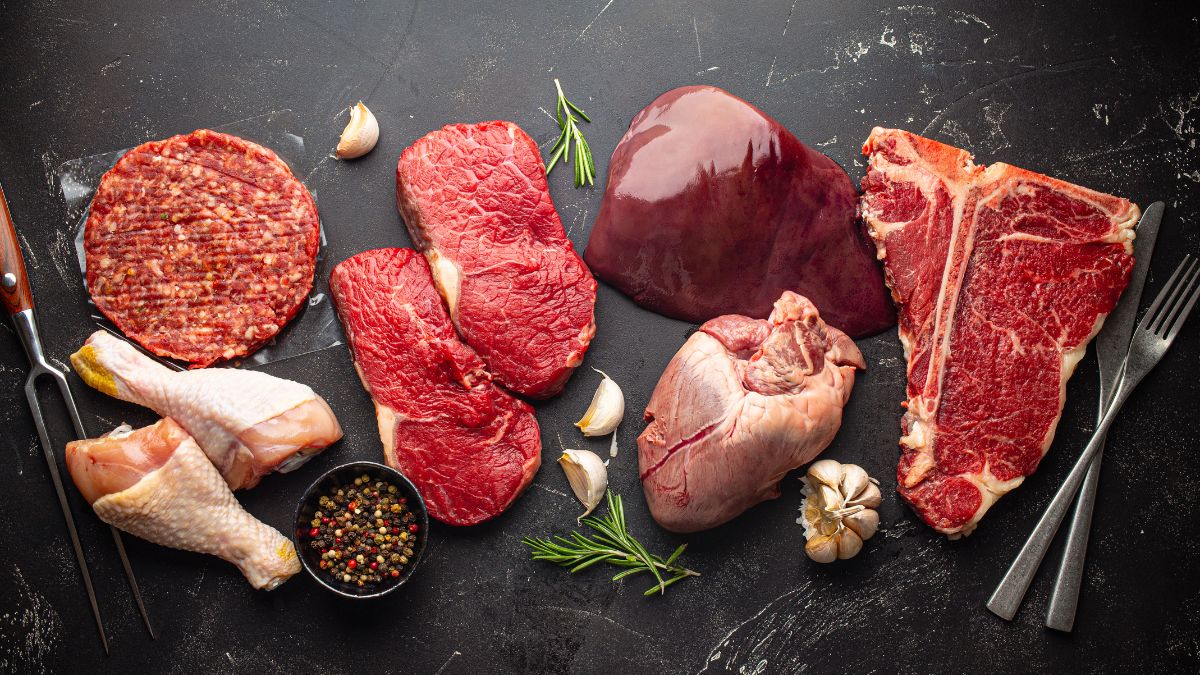
Knowing how to spot spoiled meat before it ever hits the pan is one of the most important food safety skills you can have in the kitchen. The warning signs are not always dramatic or obvious, and many people unknowingly cook meat that has already begun to deteriorate. Understanding what fresh meat should look, feel, and smell like is the foundation of safe and confident cooking. These ten telltale signs will help you catch the problem before it becomes a serious health risk.
Color Change
Fresh red meat should display a bright, vibrant color that signals it has been recently cut and properly stored. When meat begins to spoil, the pigments break down and the surface can shift toward a dull brownish or grayish tone that is distinctly different from normal oxidation. A small amount of surface browning from air exposure is generally harmless, but widespread discoloration throughout the package is a red flag. The color change is often most noticeable along the edges and in any areas where the packaging is loose. If the color looks off before you have even opened the wrapping, trust that instinct and discard the product.
The Smell

Smell is one of the most reliable indicators of meat quality and should be your first line of defense at the grocery store and at home. Fresh meat has a very mild, almost neutral scent that does not linger or demand your attention. Spoiled meat produces a sour, ammonia-like, or distinctly rotten odor caused by bacterial activity breaking down the proteins. Even a faint unpleasant smell that disappears quickly can indicate the early stages of spoilage that cooking will not reverse. Any meat that produces an unusual or offensive odor should be disposed of immediately regardless of its sell-by date.
Slimy Texture
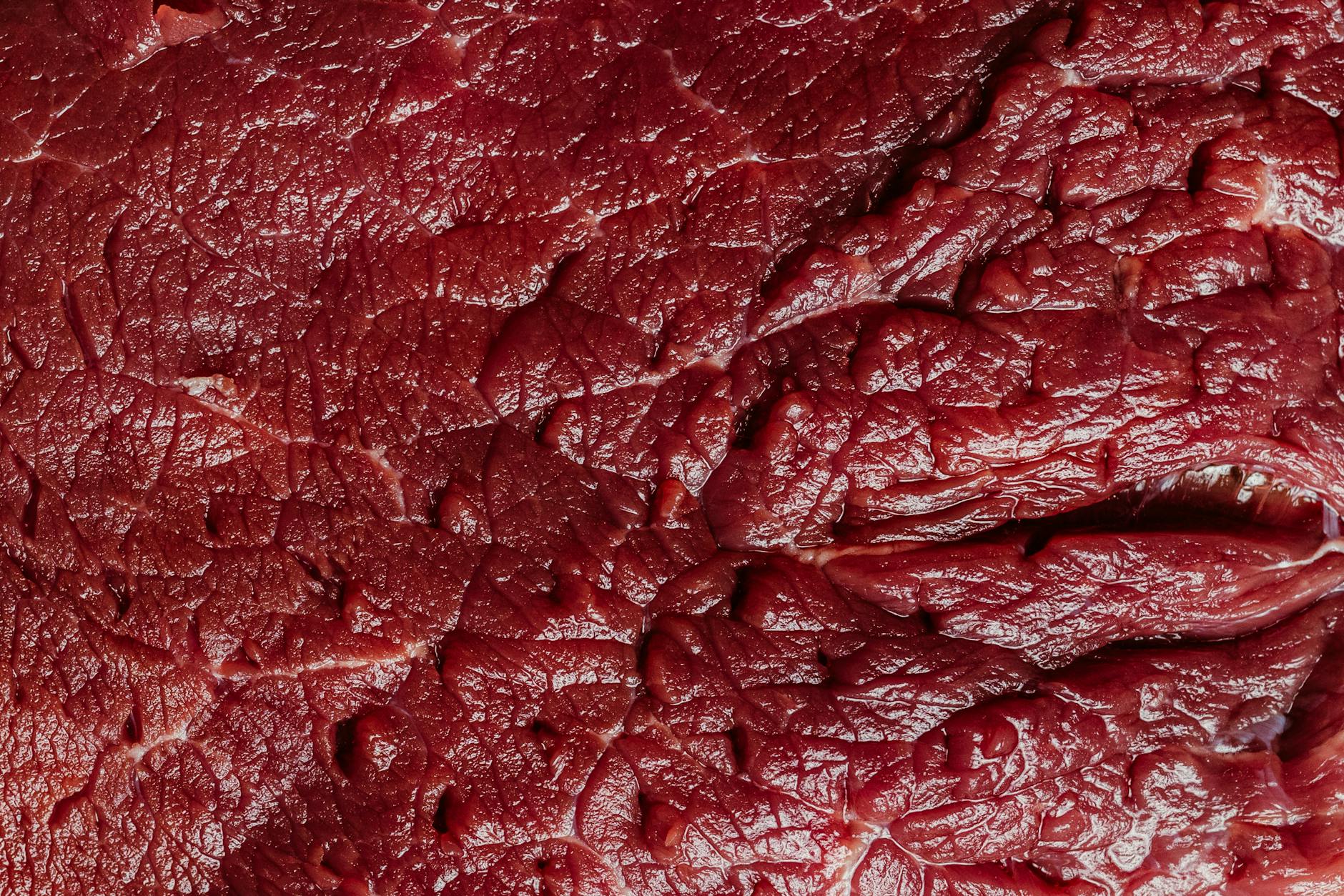
Running your fingers lightly over the surface of raw meat can reveal a great deal about its freshness. Properly stored fresh meat should feel slightly moist but never slick or tacky to the touch. A slimy or sticky film on the surface is a direct result of bacterial colonies multiplying and producing a biofilm layer. This texture is often more apparent on poultry and ground meat than on whole cuts, though it can occur across all types. Even if the smell seems tolerable, a slimy surface means the meat has spoiled and should not be consumed.
Packaging Issues
The condition of the packaging itself can tell you a great deal before you even interact with the meat inside. Vacuum-sealed packages that have become bloated or puffed out are a strong indication that gases produced by bacterial activity have built up inside the seal. Broken or compromised seals allow air and contaminants to reach the meat and accelerate spoilage at a rapid rate. Excessive pooling of liquid inside the tray beyond a small amount of natural drip is also a sign that cellular breakdown has progressed further than it should. Always inspect the packaging thoroughly in the store before placing any meat product in your cart.
Expiration Date

The printed sell-by or use-by date is a manufacturer guideline that reflects optimal quality under ideal storage conditions throughout the supply chain. Meat that has sat in a refrigerator for several days past this date has likely begun to spoil even if no dramatic signs are immediately visible. Ground meat and poultry are particularly vulnerable and deteriorate faster than whole muscle cuts due to greater surface area exposure. The date on the label assumes that the cold chain was never broken from the point of packing to your refrigerator, which is not always the case. When in doubt, it is always safer to discard meat that is past its date rather than attempt to judge freshness by appearance alone.
Unusual Liquid
A small amount of liquid in meat packaging is entirely normal and comes from the natural moisture content of the muscle tissue. However, liquid that appears cloudy, thick, or has taken on a pinkish-gray hue is a sign that something has gone wrong during storage. This change in the character of the drip loss indicates that proteins and cellular fluids have begun breaking down due to bacterial activity. The presence of unusual liquid is particularly telling in vacuum-sealed packages where the seal has kept the meat in close contact with its own deteriorating juices. Meat sitting in a visibly murky or discolored pool of liquid should be treated as unsafe regardless of its other apparent qualities.
Freezer Burn

Freezer burn occurs when frozen meat is exposed to air inside the freezer due to improper wrapping or a damaged seal. The affected areas appear dry, leathery, and discolored with patches of grayish-white or pale brown that look distinctly different from the surrounding tissue. While freezer burn itself is not a safety concern in mild cases, it is a strong indicator that the meat has been improperly stored and its quality has been significantly compromised. Severely freezer-burned meat loses moisture, flavor, and texture to a degree that cooking cannot restore. Meat with extensive freezer burn throughout the package is generally not worth preparing and should be discarded.
Fat Discoloration
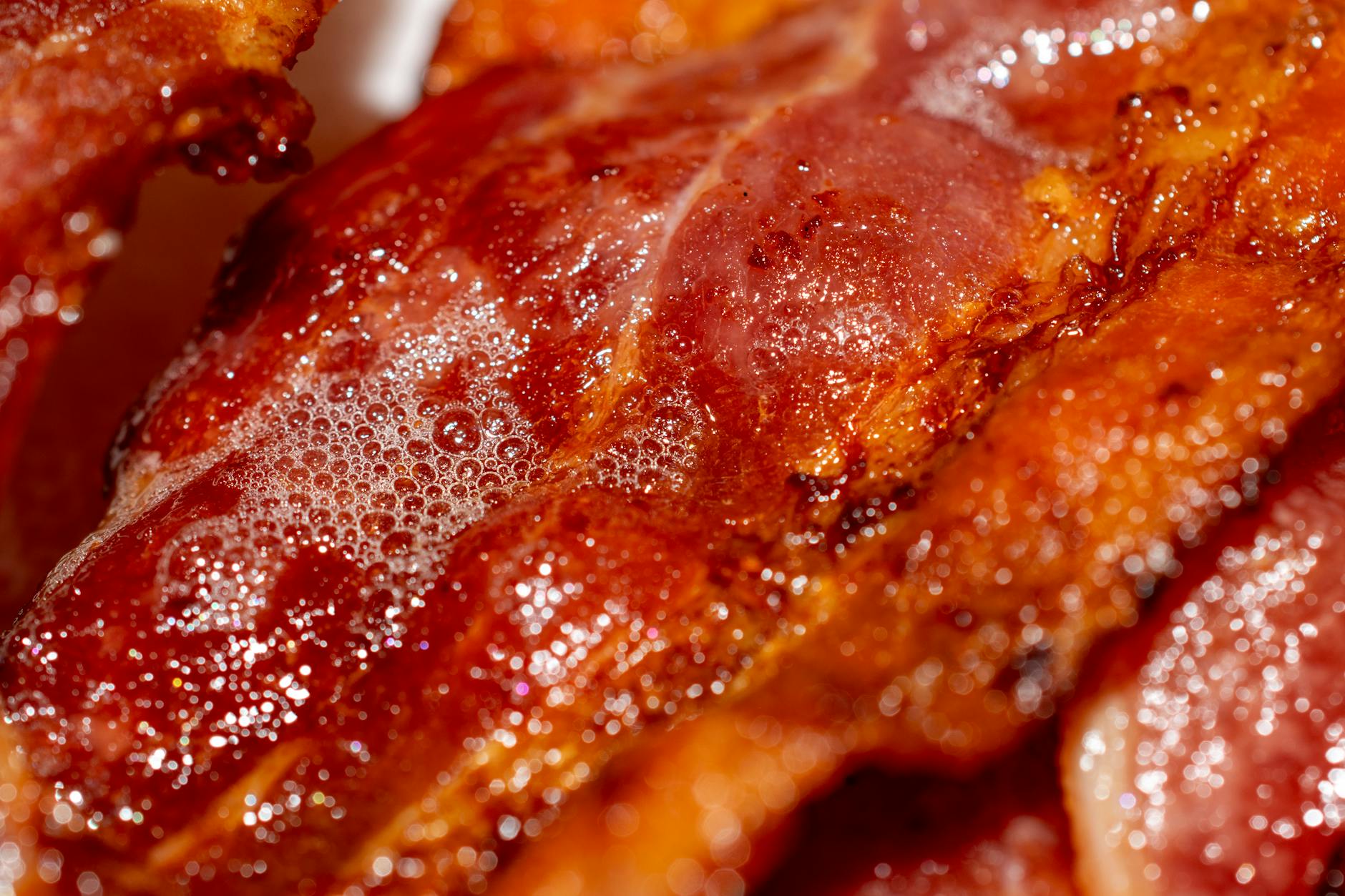
The fat on a piece of meat offers valuable clues about its freshness that many home cooks tend to overlook. On fresh beef, the fat should appear white or creamy with a firm, clean look that does not draw attention. Yellowing fat can indicate age, oxidation, or improper storage conditions that have caused the lipids to begin breaking down prematurely. On pork, the fat should be a pale, almost translucent white rather than the yellowish or grayish tones associated with spoilage. Inspecting the fat marbling and external fat cap is an easy additional check that takes only a moment but can reveal a great deal about overall freshness.
Tacky Surface
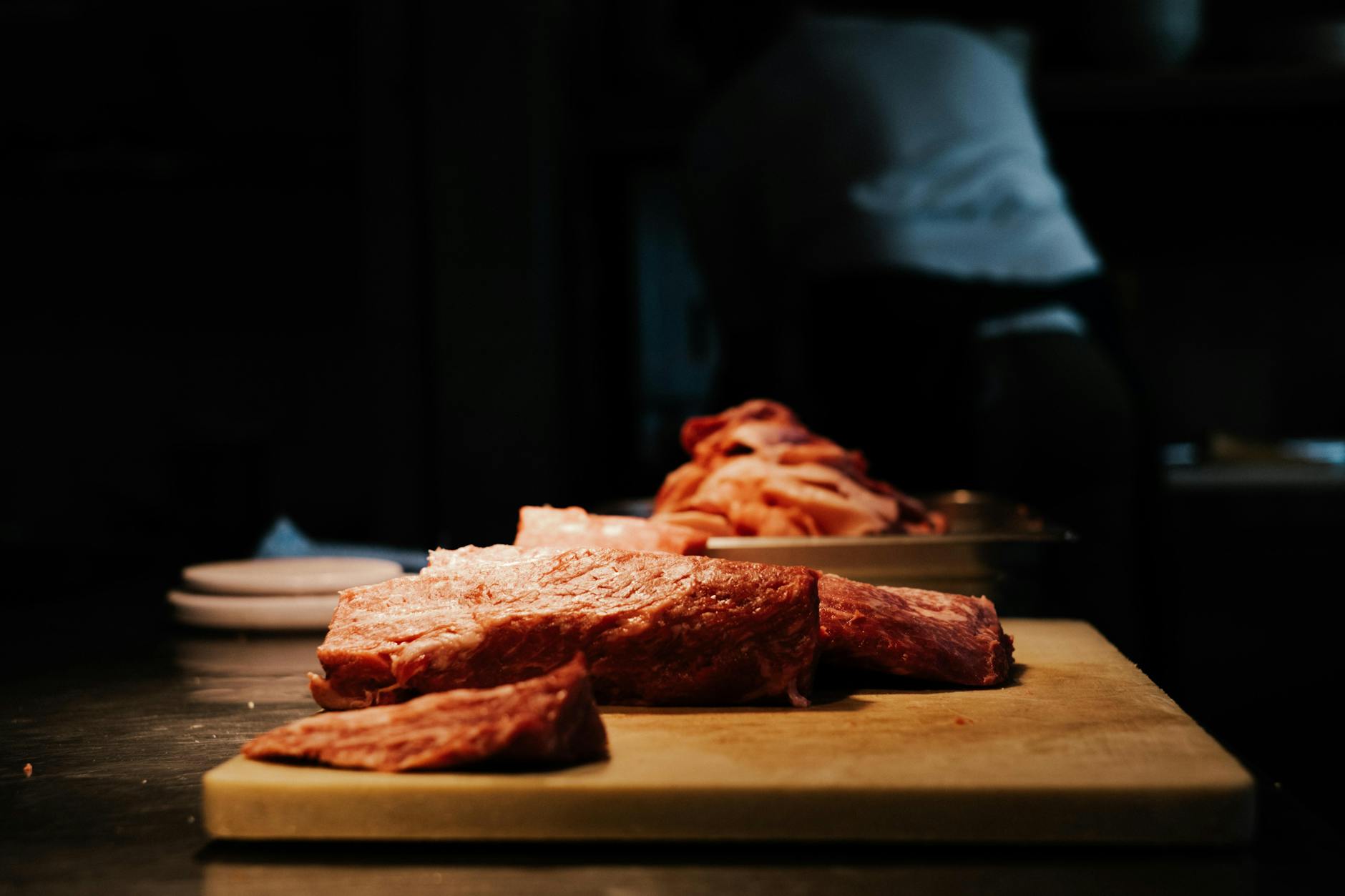
A dry but slightly tacky or sticky surface on raw meat is different from the sliminess caused by bacterial biofilm but is still worth noting as a warning sign. This tackiness often develops when meat has lost too much moisture through dehydration during refrigeration or when the surface has started to break down at a cellular level. On whole cuts, running a clean finger lightly across the surface should feel smooth and cool rather than sticky or resistant. Poultry skin that pulls and clings rather than sliding cleanly is a particularly common sign of quality deterioration in chicken and turkey. While mildly tacky meat may not yet be fully spoiled, it signals that freshness is declining and cooking should happen immediately or not at all.
Pale Color in Poultry
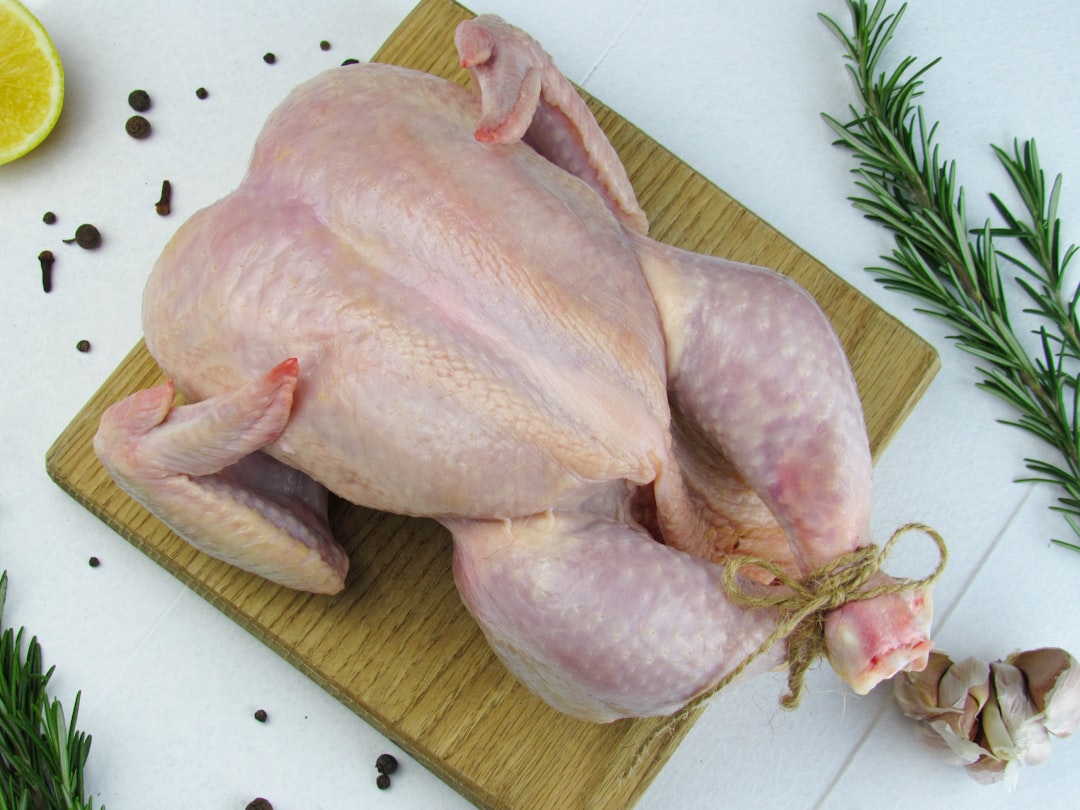
Fresh chicken and turkey should display a pale pink flesh tone that is consistent and clean-looking throughout the cut. Poultry that has gone bad often takes on a grayish or noticeably faded pallor that is distinctly different from the color of fresh-from-the-butcher product. This color change is caused by the same protein breakdown processes that affect red meat, though the tones are different due to the lower myoglobin content in poultry muscle. The skin can also shift from its normal pale yellow or cream tone toward a duller or slightly greenish hue in more advanced cases. Any poultry displaying gray or greenish tones should be considered unsafe and discarded without hesitation.
Have you ever caught spoiled meat just in time before cooking? Share your experience in the comments.




