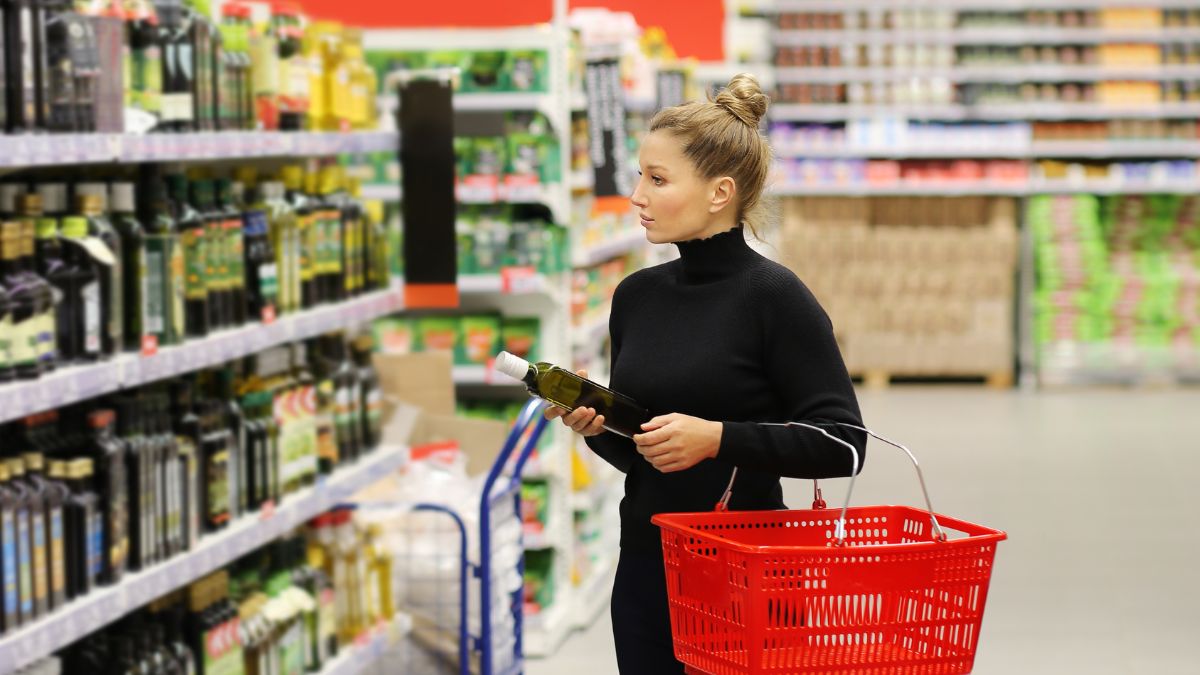
Supermarkets are carefully engineered environments designed to maximize purchases, and some of their most effective tactics involve steering shoppers toward products that are close to or past their best quality. Understanding these strategies can save you money, protect your health, and make you a far more informed consumer every time you push a cart down the aisle. The following tactics are widely used across major retail chains and are worth knowing before your next grocery run.
Date Label Confusion
Food manufacturers and retailers use a dizzying variety of date labels including “best by,” “sell by,” “use by,” and “enjoy by,” and most consumers do not know the difference between them. A “sell by” date is actually a guide for store inventory management and does not necessarily mean the product is unsafe to eat after that point. This deliberate ambiguity benefits retailers because shoppers often purchase items they assume are still within a safe window without fully understanding the label. Studies have shown that a significant portion of food waste at the household level stems directly from misunderstanding these printed dates. Knowing that “best by” refers to peak quality rather than safety is one of the most useful pieces of grocery knowledge a shopper can have.
Strategic Shelf Placement
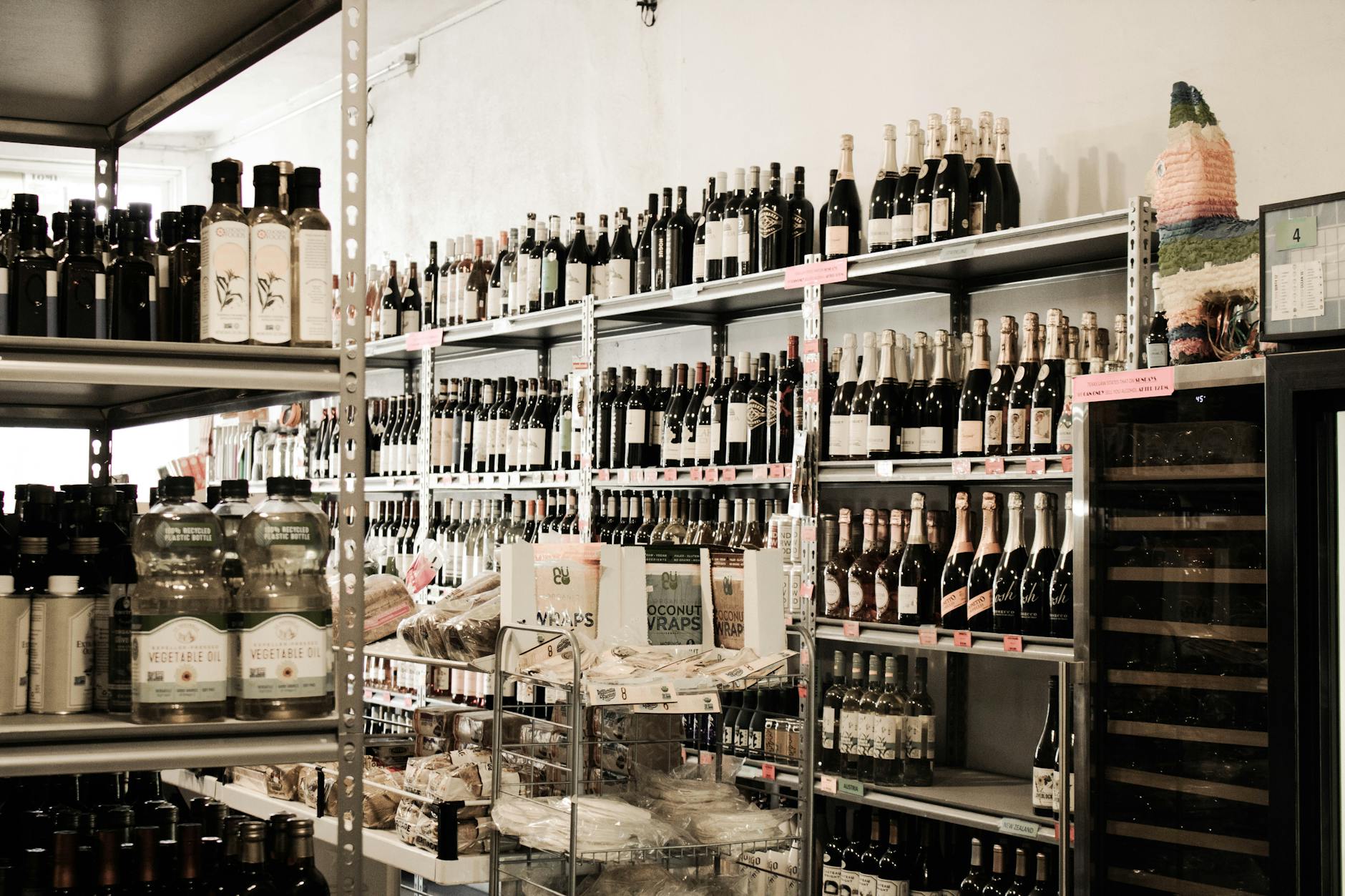
Products nearing their expiration dates are routinely moved to the front of shelves in a practice retail workers call “rotating stock.” Fresher items with later dates are placed at the back, meaning shoppers who grab the first item they see are almost always picking up the oldest product on the shelf. This restocking method is performed daily and is standard practice in virtually every major supermarket chain. Taking an extra few seconds to reach toward the back of a refrigerated case or shelf can result in products that last significantly longer at home. Most shoppers are entirely unaware this rotation is happening because it is done quietly and efficiently by overnight and morning staff.
Markdown Stickers

Brightly colored markdown stickers announcing discounts of thirty to fifty percent are designed to trigger an immediate value response in the shopper’s brain. These stickers are almost universally applied to products that are one to three days from their expiration date and need to move off the shelf quickly. While these deals can represent genuine savings for someone cooking that same day, they are frequently purchased by consumers who forget about them and end up with spoiled food. The bright colors are psychologically calibrated to draw the eye and create urgency, bypassing the habit of checking the actual date printed on the packaging. Retailers benefit from clearing near-expired inventory without having to write it off as a total loss.
Produce Misting

The fine mist systems installed over fresh produce sections serve a practical preservation purpose, but they also create a visual impression of freshness that may not reflect the actual condition of the items. Water droplets on the surface of vegetables and fruits make them appear recently harvested and vibrant, even when they have been sitting in the display case for several days. The added moisture can actually accelerate the decay of certain vegetables like leafy greens and mushrooms once they are taken home. Shoppers are drawn in by the glistening appearance and rarely stop to inspect the undersides or inner layers of the produce for signs of aging. Wiping produce dry and inspecting it carefully before placing it in your cart gives a much more accurate picture of its true freshness.
Dimmed Lighting
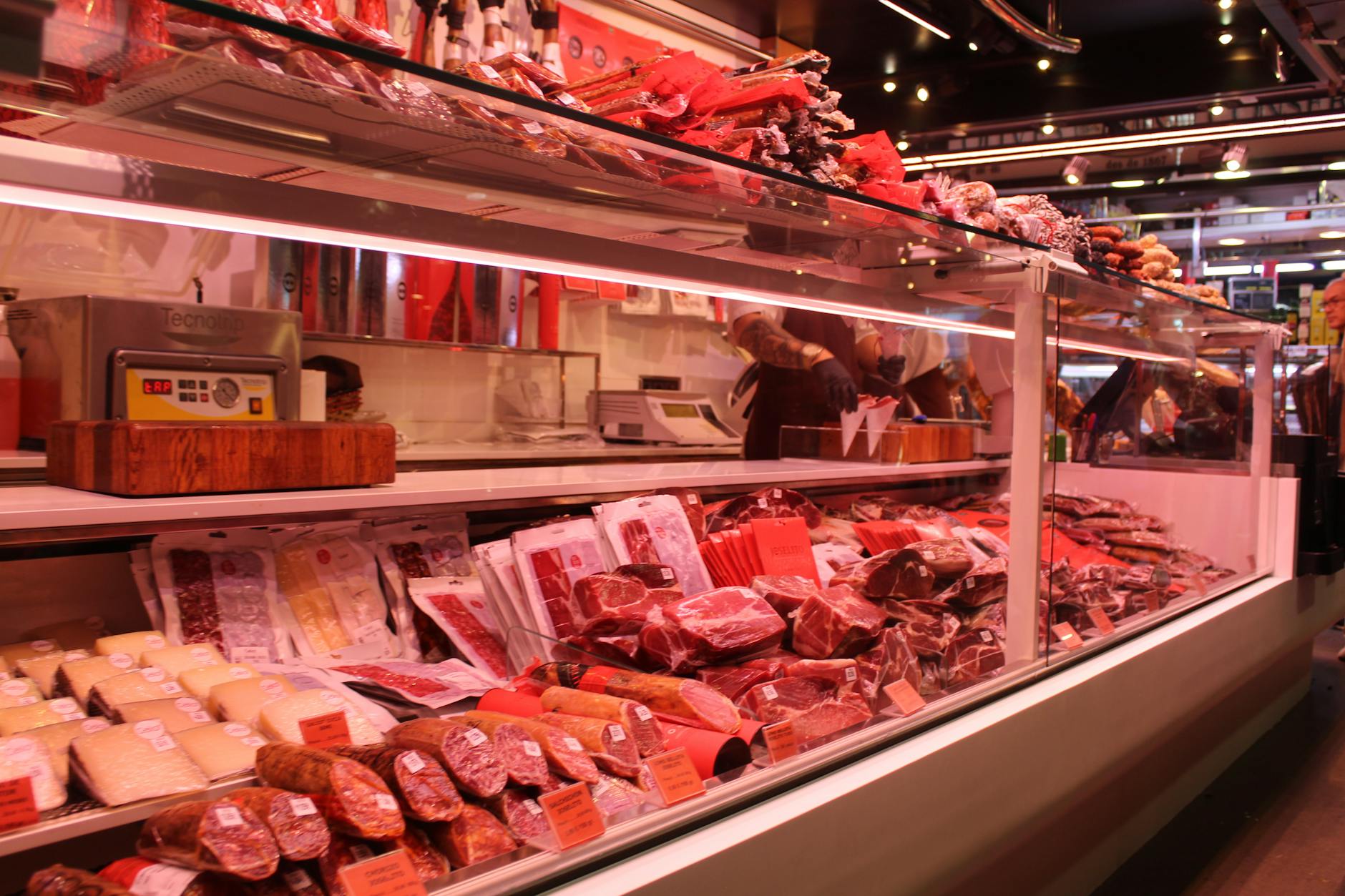
Meat and seafood counters frequently use warm, specialized lighting that enhances the red and pink tones of raw proteins, making them appear fresher and more recently butchered than they may be. This type of display lighting is specifically engineered for food retail and is distinct from the general overhead lighting used in the rest of the store. The color rendering can mask the slight browning or graying that occurs naturally as meat ages toward the edge of its usability. Shoppers relying on visual inspection under these conditions are working with a skewed perception of what they are actually buying. Checking the packaged date and pressing lightly on the packaging to ensure it is still fully sealed are far more reliable freshness indicators than color alone.
Bulk Bin Ambiguity
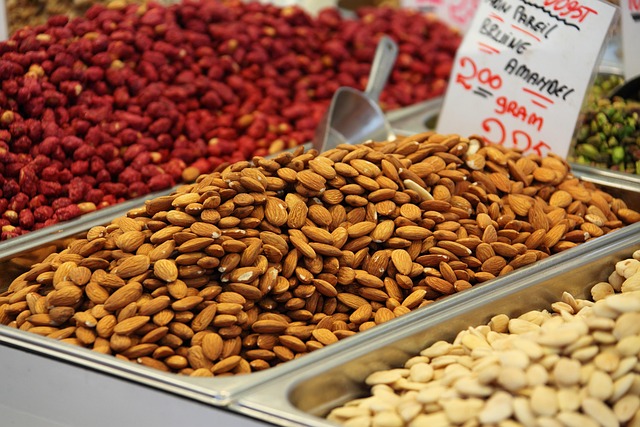
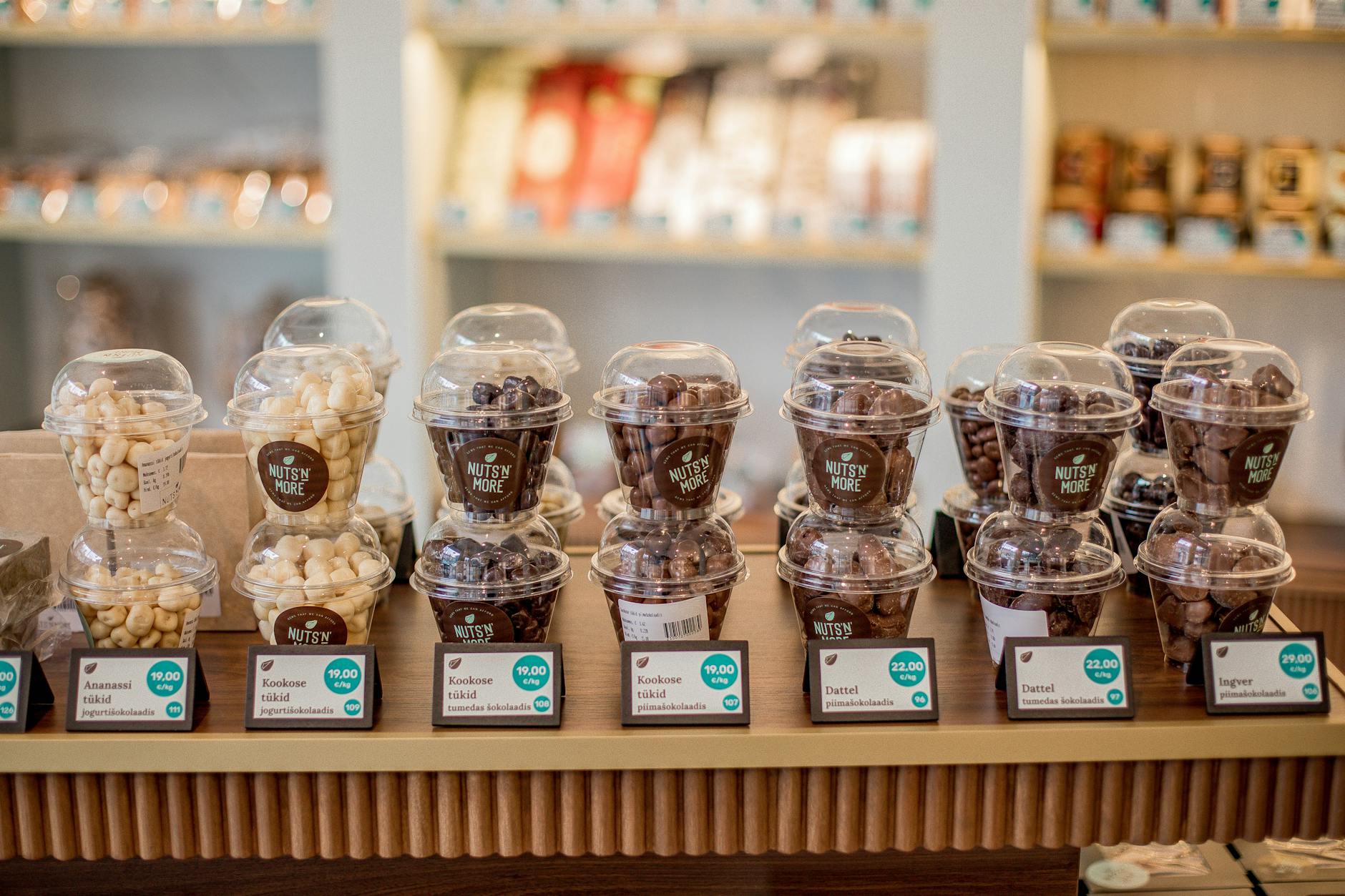
Bulk bin sections in grocery stores rarely carry any expiration or harvest date information, leaving shoppers with no reliable way to assess how long the product has been sitting in the container. Nuts, dried fruits, grains, and seeds in these open bins can turn rancid or stale well before any visual sign of spoilage is apparent. Retail bins are sometimes topped up with new stock added directly on top of older product, meaning the oldest items remain at the bottom and are scooped out last. The absence of packaging also removes the “best by” date that would otherwise help a consumer make an informed decision. Buying in smaller quantities from sealed packaging is a straightforward way to reduce the risk of taking home product that is well past its prime.
Pre-Made Meal Repackaging
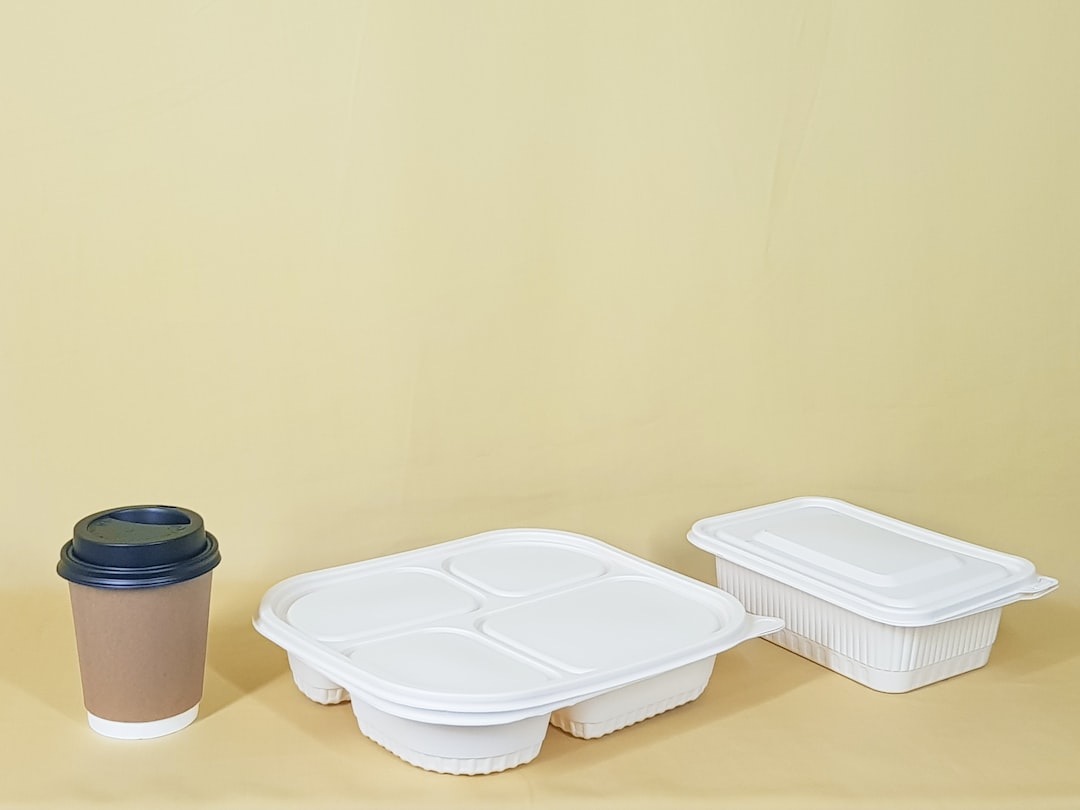
Prepared foods sections in supermarkets frequently use ingredients that are approaching or have just passed their sell-by dates in items like soups, salads, casseroles, and sandwiches. This practice is legal in most places as long as the finished product receives a new use-by label based on the preparation date rather than the original ingredient dates. A rotisserie chicken prepared from a bird that was at its last sell-by day, for example, might still carry a label suggesting it is fresh that day. Shoppers who purchase prepared meals assuming they contain fully fresh ingredients are often working from an inaccurate assumption. Asking deli counter staff about preparation times and ingredient sourcing is entirely within a consumer’s rights.
Confusing Package Sizes

Supersized multipacks and family bundles often represent a lower cost per unit but come with expiration dates that are no different from their smaller counterparts. Shoppers who buy a large quantity assuming they will use it in time frequently discover they cannot consume the product before it expires. Retailers benefit because the higher volume purchase clears more near-expiry stock in a single transaction. The perception of savings overrides the practical calculation of whether a household will realistically go through the quantity before the date. Buying only what you will genuinely consume within a realistic timeframe is consistently better value than chasing a bulk discount.
Scent Masking

In-store bakery sections use timed scent-release systems or rely on the natural aroma of baking to create an atmosphere of warmth and freshness throughout the entire store, not just near the ovens. This olfactory marketing makes the surrounding environment feel more wholesome and fresh than it may actually be, influencing purchasing decisions for nearby packaged goods. The brain naturally associates pleasant baking smells with high-quality, freshly made products even when those products were baked hours earlier or the previous evening. Packaged bread, pastries, and snack items near bakery sections benefit from this borrowed perception of freshness. Evaluating the printed date on any packaged goods rather than relying on ambient sensory cues is the most reliable habit to adopt.
Loyalty App Targeting
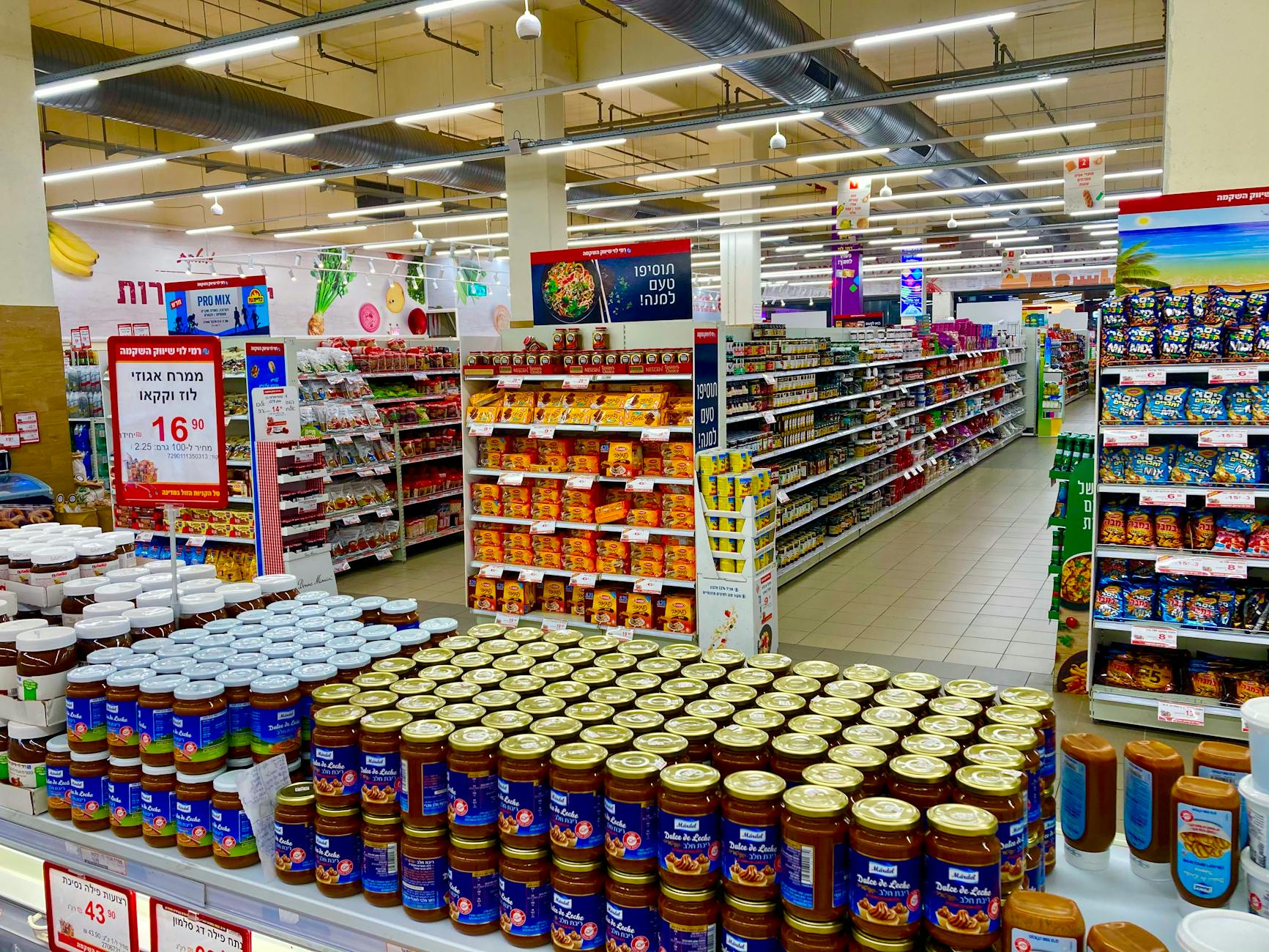
Supermarket loyalty apps and personalized coupon systems are increasingly being used to push discounts on near-expiry products to specific shopper profiles. Algorithms identify customers who have previously purchased a particular product category and deliver targeted deals on stock that needs to move quickly. These offers appear as personalized recommendations, creating the impression that the discount is a reward for customer loyalty rather than a clearance mechanism. The messaging around these offers is carefully worded to emphasize savings rather than the proximity of the expiration date. Reading the actual product date before adding a discounted item to your cart remains the simplest defense against this tactic.
Endcap Displays
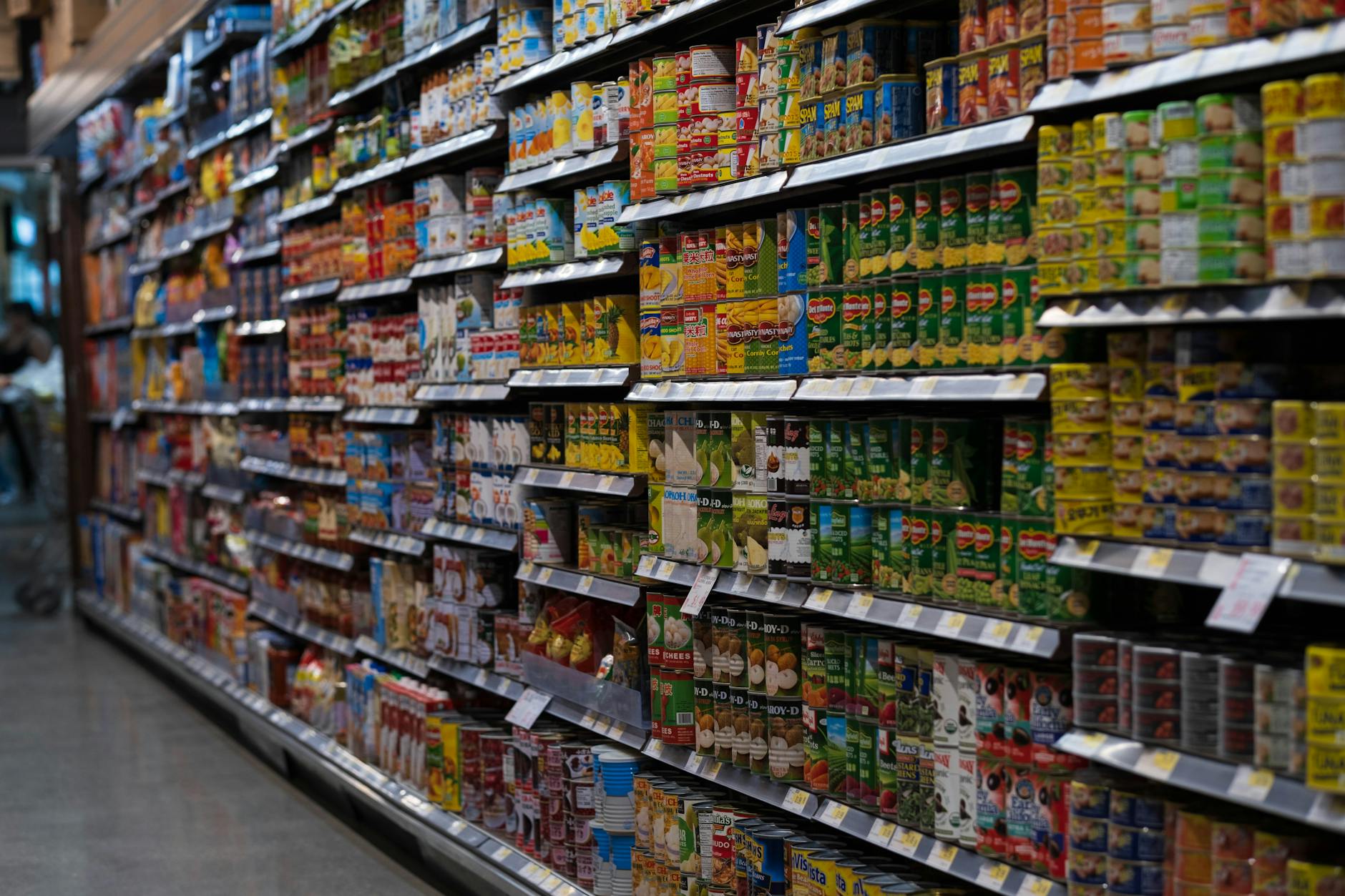
The highly visible display shelves at the end of each grocery aisle are among the most expensive and strategically valuable spaces in any supermarket. Retailers use these endcaps to feature products that appear to be on special promotion but are frequently just items that need to be moved due to approaching expiration dates. The placement creates an association with sale pricing and urgency that prompts impulse purchases without the shopper necessarily verifying the deal is genuine. Many consumers assume that any product on an endcap is both discounted and fresh, when neither may be true. Checking the regular shelf price and the date before purchasing anything from an endcap display takes only seconds and can prevent a wasted purchase.
Seafood Counter Theater
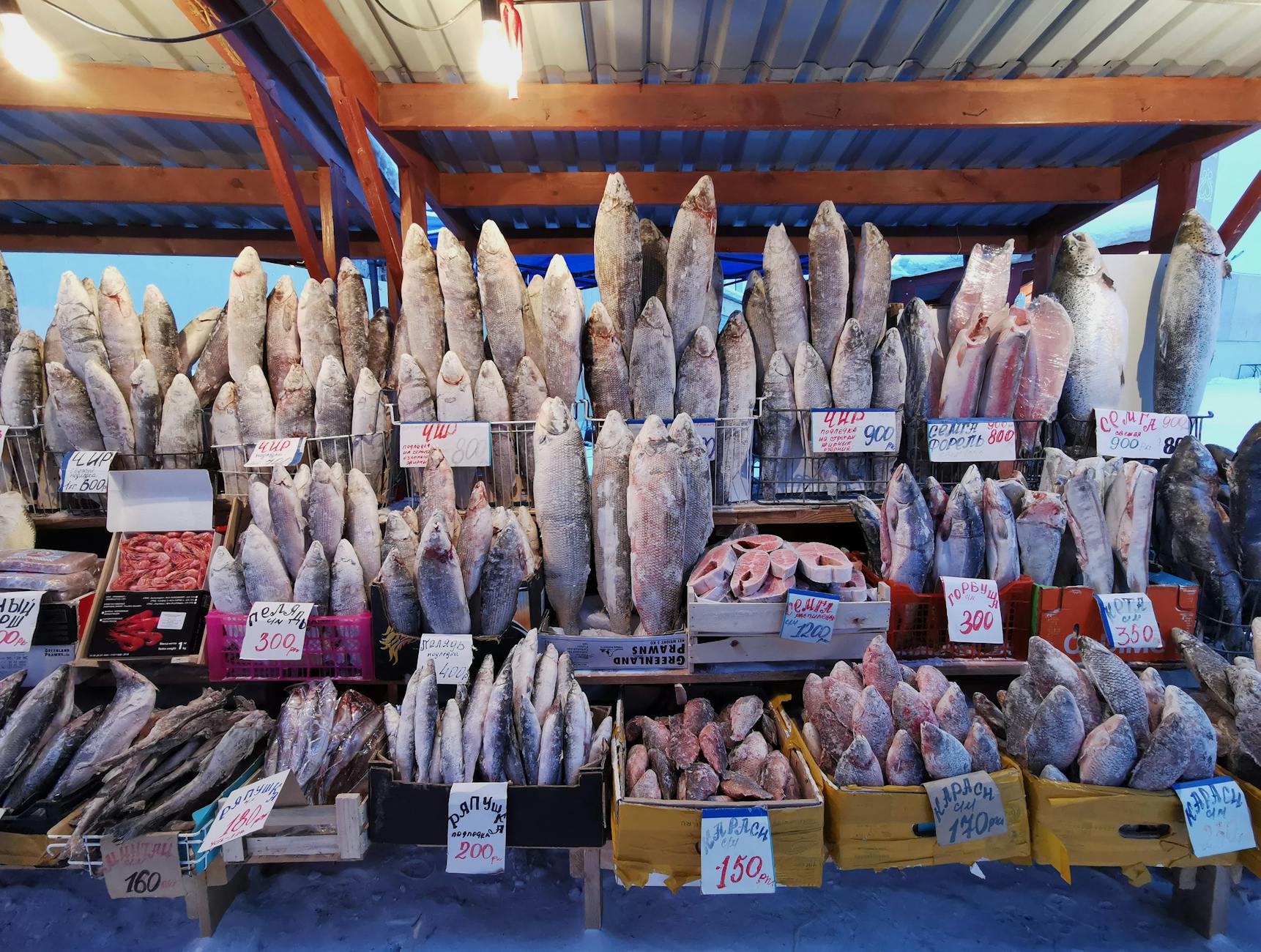
Full-service fish counters use crushed ice displays, whole fish arrangements, and theatrical presentation to create an atmosphere of freshness and premium quality. The visual abundance of glistening ice and whole product gives the impression of a market that has received its catch that morning, even when some items are several days old. Whole fish eyes should appear clear and bright while gills should be a vivid red or pink on a fresh specimen, and these details are worth checking before purchasing. The theatre of the presentation is a deliberate design choice and does not guarantee that every item in the case was received recently. Asking the fishmonger directly about delivery days and the age of specific items is a straightforward and entirely acceptable practice.
Confusing “Fresh” Labels

Terms like “fresh,” “all natural,” and “farm fresh” printed on packaging are largely unregulated in most retail environments and carry no standardized legal definition tied to a specific timeframe. A package of chicken labeled “fresh” may have been processed several days ago and is simply within the window that regulators permit the term to be used. These marketing terms are printed during manufacturing and are not updated at the retail level regardless of how long the product has been in the supply chain. Shoppers who rely on these label descriptors rather than the actual pack date may be making purchasing decisions based on vocabulary designed to appeal rather than inform. The only truly reliable freshness indicator on any packaged product is the printed “use by” or “sell by” date.
Checkout Display Positioning
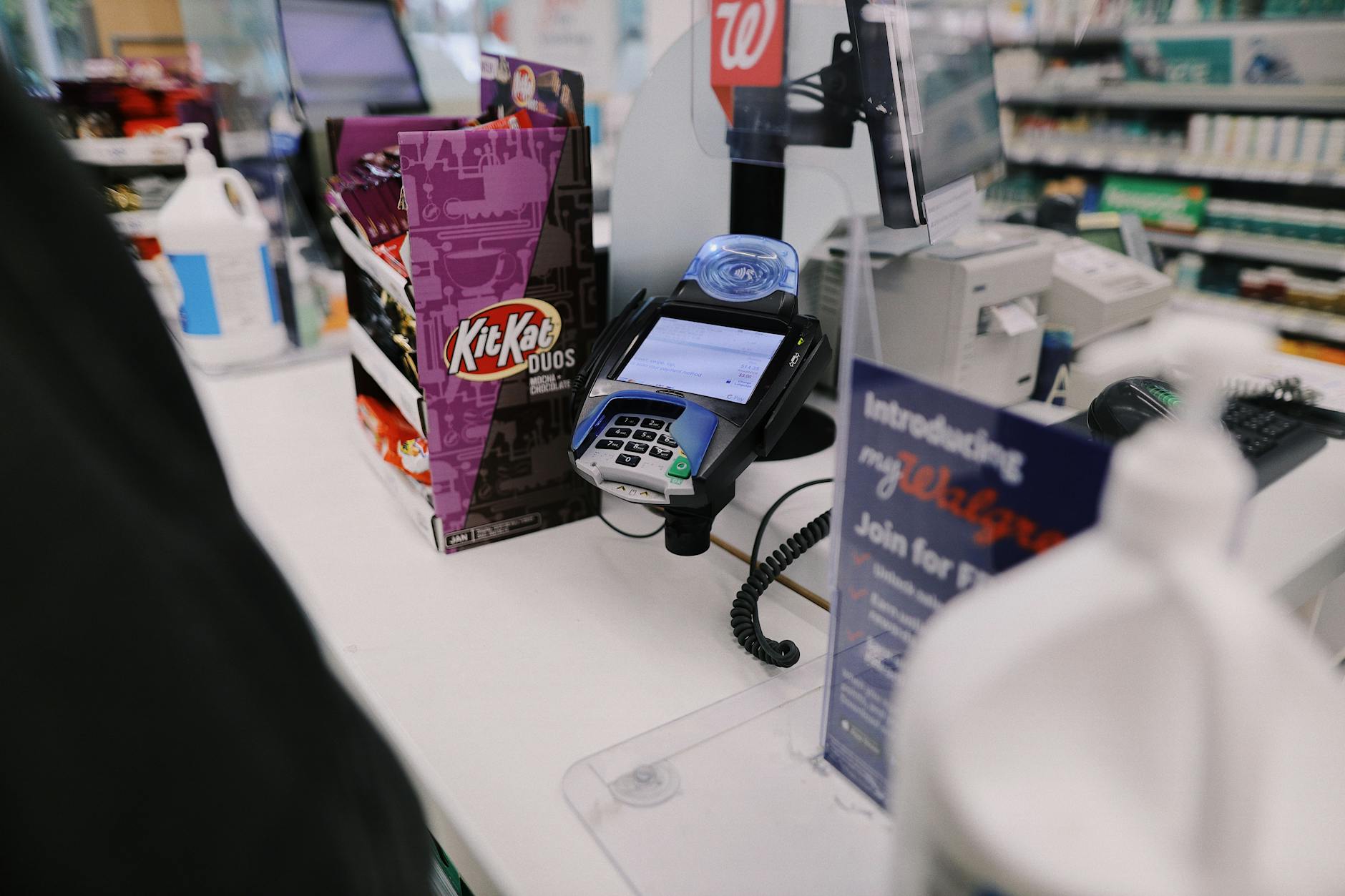
The impulse purchase areas near checkout lanes are another common location for near-expiry items, particularly in the snack, candy, and single-serve beverage categories. Products placed at eye level in checkout zones are positioned there deliberately, and retailers regularly cycle in stock that needs to clear before the date approaches. The checkout environment creates pressure through queue management, meaning shoppers often make grab-and-go decisions without scrutinizing the product. Items in these zones are rarely discounted despite being close to expiration, unlike the markdown-stickered items found deeper in the store. A quick glance at the bottom or back panel of any checkout-lane impulse item before it goes into your basket can prevent bringing home something you cannot use in time.
Inadequate Storage Conditions
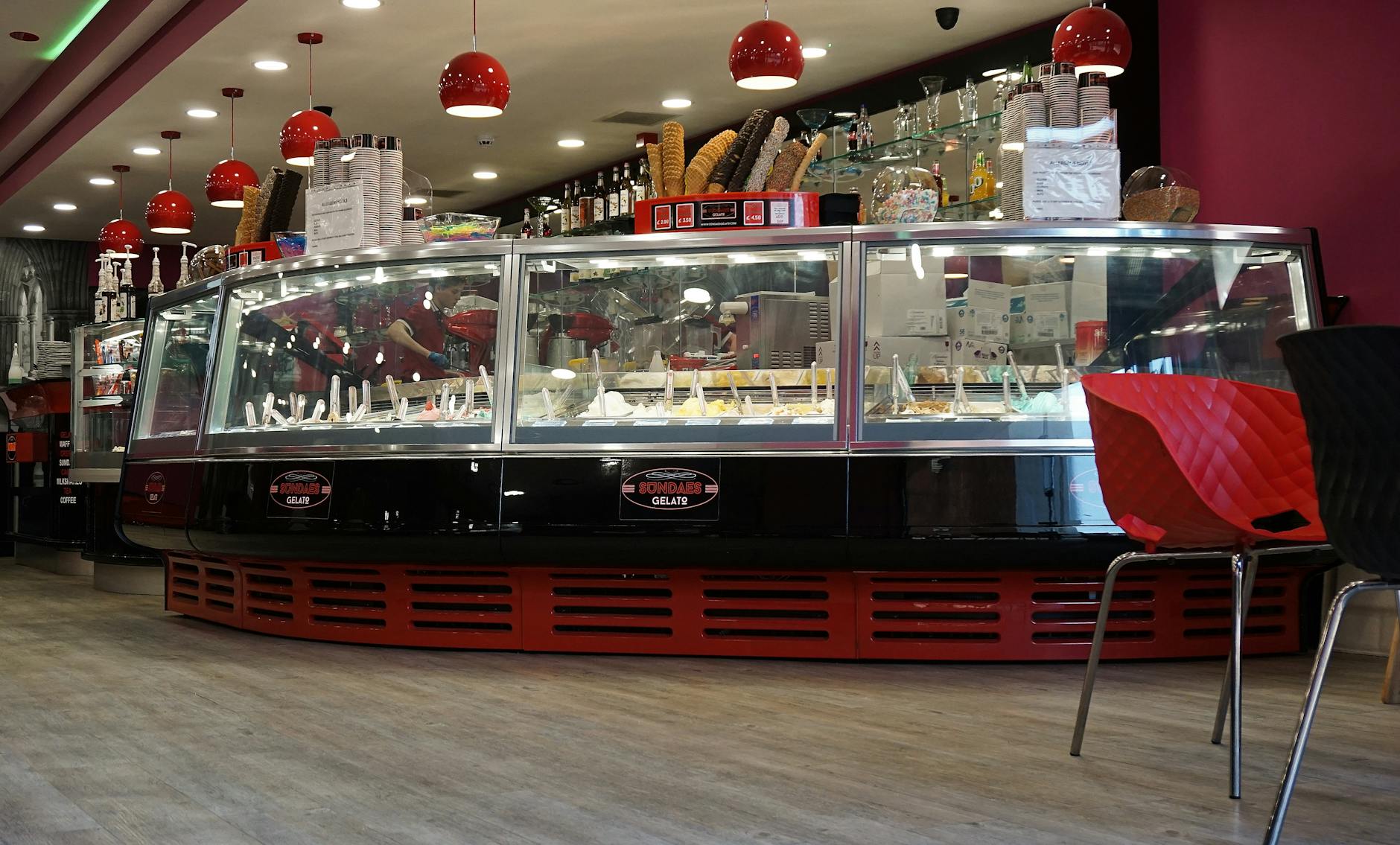
Temperature management across large retail floor spaces is genuinely difficult, and certain zones within a store frequently operate at slightly higher temperatures than the refrigeration standards required for optimal food safety. Products stored on the outer edges of refrigerated cases, near frequently opened doors, or in poorly ventilated sections of ambient shelving are exposed to temperature fluctuations that accelerate spoilage. Shoppers have no direct visibility into the internal temperature logs of a display case and must rely on the retailer to maintain proper standards consistently. Items that have experienced temperature abuse may appear normal while having a significantly reduced quality or safety window compared to the printed date. Choosing products from the most consistently cold areas of refrigerated cases and avoiding items near door edges is a practical habit worth developing.
Share your experiences with supermarket shopping tactics and whether any of these have caught you off guard in the comments.




