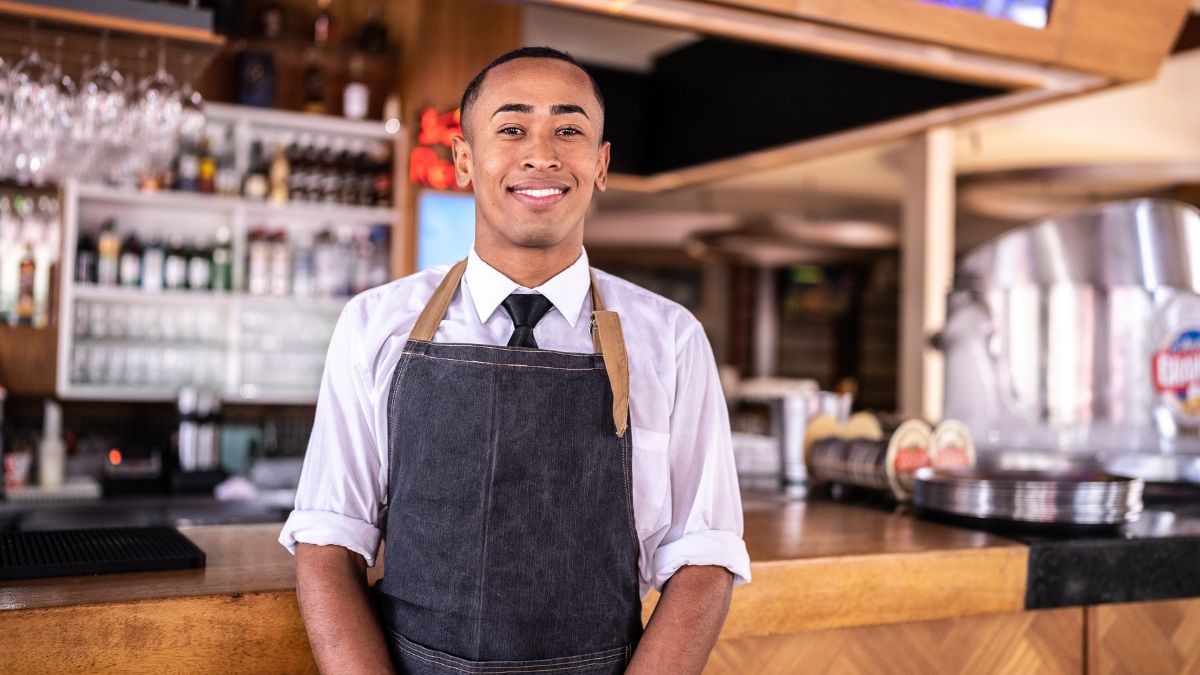
Dining out should feel like a leisurely pleasure, but sometimes the energy at the table shifts in ways that are hard to ignore. Restaurant staff are trained to manage table turnover, and certain behaviors signal that your time at the table is being quietly monitored. Most of these cues are subtle enough that diners miss them entirely, yet they consistently appear across restaurant experiences worldwide. Knowing what to look for can help you enjoy your meal at your own pace with full awareness.
The Check Drop
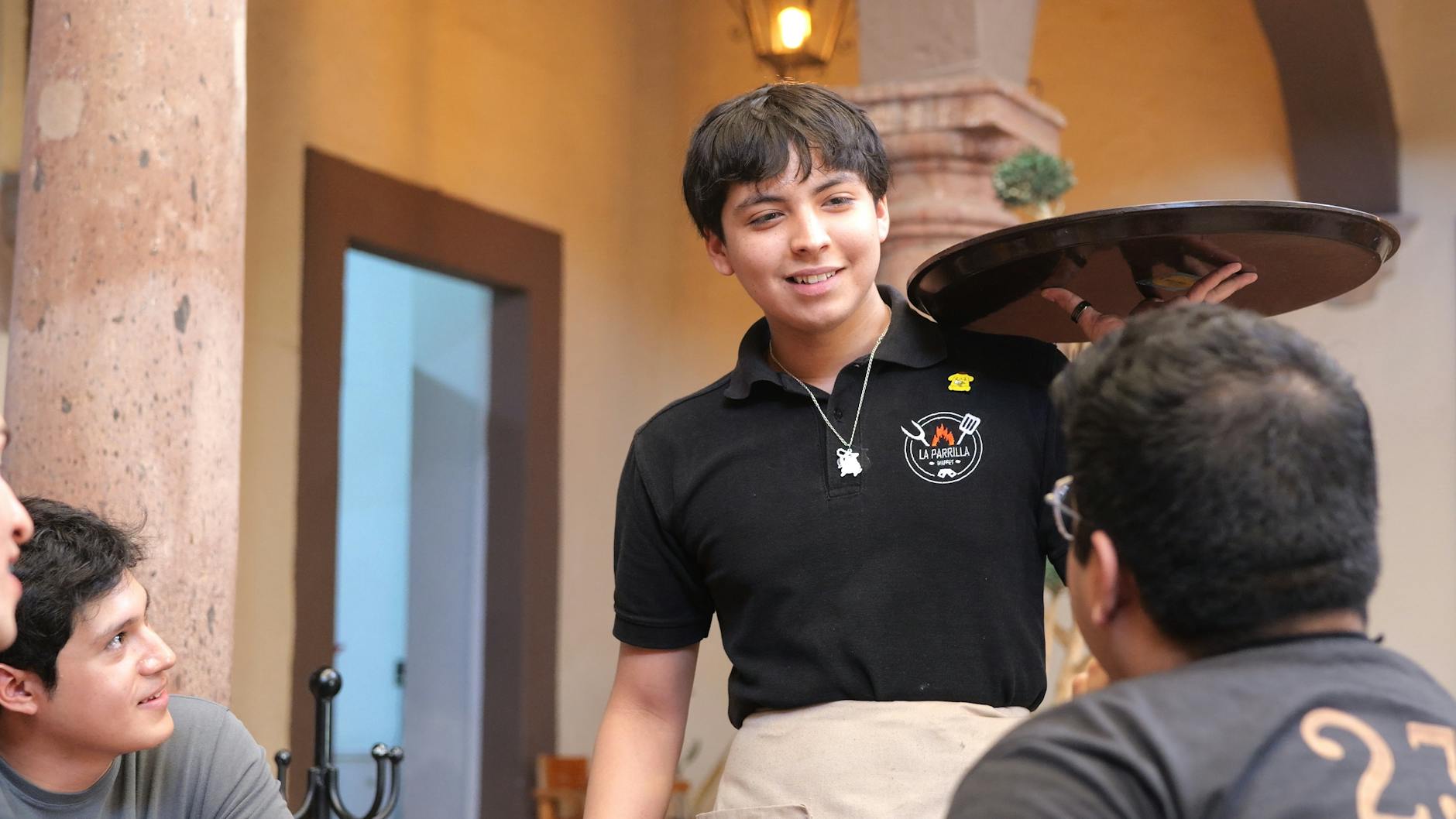
One of the most recognized signals in the dining world is when the bill arrives without being requested. Servers are typically trained to present the check only after a guest asks for it, so an unsolicited drop is rarely accidental. The timing often coincides with the end of your main course or even before dessert has been discussed. This move is designed to plant the idea of departure in your mind without saying a word.
Frequent Check-Ins
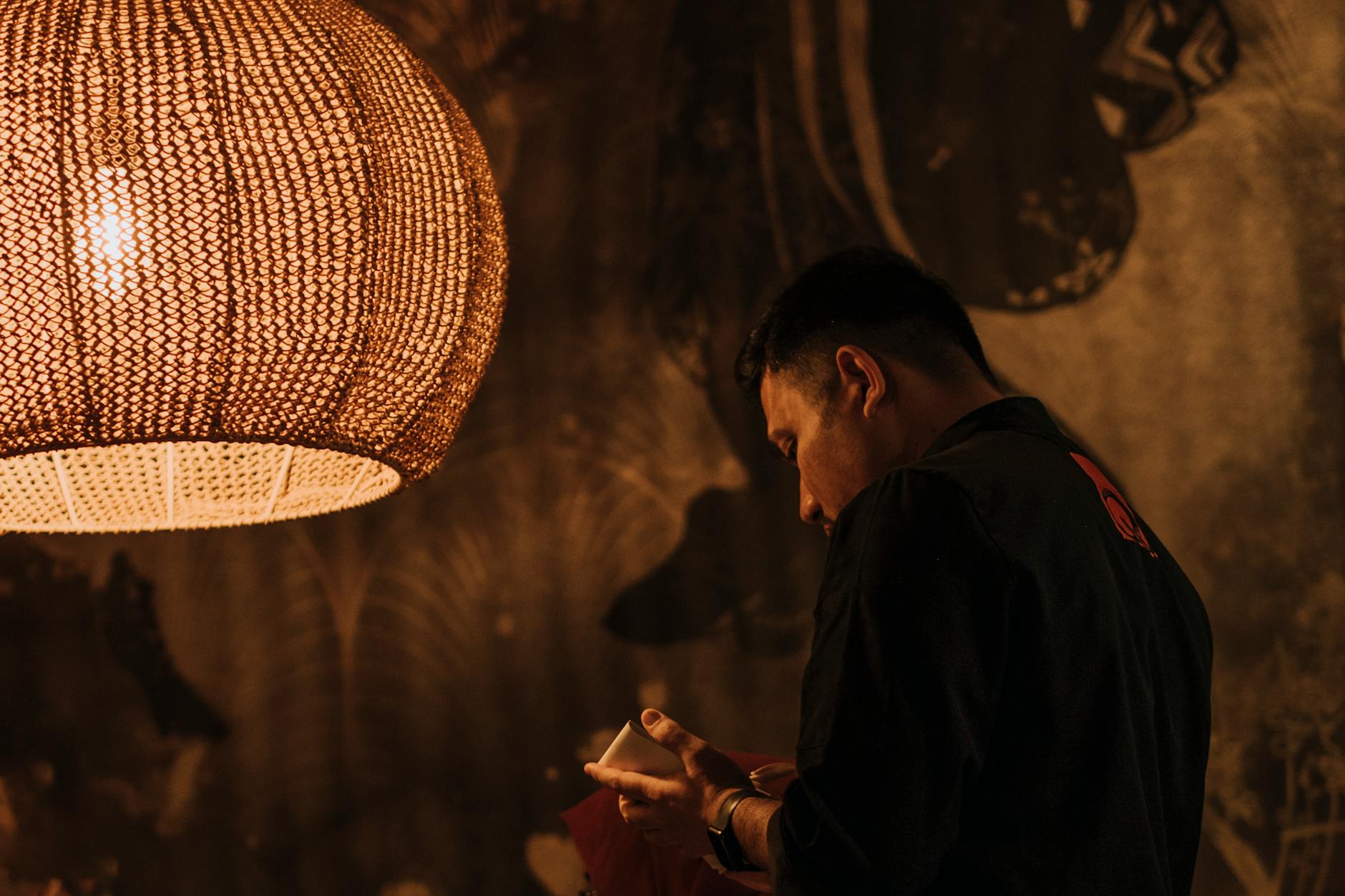
When a server visits your table every few minutes to ask if everything is okay, it may feel attentive but often serves a different purpose. Repeated interruptions subtly disrupt the natural flow of conversation and make lingering feel less comfortable. The visits tend to increase in frequency once plates are cleared and no new orders have been placed. This pattern is a soft but consistent nudge toward wrapping things up.
The Hovering
Noticing a staff member lingering near your table without a clear reason is one of the more obvious physical cues. This presence creates a low-level social pressure that most diners respond to instinctively without realizing why they feel rushed. The hovering often increases during peak dining hours when every table represents significant revenue. Body language such as glancing at nearby empty tables or watching the door can accompany this behavior.
Pre-Clearing
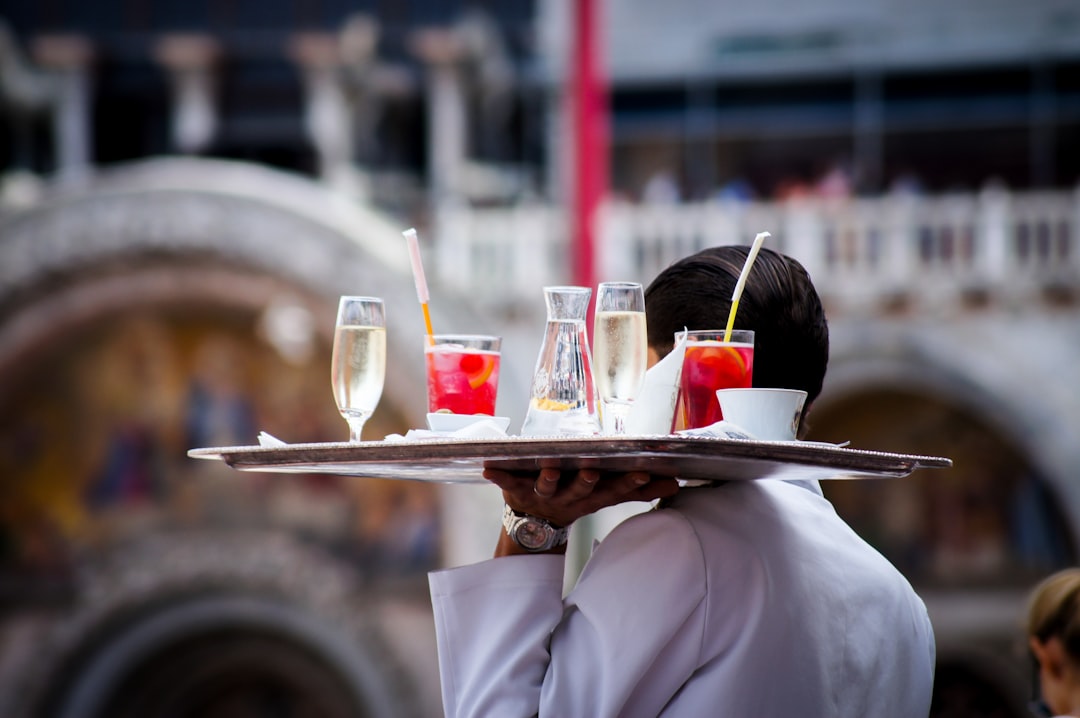
Removing plates, glasses, or cutlery before all guests at the table have finished eating is a classic sign of a hurried service pace. This practice is considered poor etiquette in fine dining establishments but appears regularly in casual and mid-range restaurants. Having the table cleared around you sends a clear environmental message that the meal has concluded. Guests often respond by instinctively reaching for their belongings even if they had planned to stay longer.
Dimming Lights

Many restaurants use lighting changes in the late evening to signal that closing time is approaching. A noticeable drop in ambient light over your section specifically can feel targeted even when it applies to the whole room. Lighting has a strong psychological effect on comfort and the desire to remain in a space. When the atmosphere shifts from warm and inviting to cool and dim, the urge to leave grows naturally.
Music Volume
An increase in background music volume is a well-documented restaurant tactic used to encourage faster dining and quicker table exits. Research consistently shows that louder music accelerates eating speed and reduces the time guests spend lingering after a meal. The shift can happen gradually enough that diners attribute it to personal preference rather than deliberate management. Paying attention to whether the volume seemed lower when you first arrived can reveal the pattern.
Coat Retrieval
When staff offer to retrieve your coat or bag from the cloakroom without being asked, it functions as a polite but pointed farewell gesture. The offer frames departure as the natural and expected next step in the dining experience. This tactic is more common in upscale establishments where directness is replaced by refined suggestion. Accepting the offer makes leaving feel like a seamless continuation of good service rather than a prompt.
Reduced Refills

A noticeable slowdown in water, bread, or beverage refills is one of the quieter tools in a server’s table-management approach. When the attentiveness that characterized the beginning of the meal starts to fade, it removes reasons for guests to remain comfortable and settled. Empty glasses and bread baskets create a subliminal sense of scarcity that nudges diners toward closure. The change in service rhythm is often gradual enough to feel like coincidence rather than strategy.
Stacked Items
When servers begin consolidating condiments, stacking menus, or tidying the surrounding station while you are still seated, it mimics a closing routine. This environmental reset signals to guests on a non-verbal level that the space is being prepared for its next use. The behavior is particularly common in the final hour of a restaurant’s dinner service. Most diners respond to these environmental cues without consciously registering their source.
Eye Avoidance
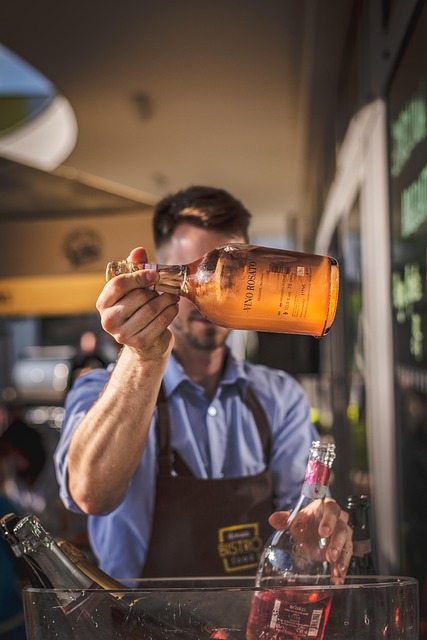
A server who was once attentive and responsive suddenly becoming difficult to catch the eye of is a subtle but effective tactic. When eye contact is avoided, placing additional orders or requesting more time becomes socially awkward and logistically difficult. Diners are left without a natural way to extend their experience and often default to requesting the bill simply out of convenience. This shift in availability is one of the most passive yet powerful tools used to quietly end a dining visit.
Have you ever noticed any of these signs during a meal out? Share your dining experiences in the comments.




