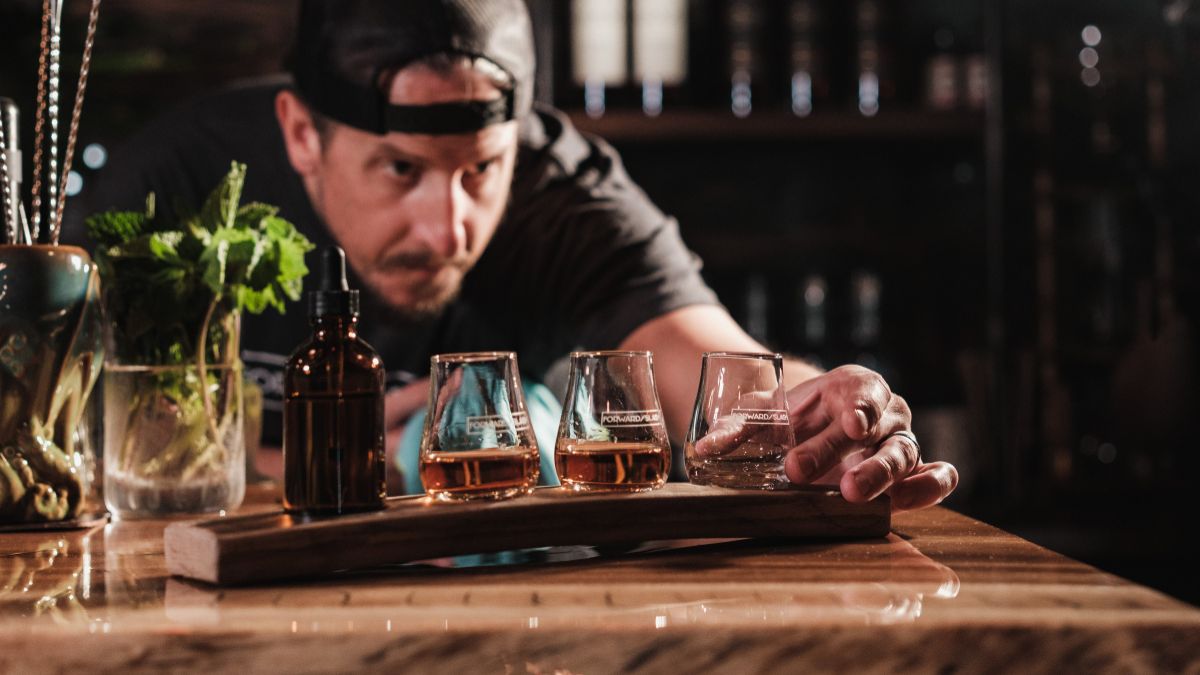
Walking into a packed bar on a Friday night is an experience that comes with its own unspoken code of conduct. Bartenders are juggling dozens of orders, managing tabs, and keeping the energy of the room alive all at once. Knowing what not to say can make a real difference in how quickly you get served and how smoothly your night goes. These thirteen phrases are the ones that stop a bartender cold and can turn a great evening into an awkward one.
Surprise Me
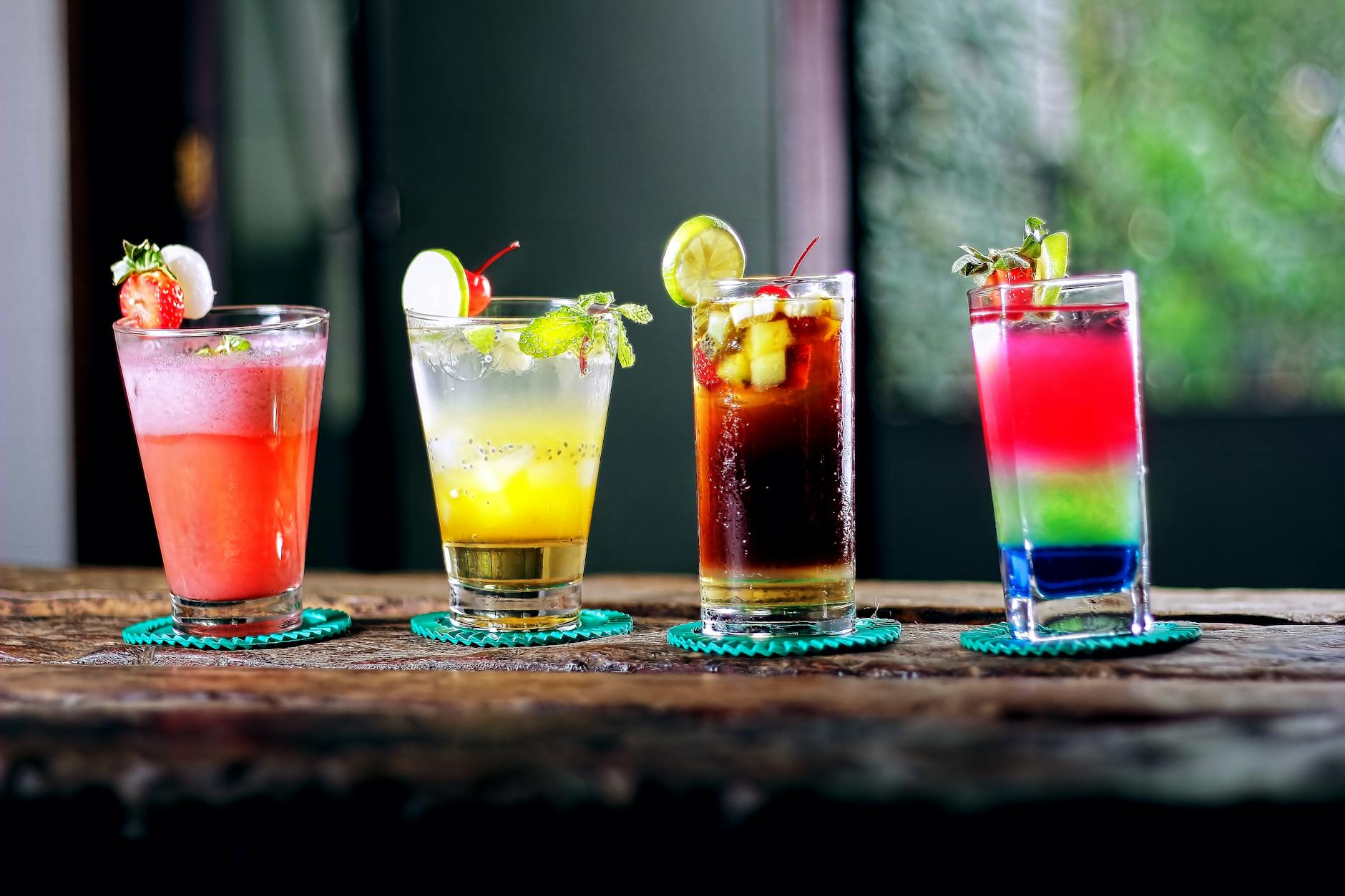
Asking a bartender to simply invent a drink for you during a rush puts an unfair creative burden on someone managing a packed service. Without knowing your preferences, allergies, or price range, they have almost no information to work with. Most bars during peak hours are running on speed and efficiency, not improvisation. It is far more helpful to name a spirit you enjoy or mention a flavor profile so the bartender can make a quick and confident recommendation.
Make It Strong
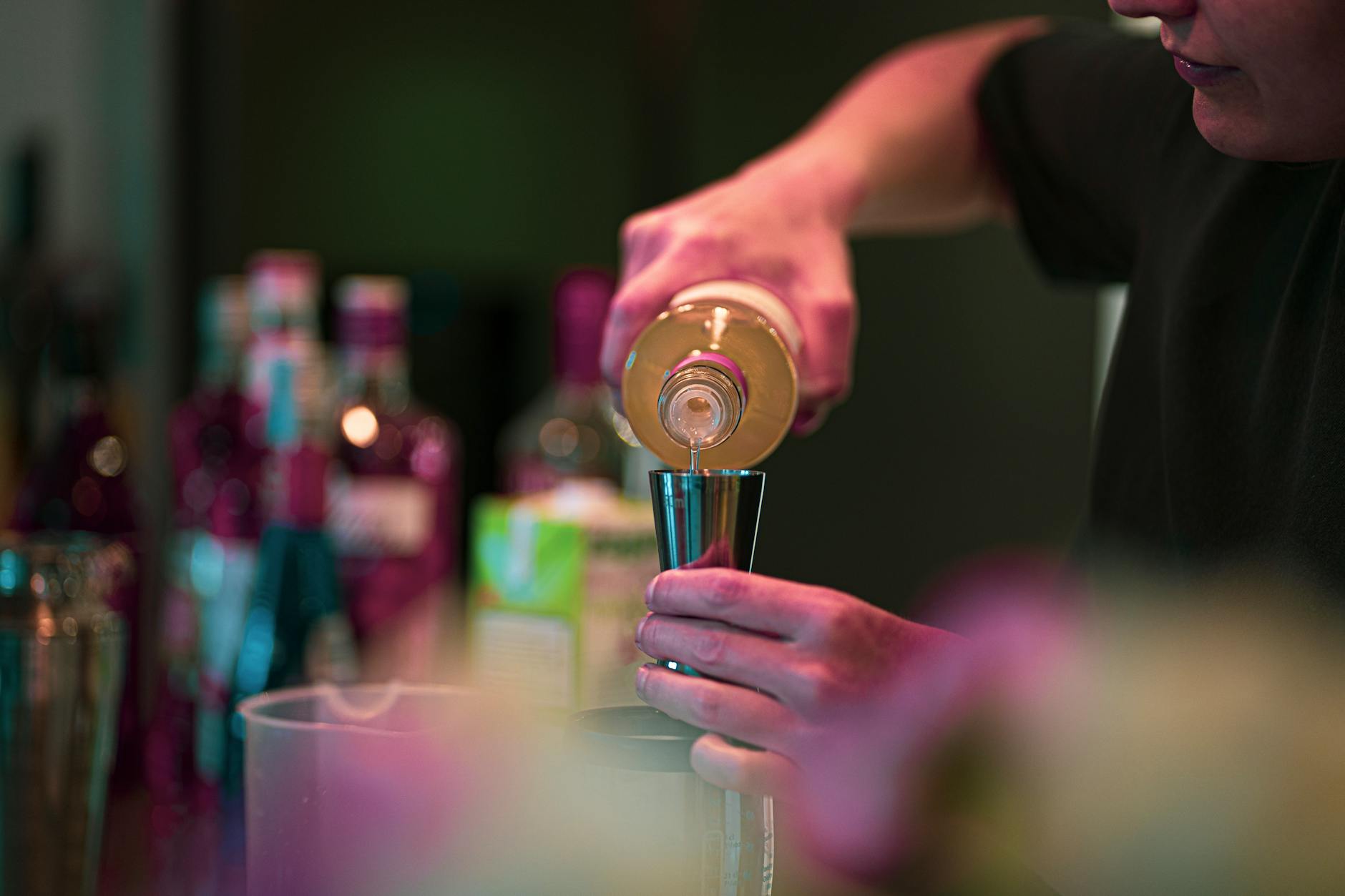
This phrase puts a bartender in a professionally difficult position because spirits are measured for both consistency and legal compliance. Asking for extra alcohol is essentially requesting that they violate their training and potentially the licensing rules of the establishment. Most reputable bars pour according to standardized measures to ensure every customer receives a fair and safe drink. If a stronger experience is what you are after, simply ordering a double is the straightforward and honest way to ask for it.
What’s Good Here
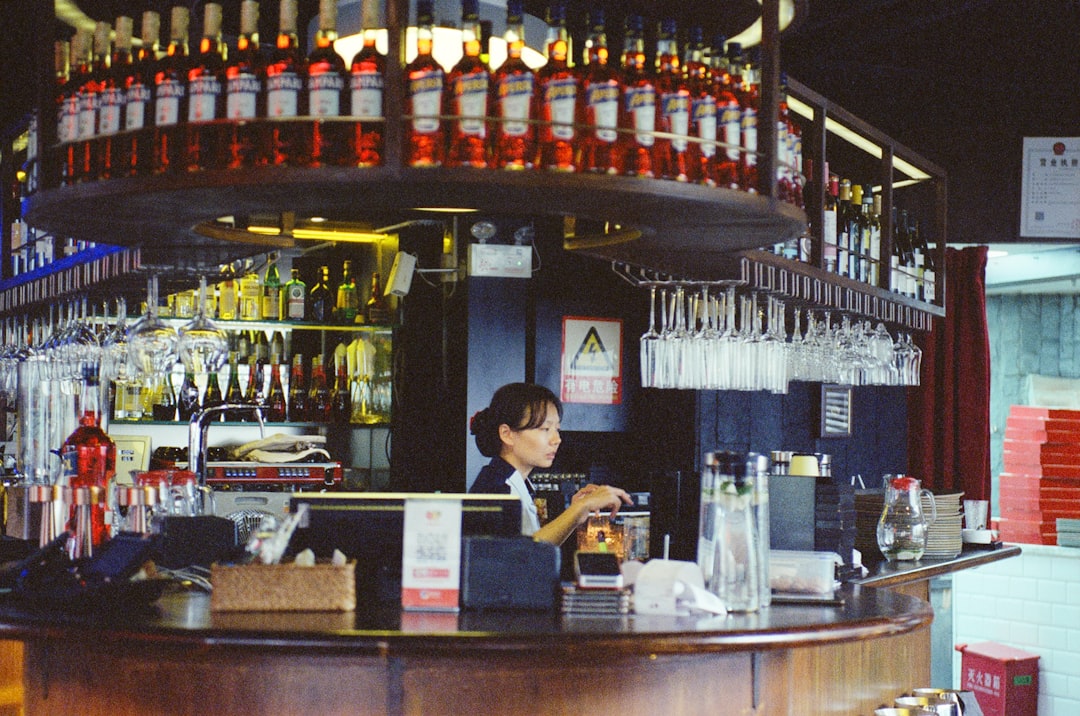
On a slow afternoon this is a perfectly reasonable question, but during a busy Friday night rush it can grind a bartender’s momentum to a halt. A well-stocked bar might have dozens of options and narrowing those down for a stranger takes genuine time and attention. Walking in with at least a general idea of what you enjoy shows respect for the pace of service. Glancing at the menu or the draft list before flagging someone down will get you a drink in your hand much faster.
I’ll Pay Later
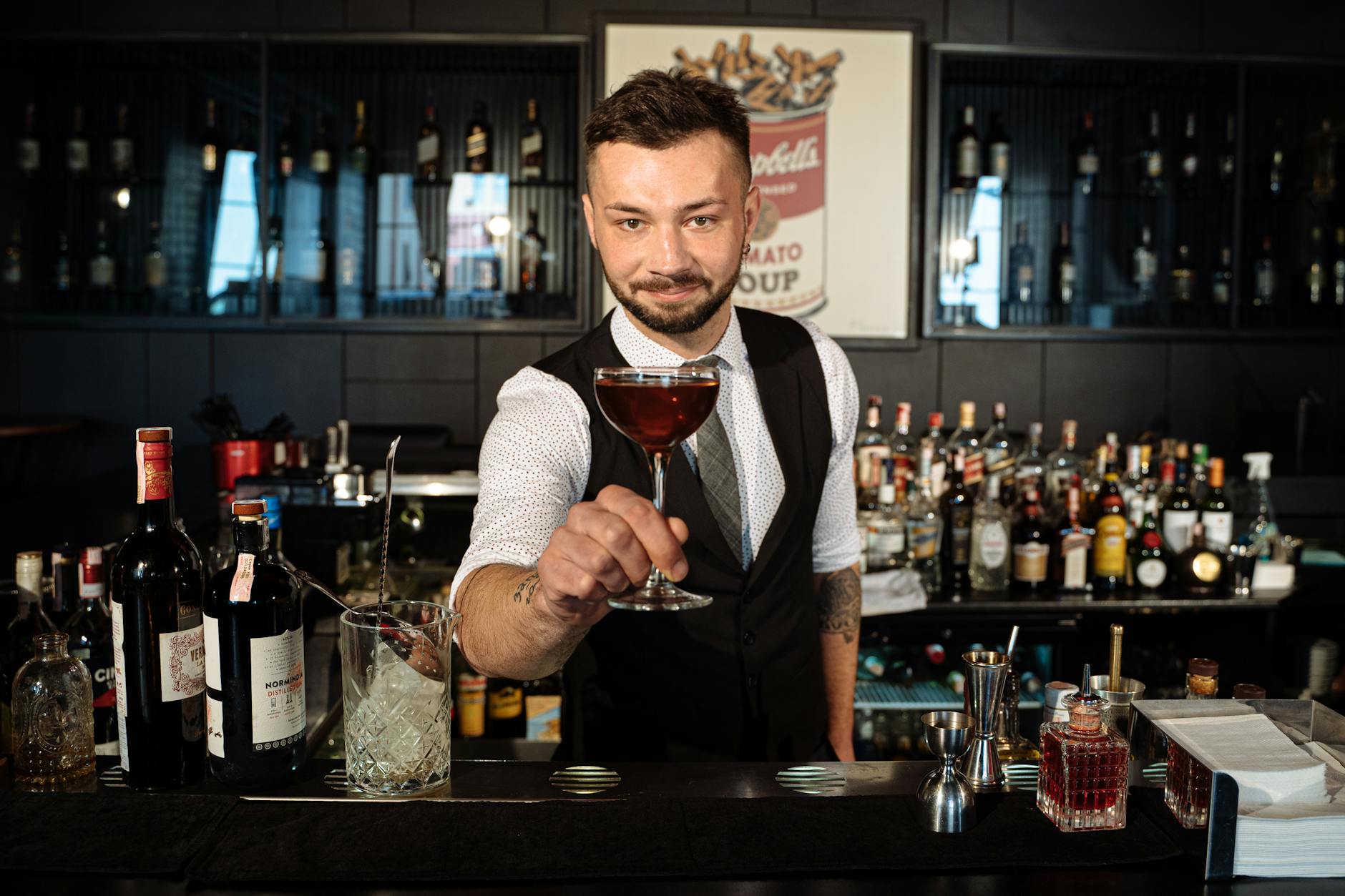
Leaving a tab open with a vague promise to settle up later creates real logistical stress for bar staff managing multiple customers. Bartenders are responsible for tracking every transaction accurately across an entire shift. When a customer disappears into the crowd without closing their tab, it creates unnecessary paperwork and potential financial liability. Having a card ready or being upfront about opening a proper tab from the start is the professional and courteous approach.
Do You Know Who I Am
Few phrases create as much immediate tension behind the bar as invoking personal status or implied celebrity. Bartenders treat every customer according to the order they arrived and the complexity of what they need. Name-dropping or implying preferential treatment is expected does nothing to speed up service and often has the opposite effect. Everyone at a busy bar is equally important to the person making the drinks.
My Last Bartender Always Did It This Way
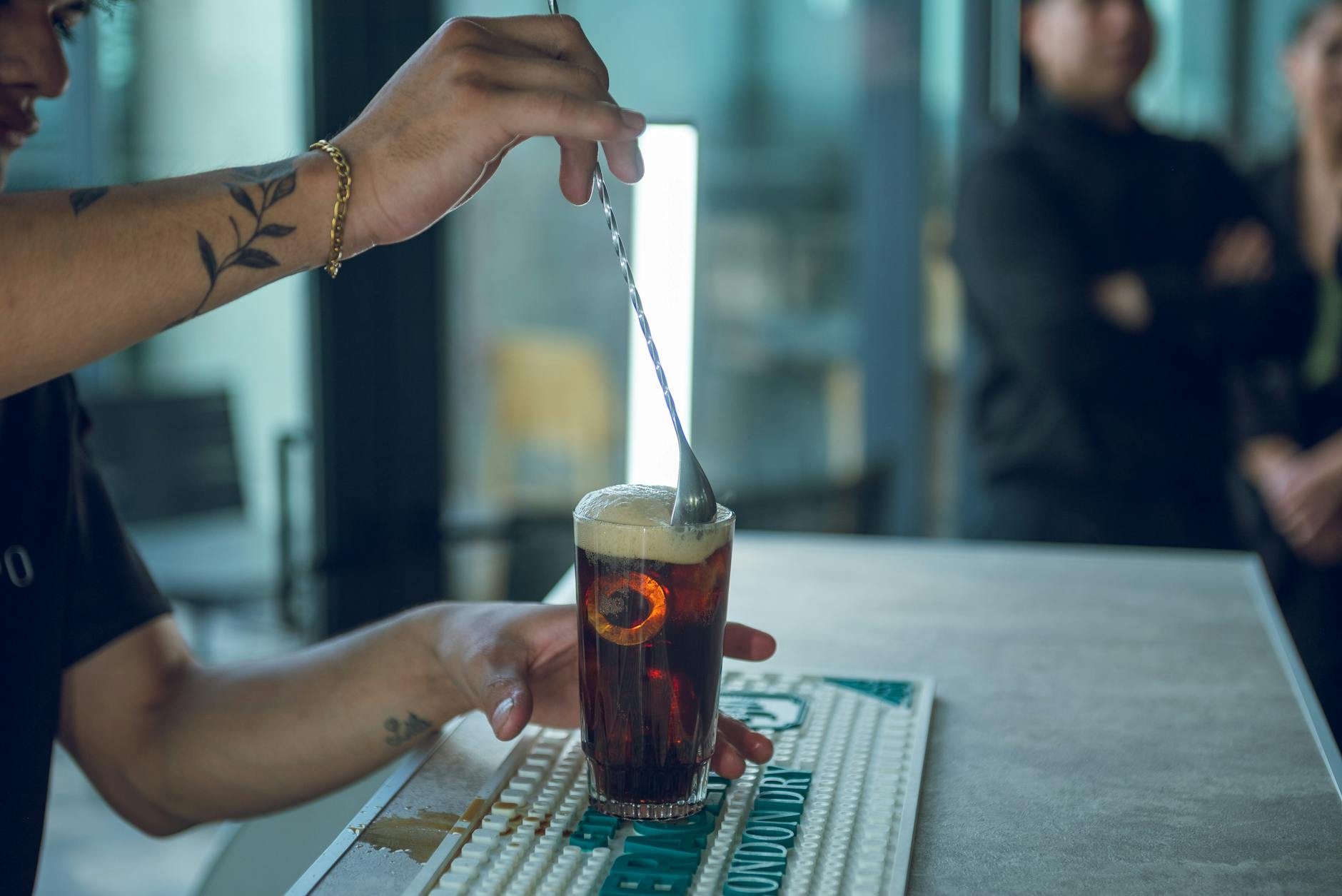
Every bar operates according to its own recipes, house rules, and management directives that its staff are trained to follow. Comparing a current bartender unfavorably to one at a different venue is both unhelpful and a little discouraging to hear. The way a drink was made at another establishment has no bearing on how it is prepared here. Trusting the bartender’s version of a classic cocktail is usually the best way to experience what a particular bar does well.
Can You Turn the Music Down
Bartenders do not control the sound system, the lighting, or the temperature of the venue in most establishments. These are decisions made by management or a dedicated floor supervisor, not the person shaking cocktails behind the counter. Directing this kind of request to a bartender mid-rush pulls their attention away from the drinks they are supposed to be making. Politely approaching a manager or a host is the correct way to raise concerns about the atmosphere.
I’ll Have Whatever Is Cheapest
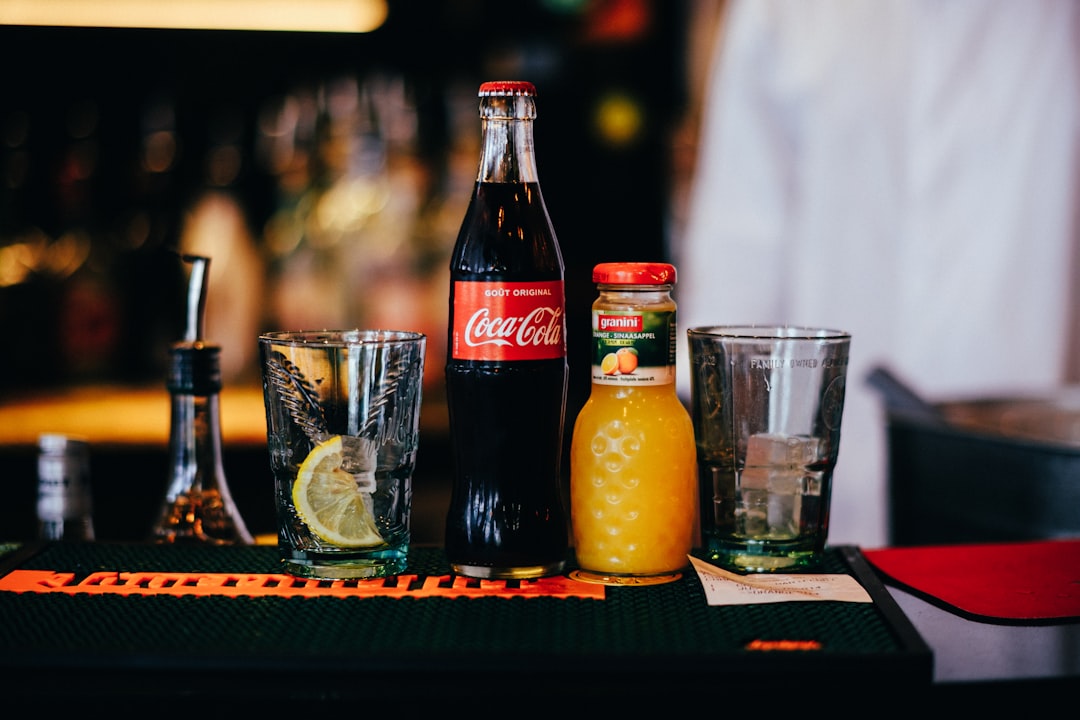
While budget-consciousness is completely understandable, phrasing it this way forces a bartender to mentally scroll through every price point on a long menu during a packed service. A more efficient approach is to ask what is on special that evening or to mention a specific price range. Most bars have a happy hour menu or a featured drink that represents excellent value and is easy to point to quickly. Giving the bartender a clear framework makes the interaction smoother for everyone.
Just One More, Real Quick
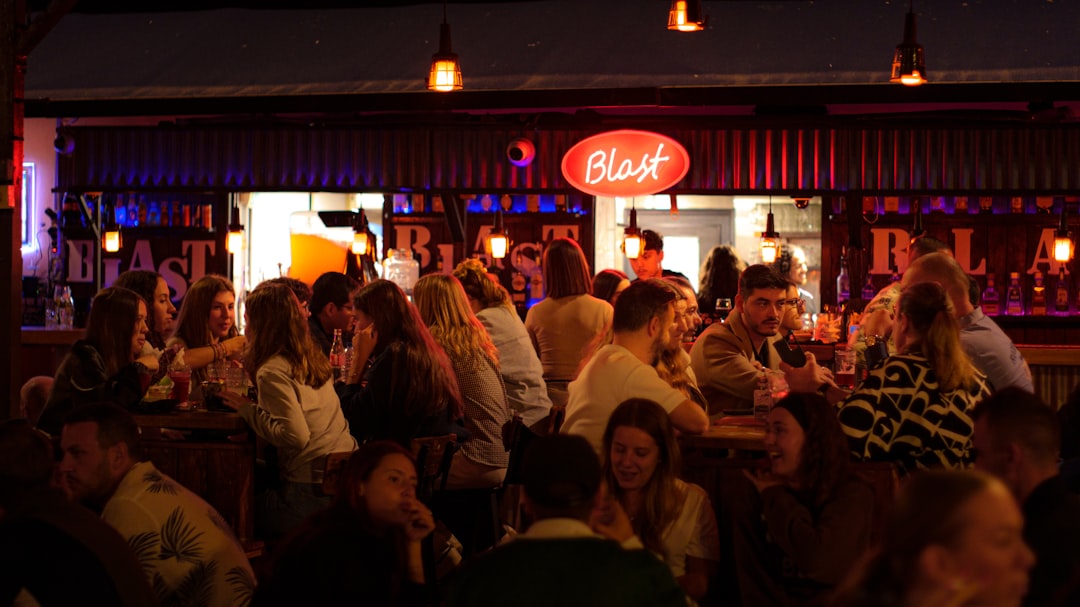
The phrase “real quick” almost never reflects reality when a bar is operating at full capacity. Adding a rushed request onto the end of a completed order implies the customer’s impatience matters more than the orders of everyone else waiting. Bartenders move through the queue in a deliberate sequence and breaking that rhythm creates delays for the whole room. If you genuinely forgot something, waiting your turn and flagging the bartender down properly is the respectful approach.
Can I Get a Free Drink
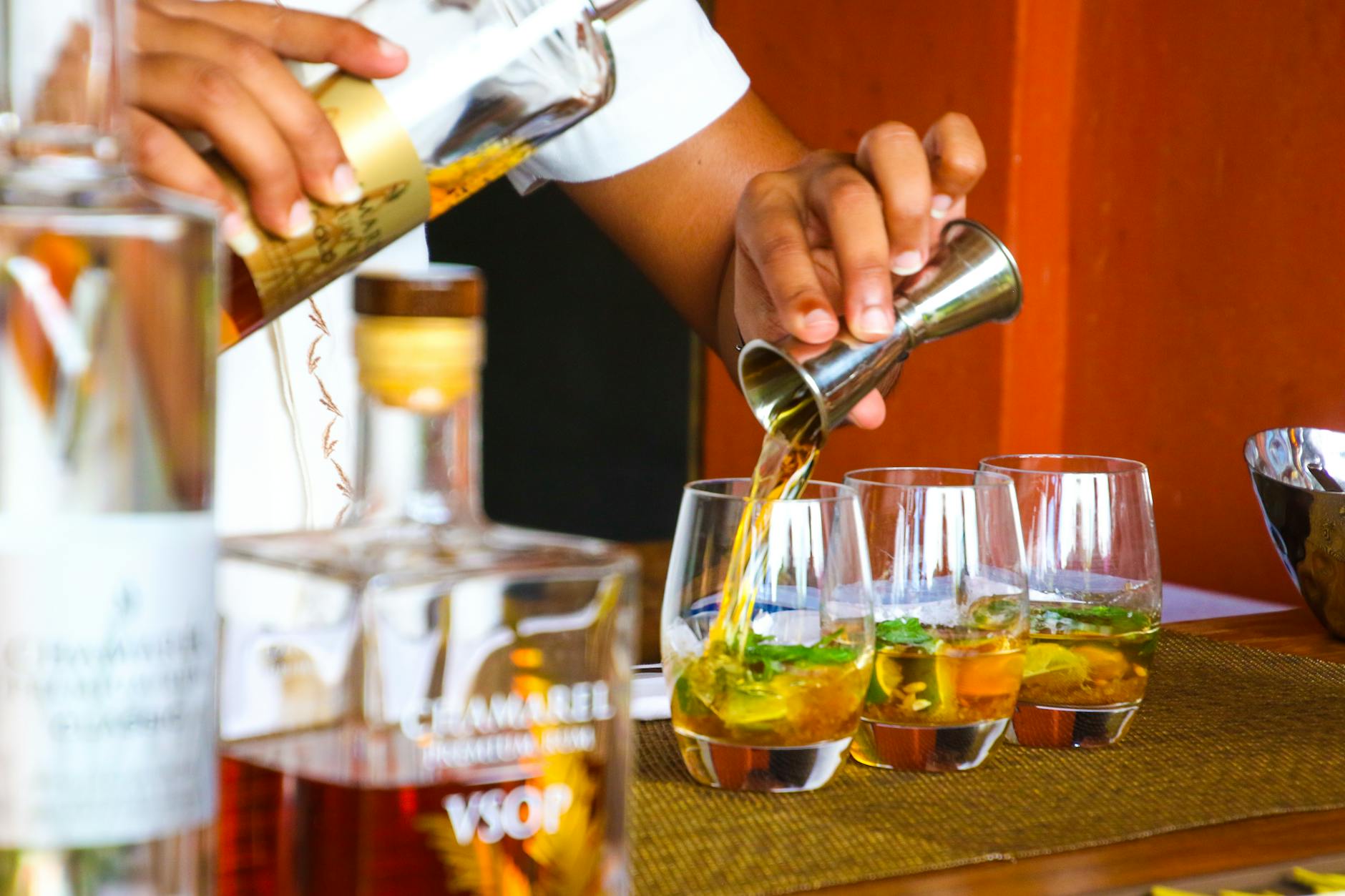
Asking for complimentary drinks puts a bartender in an uncomfortable spot because that decision rests entirely with management. Most bartenders cannot authorize free rounds without risking disciplinary action or having to absorb the cost themselves. Free drinks are typically offered as a genuine gesture of hospitality, not something triggered by a request. Treating bar staff with warmth and respect throughout your visit is what naturally leads to that kind of goodwill.
What Takes So Long
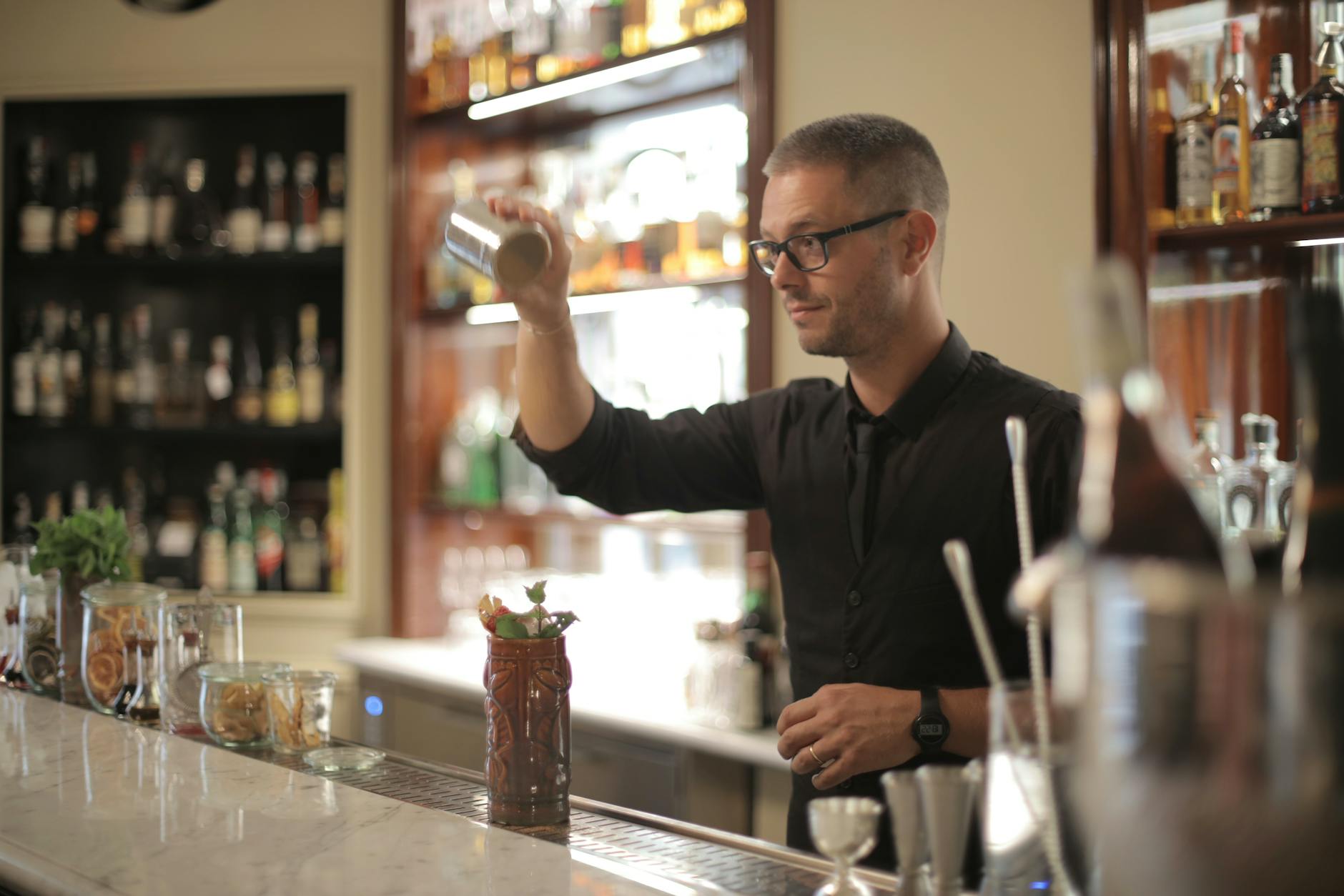
Verbalizing impatience to a visibly busy bartender is one of the fastest ways to create a tense dynamic at the bar. Every drink in front of them was ordered before yours and deserves the same attention and care. Cocktails require measuring, shaking, straining, and garnishing, which all take meaningful time when done properly. Trusting the process and staying patient is the mark of someone who genuinely understands and appreciates bar craft.
Can You Make It Less Sweet
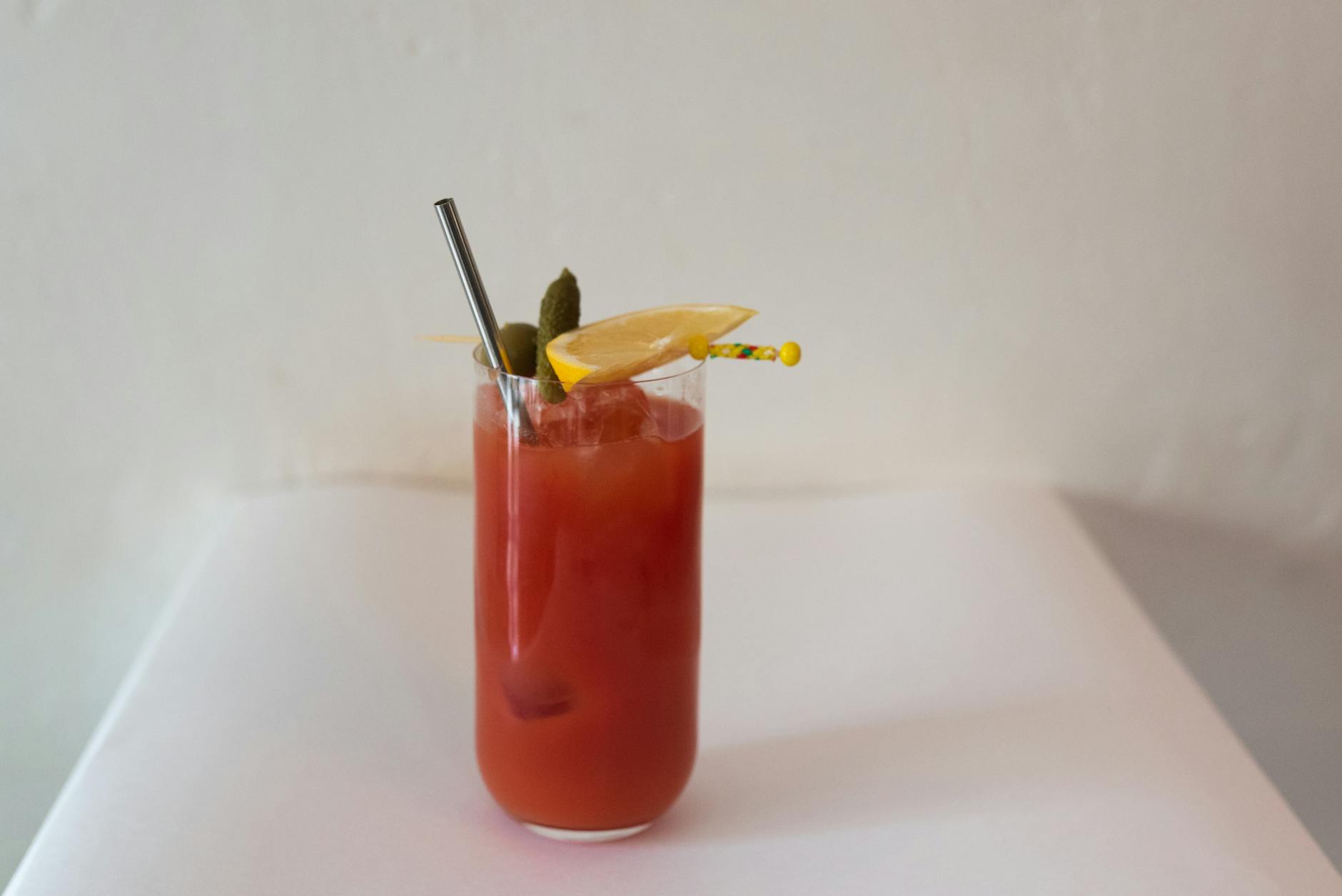
Asking for a modification to a cocktail’s sweetness level after the drink has already been poured is a request that cannot be undone. If you have strong flavor preferences it is always worth mentioning them before the bartender begins making the drink. Most professionals are genuinely happy to adjust a recipe before they start if they know what you are looking for. A quick word upfront saves both parties the inconvenience of a drink that ends up going to waste.
Do You Have Anything Fancy
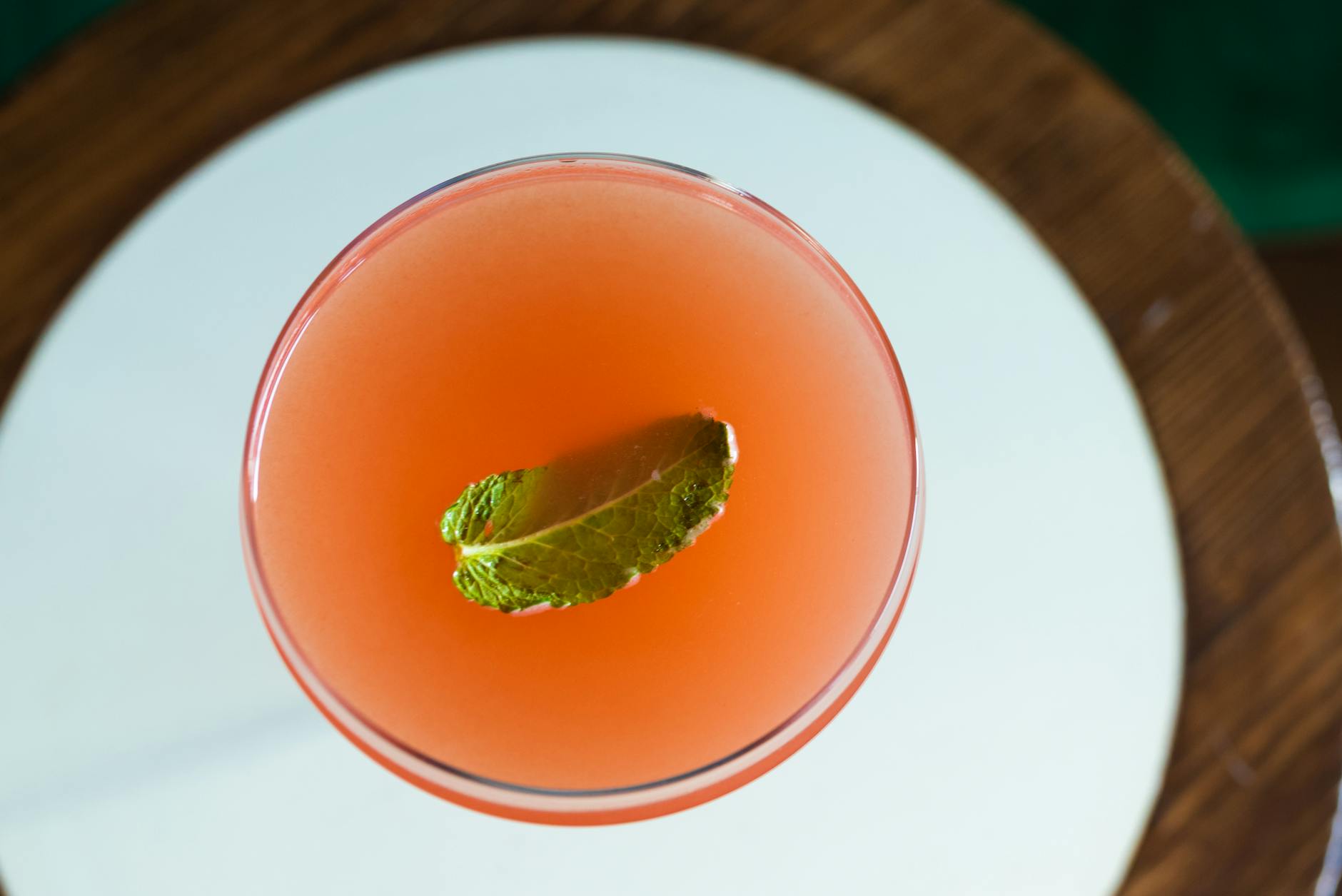
Vague descriptors like “fancy” mean something entirely different to every customer who uses them. Without a clearer reference point such as a spirit preference or a particular flavor profile the bartender has no real starting point. During a busy service, open-ended questions like this can feel like a small but real obstacle between the bartender and the next ten orders waiting. Describing what you enjoyed last time you went out or naming a cocktail you have always liked gives the conversation somewhere practical to go.
If you have had your own bar etiquette experiences worth sharing, drop your stories in the comments.




