
Buying seafood feels straightforward until you realize how easy it is to bring home something past its prime. Many of the warning signs are understated and easy to overlook, especially if you are in a hurry or unfamiliar with what truly fresh fish and shellfish look like. Learning to read these clues before you buy can save you from a disappointing meal or a serious bout of food poisoning. Once you know what to look for, spotting questionable seafood becomes second nature.
The Smell
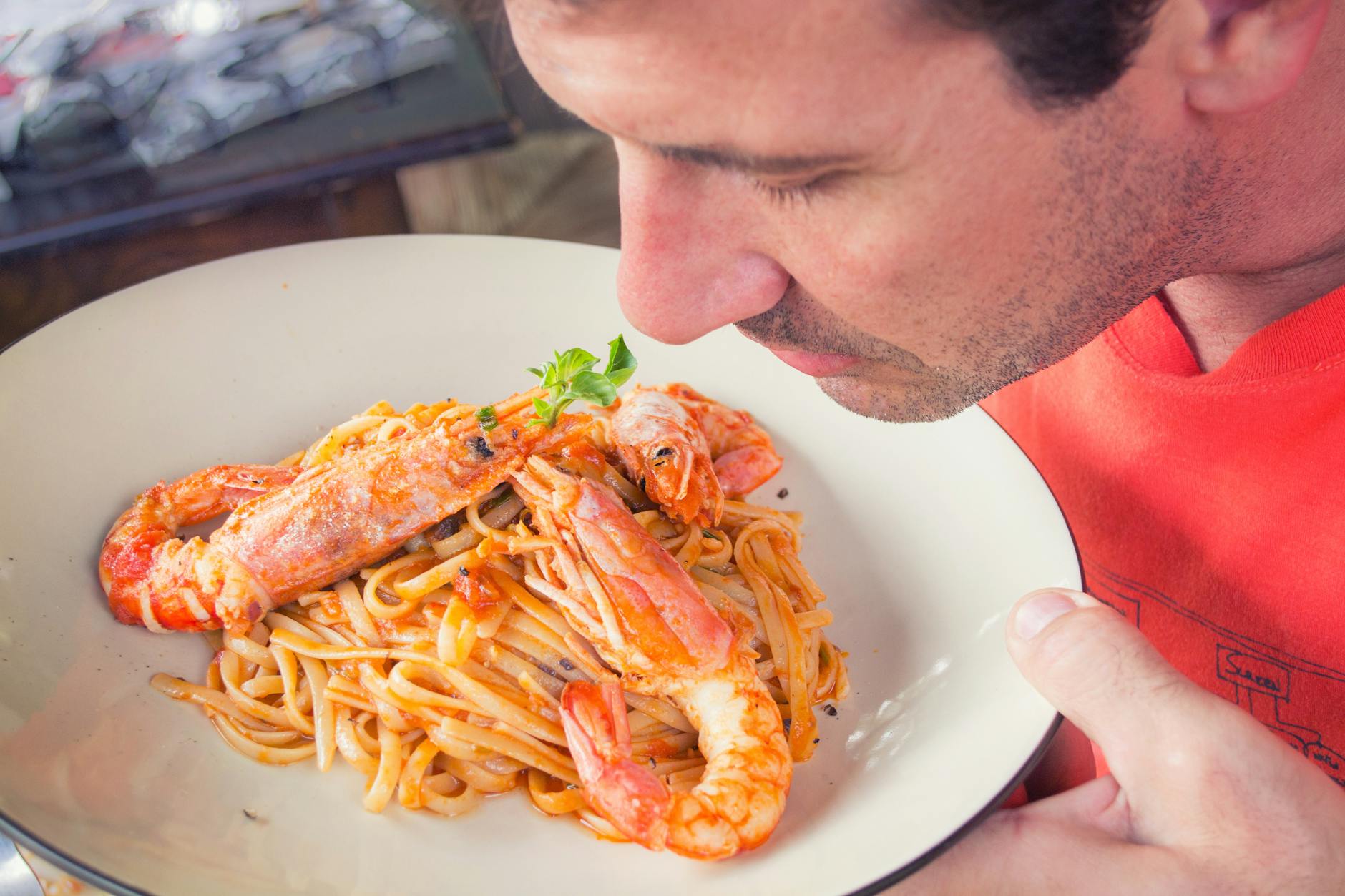
Fresh seafood from the ocean should carry only a clean, briny scent that reminds you of the sea. If what you are smelling is sharp, sour, or unmistakably fishy in an unpleasant way, that is a reliable indicator that deterioration has already begun. The breakdown of proteins in aging fish releases compounds that create that distinctive ammonia-like odor most people associate with bad seafood. A mild scent is always acceptable, but anything that makes you step back is a red flag worth taking seriously.
The Eyes
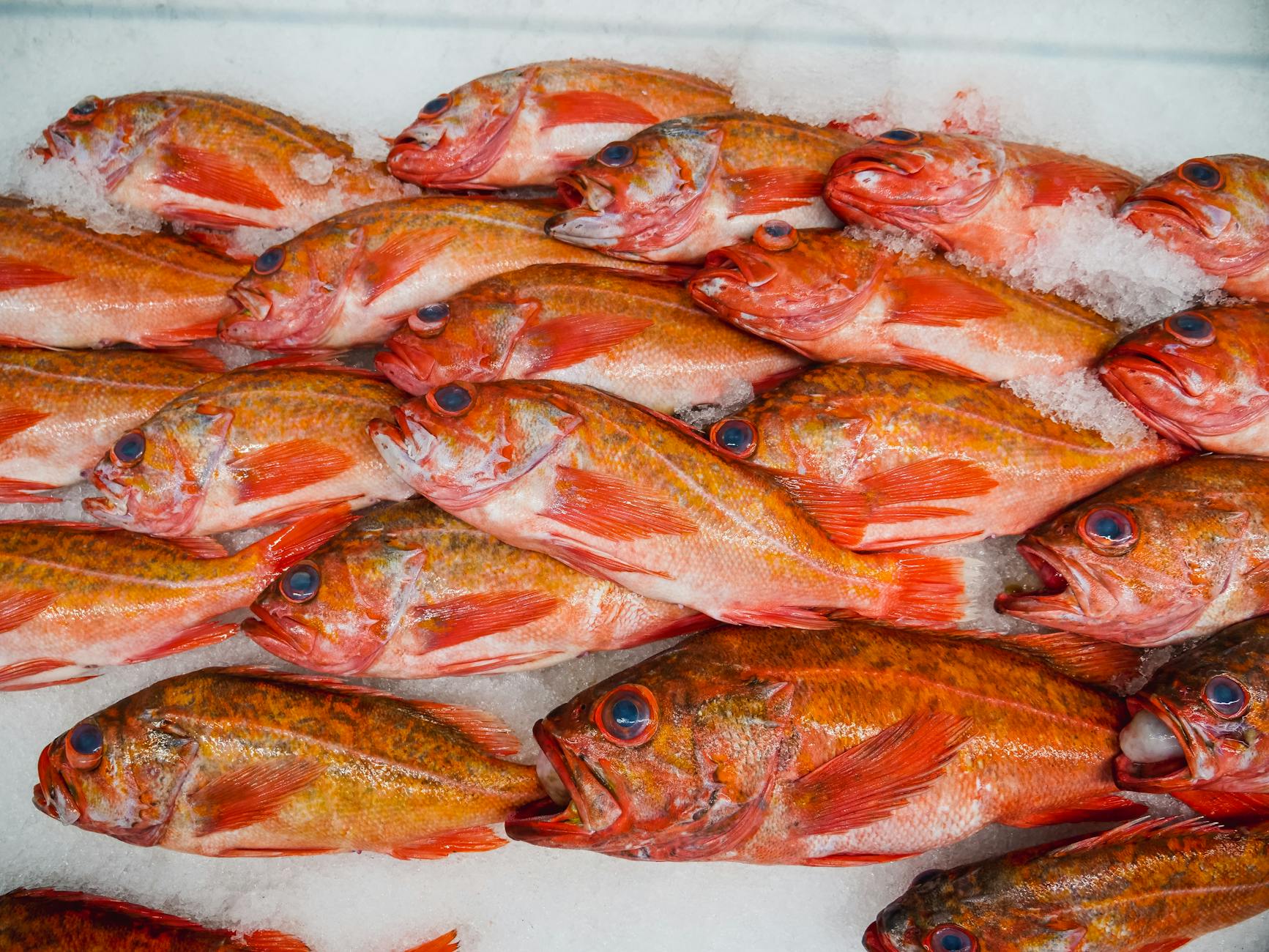
On a whole fish, the eyes are one of the most honest indicators of freshness available to a buyer. Eyes that are bright, clear, and slightly bulging outward suggest the fish has not been sitting around for long. As fish ages, the eyes begin to cloud over, sink inward, and take on a gray or milky appearance that signals significant time has passed since the catch. Always look a whole fish directly in the eye before placing it in your basket.
The Gills
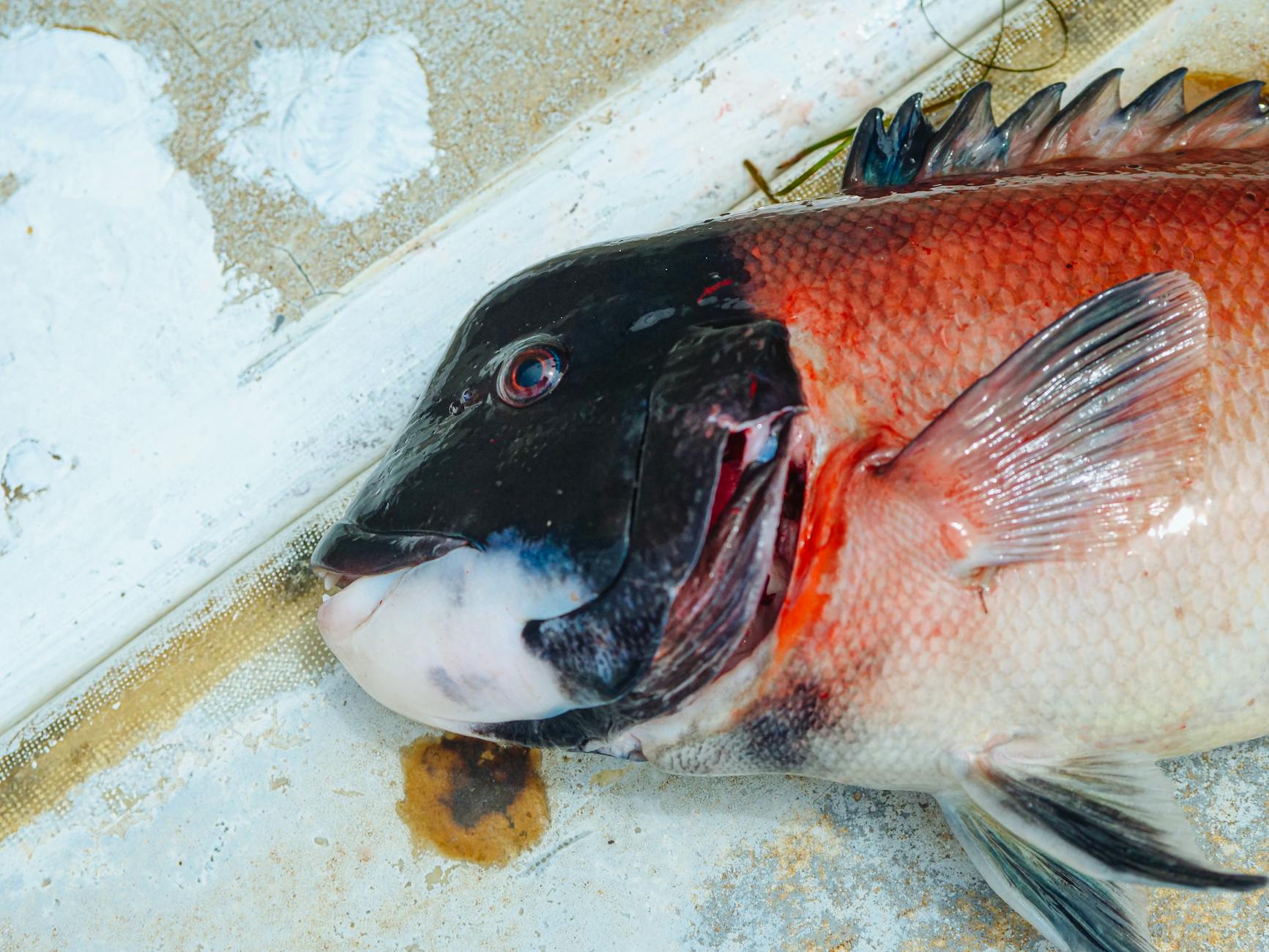
Lifting the gill flap on a whole fish takes only a second and reveals a great deal about its condition. Fresh gills should be a vivid, deep red or bright pink, indicating good blood flow and recent catch. Gills that have faded to a dull brown, gray, or pale color suggest the fish has been out of the water for too long. Slimy or foul-smelling gills are an even more urgent warning sign that freshness has been compromised well beyond an acceptable point.
The Flesh
When you press fresh fish flesh gently with a finger, it should spring back almost immediately without leaving an indentation. Flesh that holds the dent or feels mushy has already begun to break down structurally, a sign of age or improper storage temperatures. The color of the flesh should also be consistent and vibrant rather than dull, discolored, or blotchy across the surface. Any translucent patches turning opaque in unexpected ways can also suggest the fish is no longer in peak condition.
The Scales

On whole fish, scales that cling tightly and lie flat against the body are a good sign of freshness and proper handling. When scales begin to fall off easily, appear raised, or leave large bare patches, the fish has likely been stored for too long or handled roughly during transport. Dull, dry, or flaking scales also suggest exposure to air and temperature fluctuations that accelerate spoilage. Running a finger gently along the side of the fish gives you a quick and reliable read on this particular quality marker.
The Shrimp

Fresh shrimp should have a firm texture, a translucent appearance, and shells that are tightly attached to the body. When shrimp develop black spots along the shell or at the head, this is a sign of enzymatic breakdown and age rather than simple cosmetic variation. A strong, ammonia-like odor coming from shrimp is a particularly urgent warning that they have moved beyond safe consumption. Shells that peel away too easily or flesh that feels soft and slippery should also make you reconsider your purchase immediately.
The Ice Display
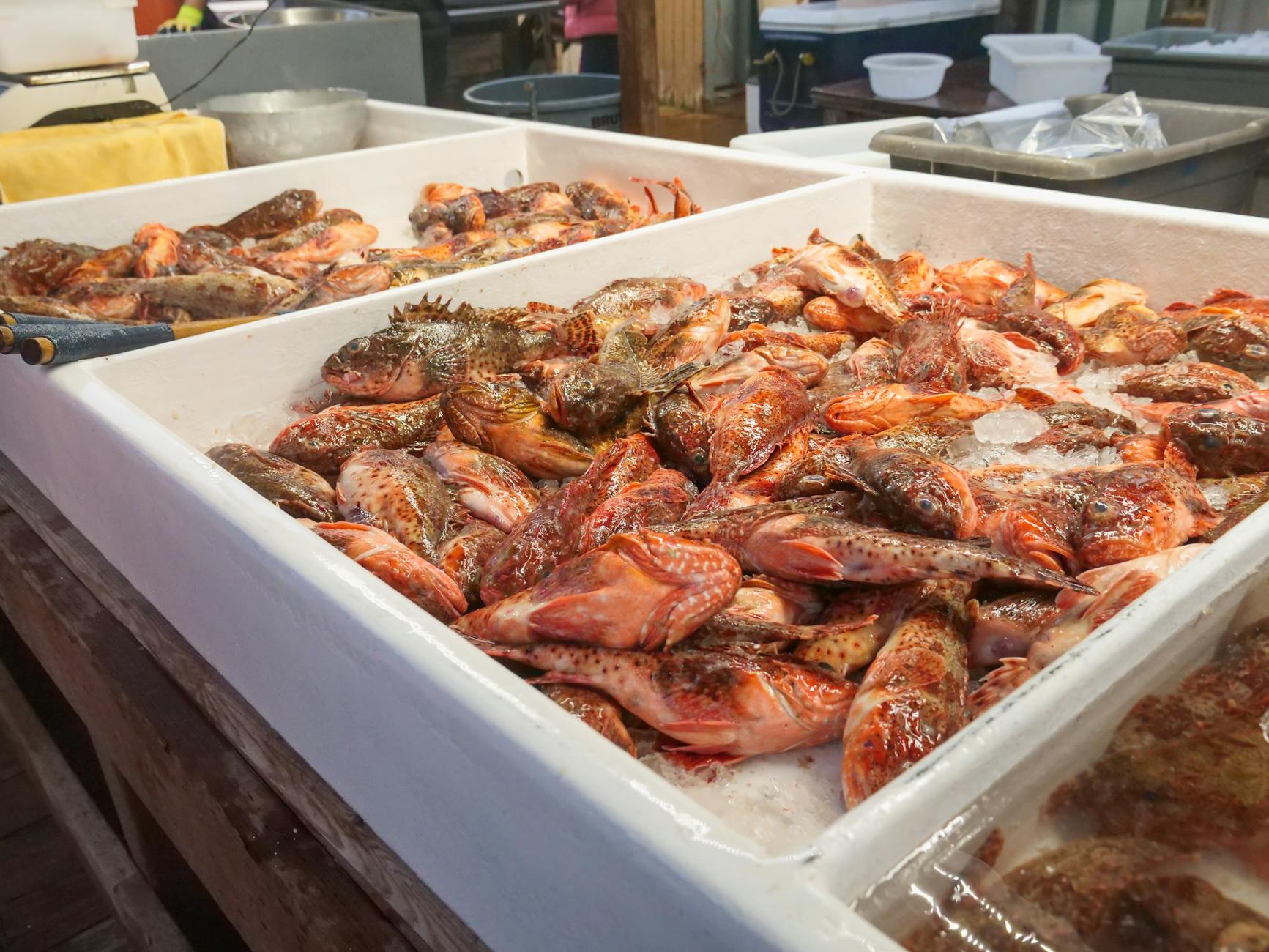
How a fishmonger or grocery store presents its seafood tells you almost as much as the fish itself. Seafood should always be displayed on a deep, generous bed of fresh crushed ice that keeps it properly chilled at all times. If the ice is thin, partially melted, or the fish is sitting in pooled water at the bottom of the tray, the cold chain has likely been interrupted at some point. A well-maintained display is a sign of a retailer that takes temperature control and product quality seriously.
The Skin
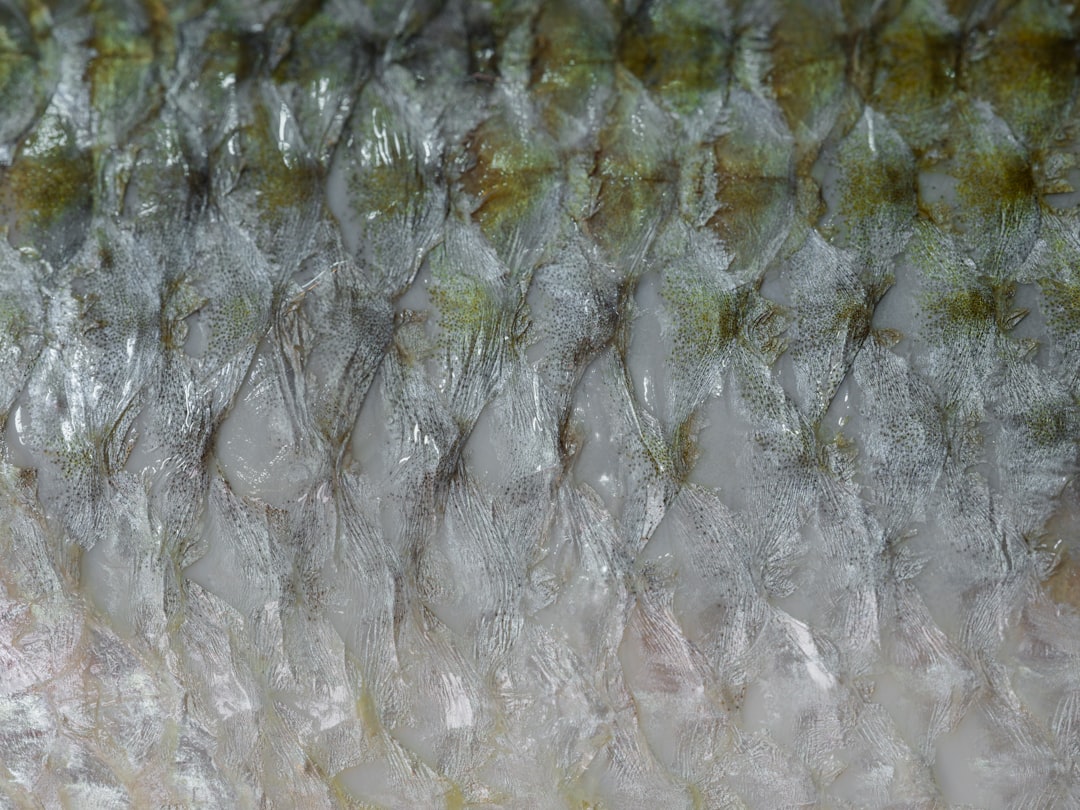
Fresh fish skin should have a natural sheen and feel slightly moist to the touch without being excessively slimy or sticky. Skin that looks dull, dried out, or has begun to separate from the flesh underneath is a sign of age and dehydration from improper storage. An unusual tackiness or coating on the skin can indicate bacterial activity that has already taken hold on the surface. The color of the skin should be consistent with the species and free from any unusual discoloration or spotting that deviates from the norm.
The Oysters

Fresh live oysters must have tightly closed shells, or shells that snap shut immediately when tapped. Any oyster sitting open and unresponsive to a gentle tap on the shell is no longer alive and should never be eaten raw or cooked. A healthy live oyster should feel heavy for its size, indicating it is full of natural liquid and has not dried out during storage. An off-putting, sulfuric, or excessively briny smell from a batch of oysters is also a sign that something has gone wrong with the lot.
The Packaging

Vacuum-sealed or modified atmosphere packaging on pre-packaged fish should always appear tightly sealed with no visible air pockets or puffiness. A package that has ballooned outward is a sign that gas-producing bacteria have been active inside, which is a serious indication of spoilage. Any liquid inside the packaging should be minimal and clear rather than cloudy, dark, or excessively pooled beneath the fish. Always check the use-by date, but trust your eyes and nose even when a product appears to be within its printed window.
The Mussels and Clams
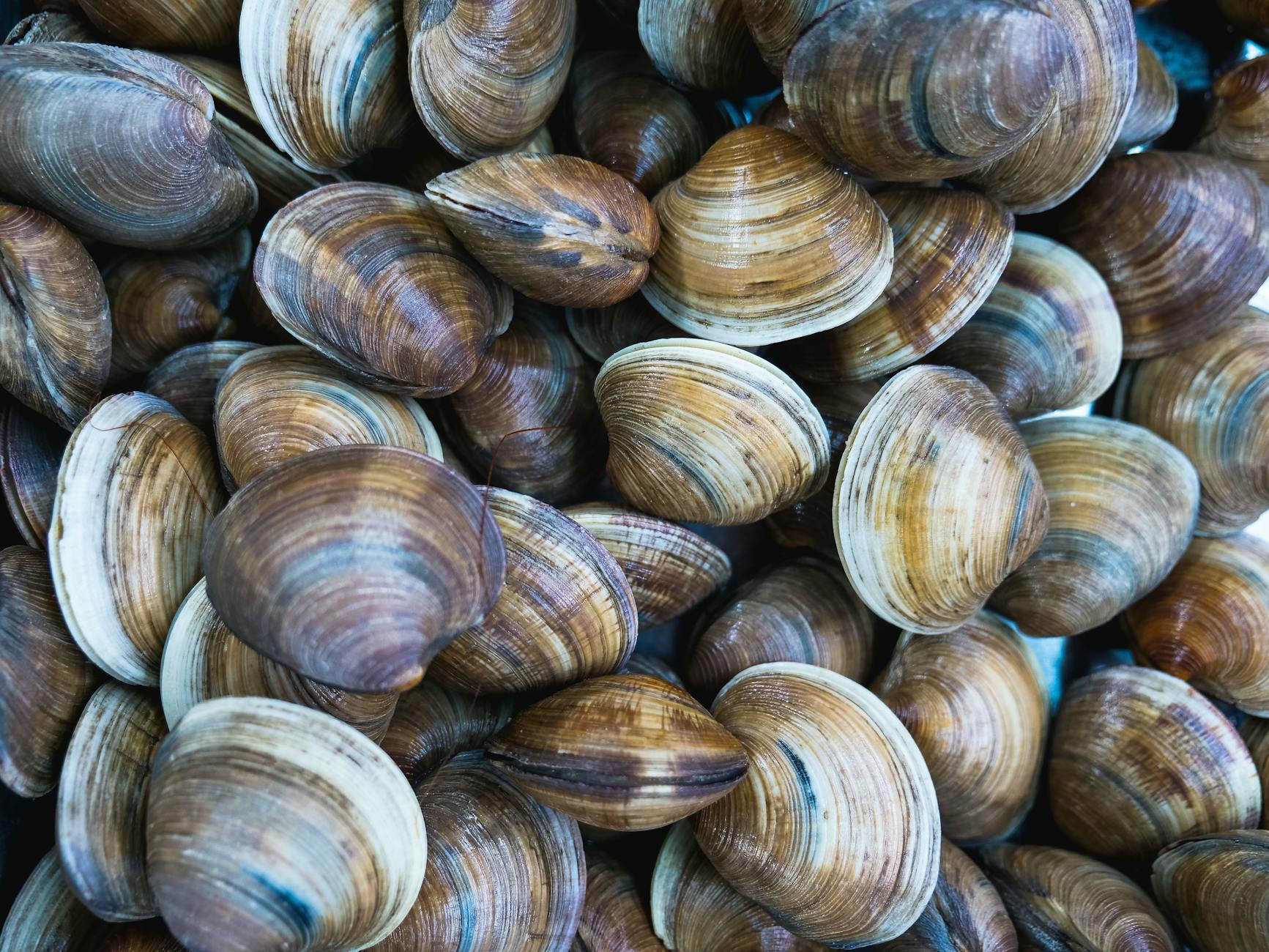
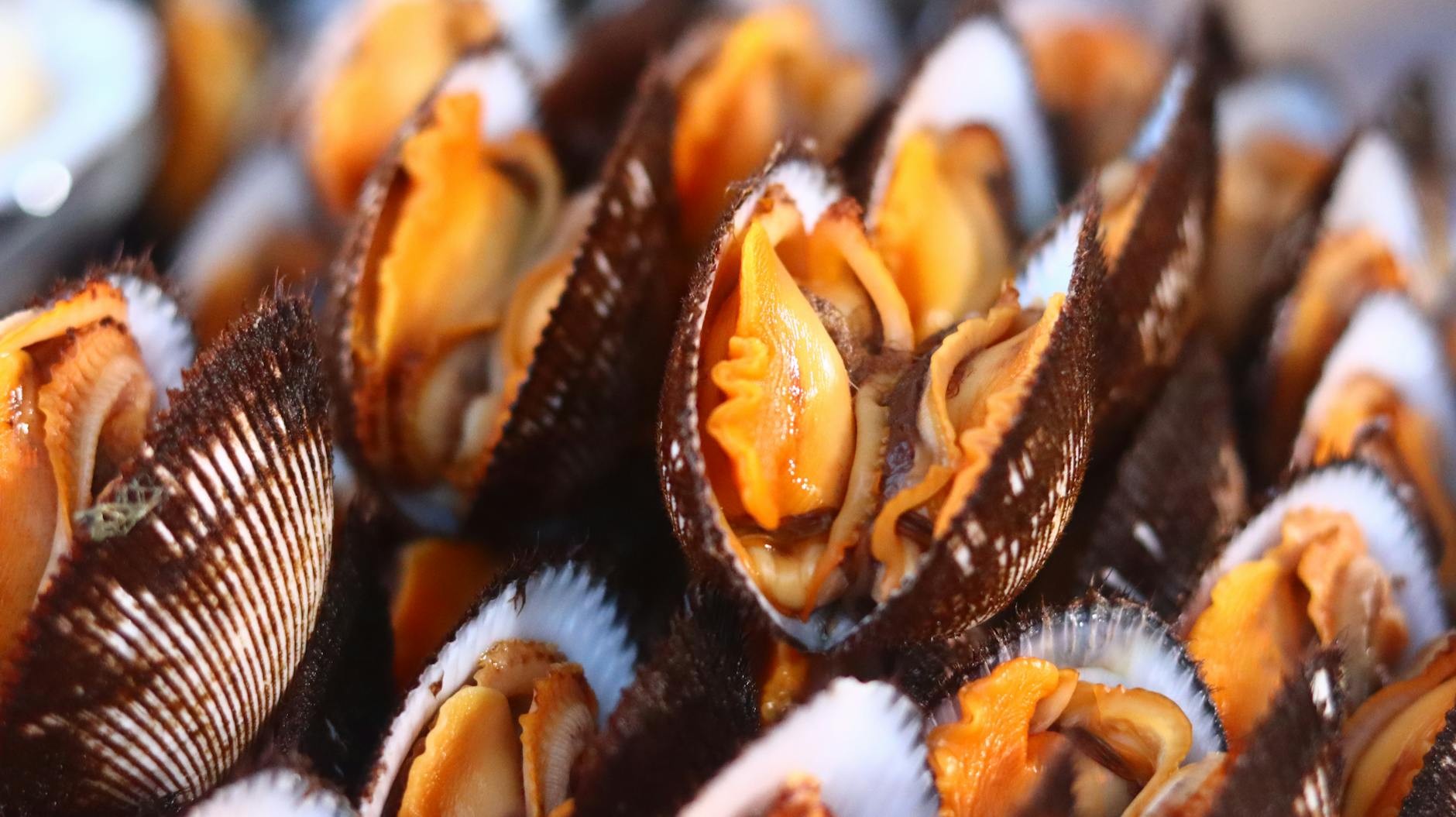
Like oysters, fresh mussels and clams should be tightly closed or close promptly when their shells are gently tapped. Any that remain open and do not respond are dead and must be discarded before cooking begins. The shells themselves should feel clean, heavy, and intact rather than cracked, hollow-sounding, or covered in unusual residue. A clean ocean smell is expected from live bivalves, but anything that smells strongly sour or rotten indicates the batch has been compromised regardless of how the shells appear externally.
The Counter Staff

The people working behind the seafood counter are one of the most underused resources available to shoppers. A knowledgeable fishmonger should be able to tell you when a specific fish arrived, where it came from, and how it has been stored since delivery. Staff who are evasive, uncertain, or unwilling to answer basic questions about their products may be working with inventory they would rather not discuss in detail. A confident and transparent answer about provenance and arrival date is one of the strongest indicators that the seafood you are considering is genuinely fresh and worth buying.
What signs do you look for when buying seafood? Share your tips and experiences in the comments.




