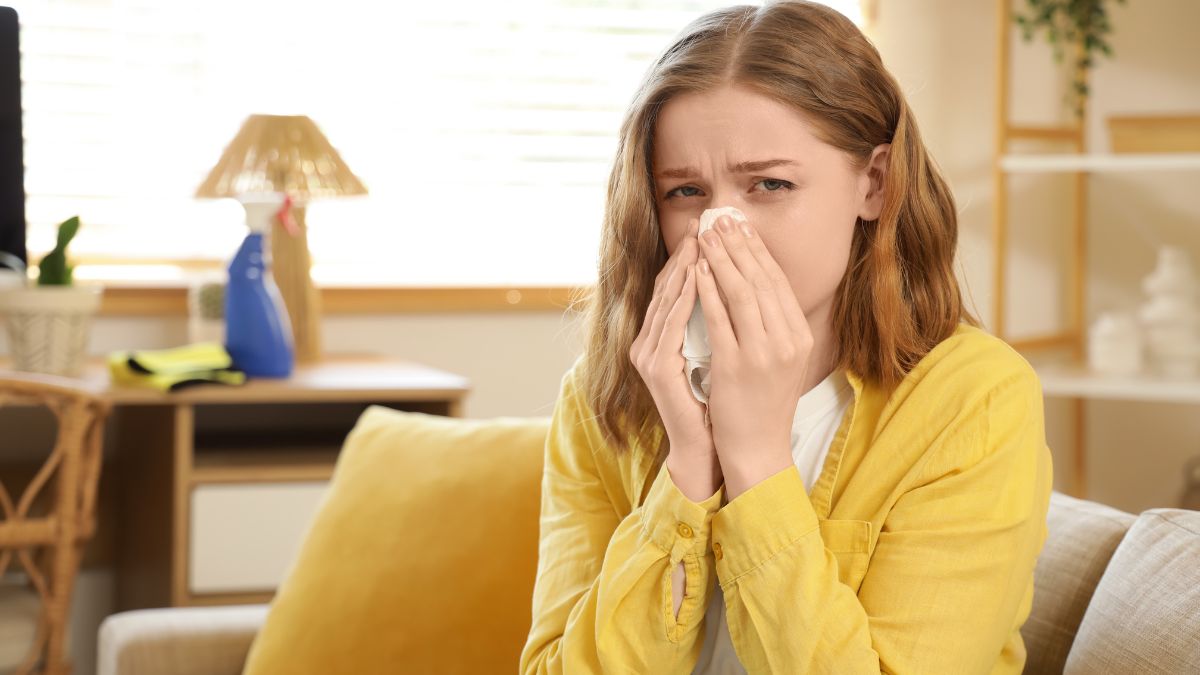
Your home is supposed to be your sanctuary, but for millions of people it quietly works against their health every single day. Allergens hide in plain sight, lurking in fabrics, appliances, and corners that rarely get a second glance. Many common household items accumulate biological irritants over time without showing any obvious signs of contamination. Understanding what triggers allergic reactions indoors is the first step toward creating a genuinely clean and breathable living environment. The good news is that awareness alone can lead to meaningful improvements in your daily comfort and respiratory health.
Mattress
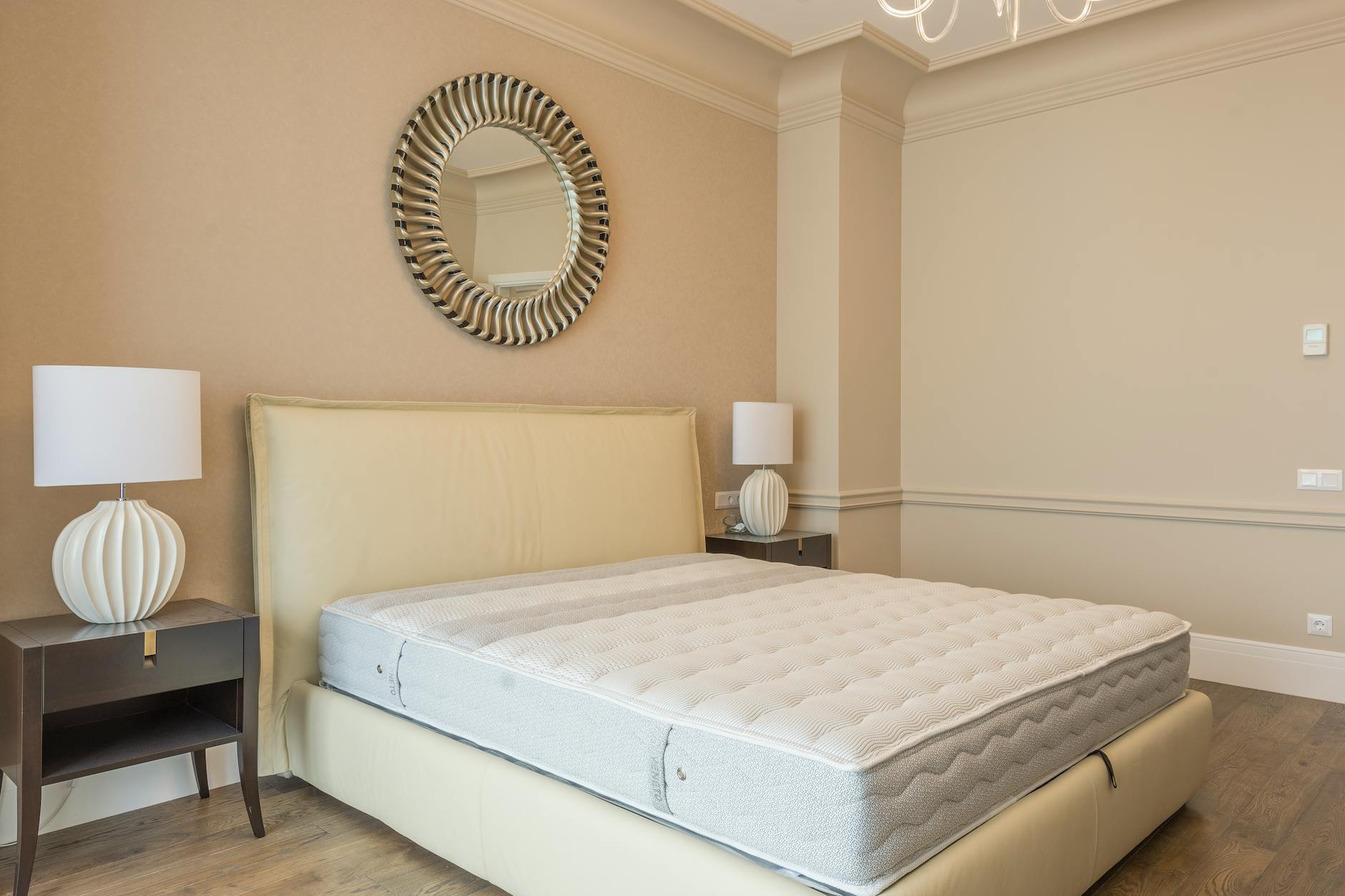
The average mattress harbors millions of dust mites, which feed on dead skin cells shed naturally during sleep. These microscopic organisms produce waste particles that become airborne and are easily inhaled throughout the night. Prolonged exposure to dust mite allergens is one of the leading causes of chronic indoor allergy symptoms. Using an allergen-proof mattress encasement significantly reduces exposure, and washing bedding weekly in hot water helps control mite populations. Replacing an old mattress every seven to ten years is also recommended for allergy sufferers.
Carpet
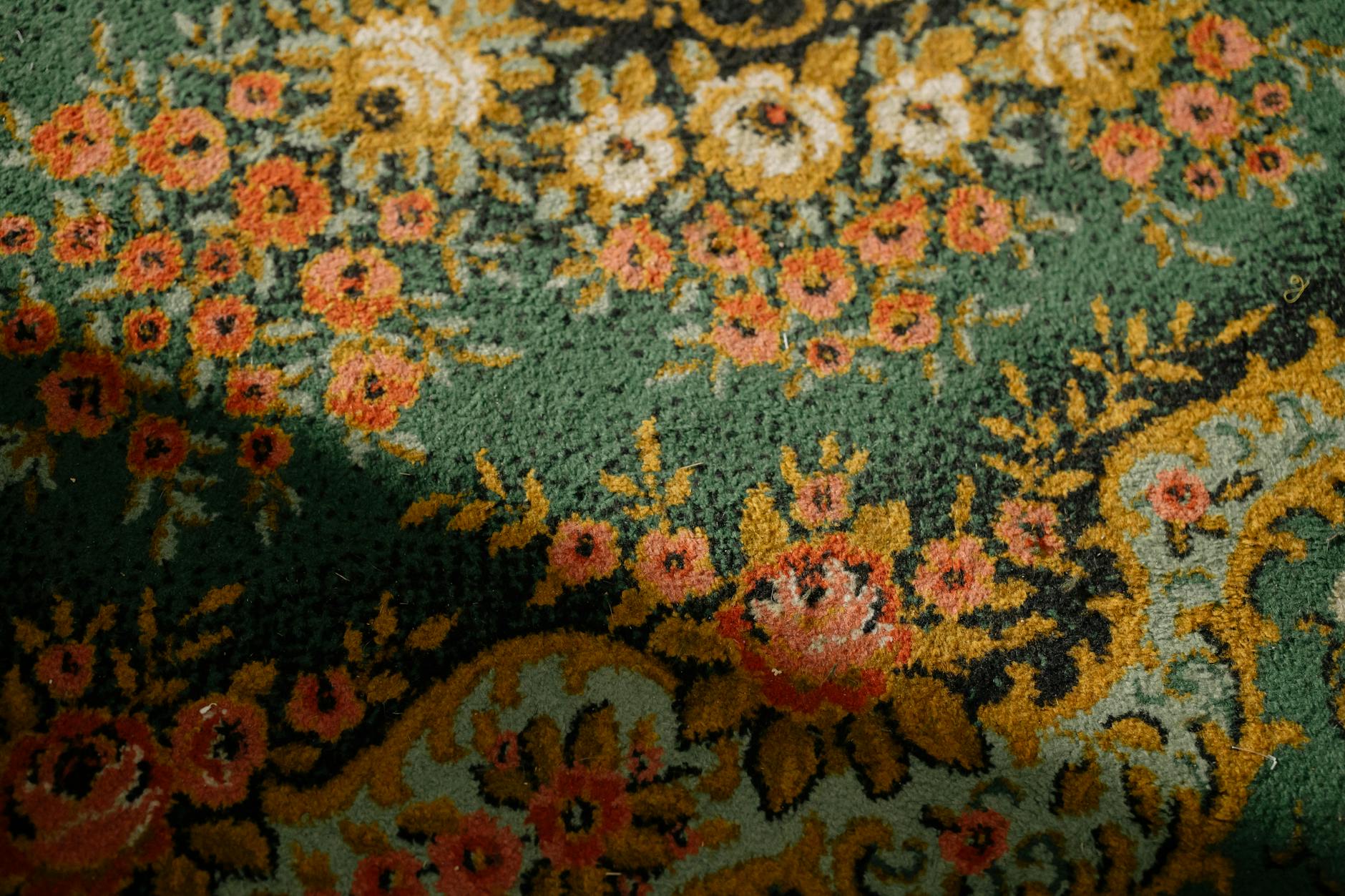
Wall-to-wall carpeting acts as a large reservoir for dust, pet dander, pollen, and mold spores tracked in from outside. Allergens become trapped deep within carpet fibers where regular vacuuming often cannot fully reach. High-traffic areas accumulate the greatest concentration of irritants, making entryways and living rooms particularly problematic. Vacuuming at least twice a week with a HEPA-filter vacuum cleaner significantly reduces allergen load. Replacing carpet with hard flooring is one of the most effective long-term interventions for allergy sufferers.
Curtains

Fabric curtains collect dust, pollen, and mold spores that drift through open windows and settle on soft surfaces. Unlike blinds or shutters, heavy drapes are rarely cleaned frequently enough to prevent allergen buildup. Each time curtains are touched or moved by air currents, stored particles are released back into the breathing zone. Washing curtains every four to six weeks in hot water helps remove accumulated biological material. Switching to washable roller blinds or sheer lightweight fabrics is a practical alternative for sensitive individuals.
Stuffed Animals

Plush toys are among the most overlooked allergen traps in a home, particularly in children’s bedrooms. Their soft surfaces attract dust mites and pet dander in the same way that pillows and upholstered furniture do. Children who sleep with stuffed animals may be in prolonged close contact with high concentrations of allergens throughout the night. Placing plush toys in the freezer overnight once a month kills dust mites without damaging the toy. Regular washing in hot water and reducing the number of soft toys in sleeping areas also helps.
Houseplants
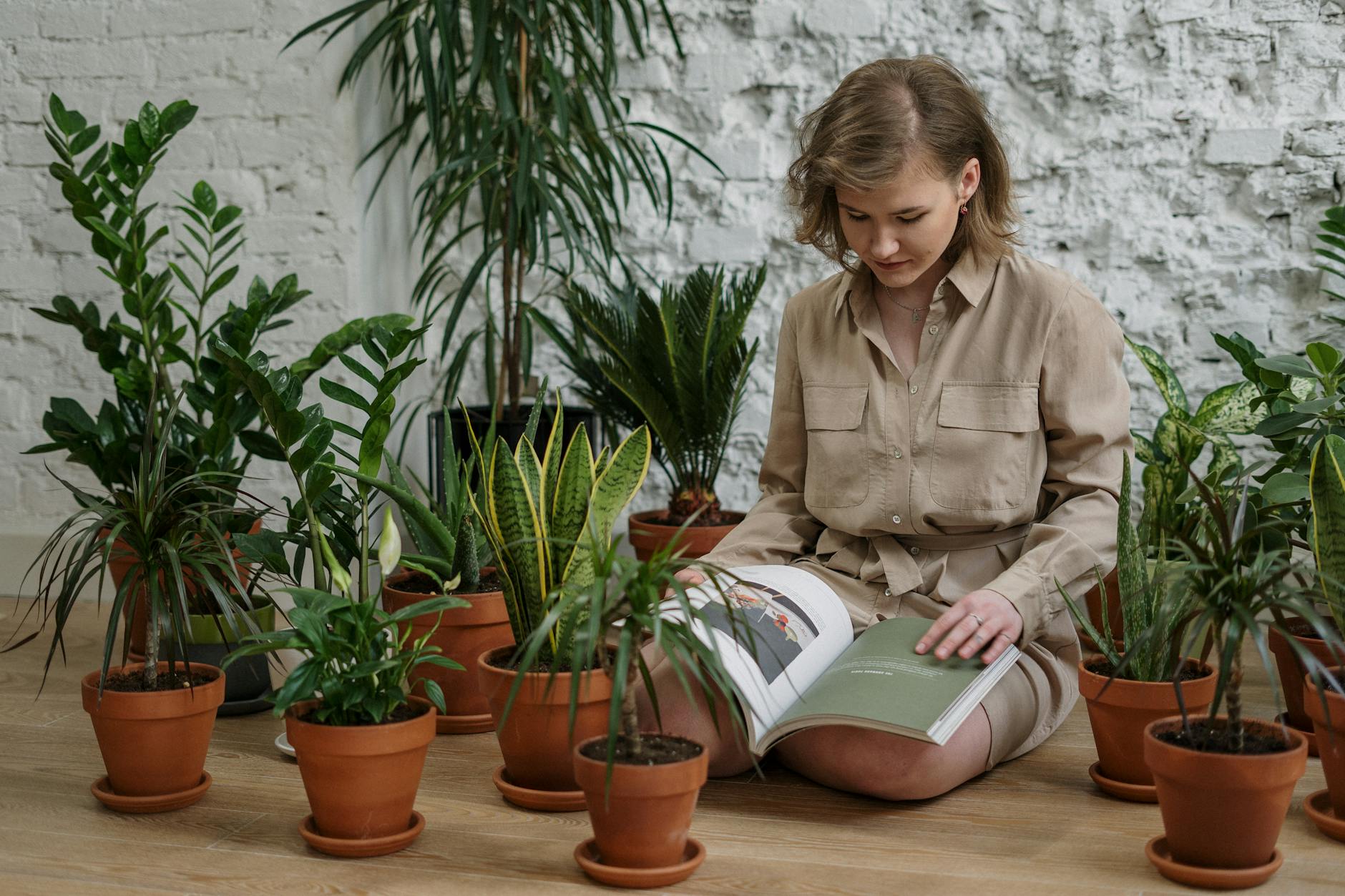
Potted houseplants introduce mold into the indoor environment through the damp soil they require to survive. Overwatering encourages rapid mold growth at the soil surface, which releases spores into the surrounding air. Certain plant varieties also produce pollen indoors, adding another potential allergen source to living spaces. Using self-watering pots and adding a layer of aquarium gravel over the soil can slow mold proliferation. People with mold sensitivities may benefit from replacing live plants with high-quality artificial alternatives.
Candles

Scented candles release volatile organic compounds and fine particulate matter when burned indoors. Paraffin-based candles in particular produce soot particles that irritate the respiratory tract and settle on surfaces throughout the room. Added synthetic fragrances are a common trigger for people with fragrance sensitivities or asthma. Burning candles in poorly ventilated rooms amplifies the concentration of airborne irritants significantly. Switching to beeswax or soy candles with natural scents reduces chemical exposure for sensitive individuals.
Washing Machine
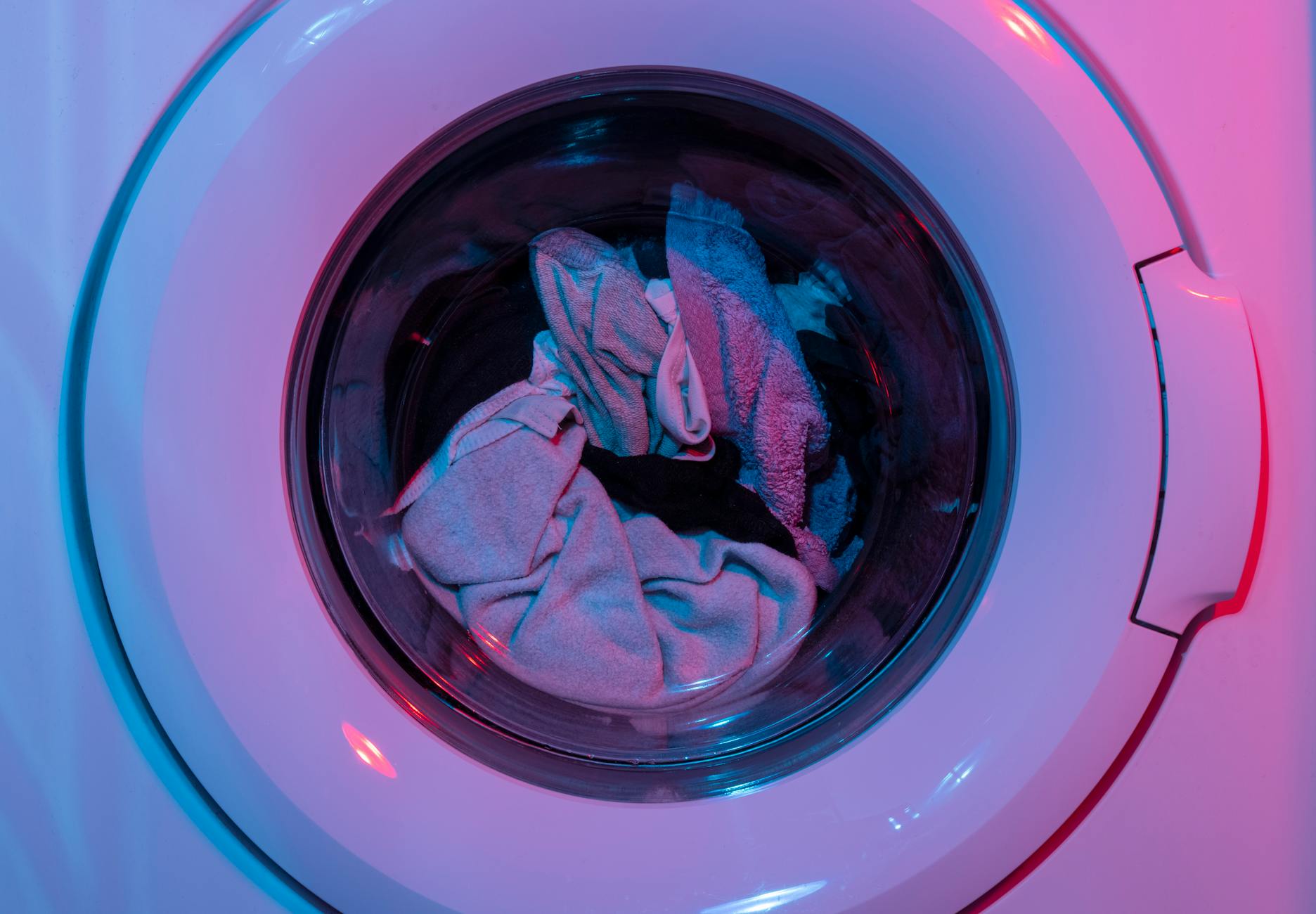
The damp interior of a washing machine drum is an ideal environment for mold and mildew growth. Front-loading machines are especially prone to developing mold around the rubber door seal, which can transfer onto clothing during wash cycles. Wearing mold-contaminated clothing keeps allergens in direct contact with the skin throughout the day. Leaving the machine door open between cycles allows moisture to evaporate and slows biological growth. Running a monthly cleaning cycle with a specialist washing machine cleaner removes built-up residue effectively.
Air Conditioner

Air conditioning units circulate air through filters that collect dust, mold, and pollen over time. When filters are not cleaned or replaced regularly, the unit redistributes concentrated allergens throughout every room it serves. The internal coils and drip trays of air conditioners are also prone to mold growth in humid conditions. A dirty unit can dramatically worsen indoor air quality while giving the false impression of a clean environment. Filters should be cleaned or replaced every one to three months depending on usage and local air quality.
Shower Curtain

Fabric and plastic shower curtains accumulate soap scum and moisture that encourage rapid mold and mildew development. The lower portion of the curtain in particular stays damp longest and harbors the highest concentration of biological growth. Mold spores released in an enclosed bathroom are easily inhaled during and after showering. Washing fabric curtains weekly and wiping plastic ones with a diluted vinegar solution helps prevent colony formation. Replacing the curtain every few months is an inexpensive way to maintain a cleaner bathroom environment.
Pet Bed
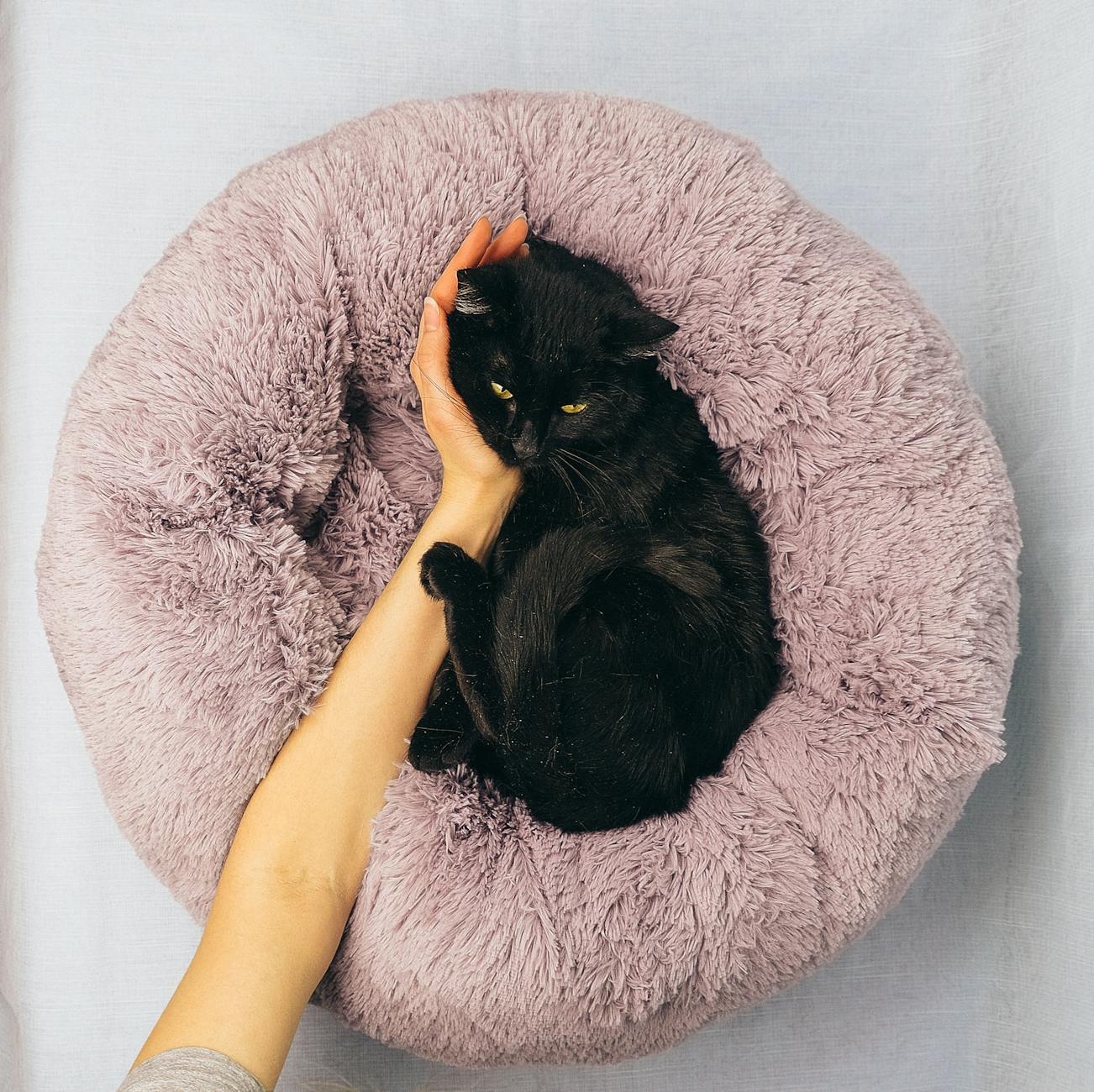
A pet bed concentrates dander, saliva proteins, and fur in a single location that is rarely cleaned as frequently as human bedding. These materials are among the most potent allergen sources associated with companion animals. Even people who are not severely allergic to pets may react to the dense accumulation found in a pet sleeping area. Washing pet bedding weekly in hot water and vacuuming the surrounding floor area reduces the overall allergen burden. Keeping pet beds out of bedrooms is particularly beneficial for those who experience nighttime allergy symptoms.
Bookshelves

Books and the shelves that hold them are classic dust collectors that are easy to overlook during routine cleaning. The horizontal surfaces of shelves accumulate fine particulate matter that becomes airborne whenever books are moved or browsed. Paperback books with porous covers are particularly effective at trapping dust and mold spores over time. Closed-door bookcases significantly reduce the rate of dust accumulation compared to open shelving. Dusting shelves weekly with a damp microfiber cloth rather than a dry duster prevents particles from being redistributed into the air.
Ceiling Fan
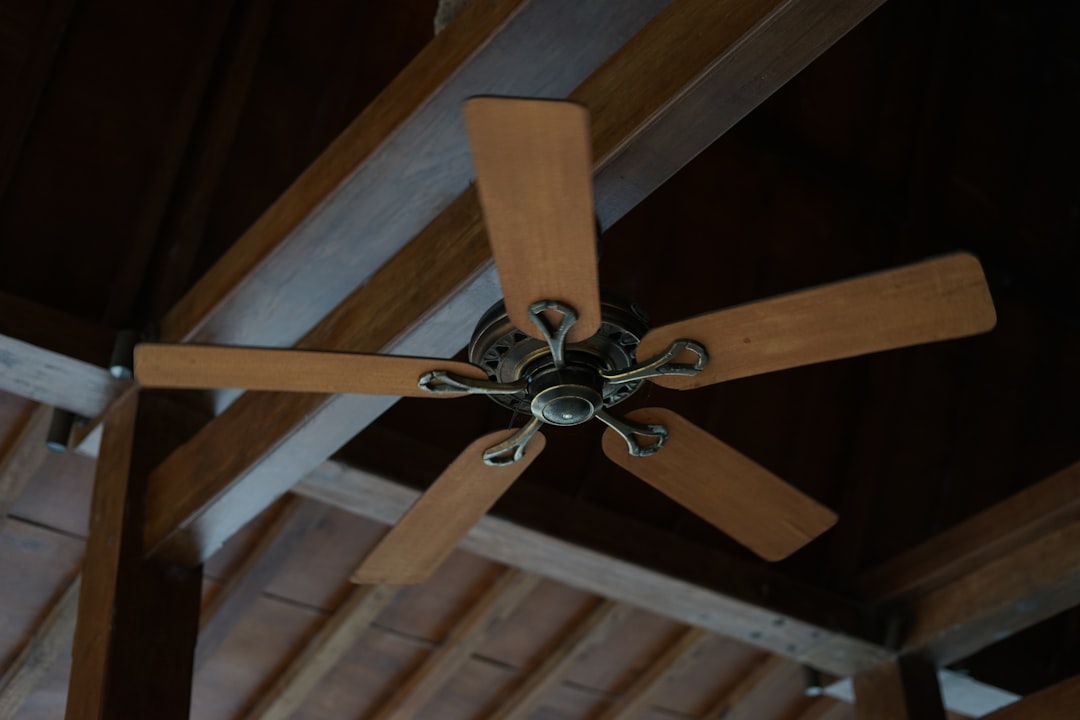
Ceiling fan blades accumulate a thick layer of dust on their upper surfaces that is invisible from floor level. Each time the fan is switched on after a period of inactivity, that dust is launched into the breathing zone of everyone in the room. A single neglected fan can spread allergens throughout a space within minutes of operation. Wiping fan blades with a damp cloth at least once a month prevents this sudden release of particles. Using an extendable microfiber duster makes the task easier and reduces the need for climbing furniture or ladders.
Doormat

Doormats trap pollen, mold spores, pesticides, and outdoor particulates that would otherwise be carried directly into the home on footwear. Without regular cleaning, a doormat itself becomes a concentrated source of outdoor allergens positioned at the home’s most-used entrance. Shaking out or vacuuming the mat outdoors at least twice a week removes the buildup before it migrates inside. Natural fiber mats tend to harbor mold more readily than synthetic rubber alternatives in wet climates. Having a no-shoes policy indoors is a complementary measure that dramatically reduces allergen transfer throughout the home.
Foam Pillows
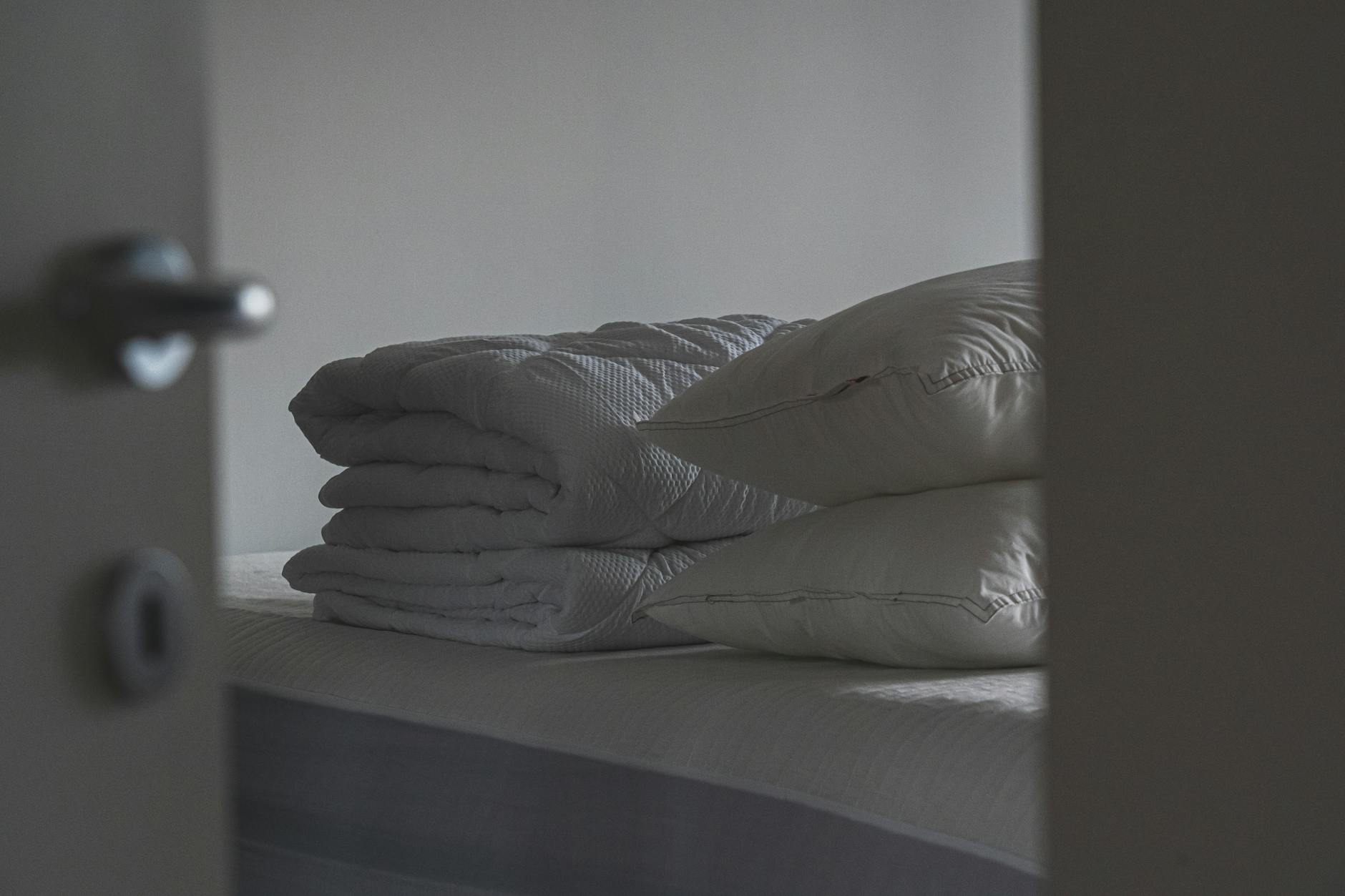
Memory foam and synthetic foam pillows develop mold and dust mite populations at rates comparable to traditional pillows. Their dense structure makes it difficult for moisture from perspiration to evaporate fully, creating a favorable environment for biological growth. Pillow protectors add a washable barrier between the sleeper and the allergen-laden material inside. Washing pillow protectors weekly alongside pillowcases significantly reduces nighttime allergen exposure. Foam pillows should be replaced every one to two years even with consistent protective measures in place.
Upholstered Furniture
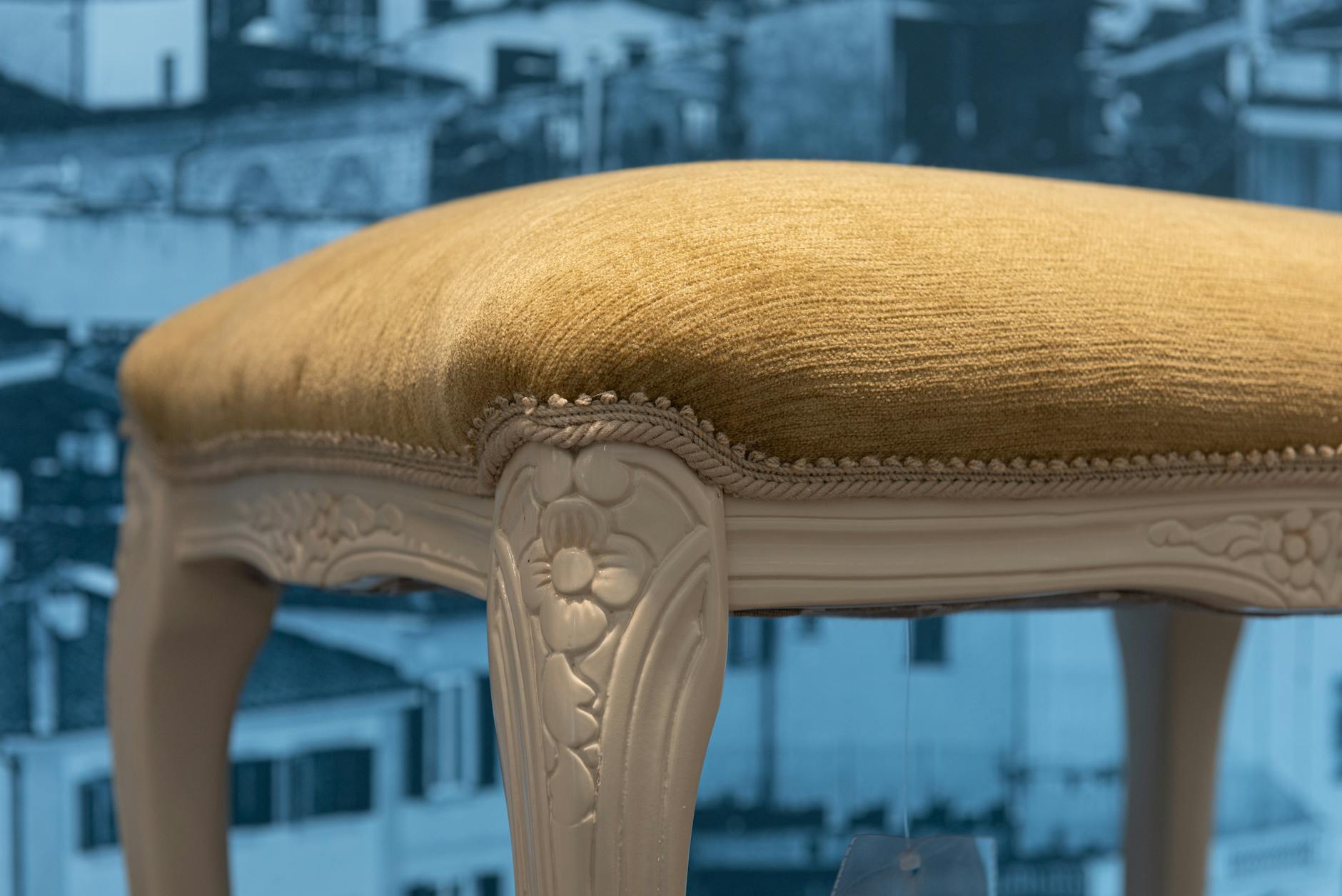
Sofas and armchairs made with fabric upholstery trap dust mites, pet dander, and skin cell particles deep within their cushions and seams. People spend significant daily time in close contact with upholstered furniture, making it a high-exposure allergen source. Vacuuming cushions and frames weekly with an upholstery attachment helps reduce surface accumulation. Steam cleaning the fabric two to four times a year penetrates deeper layers where vacuuming cannot reach. Choosing leather or faux leather upholstery eliminates most of the fiber-related allergen trapping associated with fabric alternatives.
Humidifier
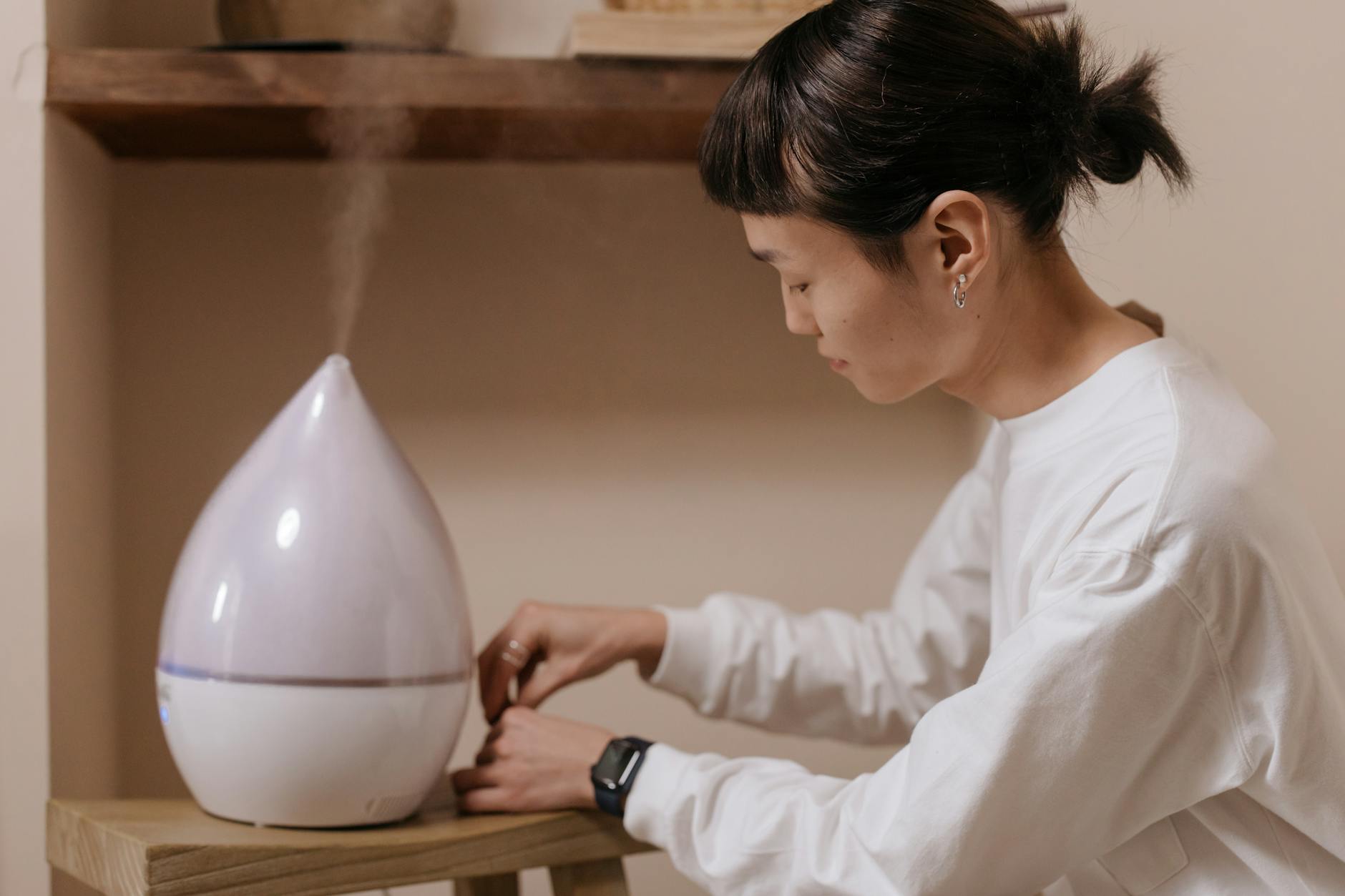
Humidifiers improve comfort in dry indoor environments but can worsen allergy symptoms when not maintained correctly. Standing water inside the reservoir becomes a breeding ground for mold, bacteria, and mineral deposits within days of use. When the unit runs, these biological contaminants are dispersed into the air in fine water droplets. Cleaning the tank daily with a vinegar solution and replacing the water before each use prevents microbial growth. Using distilled or demineralized water further reduces the mineral residue that accumulates on internal components.
Kitchen Sponge

Kitchen sponges retain moisture between uses and rapidly develop bacterial and mold colonies within their porous structure. The act of wiping surfaces with a contaminated sponge spreads biological material across countertops, handles, and appliances. Mold spores transferred onto food preparation surfaces can become airborne during cooking and are inhaled by household members. Microwaving a damp sponge for one minute or soaking it in a diluted bleach solution between uses reduces the microbial load significantly. Replacing kitchen sponges every week is the most reliable way to prevent them from becoming an indoor allergen source.
Garage
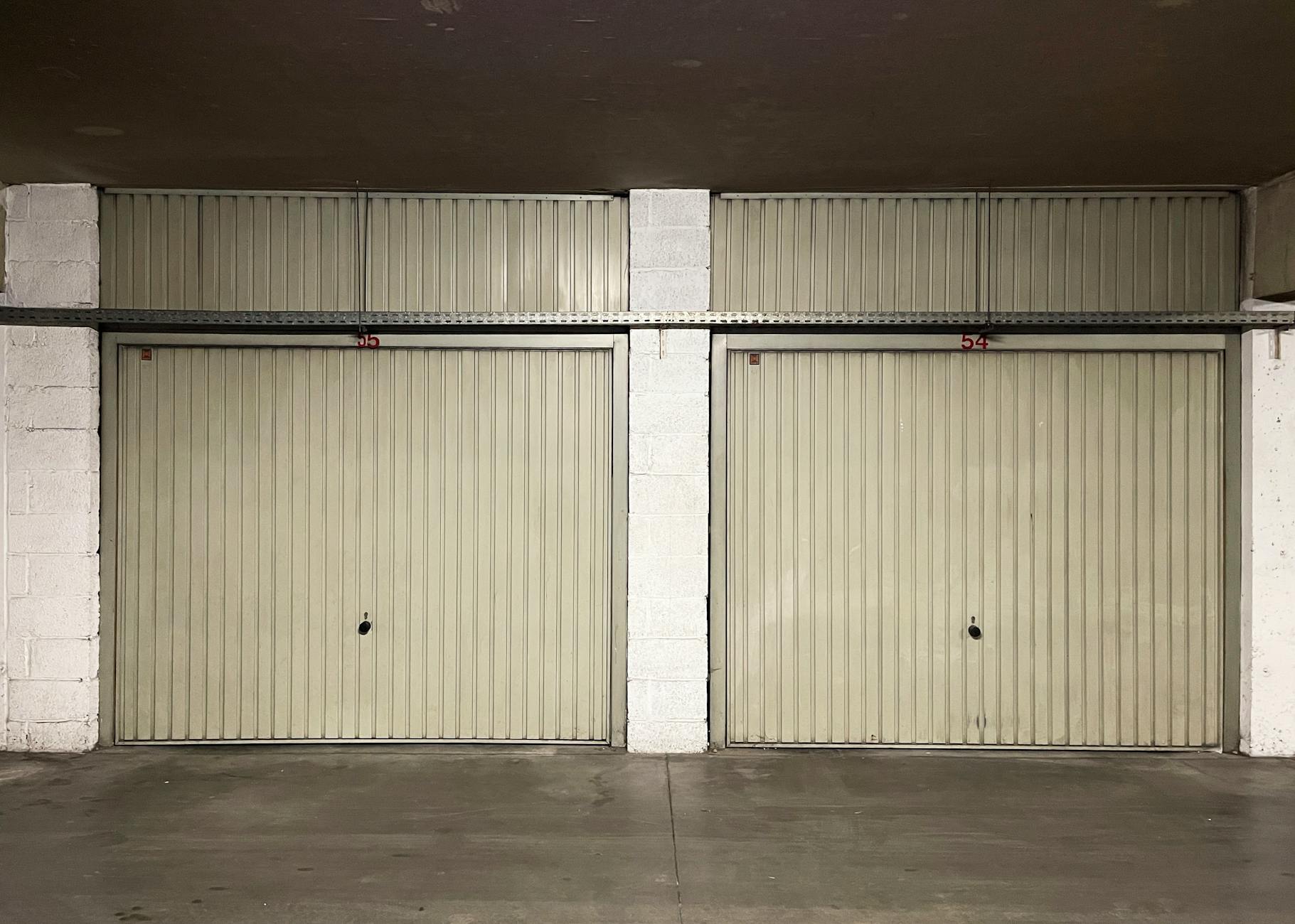
Attached garages introduce a high concentration of allergens into the home through the connecting interior door. Stored items such as old boxes, tools, and seasonal equipment collect dust and mold over extended periods of low-traffic storage. Vehicle exhaust fumes and chemical products like paints and solvents off-gas volatile compounds into the air that can pass through into living spaces. Weatherstripping the door between the garage and home interior and using a threshold seal reduces this transfer significantly. Keeping the garage organized and dry with good ventilation is essential for minimizing its impact on indoor air quality.
Dryer Vent
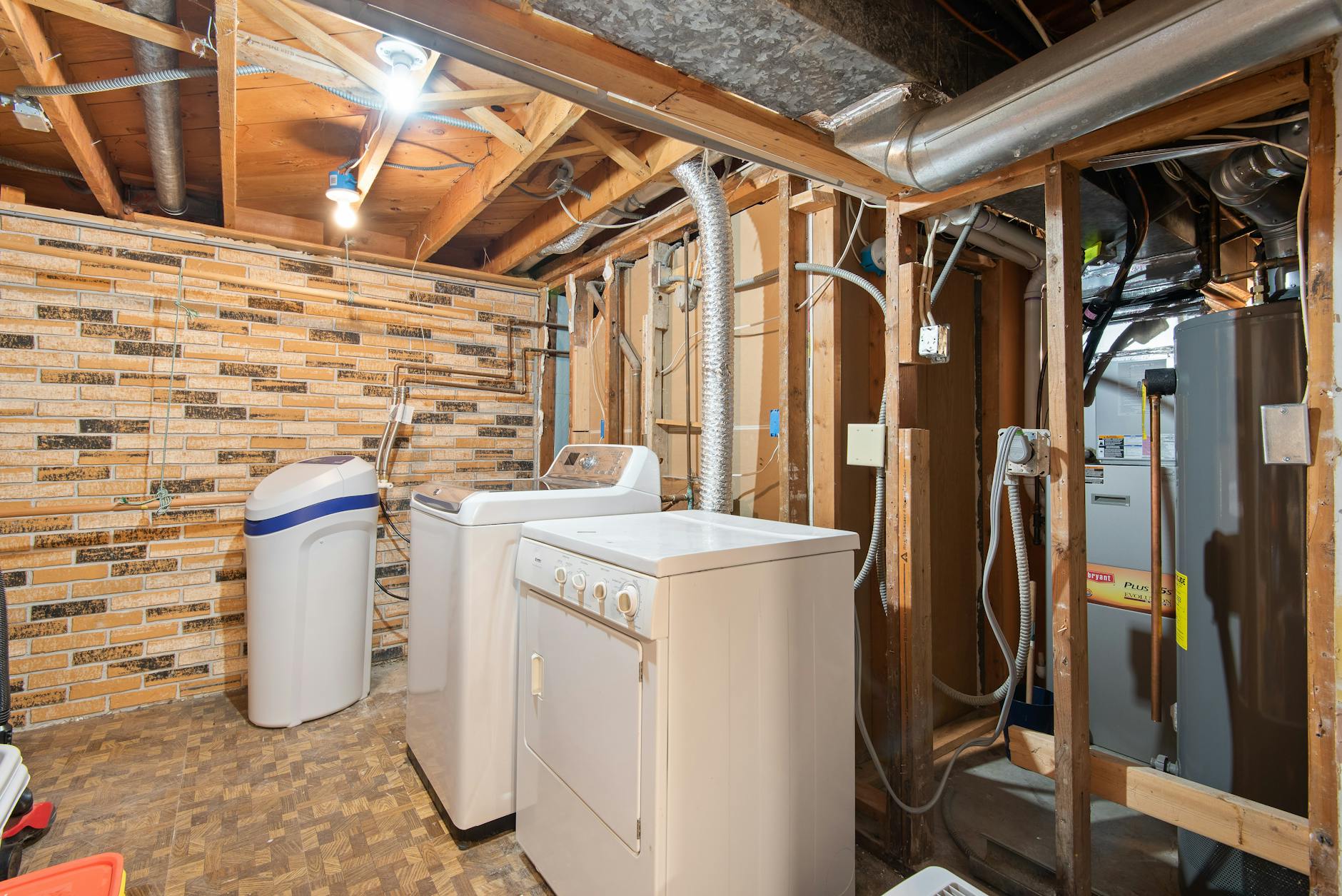
A clogged or poorly maintained dryer vent traps lint, moisture, and mold in the ducting that connects the appliance to the exterior of the home. When airflow is restricted, humid air backs up into the laundry area and creates ideal conditions for mold growth. Mold established in the vent system can release spores into the surrounding room during every drying cycle. Cleaning the exterior vent cap and the full length of the ducting at least once a year removes accumulated lint and biological material. A professional dryer vent cleaning service is recommended for longer or more complex duct configurations.
Indoor Paints
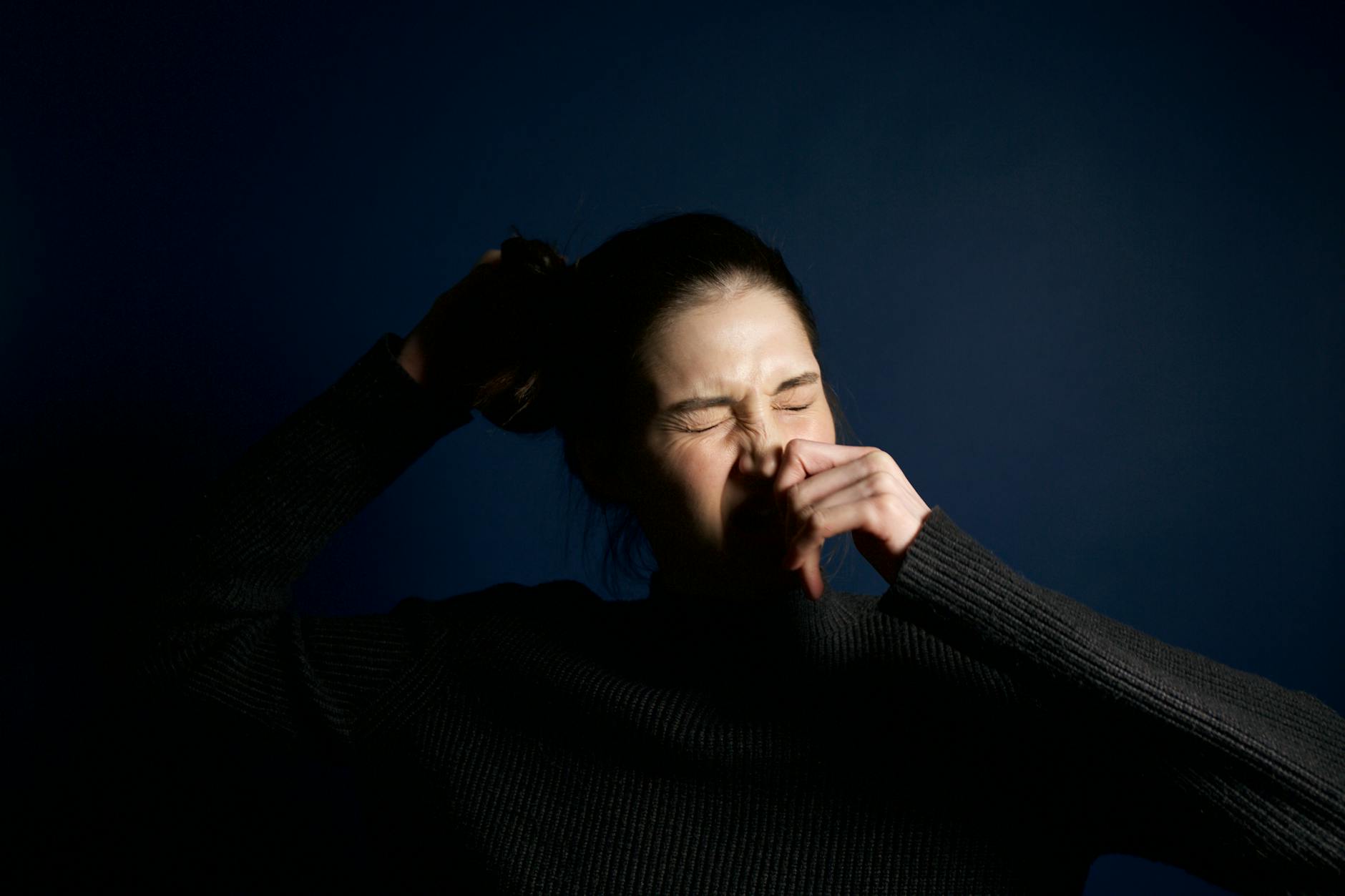
Conventional interior wall paints release volatile organic compounds for weeks or even months after application. These airborne chemical compounds irritate the mucous membranes of the eyes, nose, and throat and can trigger or worsen allergy and asthma symptoms. Newly painted rooms are significantly higher risk, but off-gassing continues at lower levels long after the paint appears fully dry. Choosing low-VOC or zero-VOC paint formulations substantially reduces chemical emissions during and after application. Ventilating freshly painted spaces thoroughly for several days by opening windows and using fans accelerates the dissipation of residual compounds.
Vacuum Cleaner
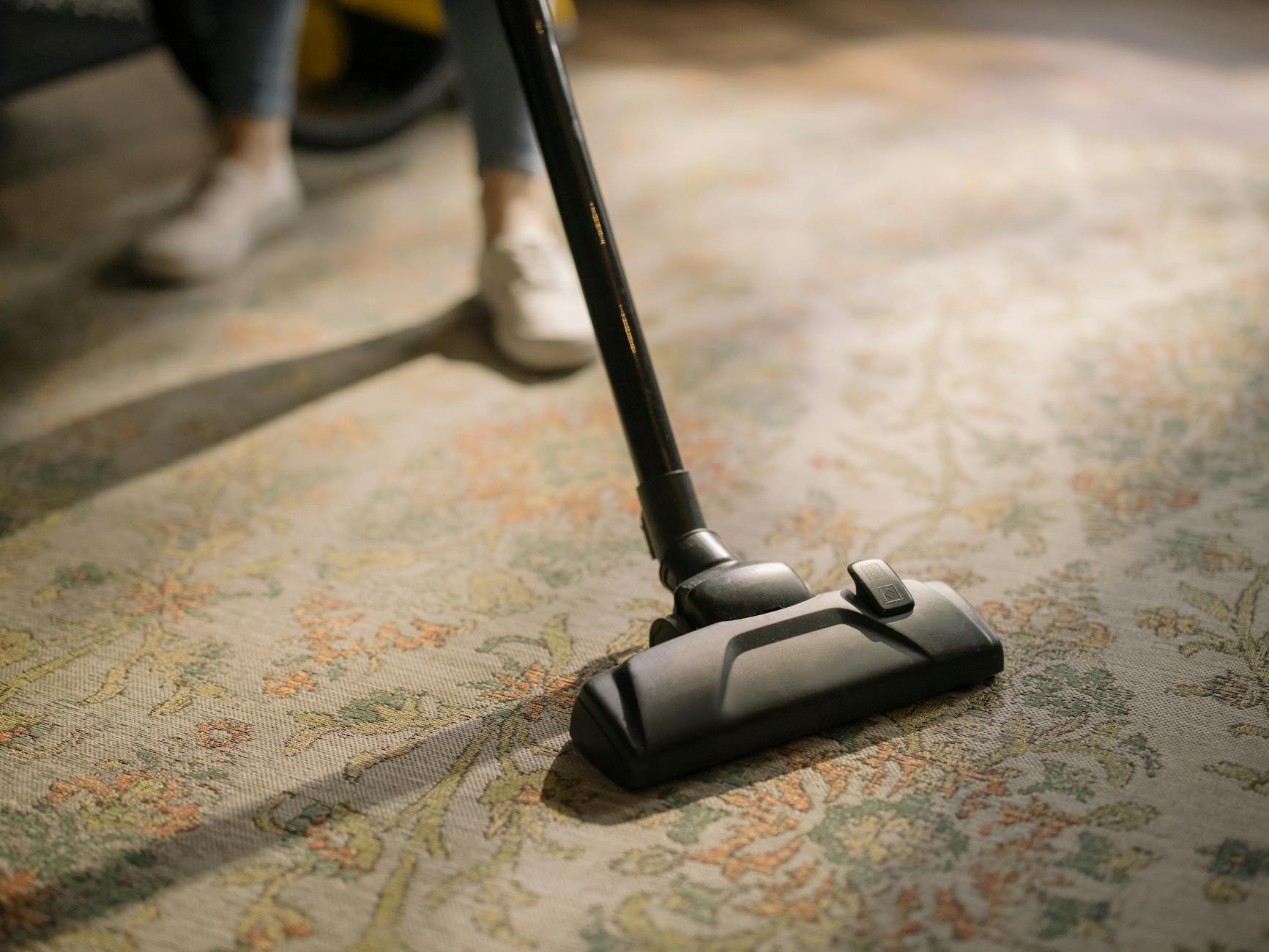
A vacuum cleaner without an adequate filtration system captures allergens from floors and surfaces but exhausts fine particles back into the surrounding air. Standard bag and bagless models can redistribute dust mite waste, pollen, and dander through their exhaust during operation. This means that vacuuming can temporarily increase airborne allergen concentrations in a room rather than reducing them. Using a vacuum fitted with a certified HEPA filter traps particles as small as 0.3 microns and prevents re-emission. Emptying the dustbin or changing the bag outdoors and replacing HEPA filters on schedule maintains the machine’s effectiveness over time.
If any of these allergen sources have surprised you or if you have found your own unexpected triggers at home, share your experience in the comments.




