Eating out should be a straightforward and satisfying experience, but it can quickly turn frustrating when the bill arrives and the numbers feel far too high for what landed on the table. Restaurants use a surprising range of subtle strategies to inflate the cost of simple dishes that could be prepared at home for a fraction of the price. Knowing what to look for before you even place an order can save real money and help you make smarter dining decisions. These are the clearest signs that a restaurant is charging you far more than a basic meal is worth.
The Menu

A menu without printed prices is one of the most immediate warning signs that a dining establishment prioritizes profit over transparency. When guests cannot see costs upfront, they are far more likely to order freely and experience sticker shock when the bill arrives. This tactic is especially common at restaurants that bank heavily on atmosphere and ambiance to distract from inflated pricing. A straightforward eatery serving basic food has no genuine reason to hide what it charges.
Bread Charge
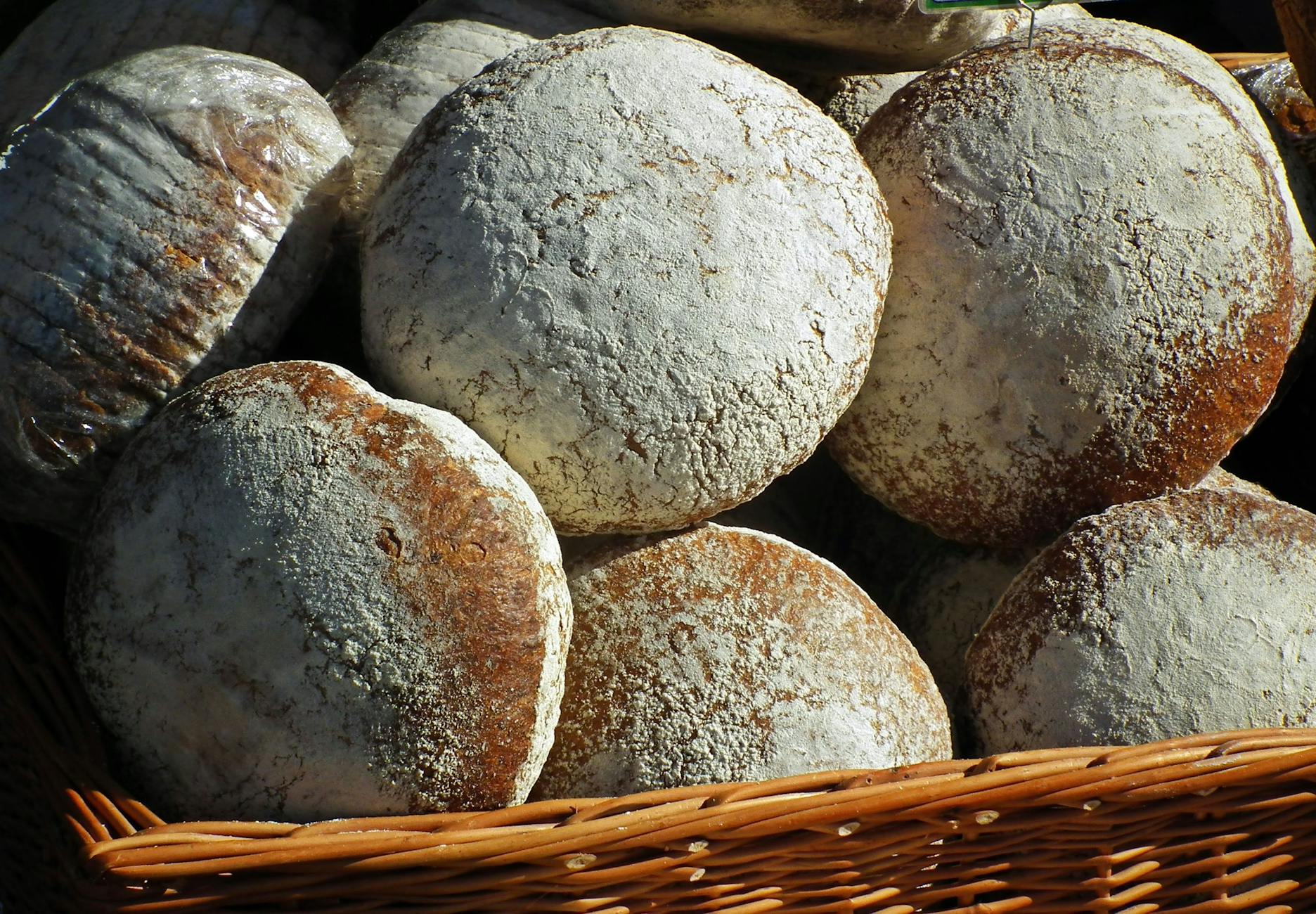
Charging separately for bread or a simple basket of rolls that arrives before the meal is a reliable indicator of a restaurant with aggressive pricing practices. In many casual dining cultures, bread service is considered a complimentary gesture rather than a revenue stream. When a restaurant itemizes this addition on the final bill without any prior warning, it reveals a tendency to monetize every small touchpoint of the dining experience. Guests who do not scrutinize their receipts often miss this small but telling charge entirely.
Portion Size
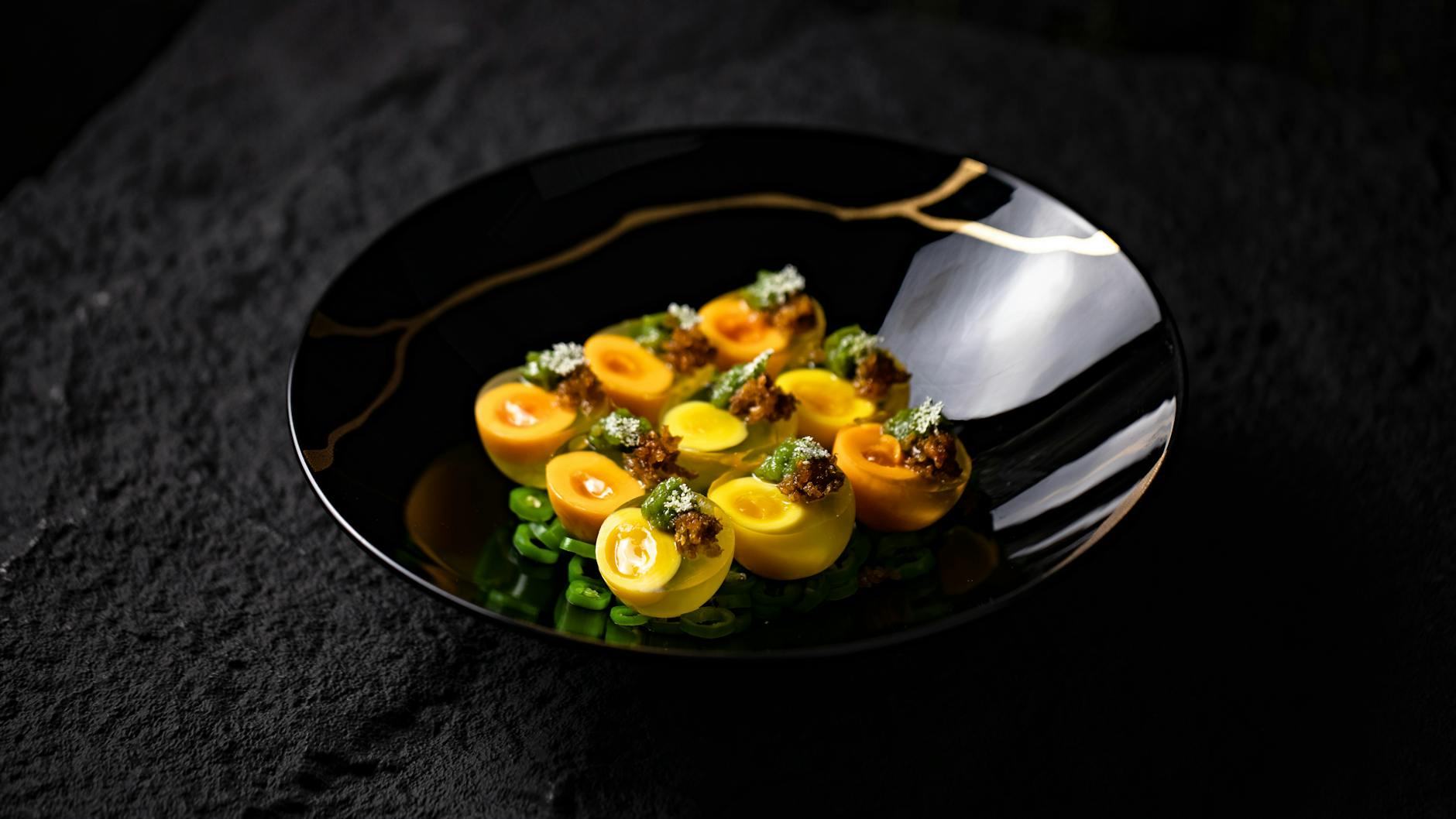
Receiving a visually sparse plate for a dish that carries a premium price tag is one of the most common complaints among diners who feel overcharged. While fine dining establishments deliberately use smaller portions as part of an artful presentation, the same approach in a casual setting is a meaningful red flag. When the quantity of food on the plate does not reasonably justify the listed price, the value equation simply does not balance. Comparing what arrives at the table against what similar dishes cost elsewhere is a useful and practical benchmark.
Market Price
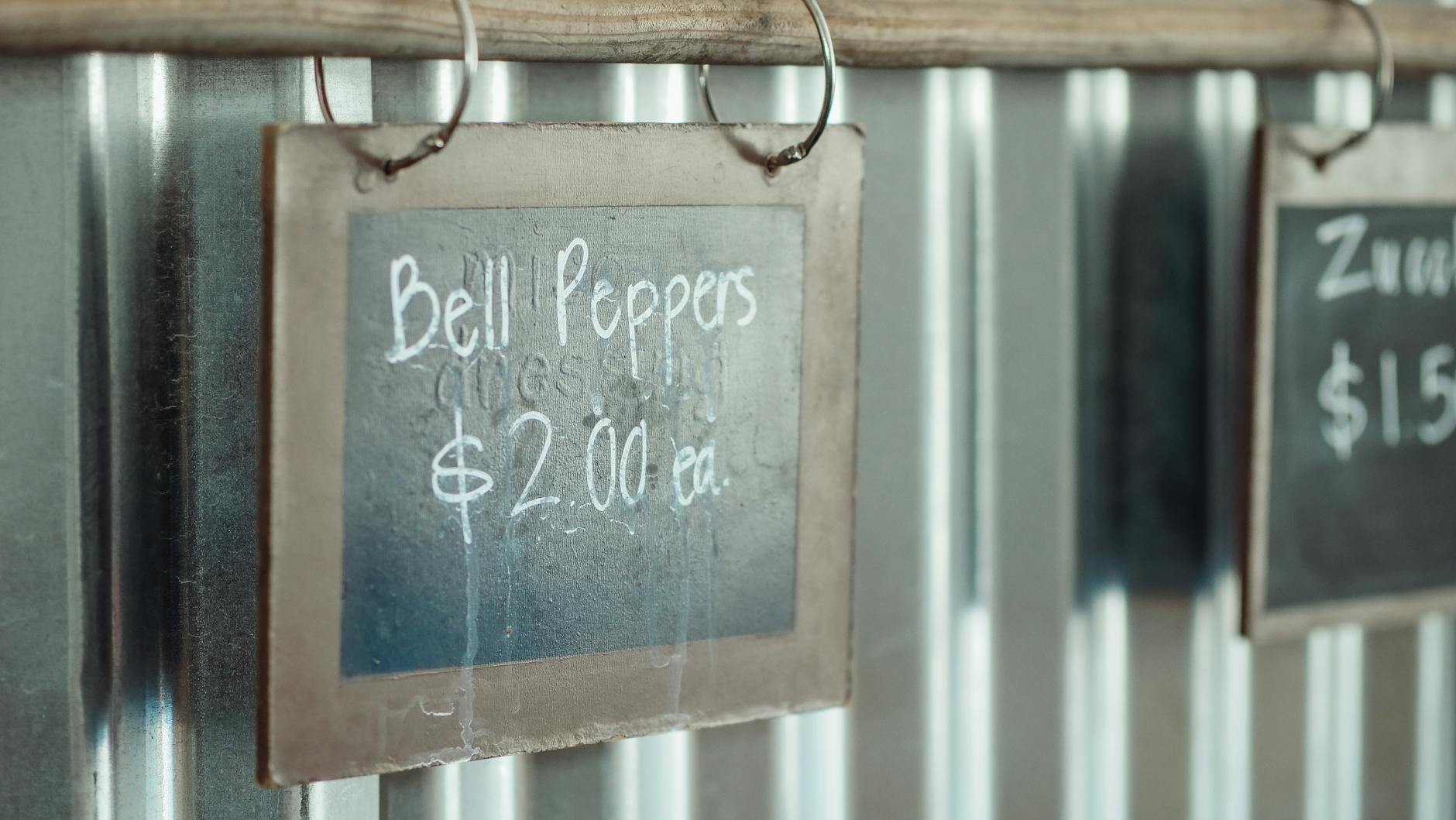
The phrase “market price” next to a menu item gives restaurants enormous flexibility to charge whatever they choose on any given day. While this label is legitimate for highly seasonal seafood and certain fresh ingredients, it is frequently applied to items that carry a relatively stable wholesale cost. Diners who ask a server for the current price before ordering are often met with hesitation or an answer that feels rehearsed rather than precise. This lack of price transparency is a deliberate tool used to maximize revenue per table.
Drink Prices
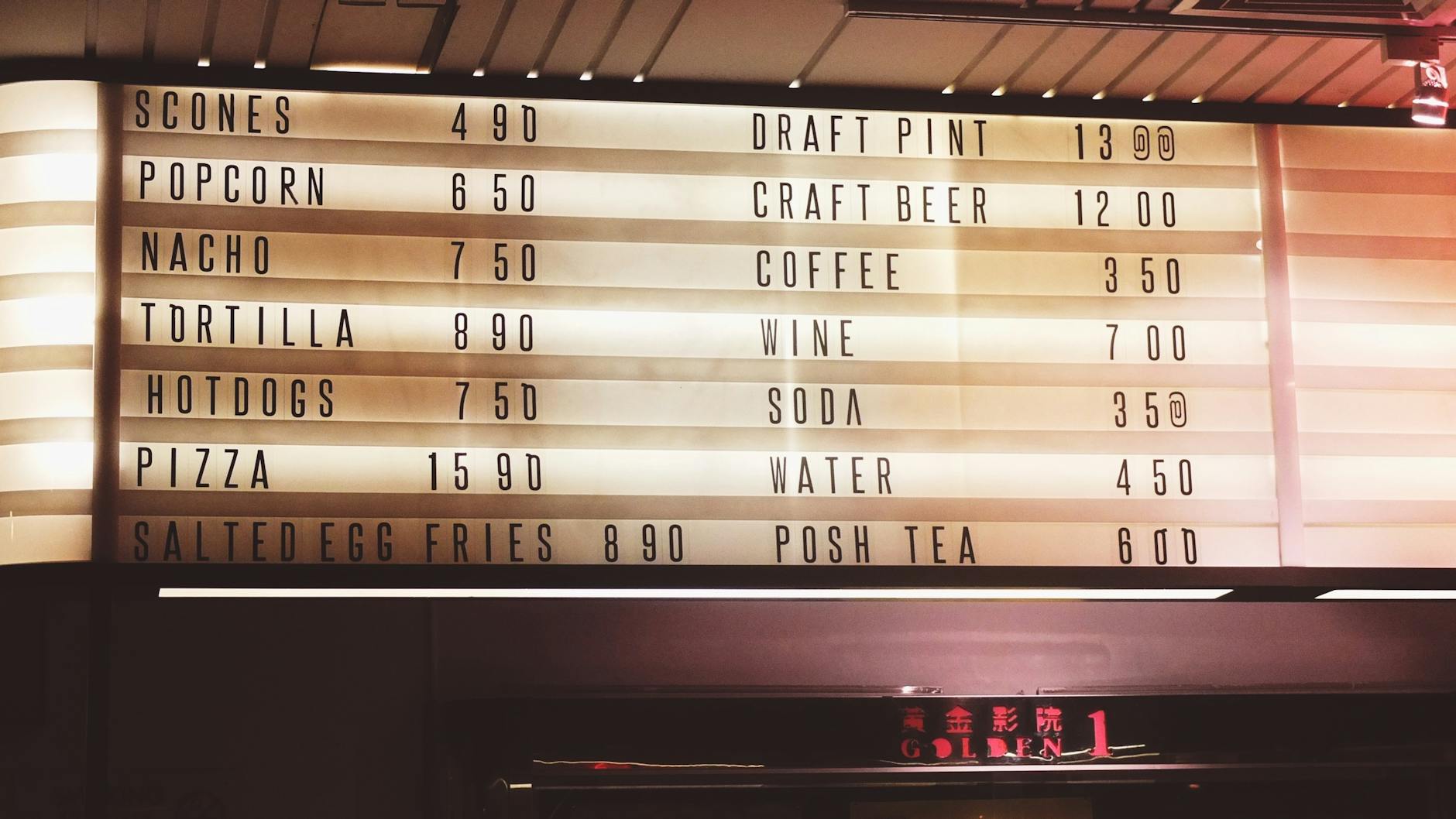
Non-alcoholic beverages such as sparkling water, fresh juice, and soft drinks are frequently marked up to two or three times their retail value at restaurants that rely on drinks to boost overall revenue. A single glass of still or sparkling water appearing on the bill at several dollars is a sign that the establishment is compensating for lower food margins through beverage pricing. Specialty coffees and herbal teas are also common vehicles for padding a restaurant check beyond its reasonable value. Ordering tap water when it is available remains one of the simplest ways to avoid this particular form of overcharging.
Service Charge
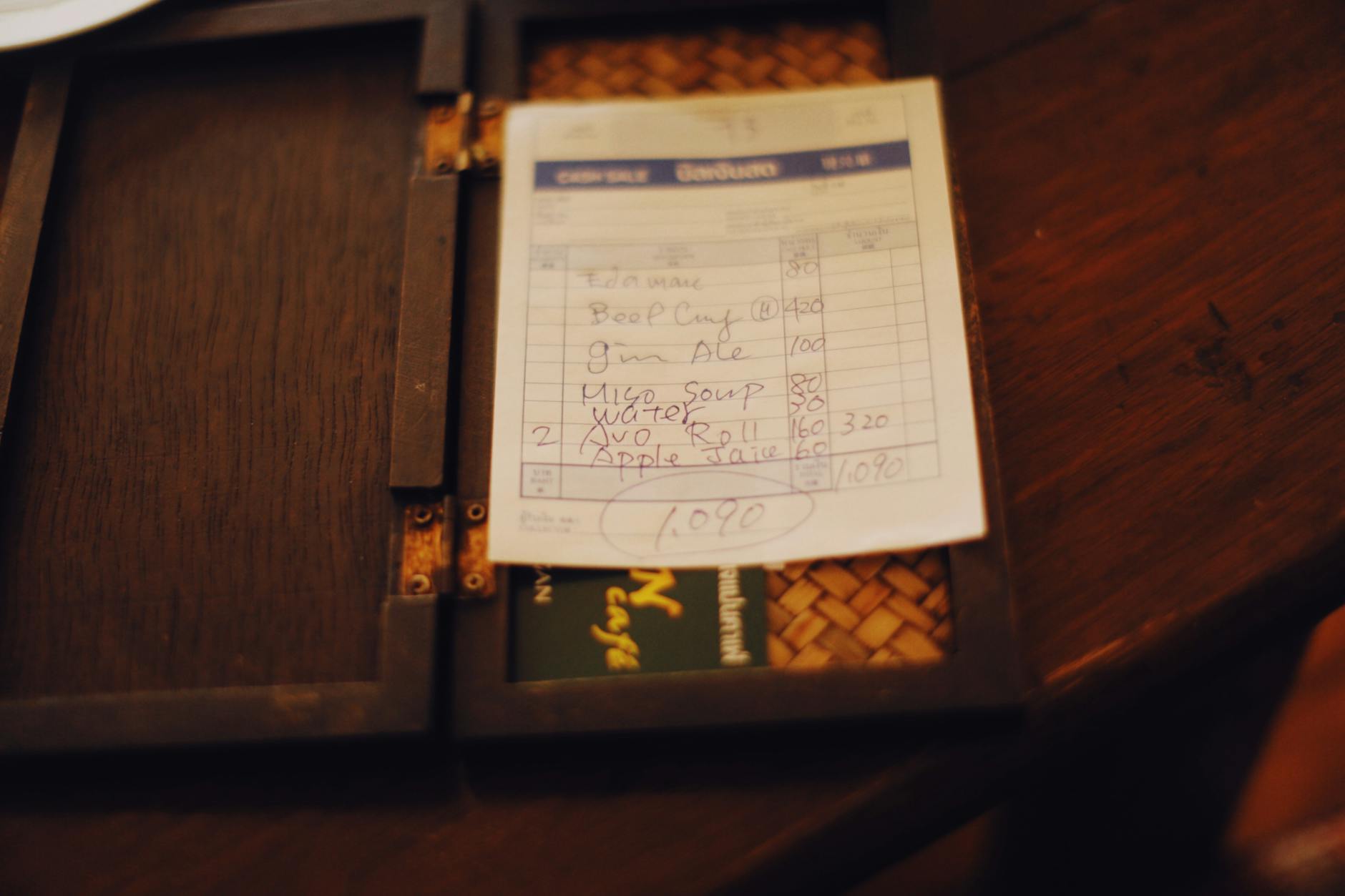
An automatically applied service charge that sits separately from a traditional tip line is increasingly common and often goes completely unnoticed by diners focused on the food total. Some restaurants apply these charges at rates of fifteen to twenty-two percent without making them prominently visible anywhere on the menu. When this charge is added on top of a bill that already feels high for a basic meal, the overall cost becomes significantly disconnected from the actual dining experience. Guests have every right to ask for clear clarification on any mandatory charge before completing payment.
Vague Descriptions
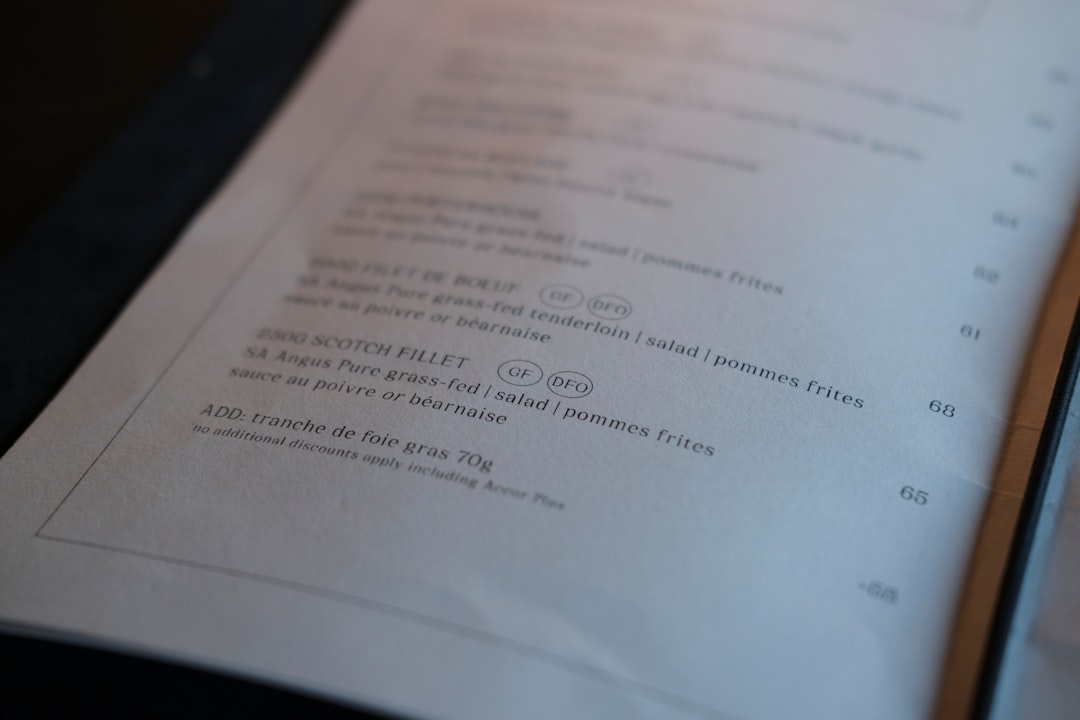
Menu items described in overly flowery or abstract language often use that language to obscure the fundamental simplicity of what is actually being served. A dish listed as “artisan grain bowl with seasonal foliage and house reduction” may turn out to be a basic rice bowl with salad and a drizzle of sauce. The gap between the elaborate description and the straightforward reality of the dish is frequently reflected in an unjustifiably high price. Clear and honest menus that describe ingredients plainly are far more likely to deliver genuine value to the diner.
Prime Location
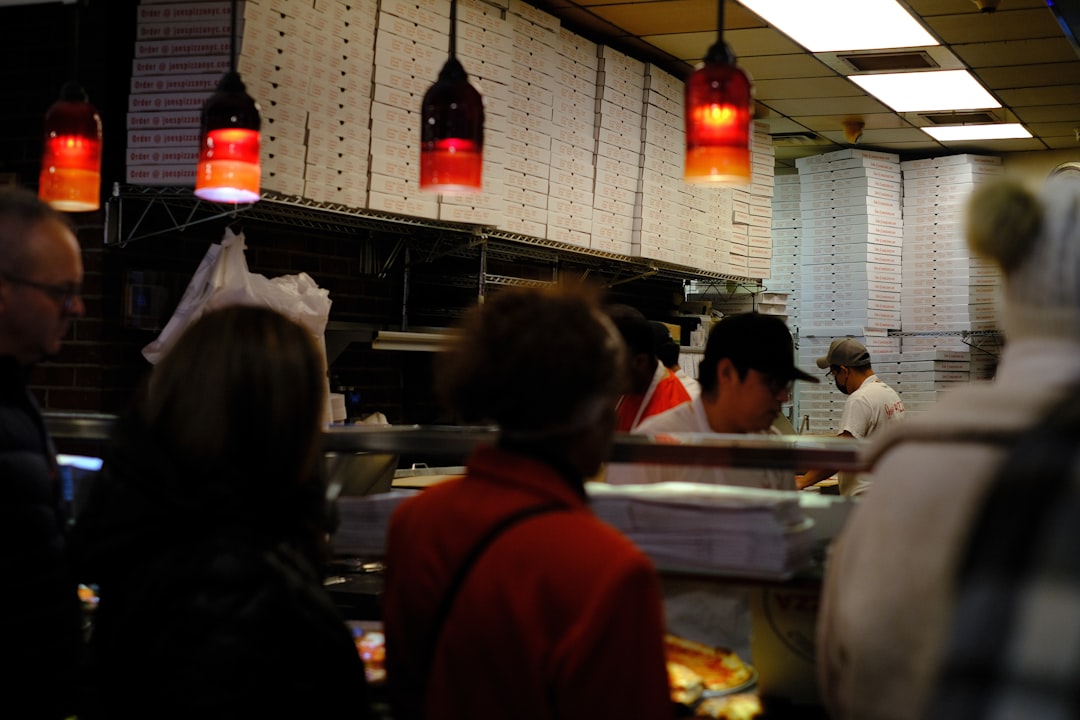
A restaurant situated in a high-traffic tourist area, an airport, or a busy transport hub almost always charges significantly more for the same food available just a few streets away. This location premium is built into every item on the menu and rarely reflects any meaningful improvement in food quality or service. A basic sandwich or pasta dish can cost twice as much in a landmark location compared to a neighborhood equivalent. Choosing to walk even a short distance from the most heavily trafficked zones can lead to noticeably better value.
Fancy Plating
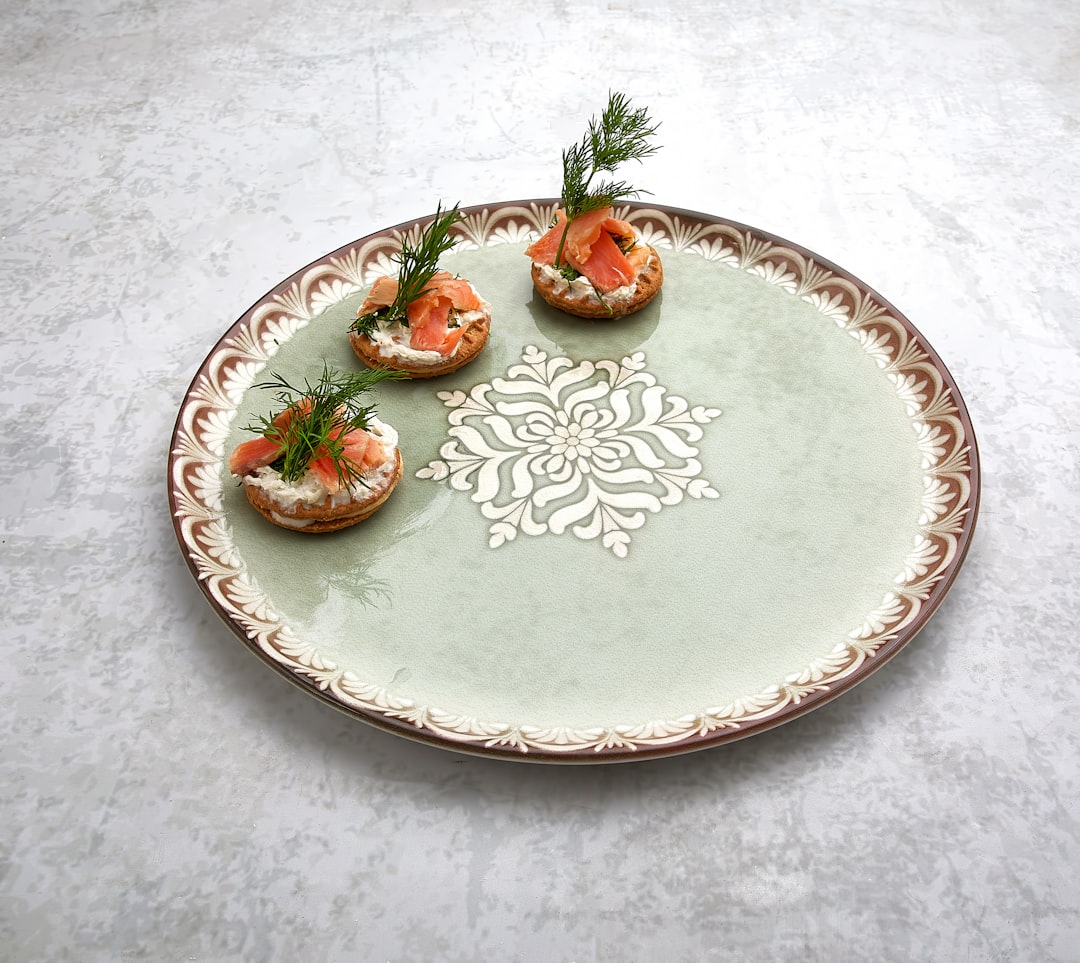
Elaborate plate presentation involving decorative smears, towering arrangements, and edible flowers is a restaurant technique that adds perceived value without increasing the nutritional or culinary substance of the dish. When a simple chicken breast is constructed into a visual centerpiece and priced accordingly, the extra cost reflects presentation labor rather than ingredient quality. Diners paying premium prices for a basic protein with straightforward sides deserve more than theatrical styling to justify the bill. The food itself should carry the value, not the garnish.
Hidden Fees
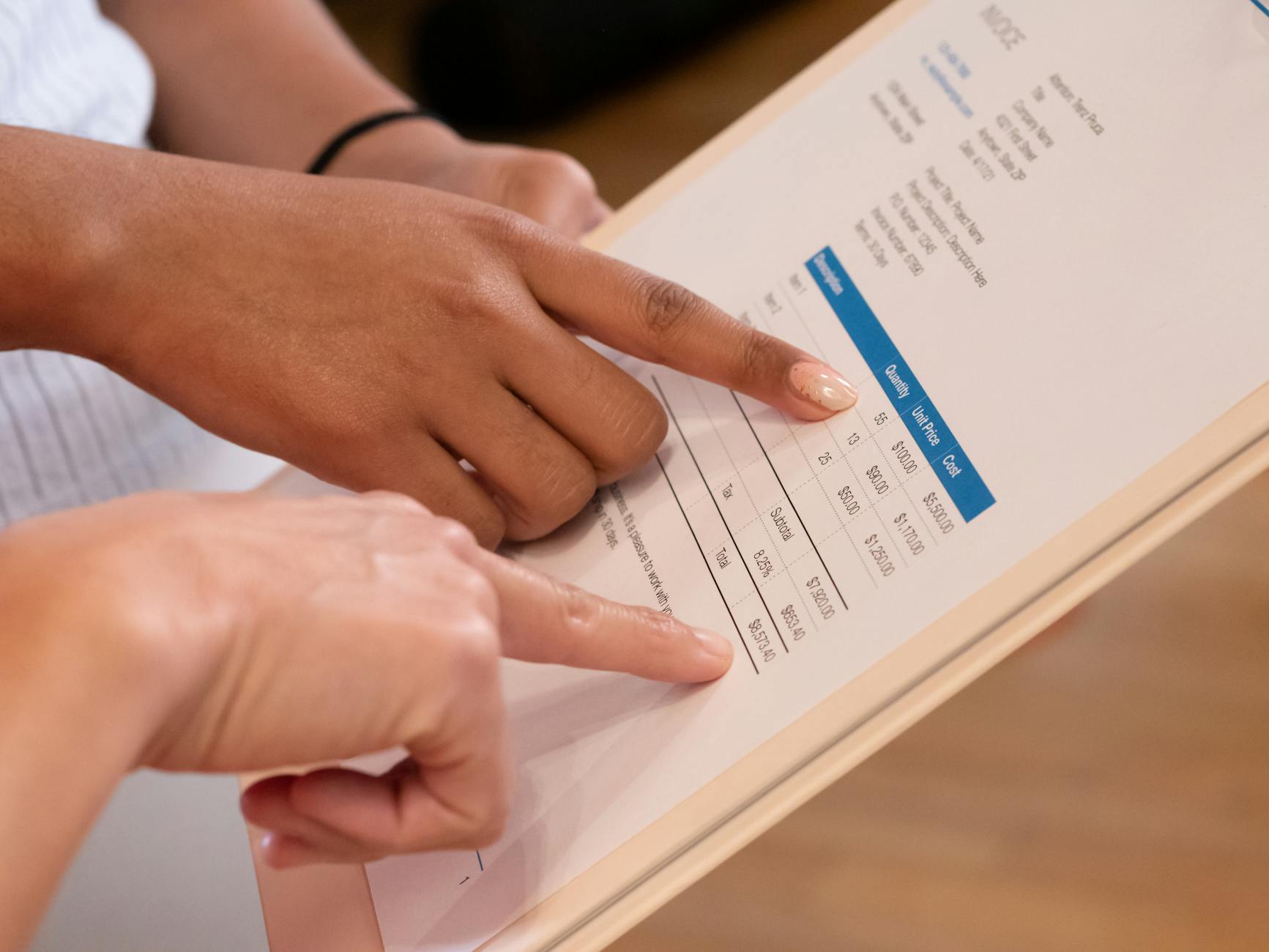
Some restaurants add charges to the final bill that were never communicated during the ordering process, including fees for splitting a dish, using a card, or requesting a simple modification. These additions may each seem minor in isolation but can collectively add a meaningful amount to what should have been a straightforward dining tab. Responsible restaurants disclose all applicable fees either on the menu or verbally through staff before any order is placed. Reviewing every line of a receipt carefully before payment is an essential habit for any diner wary of unexplained charges.
Cover Charge
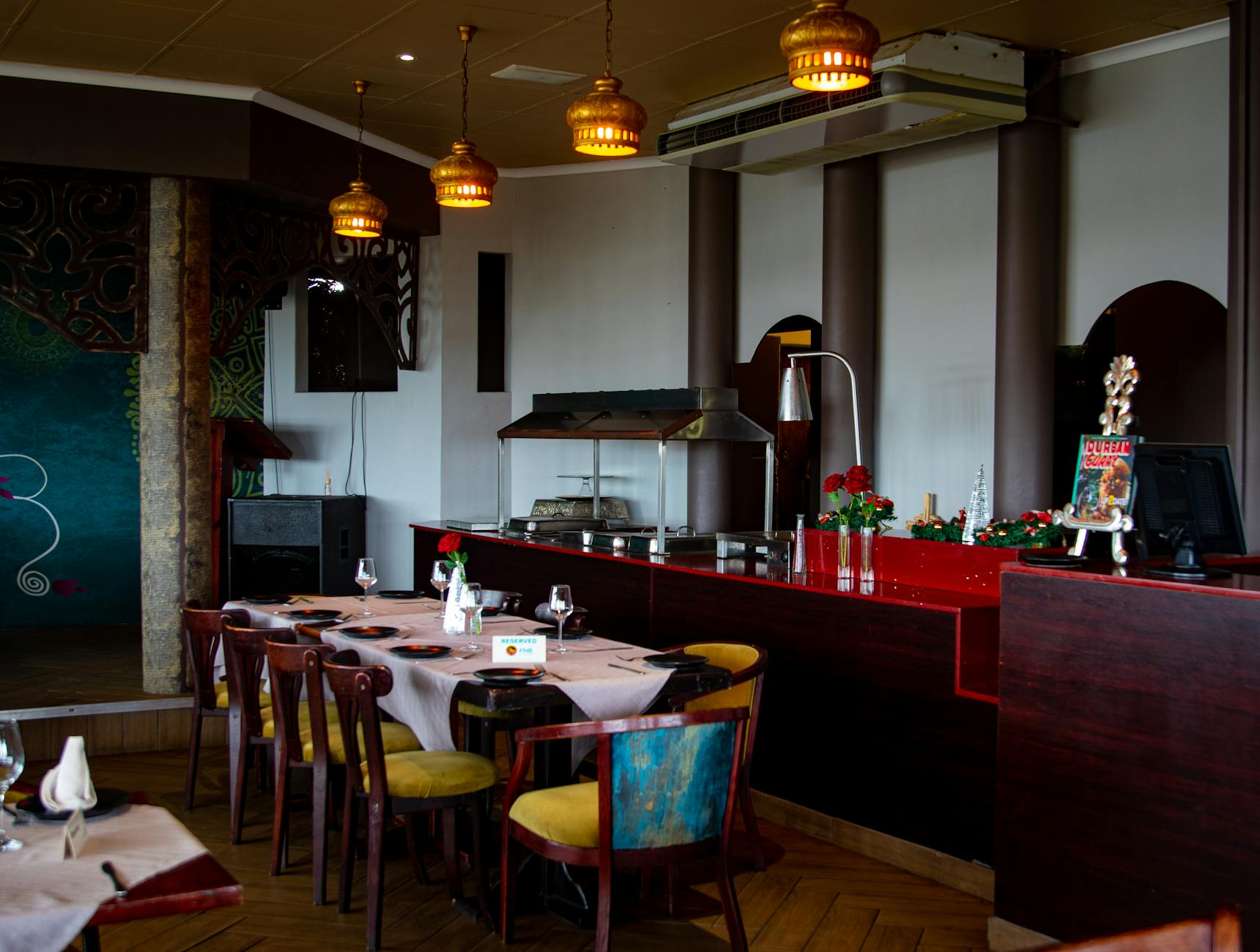
A cover charge is a fixed per-person fee applied simply for occupying a table, regardless of how much food or drink is ordered during the visit. While common in certain nightlife or entertainment venues, a cover charge at a standard restaurant serving basic meals suggests that the business model relies on extracting money beyond what the food alone can justify. This fee is sometimes framed as a “bread and cover” charge or a table service fee to make it appear more reasonable. Diners who do not read the small print on a menu can be caught completely off guard when this charge appears.
Upscale Branding
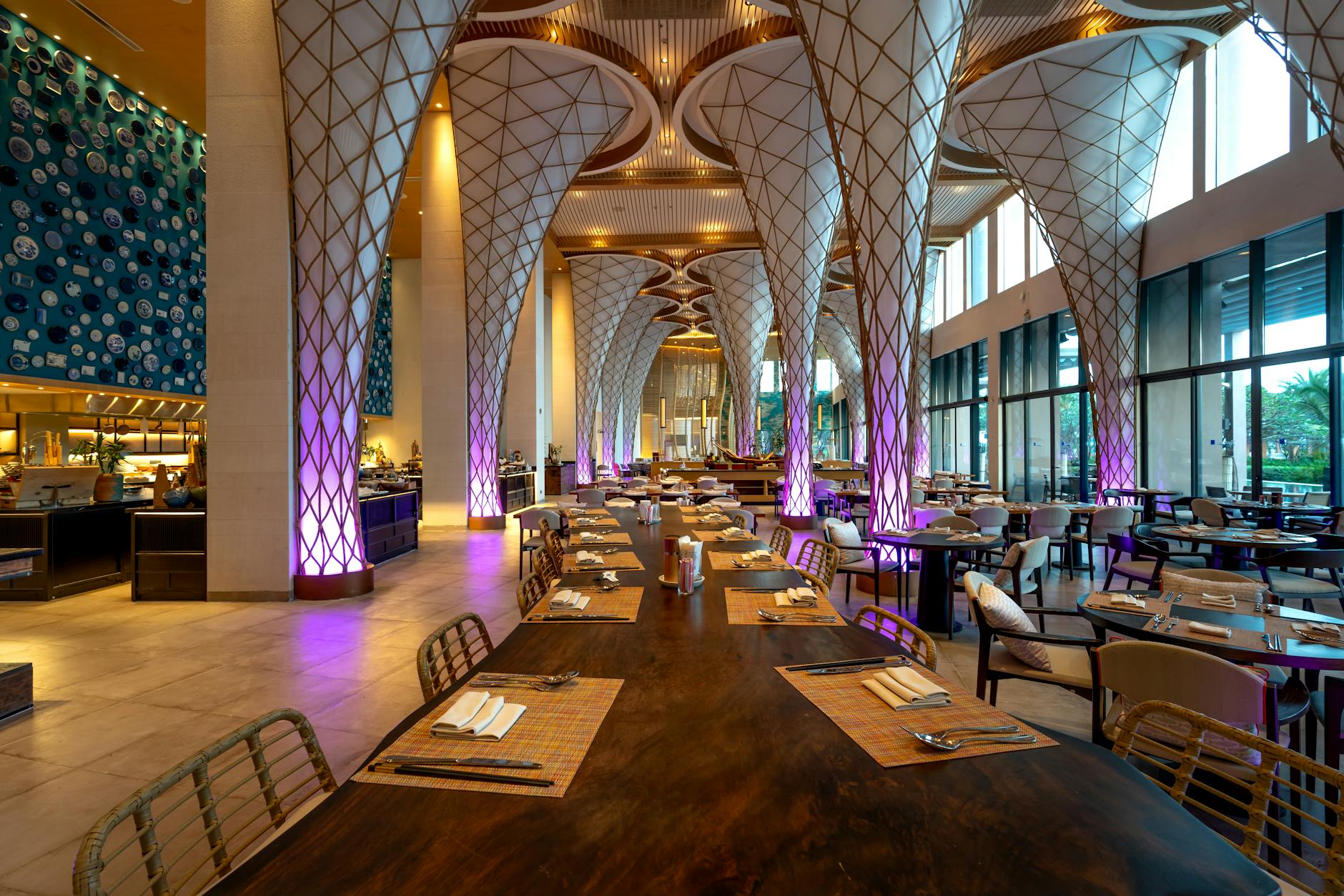
A restaurant that invests heavily in interior design, branded packaging, and a carefully curated social media presence often passes those costs directly to the customer through elevated menu prices. When the aesthetic of a space far outpaces the complexity or quality of the food being served, the pricing structure reflects brand investment rather than culinary merit. A beautifully designed room is not a sufficient reason for a basic pasta dish to cost significantly more than at a comparable neighborhood trattoria. Design and atmosphere are amenities, not substitutes for genuine food value.
Upselling Pressure

Waitstaff who consistently steer guests toward premium additions, upgraded sides, and higher-cost alternatives are often operating under management incentives tied to per-table revenue targets. While recommending specials is a perfectly normal part of good service, persistent upselling at a table that has already ordered straightforwardly is a sign that the restaurant prioritizes average check size over customer satisfaction. Guests should feel entirely comfortable declining suggestions without pressure and ordering exactly what they came in to eat. Frequent upselling is a reliable indicator that the base menu alone does not generate the margins the business requires.
Receipt Errors
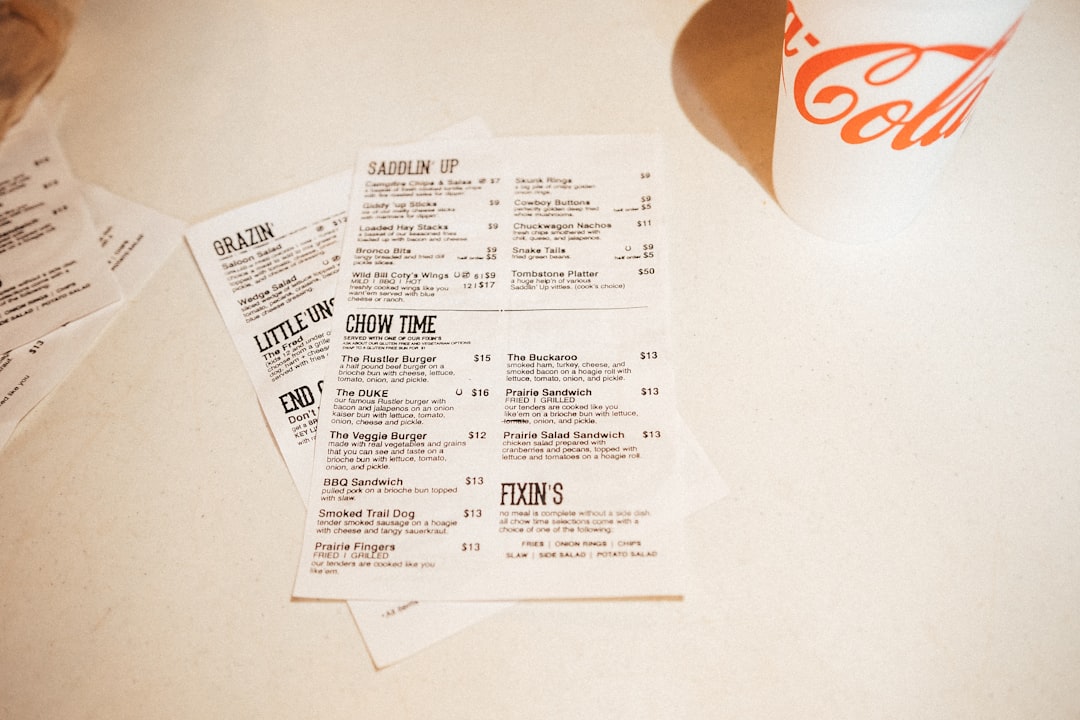
Billing errors that consistently favor the restaurant rather than the diner are not always accidental oversights. Research into restaurant receipt accuracy indicates that mistakes on bills are far more likely to result in overcharges than undercharges, pointing to systemic issues in how orders are entered and processed. Duplicate line items, incorrect quantities, and mistaken additions can go completely unnoticed by diners who trust the process without verifying. Requesting an itemized receipt and cross-referencing it against the actual order is the most reliable way to catch these discrepancies before paying.
Simple Ingredients
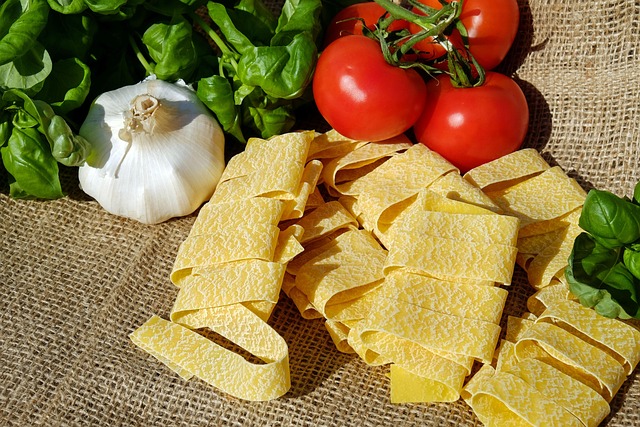
When a dish built from entirely ordinary and widely available ingredients carries a price that far exceeds comparable offerings elsewhere, the restaurant is relying on the diner’s unfamiliarity with the true cost of what is on the plate. Staple ingredients such as eggs, pasta, rice, potatoes, and common vegetables carry relatively low wholesale prices that are well established across the food industry. A significant markup on a meal made entirely from pantry basics suggests the restaurant is capitalizing on perception rather than delivering genuine culinary value. Understanding the approximate ingredient cost of a dish is a practical and empowering tool for evaluating whether a menu price is truly fair.
Have you ever spotted any of these signs at a restaurant and felt you were being overcharged? Share your experiences in the comments.




