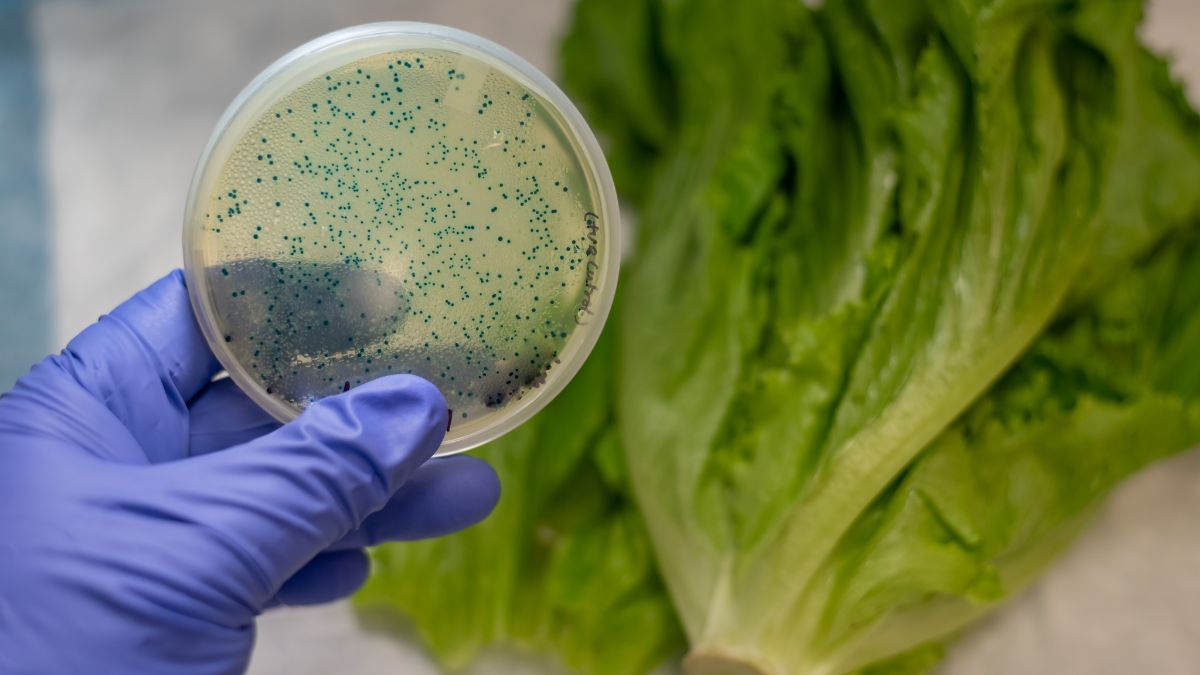
Food safety is something most people assume they have under control, yet cross-contamination is one of the most common causes of foodborne illness in home kitchens. The problem is rarely a single dramatic mistake but rather a collection of small, habitual oversights that go unnoticed day after day. Understanding where contamination hides is the first step toward protecting yourself and everyone who eats at your table. These eighteen everyday habits are worth examining closely.
Cutting Boards
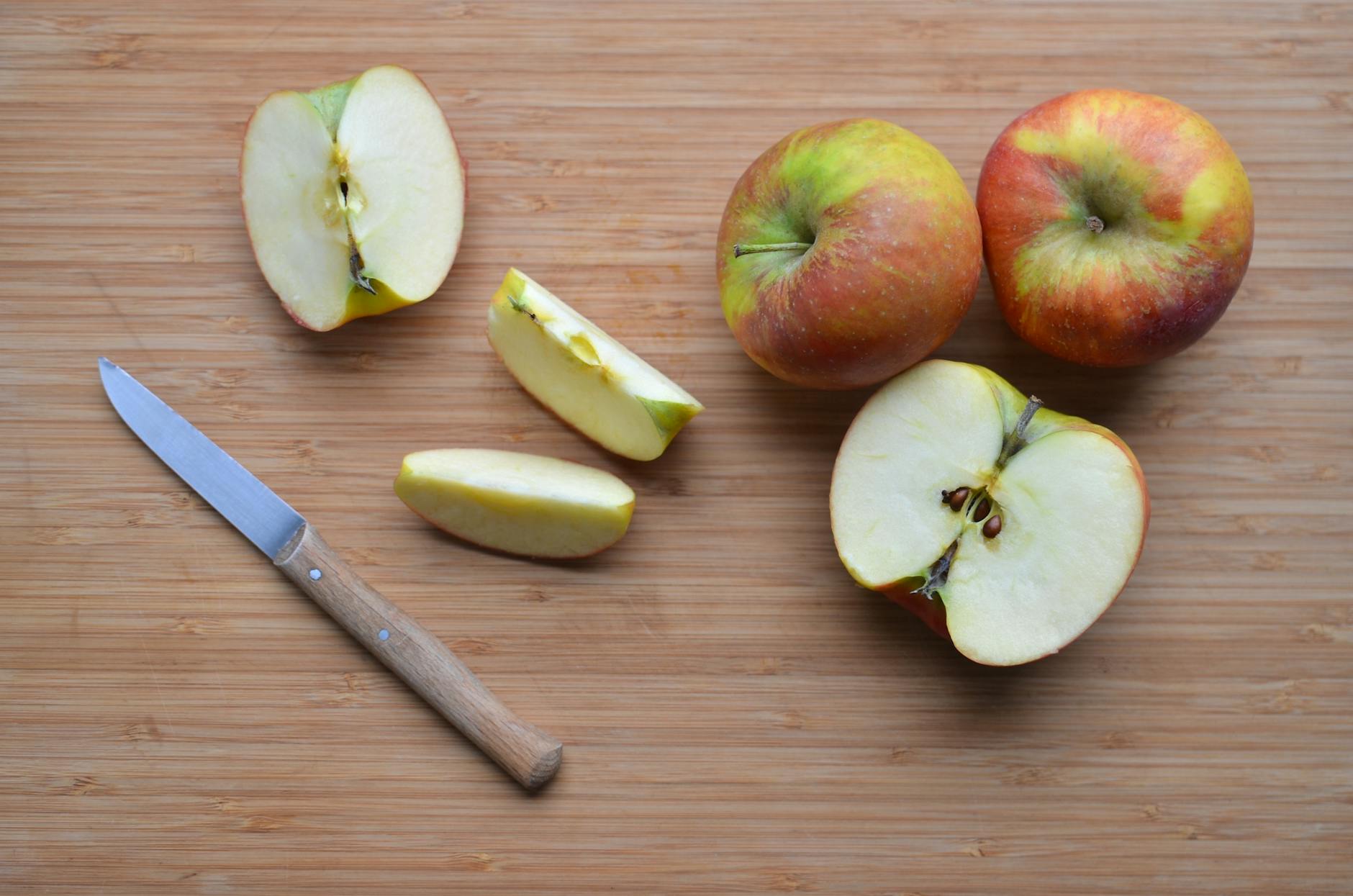
Using the same cutting board for raw meat and fresh produce is one of the most widespread food safety mistakes made in home kitchens. Bacteria from raw poultry, beef, or pork can survive on porous surfaces long after the meat has been moved elsewhere. Even a thorough rinse is not enough to eliminate pathogens that have worked their way into small grooves and scratches. Color-coded boards designated for specific food types are a straightforward and widely recommended solution. Replacing boards that show deep knife marks is equally important since bacteria thrive in those hidden crevices.
Kitchen Sponges
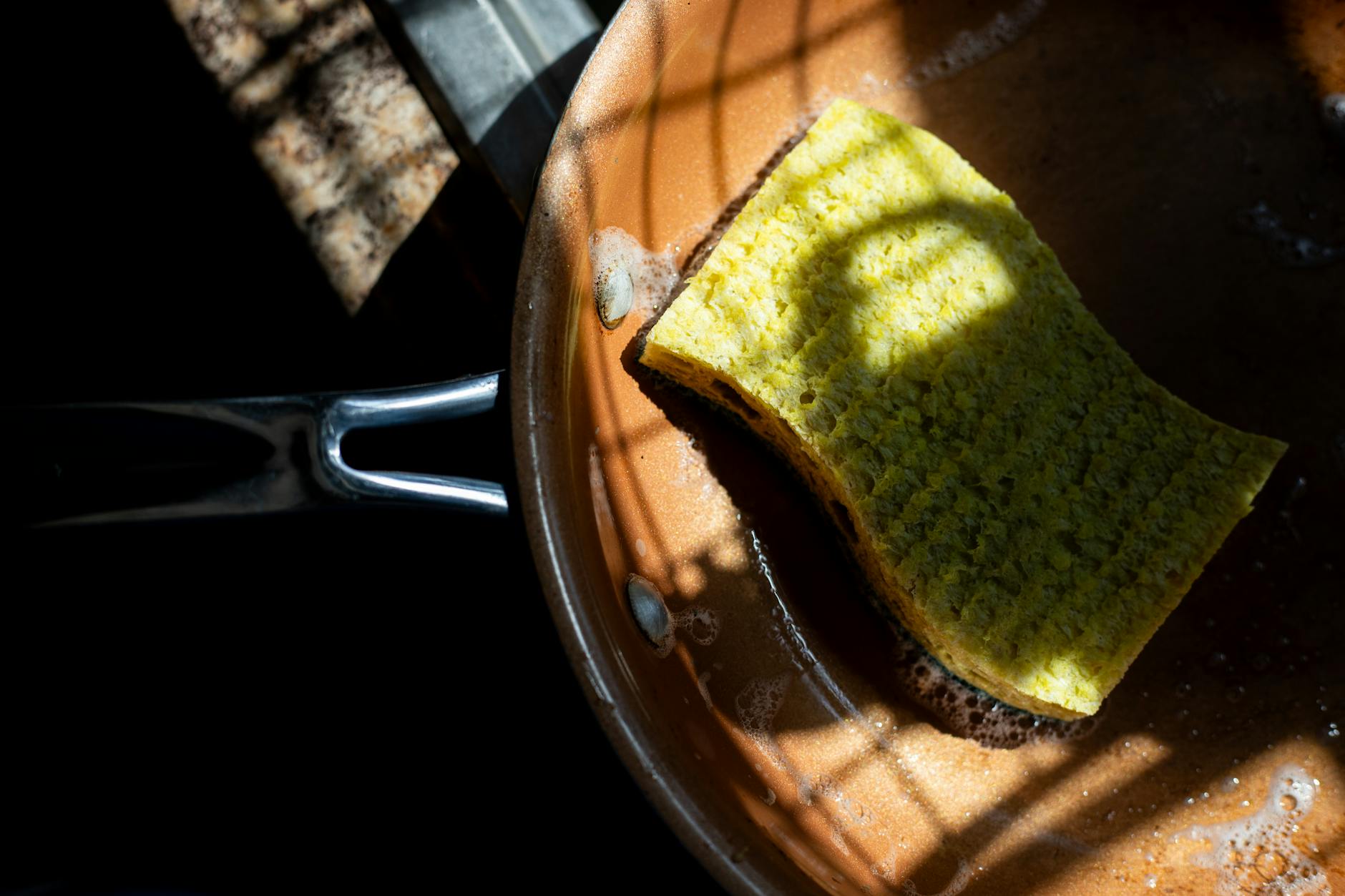
The kitchen sponge is consistently ranked among the most bacteria-laden objects in the entire home. Its warm and moist structure creates an ideal environment for harmful microbes including E. coli and Salmonella to multiply rapidly. Using a sponge to wipe down a surface after handling raw chicken and then using that same sponge on another area spreads contamination instantly. Sponges should be sanitized frequently and replaced every one to two weeks depending on usage. Microwave-safe sponges can be dampened and heated for two minutes as an effective sanitizing method.
Dish Towels
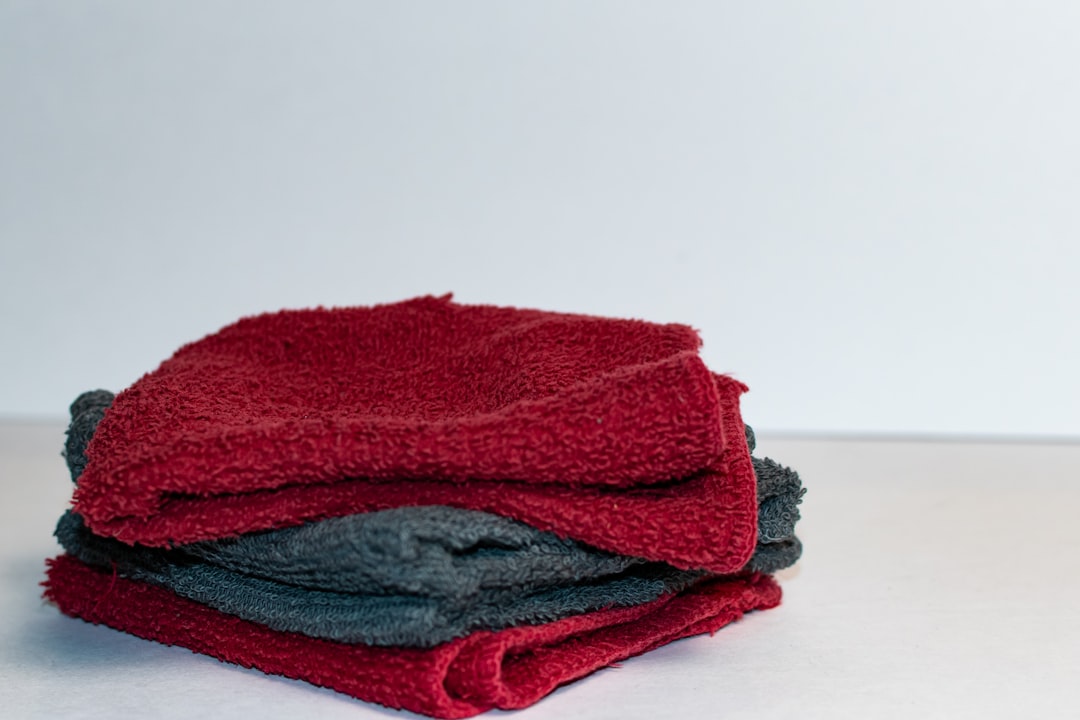
Dish towels are touched dozens of times a day by hands that have just handled raw meat, cracked eggs, or unwashed vegetables. When those same towels are then used to dry clean dishes or wipe countertops, contamination spreads across multiple surfaces. Studies have shown that a significant percentage of kitchen towels in regular use carry coliform bacteria at detectable levels. Towels should be laundered frequently, especially after any contact with raw protein. Keeping separate towels for hand drying and surface wiping is a practical way to reduce this risk.
Reusable Bags
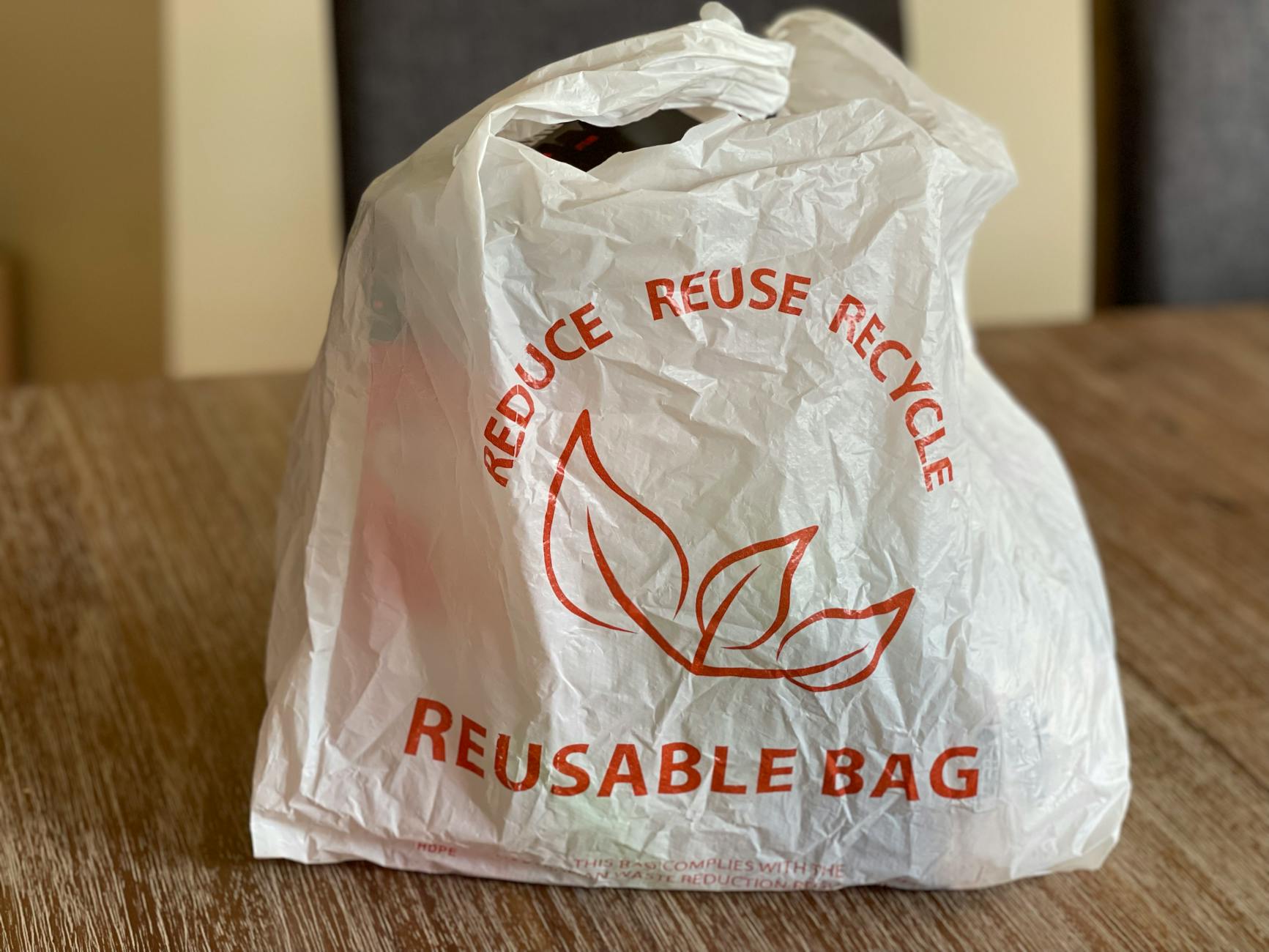
Reusable shopping bags are an environmentally conscious choice but they require regular washing that most people skip. Meat packaging can leak inside the bag, leaving behind bacteria that survive until the next grocery trip. When produce then sits in the same contaminated bag, the transfer of pathogens becomes almost inevitable. Studies have found coliform bacteria and even Salmonella in a notable portion of tested reusable bags. Machine washing cloth bags after every use and keeping a dedicated bag solely for raw meat significantly reduces the hazard.
Refrigerator Handles

The refrigerator handle is touched constantly throughout food preparation, often by hands carrying raw meat juices or unwashed residue from produce. Because it is rarely included in a standard kitchen cleaning routine, bacteria accumulate there over time without anyone noticing. Every subsequent touch by a clean hand then picks up those contaminants and transfers them to food or other surfaces. Stainless steel and plastic handles are both equally susceptible to this kind of buildup. Wiping the handle down with a food-safe disinfectant as part of a regular cleaning schedule is a simple and effective habit.
Unwashed Hands

Handwashing remains the single most impactful barrier against foodborne illness, yet many people wash their hands less thoroughly than necessary during cooking. Twenty seconds of scrubbing with soap is the medically recommended minimum, but most people spend far less time at the sink. Touching raw meat and then immediately reaching for a spice jar, a cabinet handle, or a cooking utensil transfers bacteria to every surface involved. Rewashing hands after each transition between raw and ready-to-eat ingredients is particularly important. Warm water and friction are what actually remove pathogens rather than the soap itself doing most of the work.
Knife Blades
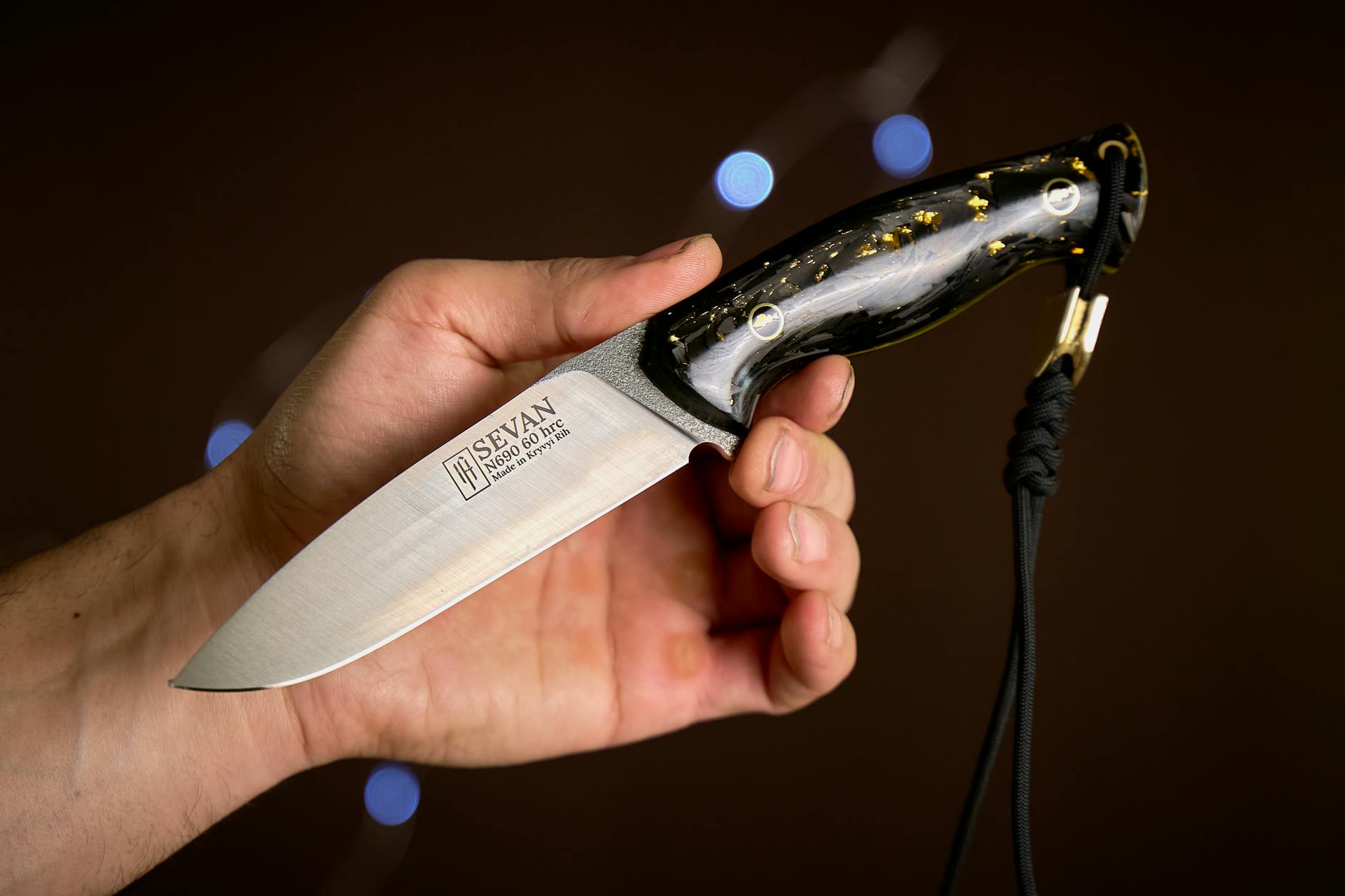
A knife used to break down raw poultry carries bacteria on its blade that can survive for several minutes on the metal surface. If that same knife is then used to slice vegetables or bread without washing in between, every food item it touches becomes a potential vehicle for illness. Even rinsing the blade under running water without soap leaves a significant amount of bacterial load behind. Cross-use of knives is especially risky in fast-paced cooking when shortcuts feel harmless in the moment. Washing knives with hot soapy water between tasks takes only seconds and eliminates a meaningful source of contamination.
Marinades

Marinating raw meat and then using the leftover marinade as a sauce or basting liquid is a dangerous practice that many home cooks overlook. The liquid that has been in contact with raw protein absorbs bacteria from the meat during the soaking process. Pouring or brushing that liquid onto cooked food reintroduces those pathogens at a stage where no further heat will eliminate them. Safe practice involves setting aside a separate portion of marinade before it touches raw meat for later use as a sauce. Alternatively, used marinade can be brought to a rolling boil before being applied to cooked food.
Spice Jars
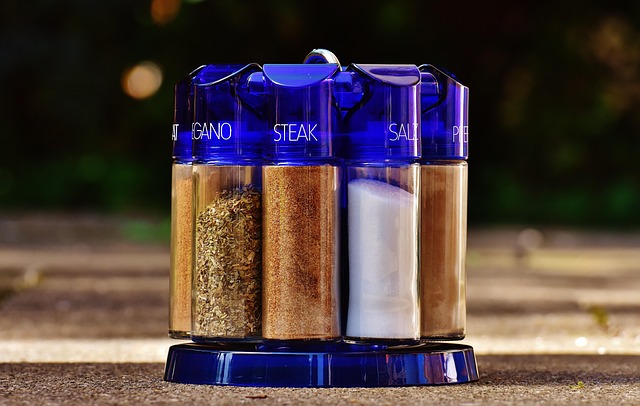
Spice jars are almost never considered a cross-contamination risk, yet they are handled constantly during the cooking process with hands that are far from clean. After touching raw ground beef to form patties, reaching for the garlic powder with the same unwashed fingers deposits bacteria directly onto the jar lid and body. That jar then goes back into the spice rack and is handled again the next time without being cleaned. The bacteria can survive on the surface for hours and transfer to the next set of hands that touches it. Keeping a small dish of pre-measured spices ready before handling raw ingredients eliminates this problem entirely.
Produce Washing
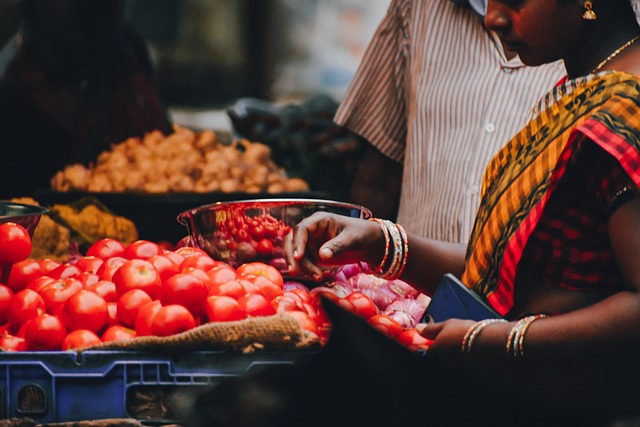
Many people wash fruits and vegetables only when they look dirty, which misses the invisible microbial contamination that is far more common. Produce travels through multiple hands, surfaces, and environments before reaching a kitchen, accumulating bacteria along the way. Even pre-washed salad greens can carry contamination if they are handled with unwashed hands after the package is opened. Washing produce under cool running water while gently rubbing the surface removes a substantial portion of surface microbes. Firm vegetables and fruits benefit additionally from being scrubbed with a clean produce brush.
Salad Spinners
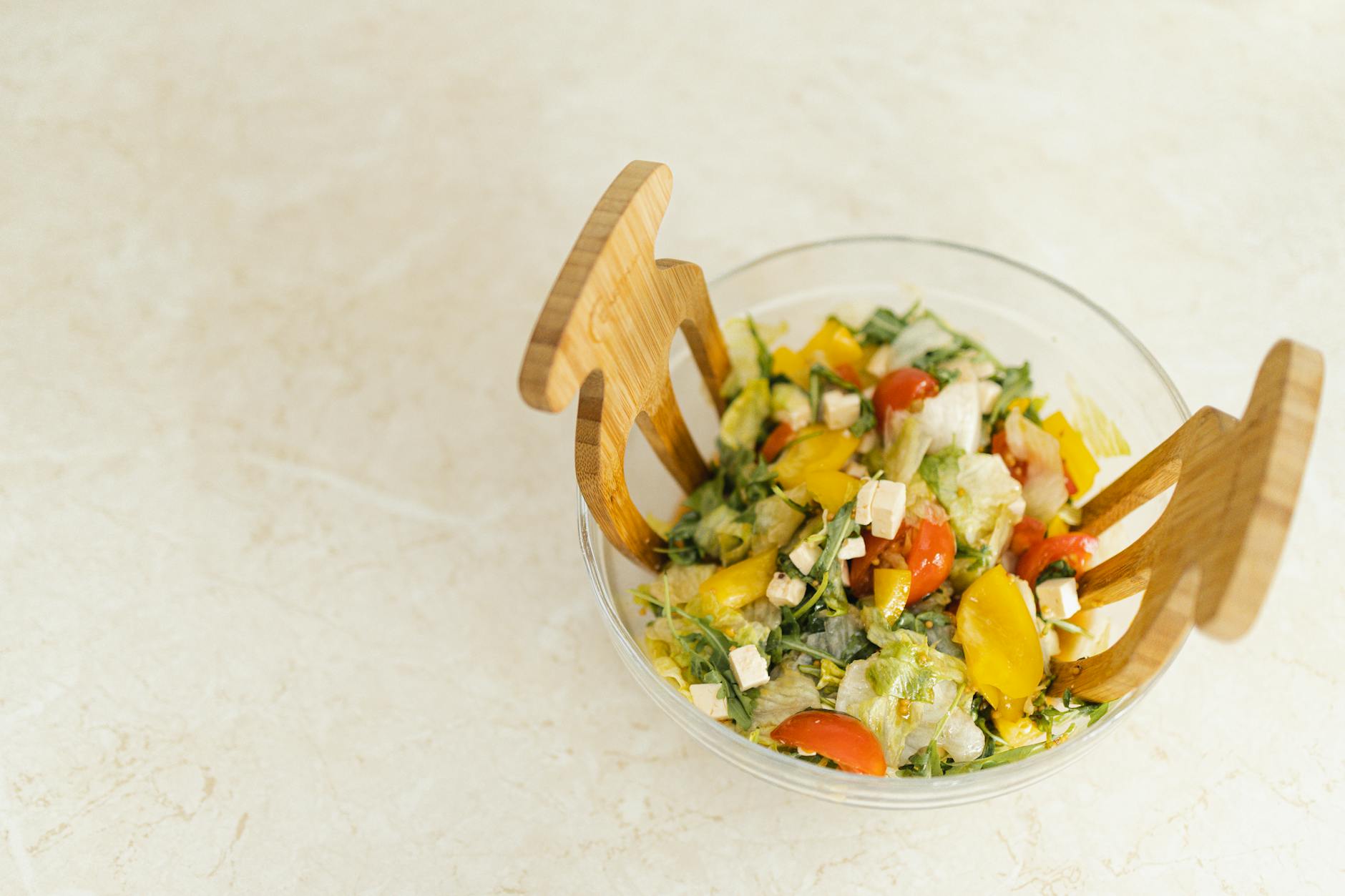
The salad spinner is used to clean and dry leafy greens but is itself rarely cleaned with any regularity. The basket, bowl, and lid have multiple crevices where moisture and plant residue collect after every use. That residue can harbor bacteria that then transfer directly to the next batch of fresh greens being prepared for a meal. Because salad spinners are often used for ready-to-eat foods, any contamination they carry bypasses the protection of cooking heat entirely. Disassembling the spinner fully and washing all components with soap and hot water after each use is the appropriate standard.
Pet Bowls
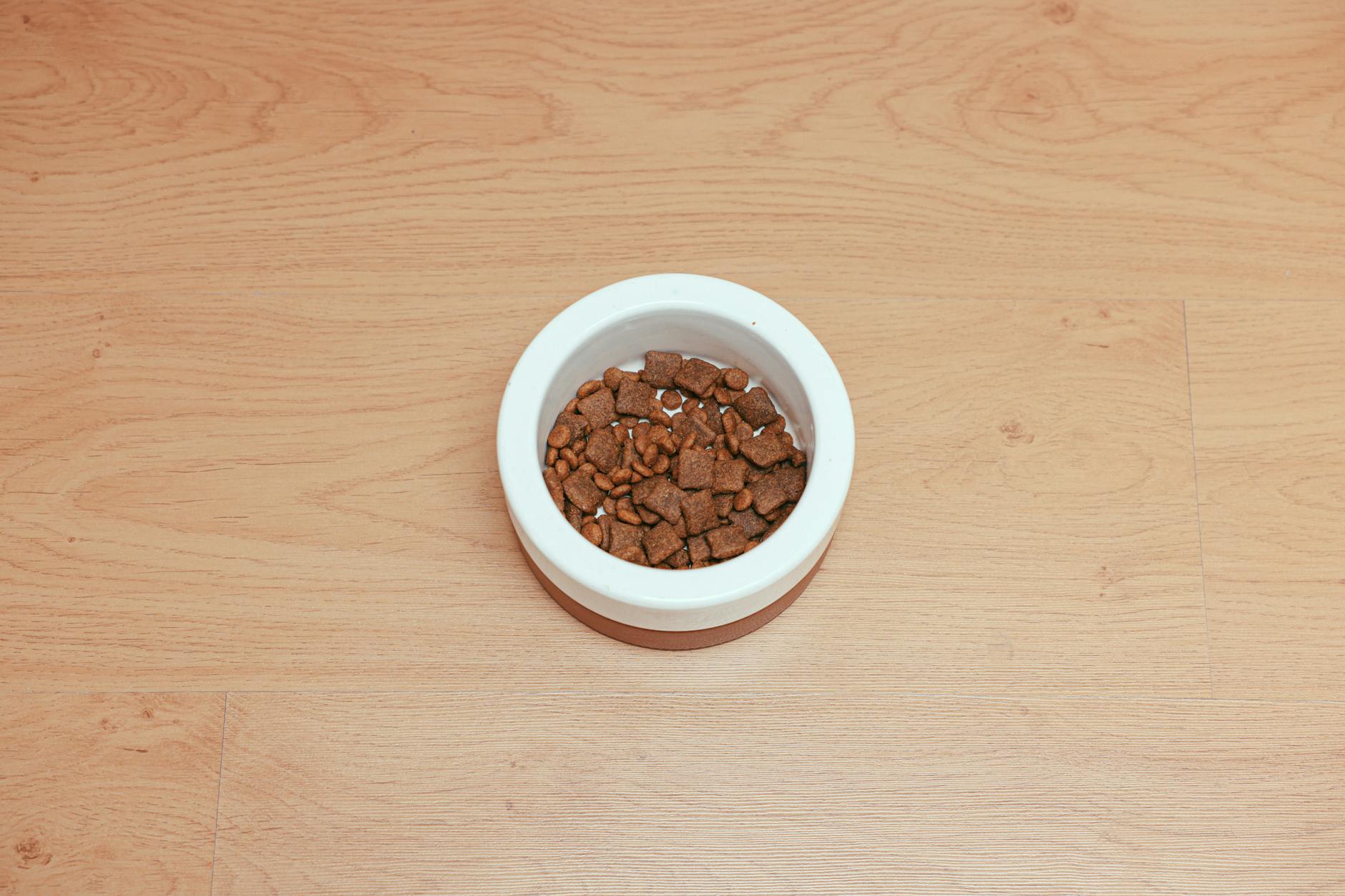
Pet food bowls placed on kitchen floors can splash or drip contaminated material onto surrounding surfaces during feeding times. Dogs and cats regularly carry bacteria including Salmonella, particularly when they consume raw or semi-processed pet foods. If a pet eats and then licks a person’s hands or a low surface near the food preparation area, that transmission path becomes direct. Pet bowls should be washed daily with hot soapy water and kept well away from kitchen prep zones. Handling pet food and then immediately engaging in food preparation without washing hands thoroughly is a commonly overlooked risk.
Can Openers
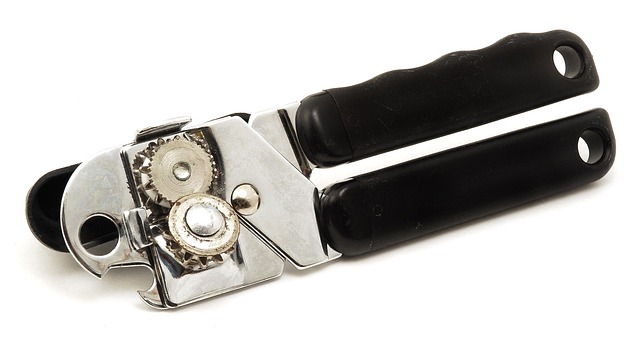
The blade of a manual can opener makes direct contact with the interior and exterior of every can it opens, accumulating food residue and bacteria with each use. Most people wipe or rinse the opener occasionally at best, which leaves contaminated buildup on the cutting wheel. When that opener is then used on a different type of food product, the residue transfers invisibly to the new can’s contents. The gear mechanisms and blade housing are difficult to clean thoroughly without intentional effort. Soaking the opener in hot soapy water and using a small brush to clean the blade and gears after each use maintains proper hygiene.
Sink Basins

The kitchen sink is paradoxically one of the most contaminated spots in the entire cooking environment despite being the place where food is washed. Raw meat juices, vegetable rinse water, and food scraps all pool in the basin, creating a rich environment for bacterial growth. Washing fresh produce in a sink that previously held a tray of raw chicken effectively negates the purpose of washing entirely. The basin, faucet, and surrounding countertop edges should be sanitized between uses during food preparation rather than only at the end of cleaning up. Filling a separate bowl with water to rinse produce is a practical way to sidestep this issue.
Serving Spoons
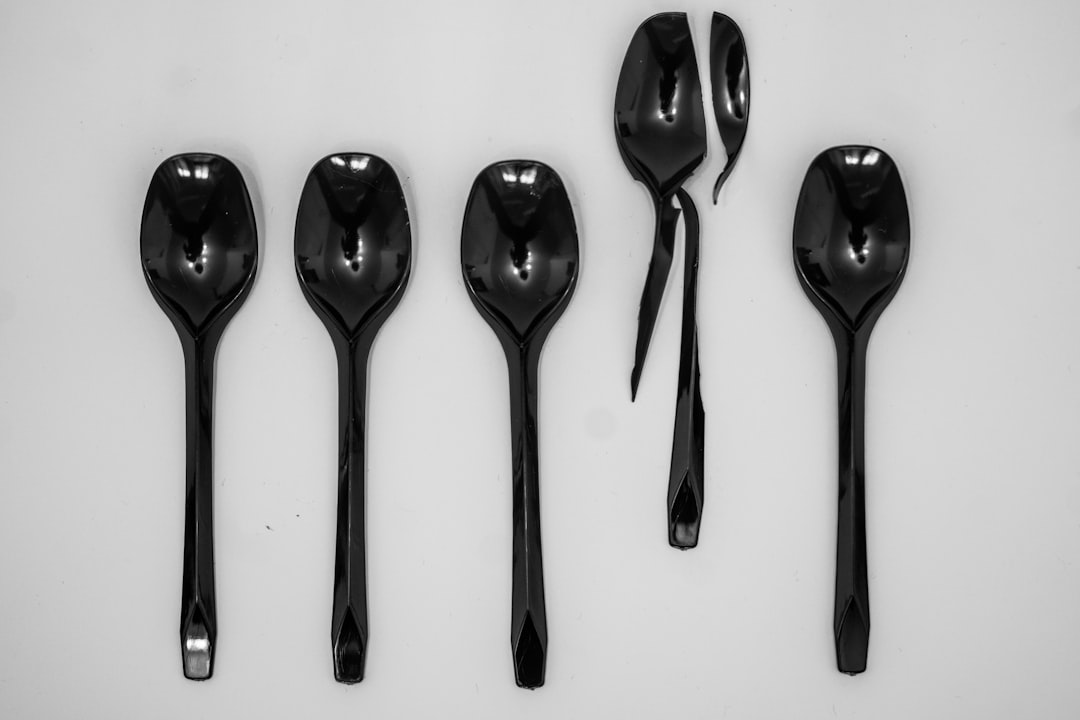
Using the same spoon to taste food while cooking and then return it to the pot reintroduces bacteria from the mouth into food that may be going to multiple people. This habit is so normalized in home cooking that it rarely registers as a safety concern. A separate clean spoon used exclusively for tasting and then set aside reduces that risk significantly. Additionally, using a single serving spoon across multiple dishes at the table without switching spreads allergens and bacteria between items. Dedicated utensils for each dish and prompt replacement of any utensil that has touched a person’s mouth are straightforward practices to adopt.
Ice Scoops

The ice scoop used to transfer ice from a freezer bin is frequently contaminated by hands, by resting inside the bin directly on the ice, or by being stored in unsanitary locations nearby. Ice intended for drinking is classified as a food by health authorities and is subject to the same safety standards as other consumables. Bacteria and mold can grow on the scoop handle and transfer to the ice during each use. Storing the scoop in a clean separate container rather than inside the bin prevents direct contamination of the ice supply. The scoop itself should be washed regularly and allowed to dry fully before being stored.
Countertops
Kitchen countertops are used as staging areas throughout the entire cooking process, accumulating a wide range of contaminants from raw proteins, produce, packaging, and grocery bags. Many people wipe counters with a damp cloth or paper towel which smears bacteria across a larger surface area without eliminating it. A surface that has held raw chicken should be treated with a food-safe disinfectant rather than just wiped down before other foods are placed on it. High-touch areas near the stove and sink deserve particular attention as they are the most frequently used and the most frequently overlooked. Allowing disinfectant sprays to sit for the manufacturer-recommended contact time before wiping ensures they actually work.
Egg Shells
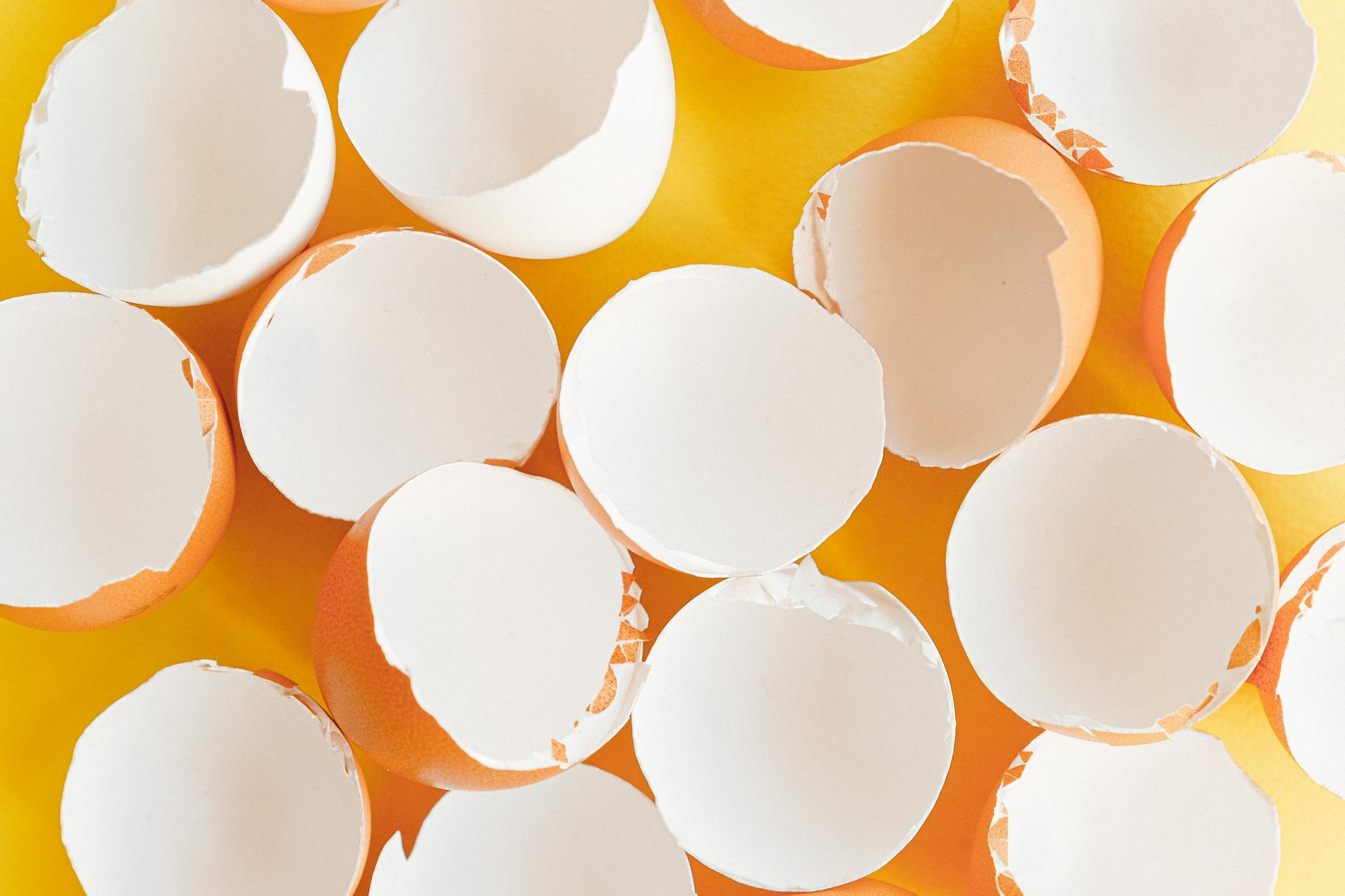
Egg shells are naturally porous and can carry Salmonella on their exterior surface even when the eggs come from a reputable source. Cracking eggs directly over a bowl of other ingredients means that any bacteria on the shell can fall into the mixture along with the egg. Setting the cracked shell down on a clean prep surface and then using that surface for other foods creates an additional transfer point. Hands that have handled raw eggs should be washed before touching any other ingredient or utensil. Cracking eggs into a separate small bowl before adding them to a recipe is a professional kitchen standard that offers a simple and effective safeguard.
Share your own kitchen habits or food safety tips in the comments.




