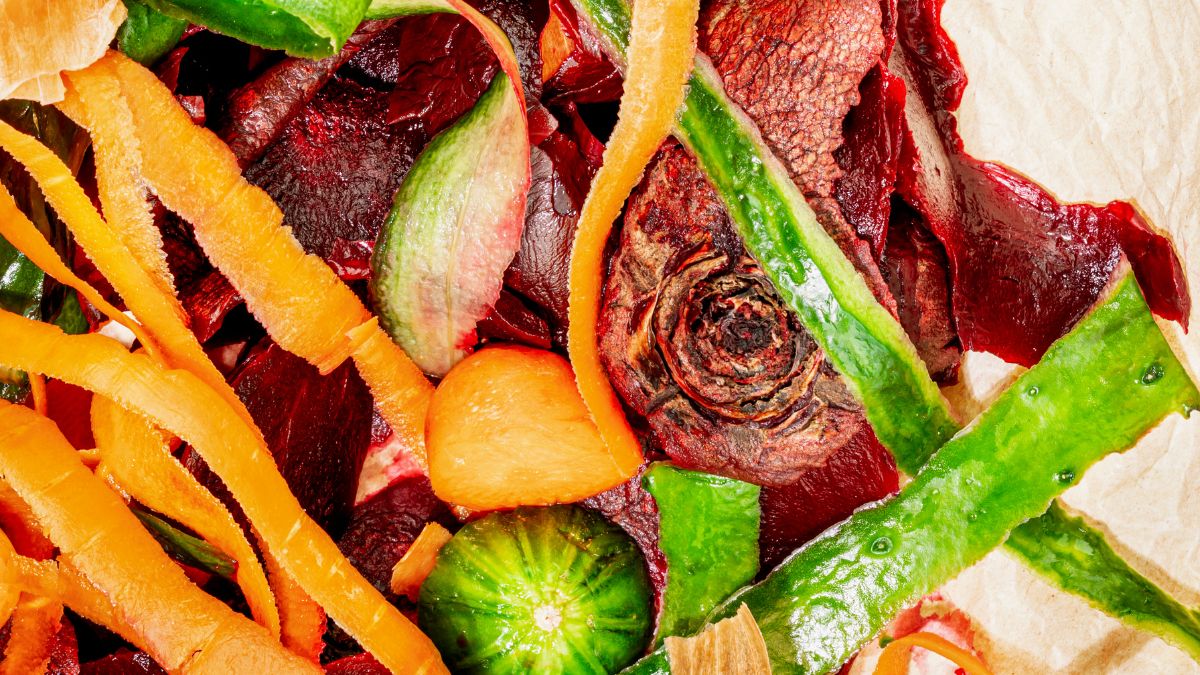
Most people toss scraps, peels, and yesterday’s leftovers without a second thought, but a surprising number of these kitchen castoffs have genuinely useful second lives. From beauty treatments to garden boosters and clever cooking hacks, food waste holds far more potential than the trash bin suggests. These fifteen ideas transform what you would normally discard into something practical, resourceful, and often remarkable.
Coffee Grounds
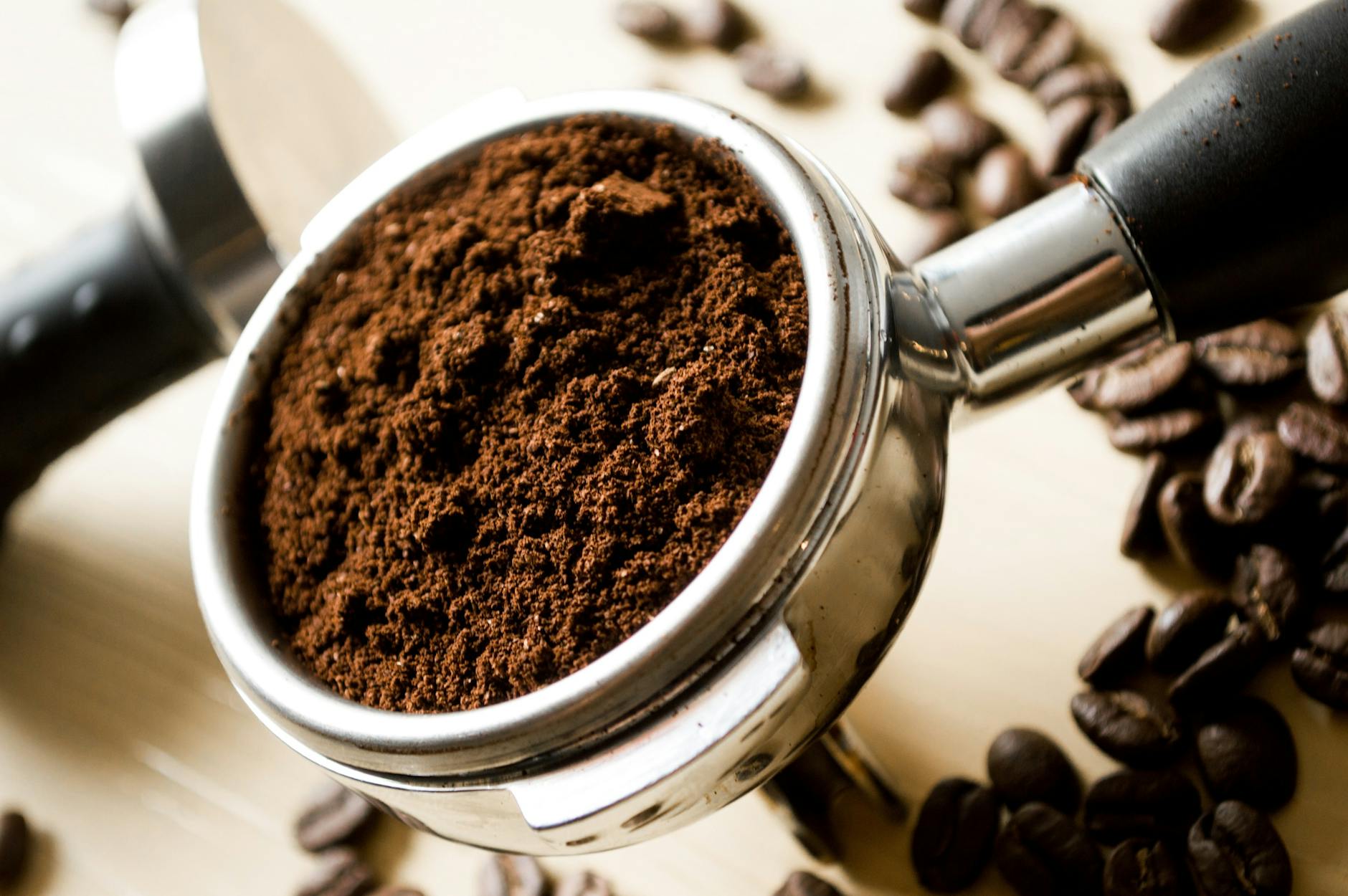
Used coffee grounds are packed with nitrogen, making them an excellent fertilizer for acid-loving plants like roses, tomatoes, and blueberries. Stirring them into soil improves drainage and encourages earthworm activity, which naturally aerates the ground. They also work as a powerful odor absorber when placed in a small dish inside the refrigerator. Rubbing damp grounds on hands after chopping garlic or onions neutralizes strong smells far more effectively than soap alone. Many beauty enthusiasts mix them with coconut oil to create an exfoliating body scrub that leaves skin noticeably smoother.
Banana Peels
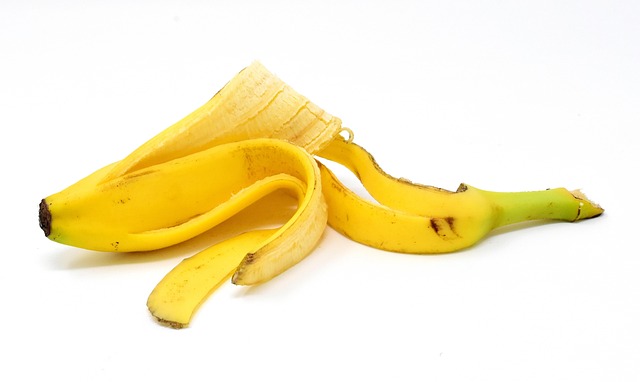
Banana peels contain potassium and antioxidants that make them surprisingly effective as a natural skin soother for minor irritations and insect bites. Rubbing the inner side of a peel on a fresh bruise can help reduce discolouration thanks to its anti-inflammatory properties. Gardeners bury them directly in soil around rose bushes to release nutrients slowly over time as they decompose. The peel can also be used to buff small scuffs on leather shoes, leaving the surface looking noticeably cleaner. In cooking, ripe banana peels are increasingly used as a pulled pork substitute when marinated and roasted at high heat.
Stale Bread
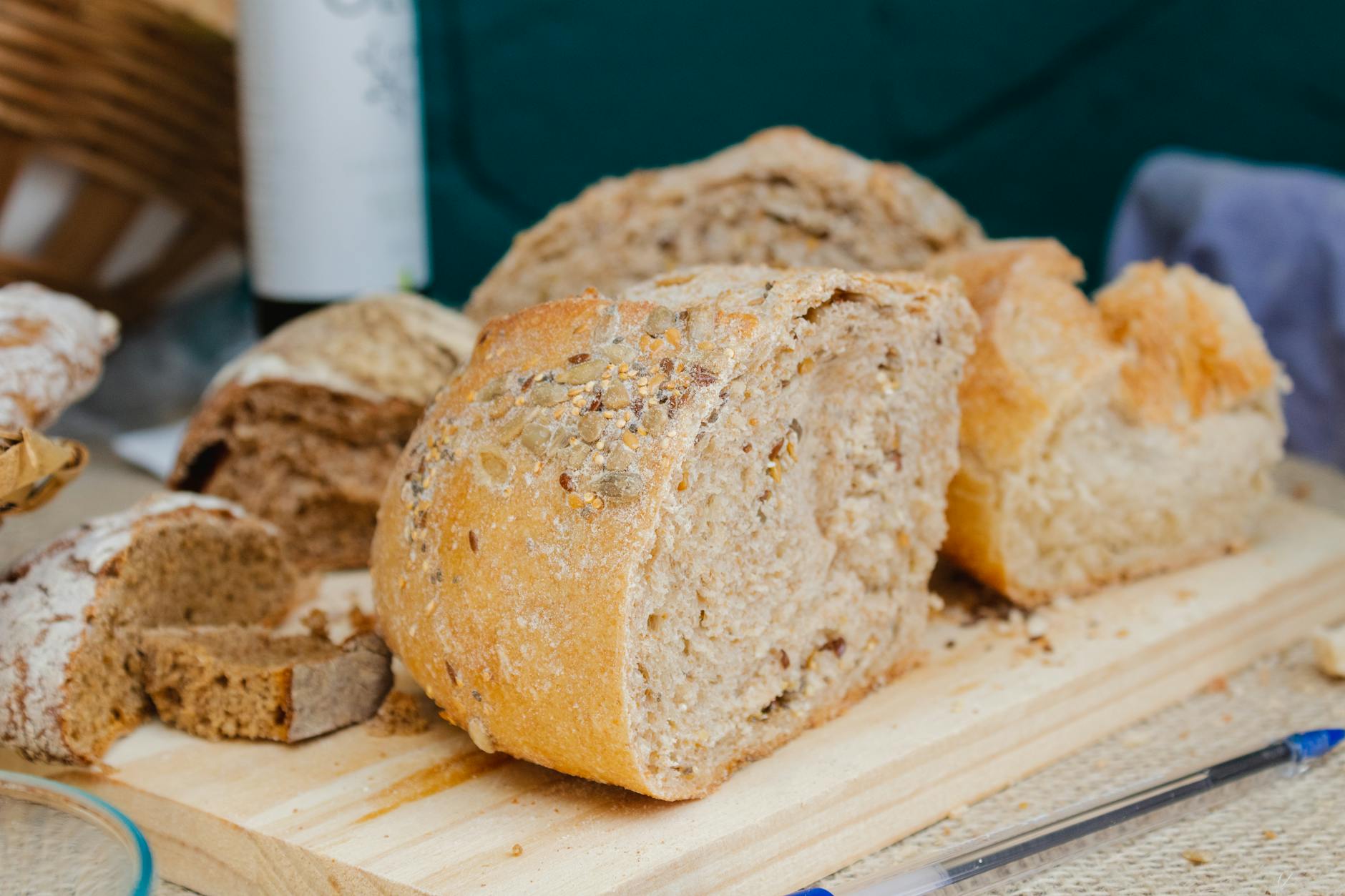
Bread that has gone stale is one of the most versatile ingredients in a resourceful kitchen, easily transformed into homemade breadcrumbs for coating proteins or topping pasta dishes. Cubing and toasting it with olive oil and herbs produces croutons that far outperform anything sold in a bag at the supermarket. Stale bread is also the essential base of classic dishes like panzanella, ribollita, and bread pudding, all of which were invented precisely to use up leftovers. Soaking thick slices overnight in a custard mixture and cooking them slowly creates a rich French toast that tastes nothing like a compromise. Blended into a paste with olive oil and garlic, it forms the thickening base for traditional romesco and gazpacho.
Citrus Peels
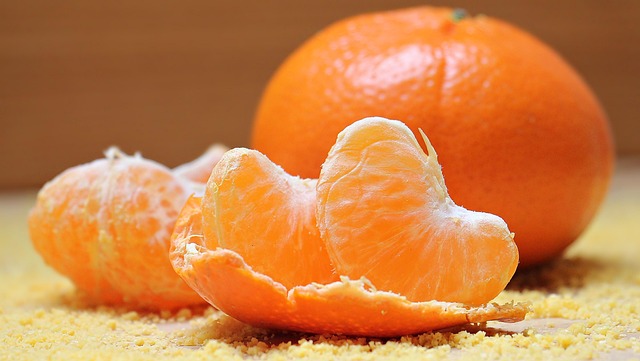
Citrus peels contain concentrated essential oils that make them a potent natural cleaning agent when steeped in white vinegar for two weeks. The resulting liquid cuts through grease on kitchen surfaces and leaves behind a genuinely pleasant scent rather than a chemical one. Dried orange or lemon peels placed in sachets deter moths from wardrobes and linen cupboards without the toxic residue of synthetic repellents. Zest from peels that would otherwise be discarded adds brightness to baked goods, salad dressings, and pasta sauces at no additional cost. Simmering peels with cinnamon and cloves on the stovetop creates a natural air freshener that fills an entire home with warmth.
Avocado Pits
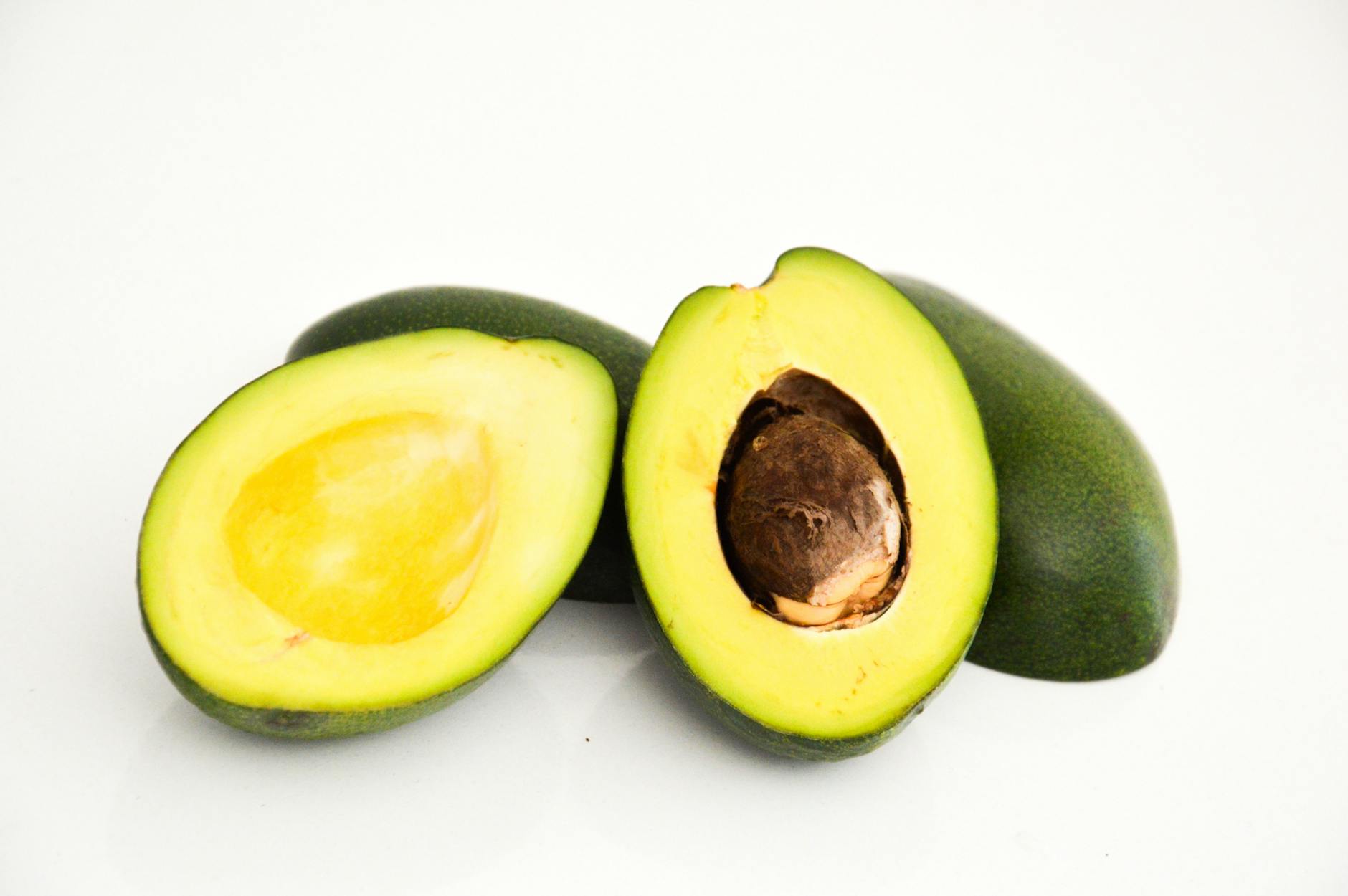
The large seed inside an avocado is often overlooked, yet it contains more antioxidants than the flesh itself. Grated finely and added to smoothies, it contributes a slightly bitter flavour similar to cacao while providing a significant nutritional boost. Boiling the pit produces a reddish dye that can be used to colour fabric or paper in a rusty terracotta tone that is entirely natural. Grinding it into a powder and mixing it with honey creates a face mask that supporters claim visibly tightens and brightens skin over time. The pit can also be placed in half-filled glasses of water with toothpicks to grow an entirely new avocado plant from scratch.
Parmesan Rinds
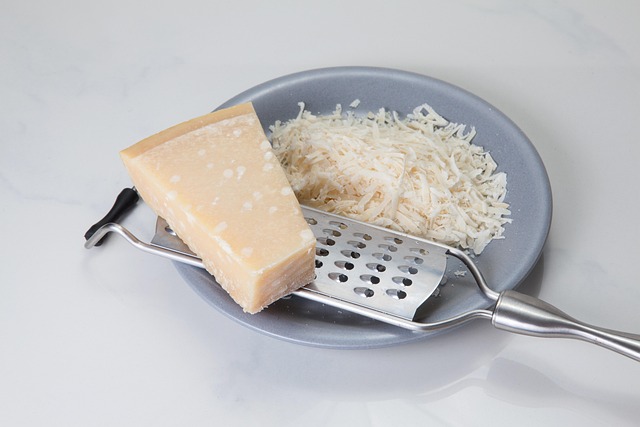
The tough outer rind of a wedge of Parmesan is inedible on its own but becomes one of the most flavourful additions a cook can make to a simmering pot. Dropping a rind into minestrone, tomato sauce, or bean soup infuses the liquid with a deep, savoury umami richness that no powder or cube can replicate. Italian grandmothers have relied on this technique for generations, and it remains a staple in professional restaurant kitchens worldwide. The rind softens significantly during cooking and some people enjoy eating the slightly chewy result once the soup is finished. Storing rinds in a sealed bag in the freezer keeps them ready to use for months without any deterioration in flavour.
Egg Shells
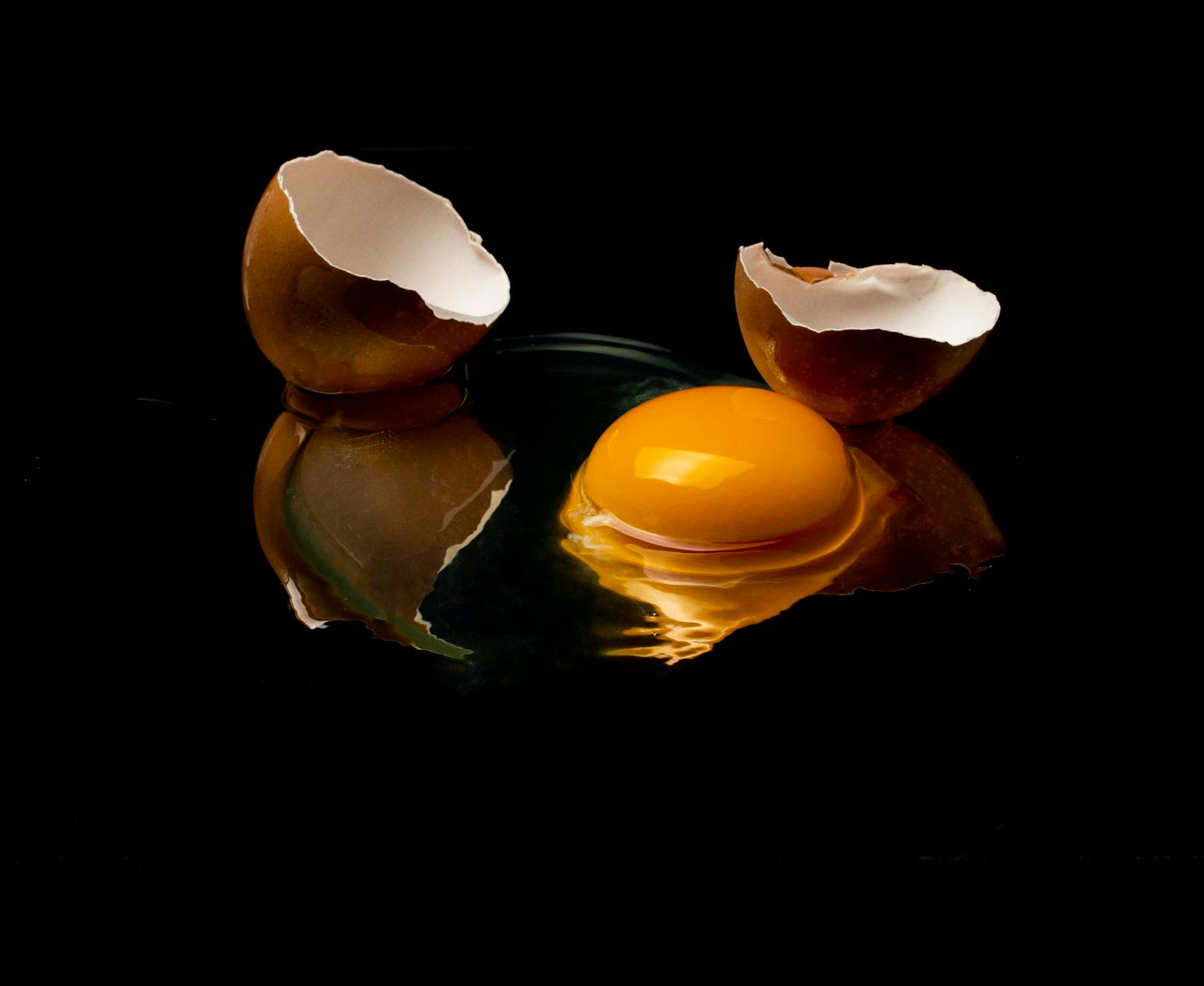
Crushed eggshells sprinkled around the base of garden plants act as a physical deterrent against slugs and snails, which dislike crossing the sharp fragments. Finely powdered shells can be stirred into soil to raise pH levels and introduce calcium that many flowering plants require for strong growth. In the kitchen, a clean half shell makes a useful tool for removing stray yolk from a bowl of egg whites with precision that fingers cannot match. Boiling shells in water produces a calcium-rich liquid that can be used to water houseplants or seedlings during their early stages. Some home cooks also add a small amount of crushed shell to the coffee filter before brewing, which reduces bitterness in cheaper blends.
Pickle Juice

The brine left over after finishing a jar of pickles is acidic, salty, and full of flavour that has many surprising applications beyond the jar. Marinating chicken in pickle juice for several hours before grilling produces exceptionally tender and flavourful results, a technique widely used in American Southern-style cooking. A small amount added to potato salad, coleslaw dressing, or devilled eggs introduces a tangy depth that vinegar alone does not replicate. Athletes have used pickle juice for decades as a fast remedy for muscle cramps during endurance events, with several studies supporting its effectiveness. It can also be used as the liquid base for a quick refrigerator brine to pickle a fresh batch of cucumbers, radishes, or onions.
Vegetable Scraps
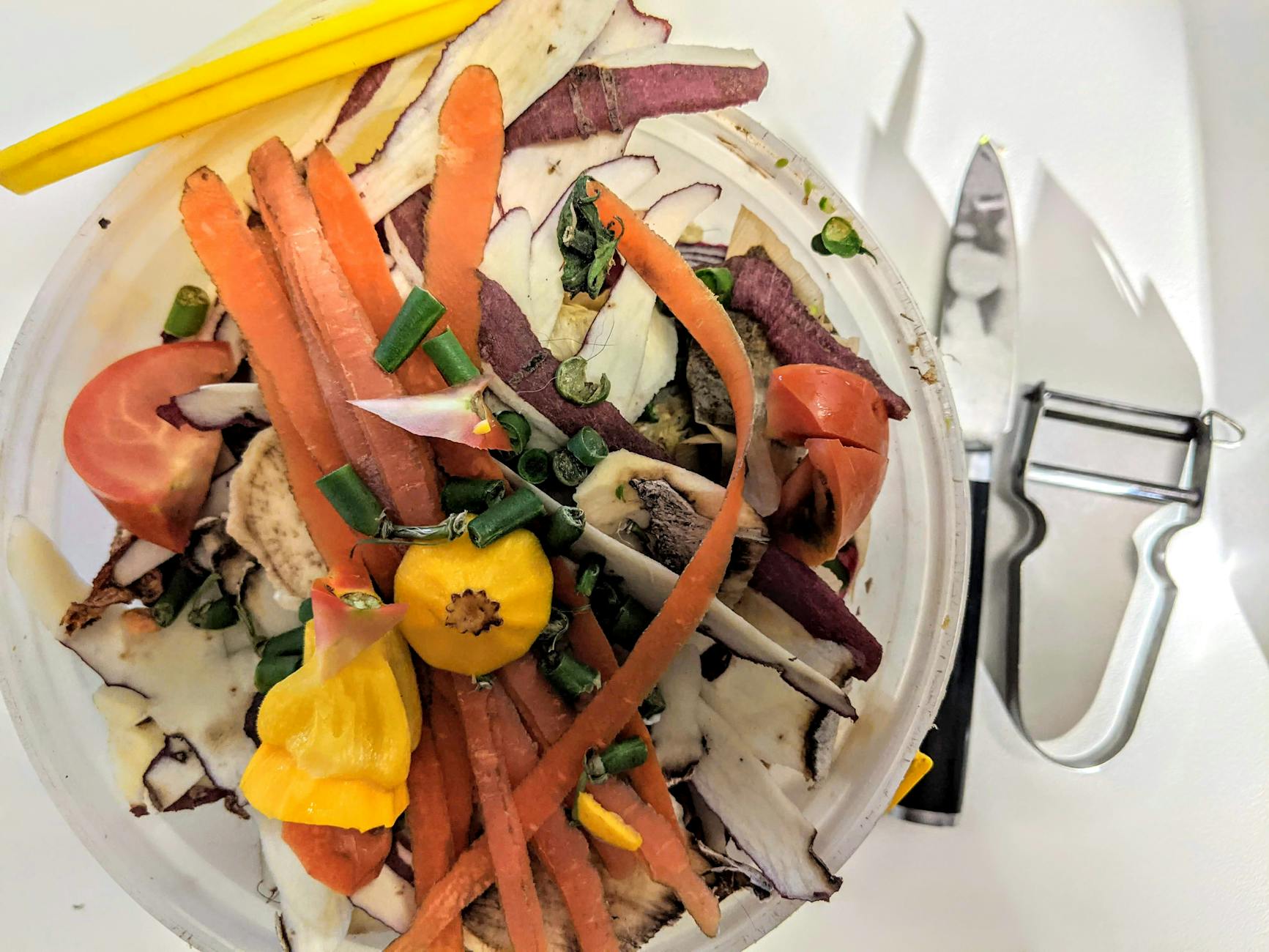
Onion skins, carrot tops, celery leaves, and leek trimmings that routinely end up in the bin are collectively the building blocks of a rich, golden vegetable stock. Keeping a dedicated bag in the freezer and adding to it throughout the week means a full pot of stock can be made with no additional shopping required. Roasting the scraps briefly before simmering them deepens the flavour considerably and gives the finished liquid a more complex, restaurant-quality character. The strained stock can be frozen in ice cube trays and transferred to bags for convenient portioning whenever a recipe calls for a small amount of liquid flavour. This approach transforms what most households throw away daily into a pantry staple that would otherwise cost several dollars per carton at the shop.
Watermelon Rinds
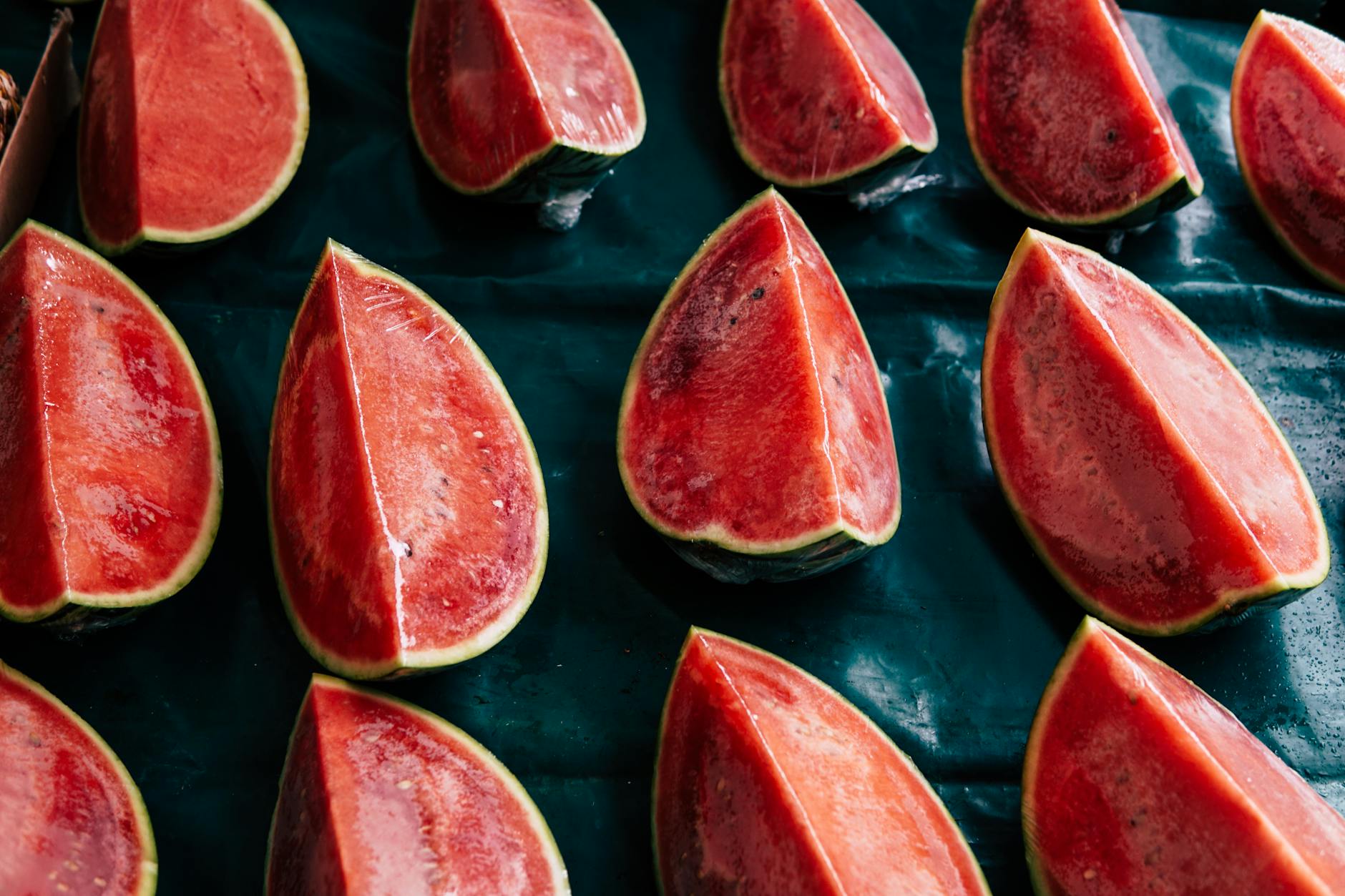
The thick white rind of a watermelon is typically discarded after the pink flesh is eaten, yet it has a long culinary history in several global cuisines. Pickling the rind with vinegar, sugar, and spices like ginger or clove produces a crunchy condiment that pairs beautifully with grilled meats and cheese boards. In Chinese cooking, stir-fried watermelon rind with chilli and garlic is a common summer dish that uses the vegetable in its entirety. The rind can also be candied slowly in sugar syrup to create a chewy sweet similar to citrus peel candy. Blended raw into smoothies alongside mint and lime, it adds hydration and a mild flavour that allows bolder ingredients to shine.
Apple Cores
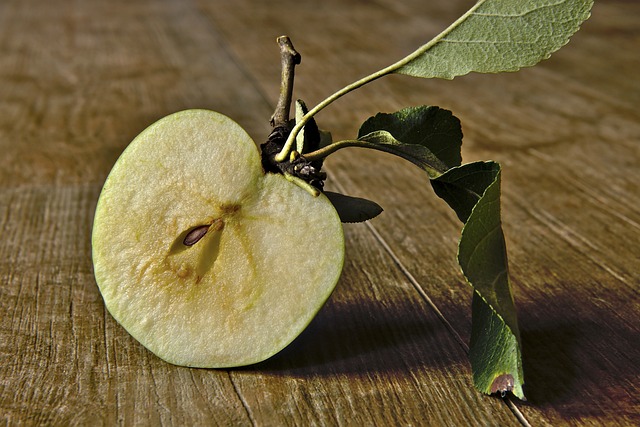
Apple cores and peels still contain a significant amount of pectin, the natural compound that causes jams and jellies to set properly. Simmering them with water and straining the result produces a pectin-rich liquid that can be used to help homemade preserves achieve the right consistency without commercial additives. Soaking cores in water for a few days with a splash of raw vinegar initiates the fermentation process used to make homemade apple cider vinegar. The dried cores can also be added to a compost bin where they break down rapidly and contribute to a nutrient-dense mixture. Households with children often use them in craft activities, pressing them in ink to create apple-shaped prints on paper and fabric.
Rice Water
The starchy water drained from rinsed or cooked rice has been used for centuries in East Asian skincare routines as a gentle toner that brightens and smooths the complexion. Applied to hair after shampooing and left for a few minutes before rinsing, it is believed to add strength and shine due to its inositol content. In the kitchen, rice water thickens soups and sauces in the same way a slurry does, without any starchy taste being detectable in the finished dish. Plants like ferns and pothos respond well to being watered with cooled rice water, which delivers trace nutrients directly to the root system. Fermented rice water left for two to three days develops increased amino acid content that makes it even more effective as a hair treatment.
Herb Stems
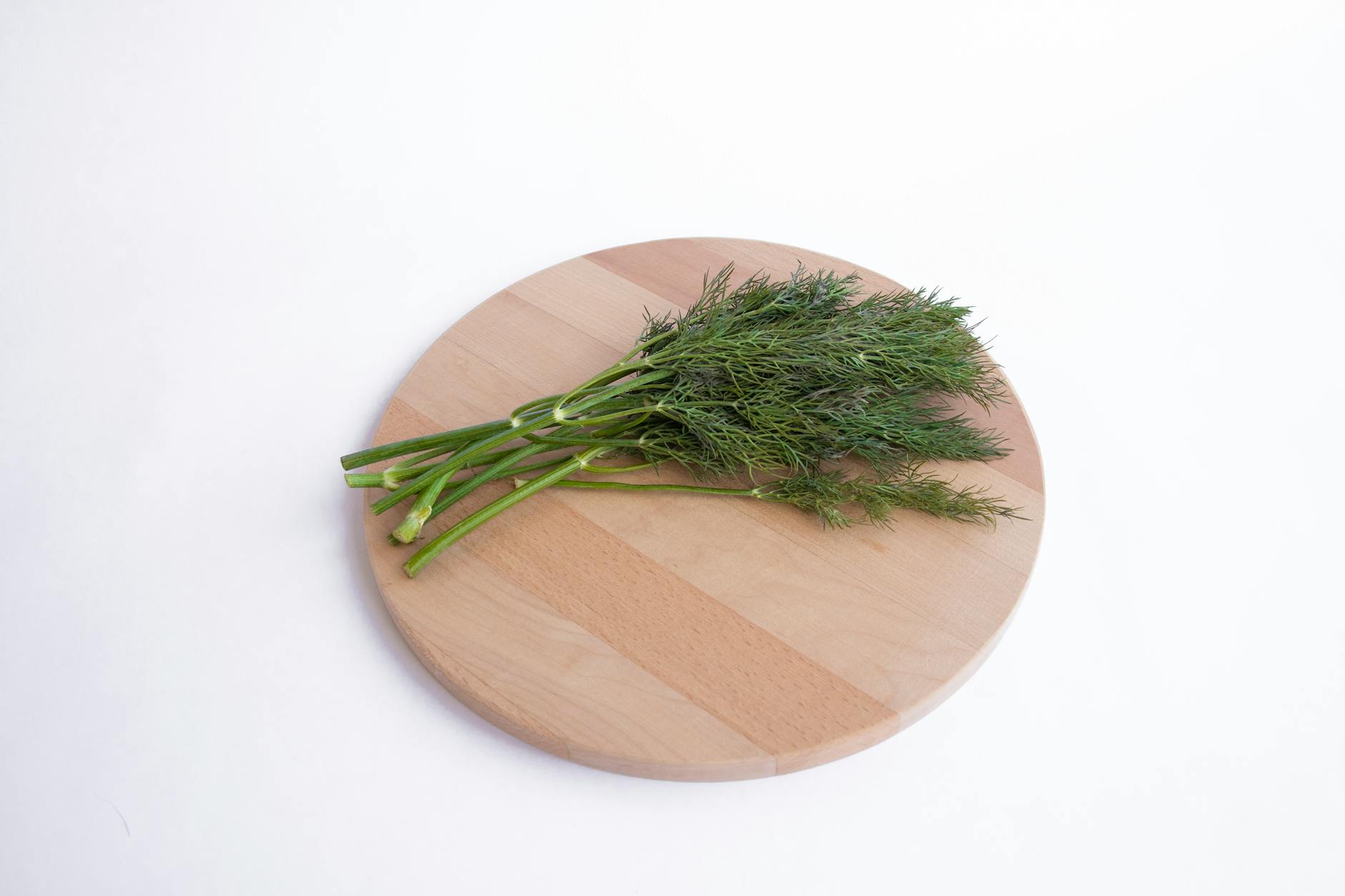
The tough stems of herbs like parsley, coriander, and basil are commonly stripped away before cooking, yet they carry as much flavour as the leaves and in some cases more. Finely chopped coriander stems are used throughout Southeast Asian cooking in curry pastes and marinades where their punchy, concentrated flavour is genuinely preferable. Parsley stems add depth to stocks, sauces, and braised dishes without becoming bitter the way the leaves can when cooked for extended periods. Blending leftover herb stems into a green oil with a neutral base like grapeseed creates a vibrant finishing drizzle for soups and roasted dishes. Freezing stems in olive oil in an ice cube tray produces ready-made flavour bombs that can go directly from freezer to a hot pan.
Cooking Oil
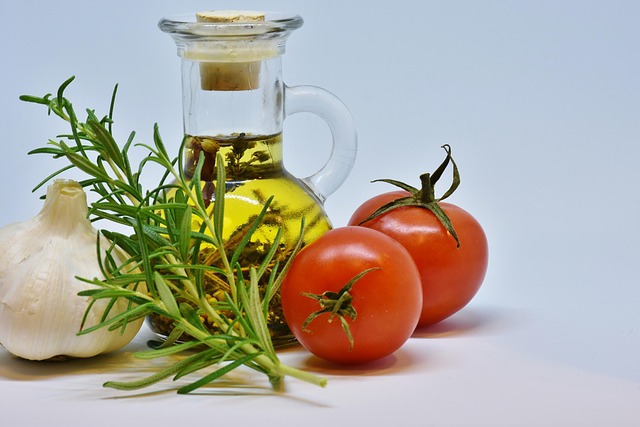
Oil used once for frying retains significant cooking power and can typically be strained through a fine mesh and reused two or three more times before its quality declines. Allowing it to cool completely and applying a thin layer to cast iron cookware before storage prevents rust and maintains the seasoning that makes the surface naturally non-stick. Small amounts of leftover flavoured oils from tinned fish or marinated vegetables carry intense taste that makes them ideal for dressing pasta or roasting potatoes. In the garden, diluted cooking oil sprayed onto plant leaves creates a barrier that deters certain soft-bodied insects without the use of chemical pesticides. Cooled and solidified oil can also be mixed with birdseed and packed into a mould to create homemade fat balls that support garden birds through colder months.
Tea Bags
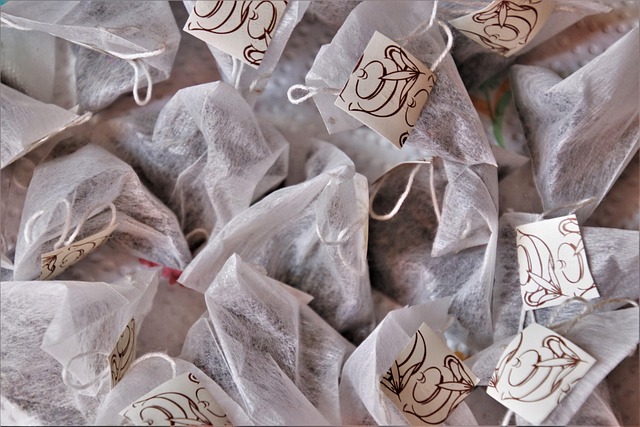
Used tea bags still contain enough tannins and antioxidants to serve a wide range of purposes beyond a single cup. Pressing a cooled used tea bag against tired or puffy eyes for ten minutes is a well-known remedy that genuinely reduces swelling due to the caffeine and tannin content. Green tea bags placed in shoes overnight absorb odour effectively and leave a faintly pleasant scent without any synthetic fragrance. Rubbing a damp black tea bag on minor burns or sunburned skin provides a cooling, anti-inflammatory effect that many people find more soothing than standard creams. Burying used bags directly in garden soil near acid-loving plants like hydrangeas or blueberries helps retain moisture and introduces a small amount of beneficial nutrients as they decompose.
Which of these leftover food hacks surprised you most? Share your thoughts in the comments!




