
Many pet owners are surprised to discover that some of the most familiar ingredients found in everyday kitchens can pose serious health risks to cats and dogs. What seems like a harmless treat or a small dropped crumb can trigger a range of dangerous reactions depending on the animal and the amount consumed. Certain household staples affect pets very differently than they affect humans due to fundamental differences in their metabolism and digestive systems. Understanding which ingredients to keep away from your furry companions is one of the most important steps toward keeping them safe and healthy at home.
Xylitol

Xylitol is an artificial sweetener found in sugar-free gum, certain peanut butter brands, candy, and a wide range of baked goods sold in supermarkets. In dogs, it triggers a rapid release of insulin from the pancreas, causing a dangerous drop in blood sugar known as hypoglycemia. Symptoms can appear within fifteen to sixty minutes of ingestion and include vomiting, loss of coordination, and seizures. High doses have also been linked to acute liver failure, which can become life-threatening without immediate veterinary care. Always check ingredient labels on packaged products before sharing anything with your dog.
Grapes
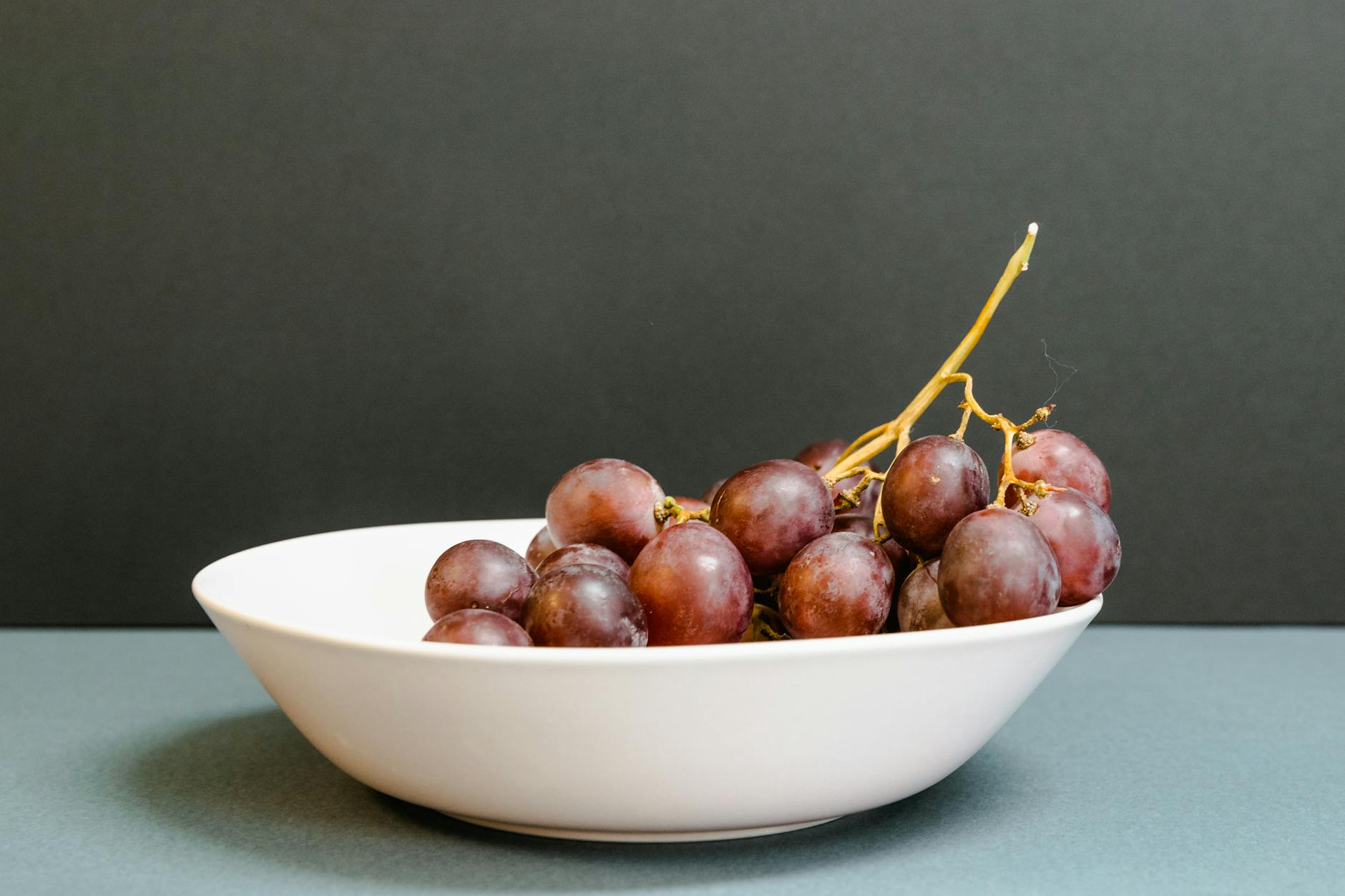
Grapes are one of the most deceptively dangerous foods for both dogs and cats, even when consumed in very small amounts. Scientists have not yet fully identified the exact toxic compound responsible, which makes it impossible to establish any safe quantity for pets. Consumption can lead to sudden kidney failure, with symptoms including vomiting, lethargy, and a significant decrease in urination. The reaction can vary widely between individual animals, meaning some pets may show severe symptoms after just a few pieces. Both fresh and refrigerated forms of this fruit carry an identical level of risk.
Raisins
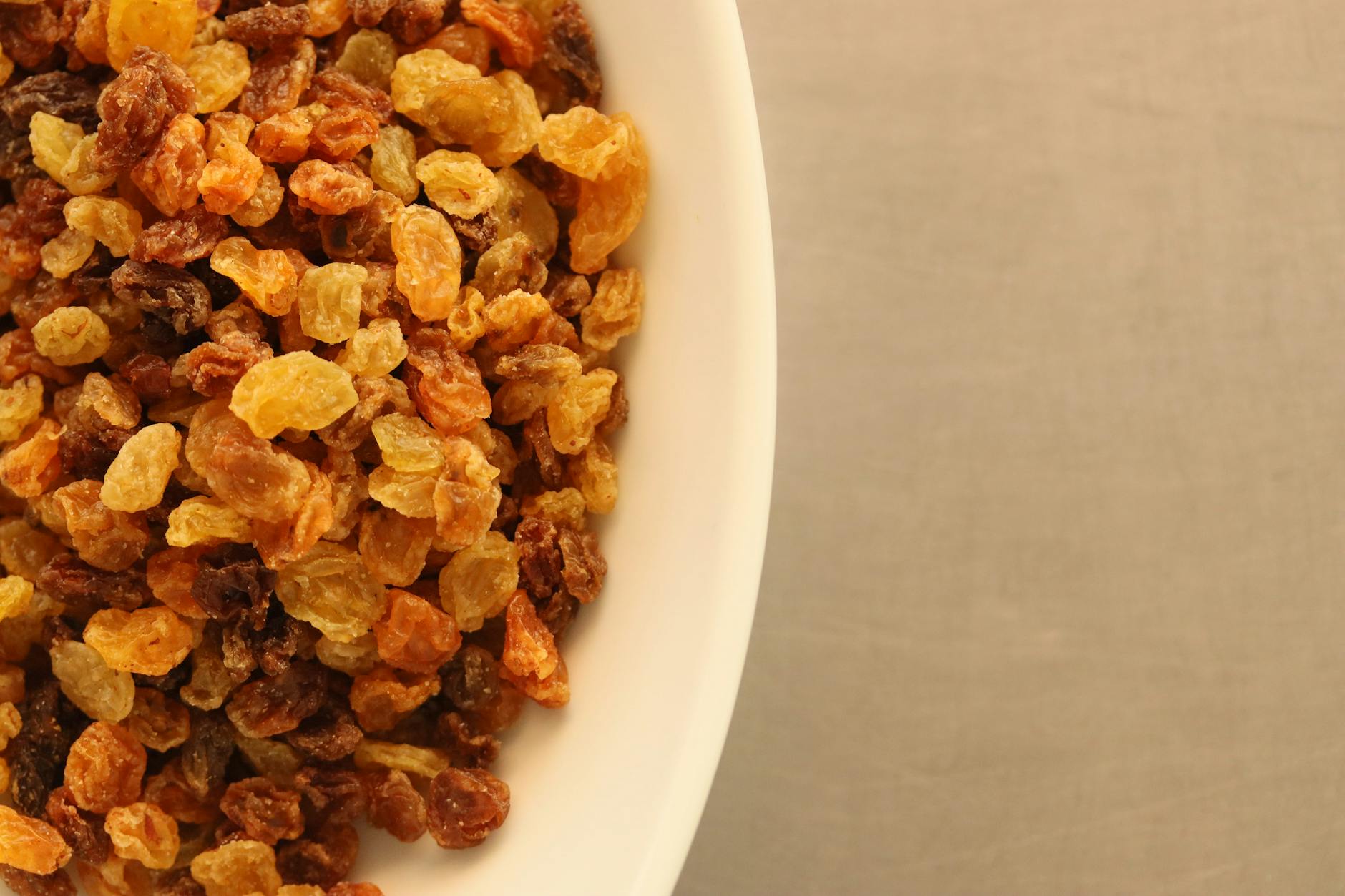
Raisins carry the same toxic potential as grapes and are considered even more hazardous due to their highly concentrated form. A very small quantity can cause acute kidney failure in dogs, and the biological mechanism behind the toxicity remains under active scientific investigation. Common sources include trail mix, breakfast cereals, baked goods, and certain artisan bread varieties that may be left within reach of curious pets. Symptoms typically develop within twenty-four hours and can include repeated vomiting, abdominal pain, and a complete loss of appetite. Raisins found in seasonal foods like hot cross buns and fruit cake are a particular concern during holiday gatherings.
Onions
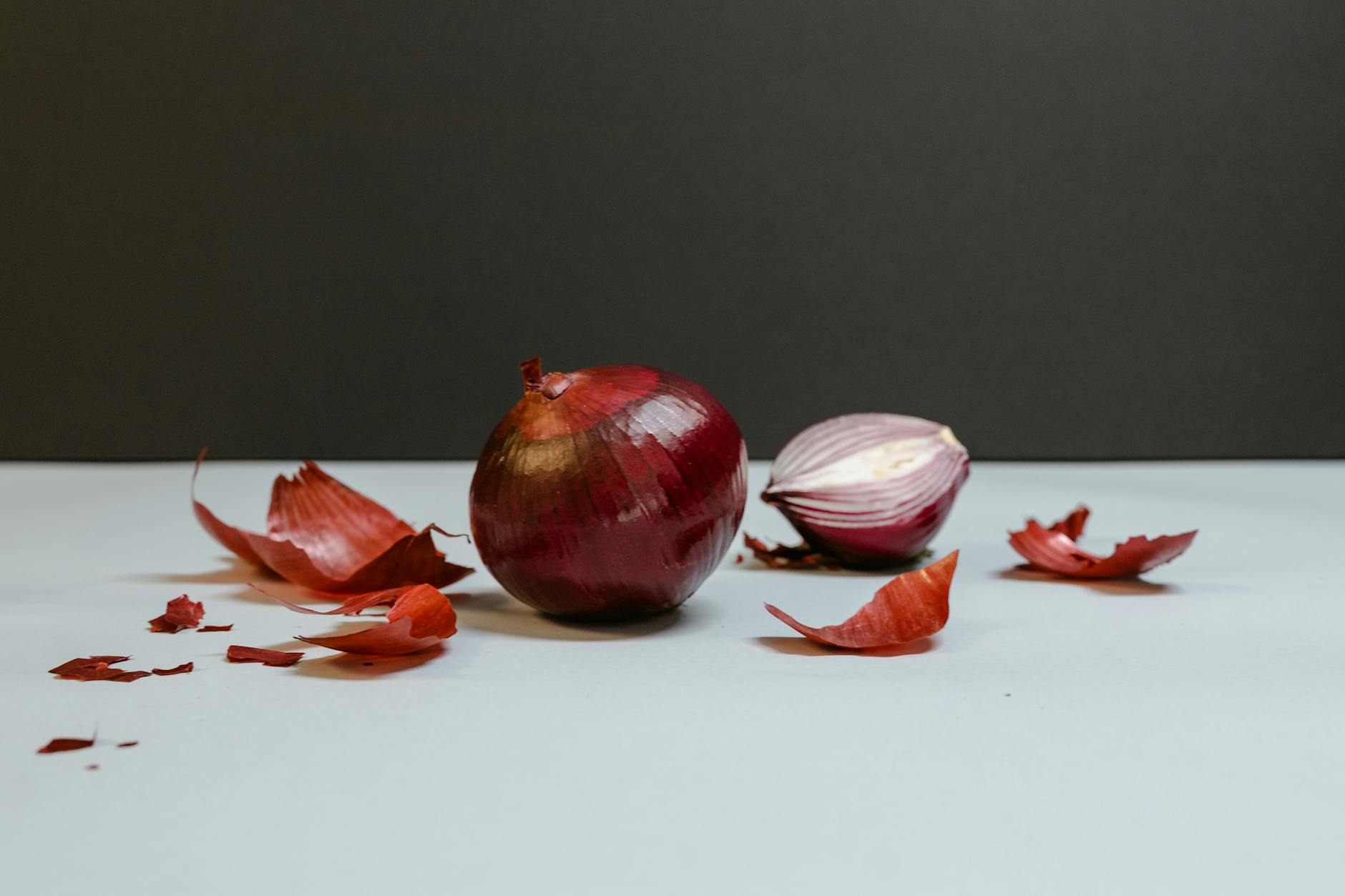
Onions contain compounds called thiosulfates and disulfides that damage red blood cells in both dogs and cats, leading to a condition known as hemolytic anemia. This toxic effect applies regardless of whether onions are raw, cooked, powdered, or dehydrated, making them a hidden danger in many prepared and processed meals. Even small amounts consumed repeatedly over time can accumulate to cause serious harm, and cats are particularly sensitive to this ingredient at lower doses. Signs of toxicity include weakness, pale gums, reduced appetite, and an unusual reddish tint to the urine. Onion powder is especially concentrated and can be found in seasoning blends, canned soups, and some commercial baby food products.
Garlic
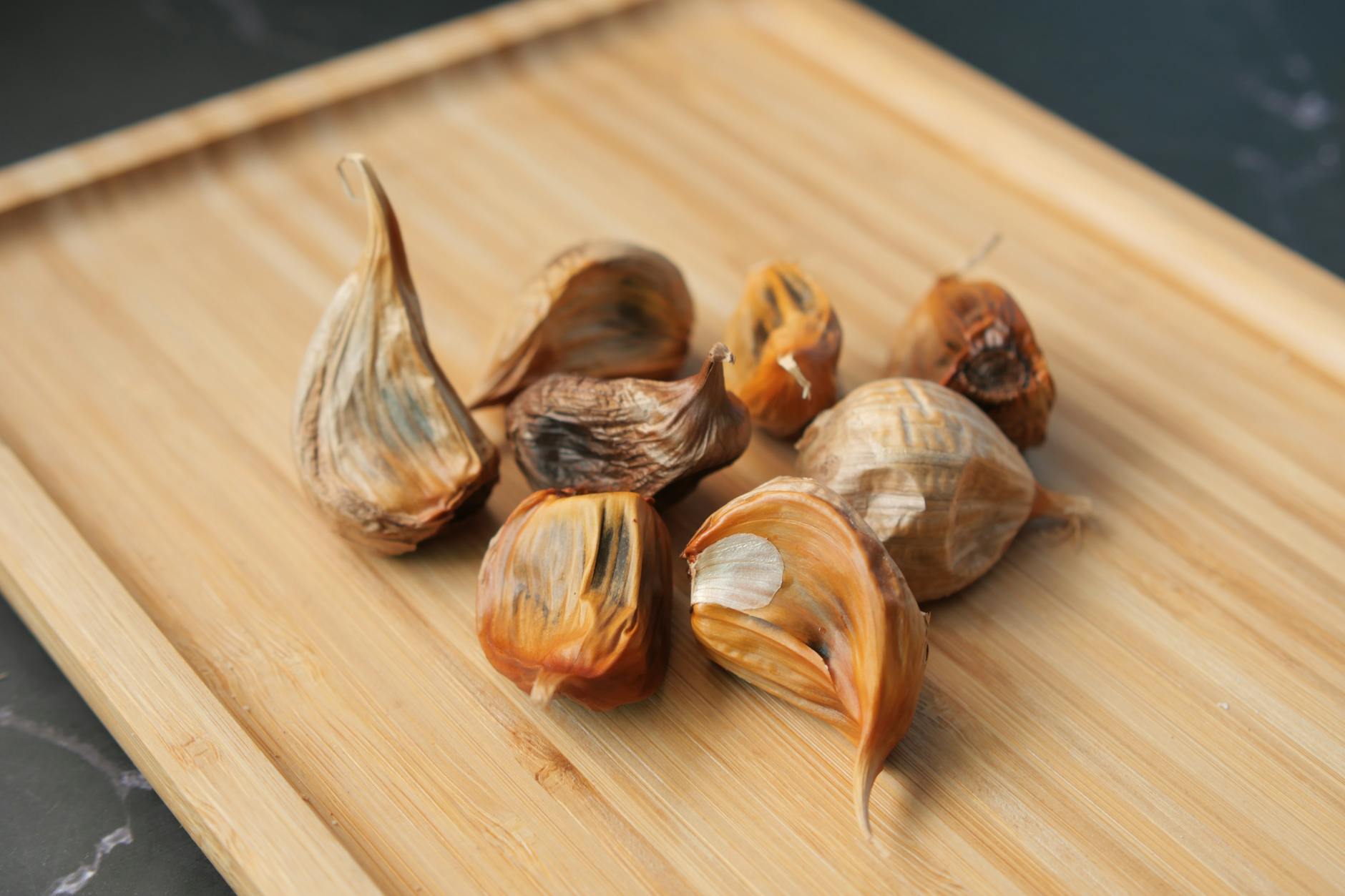
Garlic belongs to the same allium family as onions and contains a similar group of toxic compounds that break down red blood cells over time. It is considered significantly more potent than onions per gram of body weight, making even modest amounts hazardous to household pets. Cats are especially vulnerable and can develop anemia from very small exposures, while dogs typically require a larger dose before symptoms become apparent. Garlic is commonly found in sauces, gravies, seasoned meats, and a wide range of commercial human foods that might accidentally be shared with a pet. Symptoms of toxicity can be delayed by several days, which sometimes leads owners to underestimate the severity of the exposure.
Chocolate

Chocolate contains two stimulant compounds called theobromine and caffeine, both of which are metabolized far more slowly in dogs and cats than in humans. Dark chocolate and baking chocolate contain the highest concentrations of theobromine, making them the most dangerous varieties available in most homes. Even milk chocolate in sufficient quantities can trigger serious symptoms including vomiting, rapid heart rate, muscle tremors, and seizures in affected animals. The toxic dose depends on the type of chocolate, the amount consumed, and the overall size of the animal. Chocolate toxicity is among the most common causes of emergency veterinary visits, particularly during major holidays when chocolate is widely distributed throughout the home.
Macadamia Nuts
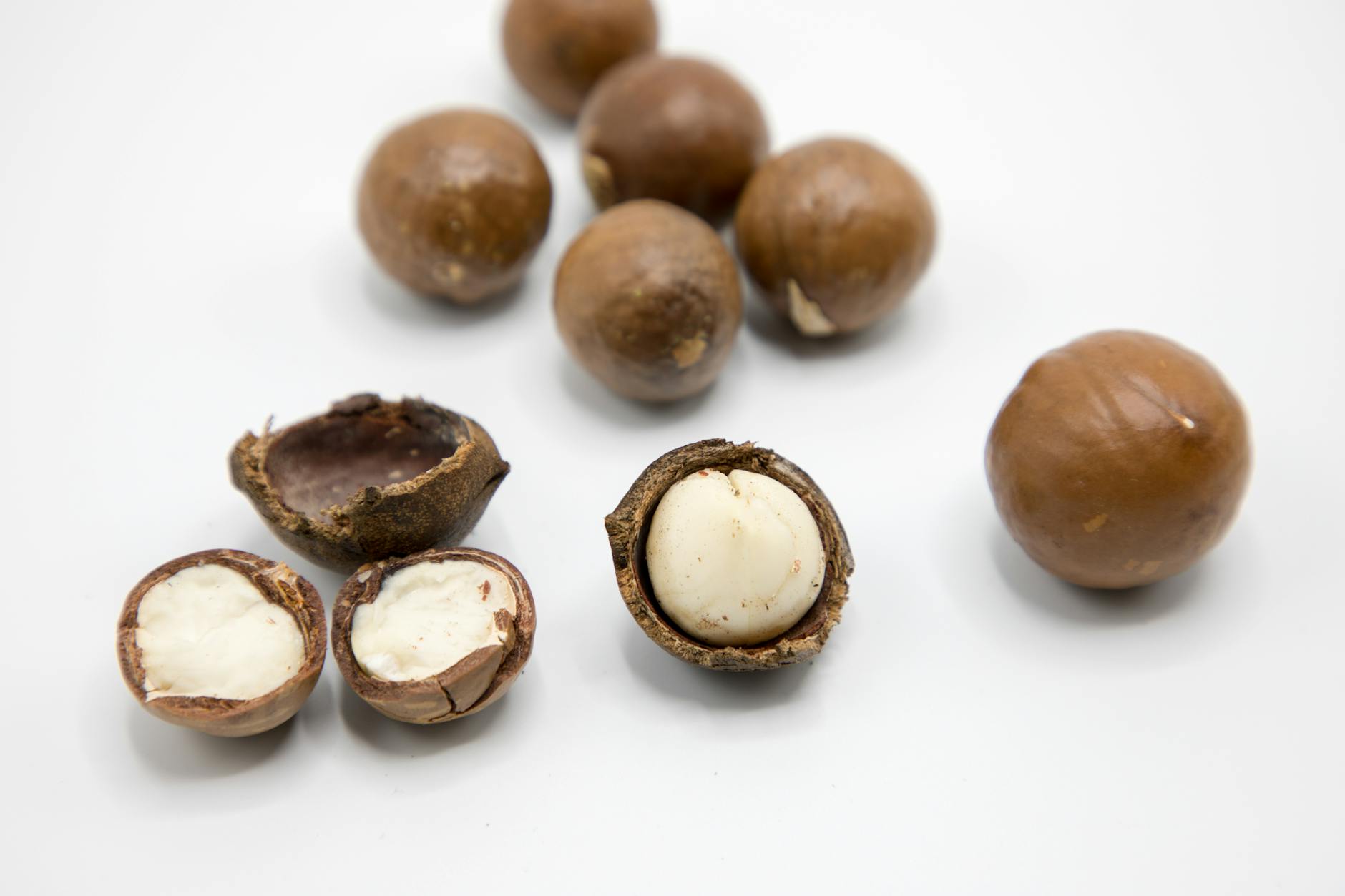
Macadamia nuts are toxic to dogs even when consumed in relatively small quantities, though the specific compound responsible has not yet been identified by researchers. Symptoms typically appear within twelve hours of ingestion and include weakness particularly concentrated in the hind legs, vomiting, tremors, and an elevated body temperature. While most dogs recover within forty-eight hours with supportive veterinary care, the experience can be distressing and potentially dangerous without professional supervision. Macadamia nuts are commonly found in cookies, trail mixes, and chocolate-covered snack products that are often left at accessible heights in kitchens. Dogs of all breeds and sizes can be affected, regardless of prior exposure or overall health status.
Avocado
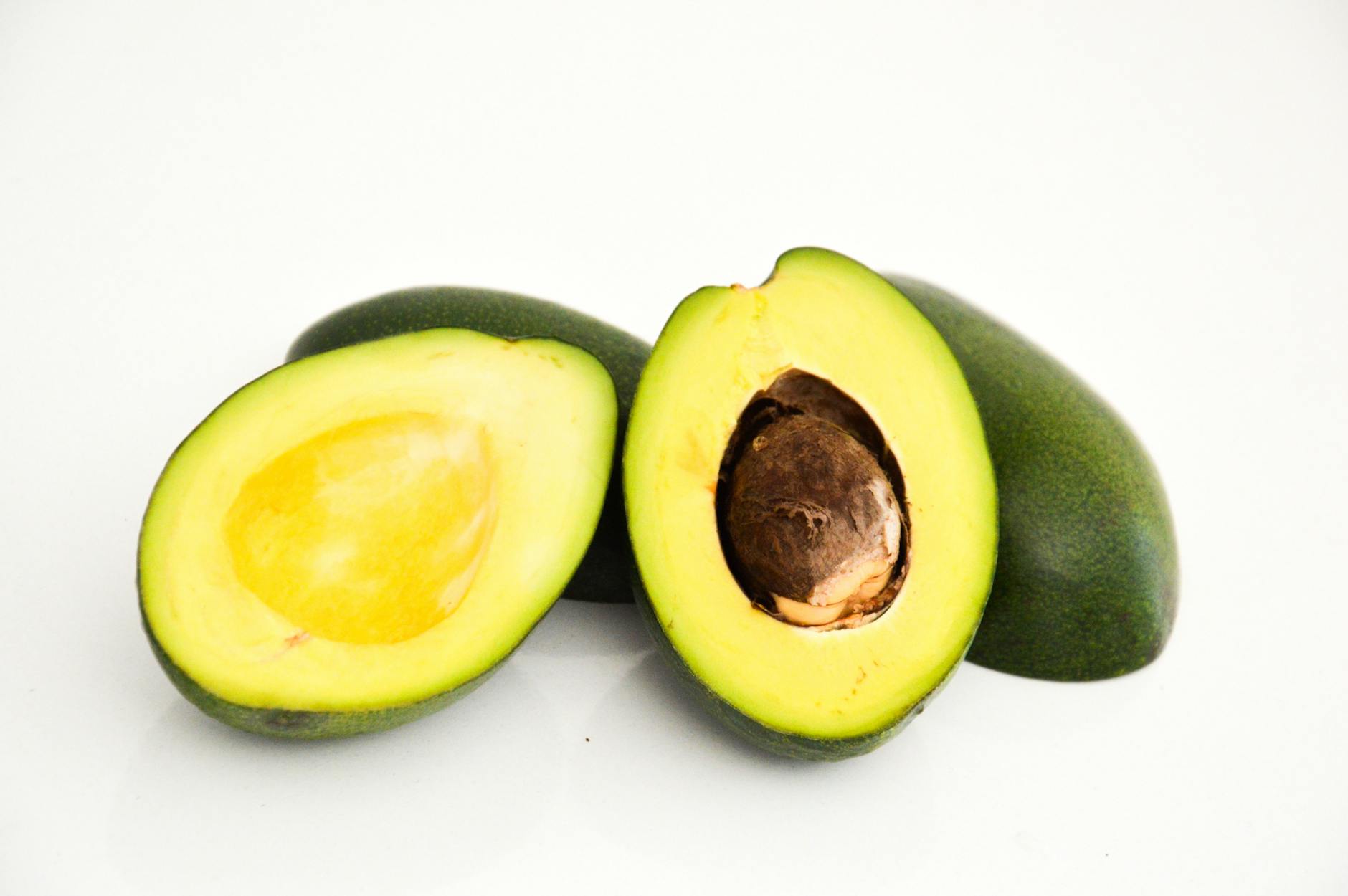
Avocado contains a fungicidal toxin called persin that is present throughout the flesh, skin, pit, and leaves of the plant. Birds, rabbits, and large livestock are particularly sensitive to persin, and it can cause serious respiratory distress and fluid accumulation around the heart in these species. The risk to dogs and cats is lower but still present, particularly from the high fat content of the fruit, which can trigger a painful and potentially serious case of pancreatitis. The large central pit also poses a significant choking hazard and can cause intestinal blockage if swallowed by a pet of any size. Guacamole is especially problematic because it combines avocado with onion and garlic, two additional toxic ingredients.
Alcohol
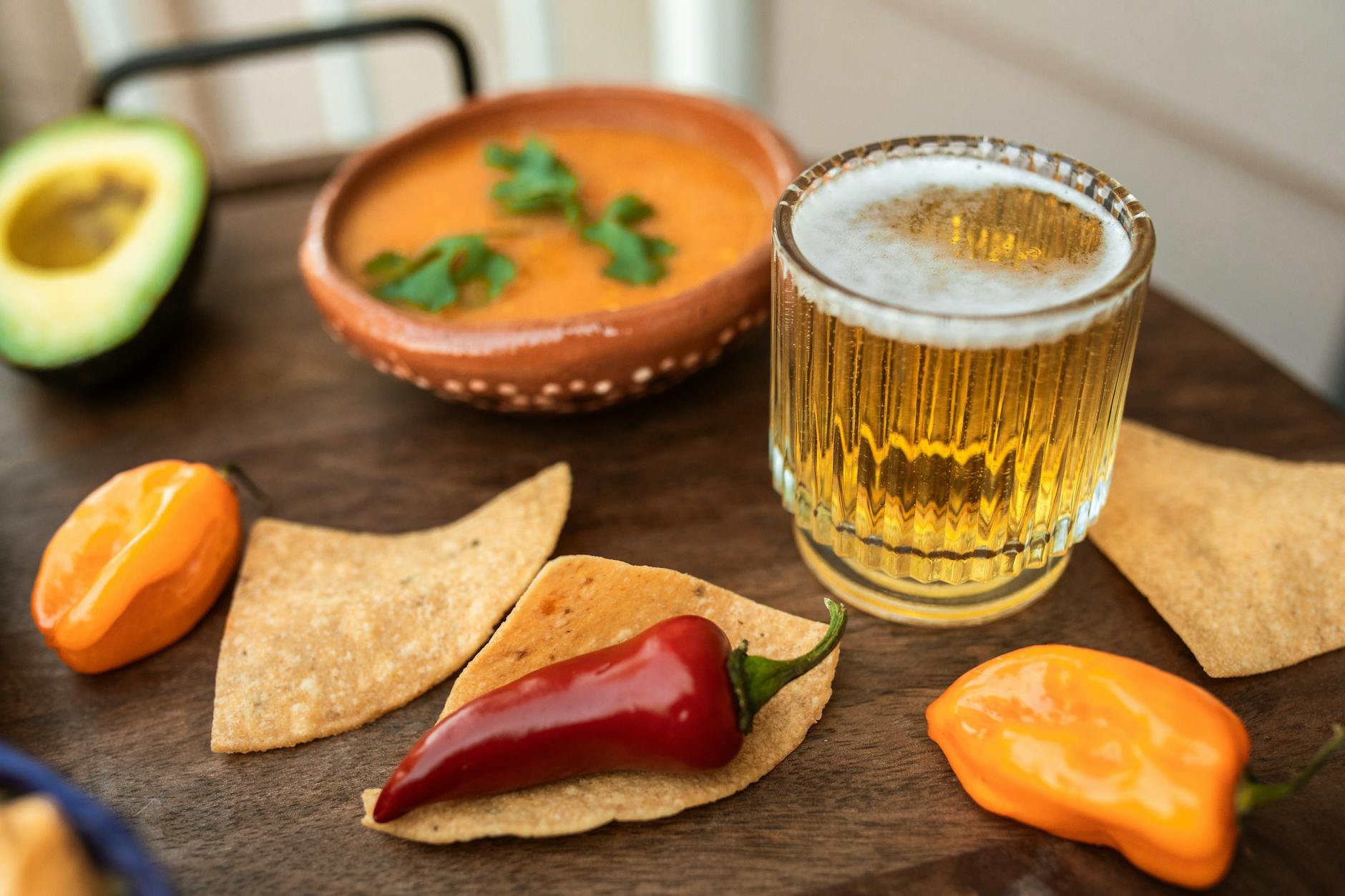
Alcohol affects pets in the same fundamental way it affects humans but at a fraction of the dose due to their significantly smaller body mass. Even a small amount of beer, wine, liquor, or food prepared with alcohol can cause vomiting, disorientation, breathing difficulties, and dangerously low blood sugar in dogs and cats. Fermented foods and raw bread dough are less obvious sources of alcohol exposure that carry similar risks. Symptoms can escalate quickly to coma or respiratory failure if the ingestion is not treated promptly by a veterinarian. Pets should never be offered alcohol intentionally, and any spills should be cleaned up immediately before an animal can investigate.
Caffeine

Caffeine is a central nervous system stimulant that affects pets much more severely than humans due to differences in metabolism and body size. Sources include coffee, tea, energy drinks, certain over-the-counter medications, and some diet products that may be left within easy reach of curious animals. Even a small amount can cause restlessness, rapid breathing, elevated heart rate, muscle tremors, and in severe cases, full seizures. Caffeine toxicity in pets can develop rapidly and requires prompt veterinary attention to manage effectively and safely. Coffee grounds and used tea bags are particularly dangerous because animals may be drawn to their strong scent and inadvertently consume a concentrated dose.
Nutmeg
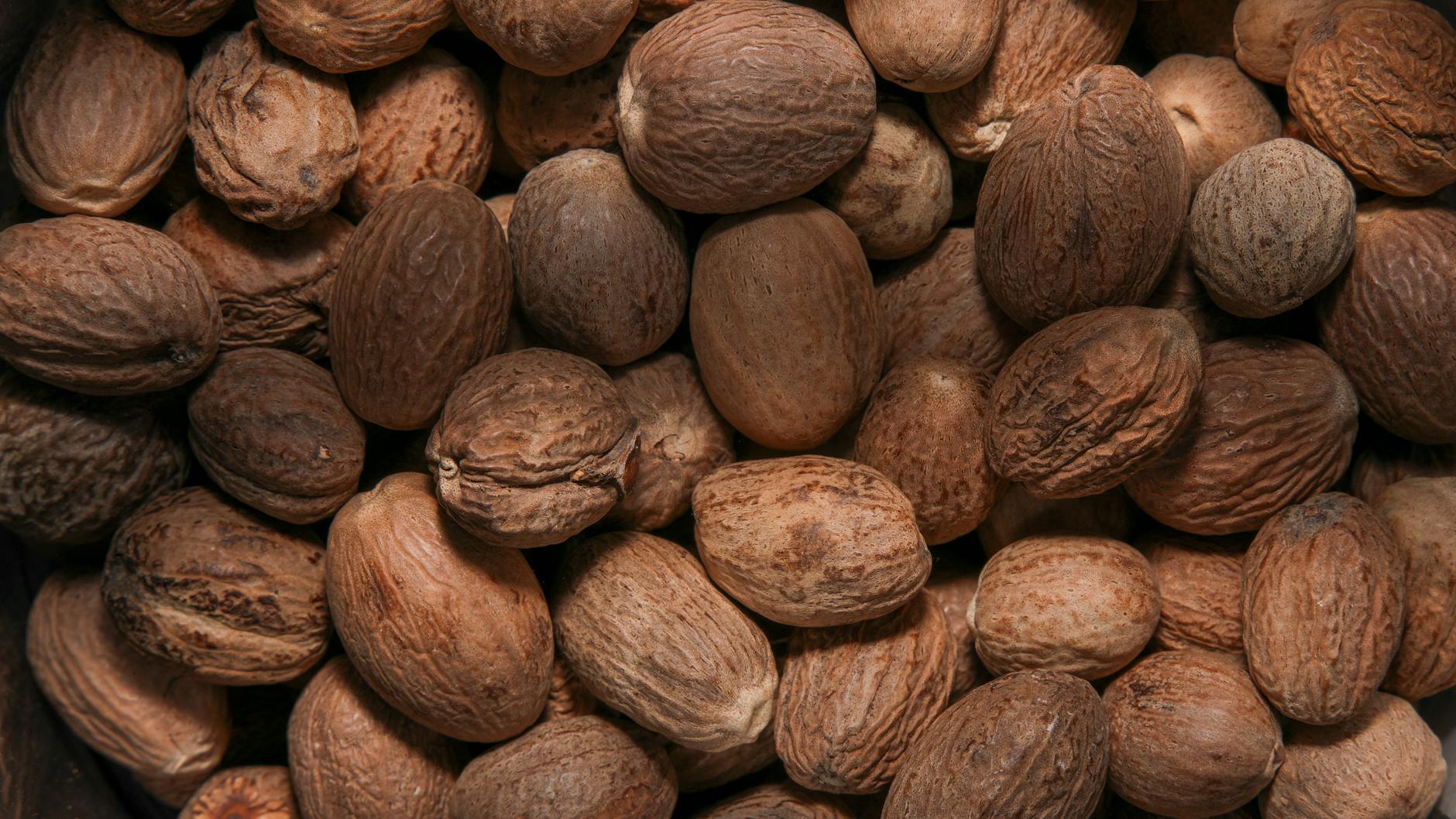
Nutmeg contains a compound called myristicin that acts as a hallucinogen and can trigger serious neurological symptoms in pets when consumed in even moderate amounts. It is commonly found in baked goods, warming spice blends, eggnog, and certain savory dishes that are frequently prepared during the autumn and winter seasons. In dogs, nutmeg poisoning can cause disorientation, increased heart rate, elevated blood pressure, dry mouth, abdominal pain, and seizures in more severe cases. Symptoms may take several hours to appear but can persist for up to forty-eight hours once they fully develop. While trace amounts within a large baked good may not cause visible illness, concentrated forms of the spice pose a much more significant risk.
Salt
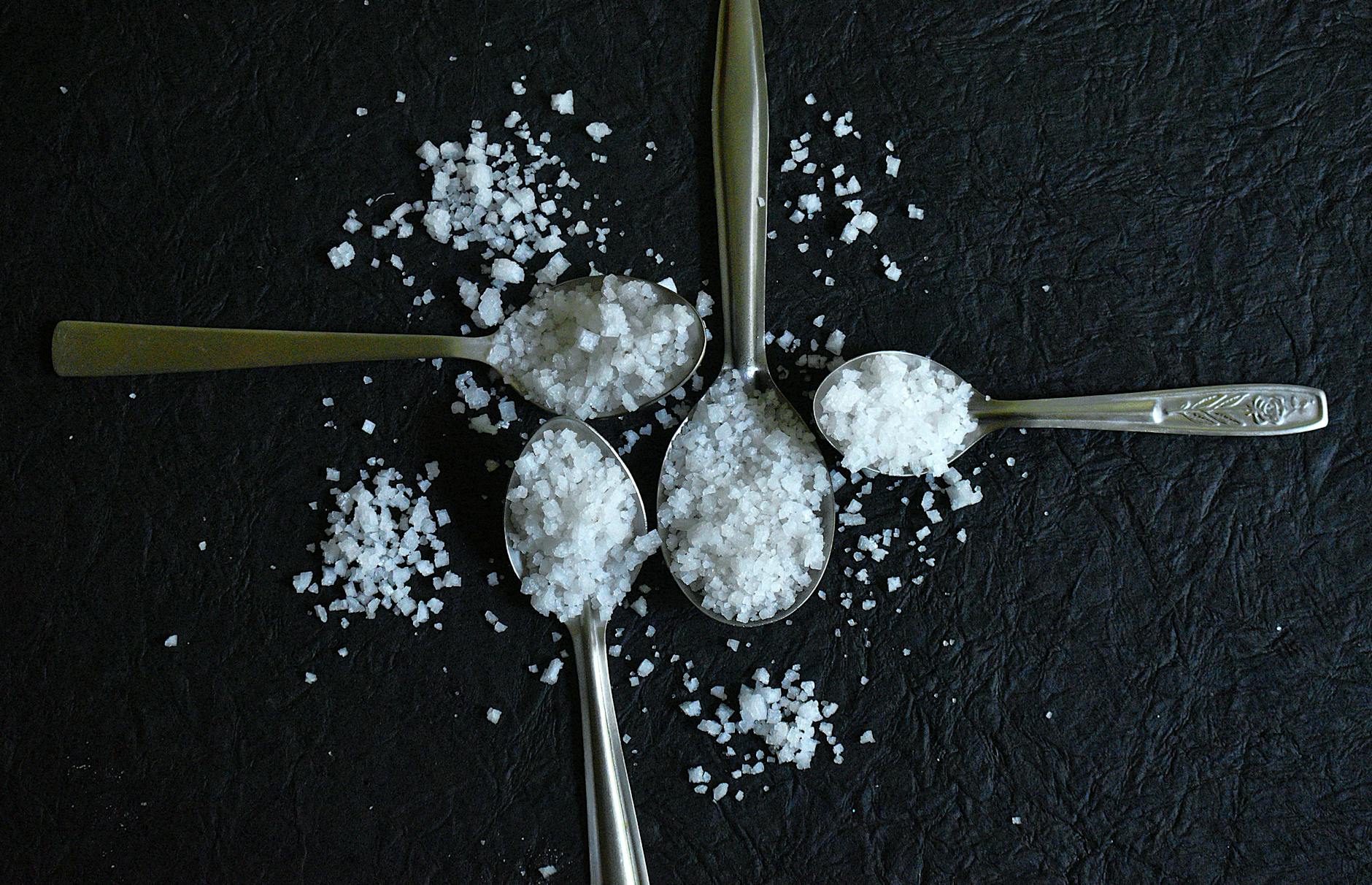
Salt in large quantities is toxic to both dogs and cats and can cause a condition known as sodium ion poisoning that affects the brain and nervous system. Pets are often attracted to salty snacks such as chips, pretzels, and popcorn, but regular consumption or a single large dose can overwhelm their ability to regulate fluid balance. Symptoms of salt toxicity include excessive thirst, frequent urination, vomiting, diarrhea, tremors, and in severe cases, seizures and death. Animals with pre-existing kidney or heart conditions are at even greater risk from high-sodium foods and should be kept strictly away from salty snacks. Homemade salt dough ornaments commonly made during the holiday season are a lesser-known but surprisingly frequent source of salt poisoning in curious dogs.
Yeast Dough

Raw yeast dough is dangerous to pets for two separate reasons that can each become independently life-threatening on their own. When ingested, the warm environment of the stomach causes the dough to continue expanding, which can result in severe bloating and a painful condition called gastric dilatation. As the yeast ferments the sugars present in the dough, it also produces alcohol as a metabolic byproduct that is absorbed directly into the bloodstream. This combination of physical expansion and alcohol toxicity can cause vomiting, disorientation, weakness, and cardiovascular complications that escalate quickly. Baked bread does not carry the same risk once the yeast has been fully killed during the cooking process.
Chives

Chives are a member of the allium plant family alongside onions and garlic, and they carry the same capacity to damage red blood cells in both dogs and cats. Even small amounts consumed on a regular basis can cause a cumulative toxic effect that leads to hemolytic anemia developing gradually over time. Cats are especially sensitive to chives and can develop serious symptoms from quantities that might produce only mild effects in a dog of comparable size. Chives are commonly used as garnishes and flavorings in soups, salads, dips, cream cheese, and stuffed baked potatoes, making them easy to overlook as a potential hazard. Symptoms of allium toxicity can be delayed by several days, which sometimes causes the original source to go unidentified by the owner.
Leeks
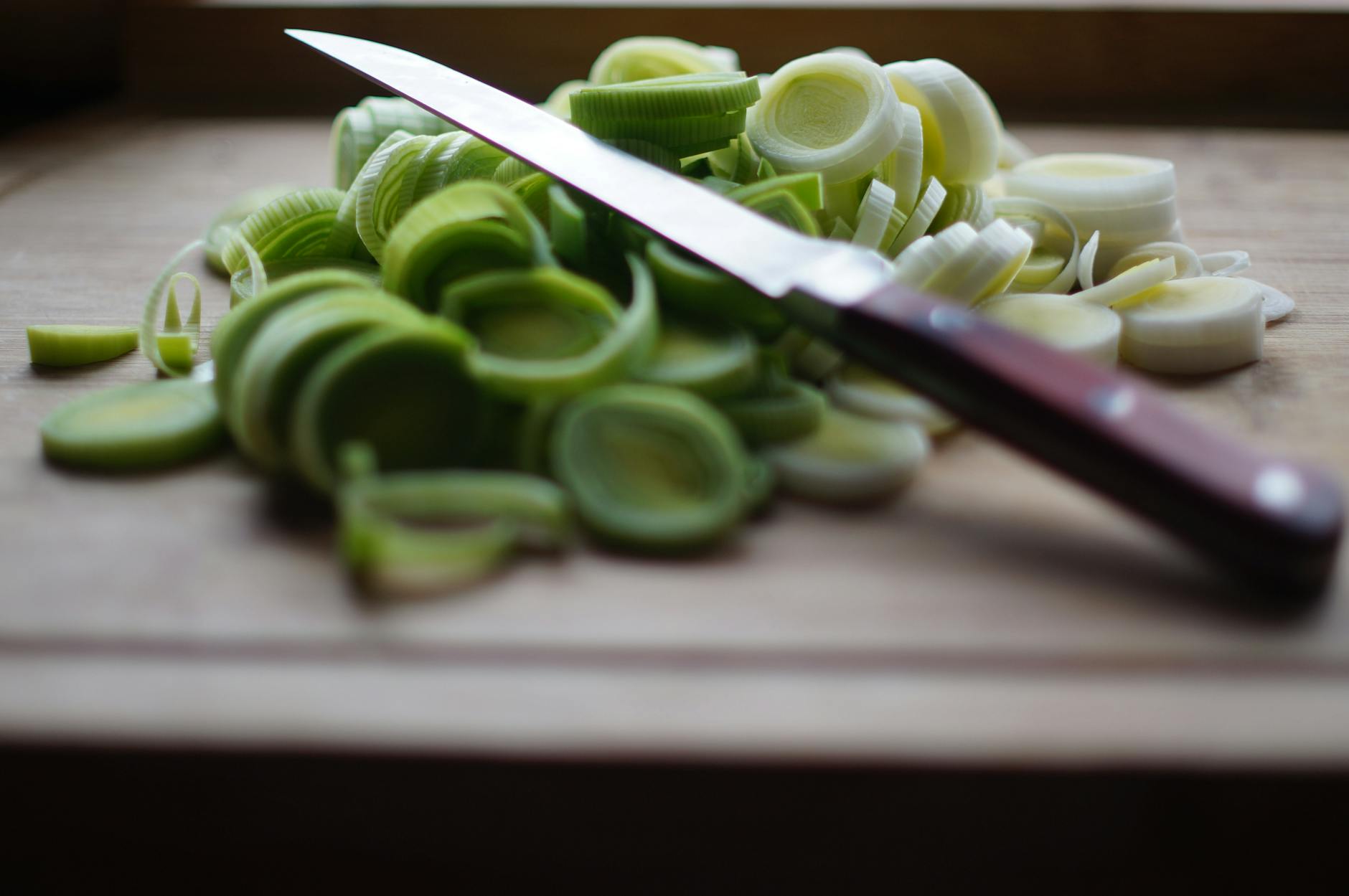
Leeks share the same toxic compounds found in onions, garlic, and chives, making them another allium plant that poses a genuine danger to household pets. They are particularly common in soups, casseroles, and savory pies, which are dishes that may be left on a low counter or shared unknowingly with a pet. The toxic effects are cumulative over time, so even repeated small exposures from table scraps can build up to cause serious harm to an otherwise healthy animal. Both dogs and cats are susceptible, though cats tend to show more severe reactions at lower doses due to their reduced ability to process these compounds. Signs of leek toxicity often include weakness, loss of appetite, pale gums, and an elevated resting heart rate.
Cherries

Cherry pits, stems, and leaves all contain cyanogenic glycosides, which are compounds that release cyanide when metabolized by the body. While the fleshy fruit itself is not toxic in very small amounts, the danger lies in the fact that pets often consume the whole cherry rather than avoiding the pit and stem. Cyanide exposure in pets can cause rapid breathing, bright red gums, dilated pupils, and in severe cases, shock and death within a short period of time. Dogs that enjoy foraging in gardens or under fruit trees are at particular risk of consuming fallen cherries along with their dangerous pits. Maraschino cherries used in cocktails and desserts are not a safer alternative, as they contain high concentrations of added sugar and often include artificial additives that are themselves harmful to pets.
Apple Seeds
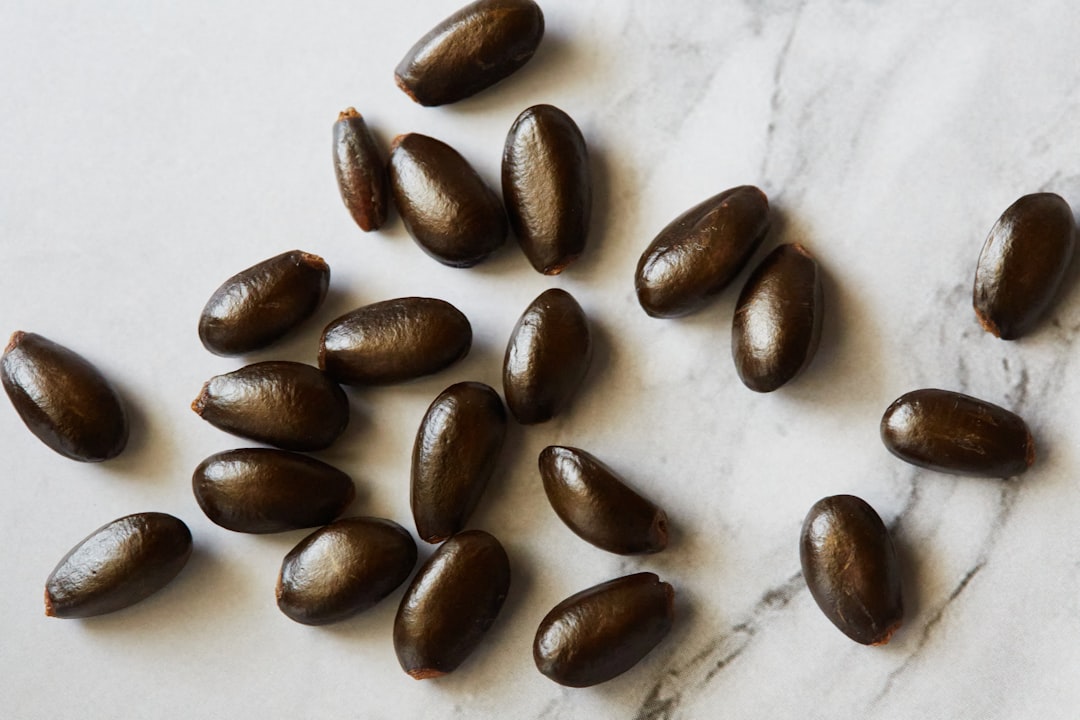
Apple seeds contain amygdalin, a natural compound that breaks down into hydrogen cyanide when chewed or digested by an animal. While the flesh of an apple is generally considered safe for dogs in moderate amounts, seeds should always be carefully removed before offering any piece to a pet. Ingesting a small number of seeds may not cause immediate visible symptoms, but repeated exposure over time can result in a cumulative toxic buildup that damages internal organs. In larger quantities, the cyanide released can cause breathing difficulties, collapse, and cardiac arrest in affected animals. Apple cores are a particularly common risk because they keep the seeds intact and are often tossed to pets as a seemingly harmless afterthought.
Walnuts

Walnuts present a two-part risk for pets that makes them more hazardous than many other nuts commonly found in household kitchens. Black walnuts in particular are highly toxic to dogs and can cause tremors, vomiting, and neurological symptoms even when consumed in small quantities. Additionally, walnuts are prone to developing a mold called Penicillium that produces mycotoxins capable of causing severe seizures and serious neurological effects in affected dogs. Walnut shells can also cause physical injury to the lining of the digestive tract if swallowed due to their hard and jagged edges. Fallen walnuts in gardens and public parks represent a common and easily overlooked outdoor exposure risk for dogs that enjoy sniffing and chewing found objects.
Blue Cheese
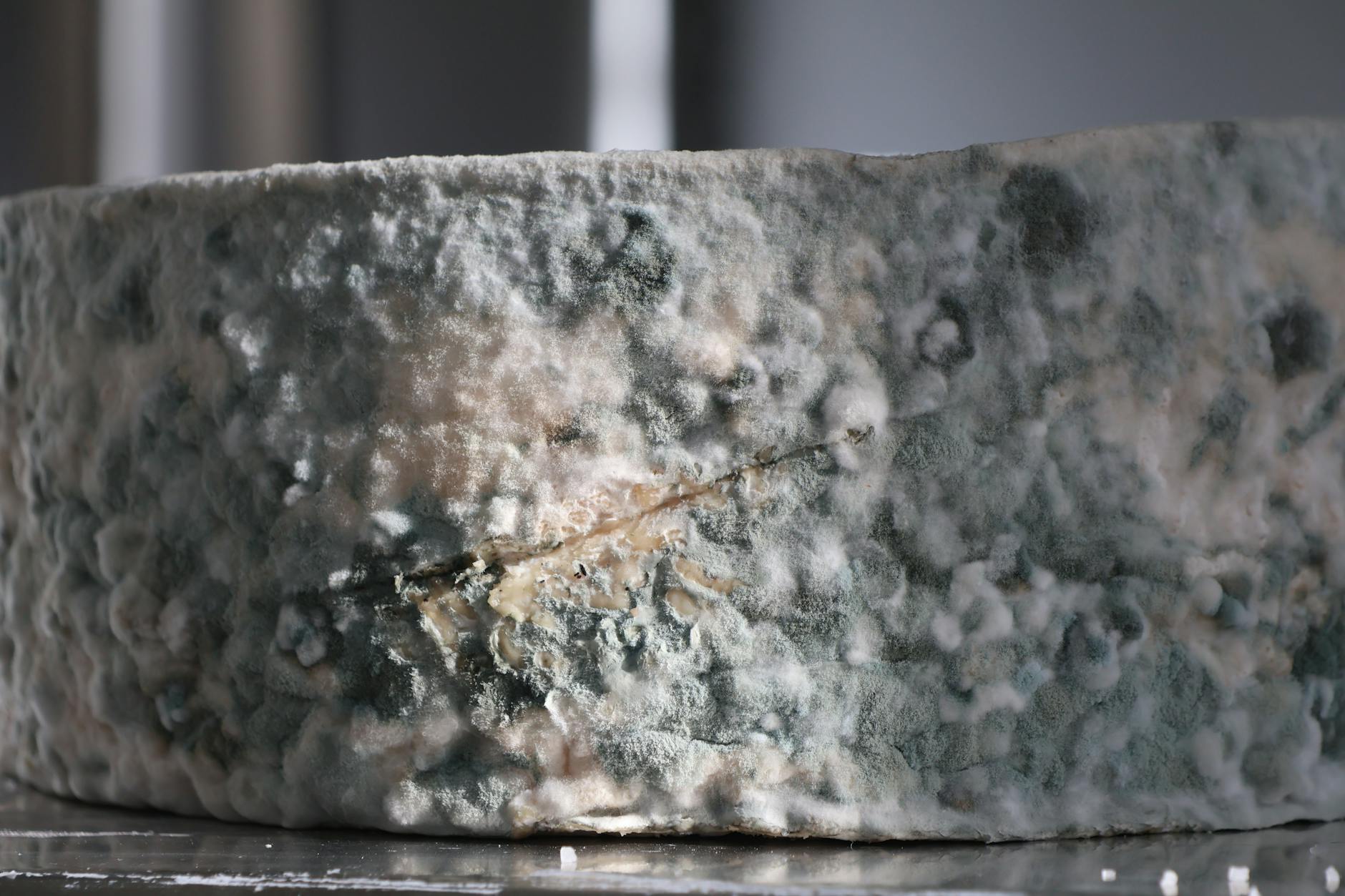
Blue cheese and other heavily aged or mold-ripened cheeses contain a substance called roquefortine C, which is produced by the specific mold cultures used during the cheese-making process. This compound can cause vomiting, diarrhea, elevated body temperature, seizures, and muscle tremors in dogs who consume even moderate amounts. The older and more mature the cheese, the higher the concentration of roquefortine C and the greater the associated health risk. Cats are generally less likely to seek out strong-smelling cheeses, but dogs can be highly attracted to the pungent aroma and will readily consume significant quantities if given the opportunity. Other soft mold-ripened cheeses should be kept away from pets for the same underlying reason.
Wild Mushrooms
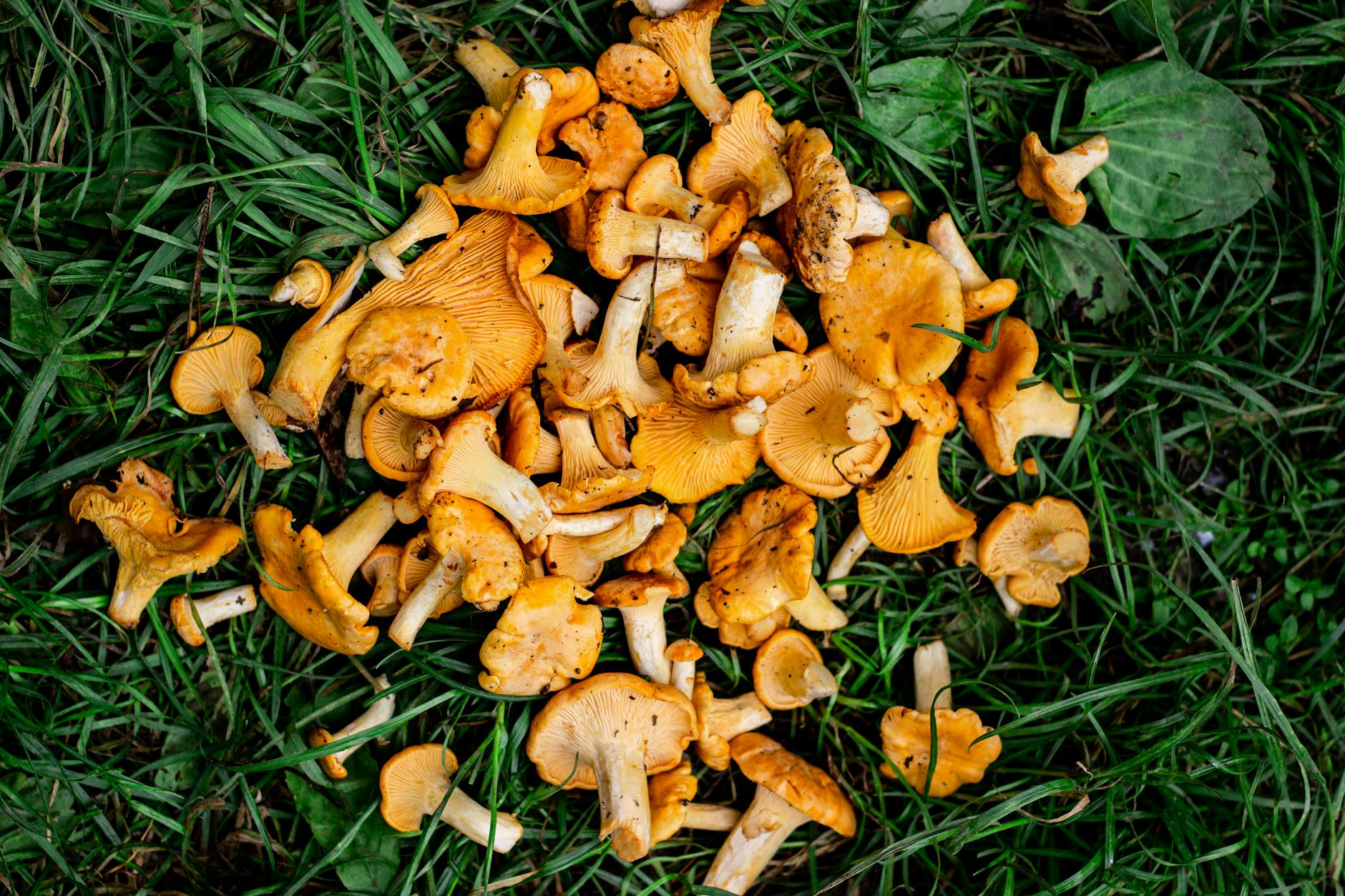
While many store-bought mushroom varieties are considered relatively safe for pets in small quantities, wild mushrooms represent an entirely different and far more serious level of danger. Several species commonly found in gardens and woodland areas contain toxins that can cause liver failure, kidney failure, neurological damage, and death in both dogs and cats. Animals do not have the ability to distinguish toxic mushroom species from non-toxic ones, making unsupervised outdoor time a genuine hazard for pets in areas where wild fungi grow. Symptoms of mushroom poisoning vary widely depending on the species consumed and can include excessive salivation, seizures, jaundice, and severe disorientation. Any suspected ingestion of a wild mushroom should be treated as a veterinary emergency regardless of how mild the initial symptoms appear.
Peaches
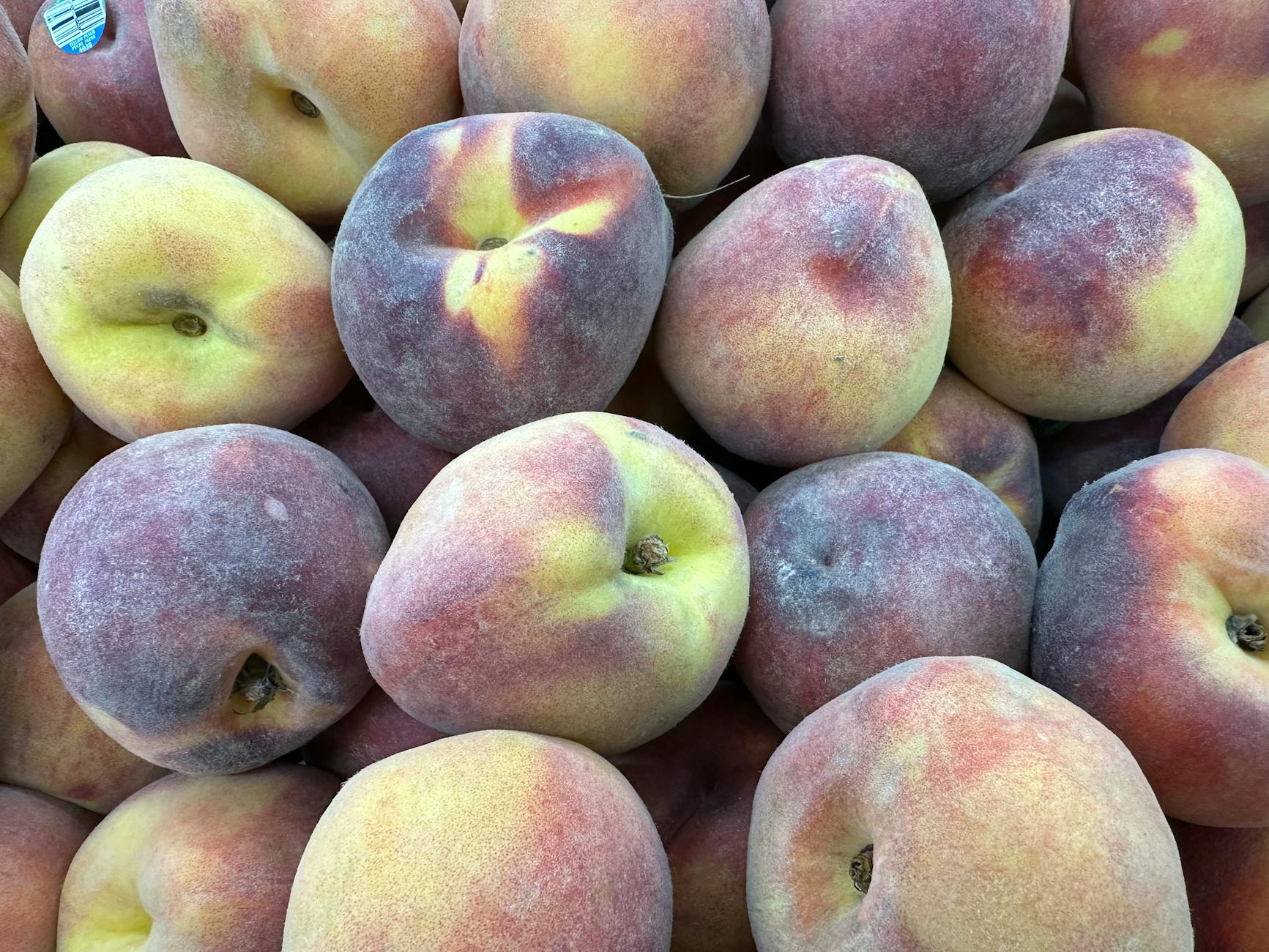
The pit of a peach contains amygdalin, the same cyanide-releasing compound found in cherry pits and apple seeds, making it toxic to both dogs and cats. Beyond the chemical risk, the hard pit also poses a significant choking hazard and can cause a dangerous intestinal obstruction if swallowed by a pet in one piece. The fruit flesh is not considered toxic to dogs in very small amounts, but the high natural sugar content can cause digestive upset and contribute to unhealthy weight gain over time. Canned peaches are an even less suitable option because they are typically packed in heavy syrup containing concentrated amounts of added sugar. Peach trees grown in home gardens can expose pets to leaves and stems that contain lower but still concerning levels of the same cyanogenic compounds.
Raw Potatoes
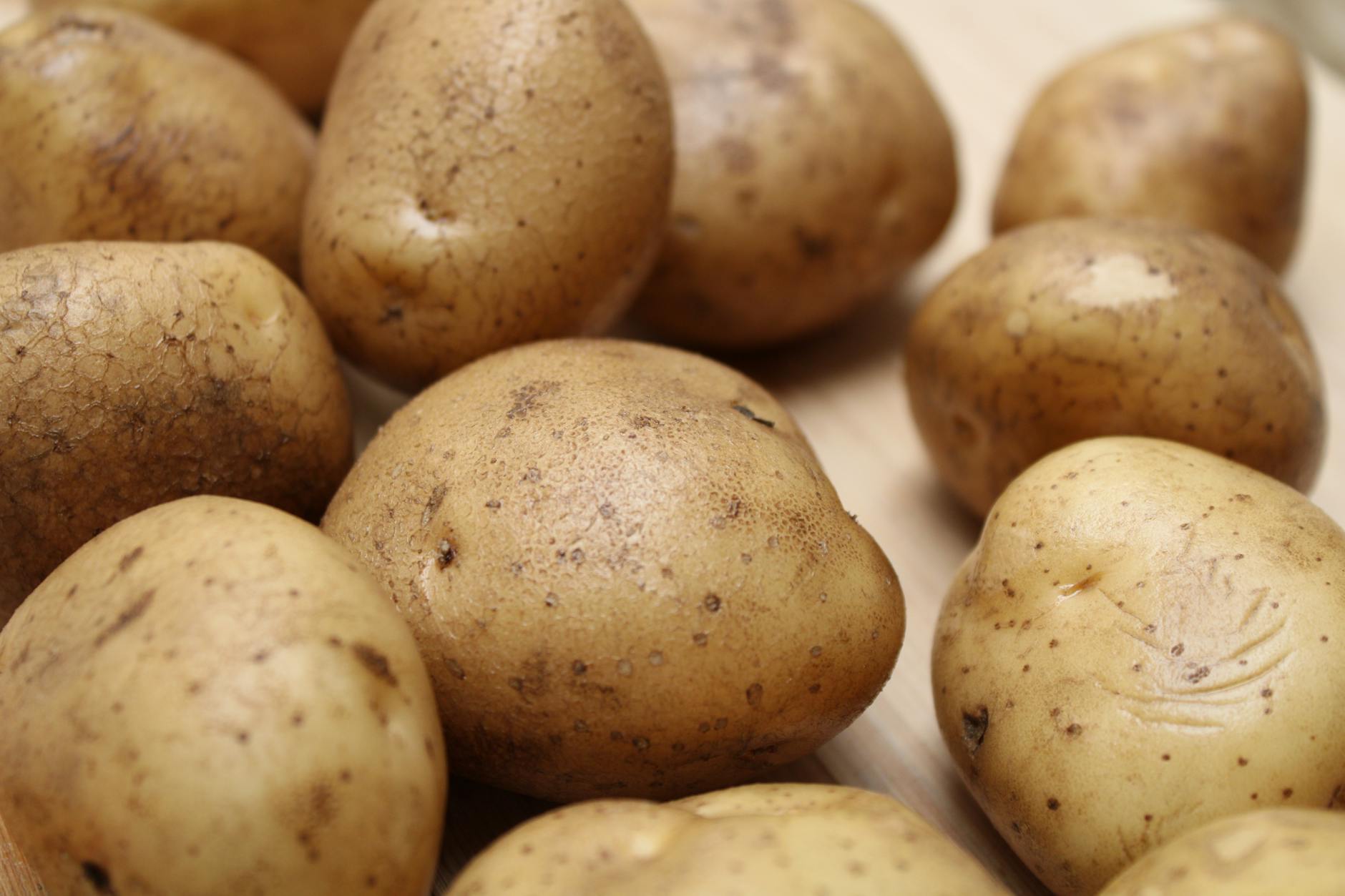
Raw potatoes and the broader potato plant contain solanine, a natural glycoalkaloid compound that acts as a built-in defense mechanism within the nightshade plant family. Green potatoes and potato skins have particularly high concentrations of solanine, which can cause vomiting, diarrhea, confusion, and in serious cases, significant neurological impairment in pets. Dogs may be drawn to raw potatoes left on low countertops or stored in open vegetable bins, especially when they carry an appealing starchy scent that triggers curiosity. Once potatoes are cooked thoroughly, solanine levels drop considerably, and they are generally considered safer for dogs in plain form without added butter, salt, or seasonings. Sweet potatoes belong to a completely different plant family and do not carry the same solanine-related risk.
Hops
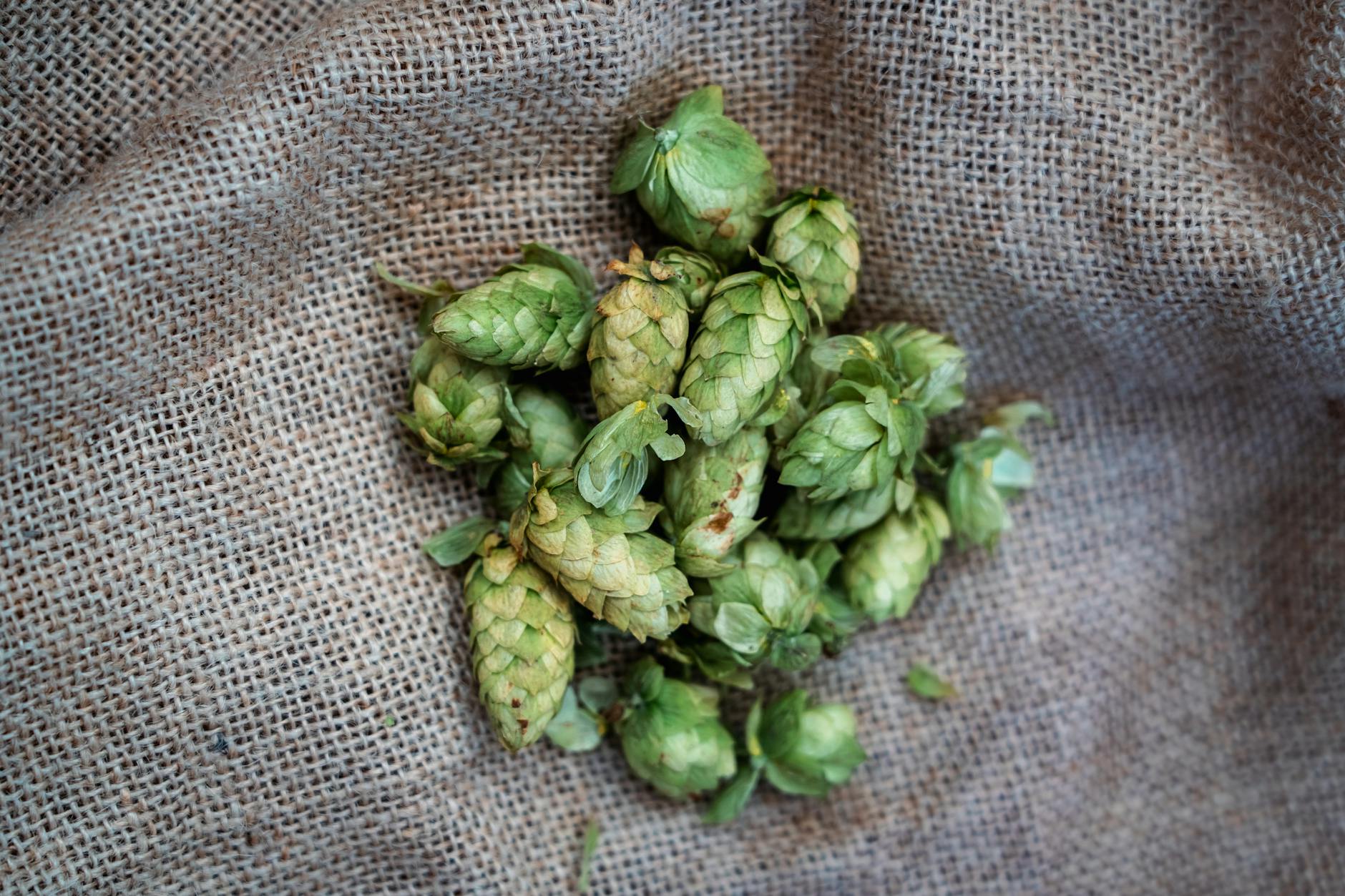
Hops are a plant used in beer brewing and are increasingly found in home brewing kits, placing them within potential reach of pets in households that enjoy the hobby. Both fresh and spent hops can cause a dangerous and potentially fatal condition in dogs known as malignant hyperthermia, characterized by an uncontrollable and rapid rise in body temperature. Unlike many other toxic substances, there is no established safe dose for hops in dogs, meaning any amount should be treated as hazardous. Symptoms develop quickly and include intense panting, restlessness, vomiting, and a racing heart rate that can escalate to organ failure if not treated immediately. Certain dog breeds known for their sensitivity to anesthesia may be at an even higher risk of experiencing a severe reaction.
Milk
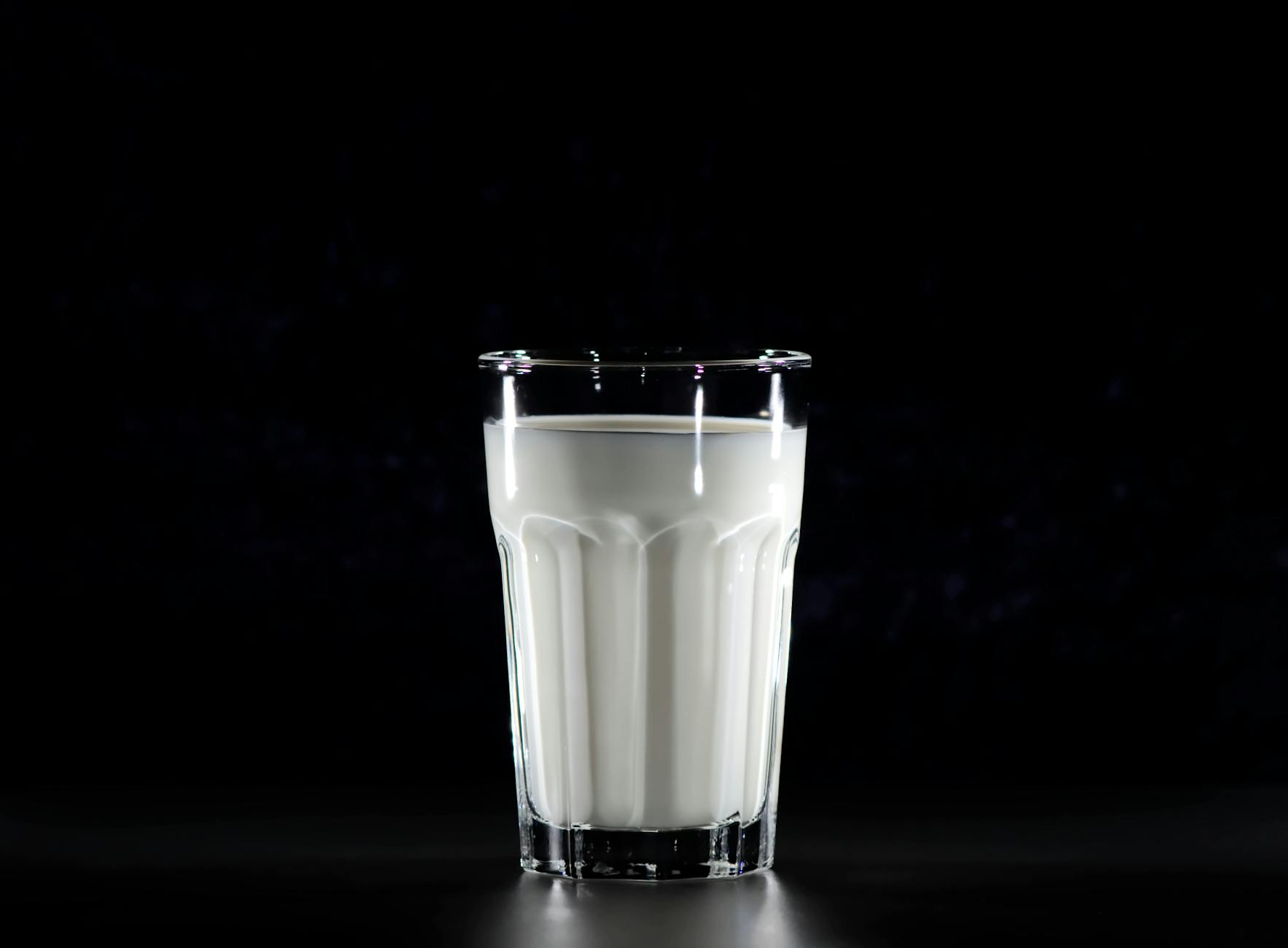
While milk is not acutely toxic in the same way as many other ingredients on this list, most adult dogs and cats are naturally lactose intolerant because they lack sufficient levels of the enzyme lactase needed to digest milk sugar properly. Regular consumption of cow’s milk and standard dairy products can cause digestive disturbance including diarrhea, bloating, and abdominal discomfort in sensitive animals. The fat content in whole milk and cream can also contribute to the development of pancreatitis in dogs that are fed dairy products frequently or in large amounts. Some cats may appear to enjoy milk and tolerate small quantities without obvious external distress, but this does not necessarily mean their digestive systems are processing it without internal effects. Specially formulated lactose-free pet milk products are commercially available for owners who wish to offer their companions a dairy-style treat without the associated risk.
Star Anise

Star anise is a spice widely used in Asian cuisine and herbal teas, and it contains anethole and other essential oil compounds that can be toxic to both dogs and cats in meaningful quantities. While small amounts present within a cooked dish may cause only mild digestive upset, concentrated forms such as essential oils derived from the plant are significantly more dangerous and should be stored completely out of reach. Cats are particularly sensitive to anethole because they lack certain liver enzymes needed to process it safely, which can lead to neurological symptoms and liver stress with repeated exposure. Symptoms of star anise toxicity can include vomiting, excessive drooling, weakness, and in more serious cases, tremors and difficulty walking steadily. Herbal teas and spiced baked goods containing star anise are often overlooked as potential sources of exposure in households where pets roam freely in the kitchen.
If you have had a close call with any of these ingredients or want to share what pet-safe swaps have worked in your home, share your experience in the comments.




