
The gut is often called the body’s second brain, and for good reason. It plays a central role in digestion, immunity, mood regulation, and overall wellbeing. Yet many people unknowingly consume foods every single day that silently disrupt the delicate balance of bacteria living in the digestive tract. From pantry staples to seemingly wholesome snacks, the culprits are far more common than most would expect.
Flavored Yogurt

Most people reach for flavored yogurt believing it to be a gut-friendly choice, but many commercial varieties are loaded with added sugars that feed harmful bacteria in the gut. The live cultures present in plain yogurt are often minimal in flavored versions and can be outweighed by artificial additives and thickeners. High fructose corn syrup, a common ingredient in these products, has been linked to intestinal inflammation and shifts in microbiome composition. Fruit-flavored varieties often contain colorings and preservatives that further compromise digestive balance. Choosing plain, unsweetened yogurt with verified live cultures is a far more beneficial alternative.
White Bread

White bread is made from refined flour that has been stripped of its fiber and natural nutrients during processing. Without adequate fiber, the digestive system lacks the material it needs to feed beneficial gut bacteria and maintain regular bowel movements. The rapid spike in blood sugar triggered by white bread creates an environment where harmful microorganisms can flourish. Many commercial loaves also contain additives such as emulsifiers and dough conditioners that have been shown in research to alter the gut lining. Swapping to a whole grain or sourdough option makes a meaningful difference in long-term digestive health.
Artificial Sweeteners
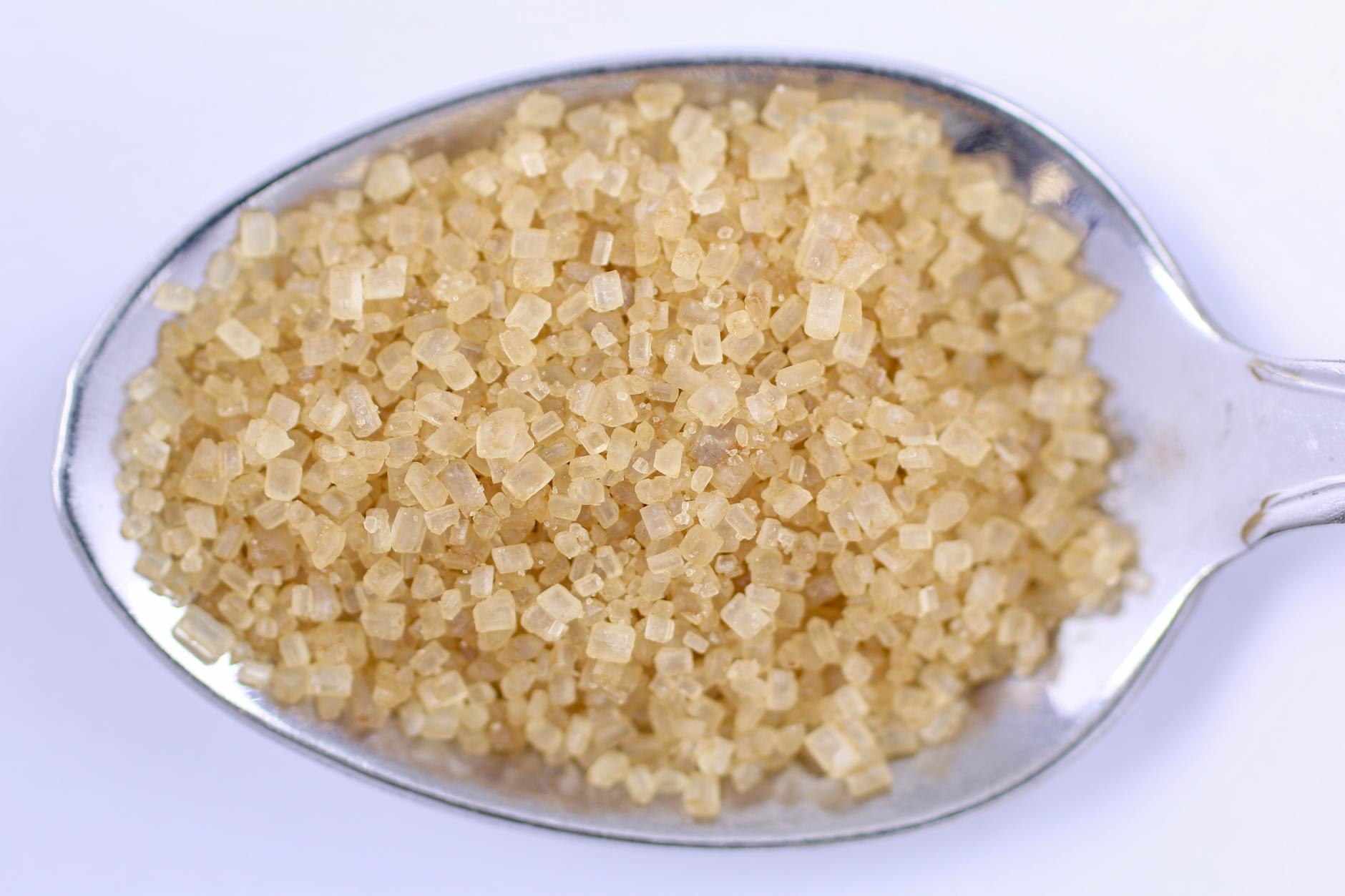
Artificial sweeteners like aspartame, saccharin, and sucralose are widely used as sugar substitutes in diet drinks, chewing gum, and low-calorie foods. Studies have found that these compounds can significantly alter the composition of gut bacteria even in small amounts. Research published in scientific journals has shown that saccharin in particular may induce glucose intolerance by disrupting microbial communities. The gut responds to these foreign compounds in unpredictable ways, often triggering bloating, gas, and digestive discomfort. Despite being calorie-free, their impact on the microbiome makes them a hidden source of gut disruption.
Processed Cheese

Processed cheese products bear little resemblance to naturally aged cheeses and are typically packed with emulsifying salts, artificial flavorings, and preservatives. The emulsifiers used to give processed cheese its smooth texture have been studied for their potential to degrade the protective mucus layer lining the intestines. A compromised gut lining makes it easier for bacteria and toxins to pass into the bloodstream, a condition known as increased intestinal permeability. The sodium content in processed cheese is also considerably high, which can contribute to fluid imbalance and digestive sluggishness. Natural aged cheeses such as cheddar or gouda are far gentler on the digestive system.
Microwave Popcorn

Microwave popcorn may seem like a light snack, but the bags are frequently lined with chemicals such as perfluorooctanoic acid that can leach into the food during heating. Many commercial varieties contain artificial butter flavoring, added salt, and preservatives that collectively stress the digestive tract. The high sodium content can disrupt the fluid balance in the colon, contributing to constipation or irregular bowel movements. Some brands also include hydrogenated oils, which promote systemic inflammation and can negatively affect the gut lining over time. Air-popped popcorn made at home with minimal seasoning is a dramatically cleaner choice for gut health.
Granola Bars

Granola bars are aggressively marketed as healthy snacks, yet most commercially available versions contain as much sugar as a candy bar. The combination of refined sugars, glucose syrups, and sugar alcohols can fuel the growth of harmful gut bacteria while suppressing beneficial strains. Many bars also contain chicory root or inulin added as a fiber source, which can cause significant bloating and gas in those with sensitive digestive systems. Artificial flavors and preservatives extend the shelf life of these products but add unnecessary chemical burden to the gut. Reading ingredient labels carefully reveals how few granola bars live up to their wholesome packaging.
Fruit Juice

Even 100 percent fruit juice lacks the fiber found in whole fruit and delivers a concentrated dose of fructose that reaches the gut rapidly. Excess fructose that is not absorbed in the small intestine travels to the colon where it is fermented by bacteria, producing gas and causing discomfort. Regular consumption of fruit juice has been associated with shifts in the gut microbiome that favor less beneficial bacterial strains. Many commercial juices also contain added sugars, preservatives, and natural flavors that compound the issue. Eating whole fruit provides the same vitamins alongside fiber that moderates sugar absorption and feeds healthy gut flora.
Soy Sauce
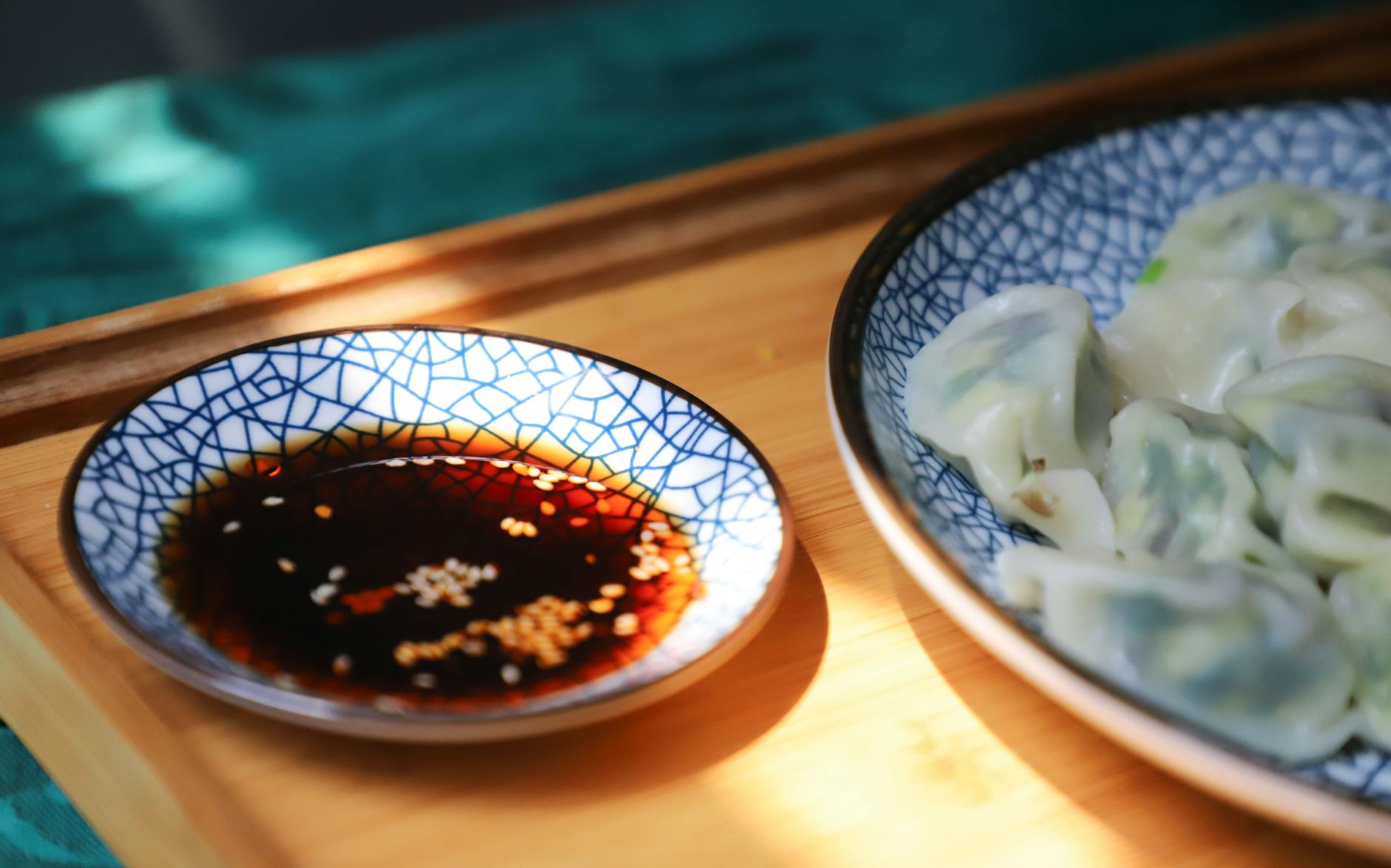
Soy sauce is a fermented condiment, but the commercially produced varieties sold in most grocery stores are often made through a rapid chemical process rather than traditional fermentation. These versions lack the beneficial compounds found in naturally brewed soy sauce and are extremely high in sodium. Excessive sodium intake can disrupt the balance of fluids in the digestive system and contribute to gut inflammation over time. Many brands also contain wheat, which introduces gluten into the diet even in small quantities, affecting those with gluten sensitivity. Opting for traditionally brewed tamari or coconut aminos provides flavor without the same digestive drawbacks.
Canned Soup

Canned soups are a convenient meal option that most households keep in regular rotation, but they tend to be extremely high in sodium and contain a range of preservatives. The BPA lining found in many metal cans has been studied for its potential to act as an endocrine disruptor that affects gut bacteria composition. High sodium content promotes water retention and can slow digestive transit time, leading to bloating and constipation. Many canned soups also contain monosodium glutamate and other flavor enhancers that have been linked to digestive sensitivity in some individuals. Preparing soups from scratch with whole ingredients allows for full control over what enters the digestive system.
Diet Soda

Diet sodas are consumed by millions of people looking to reduce sugar intake, but their impact on gut health may be worse than the drinks they replace. The artificial sweeteners in diet sodas alter gut microbiome diversity in ways that paradoxically impair the body’s ability to regulate blood sugar. Carbonation itself can contribute to bloating and gas by introducing excess air into the digestive tract. The phosphoric acid found in many cola-style diet drinks can affect the gut lining and interfere with mineral absorption in the intestines. Sparkling water infused with natural fruit offers carbonation without the chemical burden carried by diet sodas.
Peanut Butter (Commercial)
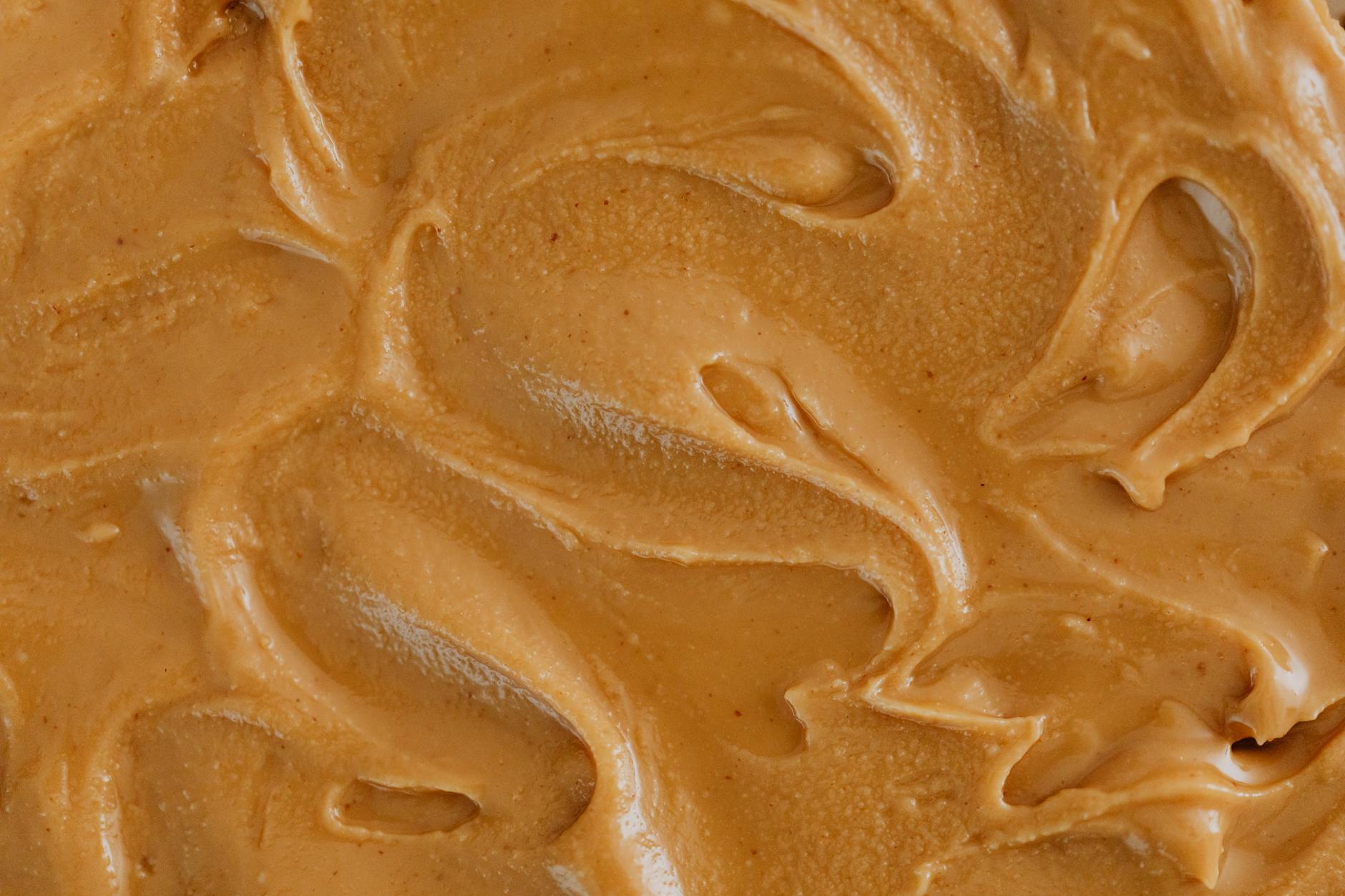
Commercial peanut butter is a pantry staple that frequently contains added sugars, hydrogenated oils, and salt alongside the peanuts themselves. Hydrogenated and partially hydrogenated oils contribute to gut inflammation and have been associated with negative shifts in the microbiome. The emulsifiers added to prevent oil separation in commercial varieties may also compromise the intestinal mucus barrier over time. Many people are also sensitive to the aflatoxins naturally found in peanuts, which can cause low-grade gut irritation that goes unnoticed. Natural peanut butter made with only peanuts and perhaps a small amount of salt is a far cleaner option for digestive health.
Breakfast Cereals

Breakfast cereals are one of the most heavily processed foods in the average household, often containing refined grains, artificial colors, and large amounts of added sugar. The glycemic impact of most cereals is extremely high, causing blood sugar spikes that promote the growth of harmful gut bacteria. Many cereals marketed specifically at children contain synthetic food dyes that have been studied for their potential to cause intestinal inflammation. Even cereals labeled as whole grain may contain minimal fiber and rely on added vitamins to appear nutritious. Steel-cut oats or whole grain porridge prepared with minimal additives provides a genuinely gut-supportive start to the day.
Alcohol

Regular alcohol consumption has a well-documented negative effect on gut health, even at moderate levels. Alcohol disrupts the balance of the gut microbiome by killing off beneficial bacteria and allowing harmful strains to proliferate. It increases intestinal permeability, which means that toxins and bacteria can more easily cross the gut wall and enter the bloodstream. Chronic consumption damages the gut lining, impairs digestive enzyme production, and reduces the absorption of key nutrients including B vitamins and zinc. Even occasional overindulgence can take several days for the microbiome to begin recovering from.
Fast Food Burgers

Fast food burgers are prepared with highly processed ingredients including refined buns, processed cheeses, and patties that often contain fillers and preservatives. The combination of refined carbohydrates and saturated fats creates a particularly stressful environment for the gut microbiome. Many fast food items are prepared using seed oils high in omega-6 fatty acids, which in excess promote inflammatory pathways in the digestive system. The sodium levels in a single fast food meal can exceed daily recommended limits, contributing to fluid disruption and digestive sluggishness. Research consistently shows that diets high in fast food are associated with significantly reduced gut microbiome diversity.
Margarine

Margarine was widely promoted as a healthier alternative to butter, but it is made through a process that creates trans fats and other compounds that are damaging to the gut. Trans fats have been shown to alter the composition of gut bacteria and promote systemic inflammation throughout the body. The processing of vegetable oils used in margarine generates compounds called lipid oxidation products that can damage the cells lining the digestive tract. Even margarine varieties labeled as trans-fat-free may contain partially hydrogenated oils that carry similar risks at lower concentrations. Grass-fed butter or cold-pressed olive oil are substantially more compatible with a healthy gut environment.
Energy Drinks
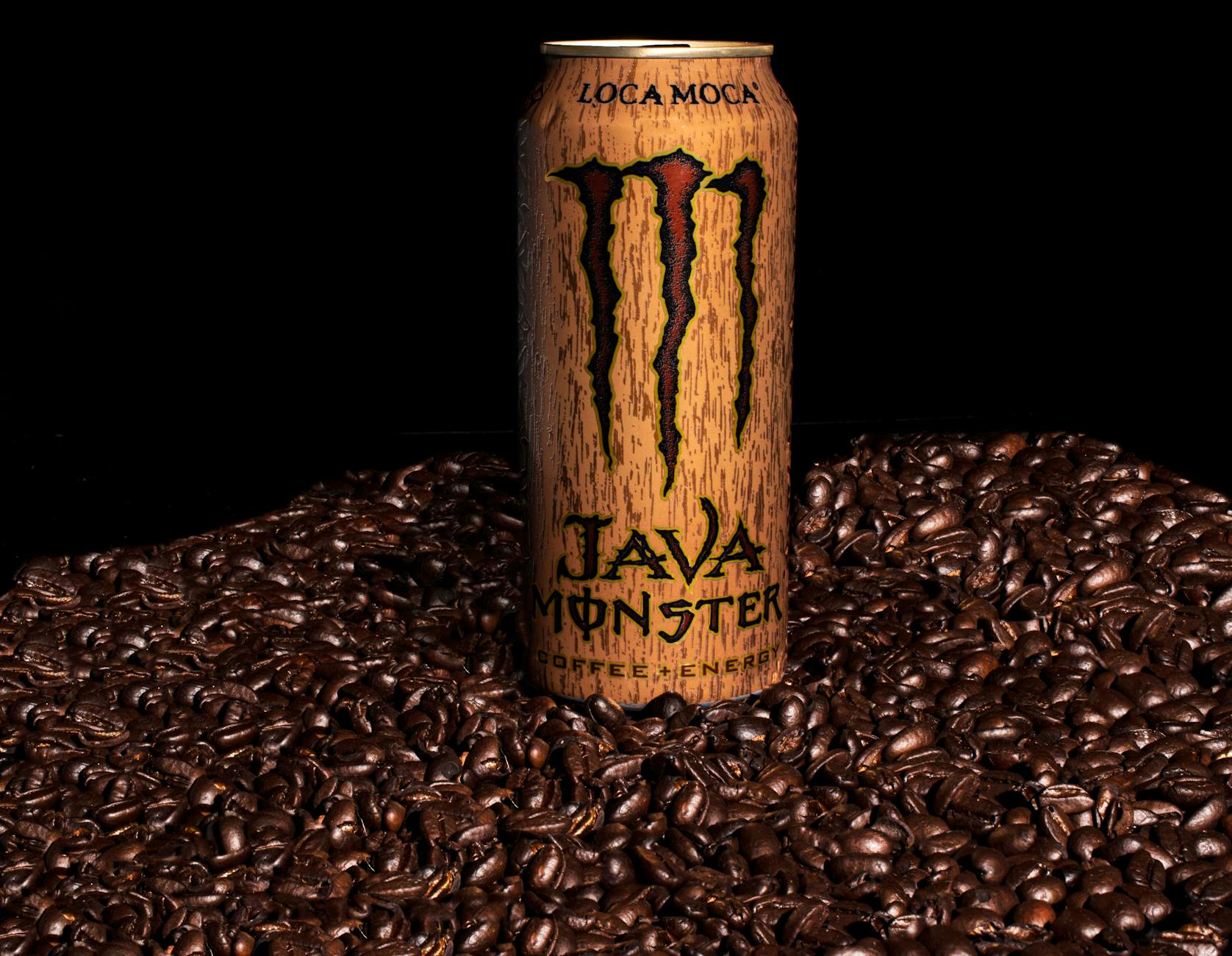
Energy drinks combine caffeine, sugar, artificial sweeteners, and a range of synthetic additives into a single can that places significant stress on the gut. The high caffeine content accelerates gut motility, which can lead to diarrhea or loose stools in regular consumers. Artificial taurine, B vitamins in synthetic forms, and various proprietary blends are processed by gut bacteria in ways that have not been thoroughly studied for long-term safety. The acidity of most energy drinks also creates an unfavorable pH environment in the stomach and upper digestive tract. Regular consumption has been associated with gut dysbiosis and heightened risk of digestive disorders in young adults.
Fried Foods

Fried foods are cooked in oils that are repeatedly heated to high temperatures, a process that generates harmful compounds including aldehydes and acrylamide. These compounds irritate the gut lining and have been linked to inflammation in both the small and large intestine. The high fat content of fried foods slows gastric emptying, meaning food sits in the stomach longer and creates prolonged feelings of heaviness and bloating. Repeated consumption of fried foods contributes to a measurable decline in gut microbiome diversity according to multiple population studies. The gut is designed to process whole, minimally altered foods and struggles to manage the chemical complexity introduced by deep frying.
Flavored Coffee Creamers

Flavored coffee creamers are a daily ritual for millions of people, yet most commercial versions contain hydrogenated oils, artificial flavors, sugar, and a long list of stabilizers. The hydrogenated oils in these creamers contribute to low-grade gut inflammation with each use, particularly problematic given how habitually they are consumed. Many creamers contain carrageenan, a thickener derived from seaweed that has been studied for its potential to cause intestinal inflammation and disrupt the gut lining. Artificial flavors such as vanilla and hazelnut in these products are synthesized compounds that the gut microbiome has no natural way to process efficiently. Whole milk, oat milk, or unsweetened almond milk are gentler alternatives that support rather than compromise digestive health.
Packaged Deli Meats

Packaged deli meats including turkey, ham, bologna, and salami are preserved with nitrates and nitrites that are converted in the gut into compounds associated with cellular damage. The sodium content in deli meats is extraordinarily high, with a few slices often containing more than a quarter of the daily recommended sodium intake. Many varieties also contain carrageenan and other binders added to improve texture, both of which can disrupt the intestinal mucus layer. Processed meats have been classified as a Group 1 carcinogen by the World Health Organization specifically due to their connection with colorectal cancer, which originates in the gut. Freshly cooked lean meats prepared at home offer a dramatically safer alternative for those who consume meat regularly.
Bottled Salad Dressings

Bottled salad dressings are commonly seen as a healthy accompaniment to vegetables, but most commercial varieties are formulated with a host of gut-disrupting ingredients. Emulsifiers such as polysorbate 80 and carboxymethylcellulose are added to keep oil and water from separating and have been shown in animal studies to thin the intestinal mucus layer. Refined vegetable oils high in omega-6 fatty acids form the base of most bottled dressings and contribute to gut inflammation with regular use. Added sugars, artificial flavors, and preservatives further compound the digestive burden of these seemingly harmless condiments. A simple homemade dressing made from olive oil, lemon juice, and herbs delivers flavor without any of these concerns.
Chips and Crisps

Chips and crisps are among the most commonly consumed snack foods globally, made from refined starches and cooked in industrially processed oils at extreme temperatures. The acrylamide formed during high-temperature cooking of starchy foods is a compound that has been shown to cause oxidative stress in the gut lining. Most commercial chips contain artificial flavoring compounds, MSG, and preservatives that collectively alter the environment of the digestive tract. The near-total absence of fiber in chips means they offer nothing that supports beneficial gut bacteria while simultaneously feeding harmful strains with refined carbohydrates. Consuming chips regularly has been associated in population studies with reduced microbiome richness and greater incidence of digestive complaints.
Instant Noodles
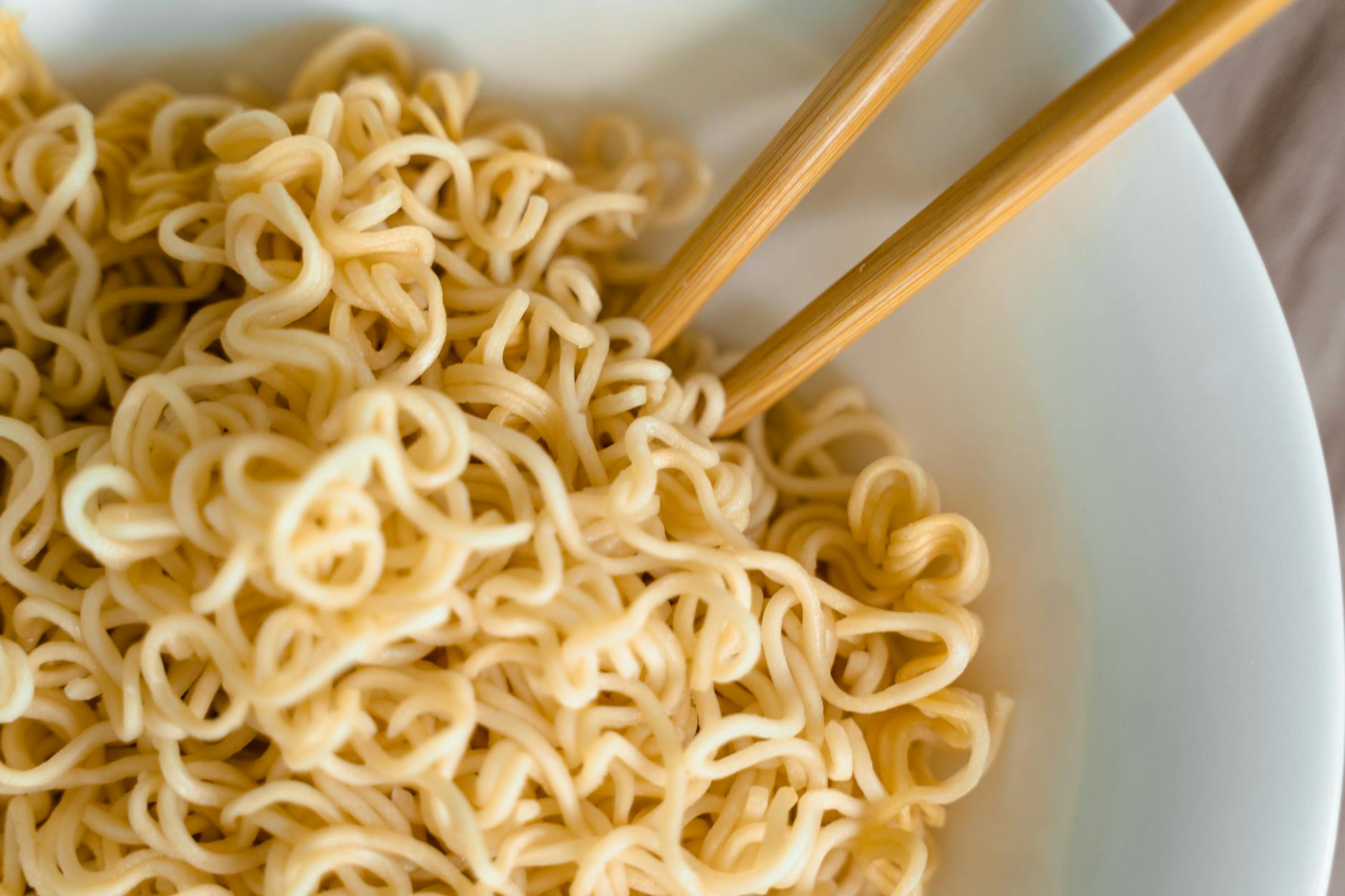
Instant noodles are an ultra-processed food that undergoes a deep-frying process during manufacturing to achieve their characteristic dehydrated texture, loading them with unhealthy fats before any cooking even begins. The flavor sachets included in instant noodle packages are extraordinarily high in sodium, artificial flavor enhancers, and chemical compounds that irritate the gut lining. Studies tracking the digestive behavior of instant noodles using endoscopic cameras have found that they remain in the stomach for much longer than whole grain noodles, placing extended strain on the digestive system. The glycemic impact of the refined flour used in instant noodles causes rapid blood sugar fluctuations that disturb the gut environment. Nutritional value is almost entirely absent, making their gut impact all burden and no benefit.
Chocolate-Flavored Spreads

Chocolate-flavored spreads such as those used on toast or in baking contain refined sugar as their primary ingredient, followed by palm oil, cocoa solids in minimal amounts, and a range of emulsifiers. The high sugar content feeds harmful gut bacteria within minutes of consumption, contributing to an imbalanced microbiome with repeated daily use. Palm oil used in these spreads has been associated with gut lining disruption in studies examining its refined form at high temperatures. Emulsifiers that maintain the smooth texture of these products appear in the same category of gut-disrupting additives found in many ultra-processed foods. A small amount of high-quality dark chocolate provides genuine cocoa polyphenols that actually support beneficial gut bacteria in ways these spreads cannot.
Flavored Rice Cakes

Rice cakes are often recommended as a light, healthy snack, but the flavored varieties available in most supermarkets contain artificial flavorings, yeast extracts, and added sugars that undermine their apparent simplicity. Plain rice cakes have an extremely high glycemic index, meaning they cause rapid blood sugar spikes that can negatively influence the gut microbial environment. The flavoring coatings on savory varieties such as cheese or barbecue contain MSG, artificial colorings, and preservatives that the gut processes as foreign compounds. Regular consumption of high-glycemic foods without accompanying fiber or protein creates an intestinal environment that favors bacterial strains associated with inflammation. Plain rice cakes paired with a fiber-rich topping such as avocado or nut butter present a somewhat better option.
Fruit-Flavored Gummies

Fruit-flavored gummies are consumed not only by children but increasingly by adults in the form of vitamin gummies and wellness supplements. Most contain gelatin or pectin combined with large amounts of refined sugar, glucose syrup, artificial flavors, and synthetic food dyes. The sugar content alone is enough to disrupt the gut microbiome when consumed regularly, feeding the growth of harmful bacterial and yeast species including Candida. Synthetic colorings such as Red 40 and Yellow 5 have been studied for their potential to cause gut inflammation and alter the permeability of the intestinal wall. Even gummy vitamins, often perceived as health-supporting products, carry these same concerns due to their identical formulation base.
Tomato Ketchup

Tomato ketchup is one of the most widely used condiments in the world and yet its nutritional profile is far from the simple tomato product many people assume it to be. Commercial ketchup contains high fructose corn syrup as a primary sweetener in many brands, contributing a significant sugar load with each serving. High fructose corn syrup is metabolized differently than regular sugar and has been linked in research to intestinal inflammation and negative changes in gut bacteria diversity. The vinegar content, while mildly beneficial in whole fermented forms, in processed ketchup is diluted by the surrounding additives and offers little of the potential gut benefit of raw apple cider vinegar. Choosing a brand sweetened with whole cane sugar or making a homemade version preserves the tomato benefit without the gut-disrupting syrup.
Vegetable Oils
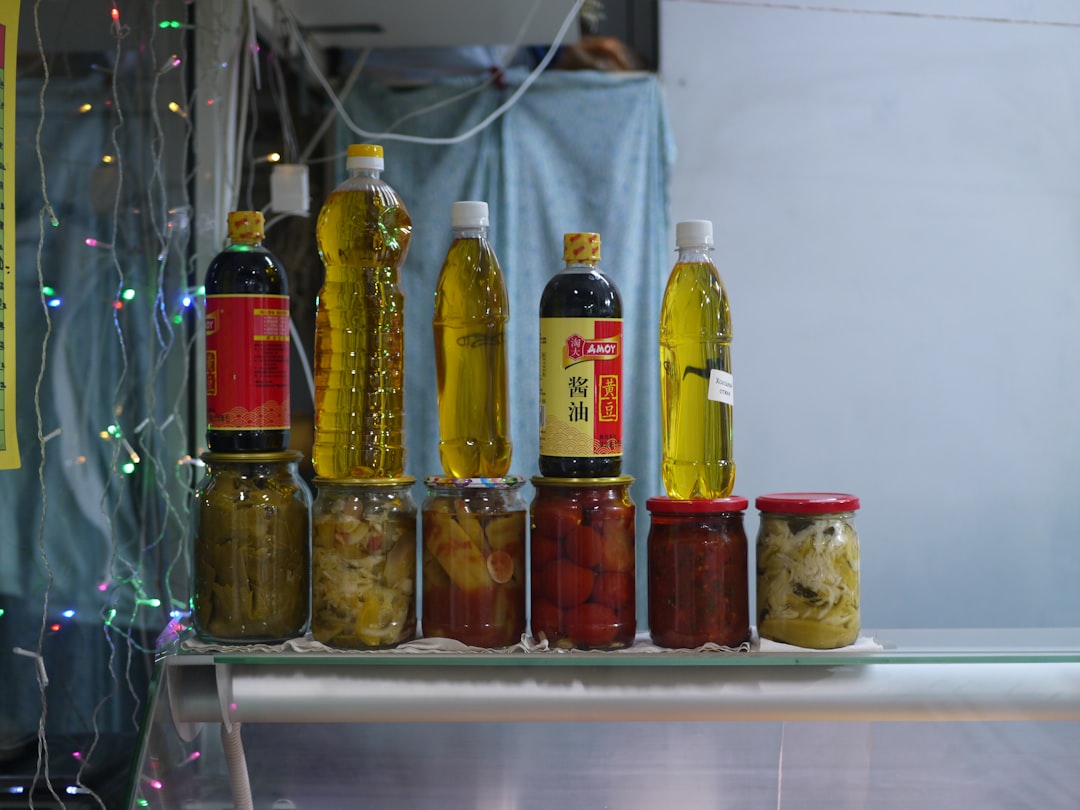
Refined vegetable oils including canola, soybean, sunflower, and corn oil are among the most consumed fats in modern diets and among the most damaging to gut health. These oils are extracted using chemical solvents and high heat, a process that creates oxidized lipids and inflammatory compounds before the oil even reaches the pan. The high ratio of omega-6 to omega-3 fatty acids in vegetable oils promotes a pro-inflammatory state in the gut that disrupts microbial diversity over time. Research has found that diets high in these oils are associated with a measurable decrease in the populations of beneficial gut bacteria such as Lactobacillus and Bifidobacterium. Cold-pressed olive oil and coconut oil are significantly more stable alternatives that exert far less inflammatory pressure on the digestive system.
Protein Bars
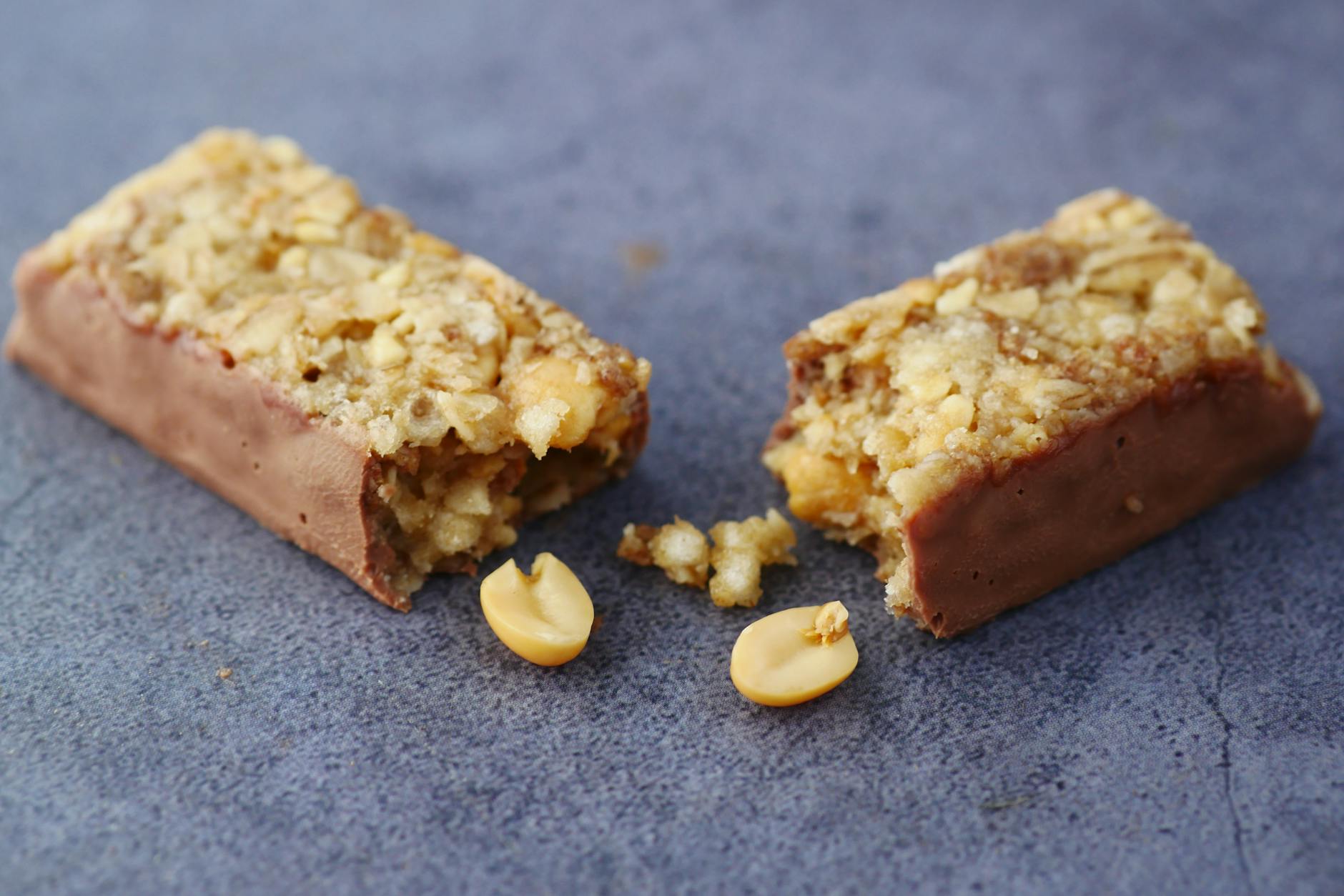
Protein bars have grown from a niche fitness product into an everyday snack consumed by people across all demographics, yet many are among the most gut-disruptive packaged foods available. Most contain a combination of sugar alcohols such as maltitol or sorbitol to reduce calorie count, and these compounds are notorious for causing gas, bloating, and diarrhea even in small amounts. Soy protein isolate, one of the most common protein sources in these bars, is a highly processed ingredient that can interfere with gut enzyme function and aggravate digestive sensitivity. Artificial sweeteners, carrageenan, and various emulsifiers routinely appear in protein bar ingredient lists, compounding the burden on the gut lining. Whole food protein sources such as eggs, legumes, or Greek yogurt support the gut in ways that no engineered bar can replicate.
Flavored Crackers
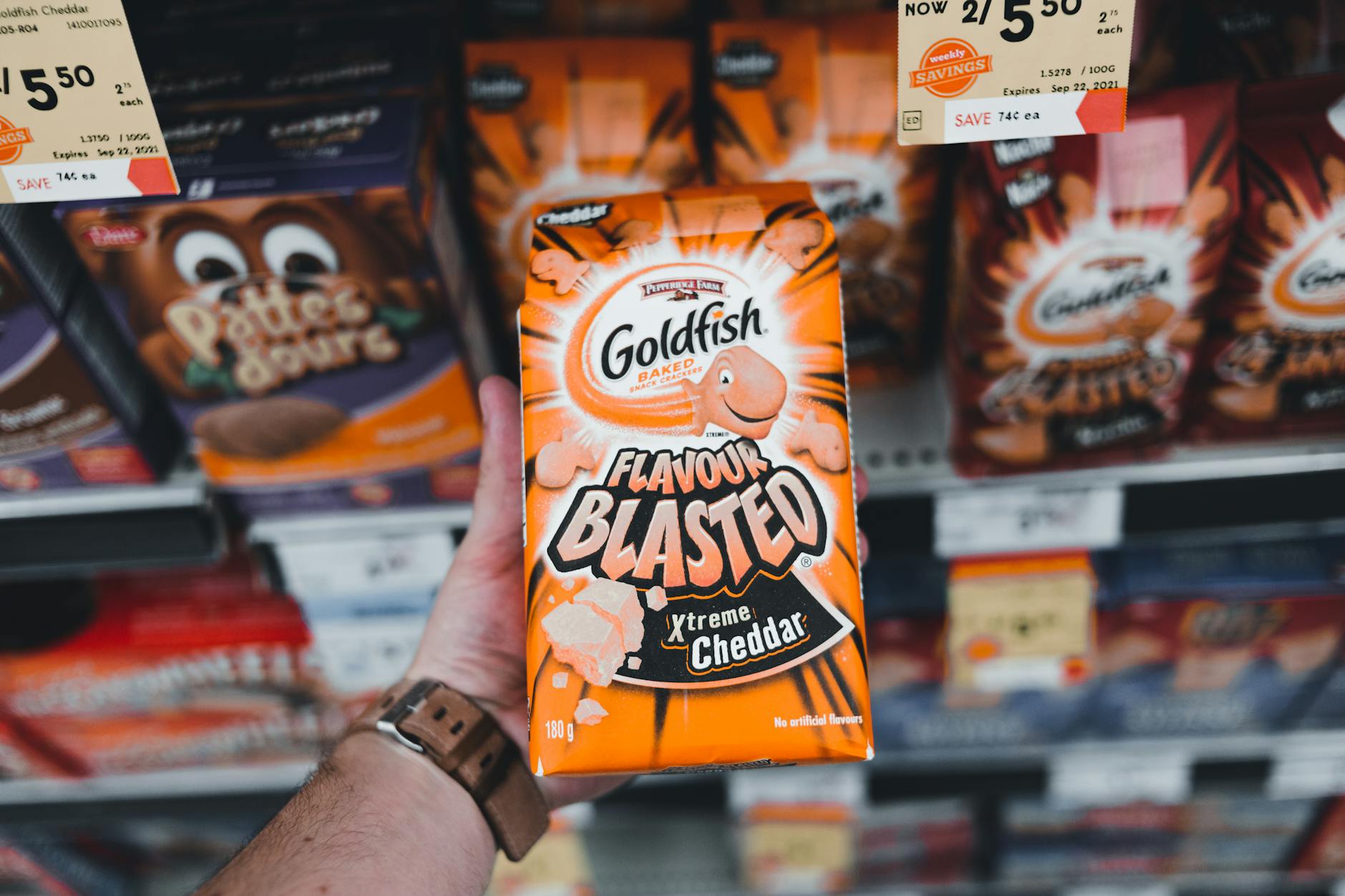
Flavored crackers positioned in the snack and cheese aisle are commonly eaten as a lighter alternative to chips, but their ingredient lists tell a different story. Most contain refined wheat flour with little to no fiber, meaning they behave similarly to white bread in the gut and cause rapid blood sugar fluctuations. Added palm oil, artificial cheese flavoring, yeast extract, and numerous preservatives introduce a range of compounds that disrupt the balance of the gut microbiome. The emulsifiers used to bind ingredients and extend shelf life in these products are frequently in the same category of compounds studied for their ability to degrade the intestinal mucus layer. Oat-based or seed crackers with minimal ingredients provide crunch without the hidden digestive cost.
Bottled Smoothies
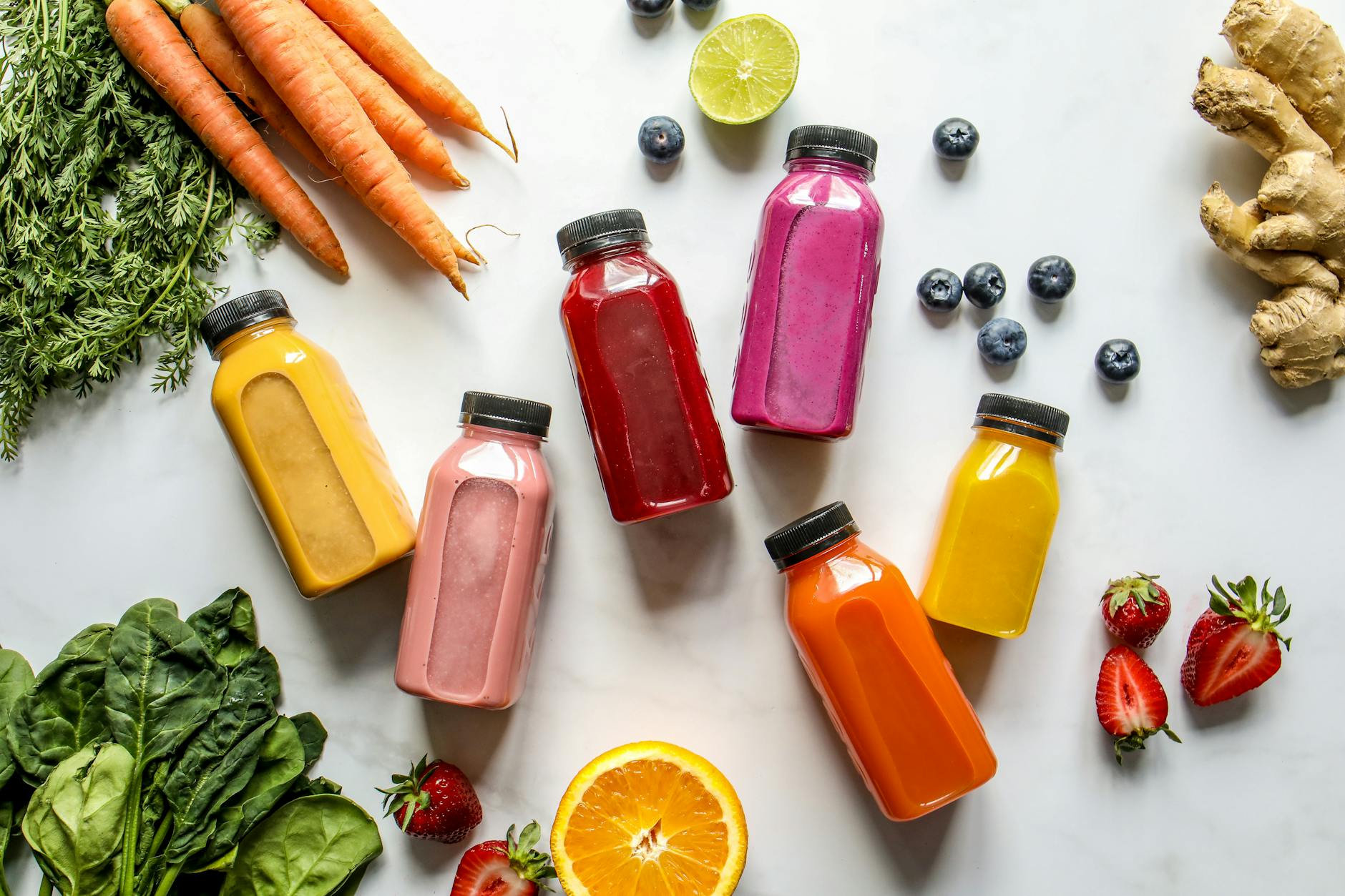
Pre-made bottled smoothies are marketed with imagery of fresh fruit and wholesome ingredients, but the commercial reality is considerably less nutritious. The pasteurization process used to extend shelf life destroys many of the heat-sensitive vitamins and probiotic organisms that would make a fresh smoothie genuinely beneficial for the gut. Most commercial smoothies contain concentrated fruit juices rather than whole blended fruit, delivering a high fructose load without the fiber that would normally accompany it. Added sugars, natural flavors, and thickening agents such as xanthan gum round out ingredient lists that rarely reflect the clean label presented on packaging. Blending a smoothie at home from whole frozen fruit, leafy greens, and a fiber source creates a genuinely gut-supportive drink that no bottled version can match.
What everyday foods have you noticed affecting your gut health, and what swaps have made the biggest difference for you? Share your thoughts in the comments.




