Throughout history, certain animals have developed extraordinary survival strategies that consistently place them one step ahead of even the most experienced hunters. From remote Arctic tundras to dense tropical rainforests, these creatures rely on instinct, intelligence, and physical adaptation to evade capture. Their ability to survive intense hunting pressure has fascinated biologists, trackers, and wildlife experts for centuries. Understanding how these animals think and behave offers a rare window into the remarkable complexity of the natural world.
Snow Leopard
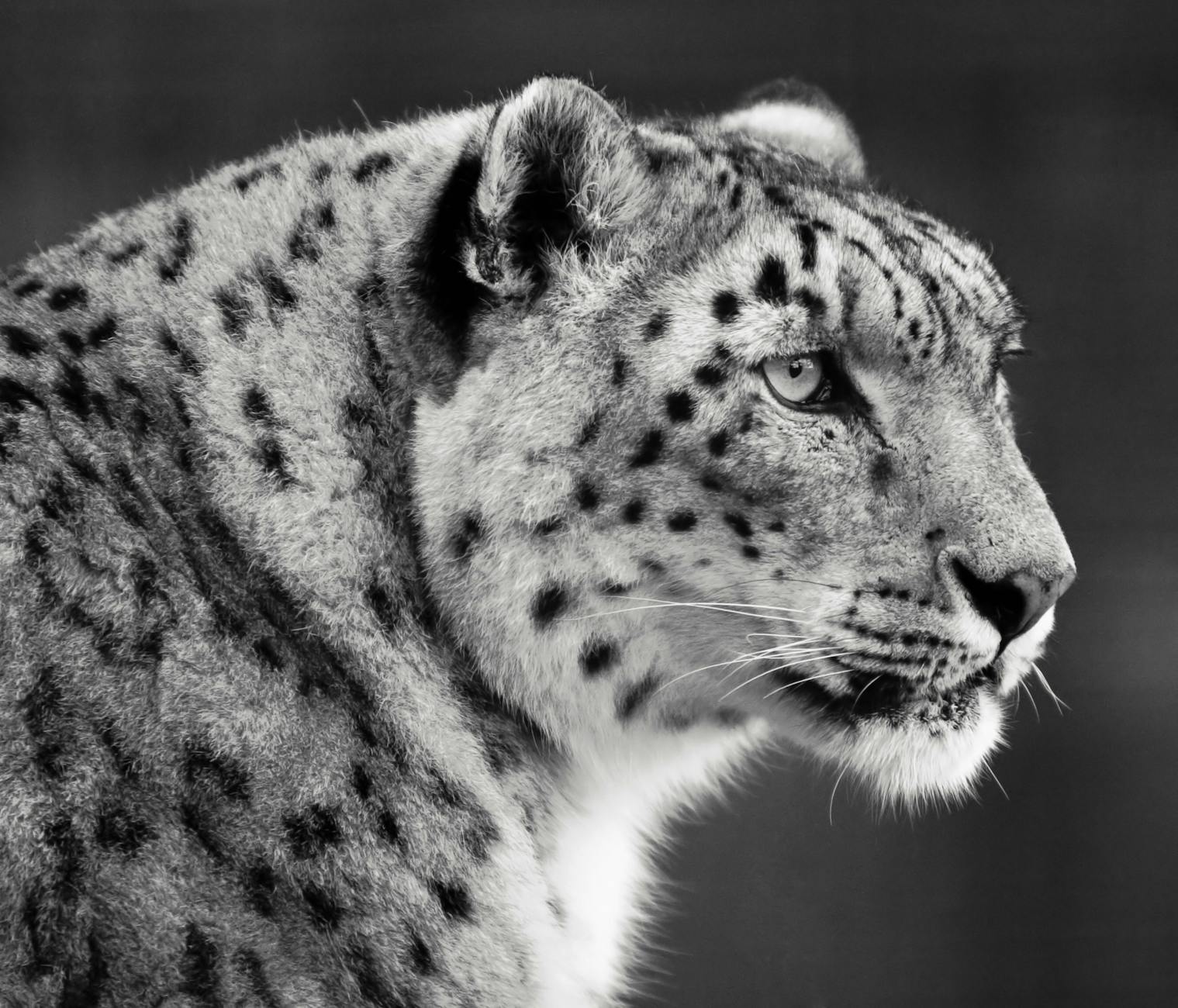
The snow leopard inhabits some of the most remote and treacherous mountain terrain on the planet, making physical pursuit nearly impossible for human hunters. Its pale, patterned coat blends so seamlessly with rocky slopes that even trained observers standing nearby have failed to detect its presence. This cat moves with extraordinary silence across unstable ground, leaving minimal tracks and rarely following predictable routes. It is largely crepuscular, choosing to move during the low-light hours of dawn and dusk when human visibility is most limited. Wildlife researchers often spend weeks in the field without ever catching a direct sighting of this elusive predator.
Octopus
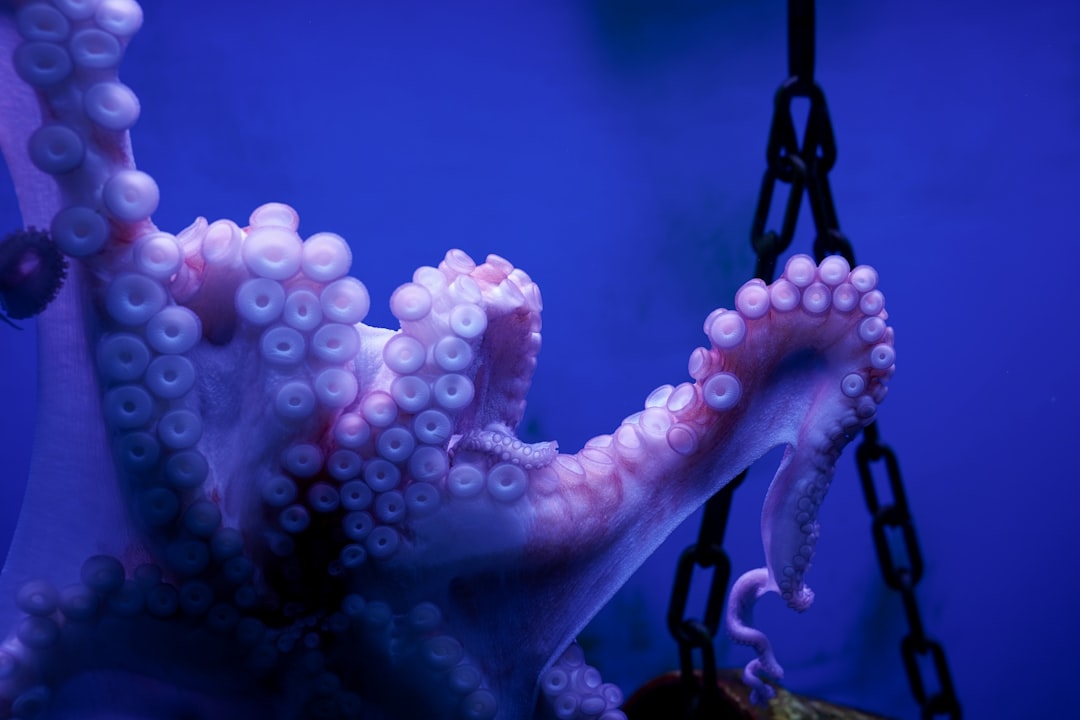
The octopus possesses one of the most sophisticated camouflage systems of any animal on Earth, capable of altering both skin color and texture within milliseconds. When threatened, it can squeeze its boneless body through any opening larger than its beak, disappearing into crevices that appear far too small to offer shelter. It releases a cloud of ink to disorient pursuers while simultaneously changing direction at speed. The octopus also displays problem-solving abilities that allow it to learn and anticipate patterns of human behavior in its environment. Hunters and researchers working in coastal waters consistently report that octopuses seem to vanish entirely when pursued.
White-Tailed Deer
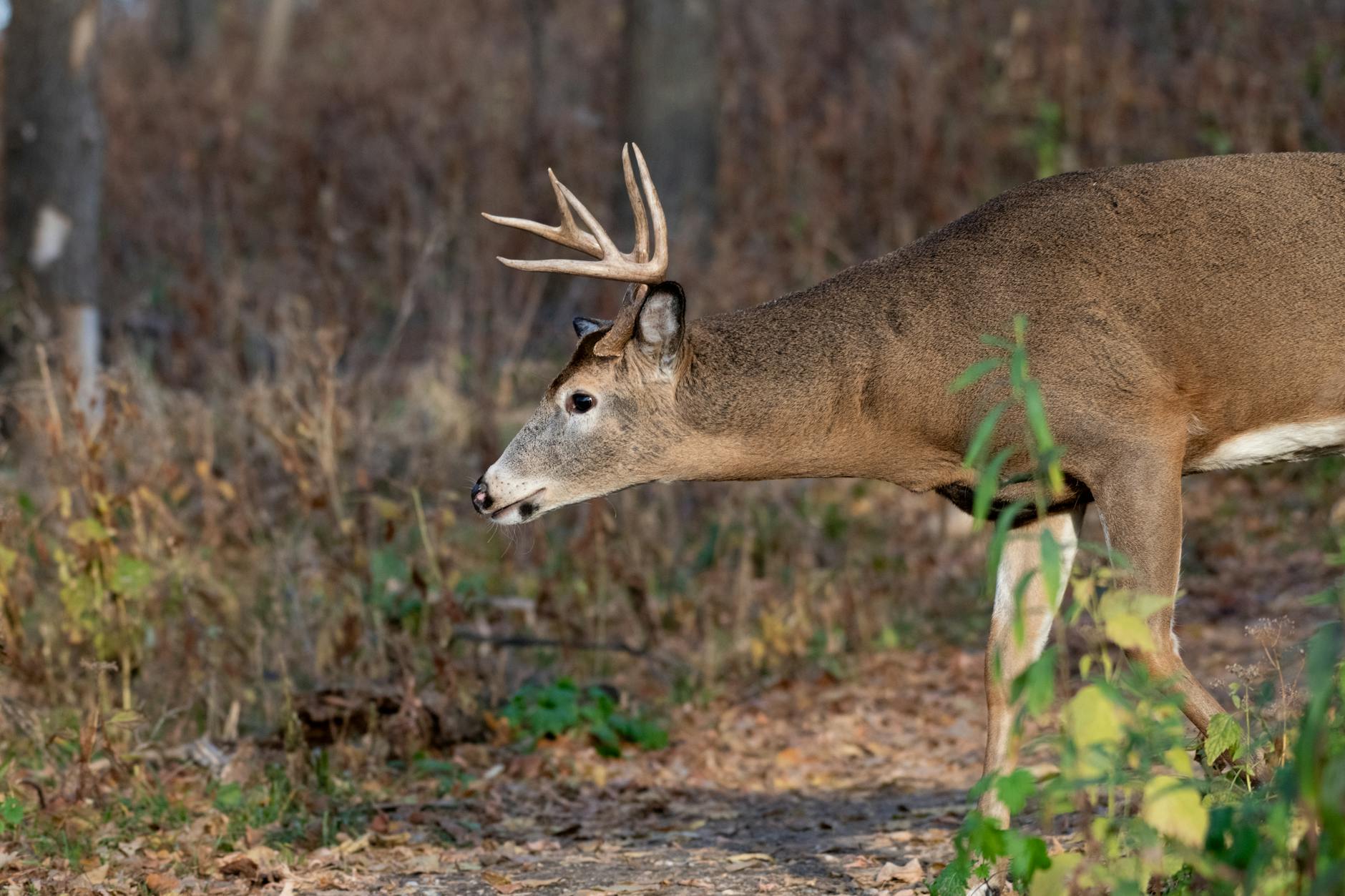
The white-tailed deer has thrived across North America despite centuries of intensive hunting pressure, demonstrating a remarkable capacity to adapt to human activity. Its hearing is tuned to detect the faint sounds of footsteps, snapping branches, and mechanical equipment at considerable distances. The deer uses wind direction with sophisticated awareness, circling downwind of unfamiliar scents before deciding whether to flee or remain still. When startled, it can reach speeds of nearly 50 kilometers per hour and sustain sharp directional changes that make pursuit on foot entirely futile. Populations have actually grown in many regions where hunting occurs, suggesting a generational learning process embedded in herd behavior.
African Elephant
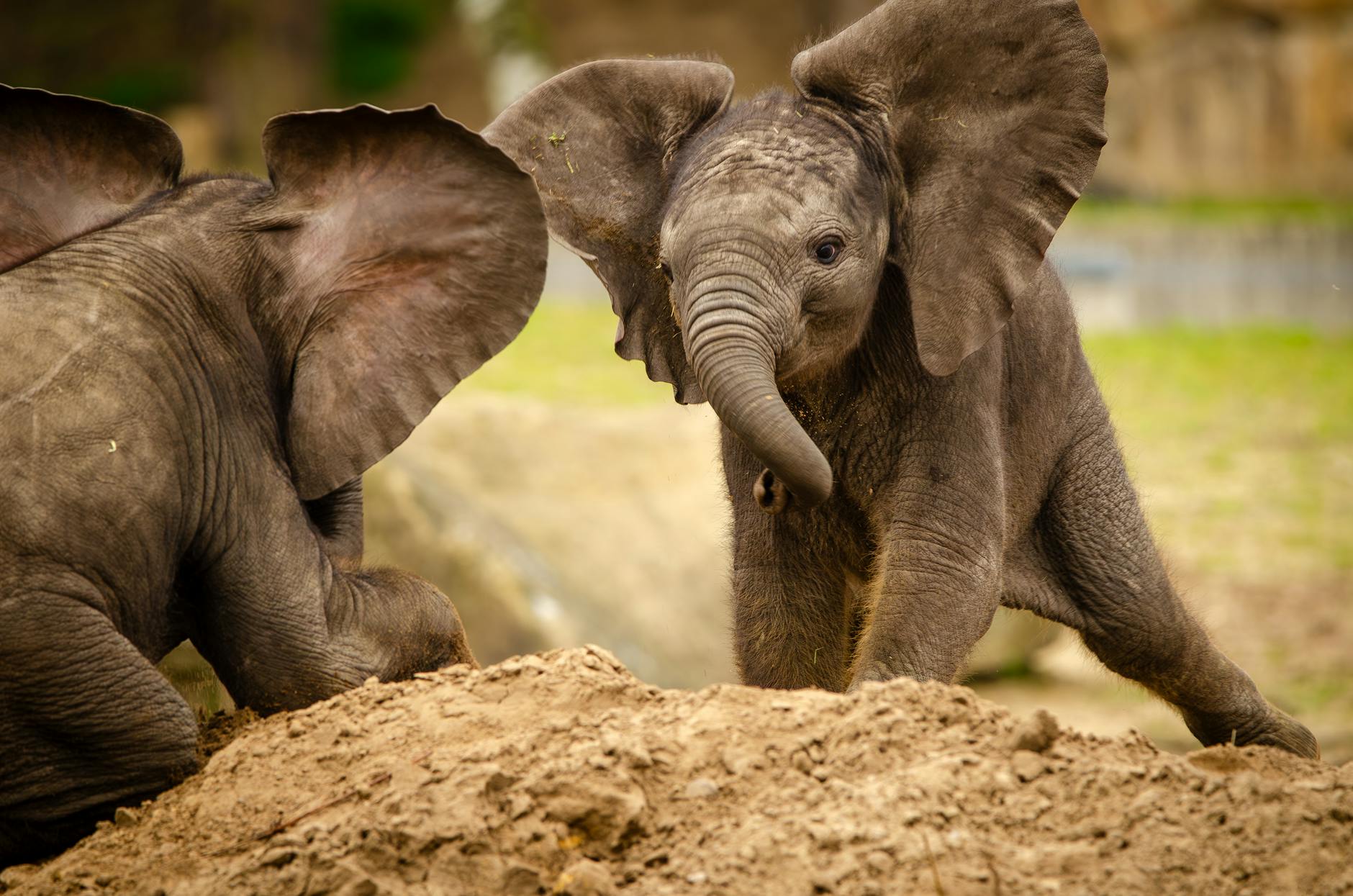
African elephants have demonstrated a measurable behavioral shift in regions with high poaching activity, becoming significantly more nocturnal and avoiding open terrain during daylight hours. Matriarchs carry and transmit detailed spatial memory of dangerous locations across decades, effectively teaching younger generations which areas to avoid. Their infrasound communication operates below the range of human hearing, allowing herds to coordinate silent movement across large distances. Elephants have also been documented actively avoiding areas where gunshots have been heard, even years after the events occurred. This combination of long memory, social learning, and acoustic intelligence makes them extraordinarily difficult to approach undetected.
Gray Wolf
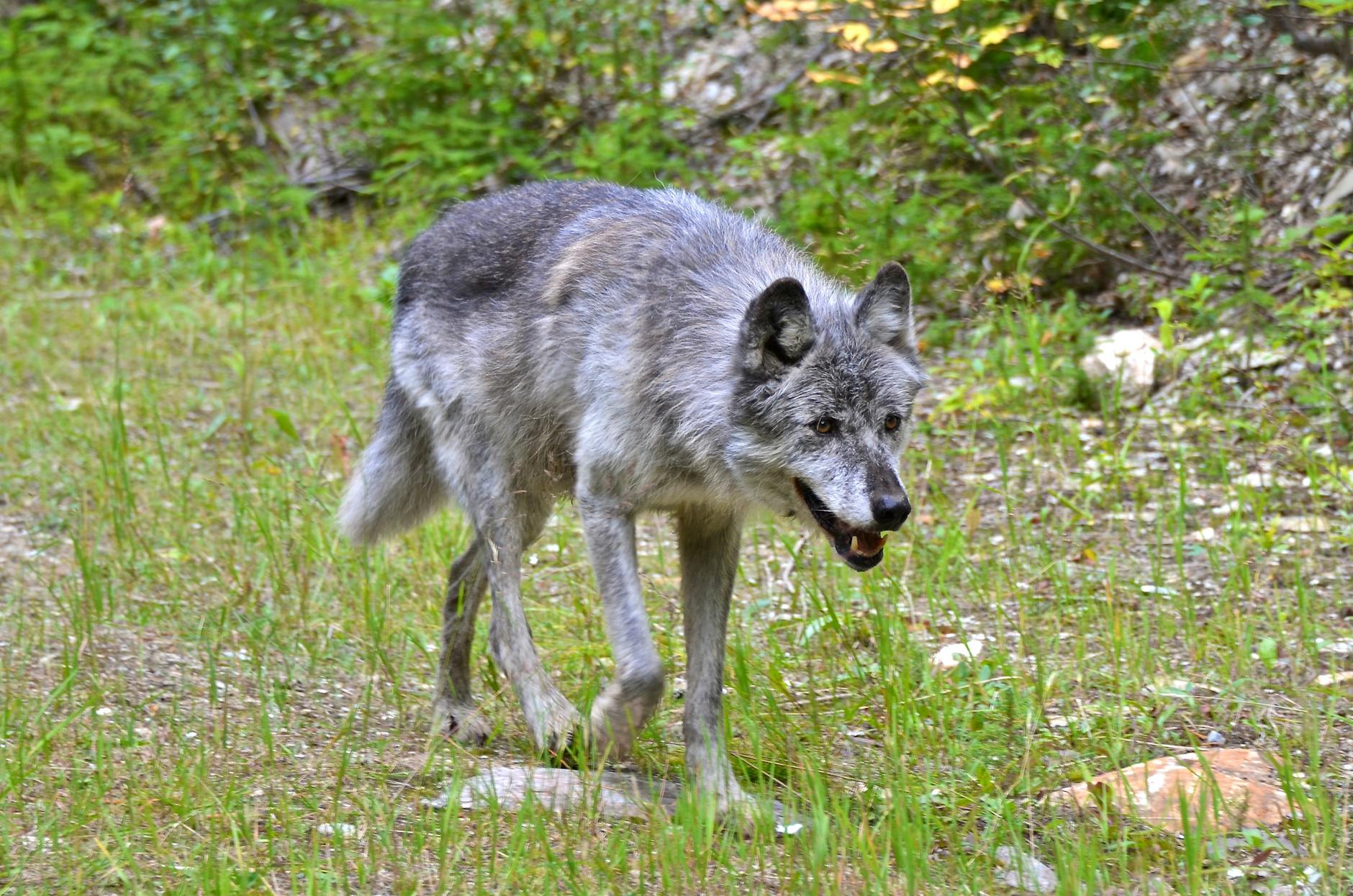
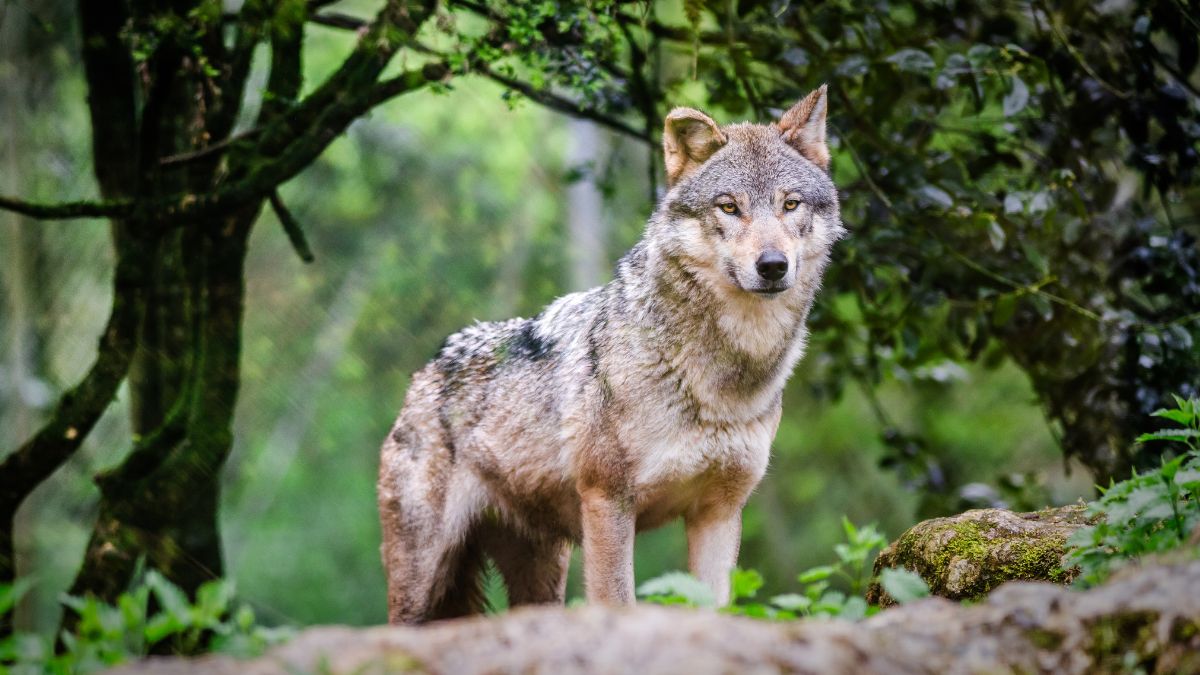
The gray wolf operates within a highly organized pack structure that functions as a collective intelligence system for threat detection and evasion. Wolves maintain mental maps of vast territories and can alter their travel routes based on knowledge of human patrol patterns and hunting seasons. Their sense of smell is estimated to be roughly 100 times more powerful than a human’s, allowing them to detect hunters positioned far beyond visual range. When one pack member senses danger, information spreads through the group almost instantly through subtle body language and low vocalizations. Historical records show that wolf populations in heavily hunted regions develop more secretive behavior within just a few generations.
Crocodile
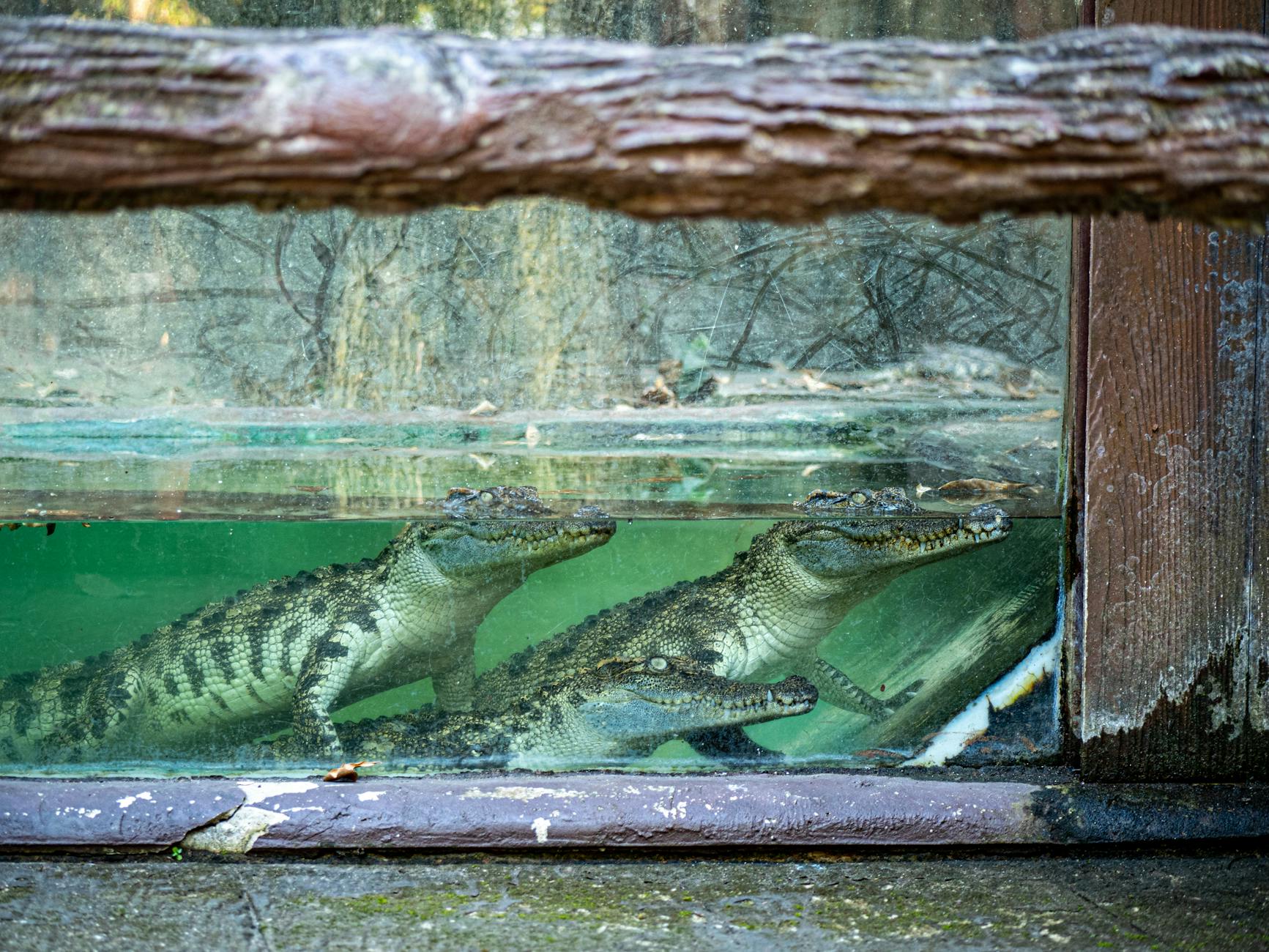
The Nile crocodile and its relatives have survived on Earth for over 200 million years, outlasting mass extinctions and millennia of human hunting through a combination of patience and physical stealth. A crocodile can remain almost completely submerged for hours with only its nostrils and eyes breaking the water’s surface. It approaches prey and perceived threats with extraordinarily slow, controlled movement that creates virtually no surface disturbance. When hunted, crocodiles quickly learn to avoid basking sites that have been used for human approach and shift their activity to less accessible river sections. Their apparent stillness is deeply deceptive and has caused experienced hunters to consistently underestimate their awareness levels.
Red Fox
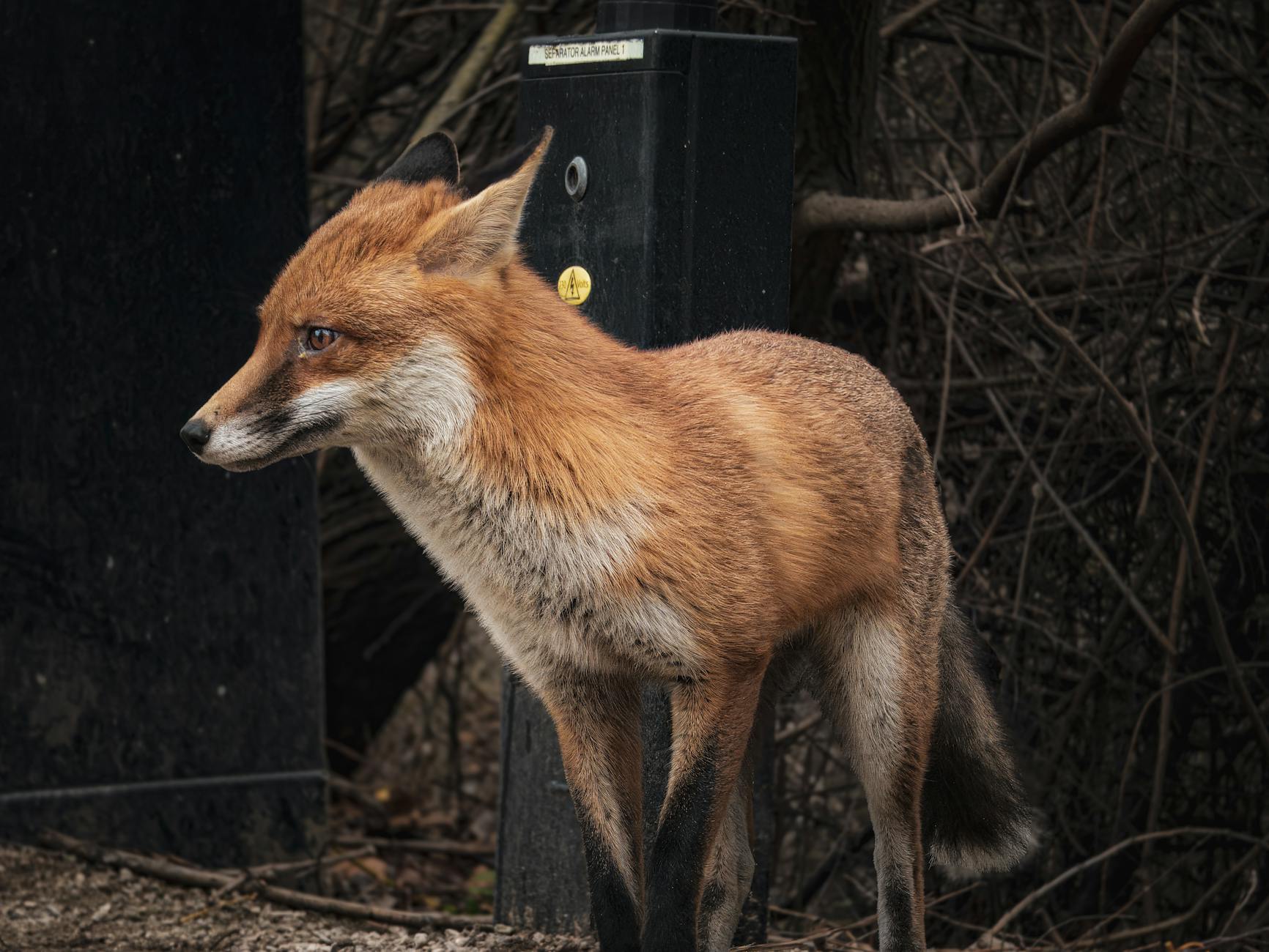
The red fox has successfully colonized urban environments across Europe, North America, and Australia, effectively placing itself beyond the reach of traditional hunting methods. It demonstrates one of the highest problem-solving scores recorded among wild canines, reliably navigating traps, deterrents, and enclosed spaces. Foxes have been documented watching hunters set traps and then deliberately avoiding those exact locations for extended periods afterward. Their crepuscular and nocturnal habits allow them to move freely through familiar territory while most human activity has ceased for the night. Population studies consistently show that fox numbers remain stable or increase in areas where active culling programs are in place.
Moose
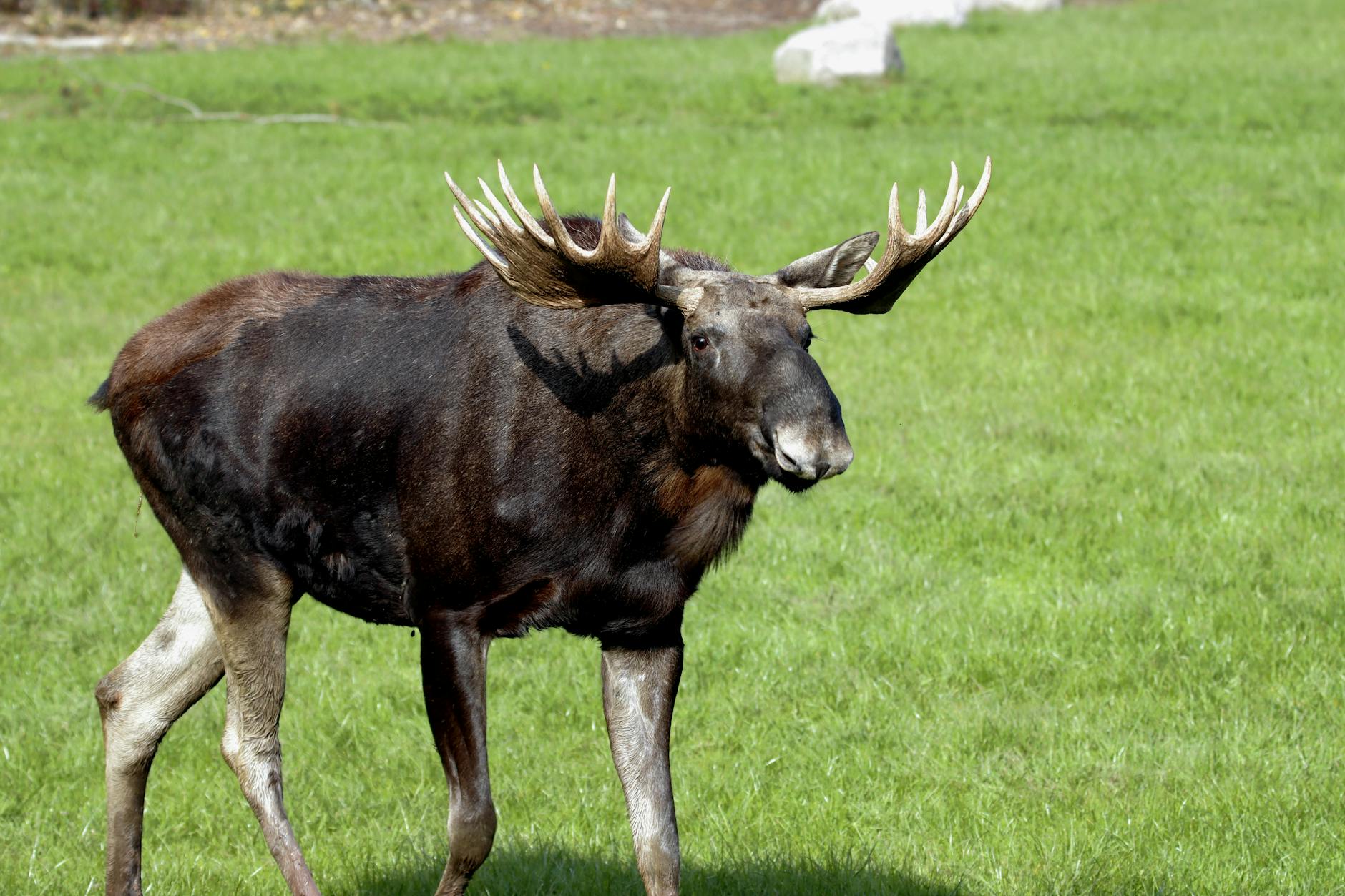
The moose uses its towering height and long legs to navigate deep snow and dense wetland terrain that quickly exhausts human pursuers on foot. Despite its large size, a moose can move through dense boreal forest with surprisingly little noise by carefully placing its feet and controlling its pace. It relies on its broad, mobile ears to triangulate sounds from multiple directions simultaneously, identifying the specific acoustic signature of human movement. Moose will wade deep into lakes and rivers to eliminate scent trails and make tracking by dogs effectively impossible. In regions where hunting pressure has been sustained over multiple generations, moose populations have shifted toward nocturnal feeding patterns.
Pufferfish
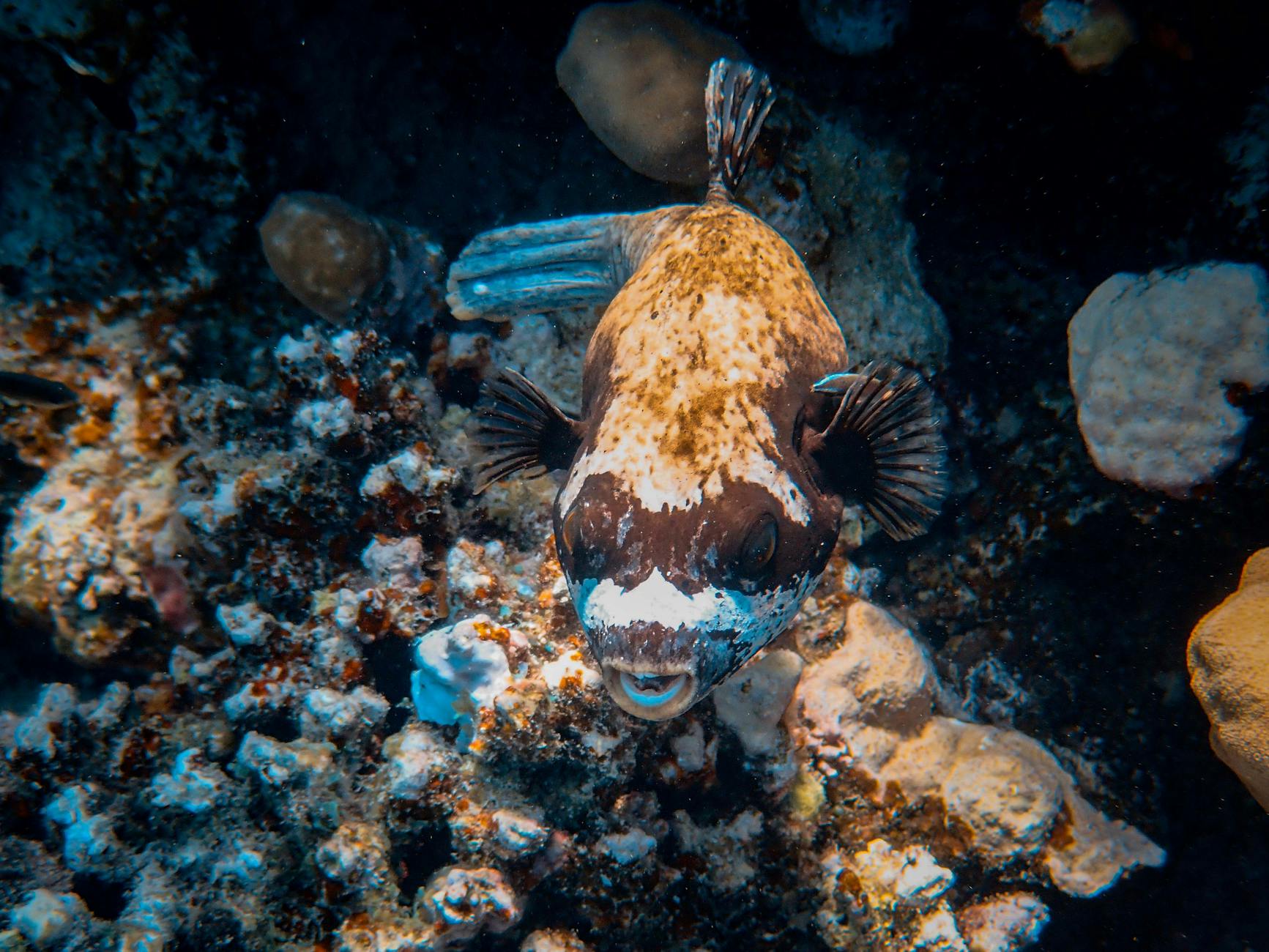
The pufferfish deploys one of the most immediately effective defense mechanisms in the animal kingdom, inflating its body to several times its normal size within seconds of feeling threatened. Beyond its dramatic size change, its skin contains tetrodotoxin, one of the most potent naturally occurring neurotoxins known, which has caused numerous fatalities among hunters and fishermen who handled it incorrectly. It is not a fast swimmer under normal conditions but relies entirely on the fact that its toxic reputation makes most predators and humans reluctant to pursue it further. Even in cultures where pufferfish is considered a delicacy, the preparation process requires years of specialized training to perform safely. Its survival strategy is built not on evasion but on making the cost of capture dangerously high.
Wolverine
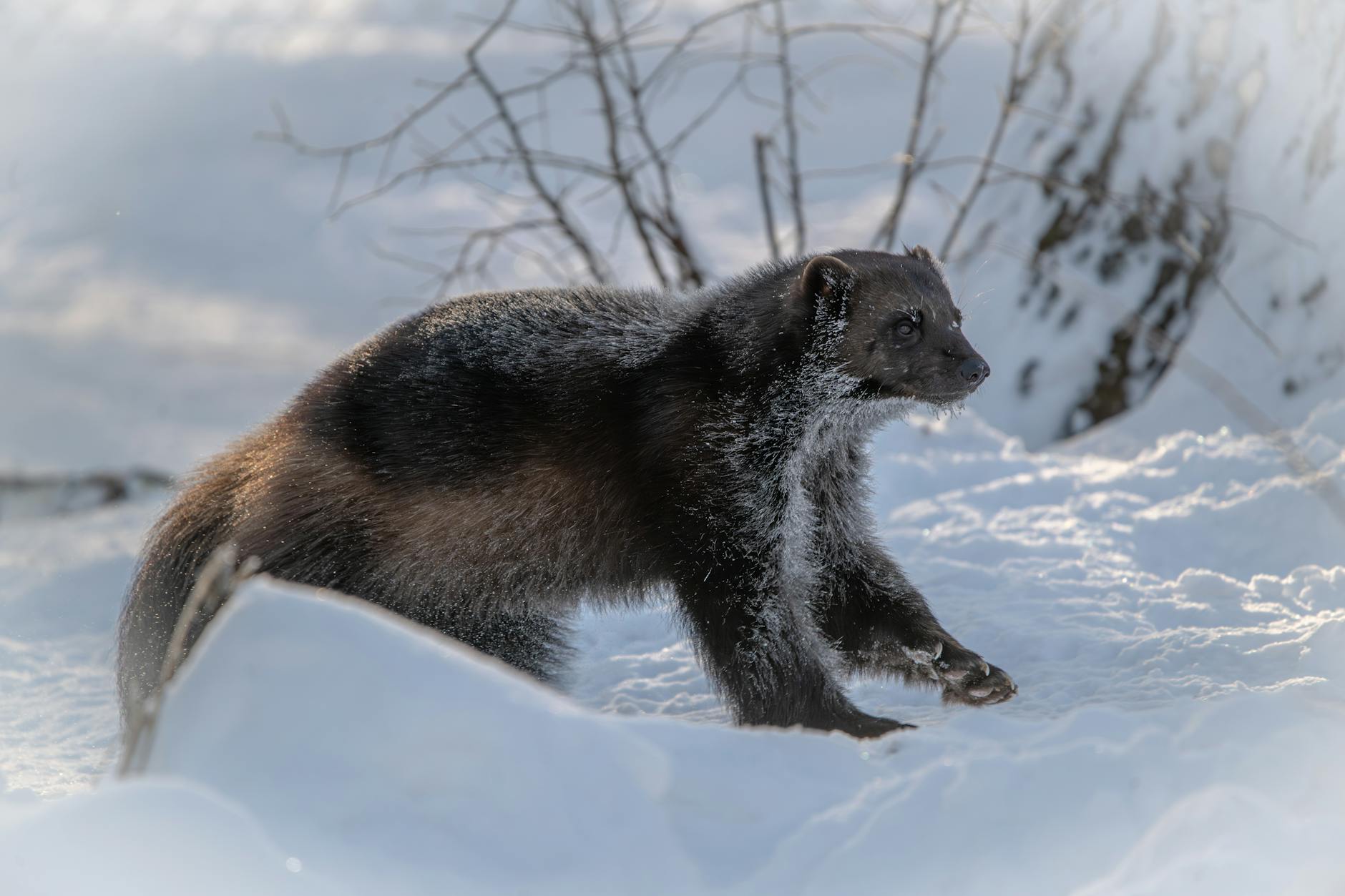
The wolverine occupies some of the harshest subarctic and alpine terrain on Earth, environments where sustained human pursuit on foot is physically impractical for extended periods. It has an exceptional strength-to-body-weight ratio that allows it to cover enormous distances across deep snow without the exhaustion that slows most pursuers. Wolverines have been documented escaping steel traps by gnawing through their own limbs or manipulating mechanical components of the trap itself. Their scent glands produce a powerful musk that they use to mark caches and confuse tracking animals. Trappers and hunters across Scandinavia and North America have historically regarded the wolverine as the single most difficult land animal to successfully pursue and capture.
Coyote
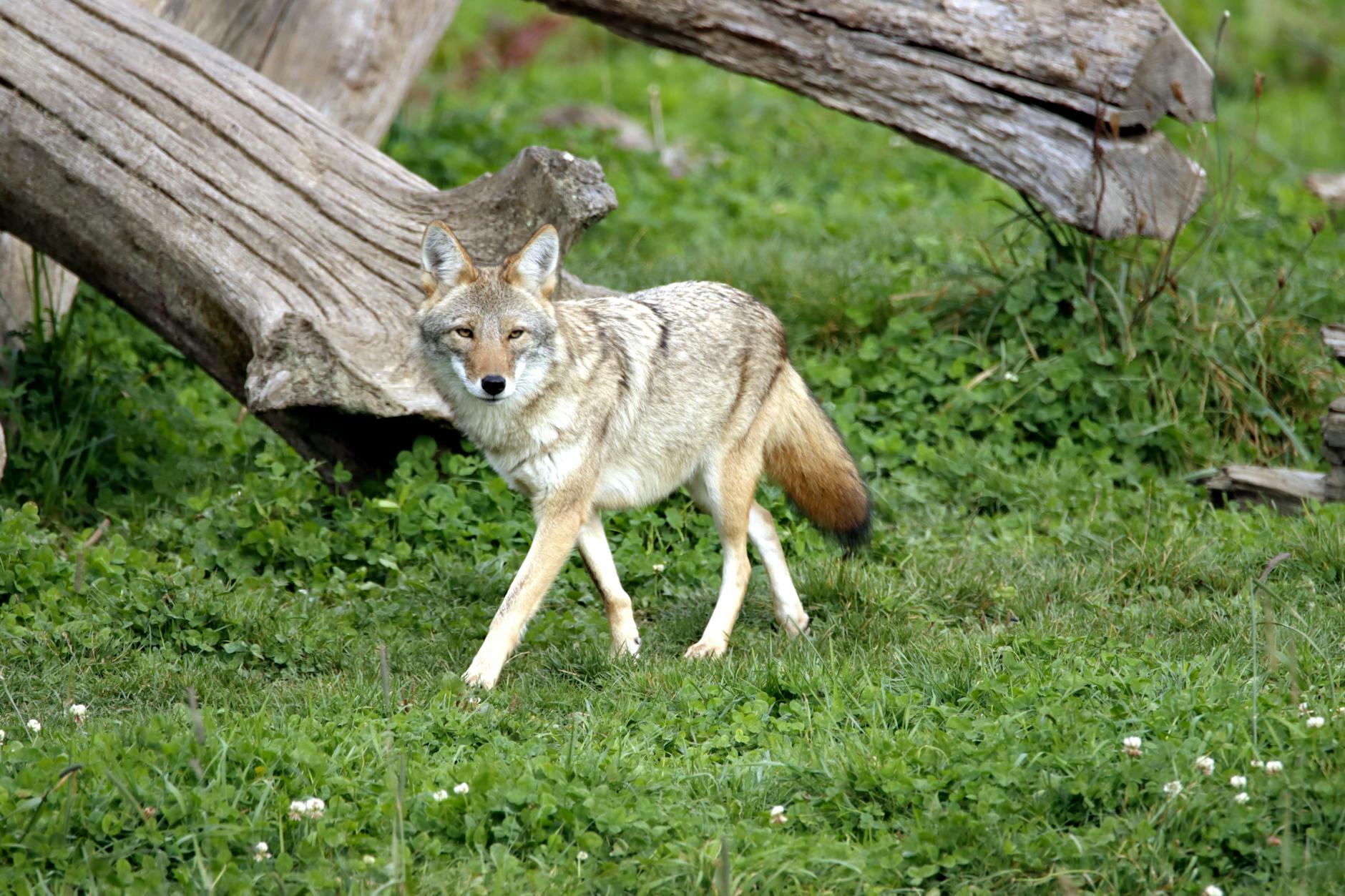
The coyote has expanded its range dramatically across North America over the past century, filling ecological niches vacated by larger predators and proving remarkably resistant to eradication efforts. Government-sponsored culling programs across multiple decades have consistently failed to reduce coyote populations, with some studies suggesting that targeted killing actually stimulates increased reproduction rates. Coyotes have learned to associate human scent, vehicles, and artificial light with danger, adjusting their behavior accordingly within a single season. They operate with extreme flexibility, hunting alone or in coordinated pairs depending on prey size and environmental conditions. Urban coyote populations in cities like Chicago, Los Angeles, and Toronto have developed behavioral profiles distinctly different from rural relatives, demonstrating rapid cultural adaptation.
Manta Ray
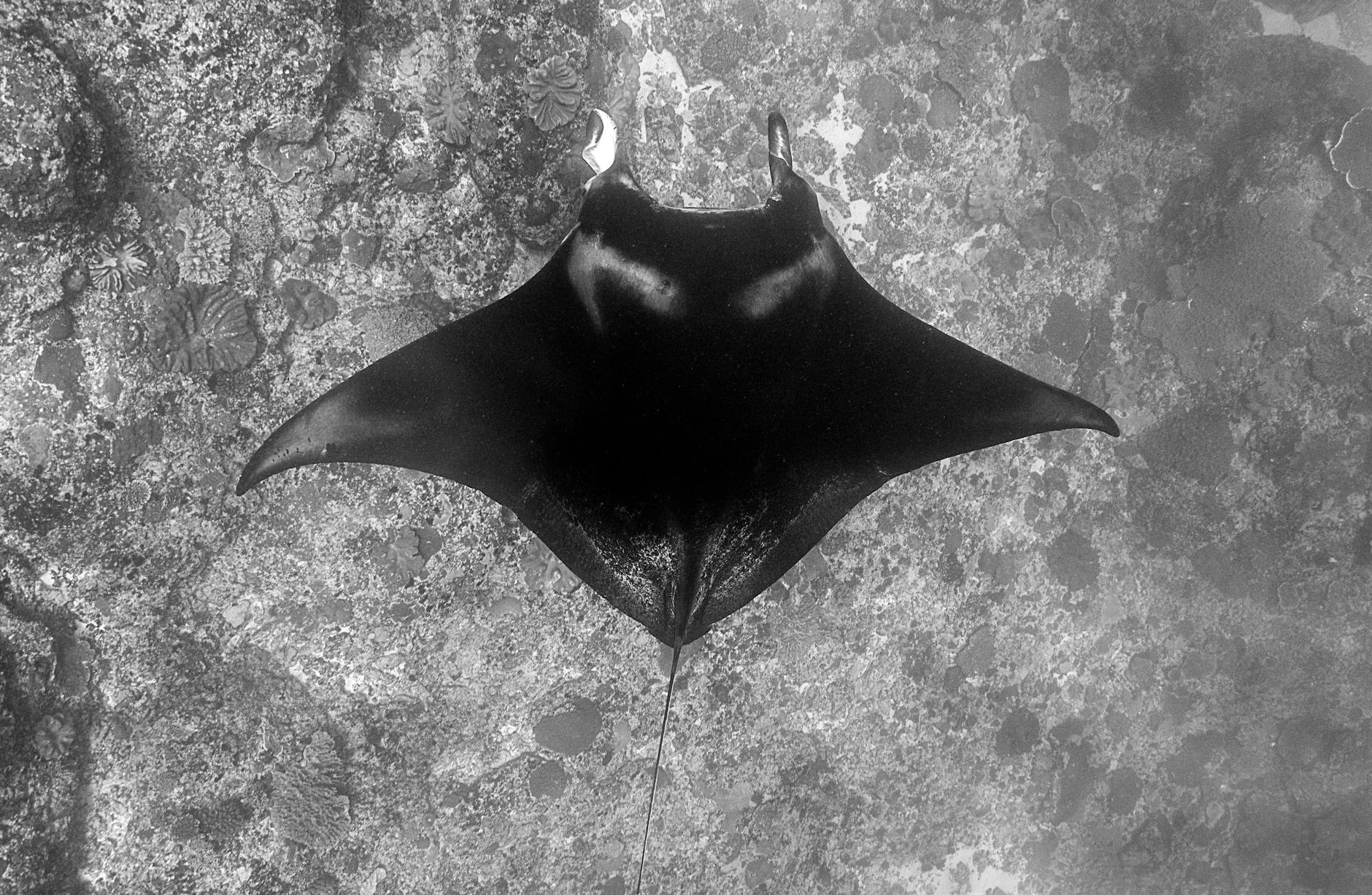
The manta ray has developed a behavioral pattern of moving into deeper offshore water when fishing vessels are detected nearby, a response that appears to be learned and passed through social groups. It possesses the largest brain-to-body ratio of any fish species, supporting complex spatial navigation and long-term memory of threatening encounters. Manta rays have been observed approaching dive boats with apparent curiosity in protected areas while displaying immediate avoidance behavior in regions where fishing pressure is high. Their large pectoral fins allow for rapid directional changes at depth, making net pursuit difficult in open water. Marine biologists note that populations in heavily fished regions have shifted feeding behavior to nighttime hours as a consistent evasion strategy.
Jaguar
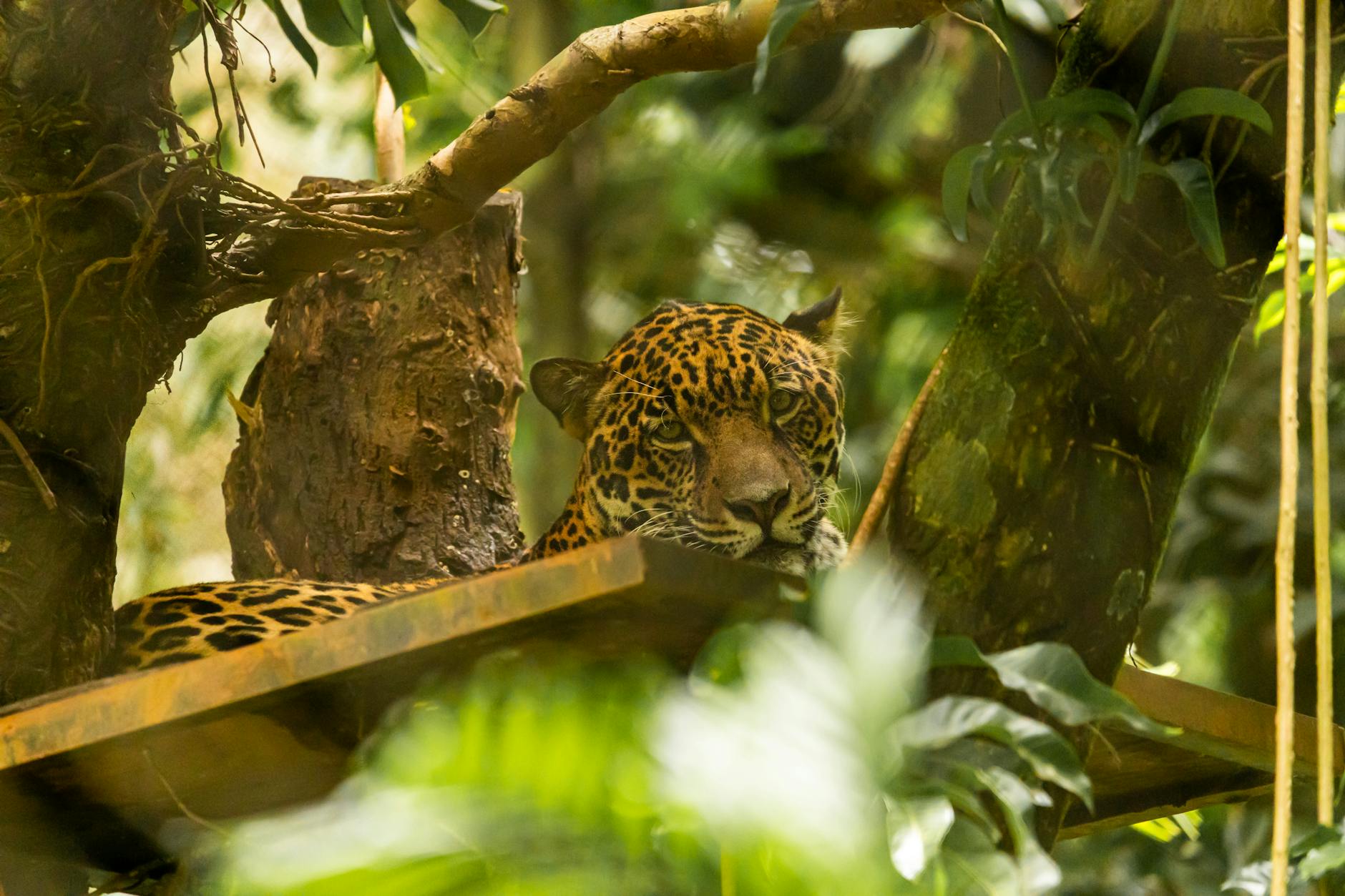
The jaguar is an expert at using dense jungle canopy and riverine terrain as cover, making it one of the most difficult large predators to track in the wild. Unlike many big cats, it actively seeks water and is a powerful swimmer, using rivers to break scent trails and cross between territories without leaving ground tracks. Its spotted coat provides near-perfect visual disruption in dappled forest light, rendering it effectively invisible to trackers operating even a short distance away. Indigenous hunters throughout the Amazon basin have documented the jaguar’s ability to detect and silently shadow a hunting party from behind before disappearing entirely. Population studies in Central America indicate that jaguars in hunted zones rapidly shift their home ranges deeper into inaccessible forest interiors.
Common Raven
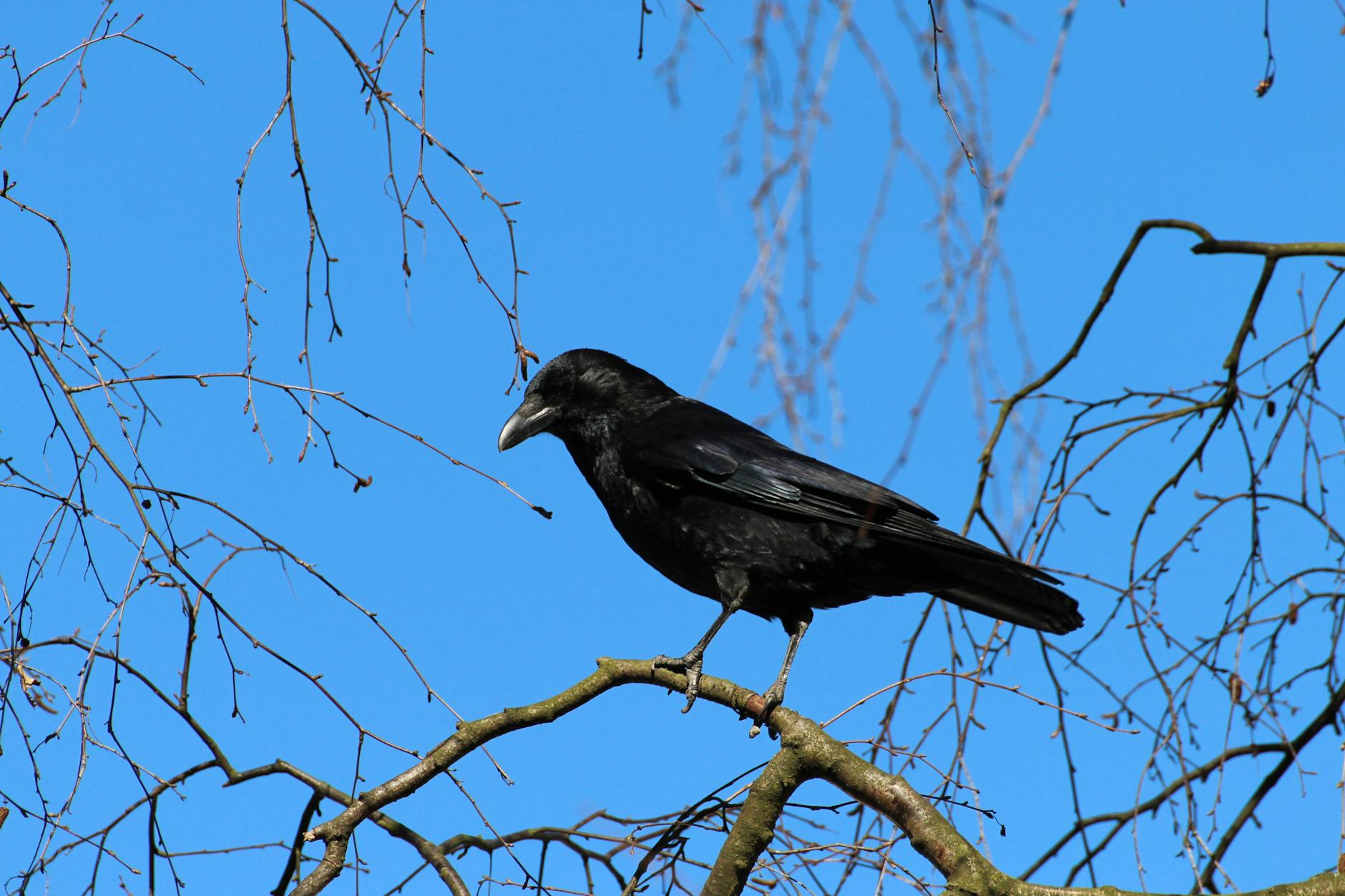
The common raven has been shown in controlled studies to possess the ability to plan for future events, a cognitive capacity previously believed to be exclusive to great apes and humans. Ravens in areas with active hunting observe and remember the behavior of individual hunters, associating specific visual cues with danger. They use social networks within their flocks to communicate and share threat information rapidly across wide geographic areas. Their ability to mimic sounds has been documented as a strategy to lure other animals or confuse trackers attempting to use bird behavior as a locating tool. Researchers studying raven cognition consistently place it among the top five most intelligent non-human animals on Earth.
Mountain Lion
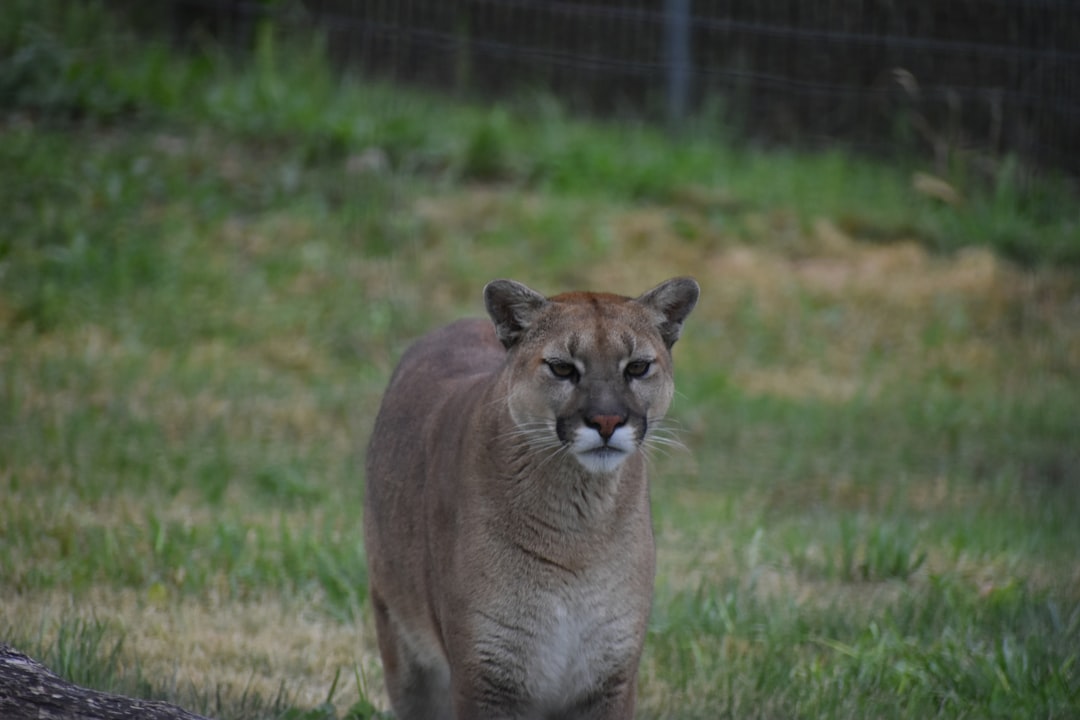
The mountain lion has maintained thriving populations across remote areas of North and South America through a mastery of terrain selection and nocturnal movement patterns. It rarely uses the same route twice when traveling through its home range, making anticipation of its movement nearly impossible for trackers. Its large paws function as natural snowshoes and leave impressions that are easily confused with domestic dog prints by inexperienced trackers. A mountain lion can remain motionless in elevated positions for hours while monitoring activity below, effectively reversing the hunter-prey dynamic. State wildlife agencies in the American West have acknowledged that population surveys consistently undercount mountain lions due to the extreme difficulty of direct observation.
Polar Bear
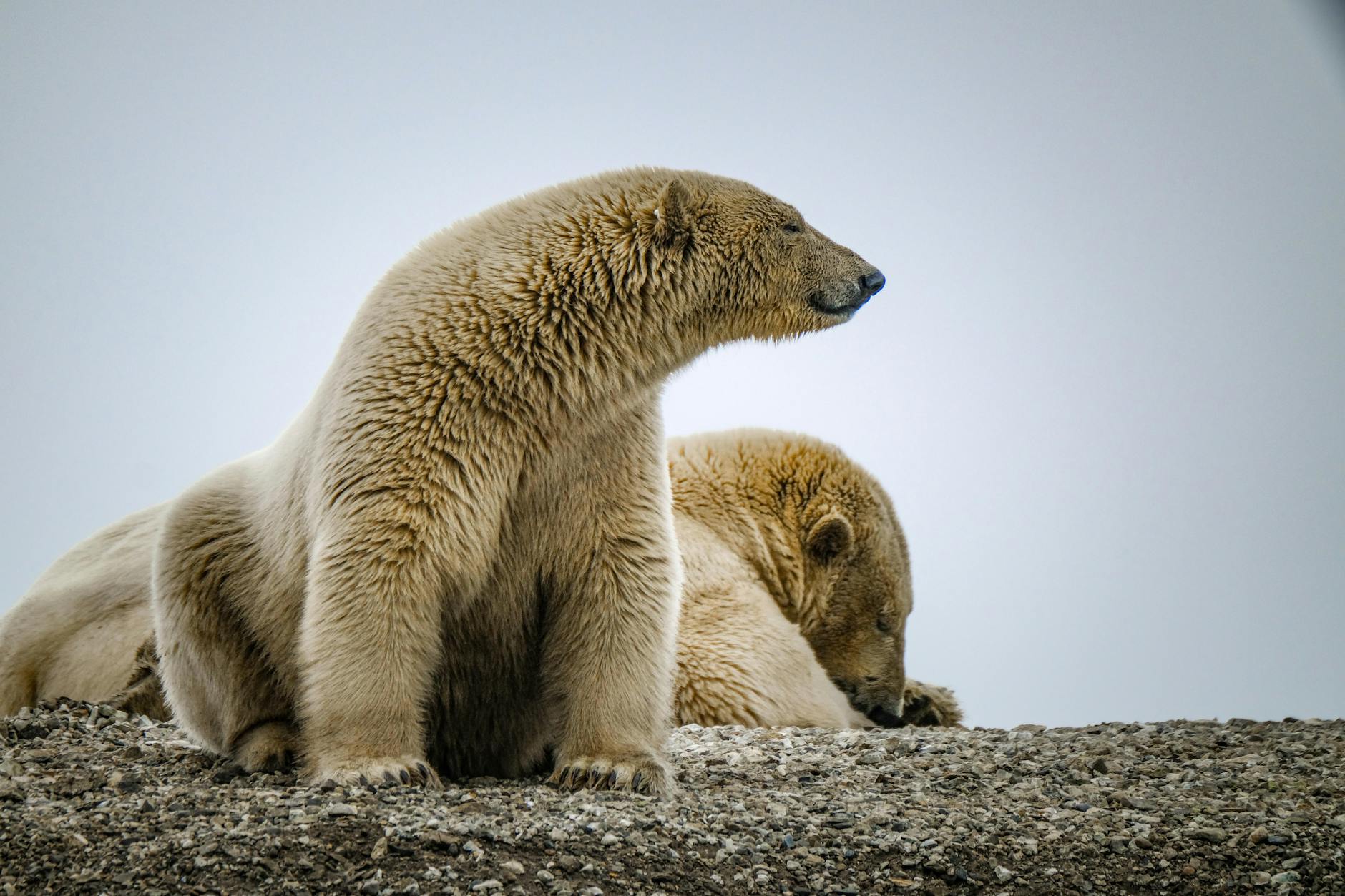
The polar bear has evolved in one of the most extreme environments on Earth and uses its white coat and slow deliberate movement across ice to approach and avoid detection simultaneously. Despite its enormous size, it can lower its body close to the ice surface and move with a stillness that makes visual detection at distance extremely difficult. Polar bears have been observed circling hunting camps from downwind positions over extended periods before deciding whether to approach or retreat. Their ability to cover 30 to 40 kilometers per day across broken sea ice means they can quickly move beyond the practical range of human pursuit. Inuit hunters who have tracked polar bears for generations acknowledge that experienced adult bears consistently demonstrate awareness of being followed long before any visual contact is made.
Saltwater Crocodile
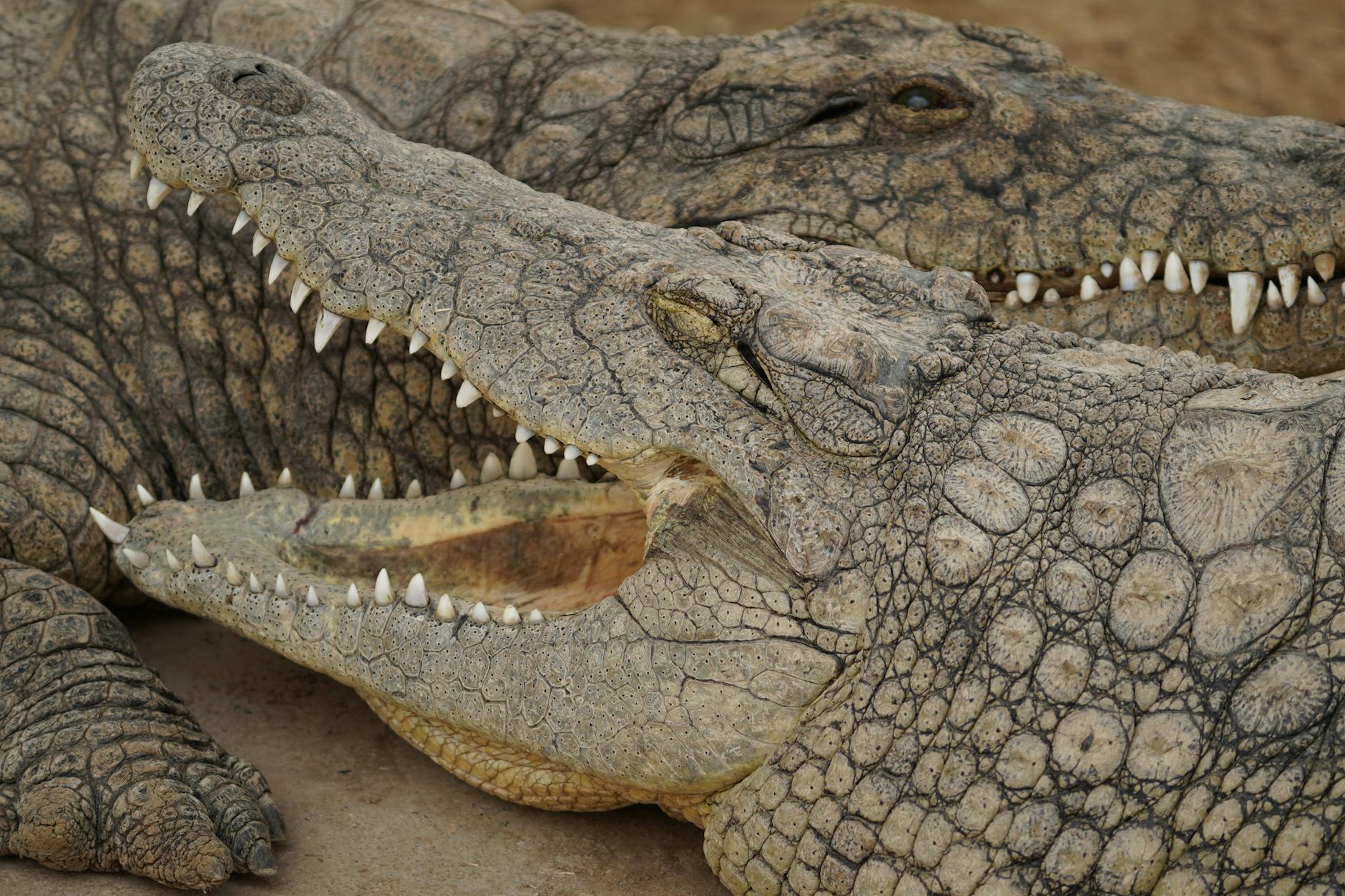
The saltwater crocodile is the largest living reptile and has survived in its current form for millions of years by combining extreme patience with explosive short-range speed. It is capable of launching its entire body out of the water at speeds that leave virtually no reaction time for nearby humans. Saltwater crocodiles learn the patterns of human activity in their territories with documented precision, adjusting their surface timing to avoid regular boat patrols and monitoring schedules. They exploit murky tidal river systems across northern Australia and Southeast Asia where underwater visibility is effectively zero. Wildlife rangers managing crocodile-populated areas consistently note that older individuals become progressively more difficult to locate as they accumulate experience with human presence.
Grizzly Bear
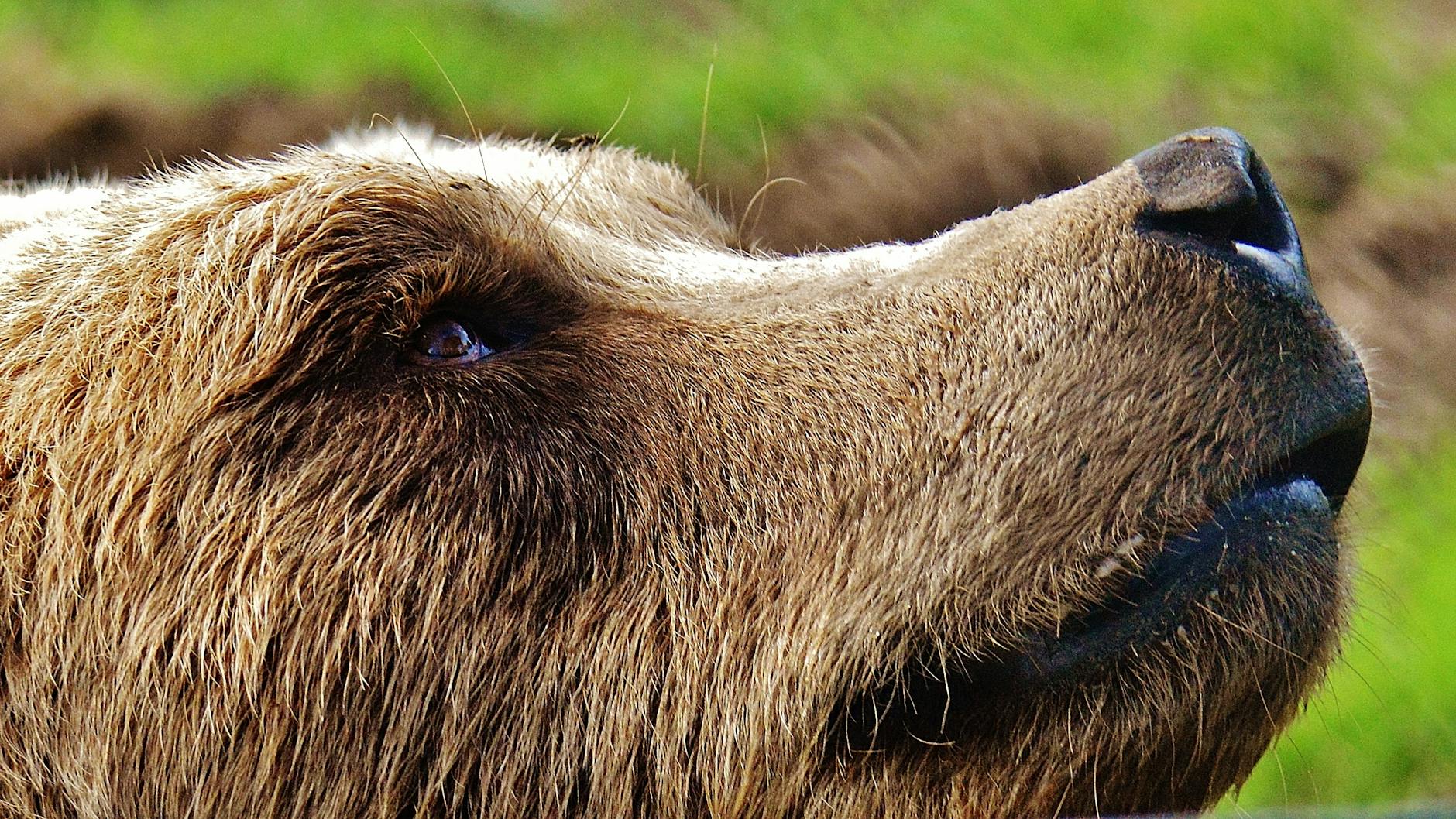
The grizzly bear combines exceptional sensory capability with behavioral intelligence that makes it one of the most formidable animals to pursue in its native habitat. Its sense of smell is estimated to be seven times more powerful than a bloodhound’s, allowing it to detect human presence from distances of up to 29 kilometers under favorable wind conditions. Grizzlies in heavily trafficked regions have learned to identify and avoid the specific scent signatures of hunting equipment including firearms, synthetic fabrics, and food storage containers. They are capable of running at 55 kilometers per hour over short distances, eliminating the possibility of escape on foot once a bear has decided to close distance. Wildlife managers in Alaska and British Columbia report that older male grizzlies in particular display highly sophisticated avoidance strategies not observed in younger or less experienced individuals.
Barn Owl
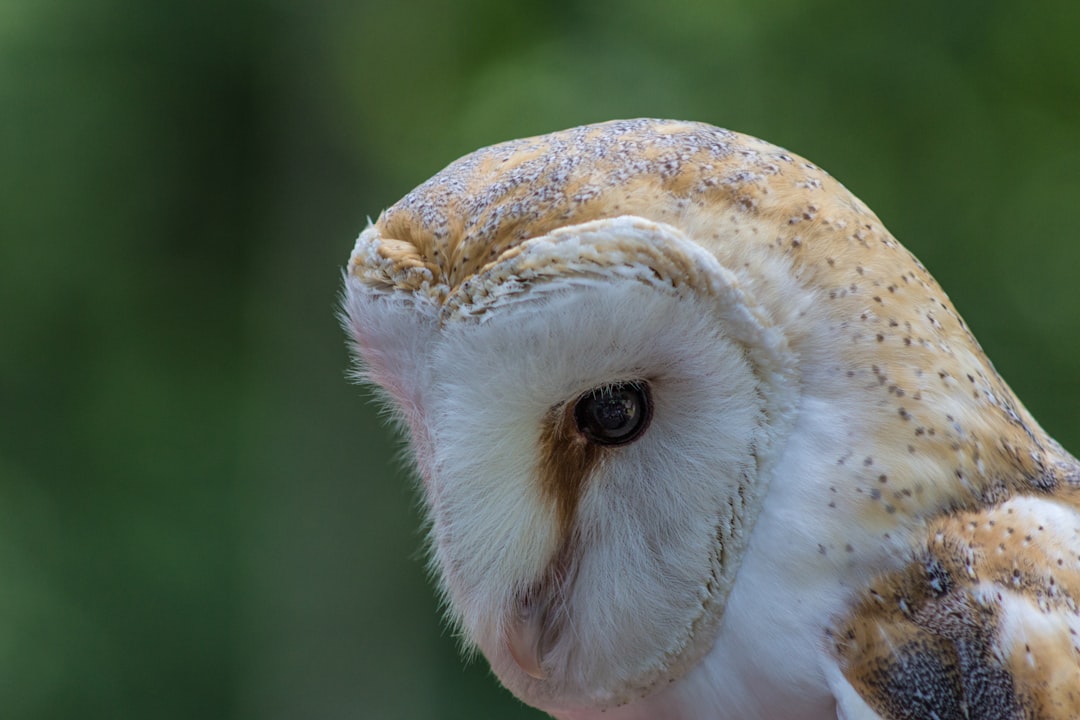
The barn owl hunts in complete silence due to the specialized structure of its flight feathers, which eliminate aerodynamic turbulence and produce no detectable sound during flight. Its facial disk functions as a parabolic dish that channels and amplifies sound waves toward its asymmetrically positioned ears with extraordinary precision. Barn owls can locate and strike prey beneath 30 centimeters of snow or leaf cover in total darkness based on sound alone. Their cryptic daytime roosting sites in hollow trees, building interiors, and dense vegetation make them extremely difficult to locate during periods when they are stationary. Populations across Europe and North America have survived sustained periods of deliberate persecution by shifting roost sites and extending their range into areas with low human density.
Komodo Dragon
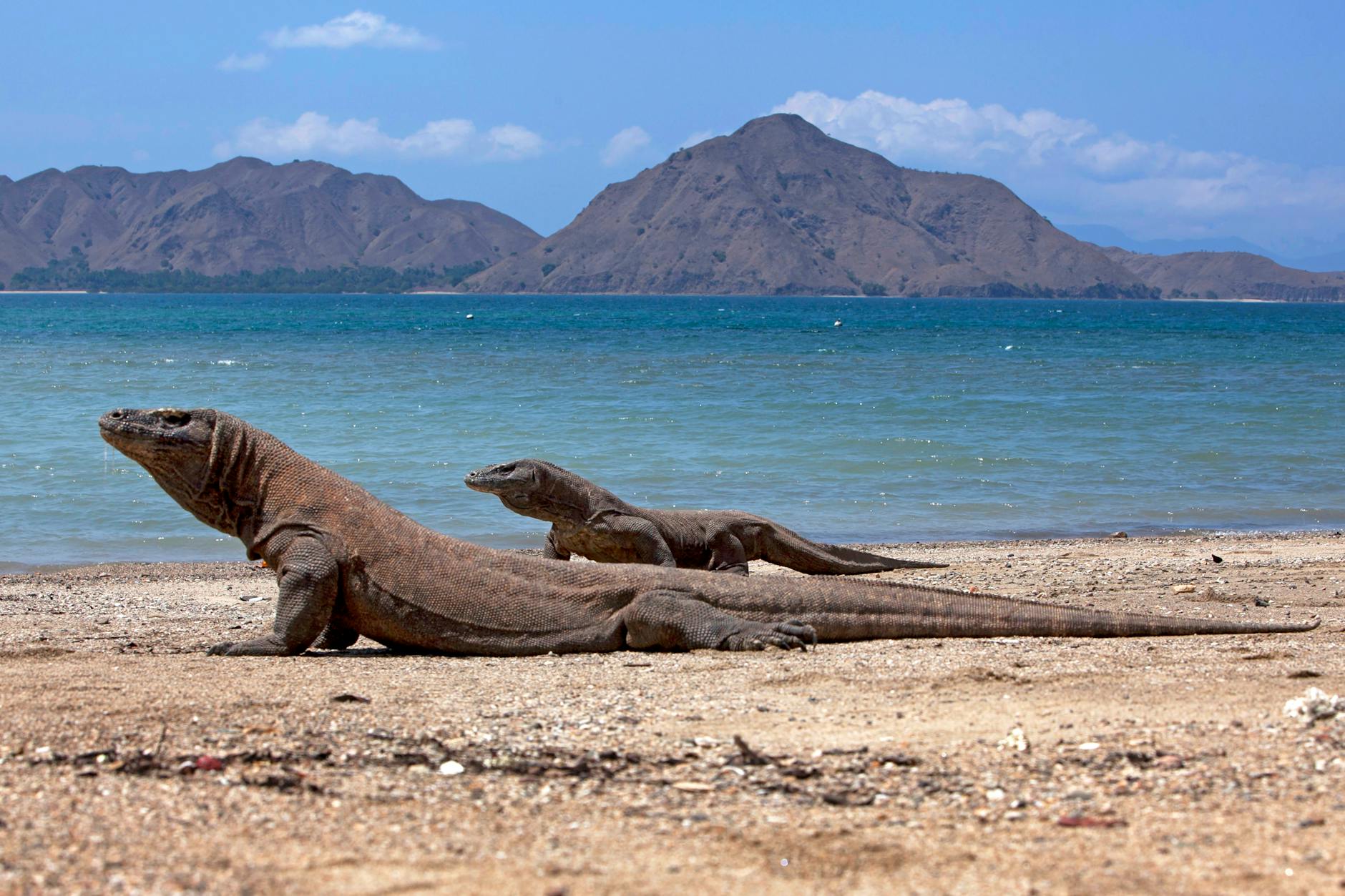
The Komodo dragon has persisted on its island habitats in Indonesia for millions of years and has a documented history of successfully evading human hunters through a combination of camouflage and terrain mastery. Despite its prehistoric appearance, it can reach speeds of 20 kilometers per hour over short distances and uses dense scrub vegetation to disappear from sight within seconds. Its forked tongue processes scent particles with a sensitivity that allows it to detect the presence of humans and potential threats at distances exceeding 9 kilometers. Komodo dragons have been observed studying and memorizing the movement patterns of rangers and researchers stationed at monitoring posts. Local communities on Komodo Island have recorded ancestral accounts of experienced dragons actively circling back on hunters who were pursuing them through forested terrain.
Arctic Fox
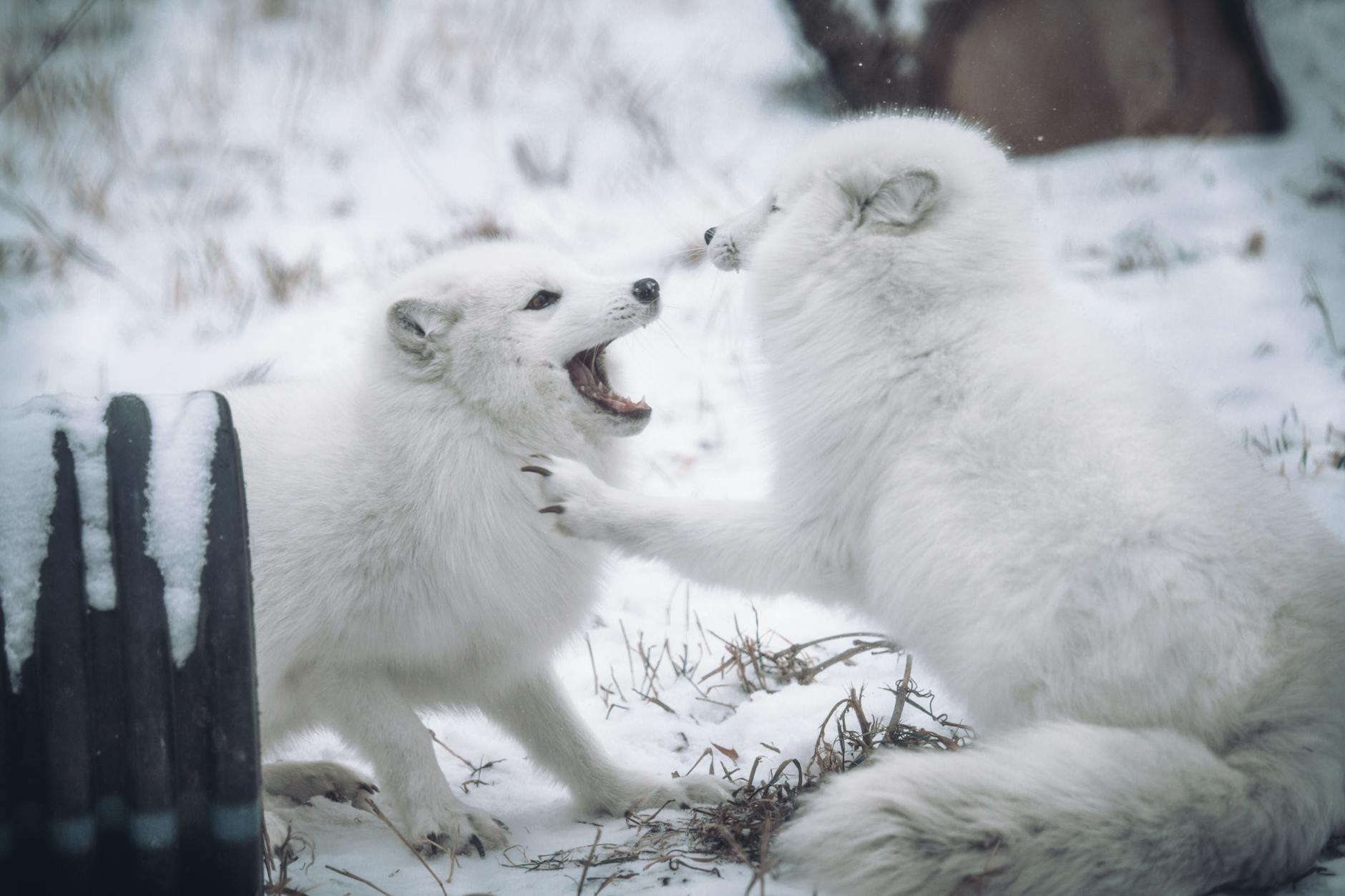
The Arctic fox undergoes a complete coat color change between seasons, shifting from deep brown in summer to pure white in winter to maintain near-perfect camouflage across radically different backgrounds. It uses the complex tunnel systems it excavates beneath snow as escape routes and shelter from both predators and human hunters in ways that are difficult to anticipate or block. Arctic foxes have been recorded following polar bears and wolves across vast distances to scavenge from kills, demonstrating a strategic understanding of other species’ behavior. Their low body profile when moving at speed makes them extremely difficult to track visually across open tundra. Population surveys in northern Canada and Scandinavia consistently show that Arctic fox numbers are significantly underestimated due to the challenges of locating them in their native environment.
Chimpanzee
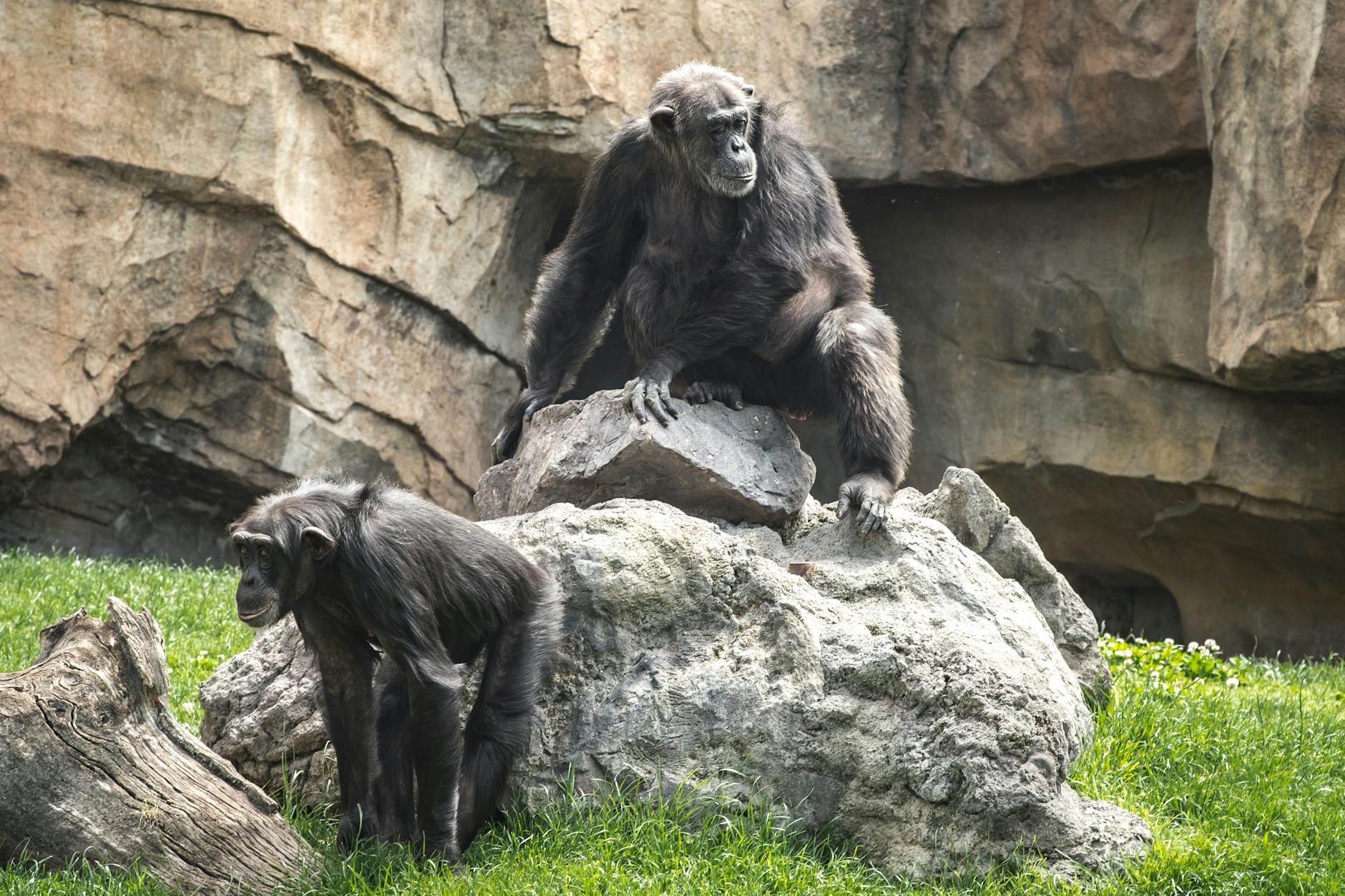
Chimpanzees in regions where bushmeat hunting occurs have demonstrated measurable changes in group behavior, including increased vigilance, faster retreat responses, and more selective use of forest cover during travel. They share threat information within their communities through specific alarm calls that encode details about the type and location of a danger. Chimpanzees have been documented dismantling simple wire snares set by hunters, a behavior that has been observed independently across multiple locations in West and Central Africa. Their complex social hierarchy ensures that accumulated survival knowledge is transmitted from experienced adults to younger group members over many years. Researchers at long-term field sites in Uganda and Guinea have noted that hunted populations develop detectably different behavioral profiles from populations in protected areas within just a few generations.
Stonefish
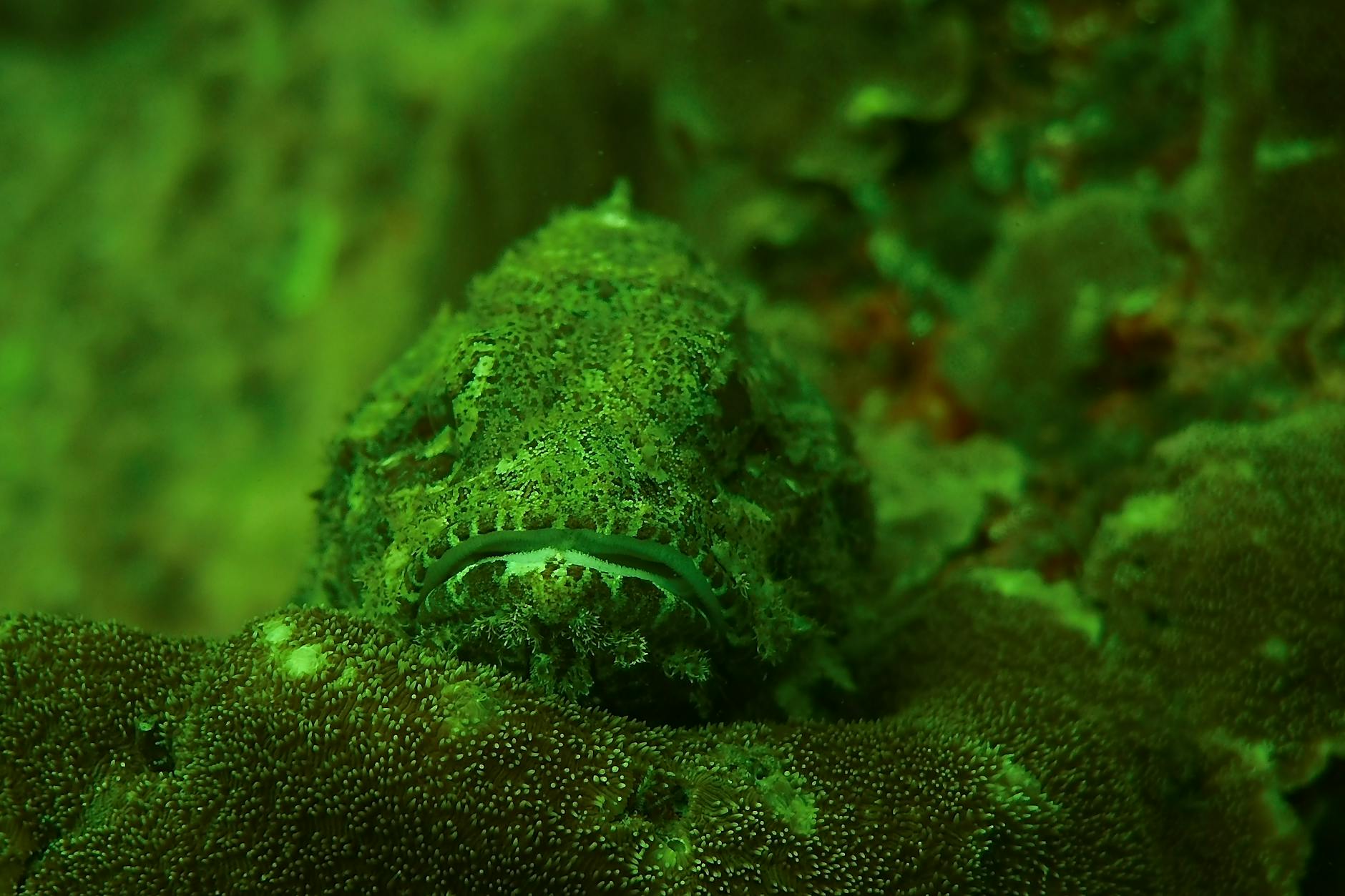
The stonefish is widely regarded as the most venomous fish in the world and relies entirely on its extraordinary camouflage rather than speed or evasion as its primary survival strategy. It rests motionless on the ocean floor blending with surrounding coral rubble and rock to a degree that consistently defeats visual detection by divers and fishermen. Its dorsal spines deliver venom powerful enough to cause immediate intense pain, tissue necrosis, temporary paralysis, and in untreated cases death. Coastal fishing communities across the Indo-Pacific have developed strict protocols for handling reef catch precisely because stonefish are so routinely and unknowingly brought aboard nets and into shallow wading areas. Its survival depends not on fleeing but on being so convincingly invisible that most hunters never realize they have encountered one at all.
Lynx
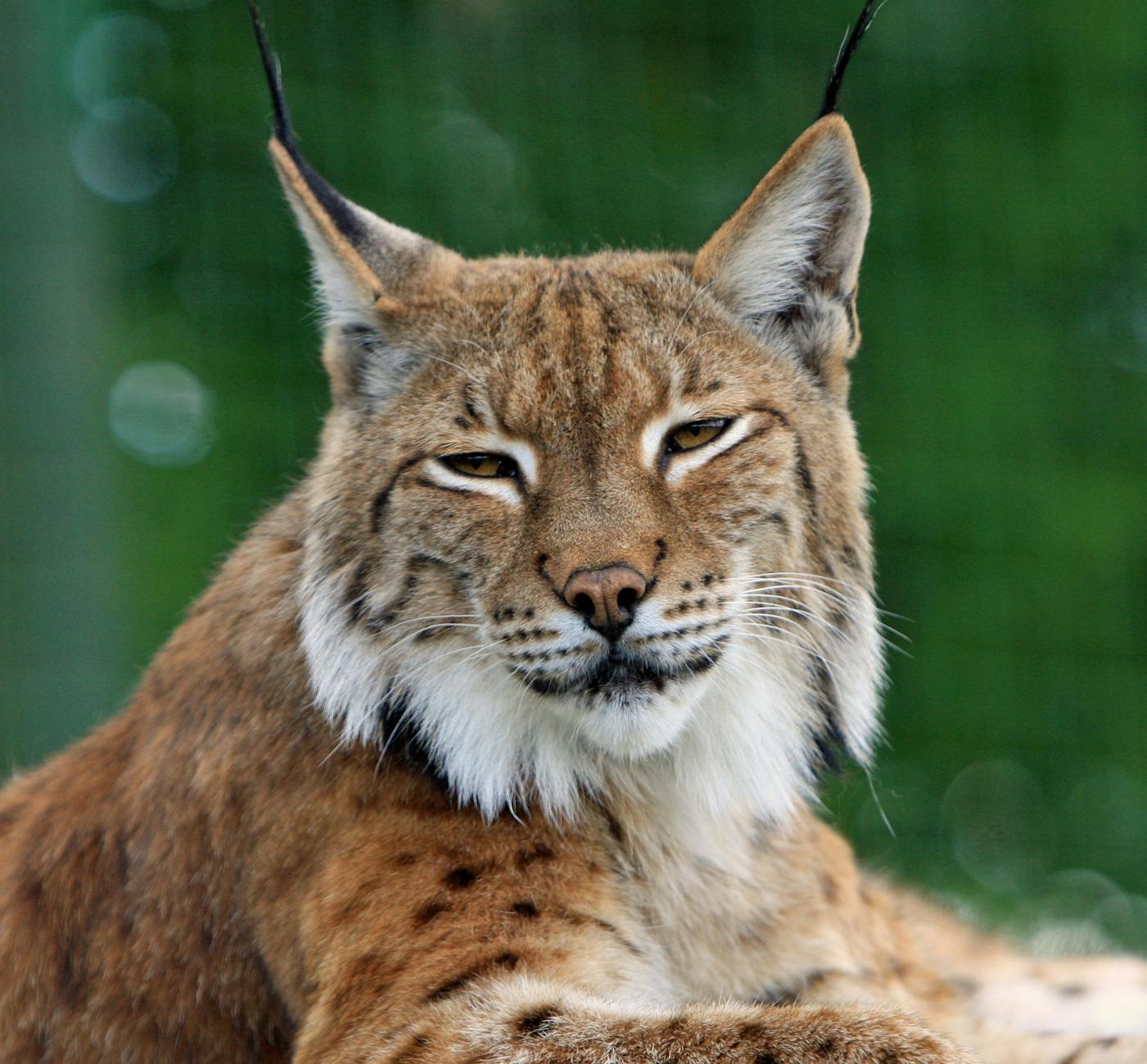
The Canada lynx has evolved in precise ecological lockstep with the snowshoe hare and uses deep powder snow terrain as its primary defensive advantage against human pursuit. Its extraordinarily large paws act as natural snowshoes that distribute its weight and allow it to move across deep snow at full speed while most pursuers break through the surface with every step. The lynx is almost entirely nocturnal in areas with hunting pressure and follows route patterns that consistently use dense conifer cover overhead to break up its silhouette. Experienced trackers note that lynx trails frequently end at the base of large trees with no clear continuation, suggesting deliberate use of elevated escape routes. Fur trade records from the eighteenth and nineteenth centuries document consistent difficulty in meeting harvest quotas for lynx compared to other similarly sized species.
Hippopotamus
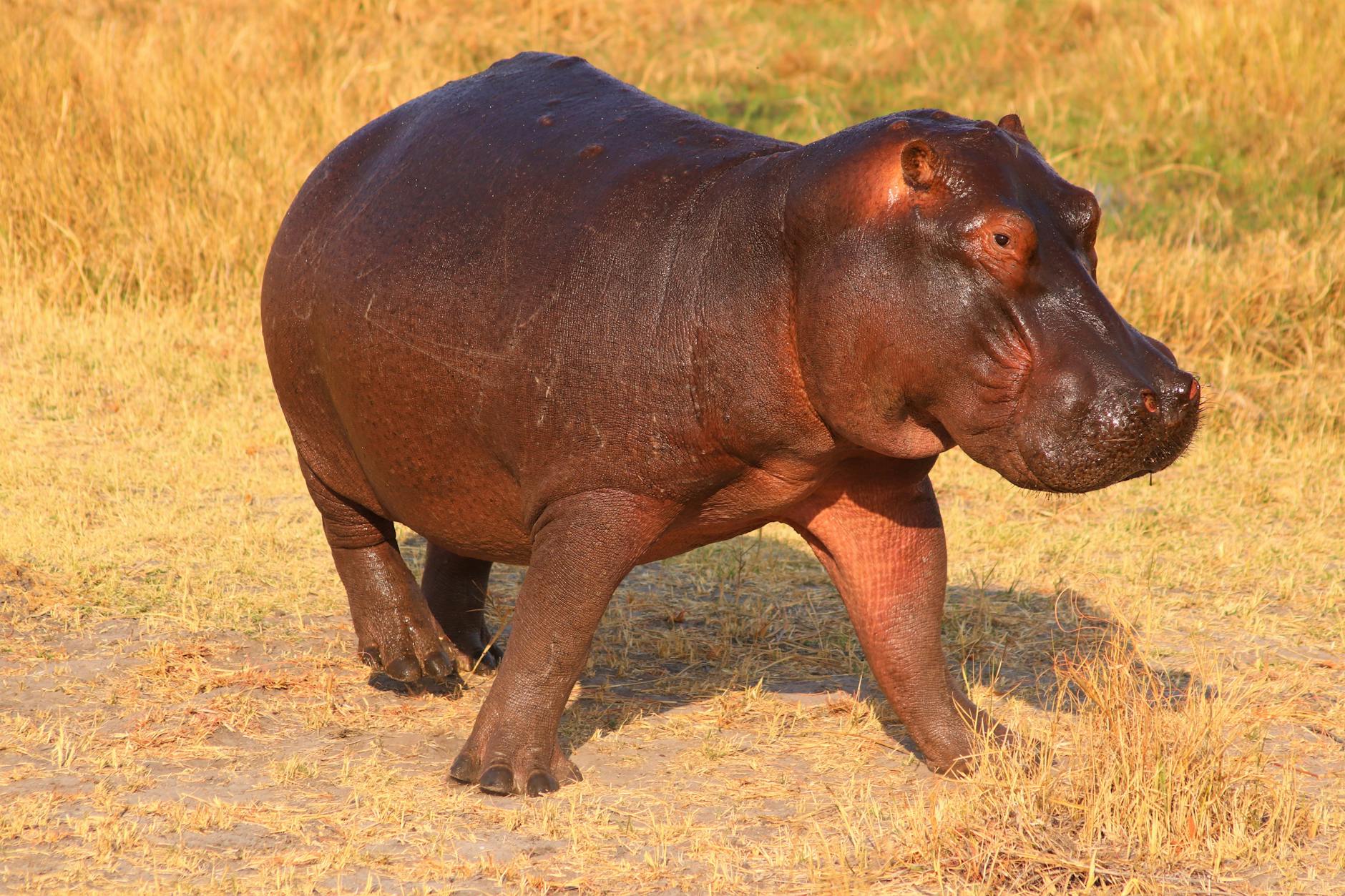
The hippopotamus spends the majority of its daylight hours submerged in rivers and lakes with only its eyes, ears, and nostrils visible above the waterline, making approach by watercraft extremely difficult. It is capable of holding its breath for up to five minutes and moving considerable distances underwater before resurfacing at an unpredictable location. A hippo can open its jaws to an angle of 150 degrees and is capable of biting through a small aluminum boat, making close pursuit by traditional watercraft extraordinarily dangerous. Despite its bulky appearance, it can run at speeds of up to 30 kilometers per hour on land over short distances and is highly unpredictable in direction. Historical accounts from colonial-era hunters in sub-Saharan Africa consistently describe the hippopotamus as the most dangerous and strategically elusive large game animal encountered on the continent.
Honey Badger
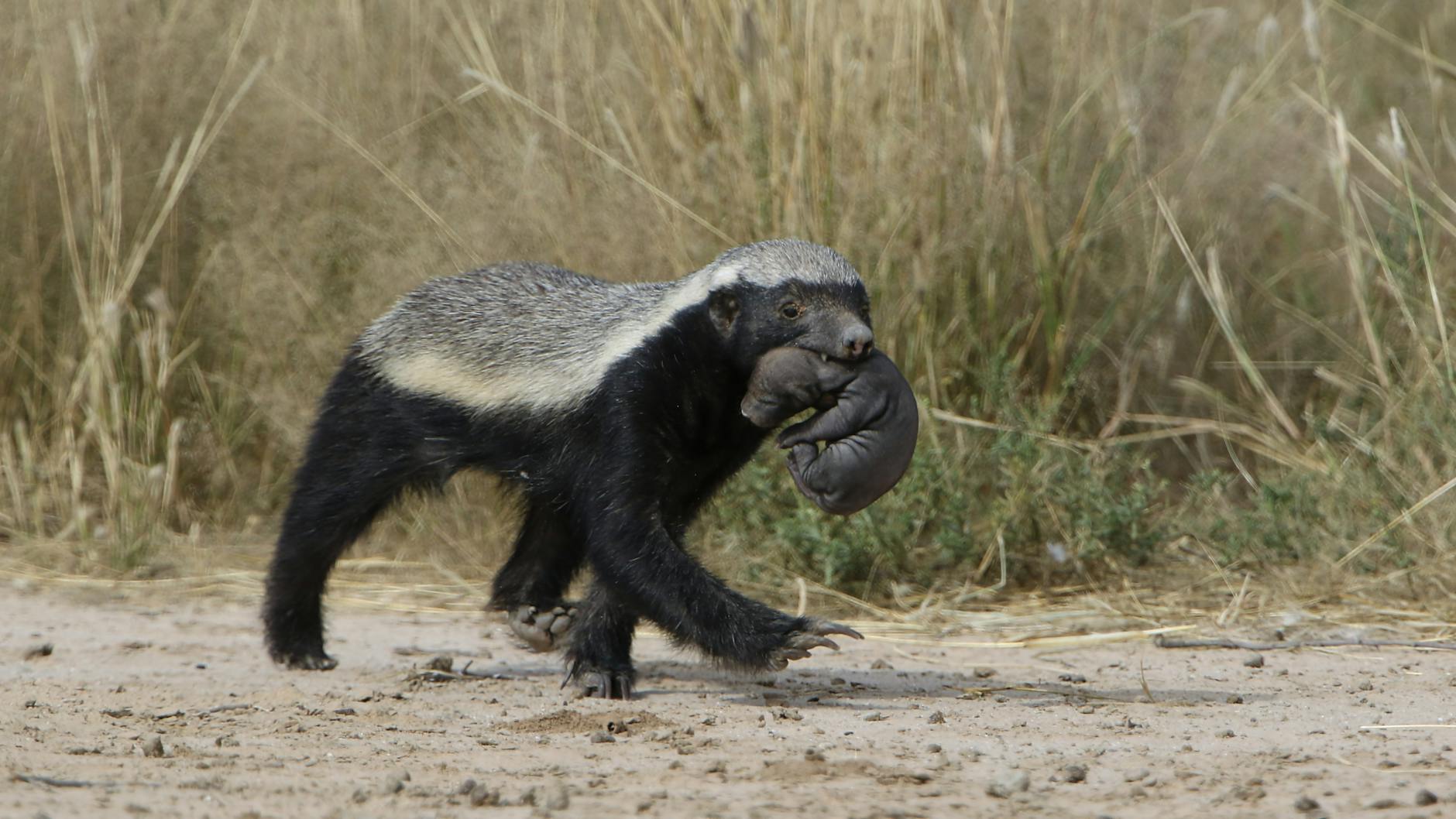
The honey badger has a near-legendary reputation among wildlife researchers and hunters in Africa and Asia for its absolute refusal to retreat from threatening situations combined with its effectiveness at escaping confinement. Its loose, thick skin is resistant to many conventional snare mechanisms and allows it to twist inside its own skin to bite and attack in nearly any direction when held. Honey badgers have been documented escaping from enclosures considered secure by opening latches, removing obstacle stones, and climbing structures using improvised tools. Their persistence and pain tolerance are documented to be extraordinary even among mustelids, with individuals recorded continuing to function normally after sustaining injuries that would incapacitate most animals of similar size. Wildlife managers across southern Africa consistently classify the honey badger as the most difficult small carnivore to trap, relocate, or exclude from a target area.
Bluefin Tuna
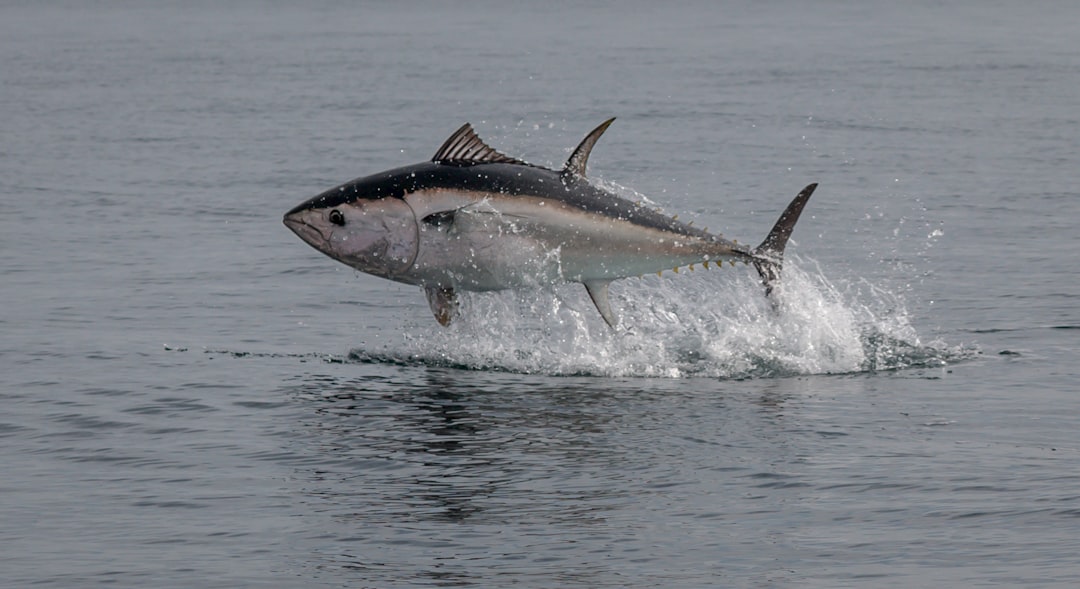
The Atlantic bluefin tuna is one of the fastest fish in the ocean, capable of reaching speeds of 70 kilometers per hour, and uses the open ocean as a three-dimensional escape environment that offers virtually unlimited directional options. It maintains a body temperature several degrees warmer than the surrounding water through a specialized circulatory system that powers its muscles with unusual efficiency over long distances. Bluefin populations have demonstrated a behavioral shift over decades of intensive fishing pressure, spending more time in deeper water columns and reducing surface activity in areas with high vessel traffic. They travel in highly coordinated schools that can change direction simultaneously with a precision that makes net deployment against them technically demanding even with modern equipment. Population crash events in the Atlantic and Pacific have occurred despite enormously sophisticated industrial fishing technology, suggesting a resilience to pressure that has surprised fisheries scientists.
Gorilla
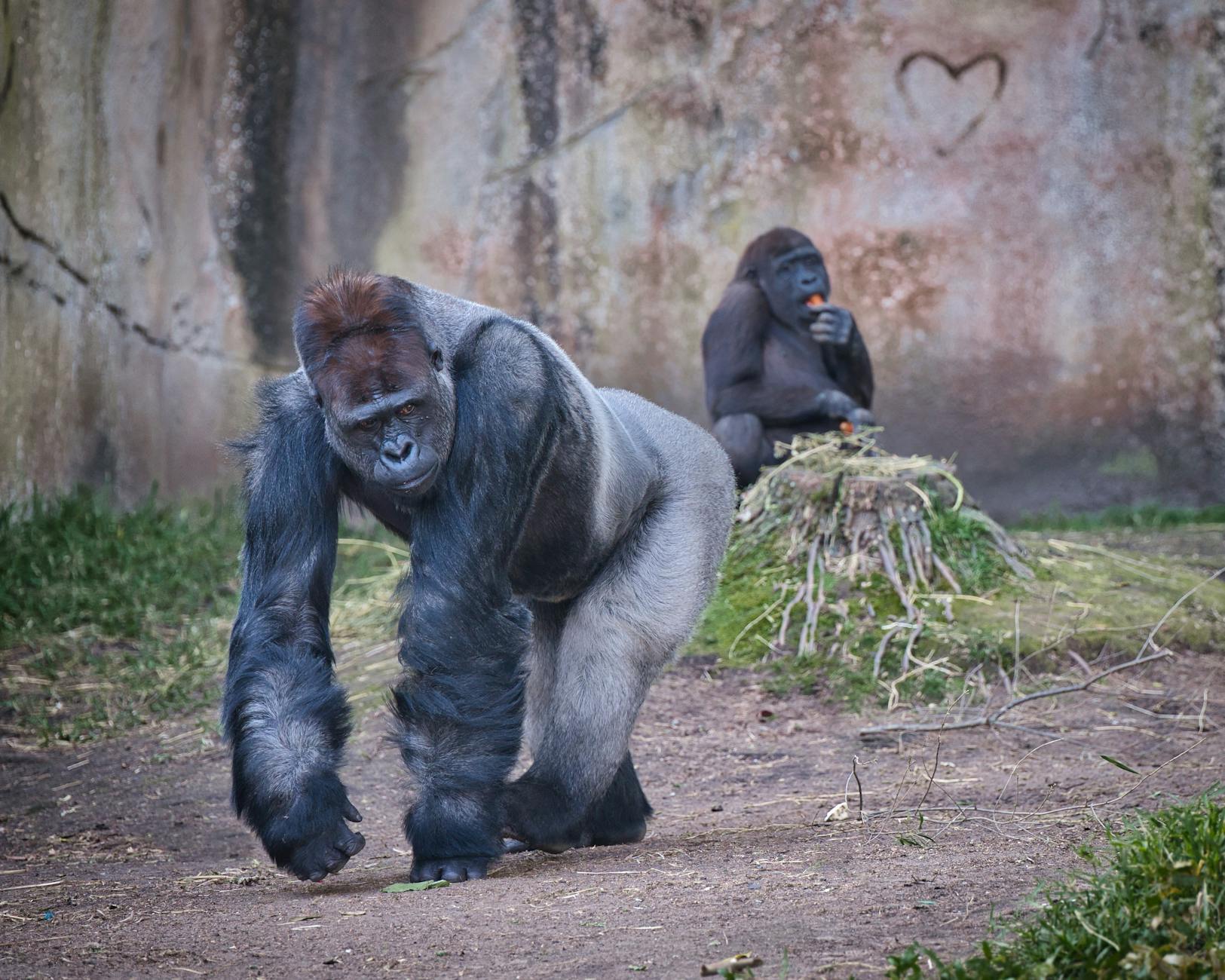
Mountain gorillas in areas bordering national parks have developed precise mental maps of park boundaries and have been documented retreating into protected zones when they detect the approach of hunters from surrounding agricultural areas. The silverback male actively positions itself between any perceived threat and the rest of the group, using its size and direct confrontational display to create space for females and juveniles to move to safety. Gorillas dismantle poaching snares with their hands and have been filmed doing so by camera trap systems within hours of snares being set. Their movement through dense montane forest is remarkably quiet given their size, and experienced trackers note that gorillas will often have been observing a human group for some time before any visual contact is established. Conservation organizations working in the Virunga region report that habituated research groups that have learned the predictable patterns of human activity show measurably better snare avoidance than groups without regular human contact.
Platypus
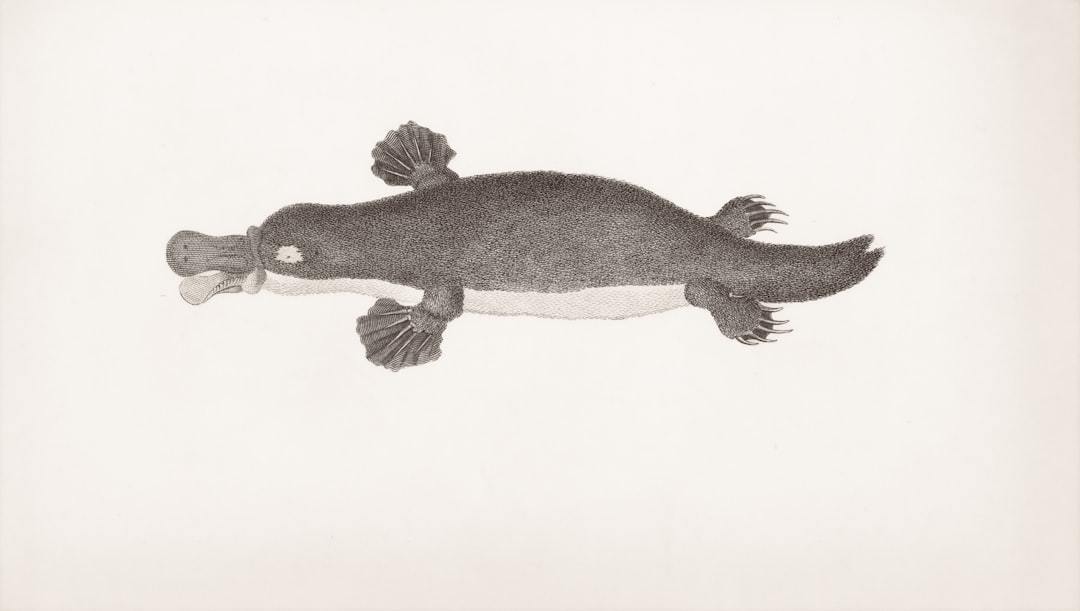
The platypus inhabits river systems across eastern Australia and uses underwater burrow systems with multiple entrances to create escape routes that are effectively impossible to predict or block. It can remain submerged for up to two minutes at a time and navigates entirely by electroreception when underwater, closing its eyes, ears, and nostrils and relying solely on its bill to detect the electrical fields produced by prey and movement. Male platypuses possess venomous spurs on their hind legs that deliver a sting described as producing excruciating pain that is resistant to conventional pain medication. Its nocturnal habits and preference for heavily vegetated riverbanks in remote catchment areas mean that most people who live near platypus habitat rarely if ever see one. Early European naturalists who attempted to collect specimens for scientific study reported consistent difficulty in locating and capturing animals they could hear but almost never see.
Mimic Octopus
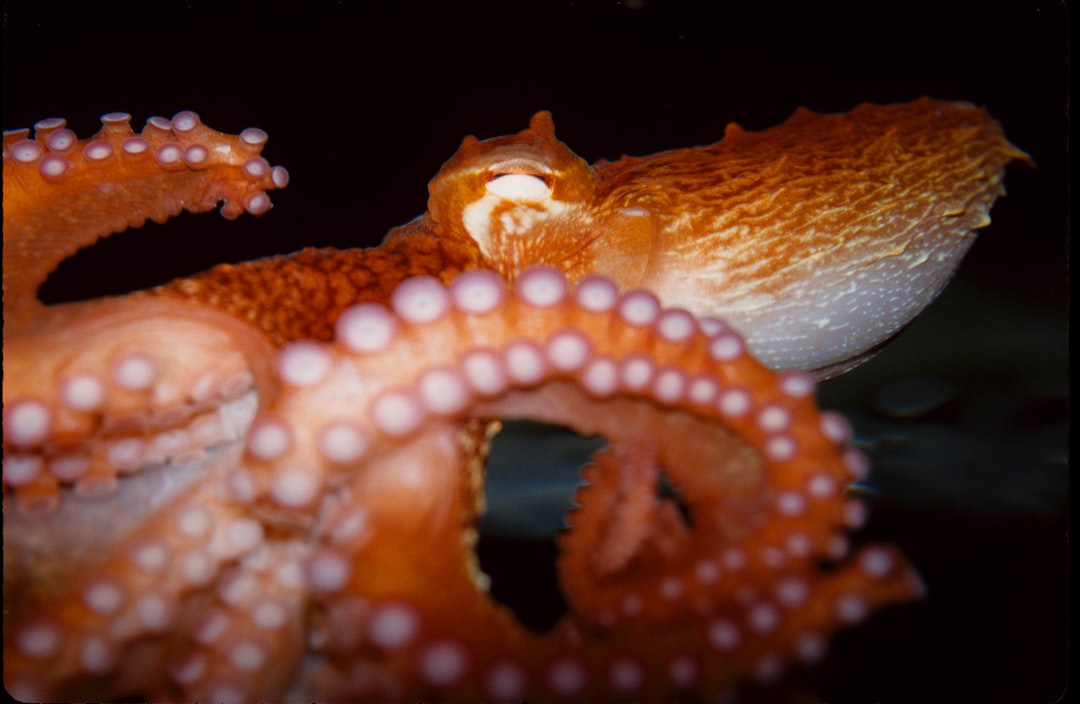
The mimic octopus, discovered in Indonesian waters in 1998, can accurately replicate the shape, color, and movement patterns of more than 15 other marine species including lionfish, flatfish, and sea snakes. It selects which species to mimic based on the specific predator present in its immediate environment, demonstrating a contextual decision-making ability that is extraordinary among invertebrates. When pursued by collectors or researchers, it combines mimicry with rapid direction changes and use of underwater terrain to create maximum visual confusion. Its behavior has been studied extensively because it represents one of the most complex anti-predator strategies ever documented in a non-vertebrate animal. Marine biologists working in the Banda Sea note that the mimic octopus appears to become progressively more difficult to locate in areas where collection activity has occurred repeatedly.
Pronghorn
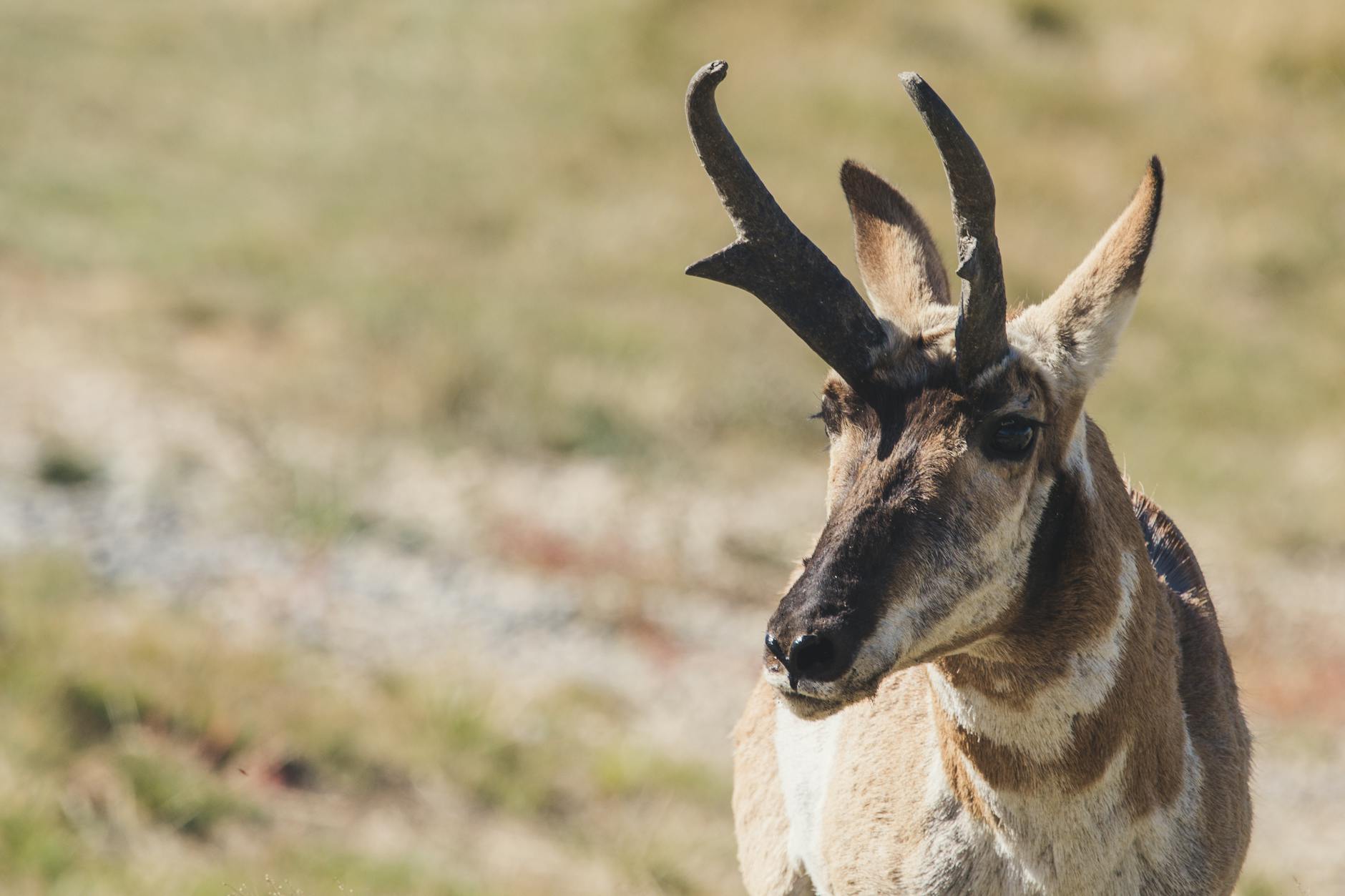
The pronghorn antelope of North America is the second fastest land animal on Earth, capable of sustaining speeds of 88 kilometers per hour for distances that exceed the endurance of virtually any land predator or human pursuer. Unlike the cheetah, which achieves greater top speed over very short distances, the pronghorn can maintain racing pace across terrain for kilometers without significant deceleration. It has exceptional eyesight with a 320-degree field of view and eyes positioned to detect movement at distances equivalent to a human using 8-power binoculars. The pronghorn evolved its extraordinary speed during the Pleistocene in response to now-extinct North American predators that were significantly faster than any currently living species on the continent. Hunters attempting to stalk pronghorn on open prairie consistently describe it as the most visually alert and physically inaccessible ungulate in North America.
Orca
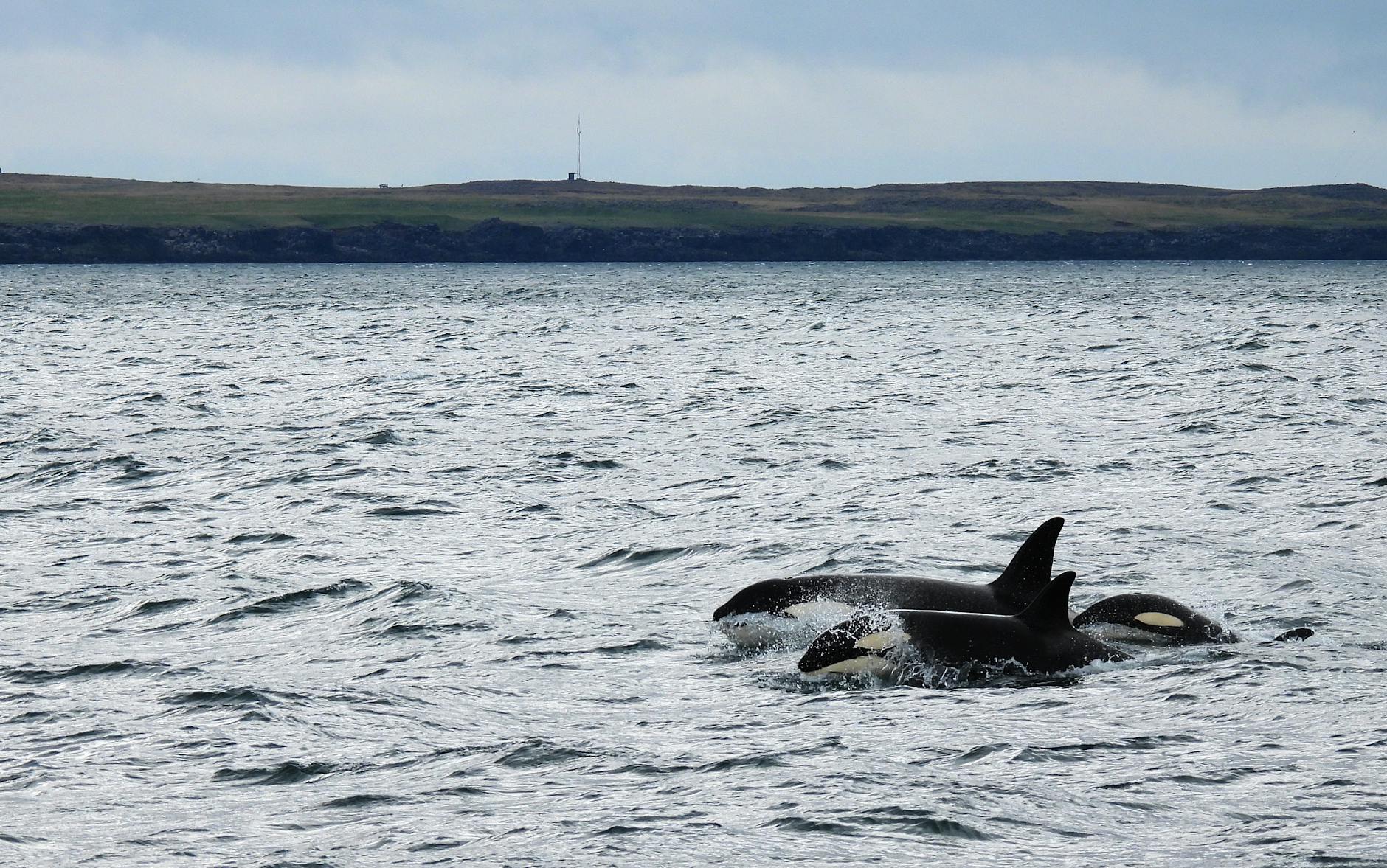
The orca is the apex predator of every ocean on Earth and has demonstrated behaviors that suggest active strategic intelligence in response to human hunting pressure over the past century. Populations in the northeast Pacific that were targeted by the whaling industry shifted their vocal behavior to near silence during vessel approach and resumed complex communication only after the vessel had passed. Orca pods transmit culturally specific knowledge including hunting techniques, communication dialects, and threat responses from generation to generation with a fidelity comparable to human cultural transmission. They have been documented coordinating the capsizing of small boats in ways that researchers debate as either strategic behavior or learned play. The diversity of distinct orca ecotypes, each with specialized behaviors adapted to specific environments and prey, demonstrates an adaptive flexibility that has consistently allowed populations to survive direct human pressure.
Common Snipe
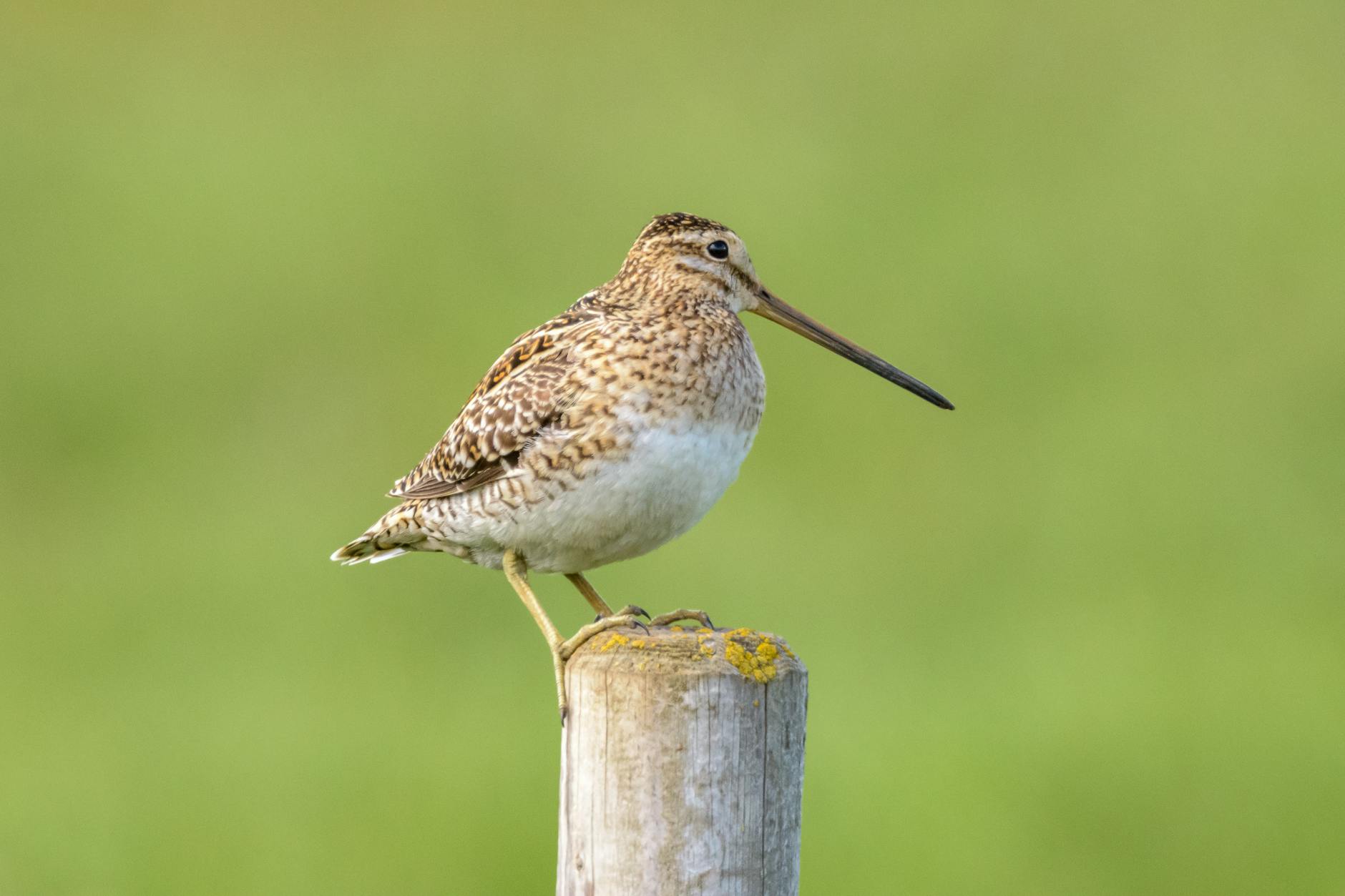
The common snipe has given rise to the English word “sniper” precisely because its erratic zigzag flight pattern when flushed from cover makes it one of the most technically demanding birds to shoot in motion. It uses dense marsh vegetation and wetland terrain that is physically challenging for humans to move through quickly, creating a structural advantage that does not depend on speed alone. The snipe’s cryptic brown and buff plumage renders it effectively invisible when stationary against the grass and reed beds it prefers, and it flushes only when a threat is nearly on top of it. Its preference for boggy terrain with high water tables means that pursuit on foot requires specialized equipment and causes significant noise that alerts the bird far in advance. Competitive snipe shooting events in nineteenth-century Britain were considered among the highest tests of marksmanship available to field sportsmen of the era.
Cuttlefish
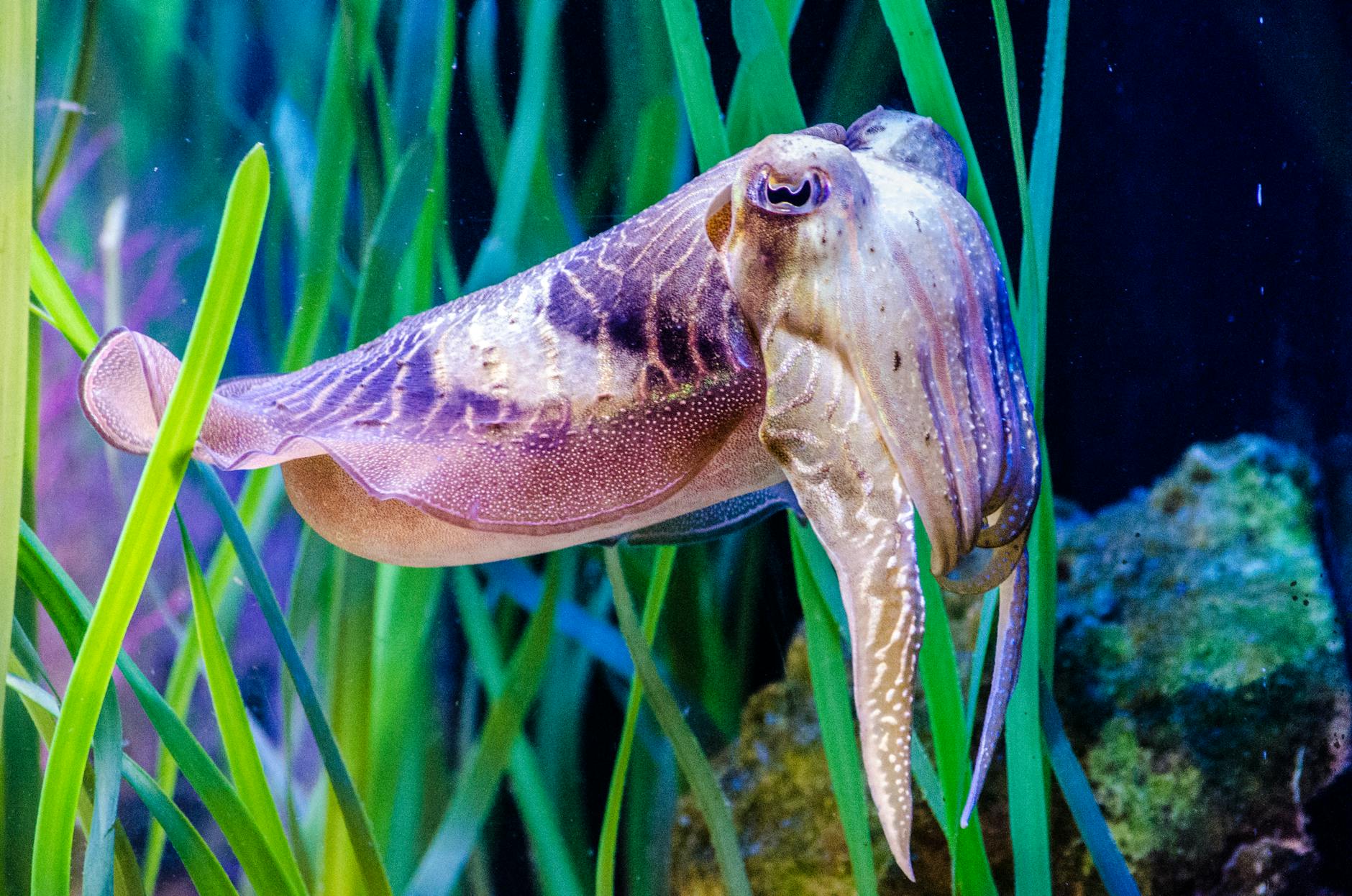
The cuttlefish can produce more than a thousand distinct skin patterns and textures within fractions of a second, making it one of the most versatile camouflage artists in the natural world. Beyond static background matching, it can produce moving waves of color across its body that researchers believe may disorient pursuing animals by disrupting visual tracking. Cuttlefish have demonstrated in laboratory conditions that they can plan and delay gratification, choosing to forgo an immediate food reward in anticipation of a larger reward later, a test of cognitive sophistication. When escape is preferred to camouflage, they can expel a dense ink cloud that mimics their own body shape, functioning as a decoy rather than simply an obscuring screen. Marine collectors and researchers consistently describe cuttlefish as among the most cognitively reactive cephalopods to work with, appearing to assess and respond to human behavior rather than simply reacting to movement.
If you find these animals as extraordinary as the science does, share the one that surprised you most in the comments.




