Weddings are joyful celebrations filled with love, laughter, and long-held traditions, but they also come with a set of unspoken expectations that many guests unknowingly ignore. From the moment the invitation arrives to the final dance of the evening, there are countless subtle rules that govern gracious wedding behavior. Most people mean well, yet small missteps can create awkward moments or even unintentionally overshadow the couple’s big day. Understanding these unwritten codes of conduct helps guests show up as their most considerate selves and contribute to a seamless, memorable celebration.
RSVP Etiquette
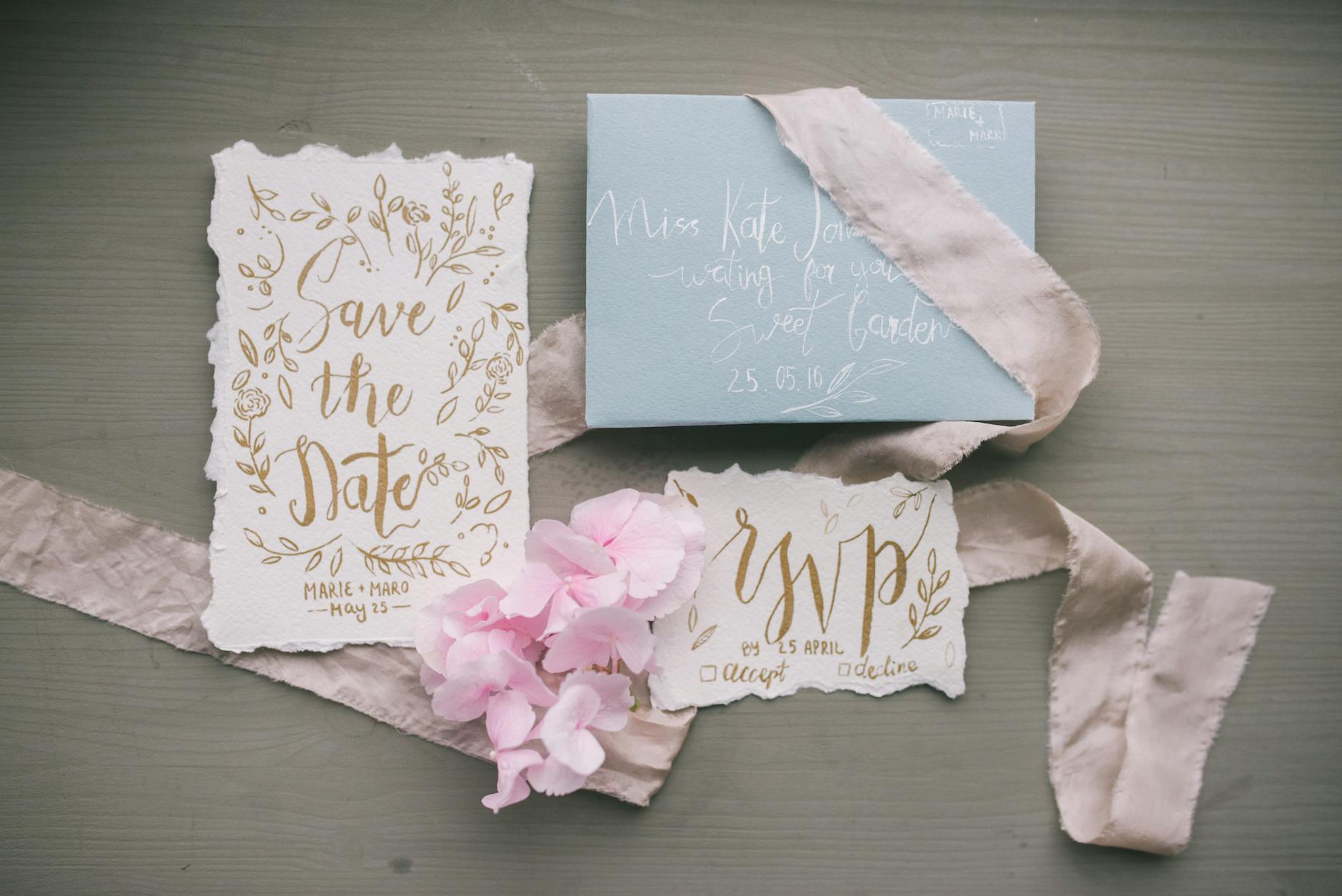
Failing to respond to a wedding invitation on time is one of the most common yet costly oversights a guest can make. Couples and their caterers rely on accurate headcounts weeks before the event, and late responses create unnecessary stress and financial complications. Responding promptly, even if the answer is a decline, is considered a basic act of courtesy. Ignoring an RSVP deadline and then showing up anyway is an even more serious breach that can disrupt seating arrangements and catering numbers. Guests should treat the deadline printed on the invitation as a firm commitment, not a loose suggestion.
Plus-One Rules
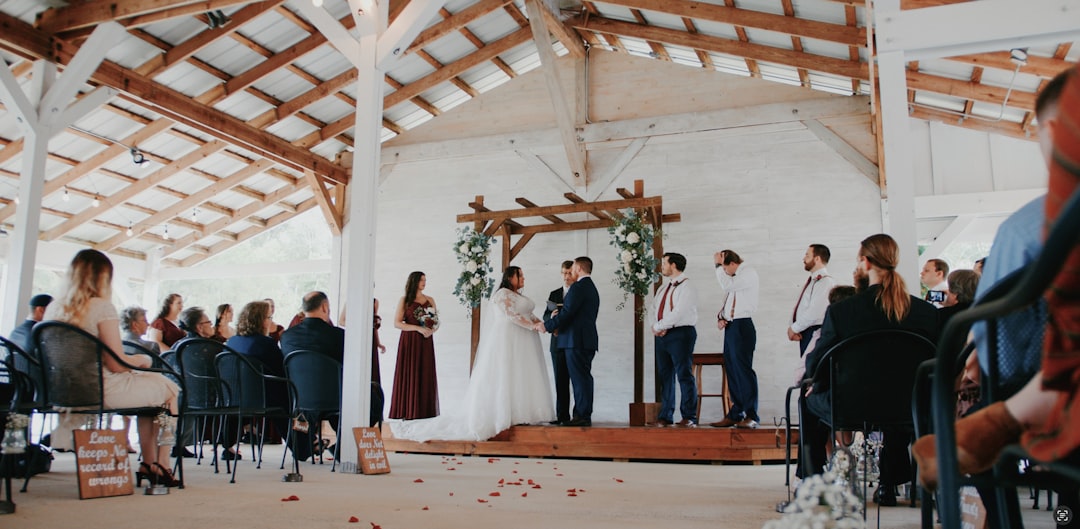
Assuming that a wedding invitation automatically includes a plus-one is a widespread misunderstanding that puts couples in an uncomfortable position. If the envelope is addressed only to one person, the invitation is intended for that individual alone. Contacting the couple to request an additional guest, especially close to the wedding date, places financial and logistical pressure on them. Guests who are unsure about whether a partner is included should reach out discreetly and well in advance. Respecting the boundaries of the guest list is one of the most considerate things an attendee can do.
White Attire
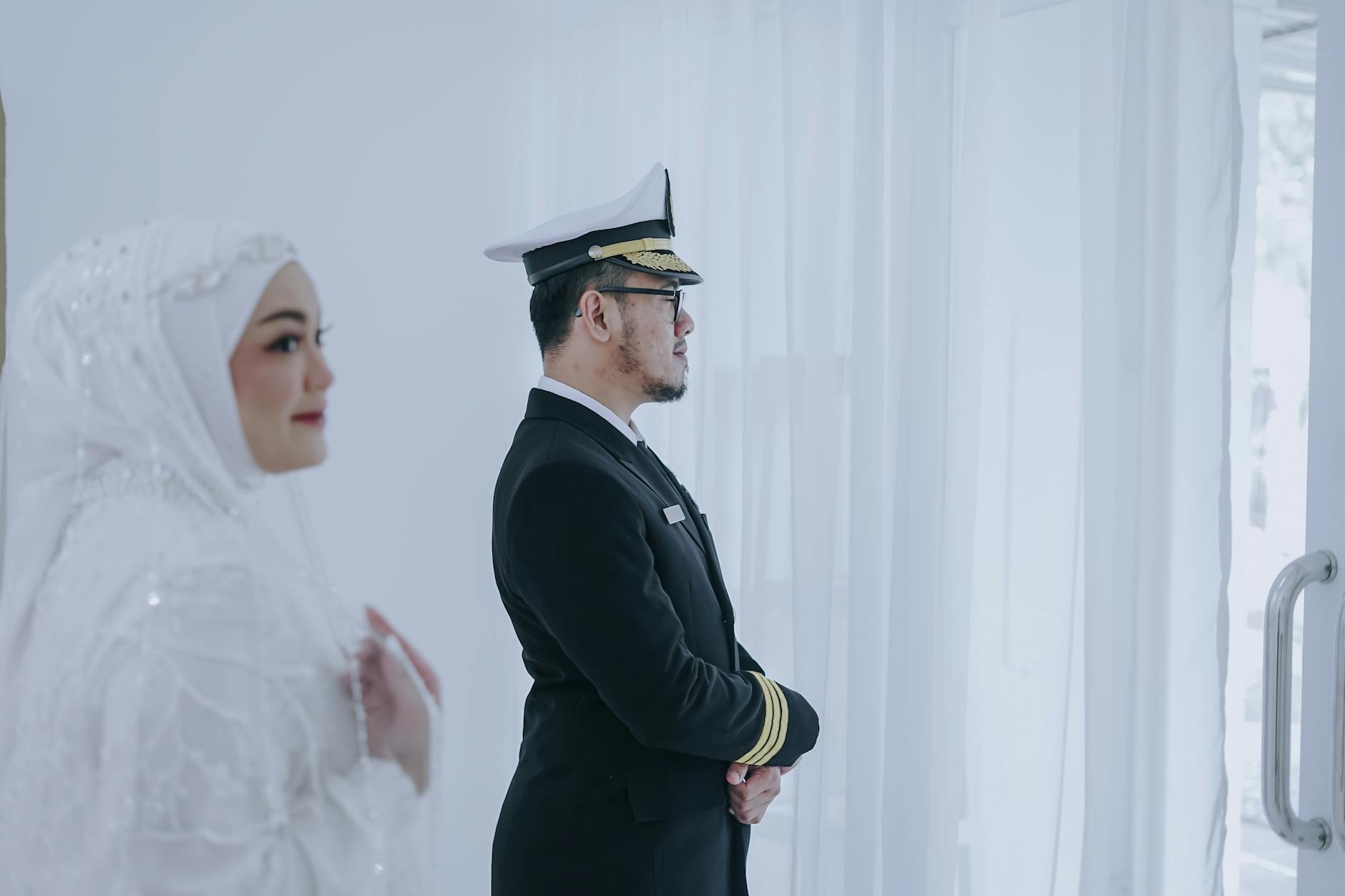
Wearing white, ivory, or any shade that closely resembles bridal tones to a wedding is widely regarded as a significant faux pas. This guideline extends to cream, champagne, and off-white hues that could draw visual comparison to the wedding party. The tradition exists to ensure that the bride remains the undisputed focal point of the day. Even in cultures or dress codes where white is common, guests are generally expected to err on the side of caution. When in doubt, choosing a clearly distinct color is always the safer and more respectful choice.
Ceremony Lateness
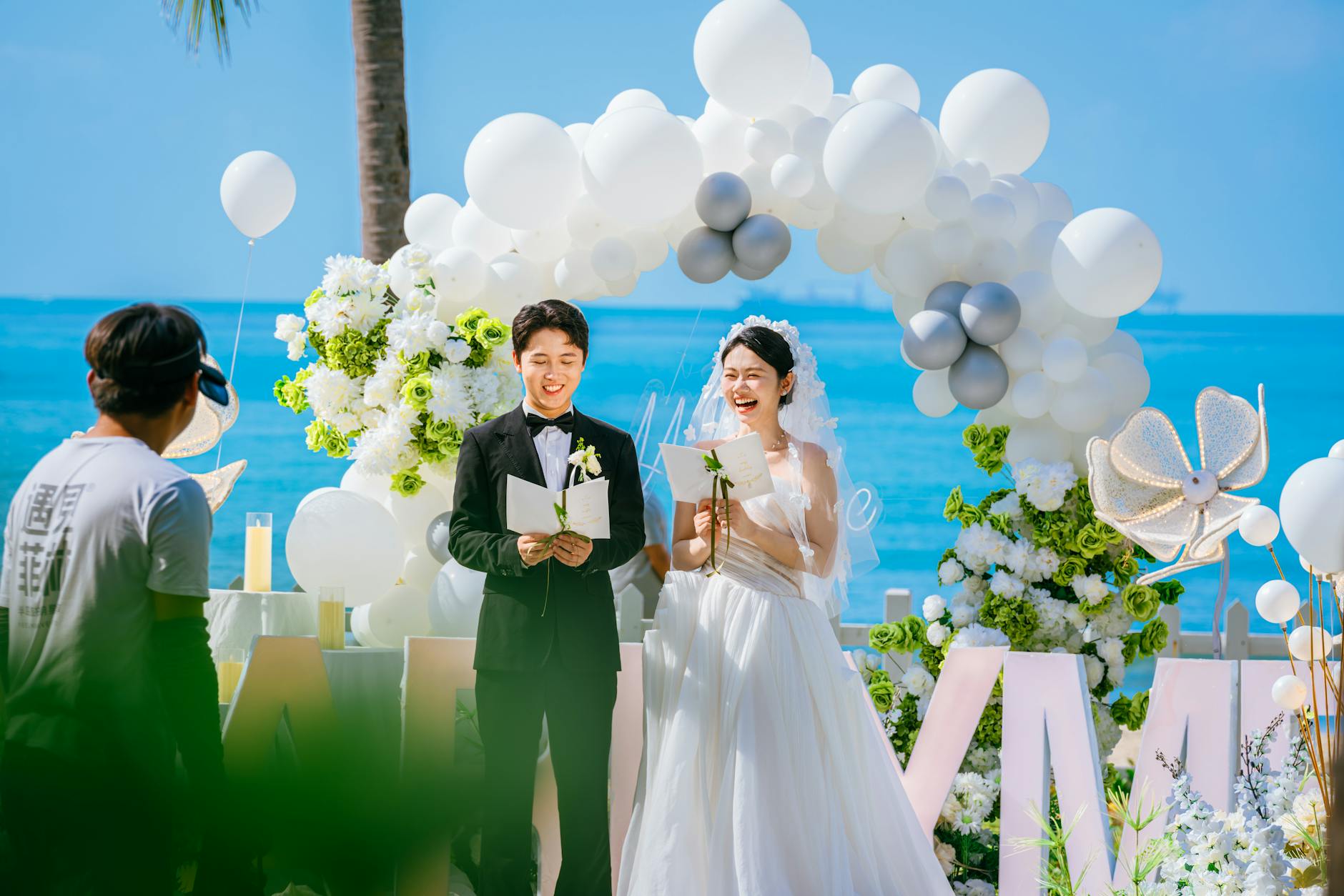
Arriving late to a wedding ceremony is far more disruptive than it might seem in the moment. Guests who slip in after the processional has begun risk drawing attention away from the wedding party during one of the most emotionally significant parts of the day. Ushers are no longer able to seat latecomers once the bride begins her walk, meaning the guest may need to stand or find their own seat in an awkward manner. Planning to arrive at least fifteen to twenty minutes before the stated start time accounts for parking, seating, and any unexpected delays. Punctuality at a wedding ceremony is a quiet but powerful sign of respect for the couple.
Phone Usage
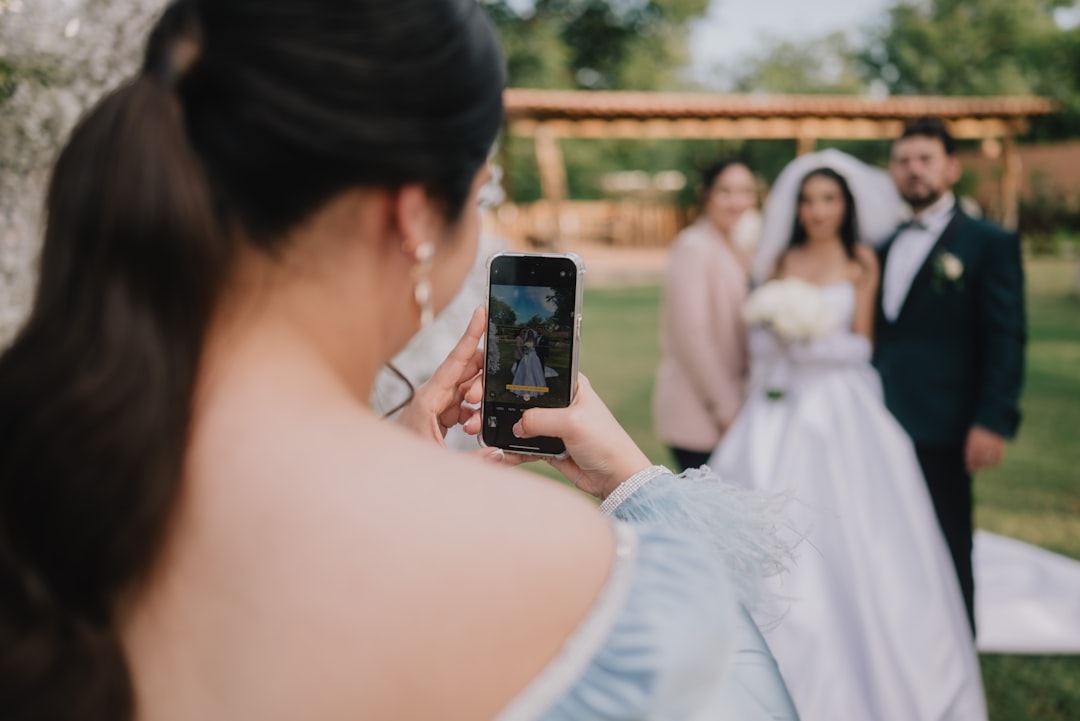
Using a smartphone during a wedding ceremony has become one of the most talked-about breaches of modern wedding etiquette. Holding up a phone or tablet to capture photos can physically block the view of other guests and disrupt the carefully planned aesthetic of the event. Many couples now hire professional photographers and videographers specifically so that guests can be fully present rather than behind a screen. Even when no explicit unplugged policy has been announced, restraint with devices is considered a gesture of genuine engagement. Posting photos to social media before the couple has had the chance to share their own images is also widely considered inconsiderate.
Ceremony Outbursts
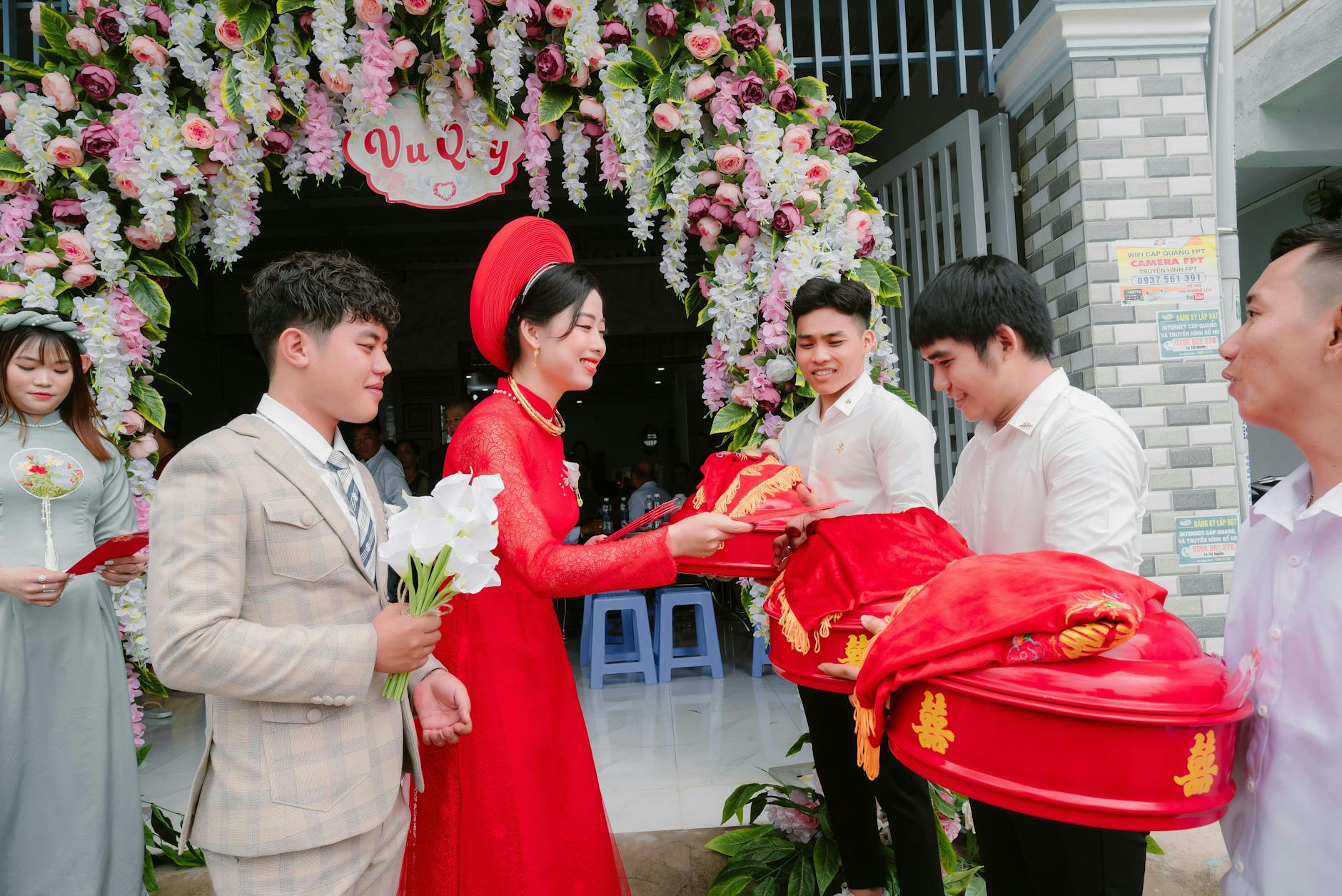
Unsolicited commentary during the ceremony, including audible whispers, emotional outbursts, or unexpected speeches, can pull attention from the couple at a deeply personal moment. While tears and laughter are entirely welcome, disruptive reactions that require others to respond or intervene cross an important line. Children who are not accustomed to sitting quietly for extended periods are sometimes better served by attending the reception only. Guests seated near fussy children or disruptive companions are generally expected to manage the situation quietly rather than allow it to escalate. Treating the ceremony with the same reverence as a formal occasion is a standard that benefits everyone in attendance.
Gift Registry
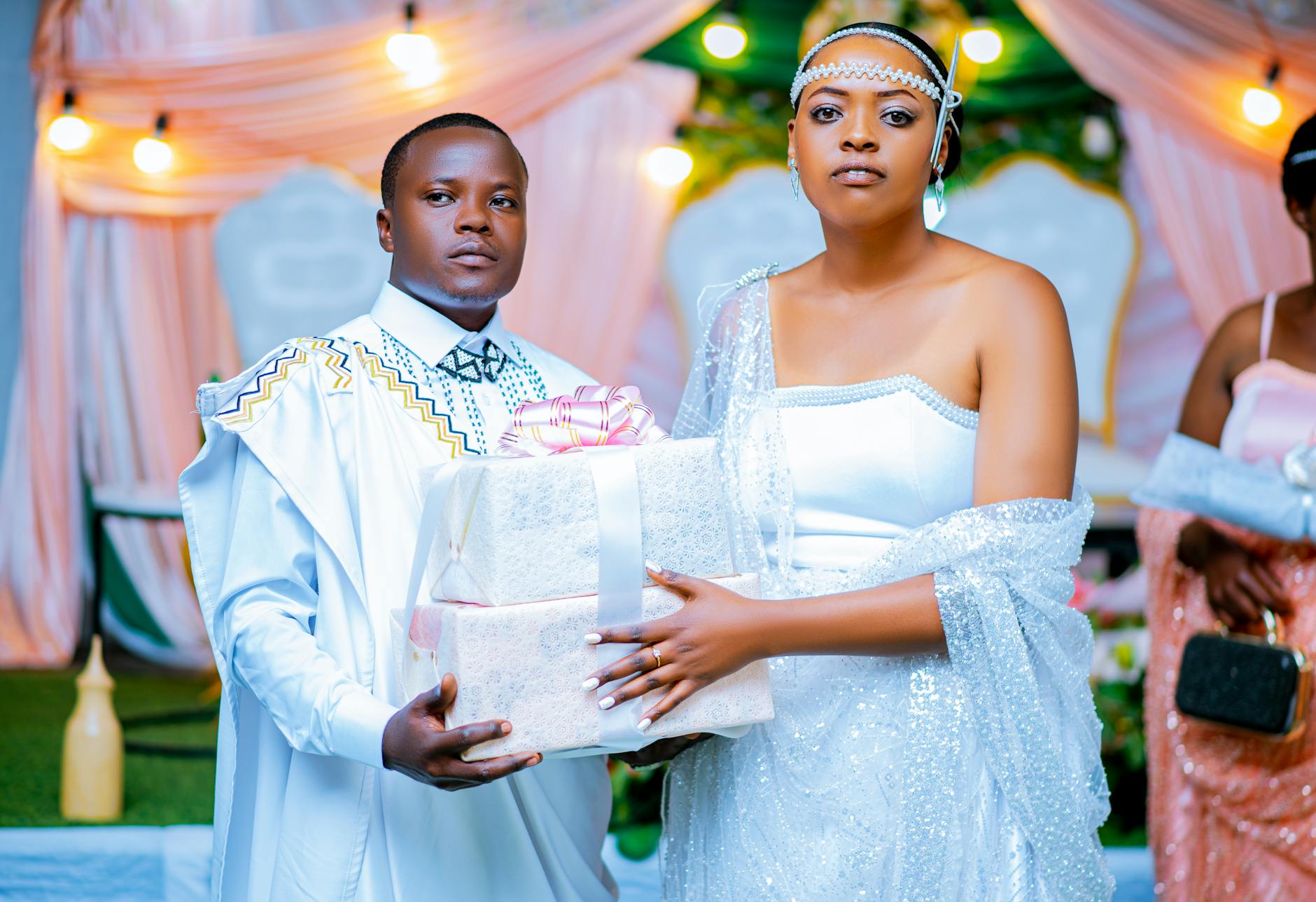
Ignoring the couple’s registry in favor of a highly personal or impractical gift, while well-intentioned, can create complications for the newlyweds. Registries exist precisely to communicate what the couple needs and wants, taking the guesswork out of gift-giving entirely. Duplicate or unwanted items often cannot be returned, and storing or donating them becomes an added burden after an already hectic time. Giving cash or a gift card is generally considered perfectly acceptable and is often privately preferred by many couples. Guests who feel compelled to give something off-registry should ensure the item is accompanied by a gift receipt.
Cocktail Hour Conduct

Treating the cocktail hour as an opportunity to corner the couple for extended conversation is a habit that works against the natural flow of the evening. This transitional period is typically when the couple is completing their formal photography session and has limited time to circulate. Guests who monopolize the couple’s attention during this window may prevent others from sharing a brief and meaningful moment with them. The cocktail hour is better used to mingle with other guests, explore the venue, and enjoy the refreshments provided. Staying attuned to the couple’s schedule and energy levels throughout the evening is a mark of a thoughtful guest.
Seating Arrangements
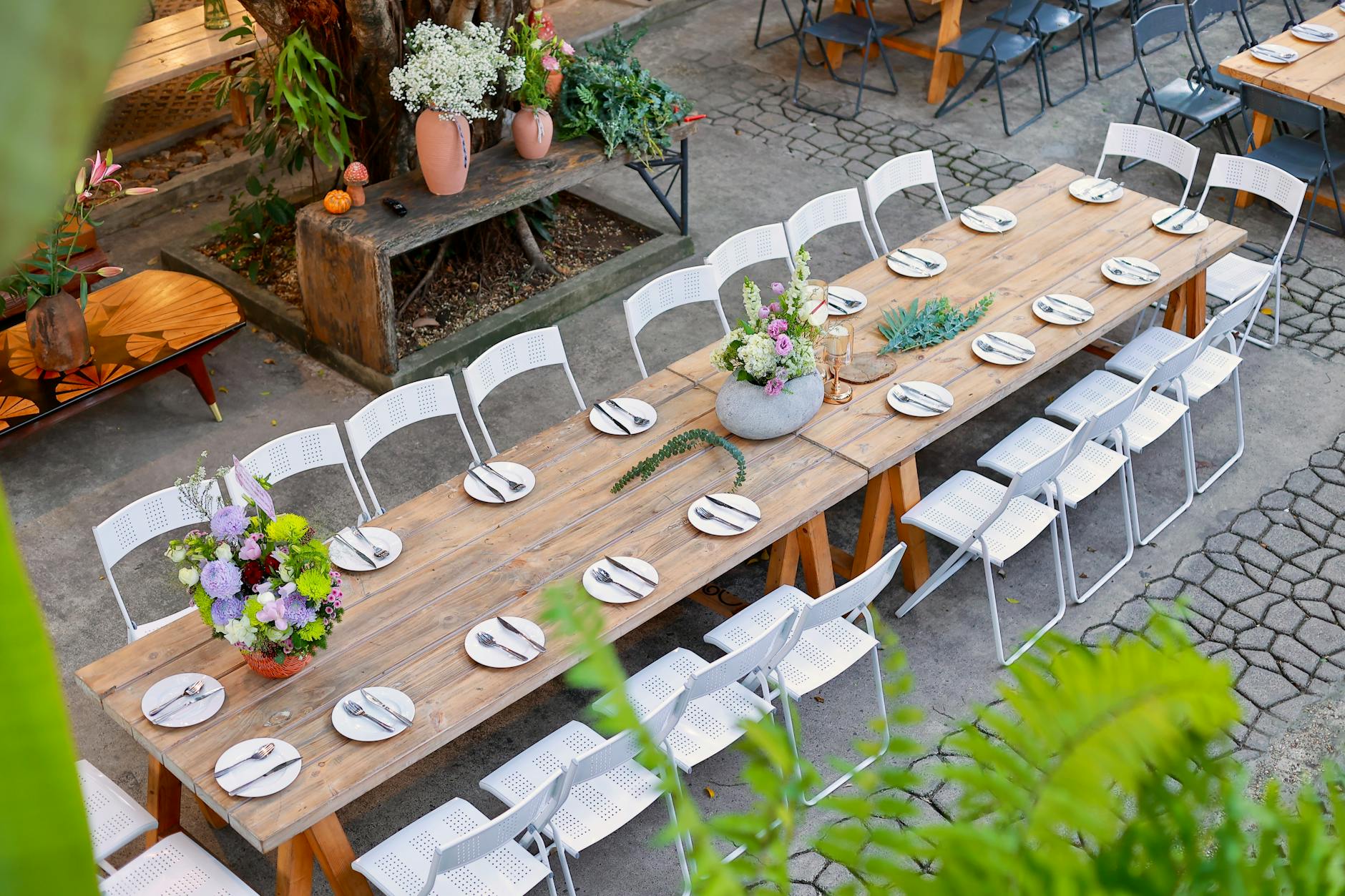
Switching assigned seats at a wedding reception creates a ripple effect that affects table dynamics, service logistics, and the overall aesthetic the couple has carefully designed. Seating charts are constructed with considerable thought, often taking into account family relationships, social dynamics, and dietary requirements. Guests who quietly relocate to a different table put venue staff in an awkward position and may displace another guest entirely. If a seating assignment feels genuinely problematic, the appropriate step is to speak with the couple or a wedding coordinator discreetly before the reception begins. Trusting the couple’s judgment in this area is a small but meaningful act of support.
Toast Timing
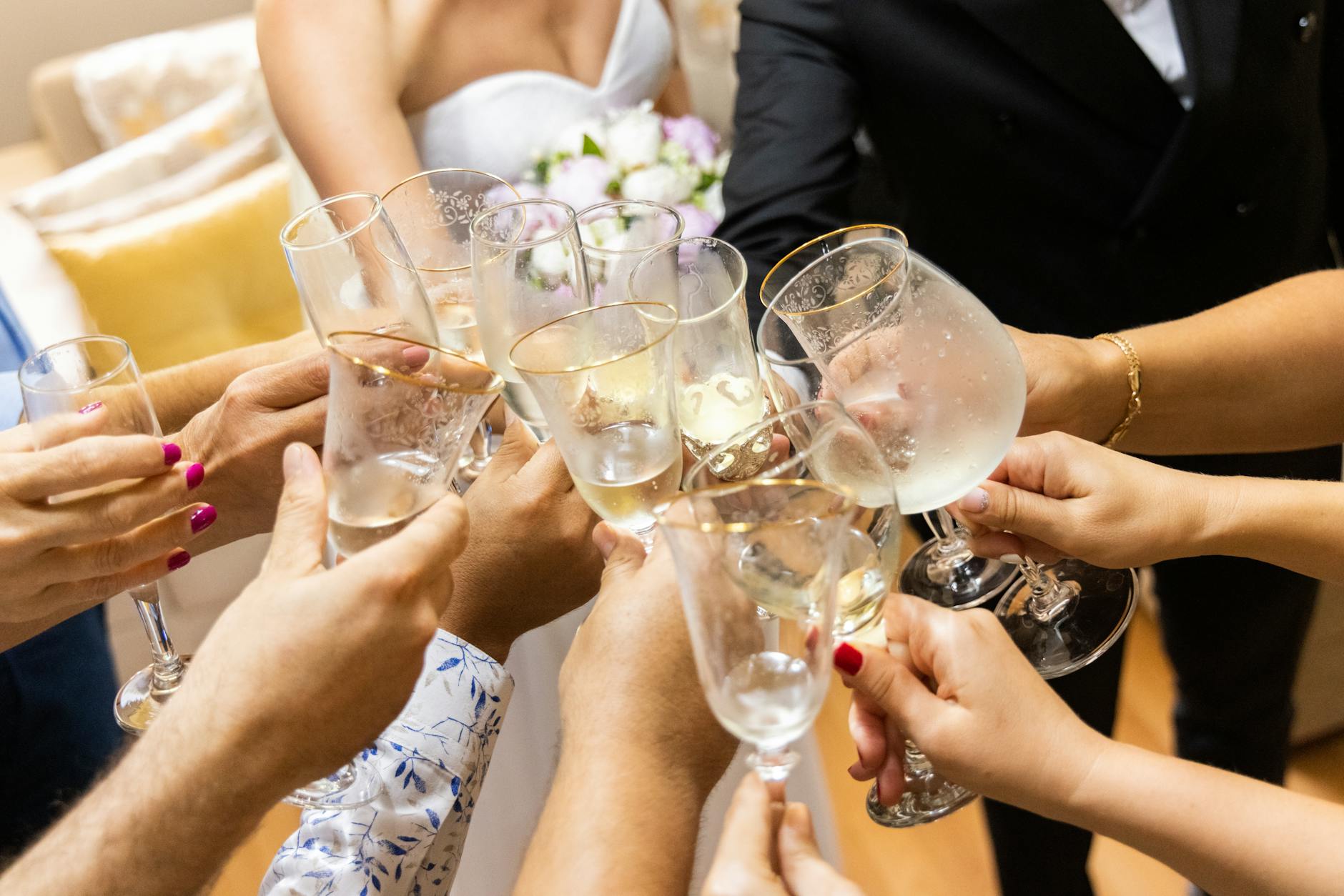
Delivering an unsanctioned toast or speech at a wedding without prior approval from the couple is a breach of etiquette that can catch everyone off guard. Speeches disrupt the carefully timed flow of the reception, which is typically coordinated with caterers, musicians, and venue staff. The emotional tone of an impromptu toast can also be difficult to predict and may not align with the atmosphere the couple intended to create. Guests who feel moved to say something meaningful can do so in a private moment with the couple or through a heartfelt card. Those who are invited to speak should keep their remarks warm, brief, and rehearsed.
Open Bar Behavior
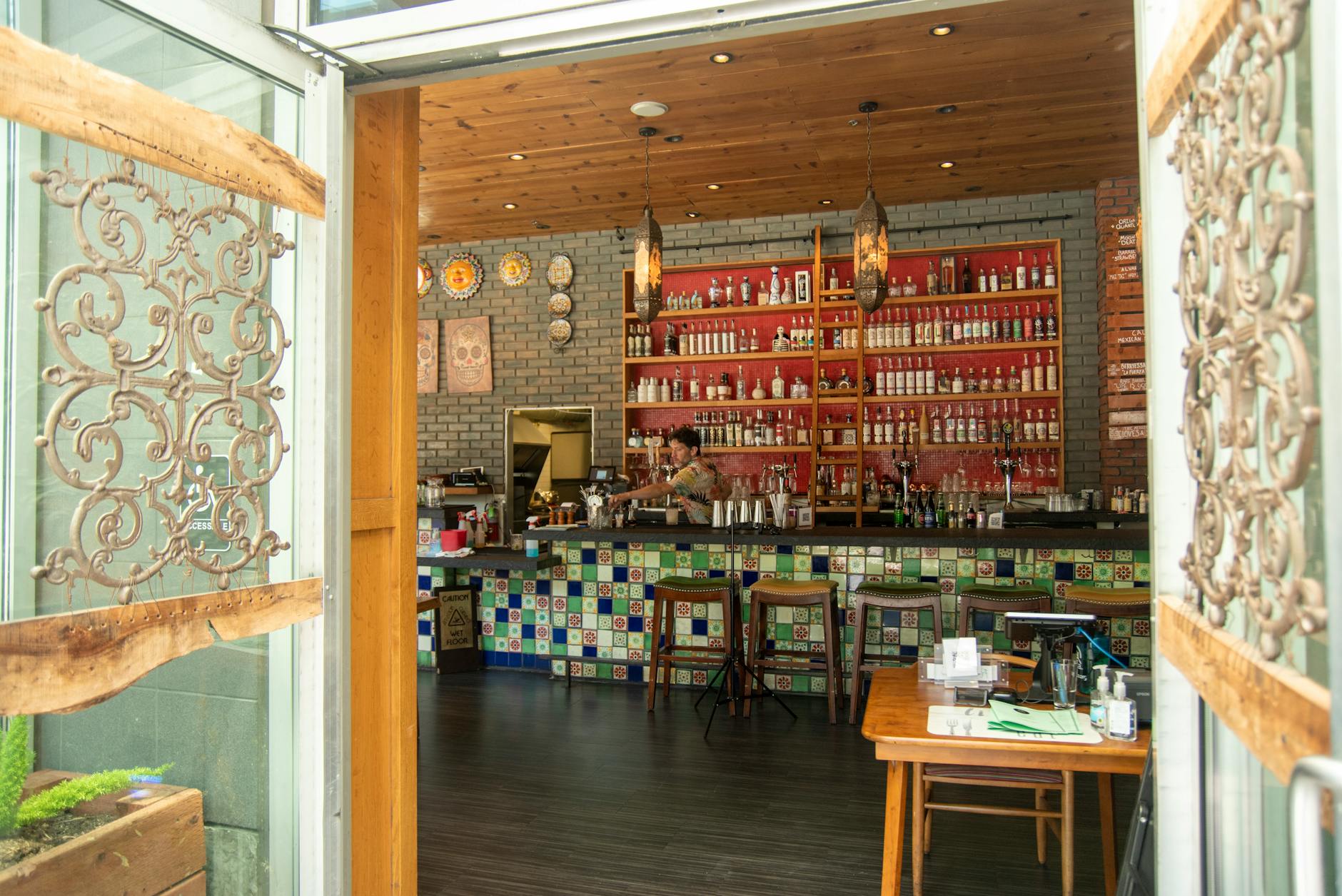
Overindulging at the open bar is one of the most memorable and damaging things a guest can do at a wedding. Intoxicated behavior draws attention, creates discomfort for other guests, and often results in an incident the couple will associate with their special day indefinitely. Pacing alcohol consumption throughout the evening and alternating with water and food is a straightforward strategy that keeps guests comfortable and composed. Guests who feel themselves becoming unwell should quietly arrange alternative transportation rather than waiting to be addressed by the couple or their families. Being a composed and enjoyable presence is one of the most generous gifts a guest can offer.
Dance Floor Dynamics
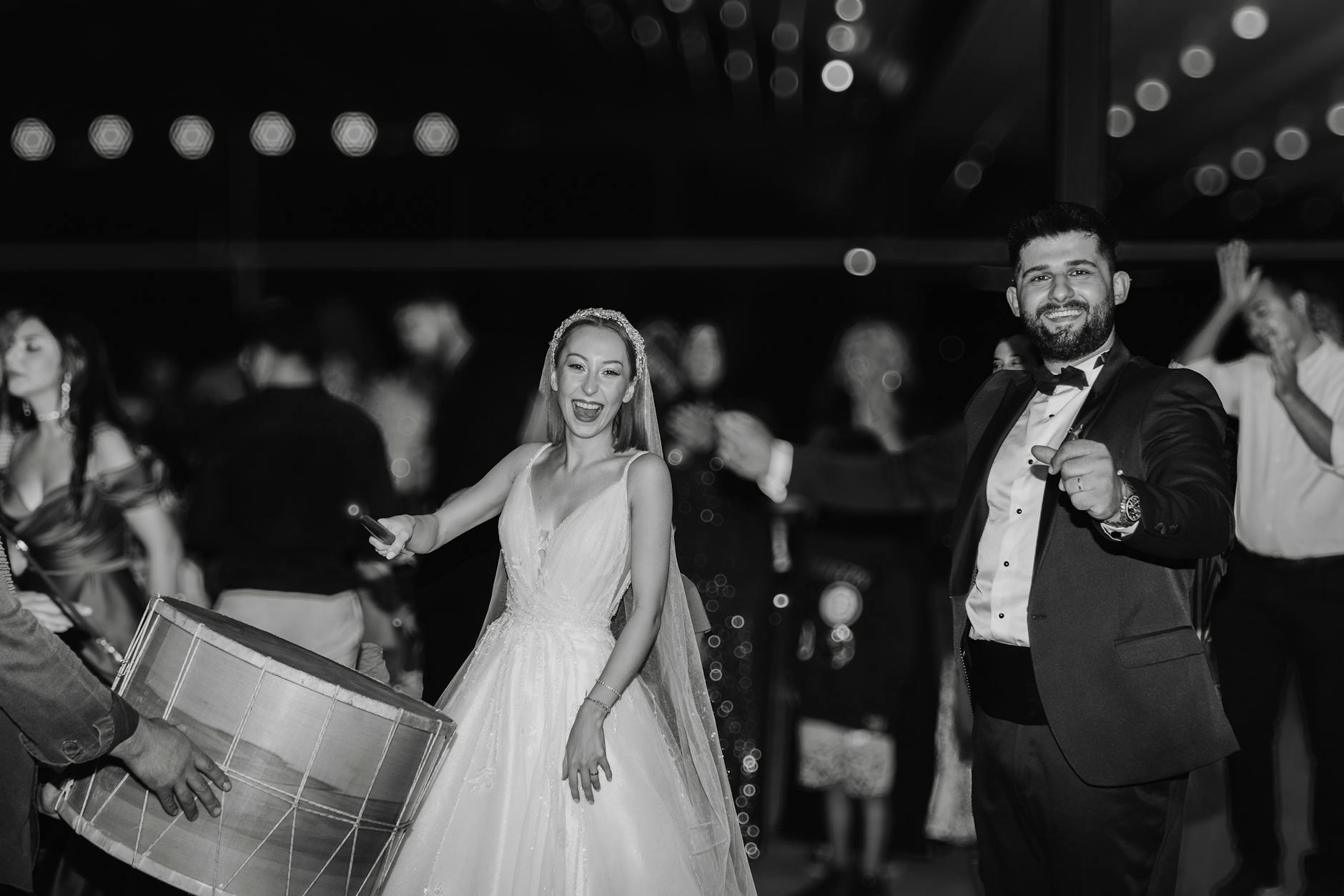
Taking over the dance floor with overly theatrical or attention-seeking moves shifts focus away from the couple during moments meant to celebrate them. The first dance and other key dances are choreographed highlights that deserve a respectful audience rather than competition. Encouraging unwilling guests to join the dance floor by pulling them out of their seats is another common misstep that makes people feel embarrassed or uncomfortable. Reading the energy of the room and contributing positively to the collective atmosphere is a skill that separates gracious guests from disruptive ones. Enthusiastic participation is always welcome, provided it complements rather than overshadows the celebratory spirit.
Vendor Interaction
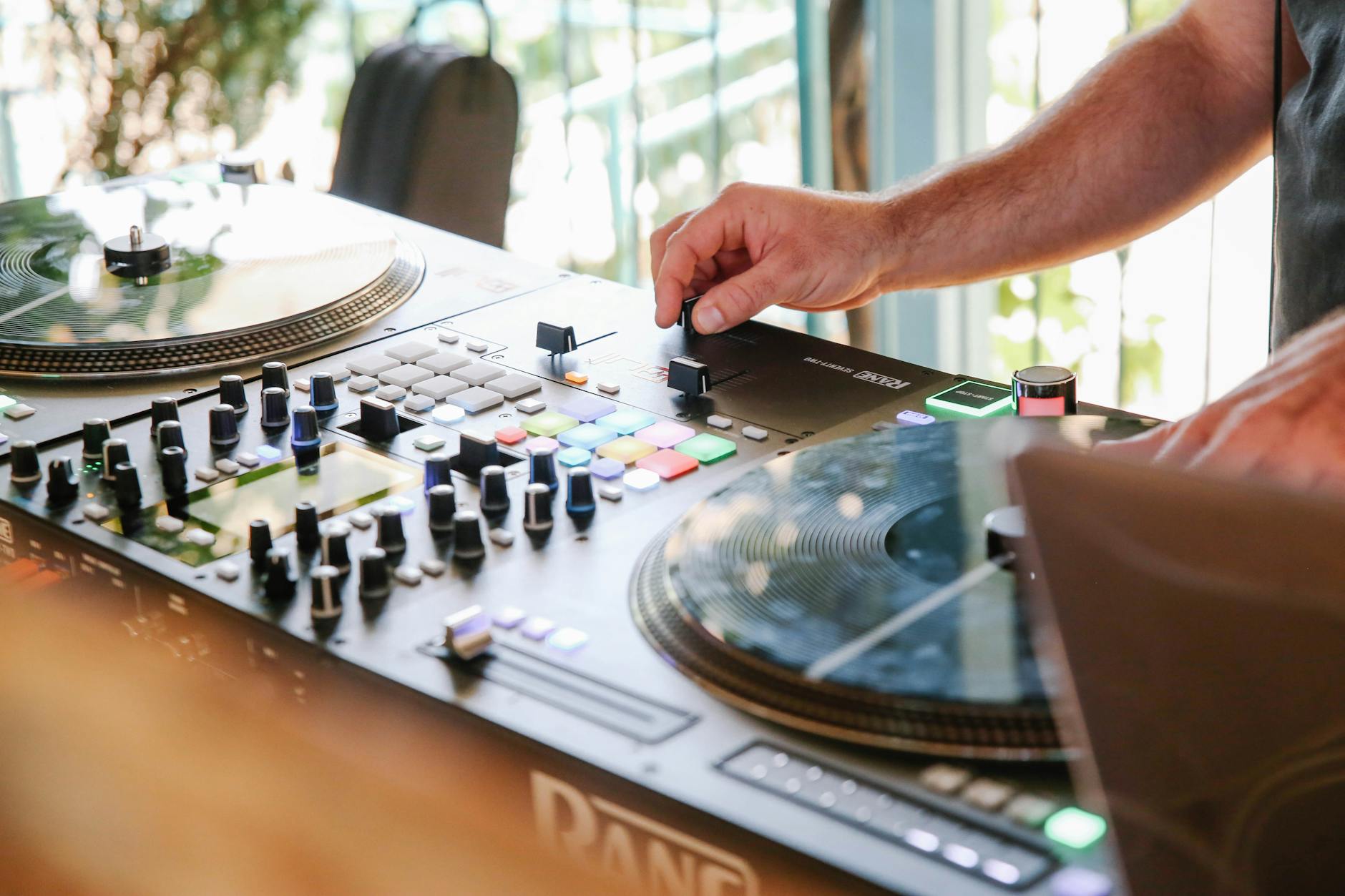
Interacting inappropriately with wedding vendors, including photographers, caterers, and DJs, is something guests often do without realizing its impact. Requesting personal songs from the DJ that fall outside the couple’s approved playlist, or asking the photographer to take individual portraits, distracts professionals from their contracted duties. Vendors are there to serve the couple, not the guests, and redirecting their attention affects the quality of the service delivered. Treating vendors with warmth and respect is always appropriate, but making demands or requests outside the couple’s plan is overstepping. Any special requests should be directed through the couple or their wedding coordinator.
Ceremony Departure
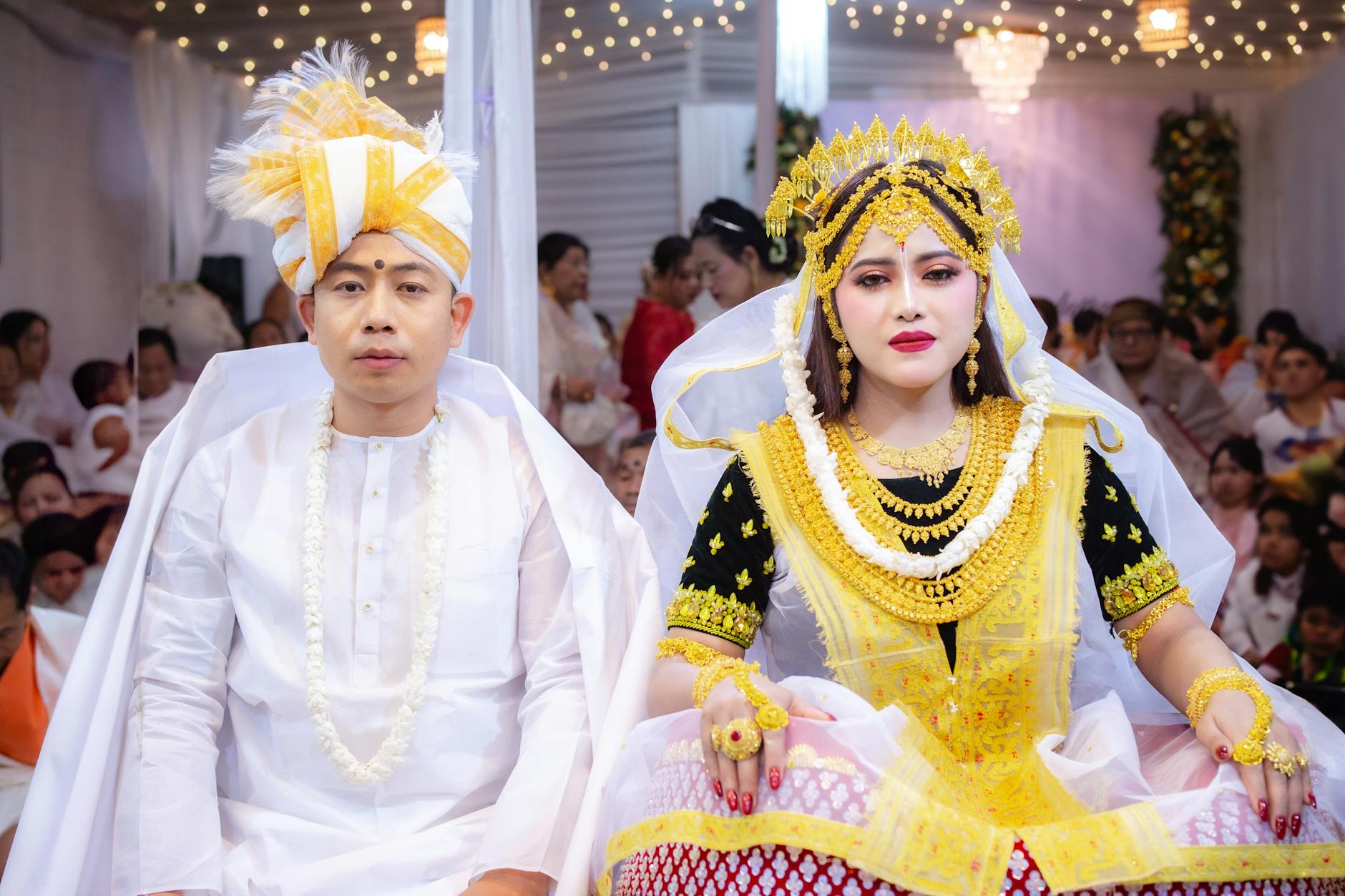
Leaving a wedding reception early without informing anyone can feel dismissive, particularly during key moments such as the cake cutting or the bouquet toss. While guests are never obligated to stay until the very end, slipping out during dinner service or a special dance is generally considered poor form. A brief and quiet farewell to the couple or an immediate family member is a courteous way to exit when the time comes. Sending a warm message the following day acknowledges the occasion and maintains the warmth of the relationship. How a guest leaves is often remembered just as much as how they arrived.
Social Media Posts

Sharing wedding photos on social media before the couple has published their own announcement is a modern etiquette violation that many guests still overlook. Couples often plan a specific reveal moment for their photographs, and premature posts can undermine that personal milestone. Tagging the couple without their permission or posting unflattering candid images adds an additional layer of intrusion to what should be a carefully curated memory. Some couples now explicitly request a social media embargo for the first twenty-four to forty-eight hours following the ceremony. Respecting that boundary is a straightforward way to demonstrate genuine care for the couple’s experience of their own day.
Have you ever witnessed any of these etiquette slip-ups at a wedding? Share your experiences and thoughts in the comments.




