
Everyday gestures and social customs that feel second nature in one country can cause genuine offense just a few time zones away. What passes as warmth, respect, or consideration in one culture may read as rude, aggressive, or deeply disrespectful in another. Travelers, expats, and global professionals often find themselves unintentionally causing friction through habits they were raised to consider perfectly courteous. Understanding these cultural blind spots is one of the most valuable forms of social intelligence a person can develop.
Thumbs Up

The thumbs-up gesture is widely recognized as a sign of approval and encouragement across North America and Western Europe. In parts of the Middle East, West Africa, and South America, however, it carries a deeply offensive connotation. The gesture is considered vulgar in countries such as Iran and Afghanistan, where it is the equivalent of an obscene hand signal. Travelers relying on non-verbal communication to express positivity should opt for a nod or a smile in regions where this gesture carries negative meaning.
Finishing Your Plate

Clearing every last bite from a plate is considered polite and appreciative in many Western households, signaling that the food was delicious. In countries like China, Japan, and some parts of the Philippines, leaving a completely empty plate can suggest the host did not provide enough food. A small amount of food left on the plate communicates that the guest has been thoroughly satisfied. Understanding this distinction can prevent an unintentional slight toward a generous host during a shared meal.
Arriving on Time

Punctuality is treated as a sign of respect and professionalism in countries like Germany, Switzerland, and Japan. In parts of Latin America, the Middle East, and sub-Saharan Africa, arriving precisely at the stated time can actually feel awkward or even presumptuous. Social gatherings in these cultures often have a more flexible understanding of time, with guests expected to arrive somewhat later than the given hour. Showing up exactly on the dot may catch a host unprepared and create unnecessary stress.
Tipping

Leaving a gratuity after a meal or service is a deeply ingrained gesture of appreciation in the United States and Canada. In countries like Japan, South Korea, and Iceland, tipping is not part of the cultural norm and can be perceived as condescending or even insulting. Staff in Japan, in particular, may find a tip embarrassing and feel obligated to return the money. Quality service is considered a professional standard in these cultures rather than something that requires an additional financial reward.
Direct Eye Contact

Maintaining steady eye contact during conversation is taught in many Western cultures as a mark of confidence, honesty, and attentiveness. In several East Asian, African, and Middle Eastern cultures, prolonged direct eye contact can come across as confrontational, disrespectful, or even threatening. When speaking with elders or authority figures in countries such as Japan, Nigeria, and parts of India, a slight downward gaze is often the more respectful choice. Reading these subtle visual cues is essential to navigating cross-cultural interactions with grace.
Firm Handshake

A strong, firm handshake is the gold standard greeting in business settings across the United States, the United Kingdom, and much of Europe. In many parts of the Middle East, Asia, and West Africa, a gentler handshake is preferred and a forceful grip can feel aggressive or domineering. In some cultures, physical contact between men and women during greetings is considered inappropriate regardless of firmness. Adapting the pressure and style of a handshake to the regional norm shows cultural awareness and social sensitivity.
Refusing Food

Politely declining food or drink when offered is often seen in Western contexts as a simple personal choice that requires no further explanation. In many Middle Eastern, South Asian, and East Asian cultures, refusing offered food is considered a serious slight to the host’s hospitality and generosity. Hosts in countries like Egypt, India, and Turkey often take great pride in feeding guests and view a refusal as a rejection of the relationship itself. Accepting at least a small amount, even symbolically, is generally the culturally appropriate response.
Pointing

Using the index finger to point at objects, directions, or people is a habitual and practical gesture in many parts of the world. In Malaysia, Indonesia, and parts of sub-Saharan Africa, pointing with the index finger at a person is considered impolite and disrespectful. Many cultures in Southeast Asia prefer to gesture using the entire hand or a bent thumb, particularly when indicating a person. Being mindful of how directional gestures are made can prevent unintended offense in these regions.
Asking Personal Questions

Showing interest in someone’s personal life by asking about their age, salary, marital status, or family plans is considered friendly and warm in many cultures. In countries like the United States, the United Kingdom, and Germany, such questions are often viewed as invasive and overly familiar, particularly in early acquaintance. What feels like genuine curiosity in one cultural framework can come across as prying or inappropriate in another. Social norms around personal disclosure vary enormously and knowing the unspoken rules of each context matters greatly.
Waving Hello

A cheerful wave is an automatic and universally friendly greeting in many parts of the Western world. In Greece, however, showing an open palm facing outward toward someone carries an offensive historical connotation rooted in the ancient practice of thrusting dirt or ash toward an enemy. The gesture, known as the moutza, is considered one of the most insulting signs in Greek culture. Visitors who instinctively wave at Greeks from across the street may unknowingly cause genuine offense with what they consider a simple hello.
Splitting the Bill

Suggesting that each person pay for their own portion of a shared meal is a common and even considerate practice in countries like the Netherlands, the United States, and Australia. In many parts of China, Japan, and the Middle East, this approach can feel cold and transactional, undermining the spirit of generosity that hospitality is meant to convey. In these cultures, it is common for one person to treat the group, with the expectation that the gesture will be reciprocated another time. Proposing a split can signal that the host-guest relationship is not valued or trusted.
Nodding

Nodding the head up and down is almost universally understood as an expression of agreement or acknowledgment in much of the Western world. In Bulgaria and parts of Greece and India, however, a vertical nod can actually mean the opposite, with up-and-down movements sometimes signaling disagreement or confusion. The head wobble used in South Asia, which can appear ambiguous to outsiders, is actually a nuanced gesture expressing a range of positive affirmations. Misreading these physical cues can lead to significant miscommunication during important conversations.
Laughing at Mistakes

Responding to an accidental error or awkward moment with laughter is a natural tension-diffusing reflex in many Western social settings. In Japan and several other East Asian cultures, laughing publicly at someone’s mistake, even with good intentions, can cause the person to lose face and feel profound shame. The concept of face, or social standing, plays a central role in interpersonal dynamics across much of Asia. Expressing empathy quietly and without drawing further attention to the error is generally the more considerate approach.
Using Your Left Hand

Offering something to another person with the right hand or both hands is standard etiquette in much of the Western world, where the left hand carries no particular symbolic weight. In many Muslim-majority countries, India, and parts of sub-Saharan Africa, the left hand is traditionally associated with personal hygiene and is considered unclean. Passing food, exchanging business cards, or handing over gifts with the left hand can be seen as disrespectful and offensive. Even left-handed individuals are generally expected to use their right hand when interacting with others in these cultural contexts.
Complimenting Possessions

Admiring someone’s home, jewelry, or belongings out loud is considered a warm and appreciative gesture in many Western contexts. In some Middle Eastern and Arab cultures, including parts of Saudi Arabia and the Gulf states, verbally praising a possession can place the host in the uncomfortable position of feeling obligated to offer it as a gift. This cultural tradition of generosity means that expressing admiration for an object may inadvertently pressure a host into giving it away. Keeping admiring comments more general rather than focusing on specific objects can help navigate this social dynamic.
Being Too Casual

Using first names immediately upon introduction and adopting a relaxed, informal tone is often seen as friendly and approachable in American and Australian cultures. In countries like Germany, France, Japan, and South Korea, this level of familiarity before a formal relationship has been established can feel presumptuous and disrespectful. Addressing someone by their title and surname until explicitly invited to do otherwise is considered proper etiquette in these cultures. Defaulting to formality until the other party signals otherwise is the safer path in unfamiliar social settings.
Showing the Soles of Your Feet

In many Western contexts, crossing one leg over the other in a way that exposes the sole of the foot is simply a comfortable sitting posture with no particular social significance. In Thailand, Saudi Arabia, and much of the Arab and Muslim world, the soles of the feet are considered the lowest and dirtiest part of the body and pointing them toward another person is deeply disrespectful. Sitting in a way that inadvertently directs a foot toward someone during a meeting or gathering can cause genuine offense. Being conscious of how feet are positioned, particularly when seated on the floor or in a traditional setting, reflects cultural awareness.
Hugging

Greeting someone with a warm embrace is a spontaneous and affectionate gesture in Latin American, Southern European, and many North American social circles. In Japan, South Korea, Finland, and the United Kingdom, physical contact between acquaintances or strangers is far less common and a hug from someone not considered close can feel invasive and uncomfortable. Personal space is guarded more carefully in these cultures, and the expectation of physical distance during greetings is well established. Reading the body language of others before initiating contact is always the most respectful approach.
Talking While Eating
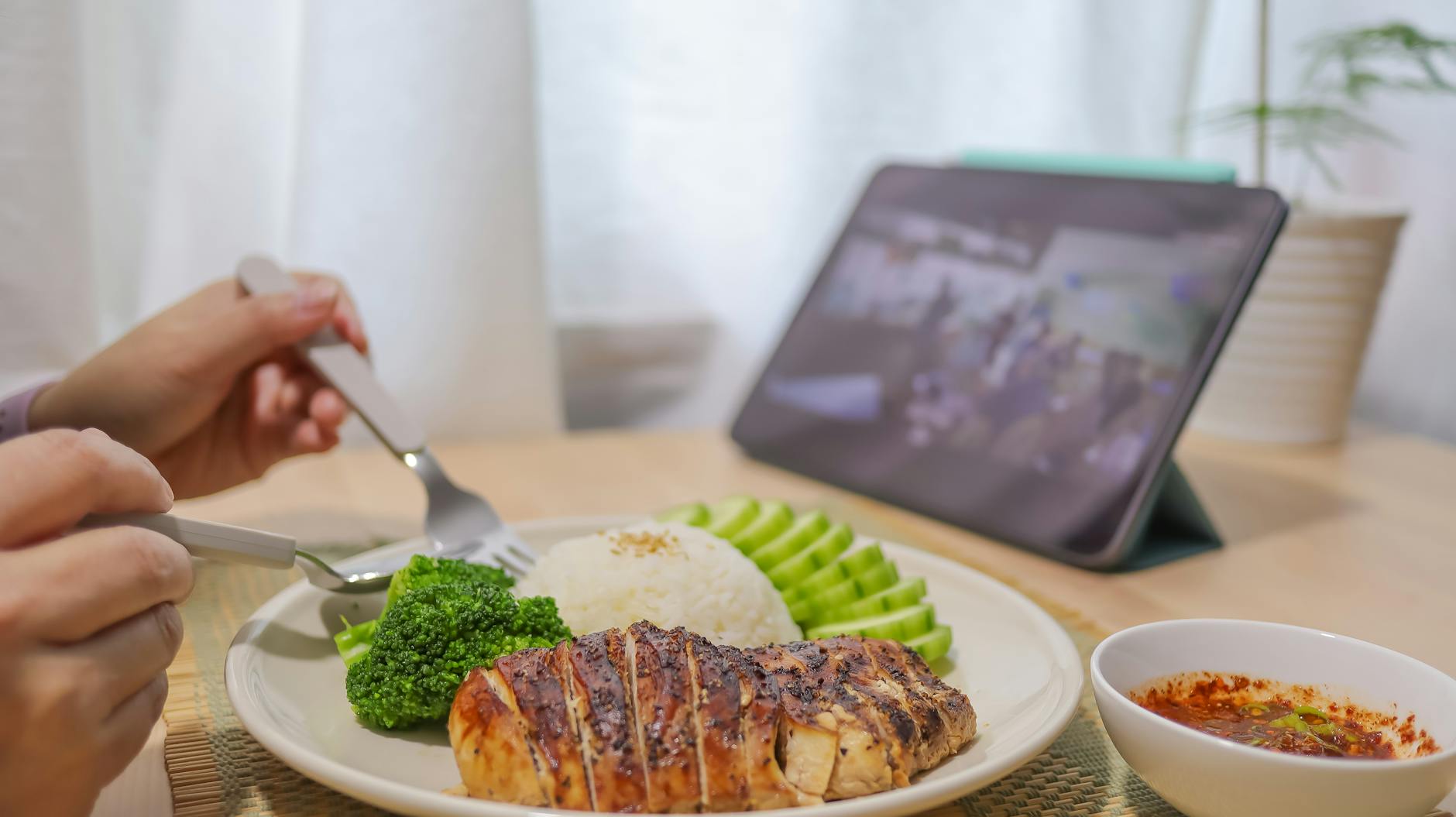
Engaging in lively conversation throughout a shared meal is seen as a sign of enjoyment and social engagement in French, Italian, and many Western dining cultures. In certain East Asian cultures and among some traditional Japanese households, talking extensively while chewing or eating can be considered impolite and distracting from the appreciation of food. Mealtime is sometimes regarded as a more focused and quiet ritual, with conversation reserved for natural pauses. Observing the pace and tone set by local dining companions is the best way to follow the unwritten rules of the table.
Giving Clocks as Gifts

Presenting someone with a beautifully crafted clock or watch as a gift is considered a thoughtful and practical gesture in many parts of the world. In Chinese culture, however, gifting a clock is associated with death and bad luck because the phrase for giving a clock sounds similar to the phrase for attending a funeral. This superstition is taken seriously, and such a gift can cause significant discomfort or distress to the recipient. When shopping for gifts in Chinese-speaking communities, it is worth keeping this well-established cultural taboo in mind.
Maintaining Silence

Pausing in the middle of a conversation to reflect before speaking is valued in Finland and Japan as a sign of thoughtfulness and sincerity. In many Western and Latin American cultures, long silences during conversation can feel awkward, suggesting discomfort or disengagement. Conversely, what feels like a natural flowing dialogue to an American may feel overwhelming and interruptive to a Finnish conversational partner. The expectations around conversational rhythm and comfortable silence vary widely from culture to culture.
Blowing Your Nose in Public

Discreetly blowing one’s nose into a tissue in public is considered a hygienic and considerate practice in many Western countries. In Japan and China, blowing the nose in a public setting, particularly at a dining table, is considered highly offensive and disgusting. The expectation in these cultures is that one excuses oneself and handles such matters in private. Visitors who follow Western standards of nose-blowing etiquette without adjusting for local norms may unknowingly offend those around them.
Making Direct Requests

Asking for something directly and clearly is associated with transparency, confidence, and efficiency in American, German, and Dutch business culture. In many East Asian, South Asian, and Middle Eastern contexts, direct requests can feel blunt and even aggressive, bypassing the layers of indirect communication that signal respect and relationship-building. The preference in these cultures is for communication that is more contextual, subtle, and attuned to the feelings of the other party. Learning to make requests in a more roundabout and relationship-oriented way is key to effective interaction in these settings.
Winking

A light-hearted wink is used across North America and parts of Europe to express shared understanding, playfulness, or friendly acknowledgment. In Nigeria and parts of West Africa, however, a wink directed at a person, especially a child, can carry deeply unsettling connotations and is considered disrespectful. In several Asian cultures, winking at someone is seen as inappropriate or even sexually suggestive and is not a gesture used in casual social interaction. What functions as an innocent and affectionate gesture in one culture can cross serious social boundaries in another.
Offering Unsolicited Help

Stepping forward to assist a stranger who appears to be struggling is regarded as a compassionate and socially responsible act in many Western societies. In Japan, where self-sufficiency and preserving the dignity of others are deeply held values, offering unsolicited help to someone can be experienced as embarrassing or infantilizing. The cultural instinct is to allow people to manage their own affairs without drawing attention to a difficulty. Waiting to be asked before intervening is generally the more respectful choice in cultures where independence and personal dignity are prioritized.
Share your own experience with a cultural misunderstanding in the comments, whether as a traveler, an expat, or a host welcoming guests from abroad.




