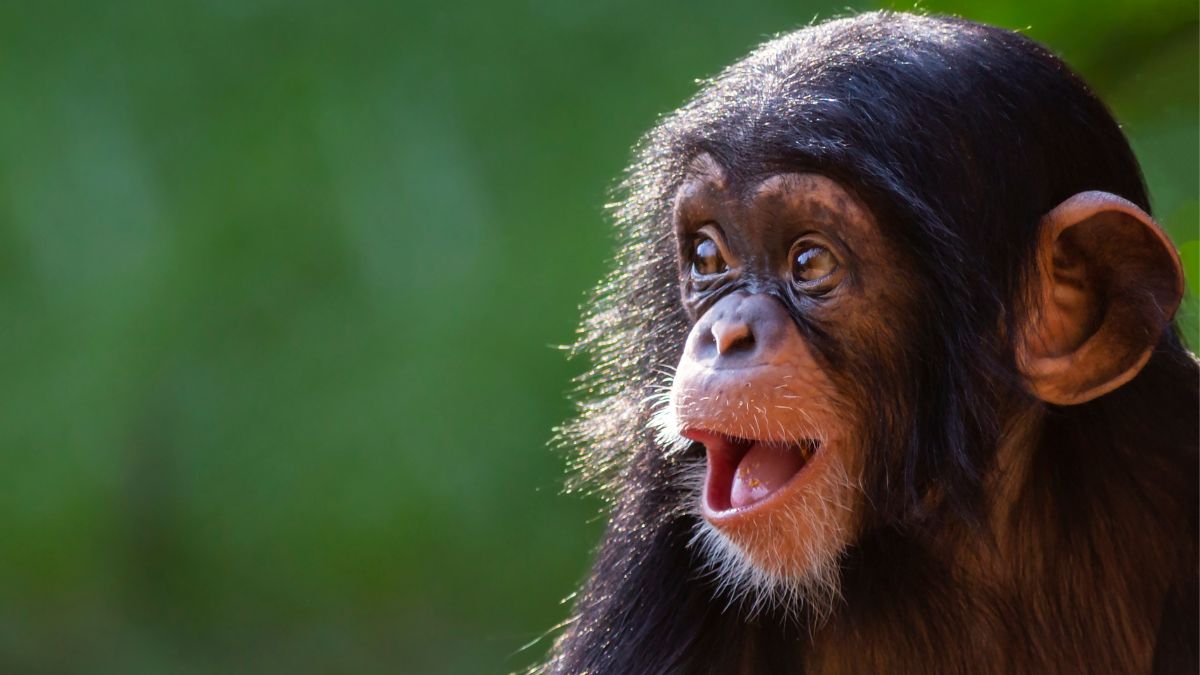
The animal kingdom is full of creatures whose cognitive abilities continue to astonish researchers and scientists around the world. Studies comparing animal intelligence to human developmental stages have revealed that many species can match or surpass the mental capabilities of a three-year-old child. Problem-solving, tool use, emotional recognition and complex communication are just some of the skills these remarkable animals demonstrate. From ocean depths to dense jungle canopies, intelligence has evolved in surprisingly diverse forms across the planet.
Chimpanzee
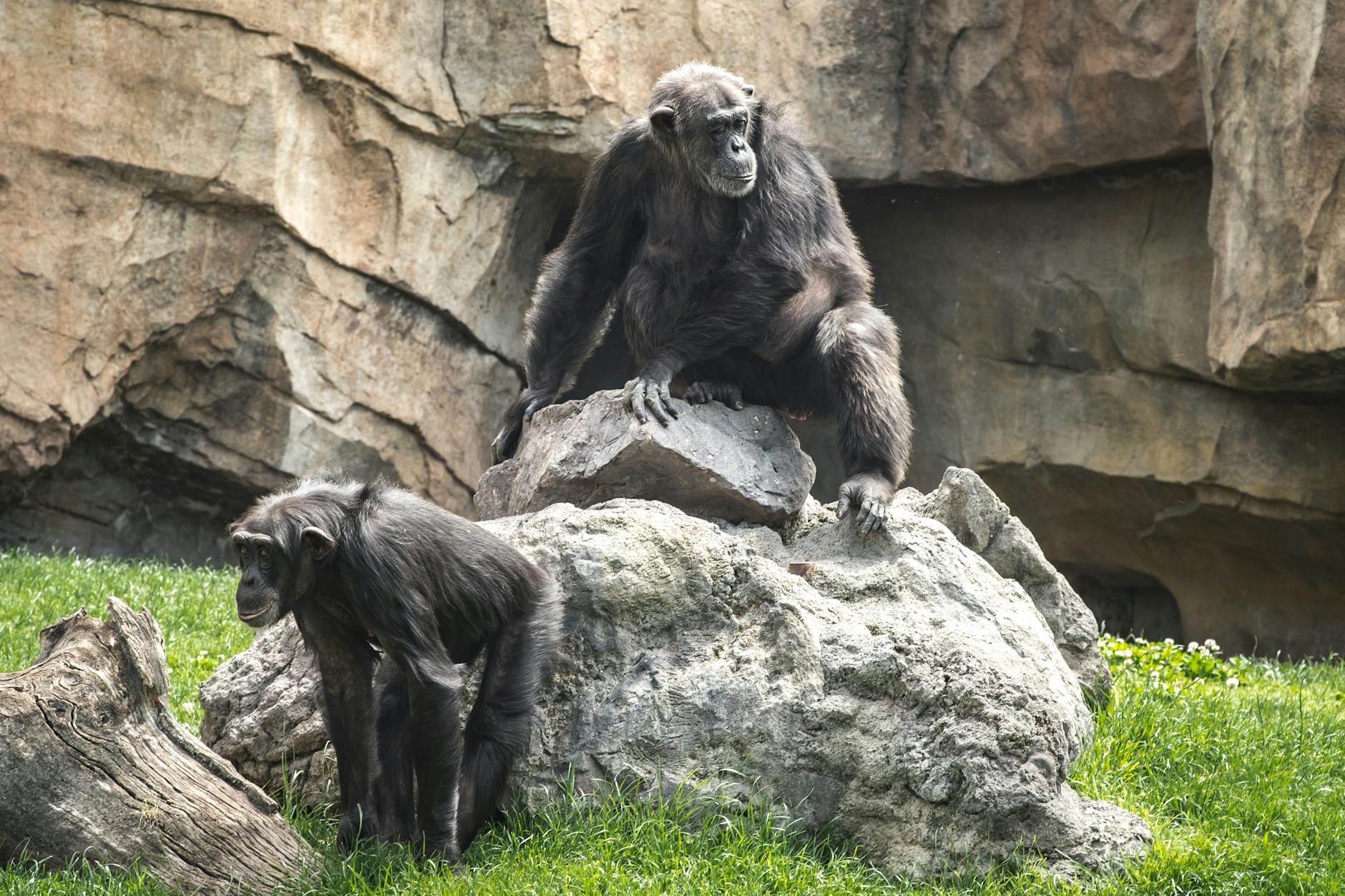
Chimpanzees share roughly 98 percent of their DNA with humans, which contributes to their extraordinary cognitive abilities. They have been observed crafting and using tools to extract insects from tree bark and crack open nuts with precision. Research has shown that chimpanzees can outperform adult humans in certain short-term memory tasks. Young chimpanzees learn behaviors by carefully observing and imitating their mothers and other members of their social group. Their capacity for problem-solving and social learning places them firmly at the top of non-human intelligence rankings.
Bottlenose Dolphin
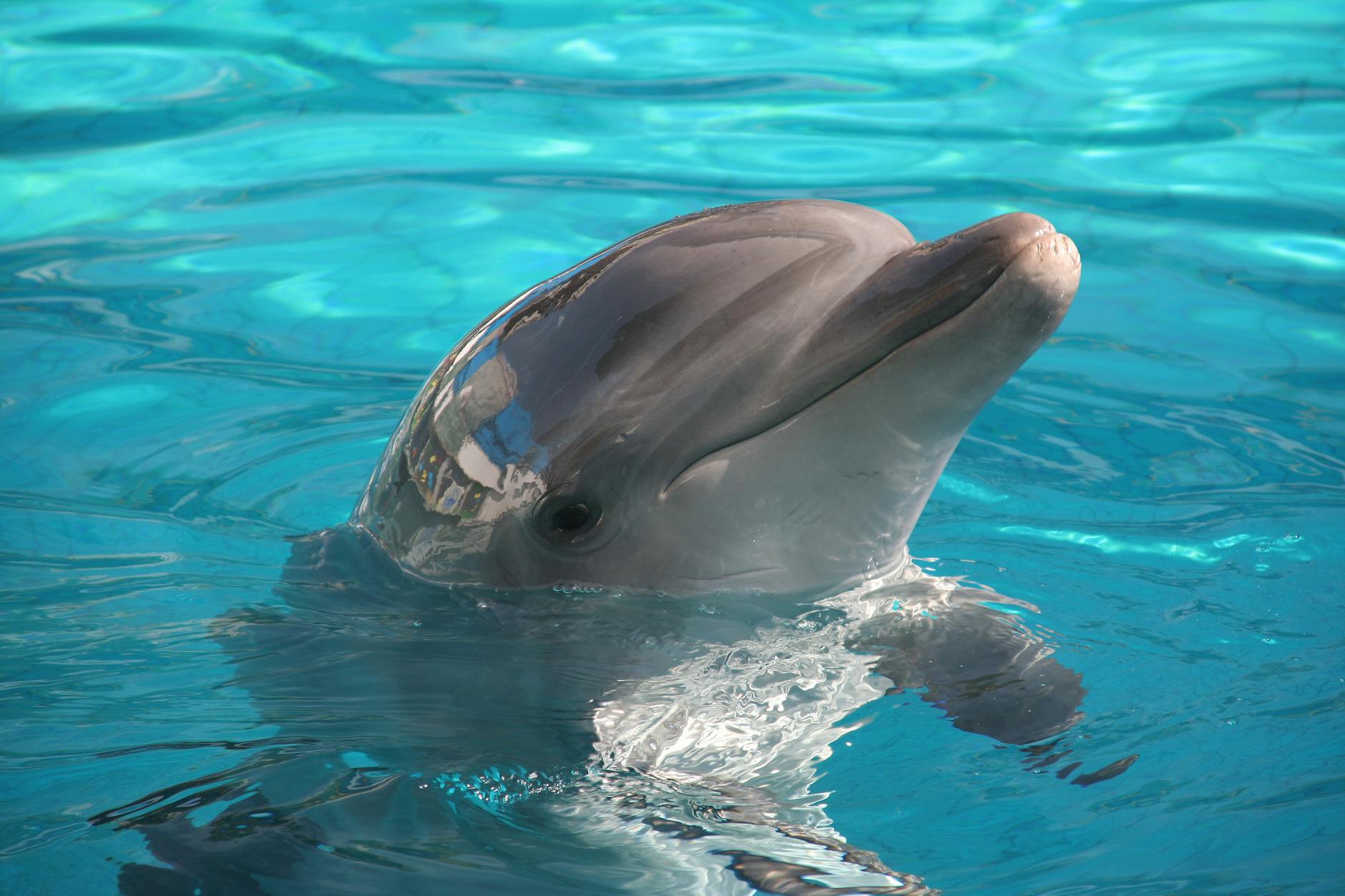
Bottlenose dolphins possess large and highly complex brains relative to their body size, supporting remarkable cognitive function. They are one of the few animal species known to recognize themselves in a mirror, a key indicator of self-awareness. Dolphins communicate using a sophisticated system of clicks and whistles and have been found to use unique signature sounds to identify individuals. They have been documented using marine sponges as tools to protect their snouts while foraging on the seafloor. Their ability to understand symbolic language and solve multi-step problems has made them a central subject of animal cognition research.
Elephant
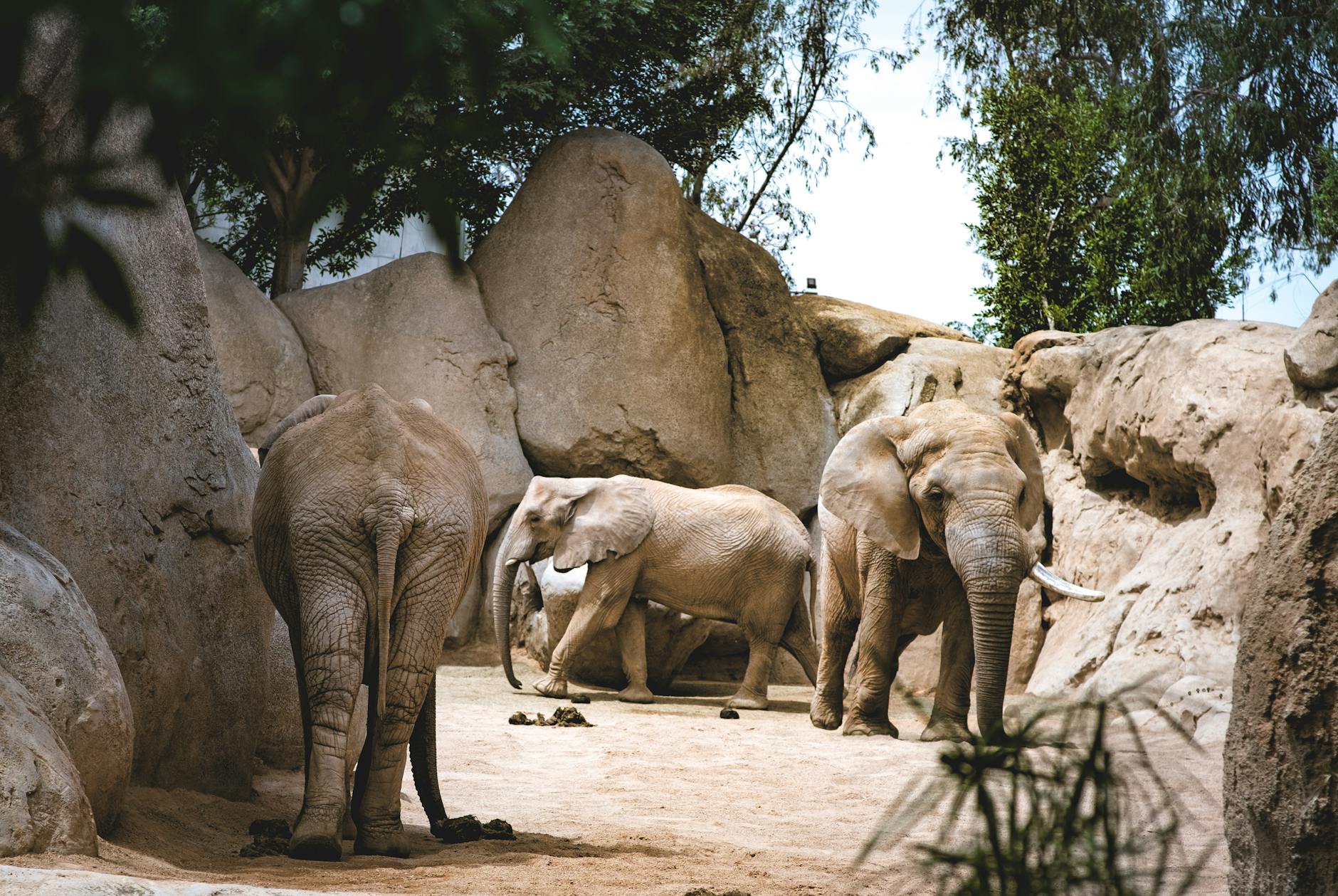
Elephants have the largest brains of any land animal on Earth and display a wide range of emotionally complex behaviors. They are one of very few species that demonstrate mourning rituals, often returning to the bones of deceased family members. Elephants have been observed using sticks and branches as tools to scratch themselves or swat flies, showing purposeful object manipulation. Research has confirmed that they can recognize themselves in mirrors and distinguish between hundreds of individual calls within their herds. Their long-term memory and emotional depth make them one of the most cognitively advanced animals in the world.
Orangutan
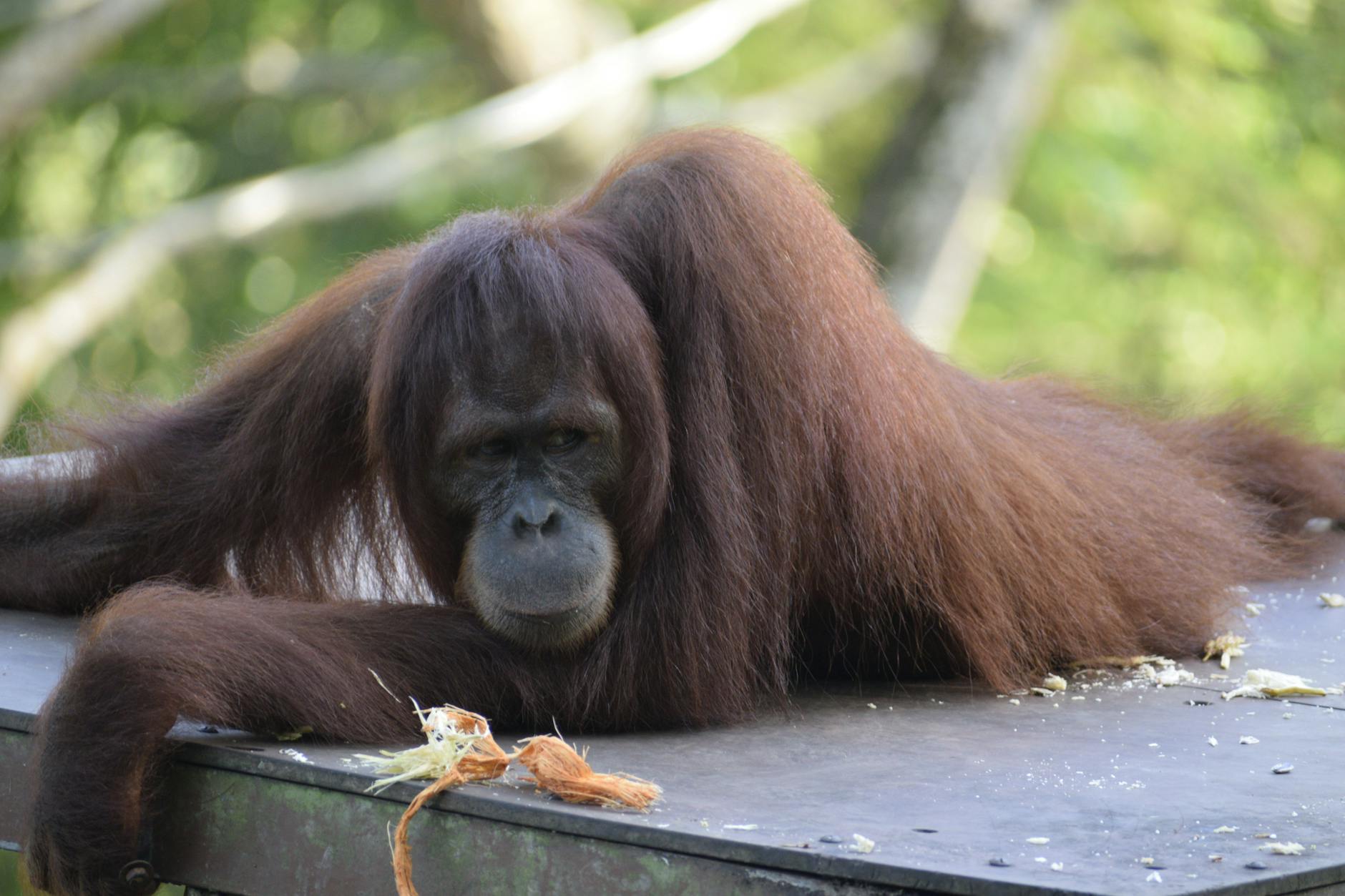
Orangutans are highly solitary great apes whose intelligence is expressed largely through independent problem-solving and innovation. They have been observed crafting rain shelters from large leaves and fashioning tools to extract seeds from difficult-to-open fruits. Studies have shown that orangutans can learn to use touchscreen devices to make choices and communicate preferences with researchers. They are capable of planning ahead, sometimes carrying tools over long distances in anticipation of future tasks. Their ability to understand cause and effect rivals that of young human children in laboratory testing environments.
African Grey Parrot
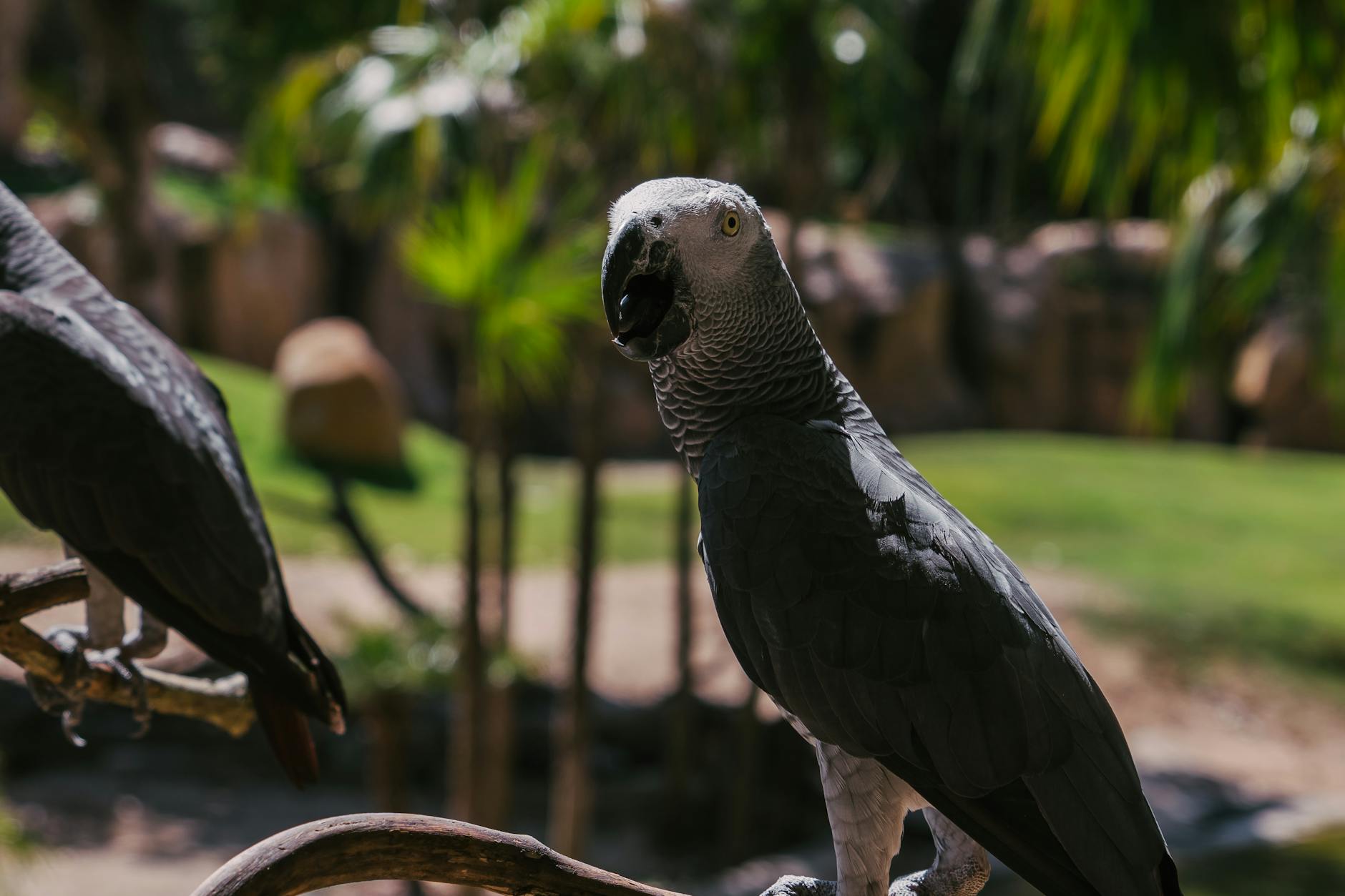
African grey parrots are widely regarded as the most cognitively advanced birds on the planet. They are capable of learning hundreds of words and using them in contextually appropriate ways rather than simple mimicry. Research conducted with a famous African grey named Alex demonstrated that the species can understand concepts such as color, shape, size and quantity. These birds can identify objects by category and answer questions with a high degree of accuracy. Their linguistic and reasoning abilities place them alongside great apes in comparative animal intelligence studies.
Crow
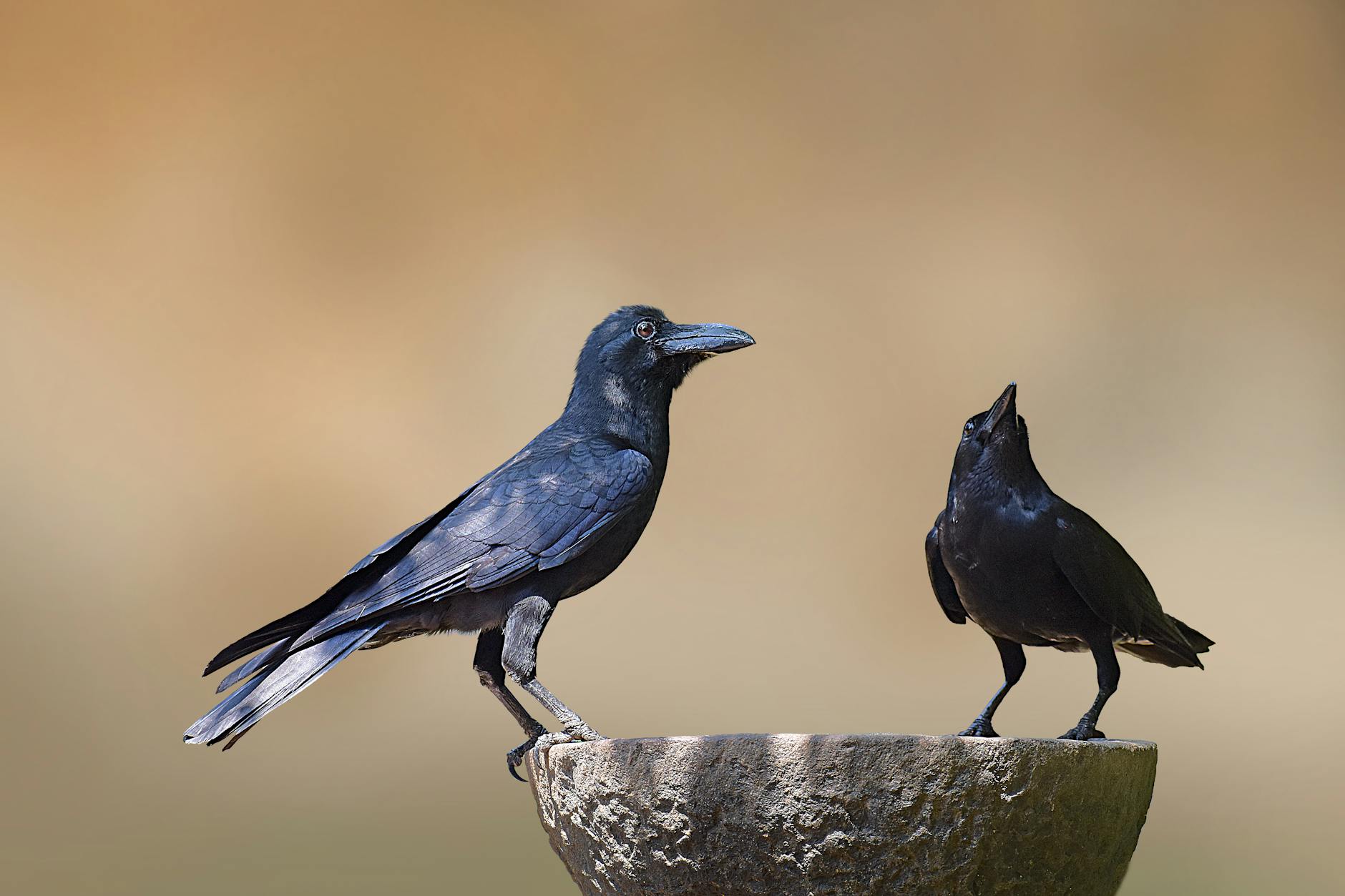
Crows belong to the corvid family and possess brains that are exceptionally large relative to their body size. They are among the only non-primate animals known to craft multi-step tools to solve problems they have never previously encountered. Studies have shown that crows can plan for future events by setting aside food or tools in anticipation of later needs. They recognize human faces and have been documented holding grudges against individuals who have treated them poorly. Their capacity for abstract reasoning and innovation continues to challenge traditional assumptions about the relationship between brain size and intelligence.
Pig
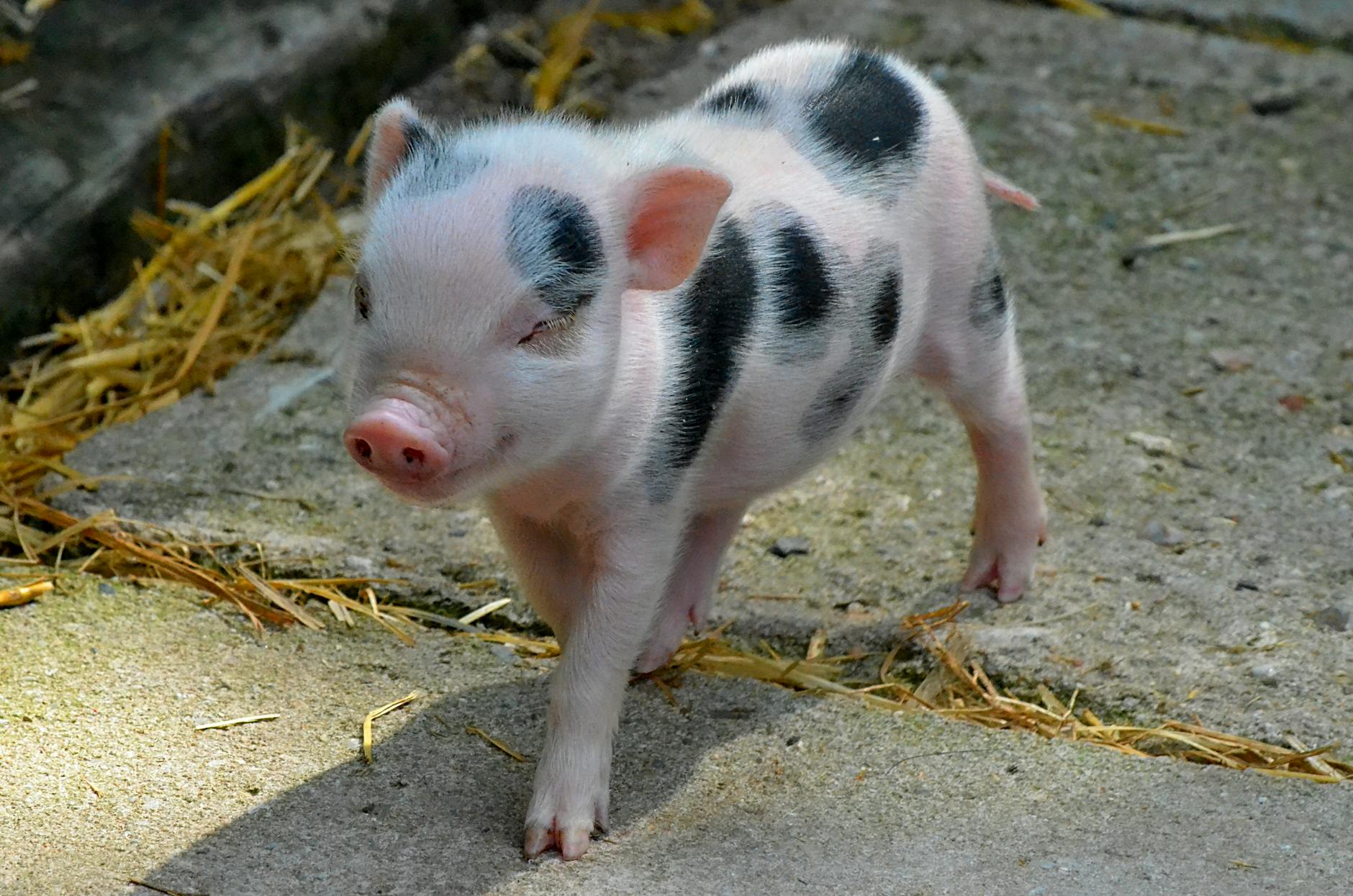
Domestic pigs are far more cognitively capable than their popular reputation suggests, demonstrating intelligence that surpasses dogs in several key areas. Research has shown that pigs can play video games using joysticks and understand the concept of cause and effect within minutes. They have been found to use mirrors to locate food hidden out of direct sight, suggesting an understanding of reflected images. Pigs demonstrate a sophisticated form of social intelligence including the ability to deceive other pigs to secure access to food. Their long-term memory and rapid learning speed make them one of the most overlooked intelligent animals in the world.
Octopus
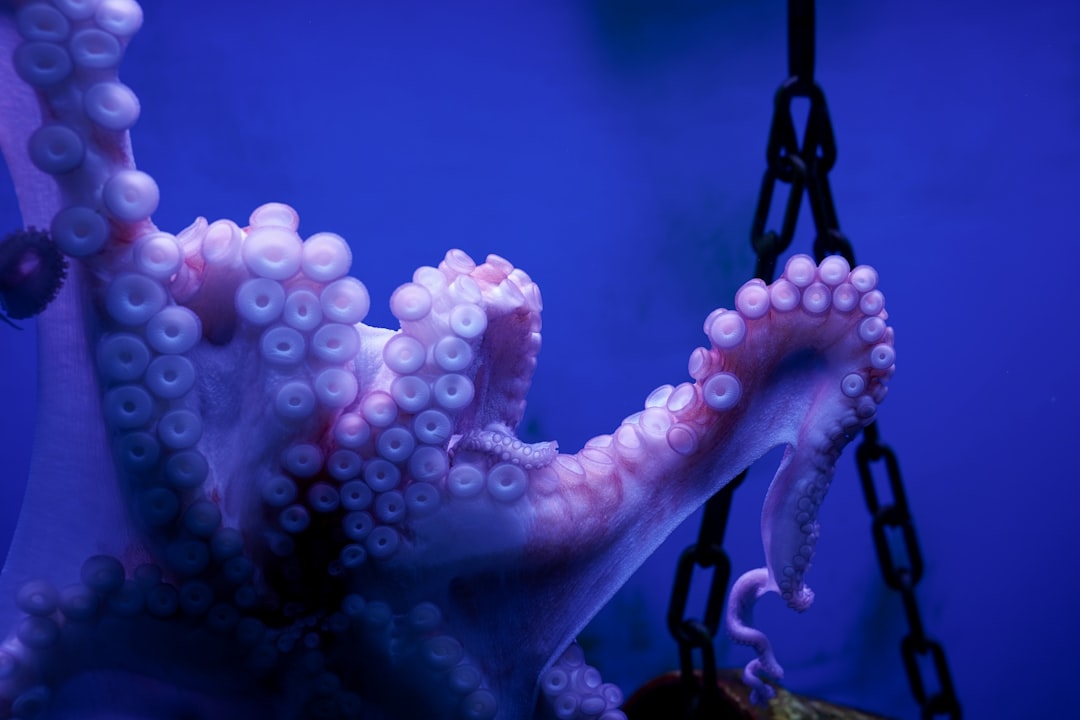
The octopus has a uniquely distributed nervous system with the majority of its neurons located in its arms rather than its central brain. Despite having no social learning opportunities in the wild, octopuses solve complex puzzles and navigate mazes with remarkable speed and accuracy. They have been observed collecting coconut shell halves and carrying them long distances for later use as portable shelters. Octopuses can distinguish between individual humans and have been documented directing water jets at disliked researchers. Their intelligence evolved entirely independently from vertebrate brain development, making them one of the most scientifically fascinating cases in cognitive research.
Border Collie
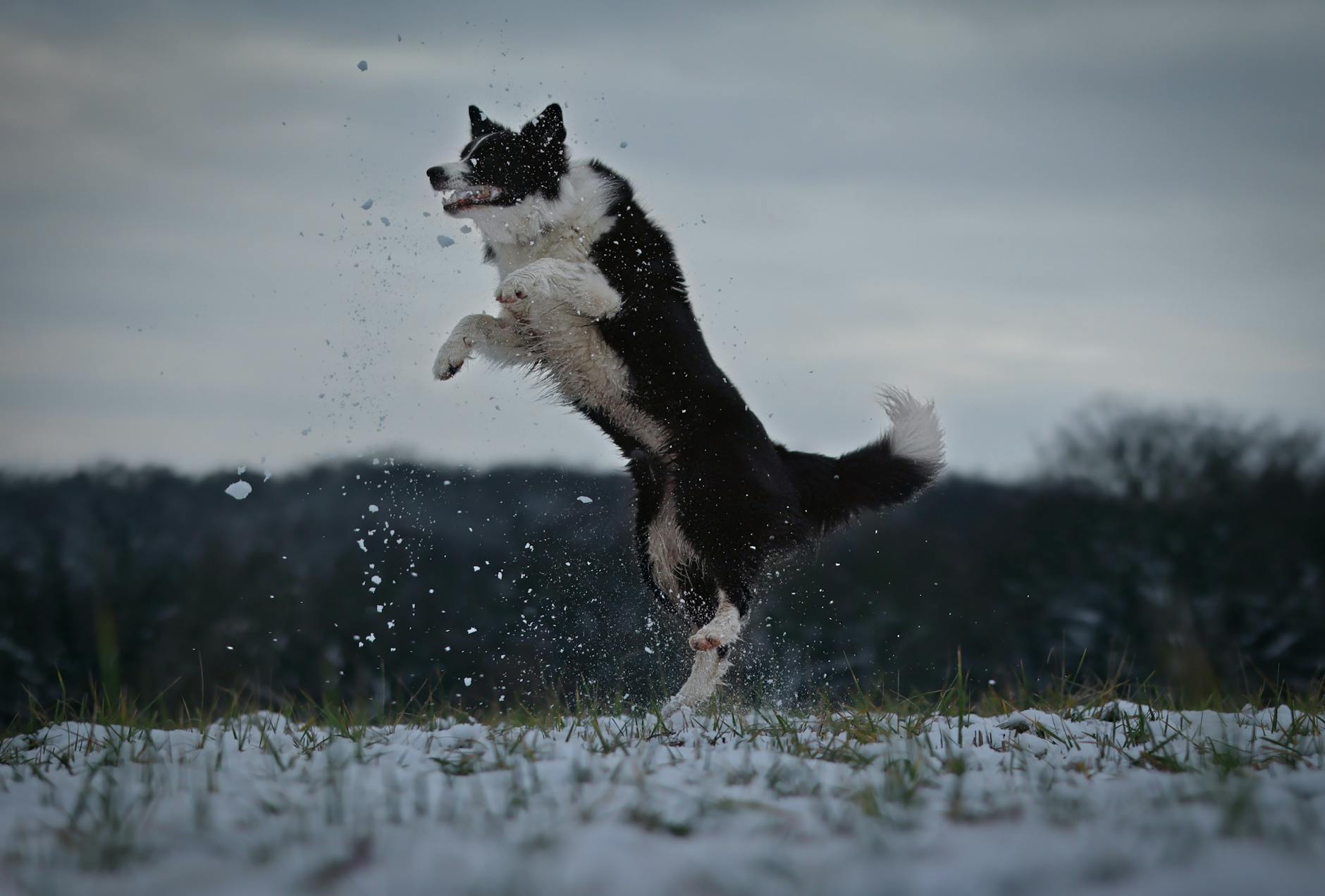
Border collies are consistently ranked as the most intelligent dog breed based on working ability and obedience testing. They are capable of learning the names of over a thousand individual objects and retrieving them by name on command. Border collies demonstrate an ability known as fast mapping, which allows them to learn the name of a new object after just one brief exposure. They can infer the location of a hidden item using logical deduction rather than direct observation. Their working memory and capacity to understand human communicative gestures are unmatched among domestic animals.
Raven
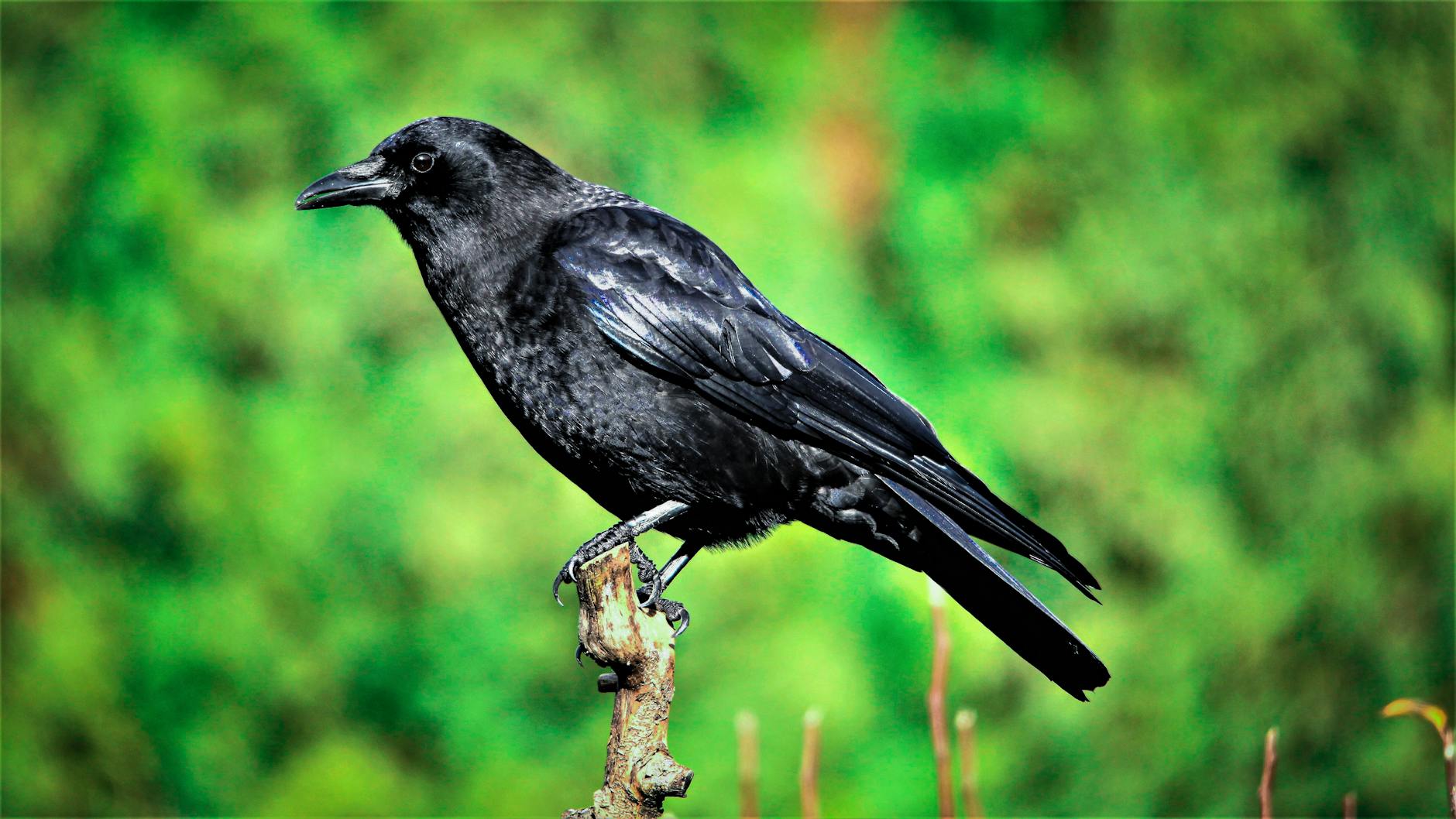
Ravens are large corvids whose intelligence has been documented across a wide range of experimental and observational studies. They are capable of solving multi-step puzzles that require planning several actions in advance and selecting the correct tools for the task. Research has demonstrated that ravens understand the concept of bartering and can delay gratification in exchange for a higher-value reward. They are acutely aware of social dynamics within their groups and can track the relationships and hierarchies of other individuals. Ravens have even demonstrated an understanding of when they are being watched, adjusting their caching behavior accordingly.
Raccoon
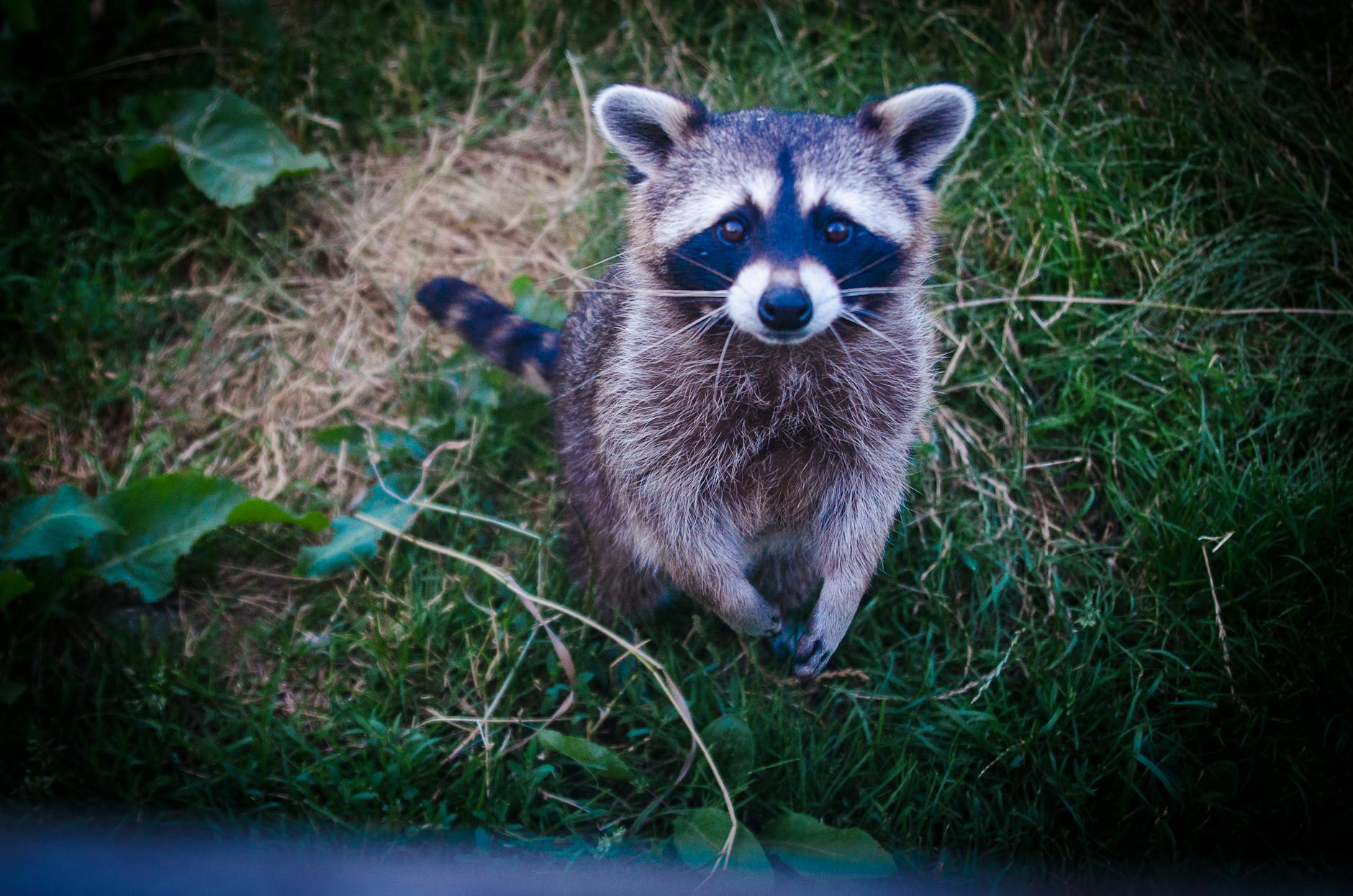
Raccoons have long been observed demonstrating exceptional problem-solving skills in urban and wild environments alike. They are capable of remembering solutions to tasks for up to three years after their initial exposure to the problem. Studies have shown that raccoons can unlock complex multi-step latches and adapt their approach when previous methods are blocked. Their manual dexterity combined with their curiosity allows them to manipulate objects in ways that most similarly sized animals cannot. Raccoons thrive in human-altered environments largely because of their ability to learn and adapt rapidly to new challenges.
Squirrel
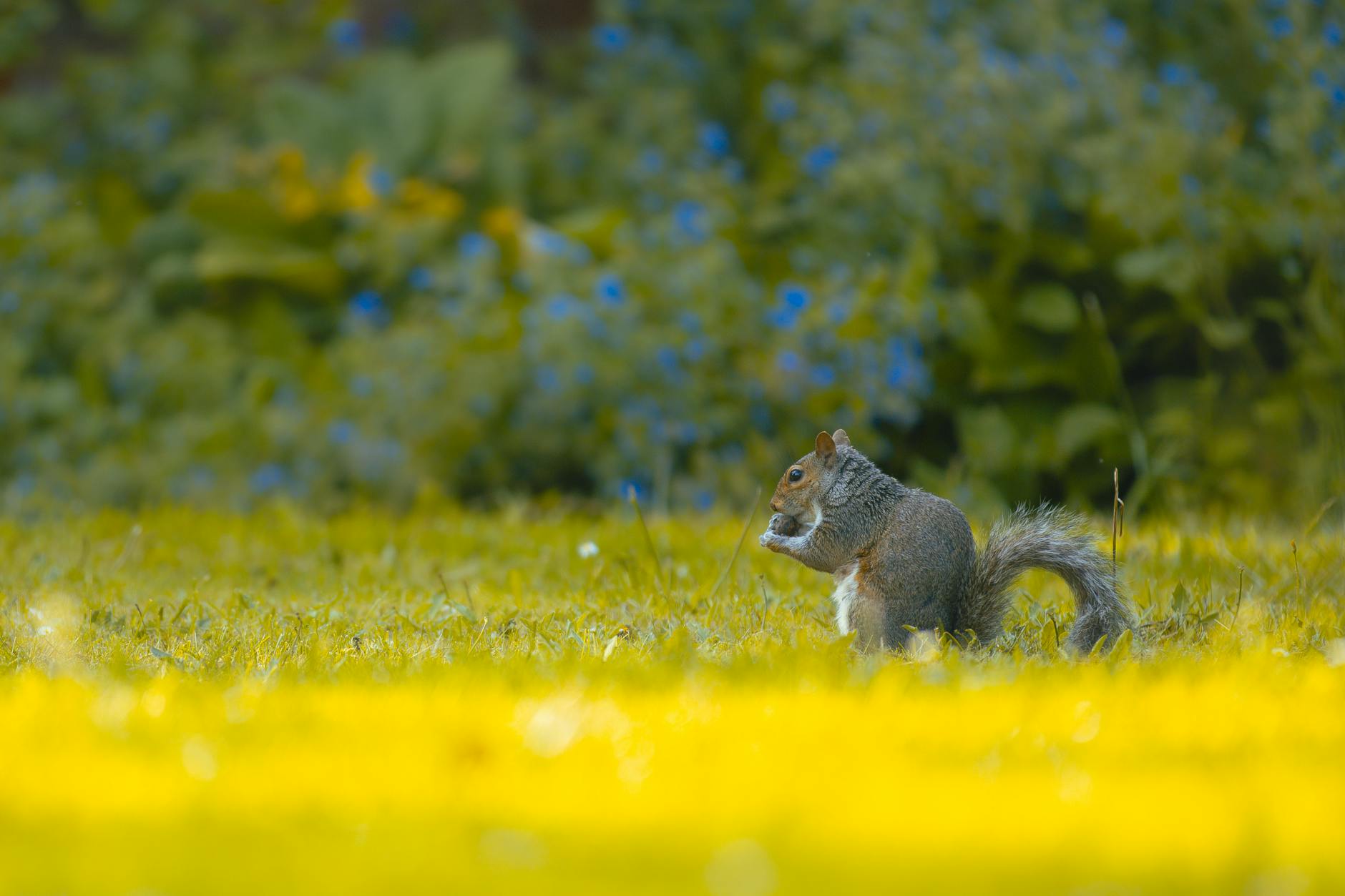
Squirrels display a sophisticated level of strategic thinking that is rarely associated with small rodents. They are capable of deceiving potential food thieves by pretending to bury nuts in false locations while concealing the real cache elsewhere. Research has confirmed that squirrels use a spatial chunking system to organize their food stores by type, size and possibly nutritional value. They can remember the locations of thousands of individual buried food items across large territories throughout an entire season. Their deceptive caching behavior requires both self-awareness and an understanding of the perspective of other animals nearby.
Cat
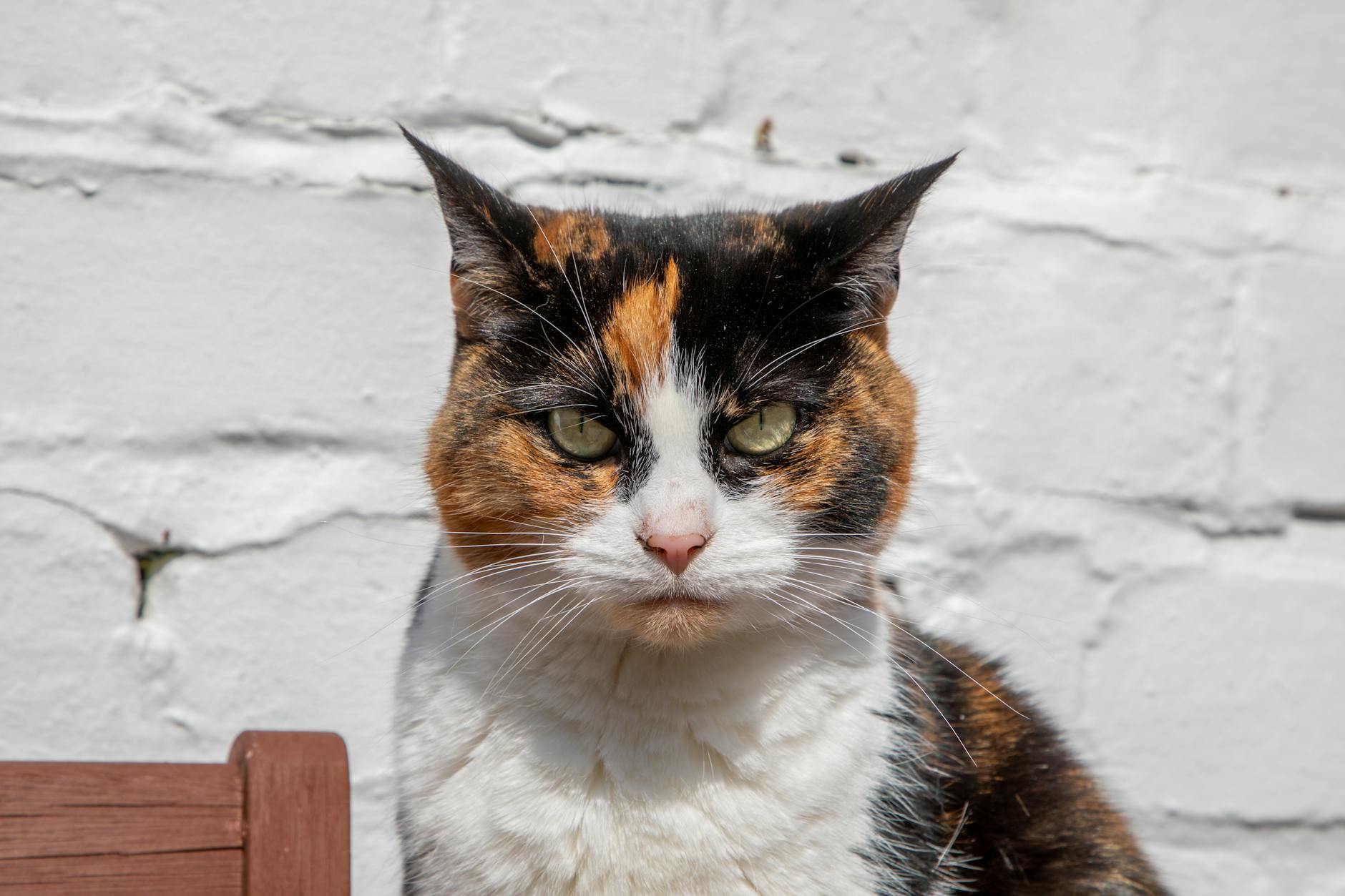
Domestic cats are often underestimated in intelligence assessments partly because they are less motivated than dogs to cooperate with researchers. They demonstrate a clear understanding of object permanence, the knowledge that objects continue to exist even when out of sight. Cats have been shown to understand cause-and-effect relationships and can manipulate their environment to achieve desired outcomes. They are capable of reading human emotional cues and adjusting their behavior in response to the mood of their owners. Studies have also confirmed that cats can distinguish their own name from other similar-sounding words spoken by their owners.
Horse
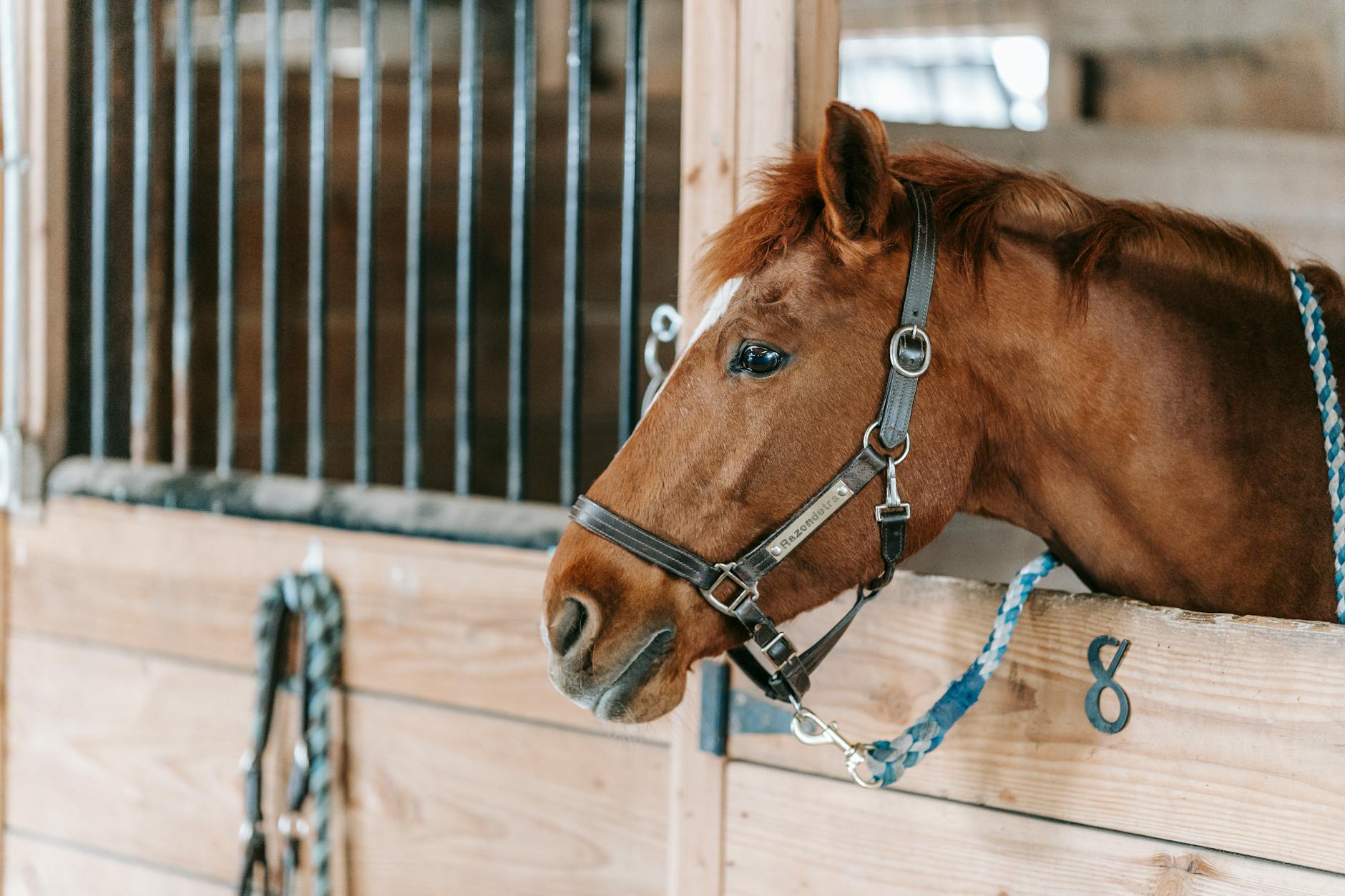
Horses possess strong associative memory and are capable of learning complex sequences of behavior through both observation and direct experience. Research has shown that horses can communicate specific desires to their human handlers using learned symbolic boards to indicate preferences. They are highly attuned to human emotional states and can read facial expressions to determine whether a person is happy or angry. Horses demonstrate long-term memory of individuals and past experiences and can recall learned tasks years after their last training session. Their social intelligence within herds is equally advanced, involving nuanced hierarchies and sophisticated non-verbal communication.
Manta Ray
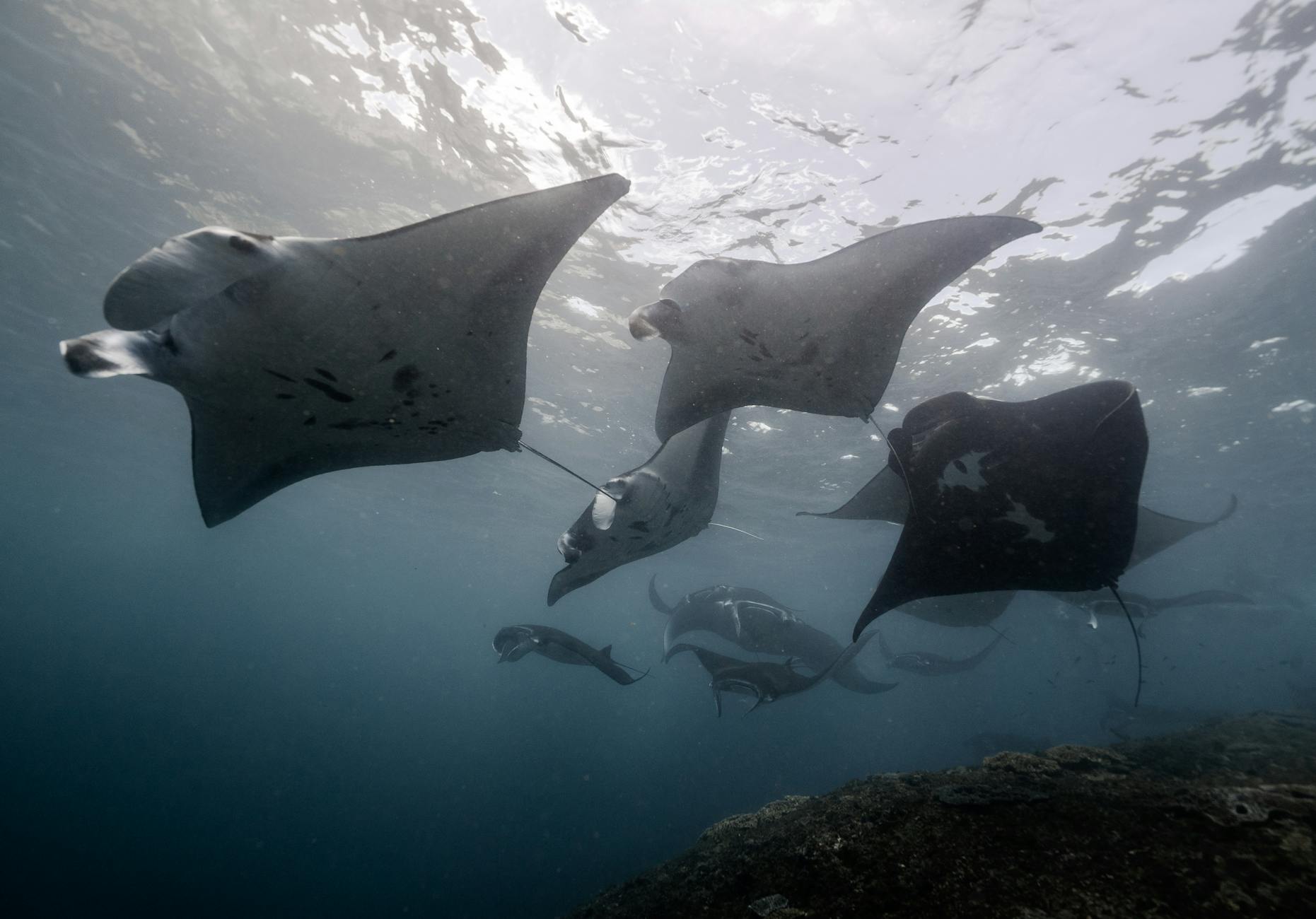
Manta rays have the largest brains of any fish species and are the only known fish to pass the mirror self-recognition test in preliminary studies. They display complex social behaviors including coordinated group feeding and long-term individual relationships with other rays. Manta rays navigate vast oceanic distances using what researchers believe to be advanced spatial memory and environmental awareness. Their brain-to-body ratio is comparable to that of some mammals, which is highly unusual among cartilaginous fish. Scientists are continuing to investigate the full extent of their cognitive abilities in both captive and open-water research settings.
Goat
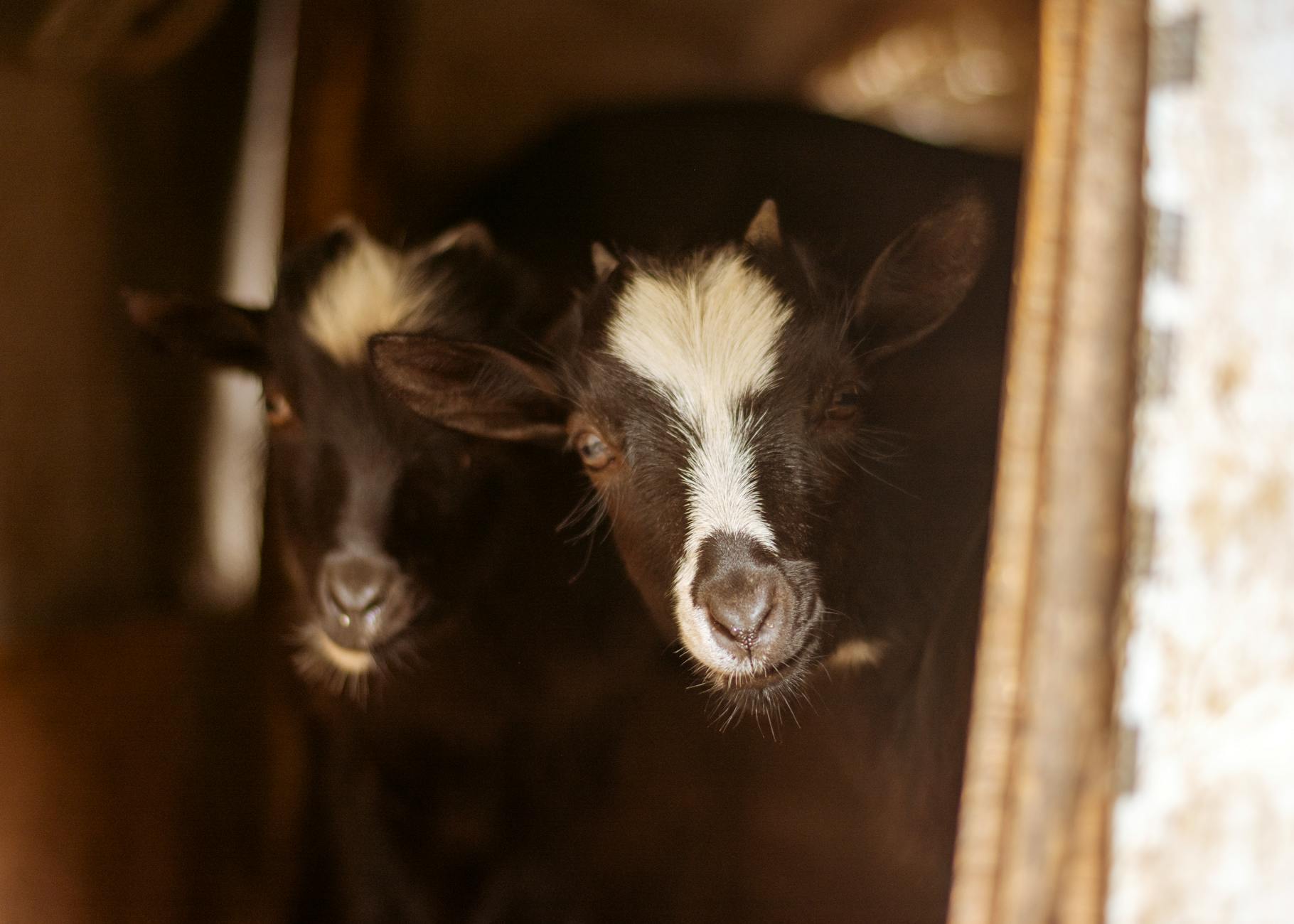
Goats have demonstrated surprisingly advanced cognitive abilities in experimental settings, outperforming many domestic animals on problem-solving tasks. Research has shown that goats can solve a complex lever-and-pulley puzzle to access food and retain the method in memory for up to ten months. They are capable of reading human communicative gestures such as pointing and can follow a person’s gaze to locate hidden objects. Goats also display emotional intelligence by distinguishing between happy and angry human facial expressions and showing a preference for positive faces. Their performance in cognitive studies has shifted scientific understanding of intelligence among farm animals considerably.
Bees
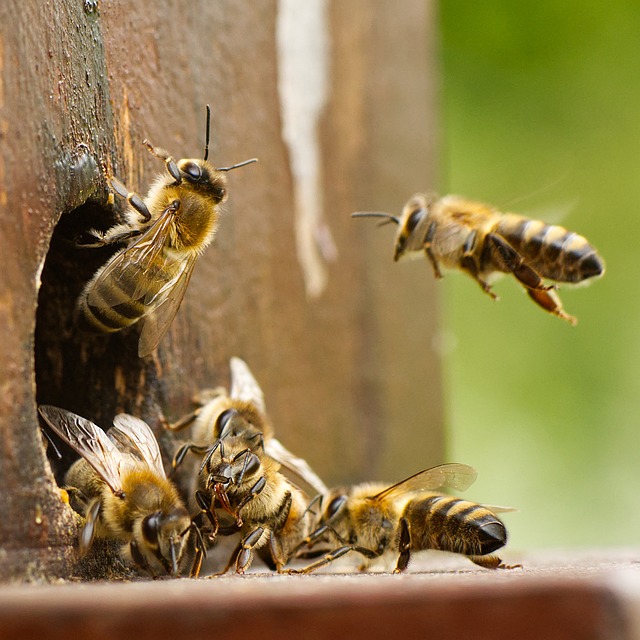
Honeybees have brains containing fewer than one million neurons yet they perform cognitive feats that challenge fundamental assumptions about intelligence. They are capable of understanding the concept of zero as a numerical value, a skill previously thought to be exclusive to vertebrates. Bees communicate the precise location and distance of food sources to their hivemates through a structured series of movements known as the waggle dance. Research has shown that bees can solve basic versions of the traveling salesman problem by calculating efficient routes between multiple flower locations. Their collective intelligence as a colony demonstrates an emergent form of decision-making that continues to fascinate cognitive scientists.
Rat
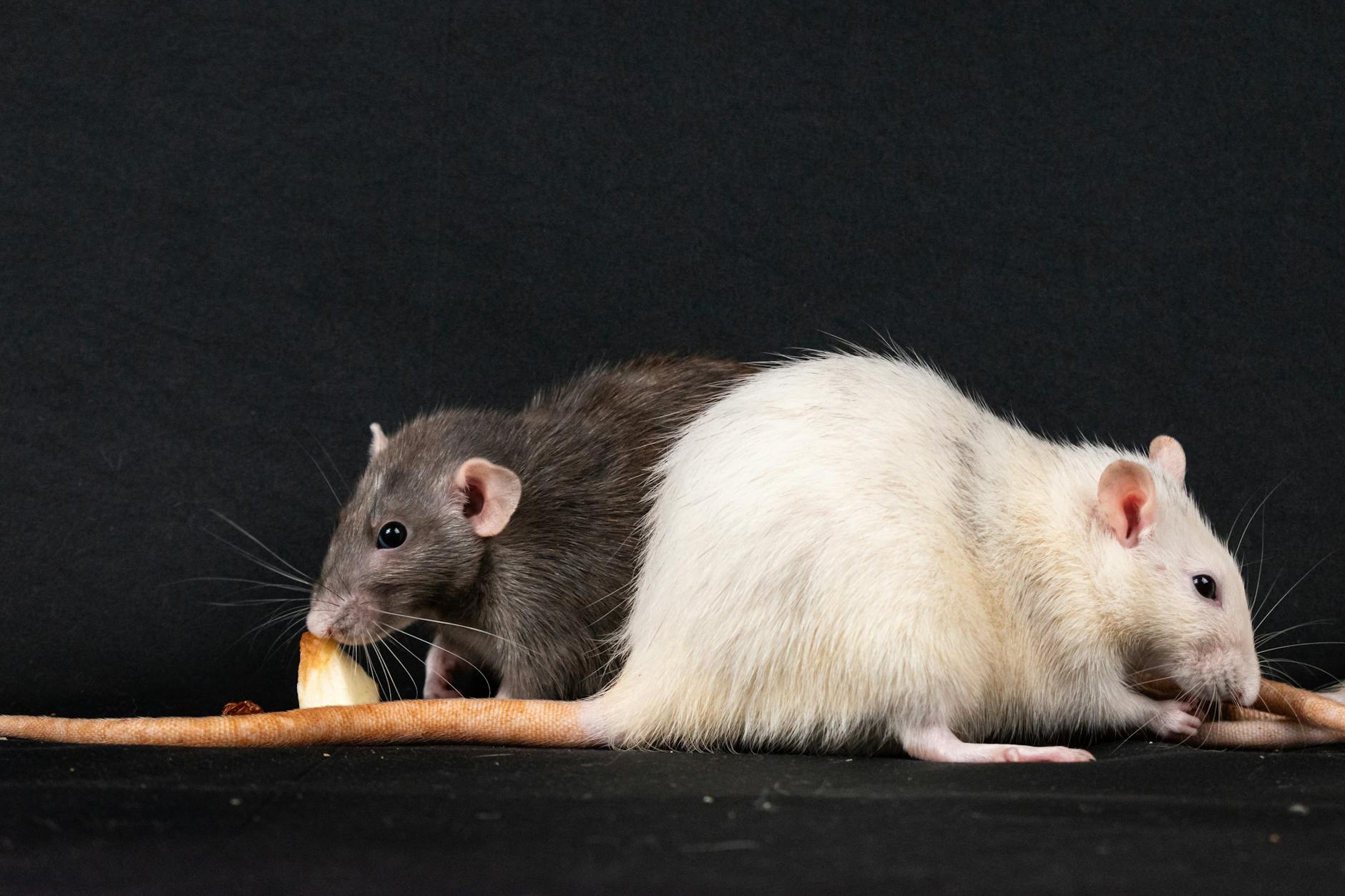
Rats have been central to cognitive research for over a century because of their remarkable problem-solving and memory capabilities. They are capable of navigating complex mazes after a single exposure and adapting their route when familiar paths are blocked. Research has demonstrated that rats can reflect on their own knowledge, choosing to opt out of a task when they are uncertain of the correct answer. They show empathy toward other rats in distress and will work to free a trapped companion even when no reward is offered. Their performance across spatial, social and metacognitive tasks consistently places them among the most intelligent small mammals studied in laboratory settings.
Magpie
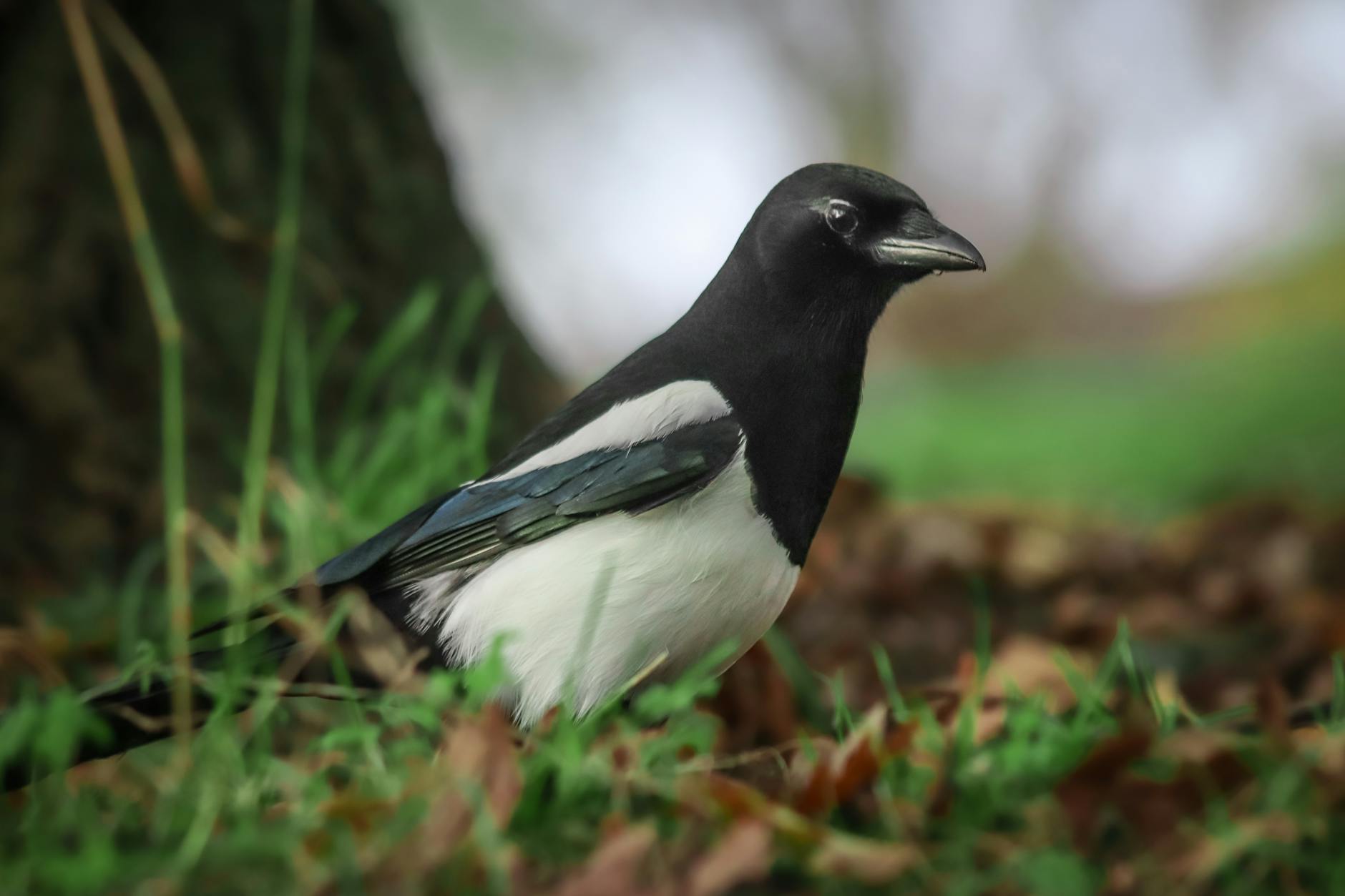
Magpies are the only non-mammal species known to have passed the mirror self-recognition test under standard scientific conditions. They are highly observant birds that study the caching behavior of other magpies and use that information to locate and steal hidden food. Magpies have been documented engaging in what appears to be grief behavior when encountering the body of a deceased member of their group. They are capable of solving multi-step puzzles and demonstrate flexible thinking when faced with novel problems in experimental settings. Their cognitive abilities are considered roughly equivalent to those of great apes in several key comparative measures.
Portia Spider
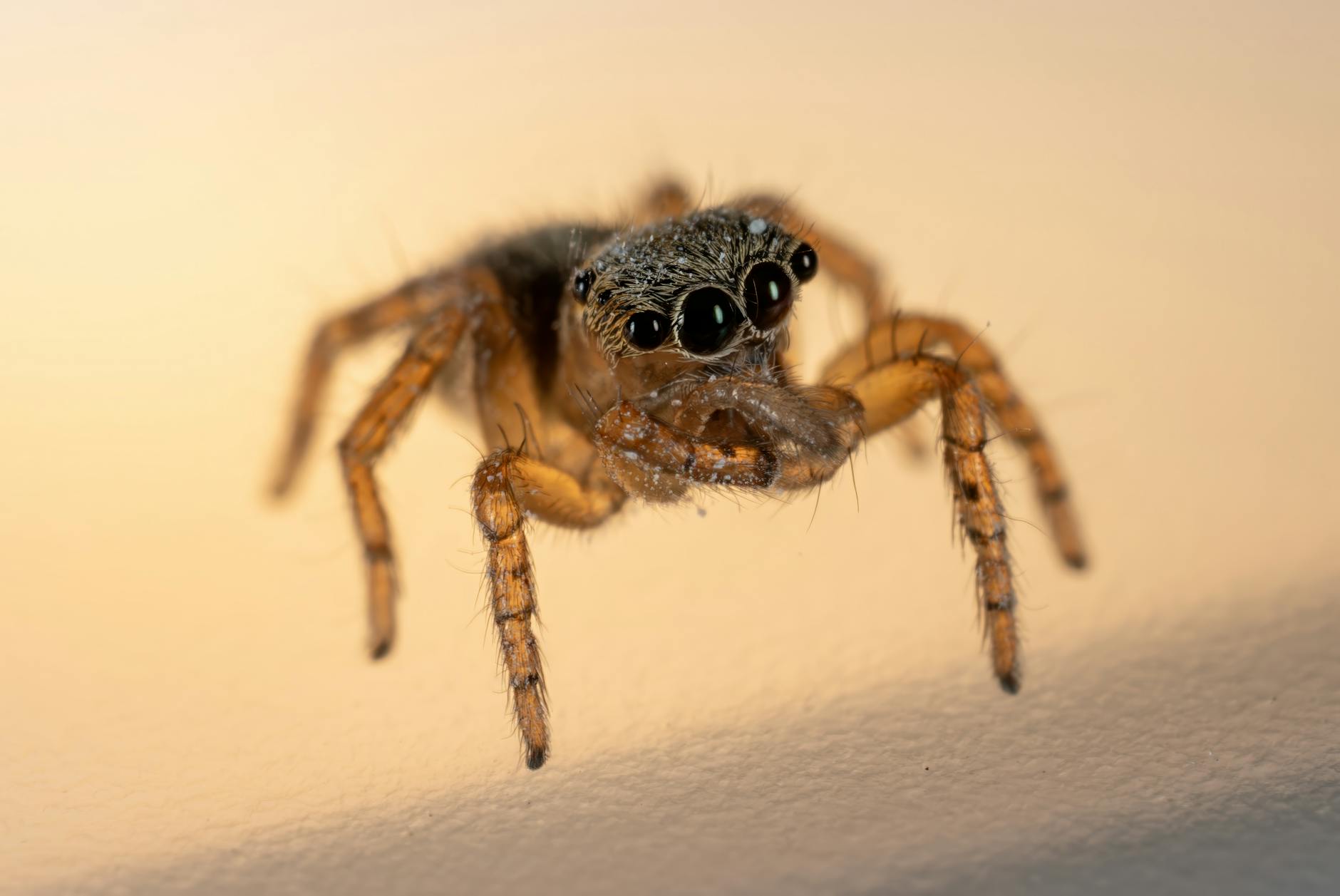
The Portia spider is a small jumping spider with a brain no larger than a poppy seed yet it demonstrates a level of cognitive complexity that is extraordinary for an invertebrate. It hunts other spiders by planning detour routes that take it temporarily out of sight of its prey in order to approach from a more advantageous angle. Portia spiders can problem-solve in real time when their planned route is blocked and select alternative strategies without prior experience of the new obstacle. They are capable of learning the specific vibrational signals used by different spider species to lure them into webs. Their planning and deception abilities challenge the assumption that complex cognition requires a large and centralized brain structure.
Share your thoughts on which of these remarkably intelligent animals surprises you the most in the comments.




