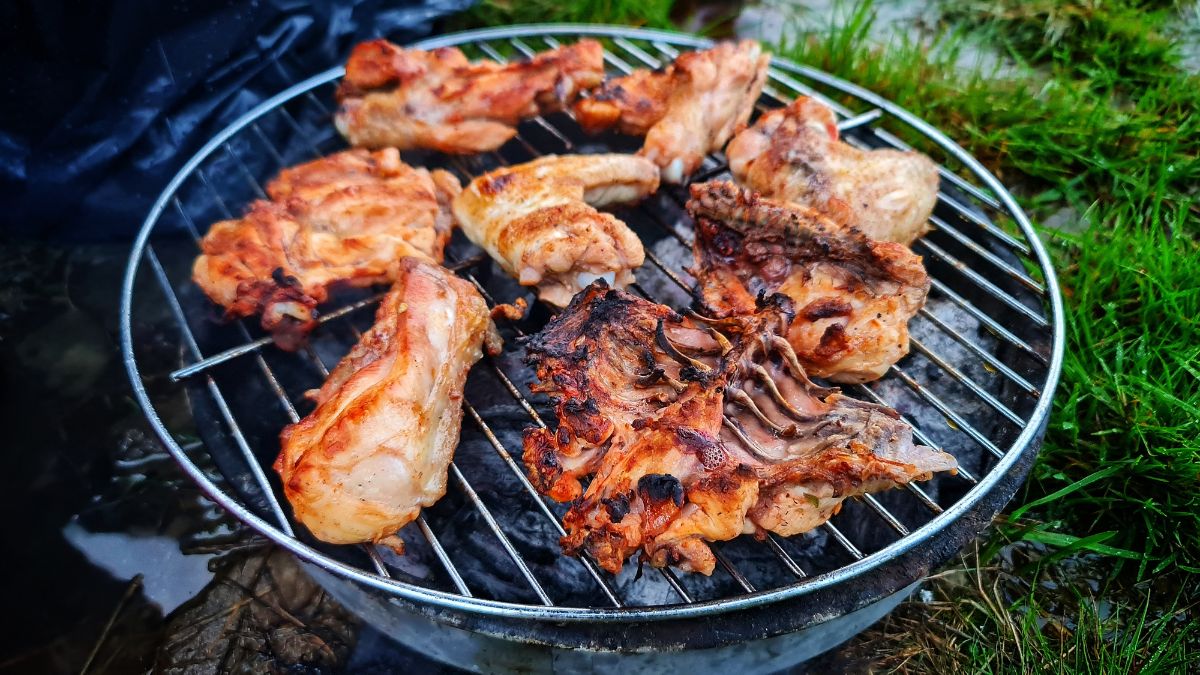
Grilling is one of the most satisfying ways to cook, but a few common errors can turn a promising cut into something tough and flavorless. The difference between juicy, perfectly cooked meat and a dry, chewy disappointment often comes down to technique rather than the quality of ingredients. Understanding where things go wrong is the first step to consistently achieving tender, mouthwatering results every time the grill fires up. These are the most common mistakes home grillers make that quietly rob meat of its moisture and flavor.
High Heat
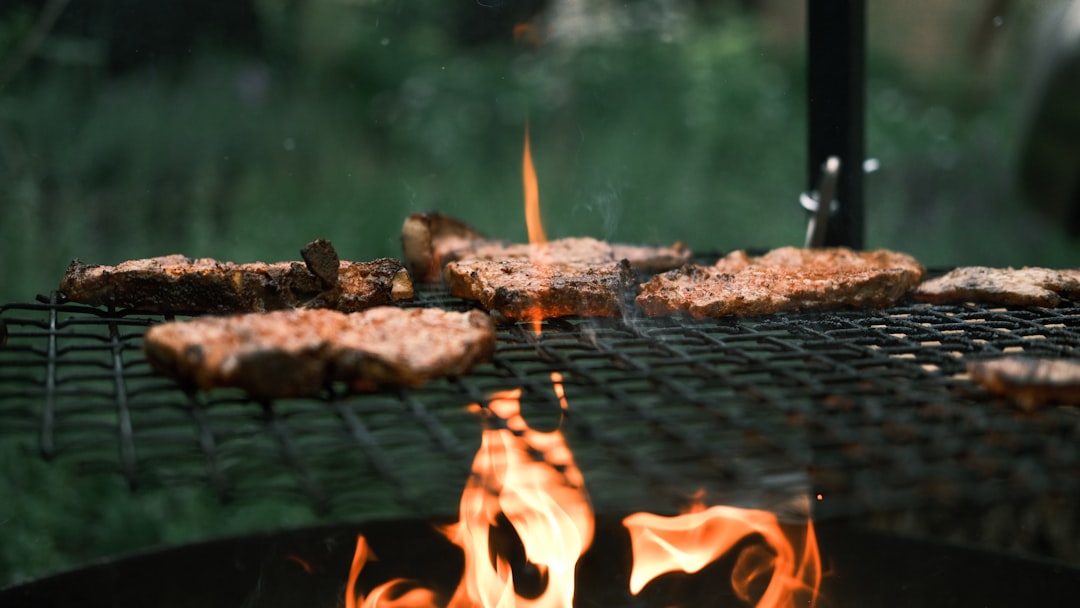
Cooking over excessively high heat causes the exterior of meat to seize up rapidly, trapping very little juice inside as the proteins contract too fast. The outer layer chars and toughens before the interior has had a chance to reach the right temperature. This mismatch between outside and inside cooking rates is one of the leading causes of dry grilled meat. A two-zone fire that combines direct and indirect heat gives far better control over the entire cooking process.
Skipping the Marinade
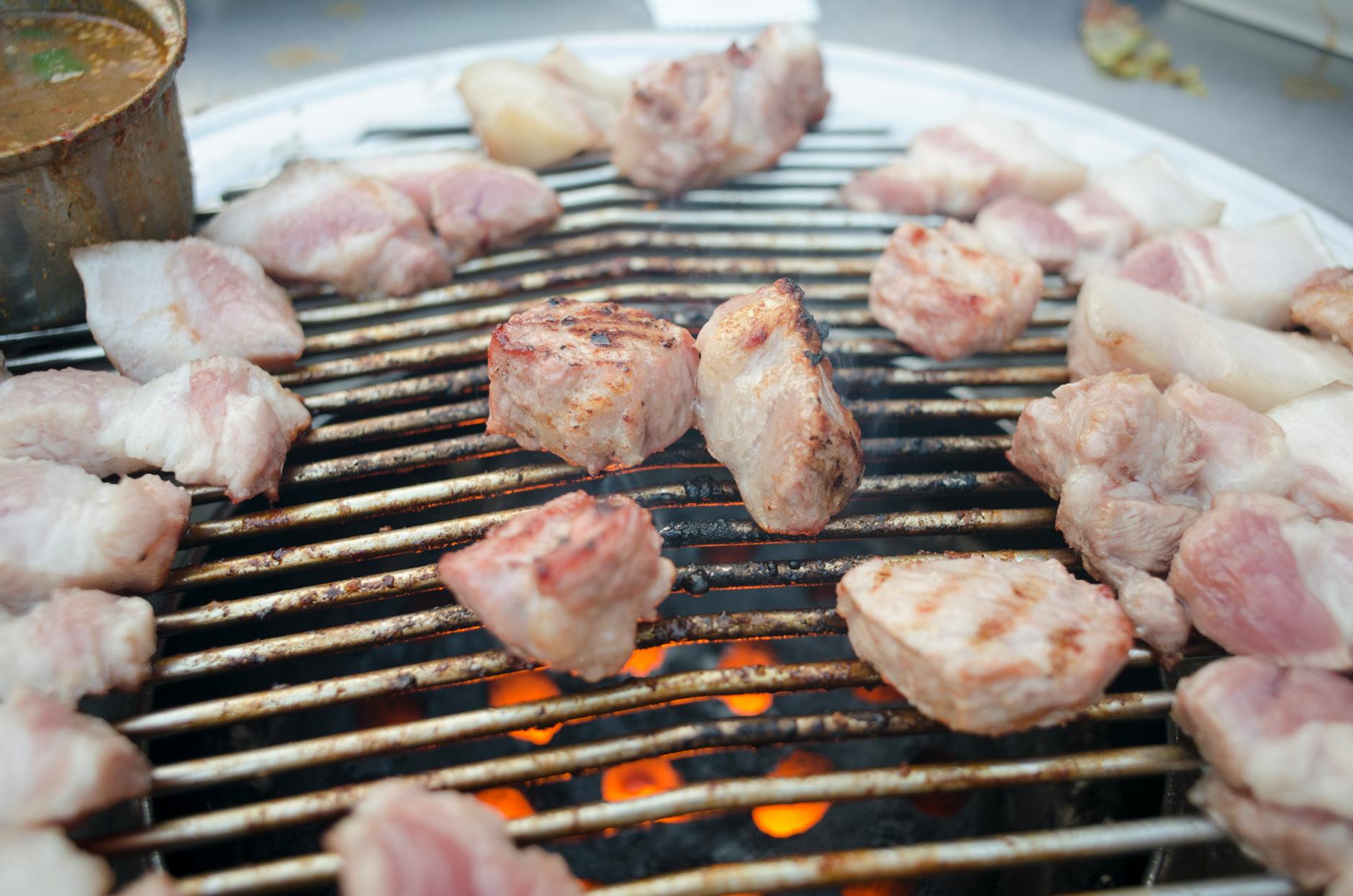
A marinade does more than add flavor since it introduces moisture and helps break down tougher muscle fibers before the meat ever touches the grill. Skipping this step means the meat goes on without any added protection against heat-related moisture loss. Oil-based marinades in particular help conduct heat more evenly across the surface. Even a short soak of thirty minutes can make a noticeable difference in the final texture of leaner cuts.
Cold Meat
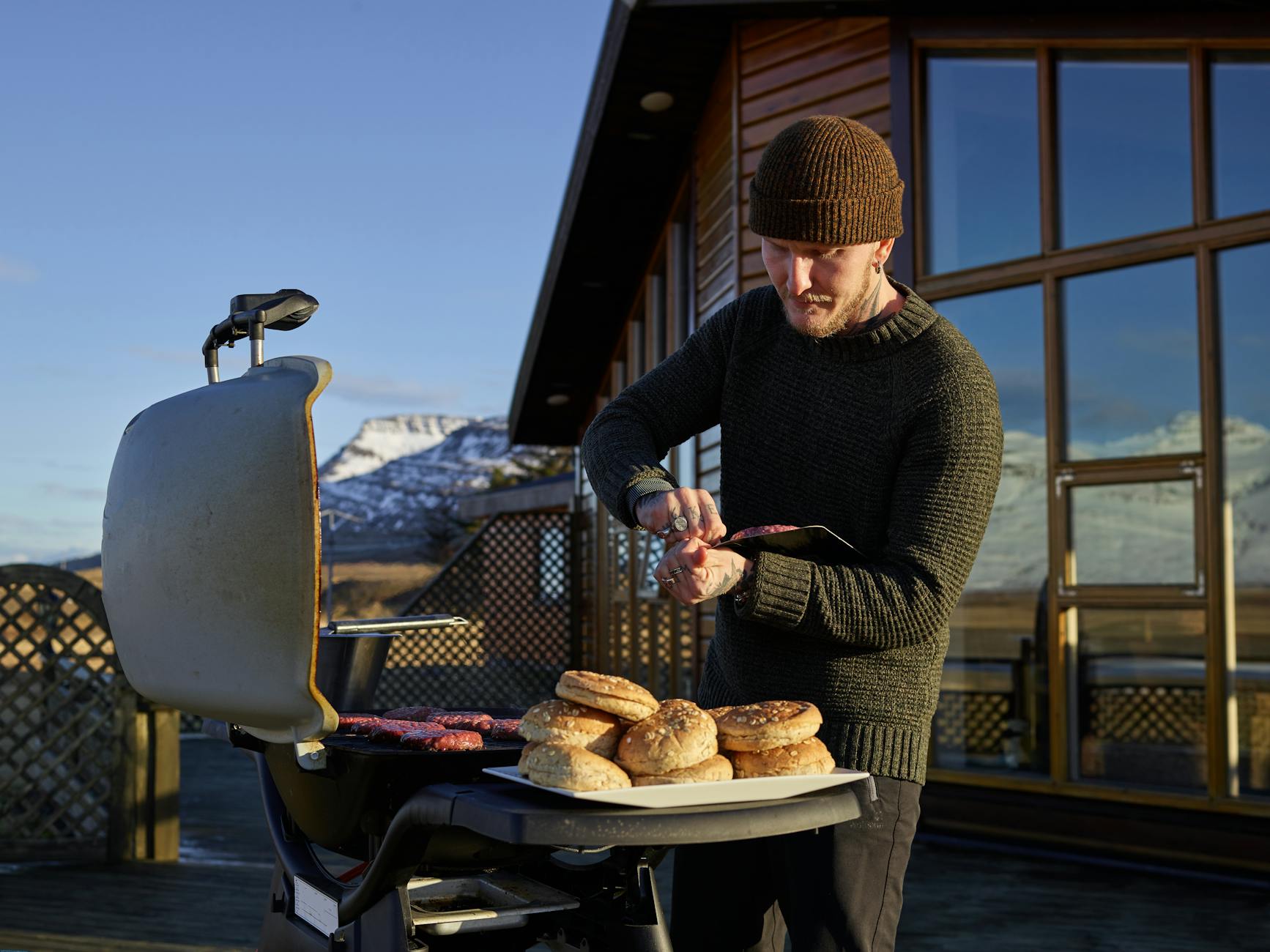
Placing cold meat straight from the refrigerator onto a hot grill creates an uneven cooking environment that dries out the outer layers before the center catches up. The sudden temperature shock causes proteins to tighten and expel moisture almost immediately. Allowing meat to rest at room temperature for twenty to thirty minutes before grilling helps it cook more uniformly. This simple step reduces the risk of an overcooked exterior paired with an underdone interior.
Overcooking
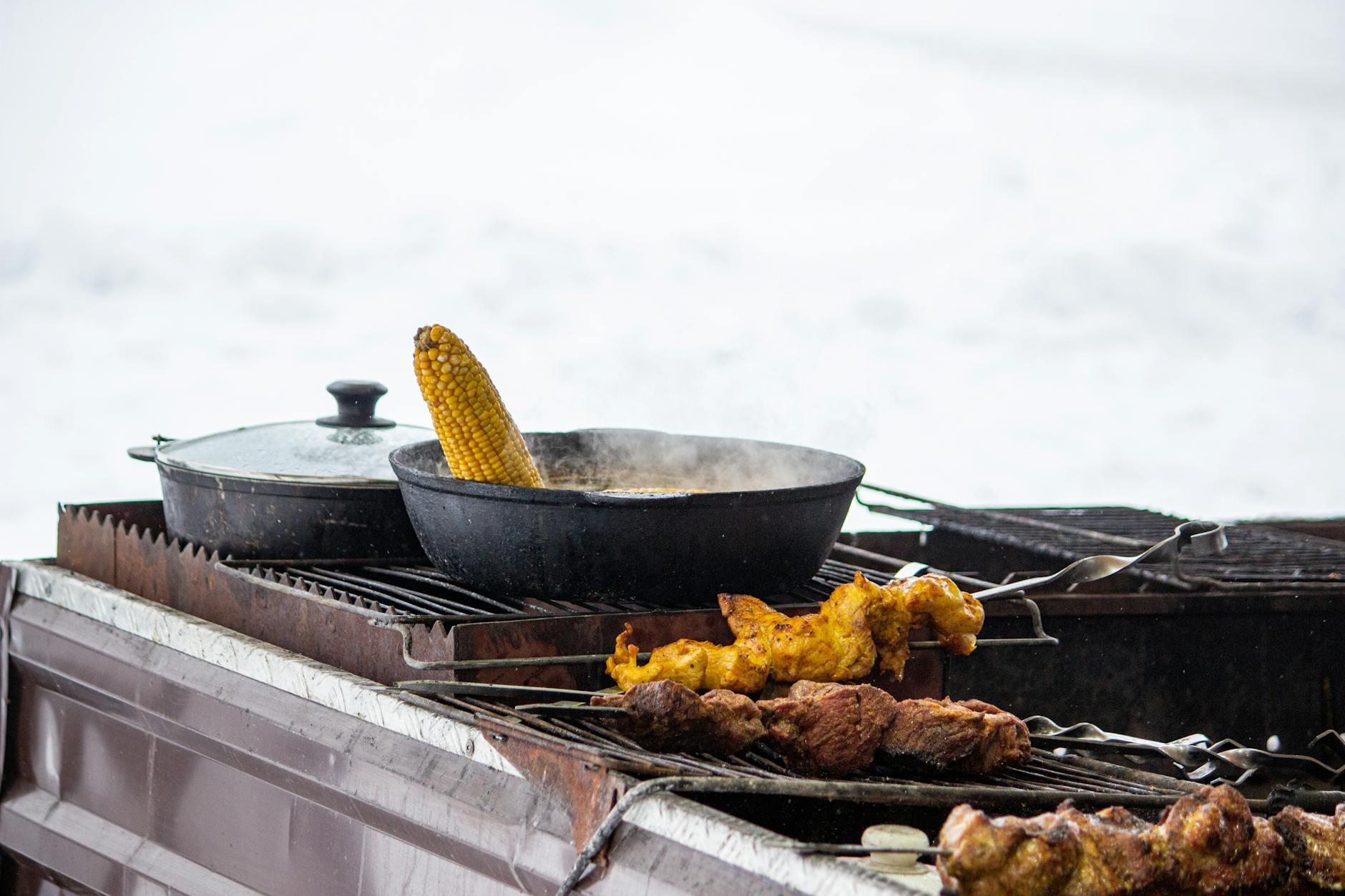
Cooking meat past its ideal internal temperature is the single most direct path to dryness. Every degree over the target temperature means more moisture being driven out of the muscle fibers as they continue to contract. Using a reliable instant-read thermometer removes the guesswork that leads to overcooking. Different cuts and proteins have specific temperature targets that, when respected, consistently deliver juicy results.
Constant Flipping
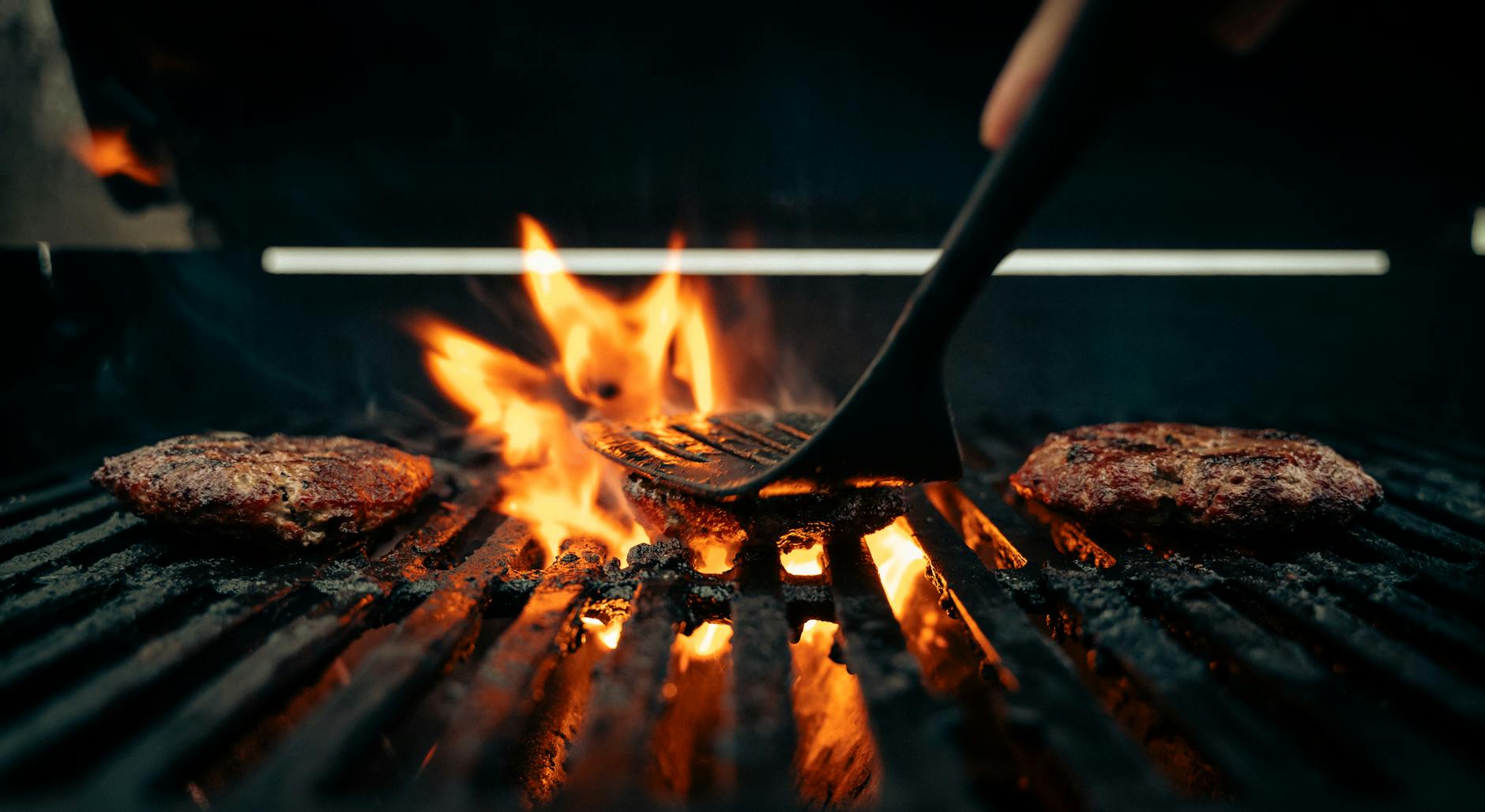
Flipping meat repeatedly interrupts the formation of a proper sear, which acts as a flavorful crust that helps retain internal moisture. Each flip exposes the meat to a brief temperature drop that can affect how evenly it cooks. Most cuts benefit from being turned only once or twice during the grilling process. Patience at the grill is a straightforward habit that yields noticeably juicier results.
Skipping the Rest
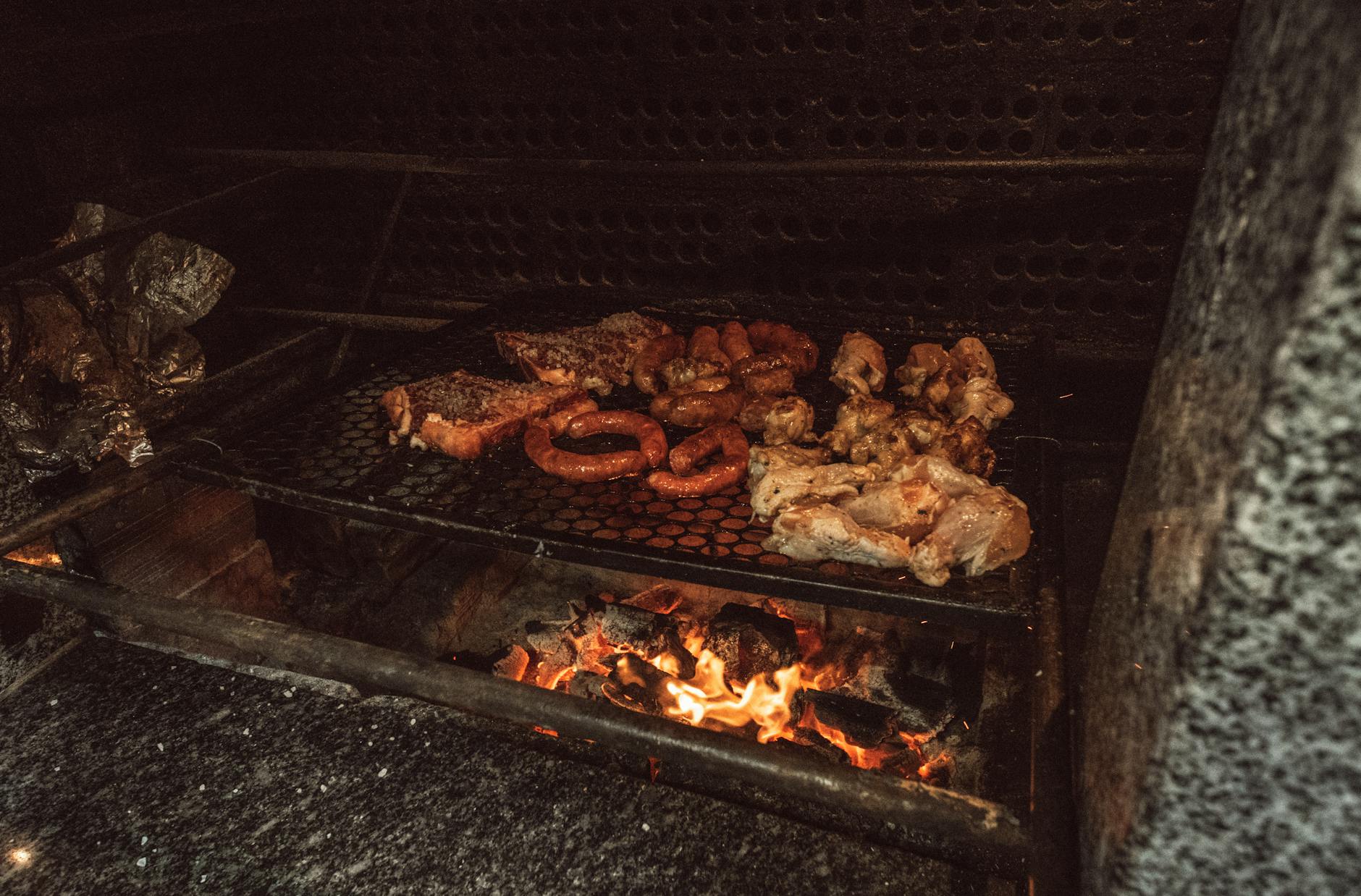
Cutting into grilled meat immediately after removing it from the heat releases the juices that have been pushed toward the center during cooking. Resting allows those juices to redistribute throughout the entire cut so every bite stays moist. The general rule is to rest meat for at least five minutes, with larger cuts benefiting from ten to fifteen. Skipping this step is one of the most common and avoidable reasons grilled meat turns out disappointingly dry.
Wrong Cut
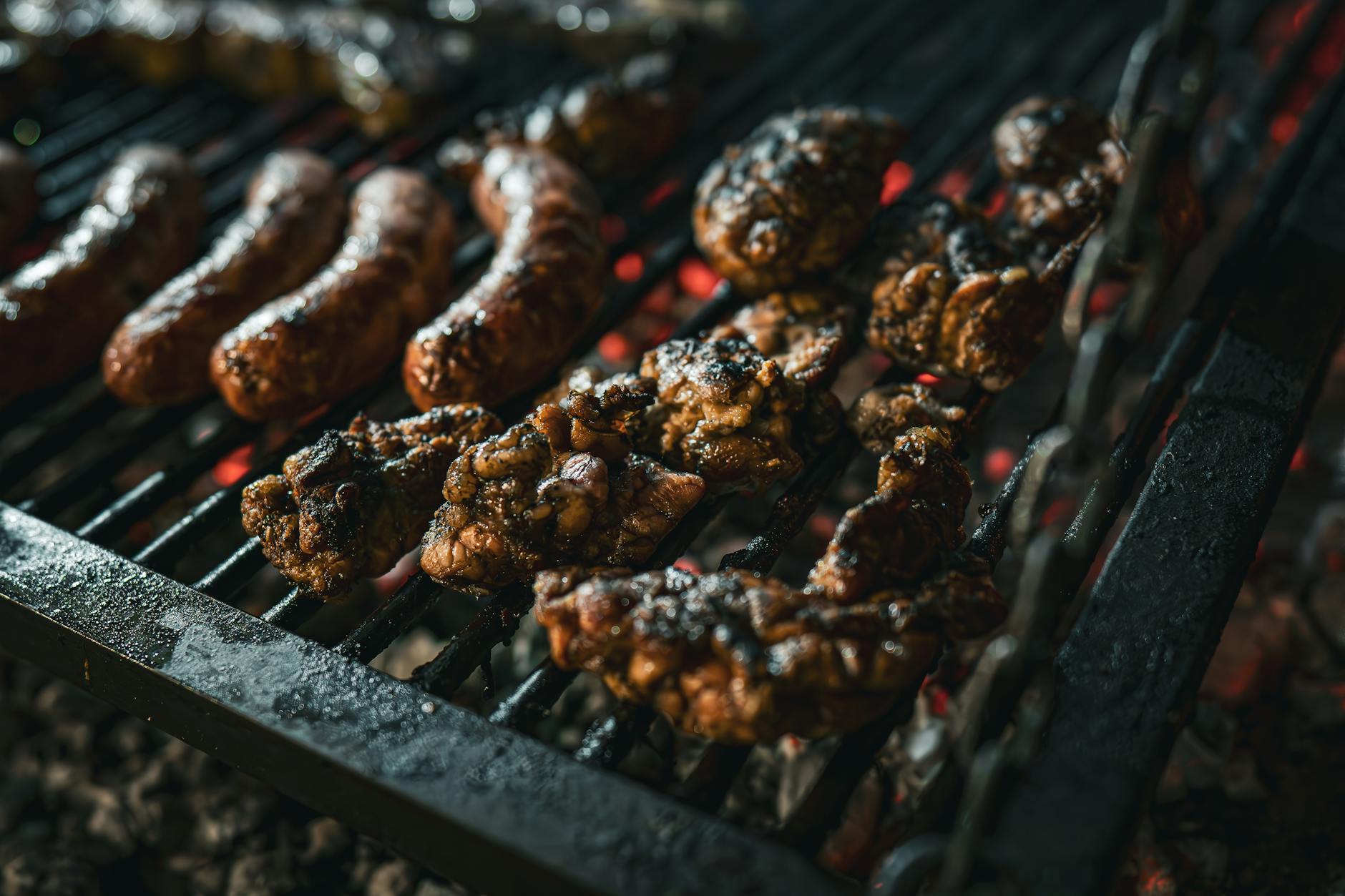
Certain cuts of meat are simply not suited to quick, high-heat grilling and will always turn out dry when cooked that way. Lean cuts with very little fat or connective tissue lose moisture rapidly over direct flame without the marbling to compensate. Cuts like flank steak, chicken breast, and pork tenderloin require careful attention to timing and temperature to stay juicy. Choosing cuts better matched to grilling conditions is a foundational step toward better results.
Skipping the Brine
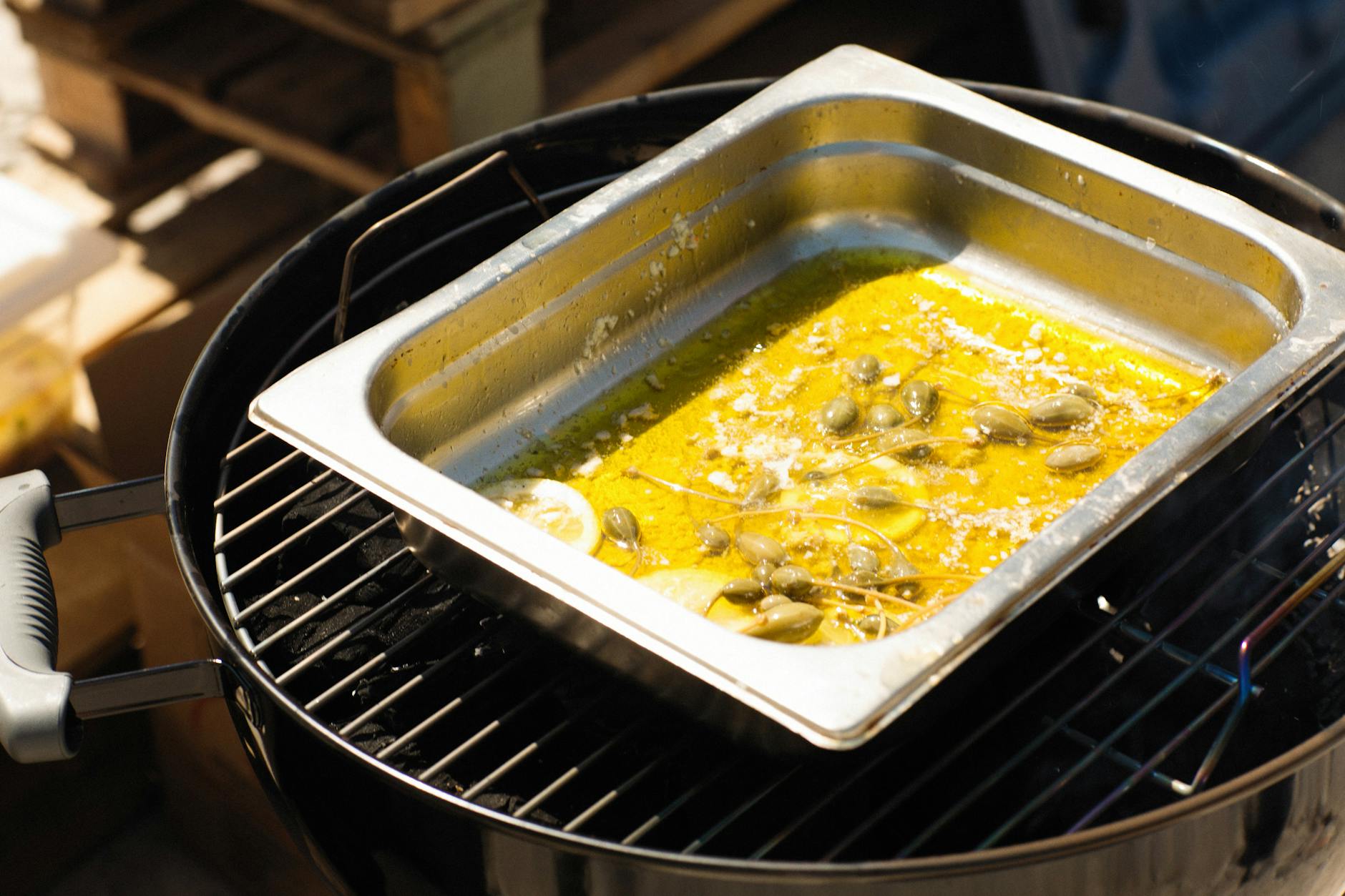
A brine is a salt-and-water solution that encourages meat to absorb liquid before cooking, dramatically increasing its ability to retain moisture under heat. Without brining, leaner proteins like chicken and pork chops are far more vulnerable to drying out on the grill. The salt in the brine also seasons the meat deeply rather than just on the surface. Even a one-hour brine can transform the texture and juiciness of otherwise dry-prone cuts.
Pressing the Meat
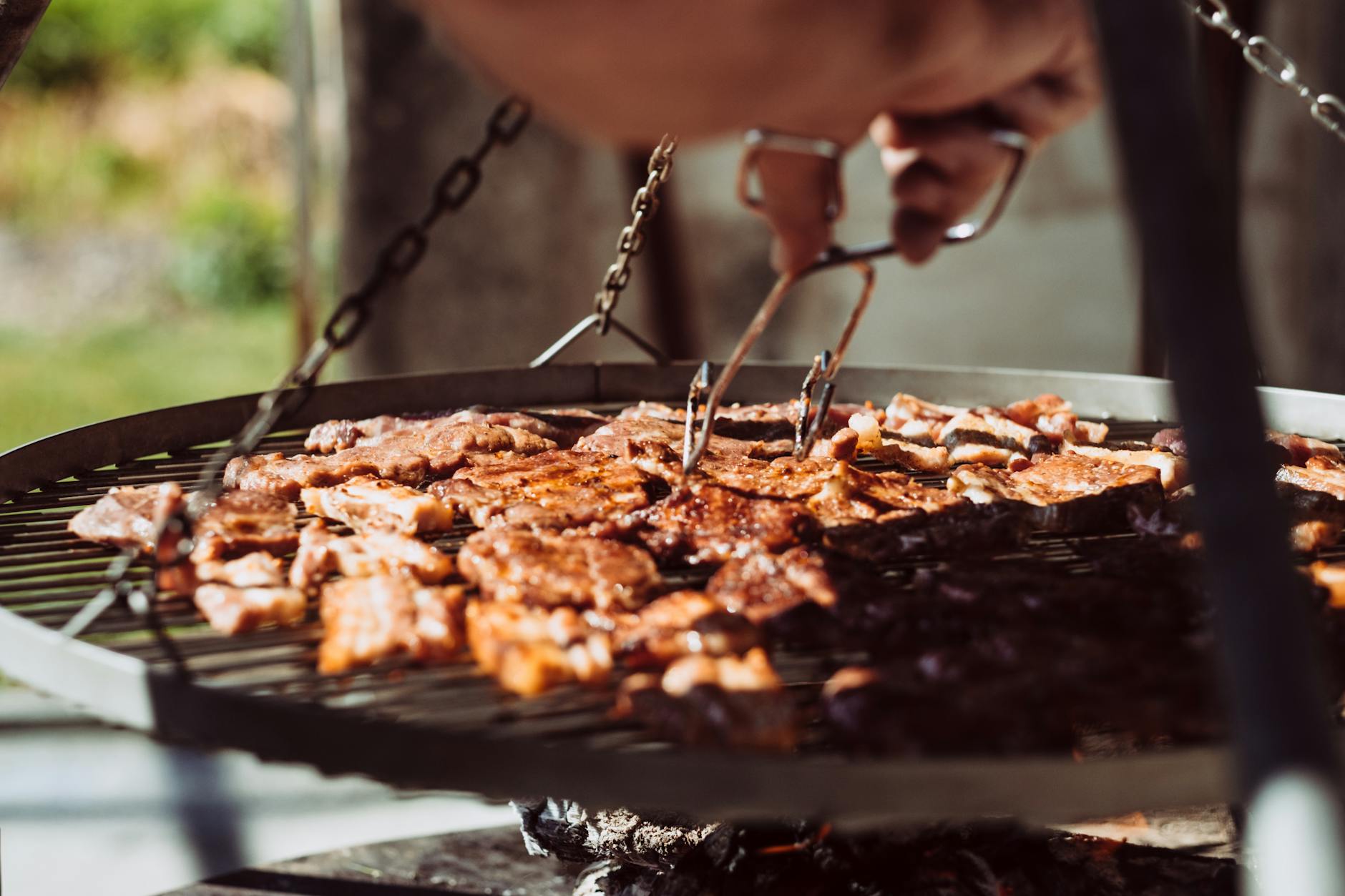
Pressing down on meat with a spatula while it grills is a habit that squeezes out valuable internal juices directly onto the hot grates. Those juices, once lost, cannot be recovered and the meat becomes noticeably drier as a result. This technique is sometimes used in the belief that it speeds up cooking, but the trade-off in moisture loss is significant. Letting the meat cook undisturbed produces a far juicier and better-textured result.
Uncovered Grilling
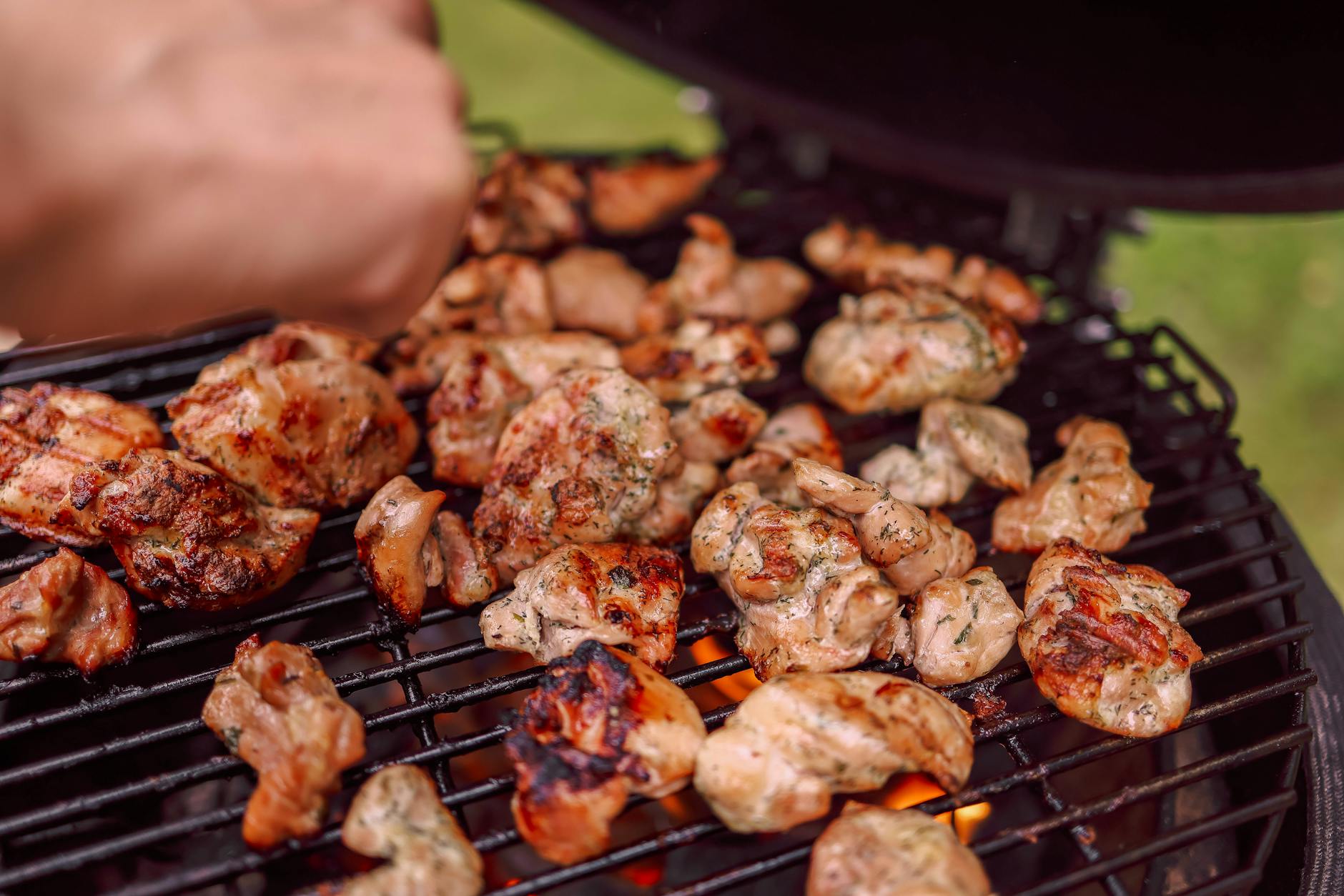
Grilling with the lid open allows heat to escape constantly, which means the cooking environment is inconsistent and less controlled. Closing the lid traps heat and creates a convection effect that cooks meat more gently and evenly from all sides. This is especially important for thicker cuts that need time to cook through without overcooking the outside. An open lid also accelerates surface moisture evaporation, contributing to a drier finished product.
No Thermometer
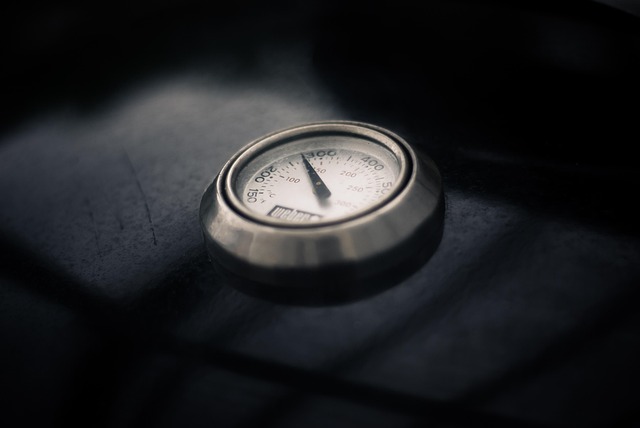
Relying on visual cues or touch alone to judge doneness leads to guesswork that frequently results in overcooked, dry meat. Every grill runs differently and environmental factors like wind and outdoor temperature affect cooking times unpredictably. A digital instant-read thermometer provides an accurate, reliable reading in seconds. Investing in this simple tool is one of the most impactful changes a home griller can make.
Too Much Seasoning Salt
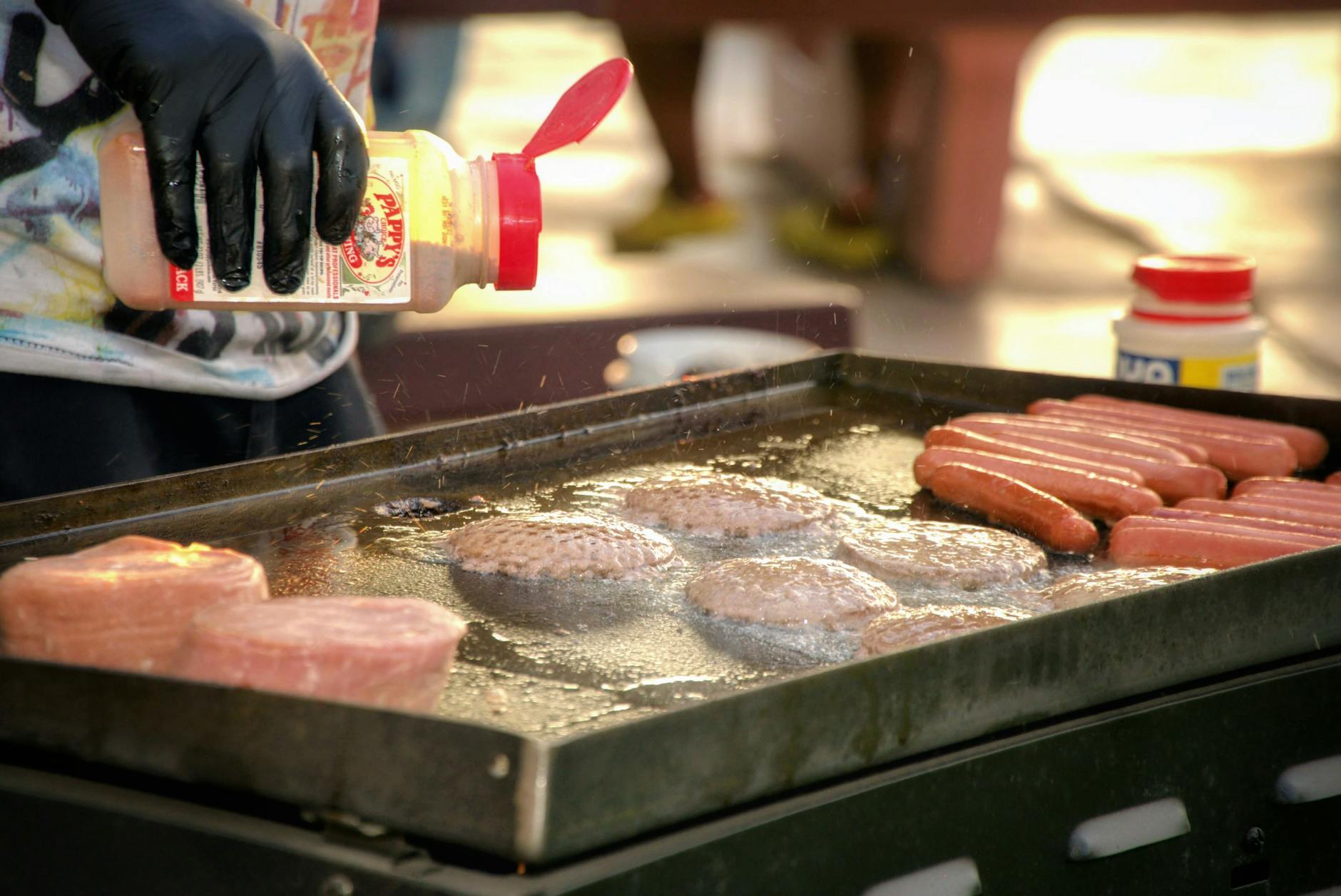
Heavy applications of salt-forward dry rubs applied too far in advance can draw moisture out of the meat through osmosis before it even hits the grill. The resulting surface moisture then steams rather than sears when it makes contact with the grates. Dry rubs work best when applied either right before grilling or far enough in advance for the drawn-out moisture to be fully reabsorbed. Timing the seasoning process correctly makes a meaningful difference in the final texture.
Thin Cuts
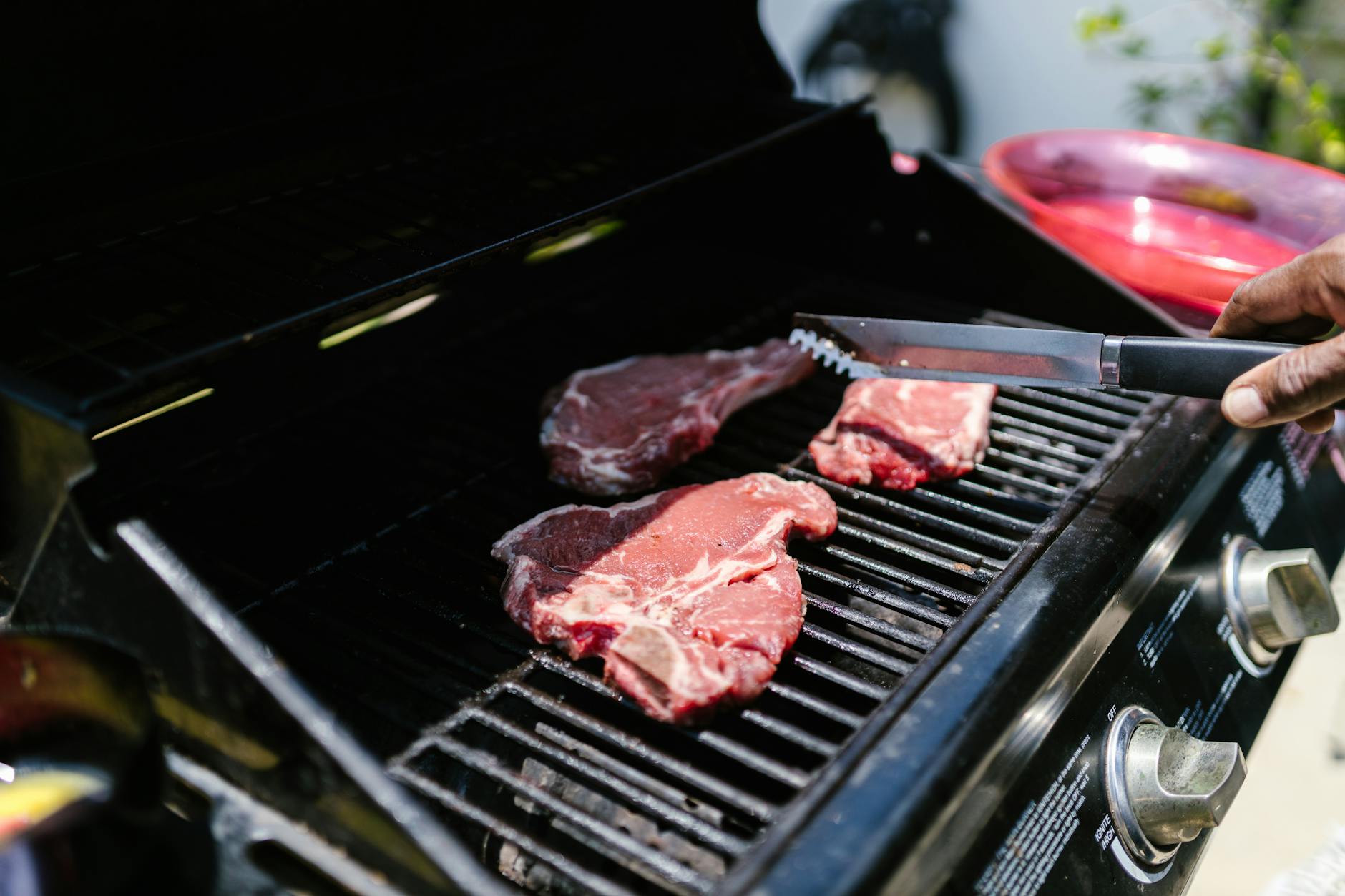
Very thin cuts of meat cook through almost instantly over high heat, leaving almost no window between properly cooked and overdone. The rapid heat penetration drives out moisture faster than thicker cuts where the cooking process is more gradual. Thin-cut chicken breasts and pork chops are particularly prone to this issue. Butterflying to an even thickness or choosing cuts with a bit more substance gives more control over the cooking process.
Dirty Grates
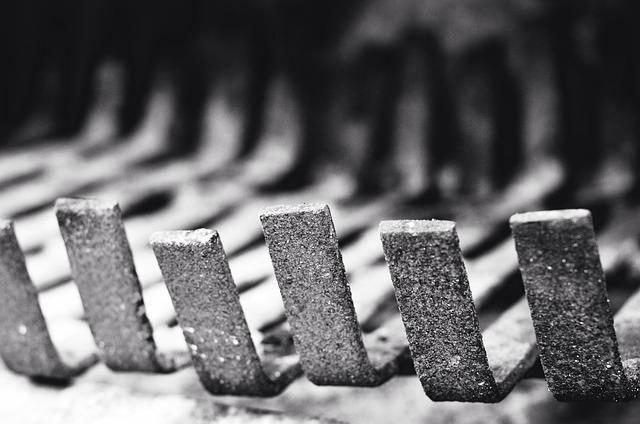
Grates coated in residue from previous cooks conduct heat unevenly and cause meat to stick, tearing the surface when it is moved or flipped. That tearing breaks the outer layer that helps contain internal juices during cooking. Clean grates also allow for better sear formation, which creates the flavorful crust that locks in moisture. A quick brush before and after each cook keeps the surface in the right condition for optimal results.
Sauce Too Early
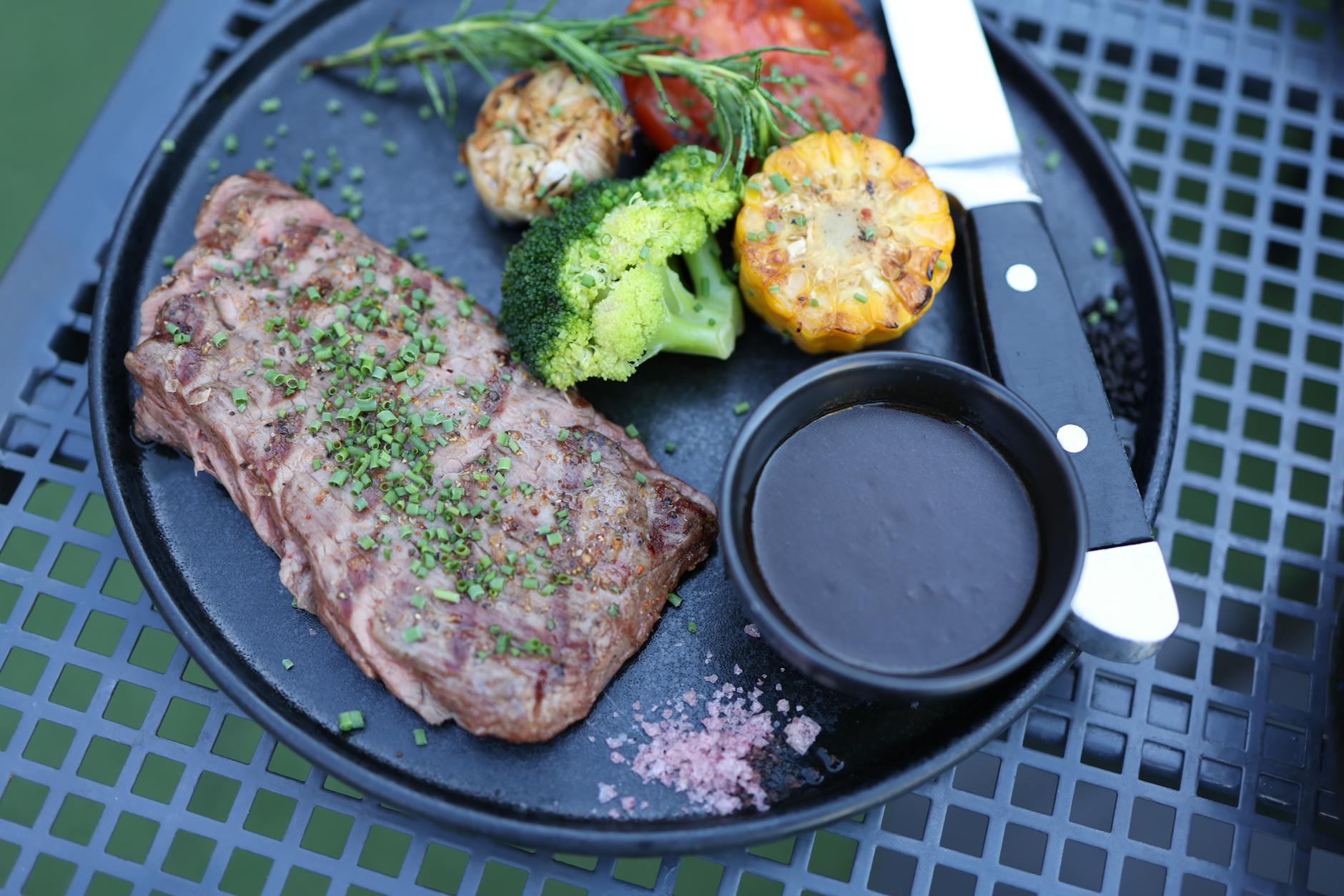
Applying barbecue sauce or other sugar-rich glazes too early in the cooking process causes them to caramelize and burn long before the meat is cooked through. The charred coating can give the false impression that the meat is done, leading to it being pulled off the heat prematurely or with an unpleasant bitter crust. Adding sauce in the final few minutes of cooking allows it to set and caramelize properly without burning. This timing protects both the flavor and the moisture content of the finished meat.
What grilling mistakes have you been guilty of making? Share your experiences and tips in the comments.




