
In any workplace, how a person carries themselves speaks volumes before a single word is exchanged. Certain habits and patterns can quietly undermine even the most talented professional, making it harder to earn trust and advance. Whether the setting is a corporate office or a remote team environment, some behaviors consistently stand out for all the wrong reasons. Understanding what these behaviors are is the first step toward building a stronger, more respected professional image.
Constant Lateness

Arriving late to meetings, shifts, or deadlines signals a lack of respect for other people’s time and priorities. It creates a ripple effect that disrupts schedules and forces colleagues to compensate or wait. Managers and peers tend to view habitual tardiness as a reflection of poor time management and unreliability. Even one or two instances can leave a lasting impression that is difficult to reverse. Consistently arriving on time is one of the simplest ways to demonstrate professionalism and accountability.
Phone Overuse

Frequently checking a personal phone during meetings or conversations suggests divided attention and disengagement. It communicates to others that whatever is on the screen is more important than the discussion at hand. This behavior is particularly damaging during presentations, one-on-one check-ins, or client interactions. Over time, it erodes trust and signals a lack of respect for the professional environment. Keeping the phone out of sight during work interactions is a small habit that makes a significant difference.
Gossip

Participating in workplace gossip damages reputations and erodes the trust of colleagues and leadership alike. Those who frequently discuss others in a negative light are often seen as untrustworthy and lacking in discretion. Gossip creates a toxic undercurrent that can fracture team dynamics and lower overall morale. People who engage in it are rarely considered for leadership roles or high-stakes responsibilities. Staying out of such conversations is a mark of maturity and professional integrity.
Interrupting Others
Cutting someone off mid-sentence during a conversation or meeting is widely viewed as dismissive and disrespectful. It communicates that the listener values their own thoughts more than what the speaker is saying. This behavior stifles open dialogue and can discourage others from contributing ideas altogether. It is particularly noticeable in group settings where the power dynamic is already sensitive. Allowing others to finish speaking before responding demonstrates confidence and emotional intelligence.
Poor Email Etiquette

Sending emails with spelling errors, vague subject lines, or an overly casual tone reflects poorly on professional judgment. Replying to professional correspondence with one-word answers or excessive informality can come across as dismissive. Failing to respond within a reasonable timeframe also signals poor organization and communication skills. Long, unfocused emails that bury the key message waste the reader’s time and create unnecessary confusion. Clear, concise, and well-structured communication is a foundational professional skill.
Negativity

A consistently negative attitude in the workplace drains team energy and makes collaboration significantly harder. Complaining frequently about tasks, colleagues, or company decisions positions a person as a problem identifier rather than a problem solver. This outlook can become contagious, affecting the broader mood and productivity of a team. Leaders and managers are unlikely to invest in someone who consistently brings down the energy of those around them. Approaching challenges with a constructive mindset is a quality that is noticed and valued at every level.
Taking Credit

Claiming ownership of work that was a team effort or was contributed by a colleague is a serious breach of professional trust. It signals insecurity and a willingness to compromise integrity for personal recognition. Once observed, this behavior is rarely forgotten by those affected, and it fundamentally damages working relationships. It also creates a false professional narrative that eventually becomes unsustainable. Acknowledging contributions openly and generously reflects well on character and leadership potential.
Messy Workspaces

A consistently cluttered or disorganized work area, whether physical or digital, can signal poor attention to detail. It creates a visual impression of carelessness that extends to assumptions about the quality of a person’s work. In shared environments, an untidy space can disrupt colleagues and reflect poorly on the team as a whole. During client visits or video calls, a chaotic background undermines credibility and professionalism. Maintaining an orderly environment demonstrates respect for the workspace and the people who share it.
Overpromising

Consistently committing to more than can be realistically delivered sets up a cycle of missed expectations and eroded credibility. It often stems from a desire to impress, but the long-term effect is the opposite of what was intended. When deadlines are missed or quality suffers, colleagues and managers lose confidence in future commitments. Reliable professionals are valued far more than those who overpromise and underdeliver. Setting honest, realistic expectations is a sign of self-awareness and professional strength.
Inappropriate Humor
Jokes or comments that are off-color, exclusionary, or tone-deaf to the professional context can alienate colleagues and create a hostile atmosphere. What feels lighthearted to one person may be offensive or uncomfortable to another, especially across cultural or generational lines. This type of humor can result in formal complaints and lasting reputational damage. Even in relaxed workplace cultures, there are clear lines between casual camaraderie and inappropriate conduct. Reading the room and calibrating humor to the environment is an essential professional skill.
Avoiding Accountability

Deflecting blame onto others or external circumstances when something goes wrong signals a lack of maturity and ownership. Colleagues and supervisors take note when someone consistently fails to acknowledge their role in a mistake or setback. This pattern erodes trust quickly, as it suggests the person cannot be relied upon under pressure. The ability to say “I got that wrong and here is how I will fix it” is one of the most respected qualities in any professional setting. Accountability is a cornerstone of long-term career credibility.
Passive Listening
Nodding along without genuinely absorbing or retaining what is being discussed leads to repeated mistakes and missed details. When someone regularly asks for information that was already shared, it signals inattentiveness and a lack of respect for the speaker’s time. Active listening, which involves full engagement and thoughtful response, is a skill that distinguishes effective collaborators from ineffective ones. In meetings and briefings, the habit of distracted listening creates bottlenecks and miscommunication. Focused, present listening is one of the most underrated professional competencies.
Skipping Preparation
Walking into meetings, presentations, or calls without adequate preparation is immediately apparent and reflects poorly on professional standards. It wastes the time of everyone involved and signals a lack of investment in the work and the team. Unprepared participants often derail discussions or require others to repeat information that was already communicated. This habit becomes especially damaging in high-stakes situations involving clients or senior leadership. Taking time to review materials and formulate thoughtful contributions beforehand is a baseline expectation in most professional settings.
Oversharing
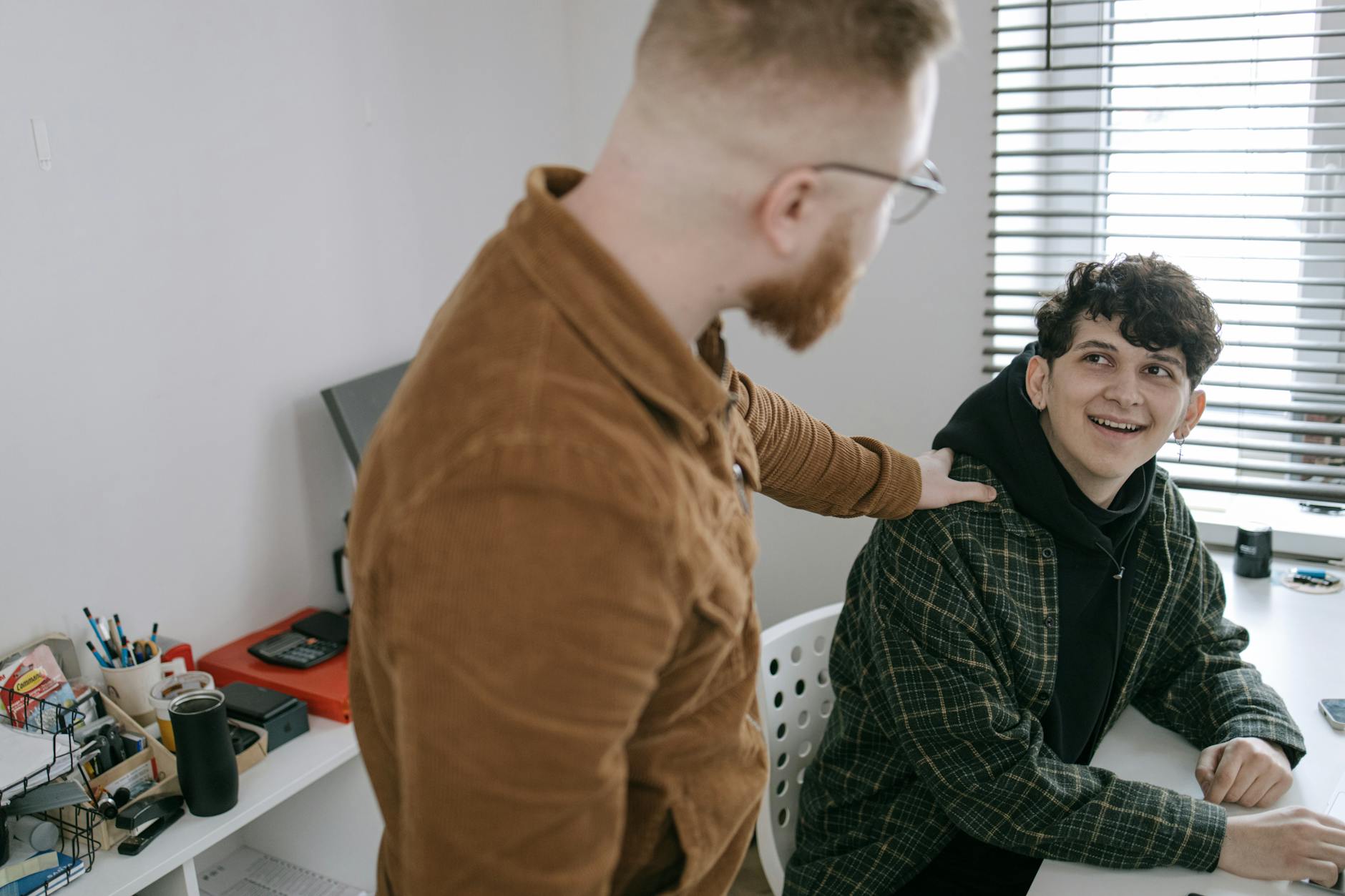
Disclosing excessive personal details in professional conversations can make colleagues feel uncomfortable and create awkward dynamics. There is a meaningful distinction between building rapport and crossing into territory that is more appropriate for close friendships. Oversharing about personal struggles, financial situations, or relationship issues can shift the professional dynamic in ways that are difficult to walk back. It can also raise questions about a person’s judgment and boundaries. Keeping personal disclosures proportionate to the depth of the professional relationship is a skill that preserves mutual comfort and respect.
Undermining Others

Subtly or openly discrediting colleagues in front of peers or leadership is one of the most damaging professional behaviors a person can exhibit. It can take the form of dismissive body language, condescending corrections, or strategically sharing unflattering information about a coworker. This conduct signals insecurity and a competitive mindset that prioritizes personal advancement over team success. Those who engage in it are often viewed as threats to workplace culture rather than assets to it. Lifting others up, especially in visible moments, is a far more effective strategy for building a strong professional reputation.
Which of these behaviors have you noticed in your workplace? Share your thoughts in the comments.




