
A traffic stop can be a stressful experience, and the words chosen in those moments can make a significant difference in how the interaction unfolds. Officers are trained to assess situations quickly, and certain phrases can immediately escalate tension or create legal complications for the driver. Understanding what not to say is just as important as knowing your rights. Being mindful of language during a stop can help the encounter remain calm, professional, and brief.
“Do You Know Who I Am?”
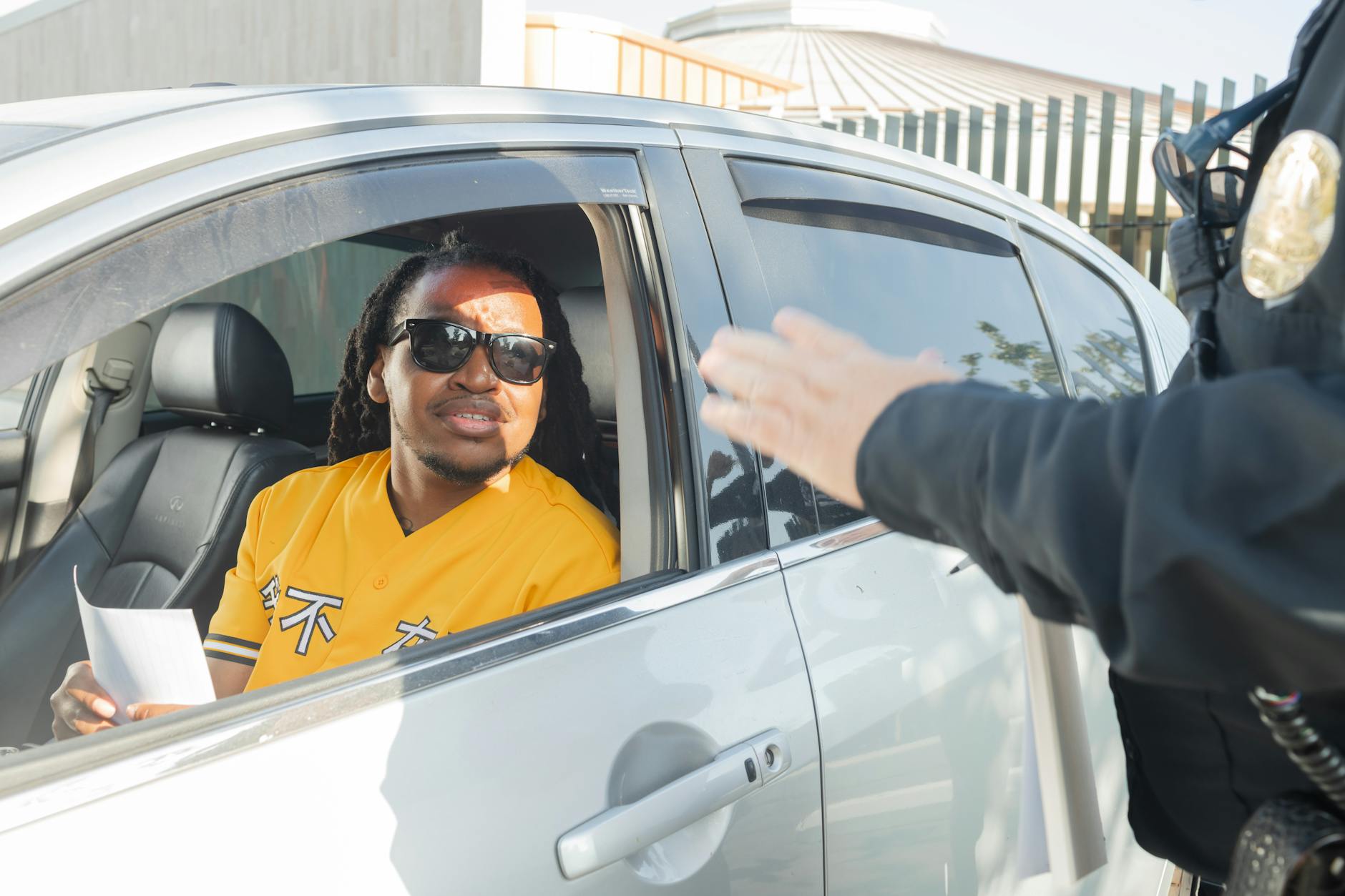
This phrase is widely regarded as one of the most counterproductive things a driver can say during a traffic stop. It implies that the driver believes their social status or connections should exempt them from standard law enforcement procedures. Officers are trained to treat all individuals equally regardless of profession, wealth, or social standing. Invoking personal importance rarely results in leniency and often creates a negative impression immediately. It signals a lack of respect for the officer’s authority and can prolong the interaction unnecessarily.
“I Only Had Two Drinks”

Volunteering information about alcohol consumption is almost never in a driver’s best interest during a traffic stop. This kind of admission can give an officer reasonable cause to conduct further sobriety testing even if none was initially planned. What a driver considers a harmless amount may still be legally significant depending on jurisdiction and blood alcohol level. The statement essentially opens the door to a deeper investigation that could have been avoided entirely. Drivers are generally better served by remaining calm and not offering unsolicited personal details.
“I Pay Your Salary”
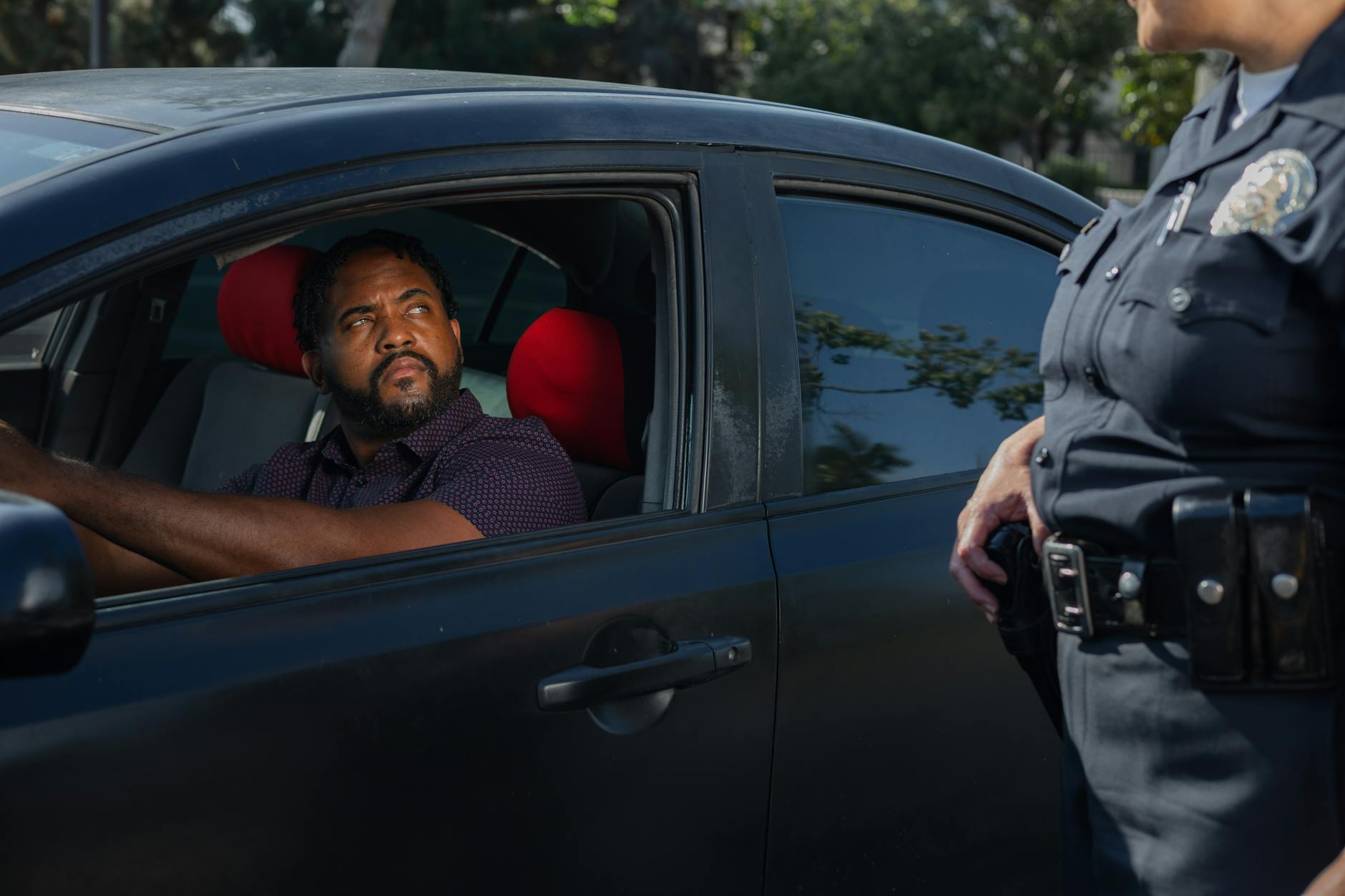
This comment is one of the quickest ways to create hostility during what might otherwise be a routine interaction. It is perceived as condescending and dismissive of the officer’s professional role and responsibilities. Rather than inspiring leniency, it tends to put officers on the defensive and signals an adversarial attitude from the outset. The statement has no legal bearing whatsoever on the outcome of a traffic stop. Most officers have heard it many times and it consistently reflects poorly on the person who says it.
“I Wasn’t Speeding”
Immediately disputing the reason for a stop before hearing the officer out is a common mistake many drivers make. It sets a confrontational tone right from the beginning of the interaction before any information has been exchanged. Officers have access to radar readings, camera footage, and other documentation that supports their observations. Denying the violation outright does not make it disappear and can make a driver appear uncooperative. Any factual disputes are far better handled through the proper legal channels such as contesting a ticket in court.
“I Know My Rights”

While it is genuinely important for citizens to understand their legal rights, announcing this phrase aggressively during a stop often backfires. It tends to signal confrontation rather than cooperation and can make officers more cautious about the interaction. The phrasing often comes across as a challenge rather than a statement of fact, which can escalate unnecessary tension. Exercising rights calmly and without provocation is always the more effective approach. Attorneys consistently advise clients that asserting rights quietly and politely is far more productive than announcing them combatively.
“You’re Wasting My Time”

Expressing impatience or frustration directly to an officer during a stop is unlikely to speed up the process and may actually slow it down. Officers have professional discretion in how they conduct a stop and how thoroughly they proceed. Showing disrespect for the officer’s time sends a clear message that the driver is not taking the interaction seriously. Traffic enforcement procedures exist for public safety reasons and dismissing them as a waste of time is considered disrespectful. Patience and a composed demeanor consistently lead to shorter and smoother traffic stop interactions.
“Just Write the Ticket Already”
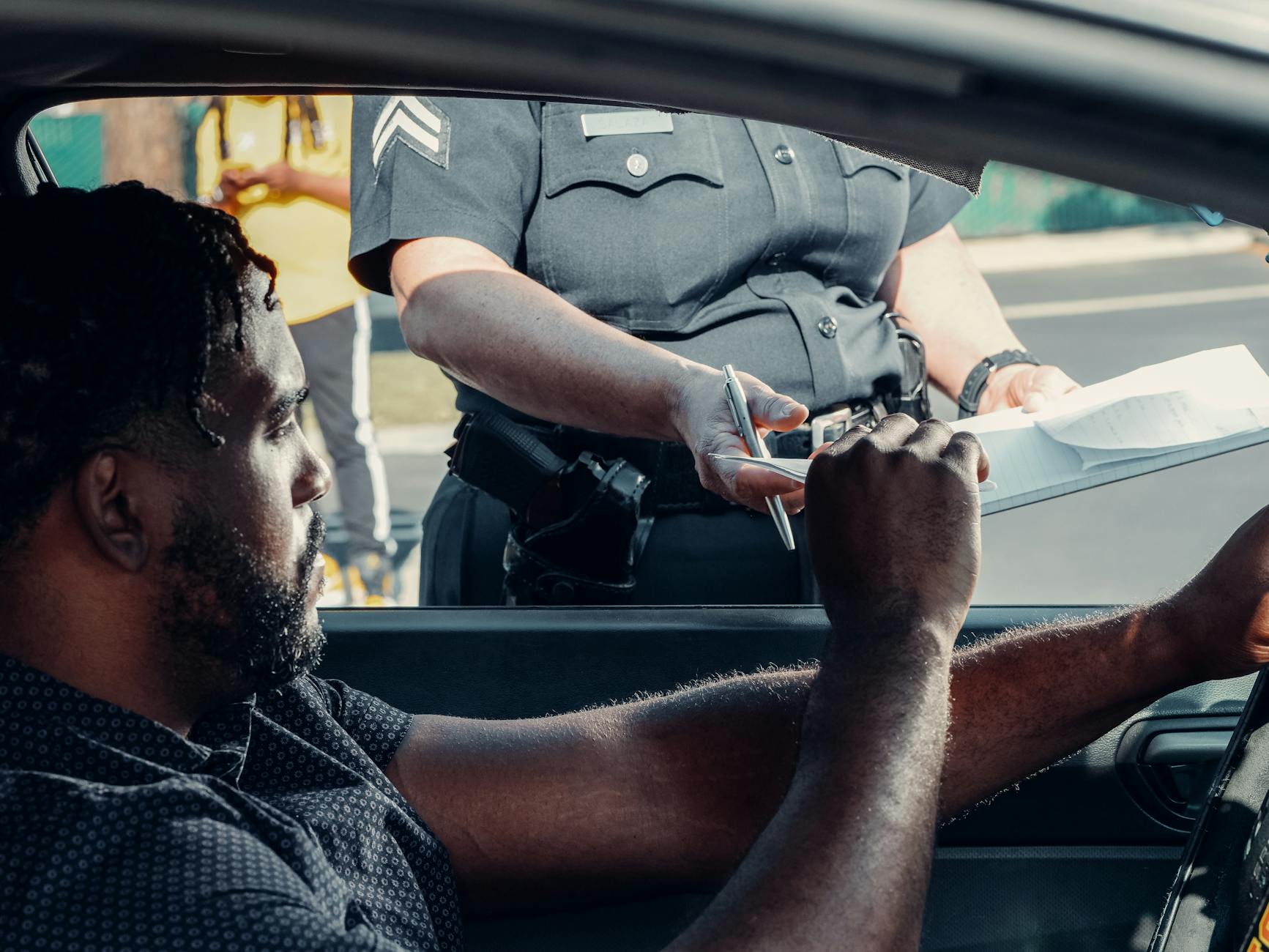
Rushing or pressuring an officer to conclude the stop quickly is interpreted as rude and uncooperative behavior. Officers may take additional time to review documents, run checks, or observe the vehicle and its occupants as part of standard procedure. Pressuring them to hurry through these steps can raise suspicion and encourage a more thorough inspection. What begins as impatience can turn into an extended stop that involves additional scrutiny. Remaining calm and allowing the process to proceed at its natural pace is consistently the better strategy.
“I Wasn’t Doing Anything Wrong”

Broadly declaring innocence without any specific information rarely helps a driver’s situation during a traffic stop. This kind of statement can come across as dismissive and uncooperative from the officer’s perspective. It provides no useful information and does nothing to resolve the reason the stop was initiated in the first place. Officers are responding to specific observed behaviors and a blanket denial does not address those observations. Staying composed and waiting to understand the reason for the stop is a far more constructive approach.
“My Friend Is a Lawyer”

Namedropping a legal connection is a classic attempt to intimidate or impress an officer that rarely produces the desired effect. Officers are not deterred by the existence of a driver’s personal or professional connections in the legal field. The statement can come across as a veiled threat and may cause the officer to proceed even more carefully and thoroughly. Actual legal counsel is something a person exercises after a stop, not during one by proxy. If legal representation is genuinely needed, it should be sought through proper channels following the interaction.
“Go Ahead and Search, I Have Nothing to Hide”
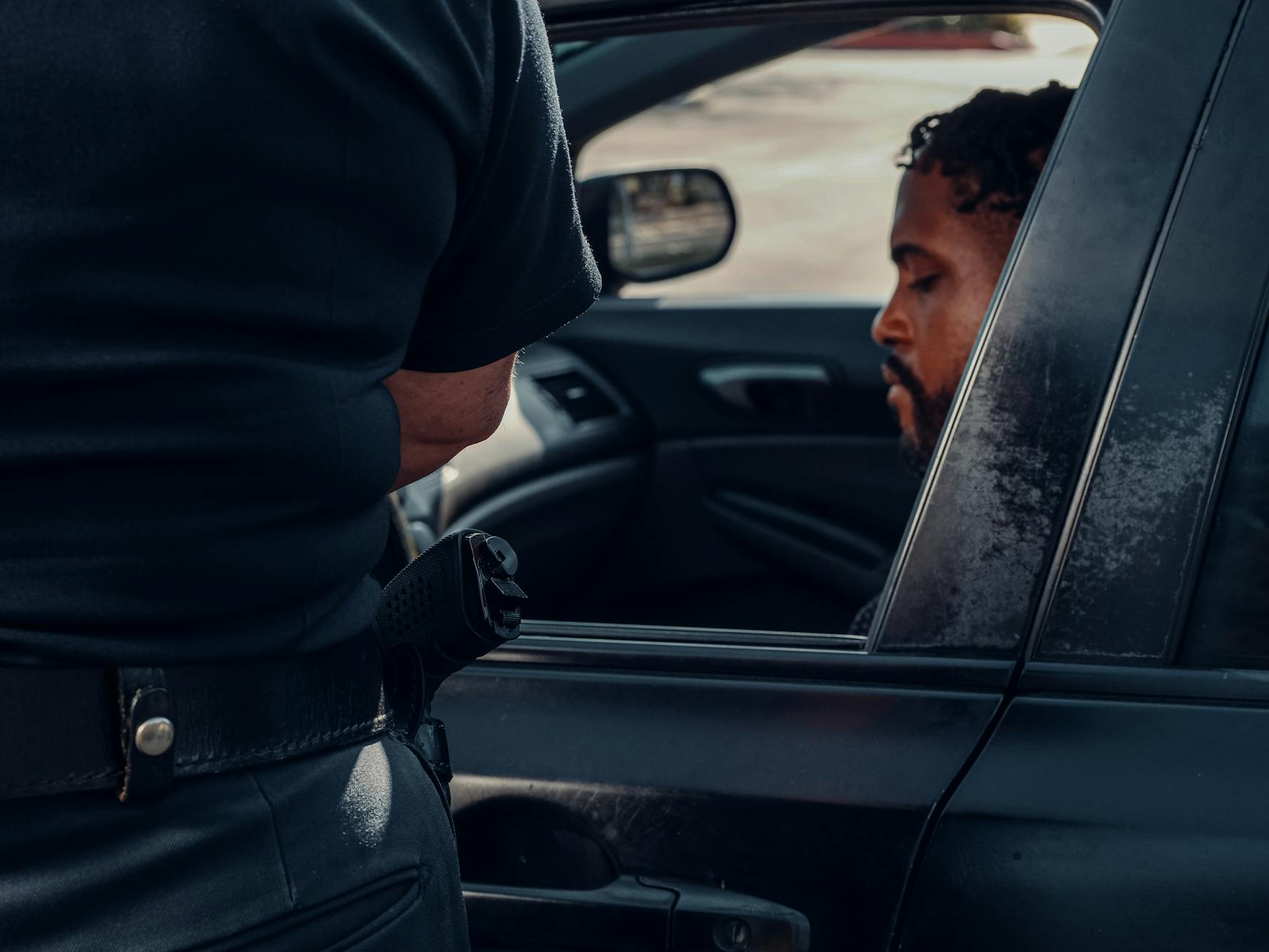
This phrase may sound cooperative but it carries significant legal implications that many drivers do not fully consider. Granting verbal consent to a search waives important Fourth Amendment protections that might otherwise apply to the situation. Even when a driver is entirely confident there is nothing problematic in the vehicle, consenting to a search creates legal exposure. Officers may find items belonging to other people or misidentify legal belongings as something else entirely. Legal experts consistently advise drivers to politely but clearly decline consent to any search without a warrant.
“Can’t You Let Me Off With a Warning?”
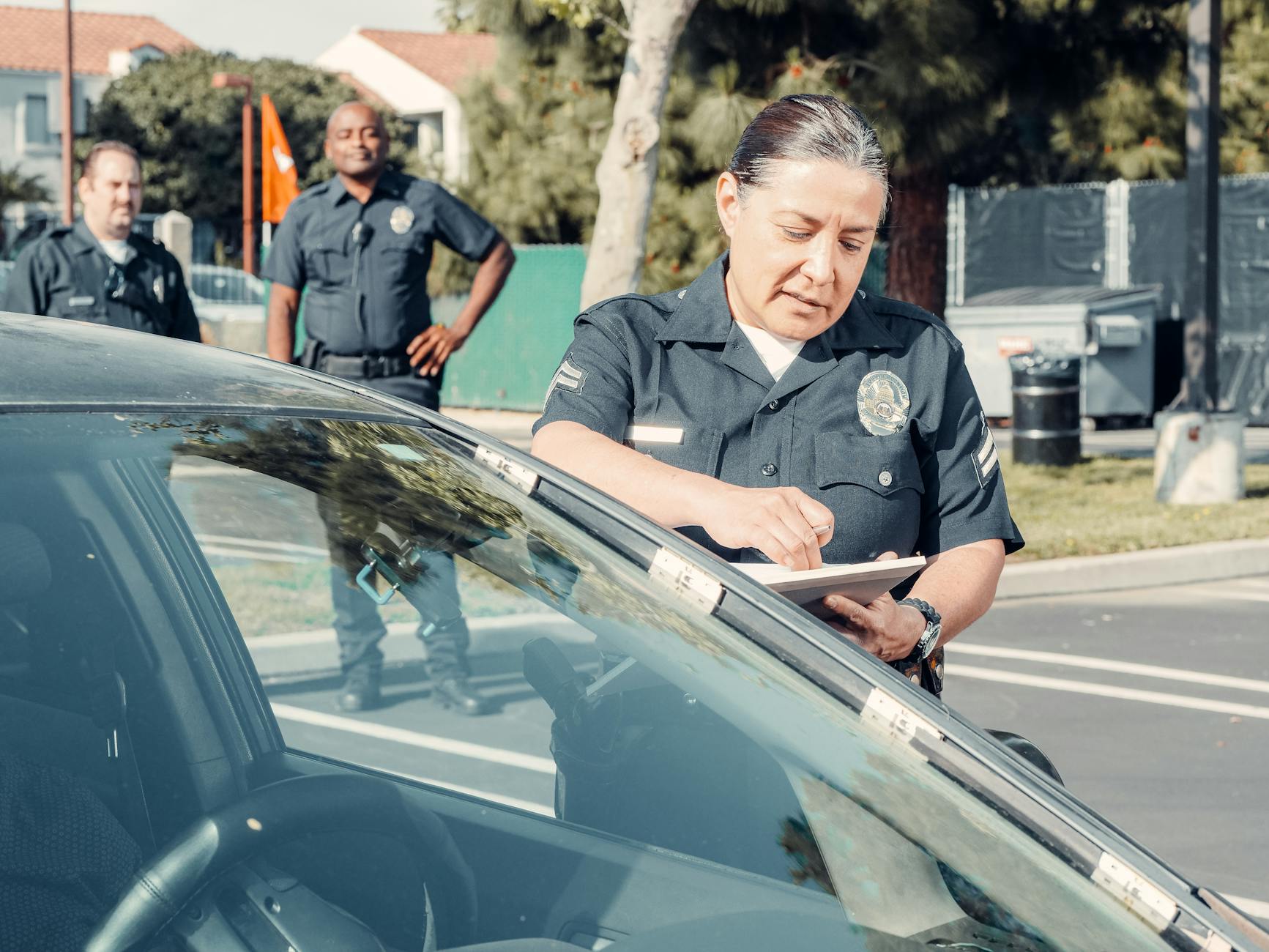
Directly asking for a warning puts both the driver and the officer in an awkward position during an already tense interaction. It can come across as an attempt to negotiate a professional obligation away through personal appeal. Officers make the decision about warnings based on their own assessment of the situation and they do not respond well to being lobbied. The request may actually reduce the likelihood of leniency by suggesting the driver is prioritizing outcome over compliance. Polite and cooperative behavior throughout the stop is far more likely to result in a favorable outcome than direct appeals.
“This Is Harassment”

Accusing an officer of harassment during a routine traffic stop is a serious allegation that escalates the situation rapidly. Unless there is genuine misconduct occurring, making this claim puts the interaction on an adversarial footing with no clear benefit to the driver. Officers who are conducting a lawful stop have legal authority to do so and the accusation is unlikely to end the interaction. Complaints about police conduct are legitimate when warranted but must be pursued through the appropriate formal channels. Using the word as an expression of frustration during a stop tends to make the situation significantly worse.
“I’ll Be Reporting You”
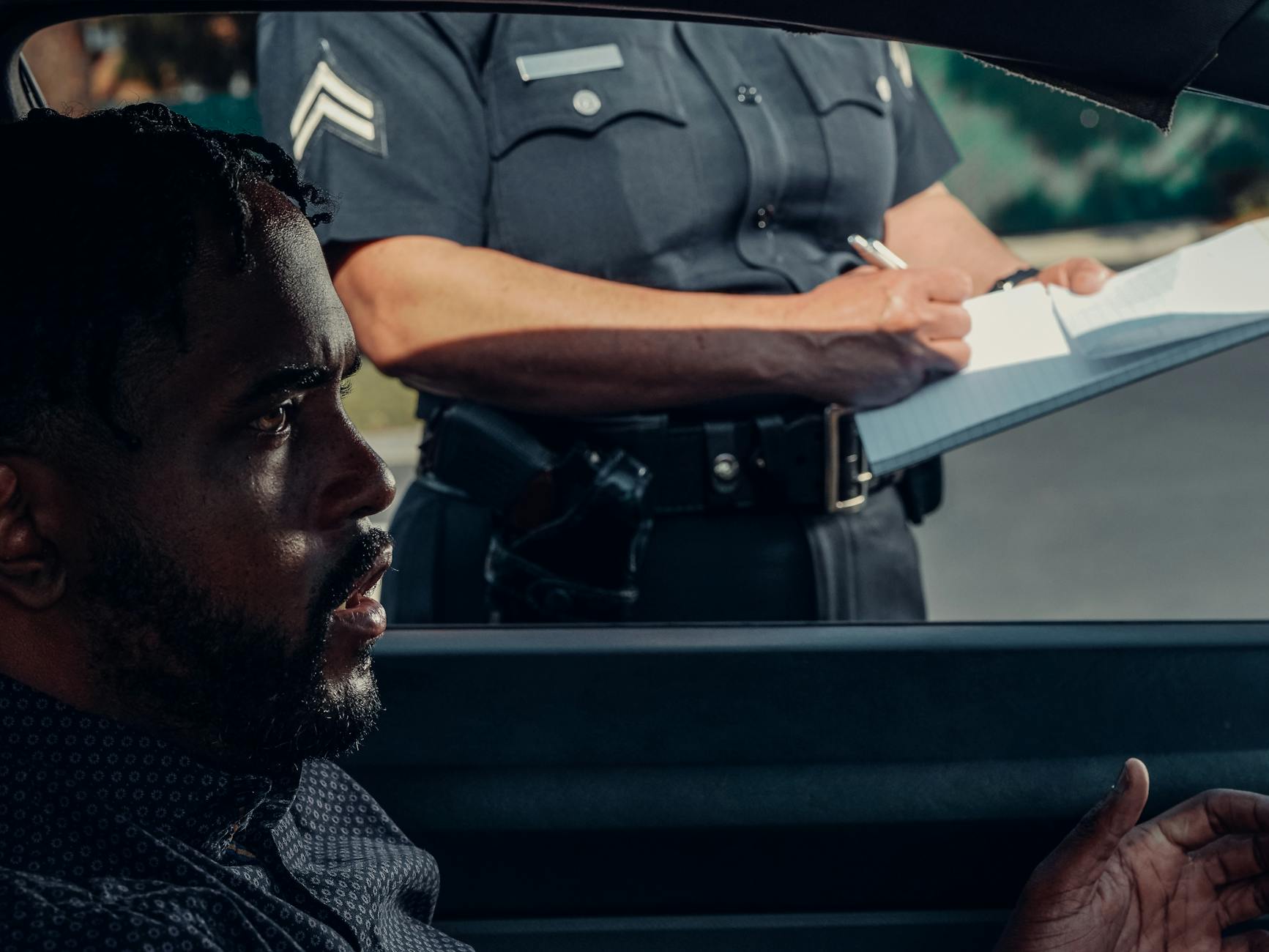
Threatening to file a complaint during an active traffic stop is unlikely to produce the intimidating effect the driver might be hoping for. Officers are generally well trained in proper procedure and confident in their conduct during routine stops. The threat shifts the interaction from a professional exchange to a confrontational standoff. If a driver genuinely believes misconduct has occurred, reporting it afterward through official channels is the appropriate and effective course of action. Using the threat preemptively as a pressure tactic typically only prolongs and complicates the stop.
“I Wasn’t Paying Attention”

Admitting inattention behind the wheel is essentially a confession to distracted driving, which is a traffic violation in most jurisdictions. A driver may intend the comment as an honest or casual explanation but it carries real legal weight in the moment. Officers can and do use statements made at the scene as evidence in subsequent legal proceedings. What feels like an informal conversation during a stop can have formal consequences that extend well beyond it. Drivers are generally advised to answer questions honestly but concisely and to avoid volunteering self-incriminating details.
“This Is a Free Country”

Invoking broad philosophical notions of freedom during a traffic stop does nothing to change the legal reality of the situation. Traffic laws are legally enforceable regardless of personal beliefs about liberty or government authority. The statement tends to signal that the driver is not approaching the interaction in a cooperative or practical way. Officers are tasked with enforcing specific statutes and abstract arguments about freedom have no standing in that context. Keeping the conversation grounded and respectful is consistently the most effective way to navigate a traffic stop efficiently.
Have you ever been in an awkward traffic stop situation or witnessed someone say the wrong thing to an officer? Share your thoughts and experiences in the comments.




