
Hospital visits are a meaningful way to show support for someone going through a difficult time, but even well-intentioned visitors can unintentionally cause stress or discomfort. Understanding proper hospital etiquette helps ensure the patient feels genuinely cared for rather than overwhelmed. A little preparation and awareness can make a significant difference in the quality of the visit. The following common mistakes are worth knowing before walking through those hospital doors.
Overstaying the Visit

Many visitors underestimate how exhausting hospitalization can be for a patient, even when they appear to be in good spirits. The body requires significant energy to heal, and lengthy visits can deplete that reserve quickly. A visit lasting between fifteen and thirty minutes is generally considered appropriate unless the patient explicitly encourages a longer stay. Paying attention to the patient’s energy level and body language is the best guide for knowing when to wrap things up.
Strong Perfume

Wearing heavily scented products to a hospital is one of the most overlooked yet impactful mistakes a visitor can make. Many patients experience heightened sensitivity to smells due to medication, nausea, or respiratory conditions. Strong fragrances can trigger headaches, allergic reactions, or breathing difficulties in an already vulnerable person. Arriving fragrance-free shows consideration for both the patient and others sharing the ward or room.
Bringing Uninvited Guests
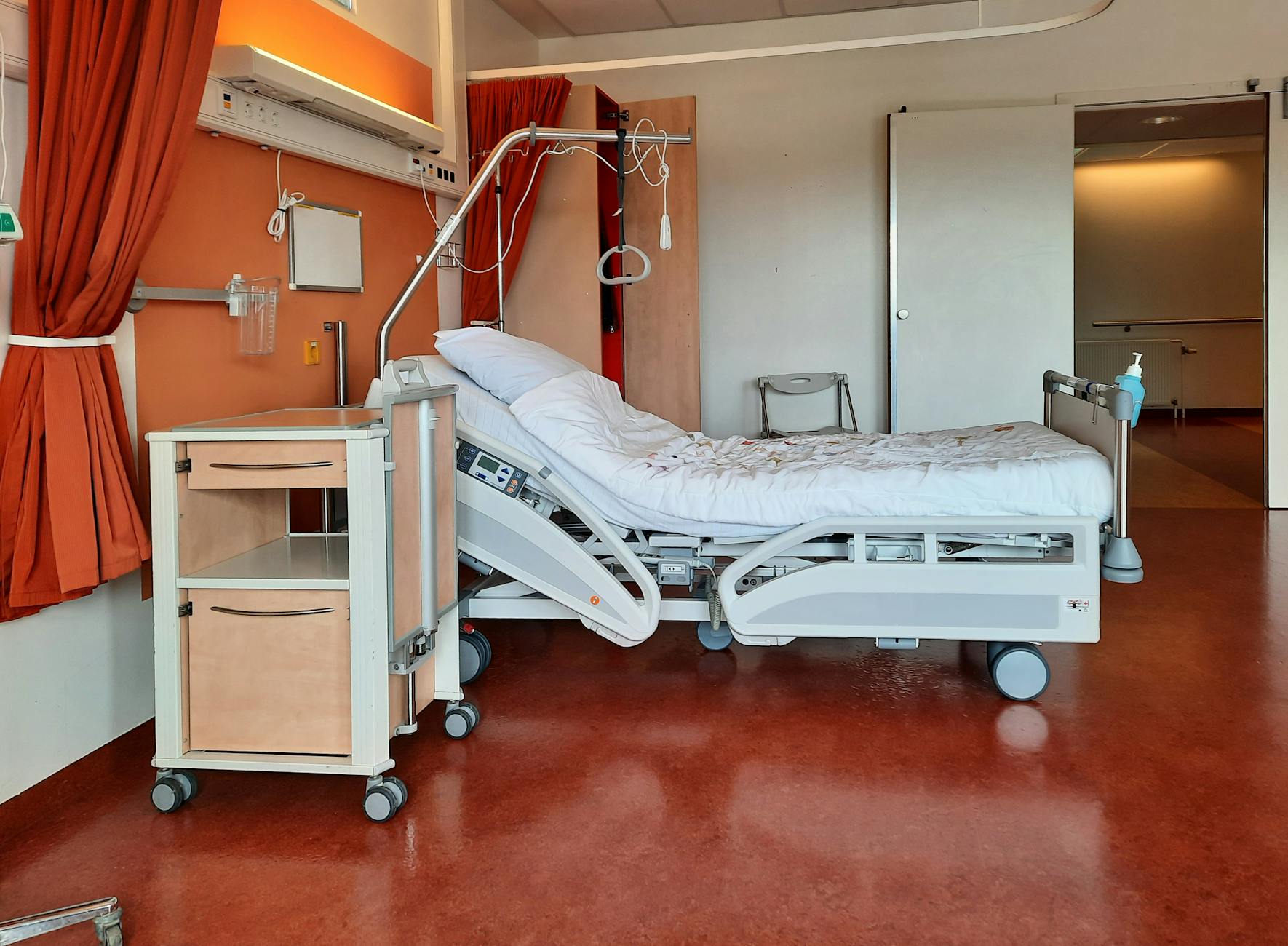
Showing up with additional visitors who were not expected or approved can be overwhelming for someone who is unwell. Hospitals often have strict visitor limits per room, and exceeding those numbers can create tension with nursing staff. The patient may also feel pressure to be social and attentive when their energy is best spent resting. Always confirm in advance how many people are welcome before arriving as a group.
Unsolicited Medical Advice

Offering personal health opinions or suggesting alternative treatments to someone receiving professional medical care is rarely helpful. Patients are already navigating a complex set of decisions and instructions from their care team. Introducing unsolicited advice can create confusion, anxiety, or self-doubt about the treatment they are receiving. Supportive conversation focuses on emotional connection rather than medical commentary.
Loud Conversations
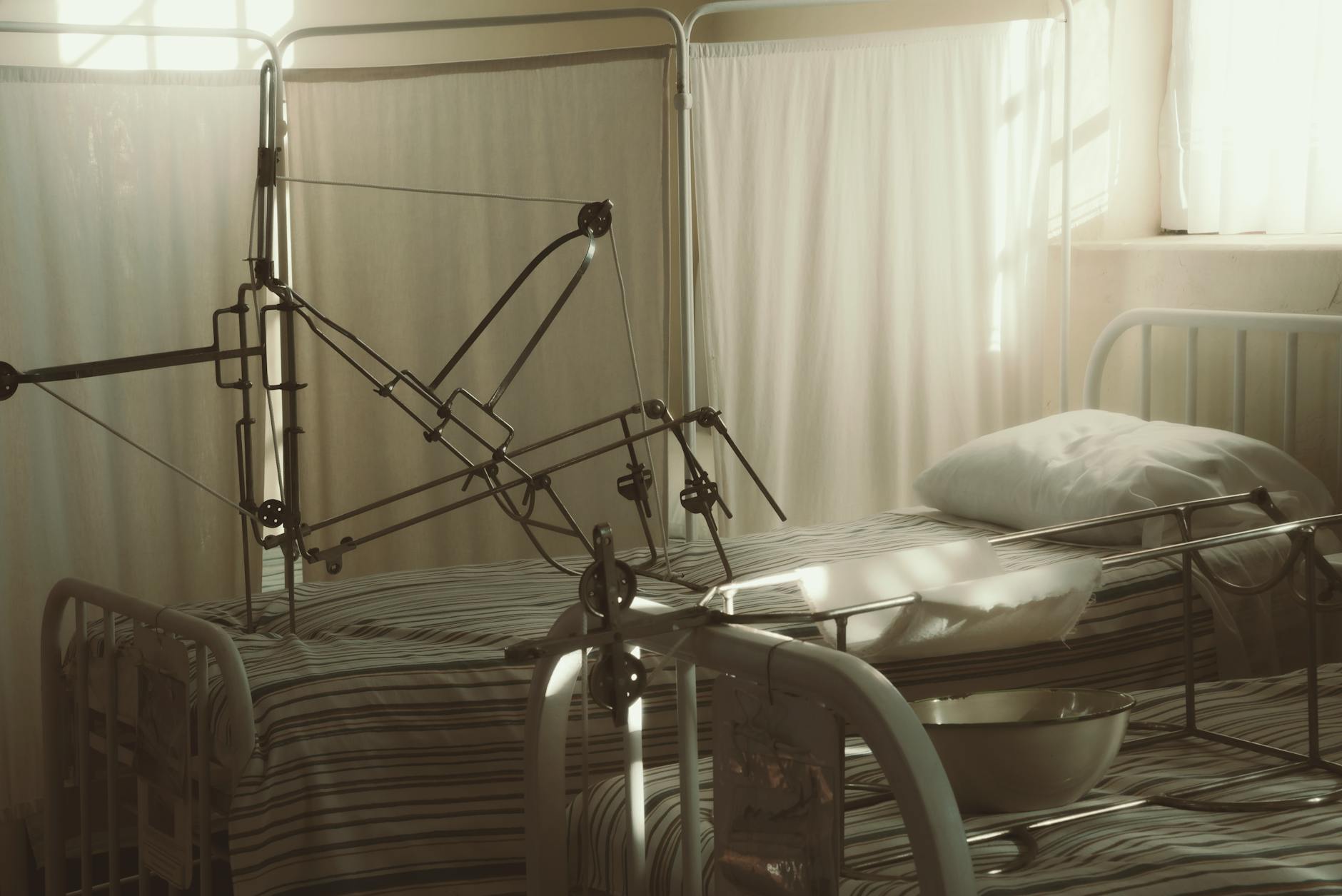
Speaking at a high volume in a hospital room or hallway disrupts not only the patient being visited but also others trying to rest nearby. Hospitals are shared spaces where noise levels directly affect the recovery environment for everyone present. Keeping voices low and phones on silent demonstrates respect for the broader ward community. A calm, quiet presence is far more comforting than an energetic or boisterous one.
Talking Excessively About Yourself

Visits intended to support a patient can sometimes drift into lengthy personal updates from the visitor, leaving the ill person feeling sidelined. While light conversation is welcome and encouraged, the focus of the visit should remain on the patient’s comfort and needs. Sharing a brief personal story to lighten the mood is different from dominating the conversation entirely. Active listening is one of the most meaningful gifts a visitor can offer during a hospital stay.
Bringing the Wrong Food

Arriving with food or beverages without first checking whether the patient is permitted to eat them can cause complications. Many hospital patients are on strict dietary restrictions due to surgery, medication, or underlying conditions. Even seemingly harmless items like fruit juice or chocolate can interfere with treatment protocols. A quick call to a family member or the nursing station beforehand prevents a well-meaning gesture from becoming a problem.
Visible Distress

Crying, expressing panic, or repeatedly asking how serious the condition is can increase the emotional burden on the patient. People who are ill often feel a responsibility to comfort distressed visitors, which exhausts them unnecessarily. Maintaining a composed and positive demeanor helps create a calm and reassuring atmosphere in the room. Grief or worry is natural, but it is best processed outside of the patient’s presence.
Ignoring Visiting Hours

Arriving outside of designated visiting hours disrupts the hospital’s care schedule and may result in the visit being denied entirely. These hours exist to ensure patients receive uninterrupted rest, meals, and medical attention at scheduled times. Even when a patient is a close friend or family member, respecting the hospital’s policies is essential. Checking the specific visiting hours of the ward or unit before leaving home avoids an unnecessary and frustrating trip.
Posting on Social Media
Sharing updates, photos, or details about a patient’s condition on social media without their explicit permission is a serious breach of privacy. Medical situations are deeply personal, and the patient has the right to control who receives information about their health. Even posts intended to gather support or well-wishes can cause distress if the patient has not consented to public sharing. It is always best to ask directly before mentioning a hospital stay on any platform.
Monopolizing the Room
When multiple visitors are present, some individuals unintentionally dominate the space by standing near the bed, directing conversation, or making themselves the focal point. This can make it difficult for nursing staff to access the patient and leaves others feeling uncomfortable. Being mindful of physical space and taking turns sitting close to the patient creates a more balanced and considerate visit. The patient’s physical comfort and ease of access to care always takes priority.
Asking for Diagnosis Details

Repeatedly pressing a patient for detailed information about their diagnosis, prognosis, or treatment plan puts them in an uncomfortable position. Some people are still processing their own medical information and may not be ready to discuss it openly. Others may have chosen to share limited details for personal reasons. Following the patient’s lead on how much they wish to disclose shows respect for their emotional boundaries.
Using the Patient’s Bathroom
Using the bathroom in a hospital patient’s room is generally considered inappropriate unless given explicit permission or in a genuine emergency. These rooms are clinical spaces with specific hygiene protocols in place to protect the patient. Visitors have access to public restrooms throughout the hospital facility. Keeping the patient’s immediate space reserved for their care needs is a small but important sign of respect.
Bringing Young Children Unprepared
Bringing young children to a hospital visit without preparing them for the environment can lead to disruptive behavior that stresses both the patient and other visitors. Children may react with fear, loud questions, or restlessness when confronted with medical equipment, unfamiliar smells, or a visibly unwell adult. If bringing children is necessary, speaking with them beforehand about expected behavior and what they might see helps manage the experience. Some wards also have age restrictions that should be confirmed before the visit.
Forgetting to Wash Hands
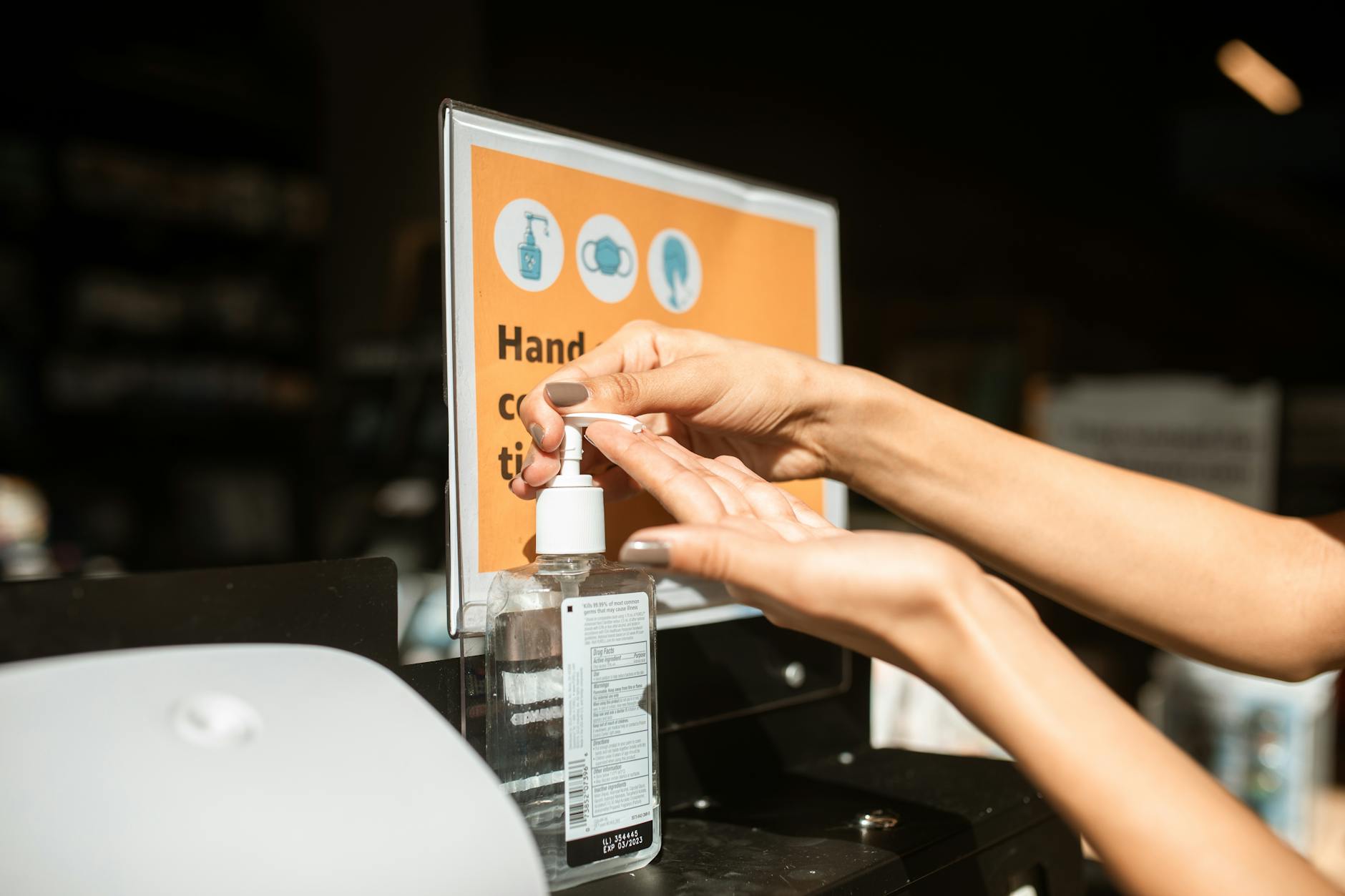
Failing to wash hands upon entering and leaving a hospital room is one of the most consequential oversights a visitor can make. Hospitals are environments where patients have weakened immune systems, making them significantly more susceptible to infection. Hand-washing stations and sanitizer dispensers are positioned throughout facilities precisely because hand hygiene is a critical line of defense. Taking sixty seconds to clean hands properly before touching anything in the room protects the patient in a real and measurable way.
Have you ever witnessed any of these hospital visit mistakes firsthand? Share your thoughts and experiences in the comments.




