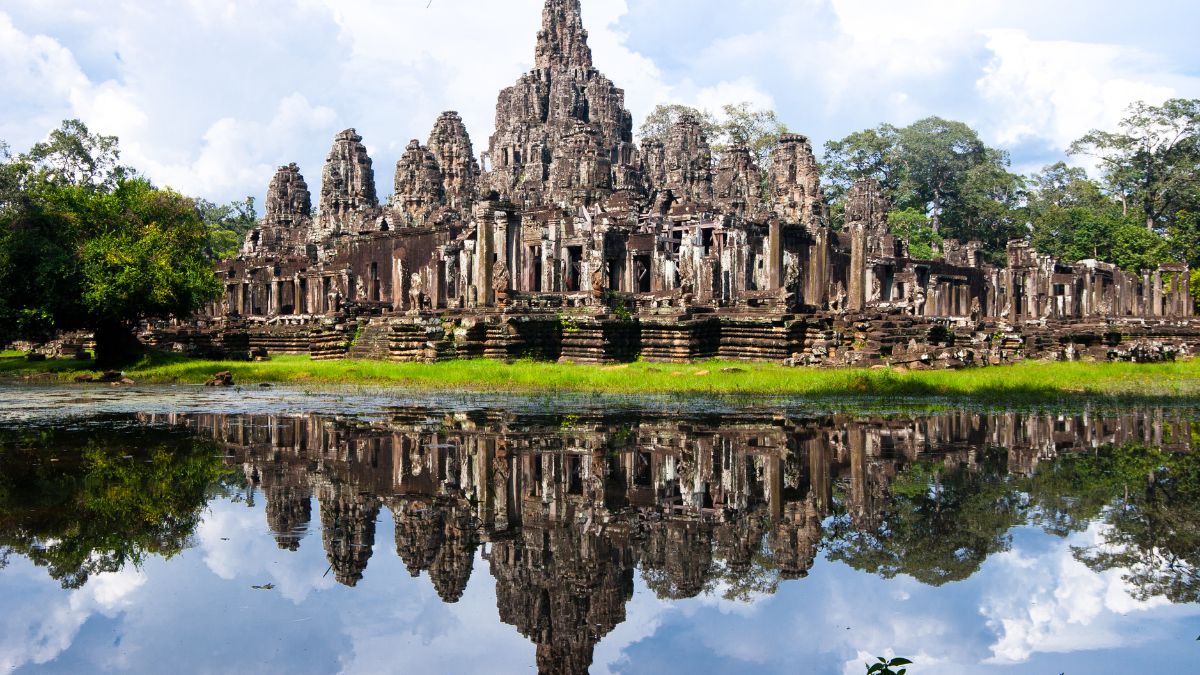
Some of the world’s most photogenic destinations come with a quiet warning from the people who actually live there. Postcards and travel feeds rarely capture the full picture of a city’s daily reality for residents. From relentless crowds to tourist-driven price surges, certain places have seen their authentic character slowly overwhelmed by mass visitation. Understanding what locals experience can help travelers make more thoughtful choices about where and how they explore. These 25 stunning cities are ones where residents themselves often wish visitors would look a little closer before booking.
Venice
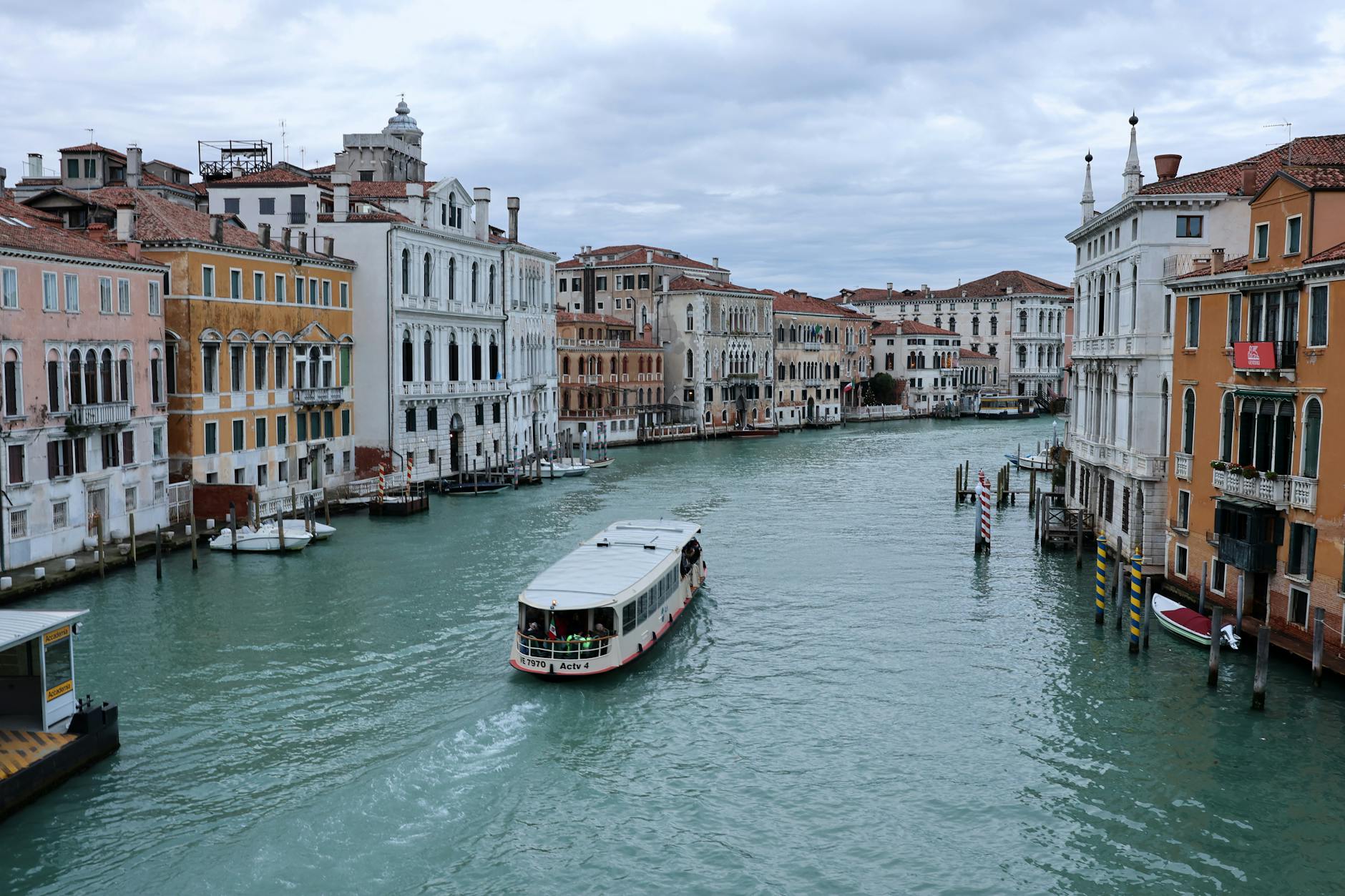
Venice is widely regarded as one of the most architecturally extraordinary cities on earth, drawing tens of millions of visitors each year to its canals and palazzos. Locals have grown increasingly vocal about the strain that tourism places on the city’s infrastructure and daily life. Grocery stores are being replaced by souvenir shops, and the permanent resident population has dropped dramatically over the past few decades. Vaporettos are packed beyond comfort during peak season, making ordinary commutes nearly impossible for those who actually live there. The city remains breathtaking to behold, but its transformation into an open-air museum concerns those who call it home.
Barcelona
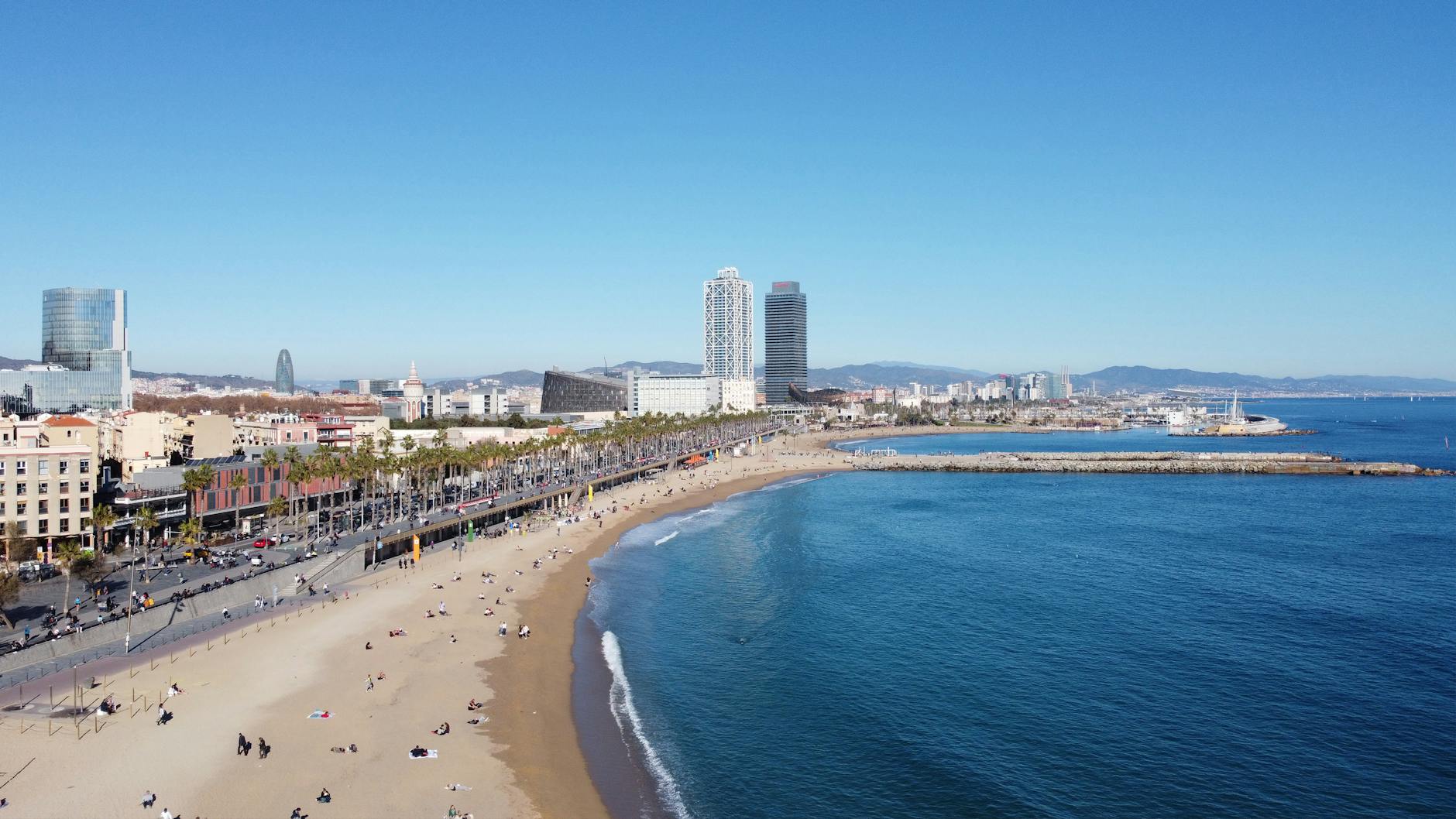
Barcelona is a world-class city celebrated for its modernist architecture, golden beaches, and vibrant cultural scene. In recent years, locals have staged public protests calling for limits on tourist numbers, particularly in the Gothic Quarter and along La Barceloneta beach. Short-term rental platforms have driven up housing costs significantly, pushing long-term residents further from the city center. Street congestion and noise levels in popular neighborhoods have made ordinary life noticeably more difficult for those not involved in the tourism industry. The city’s beauty is undeniable, but its residents are navigating a complicated relationship with its global popularity.
Dubrovnik
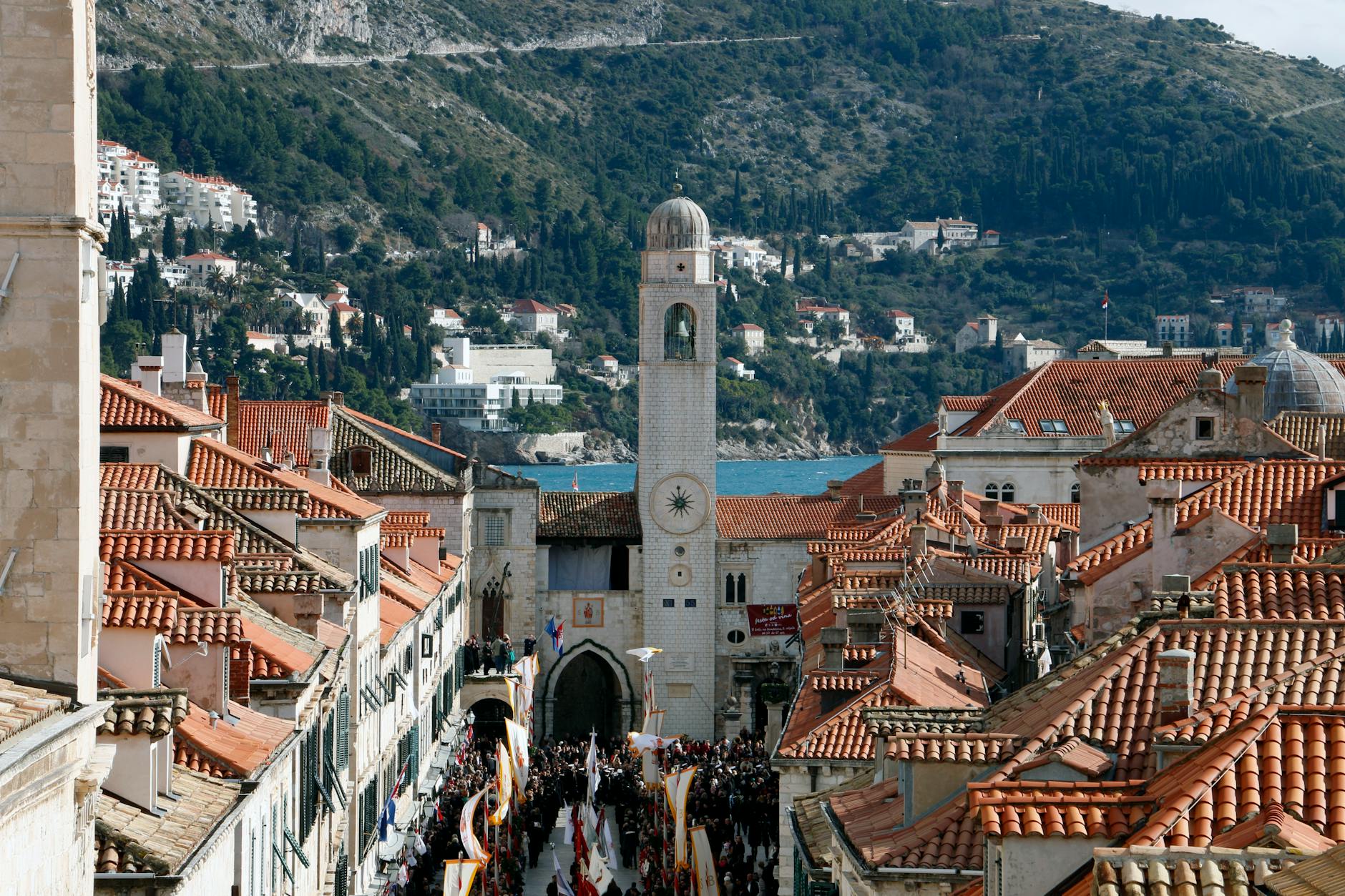
Dubrovnik’s limestone walls, terracotta rooftops, and Adriatic backdrop have made it one of the most recognizable cities in Europe. Cruise ships bring thousands of visitors daily into the Old Town, creating bottlenecks in its narrow medieval streets. Local authorities have implemented visitor caps and restricted cruise ship dockings in an effort to manage the flow. Residents who live within the walls report that shopping, parking, and quiet have all become increasingly rare commodities. The city’s fame, amplified by its role as a filming location for a popular television series, has made managing daily life a genuine challenge.
Amsterdam
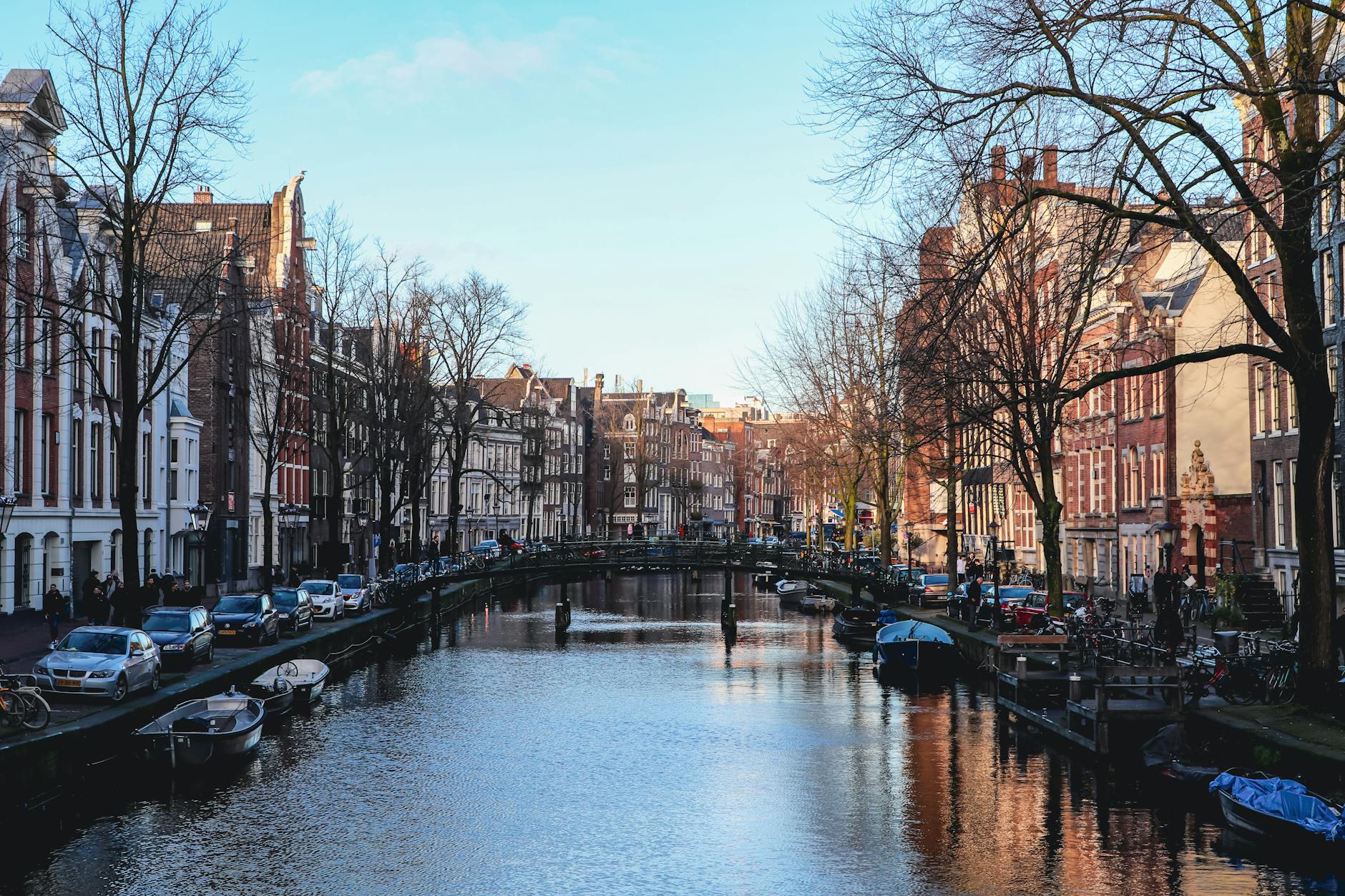
Amsterdam’s canal houses, world-class museums, and cycling culture make it one of Europe’s most beloved destinations. City officials have taken the unusual step of actively discouraging certain types of visitors through public campaigns in recent years. The concentration of tourism in the red-light district and along the main canal belt has contributed to noise complaints and housing pressures in central neighborhoods. Locals note that the city’s authentic character is increasingly difficult to access amid the density of tourist-oriented businesses. Amsterdam remains a genuinely remarkable place to visit, but its residents have been among the most outspoken in Europe about the costs of overtourism.
Santorini
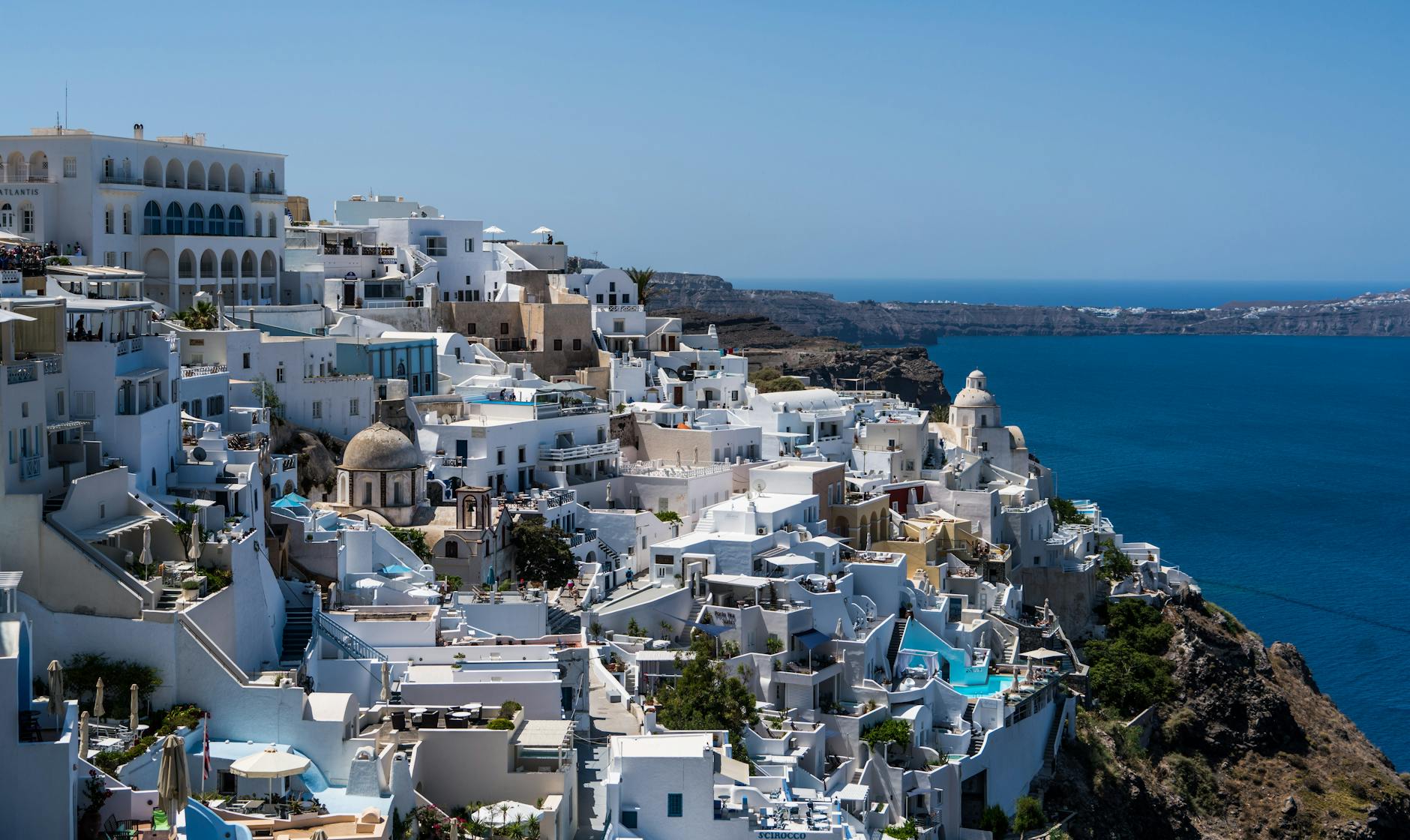
Santorini’s white-washed cliffs, blue-domed churches, and volcanic sunsets have made it one of the most photographed islands in the world. The narrow walking paths of Oia and Fira become severely congested during summer months, with visitors often waiting in long queues just to reach a viewpoint. Local residents describe a seasonal transformation in which the island’s population swells to many times its year-round size within just a few weeks. Water scarcity and waste management are ongoing logistical concerns that locals navigate alongside the tourist season each year. The island’s beauty draws millions, but its permanent community faces very real pressures as a result.
Prague
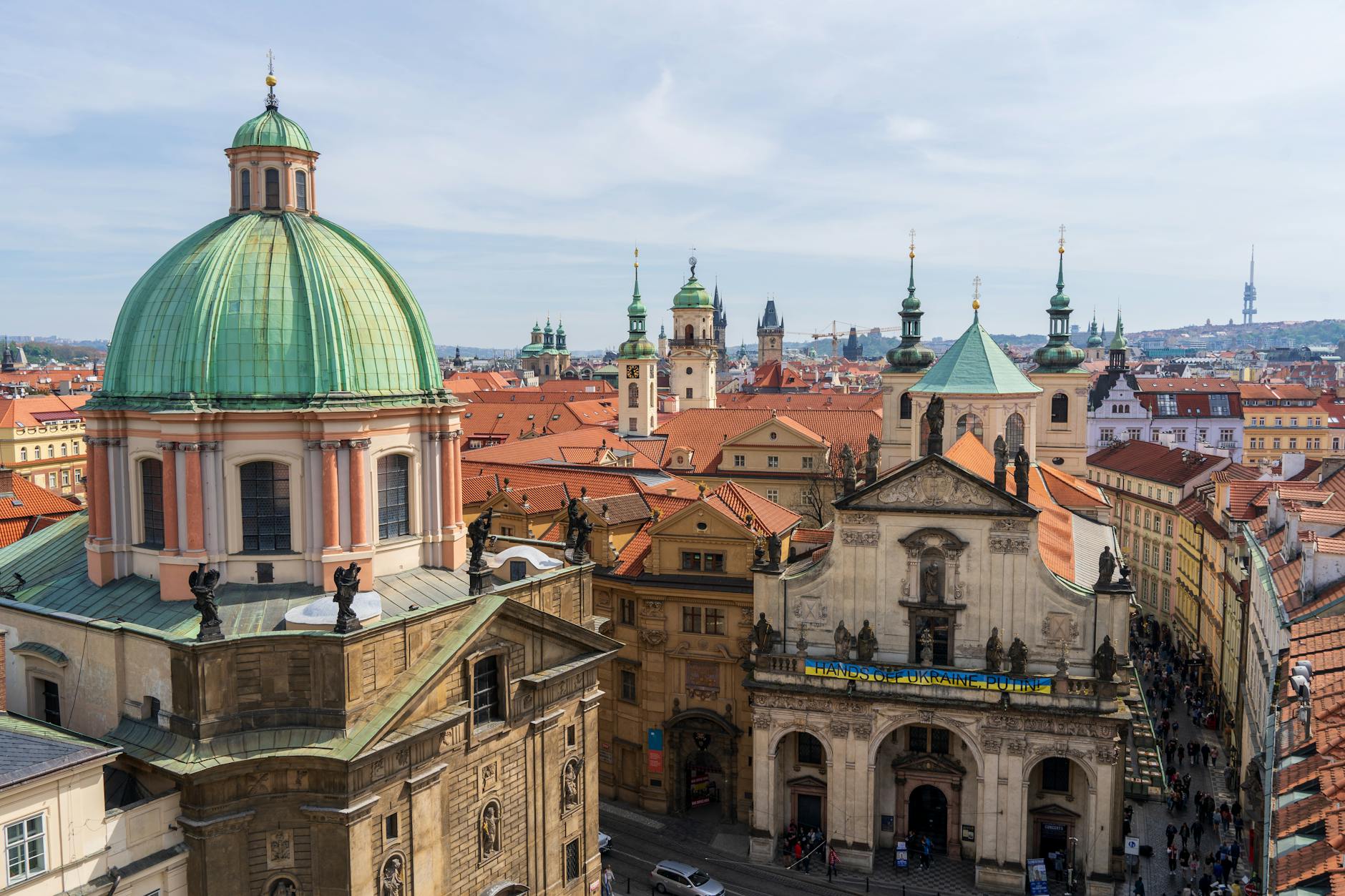
Prague’s medieval architecture, fairy-tale bridges, and castle-crowned skyline make it one of Central Europe’s most striking cities. The historic center draws such dense crowds that locals tend to avoid the area entirely during peak tourist season. Prices in restaurants and bars near the Old Town Square are often several times higher than those in neighborhoods where residents actually spend their time. Street vendors, tourist traps, and aggressive touts are commonly cited as features of the central districts that locals find deeply frustrating. Many residents describe a two-tiered city in which the tourist zone and the living city have become almost entirely separate experiences.
Florence
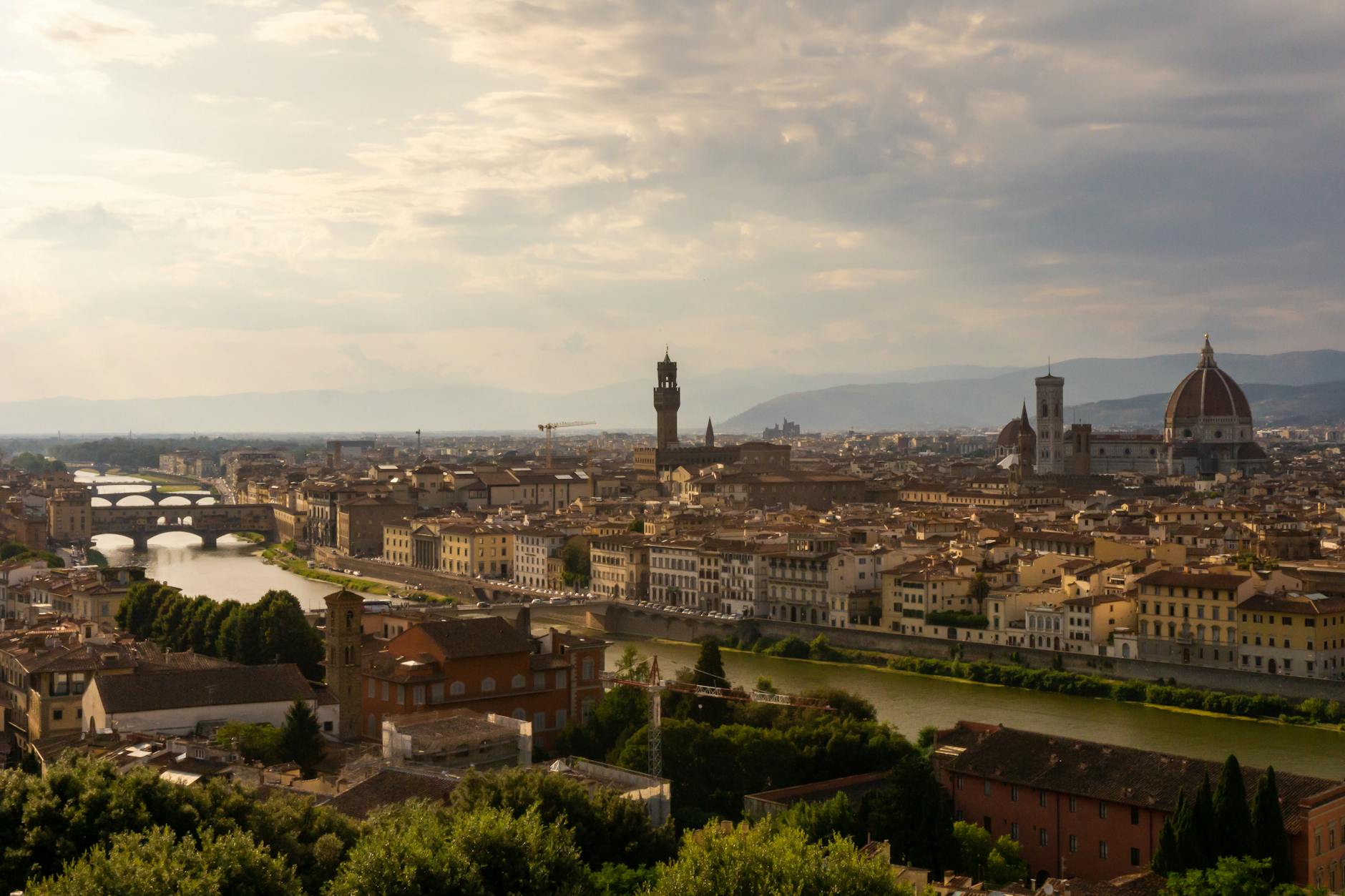
Florence is home to one of the greatest concentrations of Renaissance art and architecture anywhere in the world. The city receives millions of visitors annually, many of whom spend most of their time within a few blocks of the Duomo and the Uffizi. Locals describe crowded sidewalks, long queues at every major attraction, and a hospitality economy that has gradually displaced the craftspeople and small businesses that once defined neighborhoods like Oltrarno. Housing costs in the center have risen sharply, and many Florentine families have relocated to the surrounding hills or suburban areas. The city’s extraordinary heritage is best appreciated with an awareness of the pressures its residents manage every day.
Lisbon
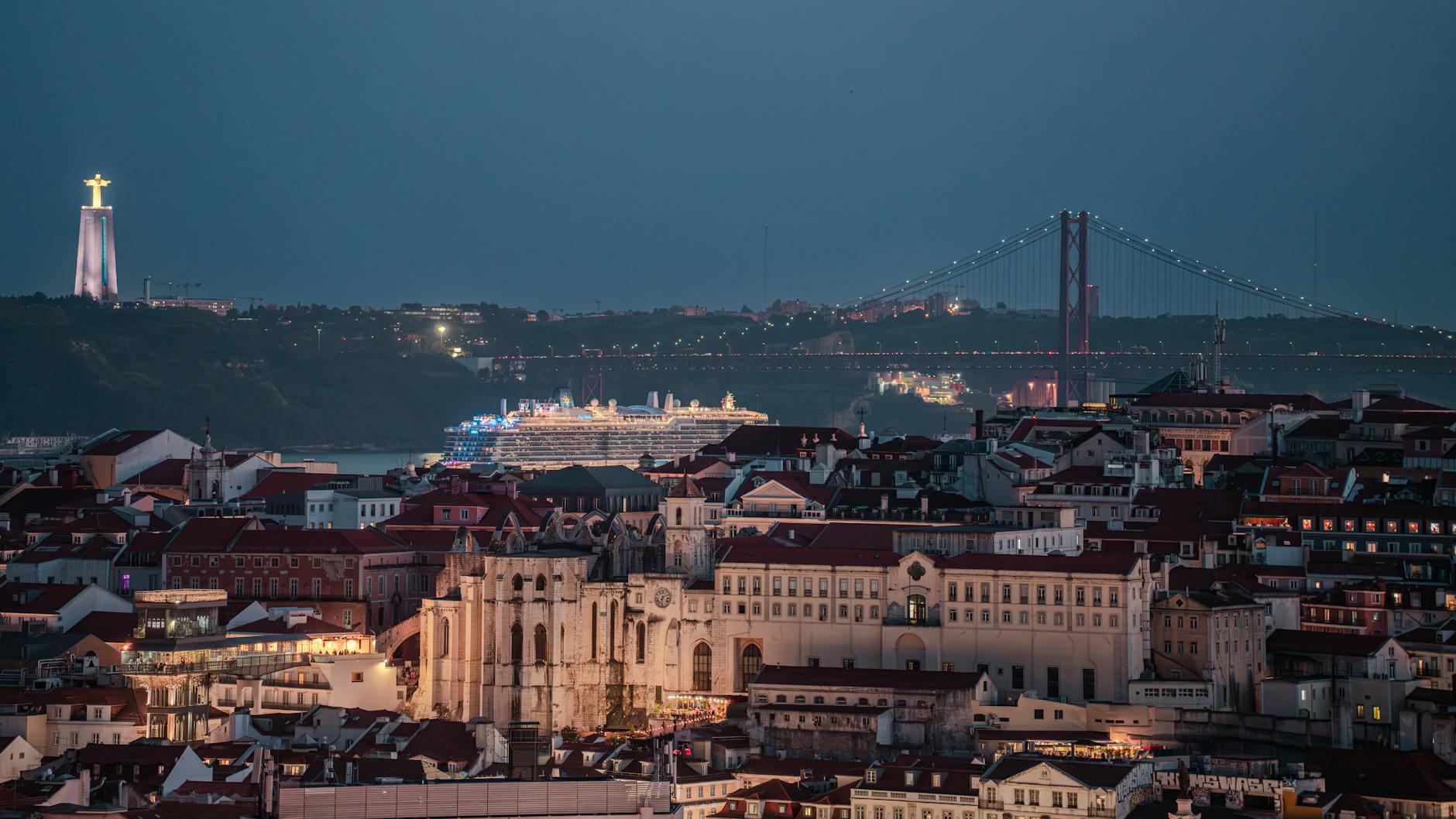
Lisbon’s pastel-colored hillside neighborhoods, historic trams, and Atlantic light have made it one of Europe’s fastest-rising travel destinations. The rapid growth in tourism and remote-working arrivals has contributed to a significant housing affordability crisis that locals have protested in large public demonstrations. Neighborhoods like Alfama and Bairro Alto, once known for their authentic character, have seen traditional residents replaced by short-term rental units at a rapid pace. The famed Number 28 tram, a beloved local institution, is now so crowded with tourists that many residents have stopped using it altogether. Lisbon’s charm is very real, but its population is reckoning openly with the consequences of its own popularity.
Rome
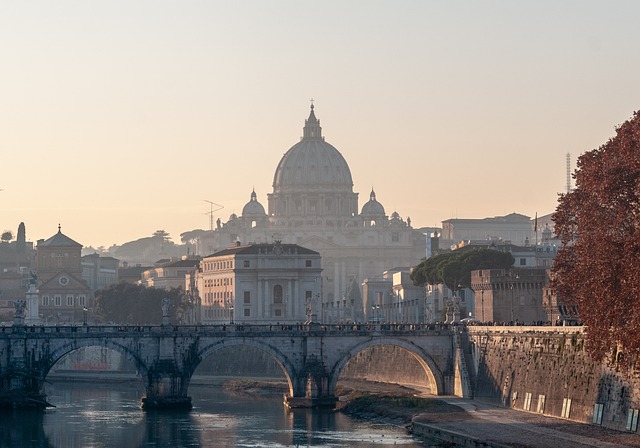
Rome’s ancient monuments, Renaissance piazzas, and vibrant street life make it one of the most visited cities on the planet. The sheer volume of visitors around the Colosseum, the Trevi Fountain, and the Vatican creates a kind of managed chaos that locals generally navigate by staying well away from those areas. Pickpocketing remains a widely reported issue in tourist-dense zones, and visitor-targeted pricing is common at many cafes and restaurants near landmarks. Romans are known for their directness and have a well-documented cultural habit of steering tourists toward better options than those immediately in front of them. The city rewards those who venture beyond the postcard stops and into the neighborhoods where daily Roman life actually unfolds.
Marrakech
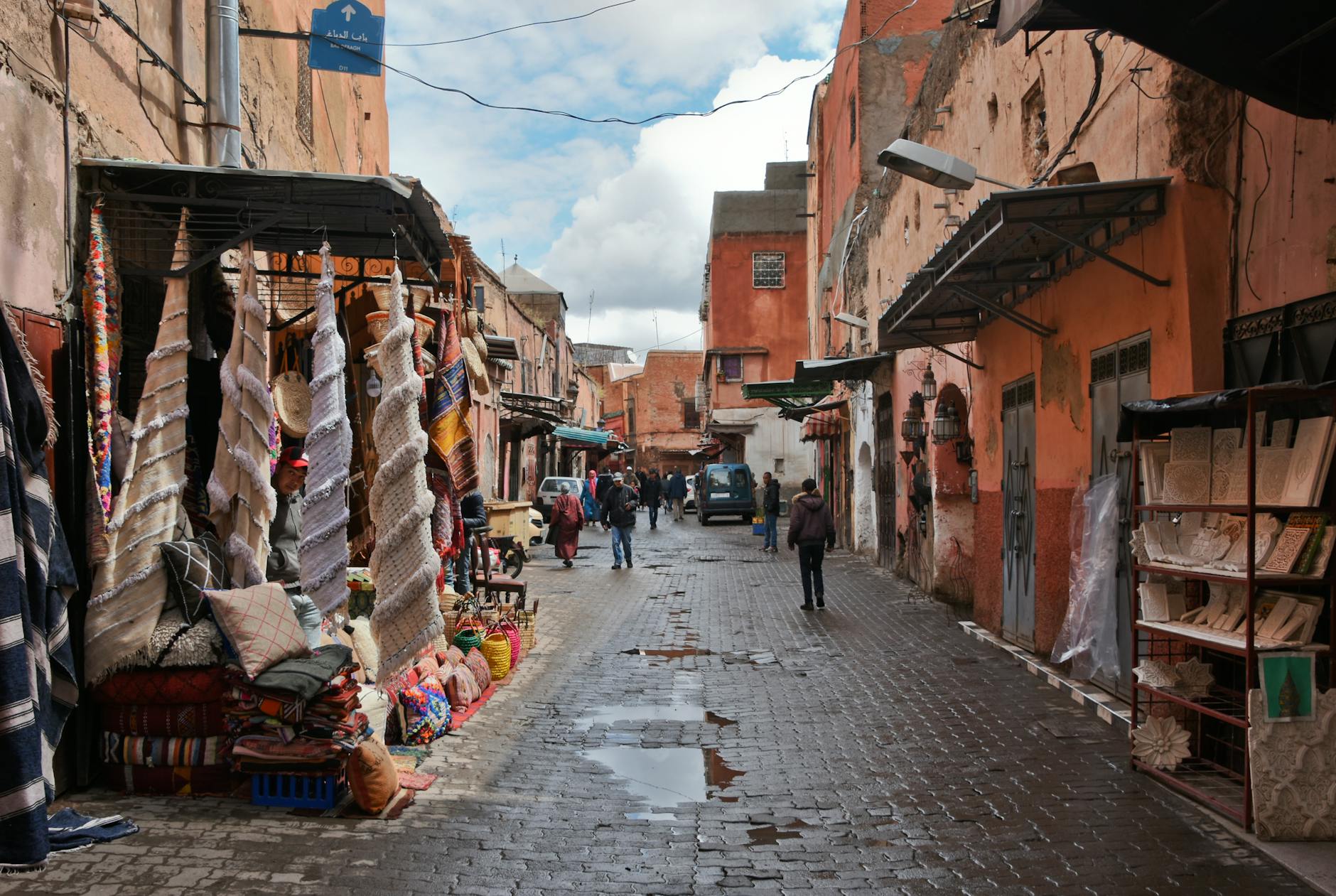
Marrakech’s walled medina, vibrant souks, and ornate riads make it one of North Africa’s most visually spectacular destinations. Navigating the labyrinthine streets of the medina can be disorienting for visitors, and persistent touts near the main square of Jemaa el-Fna are widely noted by travelers. Locals who work outside the tourism industry describe the central areas as increasingly commercialized and disconnected from the city’s authentic rhythms. Prices for goods in tourist-facing market stalls are frequently set far above those in neighborhoods where residents shop. The city’s beauty and cultural richness are genuine, but first-time visitors benefit greatly from understanding how to move through it with awareness.
Bali
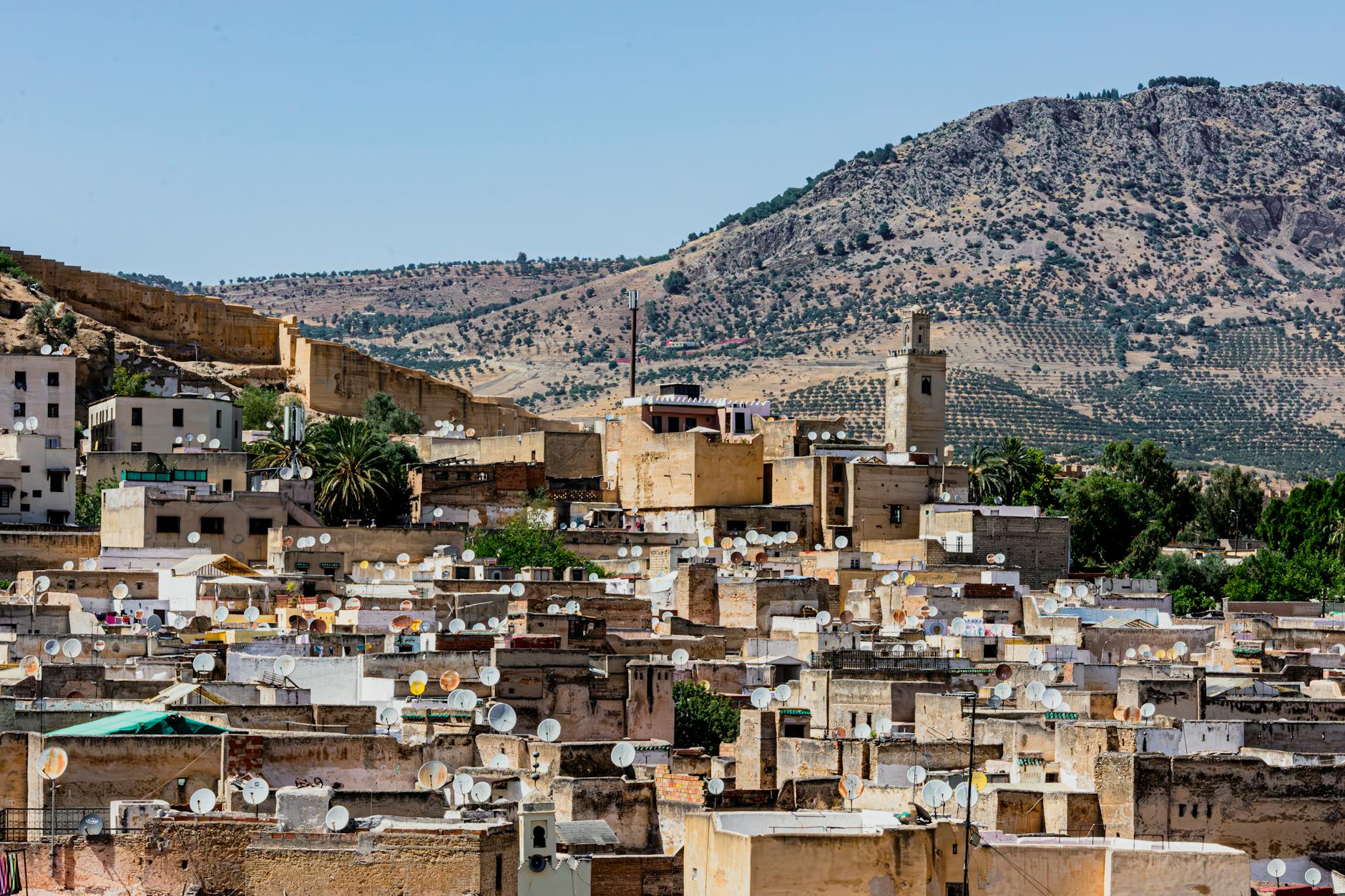
Bali’s terraced rice fields, ornate temples, and surf-washed coastlines have established it as one of Southeast Asia’s most iconic destinations. The southern resort areas of Kuta and Seminyak in particular have been transformed almost entirely by tourism infrastructure, with traffic congestion reaching extreme levels year-round. Local Balinese communities have expressed concern about the pace of development and its impact on sacred cultural sites and religious practices. The island’s water table and waste management systems have been significantly strained by the density of hotels, villas, and short-term rentals. Visitors who seek a more authentic experience of Balinese culture tend to find it by moving beyond the most heavily developed coastal zones.
Cancun
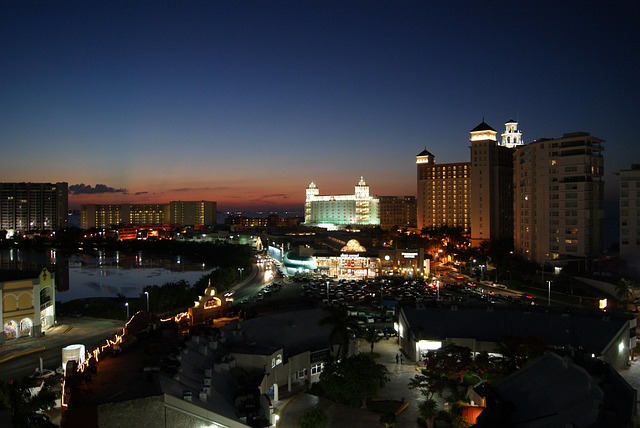
Cancun’s turquoise Caribbean waters and white sand beaches are among the most accessible tropical experiences available to travelers from North America. The hotel zone that lines the coast is a purpose-built resort corridor with little connection to the Mexican city that exists just beyond it. Locals who live and work outside the tourist zone describe a stark divide between the curated experience marketed to visitors and the everyday reality of the wider community. Many residents advise travelers to explore the broader Yucatan region rather than remaining entirely within the sanitized confines of the hotel strip. The natural beauty of the area is genuine, but the commercial infrastructure built around it has largely replaced any sense of local character.
Phuket
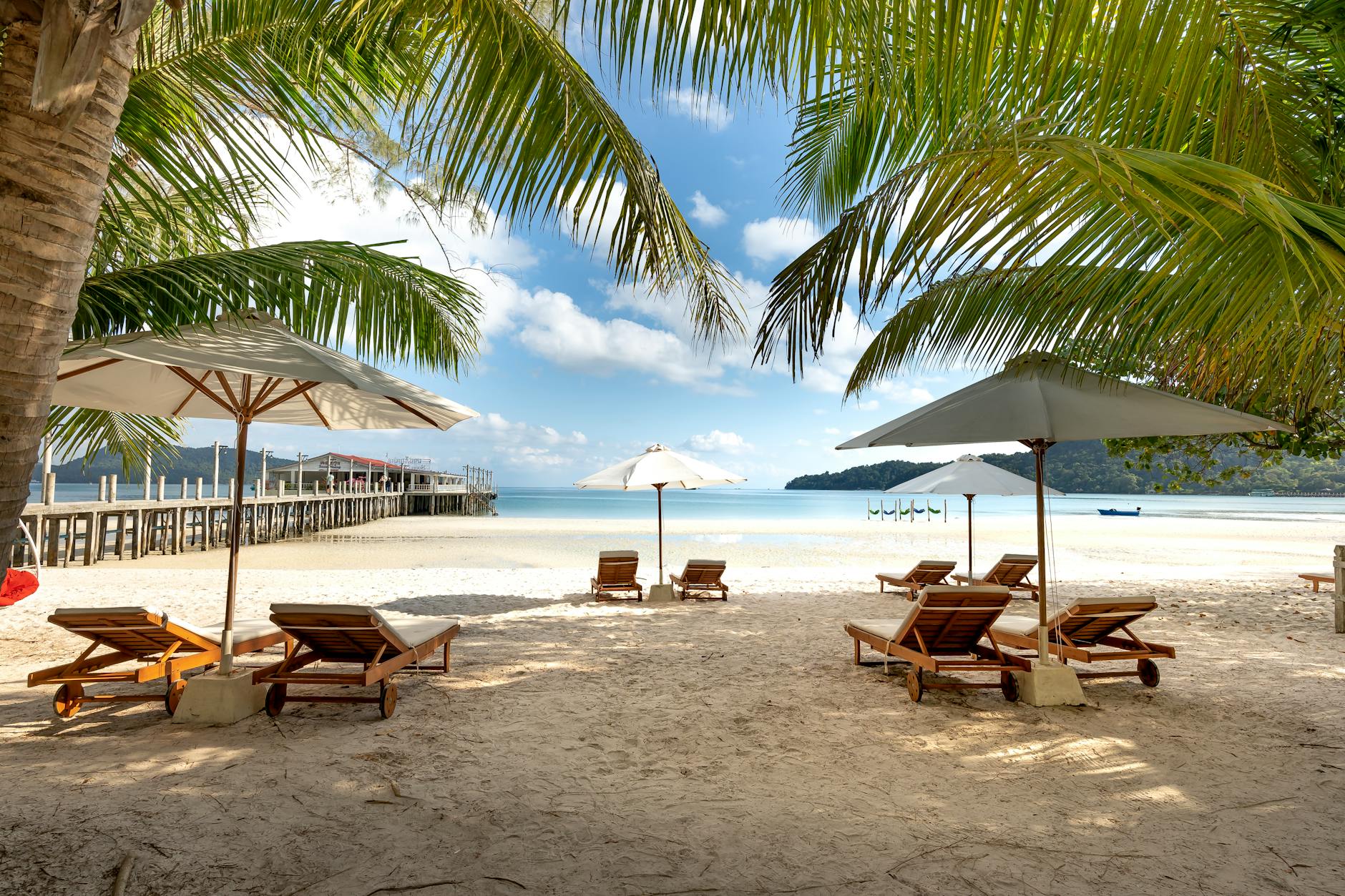
Phuket’s emerald bays, dramatic limestone islands, and warm clear water have made it Thailand’s most visited beach destination. Patong Beach and the surrounding areas become intensely crowded during high season, with development pressing right up to the shoreline in most accessible areas. Thai residents who grew up on the island often describe a nostalgia for its pre-development character that is now almost entirely inaccessible to visitors. Noise, nightlife, and the environmental pressures of mass coastal tourism are recurring themes in local conversations about the island’s future. Phuket’s natural surroundings remain genuinely beautiful, though much of that beauty is best experienced from its less-visited northern and eastern shores.
Tulum
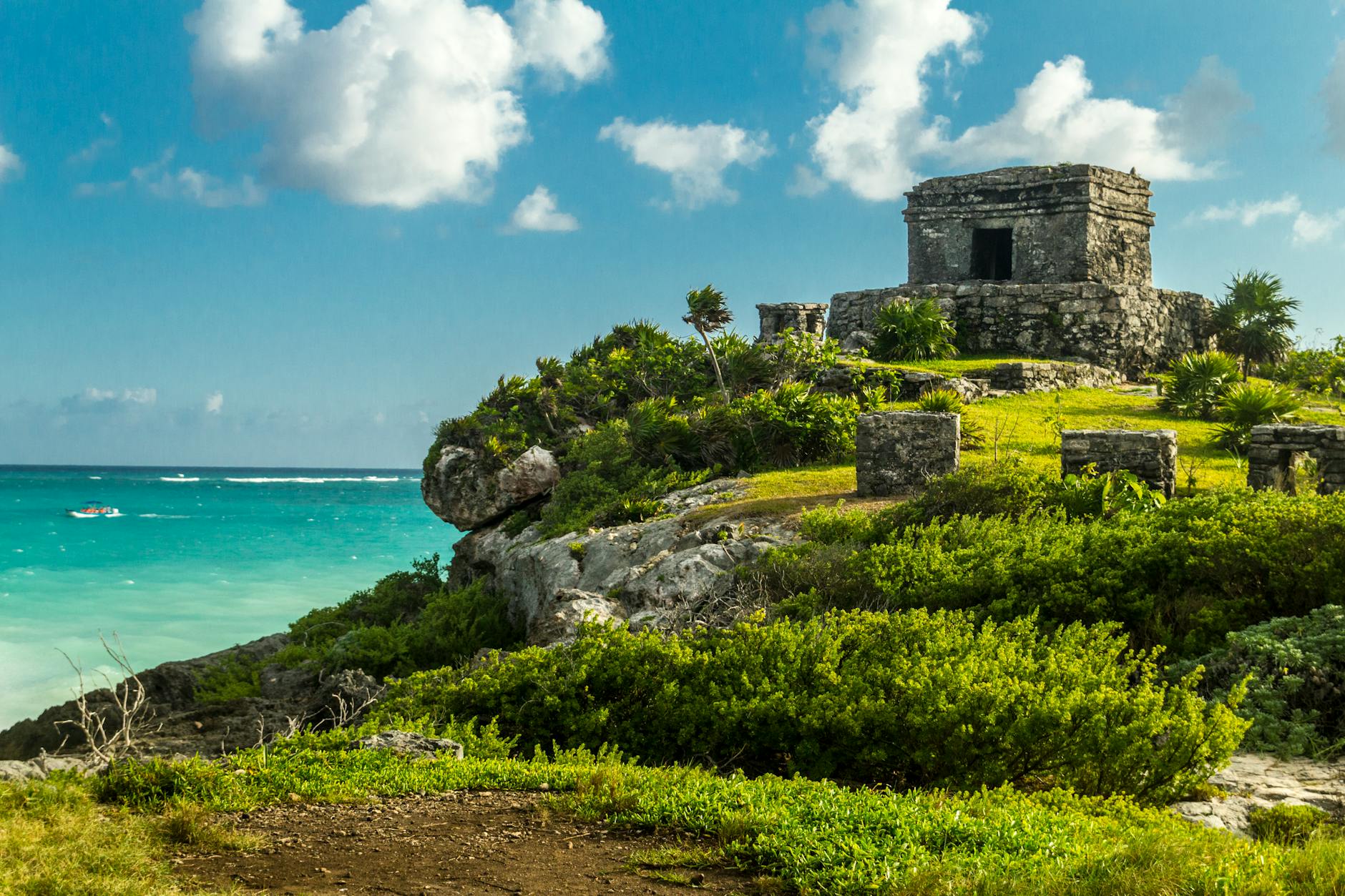
Tulum’s turquoise cenotes, ancient Mayan ruins above the sea, and bohemian aesthetic made it one of the most widely shared travel destinations of the past decade. Rapid development has transformed what was once a quiet stretch of Caribbean coast into a dense strip of boutique hotels and wellness retreats. Local communities and environmental advocates have raised ongoing concerns about the impact of construction on the region’s fragile underground water system. Traffic on the main road through town has become severe enough that local authorities have repeatedly discussed infrastructure overhauls. The destination continues to attract significant attention, but the version of Tulum that made it famous is increasingly difficult to find.
New Orleans
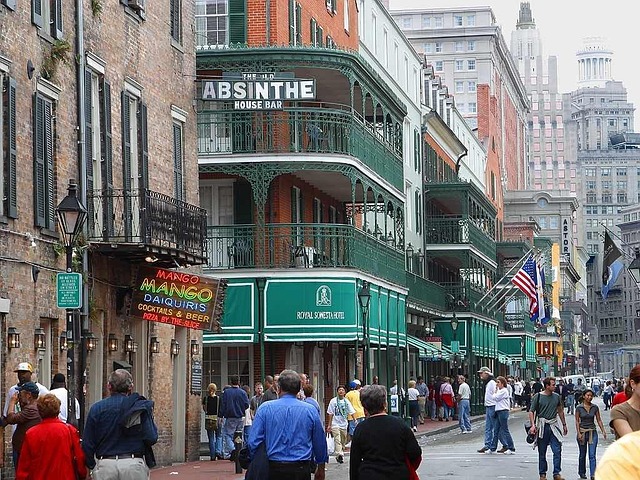
New Orleans is one of the most culturally distinctive cities in the United States, with a musical heritage, culinary tradition, and architectural character unlike anywhere else in the country. The French Quarter and Bourbon Street attract enormous crowds year-round, creating an environment that many long-term residents describe as more performance than place. Locals tend to direct visitors toward neighborhoods like the Marigny, Bywater, and Tremé to experience the city’s living culture rather than its tourist-facing surface. Some areas adjacent to the main visitor corridors require awareness and attentiveness from those unfamiliar with the city’s geography. New Orleans rewards curious and respectful visitors enormously, particularly those willing to follow local guidance rather than guidebook defaults.
Rio de Janeiro
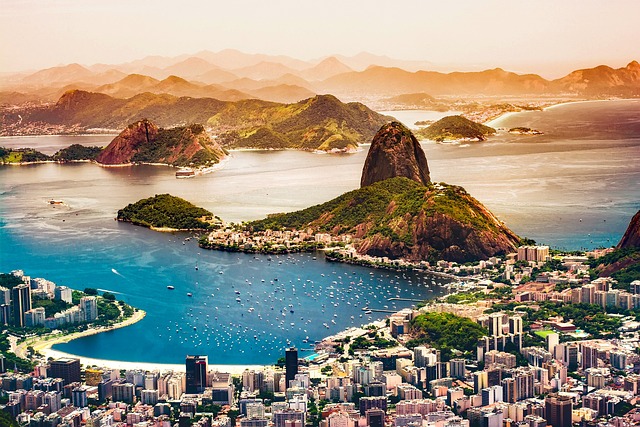
Rio de Janeiro’s dramatic geography of mountains, forests, and beaches stretching between them creates one of the most visually arresting urban landscapes on earth. The city’s iconic neighborhoods of Ipanema, Copacabana, and Santa Teresa draw visitors from every corner of the globe. Locals consistently advise exercising heightened awareness in certain areas, particularly after dark, and recommend staying close to well-trafficked zones when unfamiliar with the city. Favela tourism has grown significantly in recent years, and community leaders have expressed nuanced views about its impact on residents and the narratives it creates. Rio’s extraordinary energy and beauty are most fully appreciated by travelers who approach the city with informed curiosity and respect.
Cairo
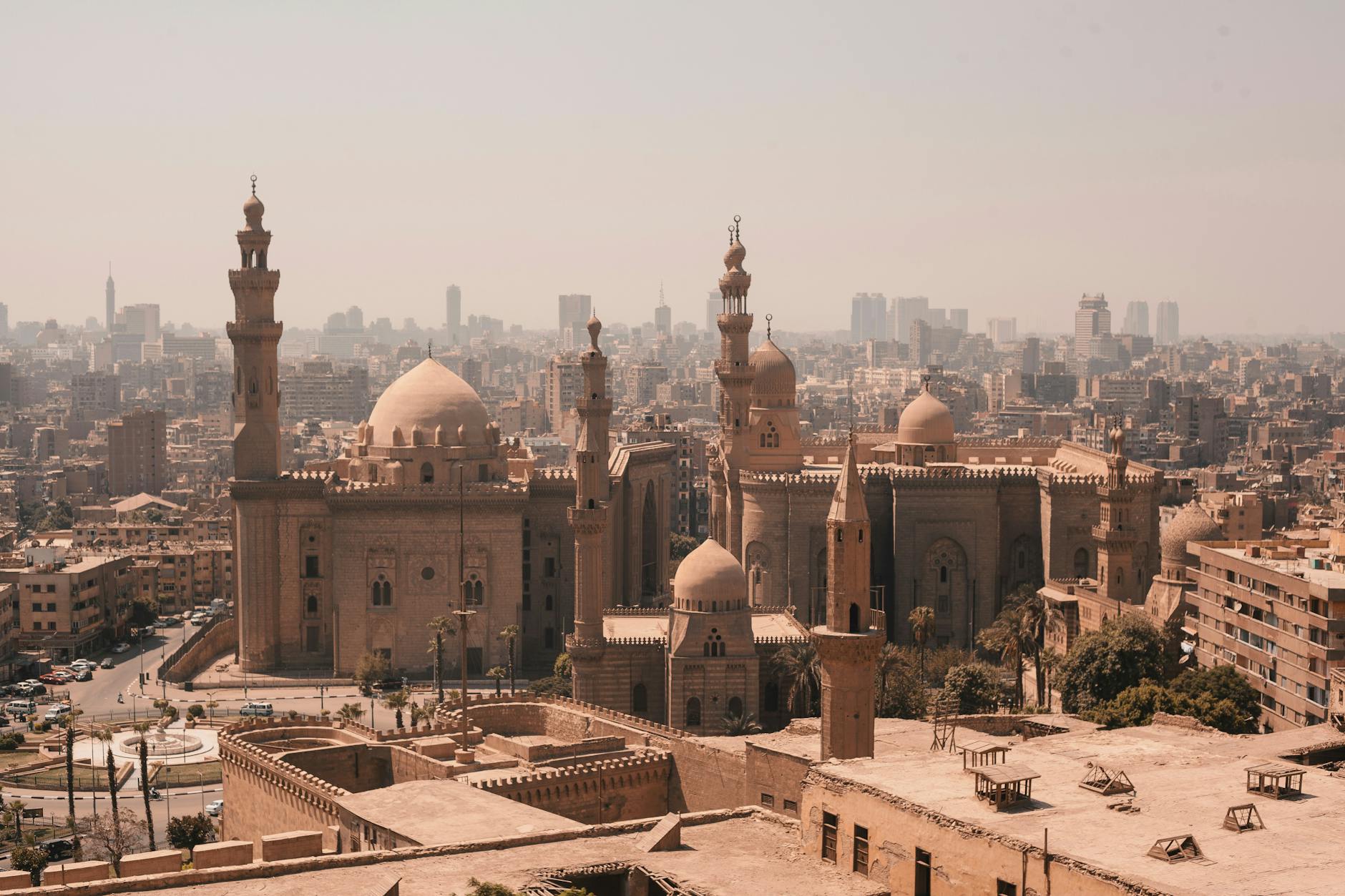
Cairo is one of the oldest continuously inhabited cities in the world and the gateway to ancient Egyptian civilization for the majority of global visitors. The sheer scale and density of the city can be overwhelming, and tourist-facing areas near the Pyramids of Giza are known for persistent vendor approaches that many travelers find difficult to navigate. Locals advise visitors to use trusted guides and licensed transportation rather than accepting offers from strangers in high-traffic tourist zones. The contrast between the curated sites and the sprawling city that surrounds them is stark, and engaging with Cairo beyond its monuments reveals an entirely different and more complex place. Travelers who approach the city with patience and local guidance tend to come away with a far richer experience.
Naples
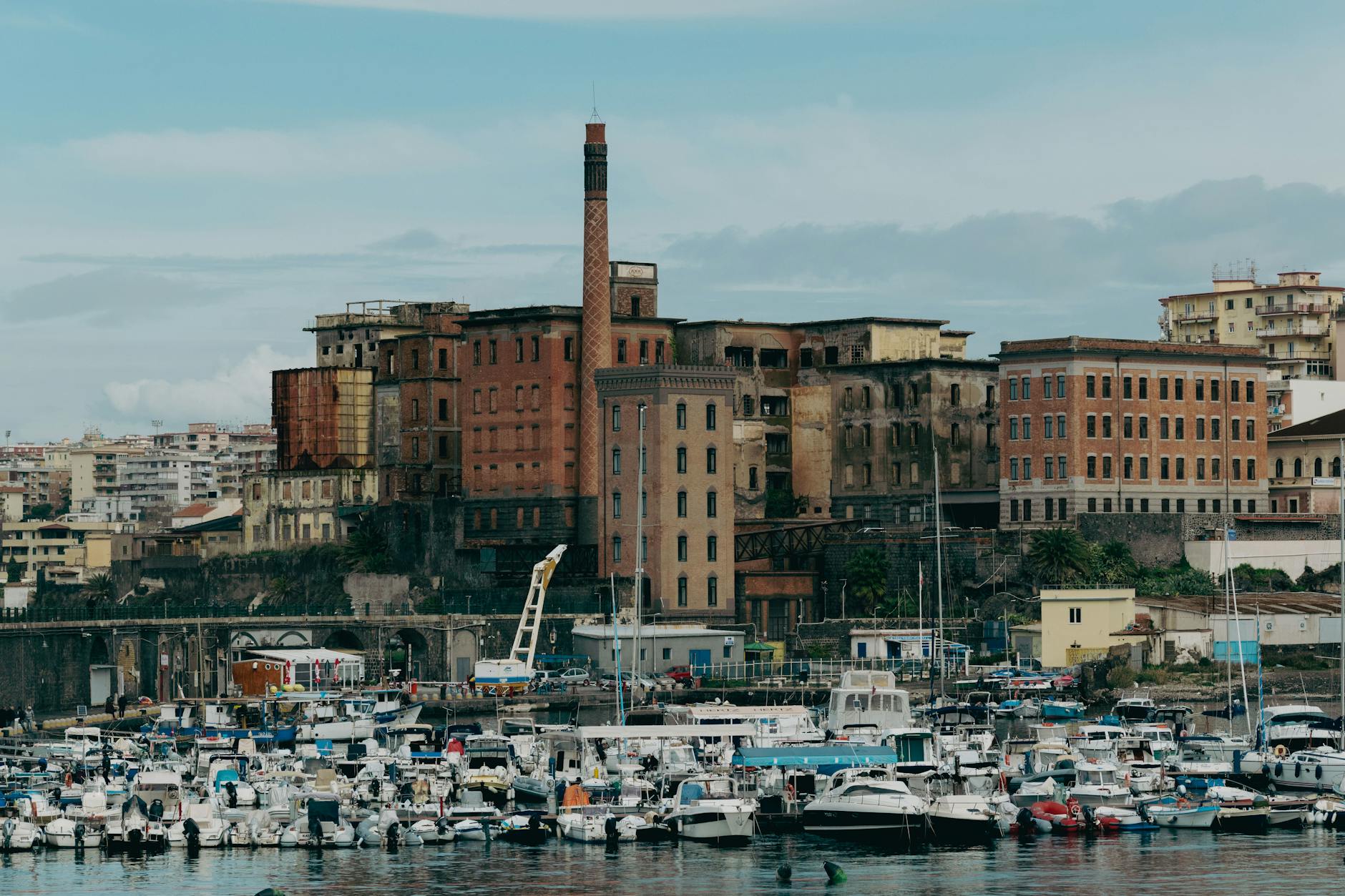
Naples is one of Italy’s most layered and historically rich cities, with a street food culture, archaeological treasures, and baroque architecture that have earned it devoted admirers worldwide. Its reputation for chaotic traffic, narrow streets, and petty theft in certain areas has made some visitors hesitant, a concern that locals acknowledge while also expressing genuine frustration at how it overshadows the city’s depth. The neighborhoods of Spaccanapoli and the historic center are dense and energetic in ways that reward attentive visitors and challenge the unprepared. Locals describe a city of extraordinary vitality that is routinely misrepresented by those who experience only its surface disorder. Naples tends to inspire strong feelings, and its residents are among the most passionate defenders of its overlooked greatness.
Bangkok
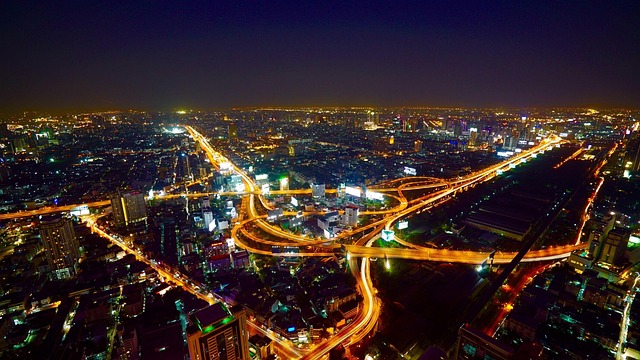
Bangkok’s grand temples, floating markets, street food scene, and neon-lit energy make it one of Asia’s most dynamic capital cities. The areas immediately surrounding major tourist attractions like Khao San Road and Patpong are known for tourist-targeted scams, fake gem stores, and misleading tuk-tuk rides to commission-paying shops. Locals navigate the city in ways that are almost entirely distinct from the routes and spaces frequented by most foreign visitors. Public transportation via the BTS Skytrain and MRT allows visitors to move through the city much as residents do, accessing neighborhoods with genuine local character. Bangkok’s rewards are substantial for travelers who look beyond the well-worn tourist infrastructure and engage with the city on its own terms.
Havana
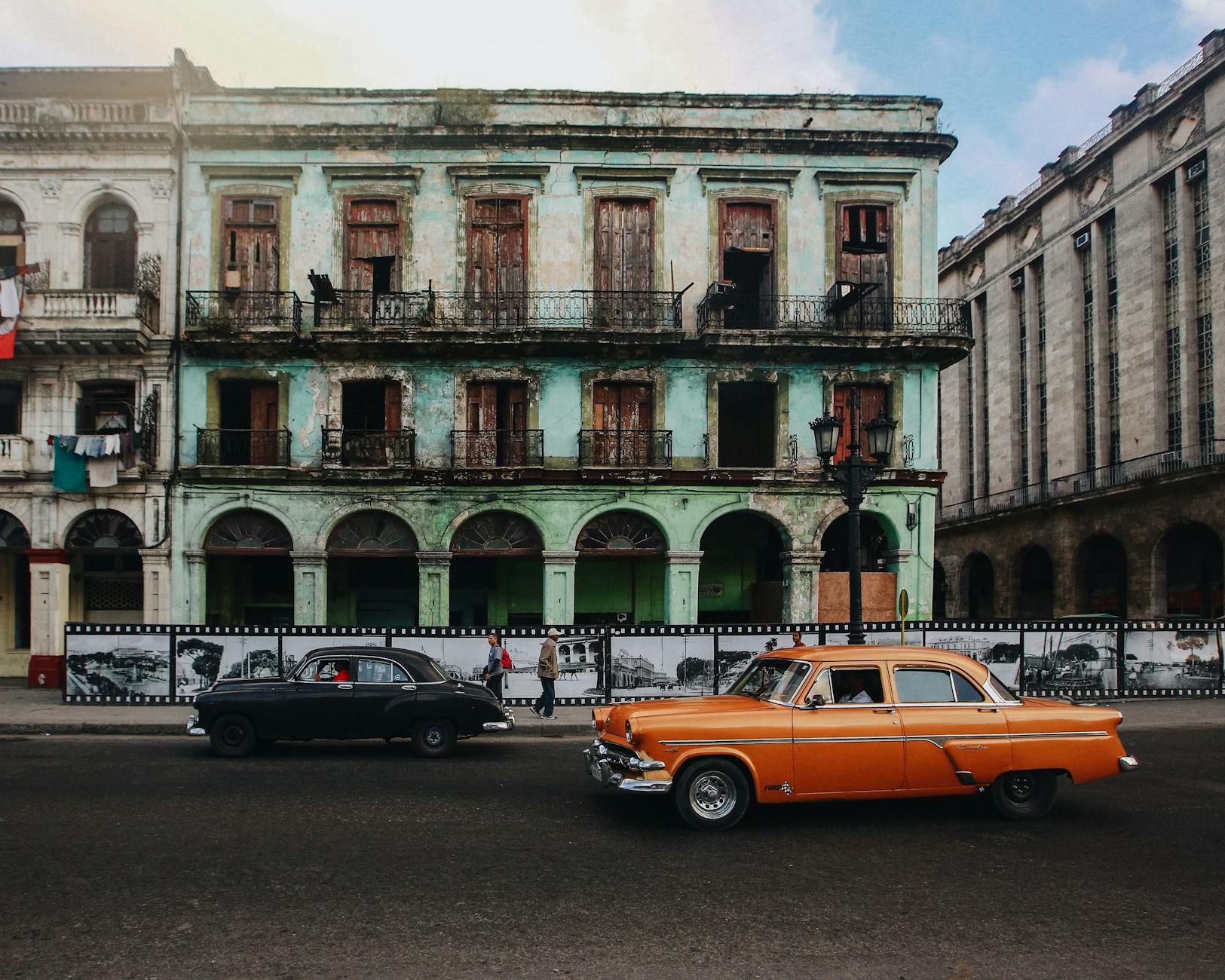
Havana’s crumbling colonial grandeur, classic American cars, and vibrant music scene create a visual atmosphere unlike any other city in the Caribbean. Travelers frequently note a dual economy in which tourist-facing prices and services operate almost entirely separately from those accessible to Cuban residents. Locals describe the experience of navigating a city designed to show visitors a curated version of Cuban life rather than its everyday reality. Infrastructure challenges including intermittent utilities and limited goods availability are a routine part of life for residents that the tourist experience is designed to insulate visitors from. Havana’s beauty and cultural vitality are genuine, but understanding the context in which they exist makes for a more honest engagement with the city.
Varanasi
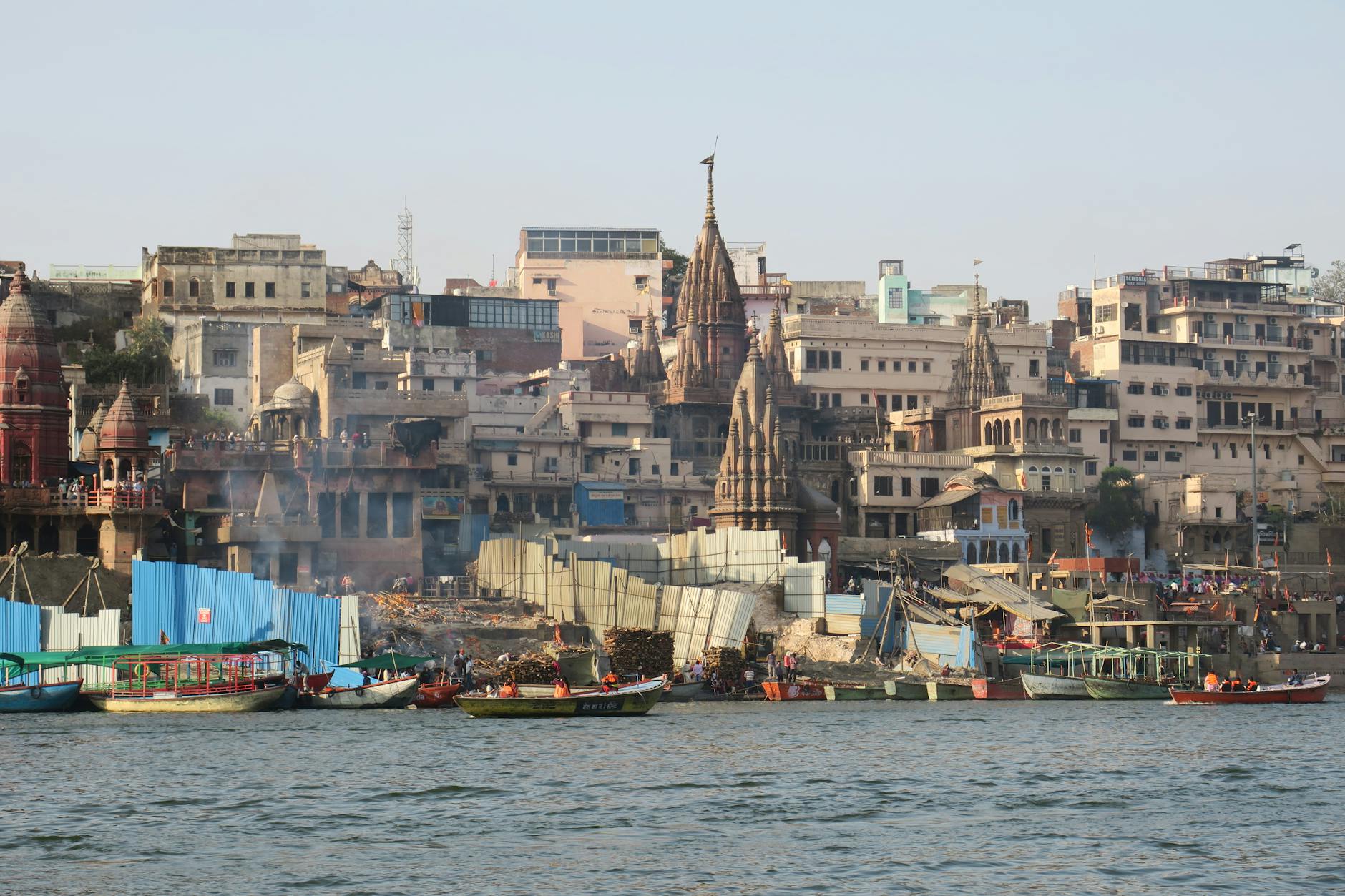
Varanasi is considered one of the oldest living cities in the world and holds profound spiritual significance within Hinduism, drawing pilgrims and travelers in enormous numbers year after year. The ghats that line the Ganges River are sites of intense daily ritual activity, and the presence of large numbers of tourists in deeply sacred spaces is a source of discomfort for many local residents and pilgrims. Narrow lanes throughout the old city are intensely crowded and require careful navigation, particularly during major religious festivals. Travelers unfamiliar with the city’s spiritual protocols can inadvertently cause offense in ways they do not anticipate. Varanasi is a city that rewards deep respect and a genuine effort to understand its sacred character before arriving.
Bruges
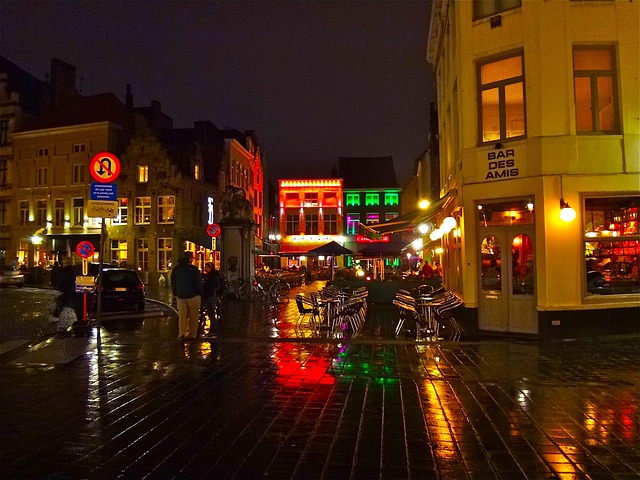
Bruges is one of the best-preserved medieval cities in Europe, with a canal network, Gothic architecture, and chocolate shops that draw visitors from around the world throughout the year. The city’s compact historic center becomes so saturated with day-trippers during peak season that residents describe it as nearly unlivable on summer weekends. Many locals commute in from surrounding towns specifically because housing within the center has become unaffordable and the environment too congested. The city has discussed limiting the number of coach tours permitted to enter its center as part of broader tourism management strategies. Bruges is genuinely beautiful, but its magic is best encountered outside of peak periods when its medieval atmosphere has room to breathe.
Reykjavik
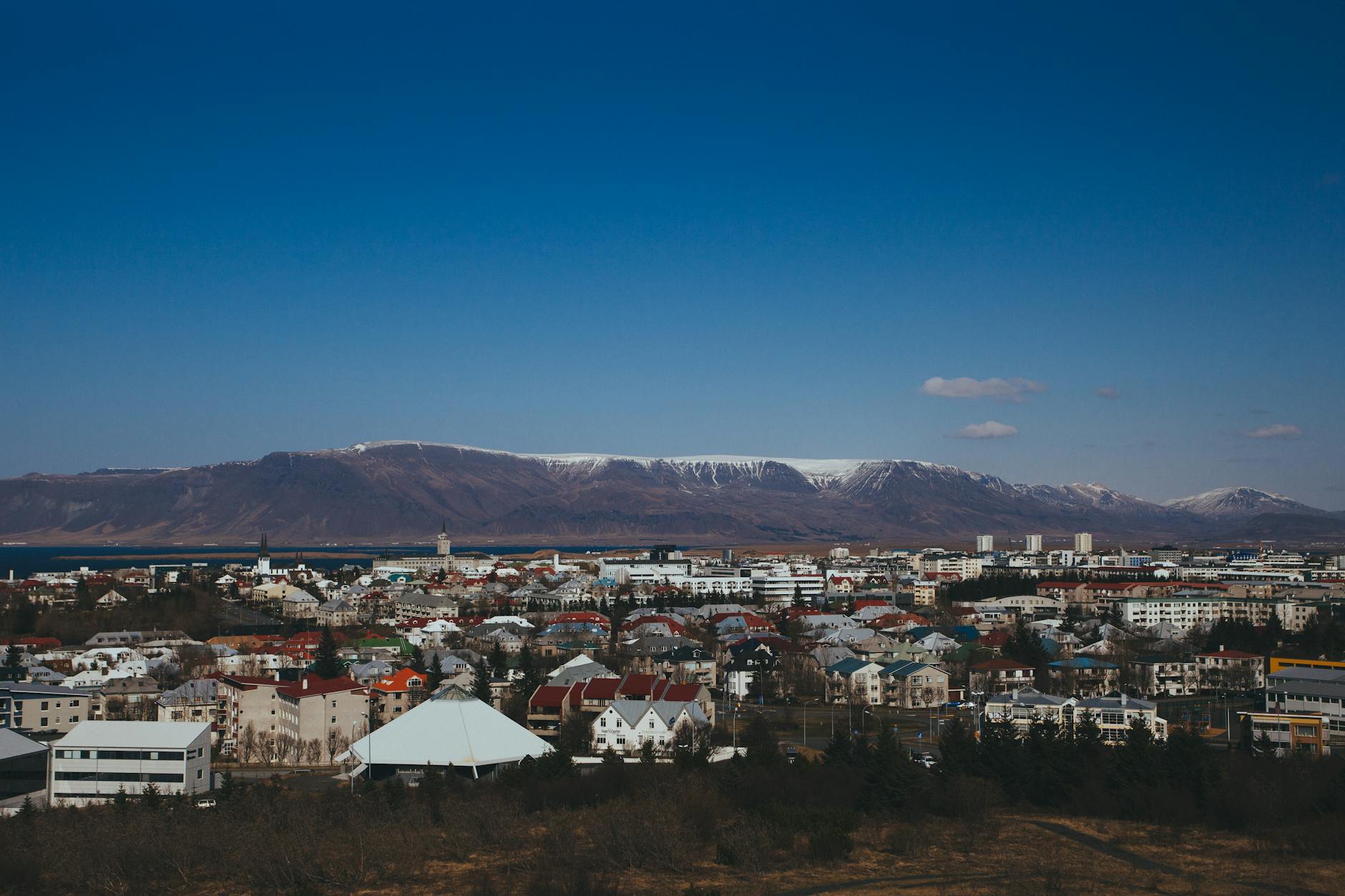
Reykjavik has become one of Europe’s most sought-after short-break destinations, with its proximity to the Northern Lights, geysers, and volcanic landscapes drawing visitors in numbers that have grown dramatically over the past decade. The city’s small permanent population means that even moderate tourist volumes have a significant impact on local housing markets and daily infrastructure. Icelandic residents have noted with concern that rental prices in the capital have risen sharply as short-term holiday lets have expanded across the city. The landscape tourism that brings most visitors to Iceland places pressure on natural sites that are simultaneously sacred to local identity and logistically difficult to protect. Iceland’s natural wonders remain extraordinary, but the pace of growth in visitor numbers has prompted genuine national debate.
Kotor
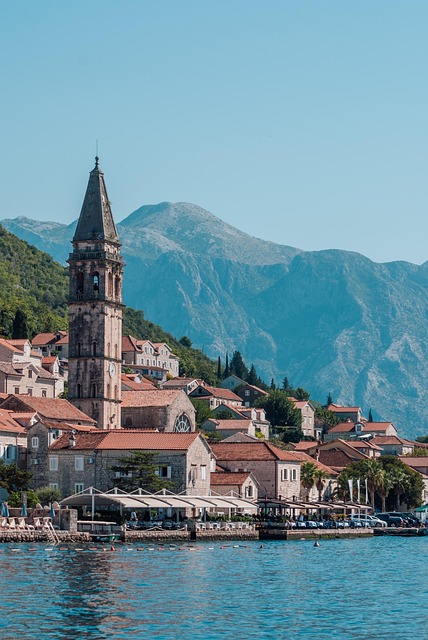
Kotor’s walled old town rising at the edge of a fjord-like bay in Montenegro is one of the most dramatically situated medieval settlements in Europe. The narrow lanes within the walls can become so crowded during summer cruise ship arrivals that locals describe them as effectively impassable for ordinary daily movement. Residents of the old town report that the acoustic and physical impact of thousands of visitors passing through each day has significantly altered the character of their neighborhood. Montenegro has experienced rapid growth in tourism infrastructure investment, raising questions among locals about the pace and direction of that development. Kotor’s compact beauty is best experienced by those who arrive thoughtfully and linger beyond the few hours that most cruise passengers spend there.
Mykonos
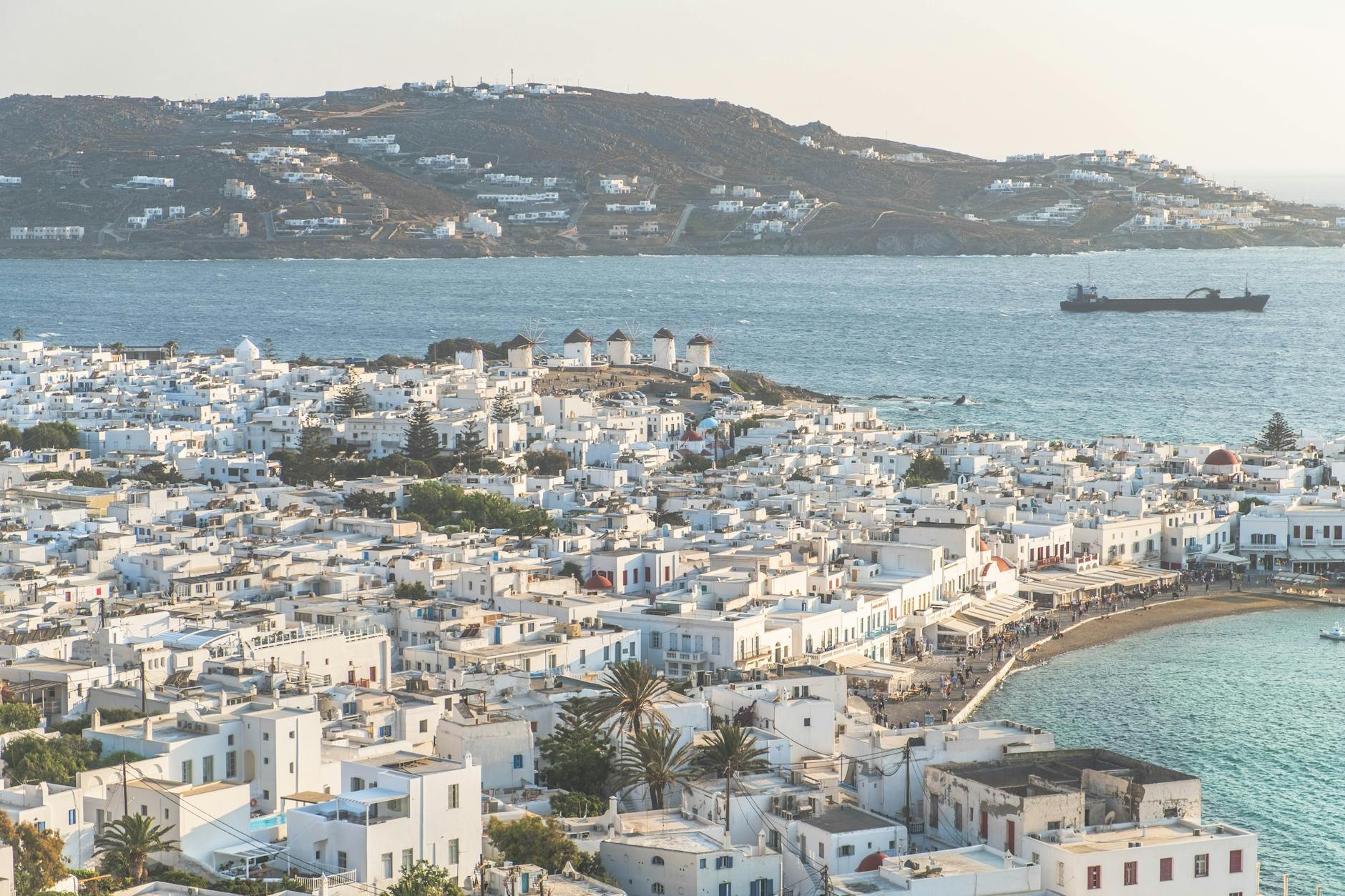
Mykonos has built an international reputation as one of the Mediterranean’s premier party destinations, drawing a glamorous and high-spending summer crowd to its whitewashed lanes and beach clubs. Locals who have lived on the island for generations describe a seasonal transformation in which the authentic rhythms of Cycladic island life are entirely subsumed by the demands of the tourism economy. Housing costs on the island have risen to levels that make it difficult for local workers in non-tourism industries to remain as permanent residents. The island’s nightlife reputation has in some respects overshadowed its genuine cultural and architectural character in the minds of many potential visitors. Mykonos rewards those who arrive with an interest in what the island was before it became a global brand, as traces of that older identity still exist if one knows where to look.
Siem Reap
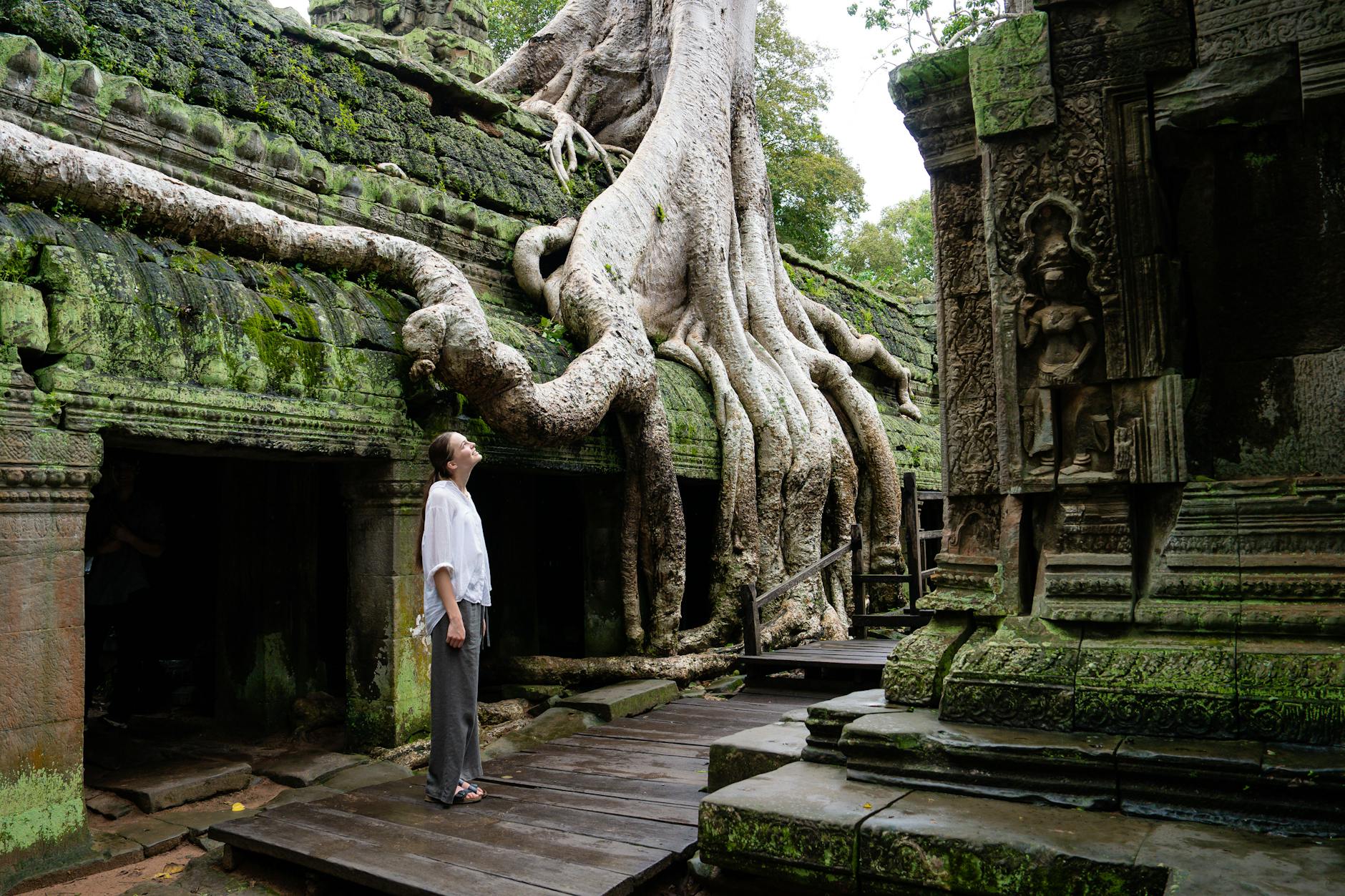
Siem Reap is the Cambodian city that serves as the gateway to Angkor Wat, the largest religious monument complex in the world and one of the most visited archaeological sites on earth. The ancient temples draw enormous crowds daily, and visitor management within the UNESCO-listed site has been a persistent challenge for local authorities and conservationists. The town itself has been almost entirely reshaped by tourism infrastructure, with traditional neighborhoods giving way to hostels, bars, and souvenir markets along its main streets. Cambodian residents and heritage professionals have raised concerns about the long-term impact of foot traffic and commercial encroachment on irreplaceable stone structures. The temples are genuinely among the most awe-inspiring human achievements, and the experience of visiting them with awareness of their fragility is a very different one than arriving simply as a spectator.
Share your thoughts in the comments about which of these cities you have visited and what your experience was like.




