
The pursuit of a youthful appearance and long-term vitality often leads people to expensive skincare routines and wellness regimens, yet the most significant contributors to premature aging may already be sitting on the kitchen shelf. Scientific research continues to reveal strong connections between dietary choices and the speed at which the body and skin show signs of wear. Inflammation, oxidative stress, glycation, and hormonal disruption are among the key biological processes that certain common foods quietly trigger over time. Understanding which everyday items are working against the body is a powerful first step toward making more informed choices for longevity.
White Sugar

Refined white sugar ranks among the most well-documented dietary drivers of premature aging. Through a process called glycation, excess sugar molecules bind to proteins including collagen and elastin, forming harmful compounds that stiffen and weaken the skin’s structural foundation. This leads to the earlier appearance of fine lines, sagging, and a dull complexion. Beyond the skin, high sugar consumption fuels chronic inflammation throughout the body, which is closely linked to accelerated cellular aging. Even small daily amounts add up significantly over months and years of consistent intake.
Margarine

Margarine was once widely promoted as a heart-healthy alternative to butter, but its composition tells a more complicated story. Many traditional margarine products contain partially hydrogenated oils, which are a source of trans fats known to promote systemic inflammation. Chronic inflammation is one of the primary biological mechanisms that speeds up the aging process at a cellular level. Trans fats also interfere with the skin’s ability to retain moisture, contributing to dryness and reduced elasticity over time. Newer formulations vary, but checking ingredient labels remains an important habit for anyone mindful of long-term health.
Processed Meat

Deli meats, hot dogs, sausages, and similar processed protein products are loaded with sodium, nitrates, and preservative compounds that place significant stress on the body. High sodium intake contributes to water retention and puffiness while also elevating blood pressure over time, both of which affect overall appearance and cardiovascular health. Nitrates and nitrites found in cured meats have been associated with oxidative stress, a key factor in accelerating cellular deterioration. The saturated fat content in many processed meats further fuels inflammatory pathways that break down tissue integrity. Regular consumption creates a compounding burden on the body’s natural repair systems.
White Bread

White bread is produced from highly refined flour that has been stripped of its fiber, vitamins, and mineral content. This refinement gives it a high glycemic index, meaning it causes rapid spikes in blood sugar that trigger the glycation process damaging to collagen and skin proteins. The lack of fiber also means it offers little nutritional value to support the cellular repair processes that slow aging. Repeated blood sugar surges from refined carbohydrates are linked to increased insulin resistance and inflammation over time. Whole grain alternatives provide a significantly more age-friendly nutritional profile.
Diet Soda

Despite containing no calories, diet soda presents a surprising range of aging-related concerns. The artificial sweeteners used in these beverages have been shown to disrupt gut microbiome balance, which plays a critical role in immune function, inflammation control, and nutrient absorption. Phosphoric acid, a common ingredient in carbonated diet drinks, has been associated with the leaching of calcium from bones, accelerating the decline in bone density that comes with age. The acidity also erodes tooth enamel, contributing to dental aging that affects overall appearance. Regular consumption may also interfere with the body’s natural hunger and metabolic signaling systems.
Vegetable Oil

Refined vegetable oils such as corn, sunflower, and soybean oil are staples in processed and restaurant-prepared foods but carry a high ratio of omega-6 fatty acids relative to omega-3s. This imbalance promotes a pro-inflammatory state in the body when consumed in excess over time. Chronic low-grade inflammation is one of the most studied contributors to accelerated biological aging, affecting everything from skin condition to organ function. These oils are also prone to oxidation during high-heat cooking, producing harmful free radicals that damage cells and DNA. Replacing them with more stable fats like olive or avocado oil is a commonly recommended dietary adjustment.
Potato Chips

Potato chips combine several aging-accelerating elements into a single highly palatable snack. The frying process used to manufacture them generates acrylamide, a chemical compound that forms in starchy foods cooked at high temperatures and is associated with oxidative damage. High sodium content contributes to chronic dehydration at the cellular level, which visibly affects skin texture and elasticity. The refined carbohydrates from the potato base trigger blood sugar spikes that feed into the glycation process. The combination of unhealthy fats and salt also burdens cardiovascular health, a key factor in how quickly the body ages overall.
Alcohol

Alcohol is a well-established accelerator of both internal and external aging when consumed regularly. It dehydrates the body at a deep level, robbing the skin of moisture and leading to a dull, lined complexion over time. Alcohol interferes with the liver’s detoxification processes, allowing harmful compounds to circulate longer and contribute to oxidative stress throughout the body. It also disrupts sleep quality, and restorative sleep is one of the most critical periods during which cellular repair and collagen production occur. Long-term heavy consumption is linked to accelerated organ aging, reduced immune resilience, and significant changes in skin appearance.
Instant Noodles

Instant noodles are one of the most sodium-dense convenience foods available, with a single serving often containing more than half the recommended daily sodium intake. Chronic high sodium consumption contributes to elevated blood pressure, reduced kidney efficiency, and widespread fluid imbalance that stresses the cardiovascular system. The noodles themselves are made from refined flour, offering a high glycemic load with minimal nutritional benefit. Many brands also contain flavor enhancers and preservatives that add to the chemical load the body must process regularly. Nutritionally speaking, they offer very little to support the cellular functions that protect against aging.
Microwave Popcorn

Microwave popcorn is a convenient snack that carries several hidden concerns beyond its caloric content. Many brands are produced with heavily refined oils and loaded with artificial butter flavorings, some of which have been linked to respiratory and systemic health concerns with prolonged exposure. The bags themselves have historically been lined with perfluoroalkyl substances, chemicals associated with hormonal disruption that can interfere with the body’s natural repair and regulatory systems. High sodium levels contribute to the dehydration and inflammation that visibly affect skin over time. Popping plain kernels at home with quality oil is a significantly cleaner alternative.
Energy Drinks

Energy drinks combine high sugar content with stimulants, artificial additives, and synthetic vitamins in concentrations that can place real stress on the body’s systems. The excessive caffeine and stimulant load disrupts the adrenal system, contributing to elevated cortisol levels that accelerate the breakdown of collagen and skin elasticity. High sugar versions drive glycation, while artificially sweetened varieties carry the gut microbiome disruption concerns associated with synthetic sweeteners. Regular energy drink consumption has been linked to cardiovascular strain, sleep disruption, and increased oxidative stress. The combination of ingredients creates a compounding aging effect that goes far beyond what any single component would cause alone.
Fruit Juice

Commercially produced fruit juice is widely perceived as a health-conscious choice but behaves more like liquid sugar once consumed. The juicing process strips away the fiber from whole fruit, removing the component that slows sugar absorption and supports digestive health. What remains is a concentrated source of fructose that spikes blood sugar rapidly and contributes to the glycation process that damages structural skin proteins. High fructose intake is also associated with increased triglyceride levels and inflammatory markers in the bloodstream. Eating whole fruit provides the same vitamins with a substantially lower glycemic impact on the body.
White Rice

White rice is a staple food for billions of people worldwide, but its refined nature gives it aging-related properties worth understanding. Like white bread, it has been processed in a way that removes the bran and germ, stripping away fiber, B vitamins, and antioxidants that support cellular health. The resulting high glycemic index means it raises blood sugar rapidly, feeding the inflammatory and glycation processes that wear down the body’s tissues. Frequent consumption without adequate protein, fat, or fiber alongside it amplifies these blood sugar fluctuations. Choosing brown or other whole grain rice varieties preserves far more of the nutritional content beneficial to longevity.
Canned Soup

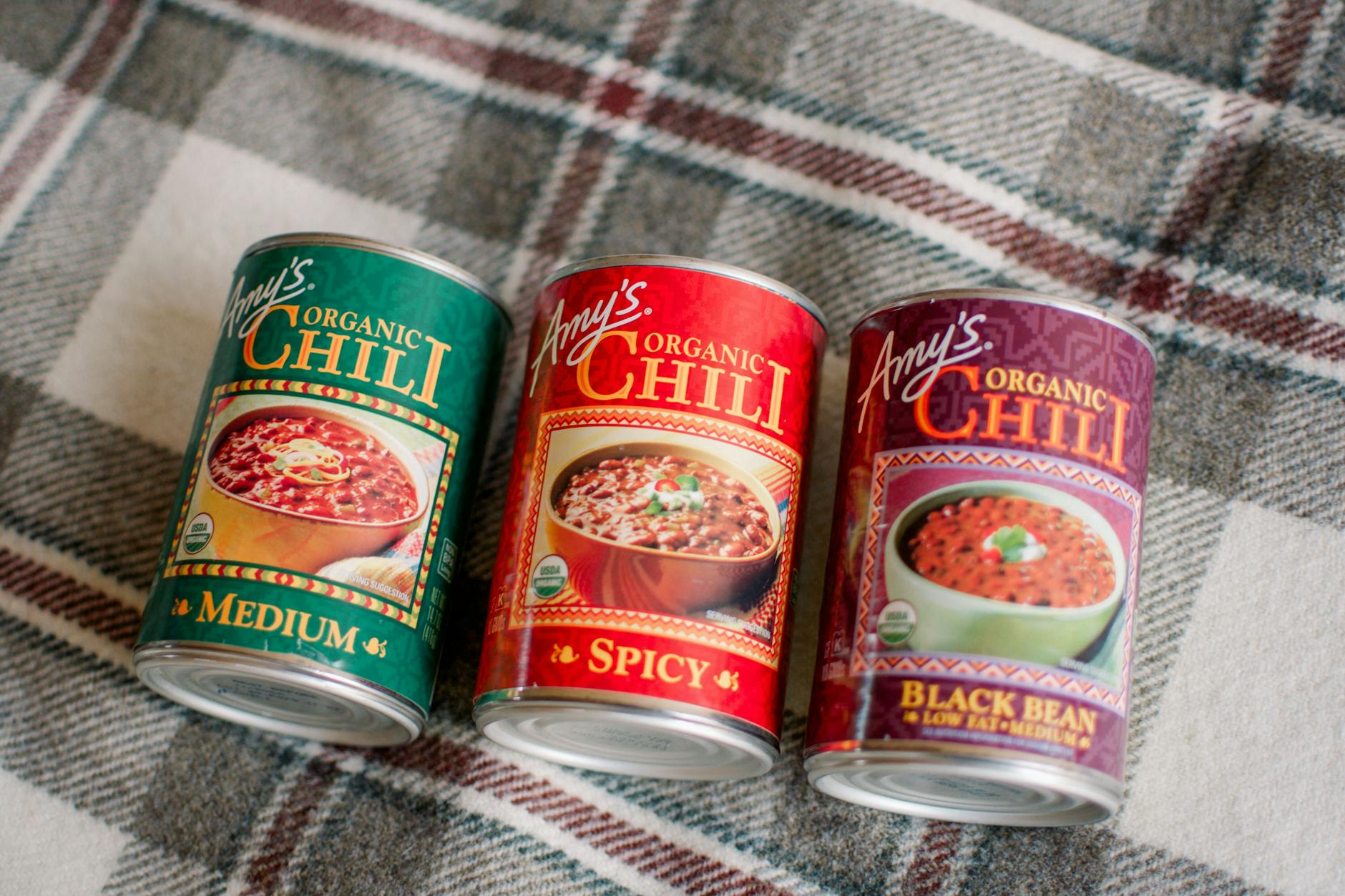
Canned soups are a pantry staple that many people turn to for a quick and warming meal, but sodium levels in most commercial varieties are remarkably high. A single can of popular soup brands can contain upwards of 800 to 1,000 milligrams of sodium, contributing significantly to the chronic high-sodium diets associated with vascular aging and skin dehydration. Many canned products also contain preservatives and flavor enhancers that add to the body’s chemical processing burden. The lining of some cans has historically contained bisphenol A, a compound associated with hormonal disruption and inflammatory responses. Homemade or low-sodium options represent a more age-conscious alternative.
Breakfast Cereal

Most commercial breakfast cereals are marketed with health-forward imagery but contain surprisingly high amounts of refined sugar and processed grain. The sugar content in a single bowl of many popular cereals rivals that of a dessert item, creating a sharp blood sugar spike first thing in the morning. Starting the day with a glycemic surge sets off inflammatory hormonal responses and feeds the glycation cycle that degrades skin proteins over time. Artificial colors, flavorings, and fortified synthetic vitamins added during manufacturing also add to the body’s detoxification load. Reading nutrition labels carefully reveals that many cereals have more in common with candy than with a nourishing morning meal.
Candy

Refined candy products represent some of the most concentrated sources of simple sugar in the modern diet. The glucose and fructose in sweets bind directly to collagen fibers through glycation, forming advanced glycation end products that permanently stiffen and discolor the skin’s support structure. This process is cumulative and irreversible once the damage is done to existing collagen fibers. Artificial colorings, flavorings, and preservatives in commercial candies also place oxidative stress on cellular systems over time. Even moderate but consistent candy consumption across years creates a meaningful burden on the skin and vascular tissue.
Ice Cream

Ice cream combines high refined sugar content with saturated fat in a form that is easily consumed in large quantities due to its palatability and smooth texture. The sugar component drives glycation and inflammatory responses that accelerate skin aging, while the saturated fat content in many commercial varieties supports pro-inflammatory pathways in the body. Many mass-produced ice creams also contain artificial stabilizers, emulsifiers, and flavor compounds that add complexity to what the body must manage metabolically. Frequent consumption contributes to blood sugar instability that affects energy regulation and skin radiance. Artisanal versions made with fewer ingredients and natural sweeteners tend to carry a lower aging burden.
Coffee Creamer

Commercial coffee creamers are among the most overlooked sources of hidden aging compounds in the daily diet. Many non-dairy creamer products are made with partially hydrogenated oils, artificial flavors, and high-fructose corn syrup or refined sugar in quantities that add up quickly with multiple cups per day. Trans fats present in hydrogenated oil-based creamers are particularly damaging to cardiovascular and cellular health over time. The combination of sugar and chemical additives taken first thing every morning creates a daily low-level inflammatory trigger. Switching to whole milk, unsweetened plant milks, or small amounts of real cream offers a substantially cleaner nutritional profile.
Packaged Cookies

Packaged cookies found in supermarket aisles are engineered for shelf stability and mass appeal, qualities that require a roster of ingredients unfriendly to long-term health. Refined flour, refined sugar, partially hydrogenated oils, and a range of artificial additives work together to create a product that is high in glycemic load and inflammatory potential. The glycation process triggered by their sugar content damages the structural proteins of the skin with each serving. Emulsifiers and preservatives used to extend shelf life have been linked in emerging research to gut microbiome disruption, which has downstream effects on immune function and inflammation. Their convenience makes them easy to consume habitually, which compounds the cumulative impact over time.
Hot Dogs

Hot dogs are one of the most heavily processed protein foods in common consumption, containing a combination of mechanically separated meat, nitrates, sodium, and artificial preservatives. The nitrate and nitrite content used for curing and color preservation generates compounds during digestion that are associated with oxidative cellular damage. Their extremely high sodium content stresses the kidneys and cardiovascular system, two organ systems whose health is closely tied to how quickly the body ages. The processing methods used to manufacture hot dogs also destroy much of the nutritional value present in unprocessed meat. They represent a calorie-dense food offering very little in return for the metabolic and inflammatory cost they carry.
Frozen Pizza

Frozen pizza combines refined white flour dough, heavily processed cheese, high-sodium tomato sauce, and preserved meat toppings into a single meal with a significant aging footprint. The refined carbohydrate base triggers blood sugar spikes and glycation, while the processed cheese and meat toppings contribute saturated fat and sodium in large amounts. Many frozen pizza products also contain artificial flavorings and preservatives designed to survive months in a freezer without quality loss. The high caloric density relative to nutritional value means the body is processing a large chemical and glycemic load without receiving meaningful cellular support in return. Occasional consumption is unlikely to cause harm, but regular reliance on frozen pizza as a meal option carries cumulative consequences.
Bottled Salad Dressing

Bottled salad dressings are often perceived as harmless additions to an otherwise healthy meal, but their ingredient lists reveal a more complicated picture. Most commercial dressings are made with refined vegetable oils high in omega-6 fatty acids, which promote inflammation when they dominate the dietary fat profile. Added sugars, artificial flavors, preservatives, and thickening agents round out a product far removed from the whole-food fats that support skin and cellular health. High sodium content in savory varieties adds to daily intake in amounts that quietly accumulate. Making simple dressings at home with extra virgin olive oil and vinegar takes only minutes and eliminates most of these concerns.
Soy Sauce

Soy sauce is a foundational flavoring in many cuisines and is used in modest quantities, but its sodium concentration is remarkably high even in small amounts. A single tablespoon of conventional soy sauce can contain close to 900 milligrams of sodium, making it easy to overconsume without awareness. Chronic high sodium intake dehydrates tissues, raises blood pressure, strains kidney function, and promotes the vascular aging that affects the entire body over time. Some commercial soy sauces also contain added flavor enhancers including monosodium glutamate, which some research suggests may contribute to oxidative stress at higher levels of exposure. Low-sodium alternatives and tamari options offer similar flavor with a reduced physiological burden.
Flavored Yogurt

Plain yogurt is widely regarded as a health-supportive food, but the flavored varieties that dominate supermarket shelves often bear little nutritional resemblance to their plain counterparts. Commercial fruit-flavored yogurts regularly contain as much sugar as a serving of dessert, using artificial fruit flavors and refined sugar or high-fructose corn syrup to achieve palatability. This sugar content drives the same glycation and inflammatory responses as other sugary foods, countering many of the probiotic benefits the yogurt base might otherwise offer. Artificial colorings and thickening agents used to replicate fruit texture and appearance add further chemical processing demands on the body. Choosing plain Greek or regular yogurt and adding whole fruit allows consumers to access the genuine benefits without the hidden sugar burden.
Crackers

Packaged crackers are a common snack food that appear modest in their caloric footprint but carry a surprising concentration of refined carbohydrates, sodium, and processed fats. Most commercial cracker varieties are made from refined white flour with a high glycemic index, meaning they trigger blood sugar responses similar to other refined grain products. Many are produced with partially hydrogenated or refined vegetable oils, adding inflammatory fat profiles to the mix. High sodium content is a consistent feature across most popular cracker brands, contributing to cumulative daily sodium intake that stresses vascular and renal health over time. Whole grain versions with minimal ingredients offer a significantly more age-conscious option for snacking.
Granola Bars

Granola bars occupy an interesting space in the snack food market as products that are widely marketed as healthy but often contain sugar levels rivaling traditional candy bars. Many commercial granola bars use syrups, honey, brown sugar, or refined sugars as binding agents, resulting in a product that triggers blood sugar spikes despite its wholesome appearance. Chocolate chips, yogurt coatings, and dried fruit additions further increase the sugar and glycemic content. The refined oils and preservatives used to extend shelf life add inflammatory compounds that undermine the nutritional value of the oats and nuts present. Reading labels carefully is essential, as sugar content varies enormously between brands and varieties.
Ketchup

Ketchup is one of the most widely consumed condiments in the world and also one of the most concentrated sources of hidden sugar in everyday eating. A standard serving of commercial ketchup contains high-fructose corn syrup or refined sugar in amounts that accumulate meaningfully across the day when the condiment is used liberally. The tomato base does offer some antioxidant value in the form of lycopene, but the sugar and sodium content in most recipes significantly offset those benefits. Regular exposure to fructose in concentrated form contributes to hepatic fat accumulation and systemic inflammation that accelerates internal aging. Low-sugar or no-added-sugar versions of ketchup provide a more balanced option for those who consume it regularly.
Flavored Oatmeal

Plain oatmeal is one of the more nutritionally sound breakfast options available, but the packaged flavored varieties that dominate grocery shelves tell a different story. Instant flavored oatmeal packets regularly contain added sugars, artificial flavors, and sodium in amounts that transform an otherwise wholesome food into a glycemic trigger. The rapid cooking format used for instant oatmeal also breaks down the grain structure in ways that raise its glycemic index compared to rolled or steel-cut varieties. The blood sugar spike produced by a sugary instant oatmeal breakfast sets off the same inflammatory and glycation responses caused by other refined carbohydrate foods. Preparing plain oats with whole fruit and nuts takes only a few minutes longer and delivers substantially better long-term benefits.
Sports Drinks

Sports drinks are formulated to support athletes engaged in prolonged intense physical activity, but they are regularly consumed as everyday beverages by people whose activity levels do not justify that nutritional intervention. They contain significant amounts of refined sugar or artificial sweeteners alongside high concentrations of sodium and synthetic colorings designed for visual appeal. For the average person drinking them as a hydration substitute during low-activity periods, the sugar and additive content simply adds to the daily glycemic and chemical load without providing meaningful benefit. Artificial dyes used to create the vivid colors in many sports drinks have been studied for their potential to contribute to oxidative stress and inflammatory responses. Water remains the most age-supportive hydration choice for non-athletes.
Artificial Sweeteners
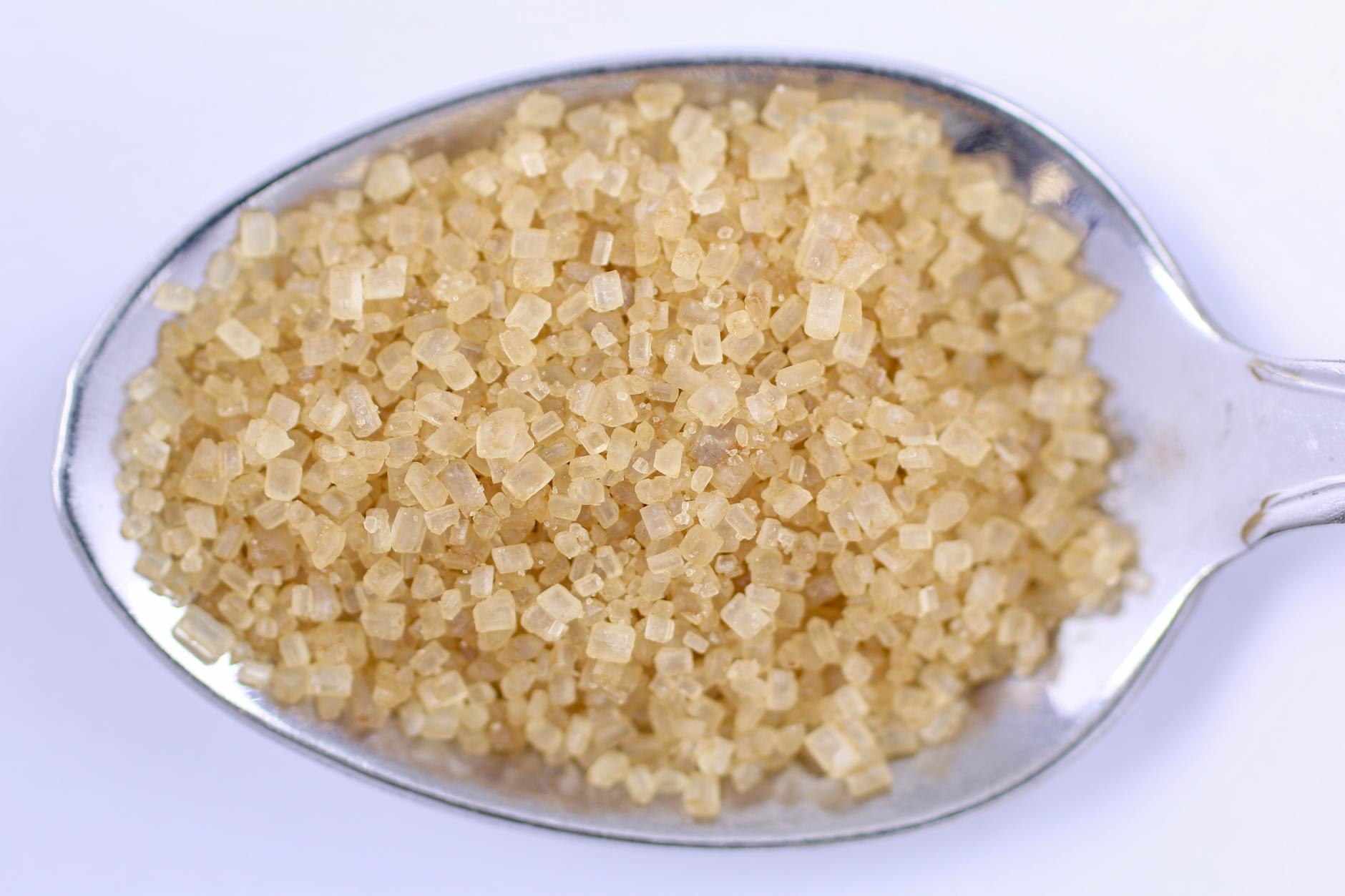
Artificial sweeteners are frequently positioned as a safe and calorie-free alternative to refined sugar, but their effects on the body are more nuanced than their marketing suggests. Multiple studies have found that artificial sweeteners disrupt the composition and diversity of the gut microbiome, which plays a central role in regulating inflammation, immunity, and nutrient absorption. A compromised gut microbiome is increasingly linked in research to accelerated aging at both the cellular and systemic level. Some sweeteners also appear to trigger insulin responses despite containing no calories, which may contribute to metabolic disruption over time. The long-term impact of consistent artificial sweetener consumption is still under active investigation, and moderation remains a prudent approach.
Fried Chicken

Fried chicken is a beloved comfort food that unfortunately delivers a concentrated combination of aging-related factors in a single serving. The high-heat frying process generates advanced glycation end products directly within the food, particularly in the crispy outer coating, which are then consumed and absorbed by the body. These compounds promote oxidative stress and inflammation in a way that accelerates skin aging and degrades arterial flexibility. The refined flour coating and oil absorbed during frying add refined carbohydrates and pro-inflammatory fats to the equation. Frequent consumption is associated with cardiovascular risk and systemic inflammatory markers that track closely with biological aging rate.
Cream Cheese

Cream cheese is a high-fat dairy product that is commonly spread generously on bagels, used in baking, and incorporated into dips and sauces across many dietary patterns. Its high saturated fat content contributes to pro-inflammatory signaling pathways when consumed in excess, and the pairing with refined crackers or white bagels amplifies the glycemic and inflammatory impact. Full-fat commercial cream cheese also often contains gums, stabilizers, and added salt that increase its overall processing footprint. Some research suggests that diets consistently high in saturated fat are associated with reduced skin elasticity and premature wrinkling over the long term. Consuming it occasionally in small amounts rather than as a daily dietary fixture is the more age-conscious approach.
Canned Fruit
Canned fruit may appear to be a convenient way to include fruit in the diet, but most commercial varieties are packed in heavy syrup that dramatically increases their sugar content beyond that of the fresh fruit itself. The syrup base is typically made with refined sugar or high-fructose corn syrup, turning a naturally nutritious food into a significant glycemic trigger. The canning process also involves high heat that degrades heat-sensitive vitamins and antioxidants that fresh fruit would otherwise provide. Bisphenol A exposure from can linings has been an ongoing concern in research examining hormonal disruption and its relationship to inflammatory aging. Choosing canned fruit packed in water or natural juice, or opting for frozen unsweetened varieties, preserves more of the nutritional benefit.
Packaged Pastries

Commercially packaged pastries including muffins, Danish pastries, croissants, and similar baked goods are among the most age-accelerating foods available in everyday retail settings. They combine refined white flour, refined sugar, partially hydrogenated or refined oils, artificial flavors, and preservatives into a product that is high in glycemic load, trans fat content, and chemical additives simultaneously. The glycation triggered by their sugar content, combined with the inflammatory fats and oxidative compounds generated during industrial baking, creates a compounding burden on the skin, vascular system, and cellular repair mechanisms. Their high palatability and convenient packaging make them easy to consume daily without registering as a significant dietary indulgence. The cumulative impact of regular packaged pastry consumption is one of the more significant and underestimated contributors to premature visible aging.
Flavored Chips

Flavored chip varieties including cheese-dusted, barbecue, and sour cream formats go beyond the standard concerns of plain potato chips by adding a layer of artificial flavor compounds and chemical colorings to an already problematic base. The seasoning blends used in these products typically contain monosodium glutamate, artificial flavorings, synthetic dyes, and high sodium levels that collectively amplify their inflammatory potential. Many of the flavor compounds are produced through chemical processes that introduce oxidative compounds into the product. The combination of refined carbohydrates, pro-inflammatory oils, and artificial additives makes flavored chips a particularly potent dietary source of age-accelerating inputs. Their addictive flavor engineering makes portion control difficult, further increasing the likelihood of habitual overconsumption.
Share which of these foods surprised you most in the comments and let the community know which swaps you have already made in your own diet.