
Living in close proximity to others requires a constant awareness of the invisible lines that define personal and shared space. Many people unknowingly chip away at neighborly goodwill through small repeated habits that accumulate into real tension over time. Recognizing these behaviors early can protect relationships and preserve the comfortable atmosphere everyone deserves in their home environment. The following signs are drawn from common patterns reported across communities and reflect widely documented friction points between neighbors.
Noise Levels

Playing music, hosting gatherings or running appliances at high volume during early morning or late evening hours is one of the most universally reported sources of neighbor conflict. Sound travels further than most people realize, especially in apartments, terraced houses or homes with shared walls. Even enthusiastic conversations in gardens or on balconies can disrupt a neighbor’s sleep, concentration or quiet time. Many noise ordinances exist precisely because this boundary is so frequently crossed without awareness. Checking local quiet hours and investing in soundproofing solutions are practical first steps toward greater consideration.
Parking Habits
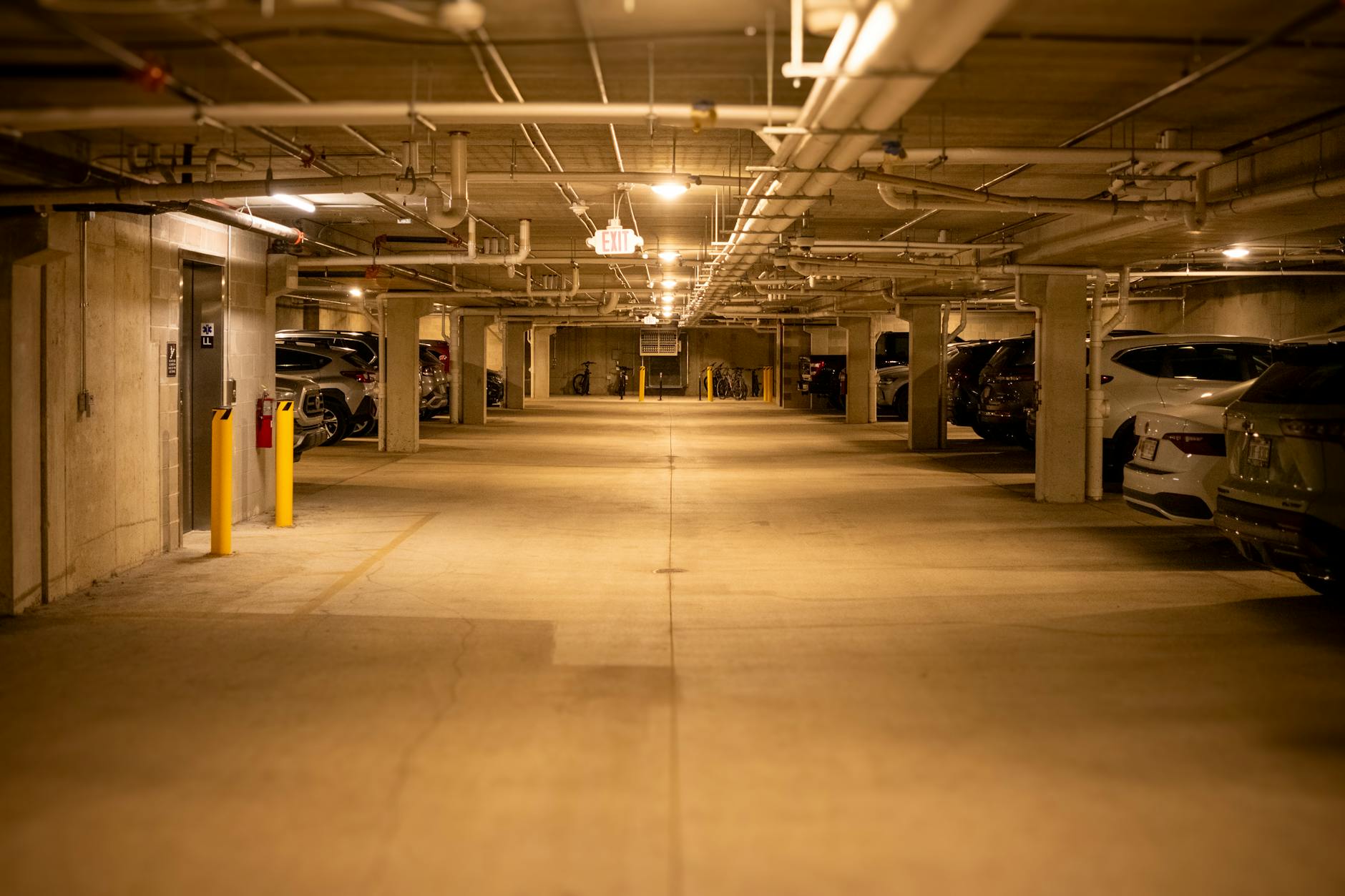
Consistently parking in a way that blocks a neighbor’s driveway access or takes up a spot informally understood as theirs signals a disregard for shared space. Visitors who repeatedly occupy limited street parking without acknowledgment can cause daily frustration for those who live there permanently. In shared parking lots or residential complexes the rules around designated bays are often stated clearly yet frequently ignored. Parking across property boundaries or on grass verges that belong to a neighbor’s frontage is another commonly reported issue. These habits communicate that personal convenience is being prioritized over communal respect.
Property Lines

Allowing fences, garden structures or planted hedges to gradually encroach onto a neighboring plot is a significant boundary violation that often escalates into legal disputes. Many homeowners are unaware of where their land actually ends without consulting official property deeds or surveys. Overhanging tree branches and roots that damage a neighbor’s garden or foundation are also the responsibility of the tree’s owner in most jurisdictions. Placing outdoor furniture, bins or storage items on land that is not definitively yours creates ongoing tension. A simple boundary survey can prevent years of unnecessary conflict.
Shared Spaces

Leaving personal belongings in communal hallways, staircases or shared outdoor areas on a long-term basis is a frequent source of resentment in multi-unit buildings. These areas exist for the collective use of all residents and are not extensions of any individual’s private storage. Cluttering shared spaces with bicycles, shoes, boxes or decorative items restricts movement and can create safety hazards. Failing to clean up after using shared laundry rooms, kitchens or garden spaces shows a lack of consideration for the next person. Treating communal areas with the same care as private ones is a basic expectation in any shared living situation.
Bin Placement

Placing rubbish or recycling bins in positions that obstruct a neighbor’s path, view or access is a surprisingly common grievance in residential areas. Leaving bins out for days after collection rather than returning them promptly affects the general appearance and accessibility of a shared street. Using a neighbor’s allocated bin space without permission, even occasionally, can cause practical problems on collection day. Allowing bins to overflow or emit strong odors due to irregular maintenance affects everyone in the immediate vicinity. Local councils in many areas provide clear guidance on where and when bins should be placed.
Garden Maintenance

An unkempt garden that allows weeds to spread seeds onto neighboring plots directly affects the amount of upkeep those neighbors must do on their own land. Overgrown hedges that block natural light from reaching a neighbor’s windows or garden are a documented source of ongoing disputes. Composting improperly or leaving organic matter to rot without containment can produce smells that drift into adjacent properties. Allowing ivy or climbing plants to grow unchecked across boundary walls damages structures over time and becomes a shared problem. Regular maintenance signals awareness of how private outdoor spaces affect those living nearby.
Pet Behavior

Allowing dogs to bark persistently without intervention is one of the top noise complaints made by neighbors in urban and suburban settings. Pets that are permitted to roam freely and enter neighboring gardens damage plants, leave waste and cause distress to residents who may have allergies or fears. Failing to clean up after pets in shared or public areas immediately adjacent to residential properties reflects poorly on the owner and affects everyone’s enjoyment of those spaces. Cats that are allowed outdoors in large numbers can cause considerable damage to neighboring garden wildlife and planted areas. Responsible pet ownership includes being accountable for the impact animals have on the wider community.
Package Handling

Accepting a neighbor’s delivered parcel and then failing to inform them promptly that it has arrived creates unnecessary anxiety and inconvenience. Signing for deliveries and leaving them in exposed or unsecured locations rather than keeping them safely inside until collection is possible undermines trust. Some residents take it upon themselves to redirect or refuse a neighbor’s deliveries without prior agreement, which causes significant logistical disruption. Allowing your own frequent deliveries to crowd shared doorways or communal entrances affects accessibility for all residents in the building. Clear communication about delivery preferences between neighbors avoids the majority of these issues before they arise.
Social Invitations

Repeatedly inviting neighbors to events or gatherings after they have politely declined multiple times crosses into social pressure that makes shared living uncomfortable. Assuming a neighborly relationship grants access to personal time, private celebrations or family occasions without an explicit invitation is a misreading of the dynamic. Dropping by unannounced on a regular basis, regardless of how friendly the relationship appears, can disrupt routines and create a sense of intrusion. Sharing details of a neighbor’s personal schedule or habits with other residents without permission is a violation of their privacy. Social warmth between neighbors works best when it is reciprocal and clearly welcome on both sides.
Lighting Fixtures

Installing exterior lights that point directly toward a neighbor’s windows or bedroom areas disrupts sleep and daily comfort in ways the installer may not immediately consider. Security lights on motion sensors that are poorly positioned will activate repeatedly throughout the night due to movement on adjacent property. Decorative lighting left on throughout the night that shines into a neighbor’s garden reduces their enjoyment of their own outdoor space after dark. Bright floodlights used for sports or hobby purposes without regard for timing or direction are a growing source of reported disputes. Adjusting the angle and timing of exterior lighting to avoid spillover onto neighboring land is a straightforward and considerate solution.
Surveillance Equipment

Positioning security cameras in ways that capture footage of a neighbor’s private garden, windows or entrance is a serious privacy concern with legal implications in many countries. Even where local laws do not explicitly prohibit it, the awareness of being watched in one’s own private space causes genuine distress. Doorbell cameras with wide-angle lenses that record street areas used by neighbors require clear signage and in some regions formal notification under data protection regulations. Installing cameras that face directly into a neighboring home’s interior view is considered a significant overreach in virtually every jurisdiction. Reviewing camera placement with privacy in mind before installation avoids conflict and potential legal action.
Renovation Timing
Carrying out loud construction, drilling or renovation work outside of locally permitted hours is one of the most disruptive things a homeowner can do to the surrounding neighborhood. Projects that extend over many weeks or months without warning leave neighbors unable to plan their own routines around the inevitable noise and disruption. Failing to inform adjacent neighbors before beginning major structural work that may affect shared walls or foundations is both inconsiderate and in some areas legally required. Dust, debris and construction materials that spread onto neighboring properties during renovation work create additional burdens for those who live nearby. A brief conversation with neighbors before a project begins significantly reduces the friction caused by the work itself.
Smoke and Smells

Smoking in shared outdoor areas, on balconies or near open windows that face a neighbor’s living space exposes them to secondhand smoke without consent. Strong cooking smells that ventilate directly into neighboring properties through poorly positioned extractor fans are a more common complaint than many realize. Using barbecues or fire pits in gardens without awareness of wind direction can fill a neighbor’s home with smoke and render their own outdoor space unusable. Burning garden waste in areas where it is restricted or without consideration of nearby residents is another frequently reported source of tension. Being mindful of how smoke and strong odors travel in residential settings is a basic aspect of considerate neighborly conduct.
Shared Utilities

In properties where utility meters, boiler systems or water supplies are shared or co-located, making changes to settings without discussion affects everyone connected to that system. Running high-consumption appliances such as washing machines or dishwashers at hours that cause noise or pressure drops in shared pipework disrupts neighboring households. Failing to report a shared utility fault promptly because it does not yet directly affect your own unit shows a lack of collective responsibility. Accessing utility cupboards or meters located partially on a neighbor’s property without prior notice is an invasion of their space even if access rights technically exist. Open communication about shared systems prevents misunderstandings and maintains functional relationships between residents.
Boundary Conversations

Raising boundary-related concerns with neighbors in front of other residents or on visible shared platforms such as building notice boards creates public embarrassment and entrenches conflict. Escalating a minor issue directly to landlords, management companies or local authorities without first attempting a private and respectful conversation is widely considered an aggressive first move. Repeatedly bringing up a resolved grievance long after it has been addressed shows a lack of good faith that poisons the ongoing relationship. Making assumptions about a neighbor’s intentions rather than seeking clarification often causes disputes to escalate far beyond their original cause. The way a concern is raised frequently determines whether it leads to resolution or lasting tension.
Guest Management

Allowing frequent visitors to park carelessly, make noise or leave communal areas in a worse state than they found them reflects on the host rather than the guest alone. Hosting large gatherings regularly without notifying neighbors in advance removes their ability to plan around the disruption. Guests who smoke, argue or play music in shared outdoor areas during unsociable hours extend the host’s impact well beyond their own four walls. Some residents allow guests to occupy shared amenities such as laundry rooms or gyms for extended periods during peak times, preventing others from accessing them. Taking responsibility for the conduct of visitors while they are on shared premises is part of being a considerate member of any residential community.
Communication Style

Sending aggressive or accusatory messages to neighbors via notes, group chats or intercoms rather than initiating a calm face-to-face conversation tends to escalate minor issues into lasting disputes. Copying multiple neighbors or building managers into a complaint message before giving the individual concerned a chance to respond privately is widely regarded as unnecessarily confrontational. Using sarcasm or passive aggression in written communications about shared space issues creates a hostile atmosphere that makes future interactions uncomfortable. Responding to reasonable requests from neighbors with defensiveness rather than openness signals an unwillingness to engage in good faith. Clear and respectful direct communication remains the most effective tool for resolving the vast majority of neighbor-related friction.
Social Media Posts

Posting photographs or footage of neighbors taken from your own property without their knowledge or consent to social media platforms is a serious breach of privacy. Writing public posts that describe a neighbor’s behavior in identifiable detail without naming them directly can still constitute targeted harassment in many legal frameworks. Joining or creating neighborhood social media groups with the primary purpose of organizing collective complaints against a specific resident causes measurable harm to that person’s reputation and wellbeing. Sharing footage captured by home security systems that features neighbors going about their daily lives is subject to data protection laws in a growing number of countries. The public nature of social media makes it an entirely inappropriate channel for resolving what are fundamentally private and interpersonal matters.
Building Rules
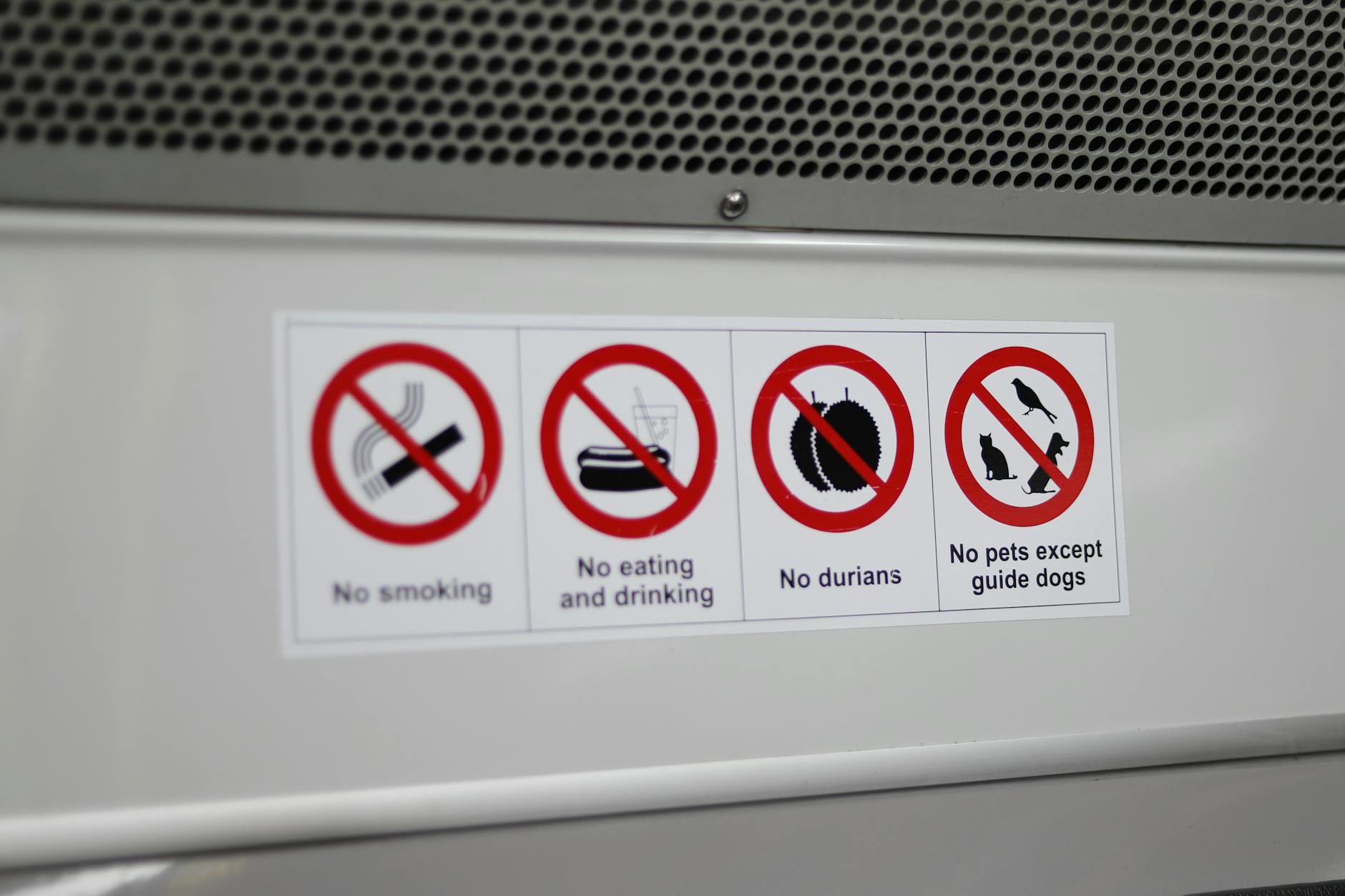
Ignoring building-wide rules about quiet hours, waste disposal or the use of communal facilities because they feel inconvenient is a form of entitlement that affects every other resident who chooses to comply. Subletting a unit or allowing long-term guests to stay in ways that violate the terms of a lease or building agreement impacts management relationships for the entire community. Making unauthorized alterations to shared infrastructure such as letterboxes, intercoms or entry systems without consulting building management creates practical and security issues for everyone. Repeatedly failing to attend or engage with residents’ meetings where shared decisions are made gives up the right to complain about outcomes while still imposing them on others. Understanding and following the agreed rules of a shared building is the minimum standard expected of every occupant.
Event Timing

Organizing outdoor celebrations that extend well beyond a reasonable evening hour without prior notice to neighbors prioritizes one household’s enjoyment over the rest of the community’s right to peace. Planning regular events that use shared car parks, driveways or communal gardens without formal agreement with other residents amounts to an unofficial appropriation of common resources. Scheduling deliveries, tradespeople or moving activities during early morning hours without warning neighbors who may be affected by the noise and access disruption shows a lack of awareness. Sending last-minute notifications about events rather than providing reasonable advance notice removes any genuine opportunity for neighbors to make alternative arrangements. Thoughtful timing and early communication are the simplest ways to ensure personal celebrations do not come at the expense of others.
If you recognize any of these patterns in your own habits or living situation, share your experiences and thoughts in the comments.




