
Inflammation is the body’s natural immune response, but certain foods can activate that response within minutes of consumption, leading to discomfort, bloating, and long-term health consequences. Researchers have identified dozens of everyday ingredients that place significant stress on the body’s systems almost instantly. The foods on this list are ranked based on the speed and intensity of their inflammatory effect, with the most immediate and widespread offenders appearing first. Understanding which items to limit can make a meaningful difference in energy levels, joint comfort, and overall wellbeing.
White Sugar
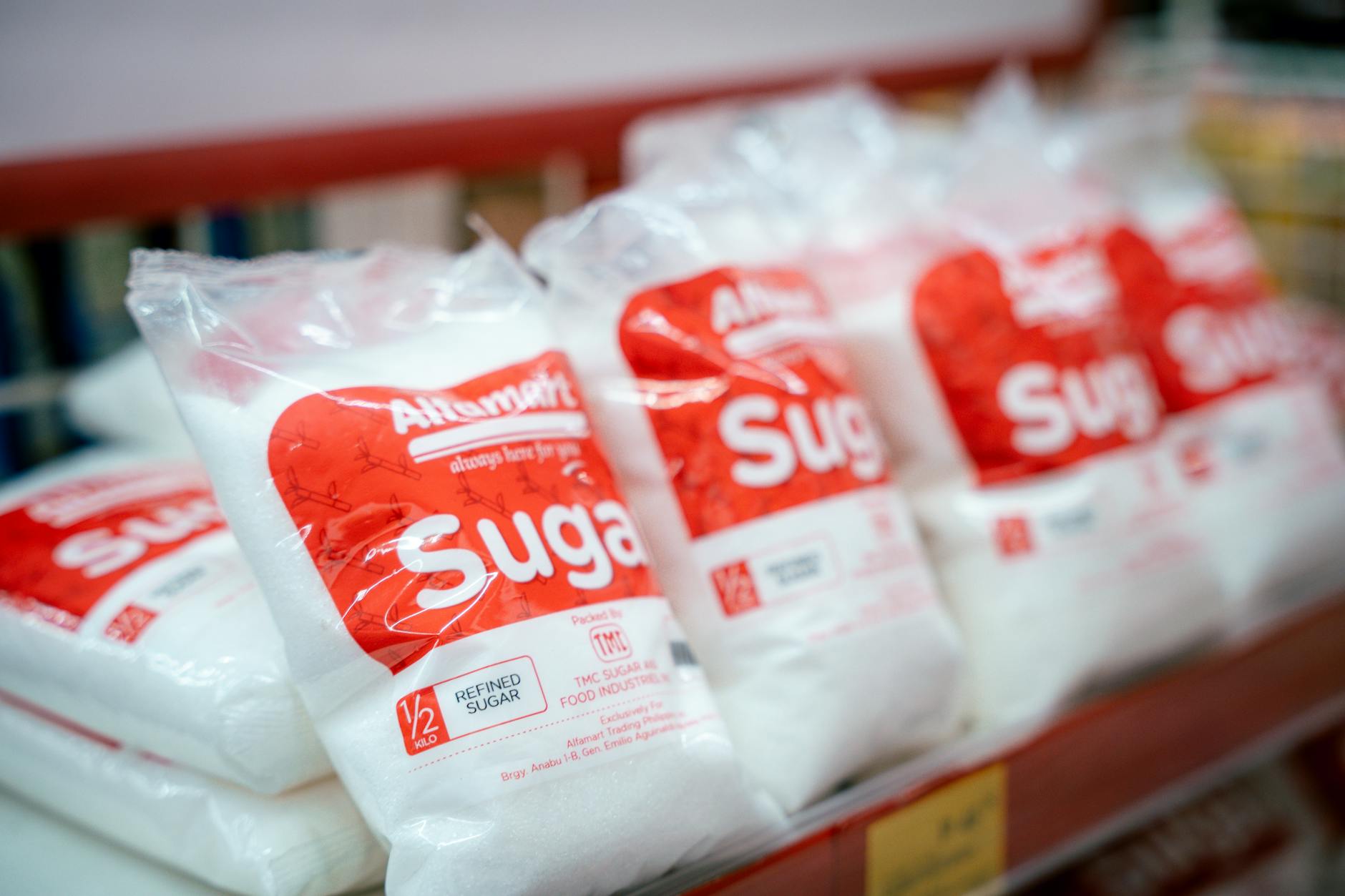
Refined white sugar causes a rapid spike in blood glucose levels that triggers an immediate inflammatory cascade throughout the body. The pancreas responds by releasing large amounts of insulin, a process that promotes the production of pro-inflammatory compounds. Regular consumption keeps inflammation levels chronically elevated, contributing to conditions like metabolic syndrome and type 2 diabetes. White sugar appears in far more packaged foods than most people realize, making it difficult to avoid without careful label reading.
Soda

Carbonated soft drinks deliver an enormous concentration of refined sugar or artificial sweeteners directly into the bloodstream. The resulting blood sugar spike triggers inflammatory cytokines that can affect everything from gut lining to cardiovascular tissue. Diet sodas are not a safe alternative, as their artificial sweeteners have been linked to gut microbiome disruption and subsequent inflammation. Even occasional consumption has been shown to elevate inflammatory markers for several hours after the drink is finished.
High-Fructose Corn Syrup

This highly processed sweetener is metabolized differently than regular sugar, placing a disproportionate burden on the liver almost immediately after ingestion. The liver converts excess fructose into fat, a process that produces inflammatory byproducts as a direct consequence. High-fructose corn syrup is found in a wide range of products from bread to condiments to flavored yogurts. Studies consistently link regular intake to elevated levels of C-reactive protein, a key marker of systemic inflammation.
Trans Fats

Partially hydrogenated oils containing trans fats are among the most inflammation-promoting substances found in the modern food supply. They interfere with the body’s ability to produce anti-inflammatory compounds while simultaneously stimulating pro-inflammatory pathways. Even small amounts consumed in a single sitting can measurably alter inflammatory marker levels within a few hours. Many countries have restricted or banned their use, yet they still appear in certain imported snack foods and commercial baked goods.
Vegetable Oil

Refined vegetable oils such as corn, soybean, and sunflower oil contain extremely high levels of omega-6 fatty acids relative to omega-3s. This imbalance shifts the body’s inflammatory balance almost immediately, as omega-6 fatty acids are precursors to pro-inflammatory eicosanoids. The refining process also damages the oil’s molecular structure, producing oxidized lipids that are particularly harmful to arterial tissue. Most restaurant-prepared and packaged foods are cooked in these oils, making them one of the most commonly consumed inflammatory triggers.
Margarine

Margarine was once promoted as a heart-healthy alternative to butter, but its formulation often includes partially hydrogenated oils and artificial additives. The presence of trans fats or interesterified fats in many margarine products initiates a rapid inflammatory response upon consumption. Its high omega-6 content further disrupts the fatty acid balance that the body relies on for managing inflammation. Butter from grass-fed sources is now widely considered a far less inflammatory option by nutrition researchers.
White Bread

The highly refined flour used in white bread is stripped of fiber and most nutrients, leaving behind a product that converts to glucose almost instantly during digestion. This rapid conversion triggers the same blood sugar and insulin spike associated with refined sugar consumption. The resulting inflammatory response is compounded by the presence of additives, dough conditioners, and preservatives common in commercially produced loaves. Individuals with undiagnosed gluten sensitivity experience an additional immune-mediated inflammatory response on top of the glycemic one.
Pastries

Commercially produced pastries combine refined flour, sugar, trans fats, and artificial flavors into a product that delivers multiple inflammatory triggers simultaneously. The glycemic load of a single pastry is high enough to provoke a measurable insulin response within fifteen minutes of eating. Many pastries also contain artificial food dyes and preservatives that have been linked to increased intestinal permeability. This combination makes them one of the most potent single-serving sources of inflammatory stimuli in the average diet.
Donuts

Donuts are deep-fried in refined oils and coated in sugar glazes, creating a compound inflammatory effect from multiple nutritional directions at once. The frying process generates advanced glycation end products that activate inflammatory receptors throughout the digestive tract. The rapid blood sugar spike that follows is often accompanied by an equally sharp crash that prolongs the physiological stress response. Regular donut consumption has been associated with elevated triglycerides and increased markers of low-grade systemic inflammation.
Fried Chicken

Deep-frying chicken in refined oils at high temperatures generates harmful compounds including acrylamide and oxidized fats that are absorbed directly into the bloodstream. The batter coating adds refined carbohydrates that contribute to glycemic stress on top of the lipid-based inflammatory load. Fast food fried chicken often contains added sodium and flavor enhancers that further challenge the body’s regulatory systems. The combination of oxidized oils, refined carbs, and high sodium makes it a particularly fast-acting inflammatory meal.
Processed Cheese

Processed cheese products are manufactured with emulsifying salts, artificial colorings, and preservatives that bear little resemblance to natural dairy. These additives have been shown to irritate the gut lining and disrupt the balance of beneficial bacteria almost immediately after consumption. The high sodium content promotes fluid retention and can contribute to vascular inflammation within hours of eating. Many people are also mildly intolerant to the casein proteins in dairy, which compounds the inflammatory response.
Hot Dogs

Commercially produced hot dogs are made from mechanically separated meats mixed with sodium nitrate, artificial flavors, and fillers. Sodium nitrate is converted in the body to nitrosamines, compounds with well-documented pro-inflammatory and potentially carcinogenic properties. The extreme processing involved in hot dog production breaks down protein structures into forms that are more likely to provoke immune reactions. The high sodium and saturated fat content adds further stress to the cardiovascular and digestive systems.
Bacon

Bacon is high in saturated fat and almost universally cured with sodium nitrate, making it a concentrated source of inflammatory compounds per serving. Cooking bacon at high temperatures further oxidizes its fats and generates heterocyclic amines that stimulate inflammatory pathways. The combination of salt, nitrates, and oxidized lipids reaches circulation quickly due to bacon’s rapid digestibility. While occasional consumption may be manageable for healthy individuals, regular intake is strongly associated with elevated inflammatory markers.
Sausage

Processed sausages contain high levels of saturated fat, sodium, and preservatives that collectively promote systemic inflammation. Many varieties also include fillers and stabilizers derived from refined grains, adding a glycemic inflammatory component to the existing lipid load. Grilling or pan-frying sausages at high heat generates additional harmful compounds that are absorbed during digestion. The combination of processing, additives, and cooking method makes sausage one of the more consistently inflammation-promoting protein sources available.
Instant Noodles

Instant noodles are made from highly refined wheat flour and cooked in palm oil before being dehydrated, producing a finished product dense in refined carbohydrates and oxidized fats. The seasoning packets contain extreme amounts of sodium along with flavor enhancers like monosodium glutamate. Studies on frequent instant noodle consumption have found associations with metabolic disruption and elevated inflammatory markers, particularly in women. Despite their convenience, they provide almost no nutrients capable of counteracting the inflammatory response they trigger.
Frozen Pizza

Frozen pizza combines refined white flour crust, processed cheese, cured meats, and high-sodium tomato sauce into a single meal with multiple inflammatory components. The high glycemic load of the crust triggers rapid blood sugar elevation, while the processed toppings contribute nitrates and oxidized fats. Most frozen pizzas also contain artificial flavors and preservatives that interfere with gut microbiome balance. A single serving can push sodium intake significantly over daily recommended levels, contributing to vascular inflammation.
Microwave Popcorn

Many microwave popcorn brands contain partially hydrogenated oils, artificial butter flavoring, and high sodium that together produce an inflammatory effect disproportionate to the serving size. The chemical diacetyl, commonly used in artificial butter flavoring, has been linked to respiratory inflammation even at food-safe exposure levels. The refined salt and flavoring compounds irritate the gut lining and can trigger bloating within minutes of consumption. Even plain microwave varieties often contain additives that are absent from air-popped alternatives.
Potato Chips

Commercial potato chips are cooked at high temperatures in refined oils, generating acrylamide and oxidized lipids that are absorbed rapidly into the digestive system. Their high glycemic index causes a quick blood sugar spike that initiates an insulin-mediated inflammatory response. Flavored varieties add a layer of artificial additives, excess sodium, and sometimes artificial colorings that further stress gut and immune function. The combination of high fat, high sodium, and refined carbohydrates makes chips one of the most commonly consumed inflammatory snacks globally.
Crackers

Most commercially produced crackers are made with refined flour, partially hydrogenated oils, and excess sodium, placing them firmly in the inflammatory category despite their perception as a light snack. The refined carbohydrates digest quickly, spiking blood sugar and prompting an insulin response within minutes. Many crackers also contain artificial flavors and preservatives that disrupt gut bacteria and contribute to intestinal permeability. Whole-grain or seed-based alternatives offer a meaningfully lower inflammatory profile for snacking.
Cookies

Packaged cookies are formulated with refined flour, refined sugar, and often partially hydrogenated oils, delivering a concentrated dose of inflammatory ingredients per serving. The high glycemic load produces a rapid blood glucose spike followed by inflammatory cytokine release. Many commercial cookies also contain artificial vanillin, high-fructose corn syrup, and emulsifiers that irritate the gut lining. Their palatability and small serving size make them easy to overconsume, compounding the inflammatory burden.
Candy

Most conventional candy is nearly pure refined sugar or high-fructose corn syrup combined with artificial colorings and flavors. The glycemic spike following candy consumption is among the fastest of any food category, producing an immediate and pronounced inflammatory response. Artificial food dyes, particularly those derived from petroleum, have been linked to gut irritation and immune activation independent of their sugar content. The complete absence of fiber, protein, or fat in most candies means there is no nutritional buffer to slow the inflammatory cascade.
Ice Cream

Commercial ice cream combines refined sugar, dairy, artificial flavors, and stabilizers in a format that is rapidly digested and absorbed. The high sugar content triggers an immediate blood glucose spike, while the dairy proteins can provoke immune responses in those with latent sensitivities. Emulsifiers commonly used in commercial ice cream formulations have been shown to disrupt gut microbiome composition with repeated exposure. Premium or natural varieties tend to have a lower additive load, though the sugar content remains a consistent inflammatory concern.
Granola Bars

Many commercially marketed granola bars are closer to candy than health food, containing refined sugars, high-fructose corn syrup, and refined grain products. Despite their association with wellness, their glycemic index can rival that of a chocolate bar, producing a rapid inflammatory response. Added oils and artificial flavors contribute further to the inflammatory load, particularly in flavored or chocolate-coated varieties. Reading ingredient labels carefully is essential, as marketing language like “natural” or “whole grain” does not guarantee a low inflammatory profile.
Breakfast Cereal

Most mainstream breakfast cereals are made from refined grains and heavily sweetened with refined sugar or high-fructose corn syrup, making them a fast-acting inflammatory food despite their morning routine familiarity. The refining process removes bran and germ, stripping fiber that would otherwise slow glucose absorption. Artificial colorings and synthetic vitamins added back during fortification are poor substitutes for the nutrients removed during processing. Even cereals marketed to children as vitamin-enriched often contain enough sugar per serving to trigger a measurable inflammatory response.
Coffee Creamer

Non-dairy coffee creamers are among the most additive-laden products in the average grocery store, often containing partially hydrogenated oils, high-fructose corn syrup, and a range of artificial flavors and colorings. The trans fats and refined sugars work synergistically to trigger inflammatory pathways almost immediately after consumption. Many people consume several servings per day without realizing they are introducing a meaningful inflammatory load into each cup. Even “sugar-free” creamers often rely on artificial sweeteners that disrupt gut microbiome balance and provoke low-grade immune responses.
Fruit Juice

Despite its association with health, commercial fruit juice is a concentrated source of fructose with virtually none of the fiber present in whole fruit. This means the sugars are absorbed rapidly into the bloodstream, triggering an insulin spike and the associated inflammatory response almost immediately. Many commercial juices also contain added sugars, artificial flavors, or preservatives that add to the inflammatory burden. Nutritionists consistently recommend eating whole fruit rather than drinking juice to avoid the glycemic and inflammatory consequences.
Energy Drinks

Energy drinks combine high levels of refined sugar, caffeine, artificial flavors, and synthetic stimulants into a beverage that places immediate stress on multiple body systems. The sugar content alone is sufficient to trigger a significant glycemic and inflammatory response, but the addition of compounds like taurine and synthetic B vitamins in high doses adds further physiological burden. Studies have linked regular energy drink consumption to increased markers of vascular inflammation and elevated blood pressure. Their stimulant properties can also disrupt sleep, which independently elevates inflammatory markers over time.
Alcohol
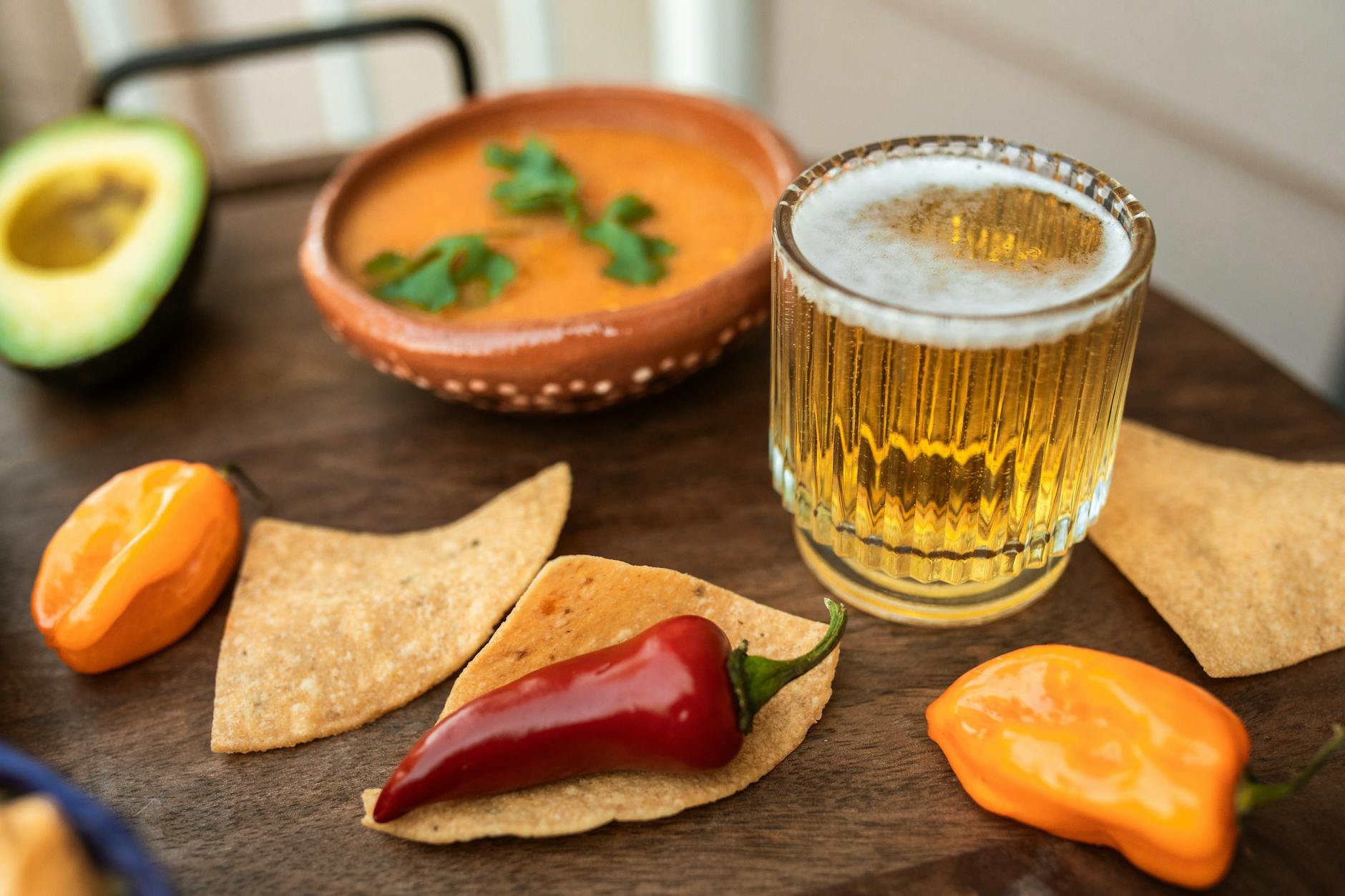
Alcoholic beverages trigger inflammation through multiple mechanisms that begin within minutes of consumption. Alcohol is metabolized into acetaldehyde, a toxic compound that directly damages cell membranes and stimulates immune-mediated inflammatory pathways. The gut lining becomes more permeable under alcohol’s influence, allowing bacterial endotoxins to enter the bloodstream and amplify systemic inflammation. Even moderate consumption measurably elevates inflammatory markers in most individuals, with effects that can persist for twenty-four hours or more.
Ketchup
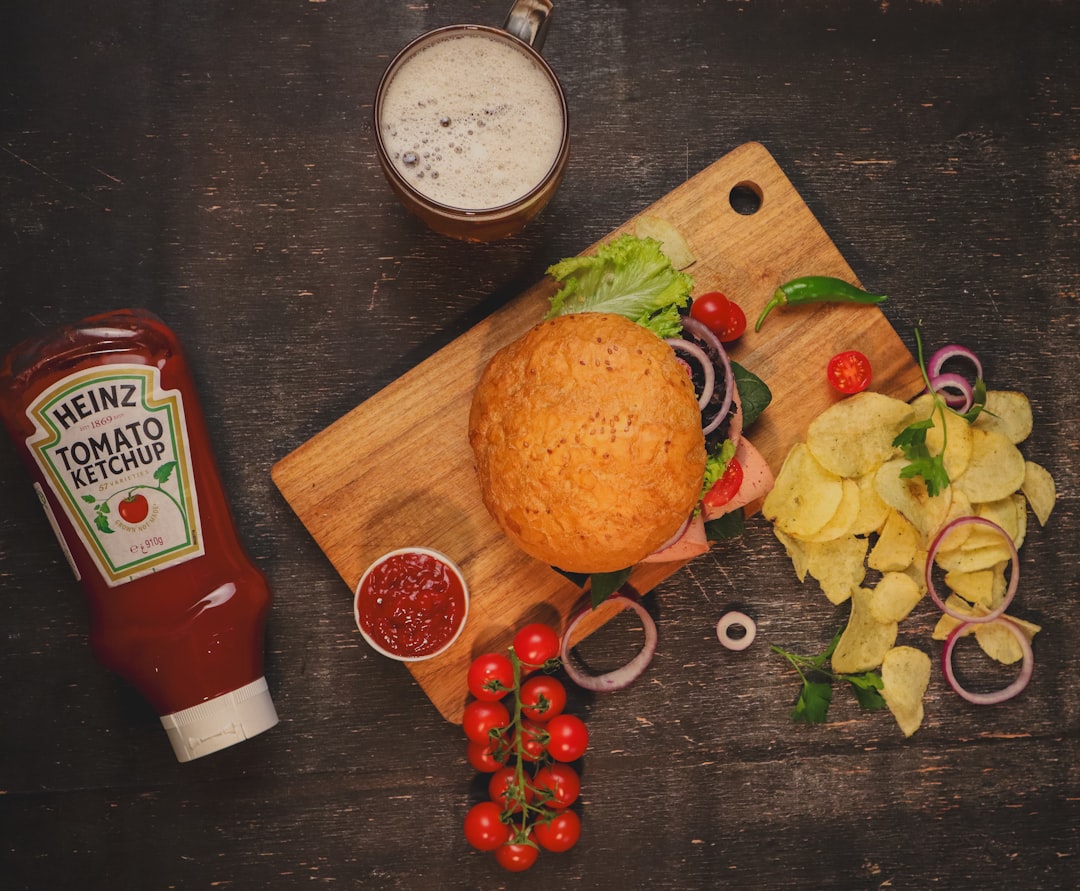
Commercial ketchup is far more inflammatory than its tomato base would suggest, as most mass-produced varieties are sweetened with high-fructose corn syrup and contain added salt and preservatives. The high sugar content relative to serving size makes it easy to consume a significant glycemic load without realizing it. Artificial thickeners and flavor enhancers in standard formulations add gut-irritating compounds to the mix. Tomatoes themselves are modestly anti-inflammatory, but the refining and sweetening process in commercial ketchup production largely negates that benefit.
Mayonnaise

Commercial mayonnaise is made primarily from refined vegetable oils high in omega-6 fatty acids, making it a reliable source of inflammation-promoting lipids. The standard formulation also includes added sugars, artificial flavors, and preservatives that compound the inflammatory effect. The oxidized fats produced during the industrial manufacturing process are particularly harmful because they integrate into cell membranes and trigger ongoing immune responses. Versions made with avocado oil or olive oil have a significantly lower inflammatory profile and are increasingly available as alternatives.
Ranch Dressing

Ranch dressing combines refined vegetable oils, artificial flavors, buttermilk, salt, and preservatives in a widely consumed condiment that delivers a concentrated inflammatory hit per tablespoon. The omega-6 heavy oil base creates the same fatty acid imbalance seen in other refined oil products, promoting pro-inflammatory eicosanoid production. Added sugar, monosodium glutamate, and artificial stabilizers further challenge the gut lining with each serving. Its popularity as a dipping sauce means many people consume multiple servings in a single sitting, amplifying the cumulative inflammatory burden.
Soy Sauce
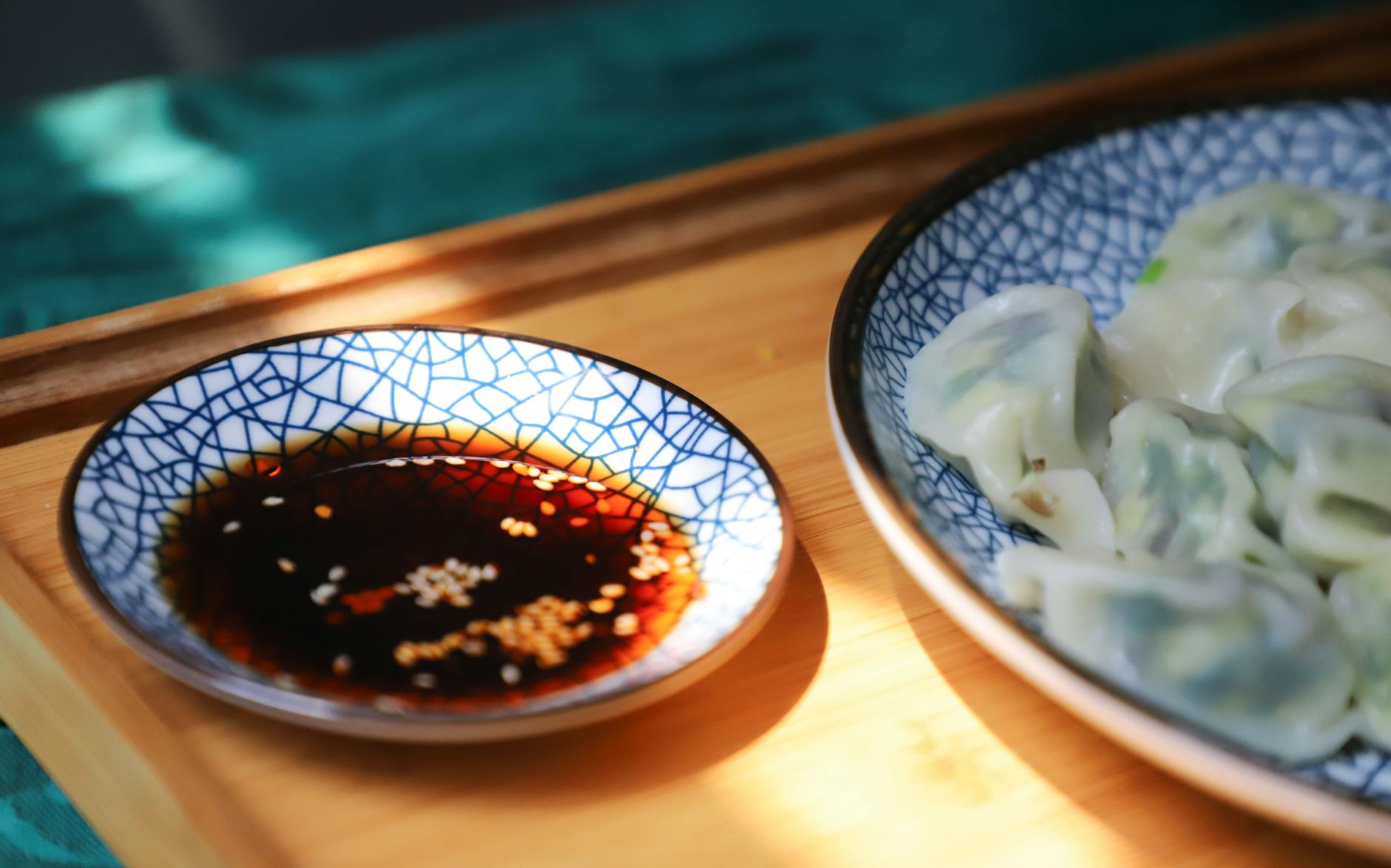
Conventional soy sauce is extremely high in sodium, with a single tablespoon often containing over a third of the recommended daily intake. Elevated sodium intake triggers water retention and contributes to vascular inflammation through increased blood pressure and endothelial stress. Many commercial soy sauces also contain wheat, making them a source of gluten-driven immune responses for sensitive individuals. Low-sodium tamari made from certified gluten-free soybeans is a commonly recommended alternative for those managing inflammatory conditions.
Canned Soup

The sodium content of most commercial canned soups is high enough to challenge cardiovascular and renal function almost immediately after consumption. Many varieties also contain monosodium glutamate, refined starches, and preservatives that irritate the gut lining and contribute to systemic inflammation. The canning process itself degrades certain heat-sensitive nutrients while concentrating others, resulting in a nutritional profile quite different from homemade equivalents. BPA linings in some canned products have also been associated with endocrine disruption and secondary inflammatory effects.
Artificial Sweeteners
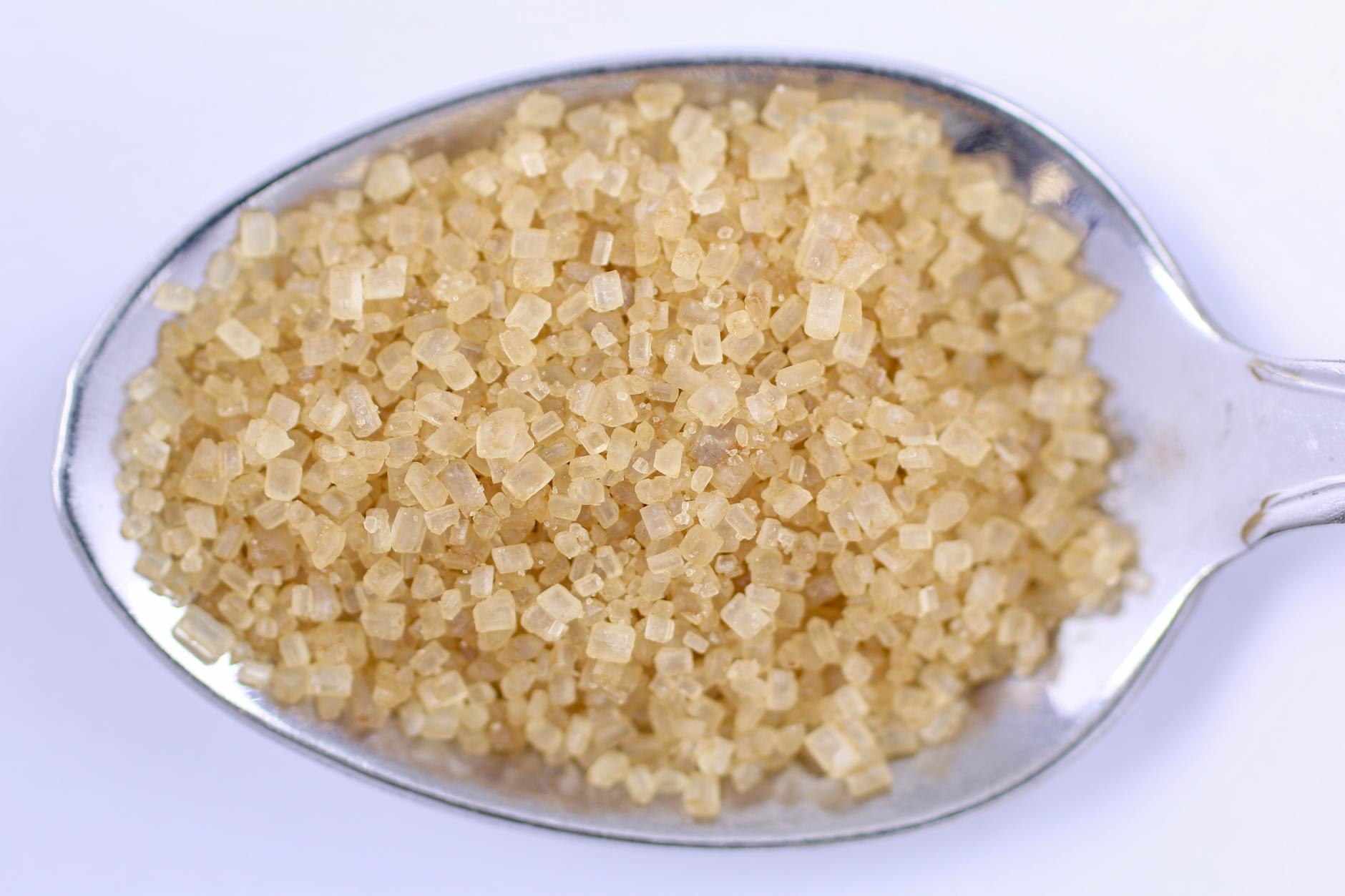
Artificial sweeteners including aspartame, saccharin, and sucralose have been shown to disrupt the composition of the gut microbiome within a very short period of regular consumption. This microbiome disruption increases intestinal permeability, allowing inflammatory compounds to cross into the bloodstream from the digestive tract. Some research also suggests that artificial sweeteners trigger insulin secretion despite containing no calories, initiating a low-level metabolic stress response. Their widespread presence in diet beverages, sugar-free snacks, and flavored supplements makes them a frequently overlooked source of inflammatory disruption.
White Rice
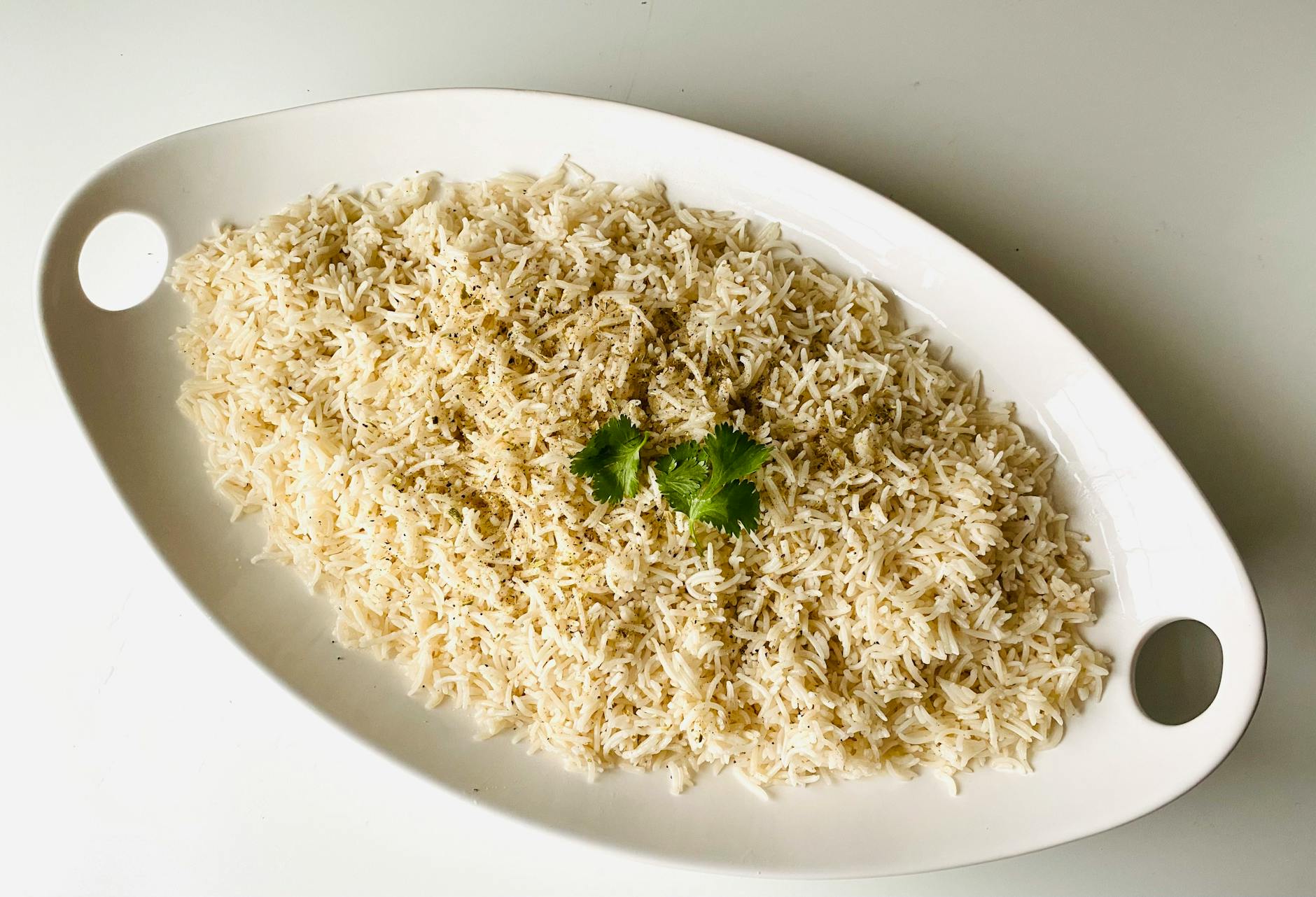
Refined white rice is a high-glycemic carbohydrate that converts to glucose rapidly during digestion, producing a blood sugar spike that rivals white bread in speed and magnitude. The refining process removes the bran and germ layers where most of the fiber, vitamins, and anti-inflammatory compounds are concentrated. Without fiber to slow absorption, the glycemic response is immediate and pronounced, promoting cytokine release associated with low-grade inflammation. Substituting brown rice, cauliflower rice, or other lower-glycemic alternatives can significantly reduce the inflammatory impact of the meal.
Share which of these foods surprised you the most in the comments.




