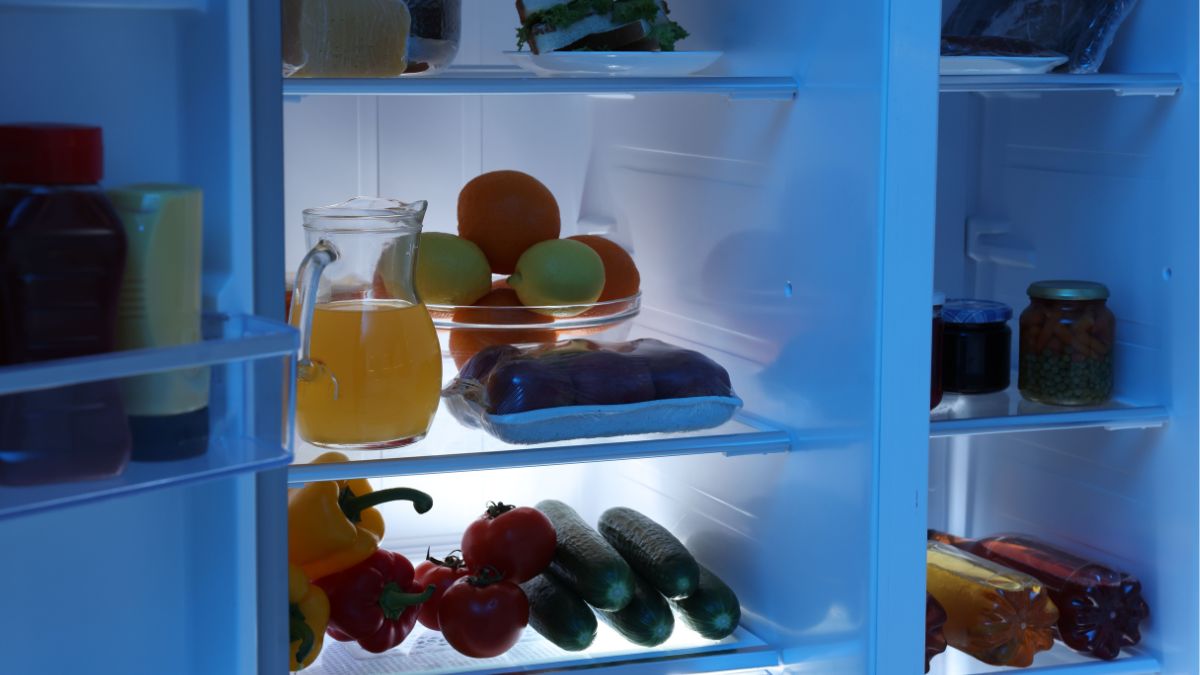
Your refrigerator might feel like a safe haven for all things perishable, but gastroenterologists warn that some foods stored there can quietly disrupt your digestive health over time. The cold environment slows bacterial growth but does not eliminate it, and certain foods create conditions that irritate the gut lining or foster harmful microbes. Understanding which items your digestive specialist would flag can make a meaningful difference to your long-term gut health. The following foods are ordered from those with moderate digestive risk down to the most commonly flagged offenders that gastroenterologists consistently advise removing from your fridge.
Leftover Rice
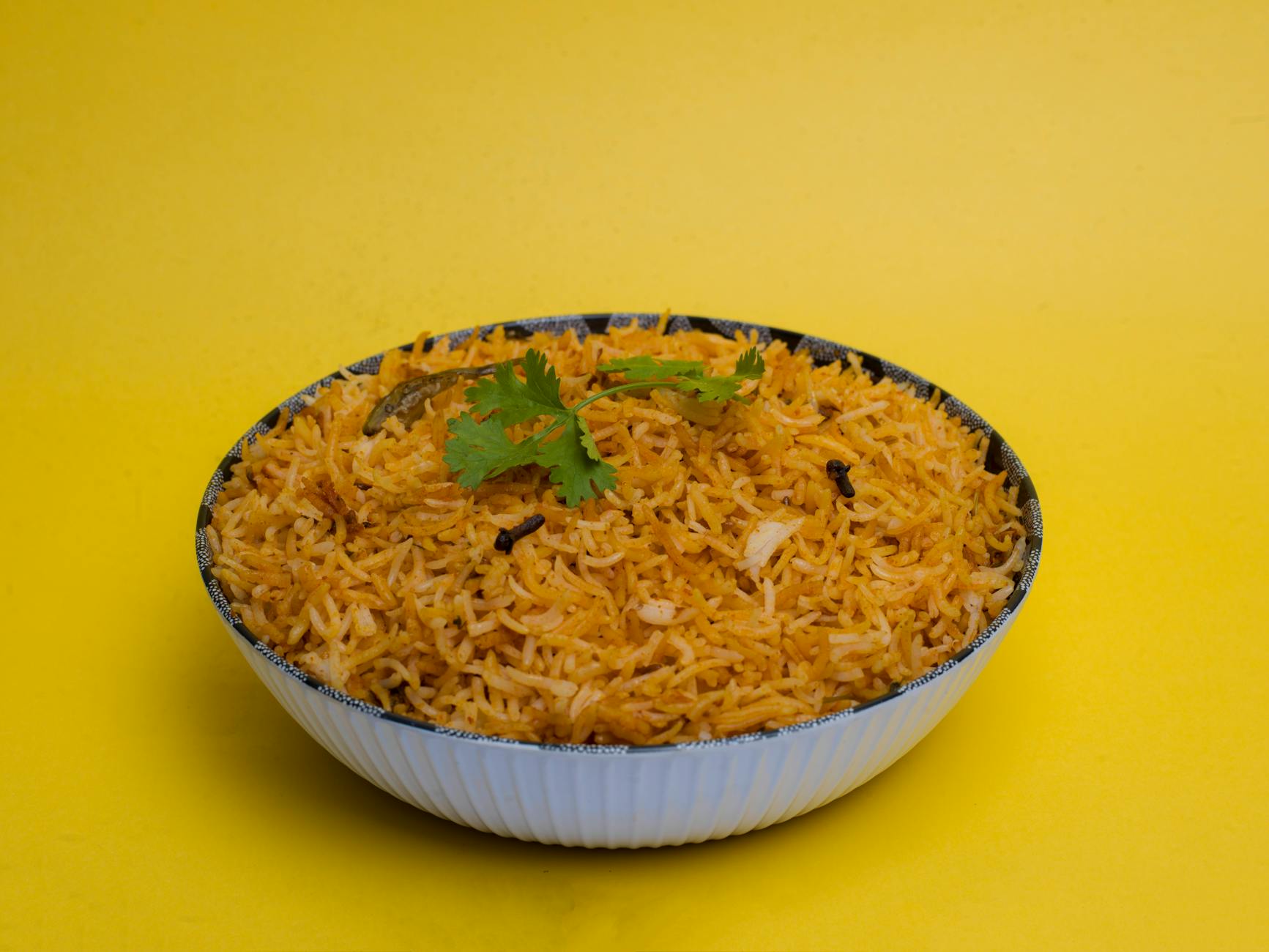
Cooked rice stored in the refrigerator can harbor Bacillus cereus, a spore-forming bacterium that survives cooking and thrives even in cold temperatures. The spores produce toxins that cause nausea and gastrointestinal distress when the rice is consumed after improper storage. Rice should be cooled rapidly and consumed within 24 hours rather than kept for several days. Long-term fridge storage of cooked rice is one of the more overlooked sources of food poisoning in home kitchens.
Deli Meats
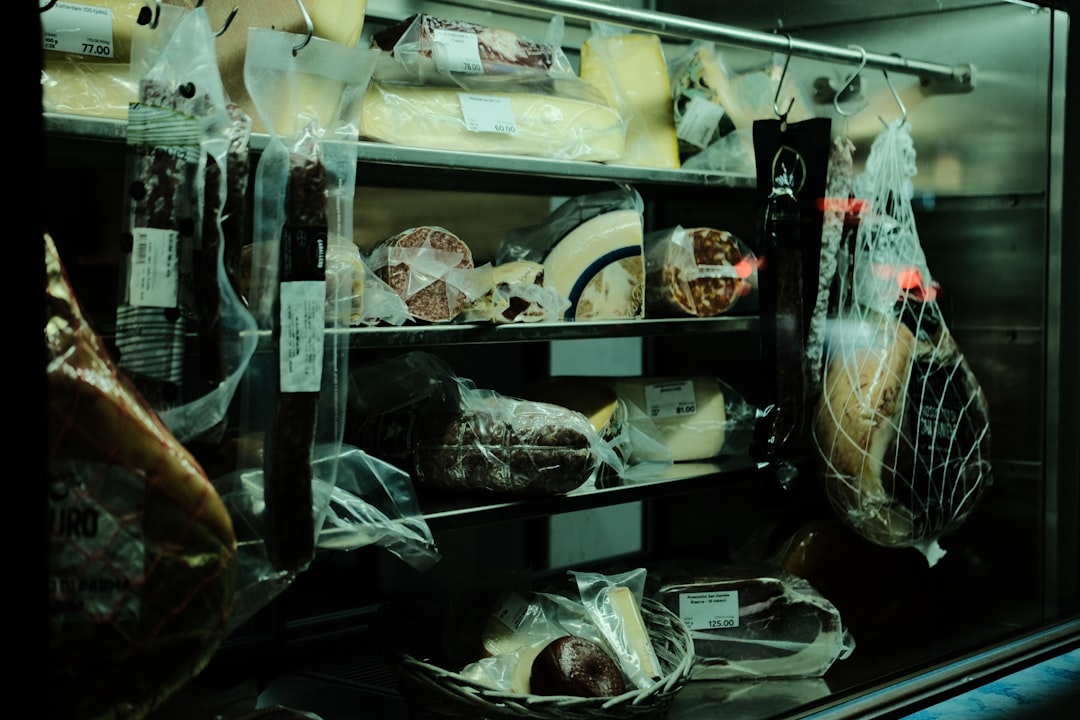
Pre-sliced deli meats provide an ideal environment for Listeria monocytogenes, a bacteria that continues to multiply even at refrigerator temperatures. Gastroenterologists flag these products as particularly risky for individuals with sensitive digestive systems or compromised immunity. The combination of high sodium content and preservatives can also aggravate the gut lining with frequent consumption. Opening a package begins a clock that most people significantly underestimate when it comes to safe consumption.
Soft Cheeses
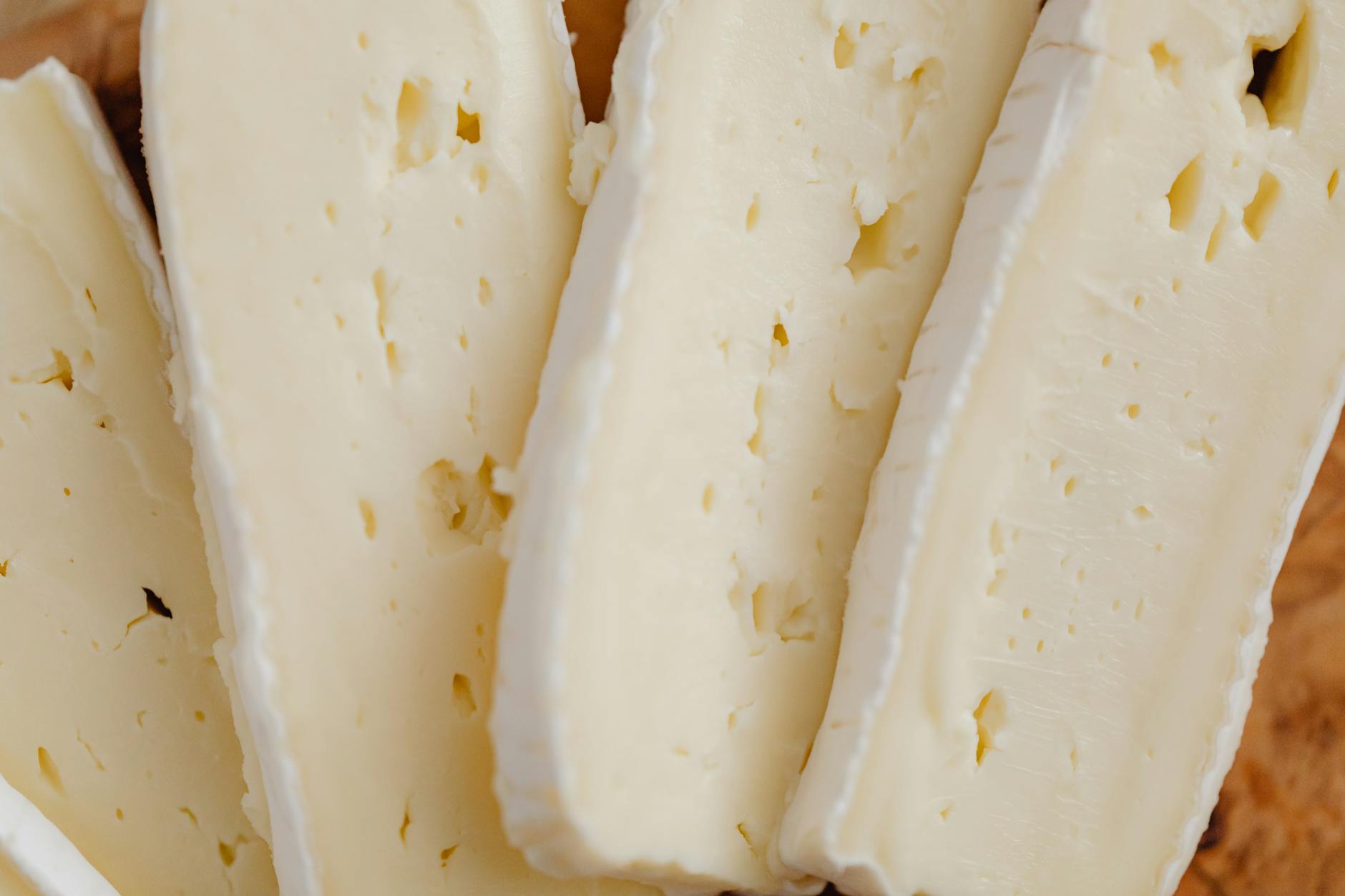
Soft cheeses such as brie, camembert, and ricotta have high moisture content that makes them hospitable to mold and harmful bacteria. Unlike hard cheeses where surface mold can sometimes be safely removed, soft cheeses allow contaminants to penetrate deeply through their texture. Gastroenterologists note that these cheeses are a frequent source of Listeria-related gastrointestinal illness. Their short shelf life is often longer in practice than it should safely be, particularly when stored alongside other strong-smelling foods.
Raw Onions
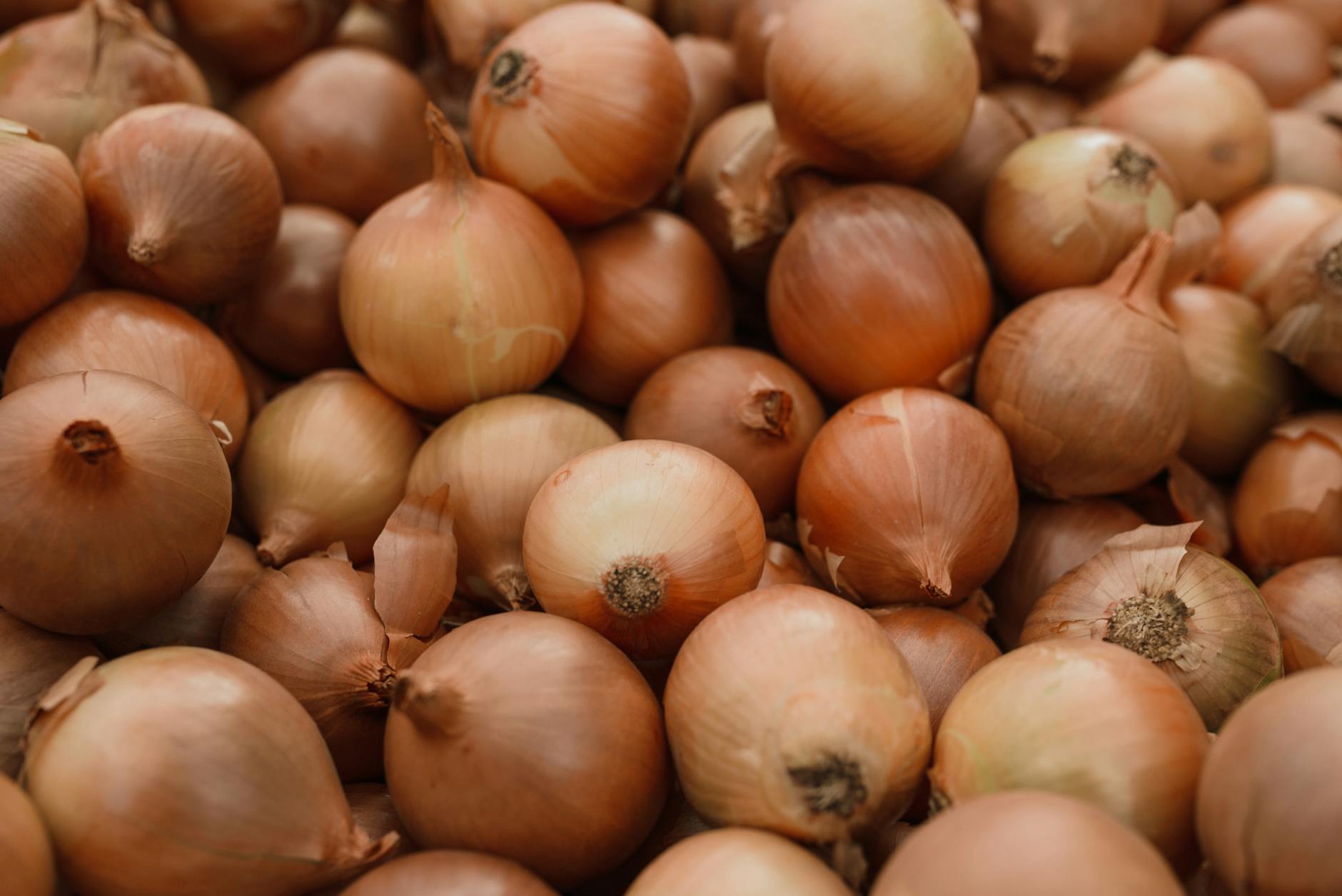
Cut or peeled onions stored uncovered in the refrigerator absorb airborne bacteria rapidly due to their porous structure and high sulfur content. Research has long associated improperly stored cut onions with bacterial contamination that can trigger digestive upset. Their strong compounds also interact with other stored foods and can alter flavor profiles in ways that indicate oxidative breakdown. Gastroenterologists recommend consuming cut onions immediately rather than storing them for later use.
Fermented Sauces
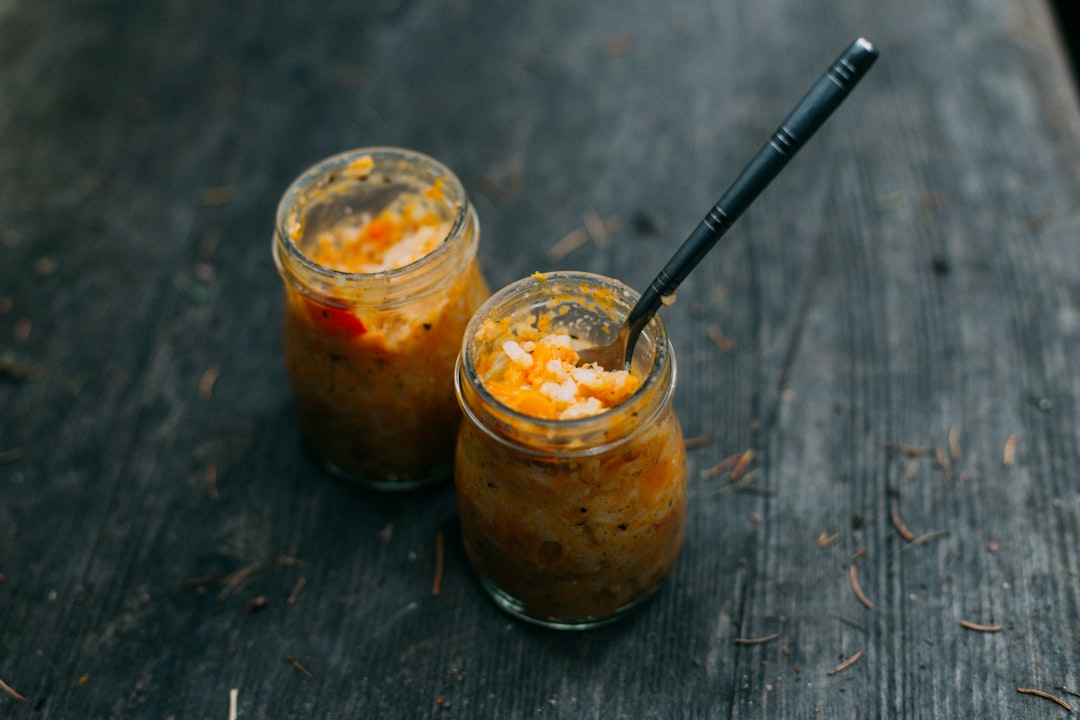
Commercially produced fermented sauces including fish sauce, shrimp paste, and certain hot sauces contain active compounds that continue to change after opening. Repeated exposure to air during refrigerator storage alters their microbial composition in ways that are not always gut-friendly. For individuals with irritable bowel syndrome or inflammatory bowel conditions, these sauces can become significant symptom triggers. The high sodium and acid content compounds their potential to irritate the mucosal lining of the digestive tract.
Mushrooms
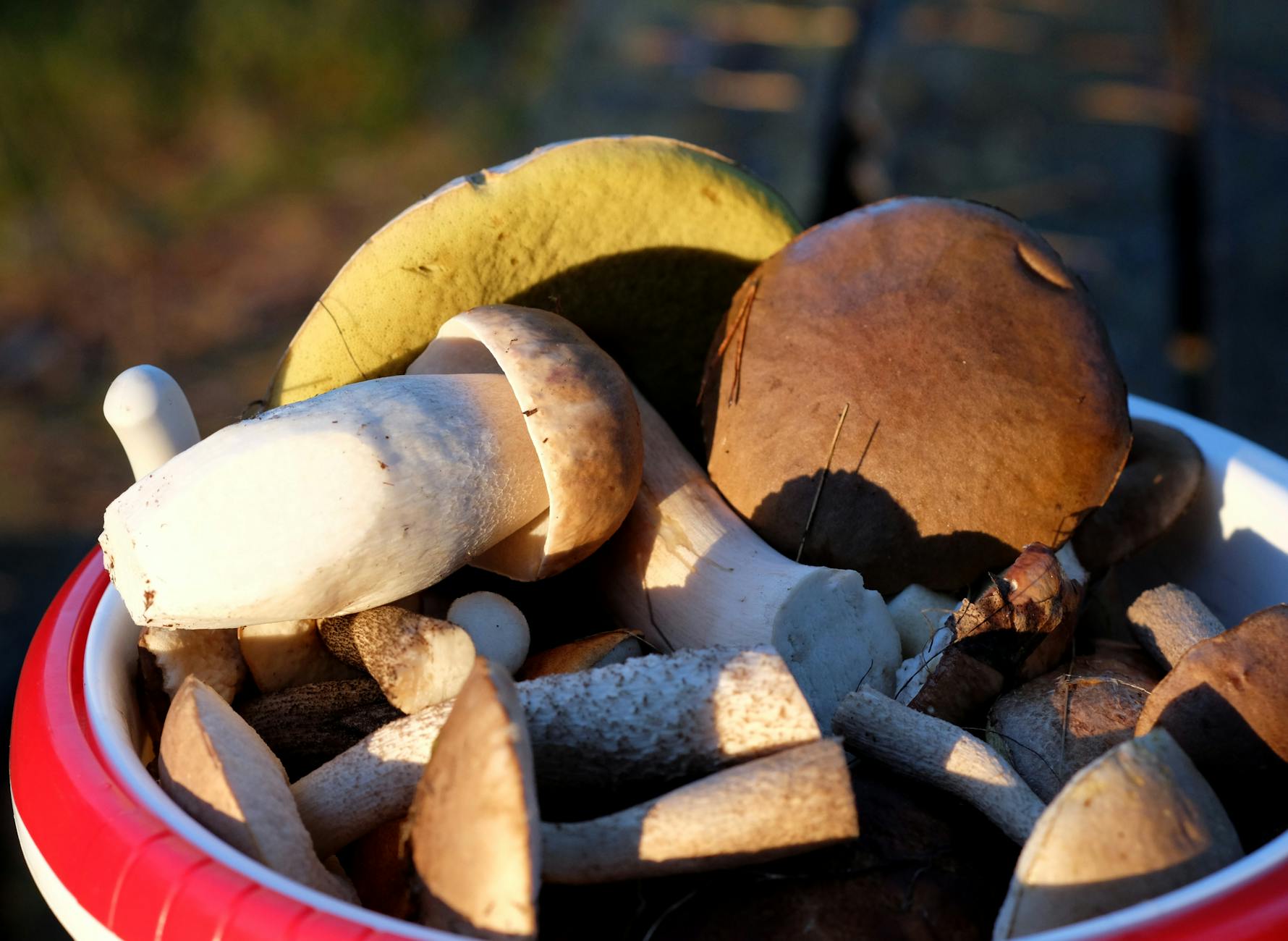
Cooked mushrooms stored in the refrigerator deteriorate rapidly and become a breeding ground for bacteria within 24 to 48 hours. Their dense, moist texture traps heat during cooking and retains moisture that accelerates spoilage in cold storage. Gastroenterologists note that reheated stored mushrooms are a common but underreported cause of stomach upset and nausea. Fresh mushrooms should also not be stored in airtight containers as trapped moisture accelerates their breakdown.
Processed Cheese Slices
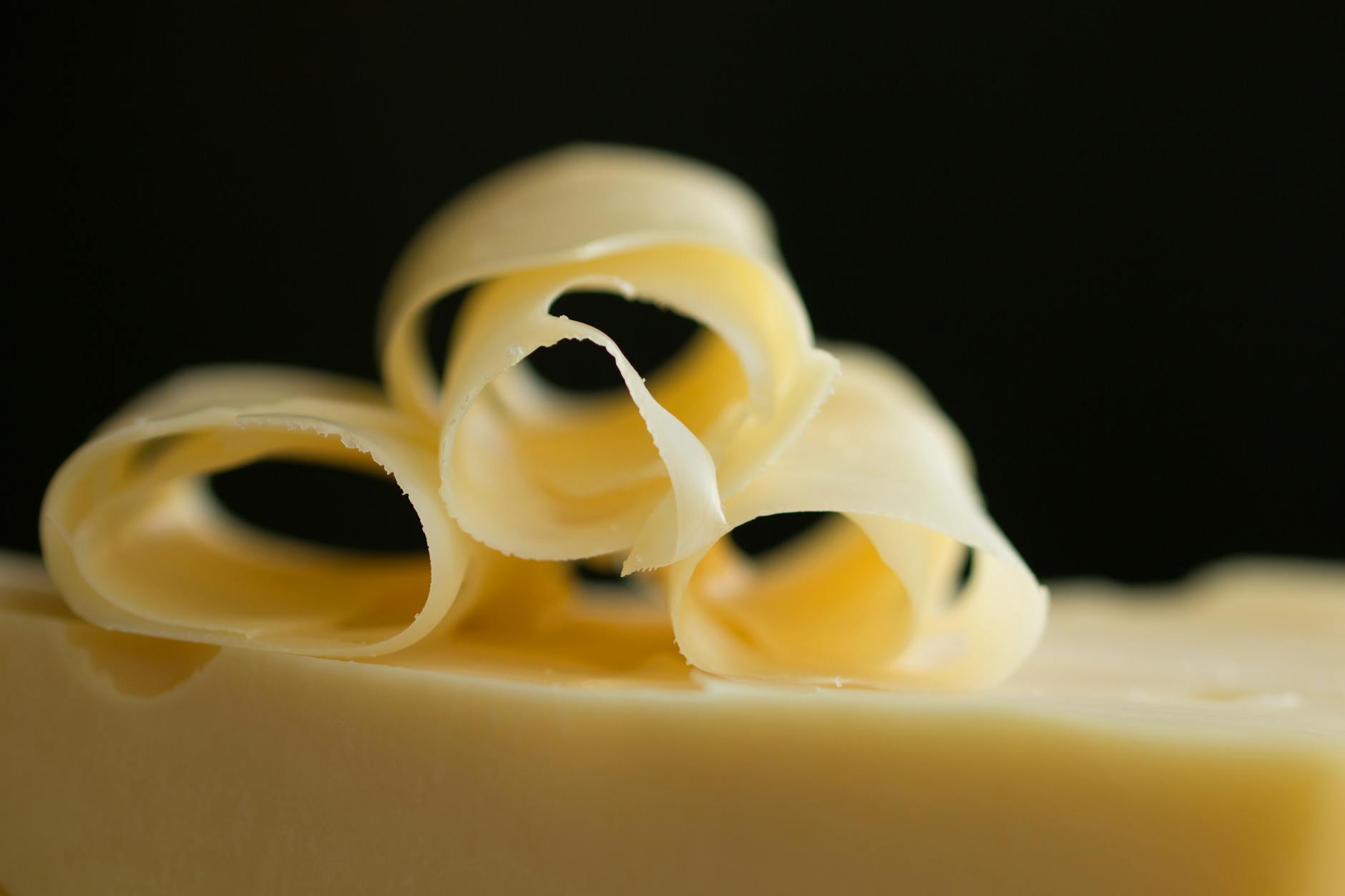
Individually wrapped processed cheese slices contain emulsifiers and preservatives that mask visible signs of spoilage, making it difficult to assess their true condition. Gastroenterologists caution that these products frequently remain in fridges well beyond their optimal consumption window. The high phosphate content found in many processed cheese products has been associated with disrupted gut microbiome balance. Regular consumption combined with improper storage timelines creates cumulative digestive strain.
Leftover Fish
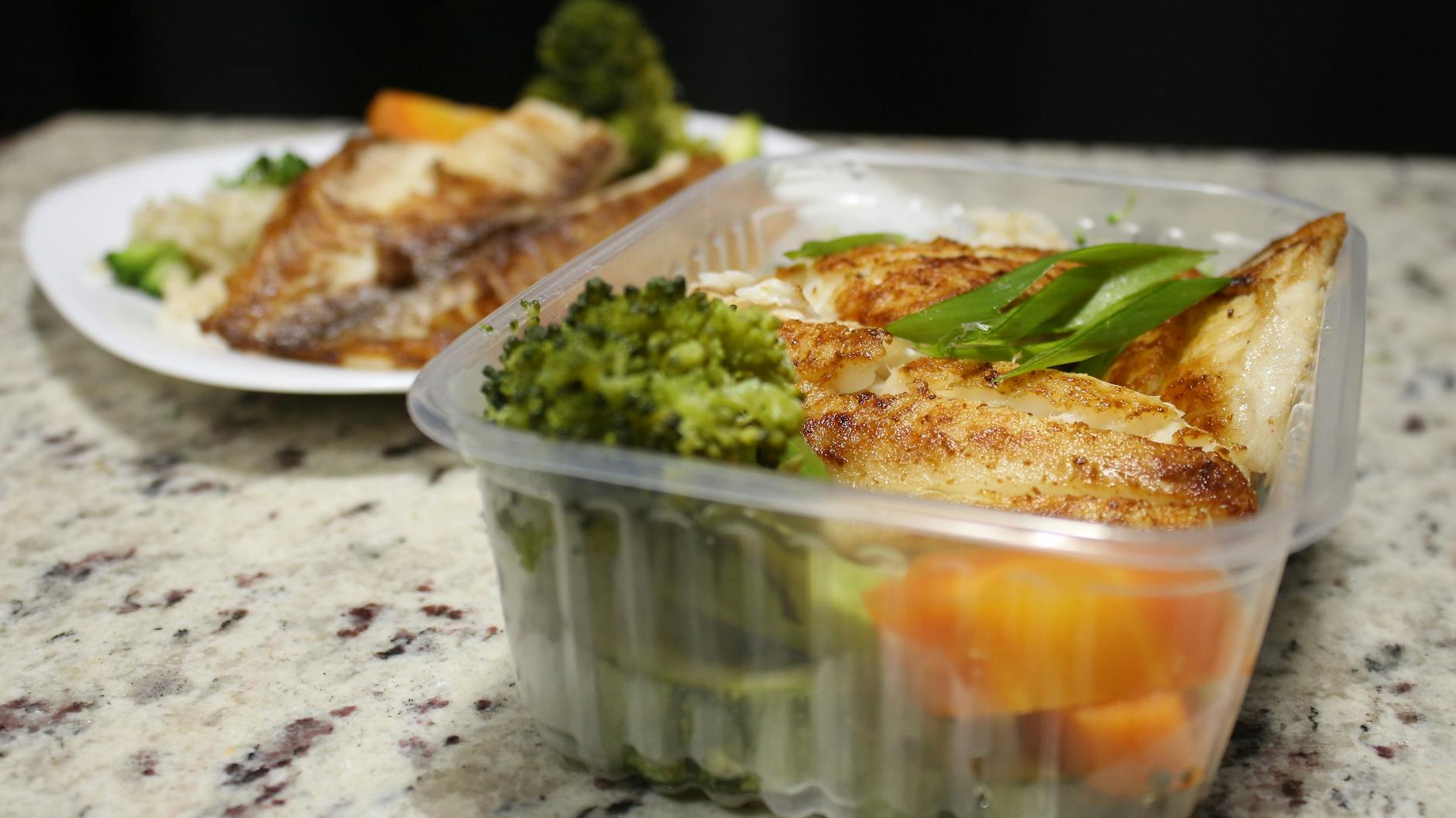
Cooked fish stored in the refrigerator degrades faster than almost any other protein due to its delicate fat composition and high water content. Histamine levels in stored fish rise progressively, and consuming fish with elevated histamine can cause symptoms resembling food poisoning even when the fish appears fresh. Gastroenterologists consistently recommend consuming cooked fish within one day of preparation rather than storing it for multiple meals. The smell test alone is not a reliable indicator of whether stored fish is safe to eat.
Raw Cookie Dough
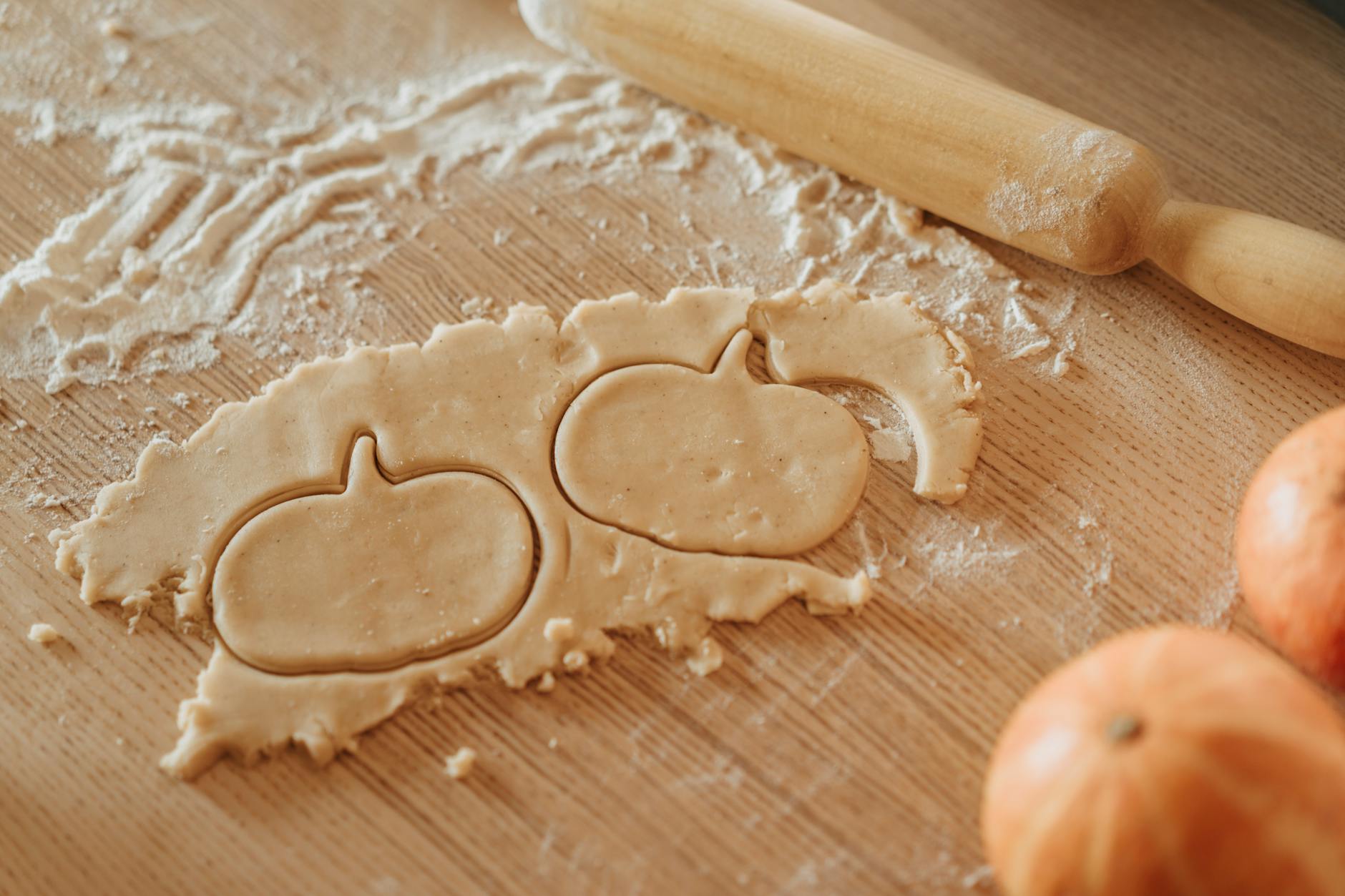
Raw cookie dough stored in the refrigerator carries risks from both raw flour and raw eggs, each capable of hosting harmful pathogens including E. coli and Salmonella. Many people treat refrigerated dough as a safe snack between baking sessions, which gastroenterologists identify as a notable risk behavior. Flour in particular is a raw agricultural product that is not treated to eliminate bacteria before packaging. Even small quantities of contaminated dough can cause significant gastrointestinal illness.
Unpasteurized Juice
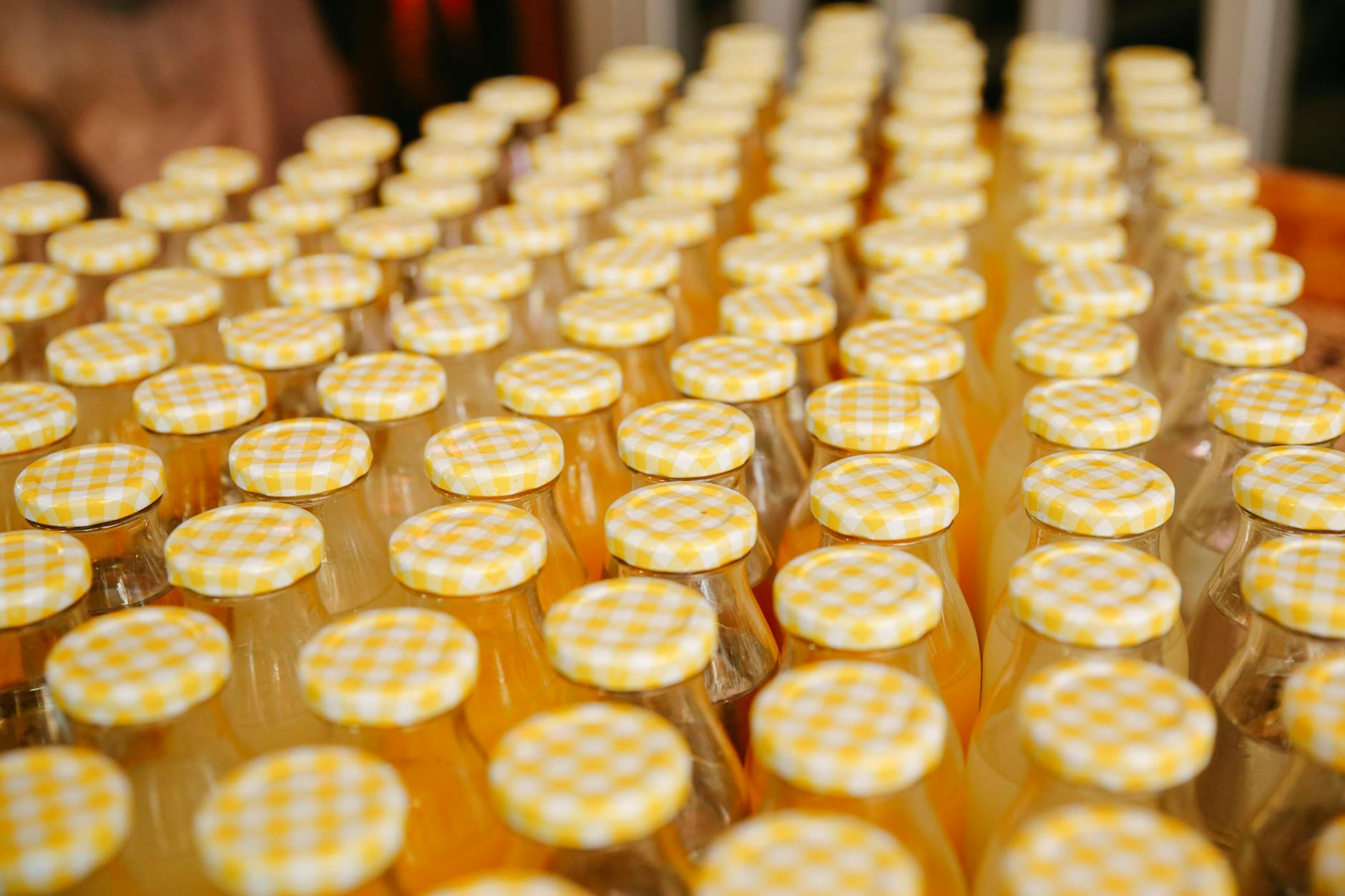
Fresh-pressed and unpasteurized juices stored in the refrigerator present ongoing contamination risks from E. coli, Salmonella, and Cryptosporidium. The cold environment slows but does not stop pathogen activity in these products, and their short safe consumption window is frequently exceeded. Gastroenterologists flag unpasteurized juices as a particularly high-risk item for children, elderly individuals, and those with digestive sensitivities. Visible clarity and pleasant smell are unreliable indicators of whether these juices remain safe.
Bean Sprouts
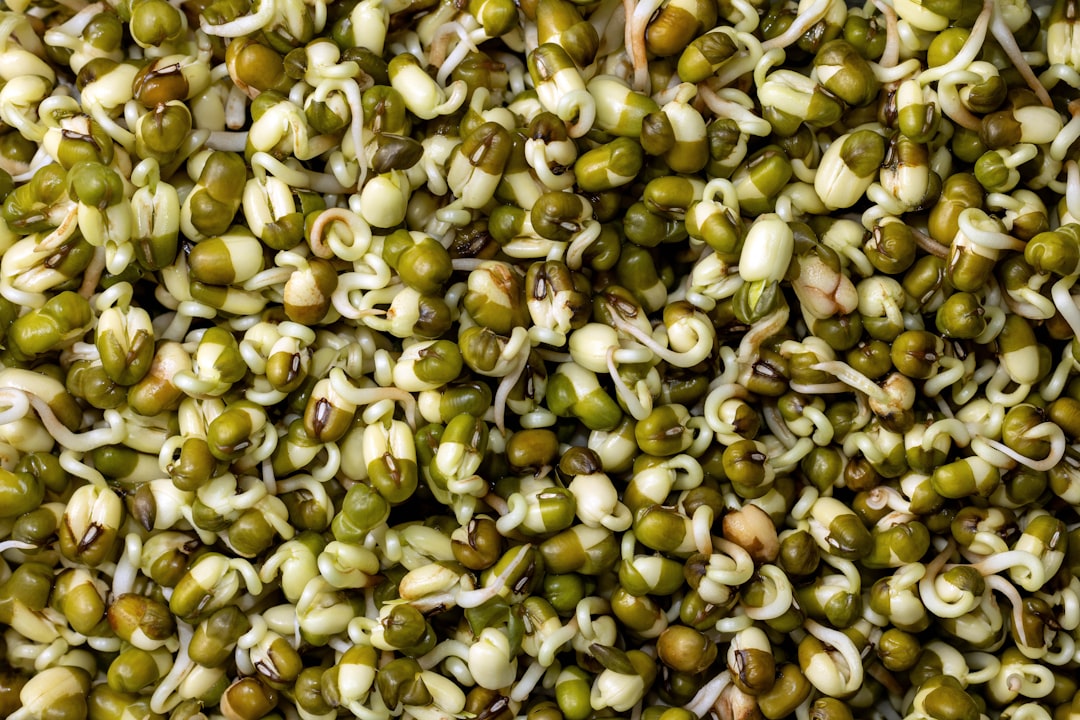
Raw bean sprouts require warm, humid growing conditions that are almost identical to those preferred by bacteria including Salmonella and E. coli. Once refrigerated, these pathogens do not die but continue to pose a risk throughout the storage period. Gastroenterologists frequently associate bean sprouts with outbreaks of foodborne illness reported in clinical settings. Thorough cooking before consumption is the only reliable method of reducing their bacterial load.
Hollandaise Sauce

Hollandaise sauce is an emulsion made from egg yolks and butter that provides an ideal medium for bacterial growth, particularly Salmonella. Its preparation and storage temperature must be precisely managed, and home-made versions stored in the fridge often fall outside safe parameters. The sauce is not shelf-stable even in cold conditions and deteriorates within hours of preparation. Gastroenterologists consider it one of the riskiest condiments to prepare and store at home.
Buffet Leftovers
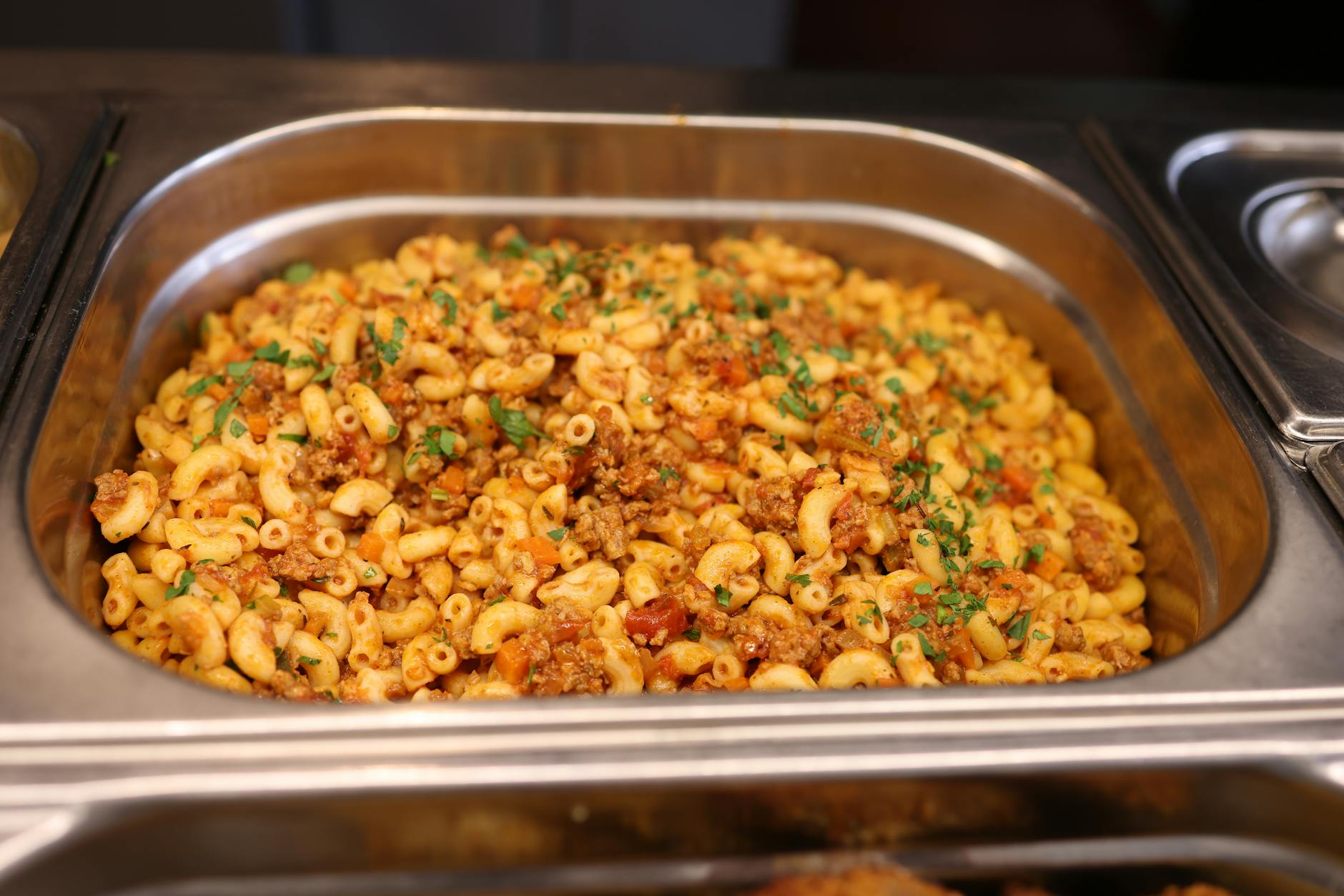
Foods returned from buffet settings carry compounded contamination risks from multiple handling sources, temperature fluctuations, and prolonged exposure to air. Gastroenterologists note that buffet leftovers are among the most reliably contaminated foods that find their way into home refrigerators. Even foods that appear visually intact have often been exposed to conditions that accelerate bacterial colonization. The varied composition of buffet dishes also makes it difficult to apply consistent storage and reheating guidance.
Precut Fruit
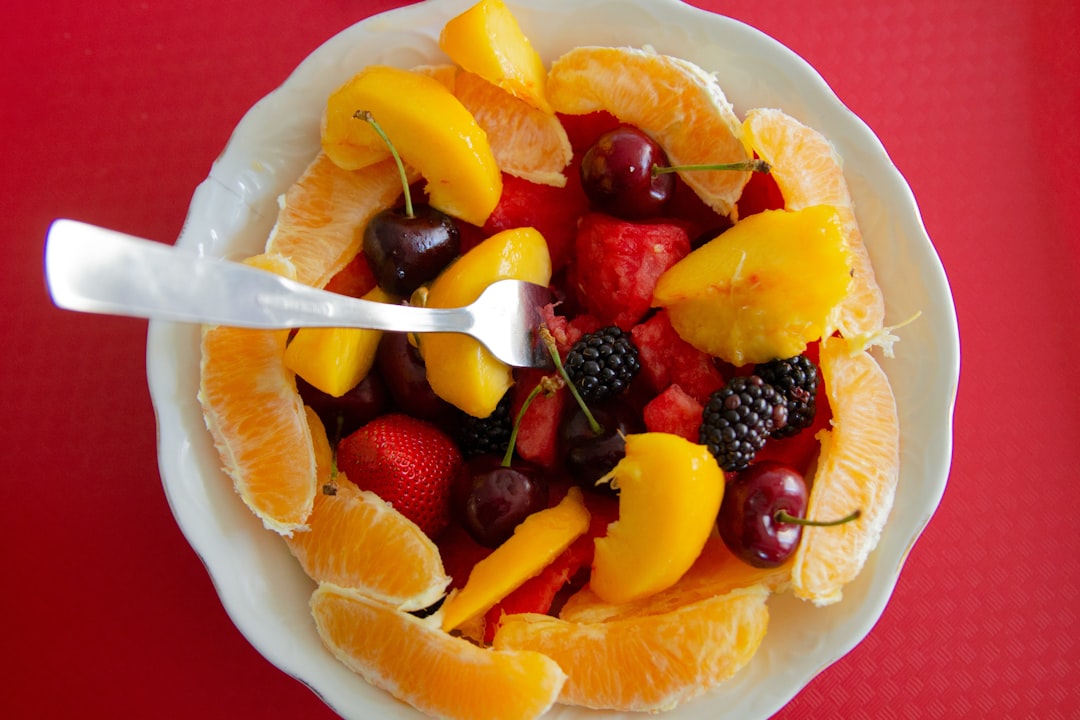
Pre-cut fruit stored in the refrigerator has a dramatically shortened safety window compared to whole fruit due to exposed flesh and juice pooling. The moist, sugary environment of cut fruit actively promotes the growth of mold and bacteria including Listeria. Gastroenterologists note that pre-cut melons in particular are a well-documented source of Salmonella contamination. Consuming pre-cut fruit beyond two days after cutting carries a meaningfully elevated risk of digestive illness.
Opened Canned Food
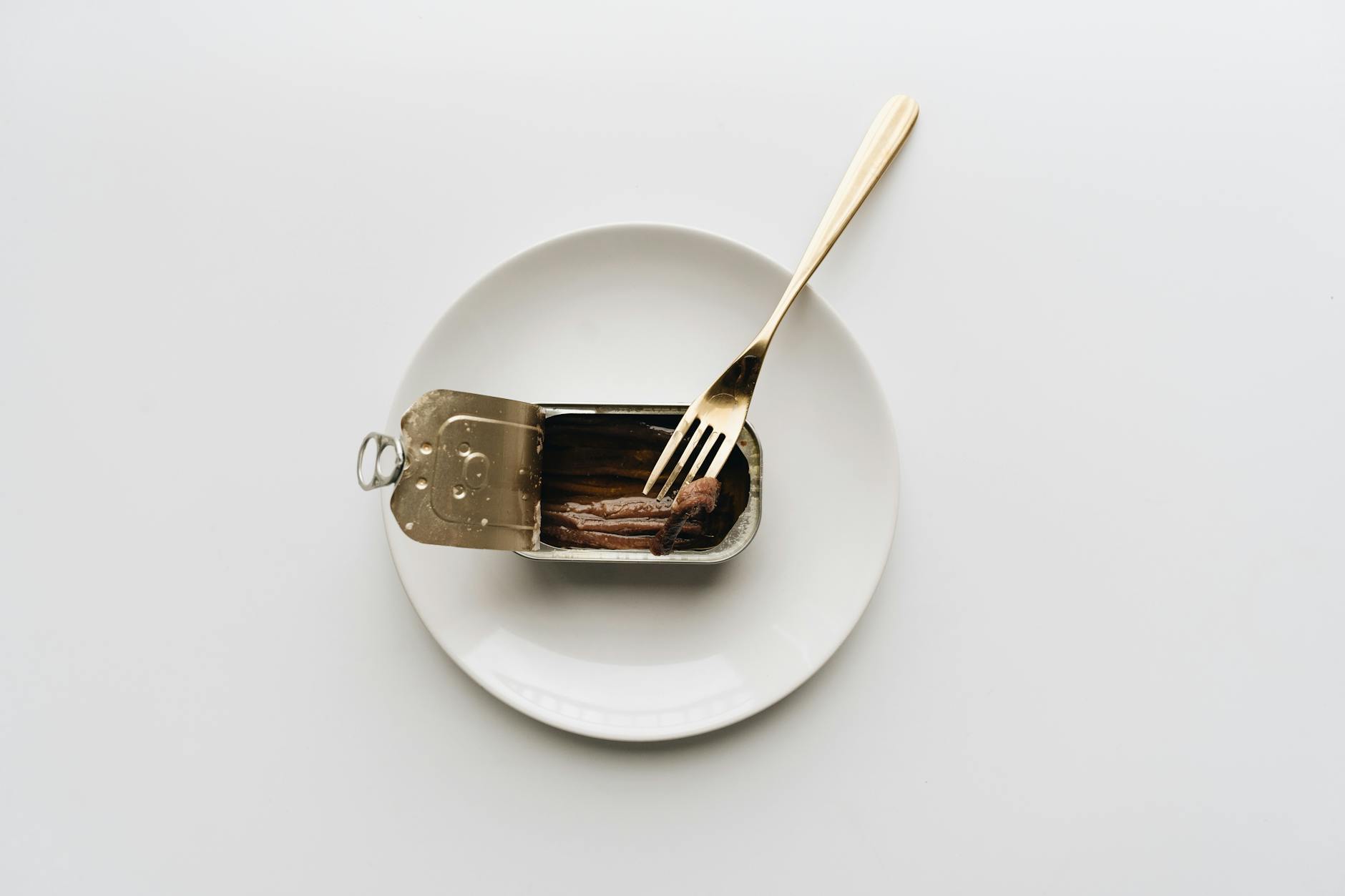
Transferring opened canned food directly to the refrigerator in its original tin is a practice gastroenterologists consistently warn against. The exposed metal of an opened can begins to transfer into the food, and the remaining contents are highly susceptible to bacterial contamination without a sealed barrier. Acidic canned foods such as tomatoes and fruits accelerate this leaching process. Leftovers from cans should always be transferred to a glass or food-safe plastic container before refrigerating.
Caesar Dressing
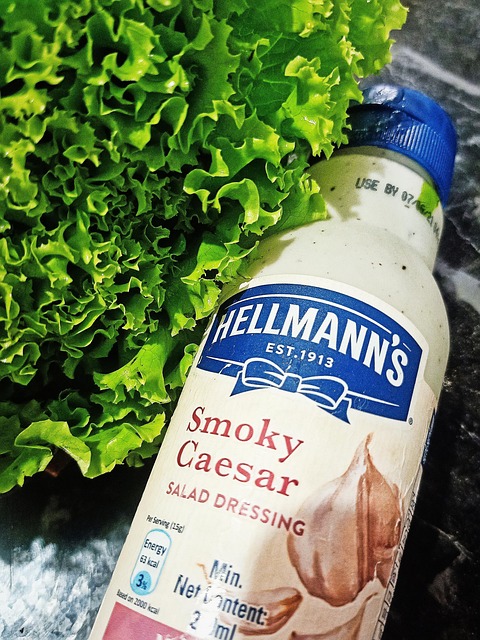
Caesar dressing made with raw egg or anchovy paste presents ongoing bacterial risks when stored in the fridge beyond a few days. Many homemade and restaurant versions contain ingredients that degrade quickly and may harbor Salmonella or Listeria. Gastroenterologists advise against keeping opened Caesar dressing for extended periods, particularly if it is egg-based. The combination of acid, fat, and protein in the dressing creates layered spoilage dynamics that are difficult to assess visually.
Leftover Takeout
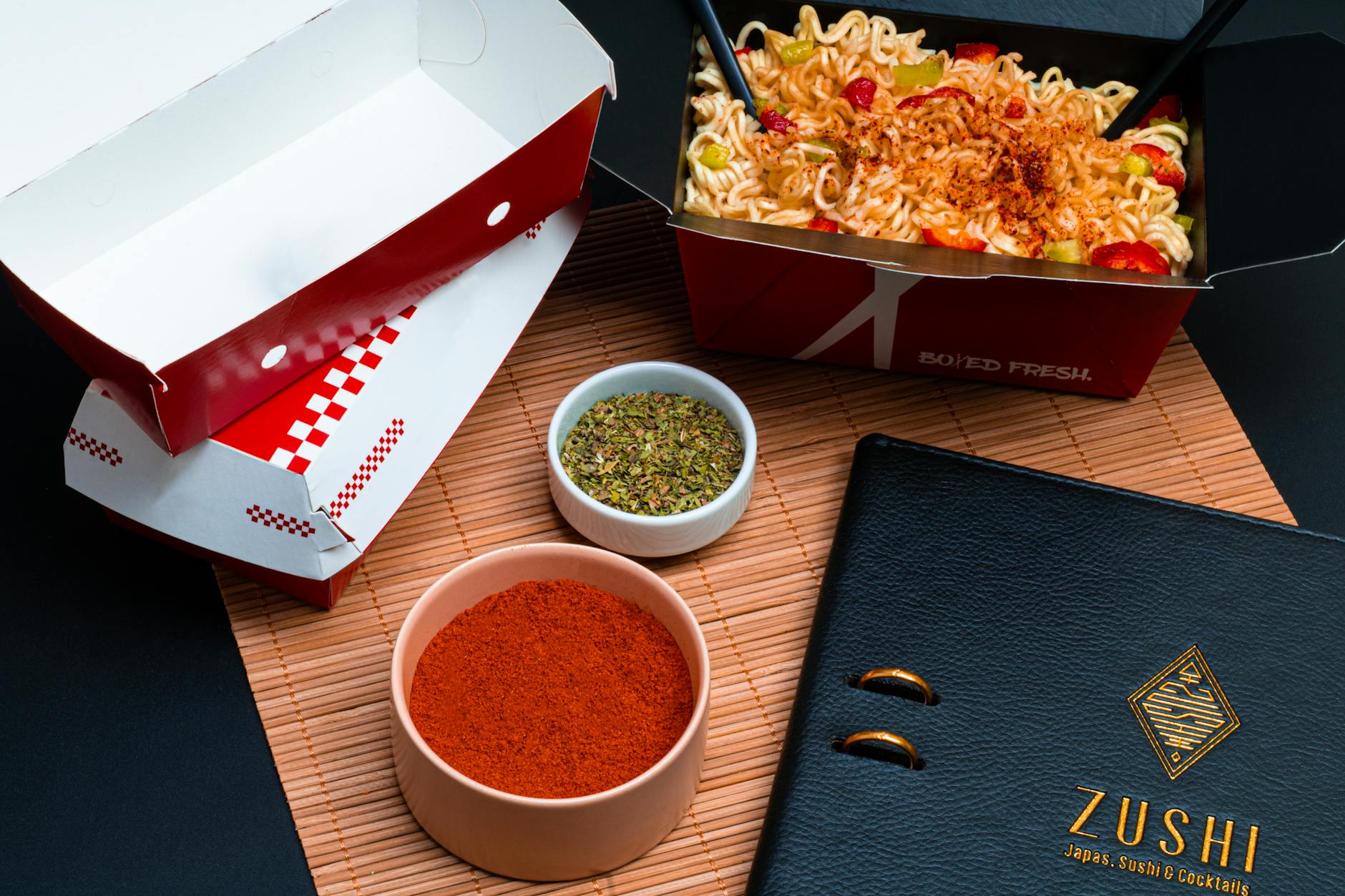
Takeout food stored in its original packaging introduces significant variables including unknown ingredient freshness, preparation hygiene standards, and container permeability. Many takeout containers are not designed for refrigerator storage and may leach compounds into food when kept cold. Gastroenterologists flag leftover takeout as a category with highly inconsistent safety profiles depending on cuisine type, ingredient quality, and time elapsed before refrigeration. The general recommendation is to consume takeout within hours of delivery rather than refrigerating for the following day.
Mayonnaise
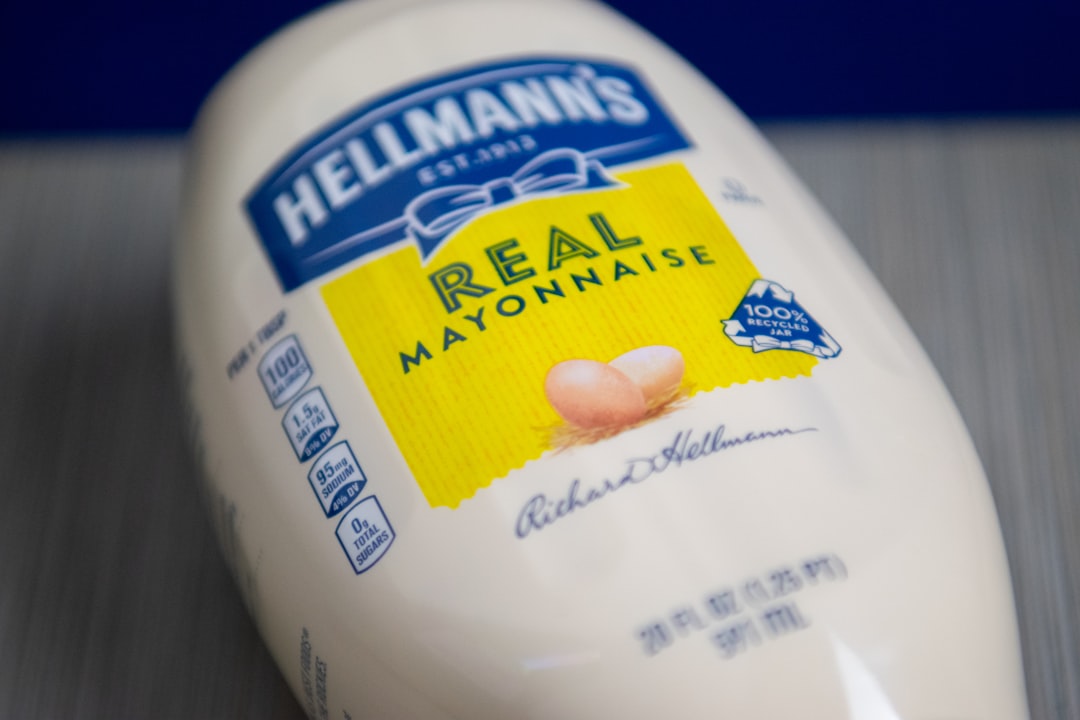
Commercial mayonnaise has a longer shelf life than its reputation suggests, but homemade or artisan versions carry significantly higher risks due to raw egg content. Once opened, all mayonnaise becomes vulnerable to contamination through repeated utensil contact and temperature fluctuation each time the fridge is opened. Gastroenterologists note that mayonnaise-based salads and dressings are among the most common culprits in cases of Salmonella-related food poisoning. The creamy appearance of mayonnaise gives no reliable indication of whether bacterial growth has begun.
Reheated Pasta
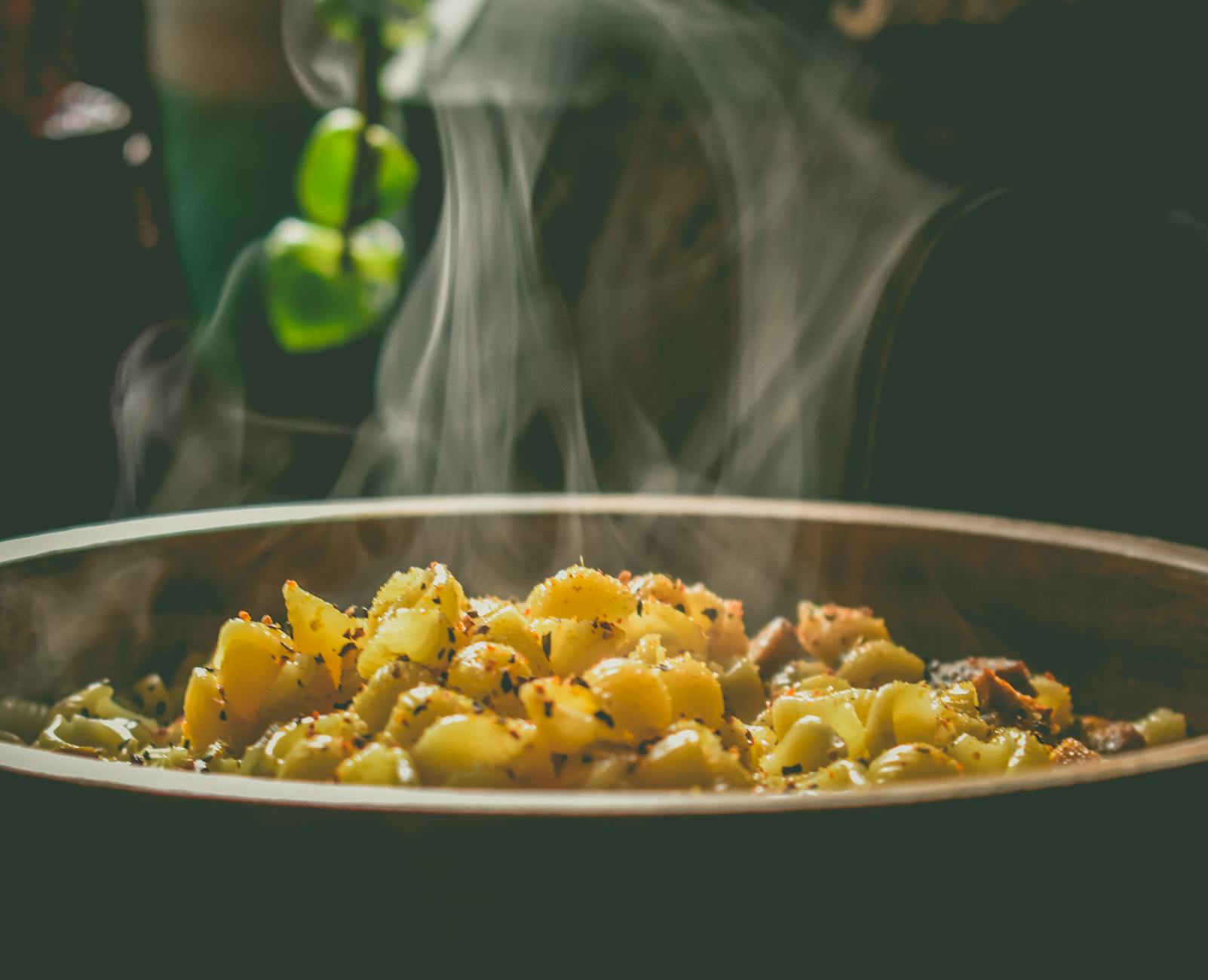
Pasta that has been cooked, refrigerated, and reheated undergoes starch changes that make it harder to digest while also accumulating bacterial risk with each cycle of temperature change. Gastroenterologists point to repeated reheating of pasta as a significant contributor to gastrointestinal complaints in patients who eat large batch-cooked meals throughout the week. Bacillus cereus can survive in cooked pasta stored even under refrigeration and produce toxins that are not destroyed by reheating. Cooked pasta is best consumed fresh and kept in the fridge for no longer than two days.
Smoked Salmon
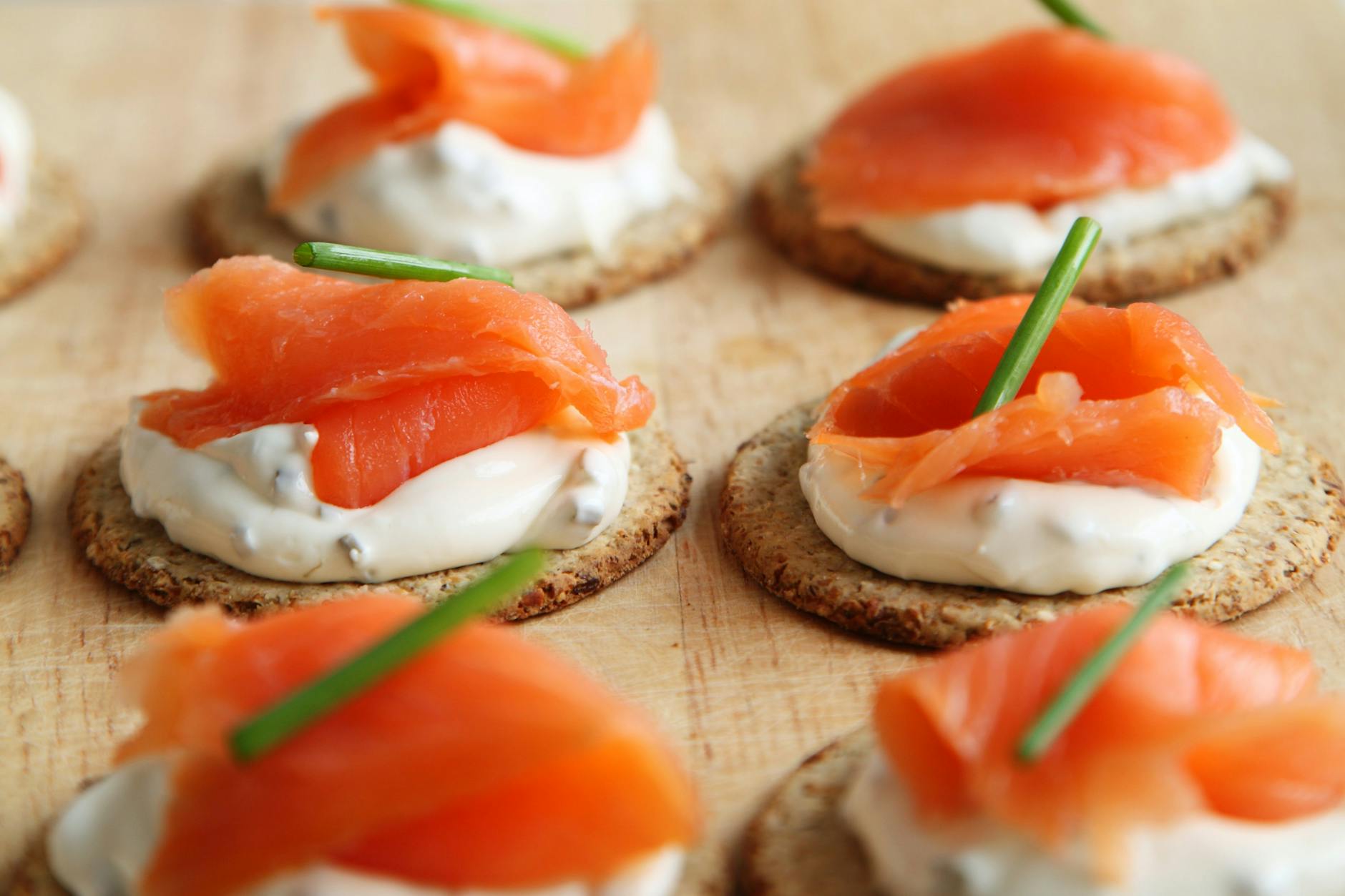
Smoked salmon carries a well-established risk of Listeria monocytogenes contamination that persists throughout its refrigerated shelf life. The cold-smoking process used for many commercial varieties does not reach temperatures high enough to eliminate all pathogens. Gastroenterologists advise that opened smoked salmon be consumed within two days and that it never be kept in a fridge that is not consistently maintained at the correct temperature. Its high salt content can also exacerbate digestive discomfort in individuals with gut sensitivity.
Soft Leftovers
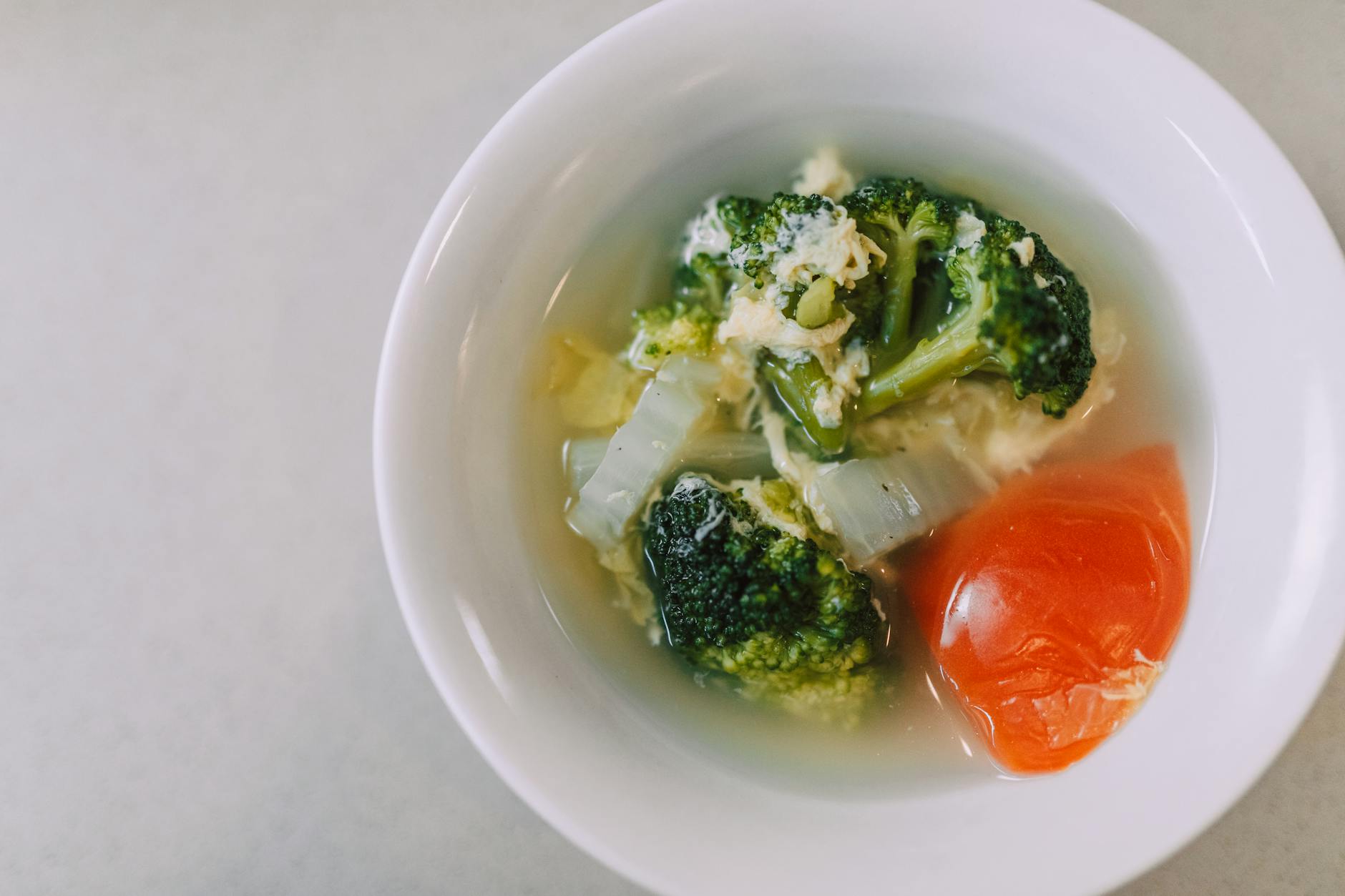
Soft-textured leftovers including casseroles, stews, and soups create an environment where bacterial penetration is deep and uniform rather than limited to surface areas. These dishes typically contain multiple protein and carbohydrate sources that each carry their own spoilage timelines, creating compounded risk. Gastroenterologists note that thick, moisture-rich leftovers are among the most commonly mismanaged foods in home refrigerators. Portions left in wide, shallow containers cool unevenly and create warm pockets where bacterial growth accelerates.
Potato Salad
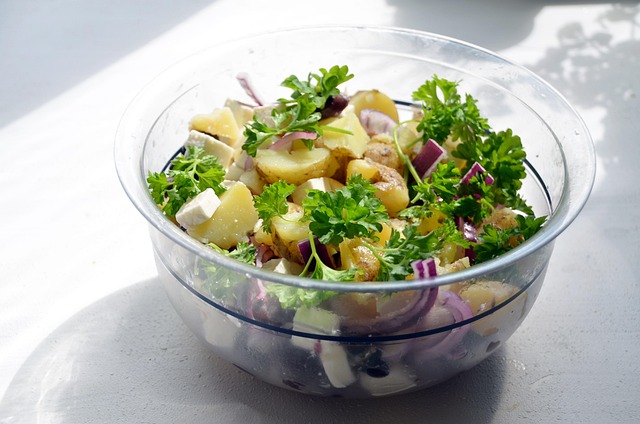
Potato salad combines several high-risk elements including cooked starch, mayonnaise, eggs, and often raw vegetables in a single dish. The cumulative spoilage dynamics of these ingredients make potato salad one of the most gastroenterologist-flagged items served at gatherings and stored afterward. Its dense texture inhibits even cooling, allowing bacterial activity to persist at the core of the dish. Symptoms from spoiled potato salad can appear within hours of consumption and often mimic other digestive conditions.
Raw Poultry
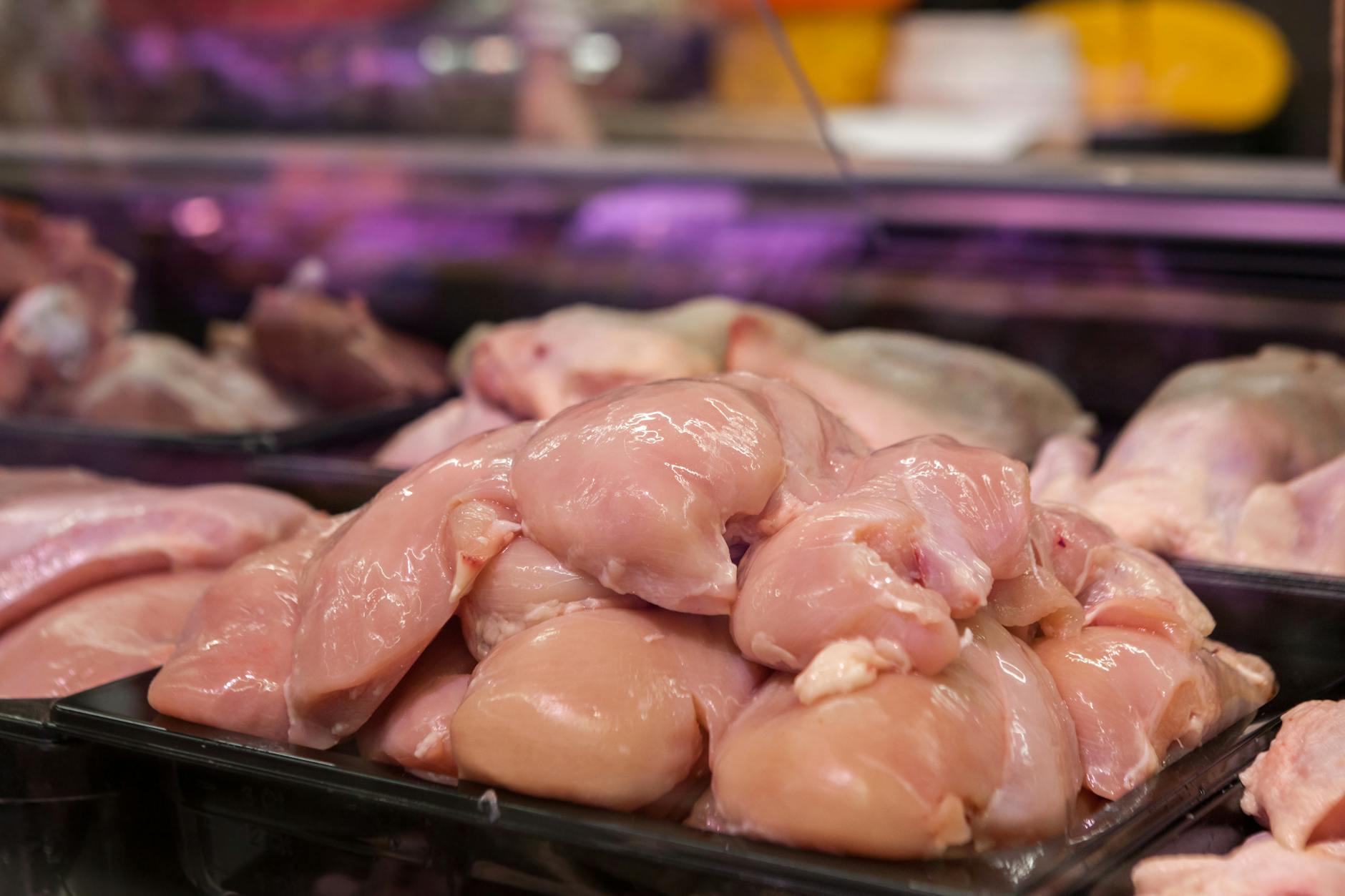
Raw poultry should never remain in the refrigerator for more than two days before cooking, yet gastroenterologists report that this guideline is widely ignored. Chicken and turkey carry high natural loads of Campylobacter and Salmonella that multiply progressively even at cold storage temperatures. Juices from raw poultry that come into contact with other refrigerator contents create cross-contamination risks that are difficult to fully eliminate through cleaning alone. Gastroenterologists recommend storing raw poultry in sealed containers on the lowest shelf and prioritizing its use on the day of purchase.
Opened Oysters
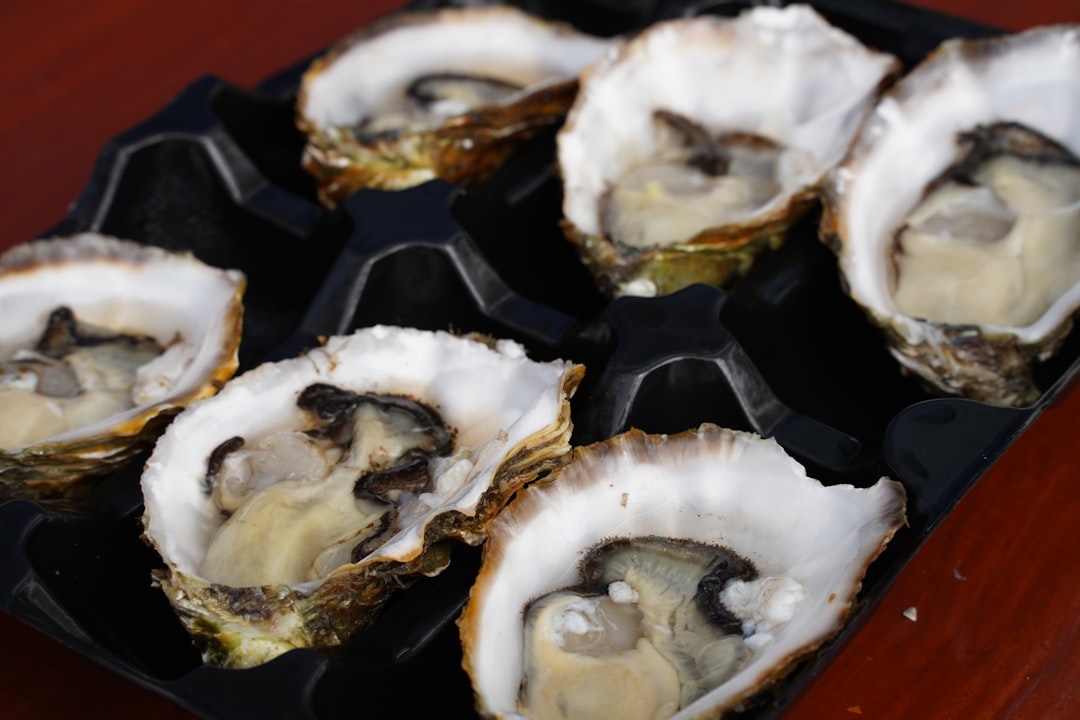
Shucked oysters stored in the refrigerator have an extremely short safety window and present significant risks from Vibrio bacteria, which can cause severe gastrointestinal illness. Once opened, oysters are exposed to air and temperature variation that rapidly degrades their condition. Gastroenterologists treat Vibrio infections from improperly stored shellfish as a serious clinical concern, particularly in vulnerable populations. Live and shucked oysters require precise temperature control that standard home refrigerators do not consistently maintain.
Energy Drinks
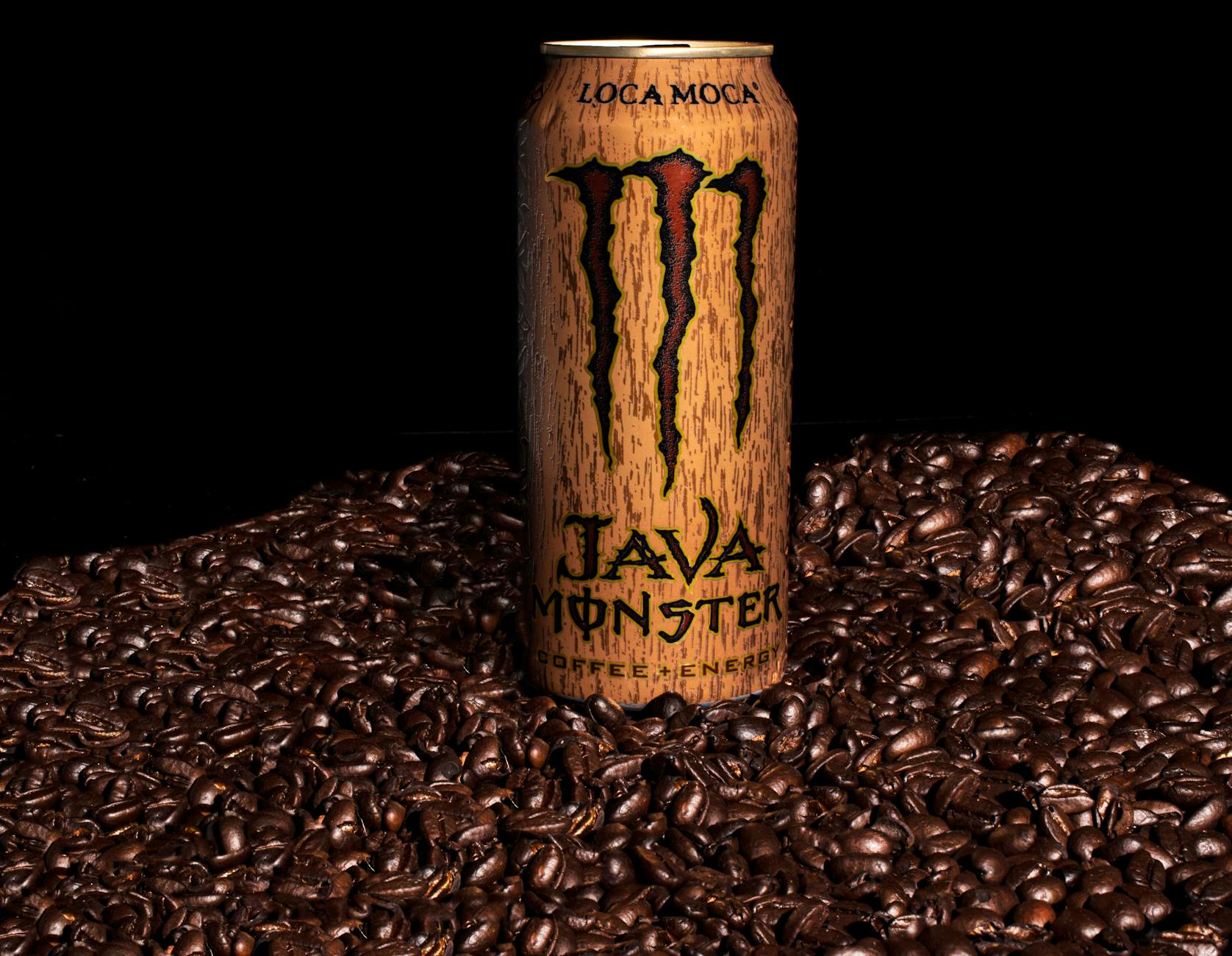
Opened energy drinks stored in the fridge are a source of osmotic imbalance in the gut due to their high sugar, caffeine, and artificial stimulant content. The carbonation loss that occurs during cold storage concentrates certain compounds and alters the drink’s acidity. Gastroenterologists flag regular consumption of refrigerated leftover energy drinks as a contributor to bloating, acid reflux, and altered gut motility. The preservatives found in many brands continue to interact chemically after opening in ways that are not always gut-neutral.
Expired Yogurt
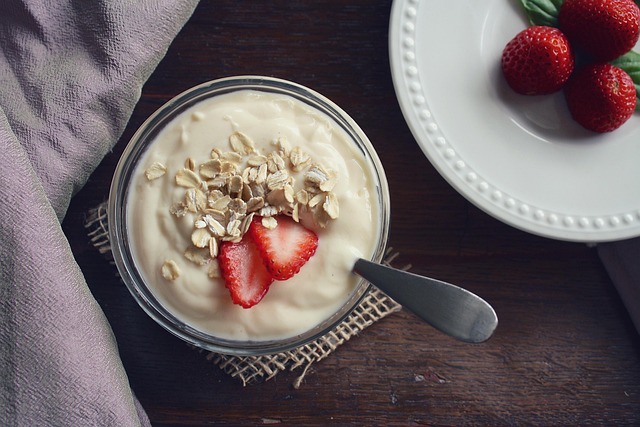
Yogurt stored past its expiration date continues to develop acidity and microbial activity that diverges significantly from its intended probiotic profile. Gastroenterologists note that expired yogurt does not simply lose its beneficial bacteria but actively accumulates non-probiotic strains that may disrupt the gut microbiome. The visual and smell cues of expired yogurt are unreliable due to its naturally sour character. Consuming expired yogurt in the hope of a probiotic benefit is a practice that tends to produce the opposite of the intended digestive effect.
Processed Meats
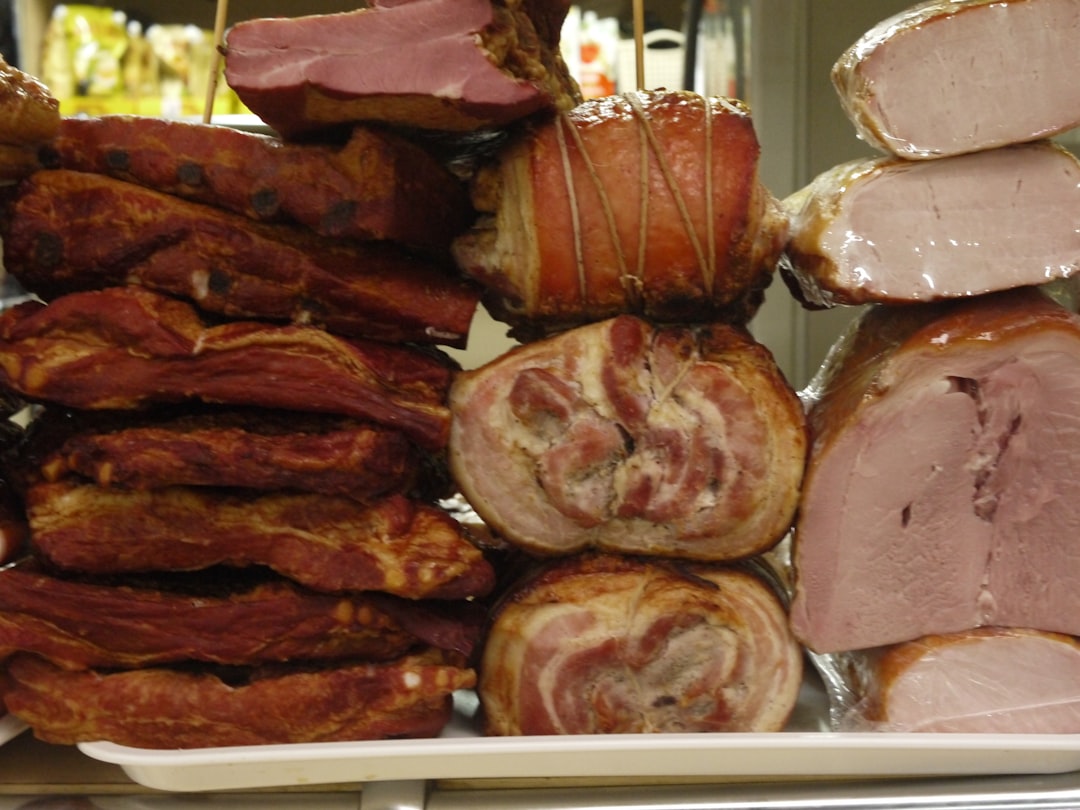
Processed meats including salami, bologna, and pepperoni contain nitrates, high sodium, and preservatives that can disrupt gut bacteria composition with regular exposure. Gastroenterologists associate frequent consumption of refrigerated processed meats with increased intestinal inflammation and altered microbiome diversity. These products also carry Listeria risk that escalates after opening, particularly when stored for more than three to four days. Their high fat content slows gastric emptying in ways that are disproportionate to their nutritional value.
Raw Eggs
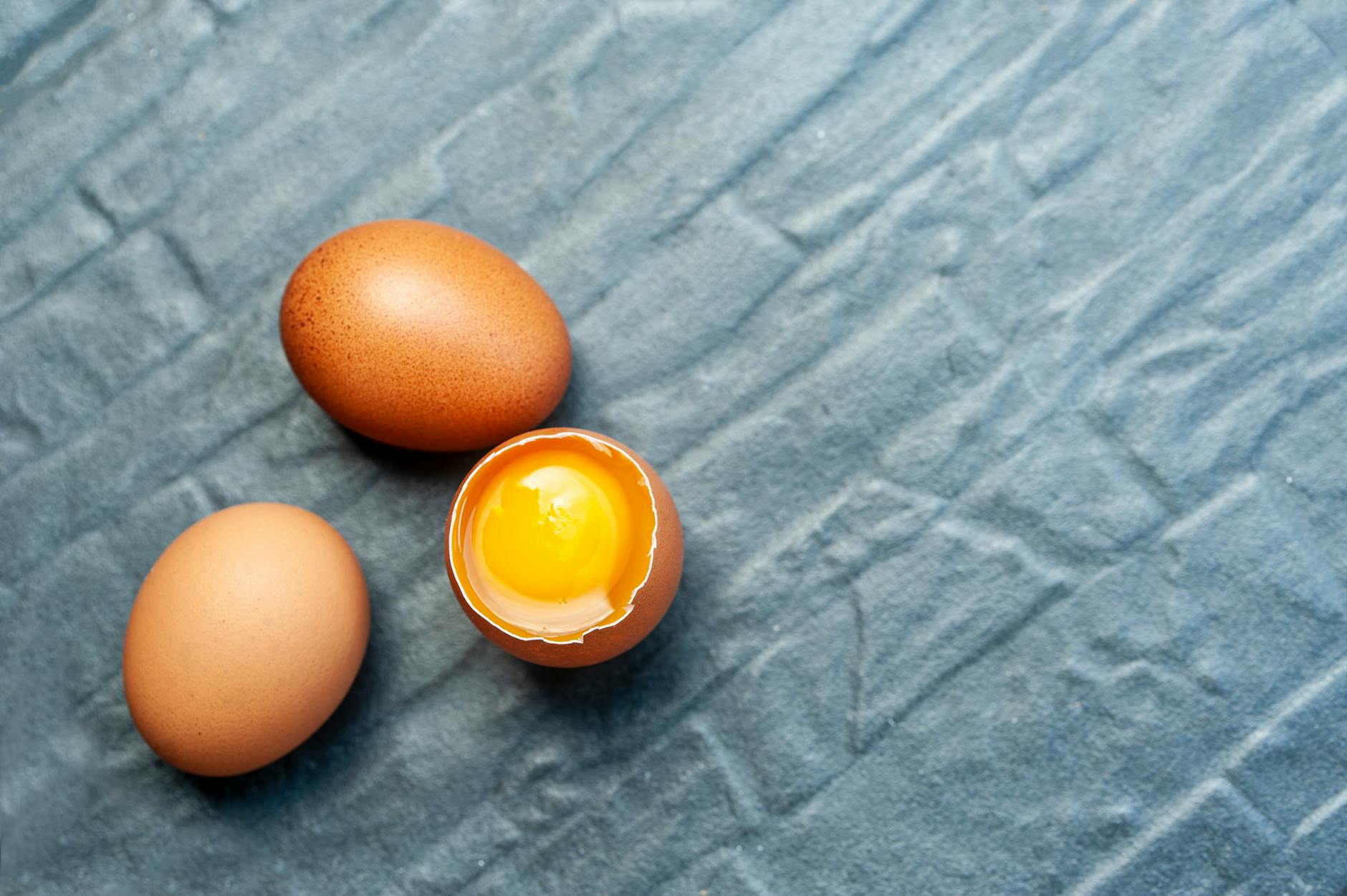
Raw eggs stored in the refrigerator present risk primarily through Salmonella, which can penetrate the shell and contaminate the interior. The risk is compounded when cracked or washed eggs are refrigerated, as these have compromised natural protective barriers. Gastroenterologists advise against keeping raw eggs for extended periods and recommend against storing them in the refrigerator door where temperature fluctuation is greatest. Practices such as tasting raw batter or consuming raw egg-based preparations directly from the fridge significantly elevate gastrointestinal risk.
Fruit Juice
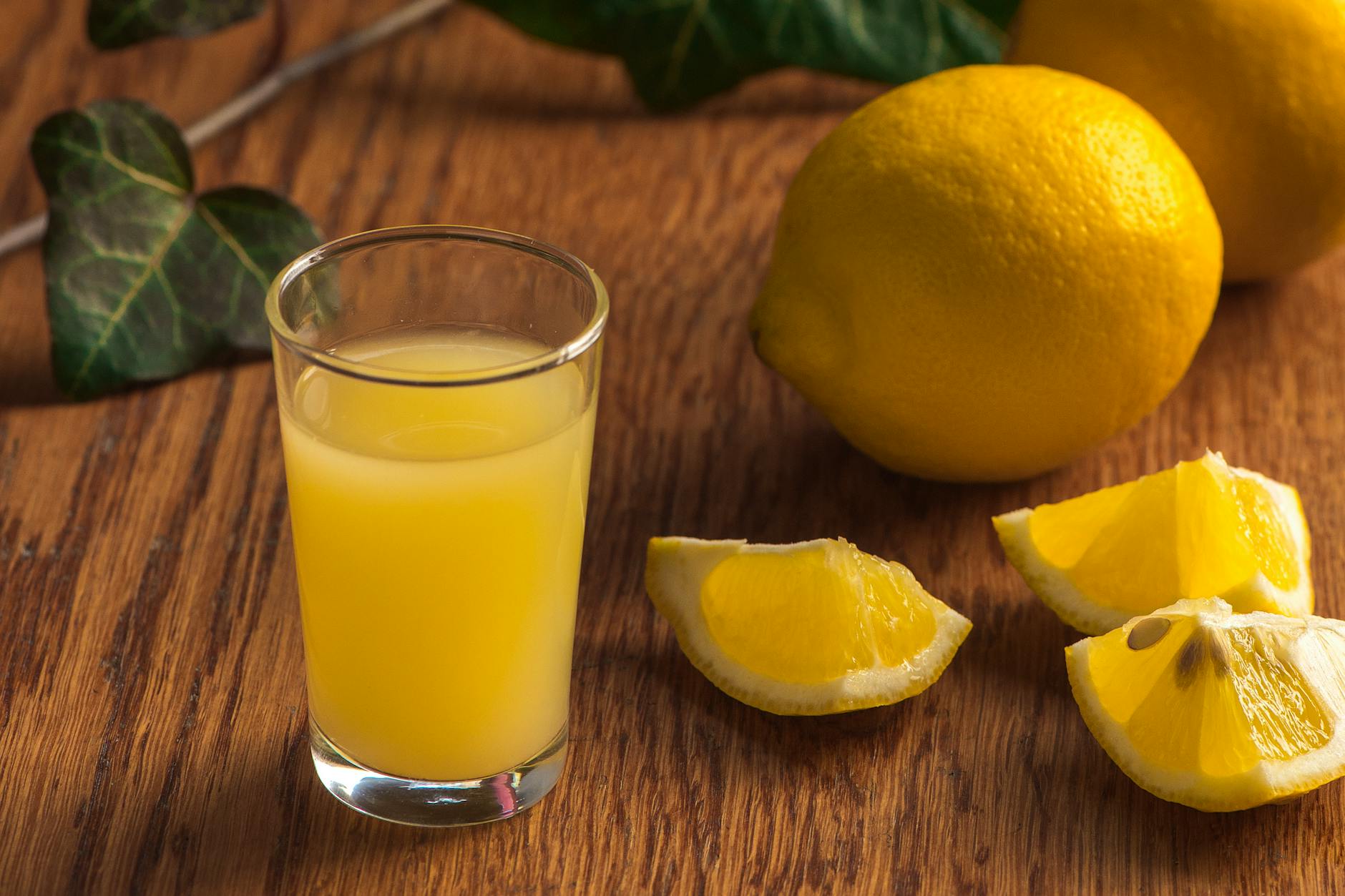
Commercially produced fruit juice that has been opened and refrigerated undergoes ongoing fermentation due to naturally occurring sugars and yeast. Gastroenterologists point out that opened juice kept for more than three days begins to develop alcohol and acetic acid levels that irritate the gut lining. Children and individuals with fructose sensitivity are particularly vulnerable to the digestive effects of older refrigerated juice. The visual appearance of juice gives no indication of fermentation progress, making it a deceptively risky item to store long-term.
Leftovers

General mixed leftovers sitting in the refrigerator beyond three days represent the broadest category of digestive risk that gastroenterologists encounter in patient conversations. The longer a cooked meal sits in cold storage, the more its microbial load, nutrient integrity, and digestive tolerability deteriorate. Reheating does not restore safety or nutritional value to food that has already been stored too long. The habit of keeping large quantities of refrigerated leftovers for convenience is one of the most consistently cited contributors to preventable gastrointestinal complaints in otherwise healthy adults.
If any of these foods are currently sitting in your fridge right now, share which ones surprised you most in the comments.




