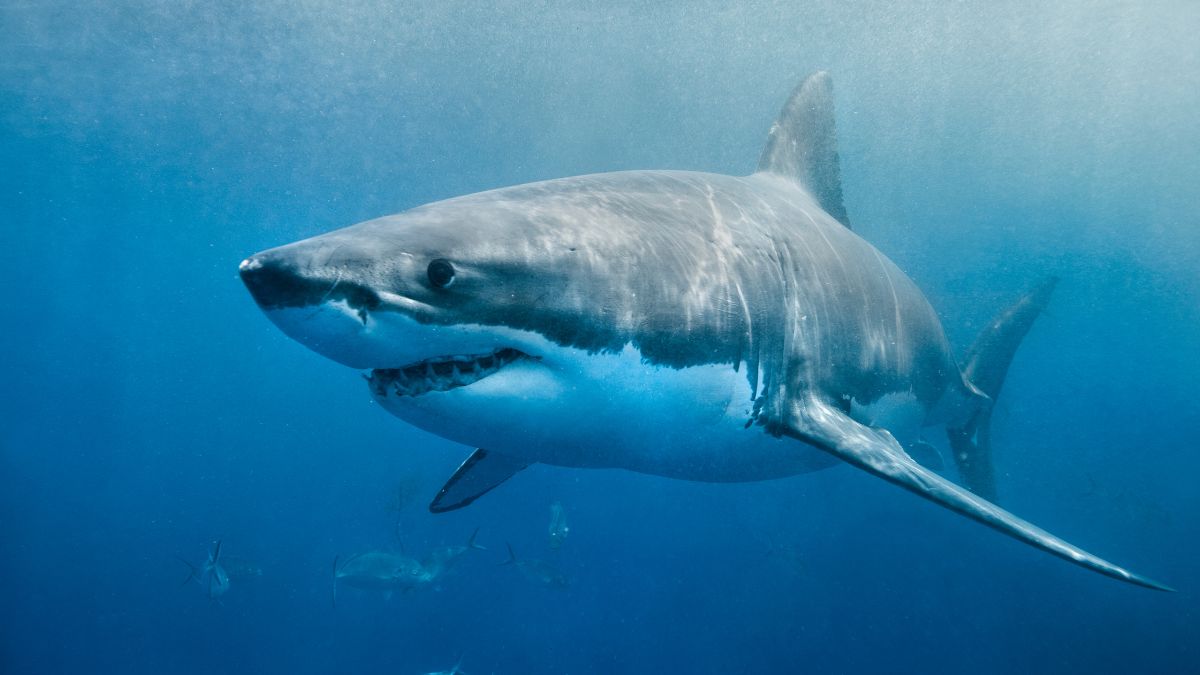
Sharks have long dominated popular imagination as the ocean’s most fearsome predator, yet the animal kingdom harbors dozens of creatures that pose a far greater statistical threat to human life. From microscopic insects to lumbering giants, danger comes in every shape and size across every continent on Earth. The following animals have earned their reputations through sheer numbers, venom potency, behavioral unpredictability, or raw physical power. Understanding which creatures truly command our respect is as much a matter of survival as it is of fascinating natural science.
Mosquito
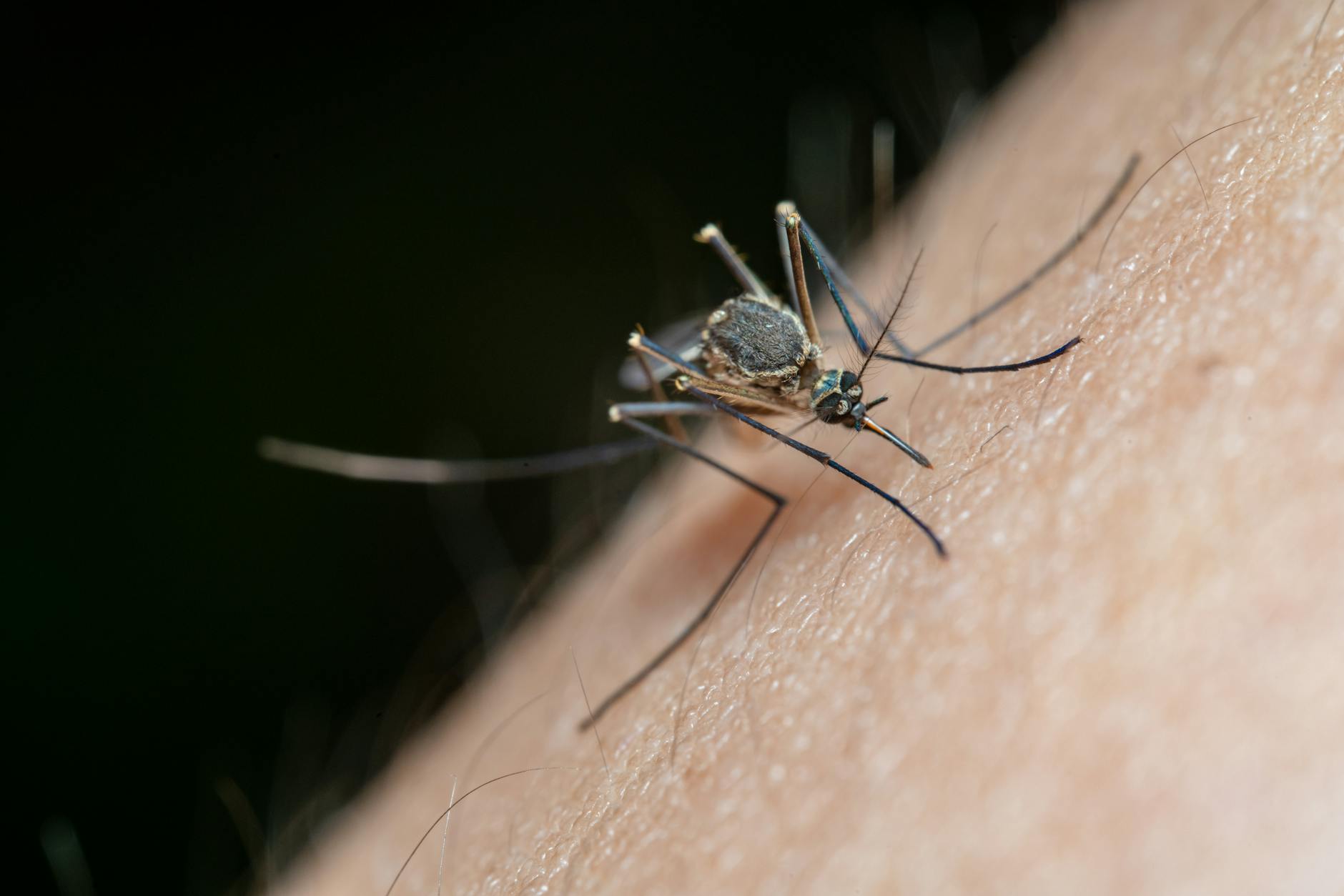
The mosquito is responsible for more human deaths annually than any other animal on the planet. It serves as the primary vector for malaria, dengue fever, yellow fever, Zika virus, and a range of other life-threatening diseases. Its global reach spans every inhabited continent, making it an inescapable presence for billions of people. Tropical and subtropical regions bear the heaviest burden, though warming climates are steadily expanding its range into previously unaffected areas.
Freshwater Snail
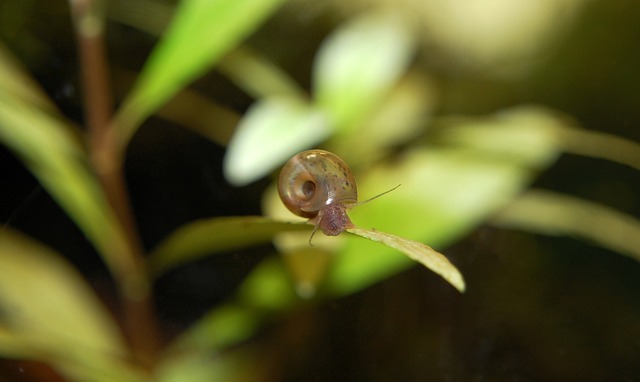
The freshwater snail acts as a host for parasitic flatworms that cause schistosomiasis, a disease affecting hundreds of millions of people worldwide. The parasites penetrate human skin during contact with contaminated water, making ordinary daily activities such as bathing or farming extraordinarily risky. Chronic infection leads to severe organ damage, internal bleeding, and in many cases premature death. Sub-Saharan Africa accounts for the vast majority of cases, though the disease is present across Asia and South America as well.
Tsetse Fly
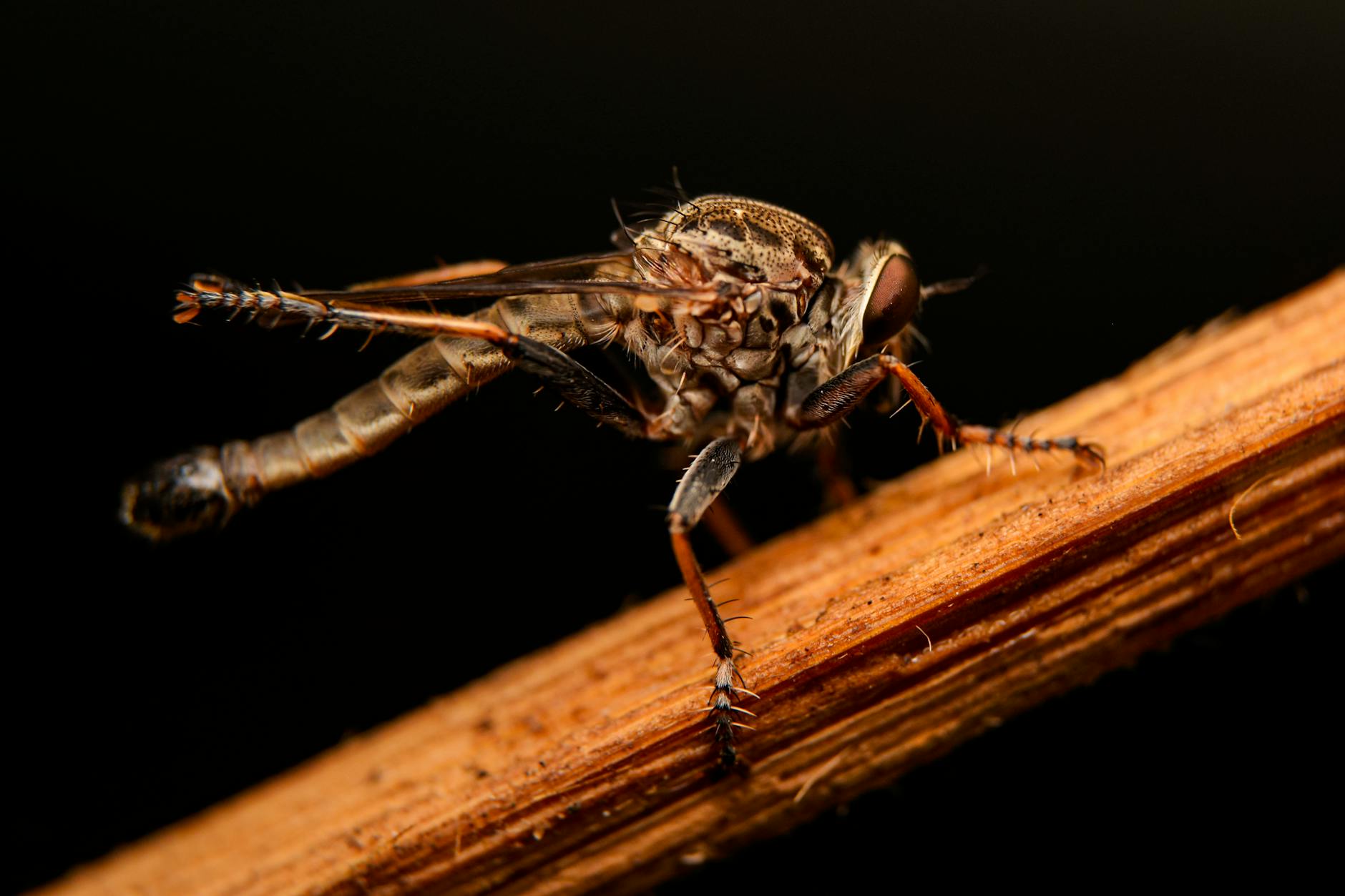
The tsetse fly is the sole carrier of African sleeping sickness, a parasitic disease that is fatal without treatment. Its bite injects trypanosomes directly into the bloodstream, triggering fever, neurological disruption, and eventually a complete breakdown of the sleep-wake cycle. The disease progresses in two distinct stages, with the second stage involving the central nervous system and proving particularly difficult to treat. Tens of thousands of people across sub-Saharan Africa are affected each year, with rural communities bearing the greatest risk.
Saltwater Crocodile
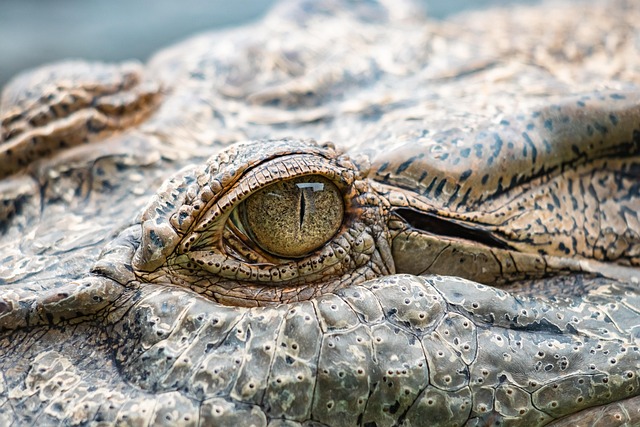
The saltwater crocodile is the largest living reptile on Earth and is responsible for hundreds of human fatalities each year. It inhabits coastal waters, estuaries, and river systems across Southeast Asia and northern Australia, often lurking in areas frequented by fishing and farming communities. Its ambush strategy is devastatingly effective, using explosive speed over short distances to seize prey before dragging it underwater. Official fatality figures are widely believed to underrepresent the true death toll due to limited reporting in remote areas.
Hippopotamus
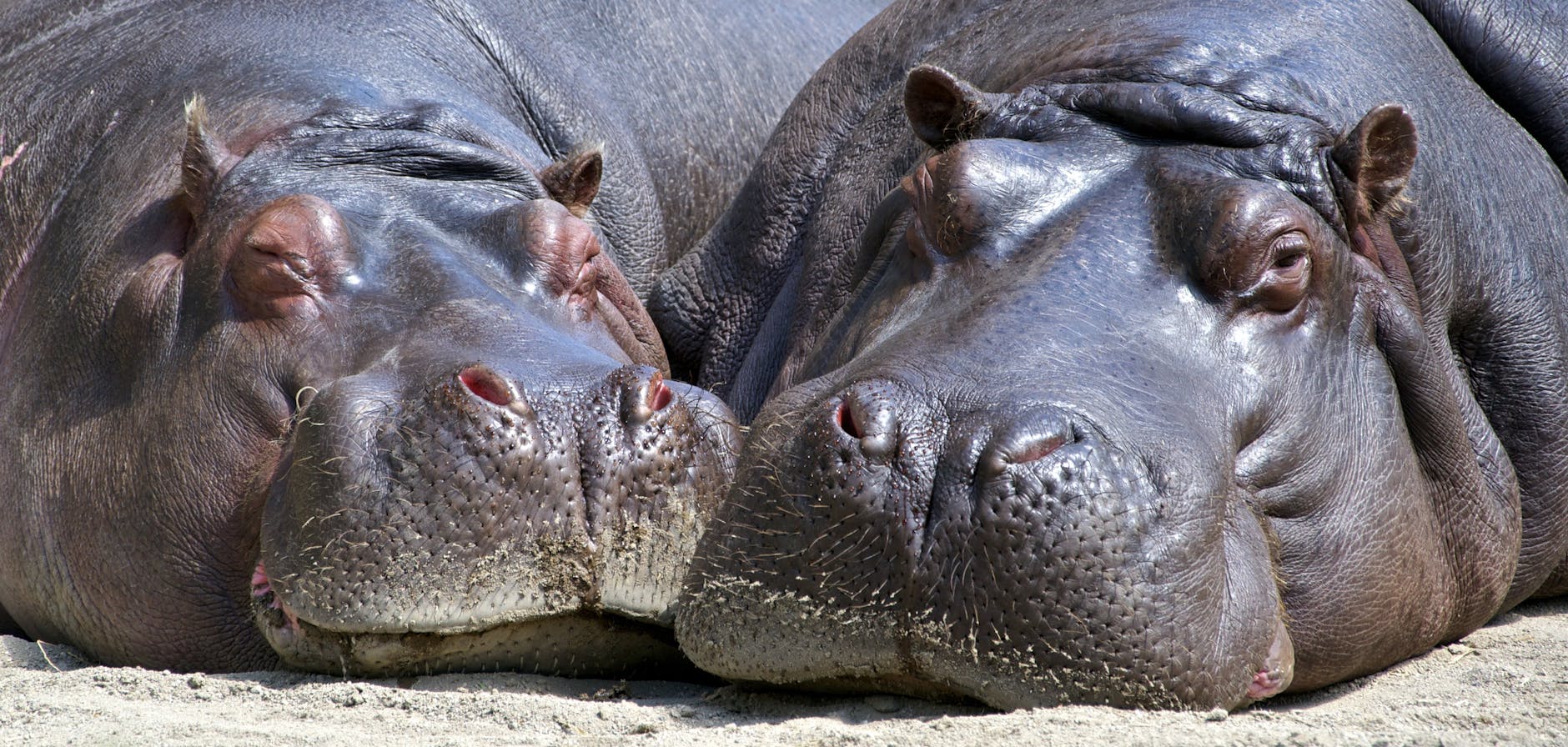
The hippopotamus is considered Africa’s most dangerous large land mammal, responsible for an estimated 500 human deaths per year. Despite its lumbering appearance it can reach speeds of up to 30 kilometers per hour on land and is fiercely territorial in water. Its enormous canine teeth can reach lengths of 50 centimeters and are capable of capsizing boats and crushing a human body with ease. Fishermen and villagers living near rivers and lakes in sub-Saharan Africa face regular and often fatal encounters with these aggressive animals.
Cone Snail
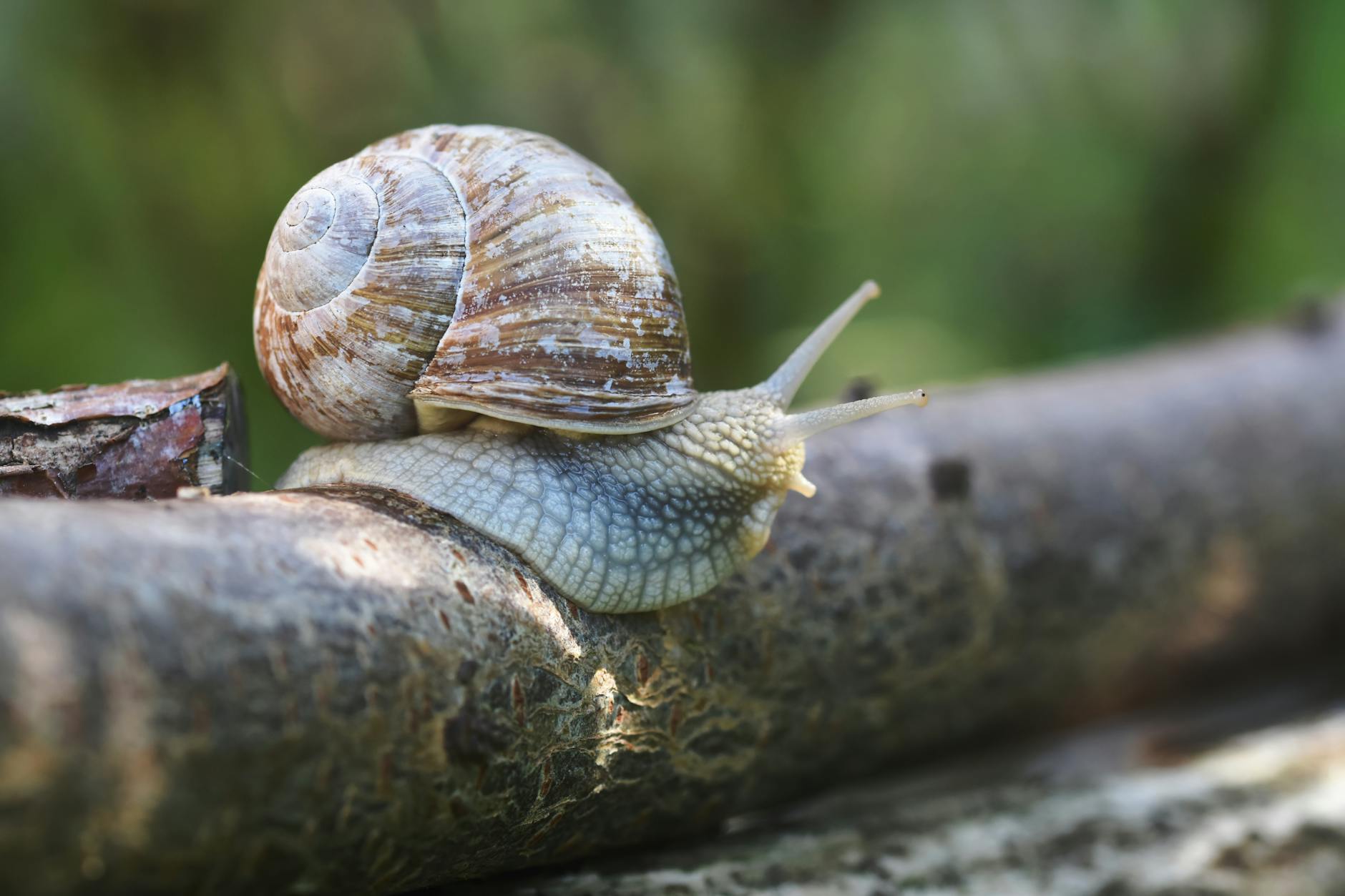
The cone snail is a deceptively beautiful marine creature whose venom is among the most complex and lethal in the natural world. A single sting delivers conotoxins that cause paralysis, respiratory failure, and cardiac arrest, with no antivenom currently available. The snail fires its harpoon-like tooth with remarkable speed and range, making casual handling on beaches far more dangerous than it appears. Most fatalities occur when beachcombers pick up the shells without realizing the animal inside is still alive.
Box Jellyfish
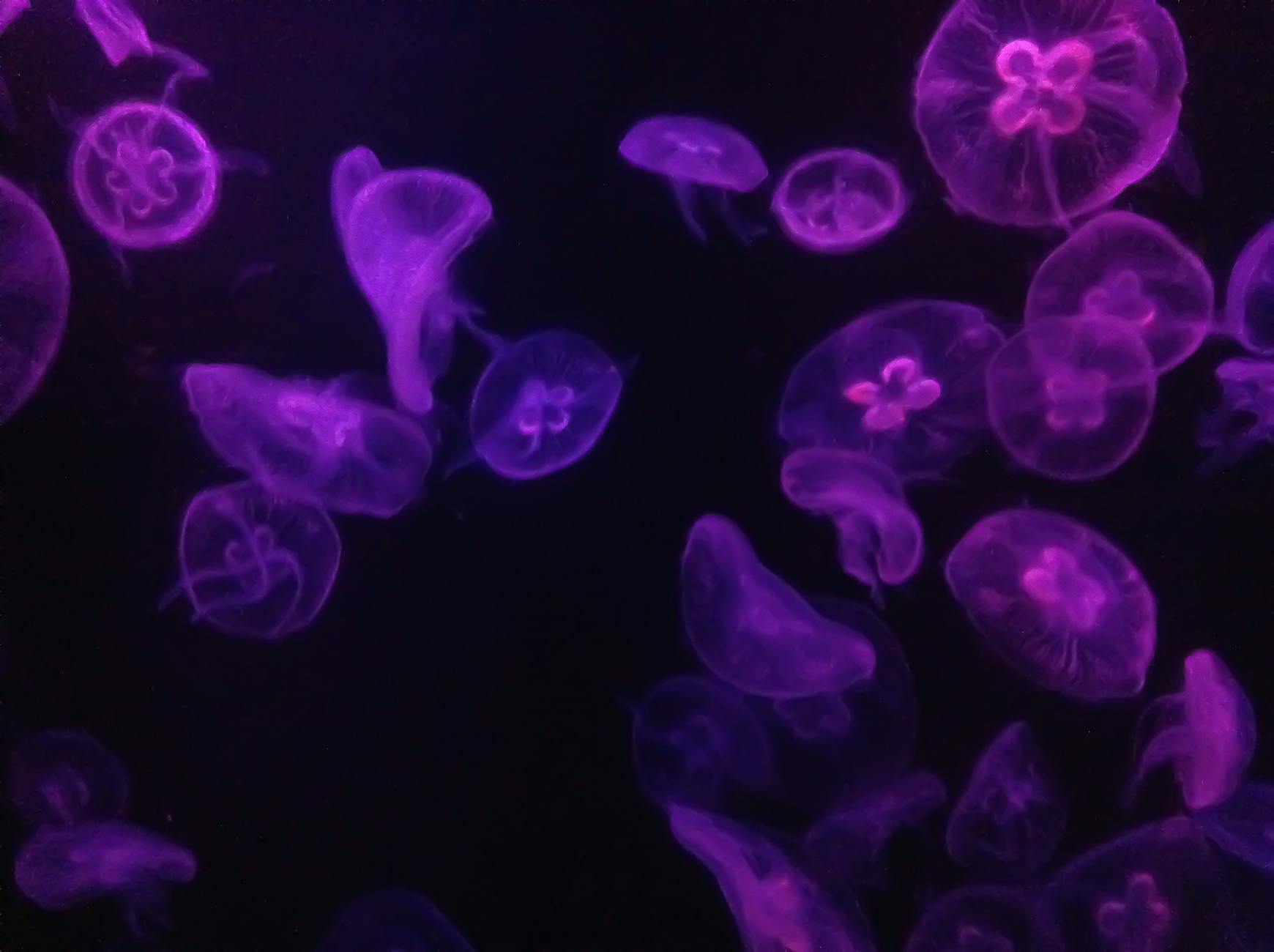
The box jellyfish carries venom powerful enough to kill a human being within minutes of contact. Its tentacles can extend up to three meters in length and are lined with millions of microscopic stinging cells that fire on contact with skin. The toxins attack the heart, nervous system, and skin simultaneously, causing excruciating pain and often cardiac arrest before the victim can reach shore. Waters off northern Australia and throughout the Indo-Pacific region are considered particularly hazardous during warmer months.
Cape Buffalo
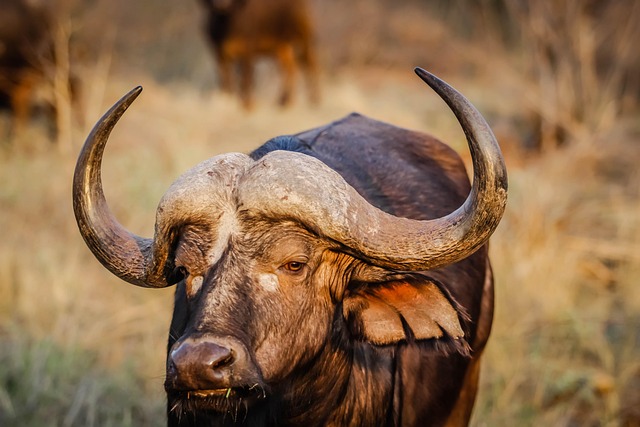
The Cape buffalo is one of Africa’s most unpredictable and dangerous animals, earning a formidable reputation among hunters and wildlife guides alike. It is responsible for a significant number of human deaths each year, charging with little warning and with extraordinary force. A wounded or cornered individual is especially lethal, known to circle back and ambush pursuers long after appearing to retreat. Its powerful horns and sheer body mass make it capable of killing lions, which it does on a regular basis in the wild.
Pufferfish
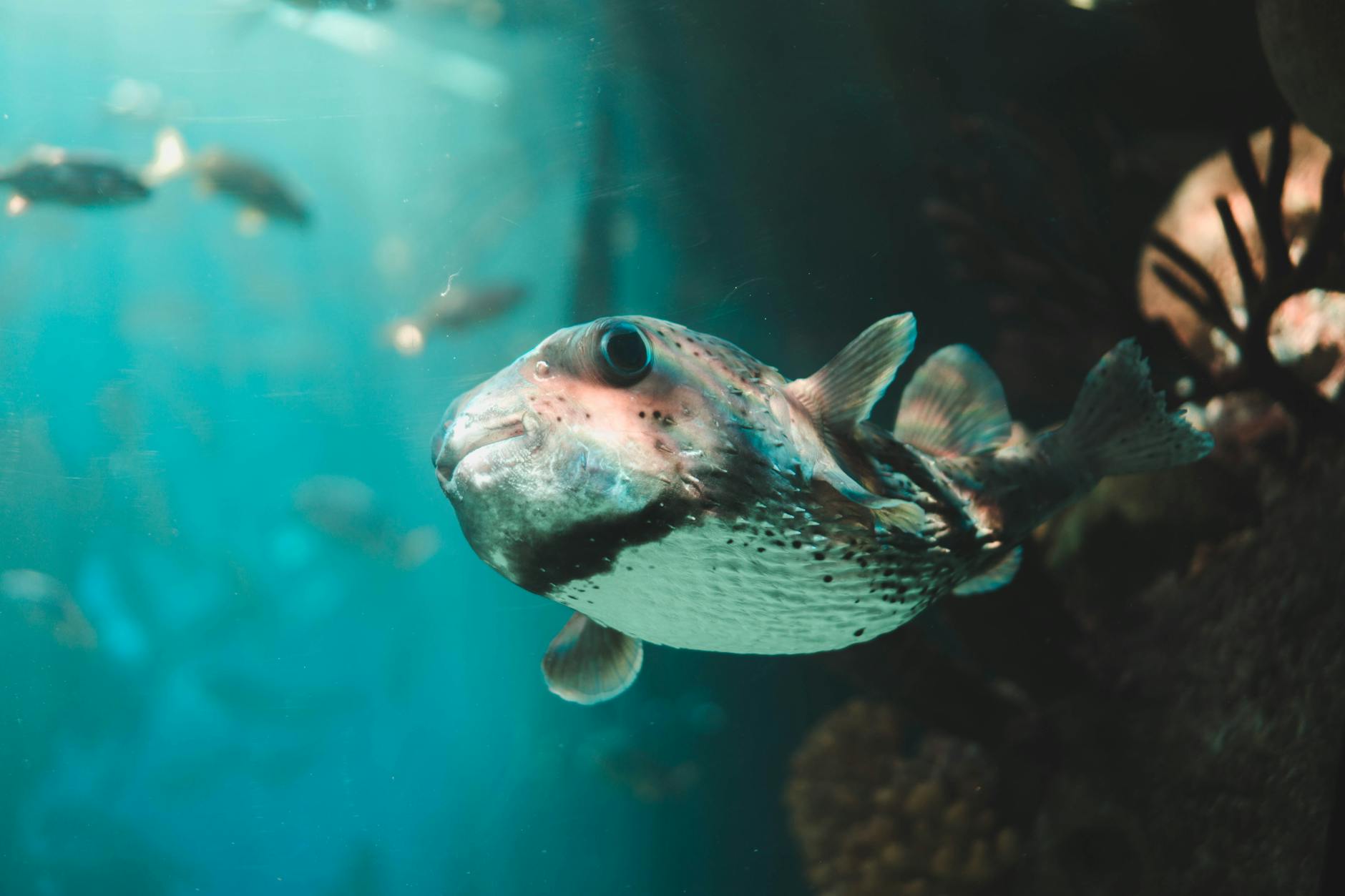
The pufferfish contains tetrodotoxin, one of the most potent neurotoxins found in nature, concentrated primarily in its liver, ovaries, and skin. There is no known antidote, and even tiny amounts of the toxin can cause paralysis and death within hours of ingestion. Despite this it is considered a delicacy in Japan and South Korea, where licensed chefs undergo years of training before being permitted to prepare it. Accidental poisonings still occur regularly in regions where the fish is prepared or consumed without proper expertise.
Indian Saw-Scaled Viper
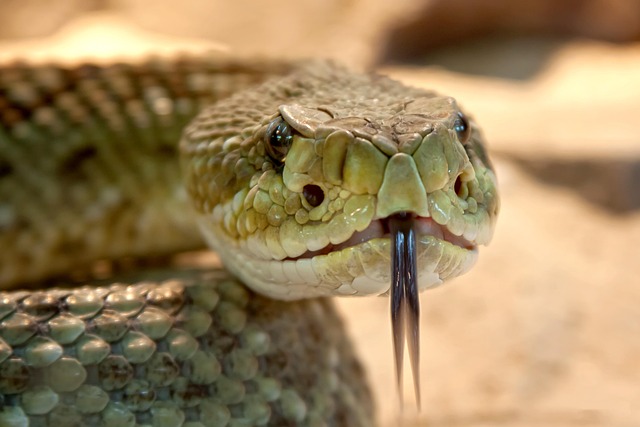
The Indian saw-scaled viper is believed to cause more snakebite deaths than any other species in the world. It inhabits densely populated regions of South Asia and the Middle East, placing it in frequent and often fatal proximity to farming communities. Its venom contains powerful hemotoxins that destroy blood cells and prevent clotting, causing victims to bleed internally and externally. The snake is highly aggressive when disturbed and strikes with exceptional speed, often before its presence has even been detected.
Nile Crocodile
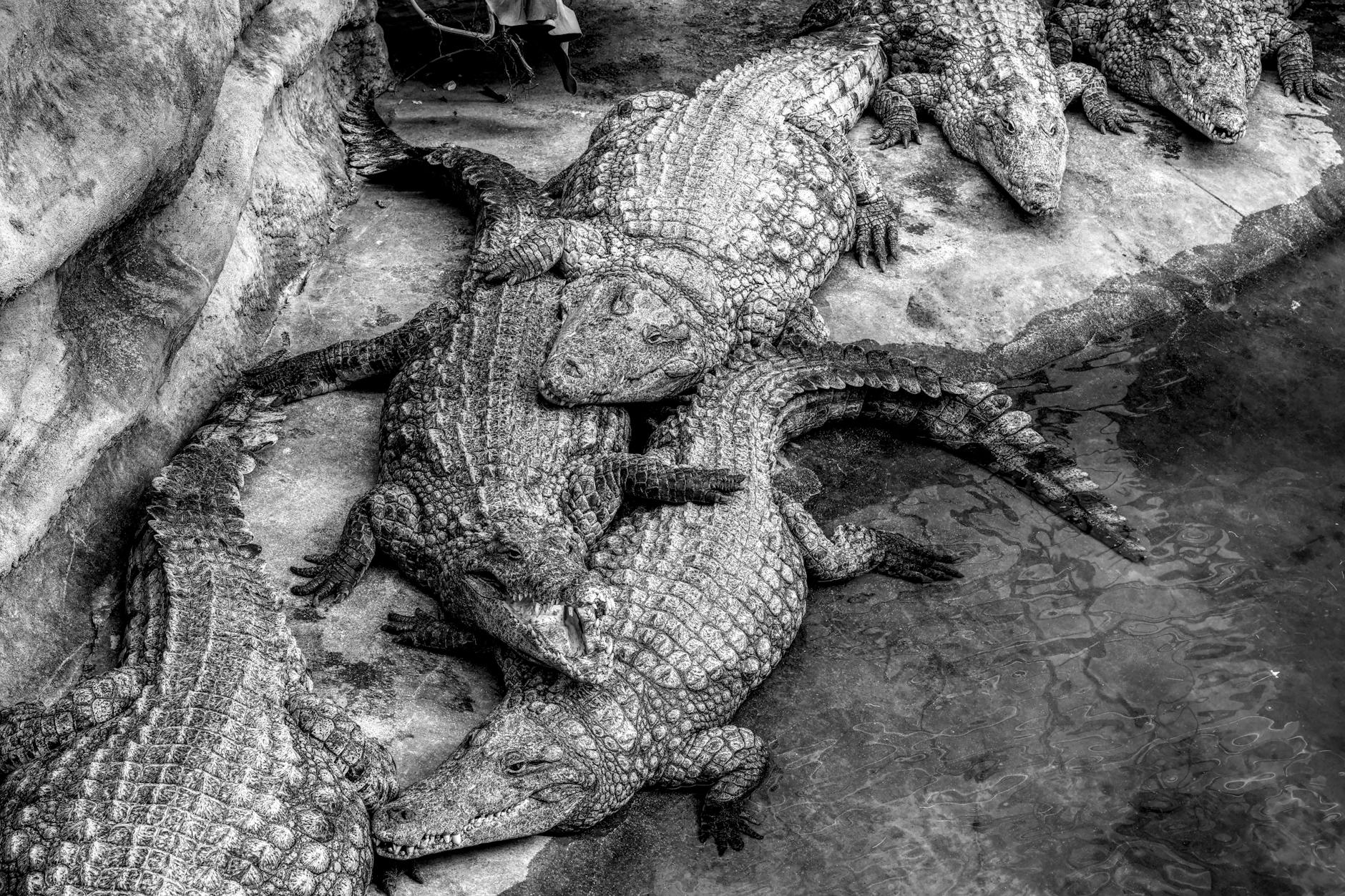
The Nile crocodile is implicated in more human deaths per year than any other crocodilian species, with estimates ranging from several hundred to over a thousand fatalities annually. It is widely distributed across sub-Saharan Africa, inhabiting rivers, lakes, and marshlands where rural populations depend on water access for survival. Its bite force is among the strongest of any living animal, and its death roll technique makes escape from its grip virtually impossible. Children and women collecting water or washing clothes at riverbanks are disproportionately represented among its victims.
Deathstalker Scorpion
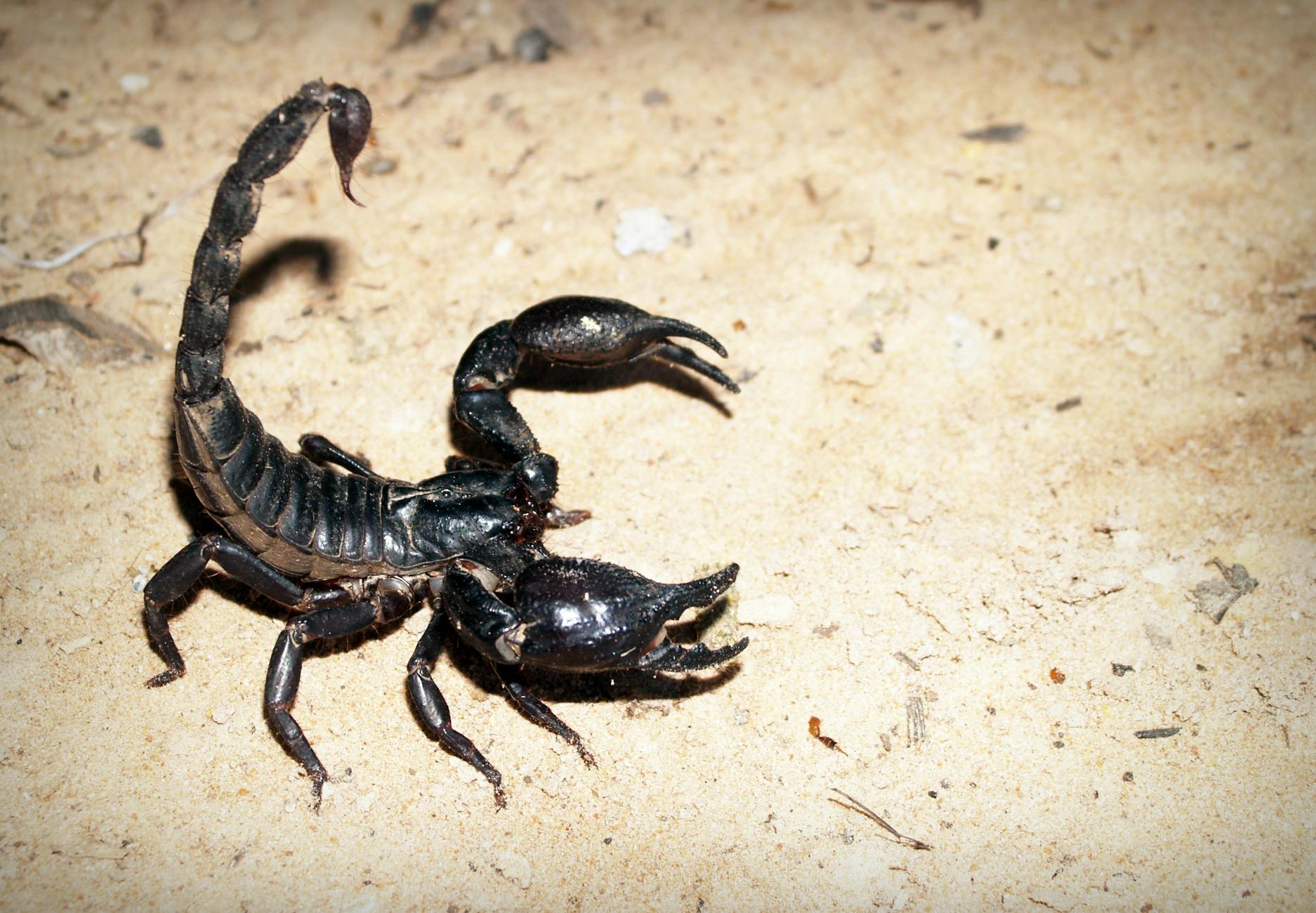
The deathstalker is widely regarded as the most dangerous scorpion species on Earth, responsible for the majority of scorpion-related deaths globally. Its venom is a powerful cocktail of neurotoxins that causes intense pain, fever, convulsions, and in vulnerable individuals respiratory failure and death. It inhabits arid regions across North Africa and the Middle East, where it frequently enters human dwellings in search of shelter and prey. Children and the elderly face the highest mortality risk, as their systems are less able to withstand the neurological assault.
Black Mamba
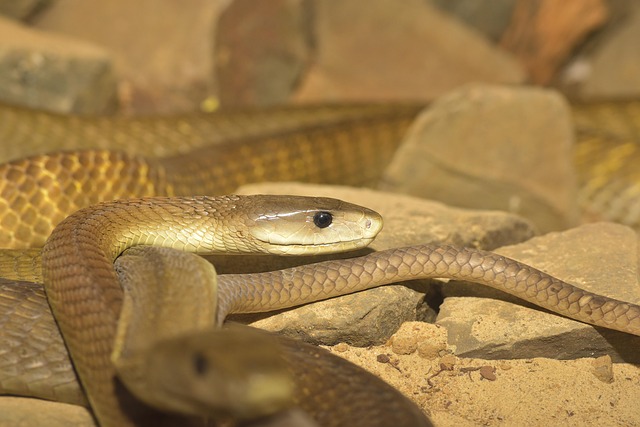
The black mamba is Africa’s longest venomous snake and one of the fastest moving land snakes in the world, capable of reaching speeds of around 20 kilometers per hour. It delivers large quantities of potent neurotoxin in a single bite, and without antivenom treatment death can occur within 20 minutes. Its aggressive defensive behavior sets it apart from most other venomous species, as it will actively pursue a perceived threat rather than retreat. Rural communities in sub-Saharan Africa face regular encounters with this species in agricultural and woodland settings.
Polar Bear
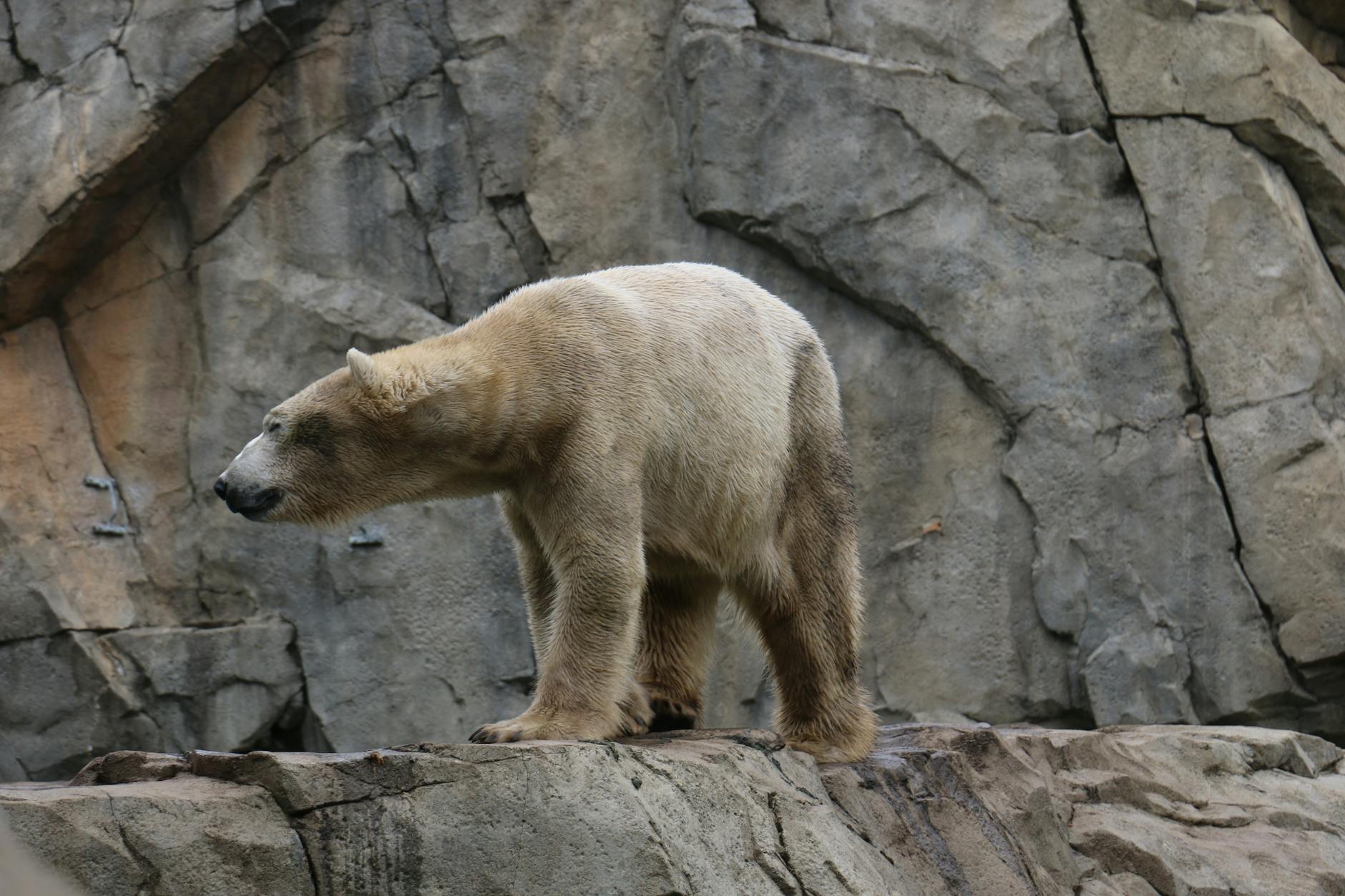
The polar bear is the largest land carnivore on Earth and the only bear species that actively preys on humans as a potential food source. Adults can weigh over 700 kilograms and are capable of swimming long distances and running at speeds that make escape nearly impossible in open terrain. Climate change is forcing polar bears into closer contact with human settlements as sea ice diminishes and traditional prey becomes harder to access. Encounters in Arctic communities have increased in recent decades, prompting ongoing concerns about human safety in affected regions.
Africanized Honey Bee
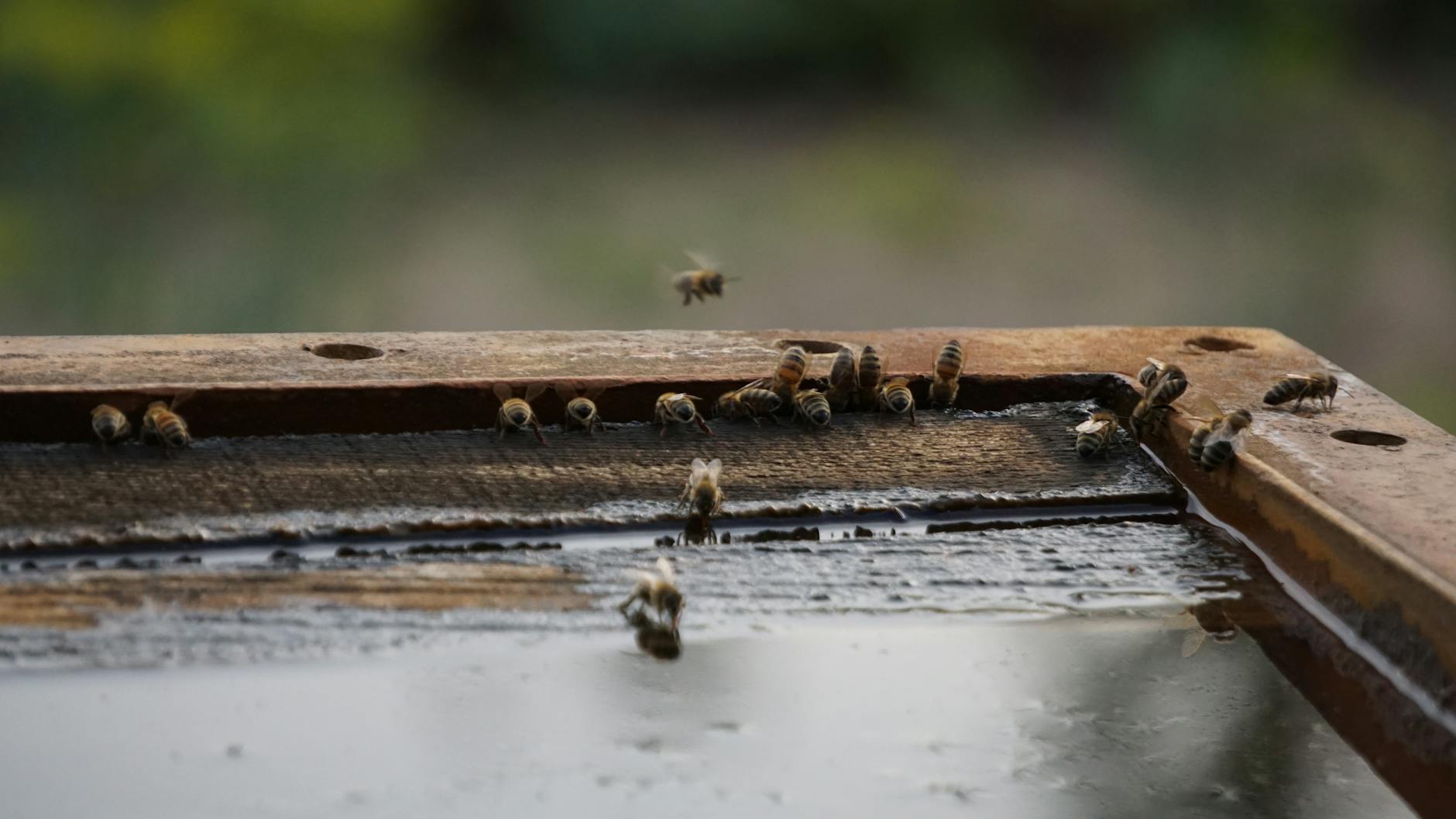
The Africanized honey bee is a hybrid species that emerged from an accidental release in Brazil during the 1950s and has since spread throughout the Americas. It defends its colony with extreme aggression, mobilizing in swarms of thousands and pursuing perceived threats over distances that far exceed those of European honey bee species. A large-scale attack can deliver enough venom to kill a healthy adult through anaphylactic shock or venom toxicity. Livestock, pets, and humans have all fallen victim to swarm attacks in areas where the species has become established.
Blue-Ringed Octopus
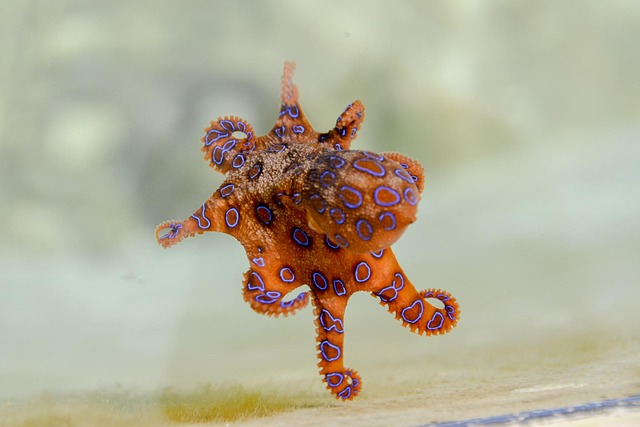
The blue-ringed octopus is one of the ocean’s most strikingly beautiful yet lethally dangerous creatures. Despite being no larger than a golf ball it carries enough tetrodotoxin in a single bite to kill 26 adult humans within minutes. Its bite is often painless, meaning victims may not realize they have been envenomated until paralysis begins to set in. There is no antivenom and treatment relies entirely on prolonged artificial respiration until the toxin clears the body naturally.
Komodo Dragon
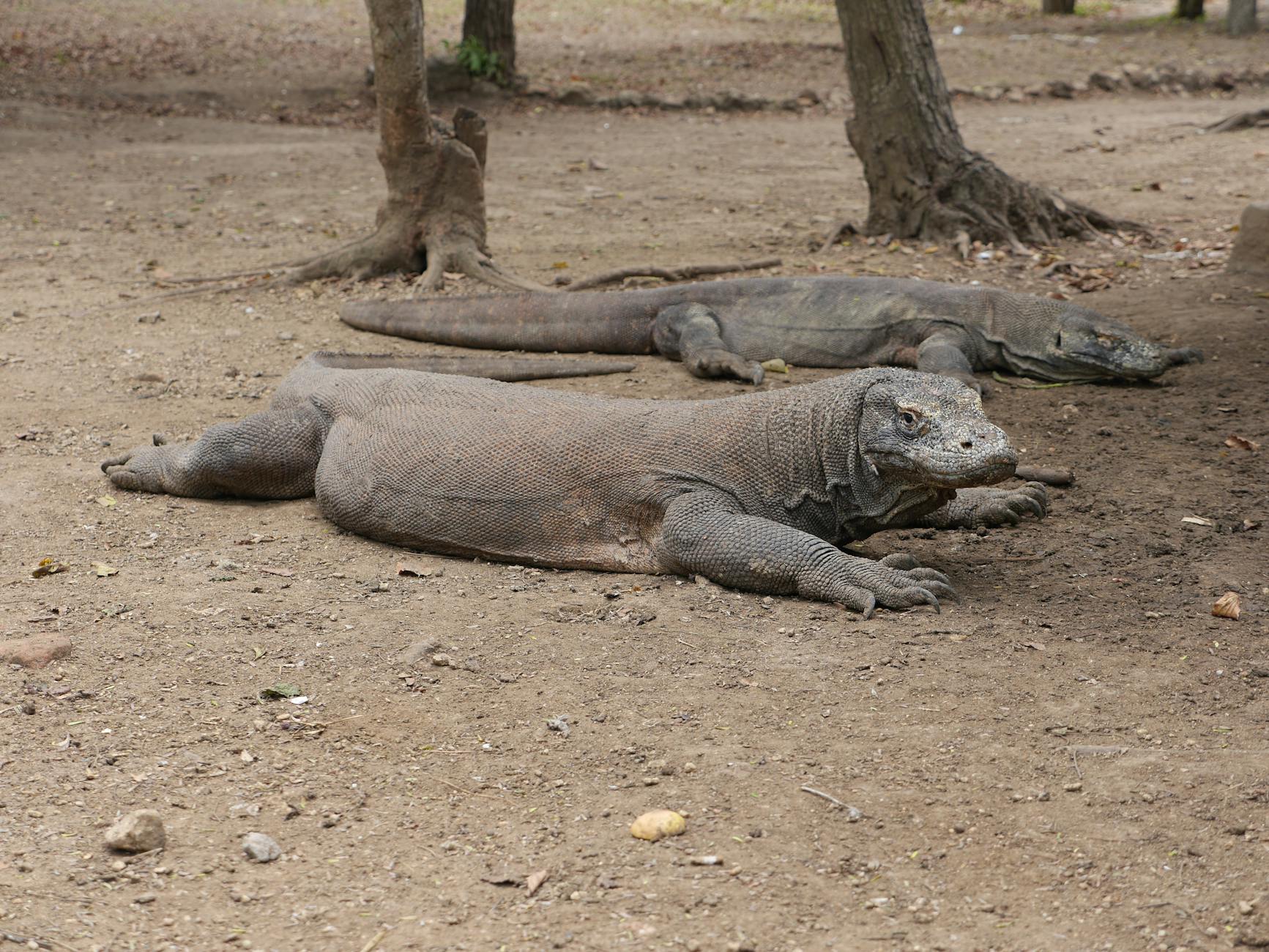
The Komodo dragon is the world’s largest living lizard, reaching lengths of up to three meters and weighing over 70 kilograms. It delivers a lethal combination of venom and bacteria through its bite, causing rapid blood loss and systemic infection in its prey. In the wild it is capable of killing large deer and water buffalo, and human fatalities have been recorded on the Indonesian islands it inhabits. Its speed over short distances and powerful clawed limbs make it a formidable predator that warrants considerable caution.
Cassowary
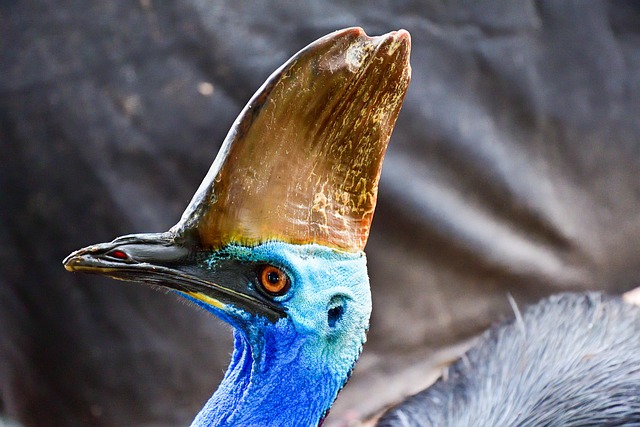
The cassowary is widely considered the most dangerous bird in the world, equipped with dagger-like claws capable of disemboweling a human in a single strike. It inhabits the tropical rainforests of New Guinea and northeastern Australia, where it is known to defend its territory with explosive aggression. At up to 60 kilograms it is a powerful animal capable of delivering devastating kicks at speeds that provide little time to react. Zookeepers and wildlife handlers have sustained severe and life-threatening injuries from captive individuals, underscoring how dangerous even enclosed specimens can be.
Stonefish
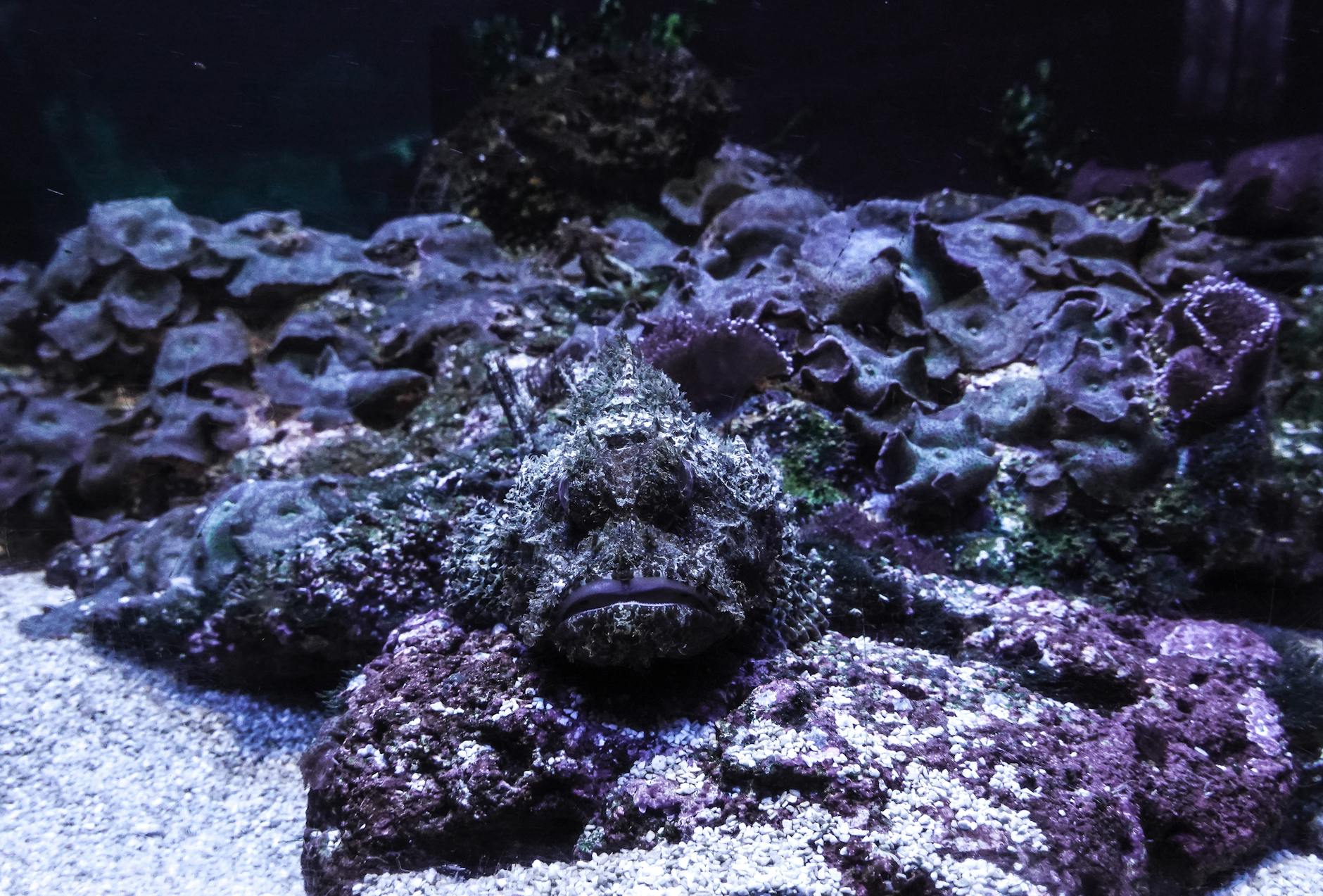
The stonefish is the most venomous fish in the world and a masterful camouflage artist, blending seamlessly with rocky seafloors and coral reefs. Stepping on its dorsal spines delivers venom that causes immediate and excruciating pain described by medical professionals as among the worst known to humans. Without prompt medical treatment the venom can cause tissue death, heart failure, and paralysis. It inhabits shallow coastal waters across the Indo-Pacific region, placing it in regular contact with swimmers, snorkelers, and fishermen.
Brazilian Wandering Spider
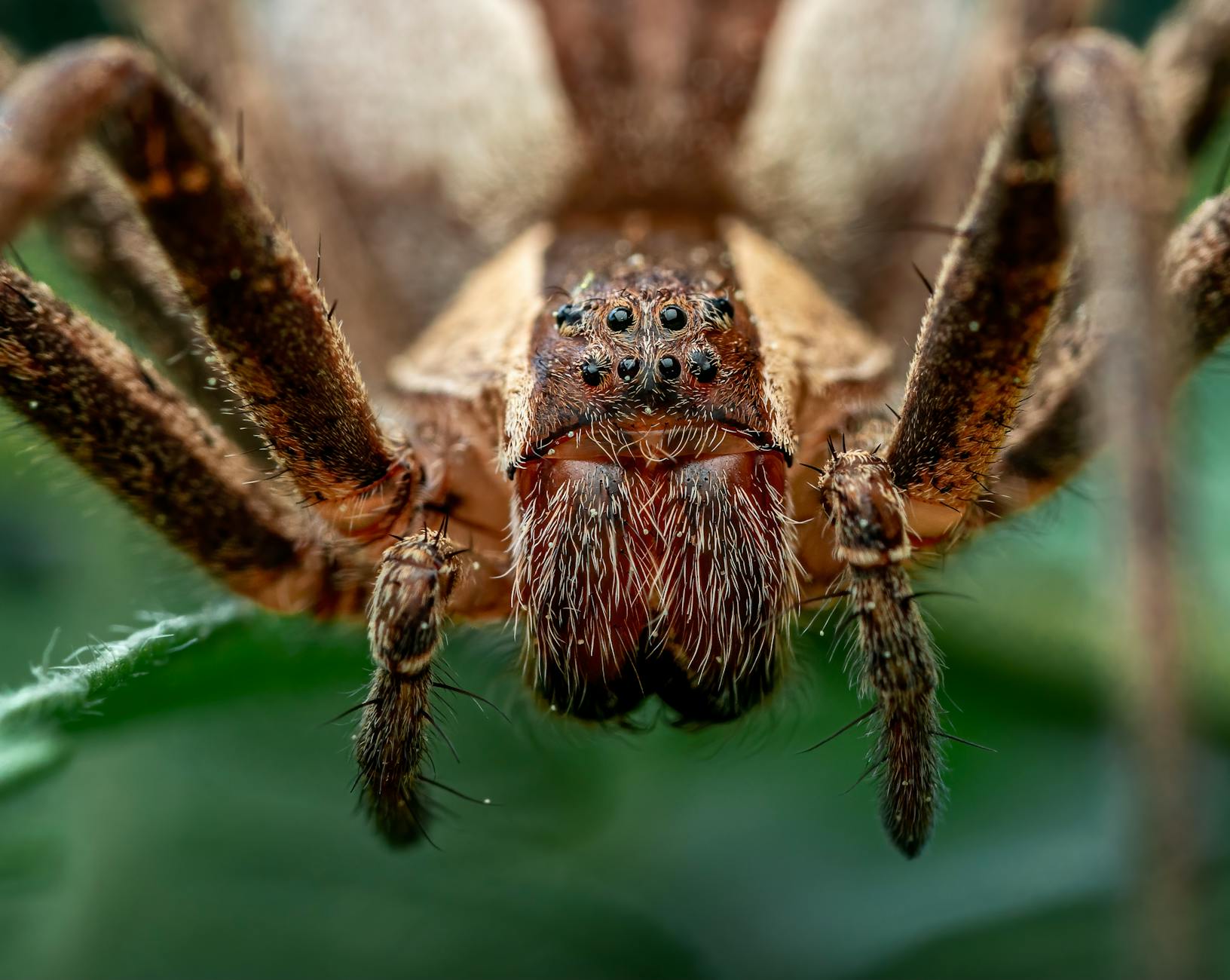
The Brazilian wandering spider holds a Guinness World Record as the most venomous spider on Earth. Unlike web-dwelling species it actively roams the forest floor and urban environments at night in search of prey, increasing its chances of encountering humans. Its venom attacks the nervous system, causing intense pain, inflammation, loss of muscle control, and in severe cases death. It is frequently found hiding in clothing, shoes, and banana clusters, making unintentional contact a genuine and recurring hazard in South American countries.
Golden Poison Frog
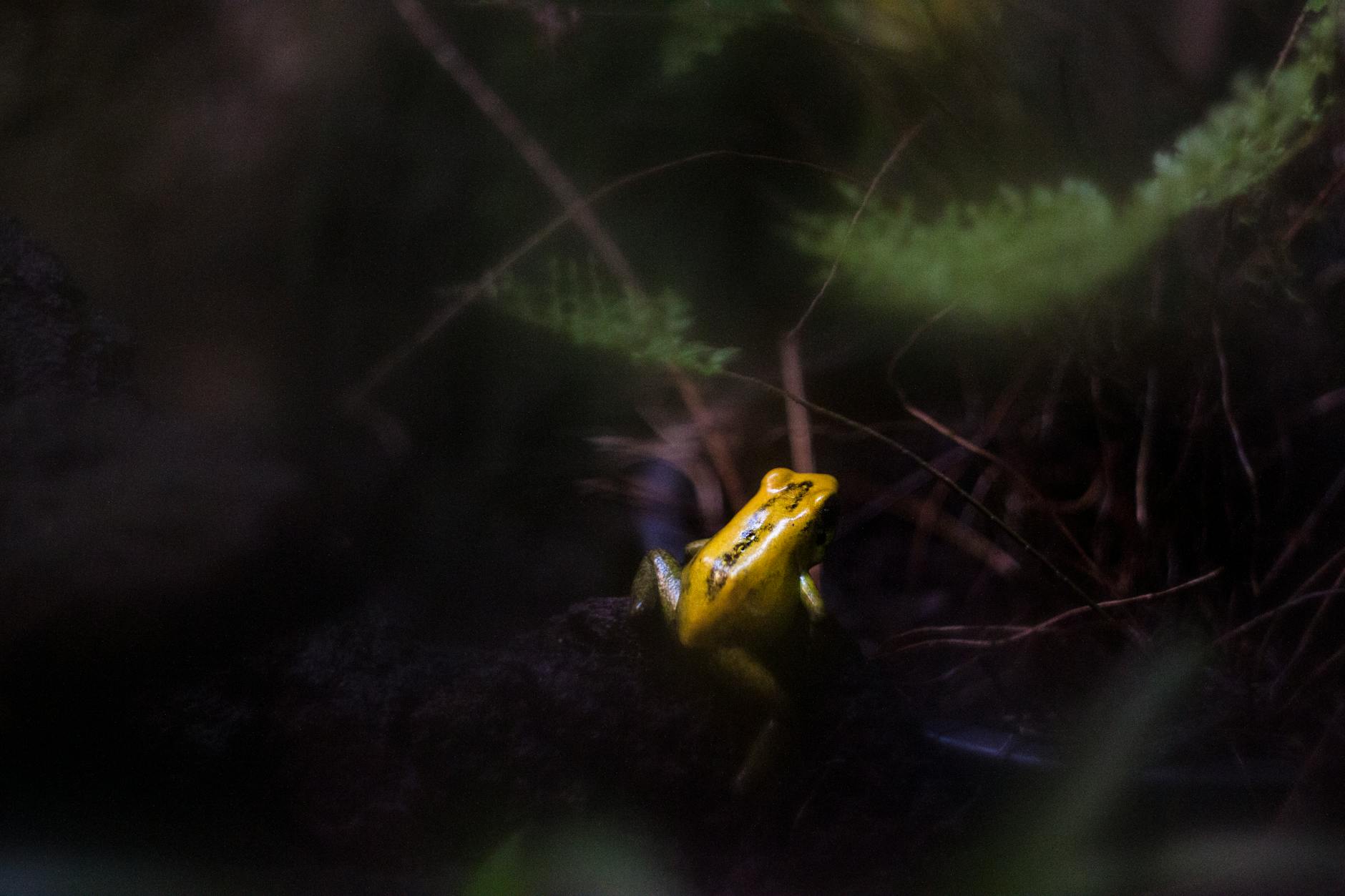
The golden poison frog is perhaps the most toxic vertebrate on Earth relative to its size, carrying enough batrachotoxin on its skin to kill ten adult humans. Indigenous Emberá people of Colombia have historically used its secretions to coat the tips of blowgun darts for hunting. The toxin interferes with nerve signal transmission, causing muscle paralysis and cardiac arrest with extraordinary speed. Even handling the frog without protective measures allows the toxin to absorb through the skin, making it one of the most passively dangerous animals in existence.
Inland Taipan
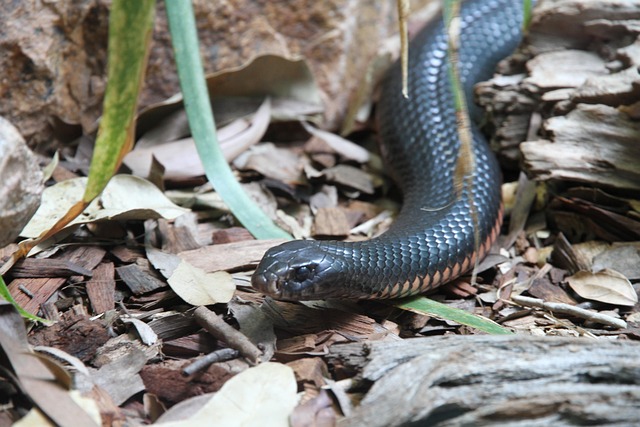
The inland taipan of Australia possesses the most toxic venom of any land snake in the world, with a single bite containing enough toxin to kill 100 adult humans. Its venom works with devastating efficiency, attacking the nervous system and blood simultaneously to cause rapid organ failure. Despite its extraordinary toxicity it is considered a reclusive and relatively docile species that avoids human contact wherever possible. Fatalities are rare due to its remote habitat, but the potency of its venom alone secures its place among the most dangerous animals alive.
African Elephant
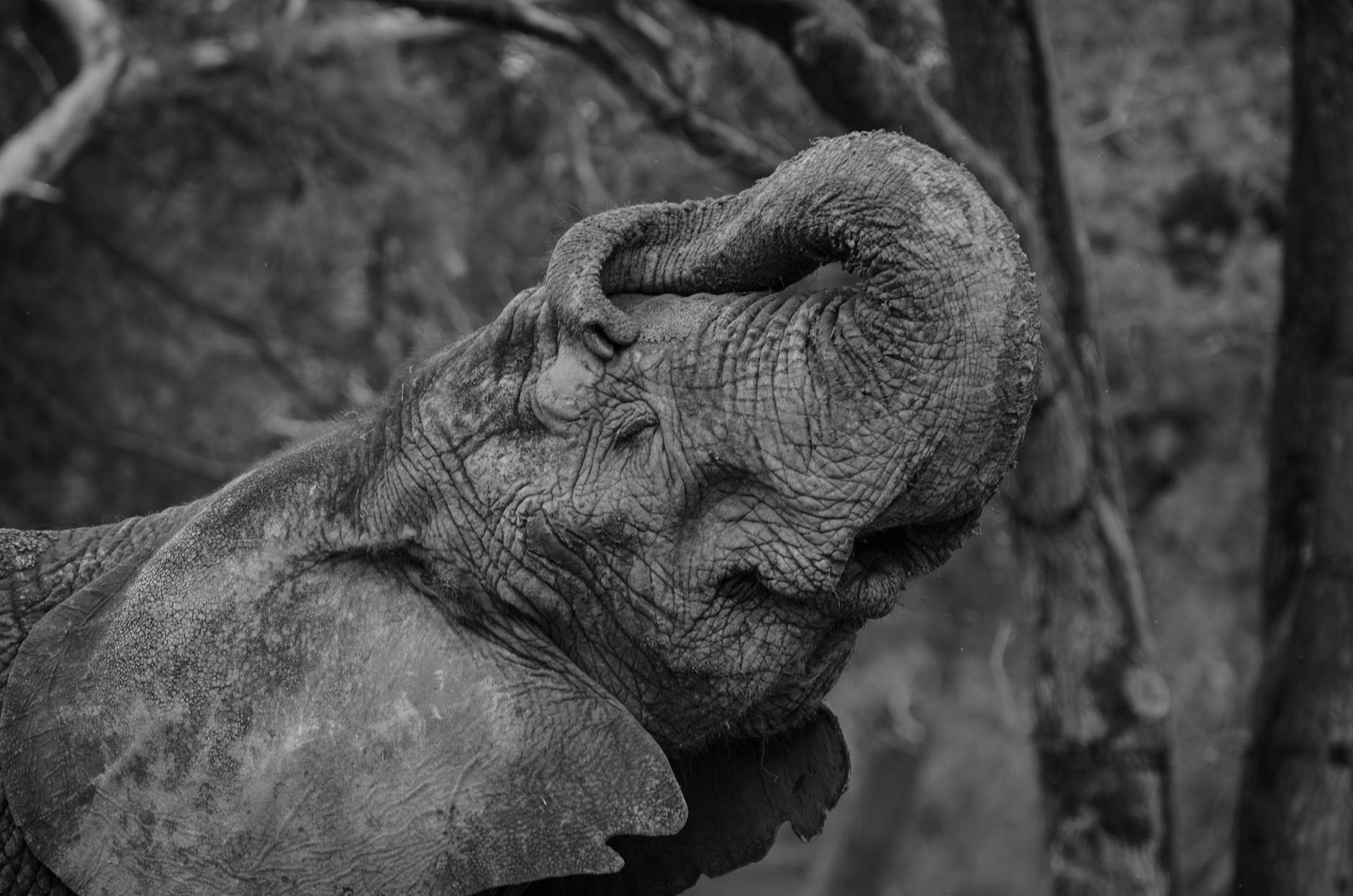
The African elephant is the largest land animal on Earth and is responsible for an estimated 500 human deaths per year across its range. Conflicts arise most frequently when crop-raiding elephants encounter farmers protecting their livelihoods, triggering charges that can flatten structures and kill instantly. A charging elephant can reach speeds of 25 kilometers per hour and uses its tusks, trunk, and sheer mass as weapons of enormous destructive force. Human-elephant conflict is intensifying as habitat loss pushes elephant populations into closer contact with expanding agricultural communities.
Lion
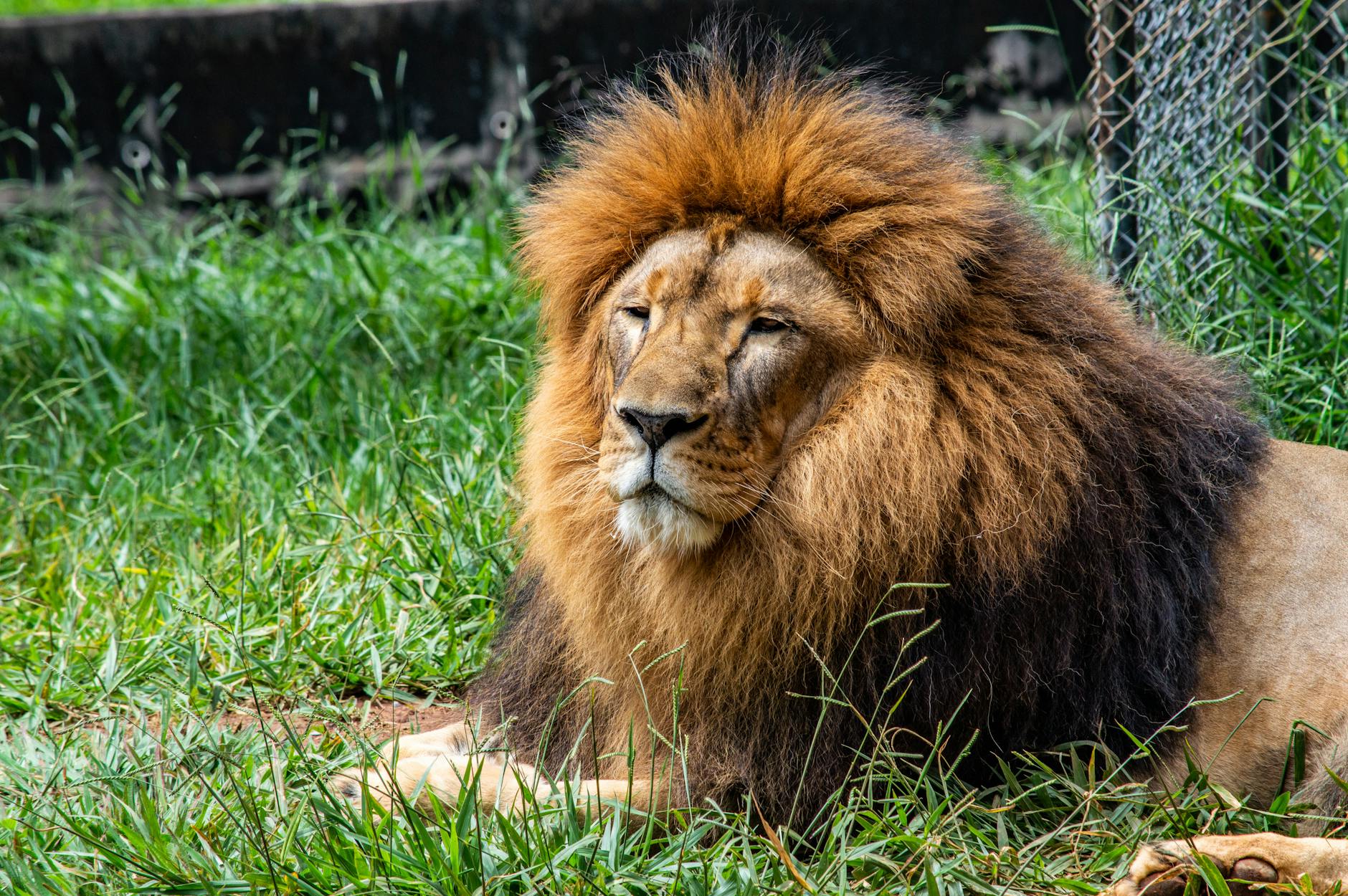
The lion remains one of the most iconic and genuinely dangerous large predators in the world, responsible for hundreds of human deaths each year across sub-Saharan Africa. Attacks occur most frequently at night in rural areas where people sleep in poorly secured structures near wildlife corridors. Older or injured lions that can no longer hunt wild prey successfully are disproportionately responsible for targeting humans as an accessible food source. Livestock herders and subsistence farmers living near national park boundaries face the highest levels of ongoing risk.
Leopard
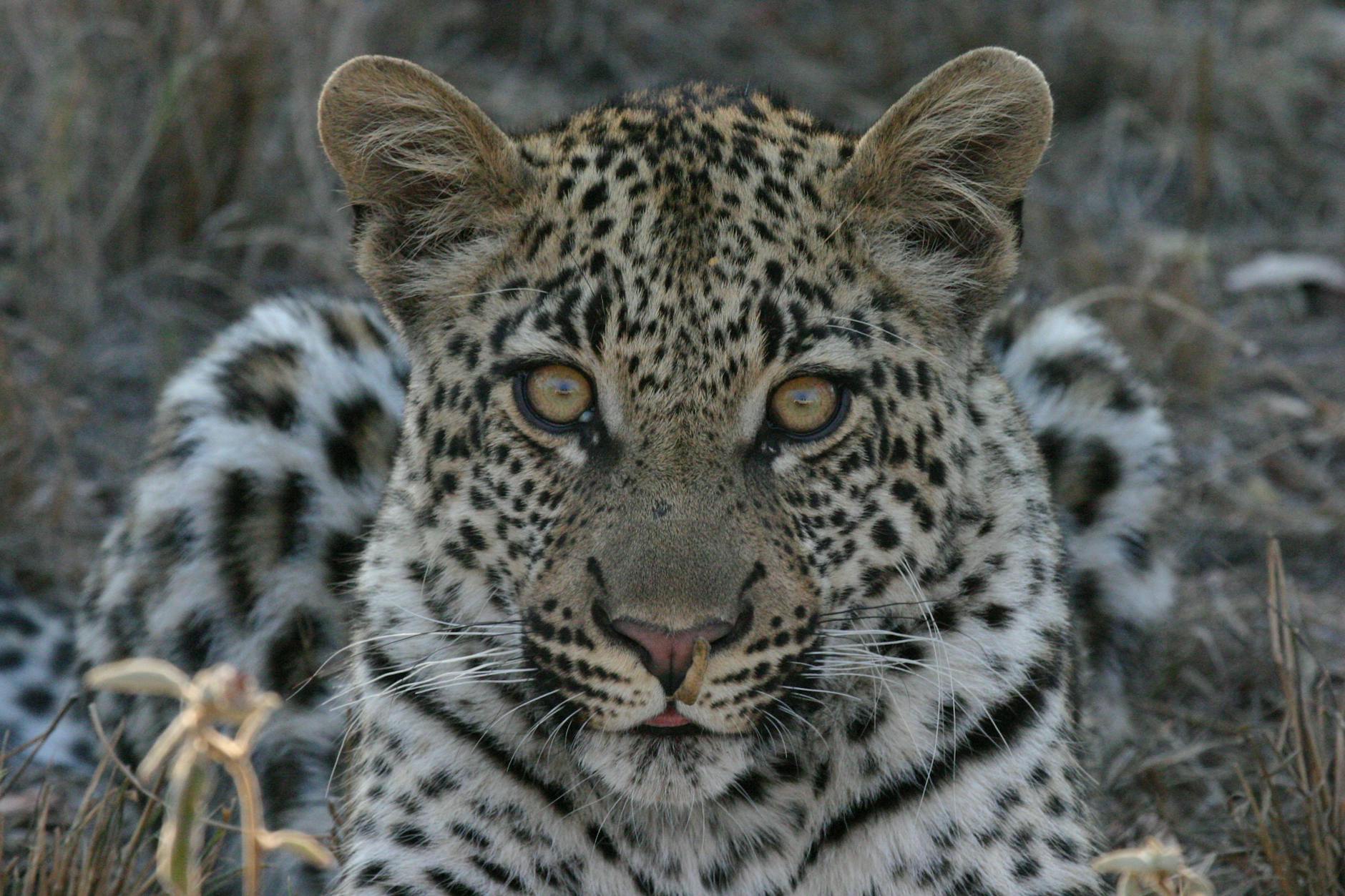
The leopard is among the most adaptable and stealthy of the large African predators, capable of thriving in environments ranging from dense jungle to urban fringe areas. Unlike lions it hunts entirely alone and is capable of dragging prey several times its own body weight up into tree canopies with ease. Leopards that develop a taste for human prey are considered among the most dangerous animals ever recorded, with historical man-eaters in India attributed with hundreds of confirmed kills. Its combination of camouflage, patience, and explosive power makes it extraordinarily difficult to detect before an attack occurs.
Tiger
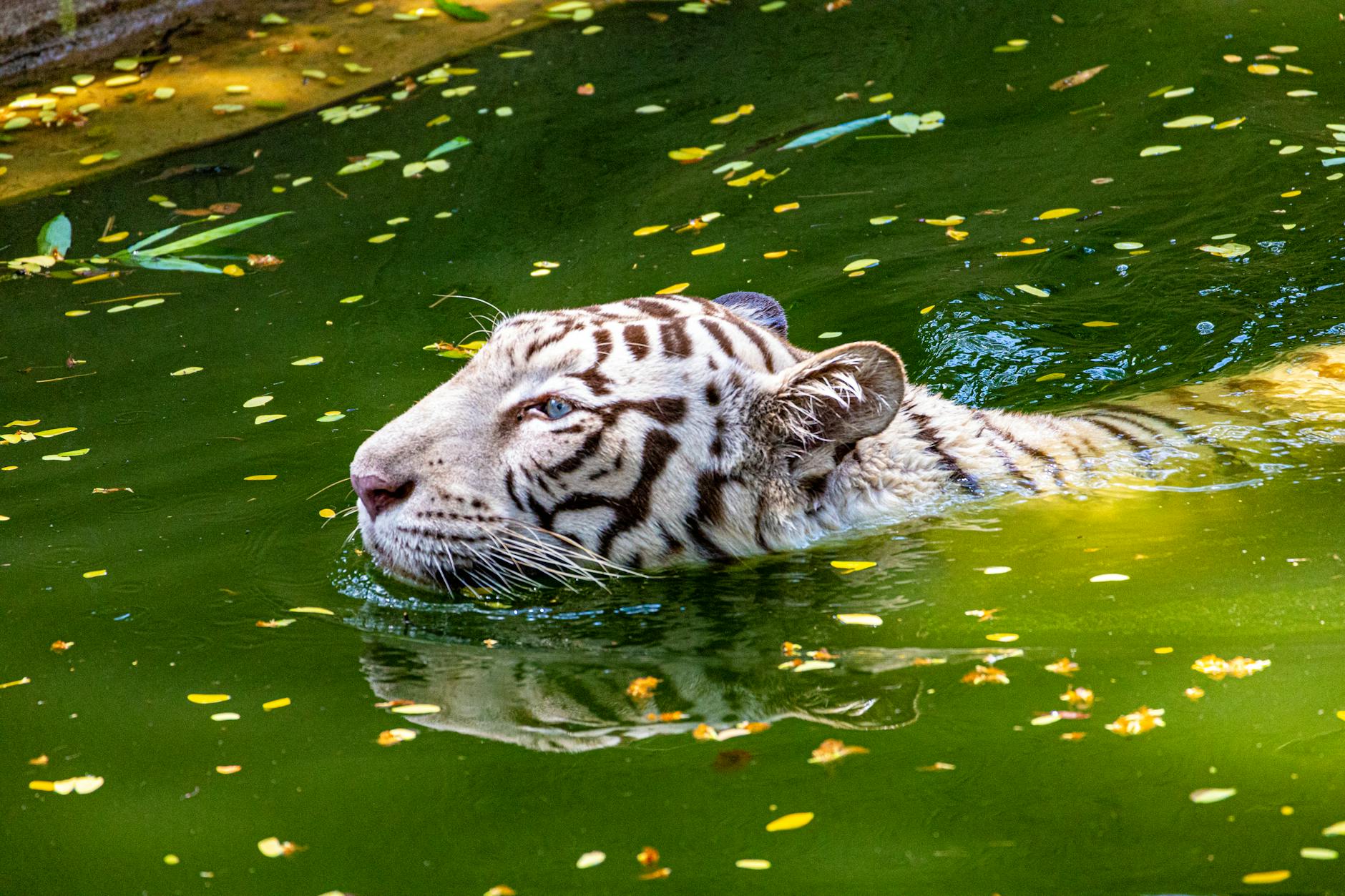
The tiger is the largest wild cat in the world and a confirmed predator of humans across its range in South and Southeast Asia. The Sundarbans mangrove delta shared by India and Bangladesh is home to one of the world’s most active populations of man-eating tigers, claiming dozens of lives annually. Tigers are opportunistic and highly intelligent hunters that can learn to associate humans with easy prey, particularly when habitat degradation reduces the availability of natural food sources. Conservation efforts have brought some populations back from the brink but have also increased human-tiger contact in buffer zones around protected areas.
Rhinoceros
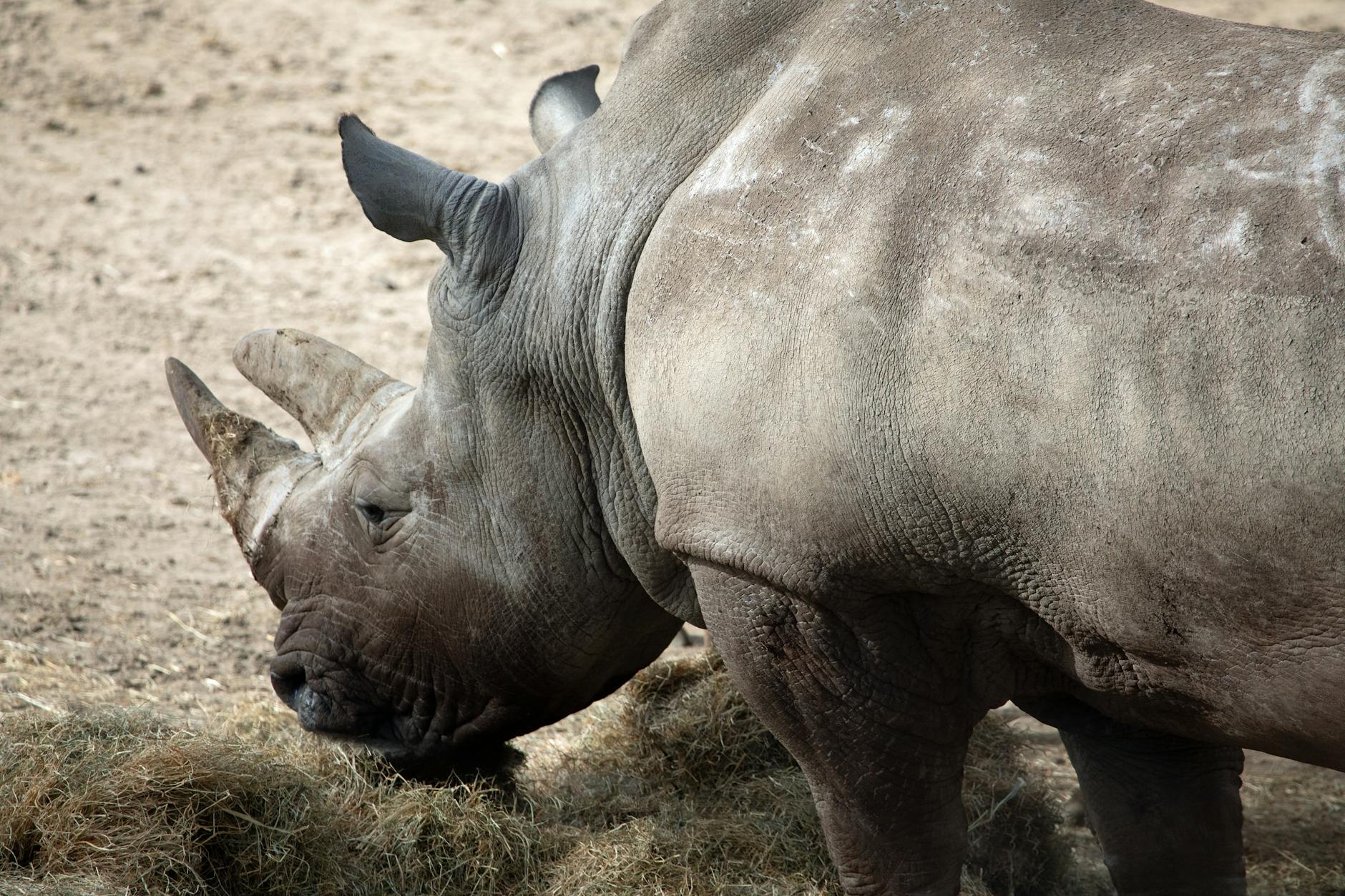
The rhinoceros is a massive and temperamentally unpredictable animal capable of charging at speeds of up to 55 kilometers per hour with little provocation. Both African and Asian species have been responsible for fatal attacks on humans, with the black rhinoceros considered the more aggressive of the two African varieties. Its horn and sheer body weight make a direct collision with a charging rhino almost invariably fatal for an unprotected person. Habitat encroachment and poaching pressure have made surviving individuals increasingly stressed and reactive, elevating the risk of dangerous encounters in areas where communities live alongside them.
Cape Cobra
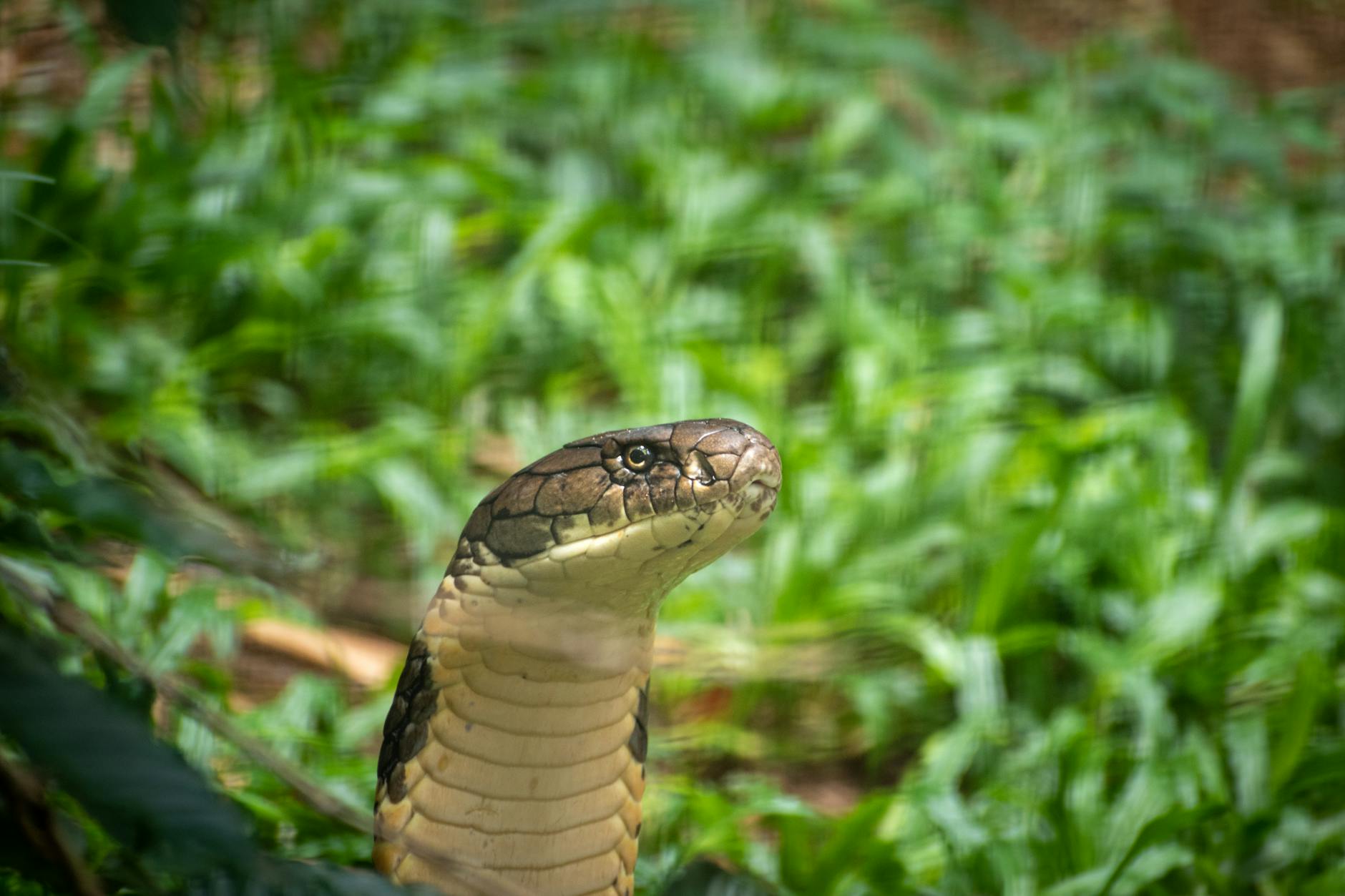
The Cape cobra is one of southern Africa’s most dangerous snakes, prized among herpetologists for the speed and potency of its neurotoxic venom. It is highly adaptable and comfortable in human-modified environments including farmlands, suburban gardens, and even urban areas, increasing the likelihood of encounters. A bite left untreated can result in respiratory failure and death within hours, and the species accounts for a significant proportion of fatal snakebites in South Africa annually. Its confident and upright defensive posture when threatened leaves little ambiguity about its readiness to strike.
Wolverine
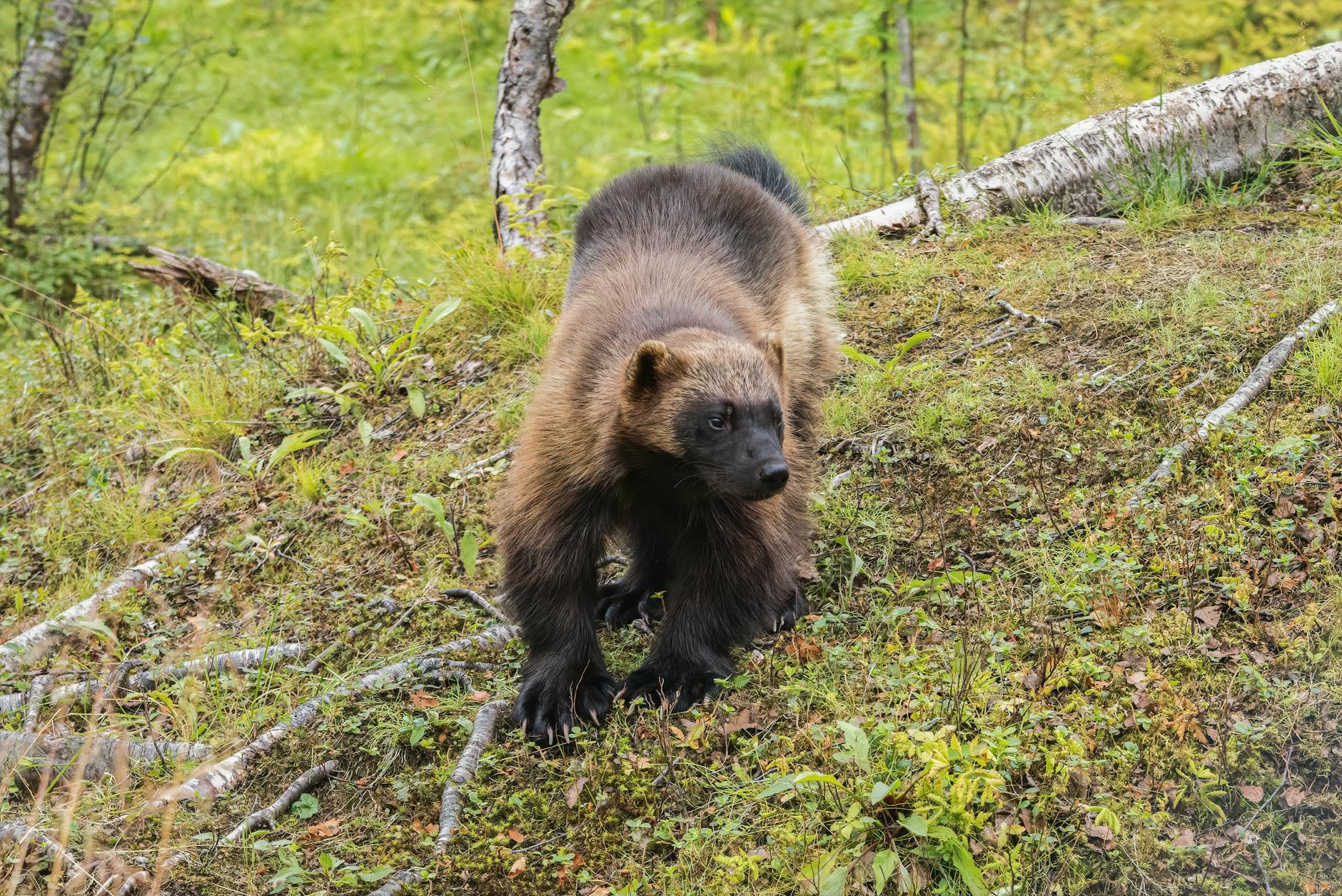
The wolverine is pound for pound one of the most ferocious and tenacious mammals in the Northern Hemisphere. Though typically weighing no more than 18 kilograms it has been documented driving bears and wolves away from kills and attacking prey many times its own size including caribou and moose in deep snow. Its powerful jaws are capable of crushing frozen bone and it possesses scent glands that produce a powerful and noxious secretion used in territorial defense. Attacks on humans are rare but documented, and the animal’s combination of fearlessness and physical capability makes it a genuine hazard in remote Arctic and subarctic regions.
Share your thoughts on the animal kingdom’s most underestimated dangers in the comments.




