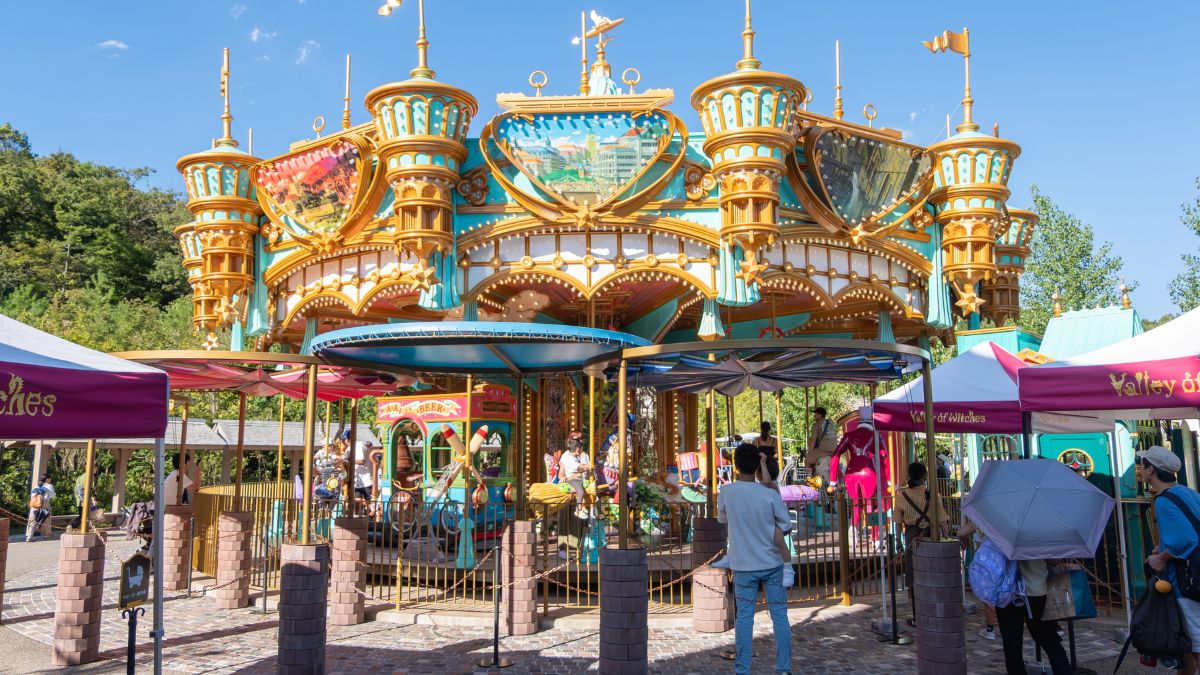
Amusement parks are master architects of desire, engineering every corner of the experience to encourage visitors to open their wallets again and again. From the moment guests pass through the entrance gates, a carefully choreographed environment works quietly in the background to shape behavior and spending habits. Understanding these tactics does not necessarily ruin the fun but it does arm visitors with the awareness needed to make smarter choices. The tricks are subtle, deeply researched, and remarkably effective at turning a single-admission day into a multi-hundred-dollar experience. What follows is a breakdown of the most common psychological and logistical strategies parks use to maximize spending from arrival to exit.
Cashless Wristbands

Many parks have replaced physical cash with branded wristbands or prepaid cards that guests load with money at the entrance. The physical disconnect from real currency makes spending feel abstract and far less painful in the moment. Studies on consumer behavior consistently show that people spend more freely when transactions do not involve handling tangible bills. The system also creates a sense of urgency because unused balances are often non-refundable or difficult to reclaim. Guests who load too much at the start frequently end up spending down the balance rather than letting it go to waste.
Free Parking Illusion
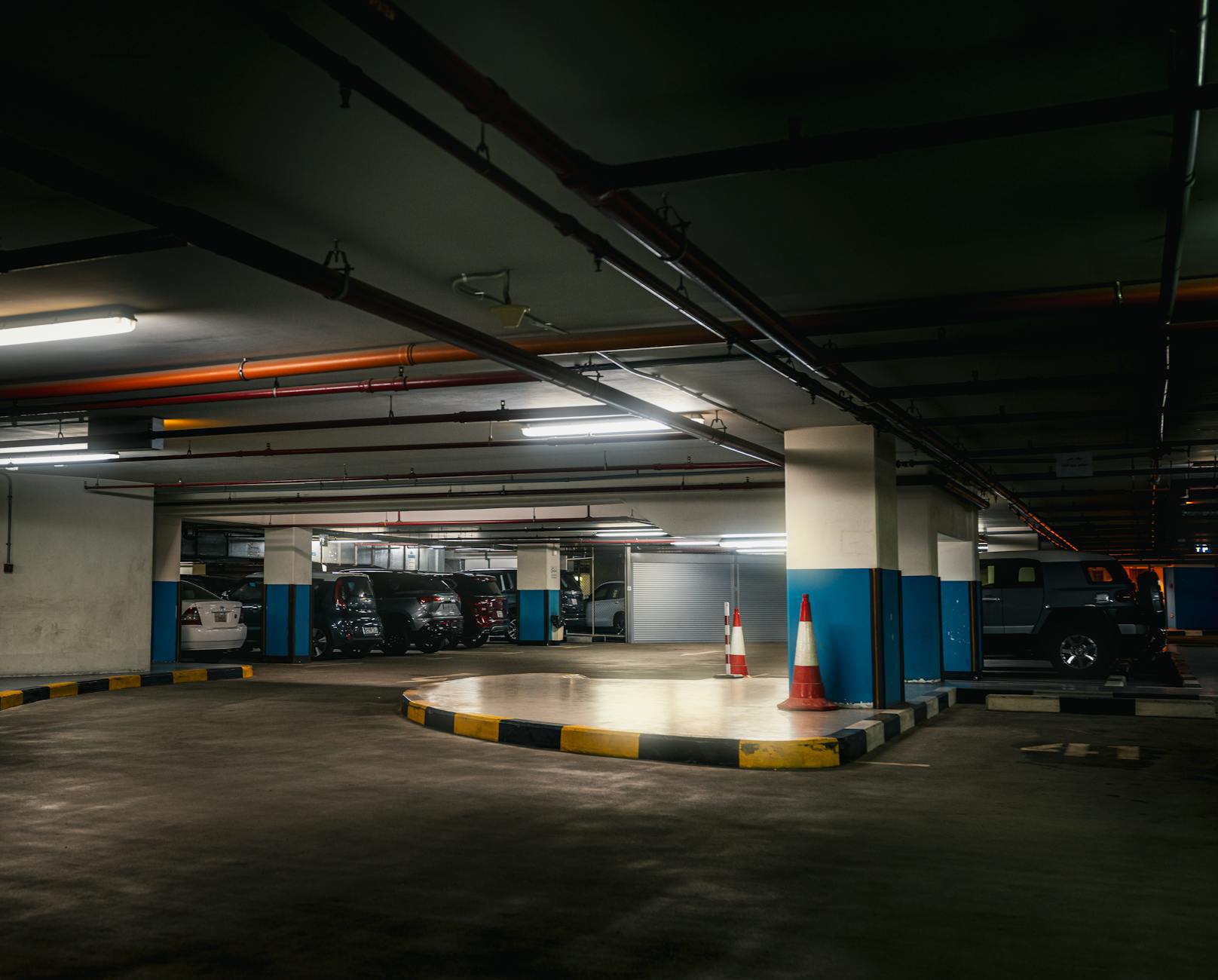
Parks that advertise free parking typically compensate by embedding the cost elsewhere in the experience. Guests who feel they have saved money on arrival are psychologically primed to spend more generously once inside. The feeling of getting something for nothing activates a reward response that loosens financial inhibitions throughout the day. Premium parking upgrades are then sold at the gate for convenience, capturing additional revenue from those who want a shorter walk. The free parking headline functions primarily as a marketing hook rather than a genuine financial benefit.
Bag Check Fees
Mandatory bag screening areas often sit right next to paid locker rentals, creating a natural upsell opportunity. Guests who arrive with bulky items quickly realize that carrying bags on rides is impractical or prohibited. The locker fee feels minor in the context of a full-day ticket price, making it an easy impulse purchase. Parks strategically place locker stations near the most popular ride entrances where guests are already in an excited and agreeable state. What appears to be a security measure also functions as a reliable secondary revenue stream.
Rope Drop Pressure
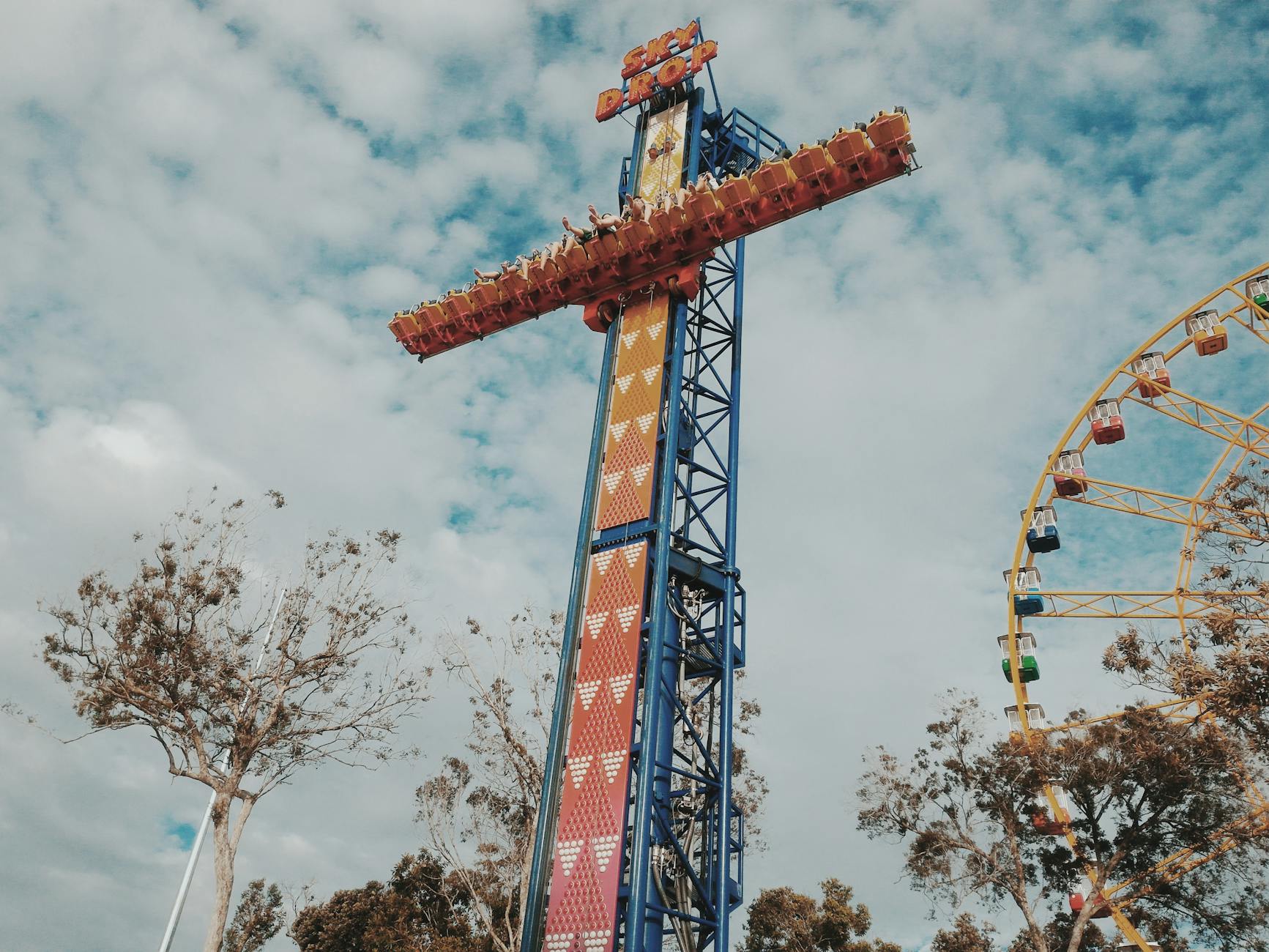
The rush-hour feel of early morning park openings creates a scarcity mindset that pushes guests toward premium purchases. When visitors see long lines forming at opening time, they become far more receptive to buying fast-pass or skip-the-line upgrades. The psychological discomfort of waiting triggers a willingness to spend that would not exist in a calm and unhurried environment. Parks are designed to concentrate demand at certain attractions, ensuring lines remain visible and discouraging throughout the day. The manufactured urgency turns patience into a premium commodity.
Strategic Park Layout
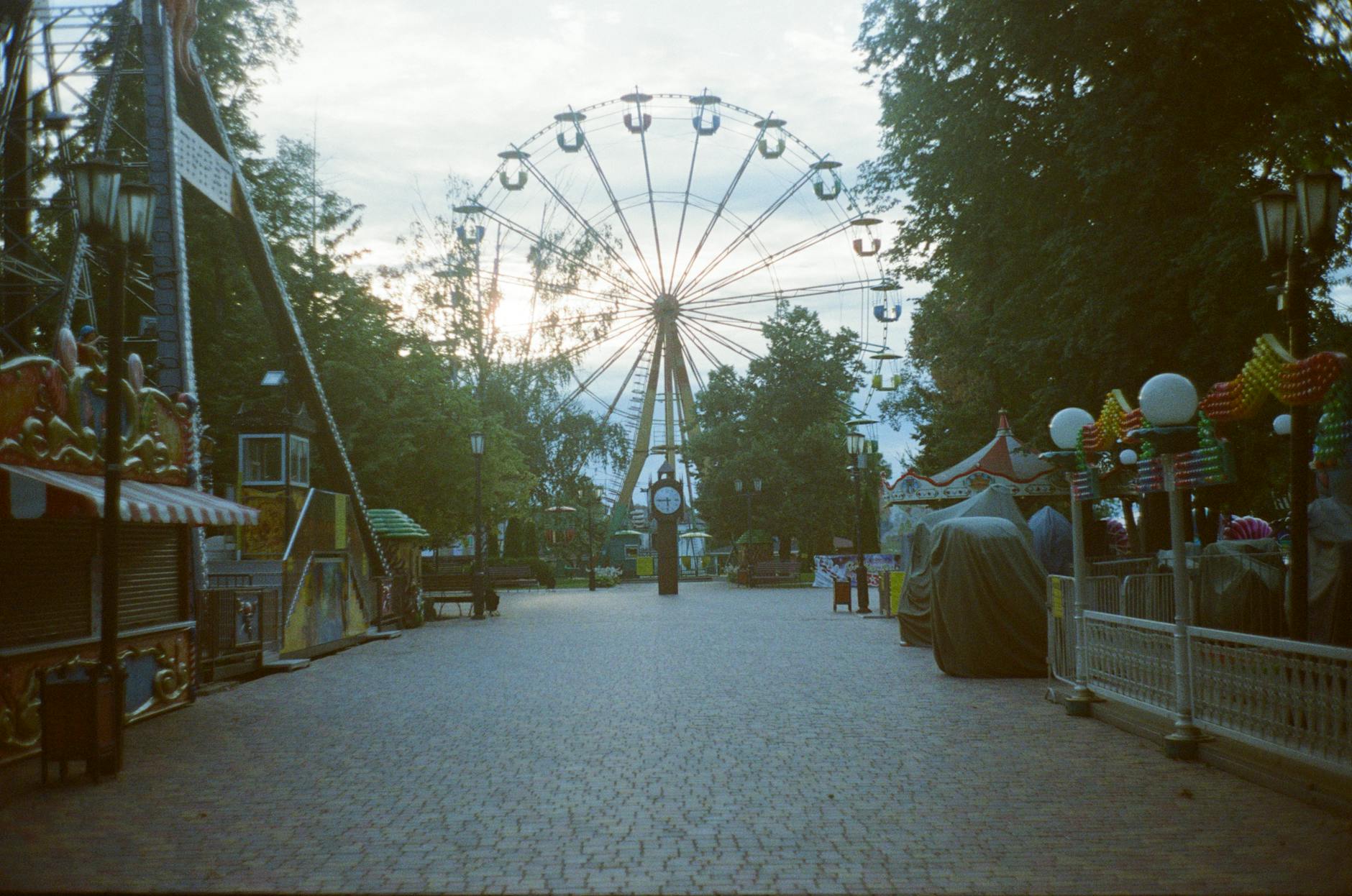
Amusement parks are deliberately designed so that guests must pass through retail zones and food courts to move between attractions. There are rarely direct routes from one ride to another, as winding paths lined with merchandise and snack stands are built into the architecture. This layout mirrors casino design principles, where the goal is maximum exposure to spending opportunities. Impulse purchases happen most frequently when guests are already in motion and not actively planning to buy anything. The physical environment does the selling without requiring any direct marketing.
Souvenir Photo Stations
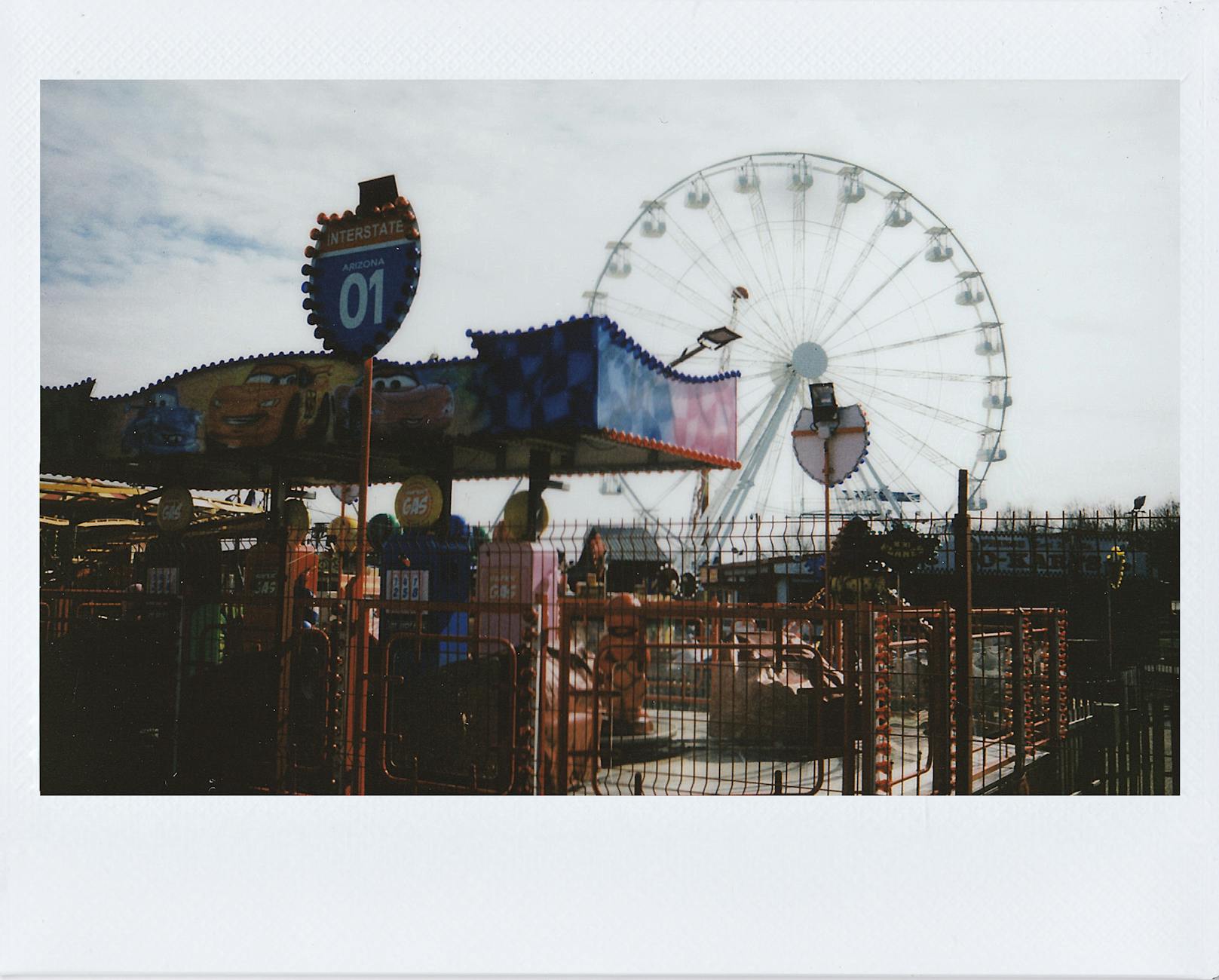
Automated photo capture systems are installed on nearly every major ride, snapping pictures at the most thrilling moment of the experience. Guests exit the ride flushed with adrenaline and are immediately shown flattering images of themselves mid-scream or mid-drop. The emotional peak of the experience is the least rational moment to make a purchasing decision, which is precisely why the display cases are placed there. Digital packages are priced to make the single-print option feel like poor value compared to the bundle. Many parks now offer all-day photo subscriptions at check-in, pre-selling the emotional moment before it has even occurred.
Character Meet and Greets
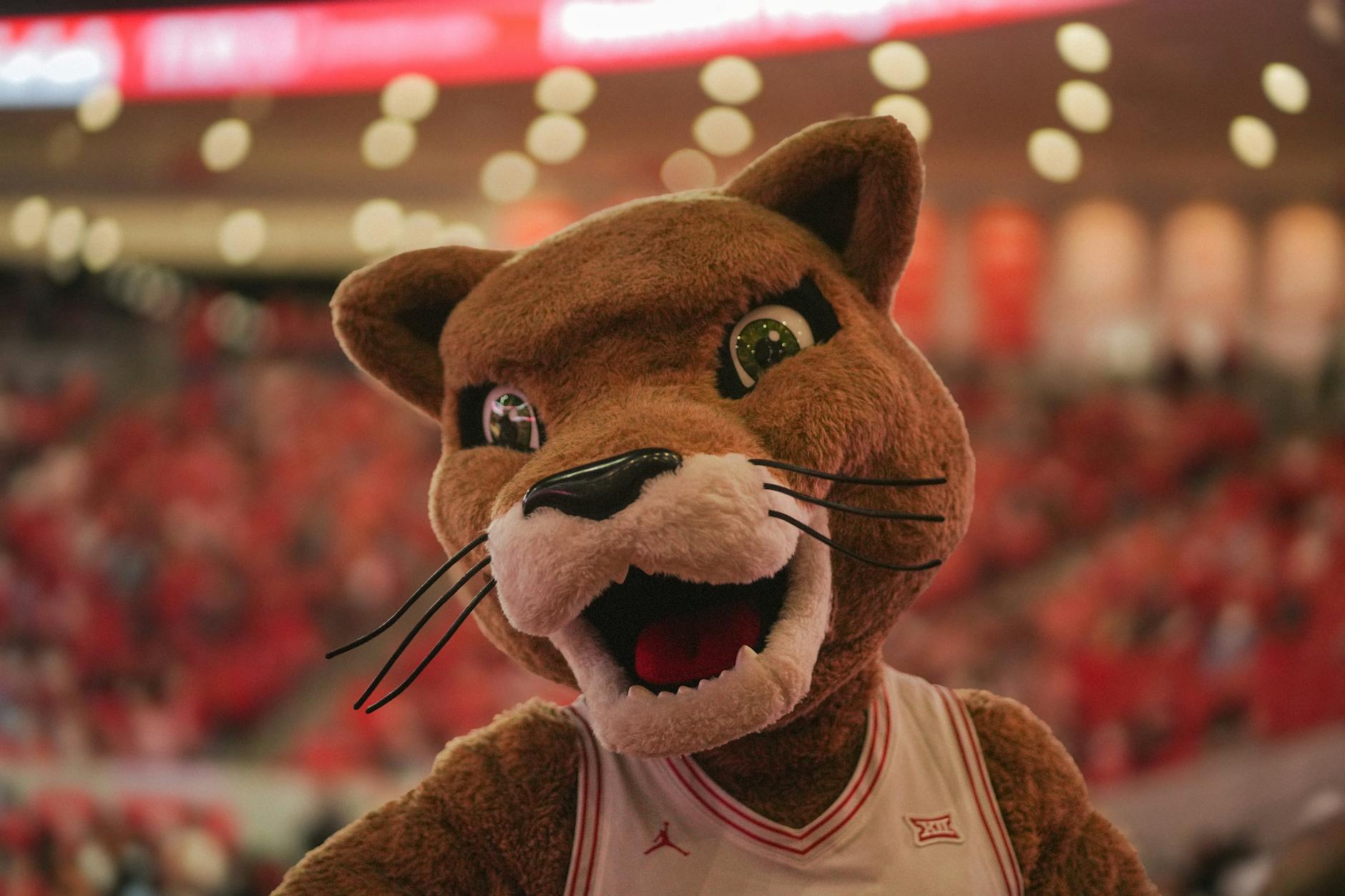
Scheduled appearances by beloved characters create emotional urgency, particularly for families with young children. Parents who see their child light up at the prospect of a character encounter are highly motivated to purchase associated merchandise or photo packages in that moment. The experience is intentionally time-limited, as characters appear at specific locations for short windows throughout the day. Gift shops stocked with character-branded items are always positioned adjacent to the meet-and-greet zones. The emotional weight of the moment makes price sensitivity largely irrelevant for many families.
Themed Food Pricing
Food and beverages inside park grounds are priced at a significant premium compared to outside options, often several times the standard retail cost. The themed presentation of meals, including character-shaped snacks or branded cups, adds perceived value that justifies higher price points in the minds of guests. Souvenir cups with free refill privileges are priced to feel like a deal while still delivering considerable margin to the park. Outside food is frequently prohibited or discouraged through security policies, eliminating the most obvious alternative. Hunger is a powerful motivator, and parks ensure that satisfying it comes at a cost.
Upcharge Attractions
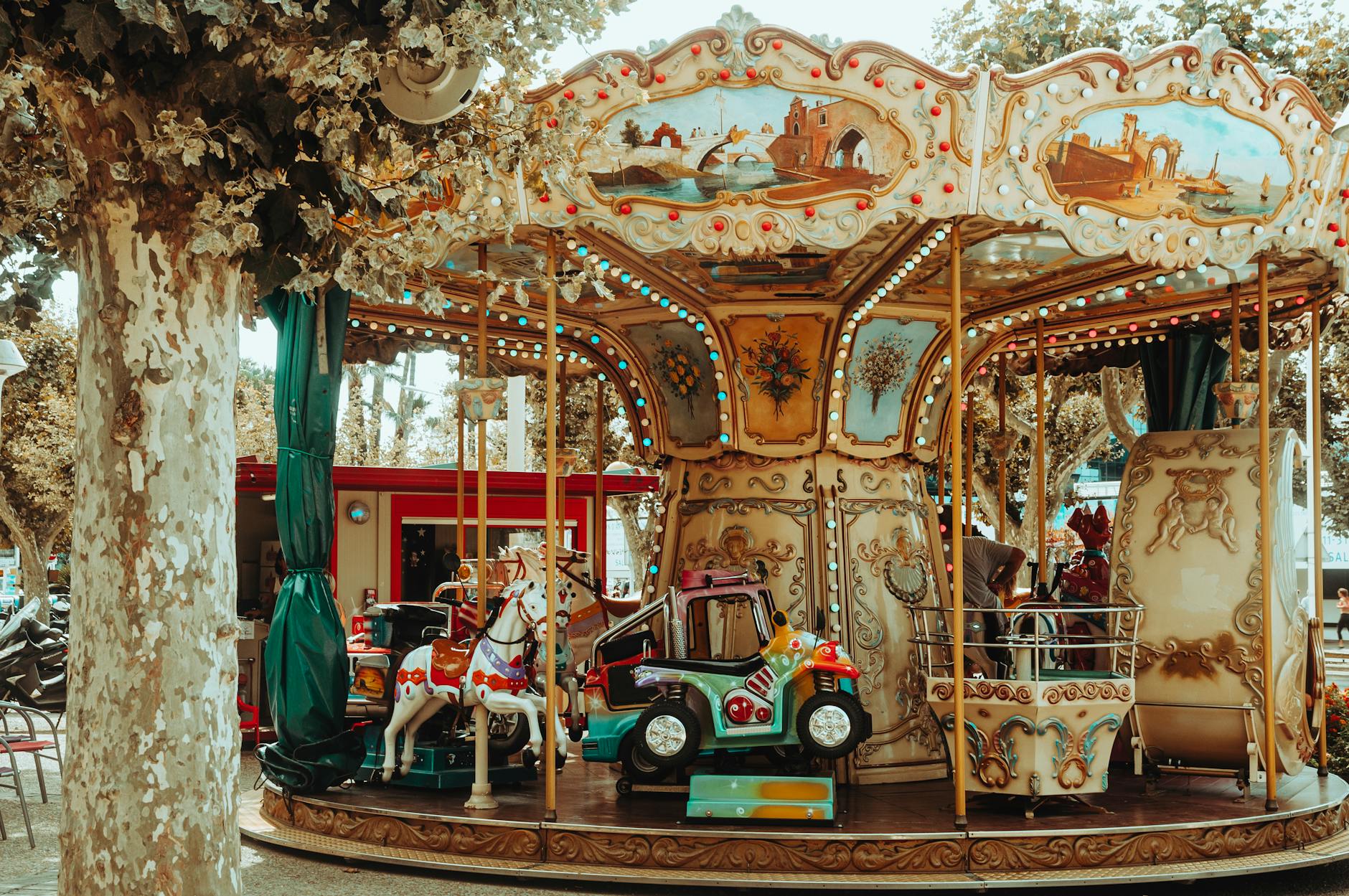
Many parks embed premium experiences within the general admission area, requiring a separate fee to access them. These might include virtual reality ride upgrades, backstage tours, or exclusive character dining experiences. The base ticket creates the impression of full access while strategically reserving the most desirable experiences for additional payment. Guests who have already invested significantly in the day are more likely to rationalize one more small upgrade. The upcharge model effectively creates a tiered experience economy within a single park visit.
Exit Through Gift Shop
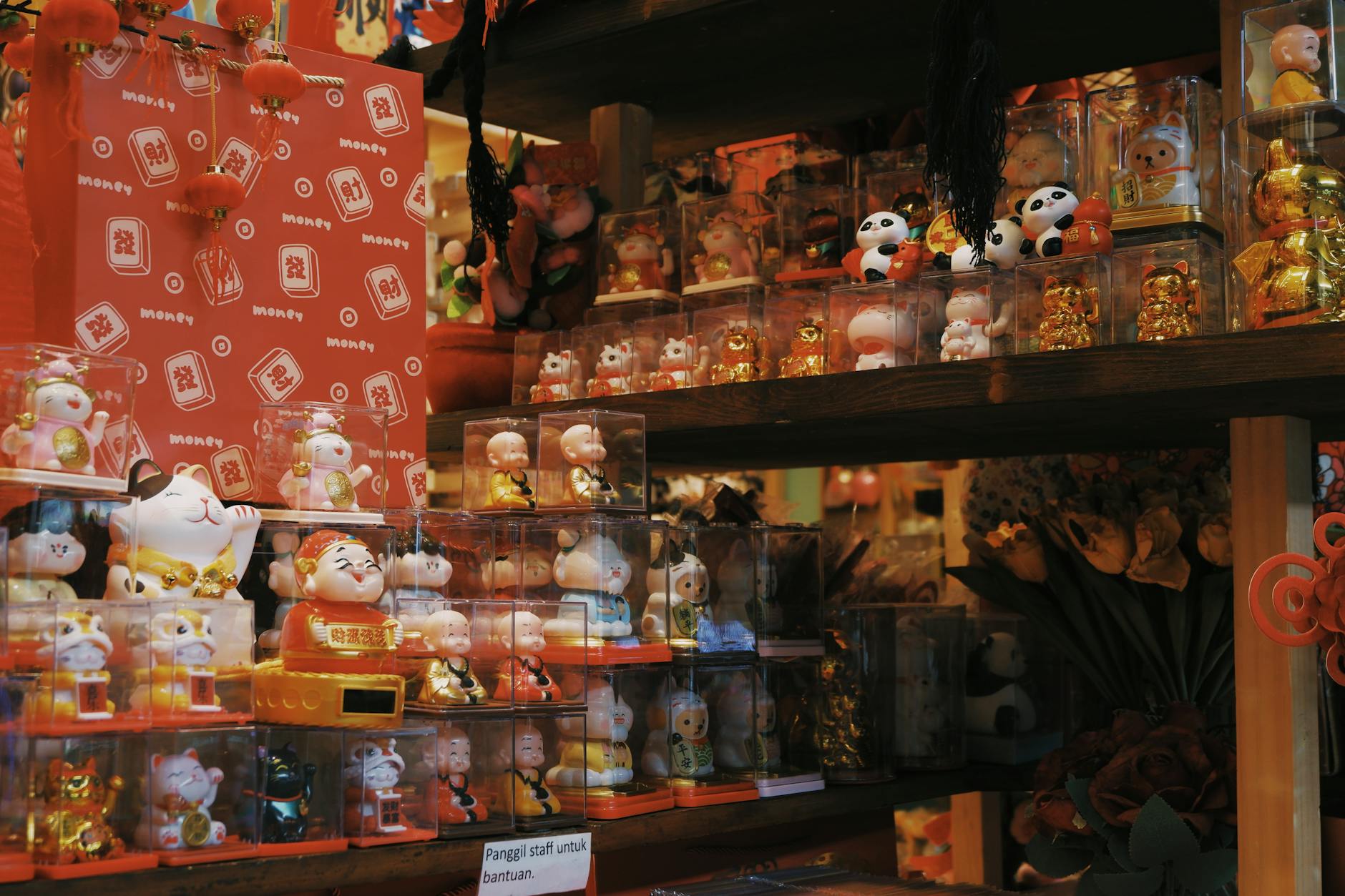
The physical design of nearly every major attraction funnels guests through a themed gift shop immediately upon exiting. The merchandise is carefully tied to the thematic experience guests have just completed, maximizing emotional relevance and purchase intent. Children who have just experienced a beloved ride are highly motivated to carry home a physical reminder of that feeling. Parents, already in a generous mood from watching their children enjoy the day, are the easiest possible sales targets in these moments. The placement is not accidental but rather one of the most time-tested retail strategies in the entertainment industry.
Dynamic Ticket Pricing
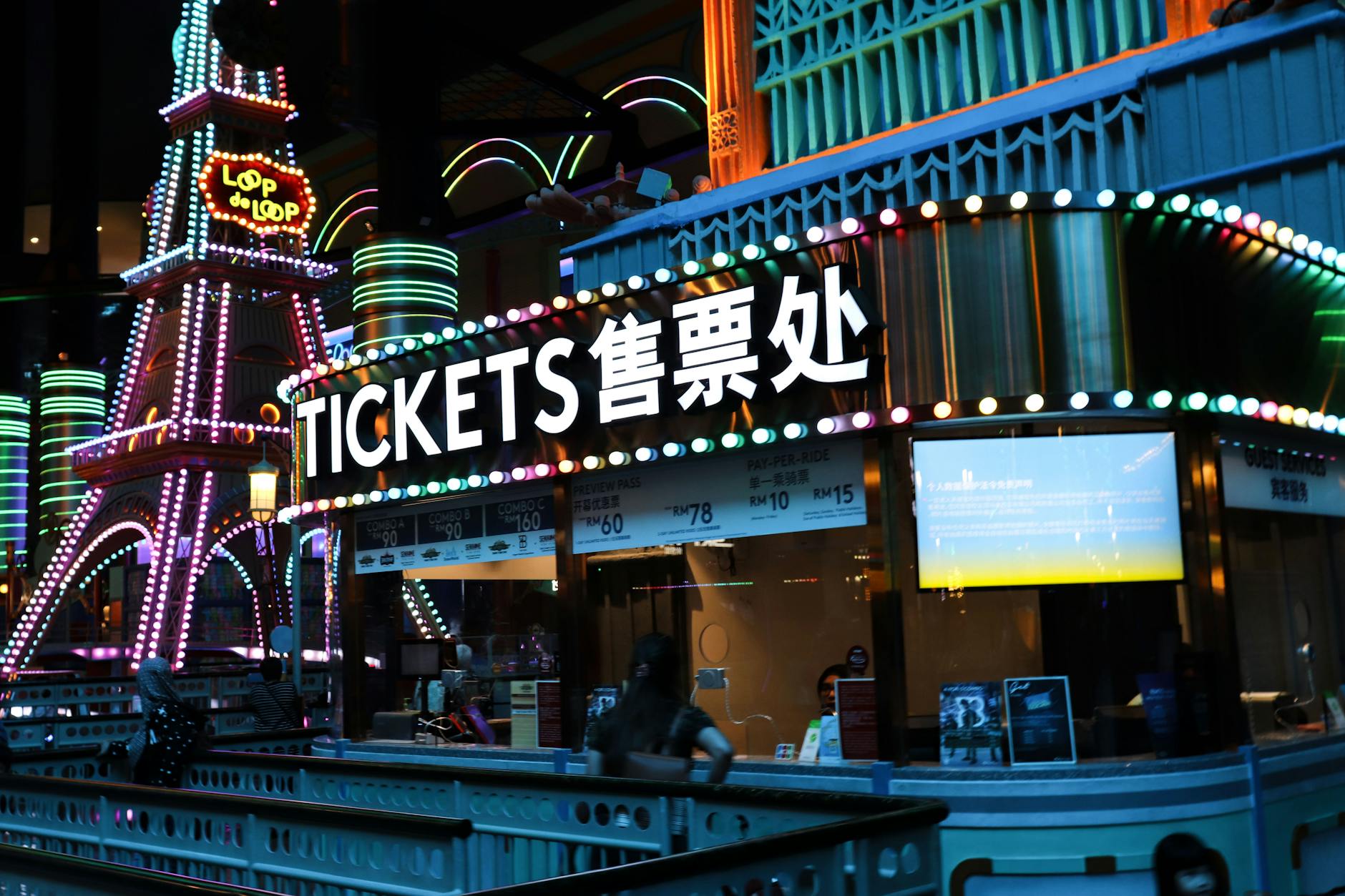
Tiered pricing structures that charge more for weekend or peak-season visits encourage guests to book in advance and often push them toward higher-tier bundles. Once a guest has committed to a premium date ticket, they are psychologically invested in maximizing the value of that purchase. This sunk cost mindset makes in-park spending feel more justified, as guests are already trying to extract maximum value from their initial outlay. Bundle packages that include meals and fast passes at a slight discount from individual prices create a perception of savings while guaranteeing higher total spend. The pricing architecture is designed to anchor expectations and move buyers toward the most profitable options.
Scarcity Merchandise
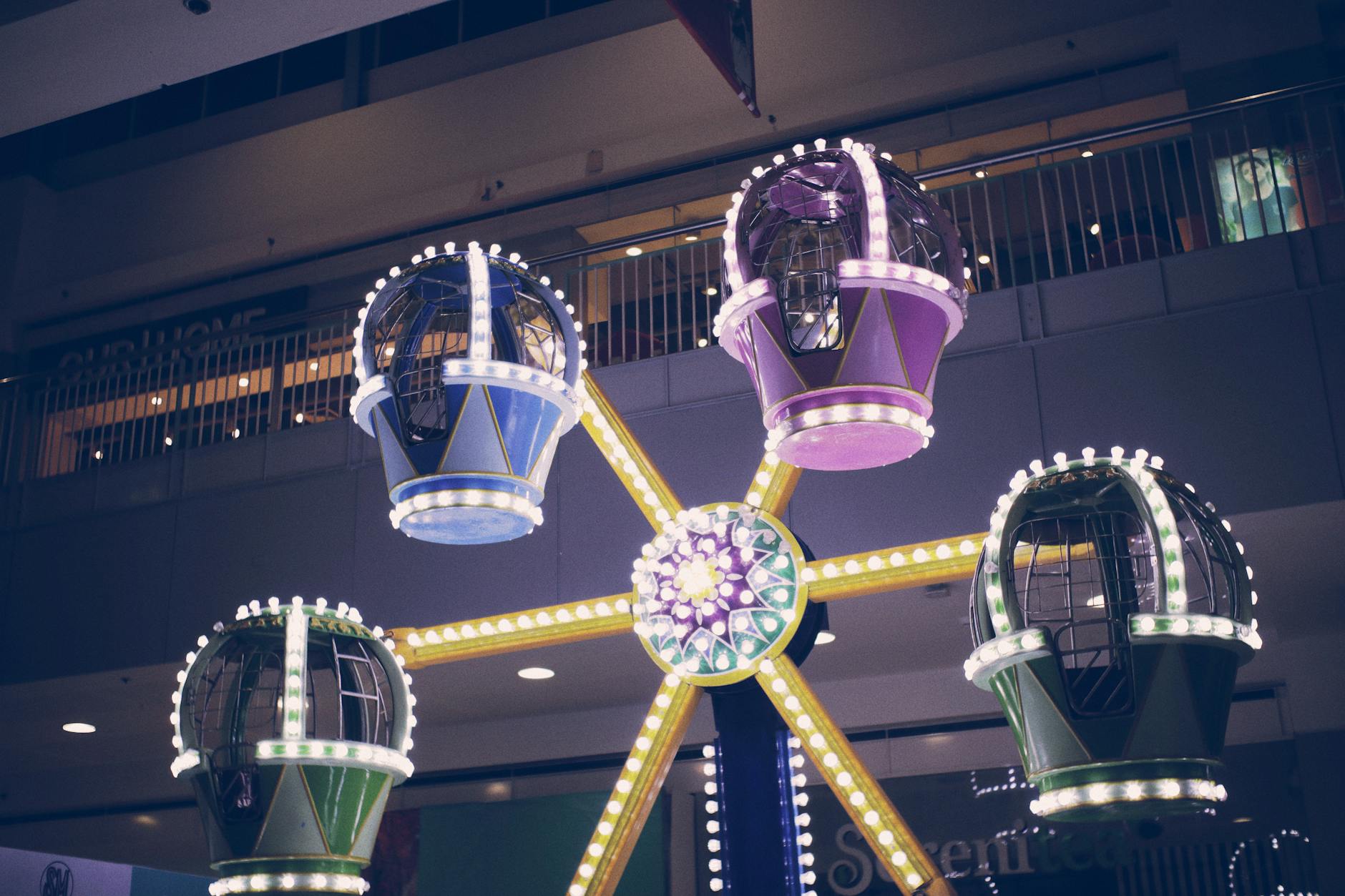
Limited-edition or seasonal merchandise creates urgency that drives impulse purchases among collectors and casual visitors alike. Items marketed as exclusive to a specific park or available only during a particular event window trigger a fear of missing out. Guests who might otherwise skip the gift shop feel compelled to browse when they believe they may never have the opportunity again. The rotating merchandise calendar ensures that even repeat visitors always encounter something new and time-sensitive. Scarcity is one of the oldest and most reliable psychological levers in retail.
Play Areas for Children
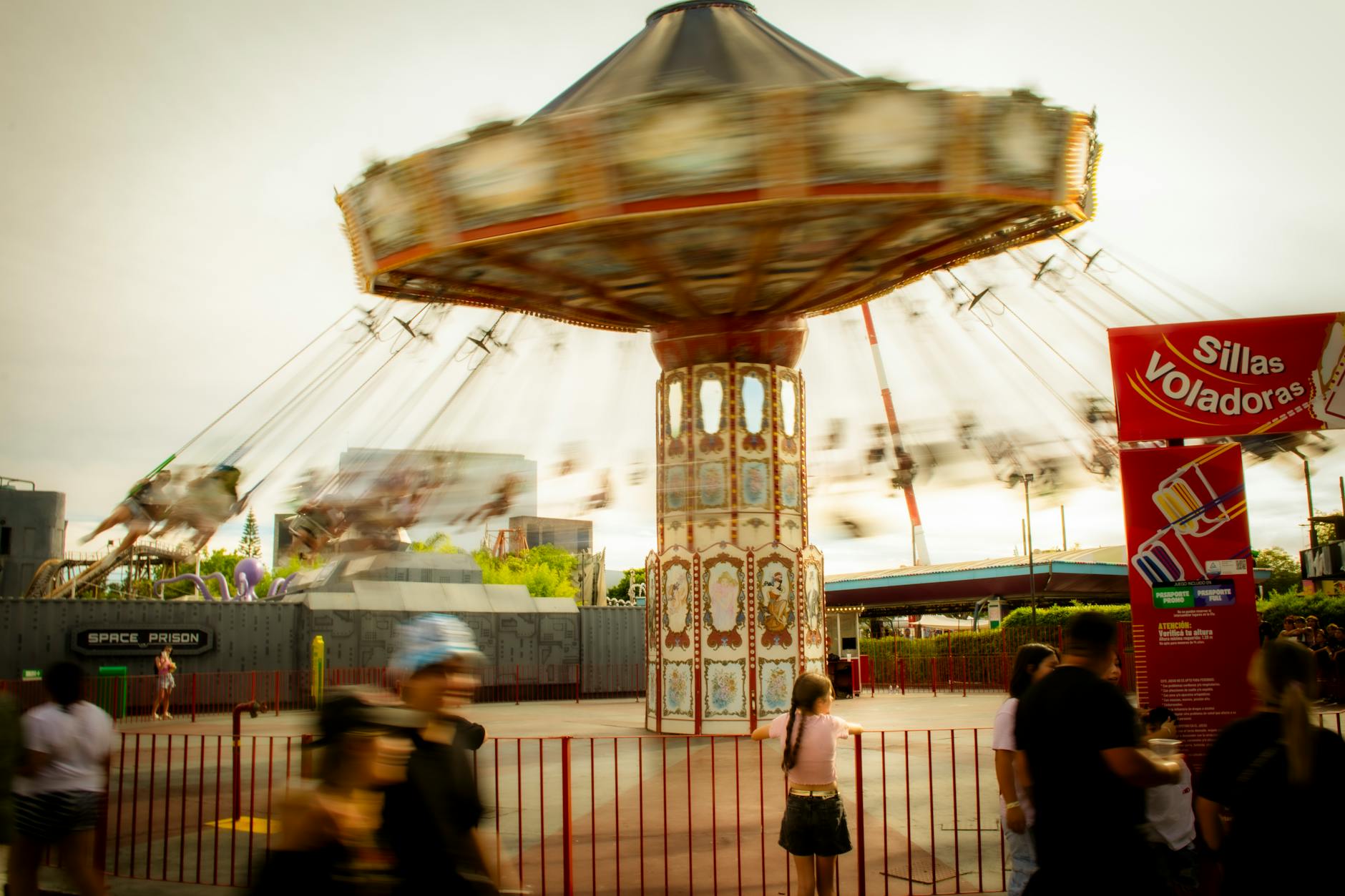
Dedicated children’s zones are designed to keep young guests entertained long enough for parents to feel guilty about cutting the day short. The longer a family stays in the park, the more meals, snacks, and spontaneous purchases accumulate. Play structures and splash pads are positioned near food and beverage outlets, ensuring that breaks from play naturally convert to spending moments. The pacing of children’s entertainment is calibrated to sustain engagement across a full day rather than peaking early. Extended dwell time is directly correlated with higher per-guest spending across every category.
Oversized Portion Sizes
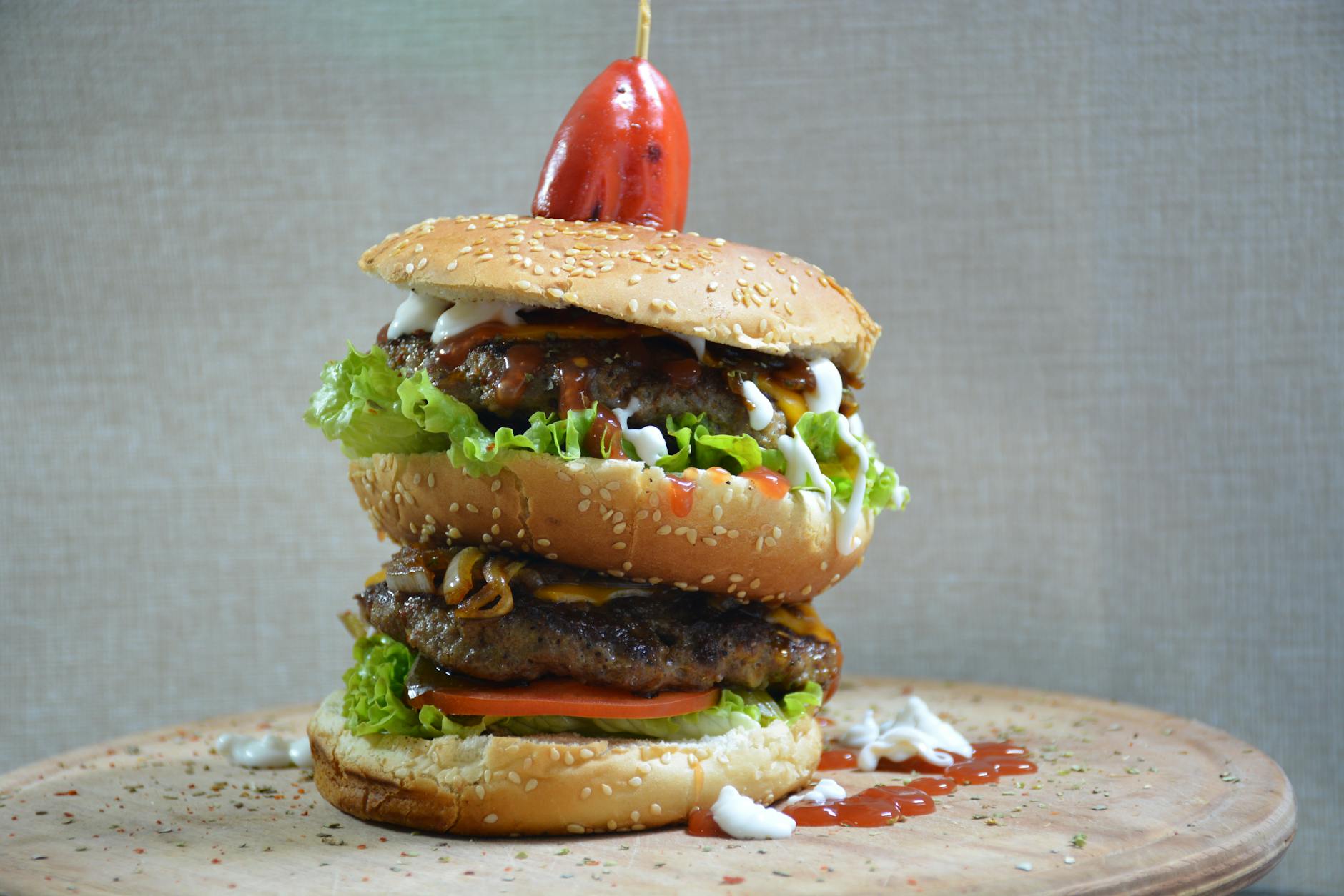
Food items sold in comically large souvenir containers, such as giant turkey legs or bucket-sized drinks, function as both meal and keepsake. The novelty of the oversized format adds entertainment value that makes the inflated price feel more reasonable. Social media sharing of these iconic items provides free marketing while reinforcing their status as must-have park experiences. The visual spectacle of other guests carrying these items triggers social proof and curiosity in passersby. Parks actively cultivate these signature food identities because they drive both direct revenue and organic promotional content.
Sponsored Game Alleys
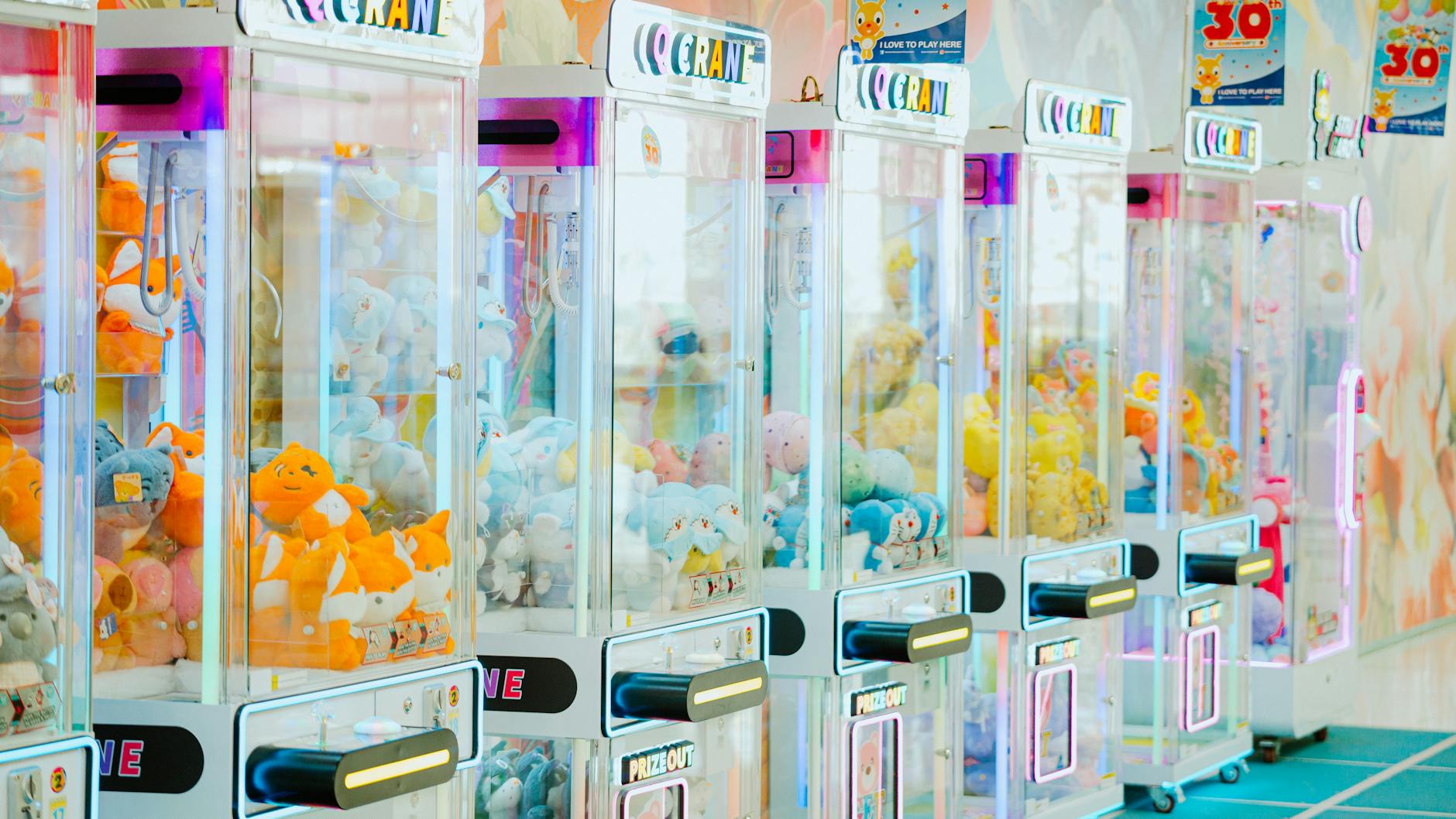
Midway-style games with plush prize displays are calibrated to require far more spending than the cost of the prizes themselves to win. The prizes are positioned high and prominently to attract attention, while the game mechanics are tuned to a specific win rate that sustains engagement without giving away too much inventory. Young guests are particularly susceptible to the appeal of a stuffed animal reward, drawing parents into repeated attempts. The social visibility of winners carrying large prizes encourages other guests to try their luck. These game corridors are intentionally placed along high-traffic routes to maximize foot traffic conversion.
Annual Pass Pressure
Annual membership programs are marketed aggressively at ticket booths and within the park as a smart financial alternative to the day pass. The math is presented in a way that makes the annual pass appear nearly free after just two visits, creating a compelling in-the-moment justification. Members who have an annual pass feel psychologically obligated to visit frequently to justify the expense, driving repeated in-park spending throughout the year. The membership model also builds brand loyalty and collects valuable behavioral data about guest habits and preferences. What appears to be a discount product is actually one of the most effective long-term revenue tools in the industry.
Sensory Overload Design
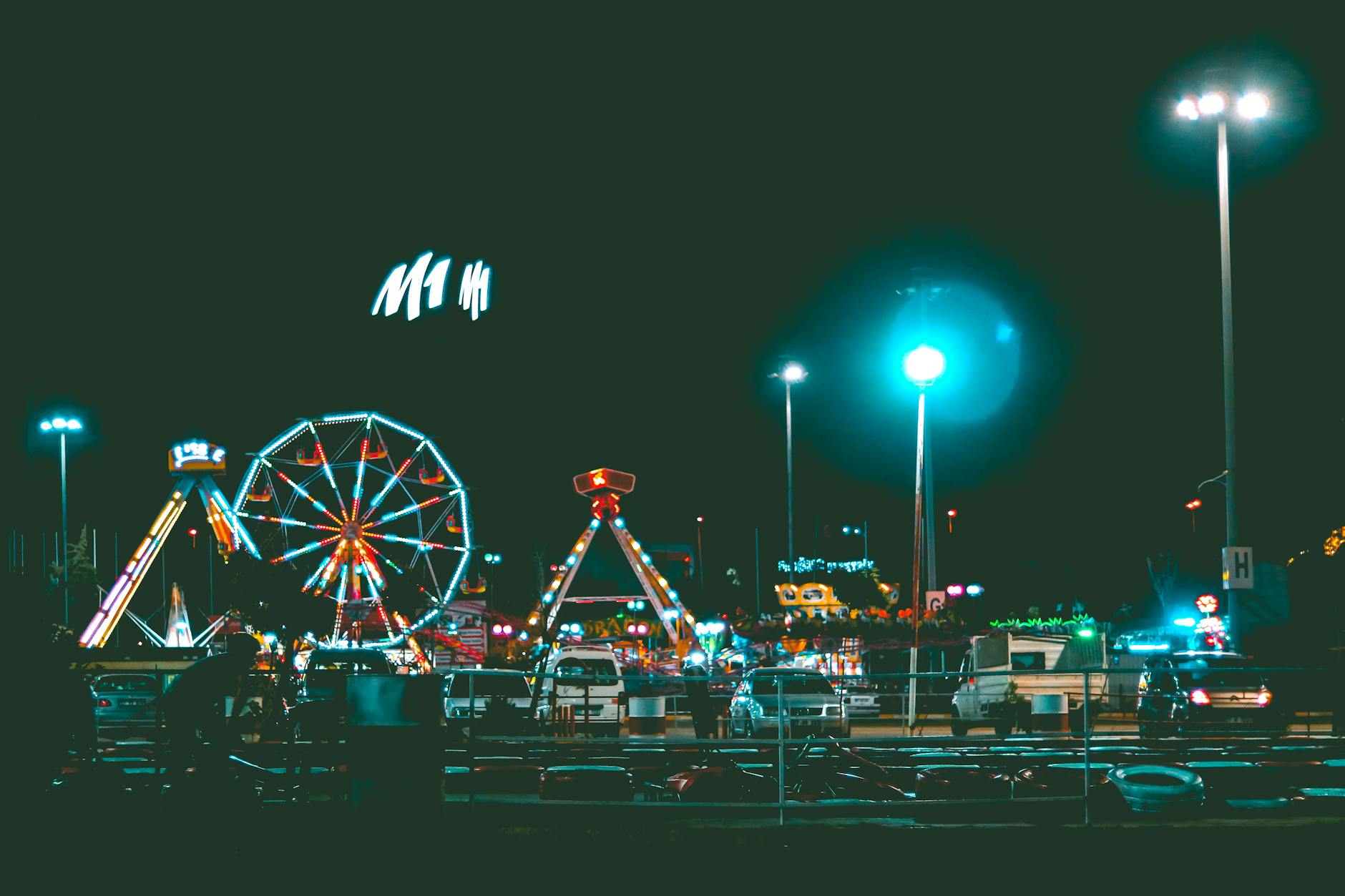
The combination of music, lighting, themed scents, and visual stimulation in amusement parks is specifically engineered to create an elevated emotional state. A heightened emotional state reduces rational decision-making and increases impulsive behavior across consumer contexts. Pleasant ambient scents near food stands have been shown in retail research to increase purchase intent without guests being consciously aware of the influence. The constant sensory engagement is exhausting over a long day, and tired guests become significantly more likely to spend on comfort items like food, beverages, and seating. The environment itself is the most pervasive and invisible sales tool in the entire park.
Mobile App Upsells
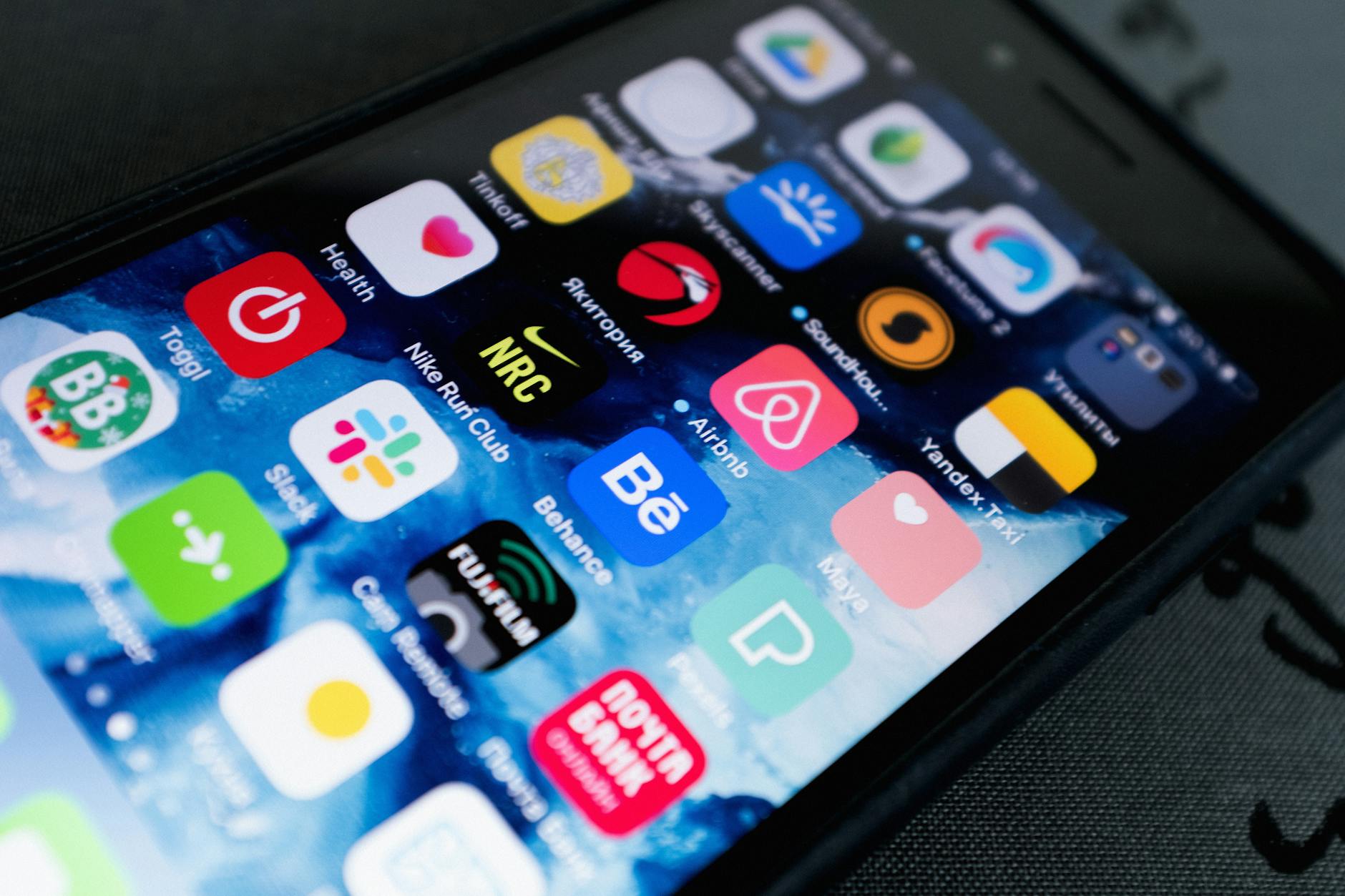
Park apps that provide wait times, maps, and scheduling tools also serve as direct marketing platforms throughout the day. Push notifications timed to guest location and behavior patterns deliver targeted promotions at the exact moment a guest is most receptive. Exclusive in-app deals create a sense of insider access and savings that mask the underlying upsell mechanics. Seamless in-app purchasing removes friction from the transaction and reduces the psychological hesitation that cash or card payment might trigger. The app transforms a helpful navigation tool into a persistent point-of-sale presence in every guest’s pocket.
Closing Time Rush
As parks approach closing time, guests who feel they have not fully experienced everything often make rapid, compensatory spending decisions. The fear of having missed out on a key experience triggers last-minute merchandise purchases as a way of memorializing the visit. Evening fireworks or closing shows are timed to keep guests in the park as late as possible, extending their exposure to food and retail options. The emotional farewell atmosphere of a park at night, complete with music and lights, creates a sentimental mood that is highly conducive to souvenir purchasing. Parks deliberately cultivate a bittersweet end-of-day feeling that converts nostalgia directly into revenue.
VIP Experience Packages
Top-tier experience packages that include private tours, reserved seating, and dedicated character encounters are sold as ultimate day upgrades. The extreme price points of VIP packages function as anchoring tools that make mid-tier upgrades appear affordable and reasonable by comparison. Guests exposed to VIP offerings at the entrance are more likely to purchase a fast pass or dining plan as a perceived middle-ground value. The visible presence of VIP guests in exclusive areas reinforces status dynamics that motivate aspirational spending among general admission visitors. Luxury packaging of what are often modest additions to the standard experience is a masterclass in perceived value creation.
Have you spotted any of these tactics at your favorite park? Share your experiences and thoughts in the comments.




