From reaching for your phone to collapsing on the couch, the habits you practice after a meal have a significant impact on how well your body processes food. The digestive system is highly sensitive to movement, posture, timing and stress levels in the hours following a meal. Many common post-meal routines unknowingly slow gastric emptying, cause acid reflux or lead to uncomfortable bloating. Understanding which habits interfere with digestion can help you make small but meaningful adjustments to your daily routine. The following habits are among the most disruptive things people do after eating.
Lying Down

Reclining immediately after a meal is one of the most common mistakes people make following a large dinner. When the body is horizontal, stomach acid can travel back up into the esophagus and cause heartburn or discomfort. The digestive process relies on gravity to move food efficiently through the gastrointestinal tract. Waiting at least two to three hours before lying down gives the stomach time to empty appropriately. Elevating the head slightly during sleep can also reduce nighttime acid reflux for those who eat late.
Intense Exercise

Vigorous physical activity immediately after eating diverts blood flow away from the digestive organs and toward the working muscles. This redirection slows the breakdown of food and can lead to cramping, nausea and a heavy sensation in the abdomen. High-impact activities such as running or jumping are particularly disruptive to the digestive process. A light walk is a far more appropriate form of movement in the thirty to sixty minutes following a meal. Saving intense workouts for at least two hours after eating allows the body to digest without competition.
Hot Showers

Stepping into a hot shower immediately after a meal draws blood circulation toward the skin and away from the stomach. The body responds to heat by directing resources to temperature regulation rather than digestion. This can slow the enzymatic breakdown of food and leave you feeling sluggish or uncomfortable. The effect is more pronounced after large or heavy meals when the digestive system is already working at full capacity. Waiting at least an hour before showering with very hot water helps the body stay focused on processing food.
Fruit Consumption
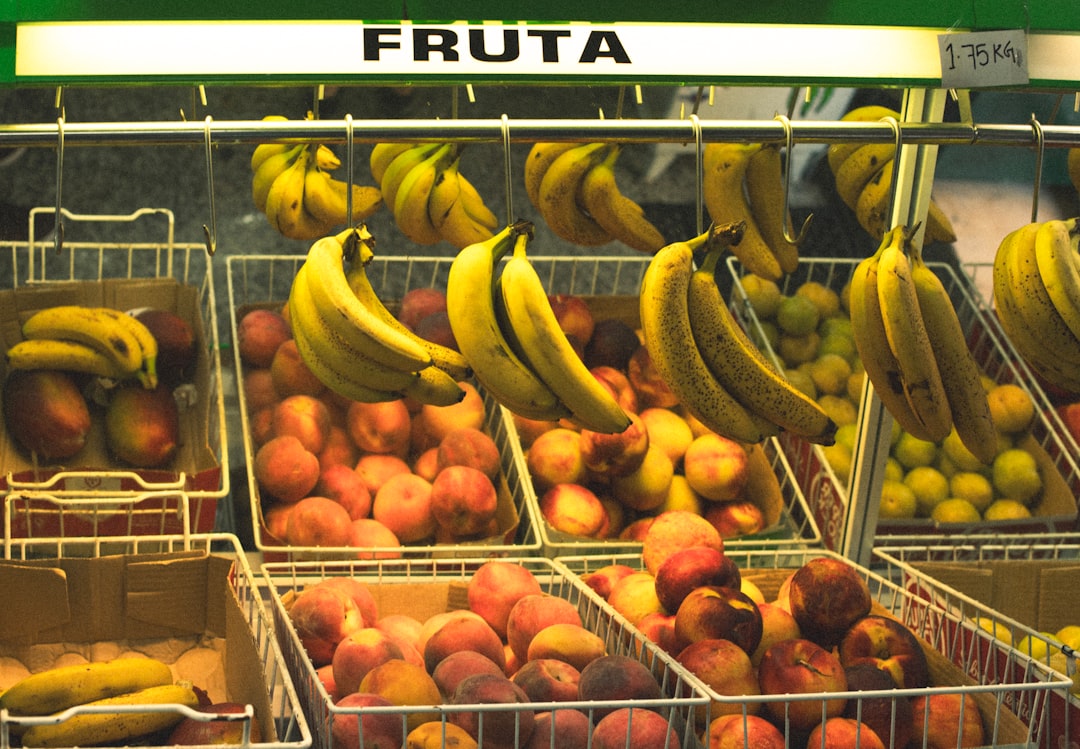
Eating fruit immediately after a main meal is a widespread habit that can disrupt the digestive sequence. Fruit digests much faster than proteins and complex carbohydrates and can ferment in the stomach when it is forced to wait behind slower-digesting foods. This fermentation process produces gas and can contribute to bloating and discomfort. Nutritionists often recommend eating fruit on an empty stomach or as a standalone snack between meals. Keeping fruit separate from heavy meals allows it to pass through the digestive system at its natural pace.
Tight Clothing

Wearing restrictive waistbands or tight clothing after eating places unnecessary physical pressure on the abdomen. This compression can push stomach contents upward and increase the likelihood of acid reflux and indigestion. Tight clothing also restricts the natural expansion of the stomach as it fills and processes food. The discomfort is often subtle at first but compounds over time especially after larger meals. Choosing comfortable and loosely fitted clothing during and after meals supports the natural movement of the digestive tract.
Cold Water
Drinking ice-cold water immediately after a meal is a habit that interferes with the digestive process in several ways. Cold temperatures cause the blood vessels surrounding the digestive organs to constrict and slow down enzymatic activity. This can harden dietary fats consumed during the meal making them harder for the body to break down and absorb. Room temperature or warm water is far better suited to maintaining the conditions the stomach needs for efficient digestion. Herbal teas such as ginger or peppermint are particularly supportive choices after eating.
Smoking
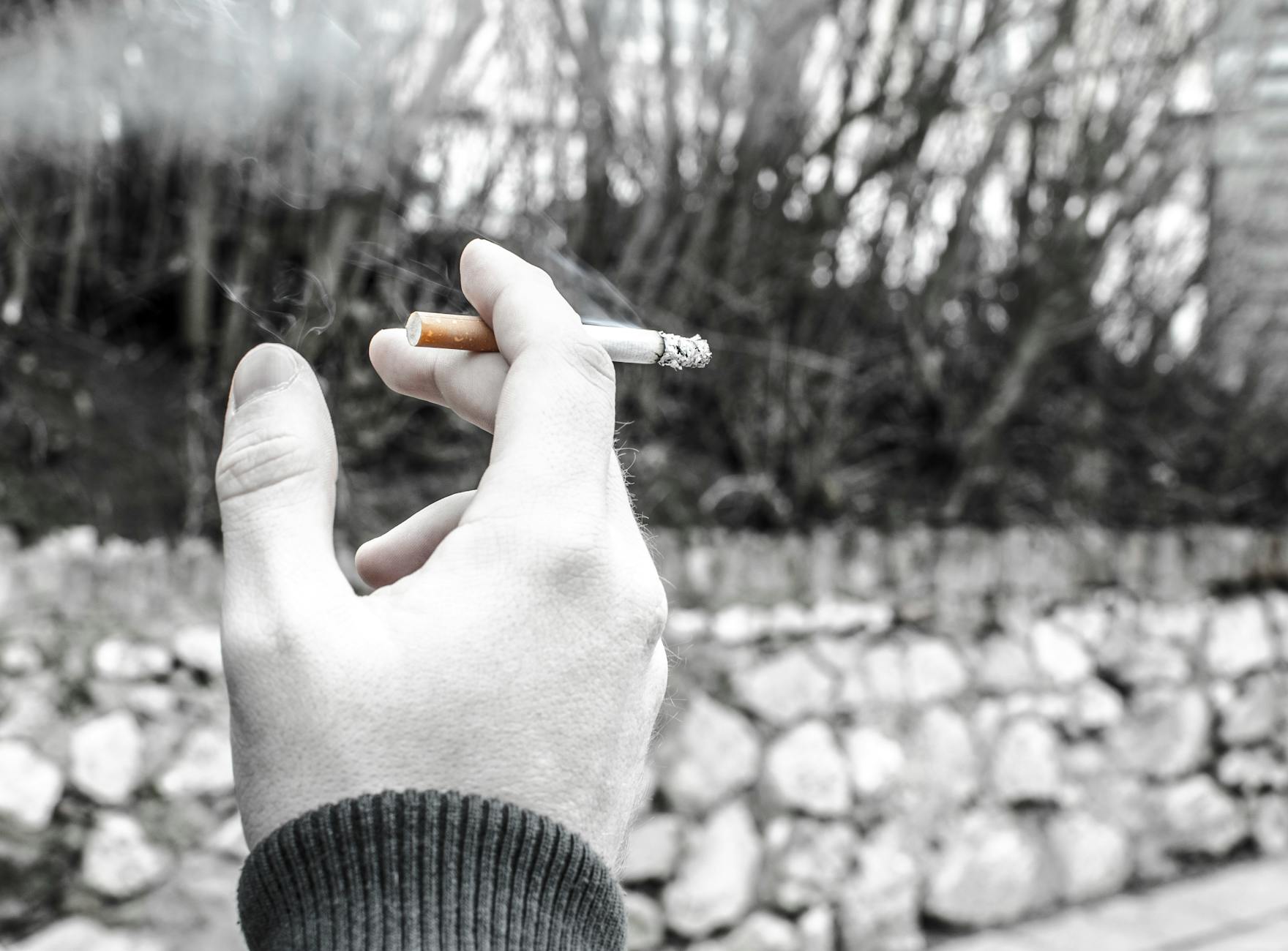
Smoking after a meal dramatically increases the absorption of harmful chemicals due to the heightened blood flow and metabolic activity during digestion. Studies have consistently linked post-meal smoking to a significantly elevated risk of bowel cancer and other gastrointestinal conditions. The habit also relaxes the lower esophageal sphincter making acid reflux far more likely. Nicotine stimulates the colon in ways that can disrupt normal digestive rhythms and bowel regularity. The post-meal period is widely considered one of the most damaging times to smoke.
Overeating
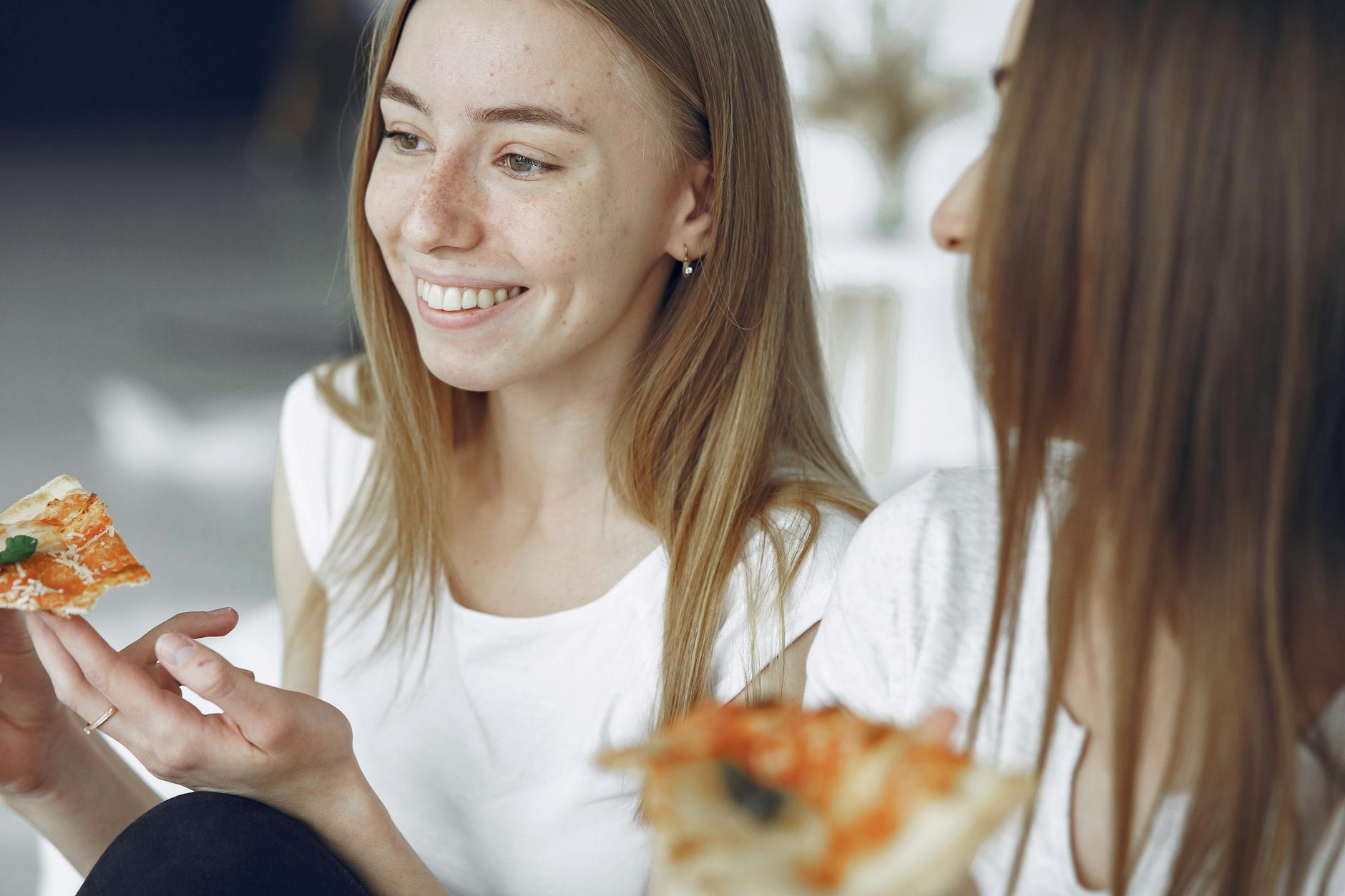
Eating beyond the point of fullness places excessive strain on the stomach and the entire digestive system. The stomach must produce larger quantities of acid and digestive enzymes to cope with an oversized meal. This often results in bloating, indigestion and a prolonged feeling of heaviness. Eating slowly and pausing regularly during a meal gives the brain time to register fullness signals from the stomach. Portion awareness and mindful eating habits are among the most effective tools for supporting long-term digestive health.
Phone Use
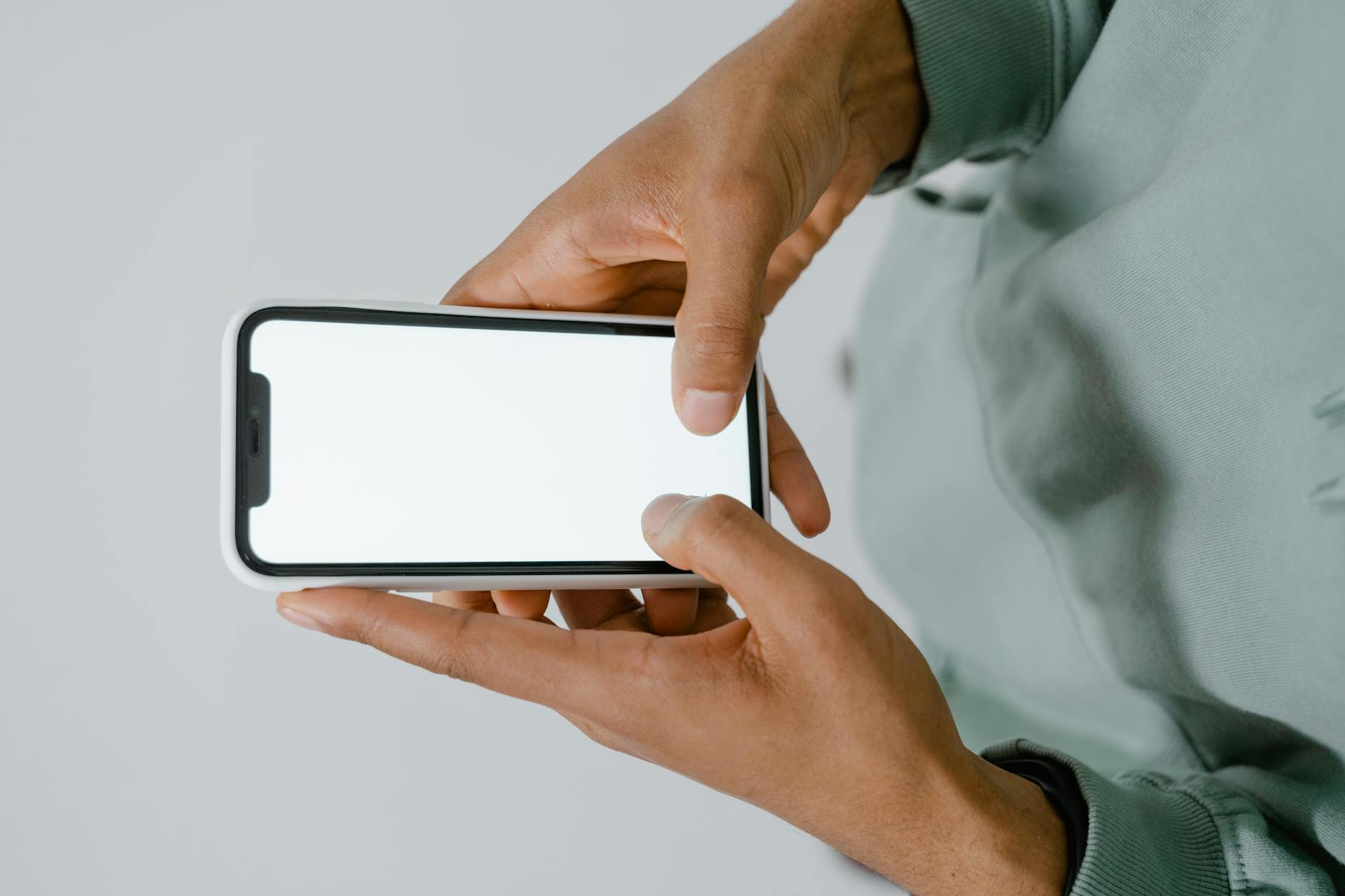
Staring at a phone screen after eating keeps the nervous system in a state of stimulation that is counterproductive to rest-and-digest function. The body relies on the parasympathetic nervous system to activate the processes needed for efficient digestion. Screen time triggers alertness and low-level stress responses that can inhibit this digestive mode. The blue light emitted by phone screens further stimulates the brain at a time when the body benefits most from calm. Setting the phone aside for at least thirty minutes after a meal creates better conditions for the digestive system to function.
Alcohol

Consuming alcohol after a meal irritates the lining of the stomach and interferes with the absorption of key nutrients. Alcohol slows gastric emptying which means food sits in the stomach longer than it should and ferments. It also suppresses the production of digestive enzymes in the pancreas reducing the body’s ability to break down fats and proteins. Regular post-meal alcohol consumption is associated with increased risk of acid reflux and long-term gut inflammation. Allowing the body to digest a meal fully before introducing alcohol reduces its negative impact on the gastrointestinal system.
Carbonated Drinks
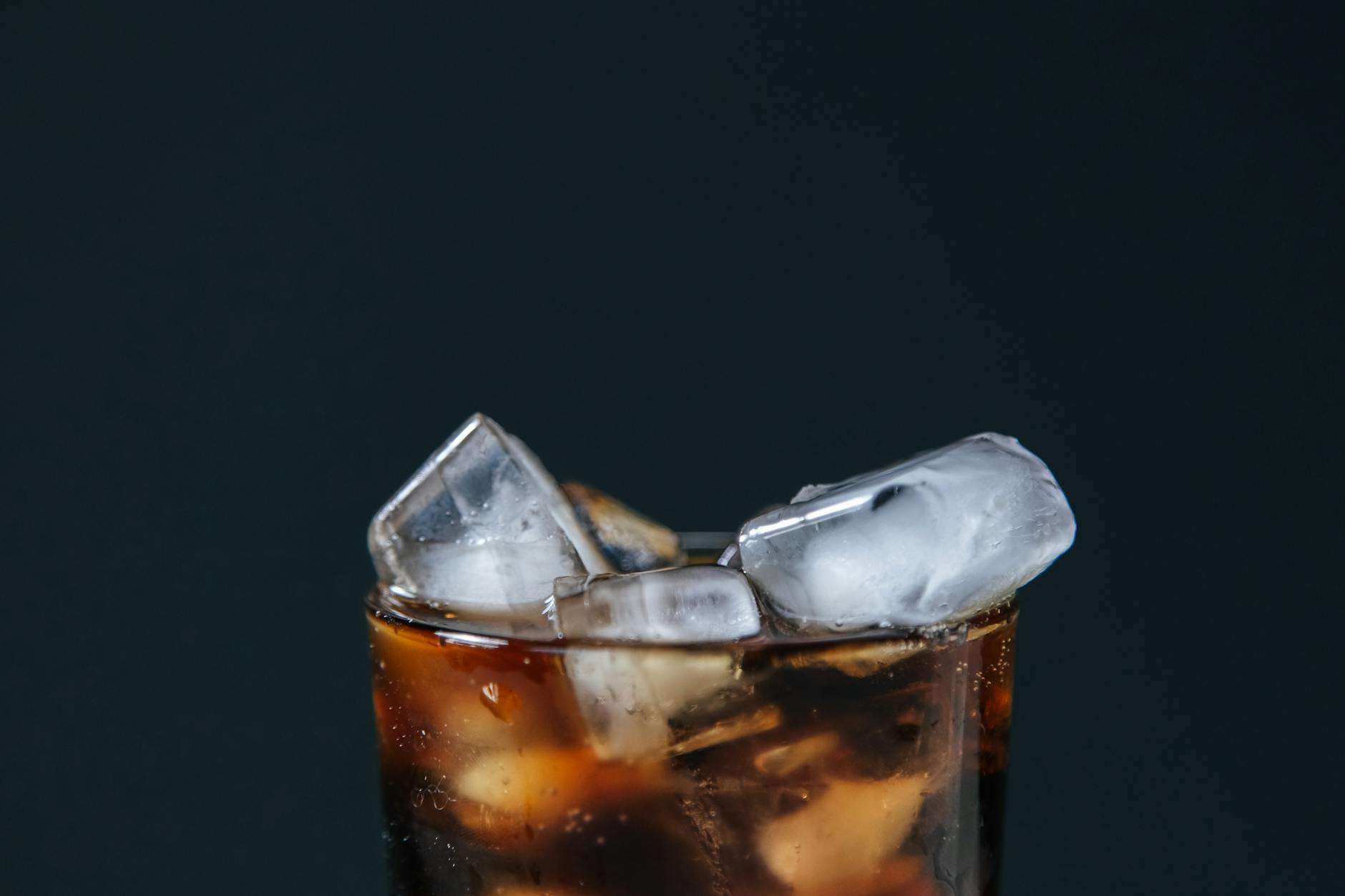
Reaching for a fizzy drink after eating introduces large volumes of gas into an already active digestive system. The carbonation creates pressure inside the stomach and stretches its walls beyond their comfortable capacity. This often triggers belching, bloating and a feeling of tightness in the abdomen. The added sugars in many carbonated beverages also feed gas-producing bacteria in the gut contributing further to discomfort. Still water or a warm herbal infusion is a far more digestion-friendly choice after a meal.
Napping

Falling asleep shortly after eating is a habit that significantly slows the digestive process. When the body enters a sleep state blood flow and metabolic activity decrease across all organ systems including the gut. Food that has not yet moved through the stomach can sit stagnant and cause fermentation and gas buildup. Short naps taken too soon after eating are also associated with increased risk of acid reflux and nighttime heartburn. Staying upright and lightly active for at least ninety minutes after a meal gives digestion the conditions it needs to proceed normally.
Arguing

Engaging in stressful or confrontational conversations after eating activates the sympathetic nervous system and triggers a fight-or-flight response. This state effectively shuts down digestive activity as the body redirects energy to perceived threat responses. Stress hormones such as cortisol inhibit the secretion of digestive enzymes and reduce blood flow to the gut. Chronic post-meal emotional stress is linked to conditions including irritable bowel syndrome and leaky gut. Keeping the post-meal environment calm and conflict-free supports the parasympathetic state the body needs for proper digestion.
Skipping Walks

Remaining entirely sedentary after eating is one of the most overlooked digestive mistakes. Light movement such as a gentle ten to fifteen minute walk after a meal has been shown to accelerate gastric emptying and reduce blood sugar spikes. Without any movement food moves more slowly through the digestive tract increasing the likelihood of constipation and bloating. The gentle contraction of abdominal muscles during walking physically assists the movement of contents through the gut. Building a short post-meal walk into the daily routine is a simple and highly effective digestive habit.
Coffee
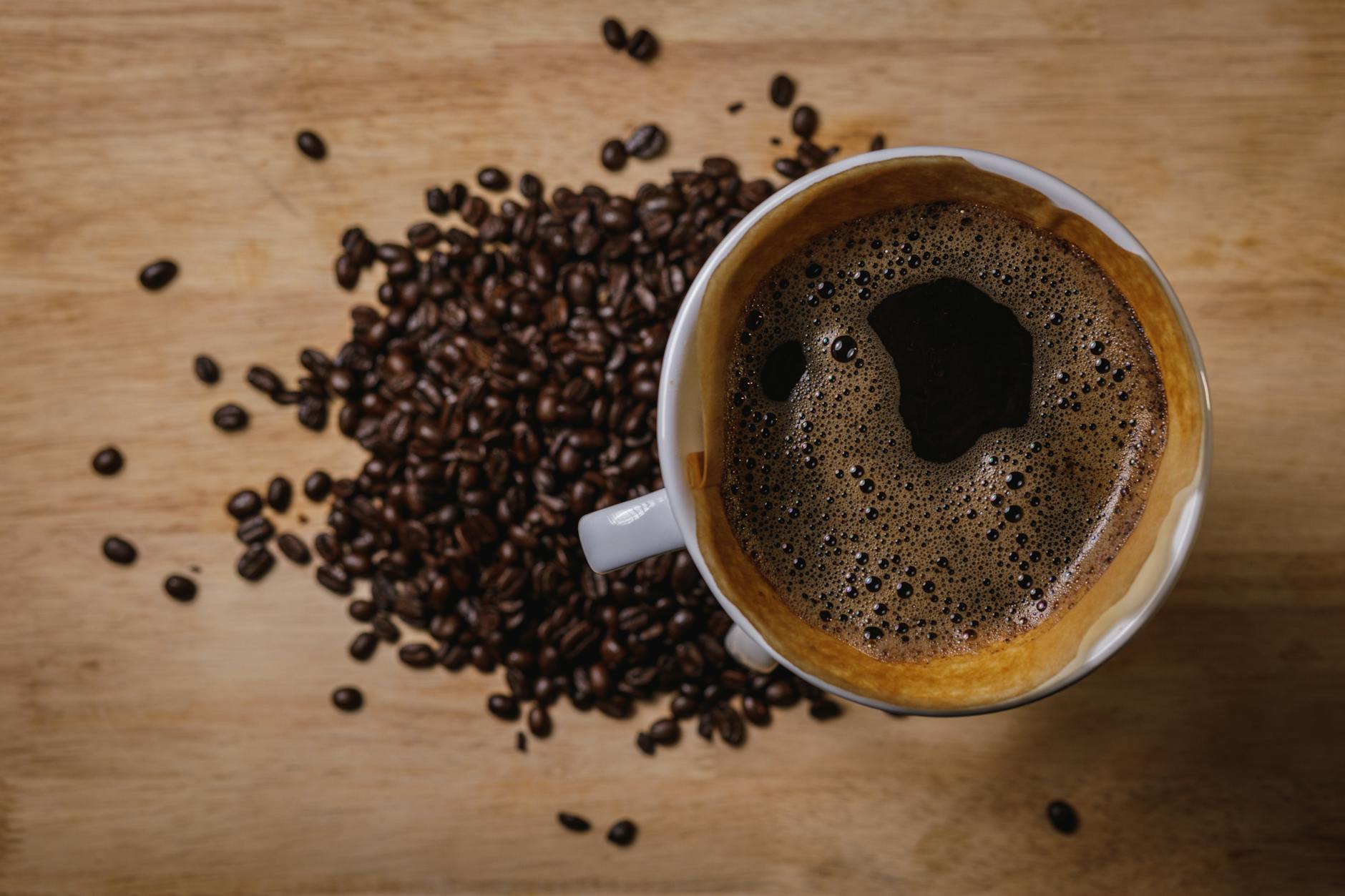
Drinking coffee immediately after a meal speeds up gastric motility which can push food through the digestive system before nutrients have been fully absorbed. The acidity of coffee also stimulates excess stomach acid production which can irritate the stomach lining. For individuals prone to acid reflux the combination of a full stomach and coffee can trigger significant discomfort. Coffee also contains compounds that bind to iron and other minerals and reduce their absorption when consumed alongside a meal. Waiting at least an hour after eating before having coffee allows digestion to proceed without interference.
Antacids
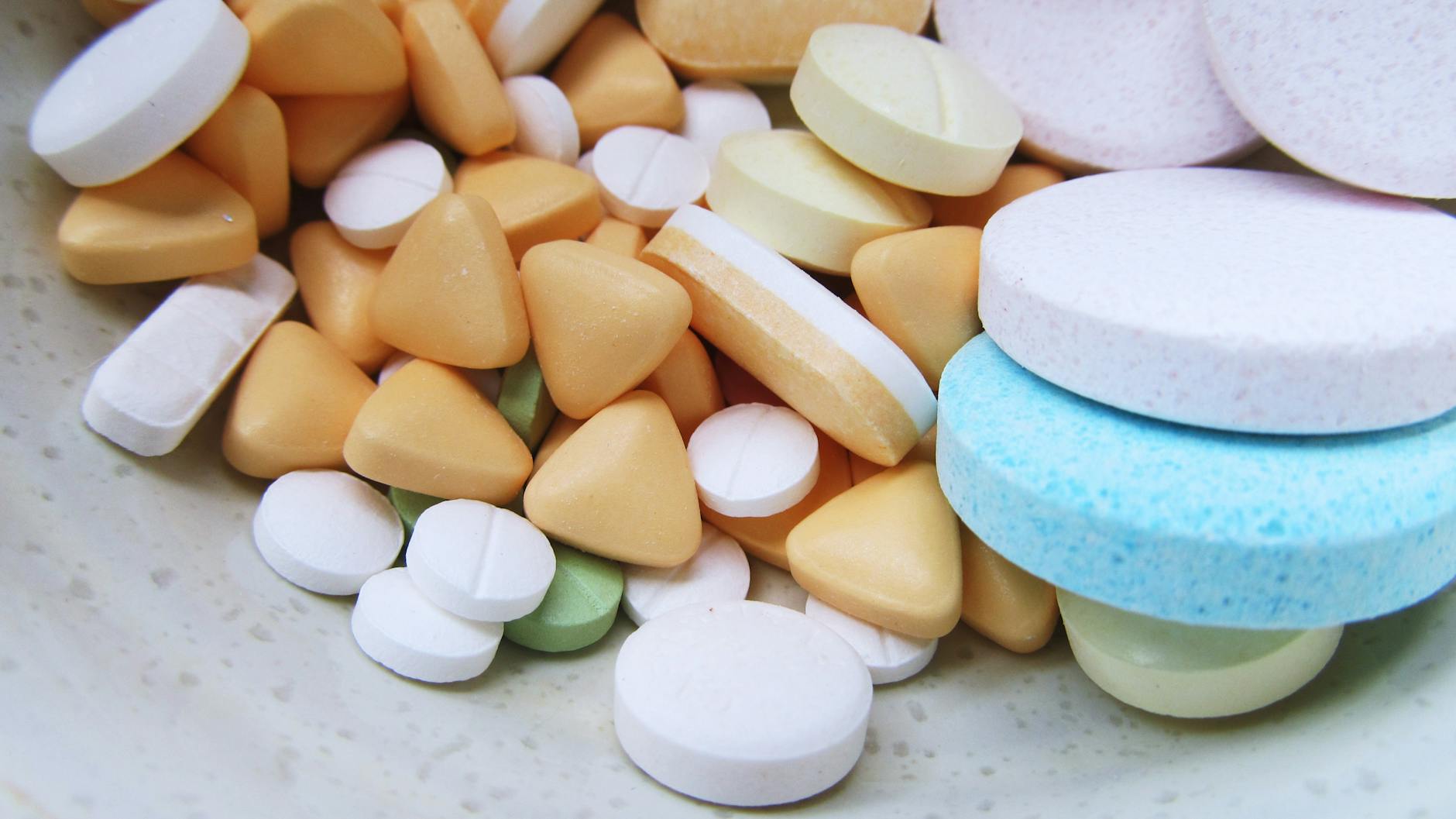
Reaching for antacids immediately after every meal as a preventive habit can disrupt the natural acid balance in the stomach over time. Stomach acid plays a critical role in breaking down protein and destroying harmful bacteria that enter the body through food. Routinely neutralising this acid before digestive problems have even developed impairs these essential functions. Overuse of antacids has also been linked to changes in gut microbiome composition and reduced absorption of calcium and magnesium. Addressing the root dietary causes of indigestion is a more effective and sustainable approach than habitual antacid use.
Desk Work
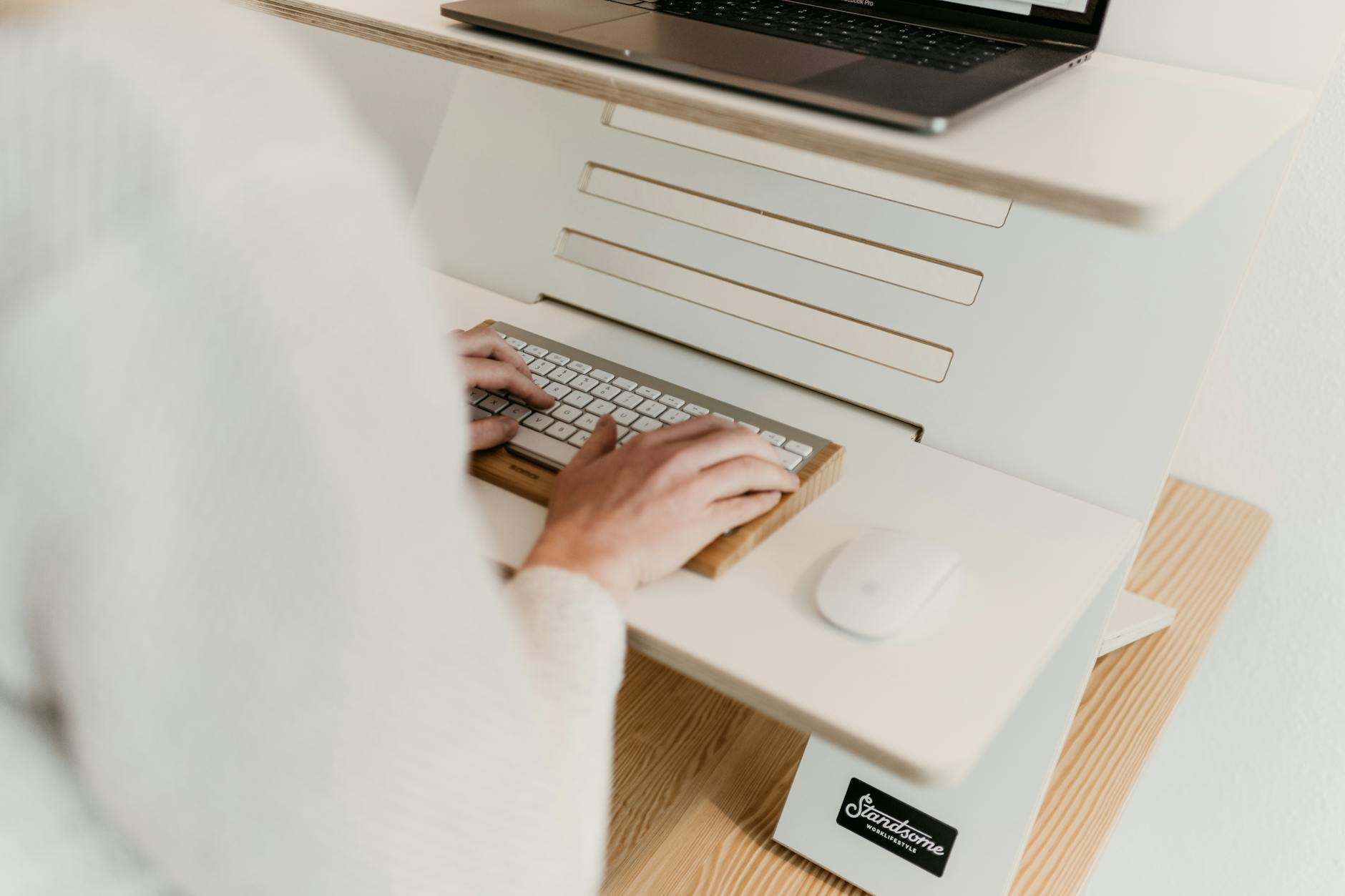
Sitting hunched over a desk or laptop immediately after eating creates physical compression in the abdominal region. This posture pushes the stomach upward and restricts the natural downward movement of food through the digestive tract. Slouching also increases pressure on the lower esophageal sphincter making reflux more likely. Prolonged sitting after meals slows the metabolism and reduces the muscle activity that assists intestinal motility. Taking breaks to stand or walk briefly during the first hour after a meal makes a noticeable difference to digestive comfort.
Brushing Teeth

Brushing teeth immediately after eating is counterintuitive to dental health and is linked to enamel erosion particularly after acidic meals. The acids present in food temporarily soften the enamel and brushing during this window accelerates its wear. Dentists consistently recommend waiting at least thirty minutes after eating before brushing. In the meantime rinsing the mouth with water or chewing sugar-free gum can help neutralise acids without damaging the enamel. This brief delay protects both dental health and allows the mouth’s natural pH to stabilise.
Dessert Timing

Eating a sweet dessert immediately after a main course compounds the digestive workload significantly. The stomach is already processing proteins fats and complex carbohydrates from the main meal when a high-sugar course arrives. The rapid influx of simple sugars can spike blood glucose levels and contribute to the energy crash that often follows a large meal. Sugar also feeds certain gut bacteria that produce excess gas particularly when combined with other fermenting food in the stomach. Spacing dessert out by thirty minutes or more reduces this digestive burden and moderates the blood sugar response.
Waistband Loosening
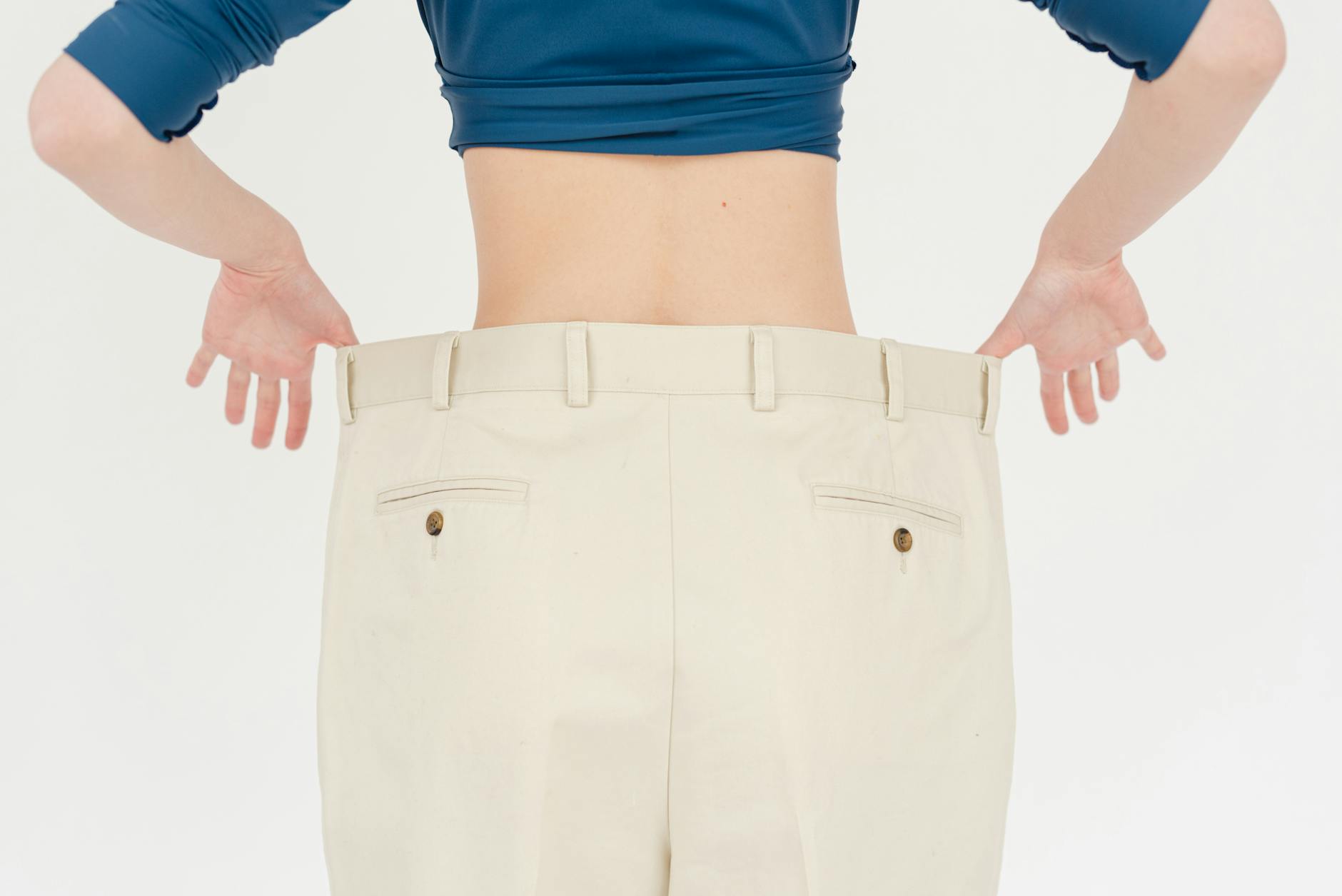
Loosening the waistband or unbuttoning trousers immediately after eating sends a permissive signal to the body that encourages overeating in subsequent meals. Beyond the behavioural impact it also removes the natural physical feedback the stomach uses to communicate fullness. When the abdomen is given unrestricted room to expand bloating tends to worsen rather than improve. The discomfort felt after a large meal is partly a signal that the body needs to rest rather than expand further. Choosing appropriately sized clothing and eating to a comfortable capacity are more effective long-term strategies than mechanical relief.
Share your own post-meal habits or digestive tips in the comments.




