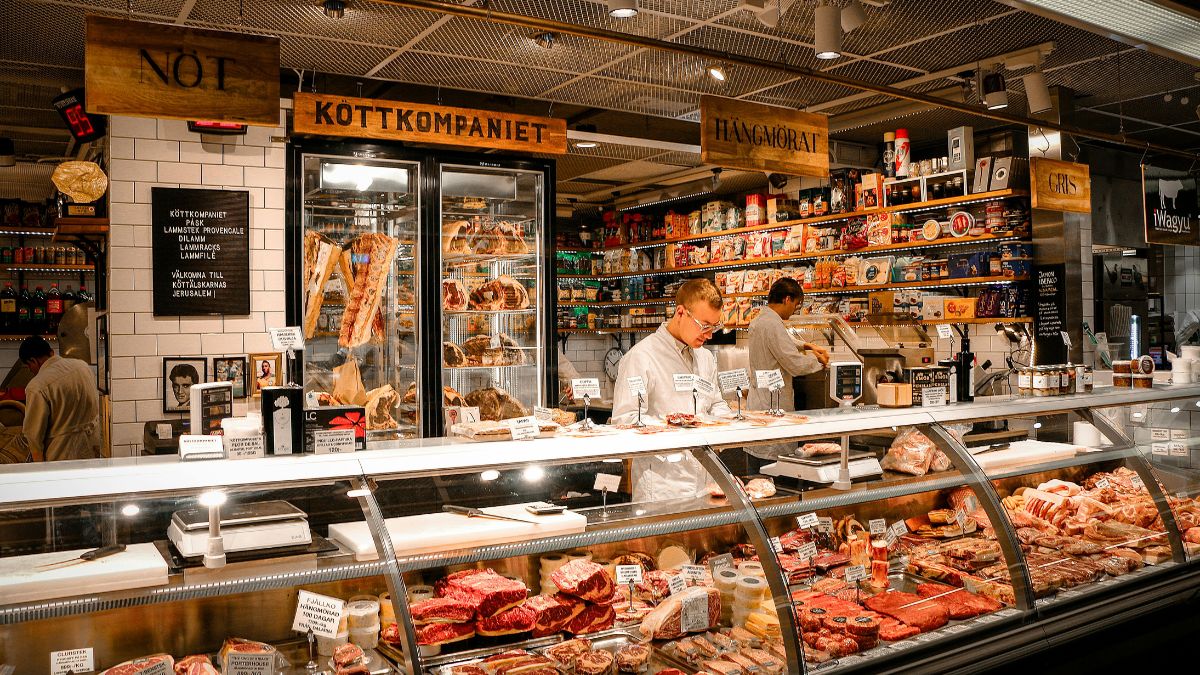
Most people who take a job at a grocery store have a certain vision in mind when they walk through the doors on their first day. For Kay Langley, an American woman who worked at a store in North Carolina, that vision involved neatly arranging shelves full of imported chocolates and specialty grains while enjoying a 30% employee discount. Reality, however, had other plans. She ended up spending her shifts at the deli counter, assembling party platters and slicing meat all morning long.
Despite how unglamorous those early shifts turned out to be, Langley says the experience gave her real insight into how most shoppers are leaving money on the table every single time they visit the deli. Writing for The Kitchn, she shared her honest perspective on what to skip and what to do instead. “Although I don’t miss the early mornings of slicing salami, the experience opened my eyes and showed how many people don’t take advantage of all the possibilities of the deli department,” she wrote. According to Langley, a little know-how is all it takes to shop the deli like a professional.
One of the biggest mistakes she says shoppers make is grabbing pre-sliced meat and cheese packages from the refrigerated section without a second thought. That convenience comes with a real cost, and you’re often paying several dollars more for the exact same product you could order freshly sliced right at the counter. Beyond the price difference, those pre-packaged items were likely cut hours or even days earlier, meaning you’re also getting a less fresh product. Langley recommends taking the extra few minutes to order at the counter whenever possible to get better value and better quality.
That said, she does point out one exception worth knowing. Some stores deliberately mark down pre-sliced packages when they’re approaching their expiration date, which can actually make them cheaper than ordering fresh. If you’re keeping an eye out for those markdowns, they can be a genuine bargain rather than a trap. The key is knowing the difference between a discounted deal and a default habit that’s quietly costing you more than it should.
Another piece of advice Langley emphasizes is getting comfortable talking to the people behind the counter. Deli employees are an underused resource, and they tend to know exactly what came in fresh that day, which products are moving fast, and where the best value hides on any given week. Building even a basic rapport with those workers can lead to tips about upcoming sales you might otherwise miss entirely. The same logic applies to the butcher’s counter, where a friendly conversation can unlock recommendations that aren’t posted anywhere on the floor.
Langley also points out that flexibility is one of the most powerful tools a deli shopper can have. If you walk in committed to buying one specific type of meat or cheese regardless of price, you’re going to pay whatever the store is asking. But if you’re open to swapping smoked turkey for roasted turkey, or trying a different variety of cheese that happens to be on sale that week, you can easily save a few dollars per trip. The weekly store circular is the best place to start, since it lists exactly what’s discounted and for how long, and most stores rotate their sales on a fairly predictable schedule.
Finally, she encourages shoppers to simply ask for samples when something catches their eye. The deli case is filled with products that most people have never tried simply because they weren’t sure they’d like them, and the only real way to know is to taste them. Deli workers are generally happy to offer a small sample when things aren’t too busy, and it’s a perfectly normal and accepted part of the shopping experience. Just be mindful of the timing and avoid asking for a sample during a long rush when the staff is stretched thin.
Deli counters in American grocery stores have been a staple of the supermarket layout since the mid-20th century, when full-service departments became a way for stores to differentiate themselves from early self-service chains. The term “deli” is short for delicatessen, a word borrowed from German and Dutch that originally referred to shops selling fine imported foods and prepared meats. Today, a typical supermarket deli department carries dozens of varieties of sliced meats and cheeses, prepared salads, hot foods, and specialty items that vary by region. Many stores also use the deli counter as a space to sell store-branded prepared foods, which tend to have higher profit margins than packaged goods. Weekly circular promotions at the deli are often tied to seasonal demand, meaning items like honey ham and turkey tend to go on sale around major holidays, while specialty cheeses may be featured around the winter months when entertaining peaks.
If you’ve ever worked at a deli counter or discovered your own tricks for getting the most out of that section of the store, share your thoughts in the comments.




