Your washing machine handles a remarkable amount of household laundry every week, but not everything belongs inside its drum. Many common household items are quietly damaged or destroyed by the heat, agitation, and spin cycles that a standard wash involves. Some materials shrink, warp, or fall apart, while others can actually damage the machine itself or create safety hazards. Knowing which items to keep out of the machine protects your belongings and extends the life of your appliance. Here are twenty everyday things you should never put in the washing machine.
Suits
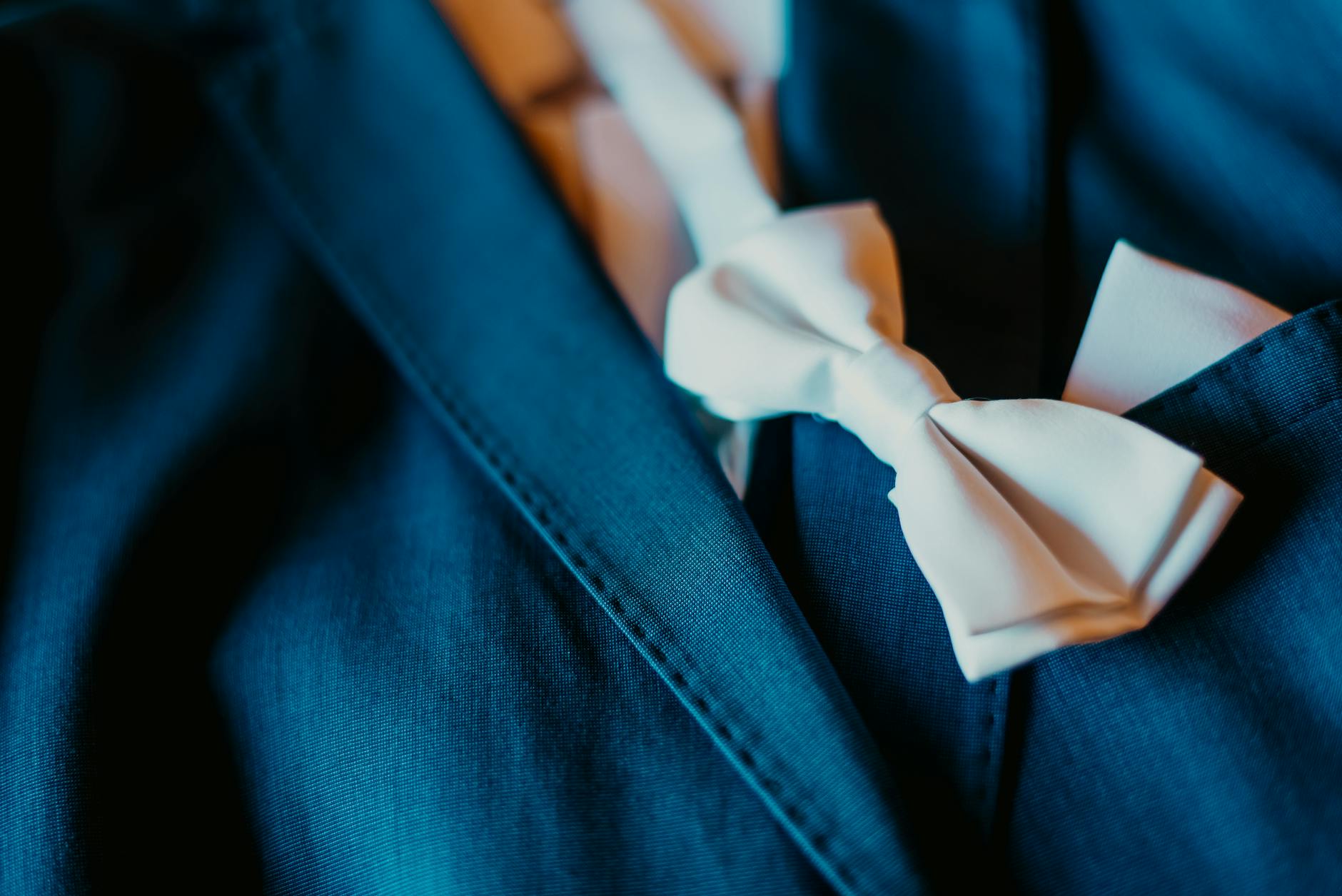
A tailored suit is constructed with internal interfacing, padding, and structured seams that water and agitation will completely destroy. The fabric can shrink unevenly while the inner structure loses its shape permanently. Dry cleaning is the industry-standard method for maintaining a suit’s silhouette and fabric integrity. Even a gentle cycle poses too great a risk to the investment a quality suit represents.
Running Shoes
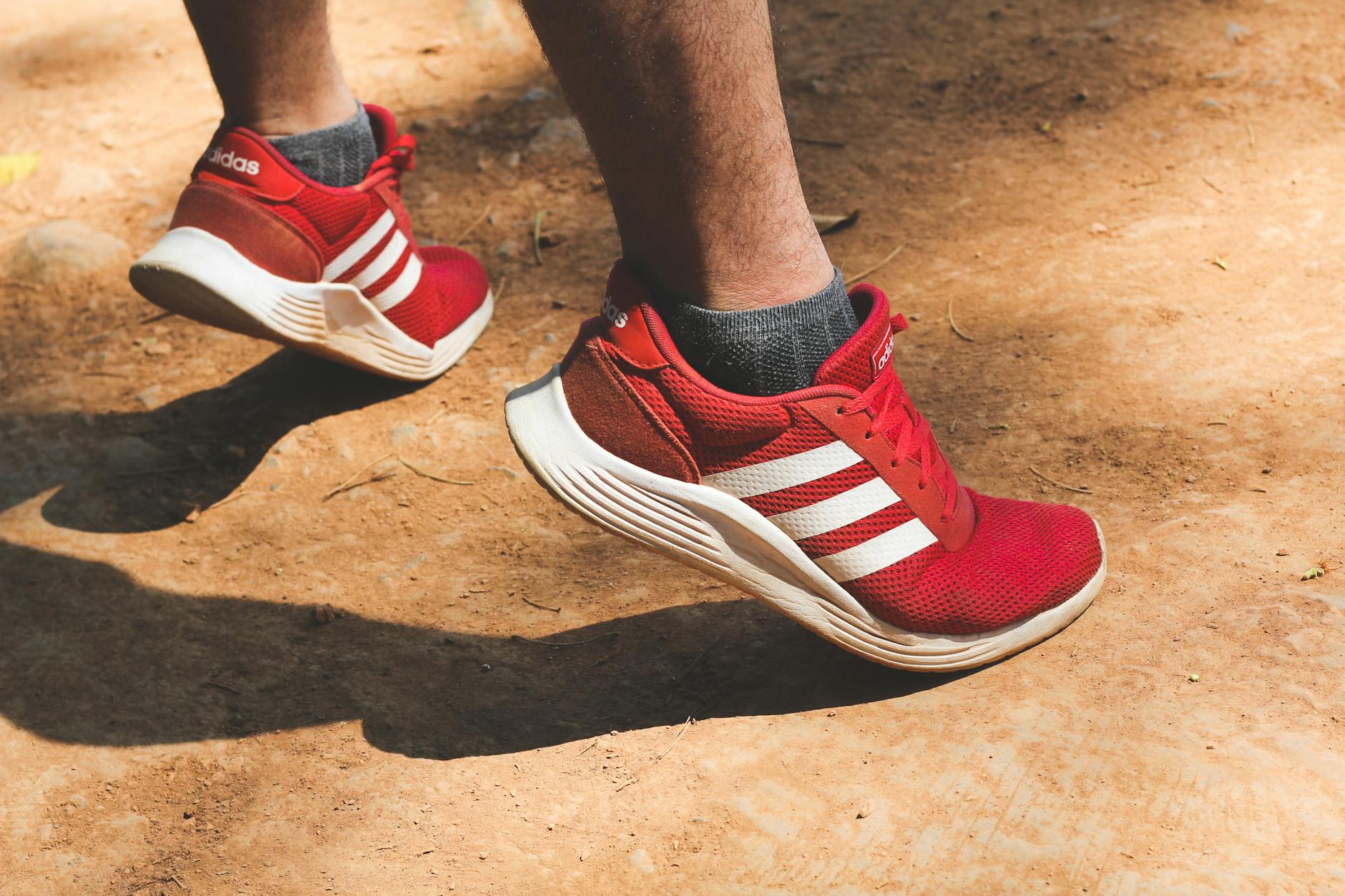
Most athletic trainers are built with layers of foam, glue, and mesh that break down rapidly when submerged in water and tumbled. The adhesives holding the sole to the upper can dissolve, causing the shoe to fall apart after just one cycle. Excess moisture trapped deep in the foam midsole can also encourage mold and unpleasant odors. Hand cleaning with a brush and mild soap is the recommended approach for keeping trainers fresh and structurally sound.
Memory Foam Pillows
Memory foam is an open-cell material that absorbs enormous amounts of water during a wash cycle and cannot drain or dry properly afterward. The agitation of a machine tears the foam structure internally, even if the outer surface appears intact. A waterlogged memory foam pillow becomes extremely heavy and takes days to dry, fostering mildew growth in the core. Spot cleaning and airing in a well-ventilated space are the safest ways to freshen this type of pillow.
Leather Goods
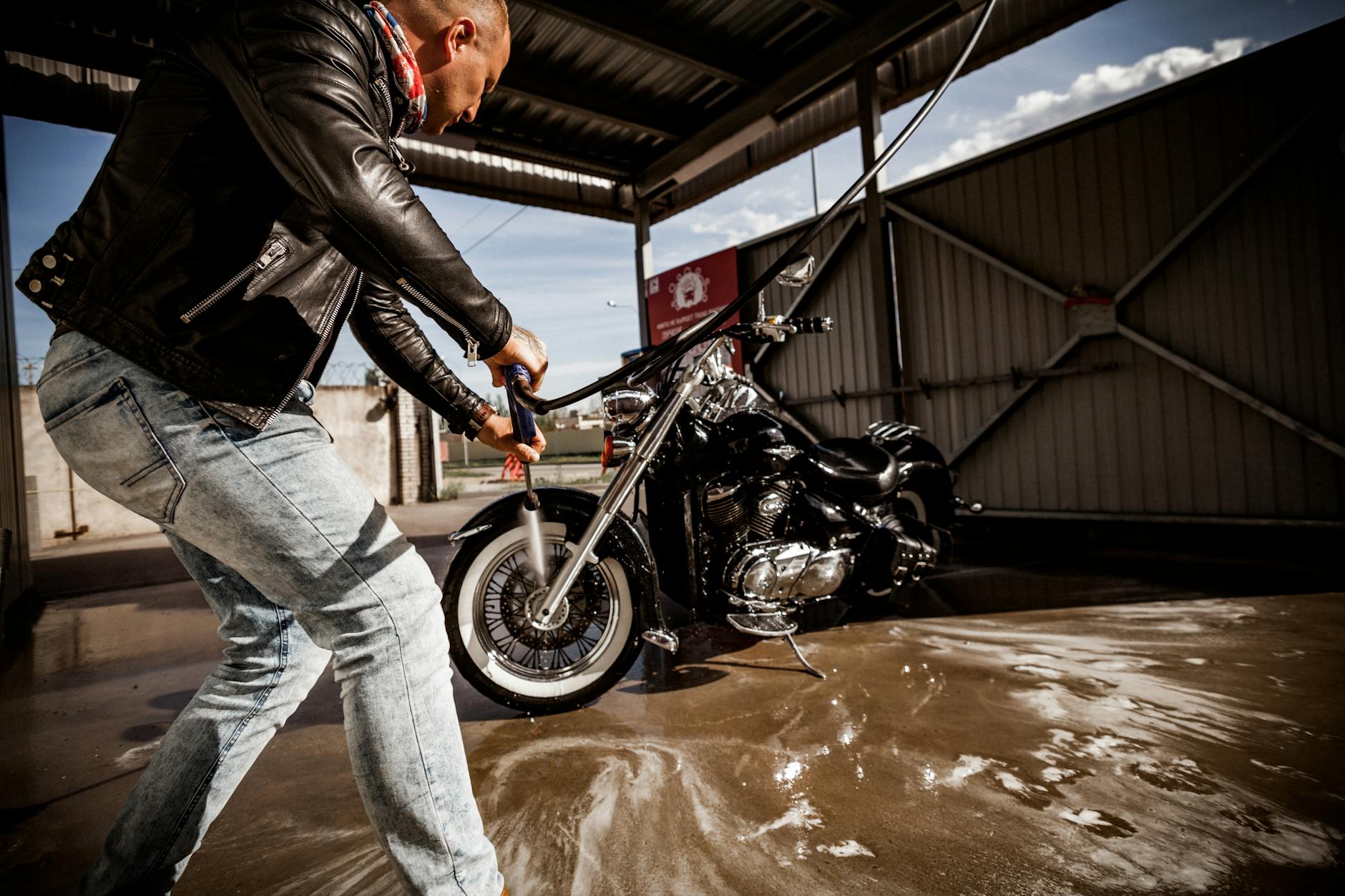
Water causes leather to dry out, crack, and lose its natural oils, permanently altering the texture and appearance of the material. The heat and friction of a wash cycle can cause leather to warp, shrink, and peel in ways that cannot be reversed. This applies to leather jackets, belts, bags, and any accessory with leather detailing or trim. Professional leather cleaning or careful hand treatment with a specialist product is the correct approach.
Embellished Clothing
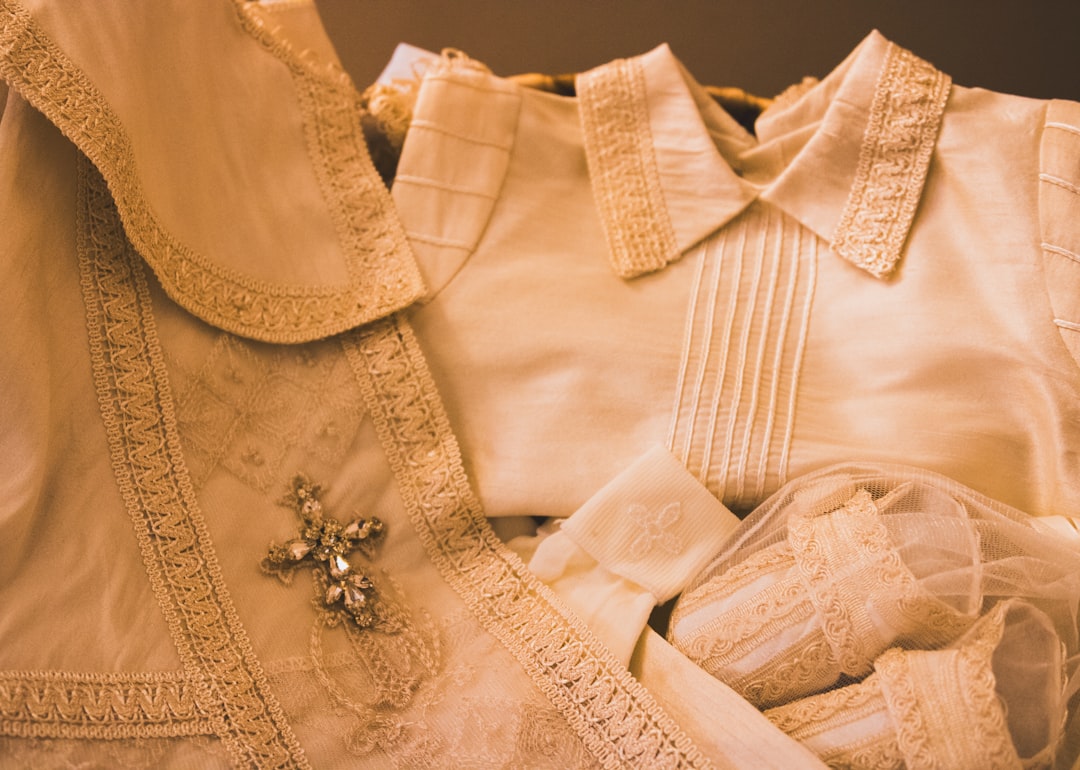
Garments decorated with beading, sequins, rhinestones, or embroidery are extremely vulnerable to machine washing. The agitation causes embellishments to snag, detach, and scatter inside the drum, where they can damage other clothing or block the machine’s filter. Heat from the water loosens the adhesive or thread holding decorations in place even on items that feel securely made. Hand washing in cool water and laying flat to dry is the only safe method for these pieces.
Neckties
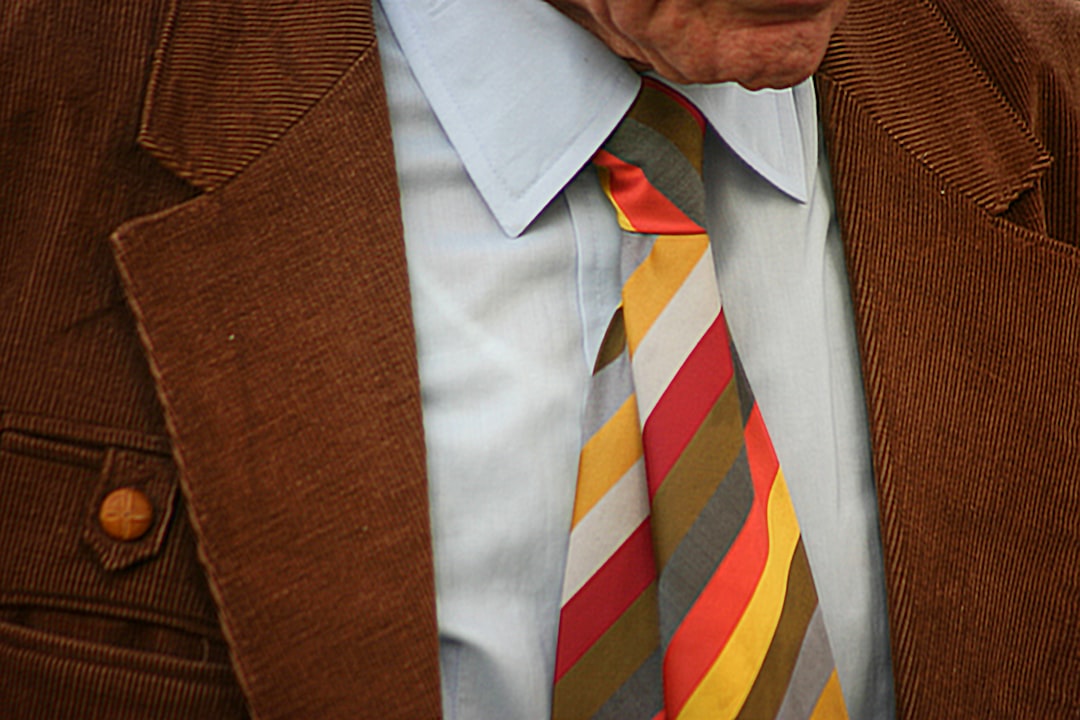
Neckties are cut on the bias, a diagonal grain that makes them highly susceptible to twisting and distortion when wet. Most ties are made from silk, wool, or delicate synthetics with a loose inner lining that shifts irreparably during a machine cycle. Once a tie has been machine washed it will rarely lie flat or knot properly again. Dry cleaning or very gentle spot treatment is the only method that preserves the shape and finish of a quality tie.
Flocked or Printed Blankets
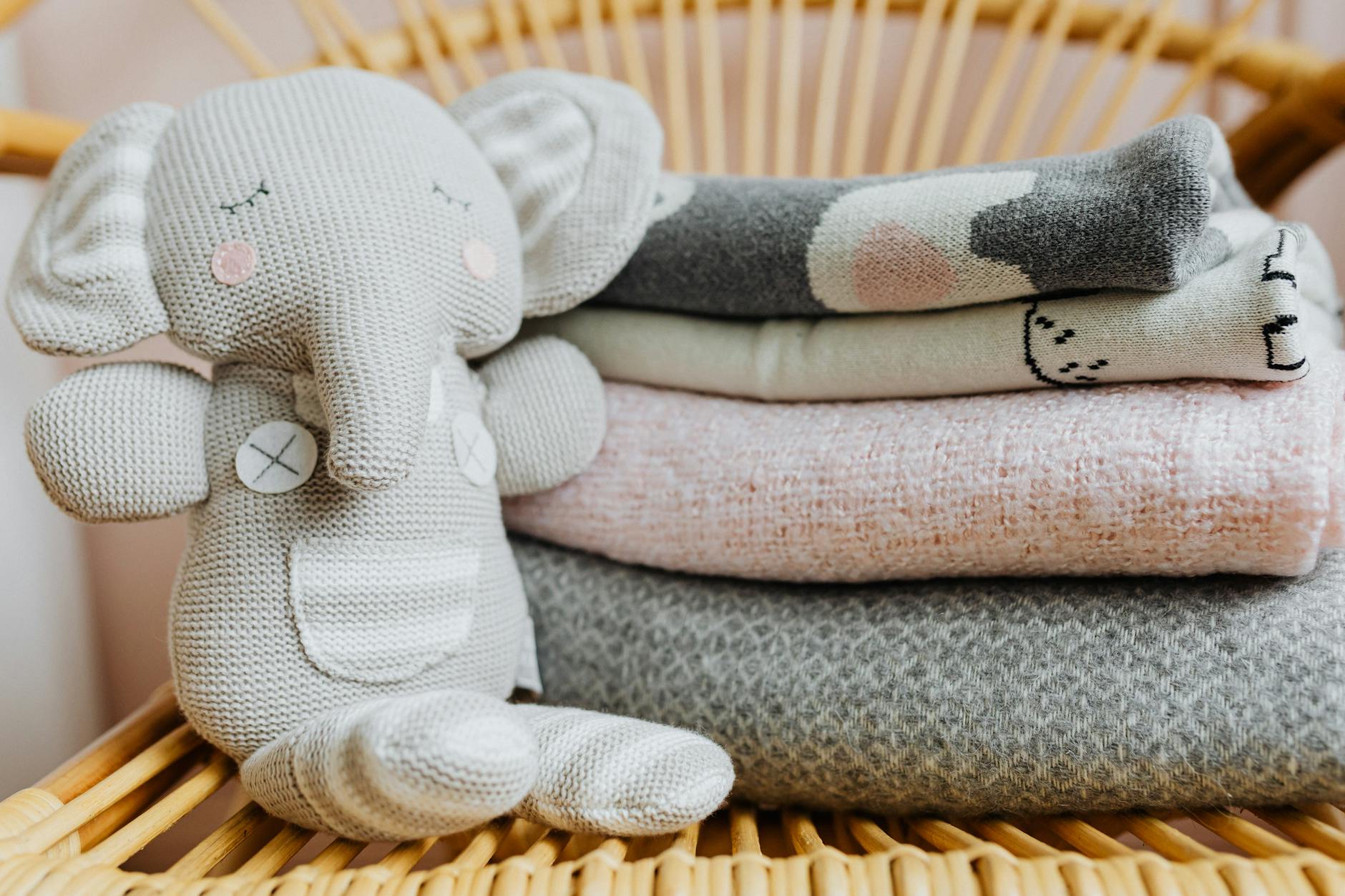
Blankets featuring raised flocked designs or heat-transferred prints are damaged rapidly by the abrasion and heat of a standard wash. The flocked fibers detach and the printed design cracks, peels, or fades significantly after just one machine cycle. These blankets are often sold as decorative items and are not designed to withstand the mechanical stress of laundering. Spot cleaning or a very gentle hand wash in cold water with minimal agitation is a far safer approach.
Coin Purses and Small Bags
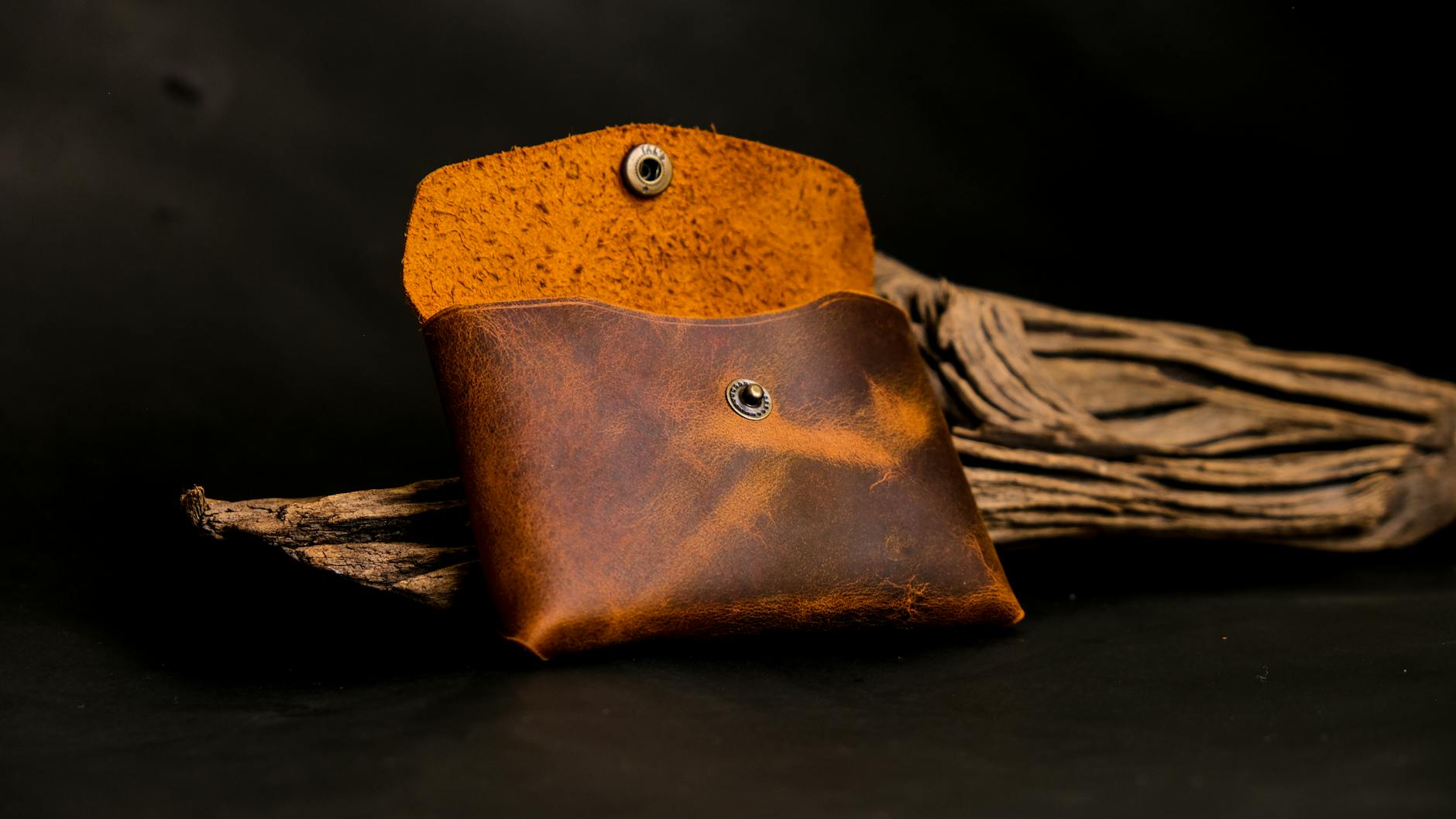
Small accessories with metal frames, clasps, and internal structure are not designed for machine washing and will be damaged by it. Metal hardware can rust, scratch the drum, or break apart during the spin cycle, creating loose components that block filters. The body of the bag, whether fabric or synthetic, is often glued rather than sewn and separates easily when soaked. Wiping down with a damp cloth and a small amount of mild cleaner is entirely sufficient for routine maintenance.
Silk
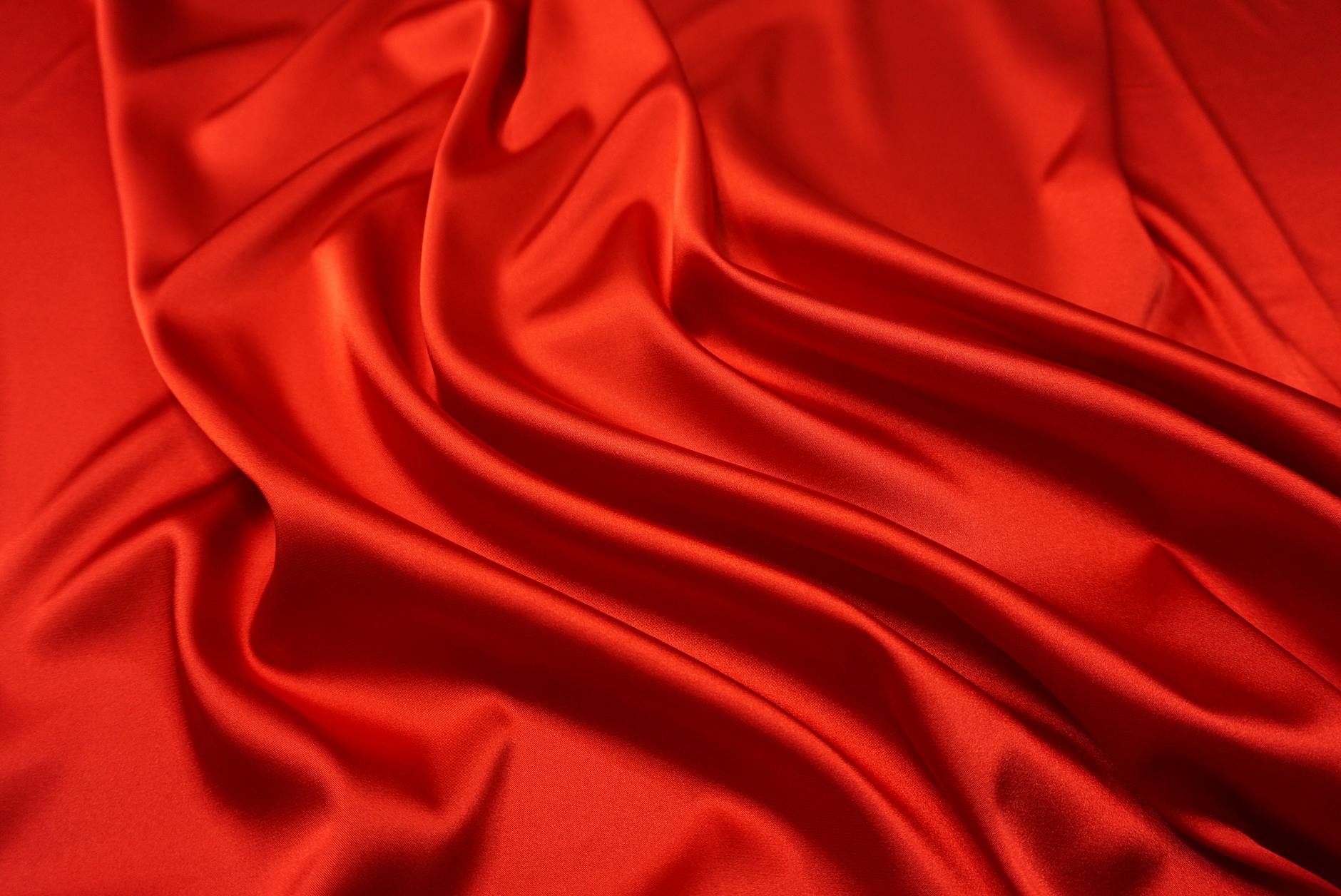
Silk is a protein-based fiber with a delicate weave structure that reacts badly to agitation, heat, and harsh detergents. Machine washing breaks down the fiber at a microscopic level, causing the fabric to lose its characteristic sheen and smooth drape. Colors in silk garments bleed easily in water, and the material is prone to shrinking or developing water spots from uneven drying. Hand washing in cool water with a specialist silk detergent or dry cleaning are the only methods that preserve silk properly.
Pet Beds with Foam Inserts
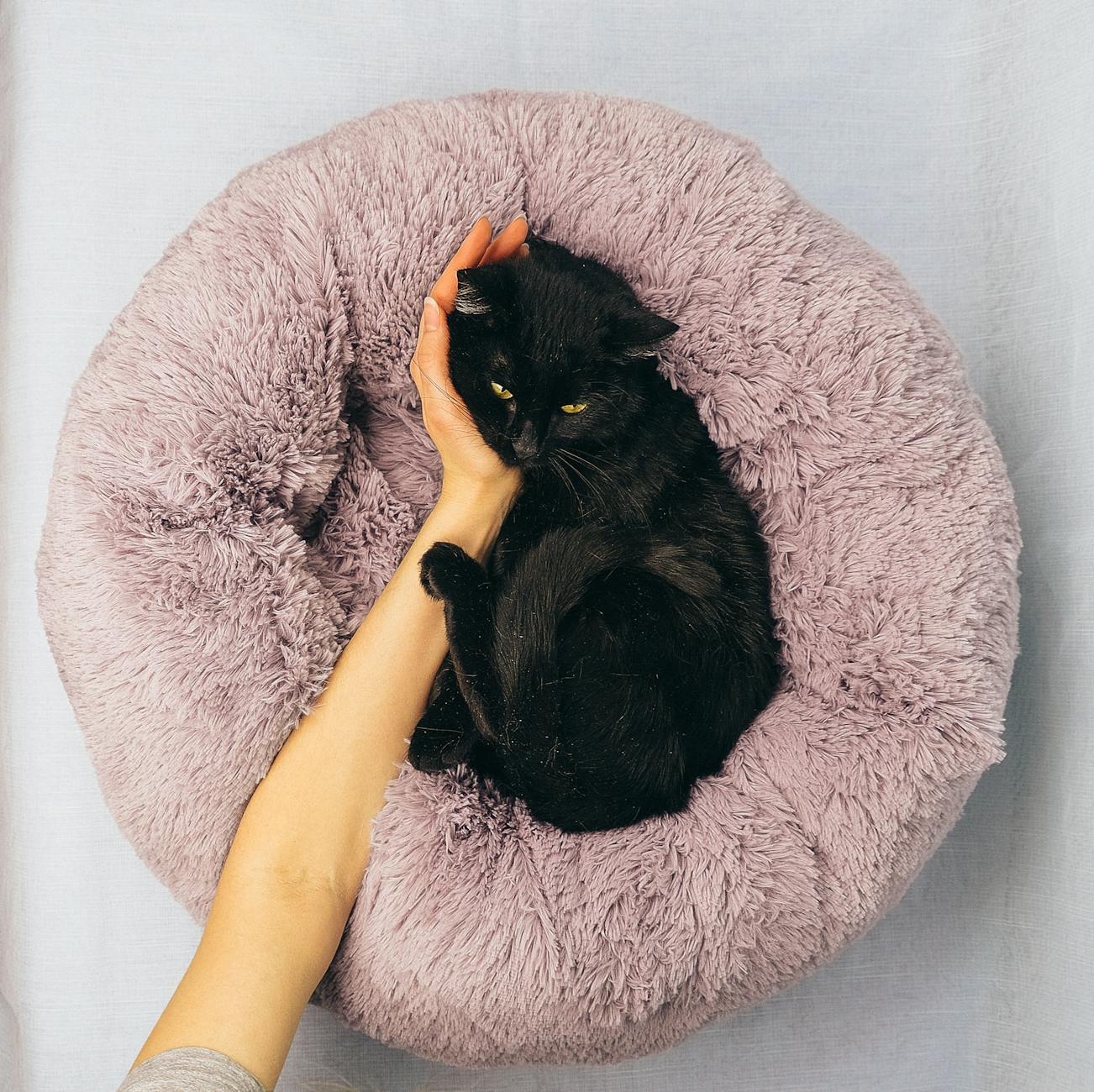
Pet beds that contain foam or thick batting should never be put in a standard washing machine without removing all internal components first. The foam absorbs too much water for the machine to drain effectively, causing the motor to strain and potentially overheat. Pet hair also accumulates in dense quantities in these beds and can clog the machine’s drain pump and filter. Washing the removable outer cover separately and hand cleaning the insert is the safest and most effective method.
Lace Items
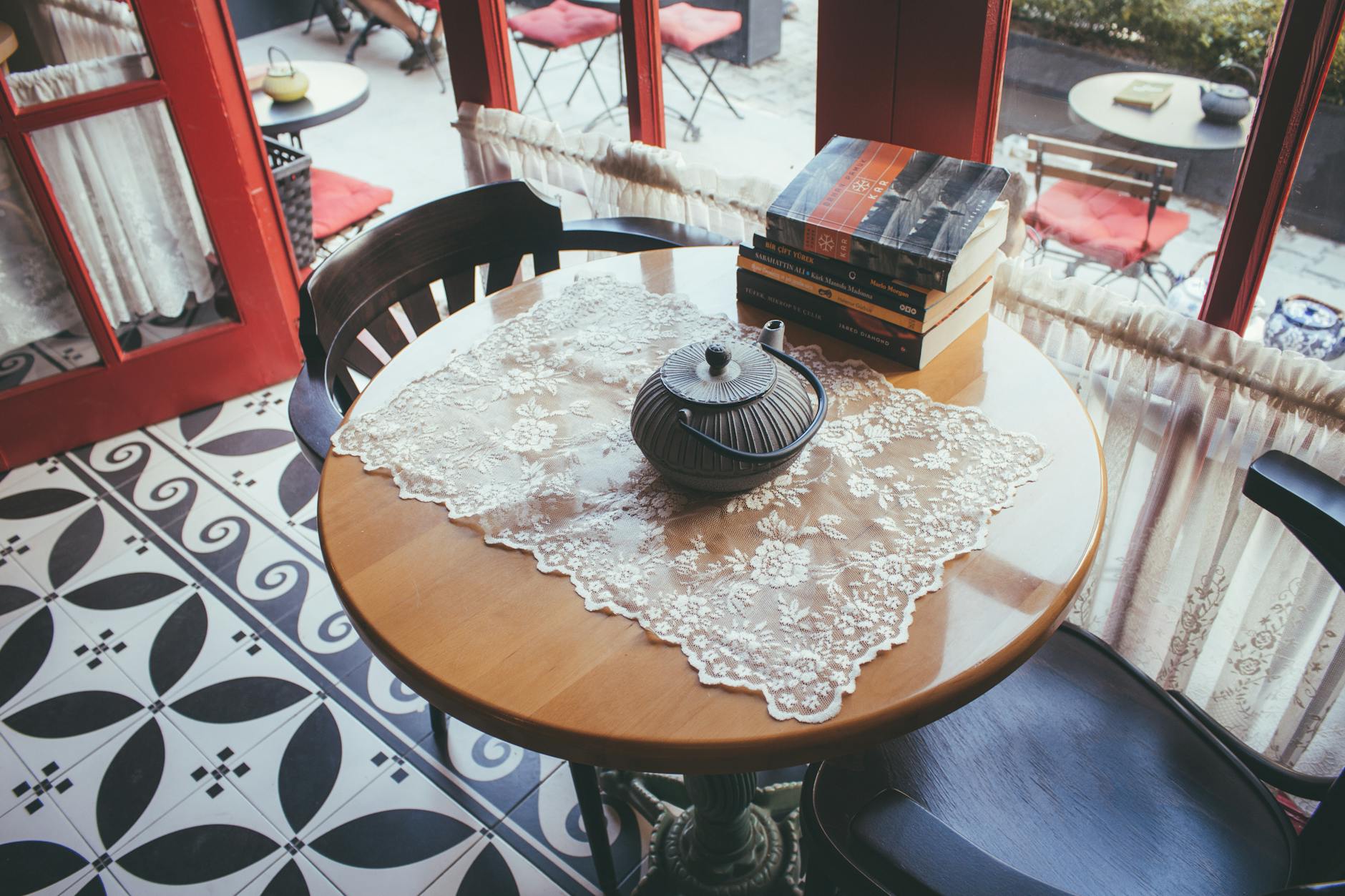
Lace is a fragile open-weave textile that snags, stretches, and tears when subjected to machine agitation, even on a delicate setting. The intricate structure of the weave makes it impossible to repair once distorted or broken, and the item is effectively ruined. Heat from the water causes many lace fabrics to shrink or lose elasticity permanently. Hand washing in a basin of cool water with a gentle detergent and laying flat to dry is the standard care practice for lace.
Stuffed Animals with Electronic Components
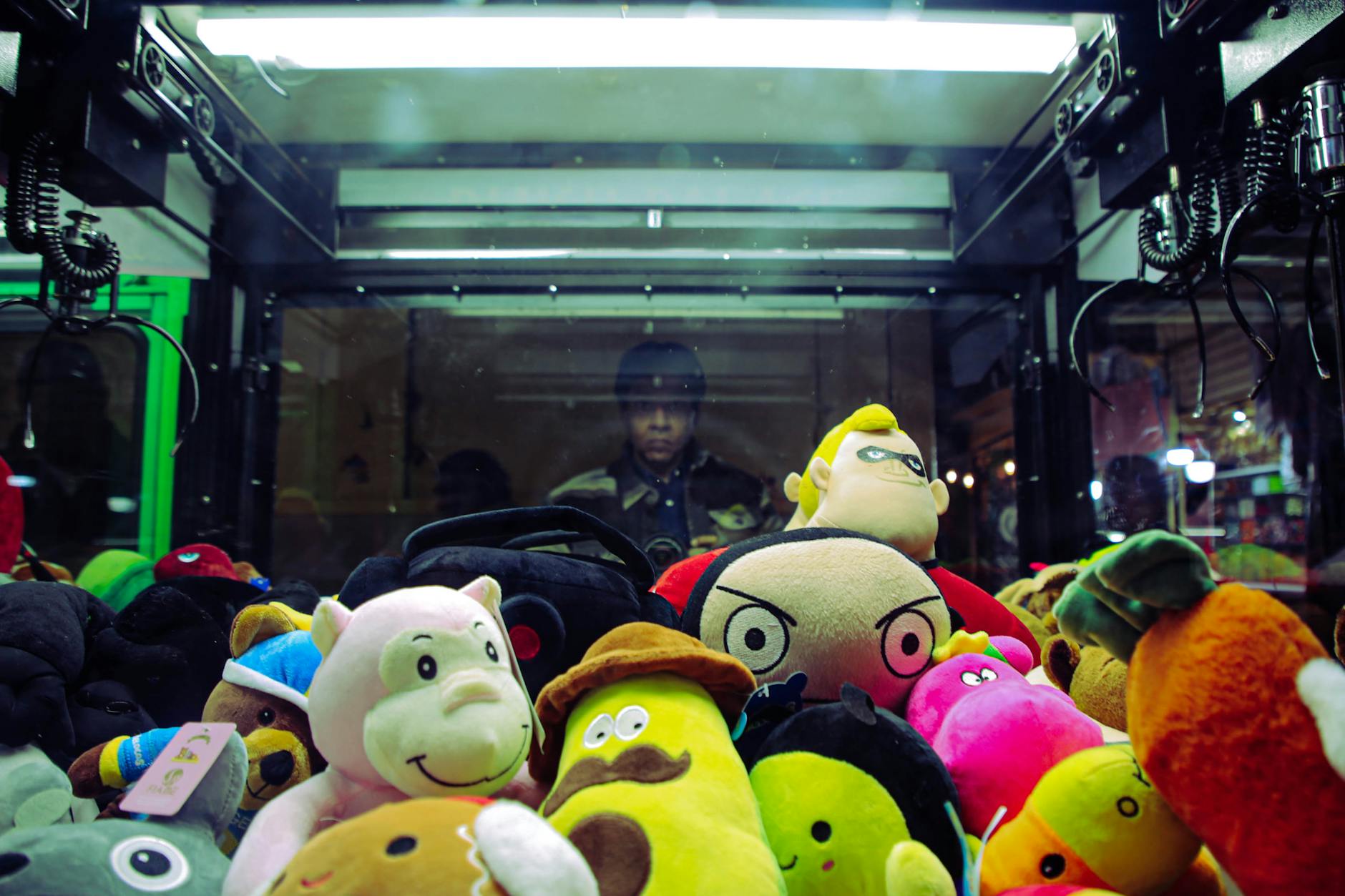
Plush toys containing batteries, sound modules, or light mechanisms must never be placed in a washing machine. Water entering the electronic components creates a risk of corrosion or short-circuit that renders the item non-functional and potentially unsafe. The outer fabric may be washable but the internal wiring and battery housing are not designed for moisture exposure. Surface cleaning with a lightly damp cloth and mild soap is the appropriate method for these types of toys.
Flax and Jute Items
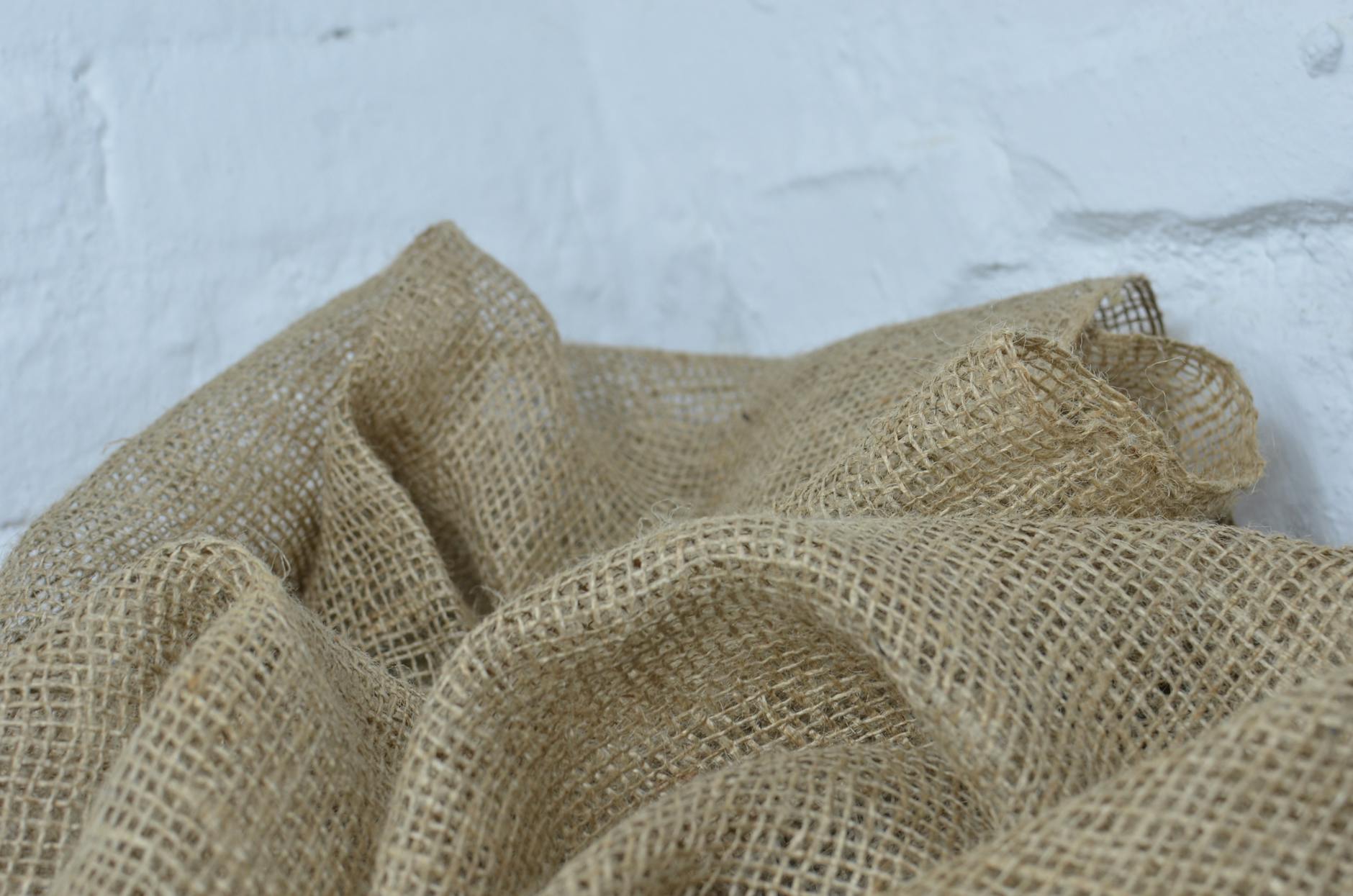
Natural plant-fiber textiles like jute or flax used in bags, mats, or home accessories are extremely sensitive to water saturation and mechanical agitation. These fibers swell significantly when wet and then harden or distort as they dry, losing their original shape permanently. Machine washing also accelerates the natural breakdown of the fiber, causing fraying and structural weakness far sooner than normal wear would. Dry brushing or spot cleaning is generally all that is needed to maintain these items.
Ties and Scarves with Metallic Thread
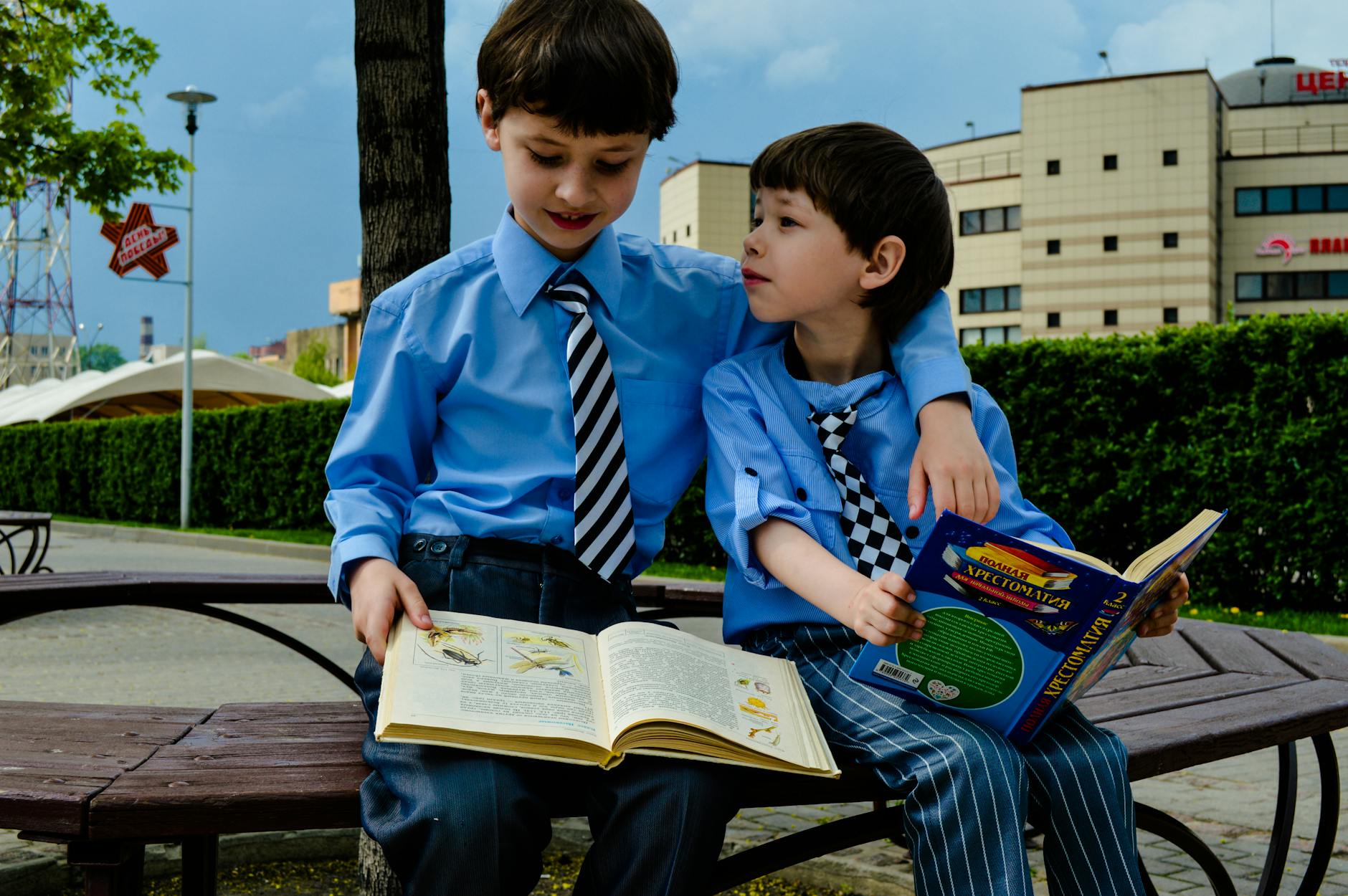
Garments woven with metallic thread throughout the fabric are particularly vulnerable to machine washing because the metal fiber is brittle and inflexible. Agitation causes the metallic threads to snap, creating pulls across the surface of the fabric that cannot be mended invisibly. The broken threads also pose a risk of snagging other items sharing the wash load. Dry cleaning is consistently recommended by manufacturers for anything incorporating metallic woven detailing.
Down Pillows
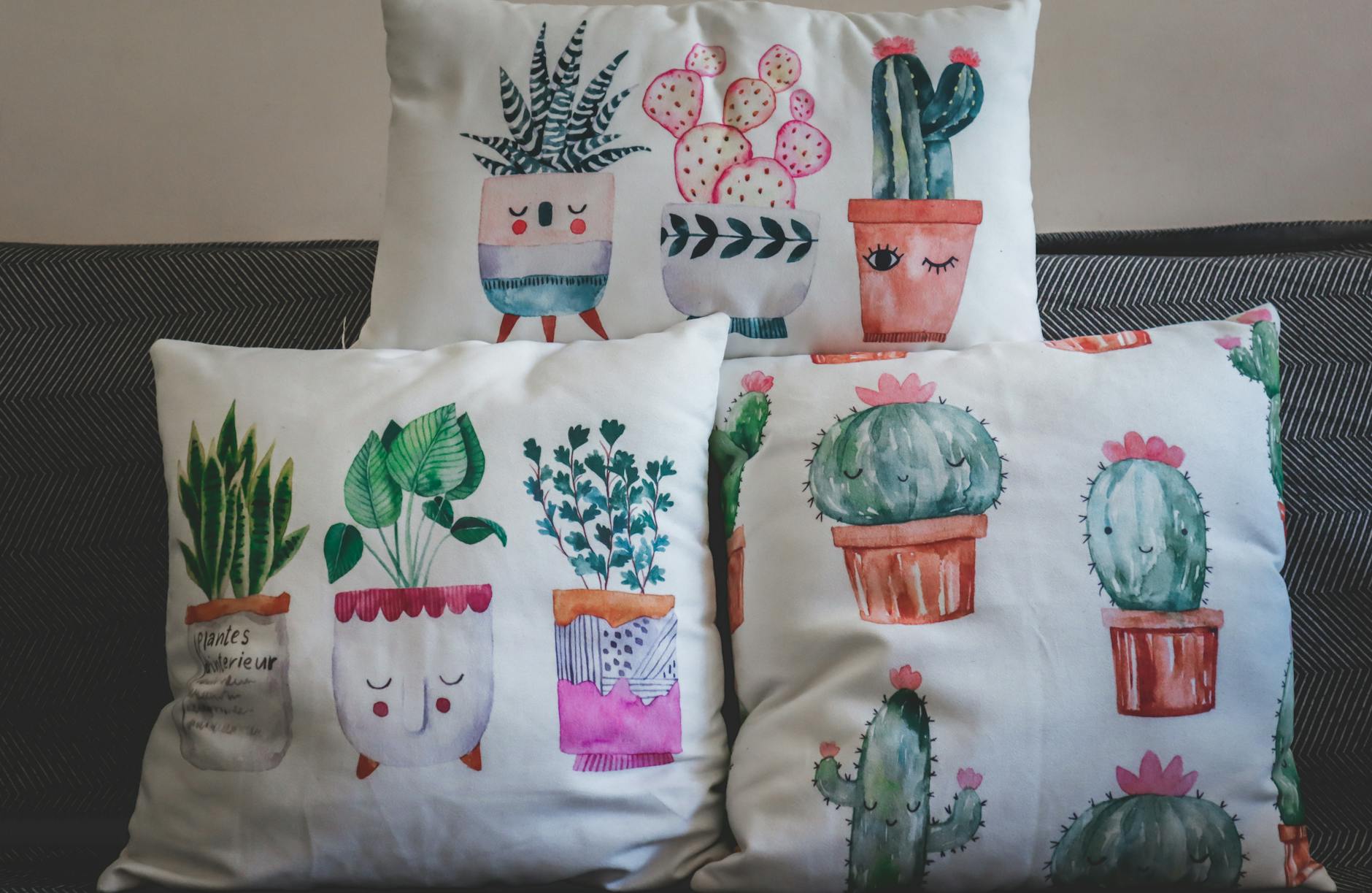
While some down products are technically washable, standard home machines often lack the drum capacity and balance to handle them safely. Improper washing causes the down filling to clump unevenly, reducing insulation and comfort permanently if it is not dried correctly. The process requires a large-capacity commercial machine with specific low-heat drying cycles to restore the loft. Taking these items to a professional laundry service ensures the filling is preserved and hygienically cleaned.
Suede
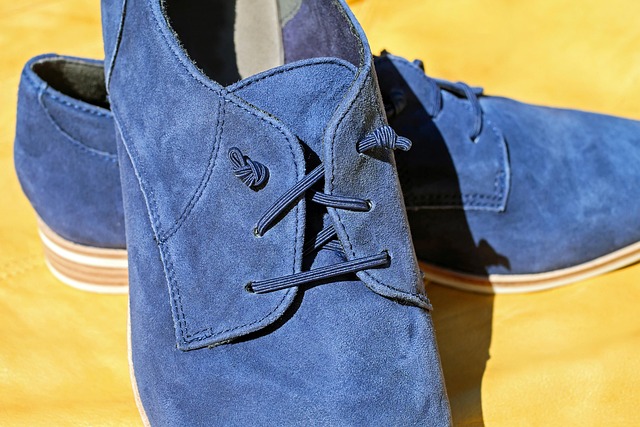
Suede is a buffed leather surface that reacts to moisture by stiffening, darkening, and losing its characteristic soft nap. Water causes the fibers on the suede surface to mat together and dry in an uneven texture that cannot be restored to its original state. Machine agitation makes this damage far more severe and widespread than accidental rain exposure. A suede brush for regular maintenance and a specialist suede cleaner for stains are the only appropriate care tools for this material.
Woven Straw Bags
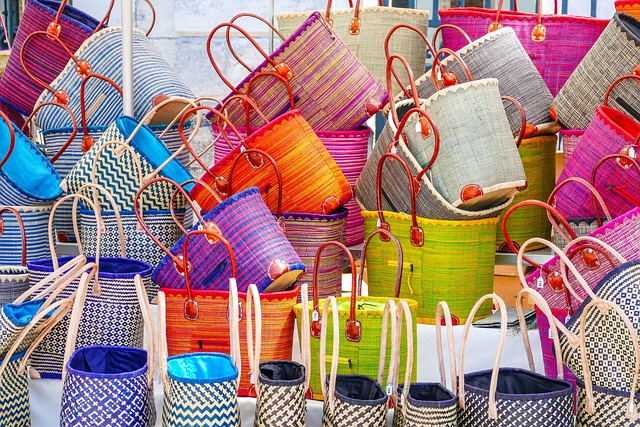
Woven straw bags are a summer wardrobe staple that will warp, unravel, and break apart entirely if placed in a washing machine. The moisture causes the straw or grass fibers to swell and then contract unevenly as they dry, distorting the shape of the bag. Metal rivets or clasps included in the design will rust and stain the surrounding material. A dry wipe down with a clean cloth after use is all that is required to keep these bags looking fresh.
Rubber-Backed Mats
Bath mats and kitchen mats with a rubber or latex backing are damaged by the heat of both washing and drying cycles in a standard machine. The rubber layer cracks, crumbles, and breaks apart, leaving fragments throughout the machine drum and filter. Repeated machine washing causes the backing to separate from the fabric layer entirely, making the mat both useless and potentially slippery. Hand washing in cool water and air drying flat on a clean surface maintains the integrity of the rubber backing far longer.
Tailored Coats
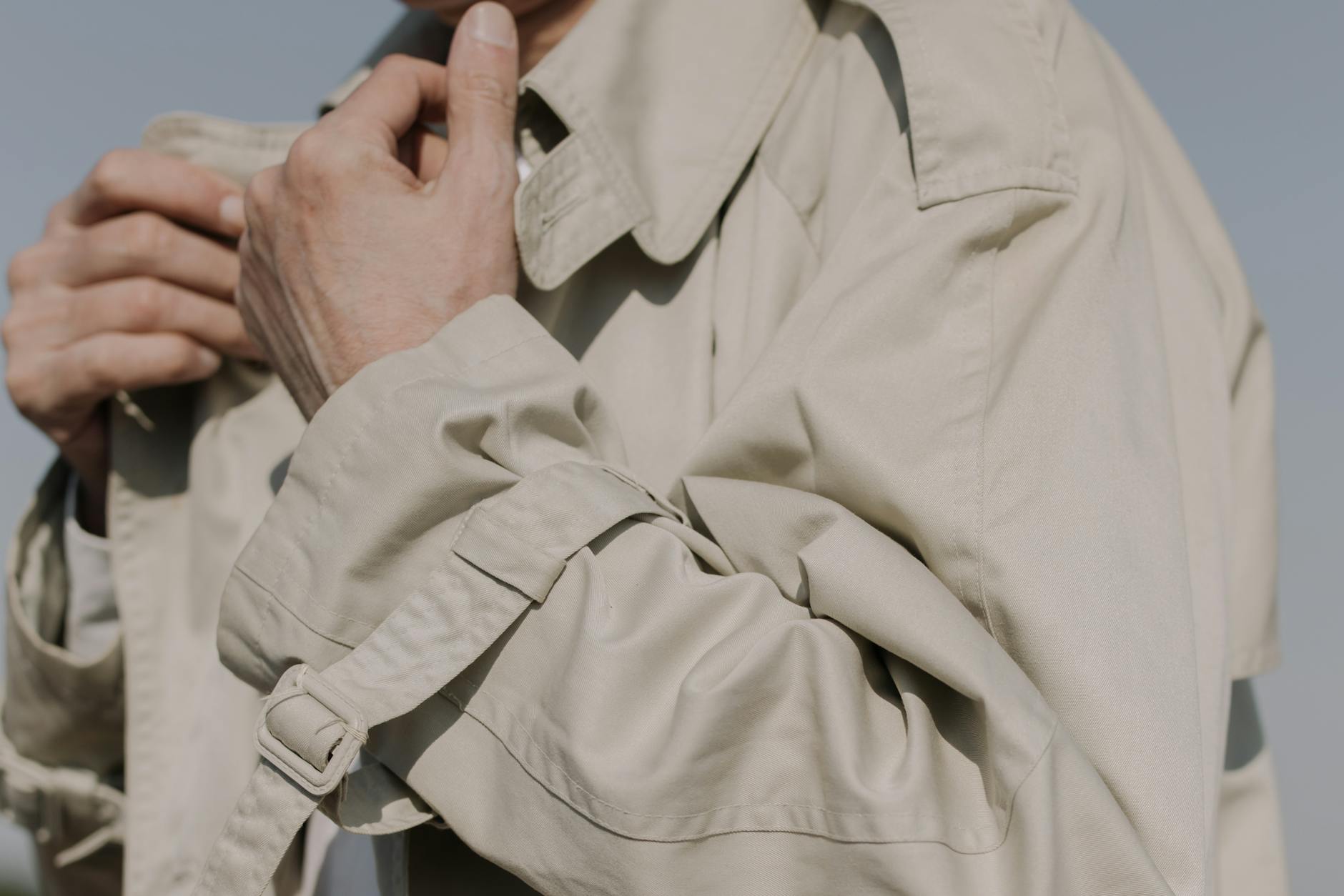
Structured overcoats and tailored wool coats contain interlining and canvas that are shaped through a combination of pressing, stitching, and dry heat during manufacturing. Water causes these internal layers to shrink or warp at different rates, permanently distorting the outer shape of the coat. The shoulder structure and lapel roll in a tailored coat are particularly vulnerable to this kind of irreversible damage. Dry cleaning at intervals and steaming between cleans is the professional recommendation for maintaining structured outerwear.
Vintage or Antique Textiles
Older fabrics that have aged for decades develop fragility in their fibers that makes machine washing genuinely destructive rather than simply risky. The dyes used in vintage textiles are rarely colorfast and will bleed, fade, or shift dramatically when exposed to water and detergent. Thread counts in antique linens and clothing are often very fine and weakened by age, meaning agitation causes immediate tearing. Conservation-grade hand washing techniques or professional textile restoration services are the appropriate options for any fabric with age or sentimental value.
If you have a surprising item that survived the wash or one that didn’t, share your experience in the comments.




