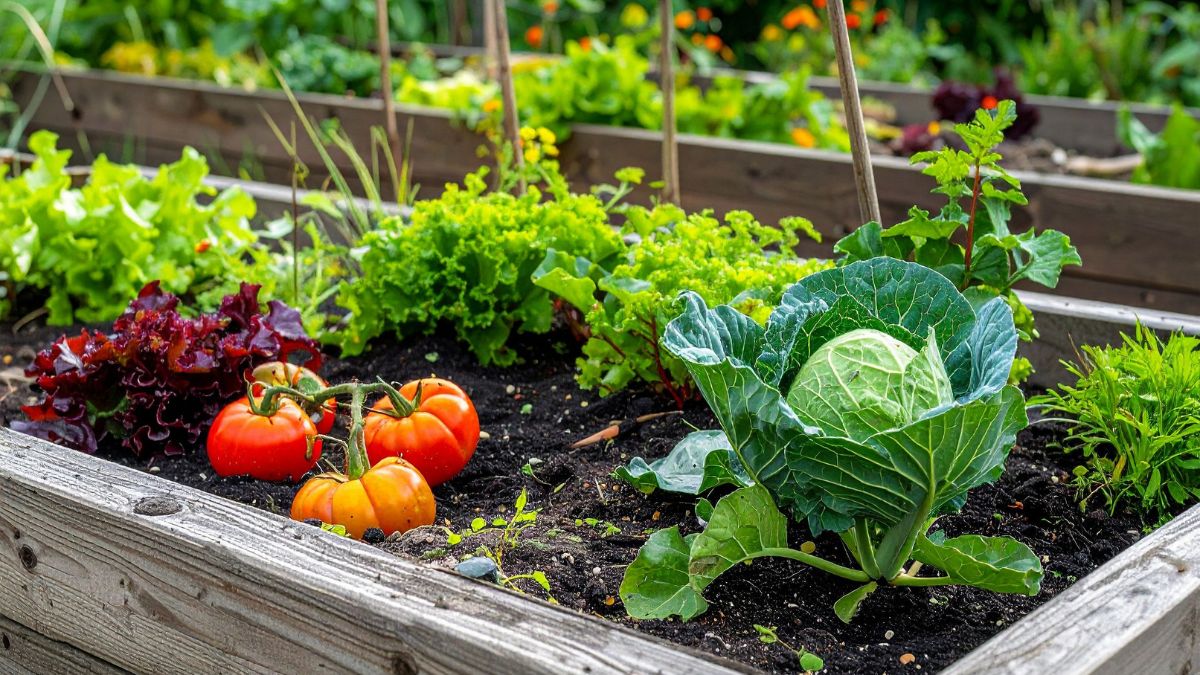
A thriving vegetable garden depends just as much on what surrounds it as on what grows within it. Certain plants release chemicals, attract pests, or compete aggressively for resources in ways that quietly sabotage even the most carefully tended plots. Understanding these troublesome neighbours is one of the most practical steps any gardener can take toward a more productive and resilient harvest. The following plants are ranked from the least to the most damaging companions for a typical vegetable garden.
Mint
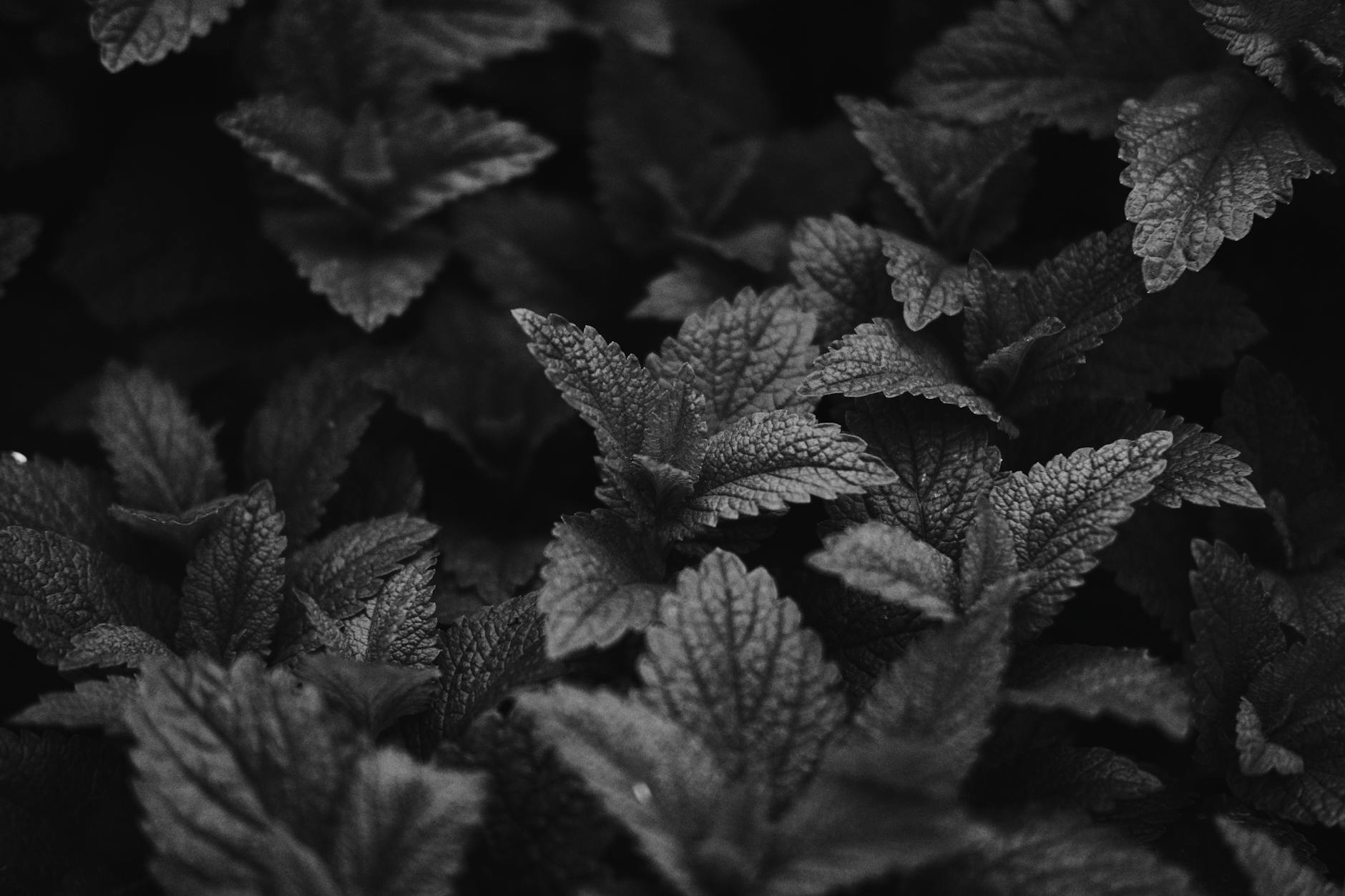
Mint spreads through underground runners with remarkable aggression, quickly invading the root zones of nearby vegetables. Its dense growth can crowd out slower-growing crops and monopolise soil moisture. While it does repel some insects, the competitive damage it causes far outweighs any minor pest-deterrent benefit. Planting mint in buried containers is the only reliable way to keep it from overtaking a vegetable bed.
Fennel
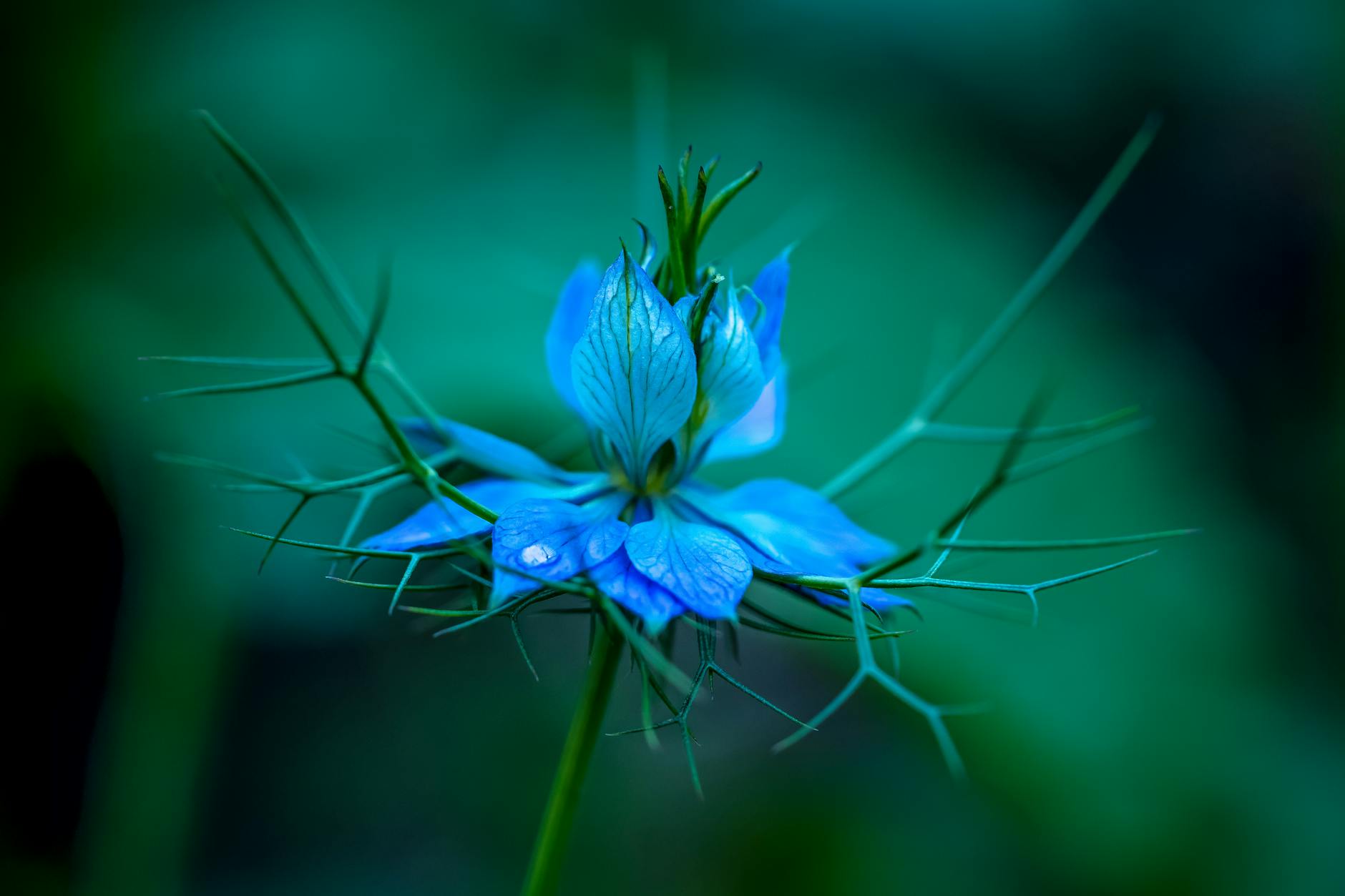
Fennel releases allelopathic compounds through its roots and foliage that inhibit the germination and growth of most vegetable crops. Tomatoes, peppers, and beans are particularly sensitive to its chemical influence. It also attracts aphids, which can then migrate freely into adjacent vegetable rows. Fennel performs best when grown in complete isolation from the main food garden.
Sunflowers
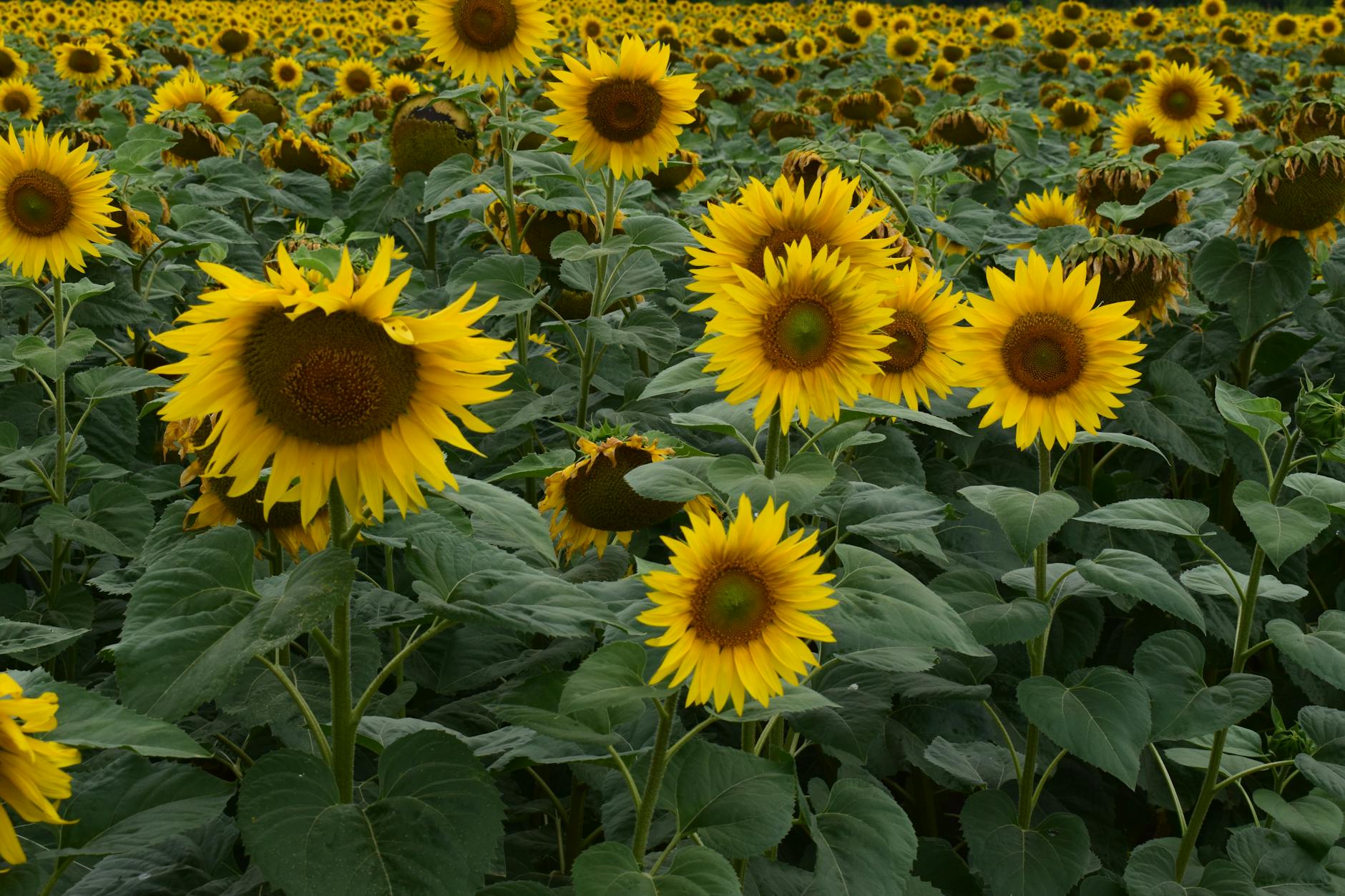
Sunflowers produce allelopathic chemicals from their roots and decomposing plant material that can stunt the growth of nearby vegetables. They cast dense shade over a wide area due to their towering height. Cucumbers and potatoes are especially vulnerable when planted within close proximity. Their heavy water and nutrient demands also create direct competition with productive food crops.
Brassicas
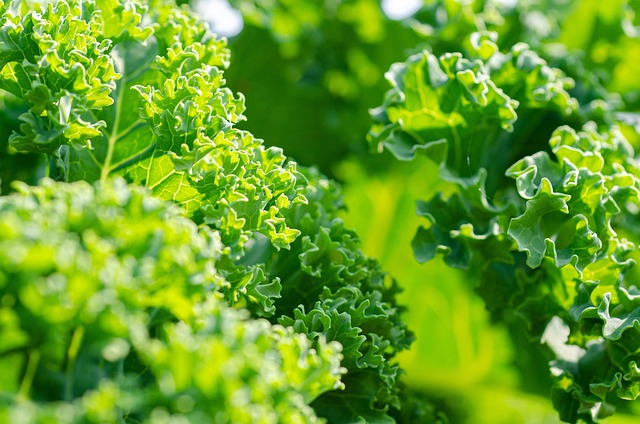
Brassicas such as broccoli and cabbage release compounds during decomposition that can suppress the germination of nearby seeds. They attract a wide range of shared pests including cabbage white butterflies and aphids that readily spread to other vegetables. Planting them alongside climbing beans or tomatoes is widely documented to reduce yields in both crops. They are best grouped within a dedicated brassica bed rotated on an annual cycle.
Corn
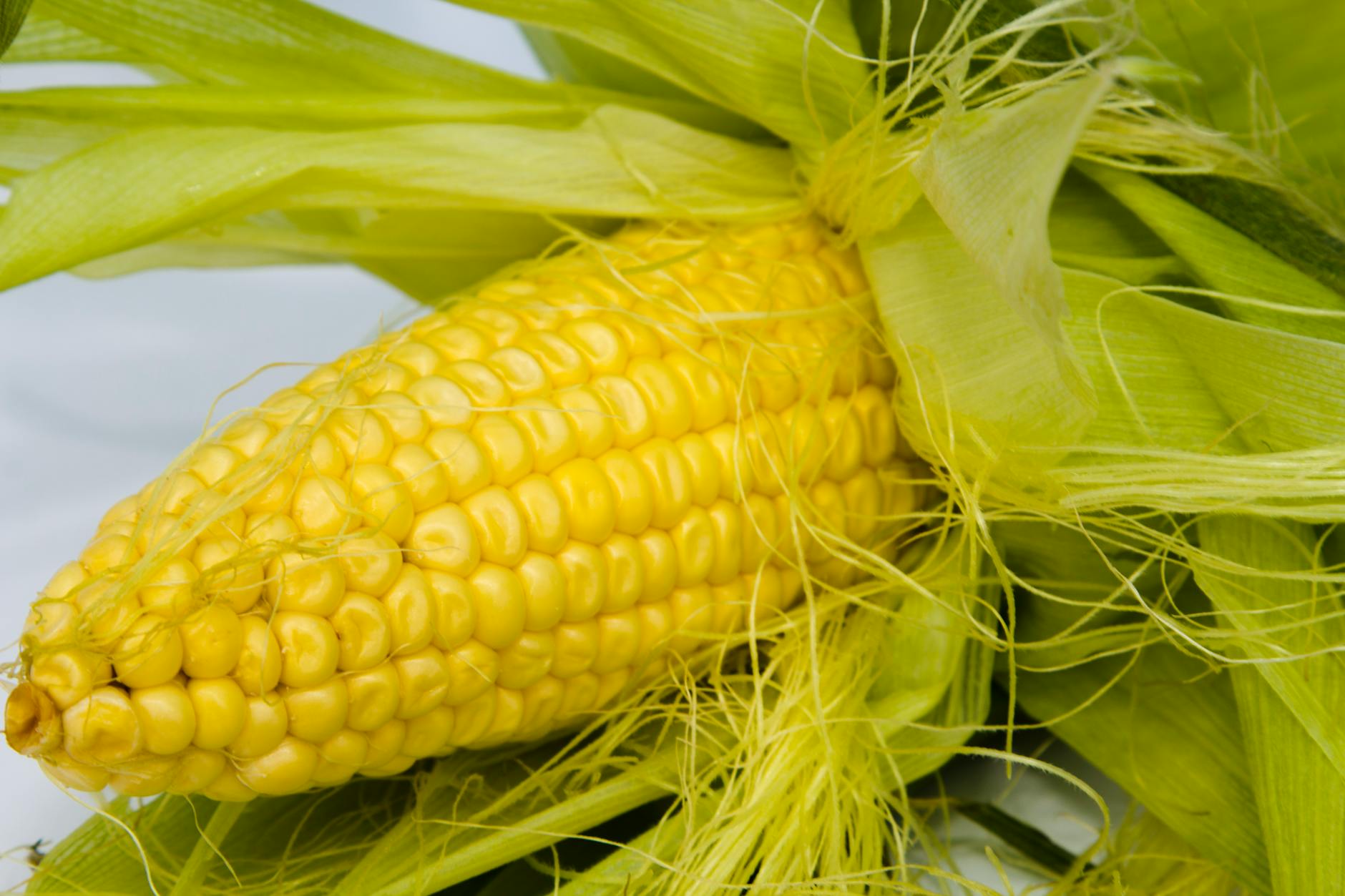
Corn requires enormous quantities of nitrogen and draws heavily on soil nutrients that neighbouring vegetables depend on. Its height creates significant shade patterns that reduce sunlight access for low-growing crops like lettuce and root vegetables. Corn also attracts earworms and other larvae that migrate into surrounding beds with ease. Its large root system physically displaces and competes with the roots of nearby plants.
Allelopathic Trees
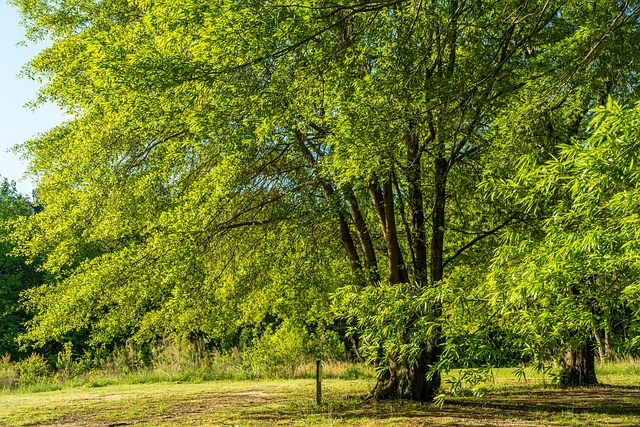
Trees such as black walnut and tree of heaven release powerful growth-inhibiting compounds that penetrate deep into surrounding soil. Black walnut specifically produces juglone, a chemical toxic to tomatoes, peppers, and many other common vegetables. These compounds persist in the soil long after the tree itself has been removed. A minimum distance of 15 to 18 metres is typically recommended between a black walnut tree and any vegetable planting.
Wormwood
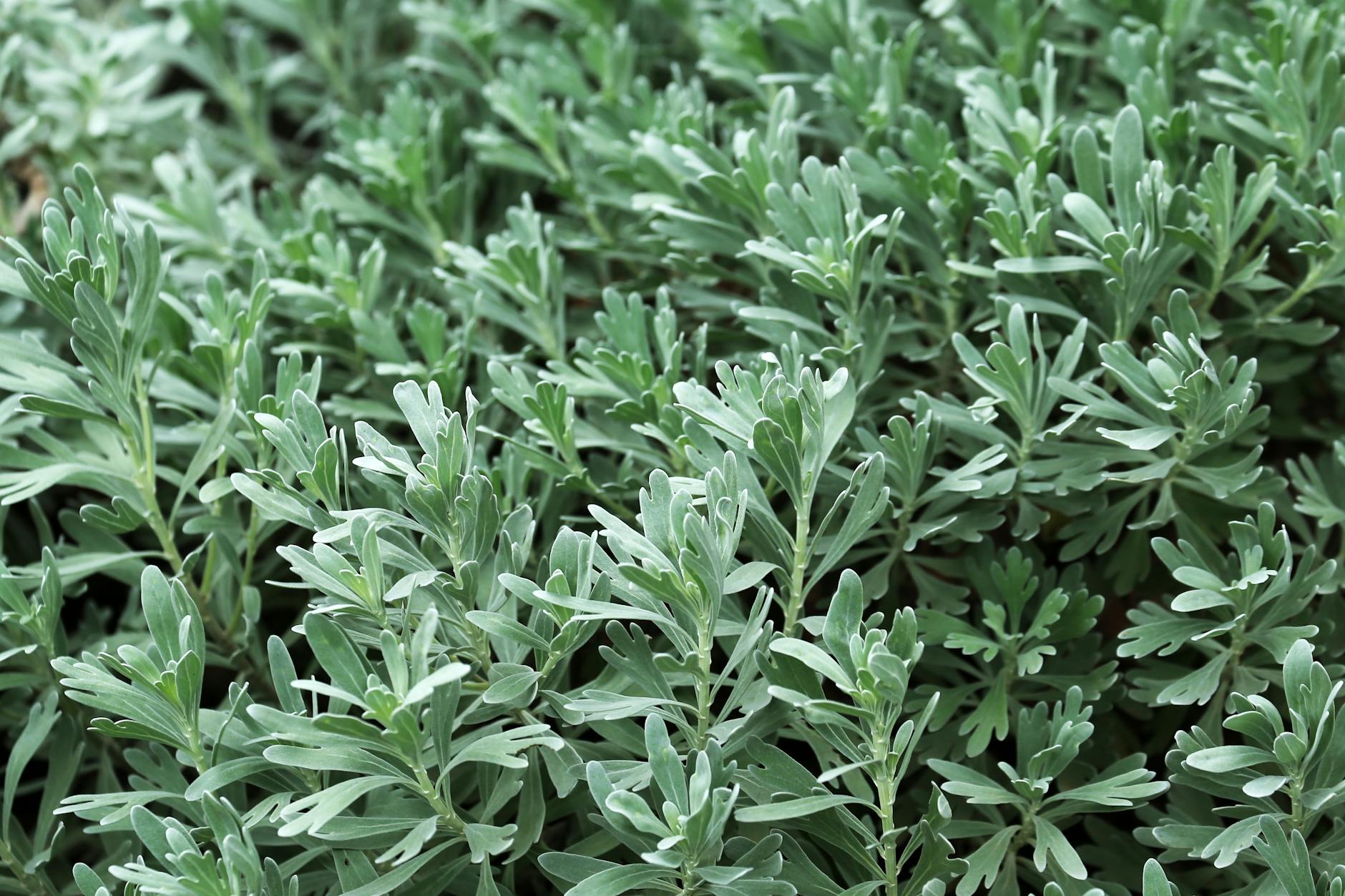
Wormwood contains absinthin and other potent compounds that leach into the soil and suppress the growth of vegetables and herbs alike. Its allelopathic effect is broad-spectrum, affecting a wide variety of food crops rather than just a select few. Even dried wormwood material incorporated into soil can have lasting negative effects on plant establishment. It is best confined to ornamental areas with no soil connectivity to the kitchen garden.
Eucalyptus
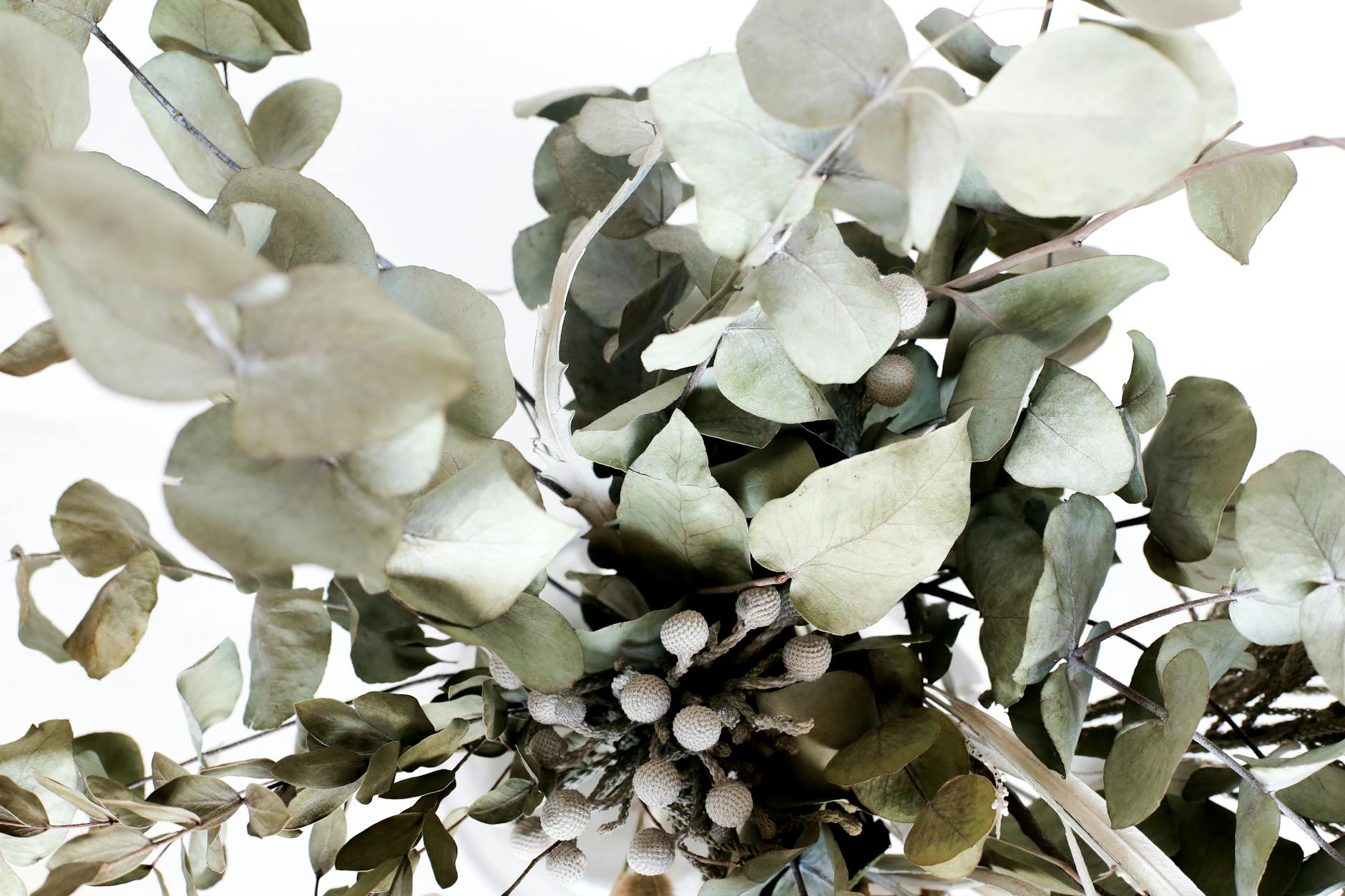
Eucalyptus trees release oils from their leaves and roots that are highly toxic to a wide range of vegetable crops. Their fallen leaves acidify and chemically alter the surrounding soil as they decompose, creating hostile growing conditions. They also extract extraordinary quantities of water from the ground, depleting moisture reserves that vegetables rely on. The allelopathic radius of a mature eucalyptus tree can extend well beyond what most gardeners anticipate.
Rye Grass

Perennial rye grass is one of the most aggressively competitive grasses that can border or invade a vegetable garden. Its extensive fibrous root system forms a dense mat that physically excludes vegetable roots from accessing nutrients and moisture. It releases compounds that inhibit the germination of seeds sown nearby, directly affecting crop establishment. Regular physical barriers sunk at least 20 centimetres into the ground are necessary to prevent its encroachment.
Ornamental Kale
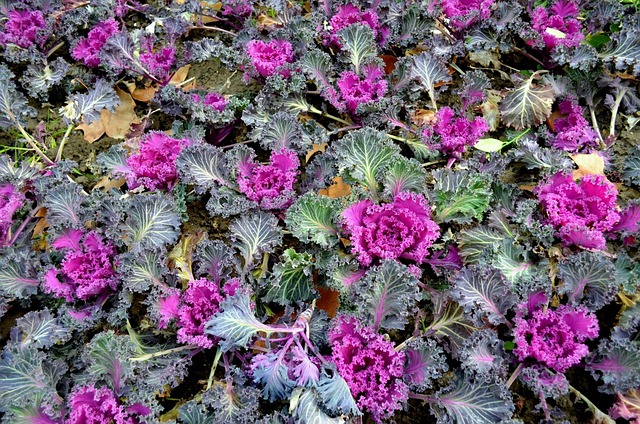
Ornamental kale harbours the same fungal diseases and insect pests as edible brassica crops without providing any food value in return. It serves as a year-round host for cabbage loopers, whitefly, and club root fungus that then spread into the vegetable patch. Gardeners often overlook it as a threat because it is categorised as decorative rather than edible. Its placement near the vegetable garden creates a persistent reservoir of brassica-specific problems throughout multiple growing seasons.
Potatoes (Ornamental)
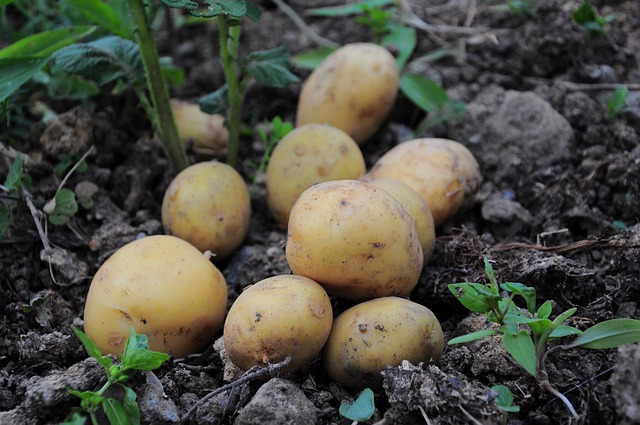
Ornamental potato vines are closely related to edible cultivars and share the full range of potato and tomato diseases including late blight and verticillium wilt. They attract Colorado potato beetles that move freely into vegetable beds and devastate edible crops. The presence of ornamental solanums near a food garden significantly increases the likelihood of disease carryover from one season to the next. Keeping all members of the Solanaceae family separated is a foundational principle of effective crop disease management.
Goldenrod
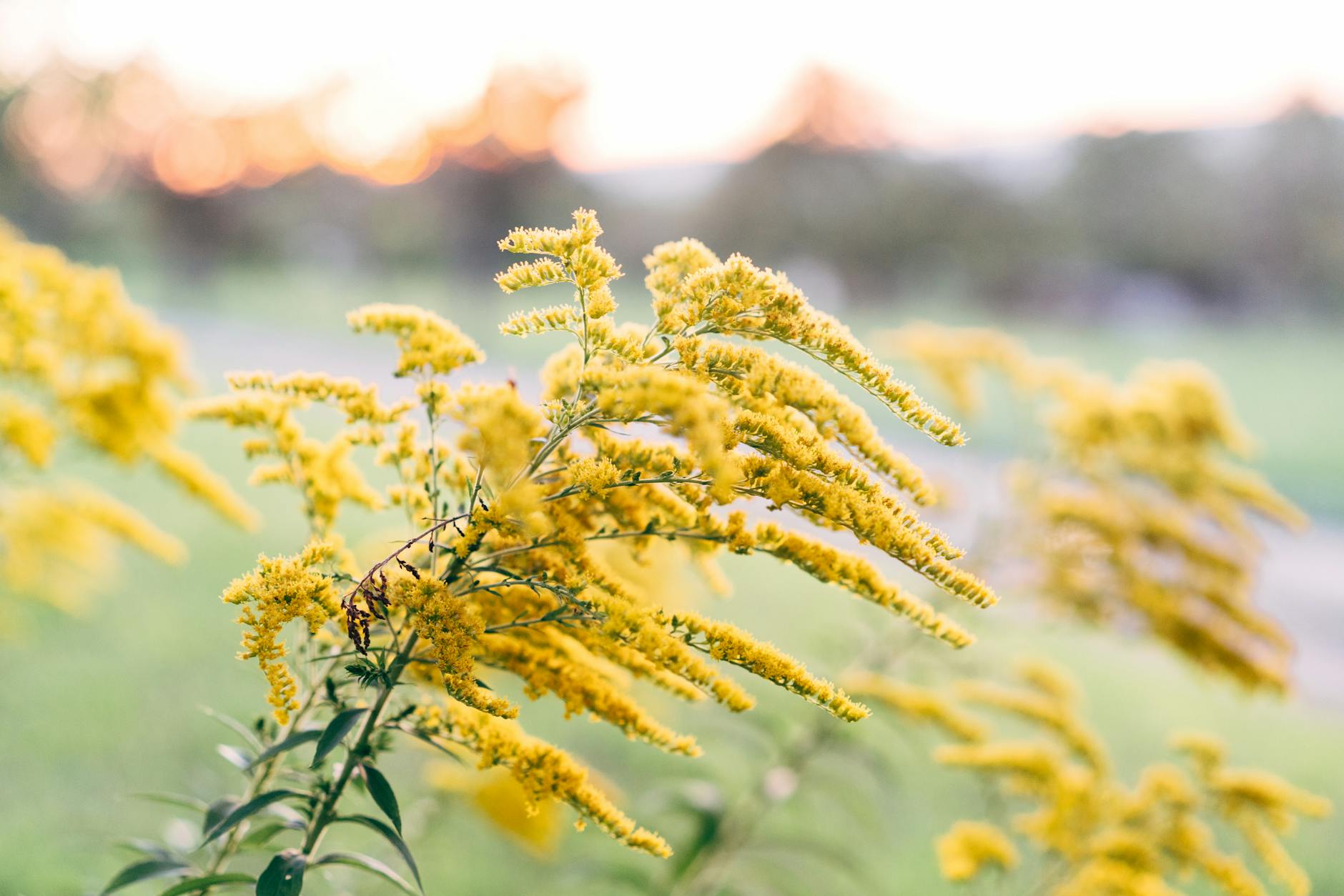
Goldenrod attracts enormous populations of aphids and leafhoppers that use it as a launching point for colonising neighbouring vegetable crops. It spreads rapidly through both seed dispersal and underground rhizomes, making it difficult to contain once established near a garden edge. Its competitive root system depletes soil nutrients and moisture in a wide radius around established plants. Although it attracts some beneficial insects, the pest pressure it introduces generally outweighs this advantage for food gardens.
Morning Glory
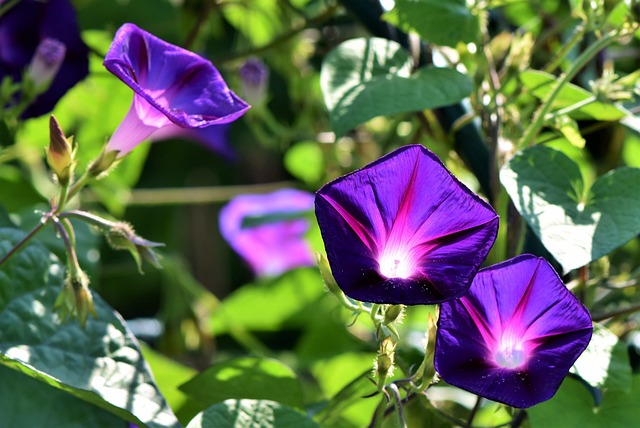
Morning glory is a vigorous climbing vine that physically overwhelms vegetable plants by coiling around their stems and blocking sunlight. It germinates and spreads rapidly, producing thousands of seeds that remain viable in soil for years. Its root system competes strongly for water and nutrients in warm growing conditions. Once established near a vegetable garden it requires persistent and dedicated removal efforts to bring under control.
Chrysanthemums
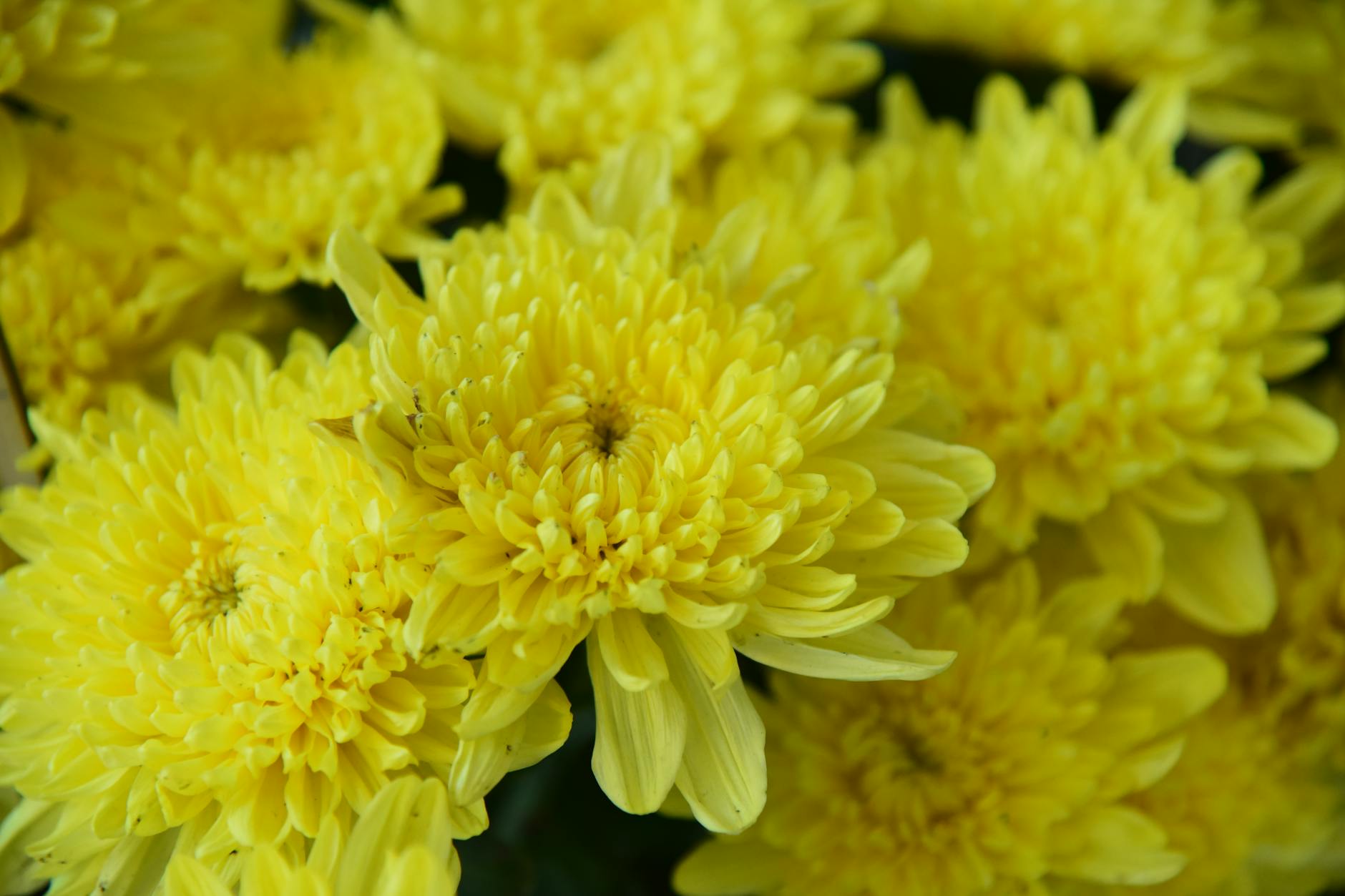
Certain chrysanthemum species release pyrethrin compounds and root exudates that can negatively affect the soil biology surrounding vegetable crops. They attract spider mites in large numbers during dry seasons, which then migrate readily into adjacent beds. Nematode populations in the soil can shift unfavourably in the presence of some chrysanthemum varieties. Placing them at a considerable distance from the vegetable garden eliminates these risks while still allowing their ornamental value to be enjoyed.
Ivy
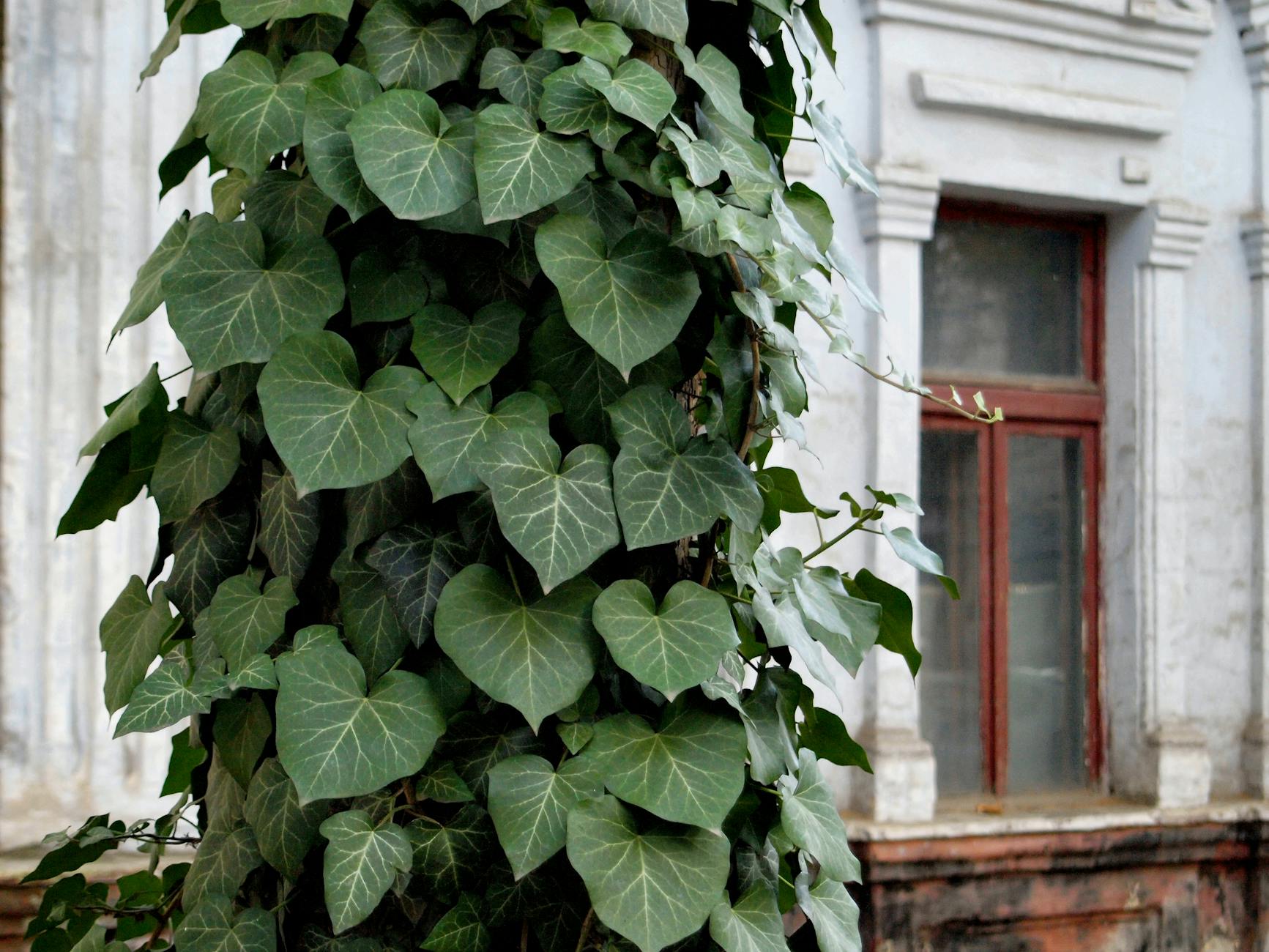
Ivy creates dense ground-level cover that harbours slugs, snails, and fungal pathogens in large numbers directly adjacent to food crops. Its roots spread laterally and aggressively, competing with vegetable plants for water and soil nutrients along garden borders. Ivy also hosts whitefly colonies that overwinter in its foliage and emerge in spring to infest nearby edible plants. Its removal from areas bordering the vegetable garden is consistently recommended by horticultural authorities.
Boxwood
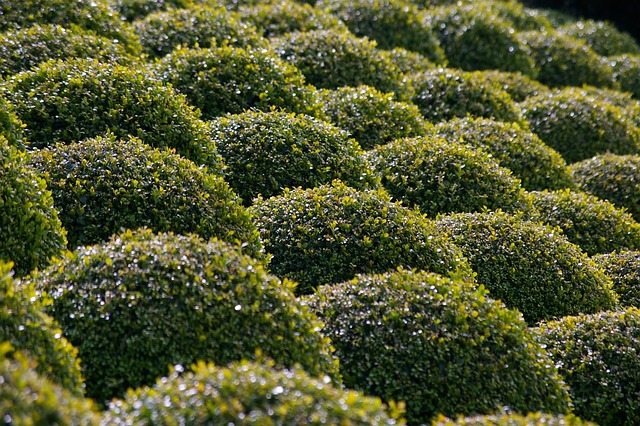
Boxwood is highly susceptible to boxwood blight, a fungal disease caused by Calonectria pseudonaviculata that produces spores spread easily by wind and water splash. These spores can settle on vegetable crops and complicate their disease management. Boxwood also hosts nematode species that can transfer into adjacent soil and damage the root systems of food plants. Infected boxwood planted as a border hedge poses a persistent and underappreciated disease risk to a nearby vegetable garden.
Sorghum
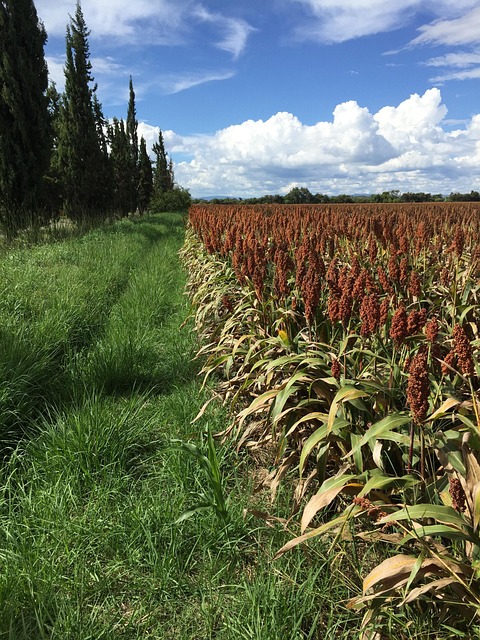
Sorghum releases a compound called sorgoleone from its root system that is among the most potent natural herbicides found in cultivated plants. It suppresses the germination and early root development of a wide variety of vegetable species. Even decomposed sorghum residue can retain inhibitory properties in the soil for a considerable period. Using sorghum as a cover crop immediately adjacent to active vegetable beds is considered poor horticultural practice for this reason.
Allelopathic Herbs
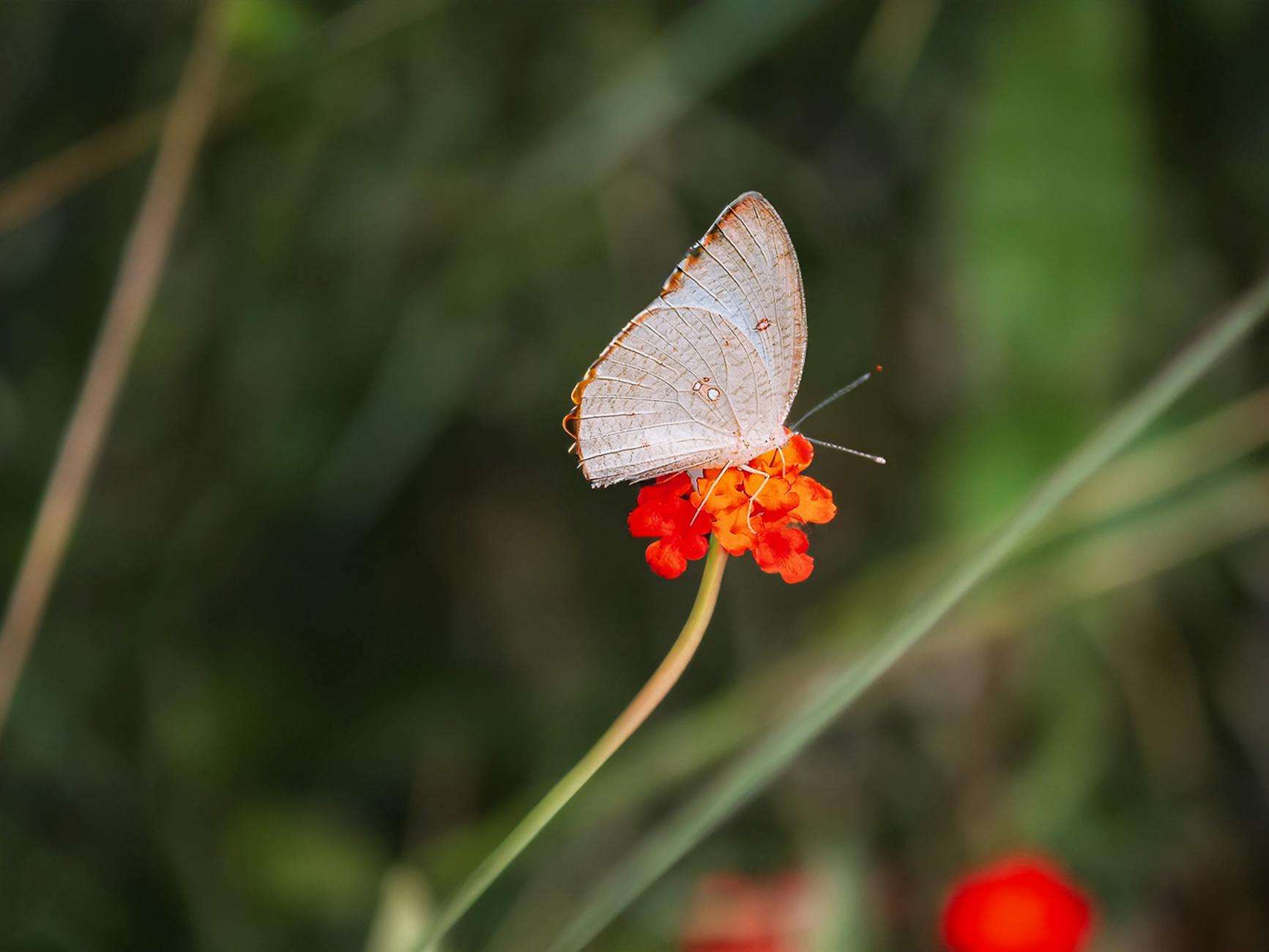
Strongly allelopathic herbs including sage and oregano when allowed to grow densely can release compounds that inhibit the growth of neighbouring vegetables. Sage in particular is documented to suppress the development of cucumbers and onions when planted in close proximity over extended periods. These herbs are best grown in raised containers or in a separate herb garden positioned away from the main vegetable rows. Understanding the allelopathic potential of common kitchen herbs prevents many avoidable yield losses.
Black Walnut
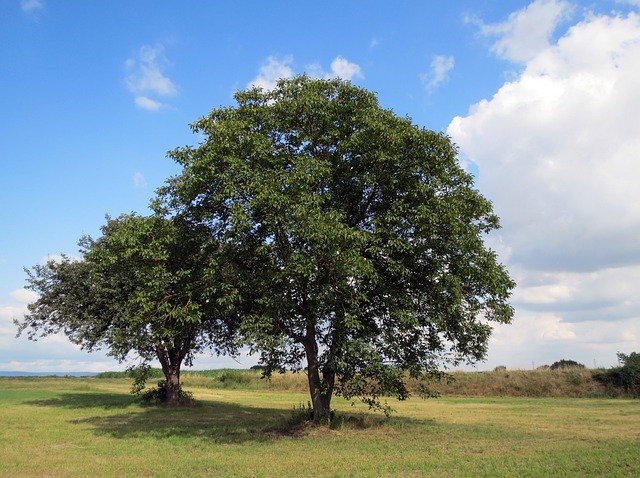
Black walnut stands apart as the single most damaging plant a gardener can allow near a vegetable garden. It produces juglone continuously through its roots, leaves, and nut husks in concentrations high enough to kill tomatoes, peppers, and many other food crops within its reach. The affected zone can extend as far as 25 metres from the trunk of a mature tree. Juglone also persists in the soil for years after the tree is cut down, meaning its negative effects outlast its physical presence entirely.
Share your own experiences with troublesome garden neighbours in the comments.




