Creating an optimal sleep environment involves more than just a comfortable mattress and soft sheets. Many common household objects introduce subtle stressors or physical discomforts that disrupt the restorative process. Removing these items helps transform the bedroom into a sanctuary dedicated exclusively to rest and relaxation. A clean and minimalist space reduces visual clutter which lowers anxiety levels before bedtime. This guide explores the various items that might be hindering a good night of sleep.
Smartphones
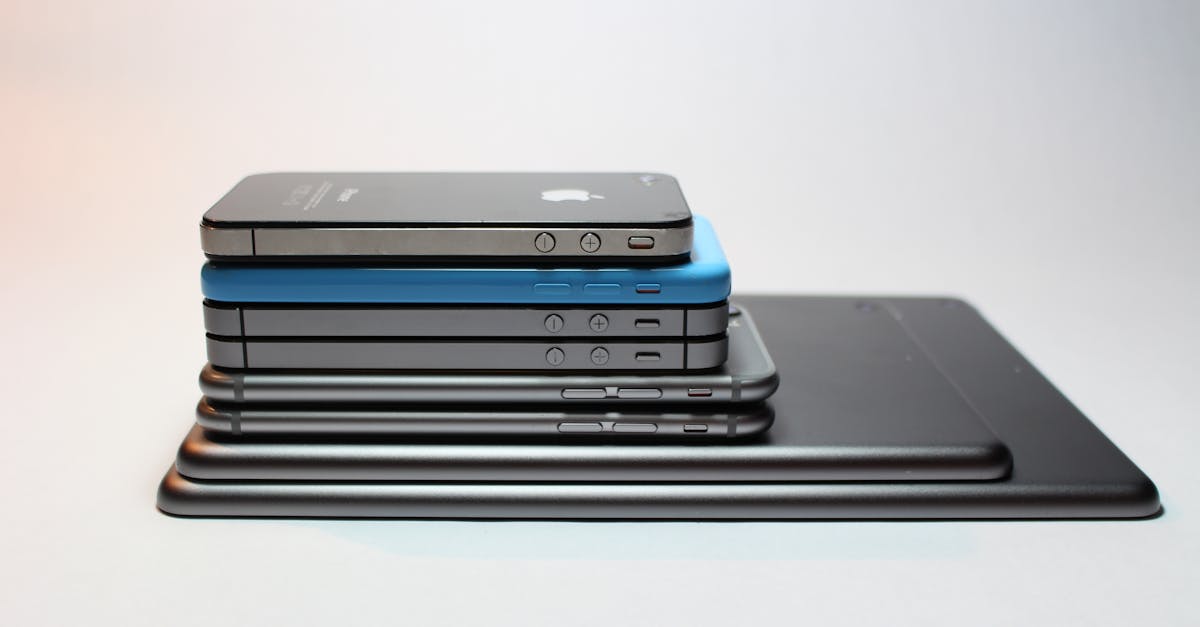
Smartphones emit blue light that suppresses melatonin and makes falling asleep more difficult. The constant ping of notifications keeps the brain in a state of hyperarousal during the night. Leaving the phone in another room reduces the urge to engage with digital content while resting. This change supports a more natural sleep wake cycle for the average adult. A tech free environment fosters deeper and more restorative rest periods.
Televisions

A television in the bedroom often leads to late night viewing habits that cut into valuable rest time. The bright screen and loud audio act as stimulants that prevent the brain from winding down properly. Removing the TV reinforces the idea that the bedroom is only for sleep. This boundary helps the mind associate the room with relaxation rather than entertainment. Better sleep quality is often linked to a darker and quieter sleeping area.
Work Laptops

Bringing a laptop into the bedroom blurs the lines between professional responsibilities and personal rest. The presence of work related items can trigger stress and anxiety about upcoming deadlines. Looking at a screen before bed disrupts the natural production of sleep hormones. Keeping the workspace separate from the sleeping space promotes a healthier mental state. A dedicated sleep sanctuary should be free from the pressures of the office.
Bright Alarm Clocks

Digital alarm clocks with bright glowing numbers can disrupt the darkness required for deep sleep. Watching the minutes tick by during the night often increases anxiety for those struggling with insomnia. Turning the clock face away or using a dim version helps maintain a peaceful environment. Total darkness is essential for the body to move through all stages of the sleep cycle. Swapping a bright display for a dim or lightless option improves overnight rest.
Exercise Equipment

Treadmills or stationary bikes in the bedroom serve as visual reminders of physical exertion and unfinished tasks. Large pieces of equipment take up valuable floor space and contribute to a feeling of clutter. The bedroom should remain a place of stillness rather than a secondary home gym. Moving these items to a different room helps maintain a clear mental boundary between activity and rest. A more open and airy room encourages a sense of calm before bed.
Laundry Piles

Large stacks of dirty or clean laundry create visual chaos that can weigh on the mind. Seeing chores that need to be finished makes it difficult for the brain to switch into a relaxed mode. Storing laundry in a closet or a separate utility room keeps the sleeping area tidy. A clean environment is proven to lower cortisol levels and improve the ability to fall asleep. Maintaining a clutter free floor plan is a key step in optimizing sleep hygiene.
Office Desks
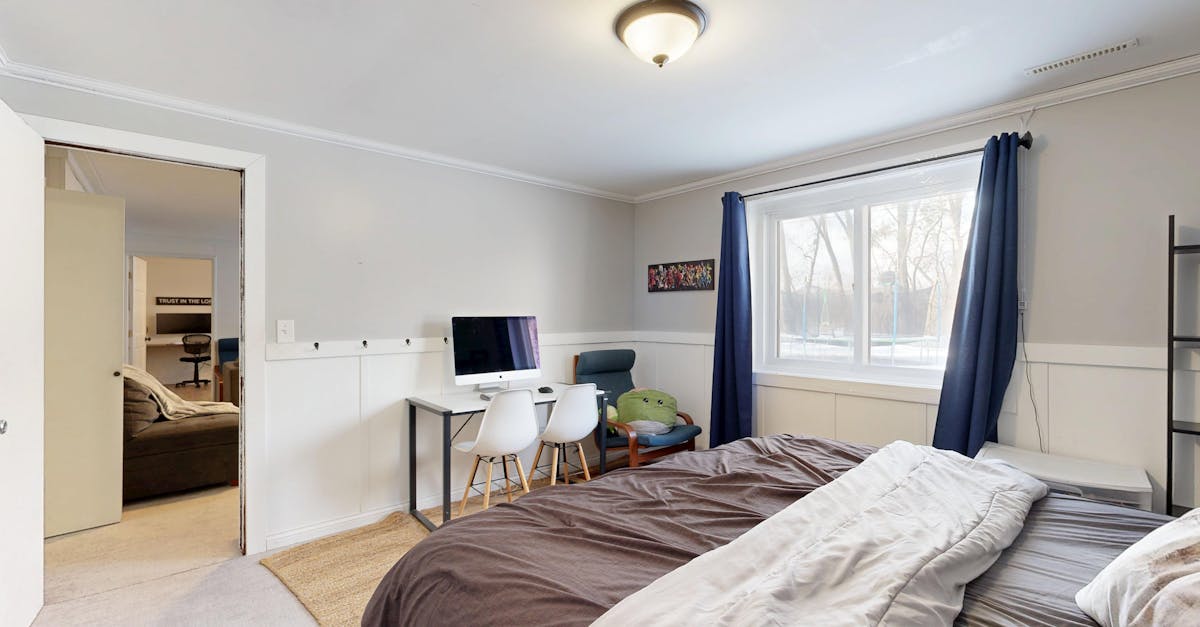
Placing a desk in the corner of a bedroom invites work stress into a space meant for recovery. The sight of computers and files can keep the mind focused on tasks instead of winding down. Creating a physical separation between work and sleep is vital for mental health. If space is limited then using a screen to hide the desk can help during the night. Removing the desk entirely is the best way to ensure the room remains a sanctuary.
Pet Beds

While many people enjoy sleeping near their pets the movement and noise can cause frequent disruptions. Animals often have different sleep patterns and may wake up several times during the night. Dander and fur trapped in the bedroom can also affect air quality and cause respiratory issues. Moving the pet bed to a living room or hallway helps maintain a cleaner sleeping environment. This change allows both the owner and the pet to enjoy uninterrupted rest.
Old Pillows

Over time pillows lose their structural integrity and fail to provide necessary neck support. An old pillow can harbor dust mites and allergens that cause nighttime congestion. Replacing pillows every one to two years ensures proper spinal alignment and better breathability. A fresh pillow improves physical comfort and reduces the likelihood of waking up with aches. Investing in high quality pillows is a simple way to upgrade the sleep experience.
Heavy Bookshelves
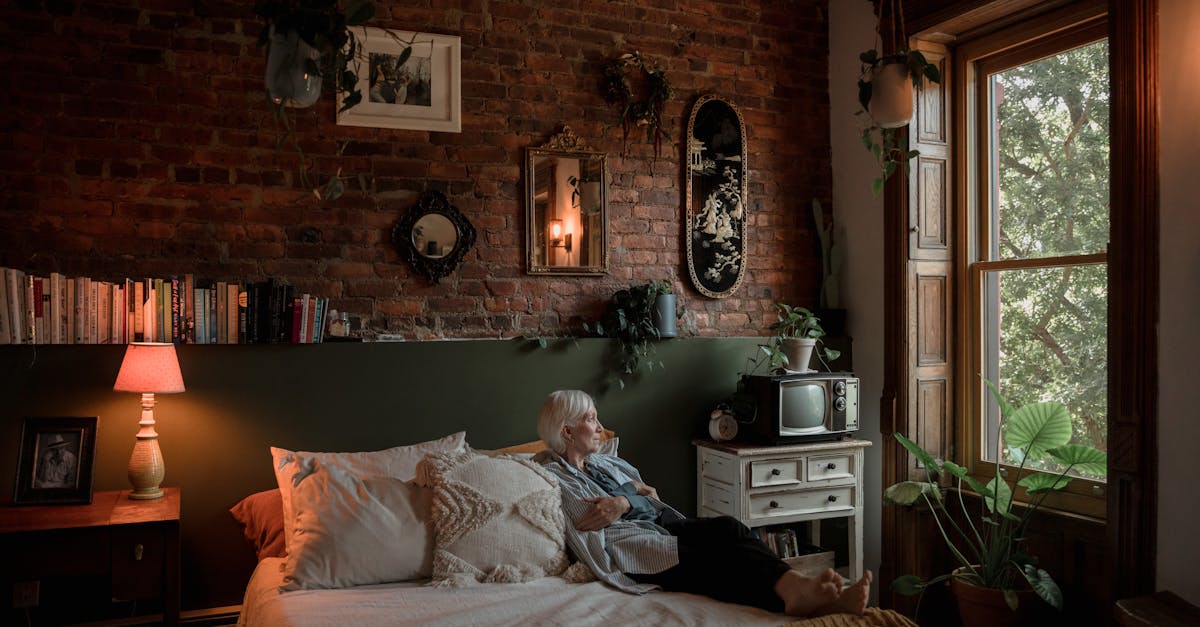
Large bookshelves filled with volumes can collect significant amounts of dust and allergens. The visual weight of a tall bookshelf can also make a small bedroom feel cramped and busy. Selecting only a few books to keep on a nightstand is a more minimalist approach. Removing large furniture items creates a sense of openness and tranquility in the room. A less crowded space allows for better airflow and a more peaceful atmosphere.
Scented Candles

Many scented candles release chemicals or strong fragrances that can irritate the respiratory system. Burning a candle right before bed can also create a safety hazard if it is not properly extinguished. Strong artificial scents may overstimulate the senses instead of promoting relaxation. Opting for natural air purification or a quiet humidifier is a safer alternative. A scent free room often provides a more neutral and calming environment for rest.
Large Mirrors

Mirrors reflect light around the room and can create distracting shadows during the night. Some people find that seeing their own reflection or movement in a mirror causes a startle response. In many design philosophies mirrors are thought to bounce energy around the room and disrupt peacefulness. Placing mirrors inside closet doors or in the bathroom keeps the bedroom more serene. A room with fewer reflective surfaces tends to feel more grounded and stable.
Space Heaters

Leaving a space heater on overnight can lead to an uncomfortably warm sleeping environment. The body naturally needs to drop in temperature to enter the deepest stages of sleep. Heaters also dry out the air which can lead to dry skin and irritated nasal passages. Using proper bedding or a programmable thermostat is a more effective way to manage temperature. Removing portable heaters also eliminates a common fire risk from the sleeping area.
Stored Suitcases

Storing bulky suitcases under the bed or in the corner adds to the hidden clutter of a room. Luggage often carries dust and germs from travel into the personal sleeping space. These items serve as a reminder of travel stress or the chore of packing and unpacking. Keeping the area under the bed clear allows for better energy flow and easier cleaning. Moving suitcases to a garage or hall closet creates a more streamlined bedroom.
Paper Clutter

Stacks of bills and mail or old newspapers contribute to a sense of disorganization. Paper clutter often contains information that requires action or causes mental stress. Clearing these items away helps the mind focus on the present moment of rest. A clean nightstand without loose papers promotes a more meditative state before sleep. Keeping all administrative tasks in a kitchen or office area protects the bedroom environment.
Ticking Wall Clocks
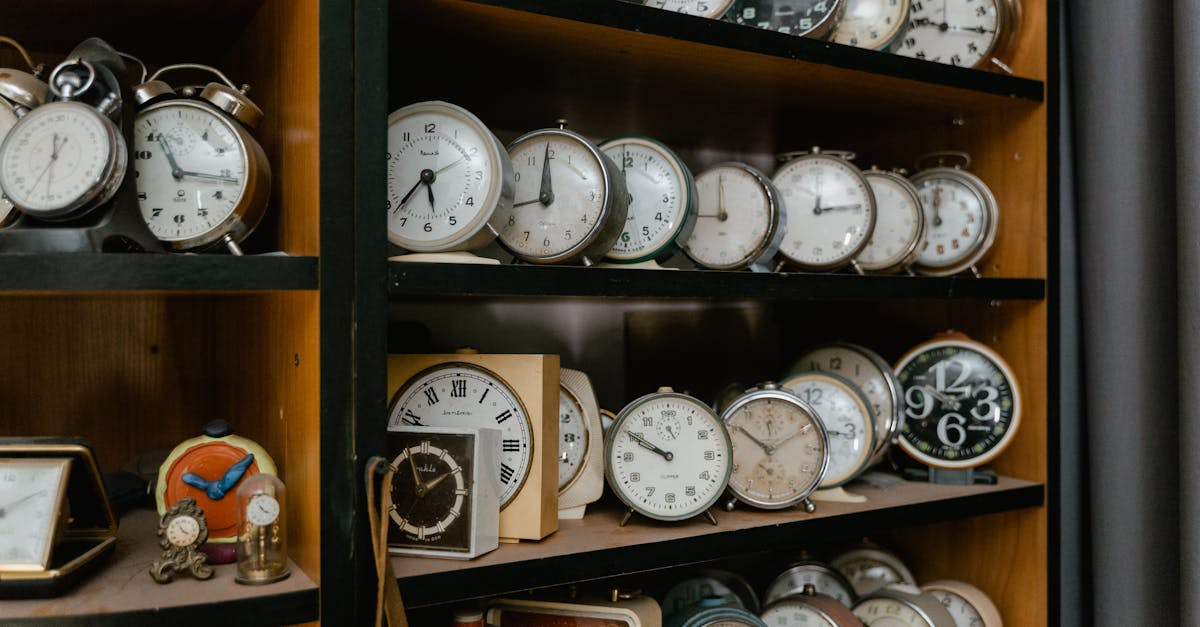
The repetitive sound of a ticking clock can become a source of irritation when trying to fall asleep. Even quiet rhythmic noises can prevent the brain from reaching a state of complete calm. Modern bedrooms benefit from silent or digital options that do not produce mechanical sounds. Removing a loud wall clock eliminates a common auditory distraction that disrupts the silence. A quiet room is essential for those who are sensitive to noise.
Food and Snacks

Eating in the bedroom can lead to crumbs and spills that attract pests or create odors. The smell of food can also be stimulating and prevent the brain from transitioning into sleep mode. Keeping the bedroom as a food free zone maintains high standards of cleanliness and hygiene. This practice also encourages more mindful eating habits in designated dining areas. A clean and fresh smelling room is much more conducive to a good night of rest.
Synthetic Sheets
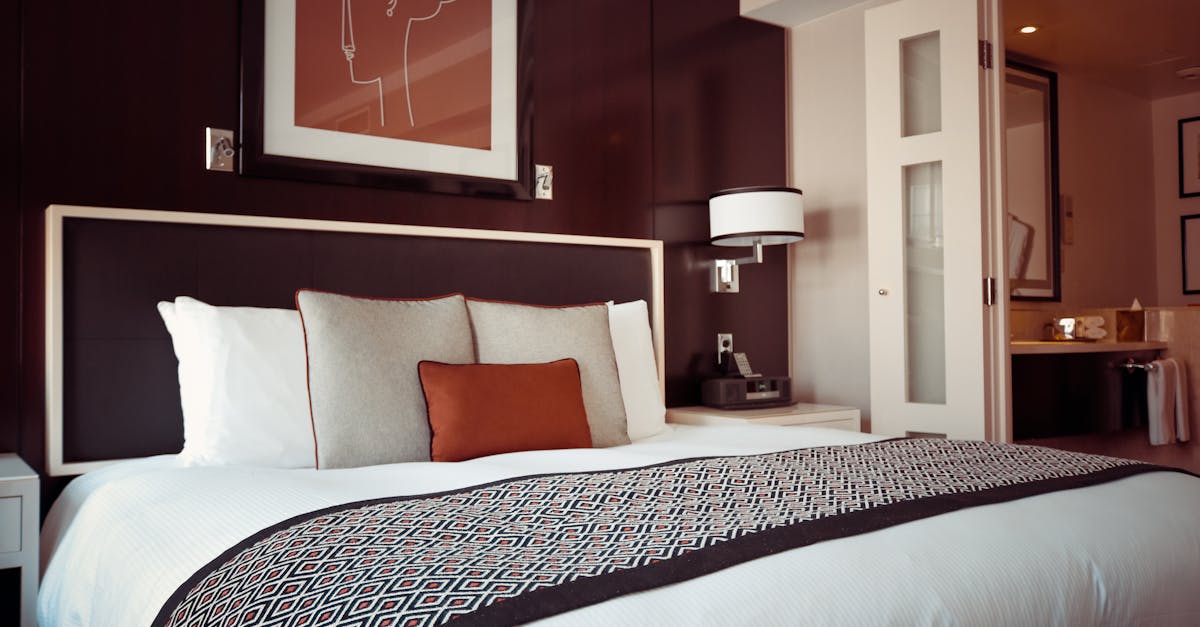
Bedding made from synthetic materials often traps heat and moisture against the skin. This can lead to overheating and night sweats which cause frequent awakenings. Natural fibers like cotton or linen allow the skin to breathe and help regulate body temperature. Switching to high quality natural bedding provides a more comfortable and luxurious feel. A cool and dry sleeping surface is a key component of high quality sleep.
Childrens Toys

Toys scattered on the floor or stored in the bedroom can create a cluttered and distracting environment. Vibrant colors and plastic shapes are designed to stimulate the mind rather than calm it. Moving toy boxes to a playroom or living area helps define the bedroom as a mature space for rest. This separation also teaches children that the bedroom is a place for quiet activities and sleep. A tidy floor makes the room safer and more visually appealing.
Dusty Rugs

Large area rugs can trap significant amounts of dust and pet dander over time. These allergens can cause sneezing or congestion that makes breathing difficult during the night. If a rug cannot be cleaned frequently it may be better to remove it from the bedroom. Hardwood or tile floors are easier to keep sterile and free from irritants. Improving the air quality in the room is a vital step for those with sensitivities.
Bright Light Bulbs

High wattage bulbs with a cool blue tone can mimic daylight and confuse the internal clock. Replacing these with warm dimmable bulbs helps the body prepare for sleep in the evening. Harsh lighting can cause eye strain and prevent the nervous system from relaxing. Using lamps with soft shades creates a more inviting and cozy atmosphere. Adjusting the lighting is one of the fastest ways to improve the mood of a bedroom.
Extra Chairs

A chair in the bedroom often becomes a magnet for discarded clothing and random items. This creates a visual pile of chores that can lead to feelings of being overwhelmed. Unless a chair is used daily for a specific purpose it may be unnecessary in a small space. Removing extra furniture increases the floor area and makes the room feel more spacious. A minimalist layout encourages a sense of mental clarity and freedom.
Cleaning Supplies

Storing chemical cleaners or mops in the bedroom can introduce harsh odors into the air. Many cleaning products contain volatile organic compounds that are not ideal for long term inhalation. Keeping these items in a dedicated closet or under the kitchen sink is much safer. The bedroom should smell fresh and natural rather than like industrial chemicals. A toxin free environment supports overall health and better respiratory function during sleep.
Unused Electronics

Old game consoles and DVD players or spare cables create unnecessary electronic clutter. These items often have small standby lights that can glow throughout the night. Even when turned off many electronics contribute to a sense of a high tech and busy environment. Clearing out old gadgets makes the room feel more organized and modern. Removing unnecessary tech items reduces the potential for distractions and light pollution.
Outside Shoes

Bringing shoes into the bedroom can track in dirt and bacteria from the street. These contaminants settle into the carpet and affect the cleanliness of the entire room. Shoes also represent the outside world and the activities of the day. Leaving shoes at the front door helps keep the bedroom a clean and sacred space. This simple habit improves the hygiene of the home and the quality of the air.
Family Photos

While family photos are sentimental they can sometimes evoke complex emotions or memories. Seeing images of relatives may trigger thoughts about responsibilities or social dynamics. Some sleep experts suggest that the bedroom should remain a neutral space without many personal portraits. Keeping these photos in a living room or hallway allows the bedroom to feel more private. A more anonymous and hotel like environment can sometimes lead to better sleep.
Coffee Machines

Having a coffee maker on a nightstand can be a temptation that leads to late night caffeine consumption. The sound and smell of a machine can also be disruptive if it has automatic settings. Caffeine blocks the receptors in the brain that signal the body to feel tired. It is better to keep the ritual of coffee making in the kitchen to separate it from the sleep area. This ensures that the bedroom remains a place for winding down rather than gearing up.
Air Fresheners

Plug in air fresheners often use strong synthetic perfumes to mask odors. These scents can be overpowering and may cause headaches or sinus issues for some people. Breathing in artificial fragrances for eight hours a night is not recommended for optimal health. Using natural ventilation or an air purifier is a more effective way to freshen the room. A neutral and clean atmosphere is the most beneficial for long term sleep health.
Full Trash Bins

An overflowing trash can is an eyesore that can also produce unpleasant smells over time. Discarded items and waste create a sense of neglect in a space that should be cared for. Emptying the trash daily or moving the bin out of the bedroom improves the aesthetics of the room. A clean and well maintained environment reflects a commitment to personal well being. Removing waste is a simple task that has a significant impact on the feel of the space.
Handwritten To Do Lists

Handwritten to do lists keep the mind focused on upcoming tasks and future obligations. Reviewing a list of chores before bed can trigger a cycle of planning and anxiety. It is better to write these lists in a journal and leave it in another room. This practice allows the brain to release information and enter a state of calm. Clearing the mind of daily pressures is a fundamental part of healthy sleep hygiene.
Please share which items you have removed from your bedroom in the comments.




