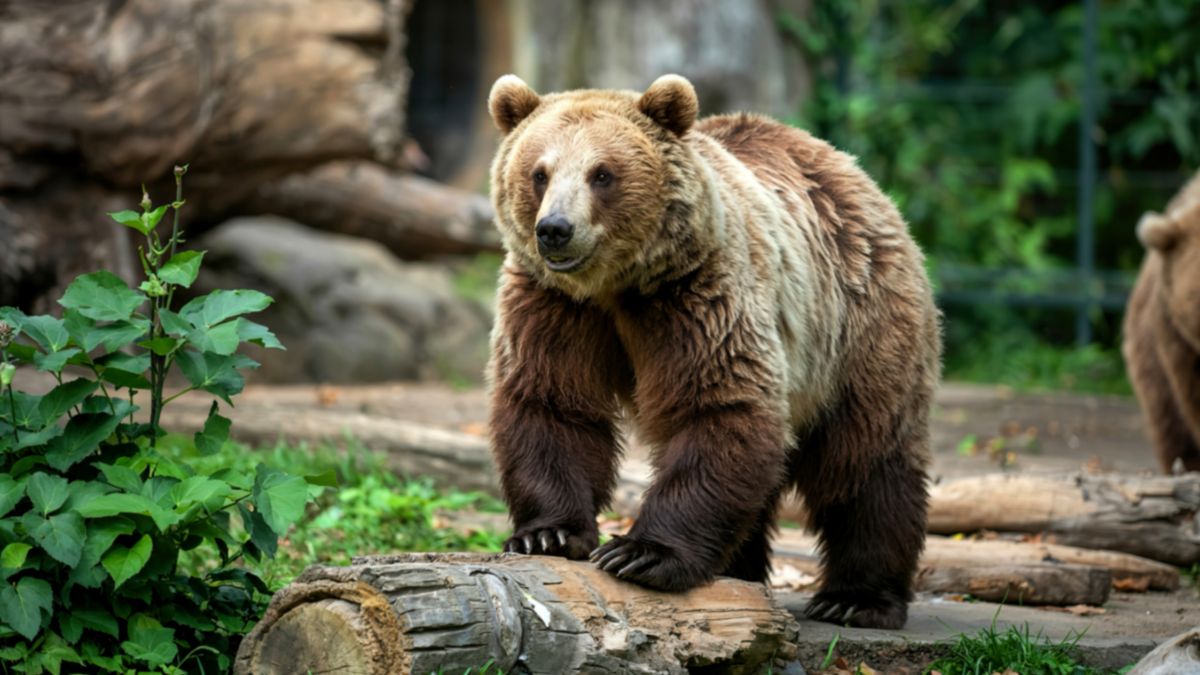
Zoos are home to some of the most fascinating and demanding creatures on the planet, and behind every crowd-pleasing exhibit is a team of dedicated professionals navigating extraordinary challenges. Some animals are far more complex to care for than their serene public appearances suggest, requiring round-the-clock attention, specialized diets, and carefully managed environments. The animals on this list are beloved by visitors worldwide yet notorious among zoo staff for the unique pressures they bring to daily operations. From unpredictable behaviors to highly sensitive physiological needs, these species test the limits of zoological expertise like no others.
Giant Panda
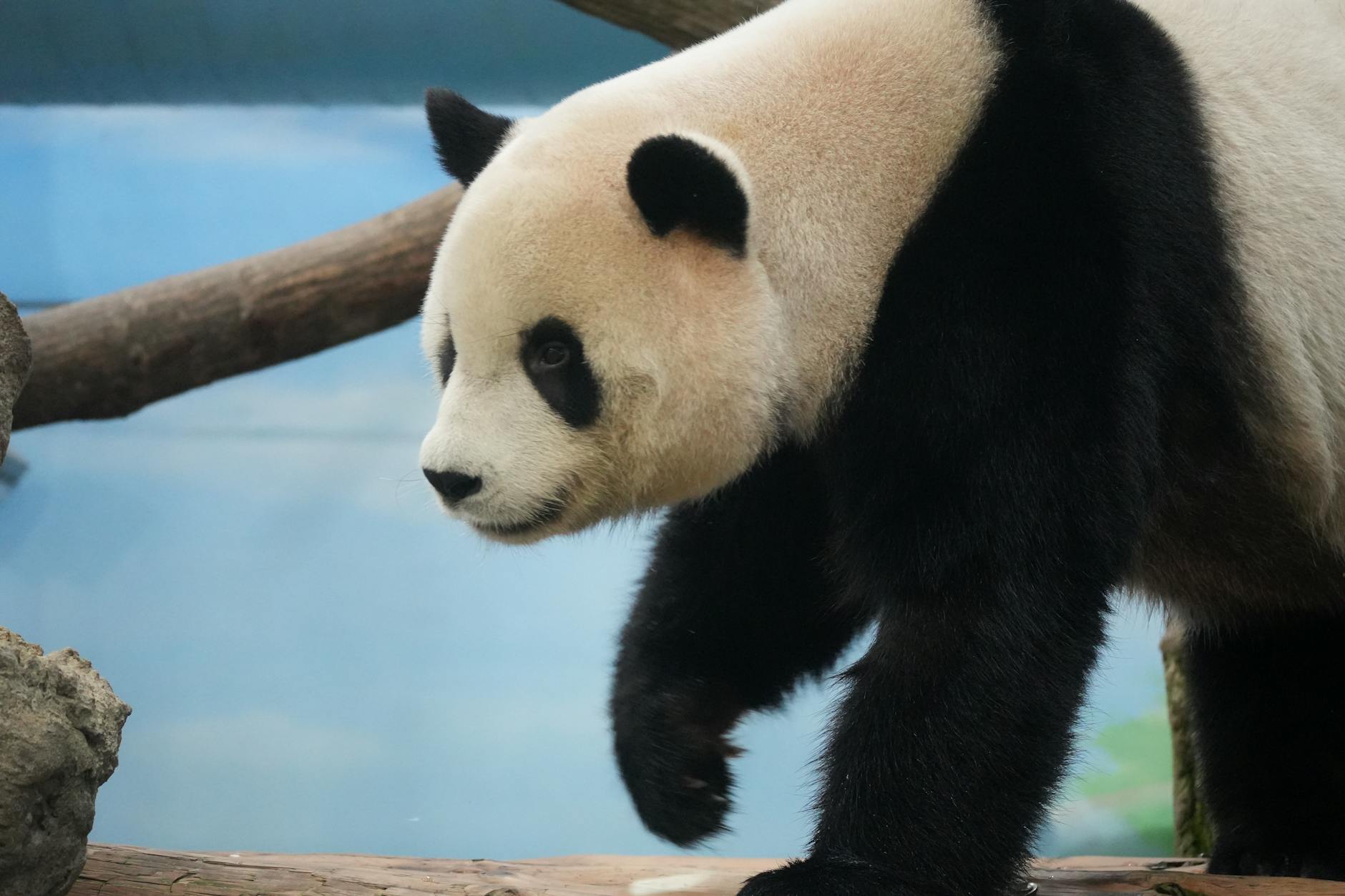
Giant pandas are among the most nutritionally demanding animals in captivity, consuming up to 40 kilograms of bamboo each day to meet their basic energy requirements. Their digestive systems are poorly adapted to their plant-based diet, meaning keepers must source fresh bamboo continuously and monitor every meal with precision. Breeding programs add another layer of stress since females are fertile for only a brief window each year and pregnancies are notoriously difficult to detect and manage. Newborns are extraordinarily fragile at birth and require intensive neonatal monitoring that can last weeks. The global pressure to successfully breed this endangered species makes every development in their care feel critically high-stakes.
Komodo Dragon
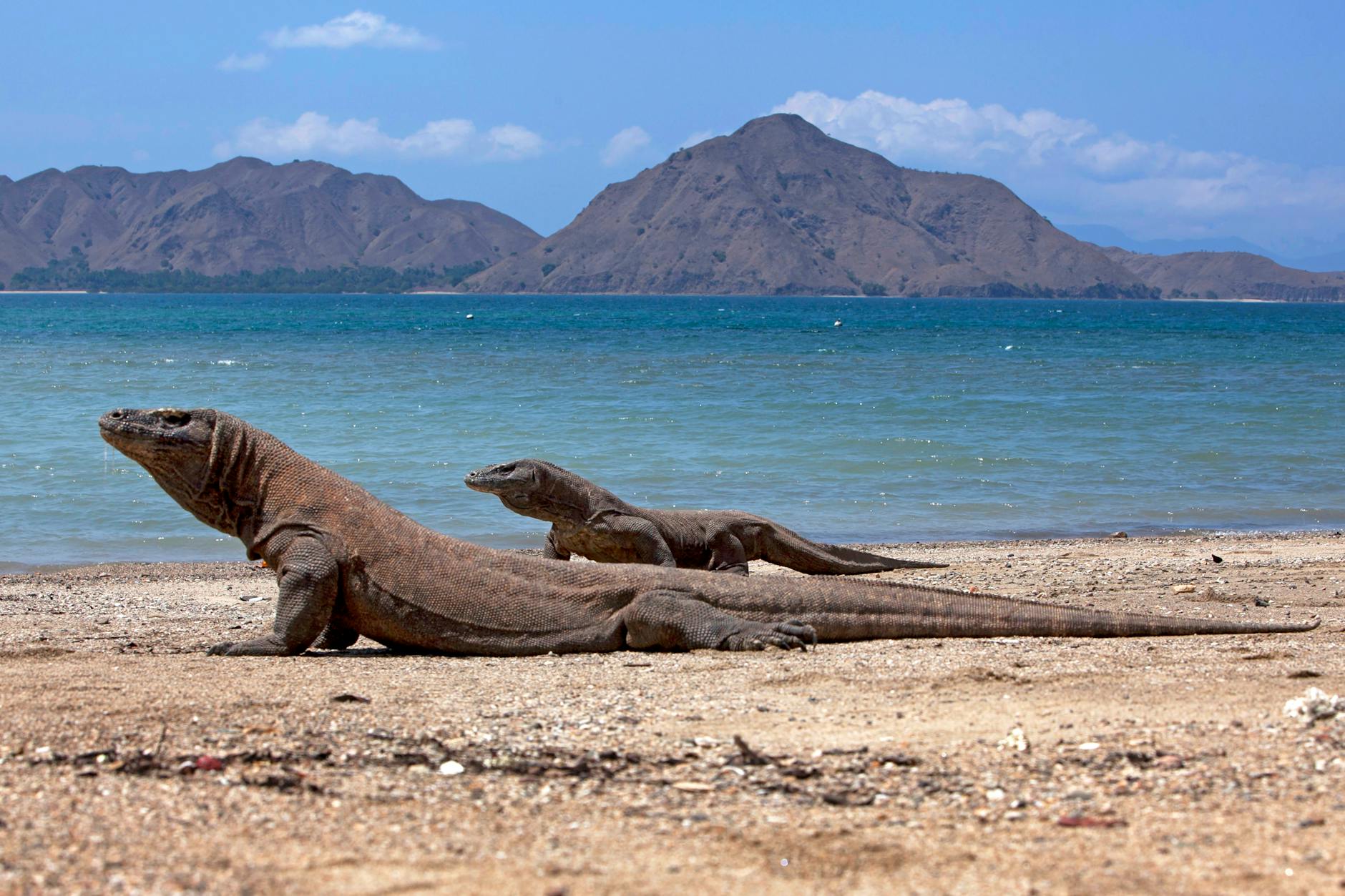
Komodo dragons are deceptively powerful animals that require constant vigilance from their care teams due to their speed, aggression and unpredictable temperament. Their enclosures demand highly specific temperature gradients and humidity levels that must be maintained without interruption to prevent serious health complications. Feeding these carnivores involves strict safety protocols since their bacteria-laden saliva and muscular bodies pose a real physical danger to handlers. Keepers must also monitor for signs of stress-related behaviors that can escalate quickly in confined environments. The combination of raw physical danger and complex environmental demands makes them one of the most resource-intensive reptiles in any collection.
African Elephant
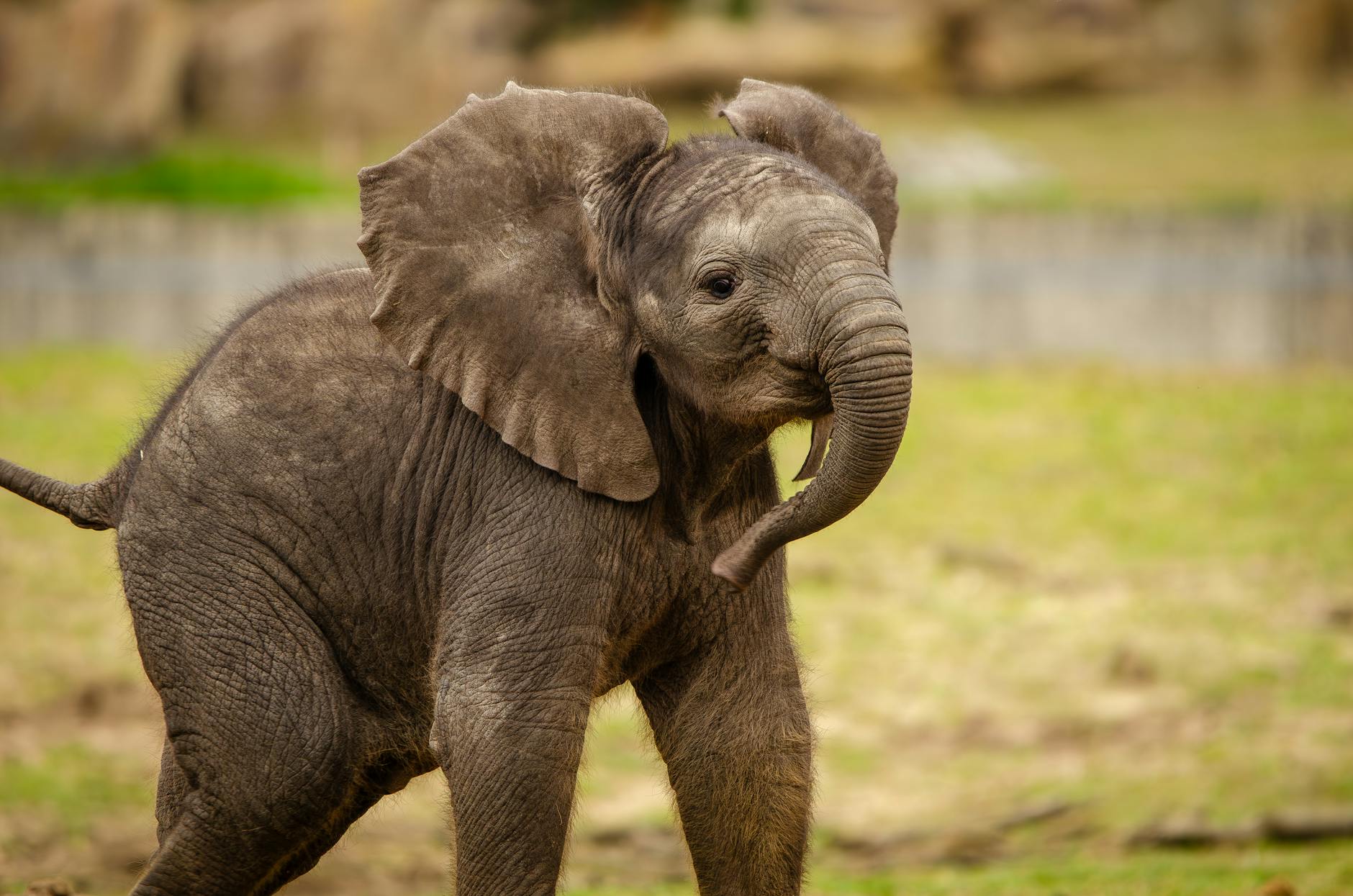
African elephants are highly intelligent and emotionally complex animals whose psychological wellbeing demands as much attention as their physical health. They require vast amounts of food and water each day alongside enrichment activities designed to stimulate their problem-solving minds. Social dynamics within elephant groups must be carefully managed since tension between individuals can lead to dangerous confrontations that put both animals and staff at risk. Foot care is a particular concern in captivity as hard surfaces can cause chronic conditions that require regular veterinary intervention. Their sheer size means that any health procedure involves extensive planning and coordination across entire keeper teams.
Chimpanzee
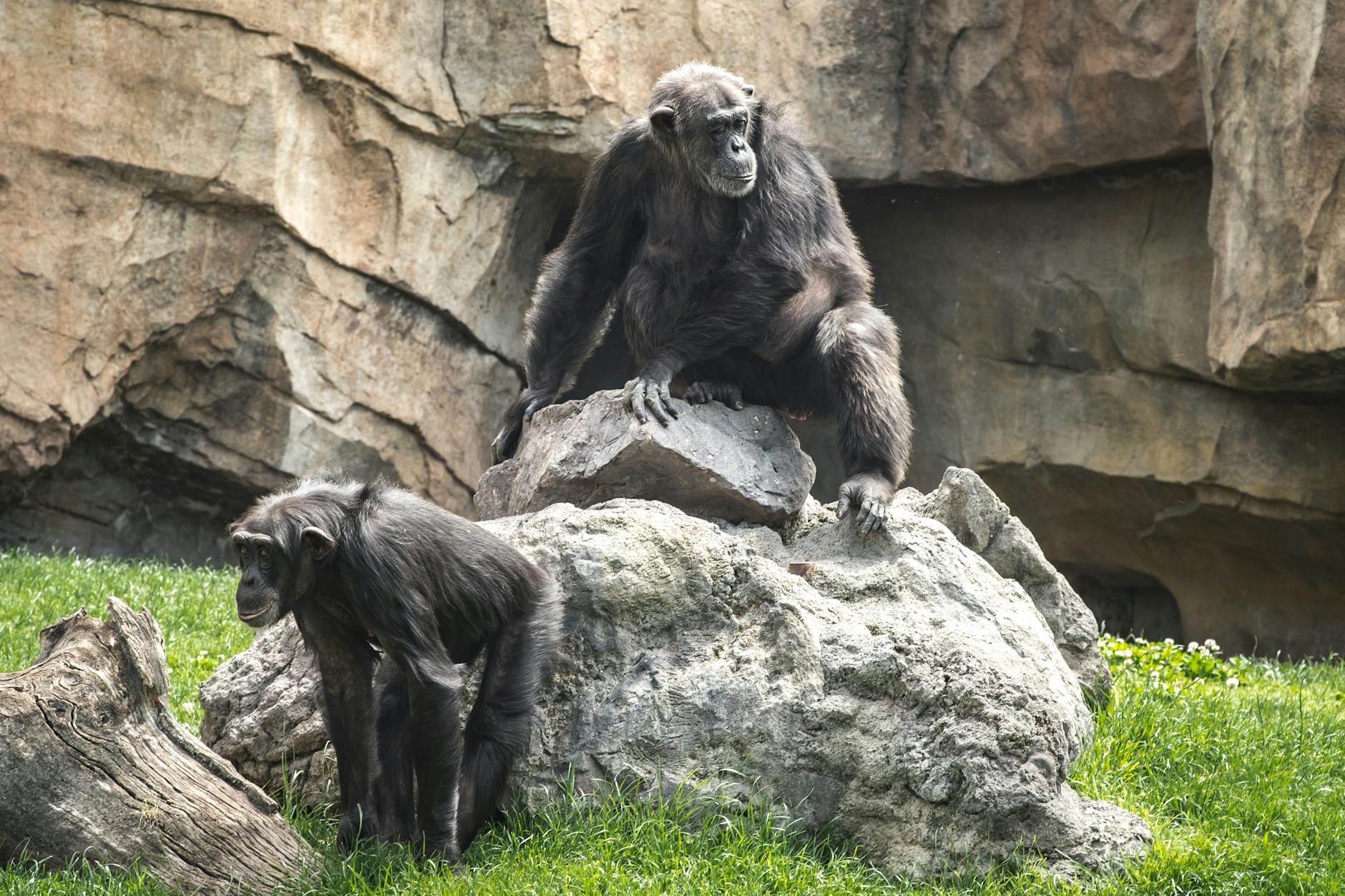
Chimpanzees are extraordinarily clever primates whose intelligence constantly works against the containment and management efforts of their keepers. They test enclosure integrity with remarkable persistence and have been known to manipulate locks and dismantle fixtures that would challenge many other species. Their complex social hierarchies create shifting alliances and conflicts that staff must monitor continuously to prevent injuries within the group. Diet preparation is extensive since they require a wide variety of fresh fruits and vegetables alongside proteins to maintain optimal health. Any changes to their routine or environment can trigger stress responses that ripple through the entire social group.
Polar Bear
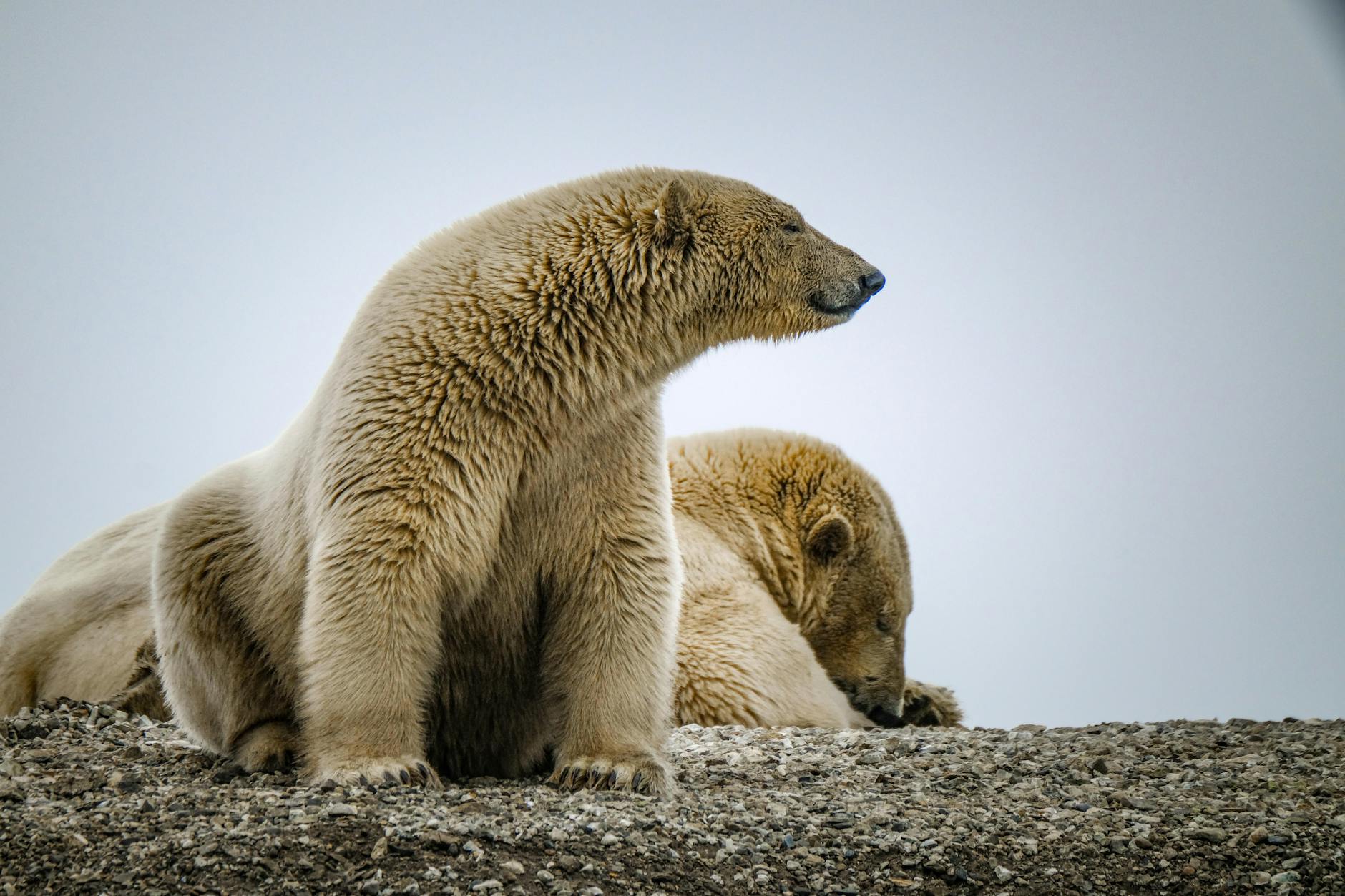
Polar bears are physiologically built for environments that no zoo can fully replicate and this gap creates persistent management challenges for keeper teams. Maintaining appropriately cold water and air temperatures requires constant mechanical oversight and significant energy resources throughout the year. These bears are highly intelligent and easily bored which means enrichment programs must be creative and frequently rotated to prevent stereotypic pacing behaviors. Their size and predatory instincts demand that all keeper interactions follow strict safety protocols with no room for complacency. Seasonal changes in metabolism including near-hibernation states require careful dietary monitoring to protect long-term health.
Reticulated Python
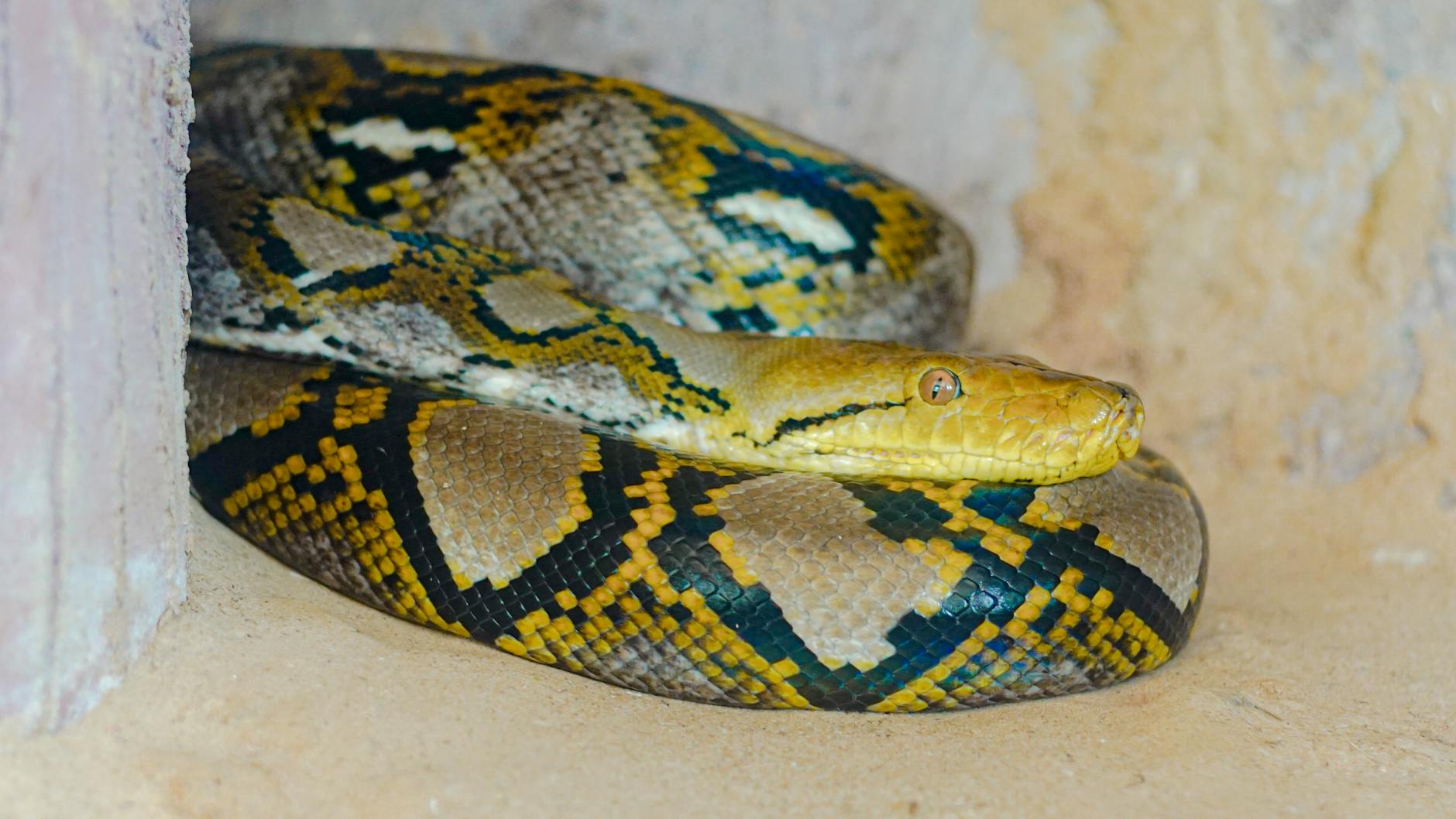
Reticulated pythons are the longest snakes in the world and their sheer physical mass makes routine care an exercise in careful coordination. Even routine health checks require multiple trained keepers working together due to the animal’s strength and potential to constrict without warning. Their enclosures must be maintained at precise temperatures and humidity levels to support healthy shedding and digestion. Feeding schedules must be tracked meticulously since an underfed or overfed python can develop serious health complications. The combination of size and instinctual predatory behavior ensures these reptiles remain a constant focus of attention in any zoo setting.
Hippopotamus
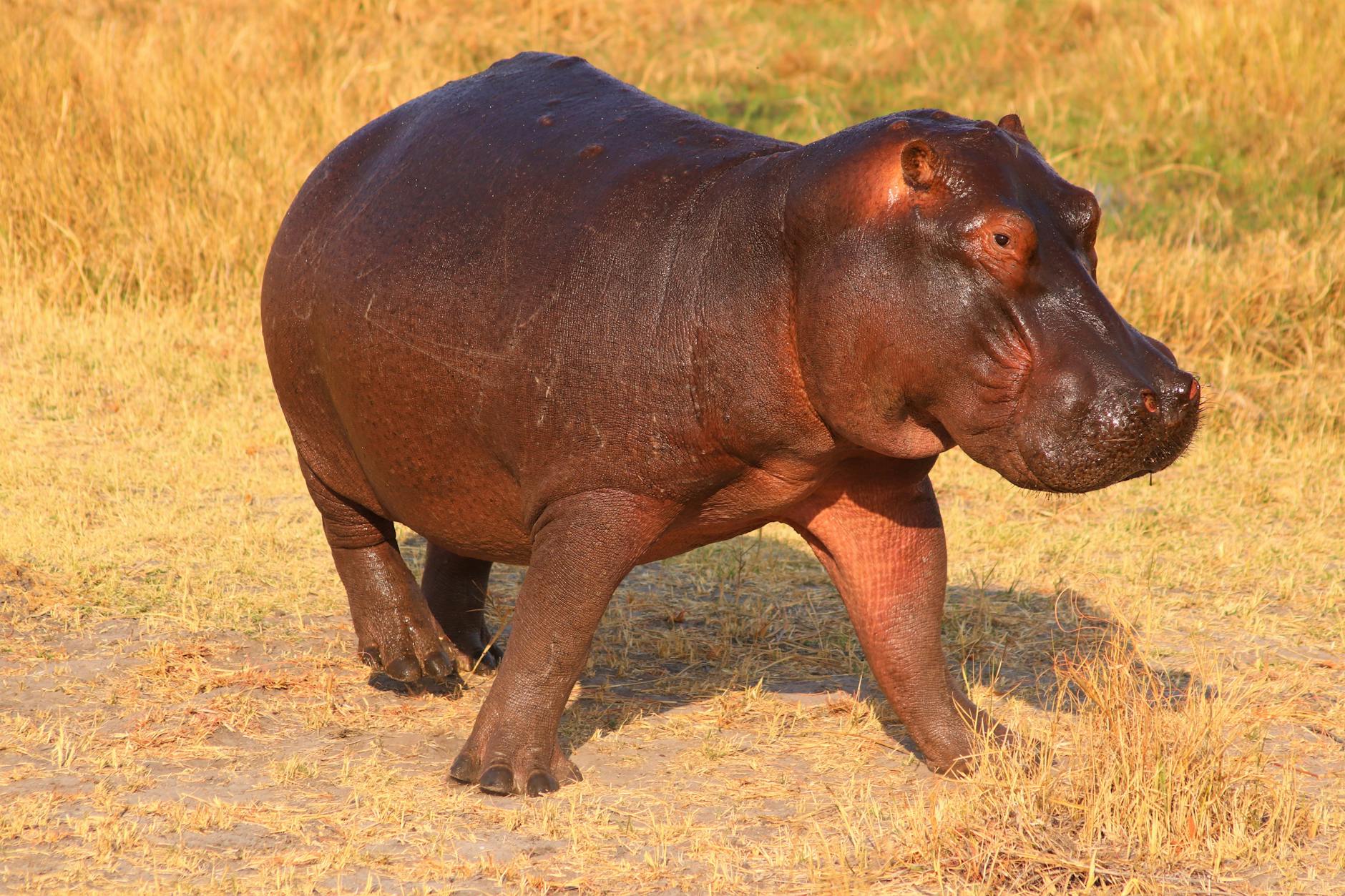
Hippos are widely underestimated in terms of danger and are responsible for more keeper injuries in zoological settings than many more overtly threatening species. Their territorial aggression is intense and can be triggered with very little warning making every interaction with them a carefully choreographed procedure. Water quality in their pools must be monitored and managed daily as their waste output is exceptionally high and can rapidly deteriorate aquatic conditions. Skin care is a specialized concern since their natural secretion that acts as a sunscreen and moisturizer must be monitored for signs of dryness or irritation in captivity. Transport and veterinary procedures require heavy sedation and extensive logistical planning given their bulk and unpredictable temperament.
Giraffe
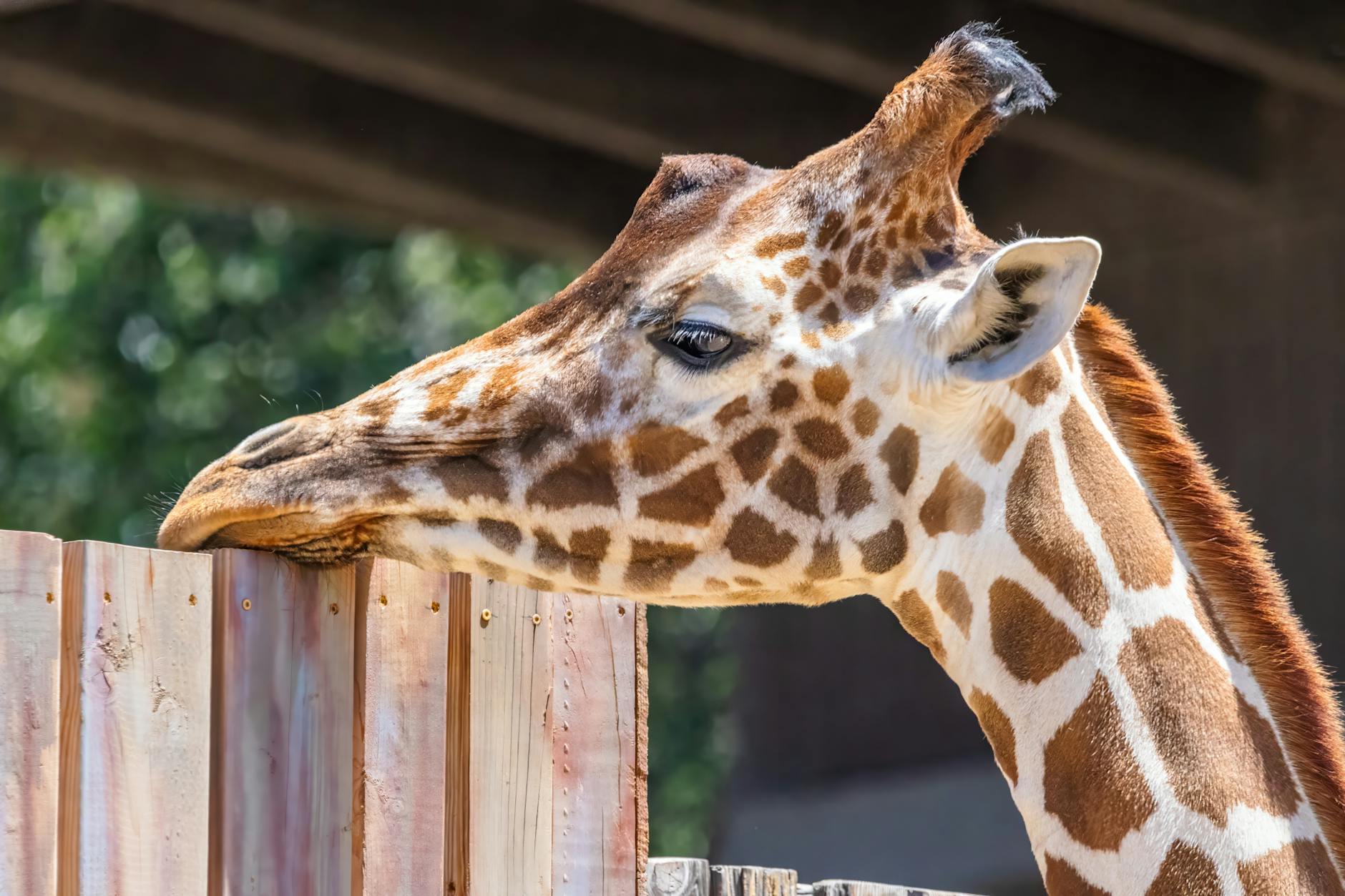
Giraffes present a unique set of care challenges that stem directly from their extraordinary anatomy and height-specific health vulnerabilities. Their cardiovascular systems are under constant strain due to the effort required to pump blood to and from their brains and this makes them prone to stress-related health events. Feeding infrastructure must be designed and maintained at significant heights while keepers must also observe their animals from ground level for subtle signs of illness. Transport is among the most complex challenges in zoo management since the risk of injury during loading and transit is considerable. Hoof care and joint health require regular monitoring as hard zoo surfaces can cause conditions that are difficult to treat in such a large animal.
Snow Leopard
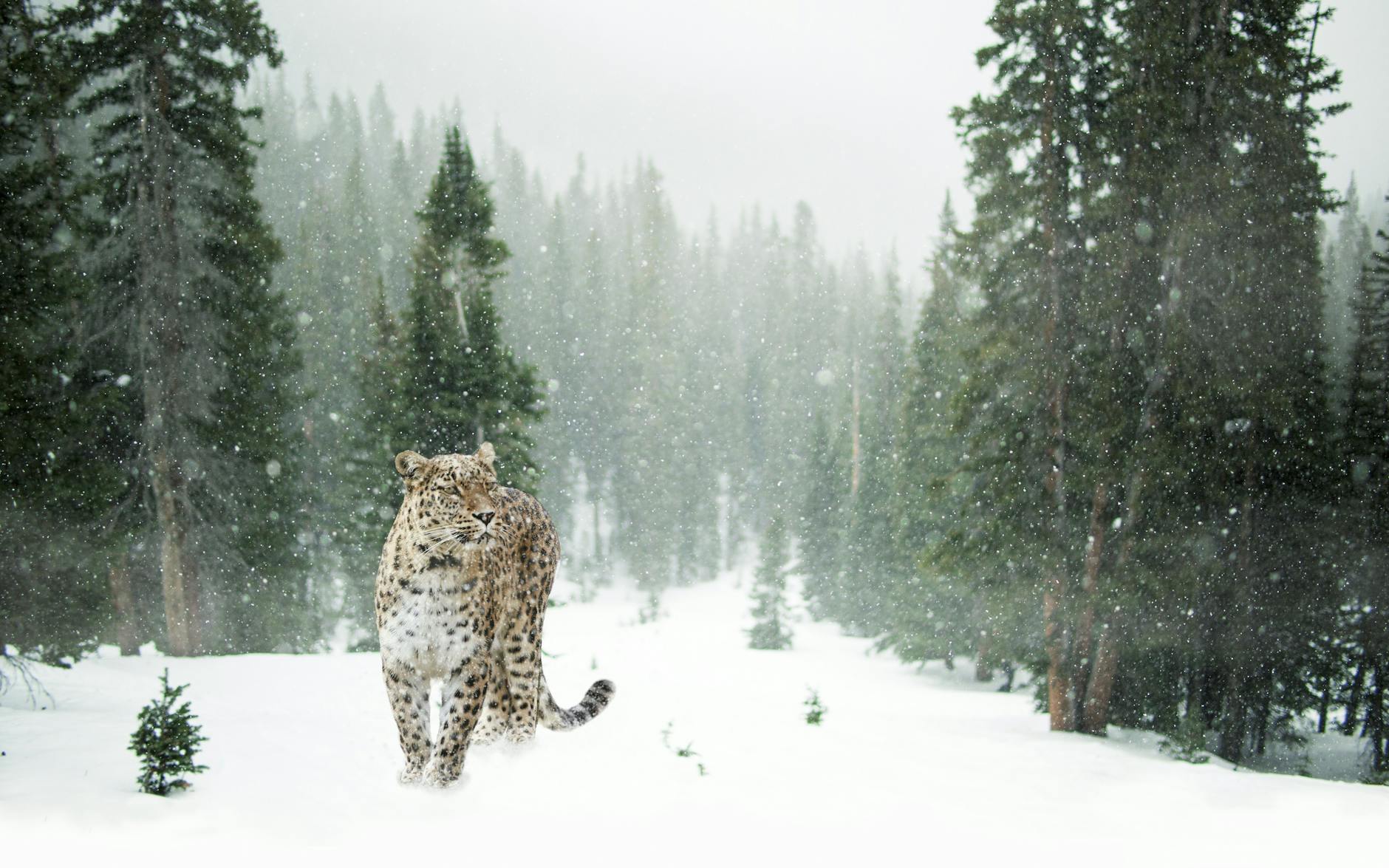
Snow leopards are elusive and highly sensitive cats that do not adapt easily to human presence making behavioral observation a constant challenge for their keepers. They require complex enclosures with significant vertical space and varied terrain to satisfy their instinct to climb and survey their environment. Their respiratory systems are particularly sensitive and they are prone to developing conditions related to temperature fluctuations and air quality changes. Breeding programs face significant hurdles since these solitary animals are slow to tolerate the presence of potential mates in captivity. Even minor disruptions to their environment or daily schedule can result in prolonged stress responses that affect their appetite and overall health.
Venomous Reptiles
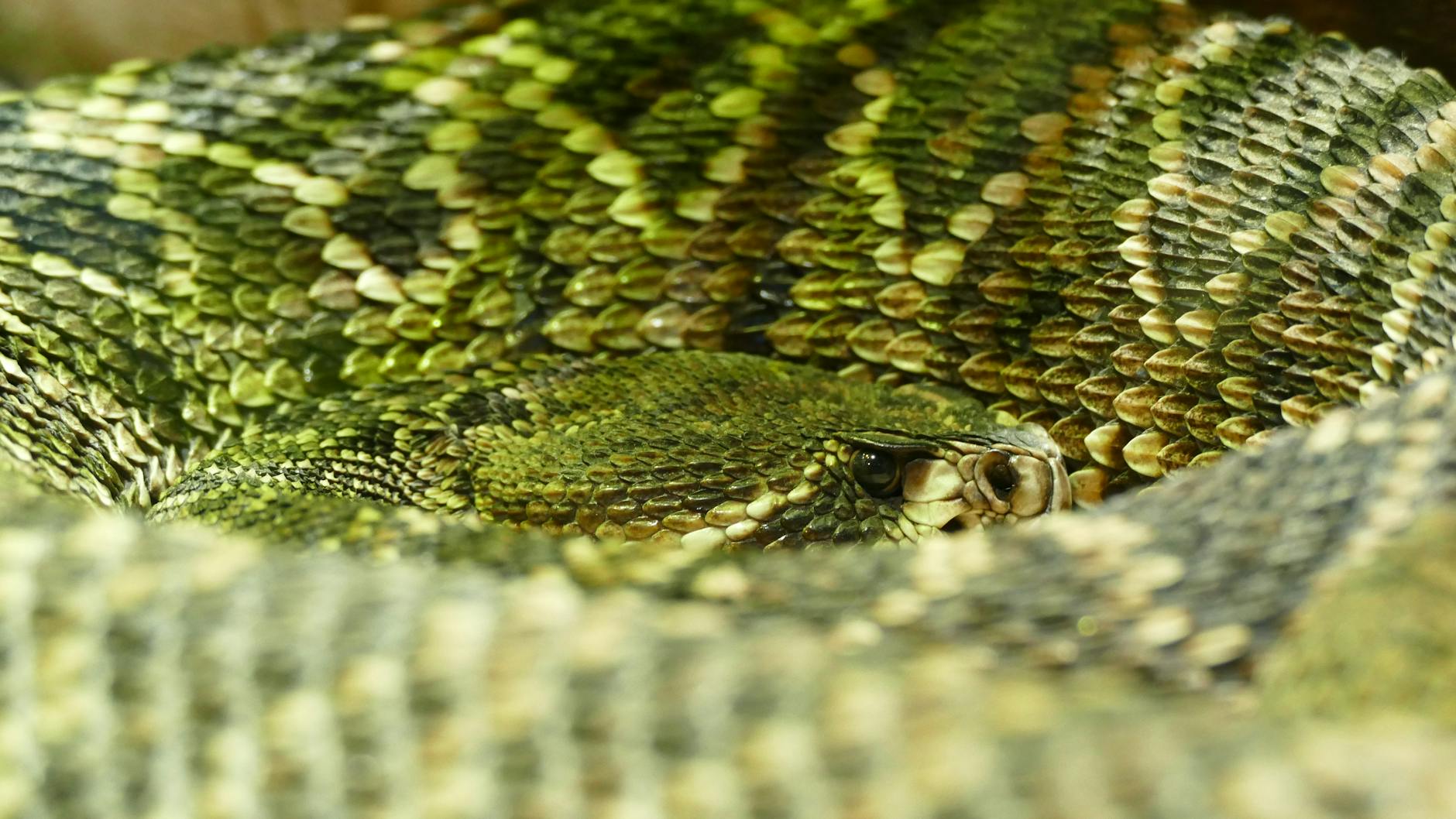
Collections of venomous reptiles including cobras mambas and vipers require protocols so rigorous that entire safety systems are built around their daily care. Antivenom must be kept on site at all times and keeper teams must be trained in emergency response procedures before they ever approach an enclosure. Feeding and enclosure maintenance are conducted with specialized tools that minimize any possibility of direct contact with the animals. Escape prevention is a paramount concern since even a brief containment breach triggers facility-wide lockdown procedures. The psychological burden on keepers working with species capable of delivering a fatal bite adds a layer of occupational stress found in very few other professional environments.
Mandrill
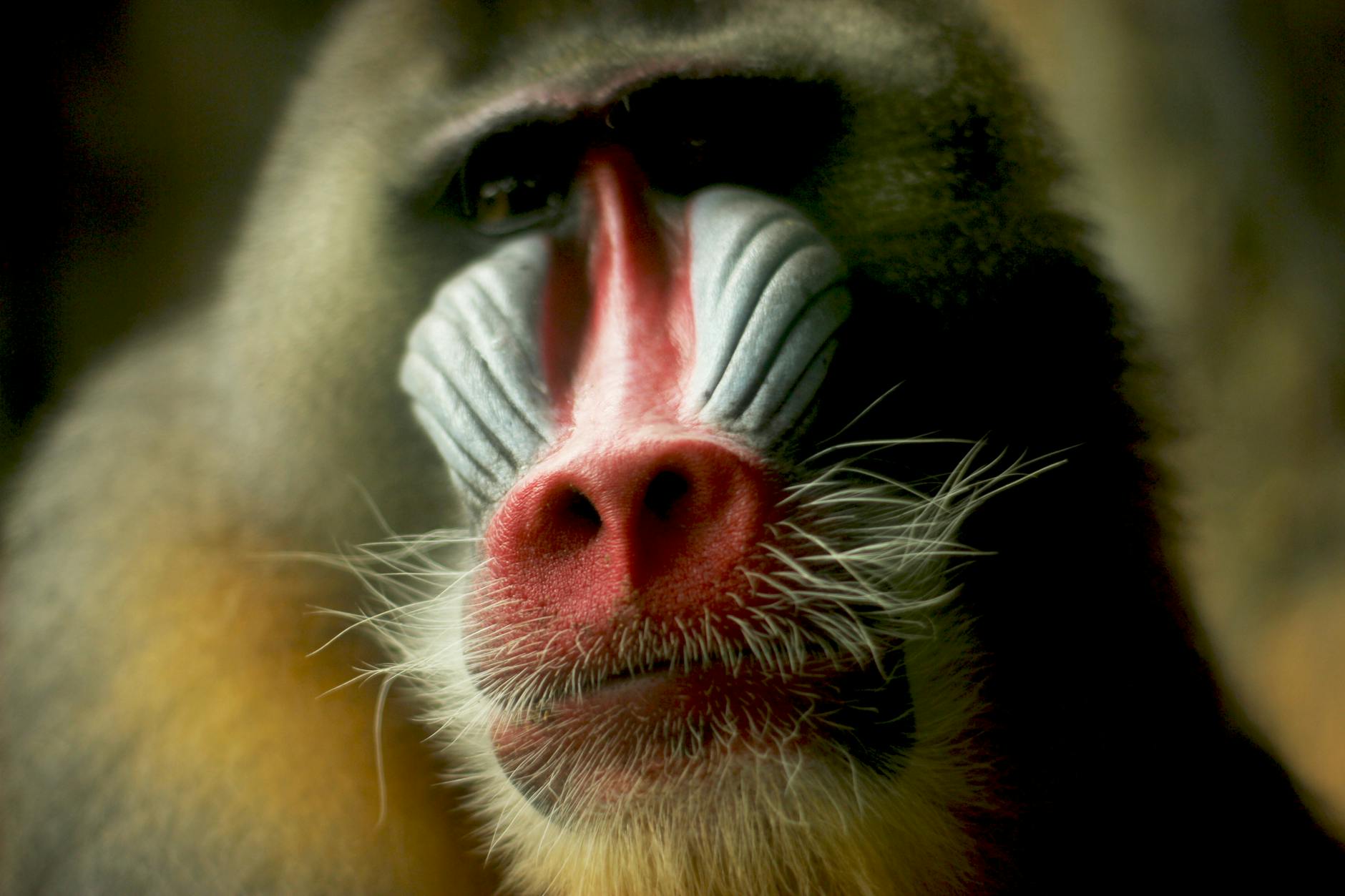
Mandrills are the world’s largest monkeys and their combination of physical strength and high intelligence creates management challenges that few other primates match. Their complex social structures require keepers to understand individual personalities and shifting group dynamics to anticipate and prevent conflict. Males in particular can become highly aggressive during hormonal cycles and their powerful jaws and canine teeth make them genuinely dangerous to handlers. Enrichment must be carefully designed to engage their problem-solving abilities while avoiding objects that could be weaponized or used to damage enclosure infrastructure. Dietary needs are broad and varied requiring consistent sourcing of fresh and nutritionally diverse food items throughout the year.
Clouded Leopard
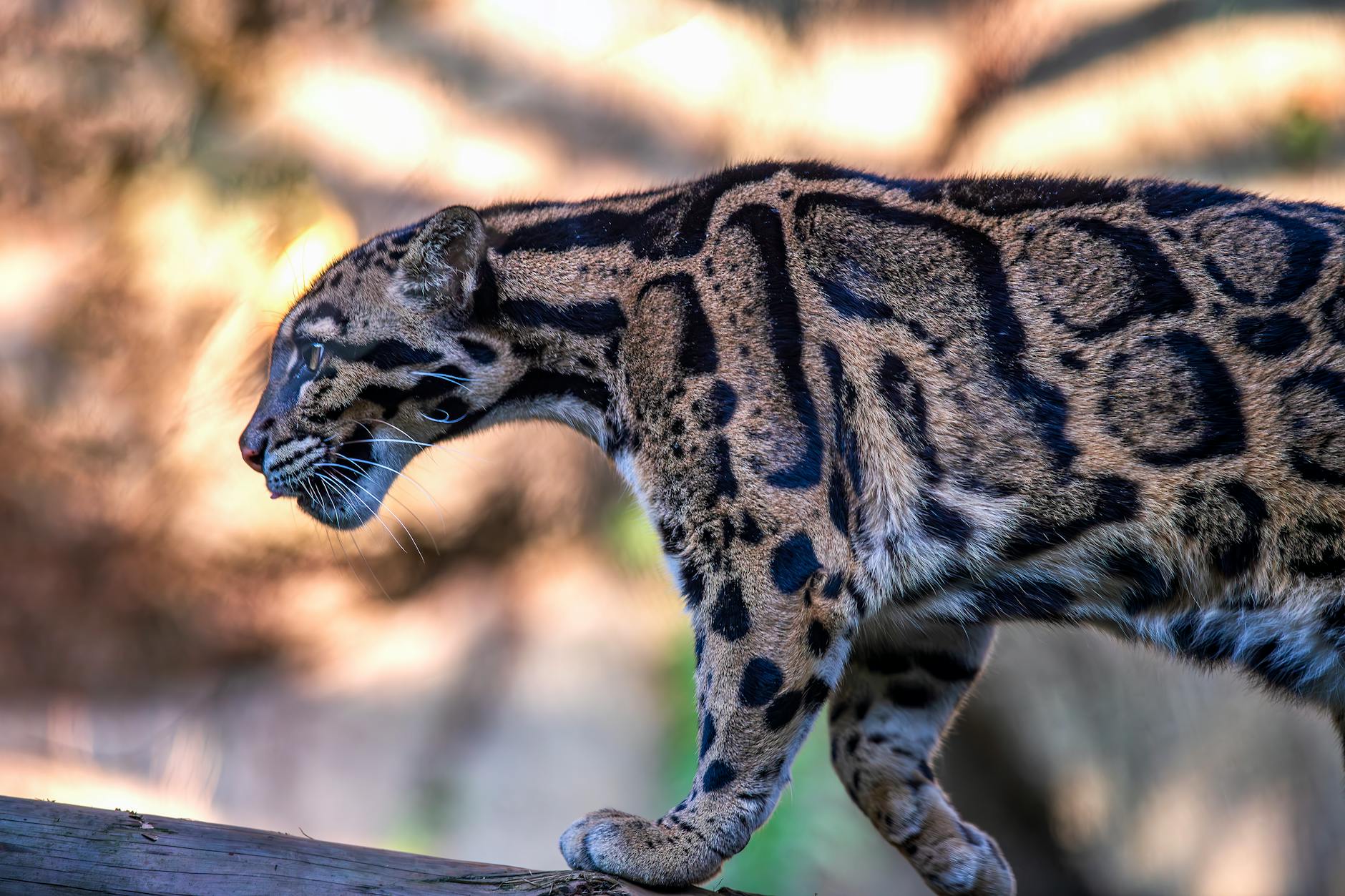
Clouded leopards are among the most acrobatically gifted of all wild cats and their enclosures must reflect this with complex climbing structures requiring constant inspection and maintenance. They are notoriously secretive and stress-prone which makes health monitoring difficult since signs of illness are often masked by their natural instinct to conceal weakness. Breeding in captivity has historically been problematic due to male aggression toward females during introductions requiring carefully managed and closely supervised pairing protocols. Their dietary needs are specific to a carnivorous wild diet and keepers must ensure nutritional completeness in every meal. Any construction or unusual activity near their enclosure can cause prolonged disruption to their feeding and behavioral patterns.
King Cobra
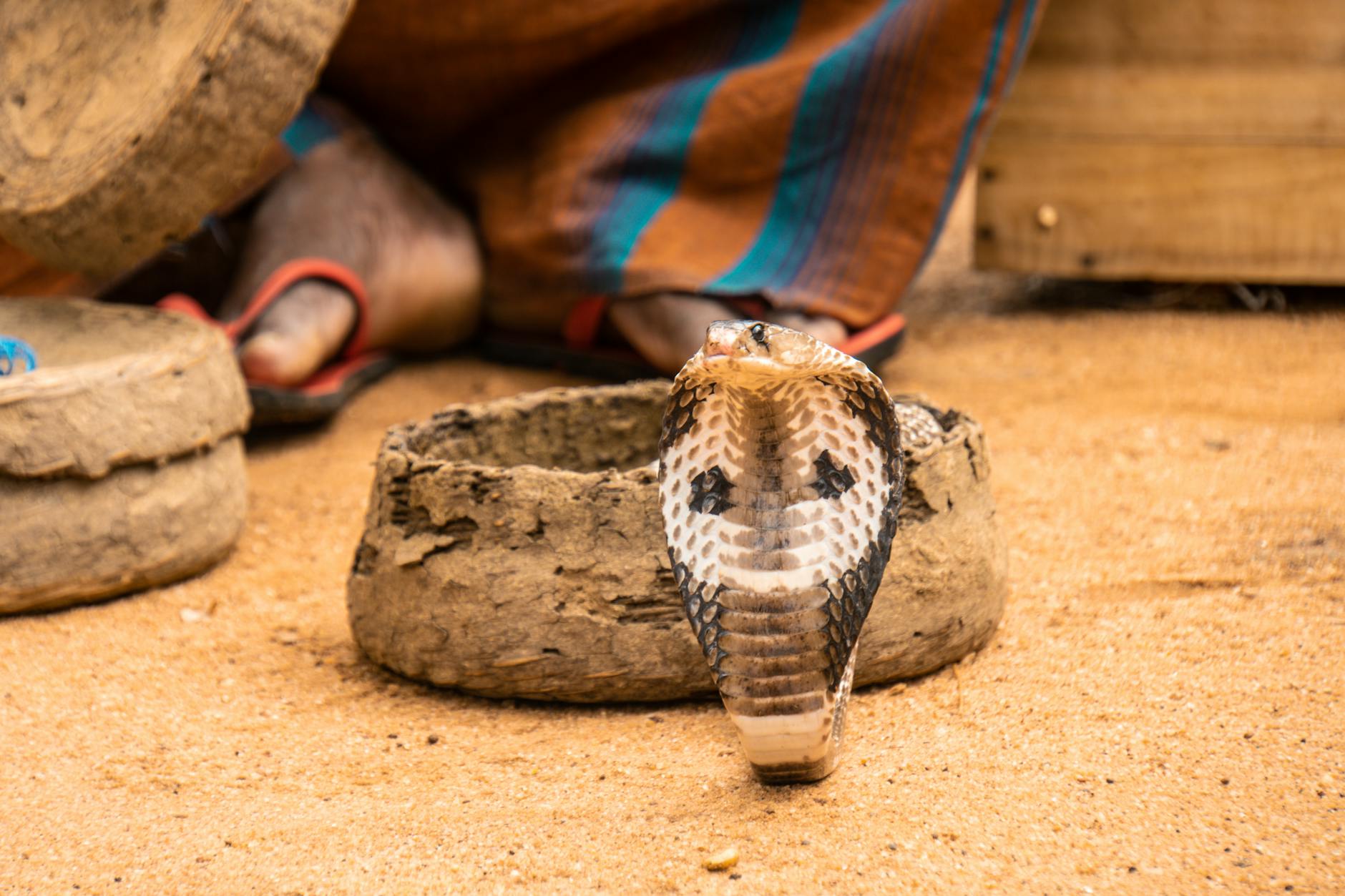
King cobras are the longest venomous snakes in the world and their intelligence sets them apart from most other reptiles in terms of the awareness they bring to keeper interactions. They are known to actively track and respond to familiar human handlers in ways that demand consistent and careful behavioral management. Environmental conditions in their enclosures must mirror tropical humidity and temperature ranges with great precision to prevent stress-induced illness. Feeding on other snakes requires that their diet be carefully sourced and managed to avoid disease transmission from prey animals. Every aspect of their care from cleaning to feeding involves protocols that leave absolutely no margin for error.
Saltwater Crocodile
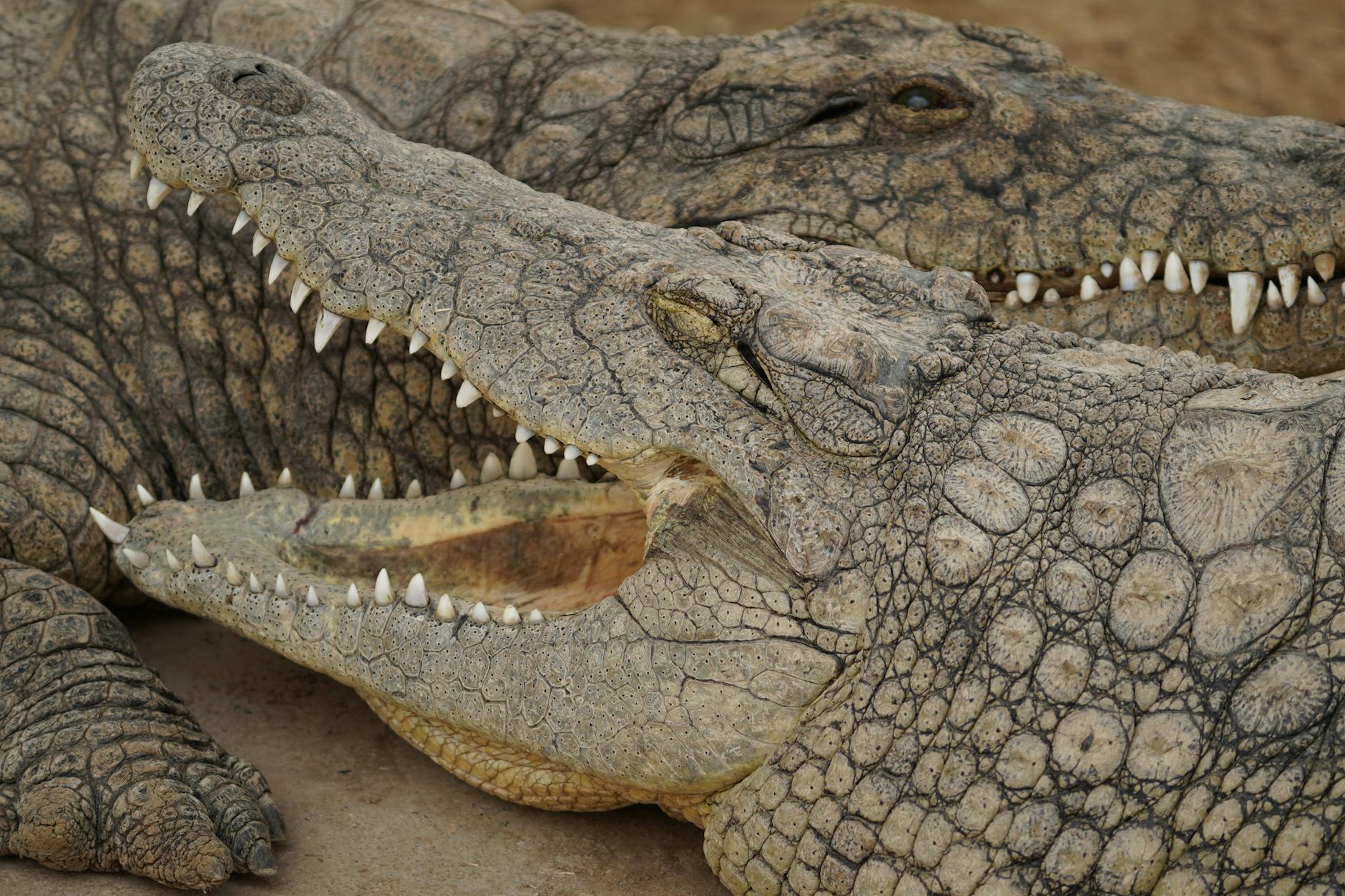
Saltwater crocodiles are the largest living reptiles and their explosive speed and power make them one of the most physically dangerous animals in any zoo collection. Keeper access to their enclosures is strictly controlled and all maintenance work is scheduled around the animal’s behavioral patterns to minimize risk. Water temperature and quality must be maintained within specific parameters to support their immune function and digestion. Their feeding behavior is intense and unpredictable and food must be delivered with specialized equipment that keeps all personnel at a safe distance. The psychological weight of working with an animal capable of ambushing and overpowering a human in seconds is something keeper teams manage every single day.
Gorilla
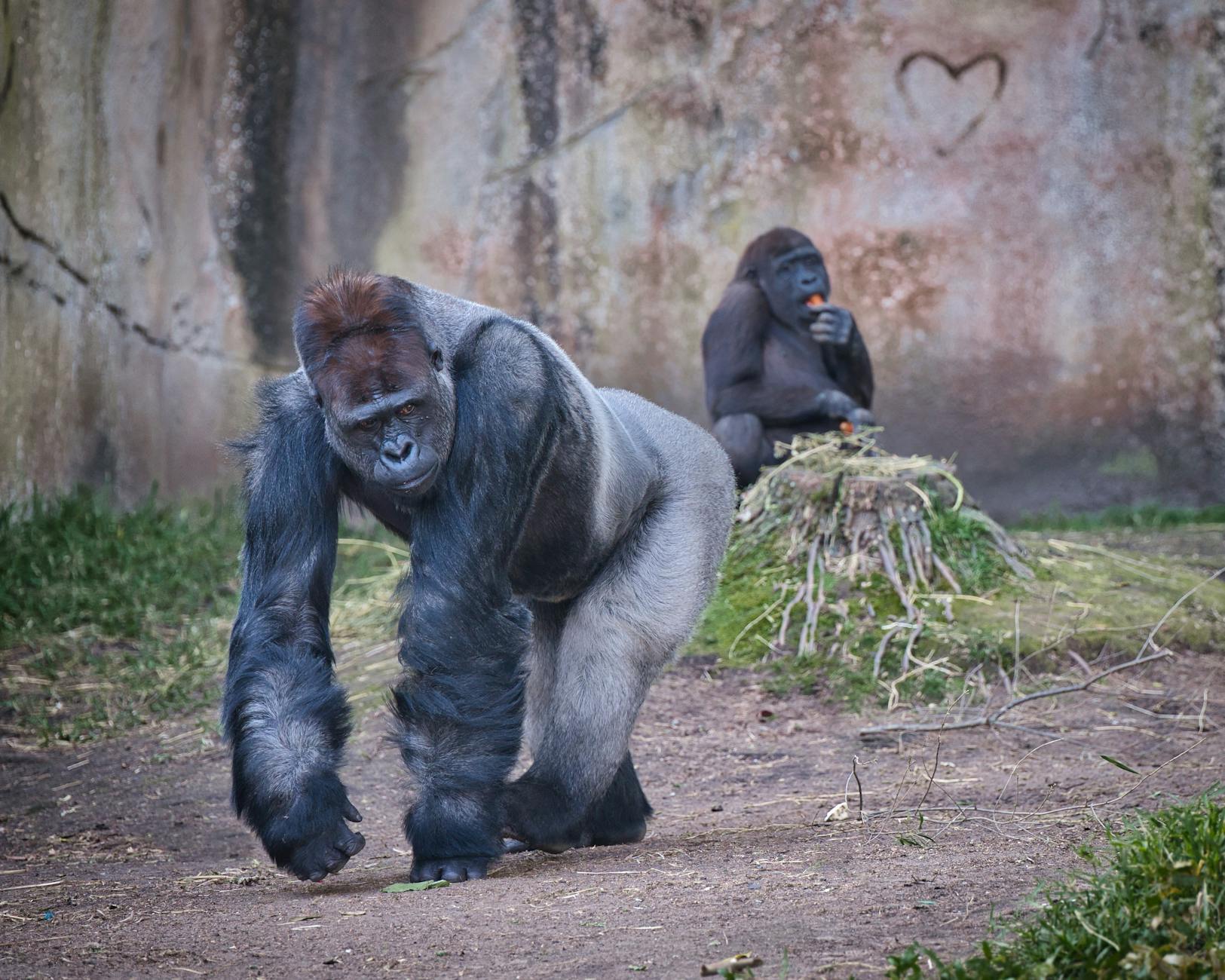
Gorillas are deeply intelligent and emotionally aware primates whose mental health demands are just as pressing as their physical care requirements. Social groupings must be managed with sensitivity since disruptions to the group structure can cause prolonged psychological distress affecting health and behavior across the whole family. Male silverbacks are extraordinarily strong and their capacity for explosive aggression when threatened requires that all keeper protocols prioritize protected contact procedures. Enrichment programs must be sophisticated enough to engage minds that are capable of learning symbolic communication and solving complex problems. Any change in routine from a new keeper to a shift in feeding time can unsettle an entire gorilla group for days.
Arapaima
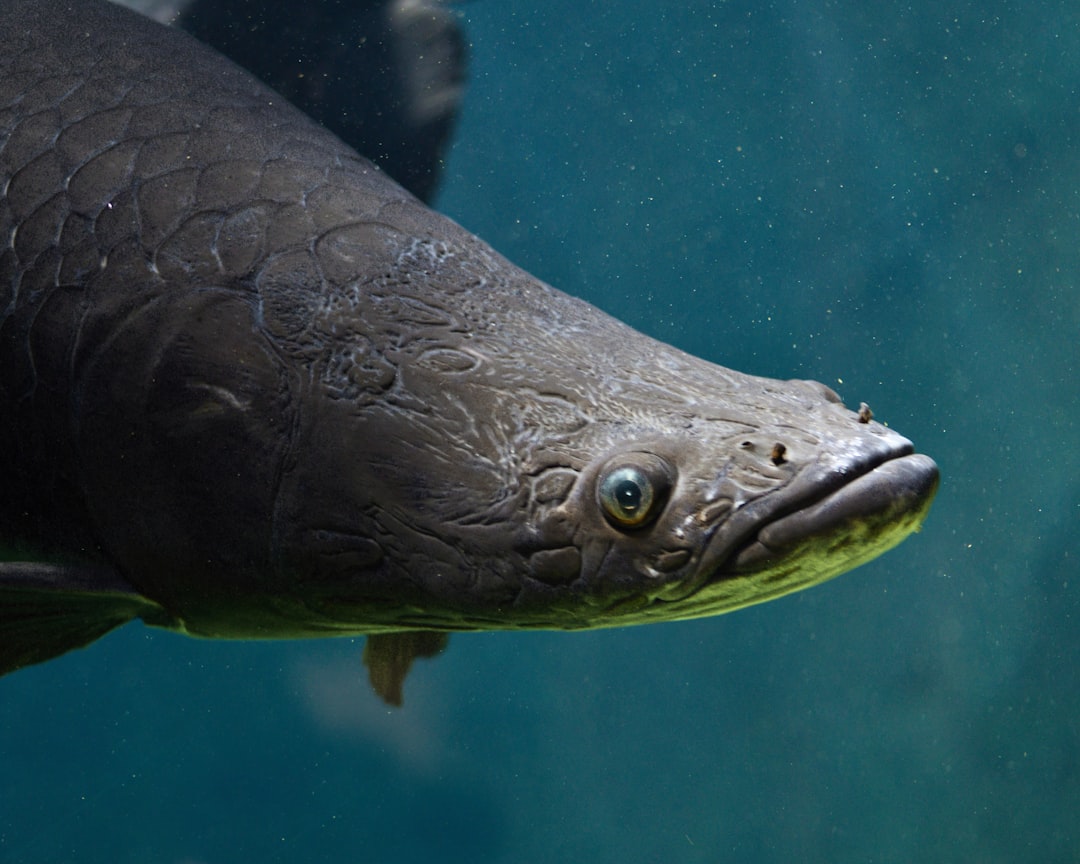
Arapaima are among the largest freshwater fish in the world and their size alone creates significant logistical challenges for the teams maintaining their aquatic environments. Water quality parameters must be monitored around the clock since these fish are sensitive to fluctuations in oxygen levels temperature and pH. Their tendency to surface-breathe means keepers must ensure that no obstructions interfere with their access to air at the water surface. Catching or transporting an arapaima for health assessments requires coordinated team efforts and specialized equipment to avoid injuring the fish or the handlers. Sourcing sufficient quantities of appropriate food to sustain their substantial body mass is an ongoing logistical undertaking.
Wolverine
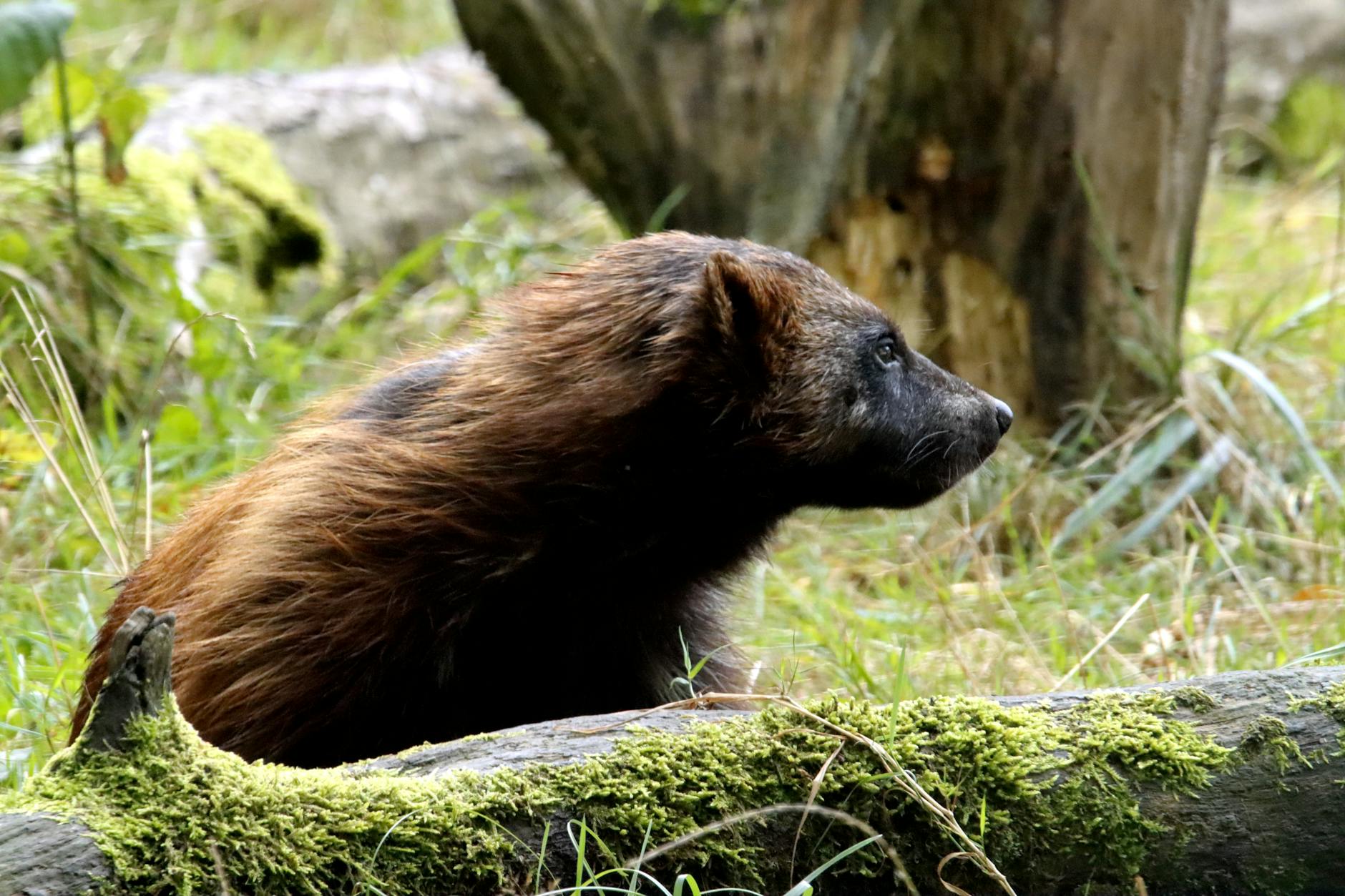
Wolverines are relentlessly active and aggressive mustelids whose reputation for ferocity is fully justified by the challenges they present to their care teams. Their enclosures must be extraordinarily robust since wolverines apply persistent and powerful force to any potential weak point in their containment. They are highly territorial and solitary meaning that housing more than one individual requires carefully separated spaces with complex management protocols. Scent marking behavior is intense and pervasive making enclosure cleaning a frequent and labor-intensive task. Their diet in captivity must closely mirror the varied and protein-rich nutrition they would consume across vast territories in the wild.
Nile Monitor
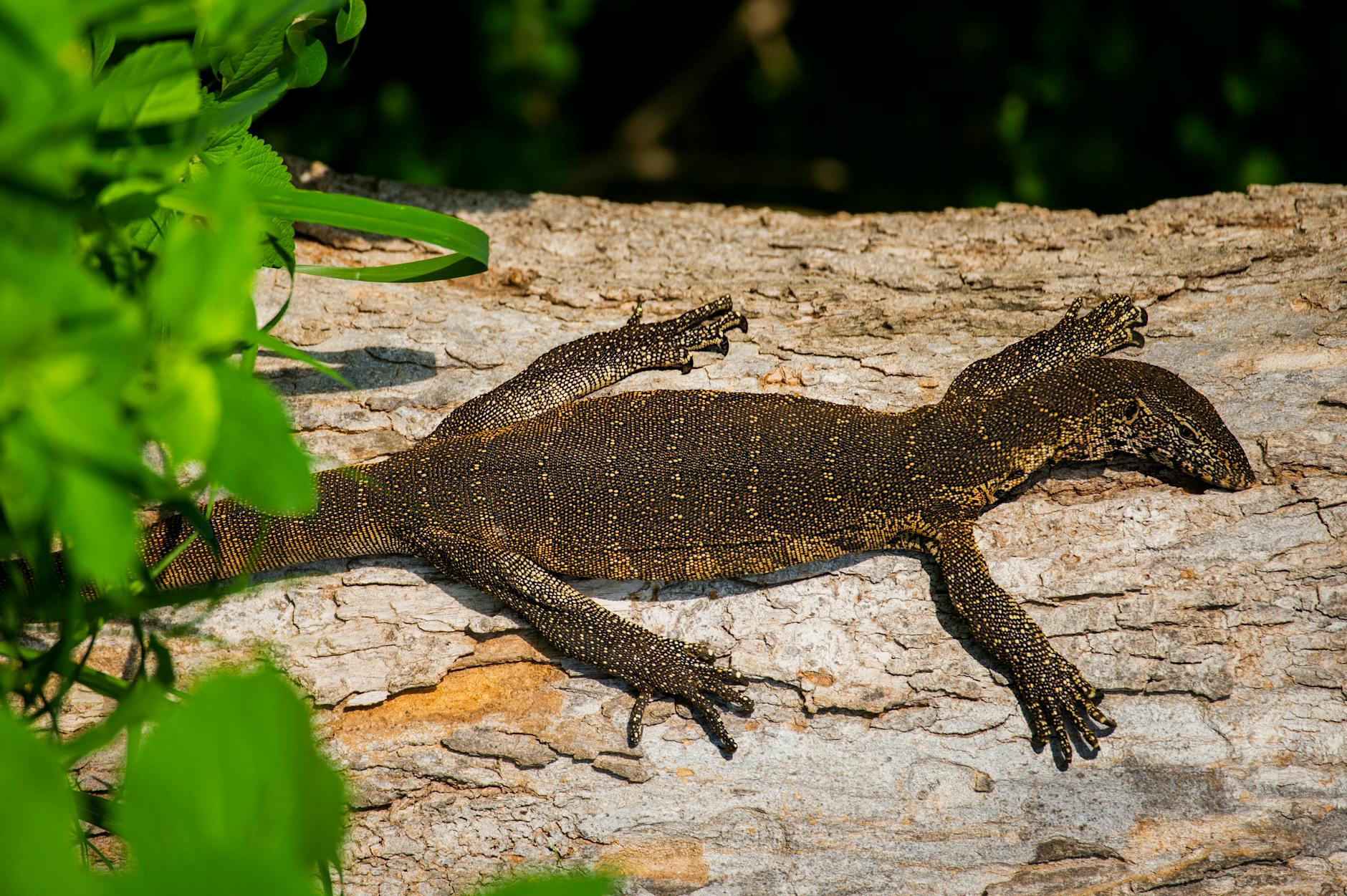
Nile monitors are highly intelligent and physically powerful lizards whose size and temperament make them one of the more demanding reptiles in zoo collections. They are fast and defensively aggressive when they feel threatened meaning that routine enclosure work requires well-coordinated teams and strict safety procedures. Environmental enrichment is essential since under-stimulated individuals can develop destructive and stress-related behaviors that complicate their management. Their diet must include a diverse range of proteins and the sourcing and preparation of their food is a consistent commitment for keeper teams. Water features within their enclosures require regular maintenance since monitors are strong swimmers who interact heavily with aquatic elements in their environment.
Binturong
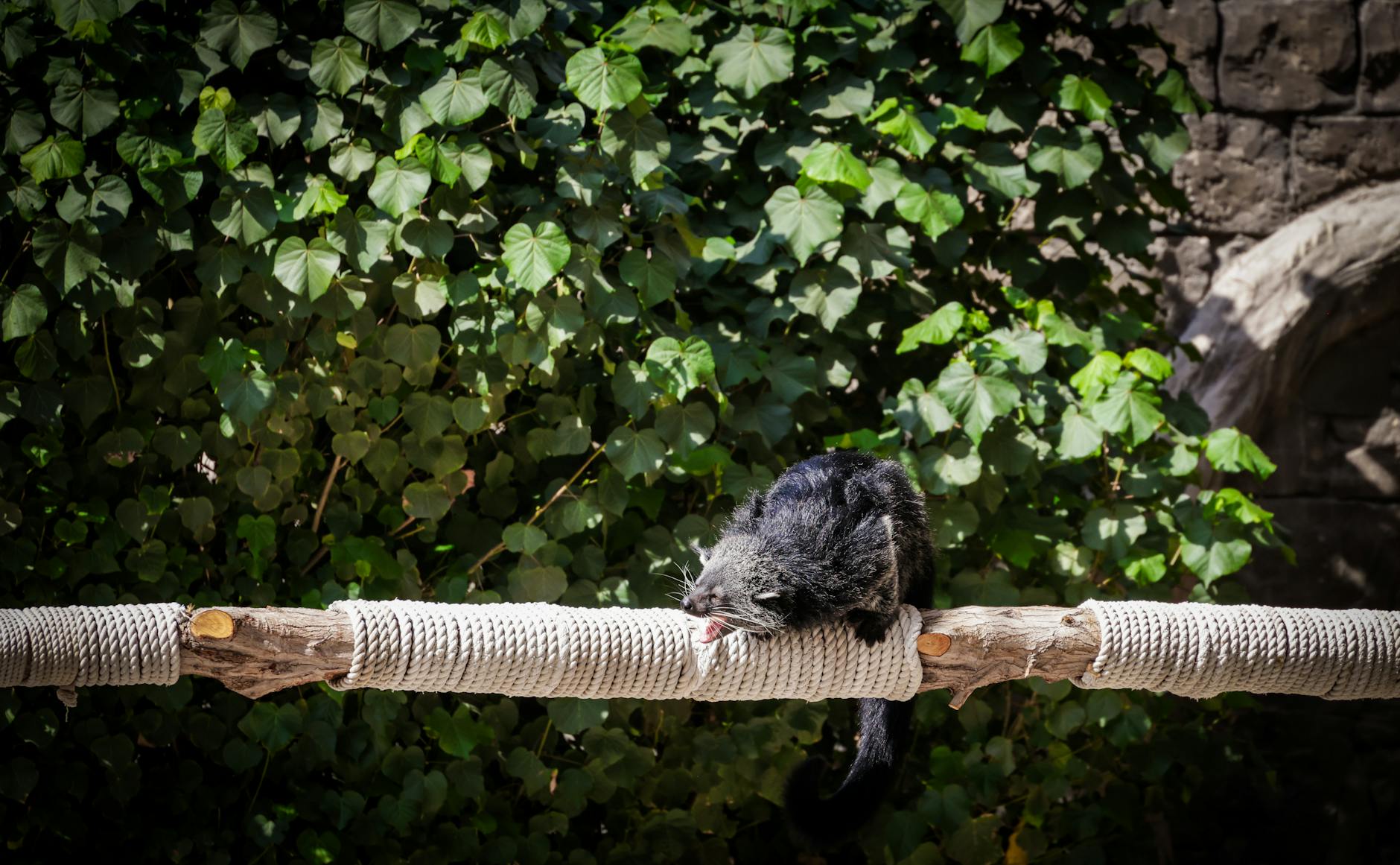
Binturongs have a distinctive pungent odor that makes their enclosure maintenance one of the more olfactorily challenging tasks in zoo husbandry. They are nocturnal and slow-moving which makes behavioral observation during daylight hours difficult and health monitoring more reliant on keeper intuition. Their diet is highly varied combining fruits insects eggs and small vertebrates in a balance that requires consistent nutritional oversight. Despite their seemingly docile appearance binturongs can deliver a serious bite when stressed making all close-contact care procedures a matter of careful protocol. Their enclosures must include substantial climbing infrastructure as these arboreal animals spend the majority of their lives off the ground.
Cassowary
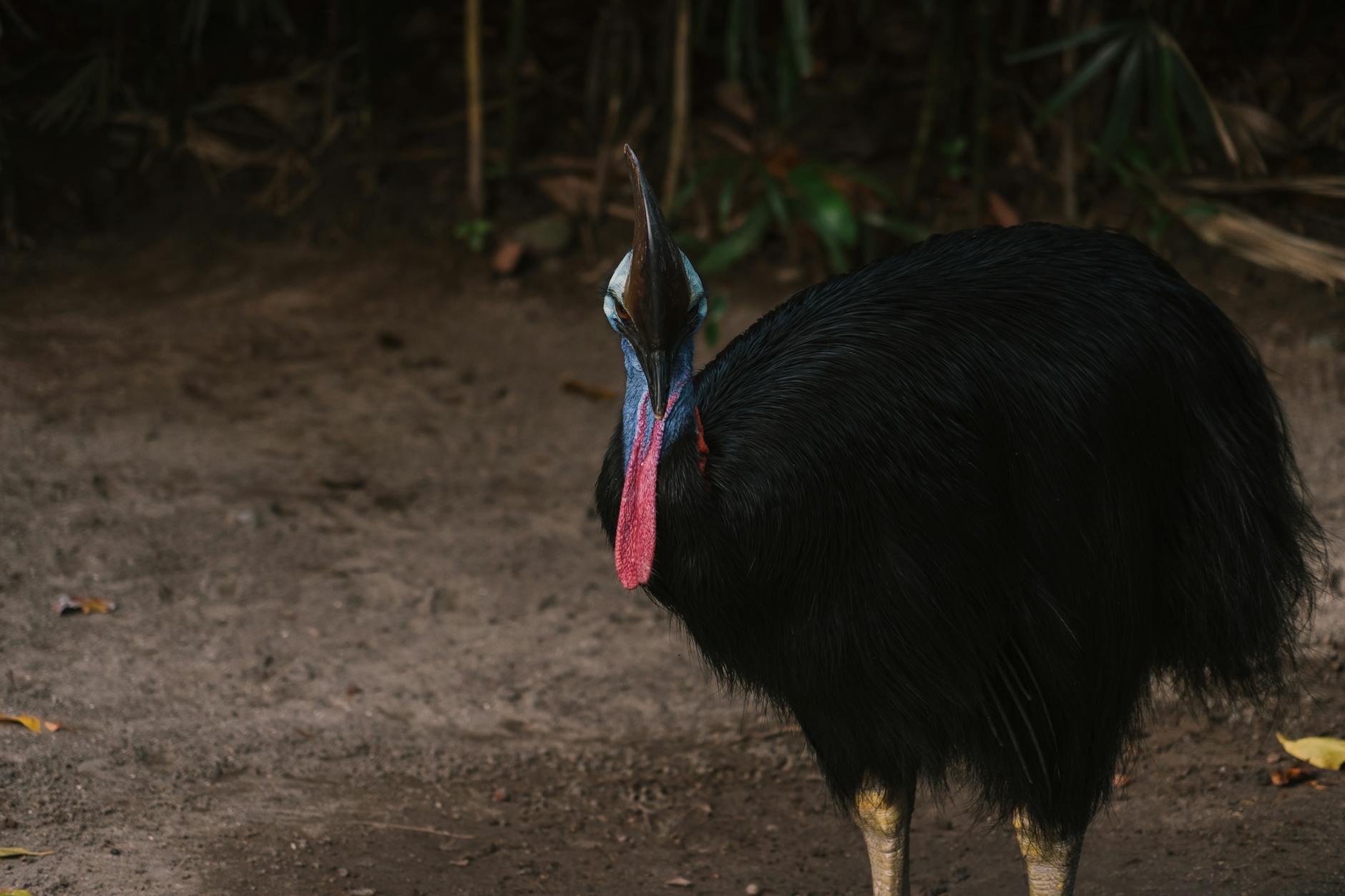
Cassowaries are widely regarded as the most dangerous birds in the world and their powerful legs equipped with long dagger-like claws demand absolute respect from every keeper who works near them. Their unpredictable temperament means that even animals that have lived in captivity for years can become aggressive with little warning. Enclosures must be built to strict safety standards with no features that could allow a bird of their size and strength to breach containment. Dietary management involves a carefully balanced mixture of fruits and proteins to replicate the varied nutrition of their natural rainforest habitat. All routine care including health checks and enclosure maintenance is conducted using protocols that minimize direct exposure to the animal’s formidable kicks.
Okapi
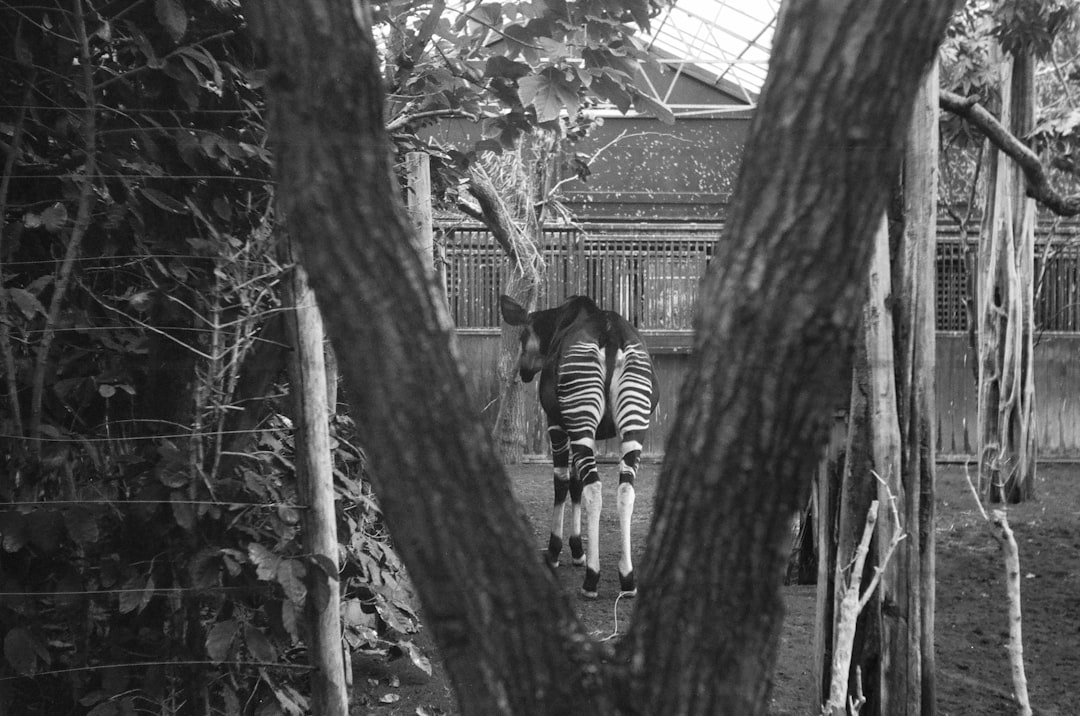
Okapis are extraordinarily sensitive animals that can go into acute stress-induced decline from disturbances that would barely register in most other species. Their immune systems are highly susceptible to respiratory infections making the management of ventilation and temperature in their enclosures a daily priority. Social introductions must be handled with exceptional care since these solitary animals do not tolerate the presence of unfamiliar individuals without a lengthy and carefully managed habituation process. Their striped hindquarters are not merely decorative but a reminder of their close relationship to giraffes which informs the specialist nutritional knowledge required for their diet. Keepers working with okapis must develop an intuitive understanding of each individual animal since subtle behavioral changes are often the earliest indicators of health decline.
Sun Bear
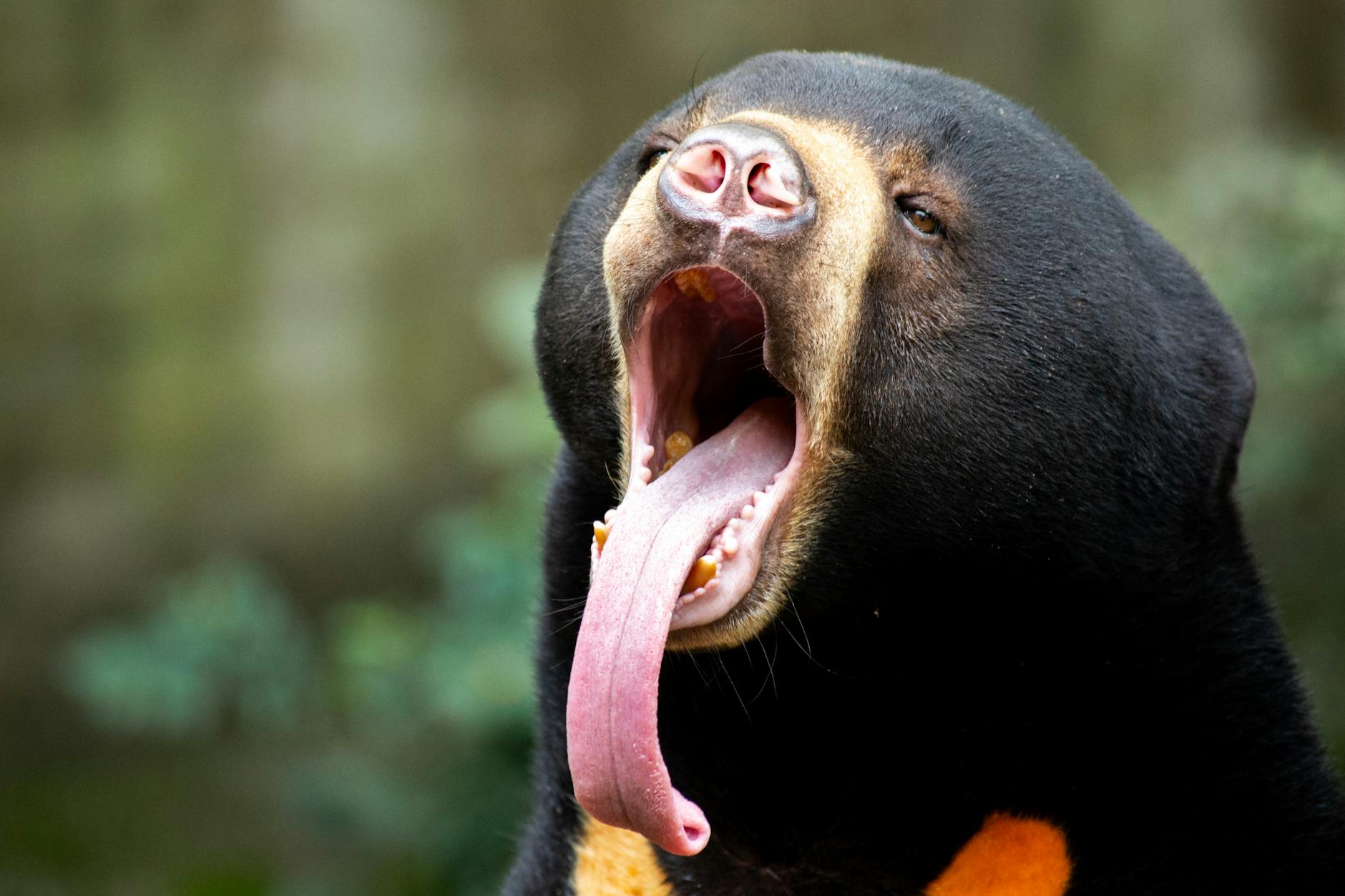
Sun bears are the smallest of all bear species but their intelligence and dexterity make them persistently challenging to manage in captivity. Their long curved claws and elongated tongues are adapted for extracting insects and honey and these same tools are used with considerable skill to test enclosure integrity. Enrichment programs must be highly creative and frequently updated to prevent boredom-driven behaviors in animals that are naturally driven by foraging across large territories. They are prone to obesity in captivity and dietary management requires strict monitoring of caloric intake alongside high levels of physical and cognitive stimulation. Keeper relationships with individual sun bears require patient and consistent development since trust is built slowly with this naturally wary species.
Tasmanian Devil
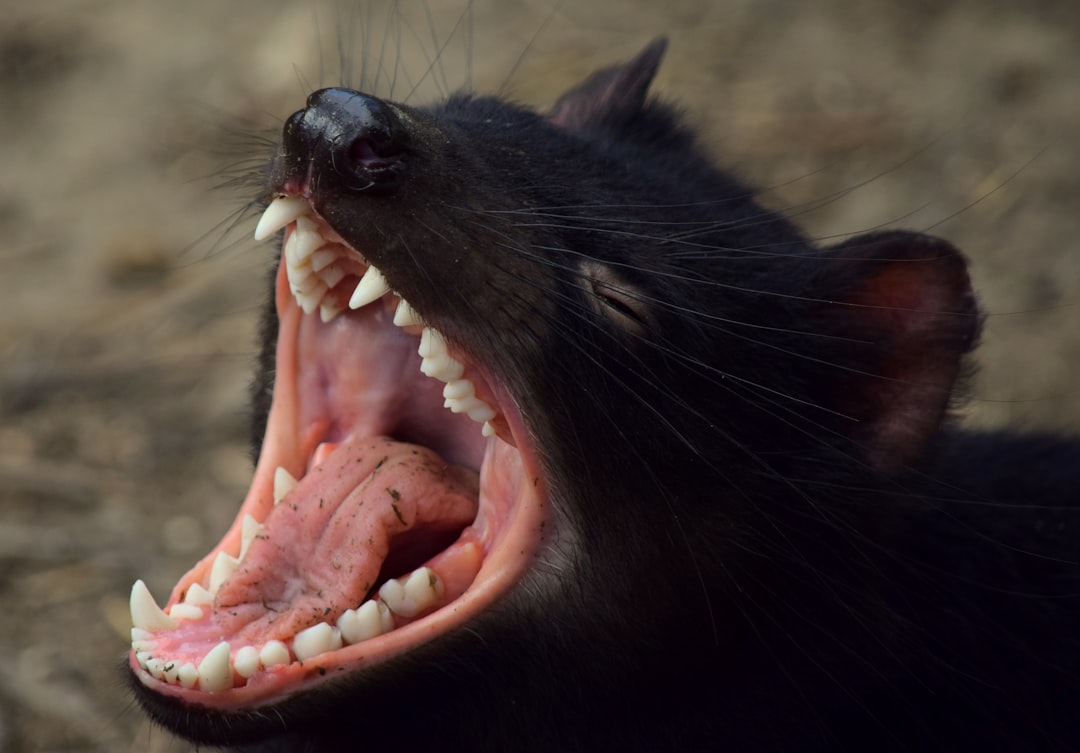
Tasmanian devils are the largest carnivorous marsupials alive today and their feeding frenzies accompanied by intense vocalizations make feeding time one of the most dramatic events in any zoo. Their immune systems are vulnerable to a devastating transmissible facial cancer that has decimated wild populations making health surveillance a constant and weighty responsibility for zoo teams. Social management is complicated by their naturally combative nature since even brief unsupervised contact between individuals can result in injuries. Their nocturnal behavior means that significant periods of keeper observation must take place outside of standard working hours. Every individual in a zoo collection carries enormous conservation significance given the precarious state of wild populations in Tasmania.
Capybara
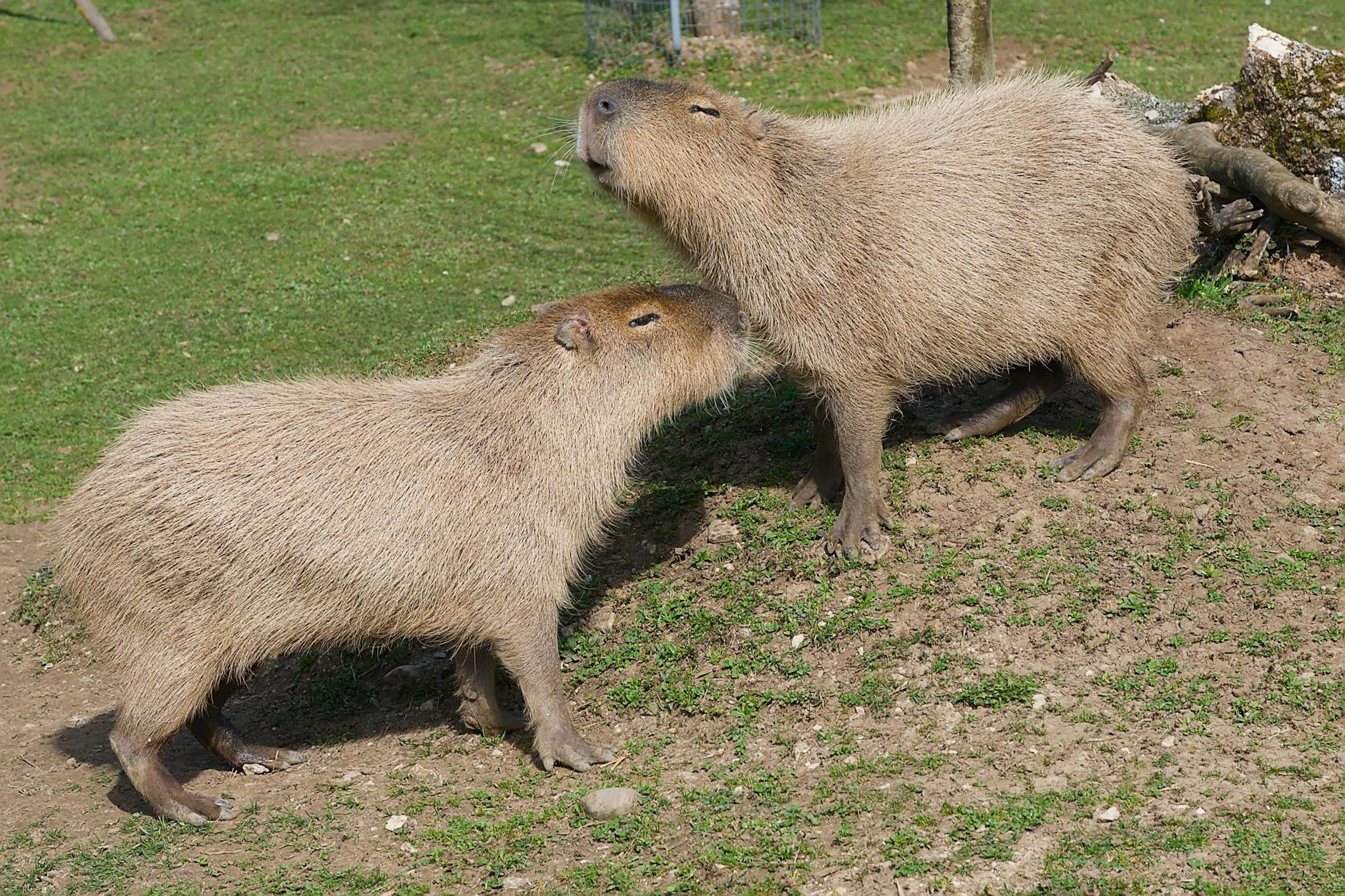
Capybaras are highly social animals that require the company of others to maintain psychological wellbeing making solitary housing a welfare concern that keepers must actively prevent. Their semi-aquatic nature means that water features are not optional enrichment but a fundamental requirement of their enclosure design and these must be maintained to strict hygiene standards. Group dynamics can shift unexpectedly and keepers must monitor social interactions regularly to identify stress or aggression before it escalates. Their continuously growing teeth require a diet with sufficient fiber and roughage to ensure natural wear and prevent the serious dental issues that can develop in captivity. Despite their gentle public image capybaras require a level of environmental and social complexity that keeps their care teams consistently engaged.
Share your thoughts on which of these remarkable animals surprises you the most in the comments.




