
Traveling abroad opens the door to extraordinary experiences, but every destination comes with its own unwritten rules and cultural expectations. Knowing what to avoid is just as important as knowing what to see, and even well-meaning tourists can cause offense or find themselves in serious trouble without realizing it. From etiquette missteps to safety oversights, these are the things you should never do when traveling in a foreign country.
Tap Water
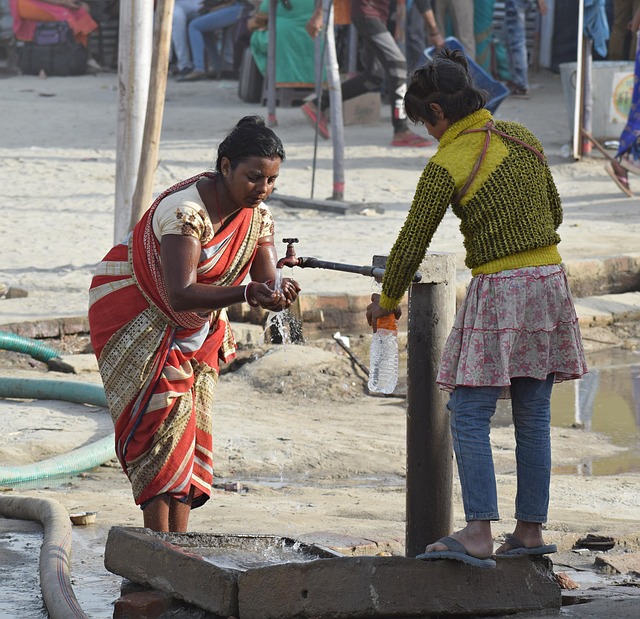
Drinking tap water in an unfamiliar country is one of the most common mistakes travelers make. In many regions across Asia, Africa, Latin America and parts of Eastern Europe, tap water contains bacteria and parasites that can cause severe illness. Always purchase sealed bottled water or use a certified filtration system when the safety of the local supply is uncertain. Even brushing teeth with tap water can be enough to trigger a stomach infection in high-risk areas. Staying hydrated safely requires a small amount of planning but can save an entire trip from being derailed.
Local Currency

Refusing to carry any local currency is a habit that can leave travelers stranded in inconvenient situations. Many smaller restaurants, markets, rural vendors and public transport systems operate exclusively on cash and do not accept foreign cards. ATMs in remote areas can be scarce or unreliable, making it wise to exchange a reasonable amount before departing major transit hubs. Carrying a mix of small denominations makes everyday transactions smoother and reduces the risk of overpaying. Being cashless abroad is a modern convenience that does not yet apply universally across the world.
Travel Insurance

Setting off without travel insurance is a financial risk that can turn a minor incident into a life-altering debt. Medical treatment abroad, especially in countries like the United States or Switzerland, can cost tens of thousands without proper coverage. A comprehensive policy typically covers emergency hospitalisation, trip cancellation, lost luggage and repatriation. Many travelers assume their domestic health plan extends internationally, which is rarely the case in any meaningful way. Purchasing insurance before departure is one of the simplest and most protective steps any traveler can take.
Cultural Dress Codes
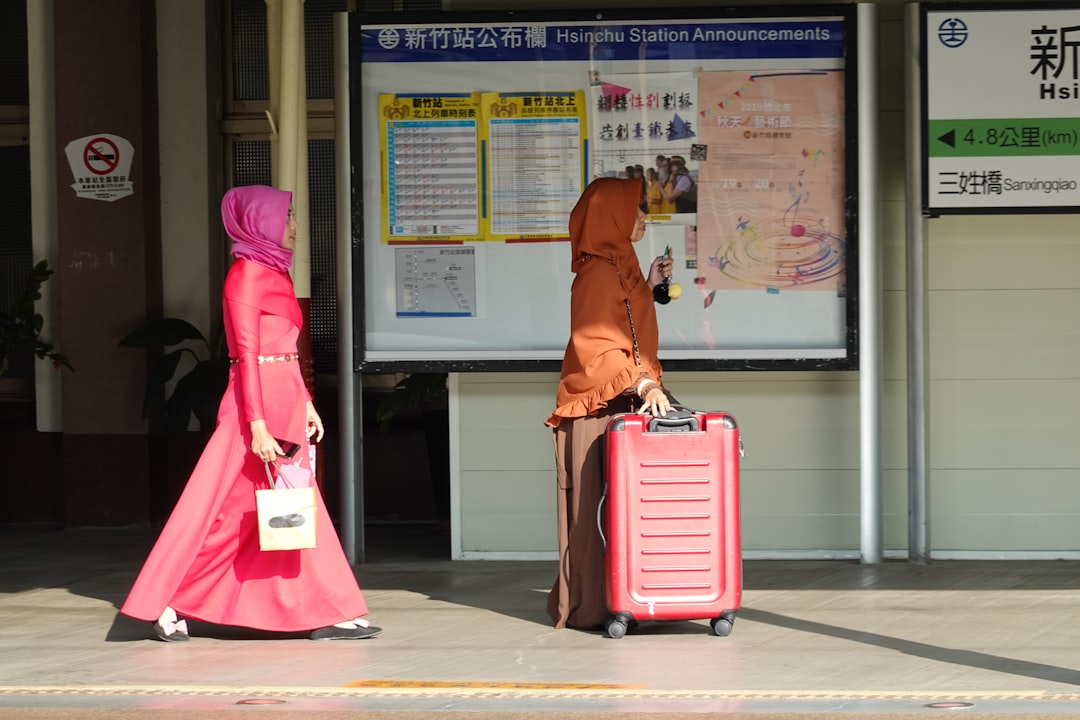
Ignoring local dress codes shows a lack of cultural awareness and can cause genuine offense in many communities. Religious sites across the Middle East, Southeast Asia and Southern Europe often require visitors to cover shoulders, knees or hair before entering. In some countries, wearing revealing clothing outside of beach areas is considered deeply disrespectful and can even attract legal consequences. Researching dress expectations before visiting places of worship or conservative communities takes only a few minutes. Packing a light scarf or sarong is a simple and versatile solution that demonstrates cultural sensitivity.
Photography Rules

Taking photographs without understanding local restrictions is a mistake that can lead to confrontations or confiscation of equipment. Many countries prohibit photography of government buildings, military installations, airports and certain religious ceremonies. In some communities, photographing local people without asking permission is considered highly intrusive and disrespectful. Signs indicating photography restrictions are not always clearly posted, making it essential to research the rules in advance. When in doubt, asking a local guide or simply refraining from taking a shot is always the safer choice.
Passport Copies
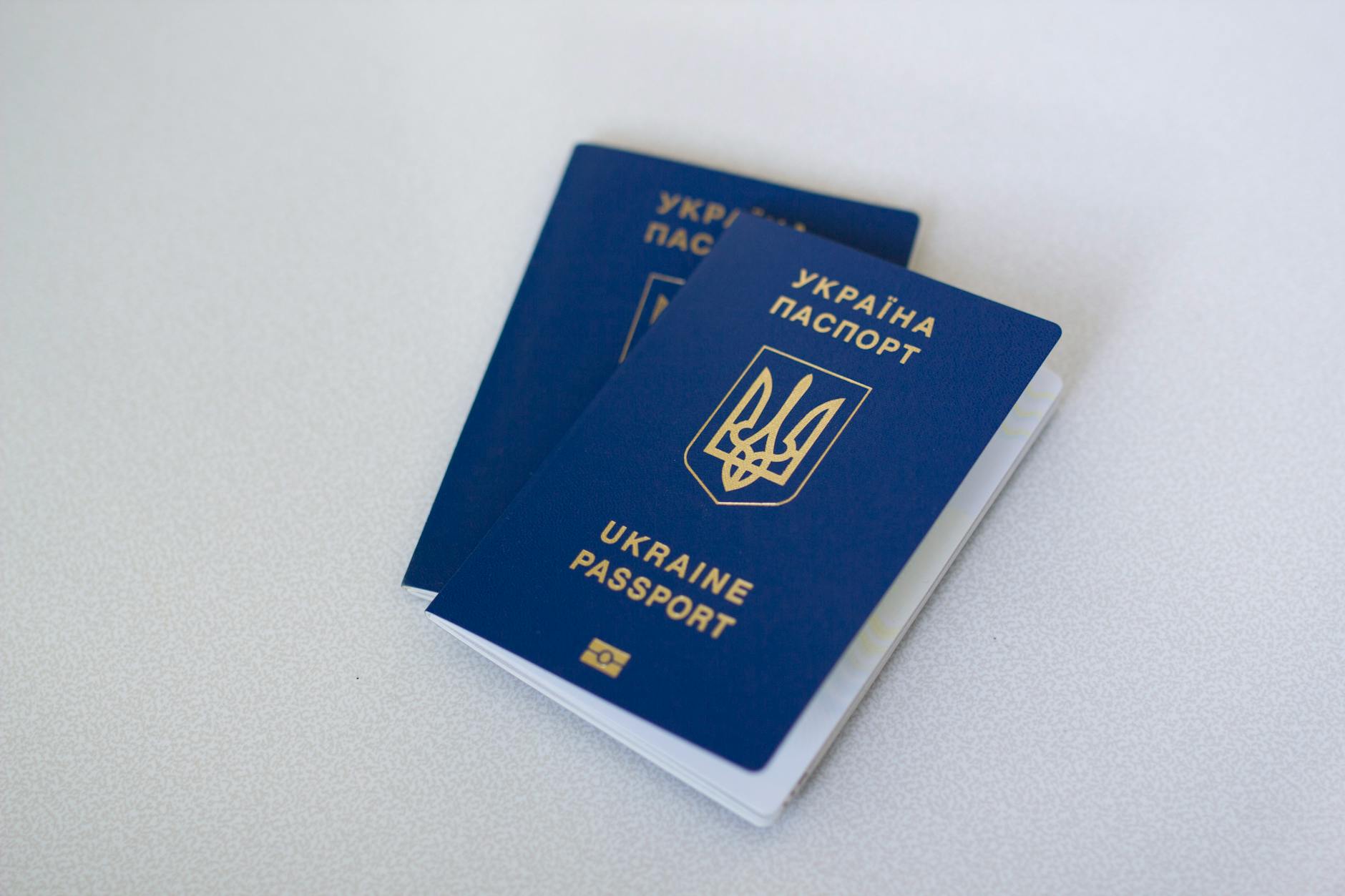
Traveling without copies of your passport and essential documents is a risk that creates enormous complications if the originals are lost or stolen. A digital copy stored securely in email or cloud storage can be accessed from any device in an emergency. Physical photocopies kept separately from the originals provide an additional layer of backup during unexpected situations. Many embassies and consulates require some form of identification to begin an emergency travel document process. Keeping documentation accessible and duplicated costs nothing and provides significant peace of mind throughout any journey.
Public Affection
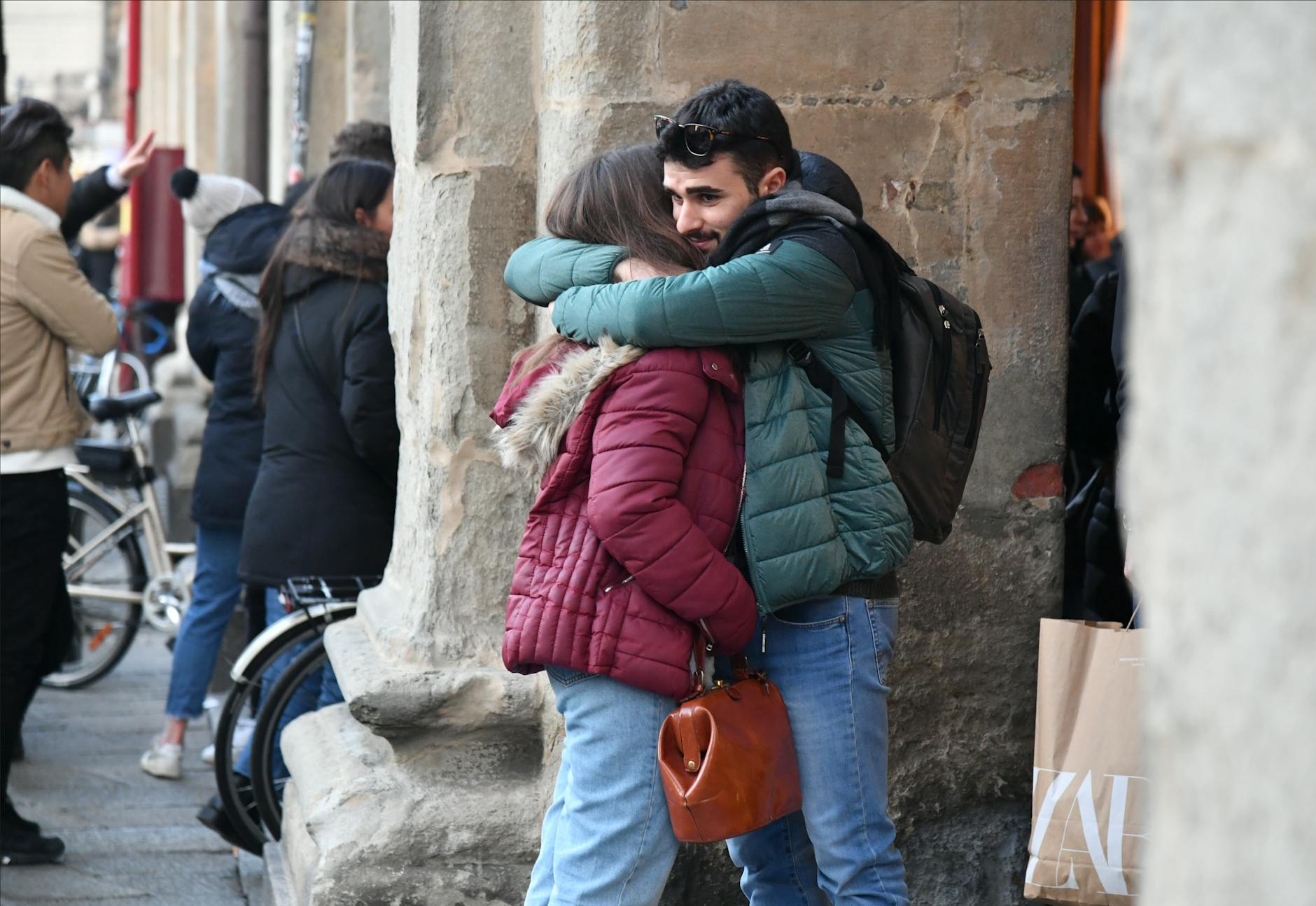
Displaying physical affection in public is perfectly normal in many Western countries but deeply frowned upon or outright illegal in others. Countries across the Gulf region, parts of Southeast Asia and several African nations have strict social codes governing public behavior between couples. Even holding hands or kissing briefly can attract hostile reactions or legal intervention in certain conservative environments. Researching local social norms before arriving helps travelers understand what is and is not considered acceptable in public spaces. Respecting these boundaries is not only polite but is essential to staying safe and avoiding unnecessary conflict.
Street Food Hygiene

Eating street food carelessly without observing basic hygiene standards is a reliable way to end up ill far from home. Food that has been sitting out in warm temperatures for extended periods or prepared with unfiltered water carries a higher risk of contamination. Observing whether a vendor is busy is a useful indicator, as high turnover generally means fresher ingredients and safer preparation. Choosing cooked foods served hot directly from the source reduces the risk compared to raw or pre-prepared options. A cautious and informed approach to street food still allows travelers to enjoy one of the most authentic culinary experiences a destination has to offer.
Visa Requirements
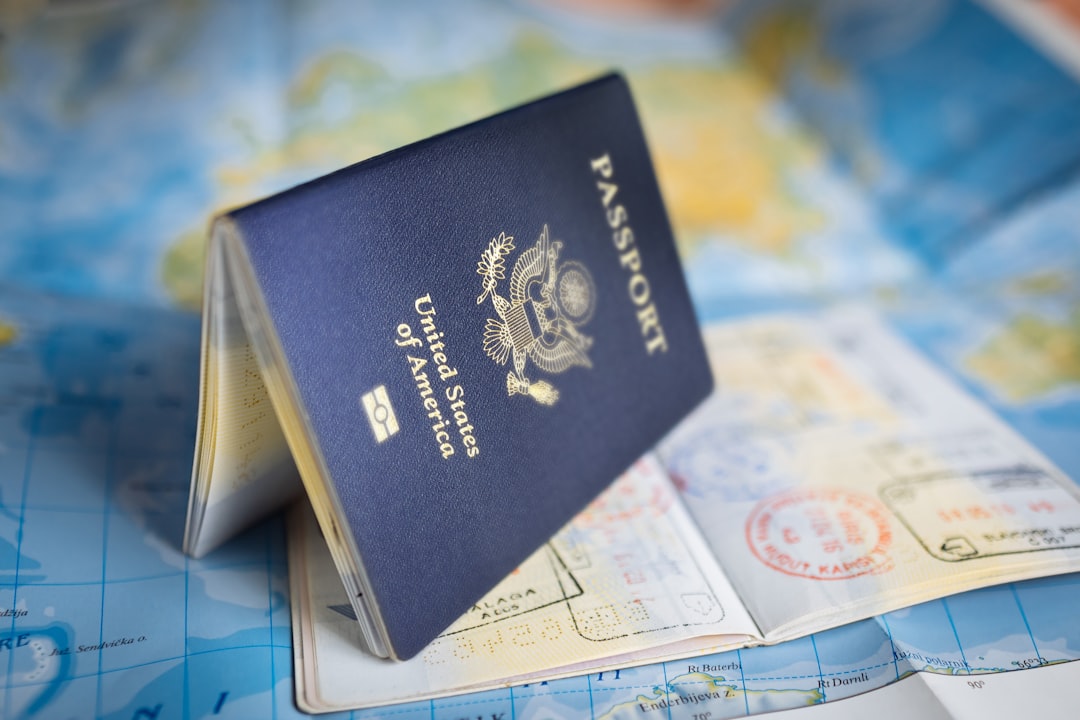
Assuming that a passport alone grants entry to any country is a costly and trip-ending mistake. Many destinations require visas to be arranged weeks or even months in advance through an official application process. Some countries offer visa-on-arrival options but impose strict eligibility criteria that not all nationalities meet. Overstaying a visa even by a single day can result in fines, deportation or future entry bans. Checking the specific entry requirements for every country on an itinerary well before departure is an absolute non-negotiable step in travel planning.
Haggling Etiquette

Haggling aggressively or disrespectfully in markets where bargaining is a cultural norm can create tension and sour an otherwise enjoyable exchange. In many parts of Asia, Africa and Latin America, negotiating prices is an expected and respected part of the shopping experience. However, making an insultingly low offer or walking away after a vendor has agreed to your price is considered rude and dishonest. Understanding the general price range for goods before entering a market makes the negotiation process smoother and fairer for both parties. Approaching bargaining with good humor and respect turns a transaction into a genuinely engaging cultural interaction.
Hotel Safes
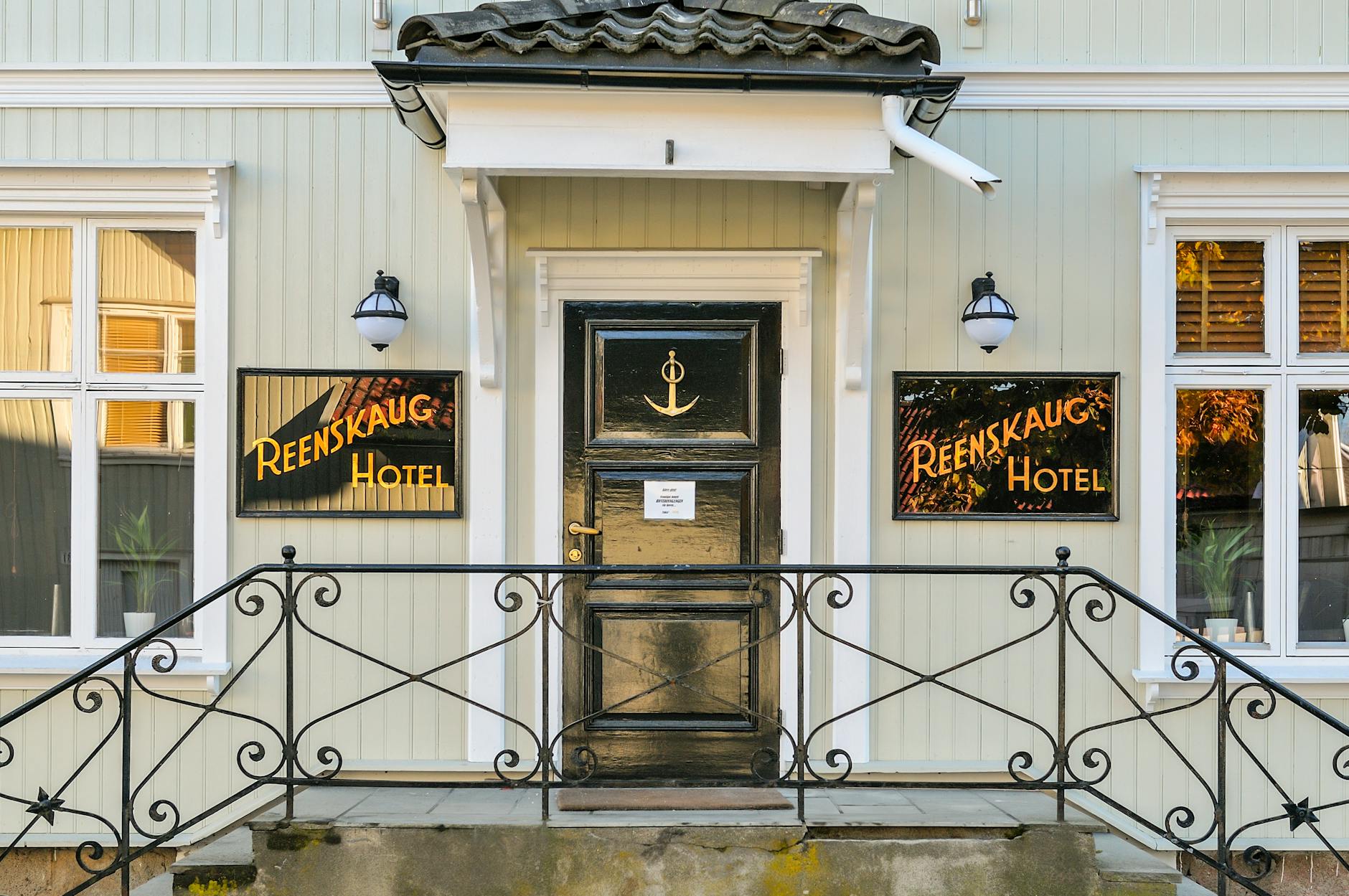
Leaving valuable items including passports, extra cash and electronics unsecured in a hotel room is an unnecessary risk. Hotel safes are provided specifically to protect belongings and should be used consistently throughout a stay. Even in reputable establishments, opportunistic theft does occur and housekeeping access means rooms are rarely fully private during the day. Expensive jewelry and backup payment cards are best left locked away rather than displayed on surfaces or left in luggage. Developing a habit of securing valuables each time you leave a room takes seconds and significantly reduces vulnerability to theft.
Local Laws

Traveling without any awareness of local laws is an assumption of equivalence that can have serious consequences. Behaviors that are entirely legal at home including jaywalking, consuming alcohol in public or certain forms of protest can carry heavy fines or imprisonment elsewhere. Some countries impose strict penalties for drug offenses regardless of the quantity involved, with no leniency extended to foreign nationals. Ignorance of the law is not accepted as a defense in any jurisdiction around the world. A brief review of a destination’s legal environment before traveling is a basic responsibility every international traveler should take seriously.
Emergency Numbers
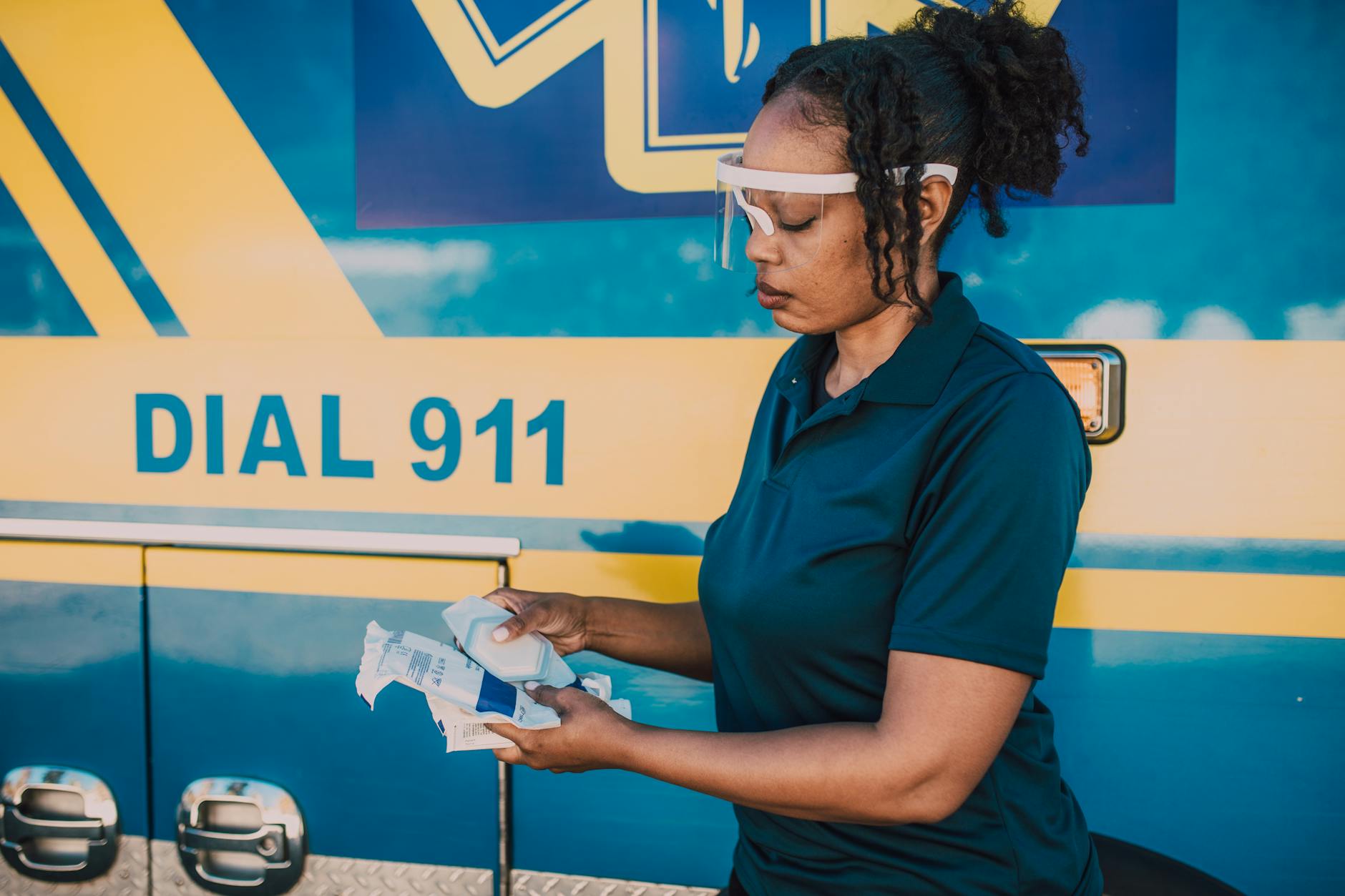
Failing to note local emergency contact numbers before arriving in a country is an oversight that can cost critical time in a crisis. The universal emergency number 112 works in many countries but is not recognized everywhere, and ambulance, police and fire services often operate on separate lines. Storing the number for the nearest embassy or consulate is equally important in the event of a serious incident abroad. Many travel apps now include offline emergency information that remains accessible without a data connection. Having these numbers saved before they are needed is a small preparation that carries potentially enormous consequences.
Currency Exchange
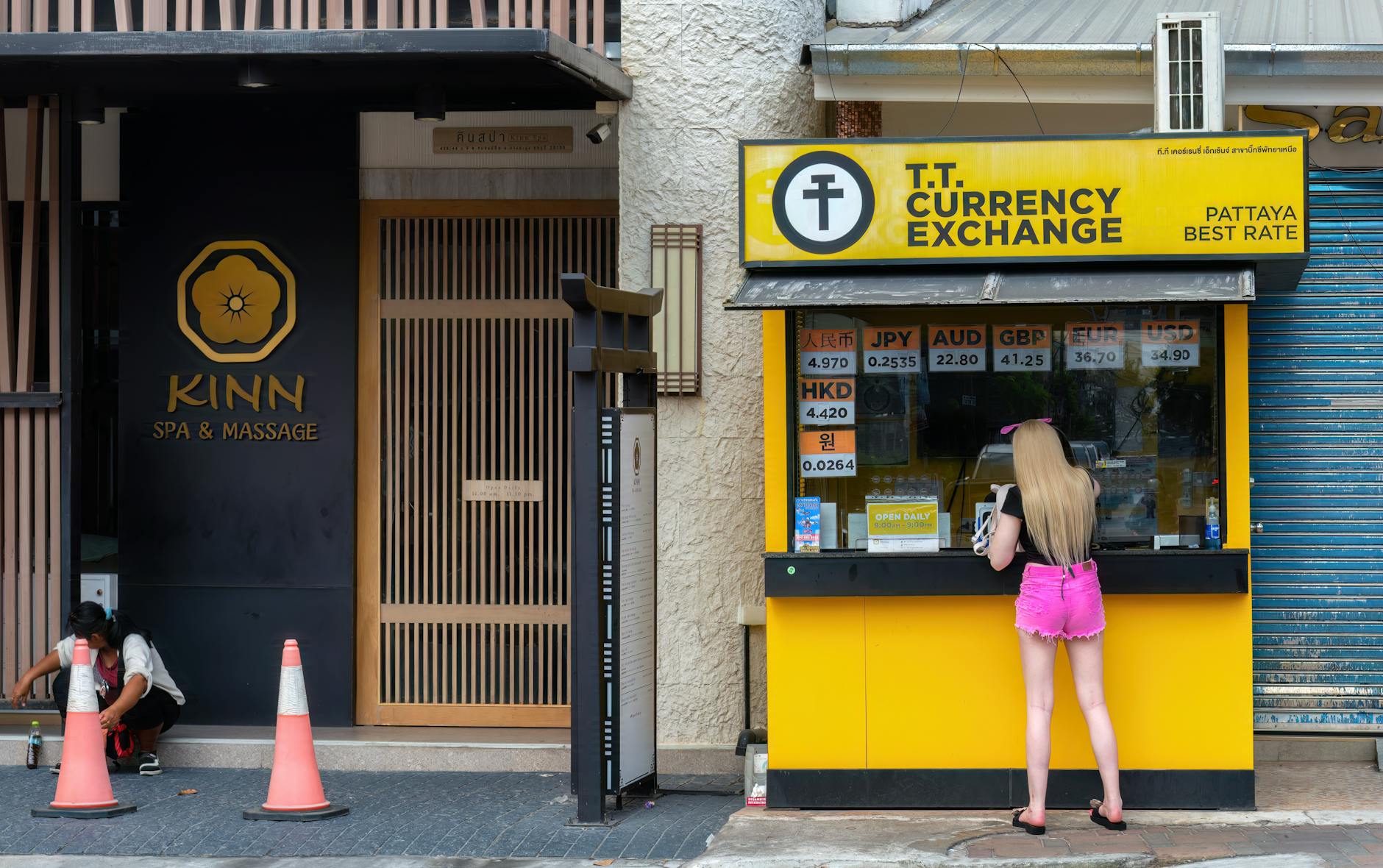
Exchanging currency at airport kiosks or tourist-facing exchange booths is one of the most consistently expensive financial decisions a traveler can make. These locations typically offer rates significantly below the interbank rate while applying additional service fees on top. Local banks, post offices and ATMs affiliated with reputable international networks generally provide far more competitive conversion rates. Researching the approximate exchange rate before arriving in a country allows travelers to immediately recognize when they are being offered a poor deal. Spending a few minutes comparing options before exchanging money can save a meaningful amount over the course of a longer trip.
Taxi Scams
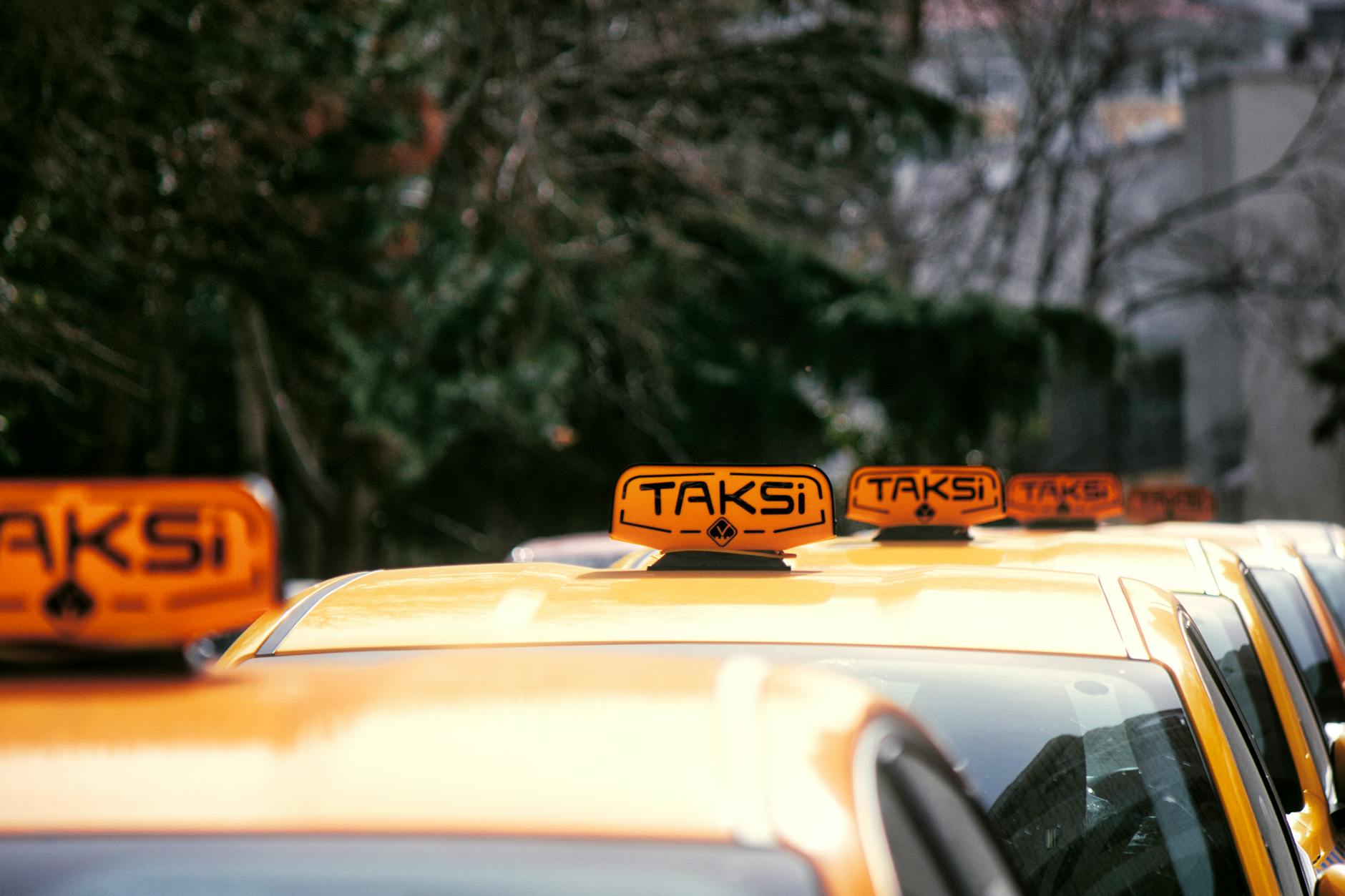
Getting into an unmarked taxi or accepting a ride without confirming the fare in advance is a well-documented way to be significantly overcharged. Many cities with high tourist traffic have unofficial drivers who specifically target arriving passengers at airports and major transport hubs. Using a reputable ride-hailing app where available eliminates fare ambiguity and creates a digital record of the journey. If metered taxis are the standard in a city, insisting that the driver use it is a reasonable and entirely normal request. Knowing the approximate cost of common journeys before hailing a cab provides an immediate reference point for detecting dishonest pricing.
Local Customs

Dismissing local customs and traditions as irrelevant or inconvenient reflects poorly on both the individual traveler and their home country. Practices such as removing shoes before entering a home, greeting elders in a specific way or observing silence in certain sacred spaces carry deep cultural significance. Many locals will extend patience to visitors who make genuine efforts to understand and follow these customs, even imperfectly. Travel guides, government tourism websites and cultural briefings are all accessible resources for learning basic expectations before arrival. Demonstrating even a basic level of cultural awareness creates more meaningful connections and significantly enhances the overall travel experience.
Overpacking

Traveling with excessive luggage creates logistical problems that compound throughout an entire trip. Oversized bags are difficult to manage on public transport, in narrow streets, on ferries and in budget accommodation with limited storage. Airlines frequently charge substantial fees for checked baggage that exceeds weight limits, adding unnecessary costs to a travel budget. A well-edited capsule wardrobe suited to the climate and planned activities reduces physical burden and speeds up movement between destinations. Packing light is a skill that experienced travelers consistently cite as one of the most transformative improvements they have made to the way they travel.
Social Media
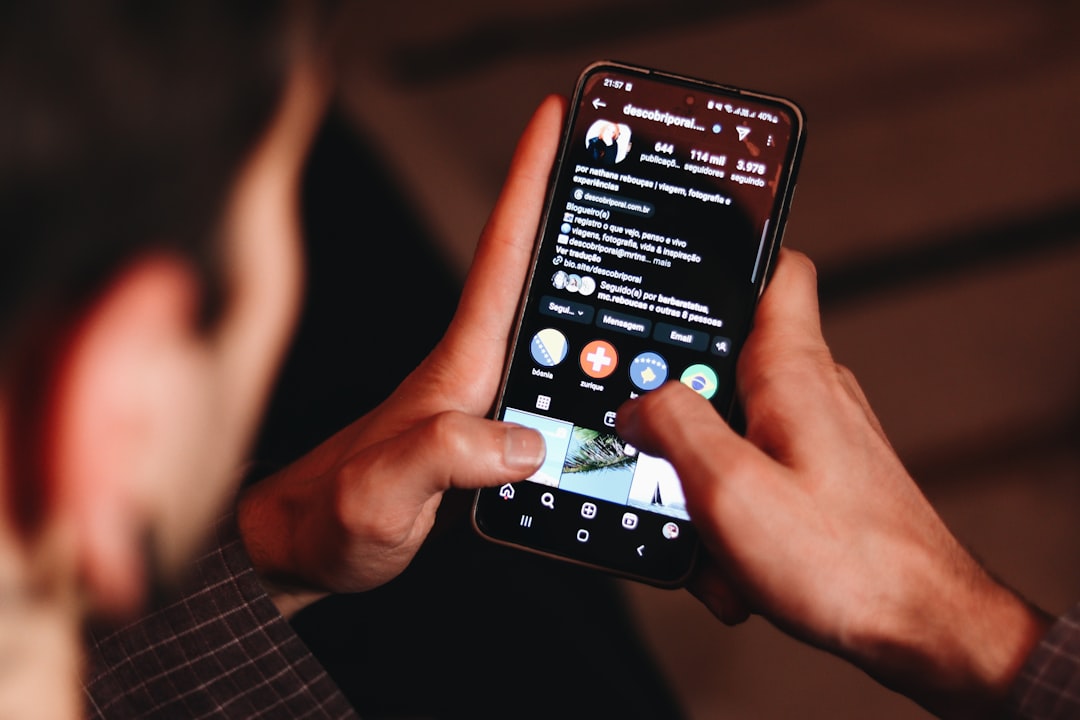
Posting real-time location updates on social media while traveling abroad creates a range of security vulnerabilities that are easy to overlook. Broadcasting your exact whereabouts tells potential thieves that you are away from your accommodation and signals that you are a tourist unfamiliar with the area. In politically sensitive regions, certain posts or shared content can attract unwanted attention from local authorities. Sharing travel photos after the fact rather than in the moment is a simple habit adjustment that significantly reduces these risks. Being mindful of what is shared online and with whom it is visible is an increasingly important part of responsible modern travel.
Tourist Traps

Eating or shopping exclusively in areas that cater to tourists virtually guarantees inflated prices and an inauthentic experience of a destination. Restaurants surrounding major landmarks routinely charge multiples of what locals pay for food of notably lower quality. Venturing even a few streets away from the most heavily trafficked tourist zones almost always reveals better value and more genuine local culture. Asking hotel staff, guesthouse owners or local contacts for personal recommendations is one of the most reliable ways to discover where residents actually eat and shop. Traveling with curiosity beyond the obvious attractions consistently produces the most memorable and rewarding experiences a place has to offer.
Travel Advisories
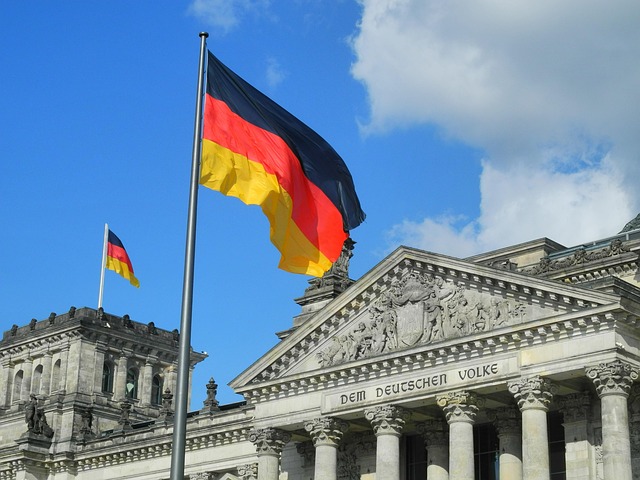
Ignoring official government travel advisories before visiting a destination is a serious lapse in basic safety preparation. Most governments publish regularly updated assessments of security conditions, health risks, natural disaster threats and entry restrictions for countries worldwide. These advisories are not designed to discourage travel broadly but to ensure citizens make informed decisions about specific regions or circumstances. Travel insurance policies may also be invalidated if a traveler knowingly visits a destination under an active high-level warning. Checking the relevant advisory page before booking and again close to the departure date is a straightforward and potentially life-saving practice.
Religious Sites

Behaving inappropriately at religious sites is one of the most universally disrespectful things a traveler can do in any country. Loud conversation, inappropriate clothing, unsolicited photography and wandering into restricted areas are all common violations observed at sacred locations worldwide. Many temples, mosques, churches and shrines remain active places of worship used daily by local communities rather than purely tourist attractions. Reading about the specific protocols expected at each site before visiting allows travelers to participate respectfully and attentively. Treating sacred spaces with the same reverence extended to any place of deep community and spiritual meaning is the minimum standard of respectful travel.
Accommodation Research

Booking accommodation without conducting adequate research can lead to stays in unsafe neighborhoods or poorly rated properties that undermine the entire trip. Review platforms provide valuable first-hand accounts of cleanliness, security, location and the reliability of listed amenities. Verifying the exact address of a property against a map before booking reveals whether it is genuinely central or only described that way through loose geography. Cancellation policies should be checked carefully, particularly when booking non-refundable rates in destinations where plans may need to change. A thorough review process before confirming accommodation is time well spent and directly impacts the quality of a travel experience.
Public Transport

Avoiding public transport entirely in favor of taxis or private transfers means missing one of the most authentic ways to experience daily life in a foreign city. Metro systems, buses and regional trains are typically far more cost-effective than ride-hailing services across long distances or multiple journeys. Most major cities provide transport maps and ticketing information in English, and navigation apps with offline capability make route-finding straightforward even without a data connection. Observing general conduct on public transport including priority seating etiquette and quiet carriage norms helps travelers blend in respectfully with local commuters. Using the local transport network even occasionally provides an immediate and grounded perspective on how a city actually functions.
Travel Apps
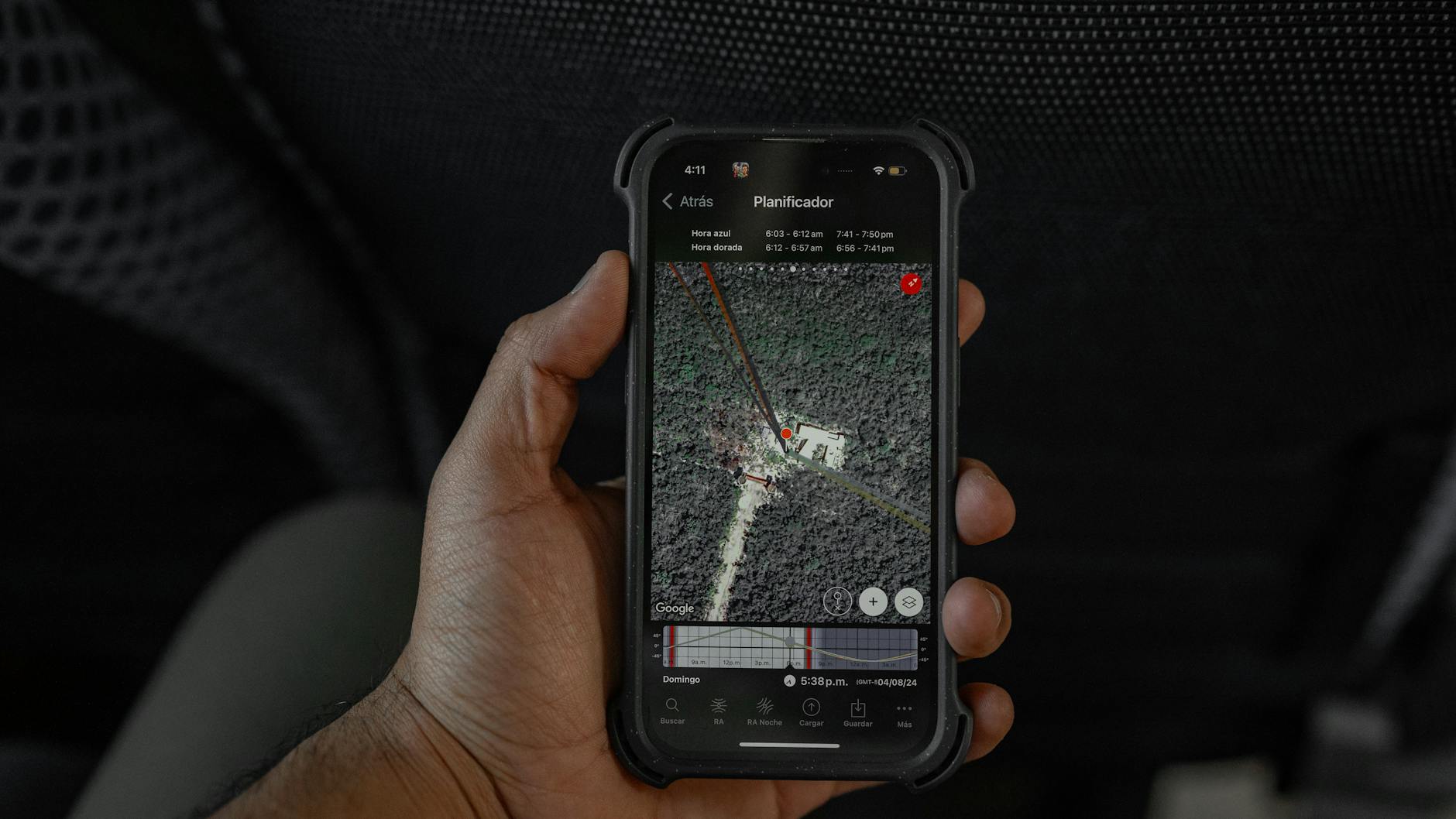
Relying entirely on internet connectivity for navigation and information is a fragile strategy in destinations with inconsistent or expensive mobile data. Downloading offline maps, translation tools and travel guides before departing ensures that essential resources remain available regardless of signal conditions. Apps that work offline can provide turn-by-turn navigation, currency conversion, phrasebooks and restaurant databases without requiring a live connection. Purchasing a local SIM card or international data plan is helpful but should complement rather than replace offline preparation. A well-prepared device loaded with the right tools functions as a reliable travel companion across virtually any destination in the world.
Responsible Tourism

Participating in tourism activities that exploit animals, damage natural environments or disrespect local heritage causes harm that extends well beyond an individual visit. Riding elephants, visiting facilities with captive wild animals or purchasing souvenirs made from protected species directly funds industries with severe ethical consequences. Archaeological sites and natural landscapes are increasingly threatened by the physical impact of unsustainable visitor numbers and irresponsible behavior. Choosing certified responsible operators, following site guidelines and being selective about the experiences purchased sends a clear economic signal about traveler values. Every travel decision carries an impact, and making informed and ethical choices contributes to the preservation of destinations for future generations to experience.
Share your own experiences or tips about navigating cultural differences abroad in the comments.




