Blue Zones are specific regions where people live significantly longer than the global average. These areas include Ikaria in Greece and Okinawa in Japan as well as the Ogliastra Region of Sardinia. Research shows that longevity is less about genetics and more about daily habits and environmental factors. By observing these communities researchers have identified common rituals that support physical and mental wellbeing. These small actions create a foundation for a long and healthy life.
Gardening

Engaging in regular garden maintenance provides gentle physical activity that strengthens muscles and improves flexibility over time. Centenarians often spend their mornings weeding or planting seeds to stay connected with the earth and the seasons. This practice offers a sense of purpose and the reward of harvesting fresh vegetables for daily meals. Spending time outdoors also ensures a healthy dose of vitamin D from natural sunlight exposure. The repetitive nature of garden tasks promotes a meditative state that significantly lowers stress levels.
Daily Walking

Walking serves as the primary mode of transportation in many longevity hotspots where residents navigate hilly terrain on foot. This low impact cardiovascular exercise keeps the heart strong and the joints mobile without the strain of high intensity workouts. Daily walks often occur during social visits or while running essential errands in the local village. Consistent movement throughout the day prevents the negative health effects associated with long periods of sedentary behavior. This simple habit contributes to maintaining a healthy body weight and robust metabolic health well into old age.
Green Tea Consumption
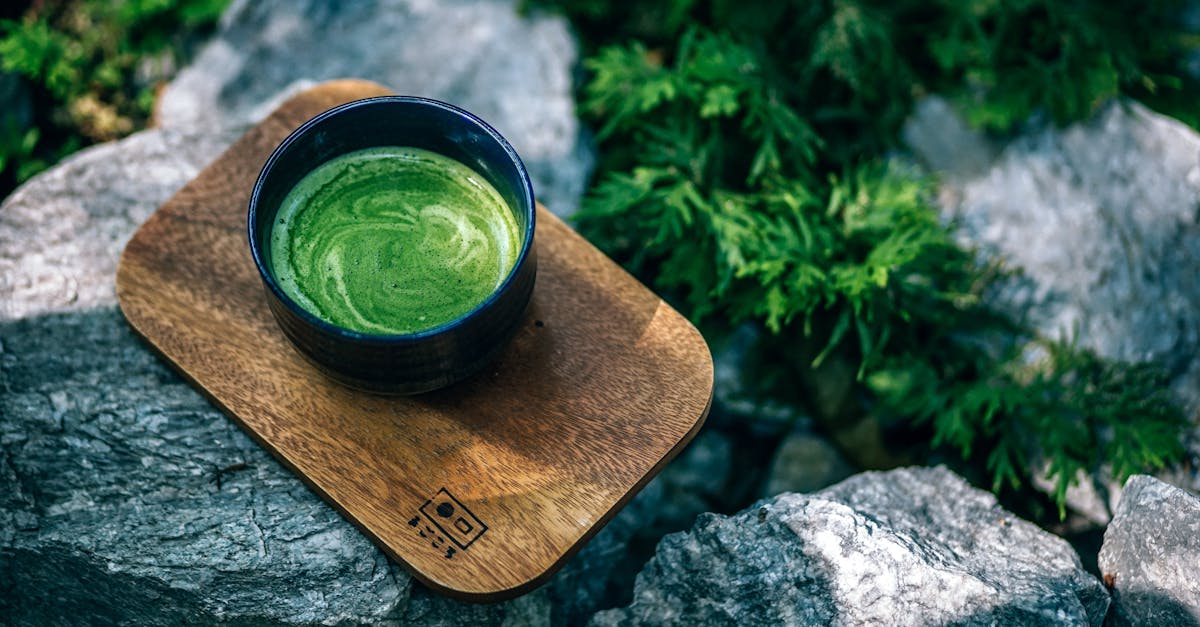
Okinawans frequently drink green tea throughout the day to stay hydrated and benefit from powerful antioxidants. This ritual provides a steady stream of polyphenols that protect cells from damage and support heart health. The caffeine content offers a gentle energy boost without the jittery effects associated with stronger stimulants. Many residents prefer brewing loose leaves in a large pot to share with visitors during social hours. Regular consumption of this beverage is linked to lower rates of chronic disease and improved brain function.
Eating Legumes
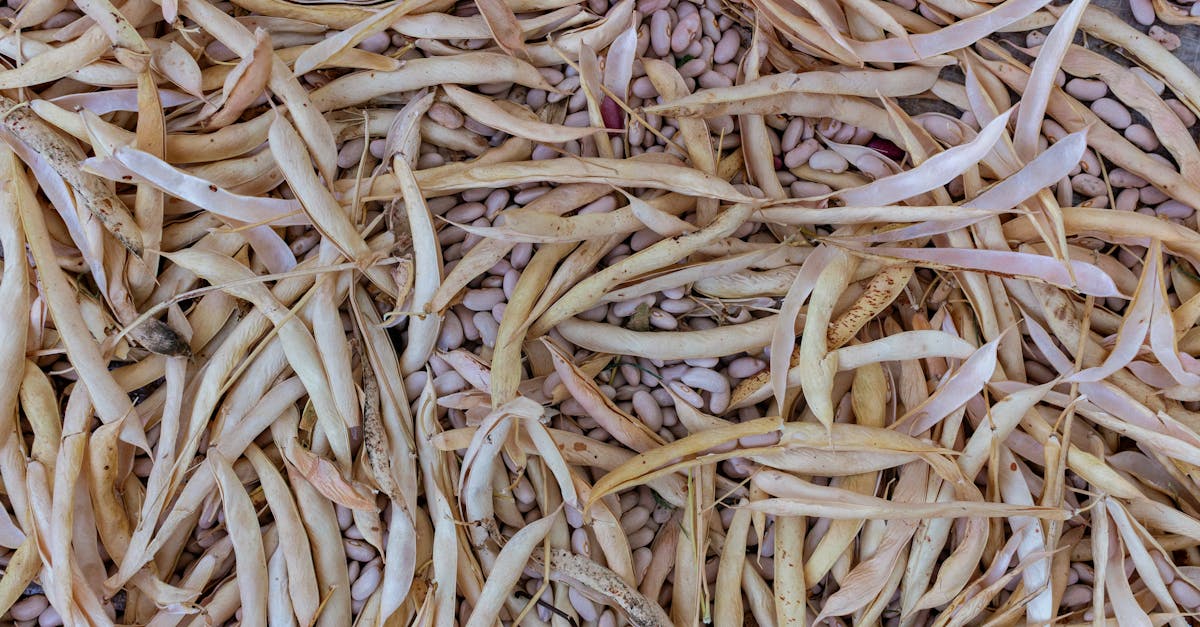
Beans and lentils serve as a primary protein source for many of the world longest living people. These fiber rich foods promote digestive health and help regulate blood sugar levels after meals. Legumes are often incorporated into traditional soups and stews that are prepared slowly over a low flame. This dietary staple provides essential minerals such as iron and potassium without the saturated fats found in animal products. Consuming a variety of beans supports a diverse gut microbiome which is crucial for immune system strength.
Afternoon Napping

A brief midday rest is a common cultural practice in Mediterranean Blue Zones such as Ikaria and Sardinia. Taking a thirty minute nap helps lower stress hormones and provides a mental reset for the second half of the day. Research suggests that regular nappers have a significantly lower risk of developing cardiovascular issues compared to those who push through fatigue. This period of stillness allows the body to recover from morning activities and improves overall cognitive performance. Residents view this quiet time as a necessary component of a balanced and sustainable lifestyle.
Finding Ikigai

The Japanese concept of Ikigai refers to having a clear reason for waking up every morning. This sense of purpose provides mental motivation and helps individuals stay engaged with their community as they age. Whether it is caring for grandchildren or pursuing a craft this focus reduces feelings of isolation and depression. Having a defined role in society contributes to a sense of belonging and self worth. People with a strong Ikigai often experience lower levels of chronic stress and a more positive outlook on life.
Moderate Wine Intake

In regions like Sardinia many residents enjoy a small glass of locally produced red wine with their evening meal. This specific type of wine is typically high in flavonoids that support circulatory health and protect the lining of arteries. The ritual is almost always performed in a social setting alongside friends and family members. Moderation is key as consumption is limited to one or two small servings per day. This habit emphasizes the enjoyment of local flavors and the importance of winding down at the end of the day.
Shared Meals

Eating is rarely a solitary activity in longevity zones where meals are considered a time for connection. Family members of all ages gather around a table to share food and discuss the events of the day. This social interaction fosters strong bonds and provides a support system that buffers against life challenges. Taking the time to eat together also encourages slower consumption which aids in proper digestion. These shared moments create a sense of community and reinforce the cultural values of the group.
Multi Generational Living

Many centenarians live in households that include children and grandchildren or live in very close proximity to them. This arrangement ensures that older adults remain active and integrated into the daily lives of their relatives. Younger generations benefit from the wisdom and stories shared by their elders during frequent interactions. Frequent contact with family prevents the loneliness and cognitive decline often associated with social isolation in old age. This supportive environment creates a safety net that improves the quality of life for every family member.
Walking Barefoot

Spending time with feet in direct contact with the earth is a common habit for those living in rural coastal regions. This practice of grounding is believed to reduce inflammation and improve sleep quality by balancing the body electrical charge. Residents often walk on sandy beaches or soft soil while tending to their land or domestic animals. The sensory experience of natural textures provides a calming effect on the nervous system. Regular grounding helps maintain balance and foot strength through the natural manipulation of small muscles.
Manual Household Chores

Performing daily chores by hand keeps the body in constant motion without the need for a gym membership. Centenarians often bake their own bread and wash clothes or sweep floors using traditional methods. These functional movements improve grip strength and coordination while burning calories throughout the day. Engaging in physical labor provides a tangible sense of accomplishment and keeps the mind focused on the task at hand. This active lifestyle ensures that the body remains capable and resilient well into the tenth decade of life.
Daily Meditation

Taking time for quiet reflection or prayer is a foundational ritual for many people in Blue Zones. This practice helps clear the mind and reduces the physiological impact of environmental stressors. Whether it is a formal meditation session or a quiet moment in a church these periods of stillness foster emotional stability. Focusing on the present moment prevents excessive worrying about the future or ruminating on the past. Regular mental breaks contribute to a peaceful demeanor and a more resilient psychological state.
Social Laughter

Humor and lighthearted conversation are central to the social gatherings found in longevity hotspots. Laughter releases endorphins that act as natural pain relievers and mood enhancers for the entire group. Sharing jokes and funny stories strengthens social ties and makes community interactions more enjoyable. This positive social environment reduces the risk of heart disease by improving blood flow and reducing arterial tension. Maintaining a sense of humor helps individuals navigate the inevitable challenges of aging with grace and optimism.
Eating Seasonal Produce

The diet of a centenarian is largely dictated by what is currently growing in the local environment. Consuming fruits and vegetables at their peak ripeness ensures the highest possible nutrient density for every meal. This habit naturally limits the intake of preserved or imported foods that may contain additives or high levels of sodium. Seasonal eating encourages a varied diet as different crops become available throughout the changing year. This connection to the land helps residents maintain a healthy weight and supports overall metabolic function.
Reducing Added Sugar

Natural sweetness from whole fruits is preferred over processed sugars in the traditional diets of these regions. Desserts are typically reserved for special celebrations or religious holidays rather than being a daily occurrence. Minimizing sugar intake prevents spikes in blood insulin and reduces the risk of developing type two diabetes. Residents often satisfy a sweet craving with a piece of fresh fruit or a small spoonful of local honey. This dietary discipline helps maintain stable energy levels and protects the body against chronic inflammatory conditions.
Traditional Sourdough

Sourdough bread made with natural wild yeast is a staple in many Mediterranean longevity diets. The fermentation process breaks down gluten and lowers the glycemic index of the bread compared to commercial varieties. This results in a slower release of energy and a reduced impact on blood sugar levels after consumption. The beneficial bacteria produced during fermentation also support healthy digestion and gut health. Eating traditional grains in this form provides essential carbohydrates without the negative effects of highly processed white flour.
Goat Milk Intake

In mountainous regions like Sardinia and Ikaria goat milk and its products are frequently consumed. This milk is easier for humans to digest than cow milk and contains high levels of beneficial fatty acids. It also provides a rich source of calcium and phosphorus which are essential for maintaining bone density in older age. Many residents make their own cheese or yogurt using traditional methods that preserve the natural nutrients of the milk. Incorporating these dairy products into the diet supports skeletal health and provides a sustainable source of protein.
Floor Seating

Residents of Okinawa often sit on floor mats for meals and social interaction instead of using chairs. This habit requires them to get up and down from the floor multiple times every day. This simple action builds significant lower body strength and improves functional balance and flexibility. Maintaining the ability to move from a seated position on the floor to standing is a strong predictor of longevity. This constant engagement of core and leg muscles prevents the frailty often seen in sedentary populations.
Pure Water Hydration
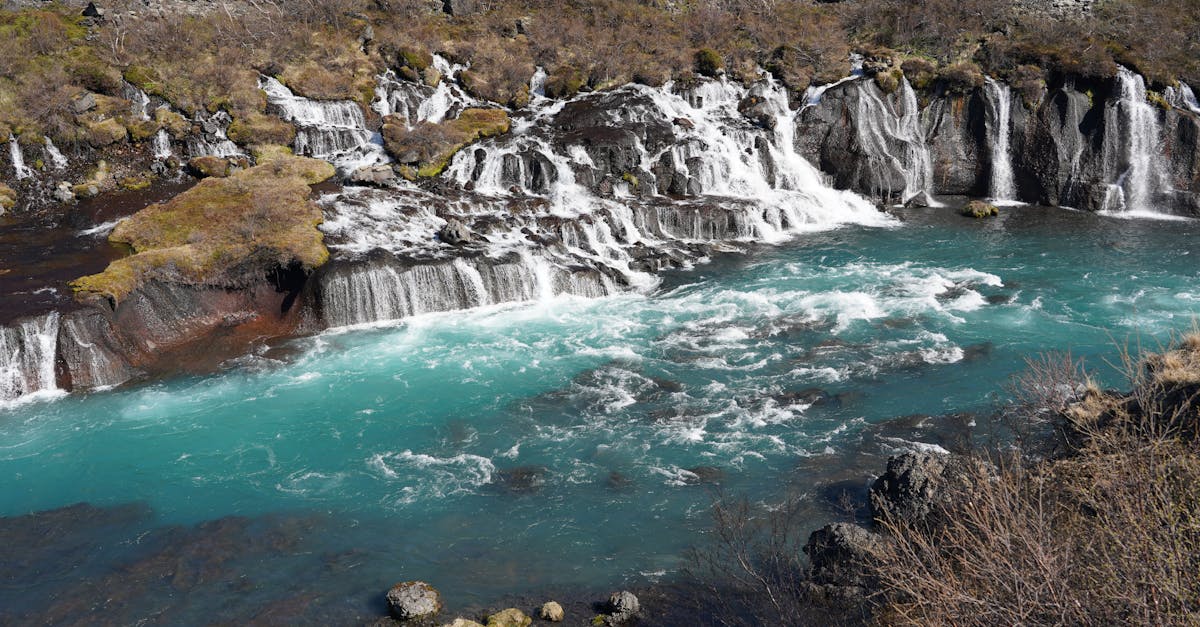
Staying hydrated with clean and mineral rich water is a fundamental daily ritual in all Blue Zones. Many communities get their water from local springs or wells that are naturally high in calcium and magnesium. Drinking water throughout the day helps maintain kidney function and keeps the skin hydrated and healthy. Residents generally avoid sugary sodas or excessive amounts of processed juices in favor of plain water. Proper hydration is essential for maintaining cognitive clarity and physical energy levels across the lifespan.
Growing Kitchen Herbs

Small pots of herbs like rosemary and sage or oregano are common sights in the homes of long lived individuals. These plants are used daily to season food which reduces the need for excessive salt in cooking. Many of these herbs possess potent anti inflammatory and antimicrobial properties that support the immune system. Tending to a small herb garden provides a minor but meaningful physical task and a sensory connection to nature. Fresh herbs add depth of flavor to simple vegetable dishes while providing hidden health benefits.
Practicing Hara Hachi Bu

This Okinawan philosophy involves eating until the stomach is only eighty percent full. This technique prevents overeating and allows the brain time to register satiety signals properly. Smaller portions help maintain a lean body mass and reduce the load on the digestive system throughout the day. Residents often pause before their last few bites to assess their true hunger levels. This intentional moderation is a cornerstone of dietary habits in long lived populations.
Community Involvement

Active participation in local clubs or religious groups provides a strong sense of social identity. Centenarians often hold positions of respect within these organizations and contribute their time to help others. This engagement keeps the mind sharp and ensures that individuals remain connected to current events and local news. Helping neighbors or organizing community events fosters a sense of being needed and valued. High levels of social capital are consistently linked to better health outcomes and a longer life expectancy.
Spiritual Faith

Belonging to a faith based community is a common denominator among the majority of centenarians studied. Attending regular services provides a structured time for reflection and social gathering with like minded individuals. Faith offers a framework for understanding life transitions and provides comfort during times of loss. The rituals associated with spiritual practice create a sense of continuity and tradition across many generations. This spiritual foundation contributes to a calm temperament and a deep sense of inner peace.
Dancing Often

Traditional music and dance are integral parts of social life in regions like Ikaria and Sardinia. Dancing provides a joyful form of cardiovascular exercise that improves coordination and cardiovascular health. These events often bring the entire village together and encourage interaction between different age groups. Moving to the rhythm of music stimulates the brain and releases tension held in the body. Engaging in communal dance reinforces cultural identity and provides a fun way to stay physically active.
Playing Card Games

Mental stimulation through games like cards or dominos is a daily afternoon ritual for many older men and women. These activities require strategic thinking and memory which helps preserve cognitive function into very old age. The games are usually played in public spaces like cafes or town squares to encourage social interaction. Competing in a friendly environment keeps the mind agile and provides an opportunity for regular socialization. These simple games serve as a vital tool for maintaining mental sharpness and preventing boredom.
Late Afternoon Socials
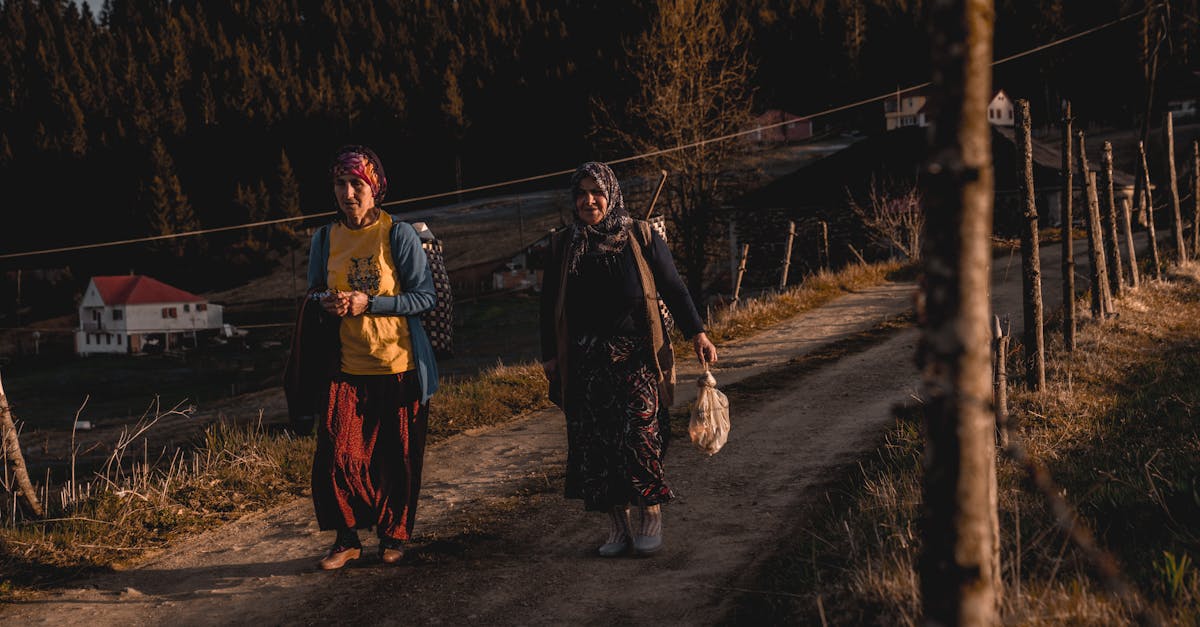
As the sun begins to set many people in Blue Zones gather in communal areas to chat and relax. This social hour is a time to decompress and share news from the day with neighbors and friends. These informal meetings prevent the isolation that can occur when living alone or in rural areas. Engaging with others in a relaxed setting helps lower blood pressure and improves overall emotional health. This daily ritual ensures that every member of the community feels seen and heard.
Morning Sunlight

Exposing the eyes and skin to natural light shortly after waking helps regulate the internal circadian rhythm. This habit ensures a healthy sleep wake cycle and improves the quality of rest at night. Centenarians often spend their early hours outside performing light tasks or simply enjoying the fresh air. Sunlight exposure triggers the production of serotonin which enhances mood and focus for the day ahead. This simple connection to the natural environment supports both physical and mental health.
Regular Sleep Schedules

Going to bed and waking up at the same time every day is a common trait among the long lived. This consistency allows the body to maintain efficient hormonal balance and repair tissues during deep sleep. Most residents in Blue Zones follow the natural light of the sun and avoid artificial light late at night. Getting seven to eight hours of quality sleep is prioritized as a non negotiable part of the daily routine. A stable sleep schedule reduces the risk of chronic stress and supports a strong immune system.
Snacking on Nuts

Eating a small handful of nuts each day is a frequent dietary habit in Loma Linda and other longevity regions. Nuts like almonds and walnuts provide healthy fats and protein and essential vitamins that support brain health. This nutrient dense snack helps satisfy hunger between meals and prevents the consumption of processed foods. Regular nut consumption is associated with a lower risk of heart disease and improved cholesterol levels. Keeping a small bowl of nuts available makes it easy to choose a healthy option during a busy day.
Preparing Slow Food
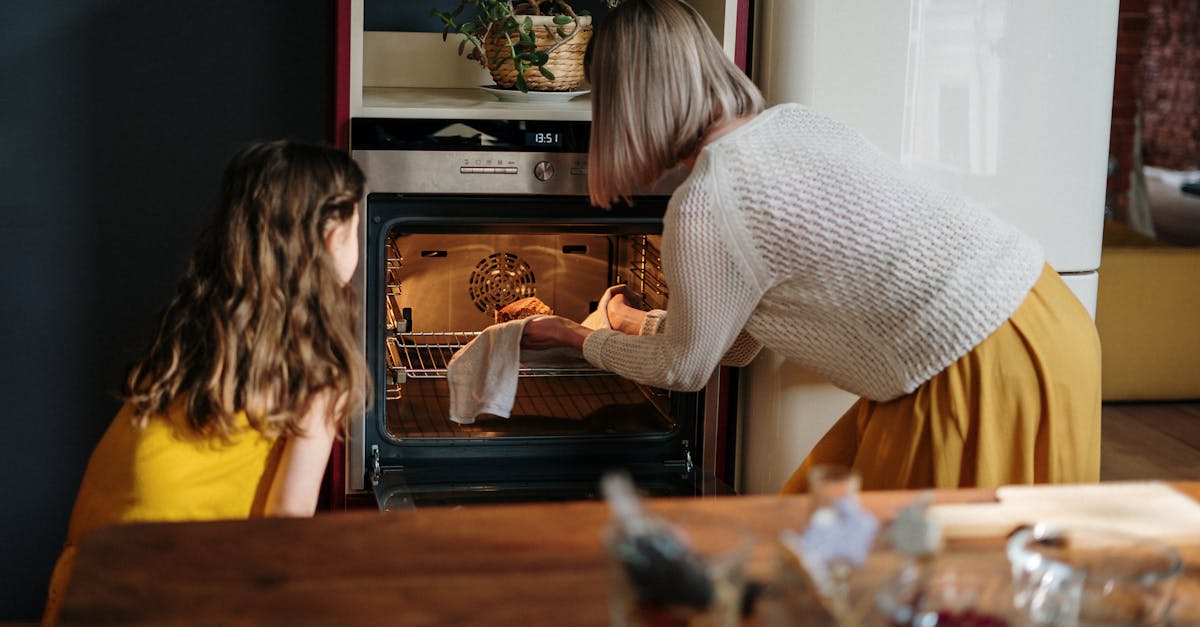
Cooking is viewed as an act of care rather than a chore to be completed as quickly as possible. Ingredients are chopped by hand and sauces are allowed to simmer for hours to develop complex flavors. This slow approach to food preparation encourages a mindful relationship with what is being consumed. Residents often use traditional recipes passed down through many generations using simple and whole ingredients. The time spent in the kitchen is often shared with family members making it a social and productive activity.
Gathering Wild Greens

Foraging for edible wild plants is a regular activity for many people living in rural Blue Zones. These wild greens are often much higher in vitamins and minerals than commercially grown vegetables. Plants like dandelion greens and purslane or wild fennel are frequently added to salads and pies. This practice requires light physical activity and a deep knowledge of the local landscape. Consuming wild plants introduces a variety of unique phytonutrients into the diet that support overall vitality.
Using Olive Oil

High quality olive oil is the primary source of fat in the diets of most Mediterranean centenarians. It is used liberally on salads and in cooking and even drizzled over bread or vegetables. This oil is rich in monounsaturated fats and antioxidants that reduce inflammation throughout the body. Replacing butter or processed vegetable oils with olive oil supports heart health and longevity. The daily use of this golden liquid is considered essential for maintaining healthy skin and cardiovascular function.
Sipping Herbal Teas

In addition to water many long lived people drink infusions made from local wild herbs like sage or mountain tea. These beverages are often consumed in the evening to promote relaxation and aid in digestion. Many of the herbs used have medicinal properties that have been recognized by local cultures for centuries. Drinking herbal tea provides a gentle way to hydrate while ingesting beneficial plant compounds. This quiet ritual serves as a soothing end to a productive day.
Keeping Small Pets

Caring for a dog or a cat or even small livestock provides a sense of companionship and responsibility. Animals offer unconditional affection which can significantly reduce feelings of stress and loneliness. Tending to the needs of a pet ensures that an individual remains active and follows a consistent daily routine. The bond between humans and animals has been shown to lower heart rate and blood pressure in older adults. Having a pet encourages a focus on others and provides a meaningful reason to stay active.
Mentoring Youth

Centenarians often take an active role in teaching skills or sharing history with the younger members of their community. This exchange of knowledge provides the elder with a sense of continued relevance and legacy. Younger people benefit from the perspective and life lessons offered by those who have lived through many decades. These interactions bridge the generational gap and strengthen the social fabric of the village or neighborhood. Mentorship keeps the mind engaged and fosters a deep sense of emotional fulfillment.
Expressing Gratitude

A daily practice of giving thanks for simple blessings is common among those who reach the age of one hundred. Whether through prayer or conversation acknowledging the good in life helps maintain a positive psychological state. This focus on gratitude prevents the buildup of bitterness or resentment over life hardships. People who regularly express thanks tend to have lower levels of stress hormones and better sleep. Gratitude fosters a resilient spirit that can better handle the physical and emotional changes of aging.
Gentle Stretching

Starting or ending the day with light stretching keeps the muscles supple and the joints flexible. These movements are often informal and integrated into the morning routine rather than being a structured exercise class. Stretching improves circulation and helps prevent the stiffness that can lead to falls or injuries. Maintaining a full range of motion allows centenarians to continue performing their own household and garden tasks. This daily attention to the body ensures that it remains a reliable vessel for an active life.
Avoiding Processed Snacks

Convenience foods and pre packaged snacks are largely absent from the homes of the world longest living people. Instead of chips or crackers they reach for pieces of fruit or olives or small pieces of cheese. This avoidance of processed foods limits the intake of artificial preservatives and excess sodium or unhealthy trans fats. Most snacks are whole foods that require minimal preparation and provide real nutritional value. This clean eating habit is a major factor in the low rates of obesity and heart disease in Blue Zones.
Rhythmic Breathing

Consciously slowing down the breath during times of stress or transition is a common self regulation technique. Deep and rhythmic breathing signals the nervous system to relax and lowers the heart rate instantly. Many residents naturally incorporate this into their daily meditation or prayer or while sitting quietly in nature. Taking a few moments to breathe deeply helps maintain mental clarity and emotional balance throughout the day. This simple tool is accessible to everyone and provides immediate benefits for overall wellbeing.
Purposeful Work

Continuing to contribute to the community or family through some form of work provides a reason to stay sharp. This does not necessarily mean a full time job but could involve crafting or selling goods at a market or managing a household. Staying productive keeps the brain active and reinforces a sense of individual identity and agency. The lack of a hard retirement age in many Blue Zones means that people remain active participants in the economy and society. Purposeful work ensures that every day is filled with meaningful activity and social connection.
Please share your favorite longevity secrets in the comments.




