Managing systemic inflammation is a critical component of maintaining health and vitality as the body matures. Incorporating specific nutrients into a daily diet can help mitigate the effects of aging on the joints and skin and internal organs. The following fifty foods provide a wealth of antioxidants and healthy fats that support long term wellness. Each selection offers unique benefits for those looking to optimize their nutrition after reaching the age of forty.
Blueberries

Blueberries are widely recognized for their high concentration of antioxidants called anthocyanins. These compounds help neutralize free radicals that contribute to cellular aging and cognitive decline. Consuming these berries regularly can improve blood flow to the brain and support cardiovascular function. They are also a great source of fiber which promotes a healthy gut microbiome.
Salmon

Salmon provides a substantial amount of long chain omega three fatty acids which are essential for reducing inflammation. These healthy fats protect the heart by improving arterial function and lowering triglyceride levels. The protein content helps maintain lean muscle tissue during the natural aging process. Including this fish in a balanced diet contributes to improved skin elasticity and joint mobility.
Turmeric

Turmeric contains an active compound called curcumin that possesses strong anti inflammatory properties. Curcumin works by blocking enzymes that trigger inflammatory responses in the body. This spice is often paired with black pepper to enhance the absorption of its beneficial components. Regular consumption may help alleviate joint discomfort and support liver detoxification.
Spinach

Spinach is a leafy green vegetable that is exceptionally high in vitamins A and C and K. These nutrients work together to reduce oxidative stress and protect the health of the eyes and bones. The plant also contains lutein and zeaxanthin which are vital for maintaining vision as one ages. Its high folate content supports cellular repair and cardiovascular health.
Walnuts

Walnuts are a unique nut because they contain high levels of alpha linolenic acid which is a plant based omega three. These fats help lower inflammatory markers and support overall brain health. They also provide a good source of protein and fiber to keep the body satisfied between meals. Eating a small handful daily can improve the health of the lining of the blood vessels.
Chia Seeds
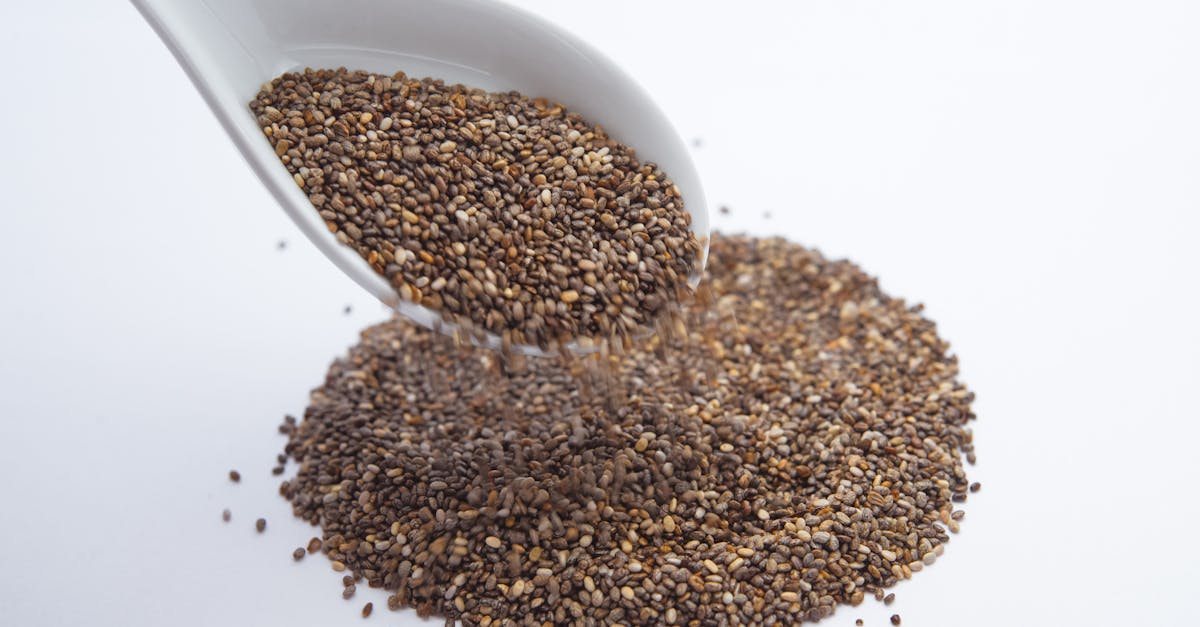
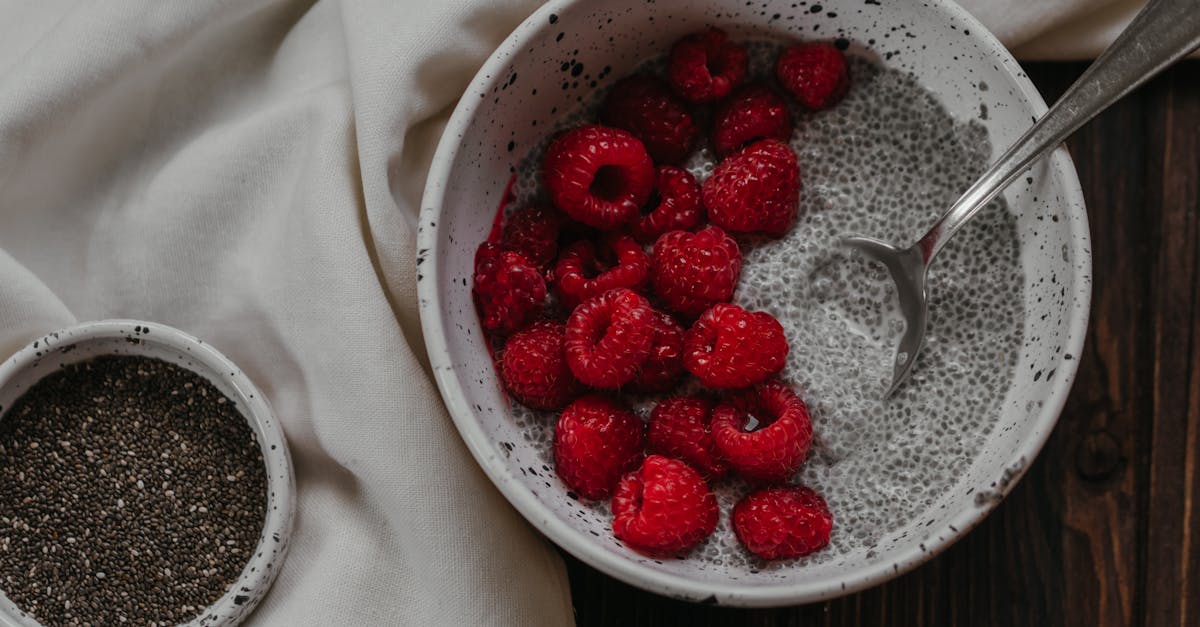
Chia seeds are packed with fiber and healthy fats and essential minerals like calcium and magnesium. When soaked they form a gel that can help slow down digestion and stabilize blood sugar levels. These seeds are an excellent source of antioxidants that protect the delicate fats within the seeds from turning rancid. They are easily added to smoothies or puddings for a nutrient boost.
Avocado
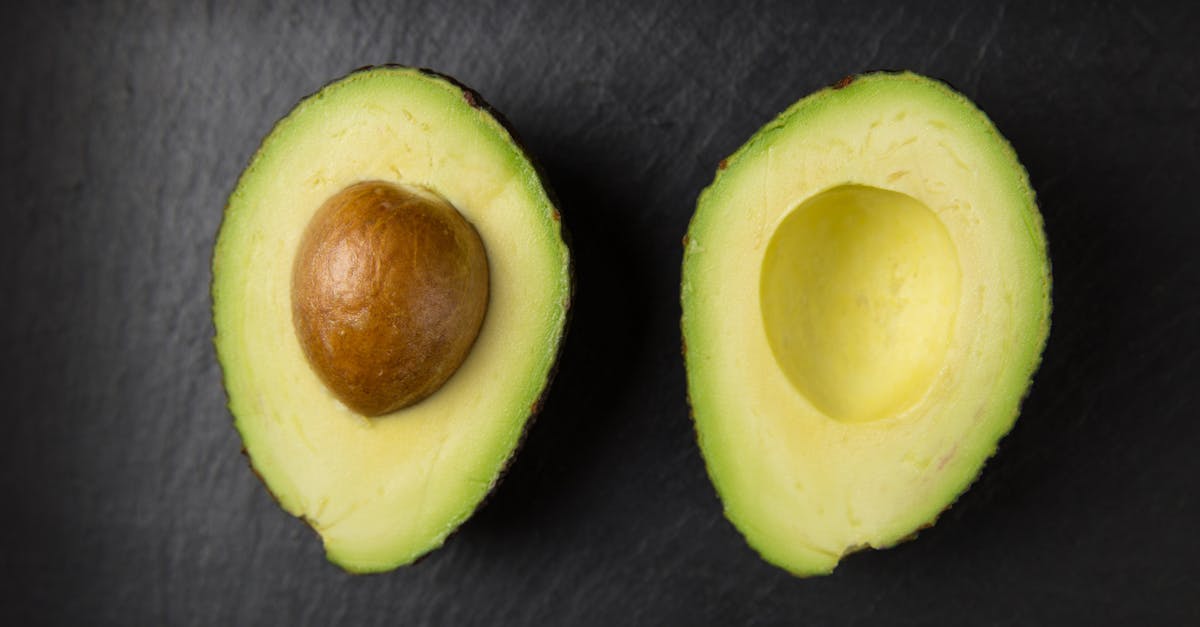
Avocados are rich in monounsaturated fats that are known to support heart health and reduce inflammation. They contain carotenoids like lutein which are important for maintaining healthy skin and vision. The high potassium content helps regulate blood pressure and supports proper nerve function. These fruits also provide fiber to assist with digestive regularity and weight management.
Green Tea

Green tea is a potent source of polyphenols including a specific catechin known as EGCG. This compound has been shown to reduce inflammation and protect cells from damage caused by environmental toxins. Regular consumption may improve metabolic rate and support a healthy immune system. Drinking a few cups a day offers a calming effect while providing significant health benefits.
Broccoli

Broccoli is a cruciferous vegetable rich in sulforaphane which helps the body neutralize harmful chemicals. It contains high amounts of vitamin K and calcium which are essential for maintaining bone density. The fiber content supports a healthy digestive tract and helps regulate cholesterol levels. Consuming this vegetable regularly can assist in reducing chronic inflammation throughout the body.
Extra Virgin Olive Oil

Extra virgin olive oil is a staple of the Mediterranean diet known for its high content of oleic acid. It also contains oleocanthal which is an antioxidant that has effects similar to anti inflammatory medications. Using this oil as a primary fat source supports cardiovascular health and protects the brain from age related decline. It is best used in dressings or added to cooked dishes to preserve its nutritional integrity.
Garlic
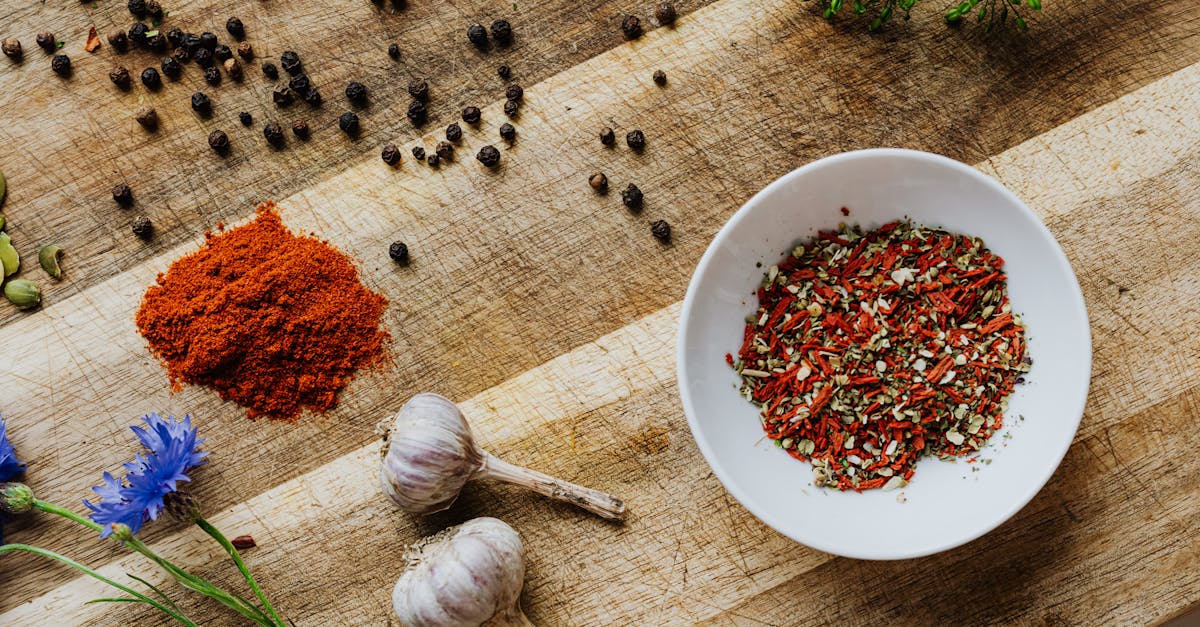
Garlic contains sulfur compounds like allicin which have been used for centuries for their medicinal properties. These compounds help reduce inflammation and improve the health of the circulatory system. Regular intake can help lower blood pressure and boost the effectiveness of the immune system. It also acts as a prebiotic to feed the beneficial bacteria in the gut.
Ginger

Ginger is a root that has been valued for its ability to soothe the digestive system and reduce muscle pain. It contains gingerols which are powerful anti inflammatory and antioxidant substances. Adding fresh or powdered ginger to meals can help reduce the symptoms of osteoarthritis. It also supports healthy circulation and may help lower blood sugar levels.
Strawberries

Strawberries are loaded with vitamin C and manganese and several different types of polyphenols. These nutrients work together to protect the heart and manage the body’s inflammatory response. The high water and fiber content in these berries support healthy skin and digestive functions. They are a delicious way to satisfy a sweet craving while providing essential vitamins.
Almonds

Almonds are an excellent source of vitamin E which acts as a protective antioxidant for cell membranes. They provide a mix of healthy fats and protein and fiber that helps maintain steady energy levels. Frequent consumption of almonds has been linked to improved cholesterol levels and reduced oxidative stress. They are a convenient snack that supports both heart and metabolic health.
Pumpkin Seeds

Pumpkin seeds are rich in magnesium and zinc and healthy fats which are all vital for immune support. Magnesium is particularly important for regulating sleep and maintaining muscle and nerve function. These seeds also contain antioxidants like carotenoids and vitamin E to reduce inflammation. They can be easily added to salads or oatmeal for an extra nutritional punch.
Dark Chocolate

Dark chocolate with a high cocoa content is a rich source of flavonoids that reduce inflammation and improve blood flow. These antioxidants help protect the skin from sun damage and improve brain function. Consuming a small amount of dark chocolate can also help lower blood pressure and improve mood. It is important to choose varieties with minimal added sugar to maximize the health benefits.
Cherries

Cherries especially the tart variety are known for their high concentration of anthocyanins and vitamin C. These compounds are effective at reducing the pain associated with gout and other inflammatory joint conditions. They also contain melatonin which can help regulate sleep patterns and support recovery. Regular consumption helps protect the body from oxidative damage caused by daily stressors.
Raspberries

Raspberries provide a high amount of fiber and antioxidants in every serving. They contain ellagic acid which helps prevent oxidative damage and supports a healthy inflammatory response. These berries are also low in sugar making them a great choice for maintaining stable glucose levels. Their bright color is a sign of the powerful phytonutrients they contain.
Kale
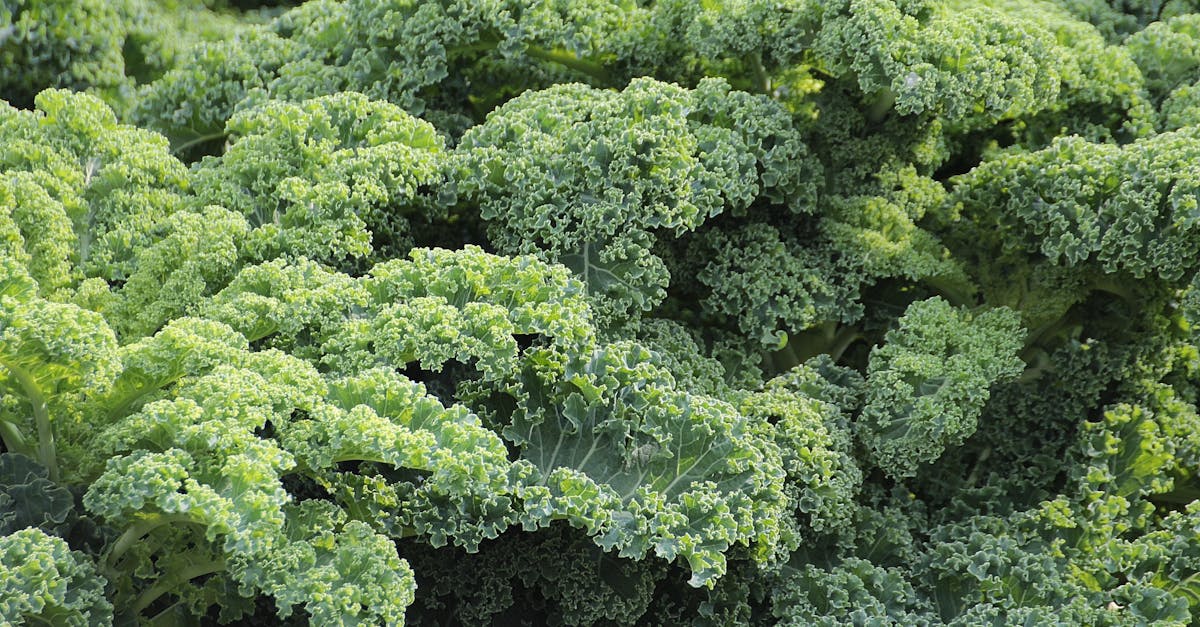
Kale is a nutrient dense leafy green that provides significant amounts of vitamins A and C and K. It is also a source of plant based omega three fatty acids and several different antioxidants. These nutrients help support the body’s natural detoxification processes and protect eye health. Adding kale to soups or salads is an easy way to increase daily vitamin intake.
Swiss Chard

Swiss chard is another leafy green that offers a unique combination of vitamins and minerals like magnesium and potassium. It contains syringic acid which may help regulate blood sugar by inhibiting certain enzymes. The colorful stems are a sign of diverse phytonutrients that help combat systemic inflammation. This vegetable is versatile and can be sautéed or used in place of wraps.
Mushrooms

Mushrooms contain unique compounds called beta glucans that support the immune system and reduce inflammation. They are also a source of selenium which is a mineral that protects cells from damage. Some varieties like shiitake and oyster mushrooms have particularly strong medicinal properties. They can be a great meat substitute or addition to many savory dishes.
Grapes

Grapes are a source of resveratrol which is a polyphenol known for its potential to slow the aging process. This compound protects the heart and helps manage the body’s response to inflammation. The skins of red and purple grapes are especially high in these beneficial antioxidants. Eating whole grapes also provides hydration and a small amount of dietary fiber.
Tomatoes

Tomatoes are the primary dietary source of lycopene which is an antioxidant linked to many health benefits. Lycopene is more easily absorbed by the body when tomatoes are cooked with a healthy fat like olive oil. These fruits also provide vitamin C and potassium and folate for overall cardiovascular support. Regular consumption helps protect the skin from environmental damage and reduces inflammatory markers.
Bell Peppers
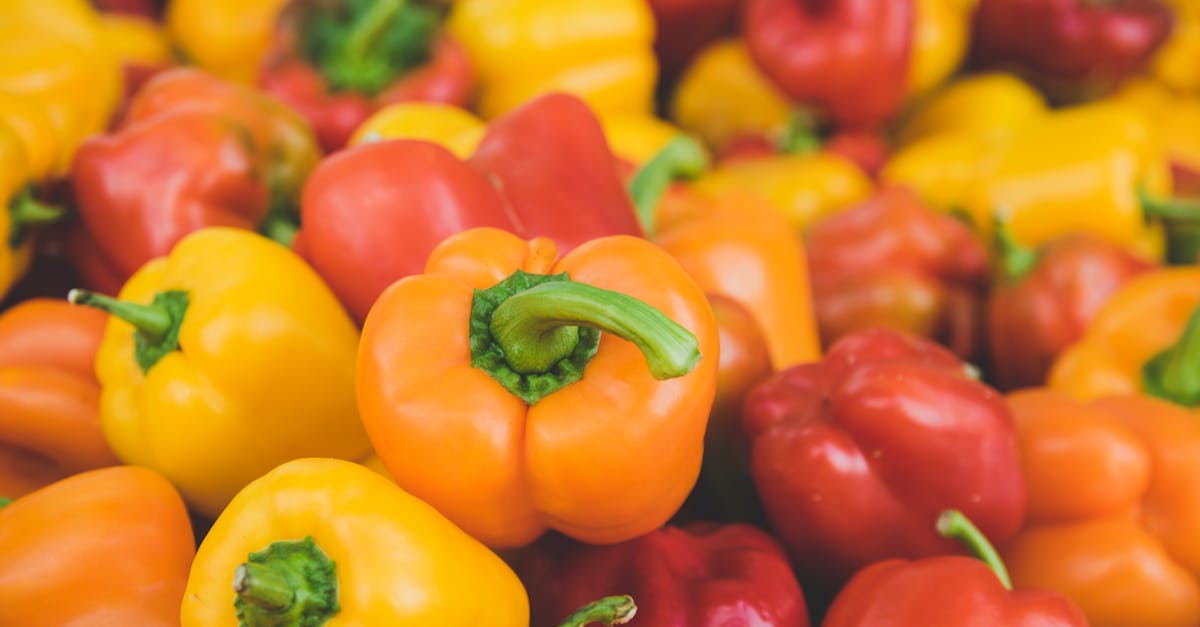
Bell peppers are exceptionally high in vitamin C and various carotenoids that support immune health. They contain compounds that can help reduce the risk of several age related eye diseases. These vegetables are low in calories but high in nutrients making them perfect for weight management. Including a variety of colors ensures a wide range of protective antioxidants.
Lentils
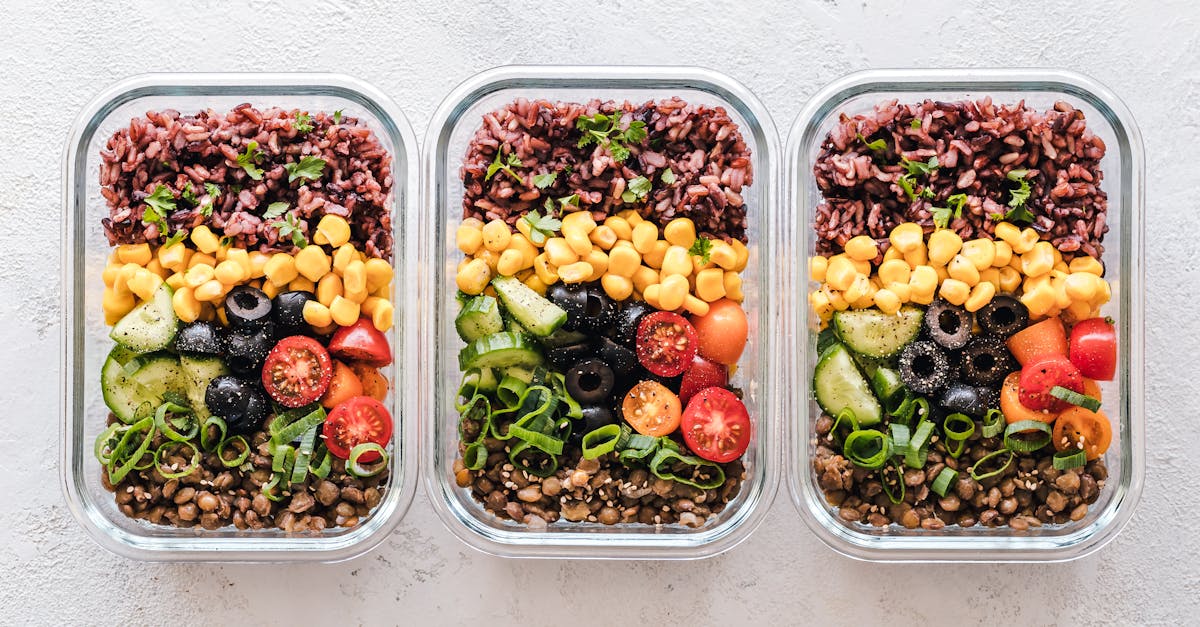
Lentils are an affordable source of plant based protein and high amounts of dietary fiber. They contain polyphenols that have been shown to possess anti inflammatory and neuroprotective effects. The fiber in lentils helps maintain a healthy gut which is crucial for a strong immune system. They are also rich in folate and iron to support energy levels and heart health.
Chickpeas

Chickpeas are a versatile legume that provides a significant amount of fiber and protein. They contain various phytonutrients that help lower cholesterol and manage blood sugar levels. Regular intake of chickpeas can help reduce the risk of chronic diseases associated with aging. They are the main ingredient in hummus and can be added to many different types of cuisine.
Black Beans
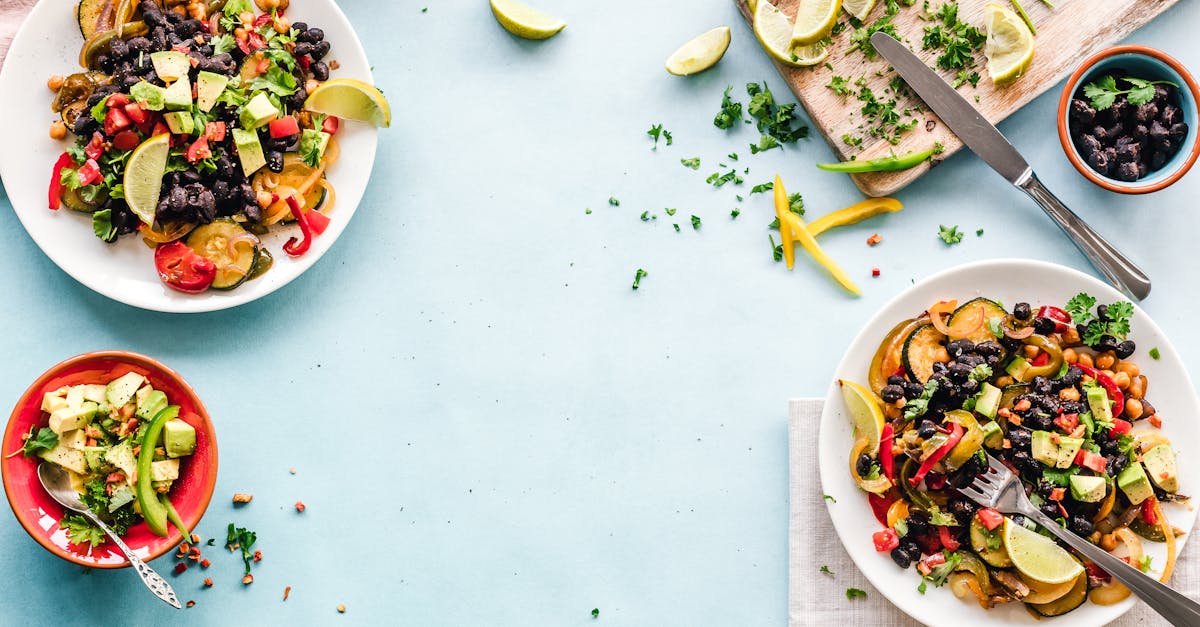
Black beans are rich in anthocyanins just like many dark berries which gives them their deep color. These antioxidants help protect against the cellular damage that leads to inflammation. They are also high in protein and fiber to support muscle maintenance and digestive health. Including black beans in meals provides a steady source of energy and essential minerals.
Quinoa
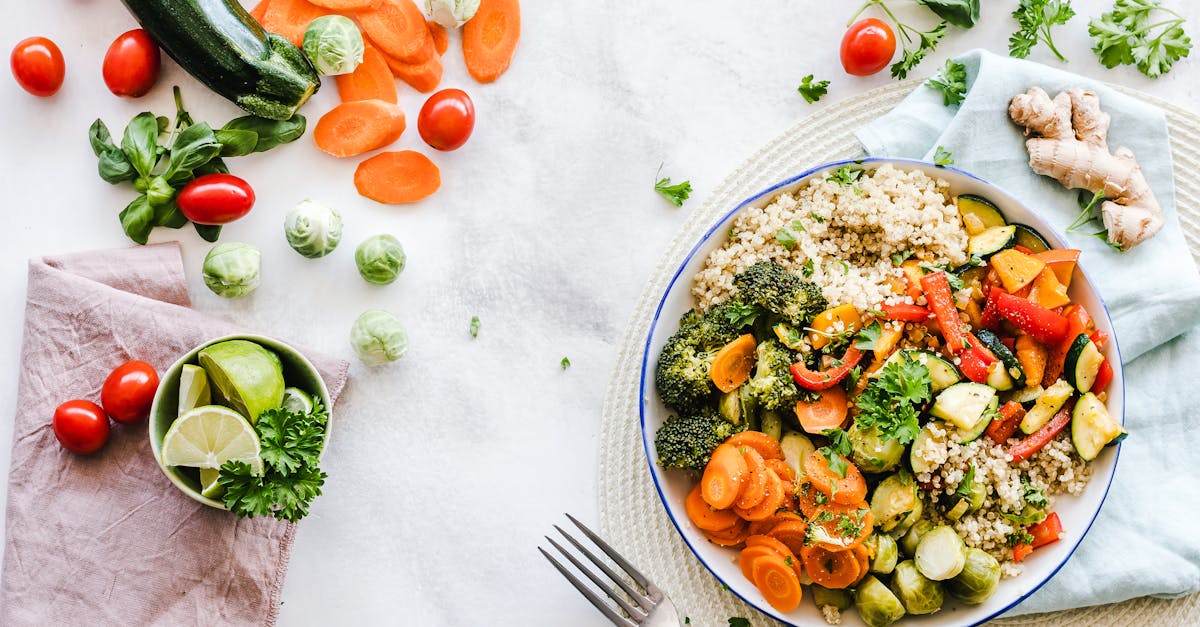
Quinoa is a pseudo grain that is a complete protein meaning it contains all nine essential amino acids. It is gluten free and high in fiber and minerals like magnesium and manganese. The antioxidants found in quinoa help protect the heart and reduce systemic inflammation. It serves as an excellent base for nutrient dense bowls and salads.
Sweet Potatoes

Sweet potatoes are a great source of beta carotene which the body converts into vitamin A. This vitamin is essential for maintaining healthy skin and a strong immune system and good vision. They also provide fiber and potassium to support digestive and cardiovascular health. Their natural sweetness comes with a lower glycemic index compared to white potatoes.
Flaxseeds
Flaxseeds are one of the richest plant sources of alpha linolenic acid and lignans. These components help reduce inflammation and may help balance hormone levels as the body ages. The high fiber content in ground flaxseeds supports healthy digestion and cholesterol management. They are best consumed ground to ensure the body can absorb the beneficial nutrients inside.
Kimchi

Kimchi is a traditional fermented vegetable dish that is loaded with beneficial probiotics. These healthy bacteria support gut health which is directly linked to the body’s inflammatory response. The fermentation process also creates new nutrients and increases the bioavailability of existing ones. Adding kimchi to the diet can improve digestion and boost immune function.
Sauerkraut

Sauerkraut is made from fermented cabbage and provides a large dose of probiotics and vitamin C. It supports the health of the intestinal lining which helps prevent systemic inflammation. The natural enzymes in sauerkraut assist in the breakdown of food and the absorption of nutrients. It is a simple addition to many meals that can significantly improve gut diversity.
Kefir

Kefir is a fermented milk drink that contains a diverse range of probiotic strains. These microorganisms help regulate the immune system and reduce inflammation in the digestive tract. It is also a good source of calcium and protein for bone and muscle health. Many people find kefir easier to digest than regular milk due to the fermentation process.
Greek Yogurt
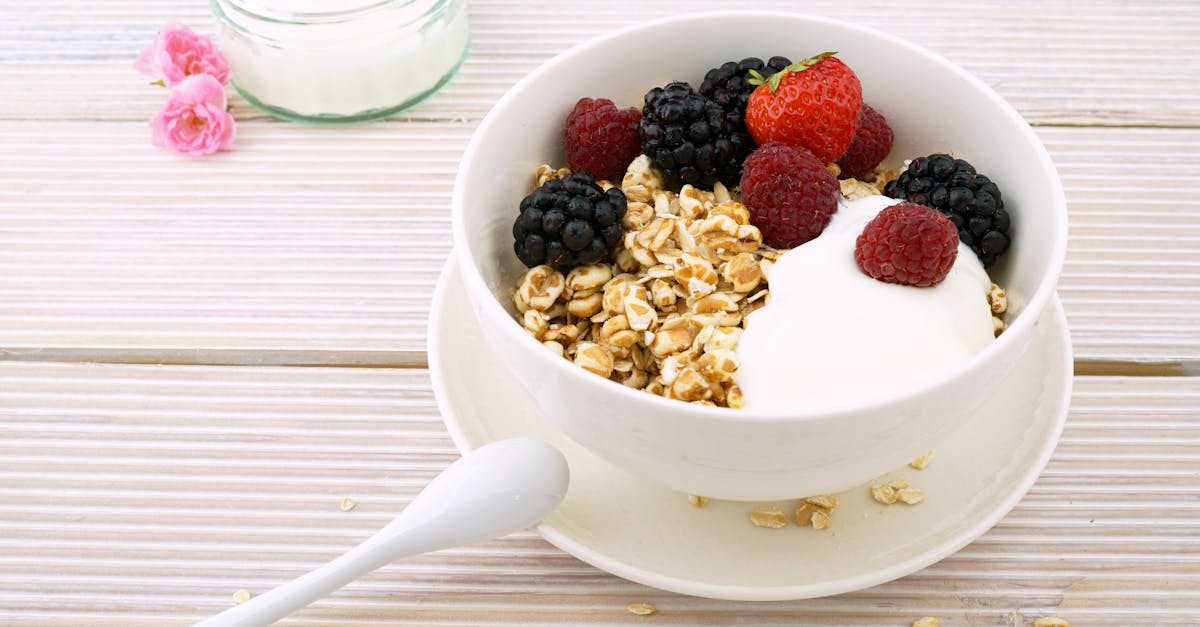
Greek yogurt is high in protein and contains live cultures that promote a healthy microbiome. The protein is essential for maintaining muscle mass which often declines after the age of forty. It also provides important minerals like calcium and phosphorus for strong bones. Choosing plain varieties without added sugar ensures the best anti inflammatory benefits.
Bone Broth

Bone broth is rich in collagen and amino acids like glycine and proline that support joint health. These nutrients help maintain the integrity of the gut lining and reduce inflammation throughout the body. The minerals found in bone broth are easily absorbed and support bone density. It is a soothing food that can be used as a base for soups or sipped on its own.
Pineapple

Pineapple contains an enzyme called bromelain which has powerful anti inflammatory properties. Bromelain can help reduce swelling and bruising and joint pain after physical activity. The fruit is also high in vitamin C and manganese to support the immune system and bone health. Eating fresh pineapple provides the highest concentration of these active enzymes.
Watermelon

Watermelon is highly hydrating and contains significant amounts of lycopene and vitamin C. It also provides citrulline which is an amino acid that can improve blood flow and reduce muscle soreness. The antioxidants in watermelon help protect the skin from sun damage and reduce oxidative stress. It is a refreshing snack that supports cardiovascular and skin health.
Pomegranate
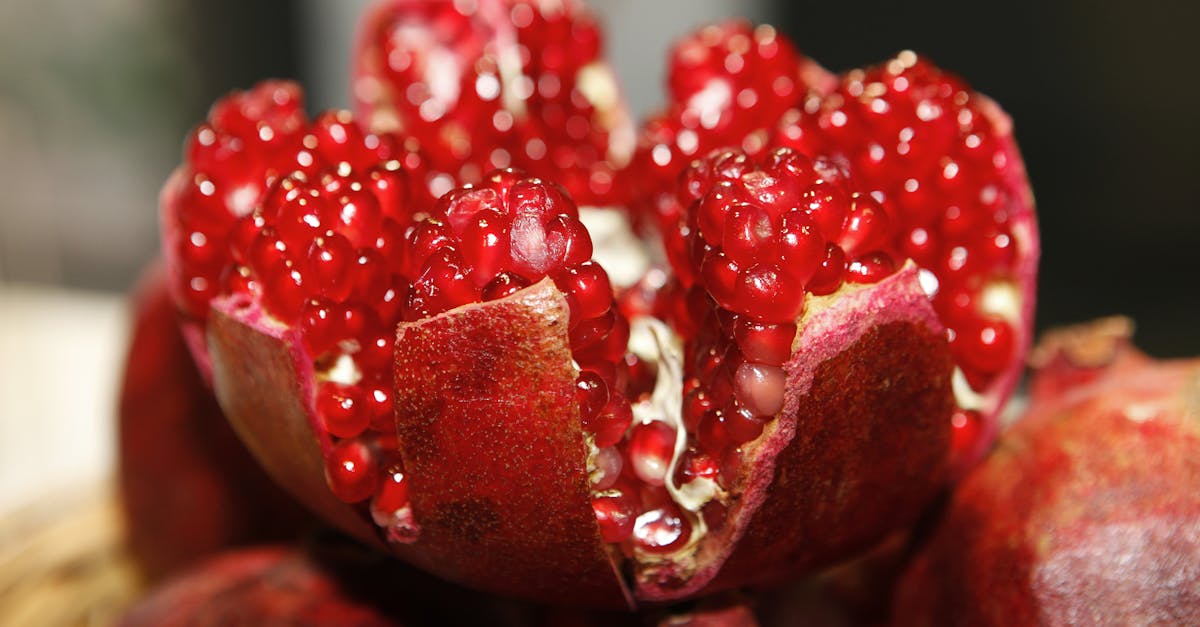
Pomegranates are famous for their high levels of punicalagins and punicic acid. These unique antioxidants are much more powerful than those found in many other fruits. They help protect the heart and may reduce the risk of chronic inflammation in the brain. Regular consumption of the seeds or juice can improve blood pressure and support healthy aging.
Beetroot

Beetroot is a rich source of nitrates which the body converts into nitric oxide to improve blood flow. This process helps lower blood pressure and increases exercise performance and recovery. Beets also contain pigments called betalains that have strong anti inflammatory and detoxification properties. They can be enjoyed roasted or raw or as a juice for a nutrient boost.
Asparagus

Asparagus is a prebiotic vegetable that provides fuel for the beneficial bacteria in the gut. It is high in folate and vitamin K and various antioxidants that help reduce inflammation. The vegetable also has natural diuretic properties that help reduce bloating and support kidney health. Regular intake contributes to a healthy digestive system and improved cardiovascular function.
Celery

Celery is low in calories but contains various phytonutrients with anti inflammatory effects. These compounds help protect the digestive tract and may improve cardiovascular health by relaxing the artery walls. Celery is also a source of vitamin K and molybdenum and potassium. Its high water content makes it a hydrating addition to a balanced diet.
Oranges

Oranges are a well known source of vitamin C which is crucial for collagen production and immune health. They also contain hesperidin which is a flavonoid that helps lower blood pressure and reduce inflammation. The fiber in whole oranges supports healthy digestion and regulates blood sugar levels. Consuming the whole fruit is more beneficial than drinking the juice alone.
Lemons
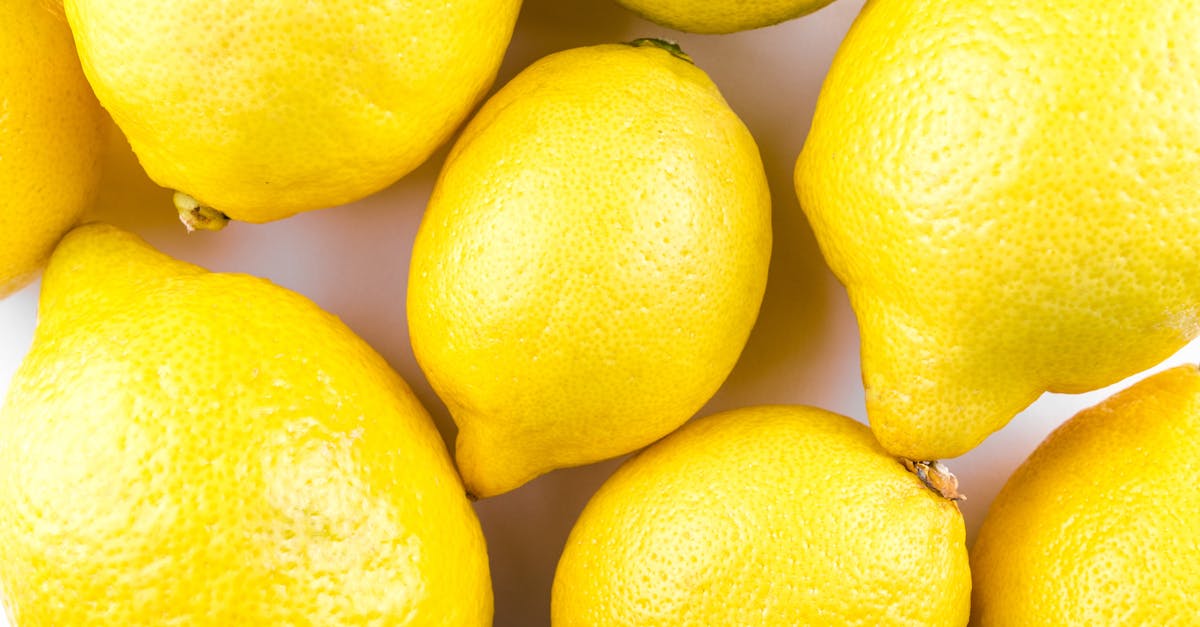
Lemons provide a high concentration of vitamin C and plant compounds that support liver function. They help the body maintain a balanced pH level and support healthy digestion when consumed with water. The antioxidants in lemons help protect the skin from damage caused by pollution and aging. Adding fresh lemon juice to meals can enhance the absorption of iron from plant sources.
Limes
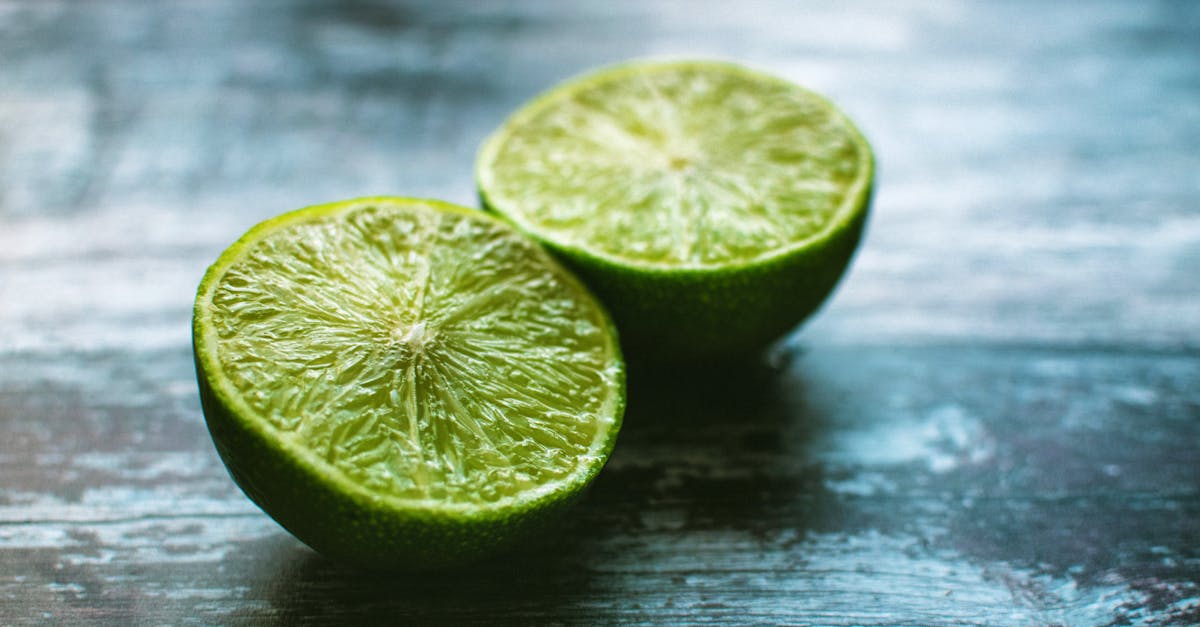
Limes are similar to lemons in their high vitamin C content and antioxidant profile. They contain flavonoids that have been shown to inhibit the growth of harmful bacteria and reduce inflammation. The citric acid in limes can help prevent the formation of kidney stones. Using limes to flavor water or meals is a calorie free way to boost nutrient intake.
Rosemary

Rosemary is a fragrant herb that contains rosmarinic acid which has potent anti inflammatory and antimicrobial properties. It can help improve digestion and increase circulation to the brain for better focus. The antioxidants in rosemary help protect the body from oxidative damage caused by cooking fats at high temperatures. Adding it to roasted vegetables or meats provides both flavor and health benefits.
Basil

Basil is rich in essential oils like eugenol which can help block enzymes that cause inflammation in the body. It also contains vitamin K and various antioxidants that support bone and cardiovascular health. Regular use of fresh basil may help reduce the symptoms of inflammatory conditions like arthritis. It is a versatile herb that can be used in many different types of cuisine.
Cinnamon

Cinnamon is a spice that can help regulate blood sugar levels by improving insulin sensitivity. It contains powerful antioxidants that reduce inflammation and protect the heart. Regular consumption may also help lower cholesterol and support cognitive health as the body ages. Adding a small amount to morning oats or coffee provides a warm flavor and significant benefits.
Clove

Cloves have one of the highest antioxidant ratings of any food or spice available. They contain eugenol which is a compound that reduces inflammation and protects against environmental toxins. Cloves also support liver health and can help regulate blood sugar levels. Using this spice in small amounts adds a deep flavor and a massive nutritional boost.
Sage

Sage is an herb that has been used traditionally to improve memory and cognitive function. It contains several different types of antioxidants that help protect the brain from oxidative stress. The compounds in sage also have anti inflammatory and antimicrobial properties that support overall health. It is a savory addition to many dishes that provides protective benefits for the nervous system.
Oregano

Oregano contains carvacrol and thymol which are two compounds with strong anti inflammatory and antibacterial effects. This herb is exceptionally high in antioxidants and can help support a healthy immune system. Using oregano in cooking helps reduce the formation of harmful compounds during the preparation of meat. It is a staple herb that provides flavor and longevity supporting nutrients.
Please share your thoughts about your favorite anti inflammatory ingredients in the comments.




