
Texting has become one of the most common forms of daily communication, yet most people never receive a formal guide on how to do it well. Certain habits can unintentionally come across as rude, passive-aggressive, or emotionally tone-deaf without the sender ever realizing it. These unspoken rules have developed organically through social norms and are widely understood by those who pay close attention to digital etiquette. Understanding them can improve relationships, reduce miscommunication, and make every exchange feel more respectful and intentional.
Response Time

Leaving someone on read for hours when a quick reply is clearly possible sends a message of its own, and not a flattering one. While nobody is expected to be available around the clock, consistently delayed responses to simple questions can signal disinterest or dismissiveness. Most people can sense the difference between a genuinely busy period and deliberate avoidance. A brief acknowledgment takes seconds and goes a long way toward maintaining trust in any relationship.
One-Word Replies

Responding with “k,” “fine,” or “sure” to a thoughtful message often reads as cold or passive-aggressive regardless of the sender’s intention. These replies shut down conversation rather than inviting it forward, and the recipient is left guessing the emotional tone behind them. Even adding a single extra word or a softening phrase changes the dynamic entirely. In text-based communication where tone cannot be heard, brevity without warmth can cause unnecessary friction.
Sending Multiple Texts

Firing off five separate messages in rapid succession instead of composing one coherent thought floods the other person’s notifications and can feel chaotic or demanding. This habit forces the recipient to mentally piece together a fragmented message while their phone buzzes repeatedly. Taking an extra moment to organize thoughts into one well-formed message demonstrates consideration for the other person’s attention and time. It also tends to result in clearer, more productive conversations overall.
The Typing Bubble
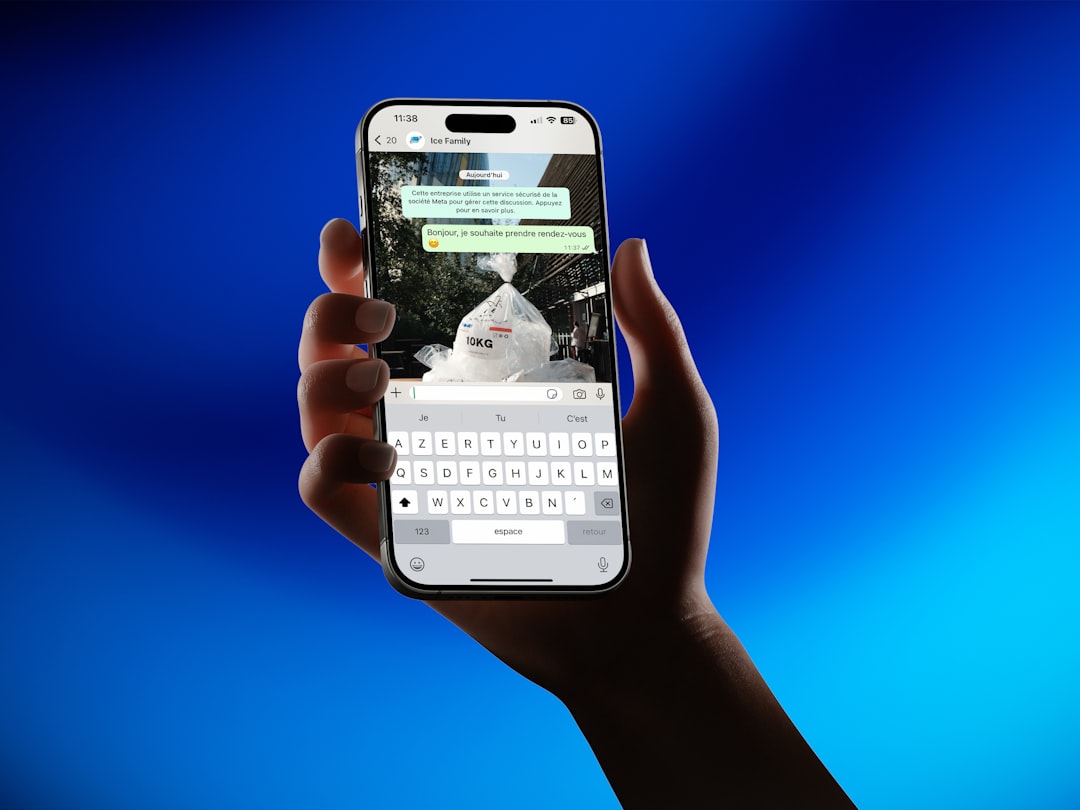
Starting to type and then stopping repeatedly without ever sending a message can create unnecessary anxiety for the person watching the indicator disappear again and again. Most messaging apps display a visual cue when someone is composing, which makes prolonged false starts genuinely unsettling for the recipient. If a response requires more thought, it is better to simply wait until the message is ready before beginning to type. Mindfulness about this small detail prevents unintentional stress in exchanges that should feel easy and low-pressure.
Ghosting Mid-Conversation

Vanishing from an active conversation without any indication that the exchange has ended is one of the most commonly committed and widely felt texting offenses. Unlike ending an in-person conversation, texting offers no natural closing cue, which means the other person is left genuinely uncertain whether to keep waiting for a response. A simple sign-off such as “talk later” or “got to go” takes almost no effort and offers clear closure. Disappearing mid-thread regularly can quietly erode the other person’s sense of being valued.
Vague Non-Answers

Responding with “maybe,” “we’ll see,” or “I don’t know” to direct questions about plans or decisions puts the entire emotional burden of uncertainty on the other person. While flexibility is natural, habitually avoiding commitment through vague language makes it difficult for others to plan or trust that the relationship is a priority. Being honest about uncertainty while offering some form of direction is far more respectful than leaving someone in a perpetual holding pattern. Clear communication, even when the answer is no, is always preferable to comfortable ambiguity.
Overly Long Messages
Sending wall-to-wall paragraphs through a texting platform puts an unexpected and unwelcome demand on the recipient’s time and focus. Text messaging is generally understood to be a medium for shorter, more casual exchanges, and lengthy messages can feel overwhelming in that context. When a topic genuinely requires depth and nuance, it is often more considerate to either call or suggest a better time to discuss. Matching message length to the platform and the nature of the conversation reflects strong social awareness.
Reading Receipts

Leaving read receipts enabled while consistently not responding communicates to the sender that their message was seen and deemed not worth answering. This combination can feel more dismissive than simply missing a message altogether, because it removes all plausible deniability. The choice to keep read receipts on comes with an implicit social responsibility to either respond promptly or turn the feature off. Awareness of what this setting signals to others is an important part of managing expectations in any ongoing communication.
Unsolicited Voice Notes

Sending an unexpected two-minute voice message to someone who prefers texting is a form of communication mismatch that many people find quietly frustrating. Voice notes require the recipient to find a private space, use headphones, or wait until a suitable moment to listen, making them far less convenient than they may seem to the sender. Unless the relationship has established a mutual comfort with this format, defaulting to text shows greater consideration for the other person’s circumstances. Checking in before switching communication formats is a simple and respectful habit to adopt.
All Caps Texts
Writing an entire message in capital letters reads as shouting in virtually every digital communication context, regardless of the sender’s actual intention. Even when used to express enthusiasm or emphasis, the effect can feel aggressive or overwhelming to the person receiving it. Standard sentence case carries tone more neutrally and avoids triggering an unnecessary defensive reaction. Selective use of capitalization for genuine emphasis is far more effective and far less alarming than blanket uppercase text.
Passive-Aggressive Punctuation
Ending a casual text with a period where none is expected can read as cold, clipped, or quietly hostile in modern messaging culture. Similarly, placing a question mark with no actual question or using ellipses to trail off creates a sense of unresolved tension that the recipient is left to interpret. Digital communication has developed its own punctuation norms that differ meaningfully from formal writing conventions. Being aware of how punctuation lands emotionally in casual conversation helps prevent unintended signals from muddying an otherwise simple exchange.
Forwarding Without Context

Sharing a screenshot or forwarded message without any explanation forces the recipient to interpret the relevance on their own, which can feel confusing or even unsettling. The person receiving the forwarded content may not know whether they are being informed, asked for advice, or shown something for entertainment. A brief line of context transforms a potentially jarring moment into a purposeful and welcome share. The habit of providing framing before dropping external content into a conversation is a mark of considerate communication.
Group Chat Etiquette
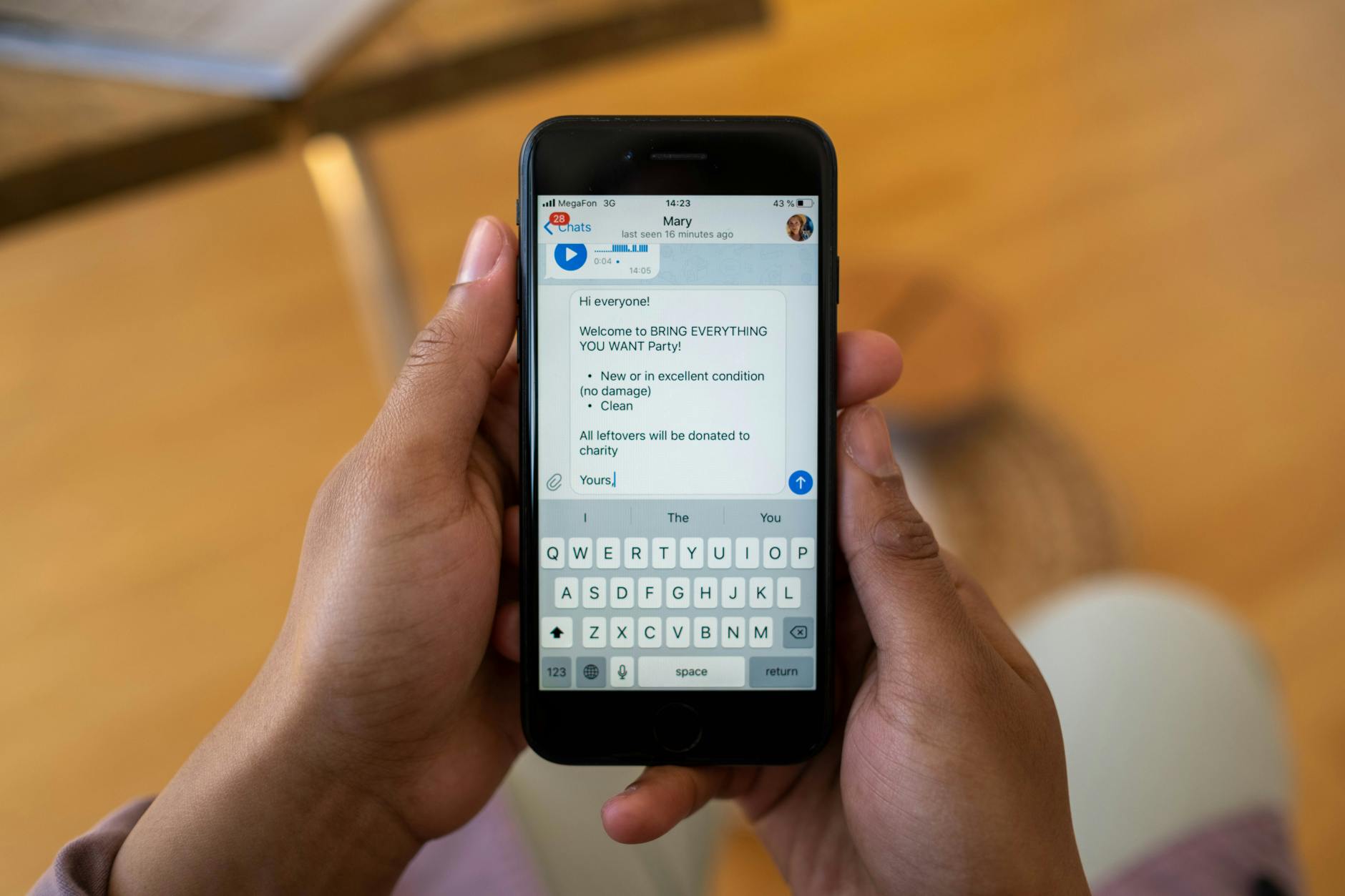
Using a group chat to carry on a two-person conversation that has no relevance to the rest of the group is a frequent source of low-level frustration among members. Notifications pile up for people who have no stake in the exchange, and it can feel dismissive of everyone else’s time and attention. Side conversations are better moved to a private thread as soon as they diverge from the group’s shared purpose. Keeping group chats focused and relevant preserves their usefulness and keeps all members feeling respected.
Texting During Sensitive Talks

Attempting to resolve an argument, deliver difficult news, or discuss a serious emotional topic entirely over text is one of the more significant missteps people make in digital communication. Without vocal tone, facial expression, or real-time feedback, sensitive conversations become far more vulnerable to misinterpretation and escalation. Texting lacks the nuance needed to navigate emotional complexity in a way that feels safe and heard for both parties. Recognizing when a conversation has outgrown the medium and suggesting a call or an in-person meeting is a sign of genuine emotional intelligence.
Emoji Overload

Filling a message with a string of emojis in place of actual words can obscure meaning and come across as dismissive of a genuine exchange. While a well-placed emoji adds warmth or clarity, overusing them as emotional shorthand can make communication feel shallow or hard to interpret. Different generations and personality types also read emoji use very differently, which adds another layer of potential misunderstanding. Using them sparingly and intentionally keeps the tone of a conversation grounded in clarity rather than confusion.
Which of these texting habits do you recognize in yourself or others? Share your thoughts in the comments.




