Professionals follow a specific set of rules to achieve spotless results in minimal time. These techniques focus on efficiency and the use of versatile tools often found in common households. By mastering these habits any person can transform a cluttered space into a pristine environment. Each strategy emphasizes logic and order to prevent the spread of dirt during the cleaning process. This approach relies on consistent movement and the right chemical reactions to tackle stubborn grime.
Microfiber Cloths

These versatile tools effectively trap dust particles rather than spreading them around the room. Professionals use different colors to prevent cross contamination between the kitchen and the bathroom. High quality microfiber removes a significant percentage of bacteria from surfaces with just plain water. The fibers are designed to lift grease and grime without scratching delicate finishes. Regular washing ensures these cloths maintain their electrostatic properties for many years of use.
Top to Bottom Strategy

Cleaners always start at the highest point in a room and work their way down to the floor. This method ensures that falling dust and debris land on surfaces that have not been cleaned yet. Light fixtures and ceiling fans are addressed first followed by shelves and countertops. Floors remain the final step in the process to capture everything that settled during the higher tasks. This logical flow prevents the need to repeat work and saves valuable time.
Vinegar and Water Solution

A simple mixture of equal parts white vinegar and water serves as a powerful multi surface cleaner. The acidity breaks down mineral deposits and soap scum without leaving a toxic residue behind. This solution works exceptionally well on windows and mirrors to provide a streak free finish. It also helps to deodorize rooms by neutralizing unpleasant odors in the air. Many housekeepers rely on this natural alternative to avoid the fumes associated with commercial products.
Baking Soda Paste
Combining baking soda with a small amount of water creates a gentle abrasive for tough stains. This paste lifts burnt food from stovetops and grime from tile grout with minimal scrubbing effort. The natural alkalinity helps to dissolve grease and organic compounds on various surfaces. It is safe to use on most finishes and does not produce harmful chemical reactions. Leaving the paste to sit for several minutes increases its effectiveness on deeply set marks.
Squeegee Technique

Professional cleaners use a high quality squeegee to remove water and cleaning solutions from glass surfaces. This tool provides a level of clarity that is difficult to achieve with traditional paper towels. Moving the blade in a continuous motion prevents the formation of unsightly streaks or drips. It is an essential item for maintaining glass shower doors and large exterior windows. Regular use of a squeegee significantly reduces the buildup of hard water spots over time.
Rubbing Alcohol

Rubbing alcohol is an excellent solvent for removing fingerprints and smudges from stainless steel appliances. It evaporates quickly and leaves behind a brilliant shine without any oily residue. This liquid also works well for disinfecting high touch points like light switches and door handles. Small amounts can be used on a cloth to clean electronics and computer screens safely. Housekeepers often carry a spray bottle of alcohol for quick polishing tasks.
Lemon Juice
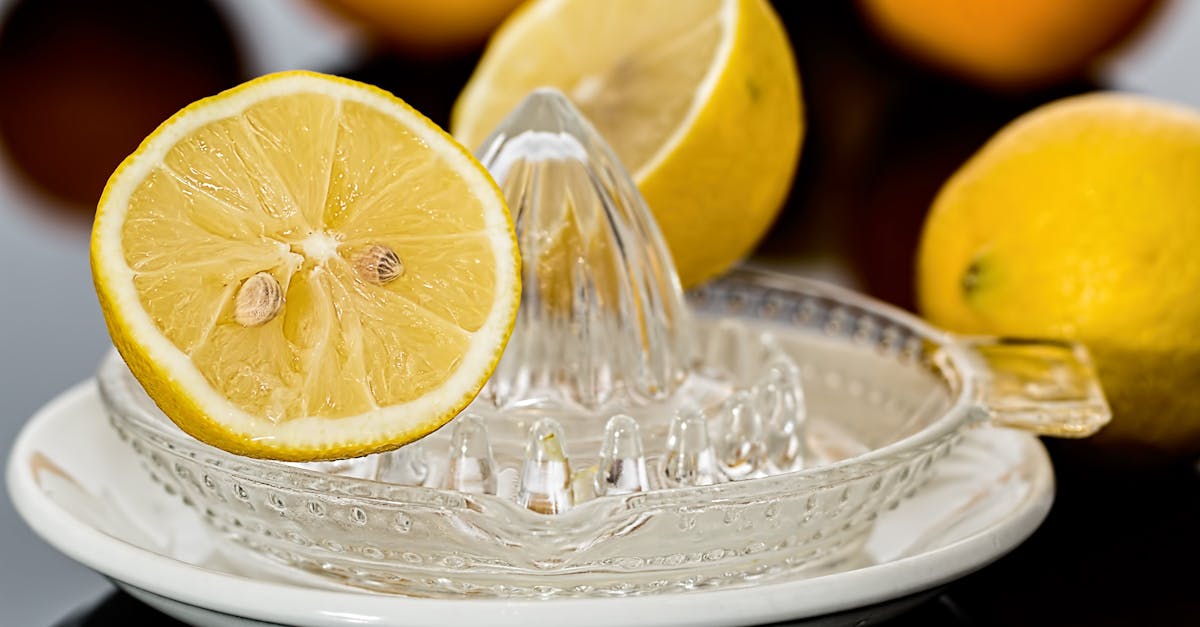
The acidity of fresh lemons works wonders for removing hard water stains from metal fixtures. Rubbing a halved lemon over a faucet dissolves mineral deposits and restores a natural shine. This method also leaves behind a pleasant citrus scent without the need for artificial fragrances. It is an effective and eco friendly way to keep the bathroom looking and smelling fresh. Many professionals use this simple fruit to polish copper pots and pans in the kitchen.
Steam Cleaners

Using high temperature steam allows for deep cleaning and sanitization without the use of chemicals. Steam penetrates porous surfaces like grout and upholstery to lift embedded dirt and allergens. This tool is highly effective at killing bacteria and dust mites on contact. It can also be used to freshen up curtains and sanitize mattresses safely. Housekeepers rely on steam to handle tough jobs that require extra heat and pressure.
Pumice Stones

A wet pumice stone is a secret weapon for removing stubborn rings inside porcelain toilets. The stone gently abrades the mineral buildup without scratching the hard porcelain surface. It is important to keep both the stone and the surface wet during the entire process. This technique works better than most liquid cleaners for older and more neglected bathrooms. It provides a chemical free way to restore a toilet to its original brightness.
Detail Brushes
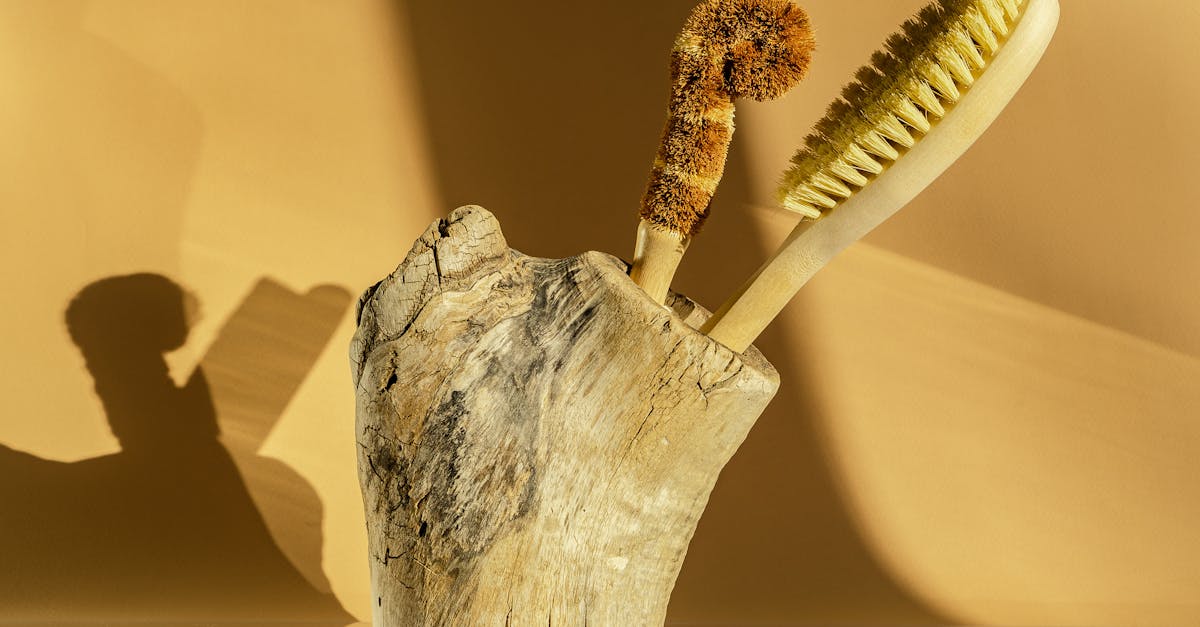
Small brushes allow cleaners to reach into tight spaces where dust and grime accumulate. Old toothbrushes or specialized detail brushes are perfect for cleaning around faucet bases and window tracks. These tools provide the necessary agitation to remove gunk from intricate hardware and tile lines. Using a small brush ensures that no corner of the home remains untouched during a deep clean. Professionals often use them to scrub away the buildup in sliding door channels.
Liquid Dish Soap

A small amount of liquid dish soap diluted in warm water is one of the safest cleaners for kitchen cabinets. It effectively cuts through grease and cooking oils that settle on wooden and laminate surfaces. This gentle solution removes dirt without stripping away the finish or paint on the cabinetry. It is also an excellent choice for cleaning stone countertops when used in moderation. Wiping the surfaces afterward with a dry cloth ensures a clean and streak free appearance.
Dryer Sheets

Used dryer sheets are surprisingly effective at removing dust from baseboards and crown molding. The anti static properties of the sheets help to repel future dust buildup on these surfaces. Rubbing a sheet along the trim of a room captures hair and fine particles better than many cloths. This technique saves time because it treats the surface while cleaning it. Housekeepers often keep a stash of these in their kits for quick touch ups.
Lint Rollers
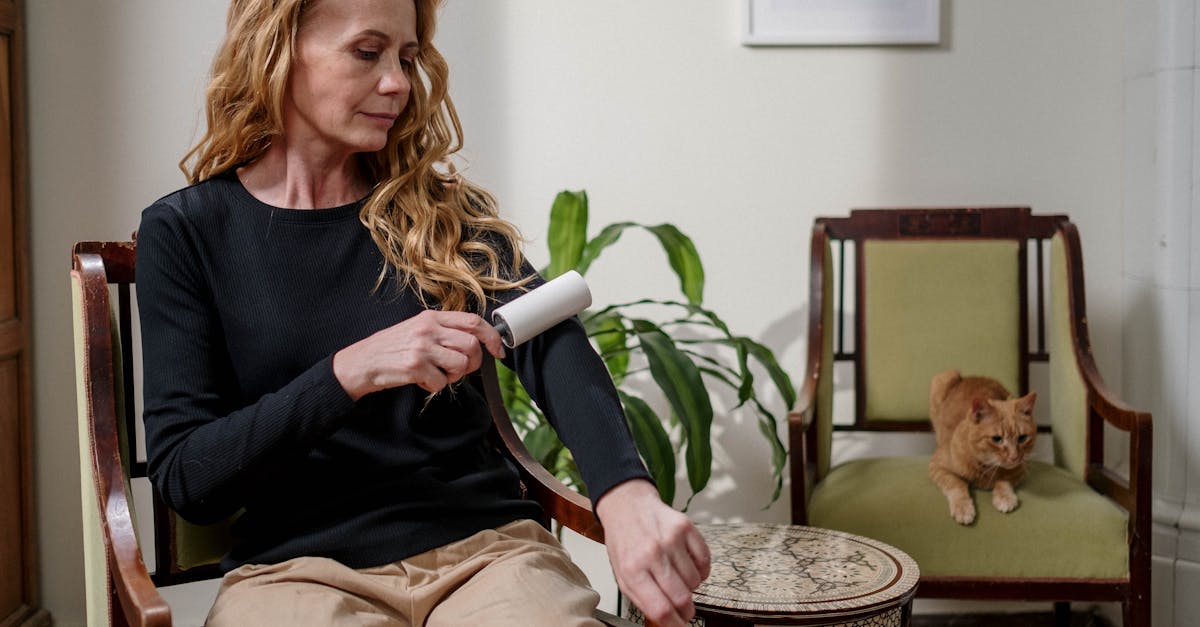
Lint rollers are not just for clothing because they work exceptionally well on lampshades and upholstery. The sticky surface picks up dust and pet hair that a vacuum might miss in delicate areas. It is a fast way to refresh fabric surfaces without using water or heavy equipment. This tool is particularly useful for cleaning the inside of drawers and small storage bins. It provides a quick solution for removing crumbs and debris from hard to reach corners.
Coffee Filters

Coffee filters are a budget friendly alternative to microfiber for cleaning glass and mirrors. The lint free material ensures that no tiny fibers are left behind on the surface. They are strong enough to withstand scrubbing while remaining soft enough to prevent scratches. Using them with a glass cleaner results in a perfectly clear and polished finish. Many professionals prefer them for final touch ups on shiny surfaces like chrome or electronics.
Essential Oils
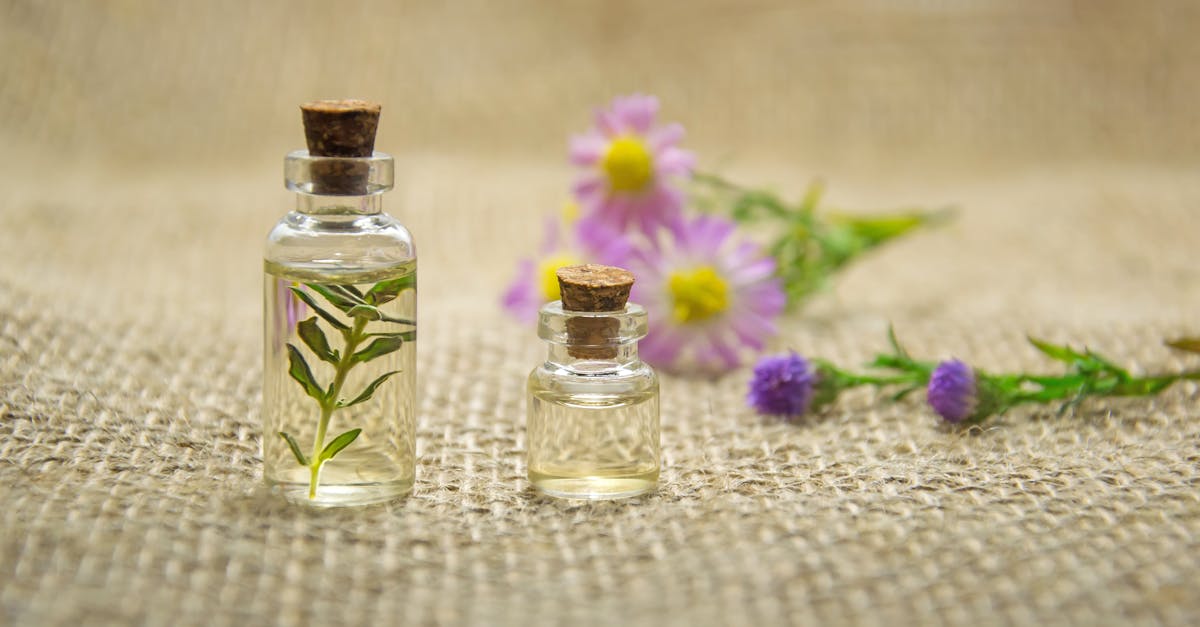
Adding a few drops of essential oils to cleaning solutions provides a natural and long lasting fragrance. Oils such as lemon or lavender have antimicrobial properties that complement the cleaning process. They can be added to vacuum filters or trash cans to neutralize unpleasant smells throughout the home. This approach avoids the use of synthetic perfumes that can trigger sensitivities in some residents. Housekeepers use them to create a spa like atmosphere after a deep clean is finished.
HEPA Vacuums
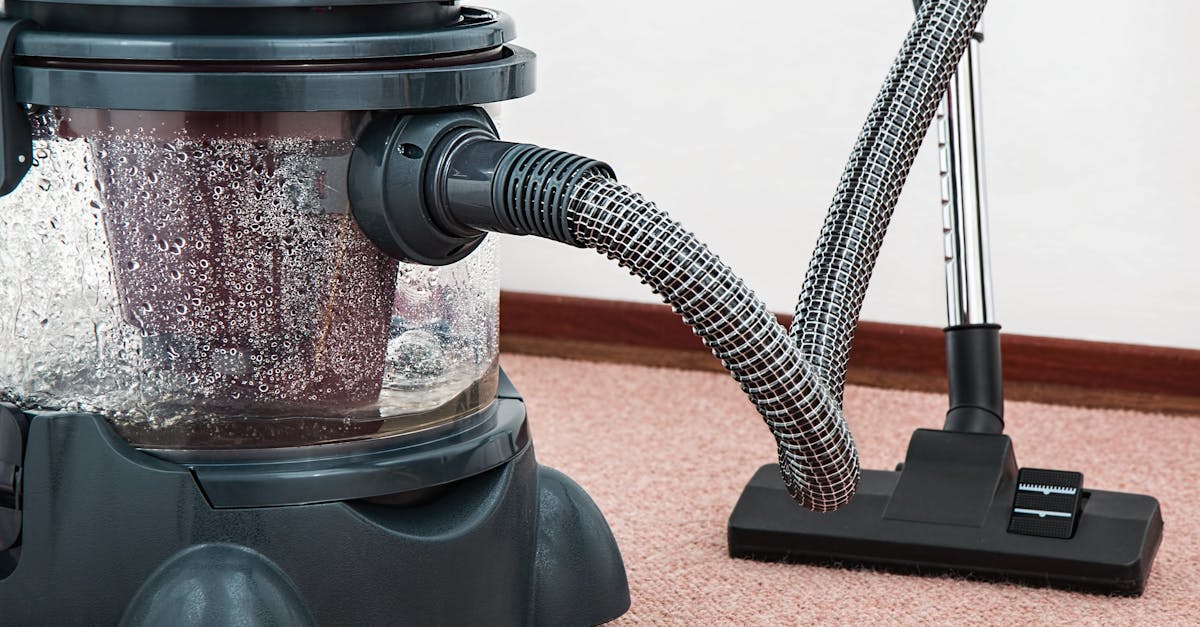
Vacuums equipped with High Efficiency Particulate Air filters are essential for maintaining indoor air quality. These filters trap microscopic particles like pollen and mold spores that standard vacuums release back into the air. Using a HEPA vacuum ensures that dust is removed from the home rather than just redistributed. This is a critical tool for households with allergy sufferers or pets. Professionals prioritize these machines to achieve a truly deep clean on floors and upholstery.
Spray Bottles

Professional cleaners often use professional grade spray bottles for their custom cleaning solutions. these bottles provide a consistent and adjustable mist that covers surfaces evenly. High quality triggers reduce hand fatigue during long cleaning sessions in large homes. Labeling each bottle clearly prevents mistakes and ensures the right product is used for each task. Many housekeepers prefer to mix their own solutions to control the strength and ingredients used.
Cornstarch

Cornstarch is an effective natural remedy for cleaning windows and polishing silver. Adding a small amount to a glass cleaner helps to prevent streaks by acting as a gentle abrasive. It can also be used to absorb grease spills on carpets before they become permanent stains. Rubbing a dry cloth with cornstarch over wooden furniture can help to remove oily fingerprints. This versatile powder is a staple in the kits of many eco conscious housekeepers.
Table Salt
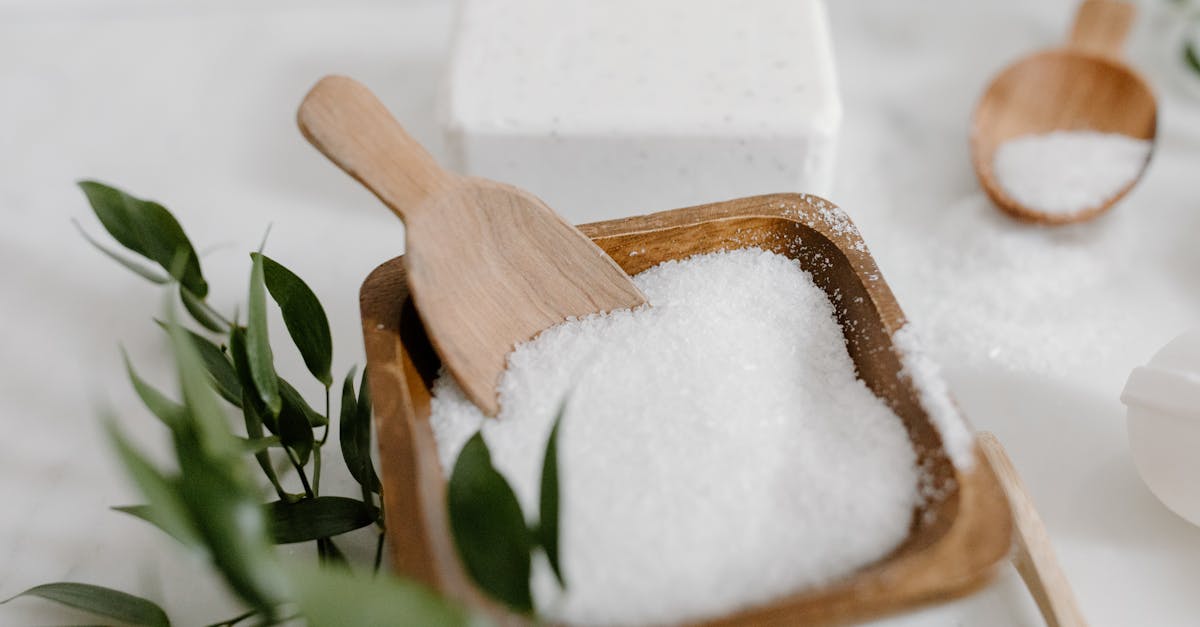
Table salt serves as a natural scouring agent when combined with a liquid cleaner or citrus juice. It provides the necessary friction to scrub away rust stains and burnt food from cast iron pans. The crystalline structure of salt helps to lift debris without causing deep scratches on durable surfaces. It can also be used to clear minor clogs in drains when mixed with baking soda and vinegar. This common kitchen ingredient is a safe and effective tool for many household chores.
White Chalk

Rubbing white chalk over a grease stain on a wall or clothing helps to absorb the oils effectively. The porous nature of the chalk pulls the grease away from the surface before it can set permanently. This simple tool is especially useful for touching up areas around light switches and door frames. Professionals allow the chalk to sit for several minutes before wiping it away with a dry cloth. It is a cost effective solution for maintaining pristine walls without using harsh chemicals.
Shaving Cream
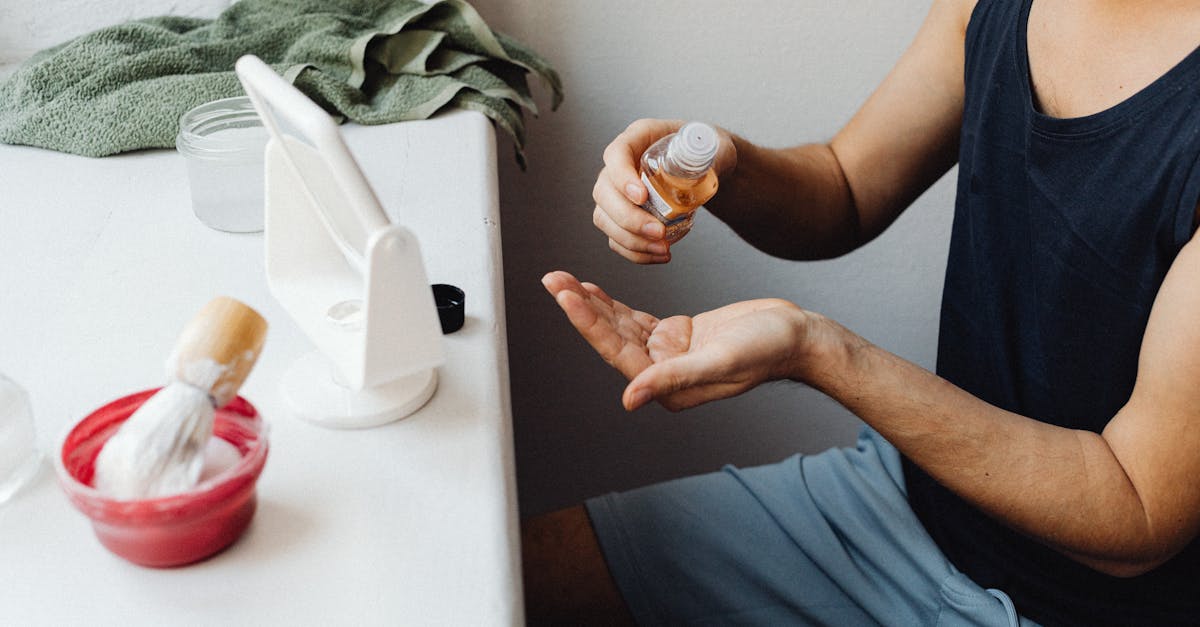
Standard shaving cream is an excellent cleaner for foggy bathroom mirrors and chrome fixtures. Applying a thin layer and wiping it away creates a protective film that prevents steam from condensing on the glass. It also works as a gentle cleaner for removing stains from upholstery and carpets in a pinch. The foamy texture helps to lift dirt to the surface for easy removal with a damp cloth. This household item provides a quick fix for various cleaning challenges in the bathroom.
Olive Oil

A small amount of olive oil on a soft cloth serves as a natural polish for stainless steel and wood. It helps to hide minor scratches and provides a protective barrier against moisture and fingerprints. When used on wooden furniture it restores moisture to the wood and creates a warm glow. It is important to buff the surface thoroughly after application to prevent a greasy residue. Many professionals use this food grade oil as a safe alternative to commercial furniture polishes.
Hydrogen Peroxide
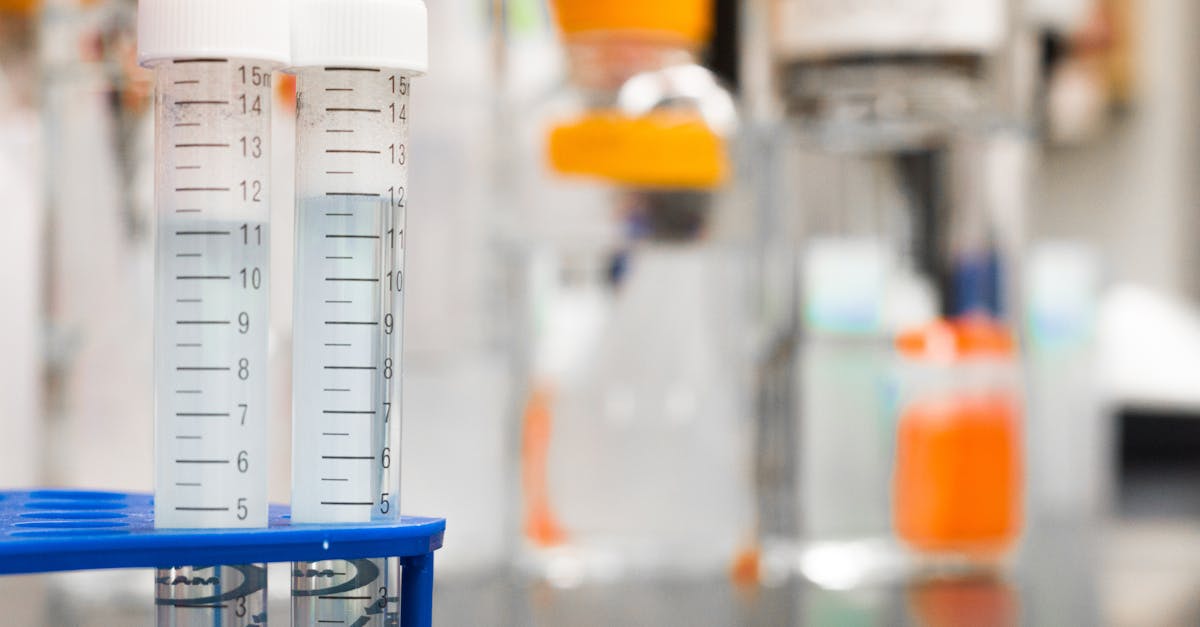
Hydrogen peroxide is a powerful disinfectant and whitening agent that is safer than chlorine bleach. It can be used to sanitize cutting boards and remove organic stains from white linens or grout. The bubbling action helps to lift debris from small crevices and pores in various surfaces. It is effective at killing mold and mildew in damp areas like the bathroom or laundry room. Housekeepers often use it to brighten up surfaces that have become yellowed or dull over time.
White Bread

A soft piece of white bread can be used to pick up tiny shards of broken glass. The doughy texture grabs the glass pieces that are too small to be caught by a broom or vacuum. This method ensures that floors are safe for pets and children after an accidental breakage. Simply press the bread gently onto the area where the glass shattered. It is a reliable safety measure used in professional kitchen environments to clear up spills.
Grapefruit and Salt
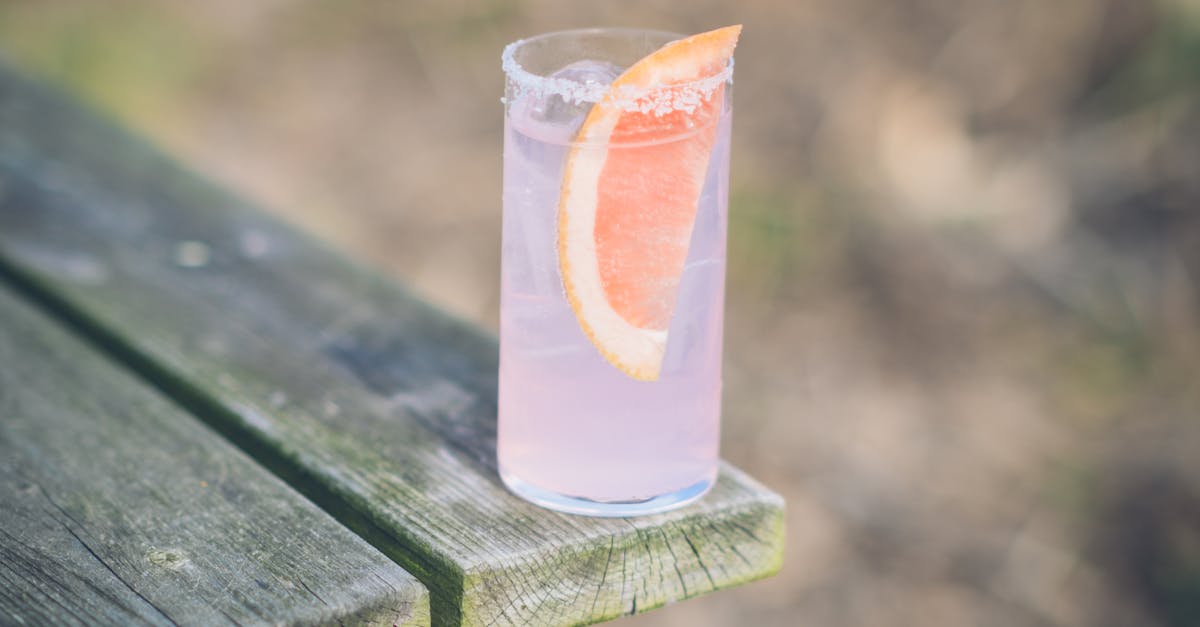
Cutting a grapefruit in half and sprinkling it with salt creates a natural scrubber for bathtubs. The citric acid in the fruit works with the abrasive salt to dissolve soap scum and grime. This method is particularly effective for cleaning large porcelain or enamel surfaces without using chemicals. It leaves the bathroom smelling exceptionally fresh and vibrant. Professionals use this technique to provide a high level of shine and a pleasant scent.
Cream of Tartar
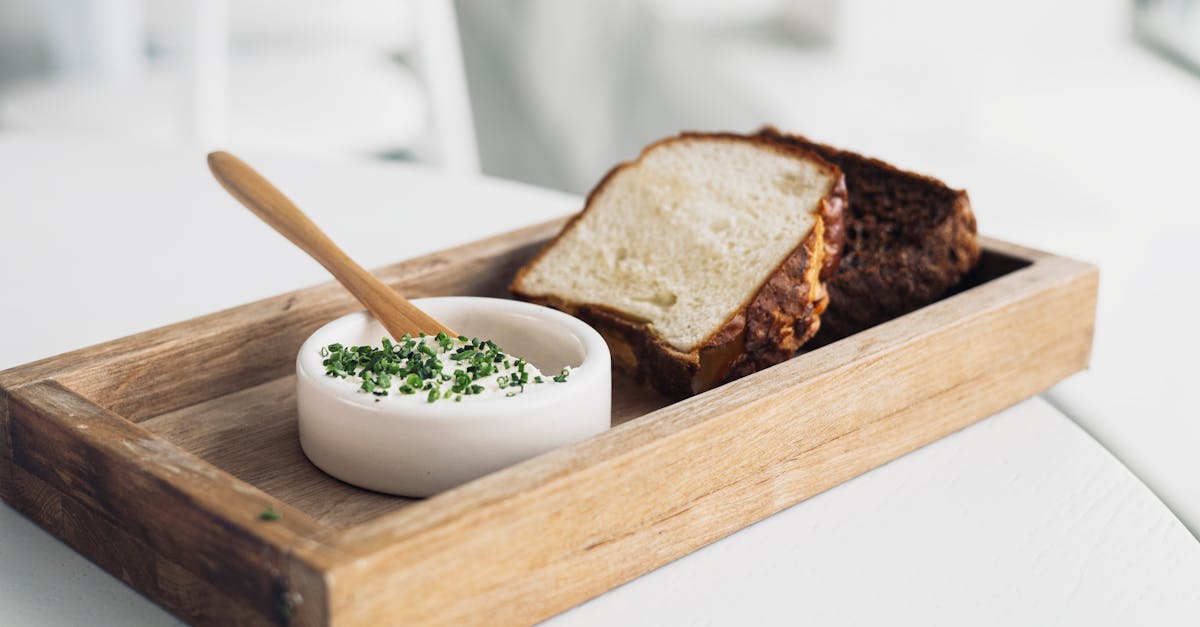
Cream of tartar is a mild acid that can be used to polish stainless steel and remove rust. Mixing it with a small amount of water or lemon juice creates a paste that lifts stains from metal. It is also effective for cleaning the inside of copper pots that have become tarnished. This powder is gentle enough to use on delicate items while still being effective at removing discoloration. It is a useful addition to a cleaning kit for specialized metal maintenance.
Raw Walnuts

Rubbing the meat of a raw walnut into shallow scratches in wooden furniture can hide the damage. The natural oils in the nut soak into the wood and darken the scratch to match the surrounding finish. This simple trick is a favorite among professionals for quick furniture repairs during a deep clean. It provides a non toxic way to restore the appearance of tables and chairs without using wood fillers. The result is a seamless look that lasts through regular dusting and polishing.
Tomato Ketchup
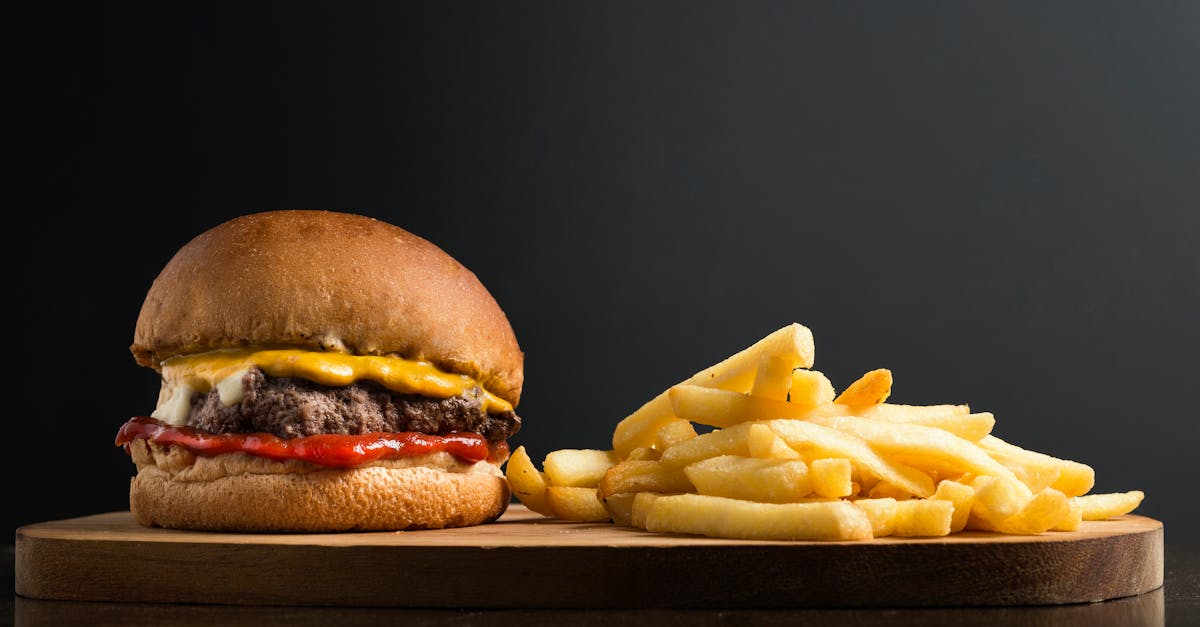
Tomato ketchup can be used to clean and shine copper and brass items. The acid from the tomatoes and vinegar reacts with the tarnish to lift it away from the metal. Applying a thin layer and letting it sit for several minutes makes the cleaning process much easier. After rinsing and drying the item will have a bright and polished appearance. This unconventional cleaner is effective for items like cookware or decorative hardware.
Plain Vodka

Plain vodka serves as an excellent deodorizer and glass cleaner due to its high alcohol content. It can be sprayed onto upholstery or curtains to neutralize odors without leaving a scent behind. When used on glass or chrome it evaporates quickly to leave a streak free and sanitized surface. It is also effective at removing sticky residue left behind by labels or tape. Housekeepers use vodka as a versatile and fast acting cleaning agent for many different tasks.
Old Newspapers

Crumpled newspapers are a traditional favorite for drying windows and mirrors after cleaning. The ink and the texture of the paper act as a very mild abrasive that removes film and prevents streaks. This method is highly effective for achieving a crystal clear finish on large glass panes. It is also an environmentally friendly way to repurpose paper before it is recycled. Using newspapers ensures a lint free result that is superior to many types of paper towels.
Melamine Sponges
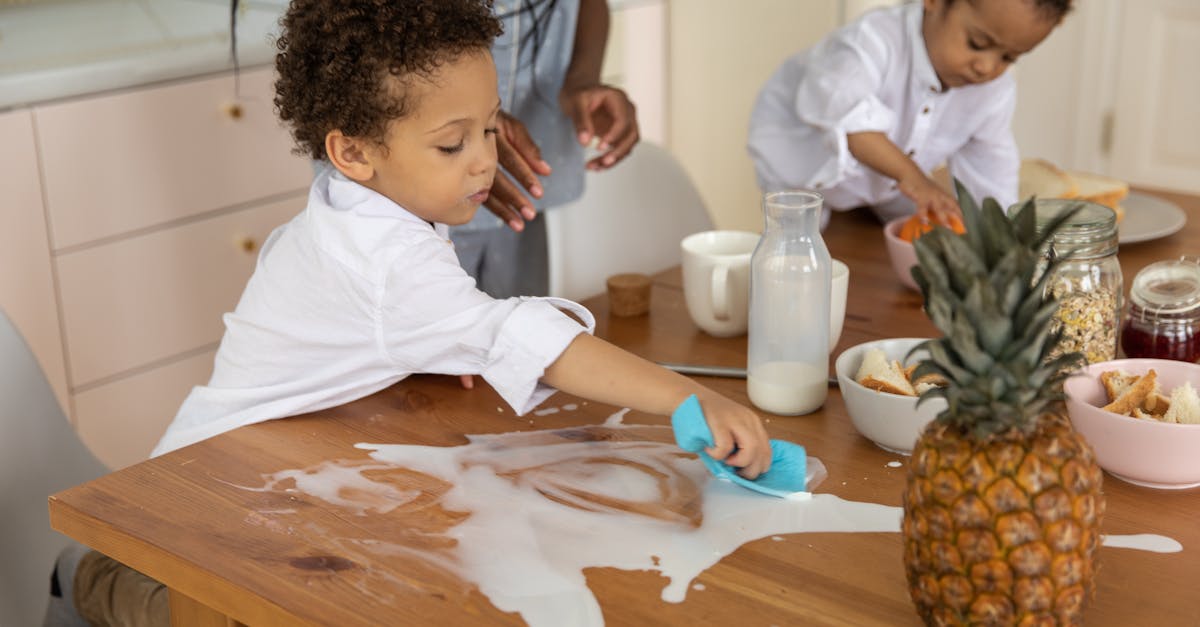
Often referred to as magic erasers these sponges use micro abrasive technology to remove tough marks. They are particularly effective on scuffed baseboards and crayon marks on walls. Using a small amount of water allows the sponge to lift stains that traditional cleaners cannot touch. It is important to use them gently on painted surfaces to avoid removing the finish. Housekeepers keep these on hand for tackling the most stubborn spots throughout the home.
Boiling Water
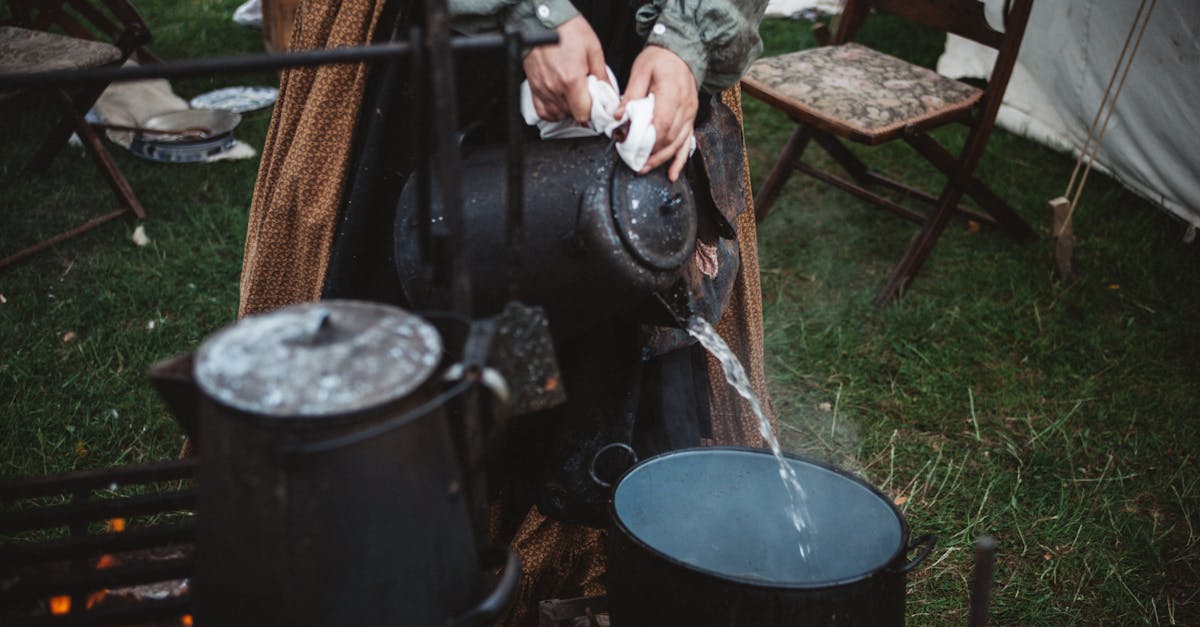
Pouring boiling water down a kitchen drain can help to dissolve grease and organic buildup. This simple step is an effective way to keep drains flowing freely without the need for harsh chemicals. It can also be used to sanitize heat resistant surfaces like stainless steel sinks. Using hot water during the cleaning process generally improves the effectiveness of most soaps and detergents. This basic resource is a fundamental part of maintaining a clean and sanitary home.
Aluminum Foil

A ball of crumpled aluminum foil can be used to scrub away burnt food from glass baking dishes. It provides a tough surface that removes debris without the need for steel wool. Foil can also be used to polish silver by placing it in a container with hot water and baking soda. The chemical reaction transfers the tarnish from the silver to the foil. This common kitchen item provides several clever solutions for difficult cleaning tasks.
Baby Oil
A small drop of baby oil on a clean cloth can be used to polish chrome and stainless steel. It helps to prevent water spots and fingerprints from showing up on these shiny surfaces. Using oil creates a protective layer that makes future cleaning much easier and faster. It is important to use a very small amount to avoid making the surface slippery or greasy. Professionals use this trick to give bathrooms and kitchens a final high end finish.
Mayonnaise

Mayonnaise can be used to remove water rings from wooden furniture. The oils and proteins in the mayonnaise penetrate the wood to displace the moisture that caused the ring. Applying a small amount and letting it sit overnight often restores the wood to its original condition. This method is a gentle alternative to sanding or refinishing expensive furniture pieces. It is a well known secret for maintaining the beauty of natural wood finishes.
Black Tea

Tannic acid in black tea is an excellent cleaner for hardwood floors and wooden furniture. After brewing a strong pot of tea and letting it cool it can be used to mop the floor. The tea helps to hide small scratches and provides a rich and deep shine to the wood. It is a natural way to maintain the color and finish of dark wood surfaces. Housekeepers use this method to provide a professional look to historic or high end wooden floors.
Uncooked Rice
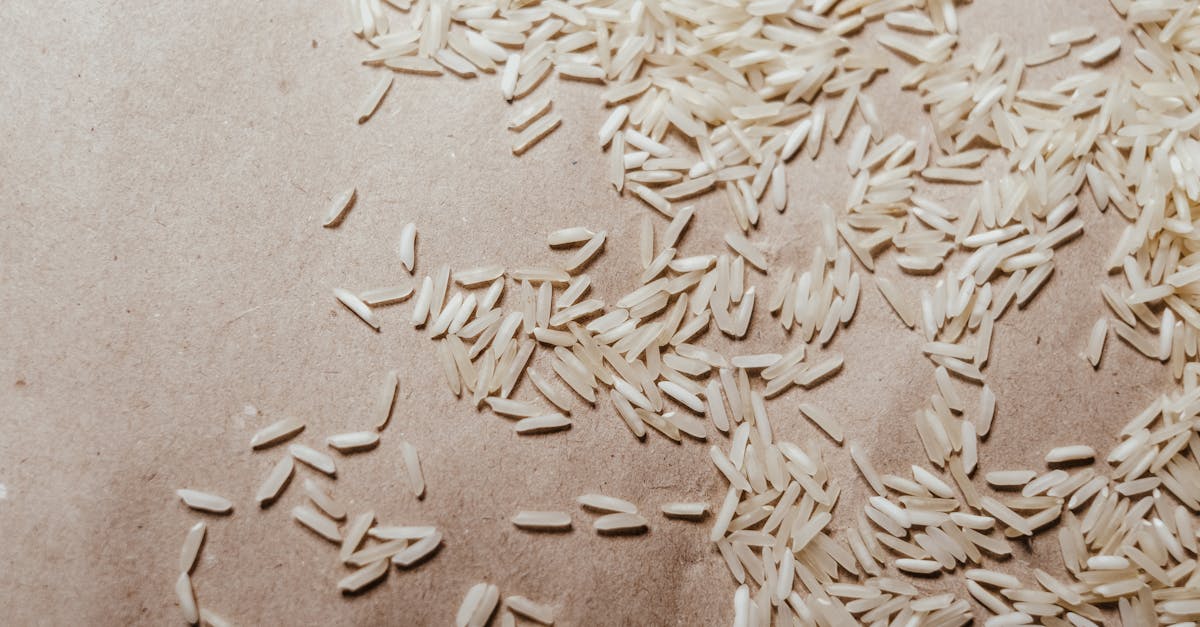
Uncooked rice is a useful tool for cleaning the inside of narrow necked bottles and vases. Adding a handful of rice with warm soapy water and shaking the container helps to scrub away internal residue. The hard grains reach into corners that a bottle brush might miss. This technique is safe for delicate glass and provides a thorough clean with very little effort. It is a practical solution for maintaining specialized glassware and decorative items.
Raw Onions

Rubbing a cut raw onion over a grill grate helps to remove stuck on food and grease. The natural juices and enzymes in the onion break down the carbonized remains of previous meals. This method is best performed while the grill is still warm to maximize the effectiveness of the onion. It is a chemical free alternative to traditional grill cleaners and wire brushes. Professionals use this trick to prepare outdoor cooking areas for immediate use.
Tennis Balls
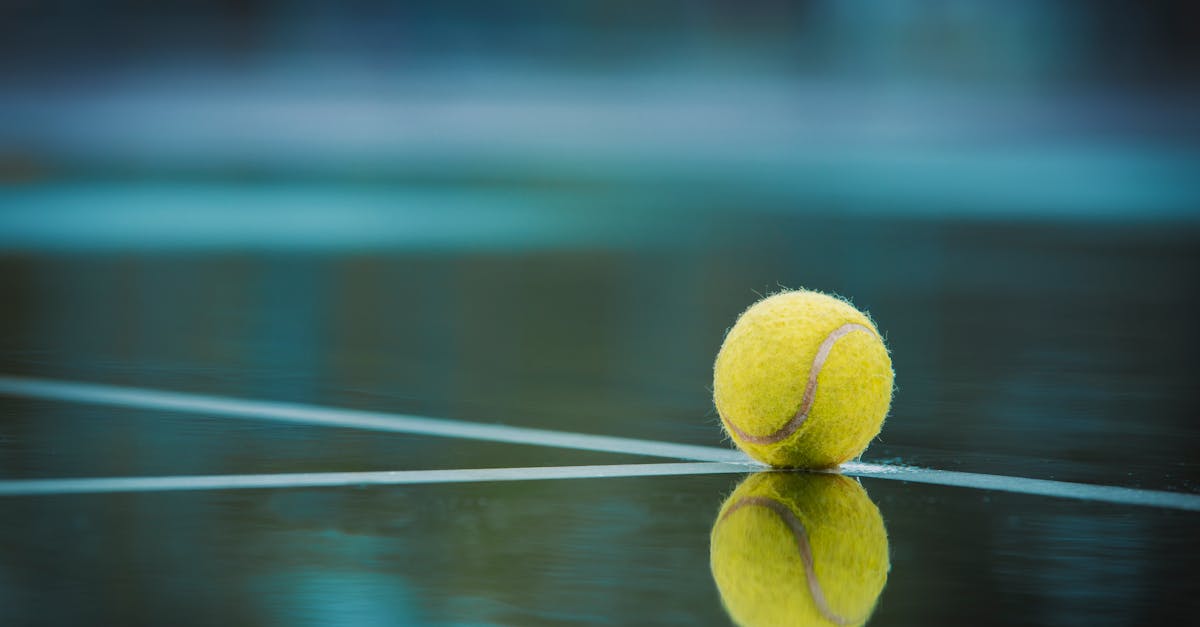
Placing a clean tennis ball in a dryer helps to fluff up pillows and comforters during a cleaning cycle. The bouncing action of the ball prevents the filling from clumping together as it dries. This technique also helps to circulate air more effectively which can reduce the overall drying time. Outside of the laundry room a tennis ball can be used to buff out scuff marks from wooden floors. The felt texture provides just enough friction to remove the mark without damaging the finish.
Sliced Potatoes

A sliced raw potato can be used to remove rust from metal surfaces like knives and pans. The oxalic acid in the potato reacts with the rust to dissolve it safely. For extra cleaning power dipping the potato in baking soda or salt provides a gentle abrasive action. This method is a great way to salvage old tools and cookware that have begun to oxidize. It is a safe and natural approach to metal restoration in the household.
White Toothpaste

Non gel white toothpaste is an effective cleaner for small chrome fixtures and jewelry. The mild abrasives and detergents help to remove tarnish and restore a bright shine. It can also be used to clean the rubber soles of white sneakers to keep them looking new. Simply apply a small amount with a soft brush and rinse away the residue. This common personal care item serves as a versatile polishing agent for many different materials.
Handheld Hairdryers
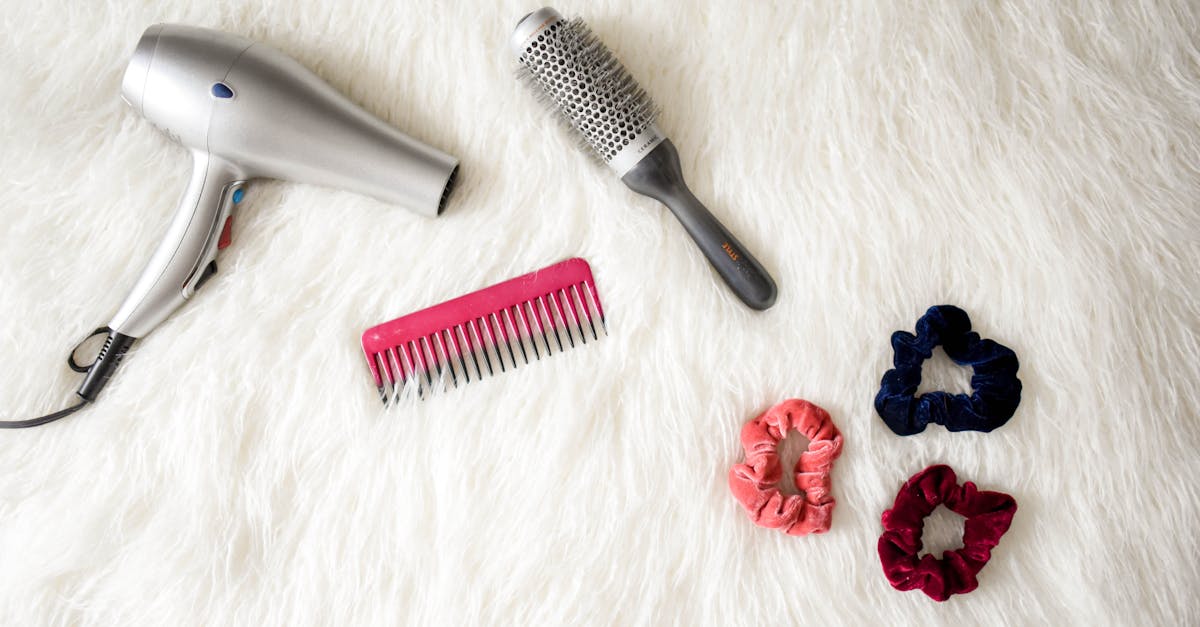
A hairdryer can be used to remove wax spills and adhesive residue from hard surfaces. The heat softens the wax or glue making it easy to wipe away with a paper towel. This tool is also useful for removing water rings from wood when used on a low heat setting. It provides a controlled way to apply heat without the risk of using an open flame. Housekeepers use dryers to tackle specific types of messes that require thermal intervention.
Dishwasher Tablets

A moistened dishwasher tablet can be used to scrub away burnt on grease from oven doors and racks. The concentrated cleaning agents in the tablet are designed to break down tough food particles. This method provides the power of a full dishwasher cycle in a localized and manual application. It is particularly effective for cleaning the glass window of an oven to maintain visibility. Professionals rely on this trick for deep cleaning kitchen appliances quickly.
Rubber Gloves

Wearing rubber gloves is not only for protection but also for removing pet hair from upholstery. Running a damp gloved hand over fabric surfaces creates static that attracts and pulls up fur. The hair clumps together making it easy to pick up or vacuum away. This technique is often more effective than using a standard lint brush on deeply embedded hair. It is a simple and fast way to refresh sofas and chairs in homes with pets.
Ice Cubes

Ice cubes can be used to remove chewing gum from carpets and clothing. Placing an ice cube on the gum freezes it and makes it brittle enough to scrape away easily. This method prevents the gum from stretching and becoming even more embedded in the fibers. Ice is also useful for removing indentations left in carpets by heavy furniture. Melting an ice cube in the dent allows the fibers to swell and return to their original shape.
Aspirin Tablets

Crushed aspirin dissolved in water can help to remove yellow perspiration stains from white clothing. The salicylic acid in the aspirin breaks down the organic compounds that cause the discoloration. This solution is a gentler alternative to bleach for maintaining the brightness of white shirts. It can also be used to remove soap scum from bathroom tiles when applied as a paste. Many professionals keep a few tablets in their kits for these specific laundry and bathroom tasks.
Vegetable Glycerin

A thin layer of vegetable glycerin applied to glass shelves helps to prevent dust from sticking. It creates a smooth surface that allows dust to be wiped away more easily during regular maintenance. This substance is clear and odorless making it an ideal choice for visible surfaces. It can also be used to help remove dried paint or glue from various hard finishes. Using glycerin reduces the time spent on repetitive dusting in areas that accumulate debris quickly.
Ground Cinnamon
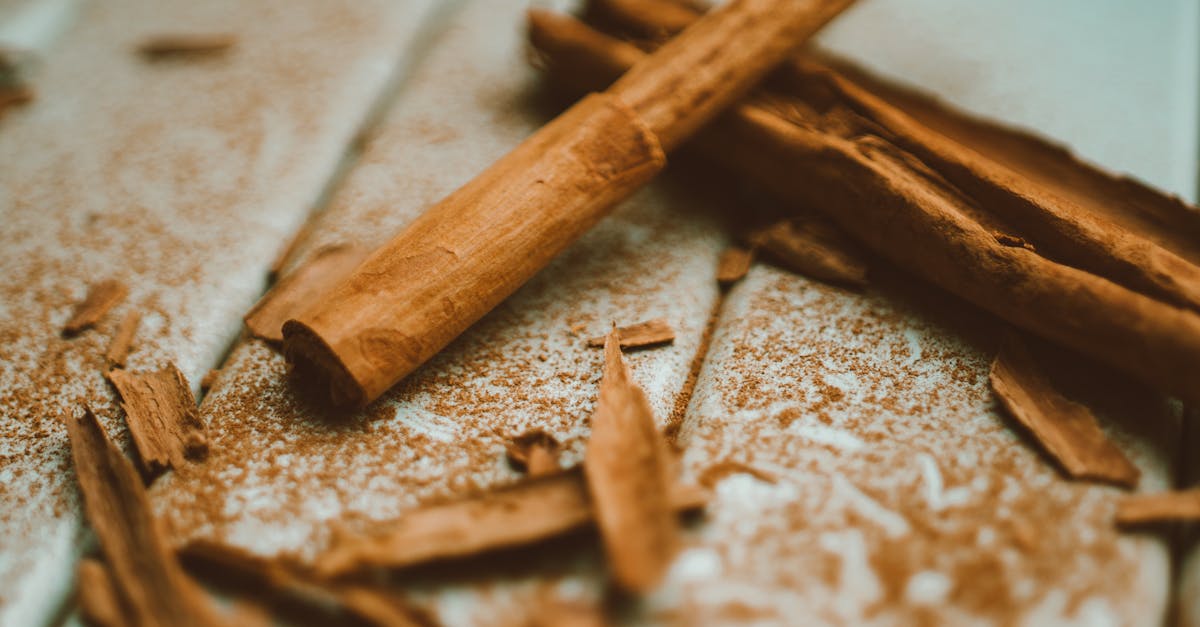
Sprinkling a small amount of ground cinnamon on the floor before vacuuming can fill a home with a pleasant aroma. As the vacuum sucks up the spice the heat from the motor releases the scent into the air. This natural alternative to commercial air fresheners provides a warm and inviting atmosphere. It is an excellent trick for eliminating pet odors or musty smells in older carpets. Many housekeepers use this method to provide a finishing touch to a deep cleaning session.
Glass Treatment
Applying a glass treatment product to shower doors helps to repel water and soap scum. This coating creates a barrier that prevents minerals from sticking to the surface. It reduces the frequency of deep cleaning needed for glass enclosures in bathrooms. Water simply beads up and slides off the glass after a single application. Professional cleaners use this trick to maintain a polished look for weeks at a time.
Car Wax
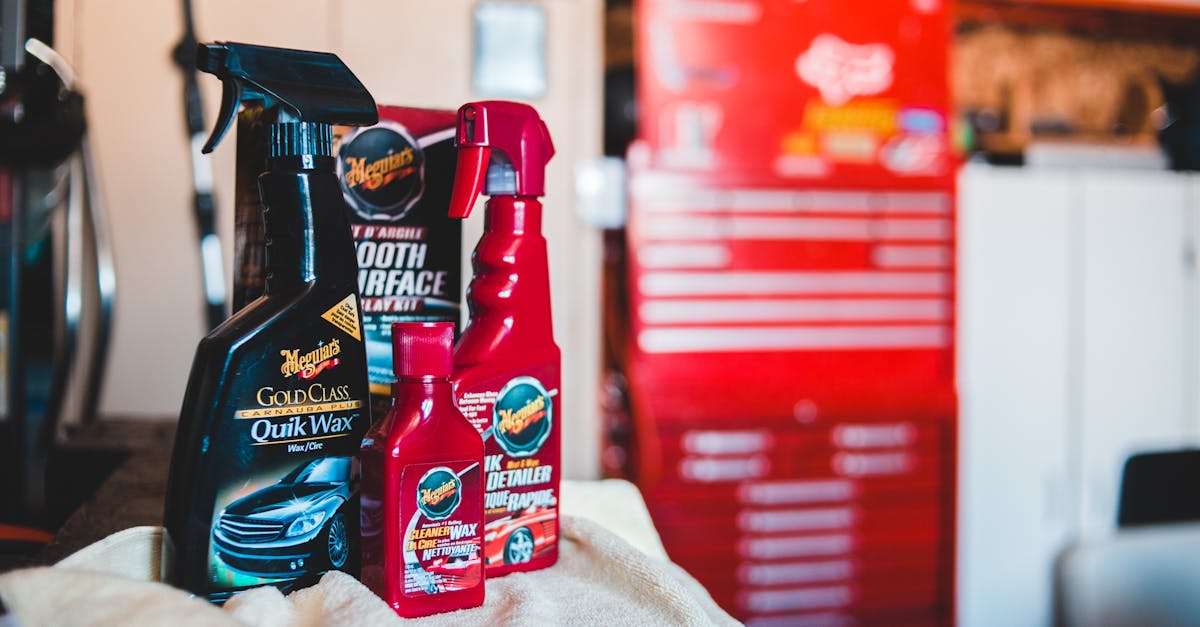
A light coat of car wax can be applied to ceramic stovetops and metal sinks to prevent stains. The wax fills in microscopic pores and creates a slick surface that resists grease and water spots. It makes daily wipe downs much faster because spills cannot bond easily to the treated surface. This technique provides a long lasting shine and a protective layer for frequently used kitchen items. Housekeepers use car wax to give a durable finish to surfaces that endure high levels of wear.
Please share your favorite professional cleaning hacks and tips in the comments.




