
Smartphones have become constant companions in daily life, but knowing how to use them respectfully in shared spaces is a skill that speaks volumes about character. Whether commuting, dining out, or waiting in line, the way a person handles their device affects everyone around them. These guidelines reflect a growing cultural expectation of mindfulness and consideration in an increasingly connected world. Good phone manners are no longer optional but a fundamental part of modern social awareness.
Volume Control
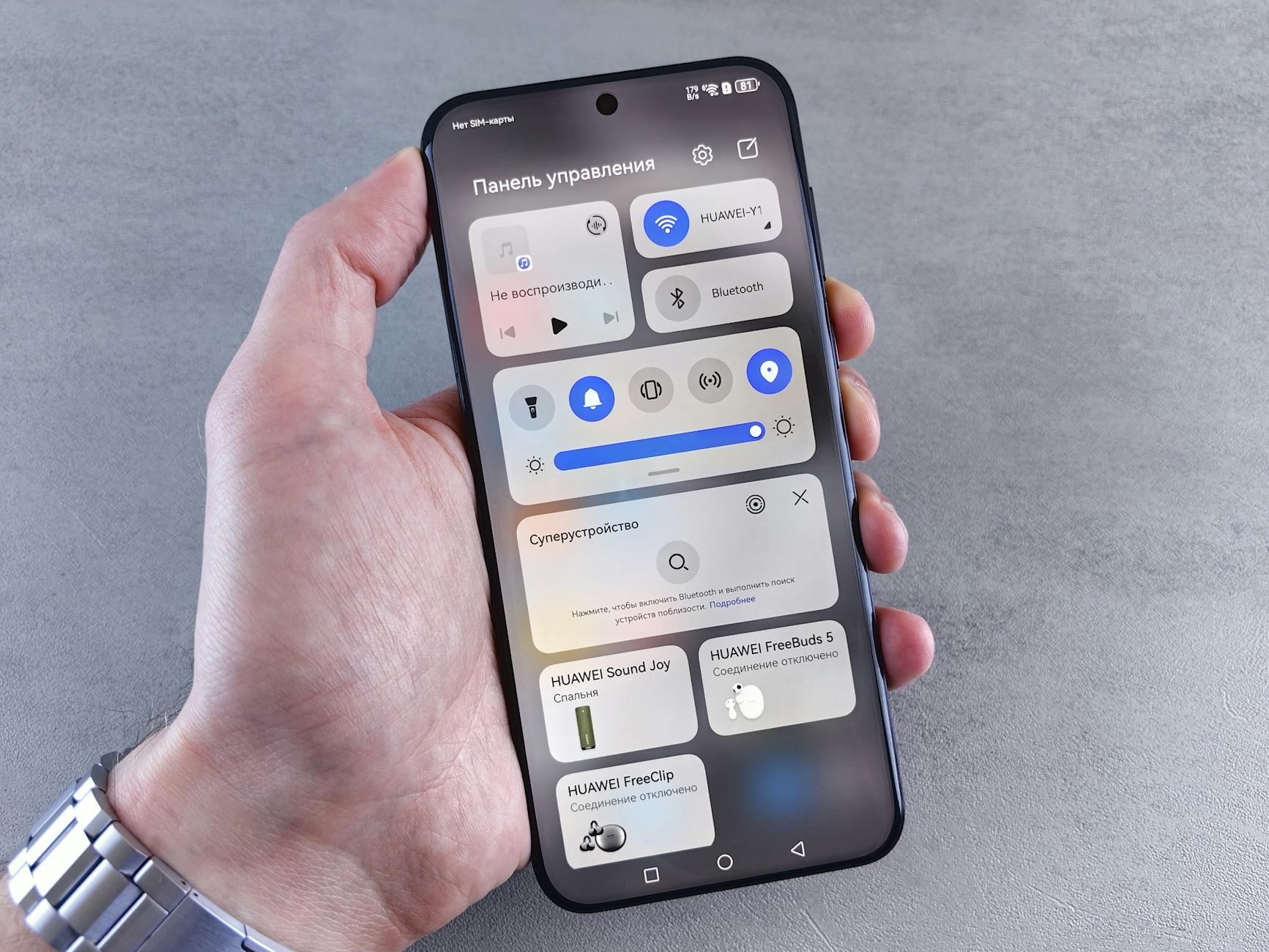
Blasting audio through a phone speaker in a public setting is one of the most common sources of irritation for those nearby. Whether watching a video, listening to music, or playing a game, the sound affects everyone within earshot. Headphones or earbuds are a universally accepted solution that keeps personal entertainment truly personal. Keeping calls on speaker mode in confined spaces such as public transport or waiting rooms is equally disruptive. Maintaining low or silent settings shows awareness of the shared acoustic environment.
Headphone Use
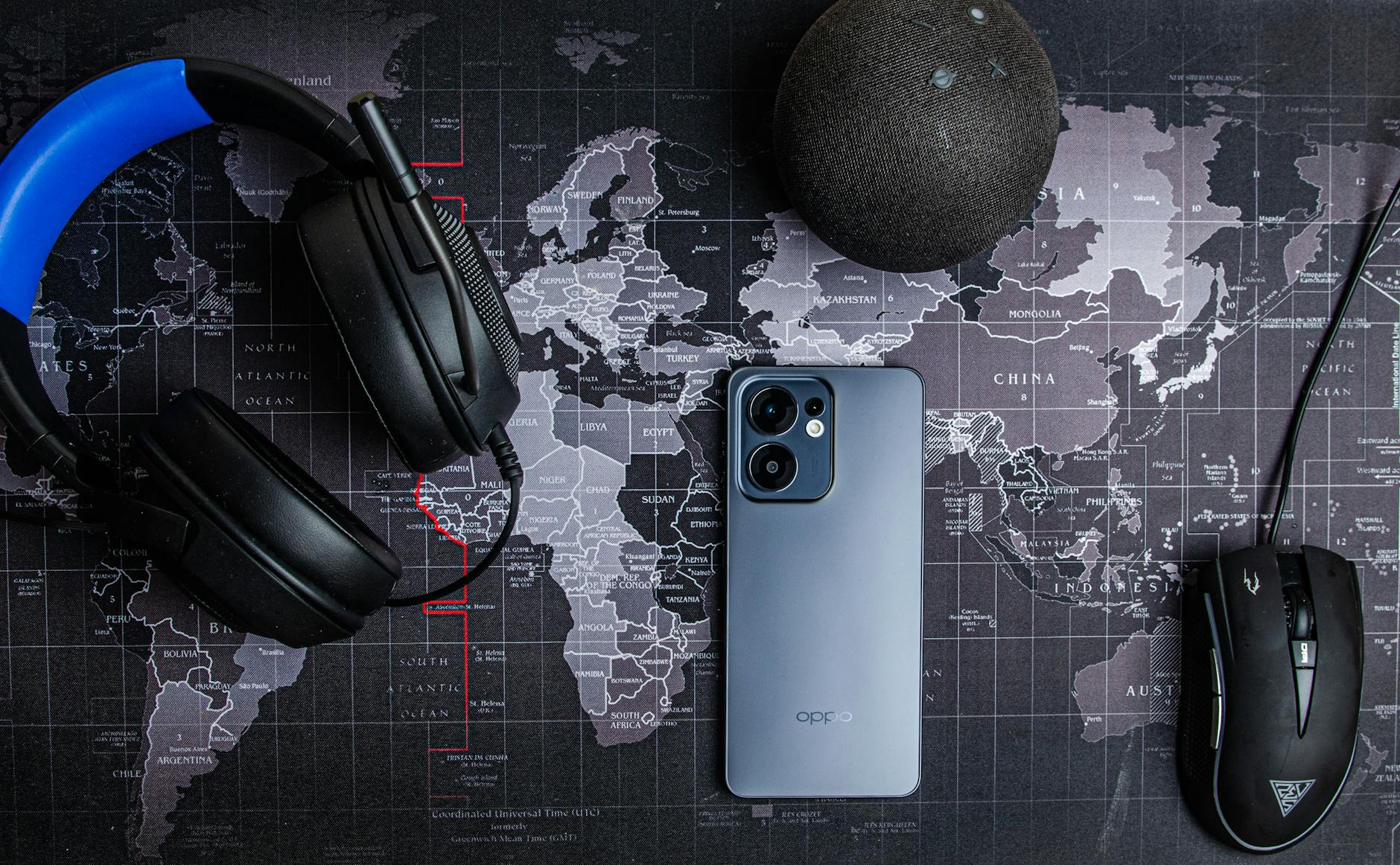
Wearing headphones in public is considered proper smartphone etiquette when consuming any form of audio content. They create a personal listening space without imposing sound on strangers or disrupting ambient environments. Keeping one earbud out in situations that may require awareness, such as crossing streets or navigating crowds, is a widely recommended safety practice. Noise-canceling models are especially useful in loud settings where volume would otherwise need to be increased. Choosing the right moment to put headphones in also signals to those nearby that conversation is not being invited.
Silent Mode
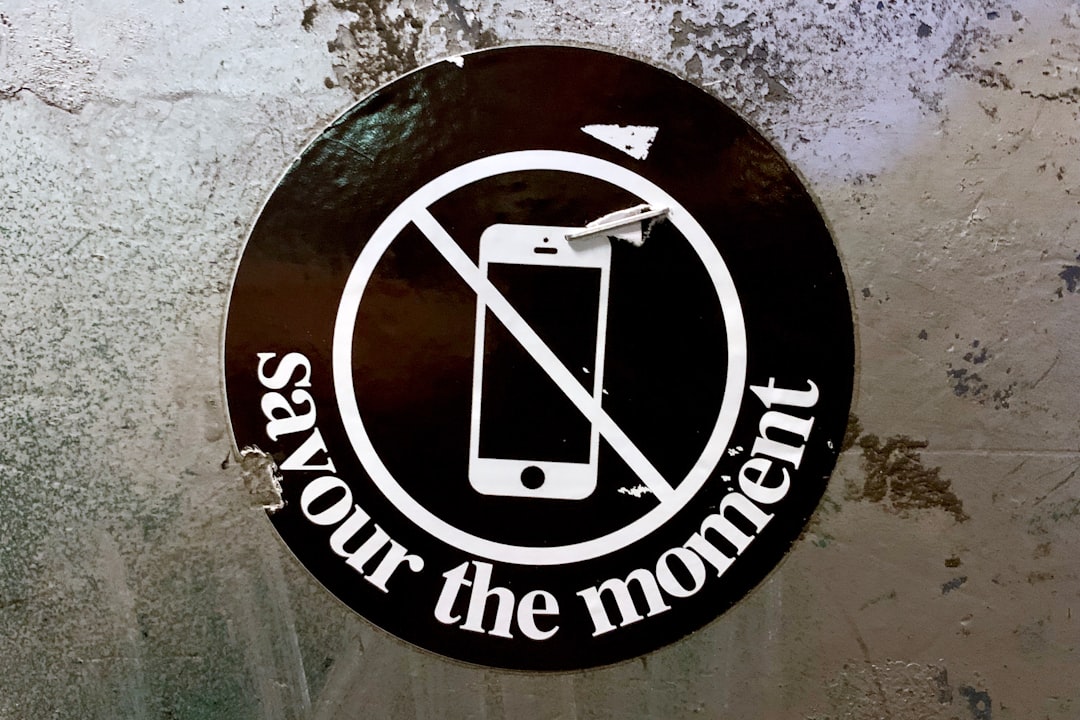
Switching a phone to silent or vibrate in quiet or formal settings is a baseline expectation in professional and social contexts. Movie theaters, libraries, places of worship, hospitals, and meeting rooms all benefit from this simple habit. Loud ringtones in these environments can cause significant disruption and embarrassment. Checking notification sounds periodically and adjusting them based on location is a proactive approach to public courtesy. Most smartphones now include automatic or scheduled silent modes that make this habit even easier to maintain.
Eye Contact

Maintaining eye contact during in-person conversations rather than glancing repeatedly at a phone demonstrates genuine respect for the person speaking. Research consistently shows that phone use during face-to-face interaction reduces perceived attentiveness and emotional connection. Placing a phone face-down or out of sight during a conversation is one of the clearest signals of engagement and presence. Even a quick glance at an incoming notification can interrupt the flow of meaningful dialogue. The habit of staying present in conversation is increasingly valued as phones become more distracting.
Restaurant Behavior
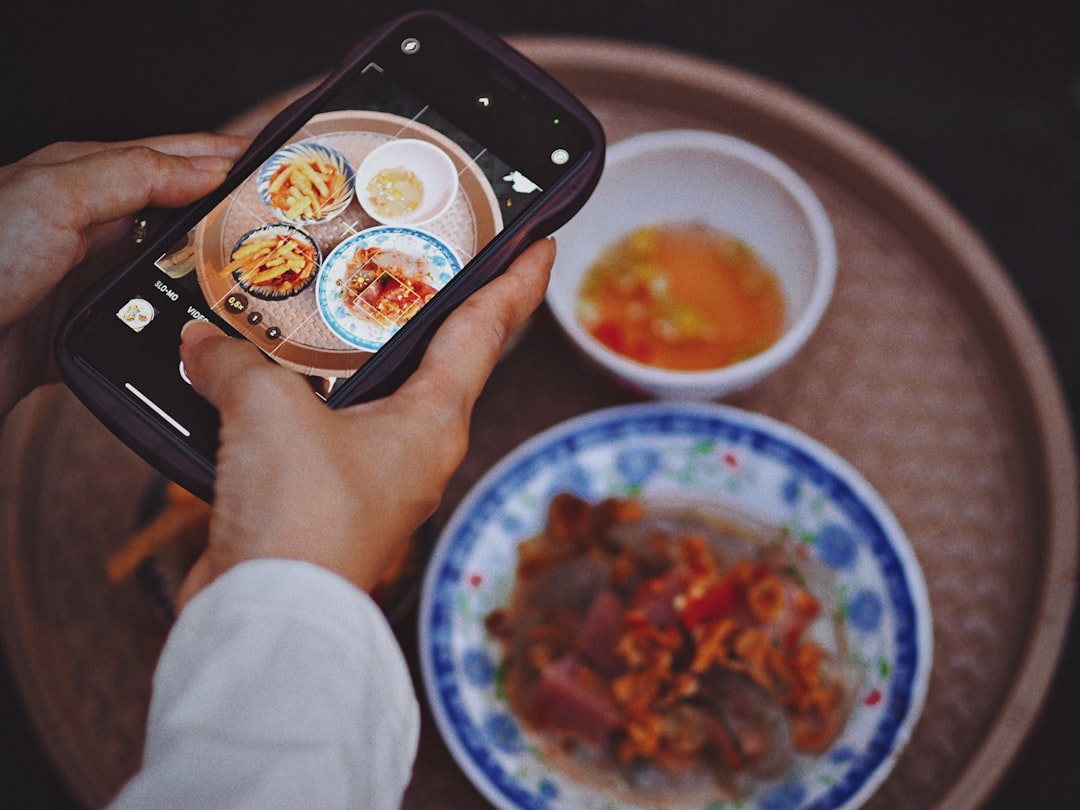
Placing a phone on the dining table during a meal has become a widespread habit that many etiquette experts and social researchers consider impolite. It signals divided attention and diminishes the quality of shared dining experiences. Phones are best kept in a pocket or bag unless an urgent situation requires checking a message or call. Photography of food for social sharing has become normalized, though lingering over shots or adjusting lighting repeatedly can disrupt the pace of a meal for others at the table. Giving full attention to dining companions is a gesture that elevates the overall experience.
Photography Etiquette

Taking photos in public spaces requires awareness of what and who is being captured in the frame. Photographing strangers without consent, particularly in close-up or identifying ways, raises both ethical and legal concerns in many regions. Crowded tourist sites and public attractions often become bottlenecks when individuals spend extended time posing or shooting in high-traffic areas. Being mindful of the time spent and space taken during photography sessions shows consideration for others trying to pass through or enjoy the same environment. Asking permission before photographing identifiable individuals is a practice widely considered courteous and respectful.
Walking Awareness

Texting or scrolling while walking is one of the leading causes of pedestrian collisions and near-accidents in urban environments. Studies on distracted walking have documented increased risks at intersections, stairways, and crowded corridors where attention is most critical. Stopping to one side of the path to check a message is a safer and more considerate alternative to navigating while looking down. Phone use while walking also slows pace and disrupts the flow of foot traffic for everyone moving in the same direction. Treating sidewalks and public walkways like shared roads encourages more mindful movement habits.
Call Privacy
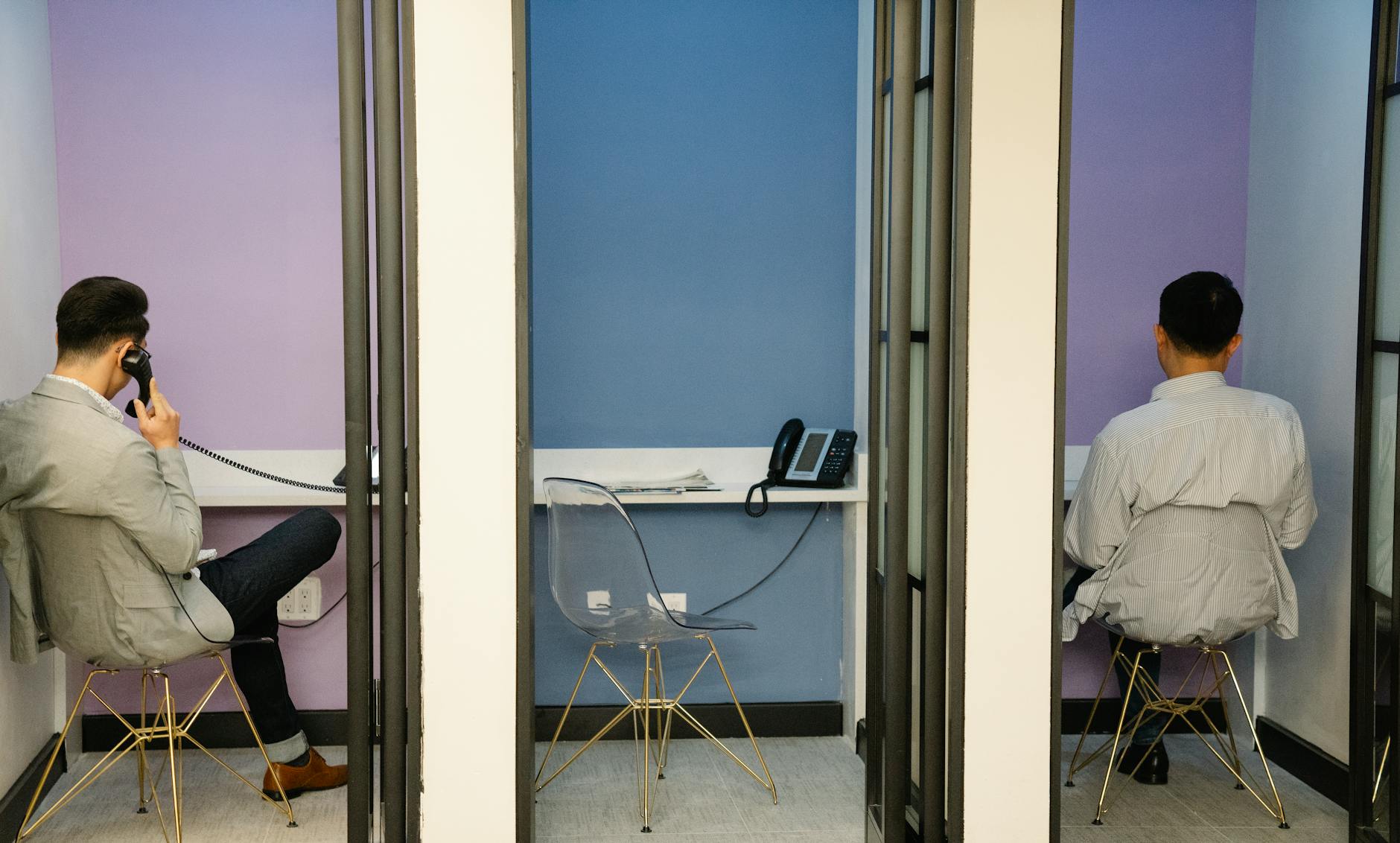
Taking phone calls in public means conversations are often overheard by those in close proximity, which can create discomfort for both parties. Sensitive discussions involving personal, financial, or professional information are best handled in a private or semi-private location. Speaking at a lower volume during calls helps contain the conversation without requiring a complete change of environment. Stepping away from crowded seating areas or queues to take a call is a widely appreciated gesture that most people recognize immediately. Awareness of proximity to others when answering calls prevents unintentional oversharing.
Notification Management
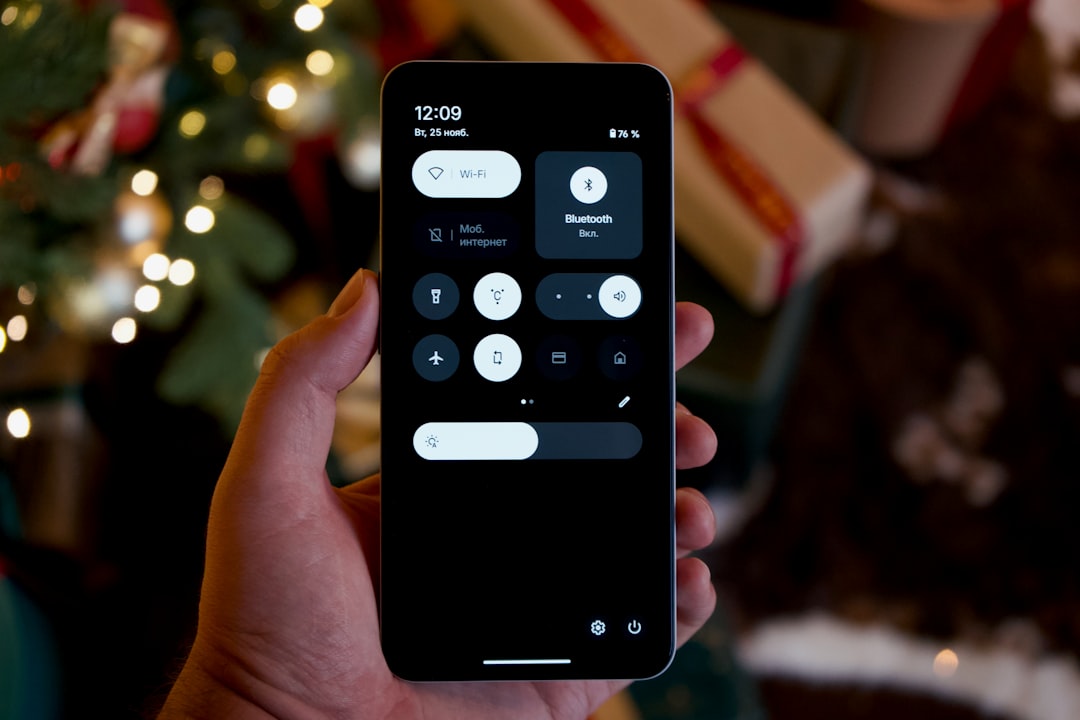
Frequent audible notifications in public settings can be as disruptive as a ringing phone, particularly in quiet or professional environments. Managing notification sounds, badges, and alerts through a phone’s settings allows for a more discreet device presence. Checking a phone repeatedly in response to every ping also draws attention and can appear dismissive in social settings. Batching notification checks at intervals rather than responding to each one immediately is a habit supported by productivity research. A well-managed notification system reflects both self-discipline and social awareness.
Meeting Presence
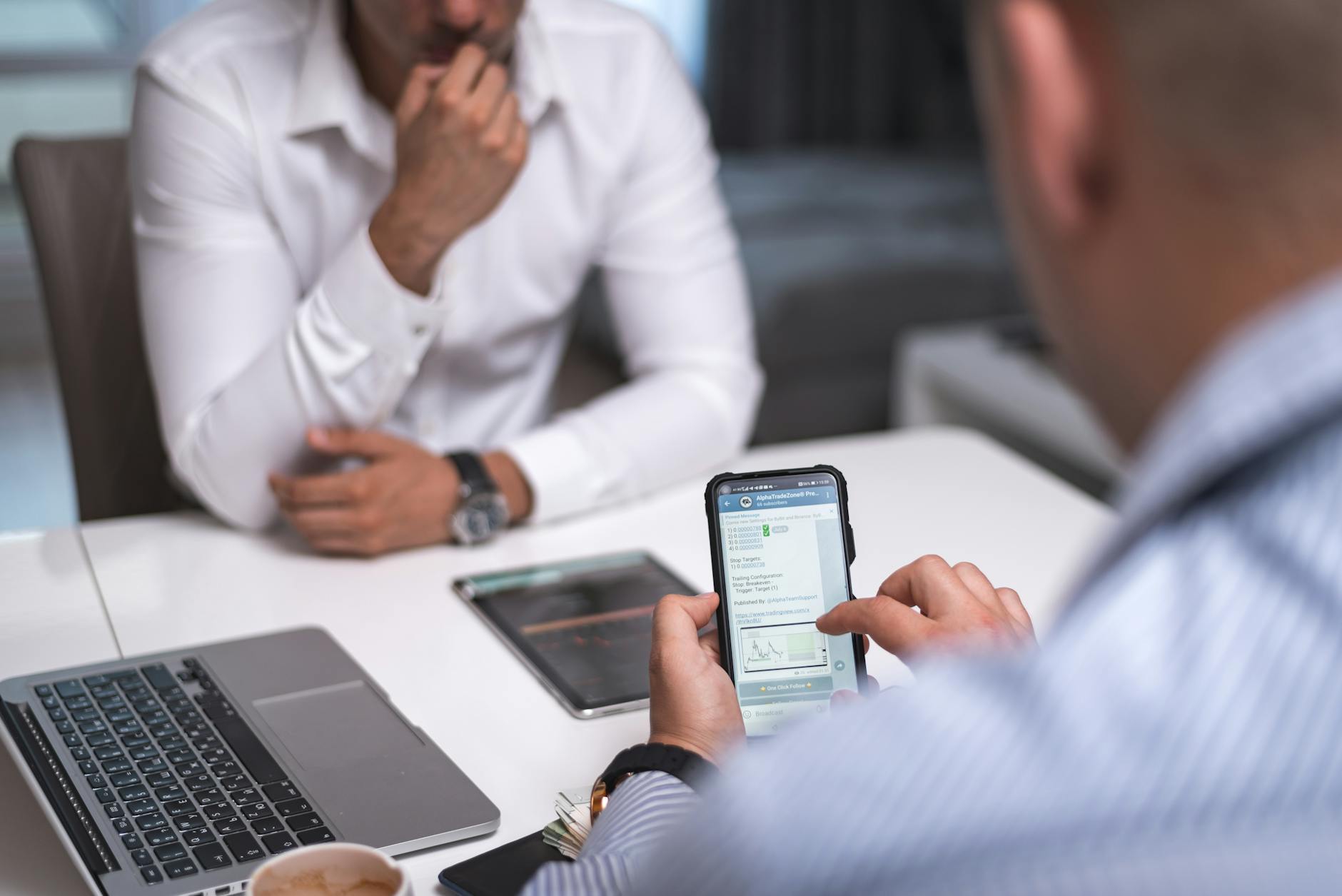
Using a smartphone during a meeting, whether in-person or professional in nature, is widely regarded as a sign of disengagement or disrespect toward the organizer and other participants. Notes can be taken digitally in a way that may appear identical to casual browsing, which is why many meeting environments have moved toward explicit phone-free norms. Being fully present during scheduled discussions improves retention, contribution quality, and the overall dynamic of the group. Emergency situations aside, stepping out briefly to handle urgent calls is more respectful than managing them visibly at the table. Consistent phone-free participation builds a reputation for professionalism and reliability.
Charging Etiquette
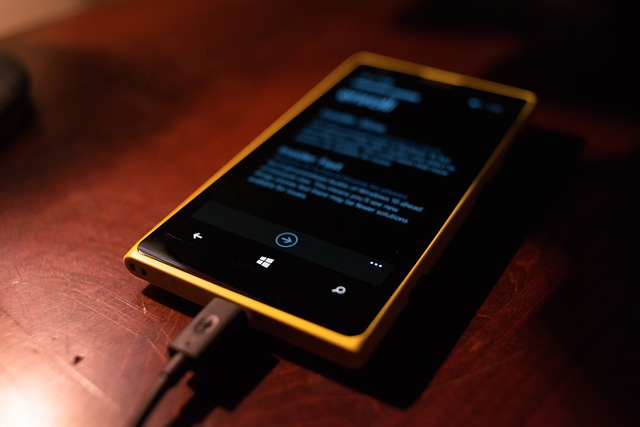
Using public charging stations or borrowing outlets in cafes, airports, or shared workspaces comes with an unspoken set of expectations. Occupying a charging spot for extended periods when others are visibly waiting is considered inconsiderate in high-demand environments. Carrying a personal portable charger reduces reliance on public infrastructure and eliminates the need to claim shared power sources. Leaving cables draped across common areas or tables in a way that takes up unnecessary space is another habit worth reconsidering. Responsible use of charging resources reflects the same consideration applied to any other shared public amenity.
Children’s Phones
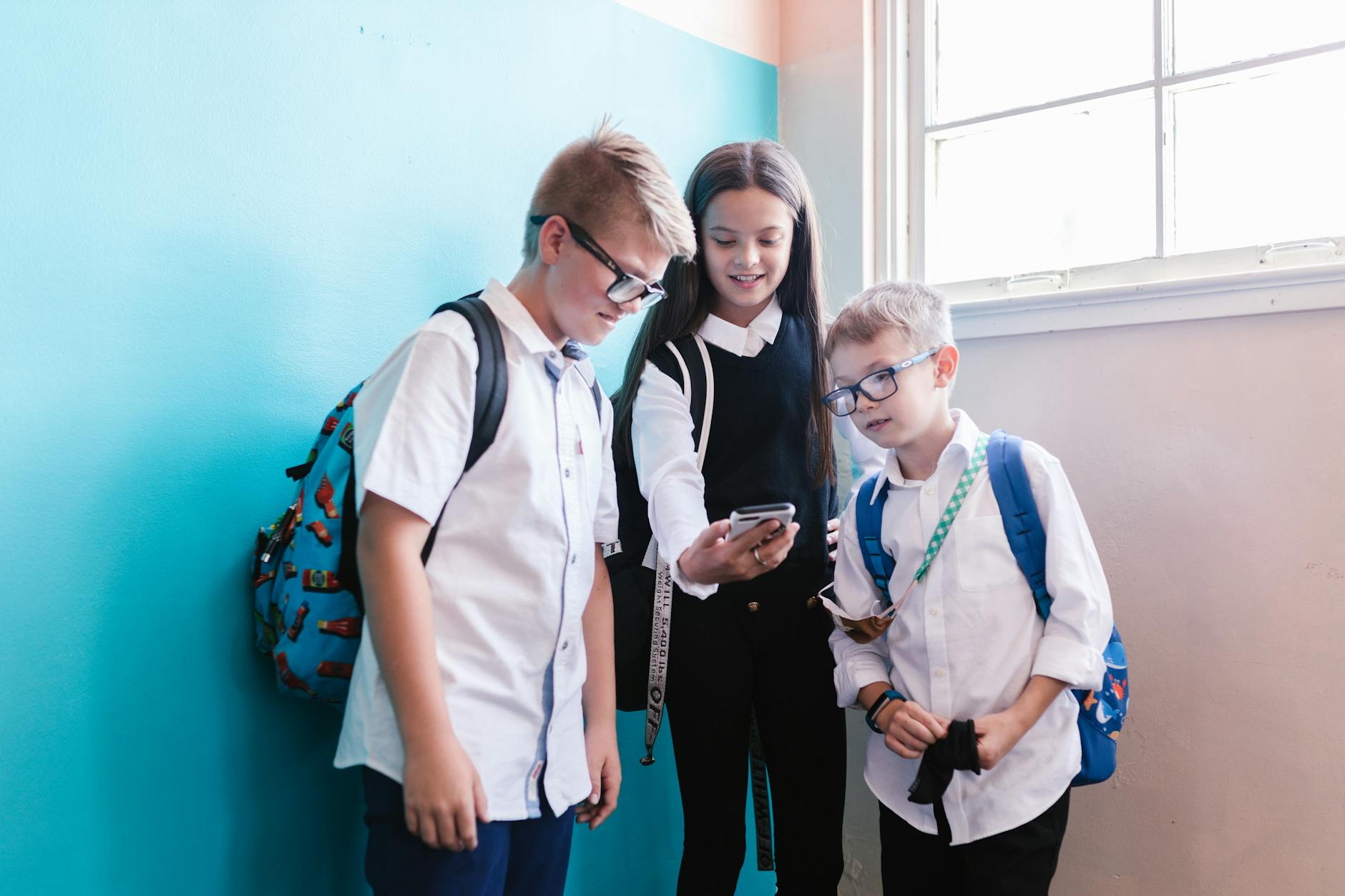
Children using smartphones in public spaces introduce a unique set of etiquette considerations that often fall to accompanying adults to manage. Unmonitored video or game audio from a child’s device can be particularly disruptive in restaurants, waiting rooms, or public transport. Providing headphones for children using devices in shared spaces is a practical and widely appreciated measure. Setting screen time limits before entering public settings can also prevent scenes that arise from sudden device removal. Modeling thoughtful phone behavior as an adult is one of the most effective ways to establish good digital habits in children.
Queue Behavior
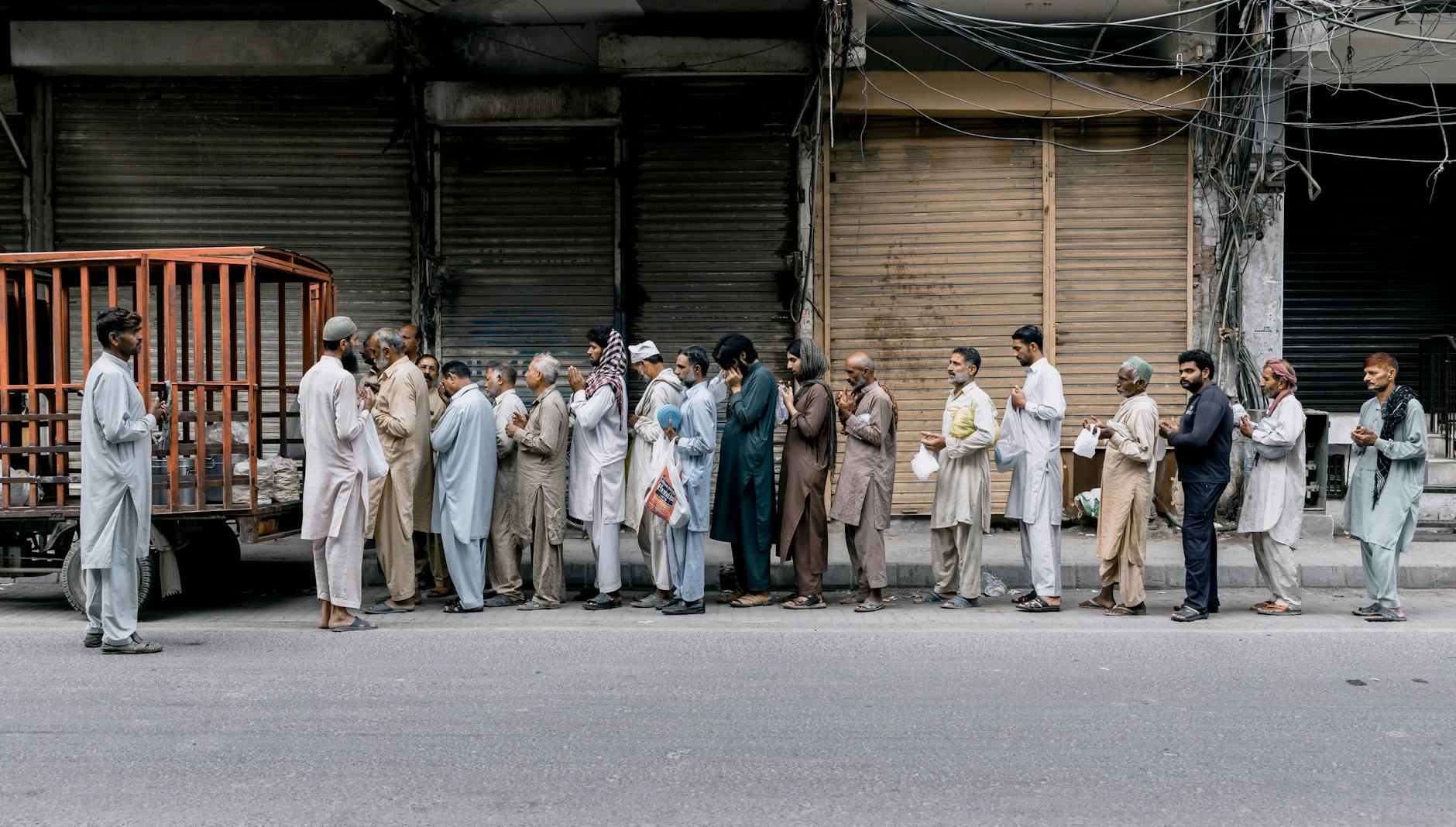
Waiting in line while using a phone is generally acceptable, but it requires enough situational awareness to keep pace with the queue as it moves forward. Failing to notice that a line has progressed creates delays and frustration for everyone behind. Stepping out of a queue to take a call and losing one’s place is preferable to conducting a loud conversation while blocking others. Completing transactions or interactions at service counters without phone in hand is also considered courteous to the staff and those waiting. Staying present during brief queuing moments reflects basic spatial awareness and respect for shared time.
Screen Brightness
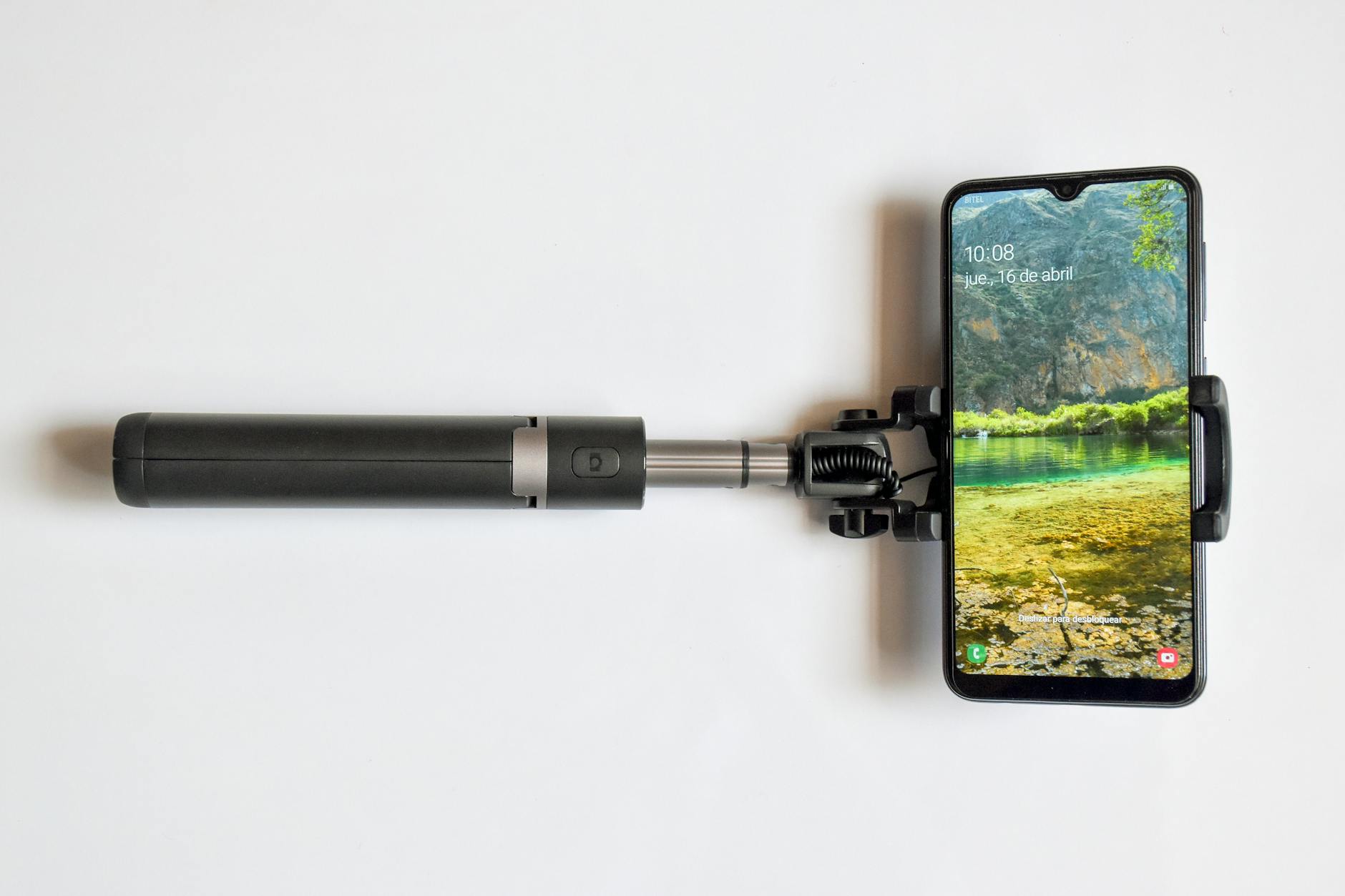
Adjusting screen brightness in dark environments such as cinemas, theaters, or evening gatherings is a small but significant act of consideration. Bright screens are visually intrusive in low-light settings and can distract those seated nearby from the experience at hand. Most smartphones include automatic brightness adjustment, though manual dimming is often more reliable in controlled environments. Checking a device briefly during a performance is disruptive regardless of brightness level, but dimming the screen minimizes the impact if it becomes necessary. Awareness of screen visibility in shared dark spaces is a detail that attentive smartphone users consistently manage well.
Emergency Exceptions

Recognizing when smartphone use is genuinely urgent versus habitual is an important distinction in public settings. True emergencies involving health, safety, or family welfare justify phone use in virtually any environment, including typically phone-free ones. Communicating briefly and quietly when an exception is necessary is both understood and respected by most people in shared spaces. The challenge lies in applying honest judgment rather than treating every notification or message as equally time-sensitive. Developing the ability to assess priority in real time is ultimately what separates considerate phone use from habitual dependency.
What smartphone etiquette rules do you think people overlook the most? Share your thoughts in the comments.




