
Many people assume their persistent fatigue comes from poor sleep or a demanding schedule, but the culprit is often sitting right on their plate. Certain everyday foods trigger blood sugar crashes, disrupt gut health, and interfere with the body’s ability to produce steady energy. The connection between diet and daily energy levels is well established in nutritional science, yet these specific foods are rarely flagged as the source of the problem. Understanding which foods drain vitality is one of the most practical steps a person can take toward feeling more alert and functional throughout the day.
White Bread

White bread is made from highly refined flour that has been stripped of its fiber and most of its natural nutrients during processing. It causes a rapid spike in blood sugar followed by an equally sharp crash, leaving the body in a state of low energy shortly after eating. The glycemic response triggered by white bread is one of the fastest among common breakfast and lunch staples. Replacing it with whole grain alternatives helps the body sustain steadier glucose levels over a longer period of time. Regular consumption of refined bread products is consistently linked to afternoon slumps and reduced mental clarity.
White Sugar
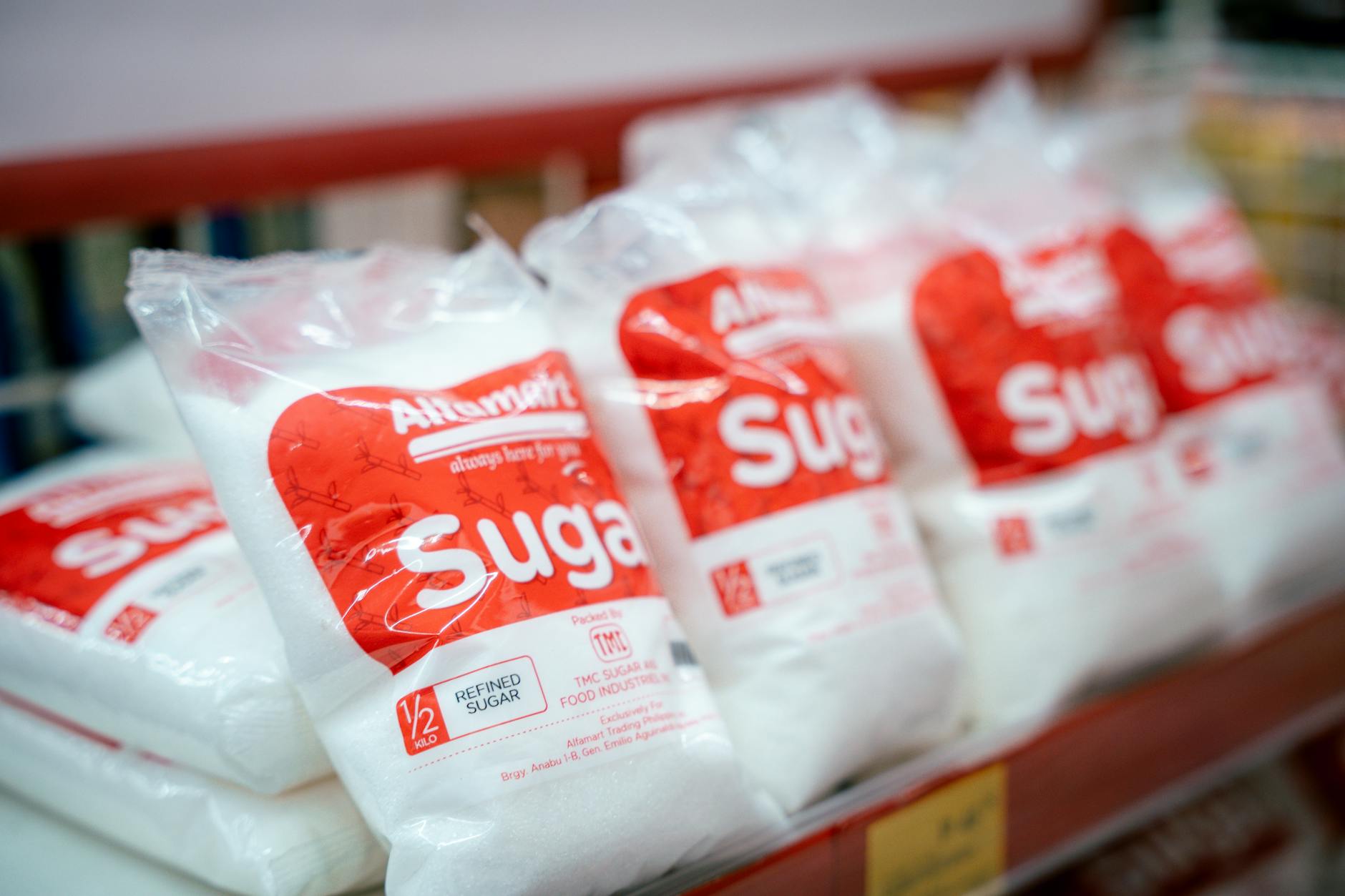
Refined sugar delivers a short burst of glucose into the bloodstream that the body processes very quickly, often leading to a pronounced energy dip within the hour. This cycle of spike and crash places significant stress on the adrenal glands and the pancreas over time. Foods heavily sweetened with white sugar also tend to displace more nutrient-dense options that would otherwise support sustained energy. The brain is particularly sensitive to these fluctuations, which can manifest as difficulty concentrating and a general sense of mental fog. Reducing added sugar intake is one of the most commonly recommended dietary changes for people struggling with chronic fatigue.
Alcohol

Alcohol is a central nervous system depressant that fragments sleep architecture even when consumed hours before bedtime. People who drink in the evening often wake up feeling unrestored because the body prioritizes metabolizing alcohol over entering restorative sleep stages. The diuretic effect of alcohol also leads to mild dehydration overnight, which compounds feelings of morning fatigue. Nutrient absorption is impaired when alcohol is present in the digestive system, meaning key vitamins and minerals linked to energy production are less available. Even moderate consumption has been shown to reduce next-day alertness and physical endurance in studies on sleep quality.
Processed Cheese

Processed cheese products are manufactured with emulsifying salts and additives that make them shelf-stable but nutritionally hollow compared to natural cheese varieties. They tend to be high in sodium, which can affect circulation and contribute to a feeling of sluggishness when consumed in large quantities. The artificial ingredients used in processed cheese can place added burden on the liver and digestive system as the body works to filter them out. Many processed cheese products also contain hydrogenated oils that interfere with healthy cellular energy metabolism. The combination of low nutrient value and high additive content makes them a poor choice for maintaining daytime energy levels.
Breakfast Cereal

Most commercially produced breakfast cereals contain high amounts of refined carbohydrates and added sugars that cause rapid blood sugar elevation first thing in the morning. Because the sugar content is so high relative to fiber and protein, the energy boost is short-lived and is typically followed by a mid-morning crash. Marketing often positions these products as nutritious, but the actual micronutrient content after processing is minimal without artificial fortification. Eating a high-sugar cereal at the start of the day sets a biochemical pattern that can affect energy regulation for several hours afterward. Nutritionists frequently identify breakfast cereals as one of the most misleading foods in the context of sustained energy.
Fruit Juice

Fruit juice removes the fiber from whole fruit while concentrating its natural sugars, creating a drink that behaves metabolically more like soda than whole fruit. Without fiber to slow digestion, the fructose in juice enters the bloodstream rapidly and triggers a corresponding insulin response. This process can lead to energy crashes that arrive faster than many people expect from something perceived as a healthy option. Commercial fruit juices often contain additional sweeteners that amplify the glycemic impact even further. Whole fruit, by contrast, includes fiber and water content that slows sugar absorption and provides a more controlled release of energy.
Margarine

Margarine was developed as a lower-cost alternative to butter and for many decades contained significant levels of trans fats, which are now known to impair cardiovascular function and reduce oxygen efficiency in the body. Even modern reformulated versions often contain refined vegetable oils that promote low-grade inflammation when consumed regularly. Chronic inflammation is one of the lesser-discussed contributors to persistent fatigue, as it diverts the body’s energy toward immune responses rather than daily function. Margarine also lacks the fat-soluble vitamins naturally present in butter, such as vitamin A and K2, which play roles in cellular energy metabolism. Substituting processed spreads with minimally processed fats is a common recommendation in anti-inflammatory dietary approaches.
Diet Soda

Diet sodas contain artificial sweeteners that, despite having no calories, appear to disrupt gut microbiome composition in ways that affect overall metabolic health. Research has pointed to connections between artificial sweetener consumption and altered insulin signaling, which can influence how the body manages energy throughout the day. The phosphoric acid in many diet sodas interferes with calcium and magnesium absorption, and both minerals are essential for proper muscular and neurological energy function. Caffeine in caffeinated diet drinks can create dependency cycles that exacerbate energy crashes when the stimulant effect wears off. Regular consumption has been associated with increased fatigue and cravings in several observational studies on dietary patterns.
White Rice

White rice is a refined grain that has had its bran and germ layers removed, leaving a carbohydrate source that digests quickly and offers little in the way of fiber or B vitamins in its natural form. The rapid conversion of white rice to glucose in the bloodstream produces a predictable energy peak followed by a decline that many people attribute to other causes. In cultures where white rice is a dietary staple, high consumption is increasingly being studied in relation to metabolic fatigue patterns. The absence of B vitamins, which are naturally found in the outer layers of the grain, is particularly significant because these vitamins are directly involved in converting food into cellular energy. Pairing white rice with protein and fiber-rich foods can partially offset its glycemic impact.
Microwave Popcorn

Microwave popcorn bags are lined with chemicals that can release compounds during heating, some of which have been flagged in research related to hormonal disruption and metabolic function. The artificial butter flavorings and high sodium content typical of commercial microwave popcorn contribute to dehydration and circulatory strain when eaten regularly. Salt in large quantities draws water out of cells, leaving the body in a subtle state of dehydration that is one of the most common and underrecognized causes of fatigue. Many brands also use refined seed oils that are high in omega-6 fatty acids, which promote inflammatory pathways in the body when they significantly outnumber omega-3 intake. The combination of chemical exposure and dehydrating ingredients makes microwave popcorn a surprisingly draining snack choice.
Fast Food Burgers

Fast food burgers are typically made with low-quality meat, refined white buns, and sauces loaded with sugar and sodium, creating a meal that is high in calories but low in nutritional value relative to those calories. The large fat and refined carbohydrate load triggers a substantial digestive response that diverts blood flow to the gut for an extended period. This post-meal blood redistribution is a known contributor to the drowsiness many people experience after a heavy fast food meal. The excessive sodium content promotes water retention and can cause a feeling of physical heaviness and lethargy that persists for hours. Regularly eating this type of meal has been associated with disrupted energy patterns and reduced physical and cognitive performance over time.
Energy Drinks
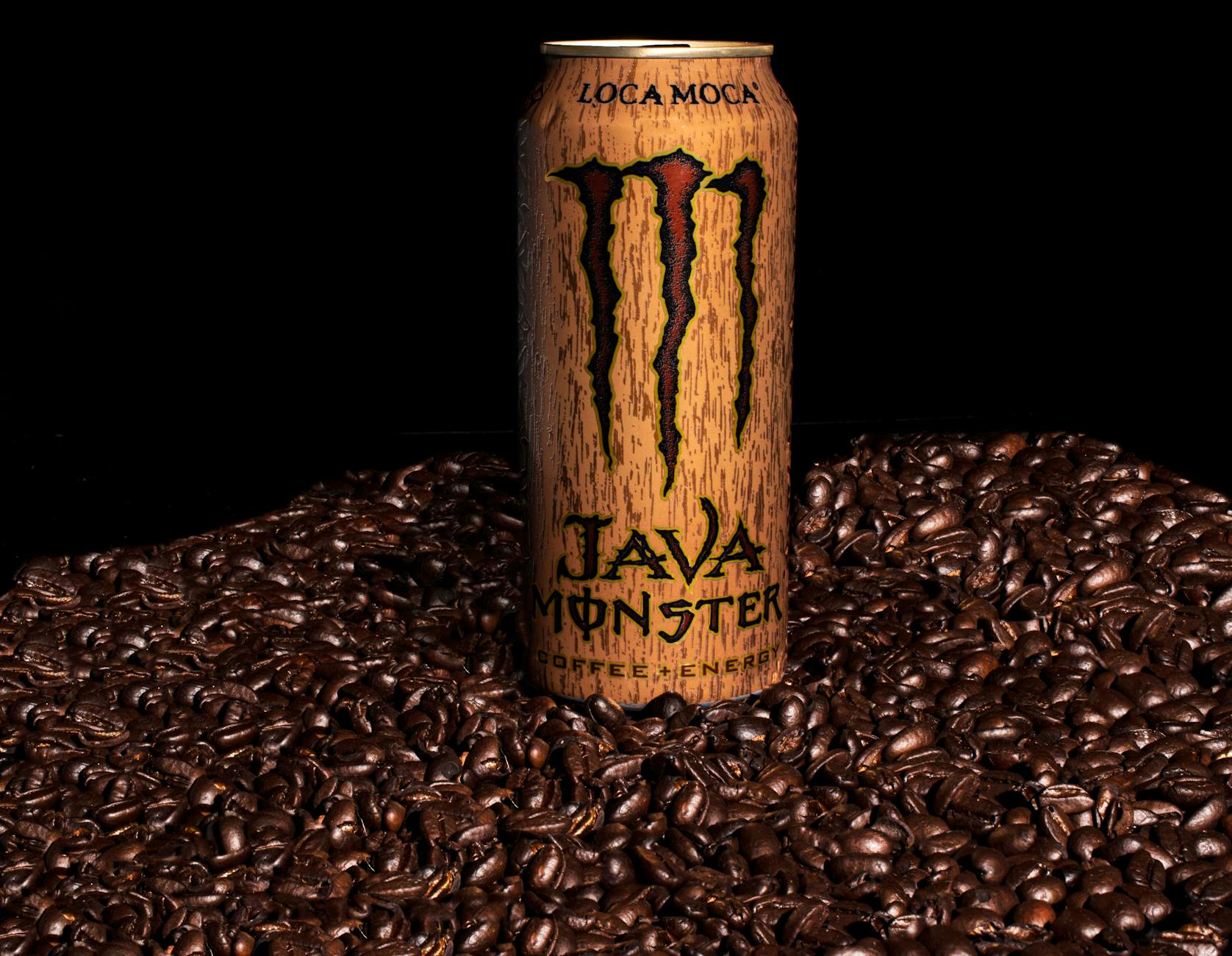
Energy drinks deliver a concentrated combination of caffeine, sugar, and B vitamins designed to produce a short-term alertness effect that the body is not built to sustain. The high caffeine content suppresses adenosine receptors in the brain temporarily, but once the caffeine clears, adenosine floods back with compounded fatigue effects. The sugar content in non-sugar-free varieties also adds a glycemic crash on top of the caffeine withdrawal effect, doubling the energy dip. Regular use desensitizes the body’s natural alertness systems, making it progressively harder to feel awake without artificial stimulation. Many healthcare professionals caution against energy drinks as a fatigue management strategy precisely because they worsen long-term energy regulation.
Flavored Yogurt

Flavored yogurts, particularly those marketed to children or as low-fat diet products, often contain as much added sugar per serving as a small dessert. The low-fat versions compensate for reduced fat content by adding sugars or artificial sweeteners, neither of which supports sustained energy. While plain yogurt with live cultures can support gut health and B vitamin synthesis, flavored commercial varieties frequently contain heat-treated cultures that are no longer active. The gut-energy connection is significant because a compromised microbiome reduces the efficiency of nutrient absorption, indirectly affecting how much energy the body can generate from food. Opting for plain, full-fat yogurt and adding fresh fruit is a widely recommended alternative that avoids these energy-draining additives.
Granola Bars

Granola bars are widely perceived as a healthy snack but many commercial varieties contain as much sugar and refined carbohydrate as a candy bar in a comparably sized portion. The oats used are often highly processed, reducing their fiber content and glycemic benefit compared to whole rolled oats. Many bars also contain glucose syrup, brown rice syrup, or other concentrated sweeteners that drive rapid blood sugar spikes. The small protein and fat content in most mass-market granola bars is insufficient to slow the sugar absorption meaningfully. Nutrition labels on these products frequently reveal that the health claims on the front packaging bear little resemblance to the actual ingredient list.
Fried Foods

Fried foods are typically cooked in refined vegetable oils at high temperatures that cause oxidation and the formation of inflammatory compounds in the oil itself. Consuming oxidized fats regularly contributes to systemic inflammation, which is directly linked to fatigue through its effects on immune activation and mitochondrial efficiency. The high fat content of fried foods slows gastric emptying significantly, keeping the body in an extended digestive state that draws on circulatory resources needed elsewhere. Acrylamide, a compound formed when starchy foods are fried at high temperatures, has been identified in research as a potential neurological stressor. People who consume fried foods frequently often report a consistent post-meal heaviness that interferes with both physical and mental productivity.
Canned Soup

Many canned soups contain sodium levels far exceeding recommended daily limits in a single serving, and the dehydrating effect of excess sodium is one of the fastest ways to induce fatigue through fluid imbalance. The vegetables and proteins used in canned soups are often cooked at high heat during the canning process, which significantly degrades heat-sensitive vitamins like vitamin C and several B vitamins. BPA, a chemical used in the lining of many cans, has been studied in connection with hormonal disruption that can affect energy regulation and stress response over time. The heavily processed nature of these products means the apparent nutritional value on the label does not reflect how bioavailable those nutrients actually are after processing. Homemade or low-sodium alternatives made from fresh ingredients offer far greater nutritional support for sustained daily energy.
Pastries

Pastries combine refined flour, sugar, and butter or shortening in proportions that create one of the most glycemically disruptive food formats available. The resulting blood sugar spike and subsequent crash after eating a croissant, Danish, or muffin from a commercial bakery is among the most pronounced of any common breakfast food. Many commercially produced pastries are made with partially hydrogenated fats that contribute to inflammation and impair the cellular processes involved in energy production. The caloric density of pastries is high relative to their nutrient content, meaning the body expends energy digesting them without receiving a commensurate nutritional return. Eating pastries as a regular breakfast or snack habit is considered by many nutrition experts to be a primary driver of chronic mid-morning fatigue.
Processed Meats

Processed meats such as salami, hot dogs, and packaged lunch meats are preserved with nitrates and high sodium levels that place strain on the cardiovascular system and kidneys. The body’s effort to process and filter these additives contributes to a background level of physiological stress that manifests as fatigue, particularly in people who consume these products daily. Processed meats are also high in saturated fat combined with pro-inflammatory preservatives, a combination that research has linked to reduced mitochondrial function in cells over time. Iron, which is present in meat, is less bioavailable in highly processed forms than in fresh cuts, meaning the expected energy benefit of meat consumption is diminished. Many health organizations recommend limiting processed meat intake specifically because of its cumulative effects on metabolic health and energy.
Soy Sauce

Soy sauce is extremely high in sodium, with a single tablespoon often exceeding a third of the recommended daily sodium intake for an adult. Frequent use of soy sauce as a condiment or cooking base can contribute to cumulative sodium intake that promotes dehydration and increased blood pressure, both of which reduce the efficiency of oxygen delivery to tissues. Fatigue related to poor oxygenation is subtle but consistent, and many people do not connect it to dietary sodium because the effect builds over time rather than striking immediately after a meal. Conventional soy sauce is also made through a fermentation process that involves wheat, making it a hidden gluten source for those with sensitivity. Low-sodium tamari offers a functional alternative that significantly reduces the fatigue-promoting effects of excess salt.
Artificial Sweeteners
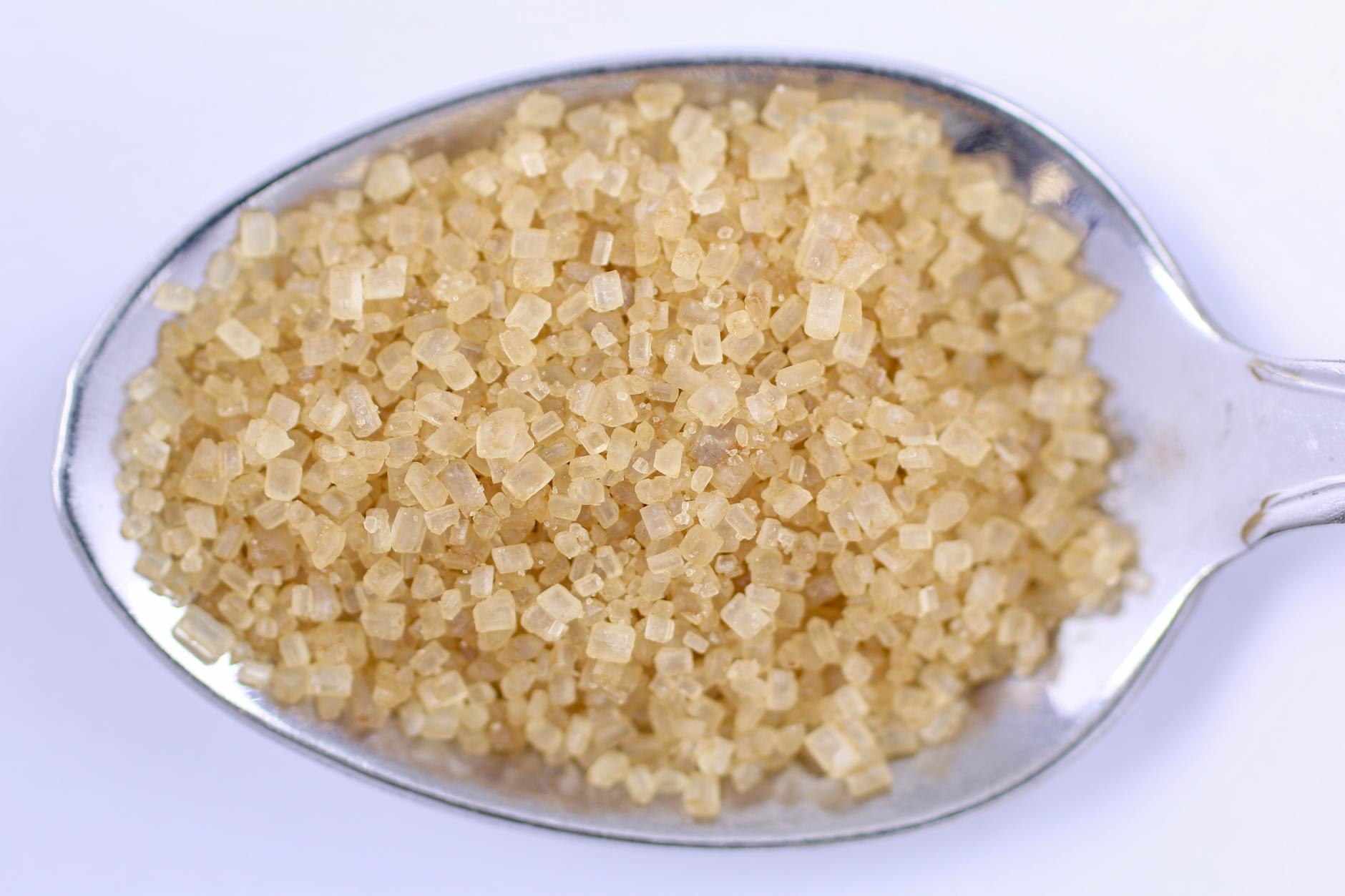
Artificial sweeteners including aspartame, sucralose, and saccharin are used across thousands of food and beverage products as calorie-free sugar substitutes. Research has increasingly pointed to their role in disrupting the gut microbiome, which plays a critical part in nutrient synthesis and the regulation of mood and energy through the gut-brain axis. Some artificial sweeteners have been associated with altered insulin response, meaning they may contribute to metabolic confusion even in the absence of actual sugar. The neurological effects of certain sweeteners have also been studied in relation to headaches and cognitive fatigue in sensitive individuals. Because they are present in so many products labeled as diet or sugar-free, their cumulative intake is often far higher than people realize.
Flavored Coffee Drinks

Blended and flavored coffee beverages sold in chain coffee shops often contain as much sugar as a full dessert, with some large-format drinks exceeding 60 grams of added sugar per serving. While the caffeine provides initial stimulation, the sugar load that accompanies it sets up a predictable crash that arrives within one to two hours. The syrups, sweetened milks, and whipped toppings used in these drinks add caloric density without meaningful nutritional content. People who rely on these beverages as a morning energy source often find themselves in a cycle of stimulant dependence and fatigue that is difficult to break without dietary intervention. Plain or lightly sweetened coffee provides the caffeine benefit without the glycemic disruption that flavored versions introduce.
White Pasta

White pasta, like other refined grain products, is digested quickly because the milling process removes the fiber and germ that would otherwise slow glucose absorption. A large portion of white pasta triggers an insulin response significant enough to cause noticeable post-meal fatigue, particularly when eaten without adequate protein or vegetables to balance the glycemic load. The standard pasta portion sizes served in restaurants are often two to three times larger than what would produce a moderate glycemic response. B vitamins lost during the refinement of pasta are sometimes added back synthetically, but the bioavailability of fortified nutrients is generally lower than that of naturally occurring ones. Whole grain or legume-based pasta alternatives offer a substantially lower glycemic impact and more sustained post-meal energy.
Potato Chips

Potato chips are cooked in refined oils at temperatures high enough to cause significant oxidation and the formation of acrylamide, both of which have inflammatory effects on the body. The combination of fat and refined starch in chips creates a product that is easy to overconsume, leading to a caloric load that taxes digestion without delivering meaningful micronutrients. The high sodium content accelerates dehydration, and because chips are typically eaten as a snack rather than a full meal, people rarely compensate with adequate water intake afterward. The reward response chips trigger in the brain can also interfere with appetite regulation, leading to consumption patterns that displace more nutrient-dense foods over time. Regular chip consumption is frequently cited in nutritional research as a dietary pattern associated with reduced energy and increased inflammatory markers.
Ice Cream

Ice cream combines high sugar content with saturated fat and, in many commercial versions, artificial flavors and stabilizers that add to the body’s processing burden. The rapid blood sugar spike from the sugar in ice cream is somewhat moderated by its fat content, but the subsequent insulin response still leads to a noticeable energy dip. Eating ice cream in the evening is particularly relevant to fatigue because the sugar can interfere with the quality of sleep even when consumed two to three hours before bed. Large commercial brands often use ingredients such as carrageenan and various gums that have been studied in relation to gut inflammation in sensitive individuals. The gut inflammation connection is important because an irritated intestinal lining reduces the efficiency of nutrient absorption and can lead to systemic low energy.
Frozen Meals
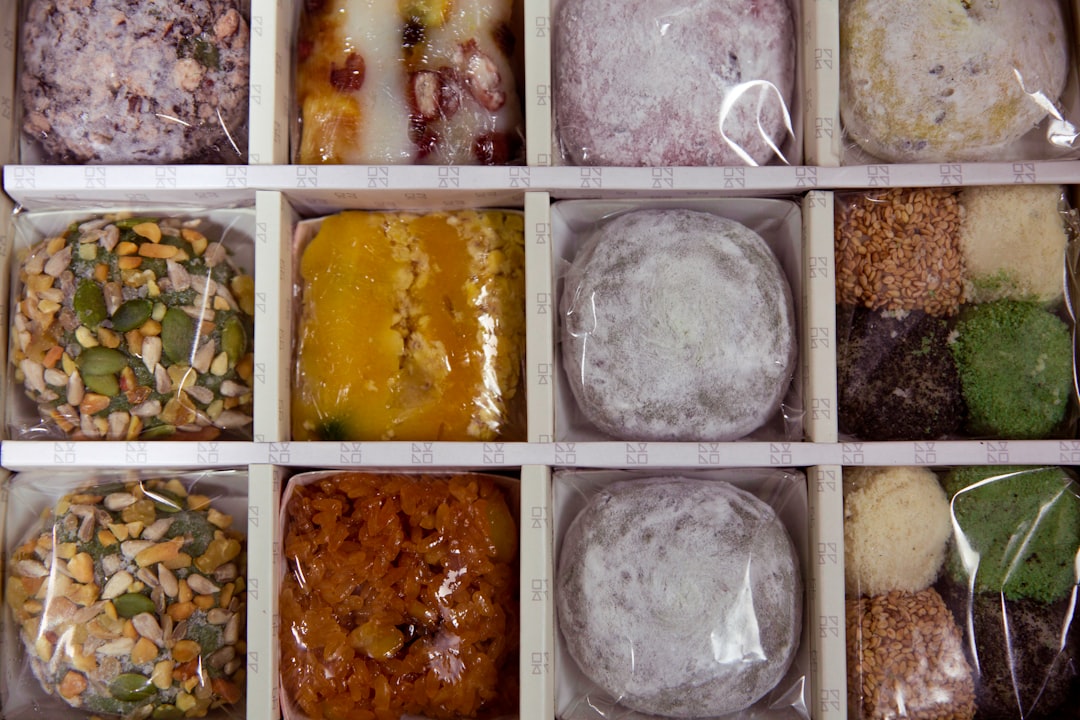
Frozen meals are engineered for shelf stability and palatability rather than nutritional completeness, meaning they are typically high in sodium, refined starches, and preservatives while being low in fresh vegetables and bioavailable protein. The heating process involved in both manufacturing and microwaving further degrades heat-sensitive vitamins that may have been present in the original ingredients. Sodium content in a single frozen entrée can exceed the recommended daily limit, leading to water retention and the cardiovascular strain associated with habitual high-sodium intake. Many frozen meals also rely on refined grain bases like white rice or pasta, compounding the glycemic burden of an already nutritionally limited product. People who rely on frozen meals as dietary staples often report consistent afternoon fatigue that improves markedly when whole food alternatives are introduced.
Bottled Smoothies

Commercially bottled smoothies are frequently perceived as a health food but many contain concentrated fruit purees and added sugars that make their glycemic impact comparable to fruit juice. Without the intact fiber of whole blended fruit, the sugars in bottled smoothies are absorbed rapidly and can trigger a blood sugar curve very similar to that of a sweetened drink. Many commercial versions also undergo pasteurization and extended shelf processing that eliminates the live enzymes and probiotics that would otherwise contribute positively to gut health and energy. The caloric density of some bottled smoothies rivals that of a full meal, yet they are typically consumed quickly and do not produce the same satiety that slows eating and digestion. Reading ingredient labels on these products often reveals that the fruit content is lower and the sweetener content is higher than the branding suggests.
Ketchup

Ketchup is one of the most widely consumed condiments in the world but is composed primarily of tomato concentrate and high-fructose corn syrup or sugar, making it a significant hidden source of added sugar in everyday diets. The sugar content in a few tablespoons of ketchup can add up quickly during a meal, particularly when used generously with fried or processed foods that already carry a high glycemic and inflammatory load. The liver prioritizes the metabolism of fructose from high-fructose corn syrup in a way that can divert resources from other metabolic processes, contributing to fatigue at a biochemical level. Sodium in ketchup also adds to the cumulative daily intake that promotes dehydration. Low-sugar or no-added-sugar ketchup alternatives have become widely available and offer a way to use the condiment without the blood sugar disruption.
Sports Drinks

Sports drinks were formulated for athletes engaged in sustained physical activity and are not appropriate as everyday hydration for sedentary or lightly active individuals. The sugar and electrolyte content designed to replenish an endurance athlete creates a blood sugar spike with no athletic effort to buffer it, leading directly to a glycemic crash. The artificial dyes and flavoring agents in most mainstream sports drinks have been studied in connection with behavioral and metabolic disruption, particularly in children but also in adults. Regular consumption outside of athletic contexts is associated with higher total sugar intake, which contributes to the chronic energy fluctuations that many people experience without knowing the source. Water, coconut water, or electrolyte supplements without added sugar provide hydration benefits without the fatigue-promoting glycemic effect.
Bagels

Bagels are one of the densest refined carbohydrate foods commonly eaten at breakfast, with a single large bagel often containing the equivalent carbohydrate load of four or five slices of white bread. This enormous refined carbohydrate dose in the morning creates one of the most pronounced blood sugar spikes possible from a single food item, followed by an equally significant insulin-driven crash. The low fiber and protein content of a plain bagel without accompaniments means there is little to slow or mitigate the glycemic response. Even with toppings like cream cheese, the fat content is insufficient to substantially offset the rapid glucose surge from the bagel itself. Nutritional researchers frequently use bagels as a high-glycemic reference point when studying the dietary contributors to daytime fatigue.
Candy

Candy delivers pure concentrated sugar with virtually no fiber, protein, or fat to moderate its absorption, making it the most straightforward example of a food that causes an acute energy crash. The speed at which simple sugars from candy enter the bloodstream overwhelms the body’s glucose regulation systems, producing a pronounced spike followed by reactive hypoglycemia in many people. Regular candy consumption throughout the day creates a pattern of repeated blood sugar instability that compounds into persistent fatigue over the course of hours. The artificial dyes and flavoring compounds in many candy products have been studied in relation to neurological stimulation and subsequent mental fatigue. Even small amounts of candy eaten frequently as a snacking habit can significantly disrupt the metabolic steadiness needed for consistent daily energy.
If any of these foods are a regular part of your routine, share which ones surprised you most in the comments.




